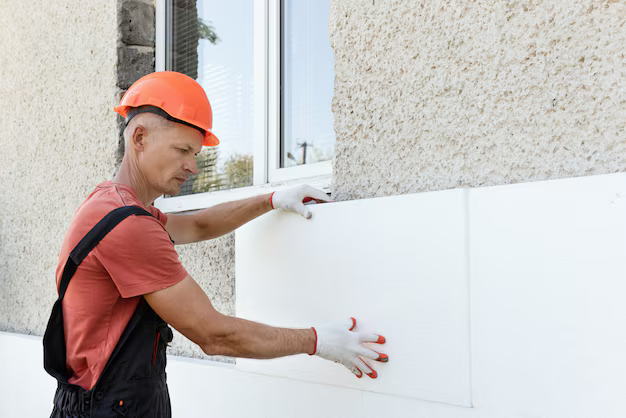

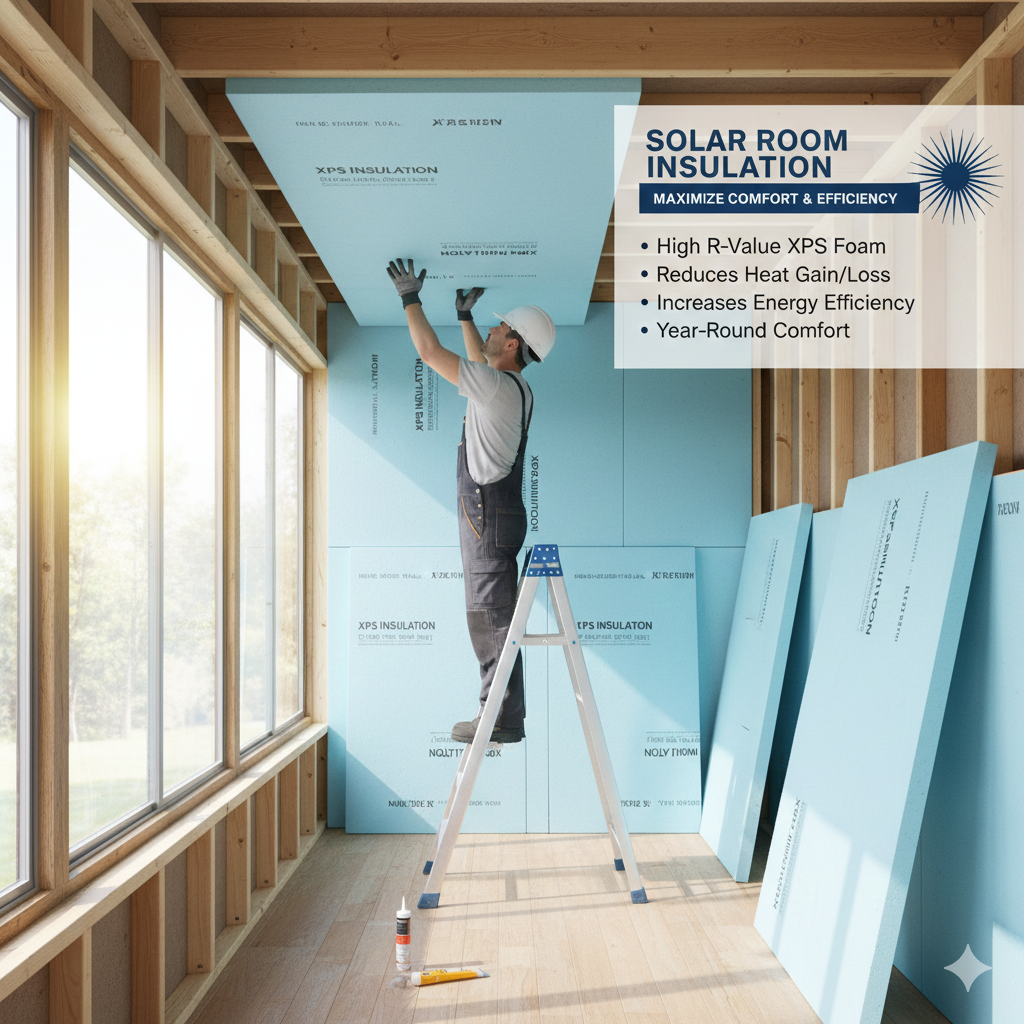
With the growing adoption of solar energy systems in Pakistan, solar rooms and inverter rooms have become a common feature in residential and commercial buildings. However, excessive heat buildup inside solar rooms can significantly reduce system efficiency and shorten equipment lifespan. This is where solar room insulation using XPS sheets plays a critical role.
This guide explains how XPS insulation works, why it is ideal for solar rooms, and how it compares with other insulation materials.
Why Solar Rooms Need Proper Insulation
Solar rooms house sensitive equipment such as:
- Inverters
- Batteries
- Charge controllers
- Power distribution units
These components generate heat during operation and are also exposed to external temperature rise. Without insulation, solar rooms can overheat, leading to:
- Reduced battery performance
- Power losses
- Shortened equipment life
Effective insulation maintains a stable indoor temperature and improves overall system efficiency.
What Is an XPS Sheet?
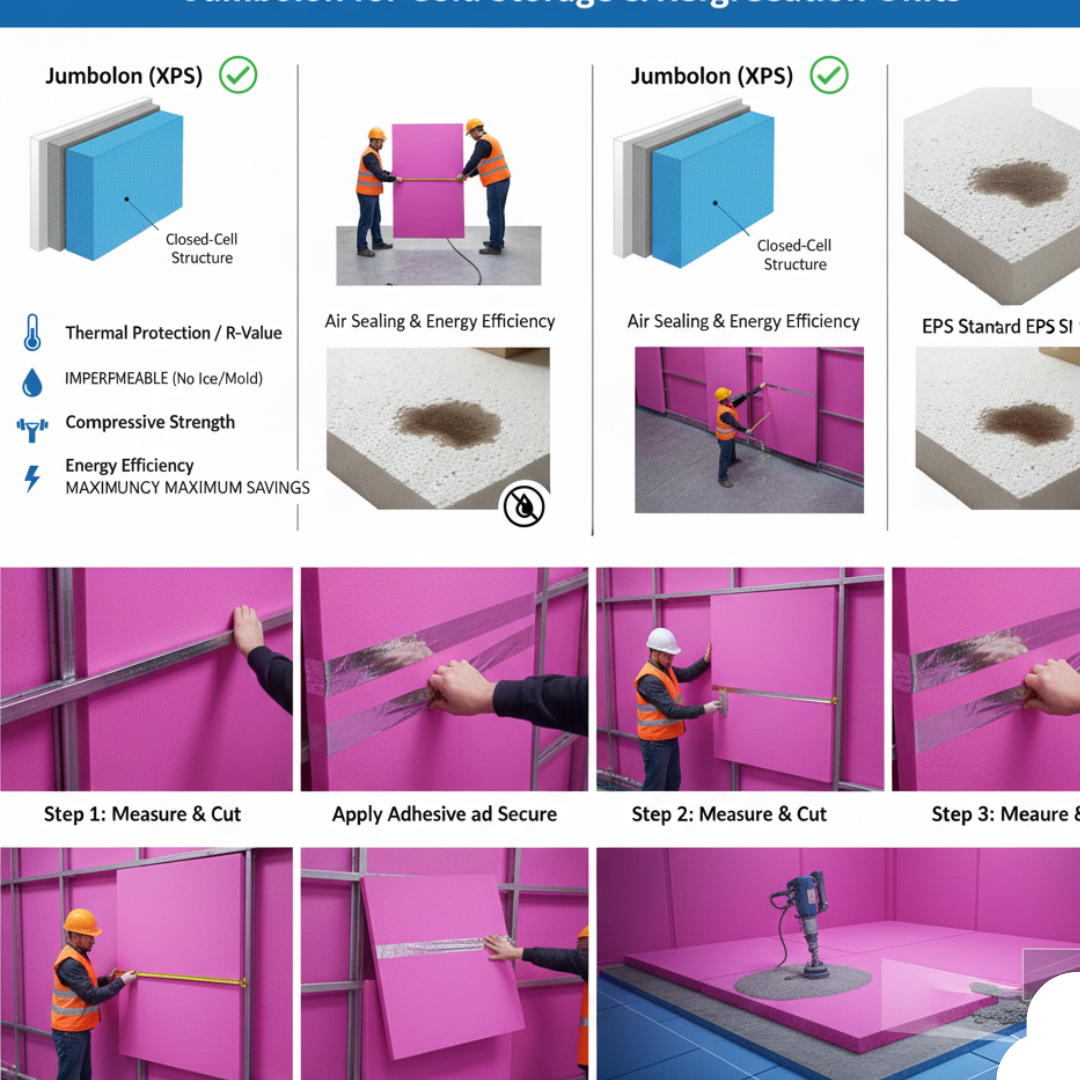
An XPS Sheet (Extruded Polystyrene Sheet) is a rigid thermal insulation material manufactured through an extrusion process that creates a closed-cell foam structure.
Key Characteristics of XPS Foam
- High compressive strength
- Low thermal conductivity
- Moisture resistance
- Long service life
Because of these properties, XPS insulation is widely used in energy-sensitive applications like solar rooms.
How XPS Insulation Works in Solar Rooms
XPS insulation minimizes heat transfer by slowing down thermal movement through walls, ceilings, and floors. Its closed-cell structure traps air, reducing heat penetration from outside while also preventing internal heat buildup.
This makes XPS foam particularly effective for:
- Rooftop solar rooms
- Outdoor inverter enclosures
- Battery storage rooms
Is XPS Insulation Waterproof?

A common question is: Is XPS insulation waterproof?
Yes, XPS has extremely low water absorption due to its closed-cell composition. Unlike some traditional insulation materials, it does not lose thermal performance when exposed to moisture.
This makes XPS insulation suitable for:
- Humid environments
- Rooftop installations
- Areas prone to condensation
XPS Insulation Board 50mm – Ideal Thickness for Solar Rooms

The XPS insulation board 50mm thickness is commonly recommended for solar rooms because it offers:
- Excellent thermal resistance
- Strong structural stability
- Optimal balance between cost and performance
This thickness helps maintain consistent indoor temperatures even during peak summer conditions.
EPS vs XPS Roof Insulation – Which Is Better?
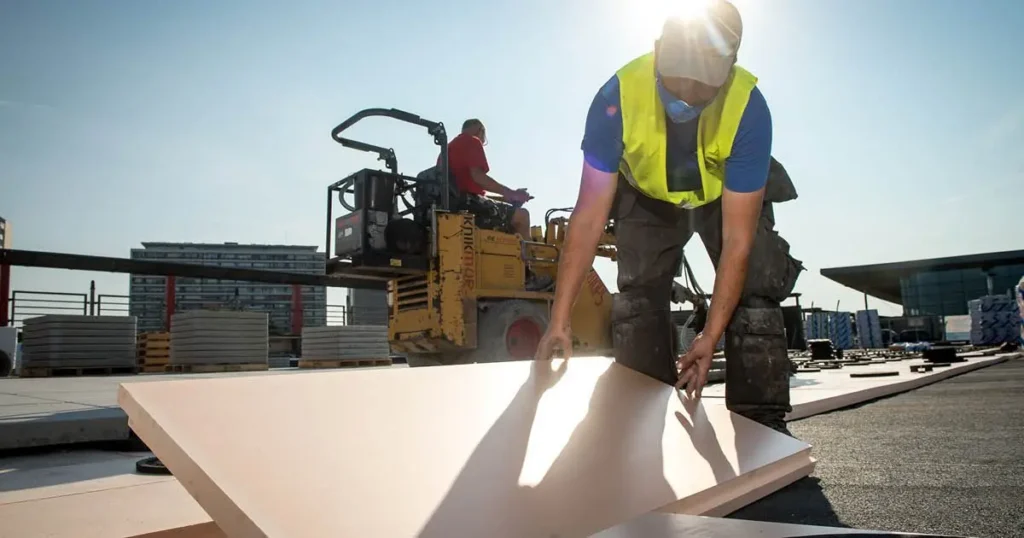
When comparing EPS vs XPS roof insulation, both materials have insulation properties, but their performance differs.
EPS Insulation
- Lightweight
- Lower cost
- Higher water absorption
- Lower compressive strength
XPS Insulation
- Stronger and denser
- Better moisture resistance
- Higher thermal efficiency
- More durable under load
For solar rooms exposed to heat and environmental stress, XPS is generally preferred over EPS insulation.
Is Styrofoam EPS or XPS?
Many people ask: Is styrofoam EPS or XPS?
Styrofoam is technically a brand name commonly associated with XPS, not EPS. While both are polystyrene-based, XPS offers superior strength and moisture resistance compared to EPS.
Benefits of Solar Room Insulation Using XPS Sheets
- Low maintenance and long-lasting solution
- Reduces internal temperature fluctuations
- Improves inverter and battery efficiency
- Prevents overheating during peak sunlight hours
- Enhances energy system reliability
Installation Areas for XPS Insulation in Solar Rooms
XPS insulation can be applied to:
- Walls
- Roof slabs
- Ceilings
- Floors (if required)
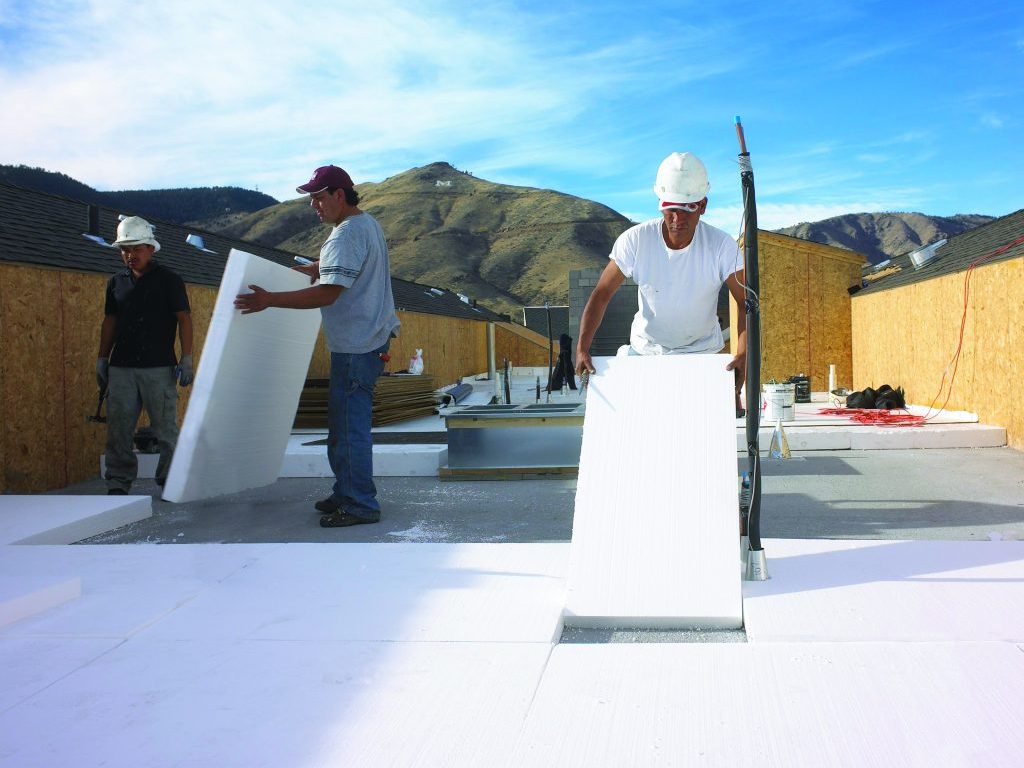
Proper installation ensures complete thermal coverage and prevents heat leakage points.
Final Thoughts
Solar room insulation using XPS sheets is a smart, long-term investment for anyone relying on solar energy systems. With excellent thermal resistance, moisture protection, and structural strength, XPS insulation ensures stable performance in demanding environments.
For solar installations exposed to extreme heat, XPS foam outperforms conventional insulation materials and provides consistent temperature control year-round.
FAQ’S
XPS insulation is recommended because it has low thermal conductivity, high compressive strength, and excellent moisture resistance. These properties help maintain stable temperatures in solar rooms and protect sensitive equipment from overheating.
Yes, many people ask is XPS insulation waterproof, and the answer is yes. Its closed-cell structure prevents water absorption, making it suitable for rooftops and humid environments.
Styrofoam is commonly associated with XPS rather than EPS. While both are polystyrene-based, XPS offers better strength, durability, and insulation performance.
When comparing EPS vs XPS roof insulation, XPS insulation performs better for solar rooms due to its higher density, moisture resistance, and longer lifespan.
Leave a Reply