

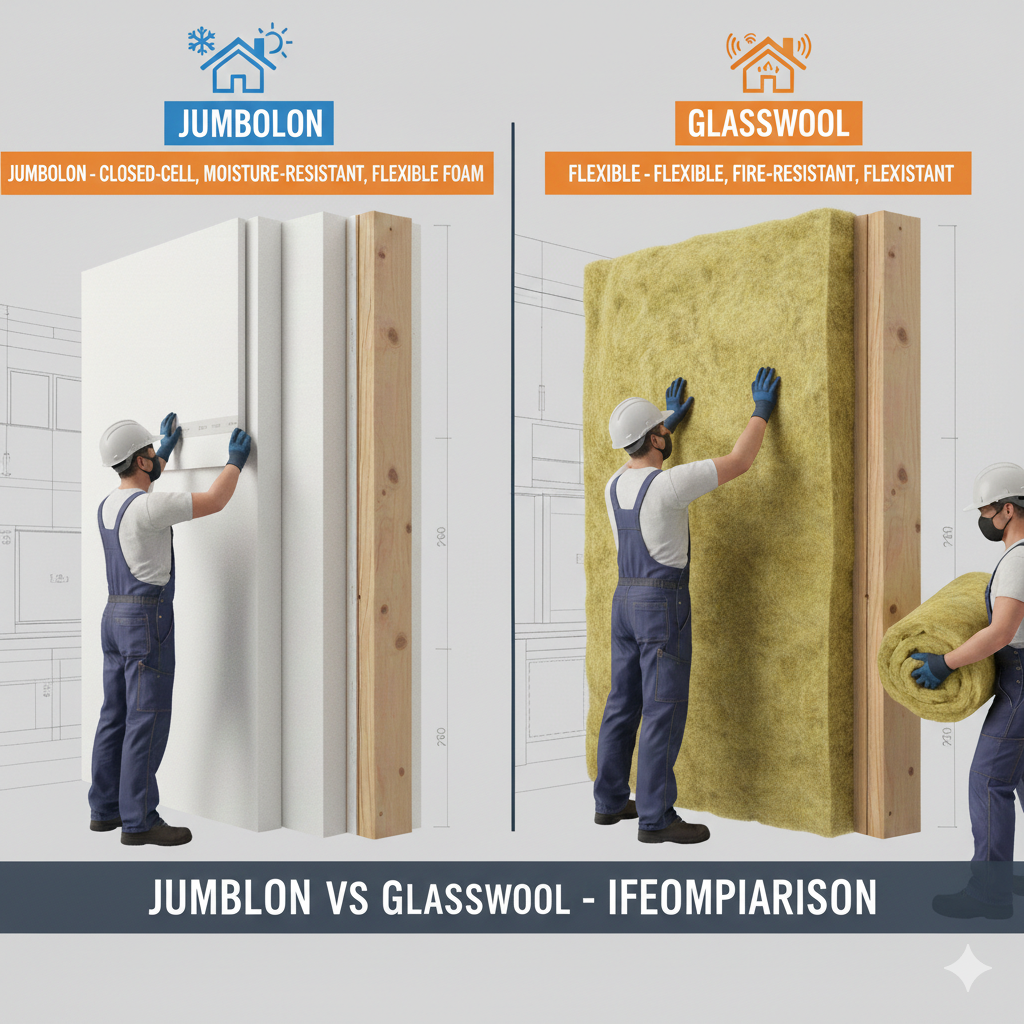
n Pakistan’s hot climate, effective insulation is key to maintaining cool and energy-efficient homes and commercial spaces. Two popular insulation options are Jumbolon sheets and Glasswool insulation. Understanding their thermal performance, pricing, and applications can help you choose the right material for maximum heat reduction.
This guide compares Jumbolon vs Glasswool in terms of heat reduction, cost, durability, and installation, with insights specific to Pakistan’s market.
What Is Jumbolon Insulation?
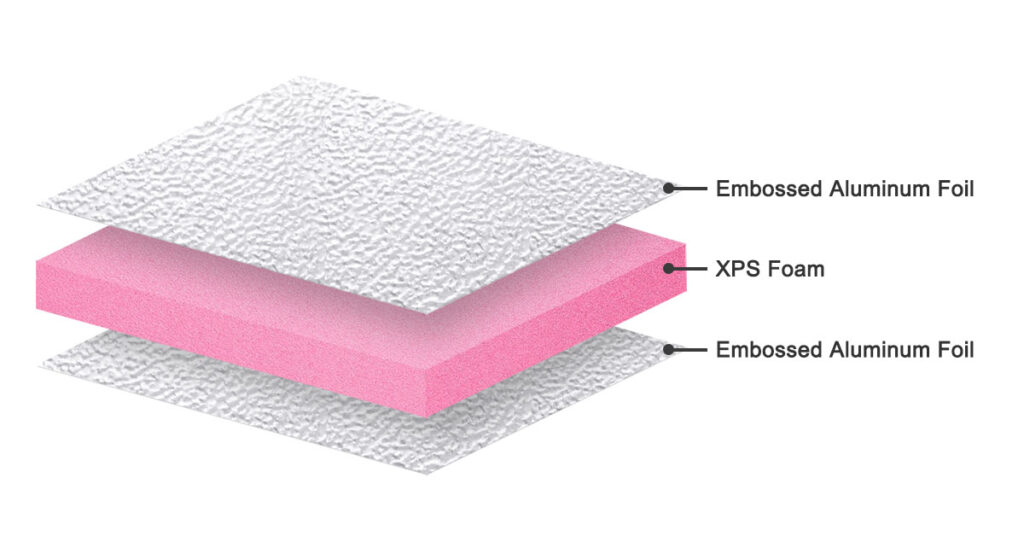
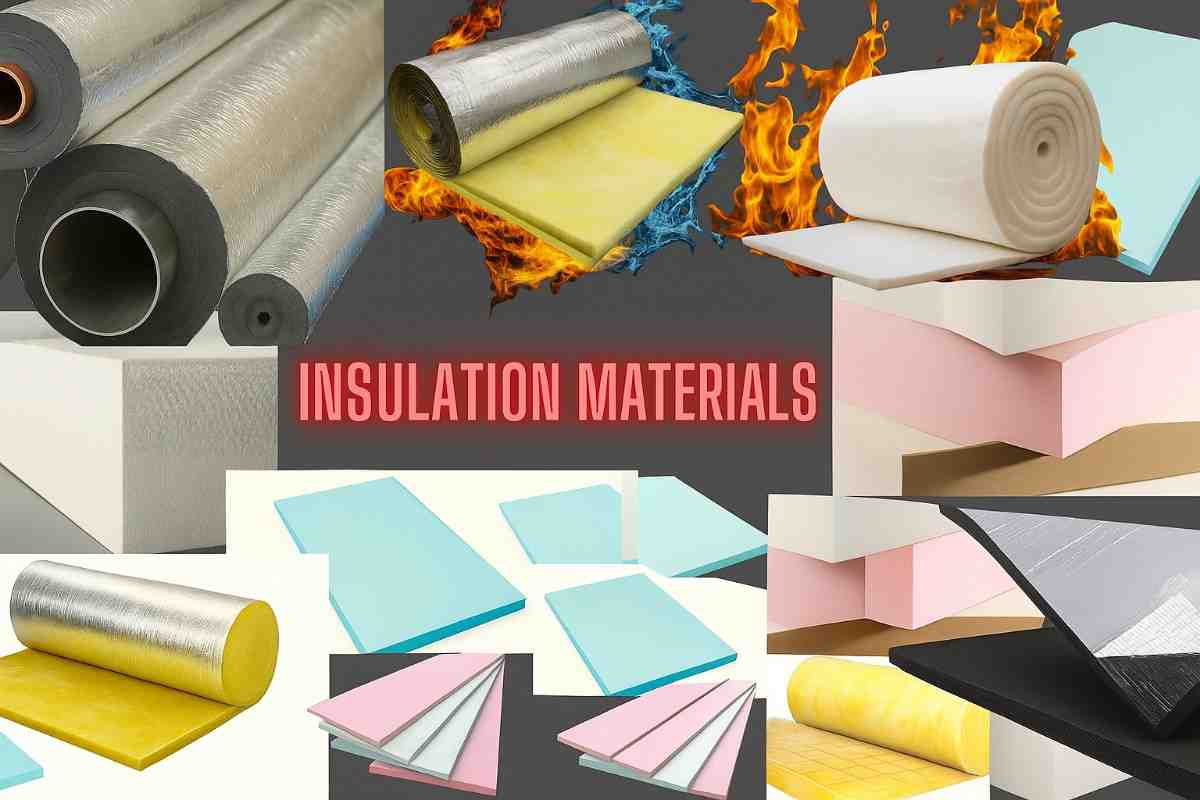
Jumbolon sheets are closed-cell polyethylene foam sheets, often laminated with reflective aluminum foil. They act as a thermal barrier, preventing heat from penetrating walls, roofs, and ceilings.
Key features:
- Lightweight and easy to install
- Excellent thermal insulation due to air-trapped bubbles
- Flexible and resistant to moisture
- Available in various thicknesses and sizes
Popular specifications in Pakistan:
- Jumbolon sheet size: Typically 1m x 2m per sheet
- 12mm Jumbolon sheet price in Pakistan: Competitive, varies by supplier
- Diamond Jumbolon sheet price: Premium variant with enhanced thermal resistance
What Is Glasswool Insulation?
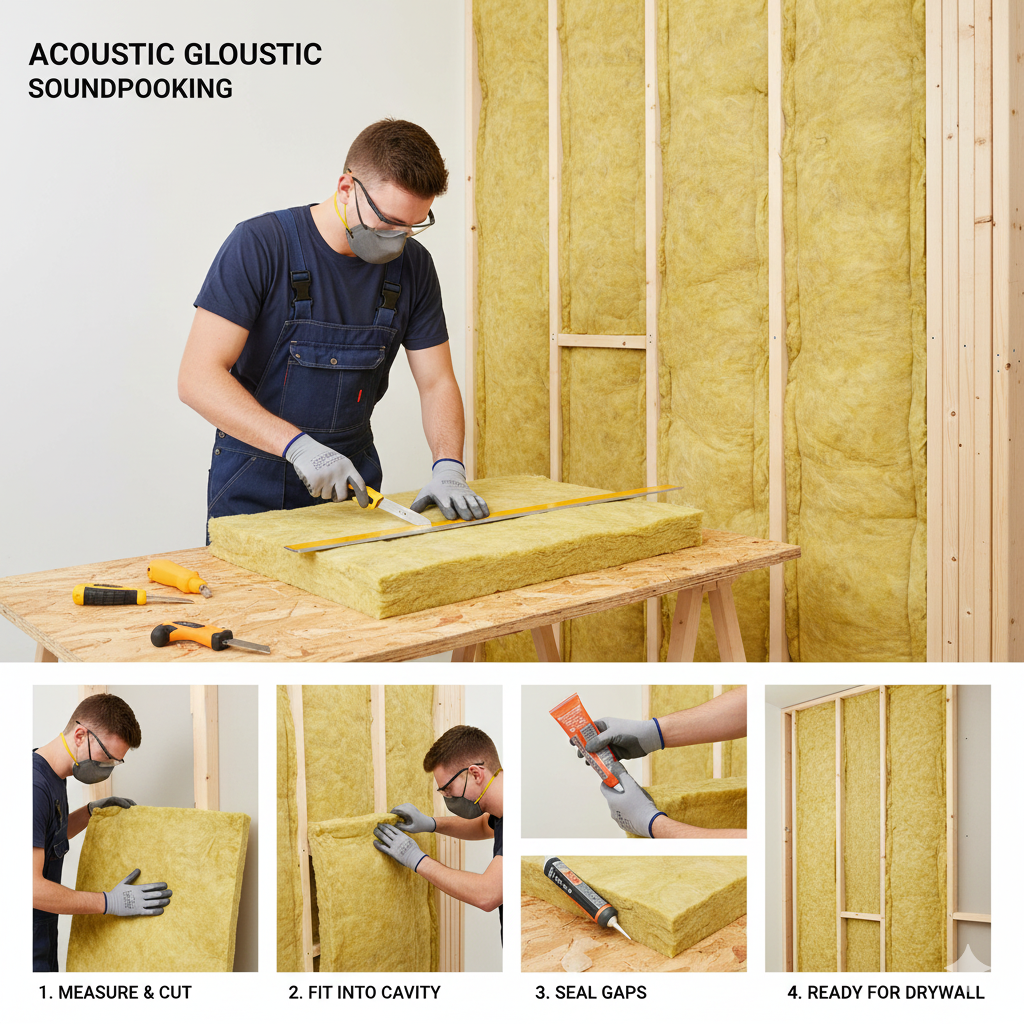
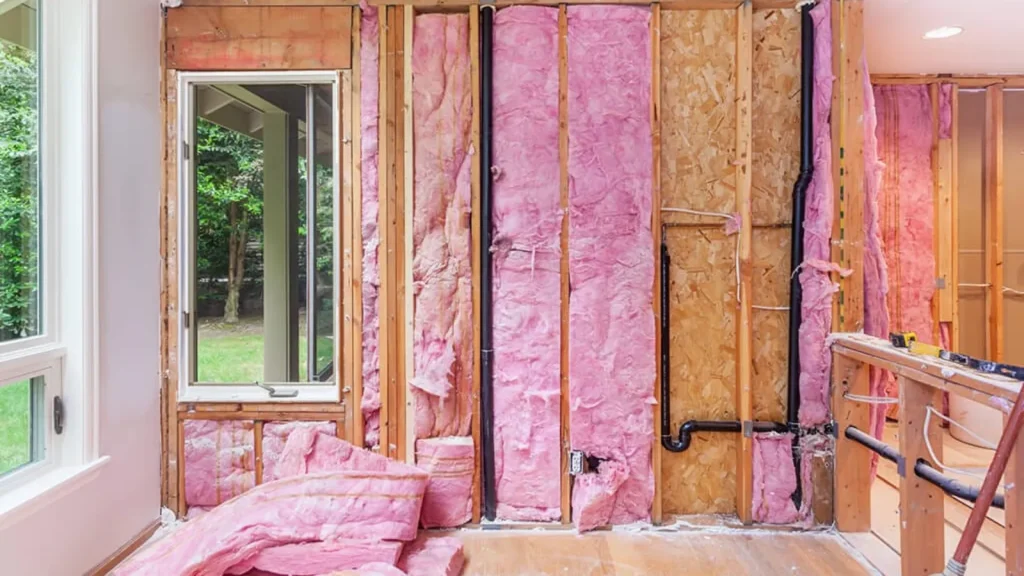
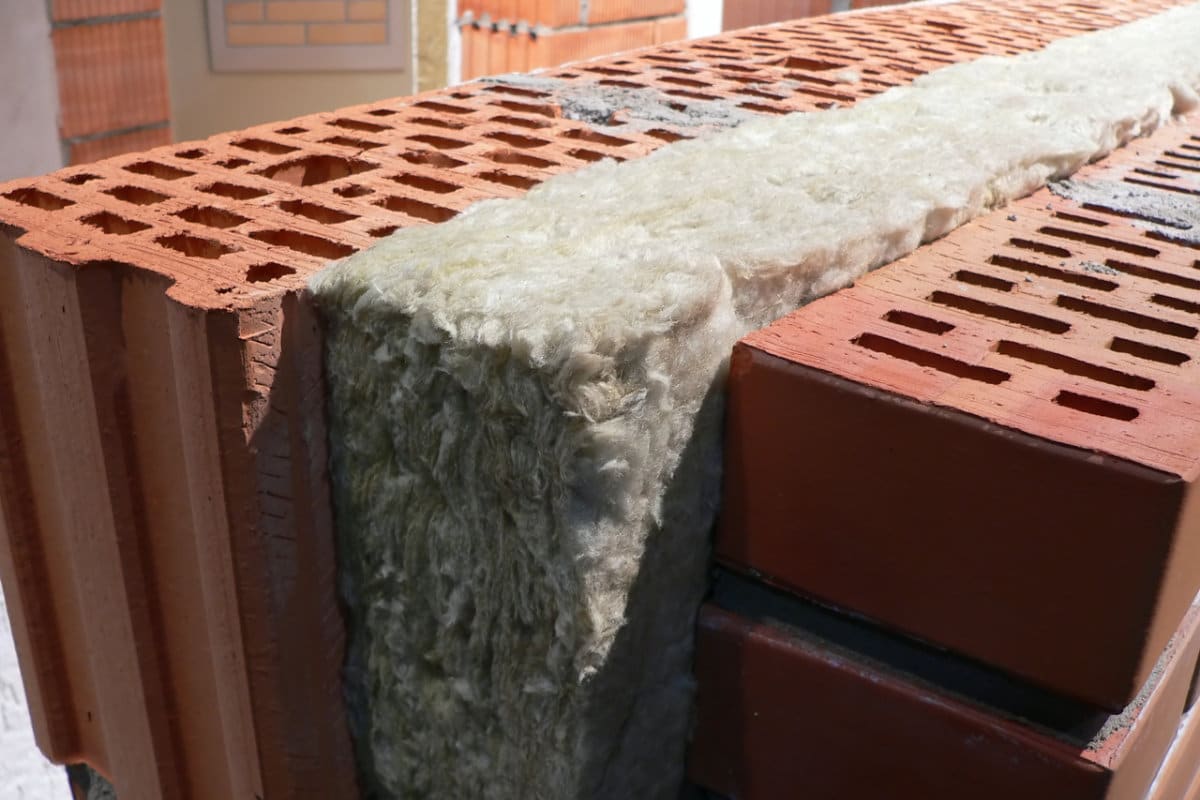
Glasswool insulation is made from spun glass fibers, forming a fibrous blanket that traps air. It is widely used in ceilings, walls, and ducts to reduce heat transfer.
Key features:
- High thermal efficiency
- Fire-resistant
- Sound-absorbing properties
- Lightweight and easy to handle
Glasswool is available in rolls and blankets, and its performance depends on thickness and density.
Jumbolon vs Glasswool – Heat Reduction Comparison
| Feature | Jumbolon | Glasswool |
|---|---|---|
| Thermal Resistance | High due to reflective foil and closed-cell structure | Moderate to High depending on density |
| Moisture Resistance | Excellent, closed-cell prevents water absorption | Can absorb moisture if foil-faced layer is not used |
| Installation | Easy, cuts and fits walls, roofs, and ceilings | Requires careful handling and protective gear |
| Noise Reduction | Minimal | Good, absorbs sound effectively |
| Lifespan | Long-lasting, resistant to sagging | Long-lasting but may settle over time |
| Heat Reduction Efficiency | Up to 80% for roofs and ceilings | Up to 60–70% depending on thickness |
Conclusion: Jumbolon provides slightly better heat reduction than Glasswool for direct roof and wall applications, especially in high-temperature regions.
Pricing Insights in Pakistan
Jumbolon sheet price in Pakistan varies depending on thickness, size, and supplier:
- Jumbolon roll: Available in bulk for large projects
- Jumbolon sheet price in Karachi: Slightly higher due to demand and shipping costs
- 12mm Jumbolon sheet price in Pakistan: Around average market rate
- Diamond Jumbolon sheet price: Premium option for higher thermal resistance
Glasswool prices are generally lower, but may require additional vapor barriers to prevent moisture issues.
Jumbolon vs Thermopore
Jumbolon is often compared to thermopore insulation:
- Jumbolon vs Thermopore: Both are foam-based, but Jumbolon with foil offers superior heat reflection, making it more effective for roofs and ceilings in Pakistan’s climate.
Applications of Jumbolon and Glasswool
Jumbolon:
- Roof insulation in homes and offices
- Ceiling insulation in warehouses and factories
- Wall insulation with foil facing
Glasswool:
- HVAC duct insulation
- Soundproofing walls and ceilings
- Residential and commercial roof insulation
Conclusion
Choosing between Jumbolon and Glasswool depends on your insulation priorities. For maximum heat reduction in hot climates, Jumbolon sheets—especially foil-faced variants—offer better performance and moisture resistance. Glasswool remains a versatile option for thermal and acoustic insulation, particularly in areas with moderate temperatures.
By considering Jumbolon sheet price in Pakistan, sheet size, thickness, and specific application areas, you can achieve effective insulation while optimizing cost and energy savings.
FAQ’S
Jumbolon provides superior heat reduction for roofs and ceilings due to its closed-cell structure and reflective foil, while Glasswool performs well in moderate temperatures and offers soundproofing benefits.
Yes, foil-faced Jumbolon sheets reflect heat effectively, making them more suitable for hot climates like Pakistan, whereas Glasswool is better for walls, ducts, and acoustic insulation.
The price varies depending on thickness and type, with 12mm sheets being more affordable and diamond Jumbolon sheets slightly higher for enhanced thermal performance.
Yes, if not properly foil-faced or installed with a vapor barrier, Glasswool can absorb moisture, reducing its thermal efficiency.
Yes, Jumbolon sheets are lightweight, flexible, and easy to cut, making installation faster and cleaner than Glasswool, which requires careful handling and protective equipment.
Leave a Reply