

Noise pollution has become one of the most overlooked comfort issues in modern homes. Whether it’s traffic, neighbors, appliances, or internal echo, unwanted sound directly affects sleep quality, productivity, and overall well-being. This is why acoustic insulation solutions for homes are now considered an essential part of residential construction and renovation.
This guide explains how acoustic insulation works, which materials perform best, and how homeowners can choose the right system based on budget, noise level, and application.
What Are Acoustic Insulation Solutions for Homes?

Acoustic insulation solutions for homes are specialized materials designed to absorb, block, or reduce sound transmission between rooms or from external sources. Unlike thermal insulation, the primary goal here is sound control rather than temperature regulation.
Modern residential systems focus on:
- Reducing airborne noise (voices, traffic, TV)
- Minimizing impact noise (footsteps, vibration)
- Improving indoor sound clarity
When installed correctly, acoustic insulation dramatically improves living comfort without altering interior aesthetics.
Why Acoustic Insulation Matters in Residential Buildings
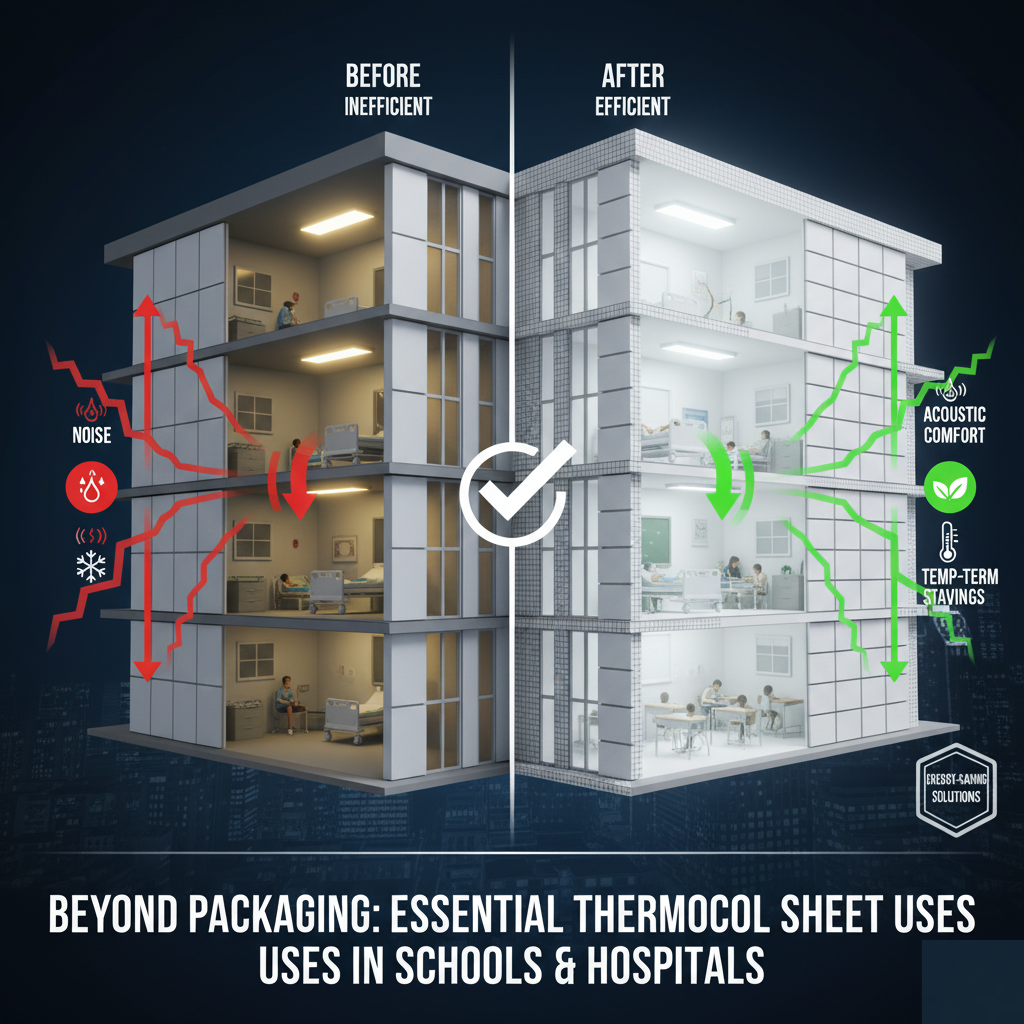
Urban living has increased background noise levels in most cities. Apartments, duplex homes, and even standalone houses are affected by sound transmission through walls, ceilings, and floors.
Installing the best acoustic insulation solutions for homes helps:
- Create quiet bedrooms and home offices
- Improve privacy between rooms
- Reduce echo in large living areas
- Increase overall property value
Soundproofing is no longer a luxury—it is a functional requirement for modern homes.
Rockwool Sound Insulation – A Preferred Choice

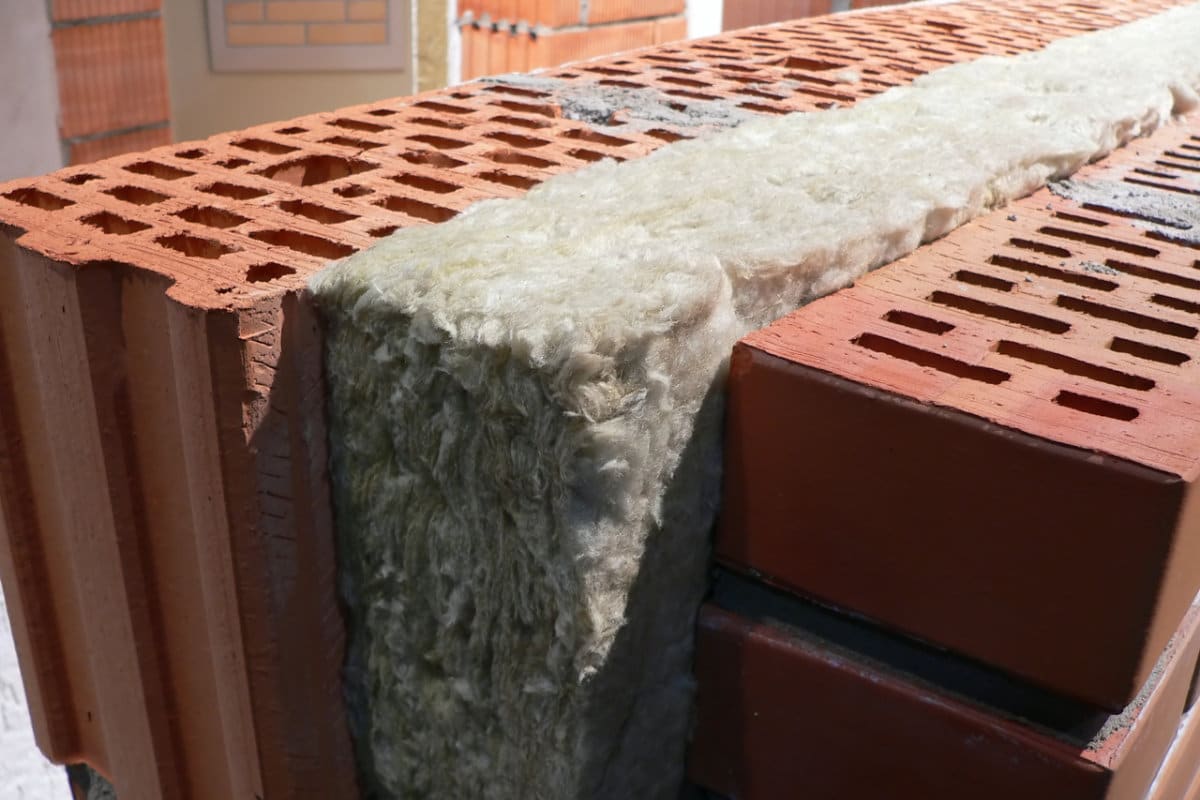
Among various acoustic materials, rockwool sound insulation stands out due to its fibrous structure and high density. It traps sound waves within its matrix, converting sound energy into low-level heat, effectively reducing noise transmission.
Key Benefits of Rockwool Acoustic Insulation
- Excellent sound absorption
- Fire-resistant by nature
- Durable and long-lasting
- Performs well in walls, ceilings, and partitions
Because of these qualities, rockwool acoustic insulation is widely used in residential and commercial soundproofing projects.
Rockwool Sound Insulation Specifications Explained
Understanding rockwool sound insulation specifications helps homeowners choose the right product for their needs. Key technical factors include:
- Density: Higher density improves sound absorption
- Thickness: Thicker slabs provide better noise reduction
- Installation area: Walls, ceilings, or floors require different configurations
Selecting the correct specification ensures effective performance without unnecessary cost.
Acoustic Insulation Panels for Interior Spaces
An acoustic insulation panel is designed to control sound within a room rather than blocking noise completely. These panels absorb sound reflections, reduce echo, and improve speech clarity, making them ideal for bedrooms, home theaters, study rooms, and lounges.
Unlike decorative wall treatments, acoustic panels are engineered using porous materials that trap sound waves. When installed correctly, they significantly enhance indoor acoustics without major construction work.
Acoustic Insulation Materials
| Material Type | Sound Absorption Level | Common Thickness | Key Use Area |
|---|---|---|---|
| Rockwool Acoustic Insulation | Very High | 25–50 mm | Walls, ceilings |
| Acoustic Insulation Panel | High | 12–25 mm | Studios, bedrooms |
| Acoustic Insulation Board | Medium to High | 25 mm | Partition walls |
| Foam Sound Panels | Medium | 20–40 mm | Echo control |
| Glasswool Panels | Medium | 25–50 mm | Ceilings |
Note: Rockwool sound insulation specifications typically provide superior noise reduction compared to lightweight foam options.
Acoustic Insulation Board vs Panels – What’s the Difference?
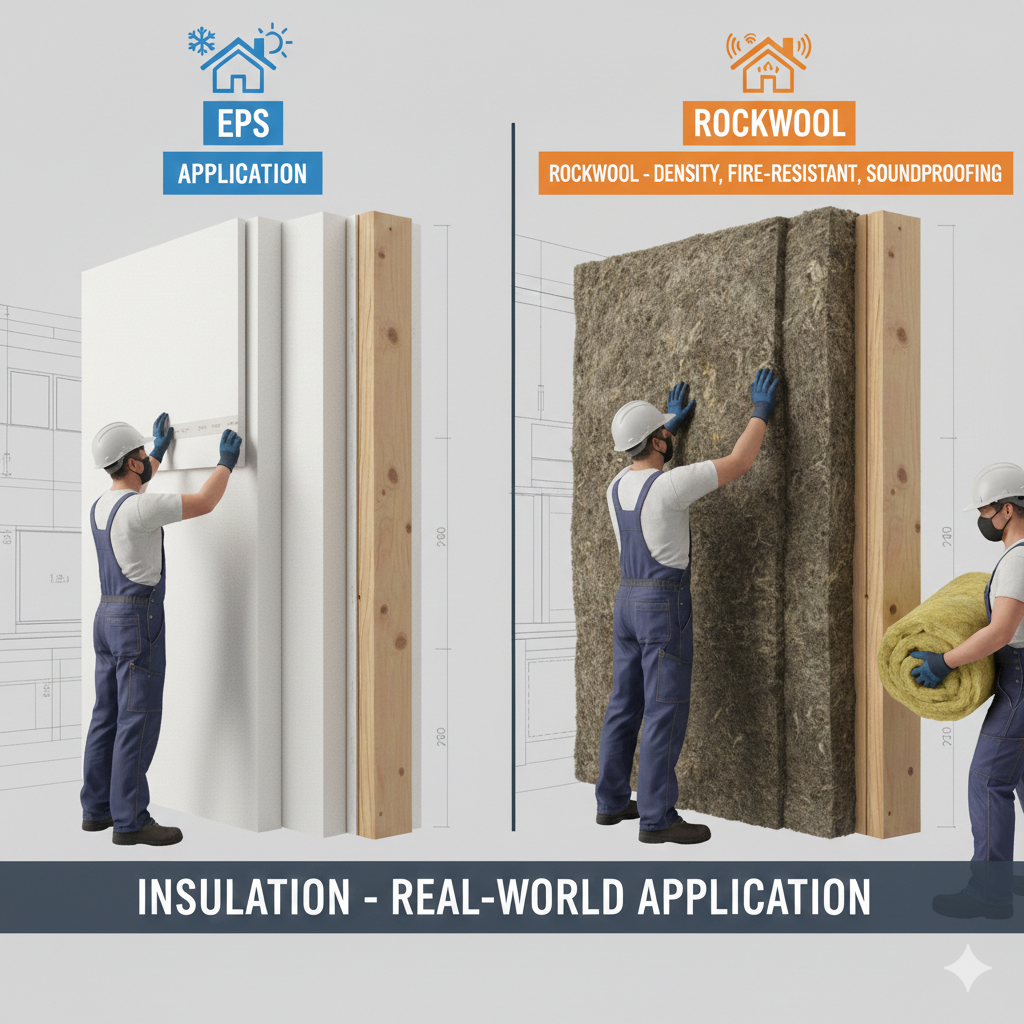
While panels focus on surface-level sound absorption, an acoustic insulation board is typically installed inside walls, ceilings, or partitions. Boards work by limiting sound transmission between spaces, whereas panels improve sound quality within a space.
When to use acoustic insulation boards:
- Shared walls between apartments
- Bedrooms next to living areas
- Ceiling insulation for multi-storey homes
Boards are often paired with drywall systems to create a complete soundproofing solution.
Rockwool Acoustic Insulation for Walls & Ceilings
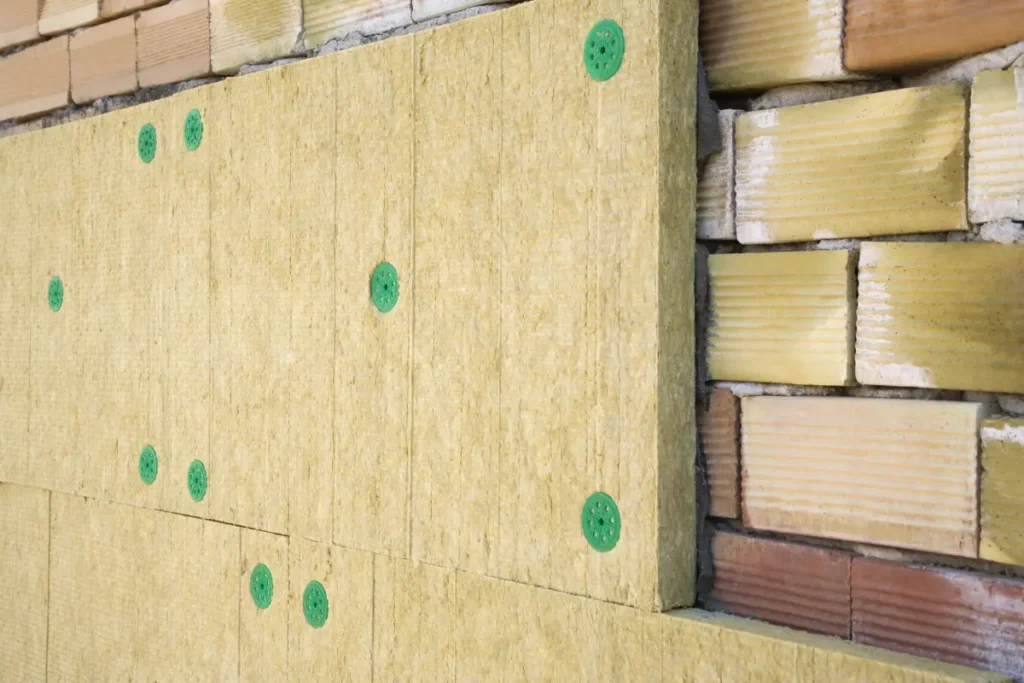
Rockwool acoustic insulation is highly effective for residential walls and ceilings due to its open-fiber structure. It absorbs both high-frequency and low-frequency sounds, making it suitable for homes exposed to traffic noise or internal disturbances.
Common residential applications include:
- Partition walls
- False ceilings
- Media rooms
- Staircase walls
Because it maintains performance over time, rockwool is considered one of the most reliable long-term soundproofing materials.
Understanding Rockwool Sound Insulation Price
The rockwool sound insulation price depends on factors such as density, thickness, and application area. While it may appear costlier than basic foam solutions, its durability and performance make it more cost-effective over time.
For homeowners seeking balance between performance and value, rockwool-based systems offer consistent results without frequent replacement.
Best Acoustic Insulation Solutions for Homes – Material Comparison
Choosing the right material depends on the type of noise and the space being treated. Below is a simplified comparison:
| Material Type | Noise Control Level | Best Used For |
|---|---|---|
| Rockwool Acoustic Insulation | High | Walls, ceilings |
| Acoustic Insulation Panel | Medium | Room echo control |
| Acoustic Insulation Board | High | Sound separation |
| Foam Panels | Low to Medium | Studios, decor-based solutions |
For residential use, combining rockwool sound insulation with panels delivers the best overall performance.
Where Acoustic Insulation Works Best in Homes
Acoustic insulation solutions for homes are most effective in:
- Bedrooms (for privacy and sleep quality)
- Home offices (for focus and calls)
- TV lounges (to reduce sound leakage)
- Staircases and corridors (to reduce echo)
Proper placement is as important as material choice. Even the best insulation will underperform if installed incorrectly.
Installation Tips for Maximum Sound Reduction
To get the best results:
- Seal gaps and joints before installing insulation
- Use proper framing support for insulation boards
- Avoid compressing insulation material
- Combine acoustic boards with double-layer drywall where possible
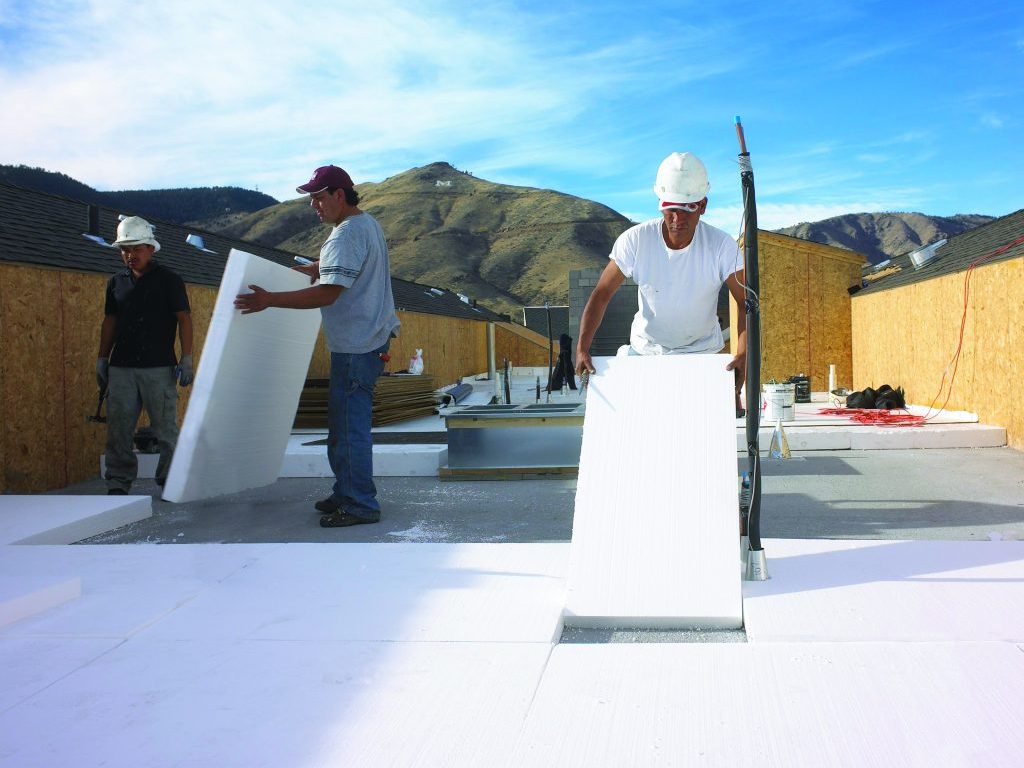
Professional installation ensures optimal sound control and material longevity.
Acoustic Insulation Solutions for Homes – Price Considerations
The Acoustic Insulation Solutions for Homes price varies depending on:
- Area coverage
- Material type
- Installation method
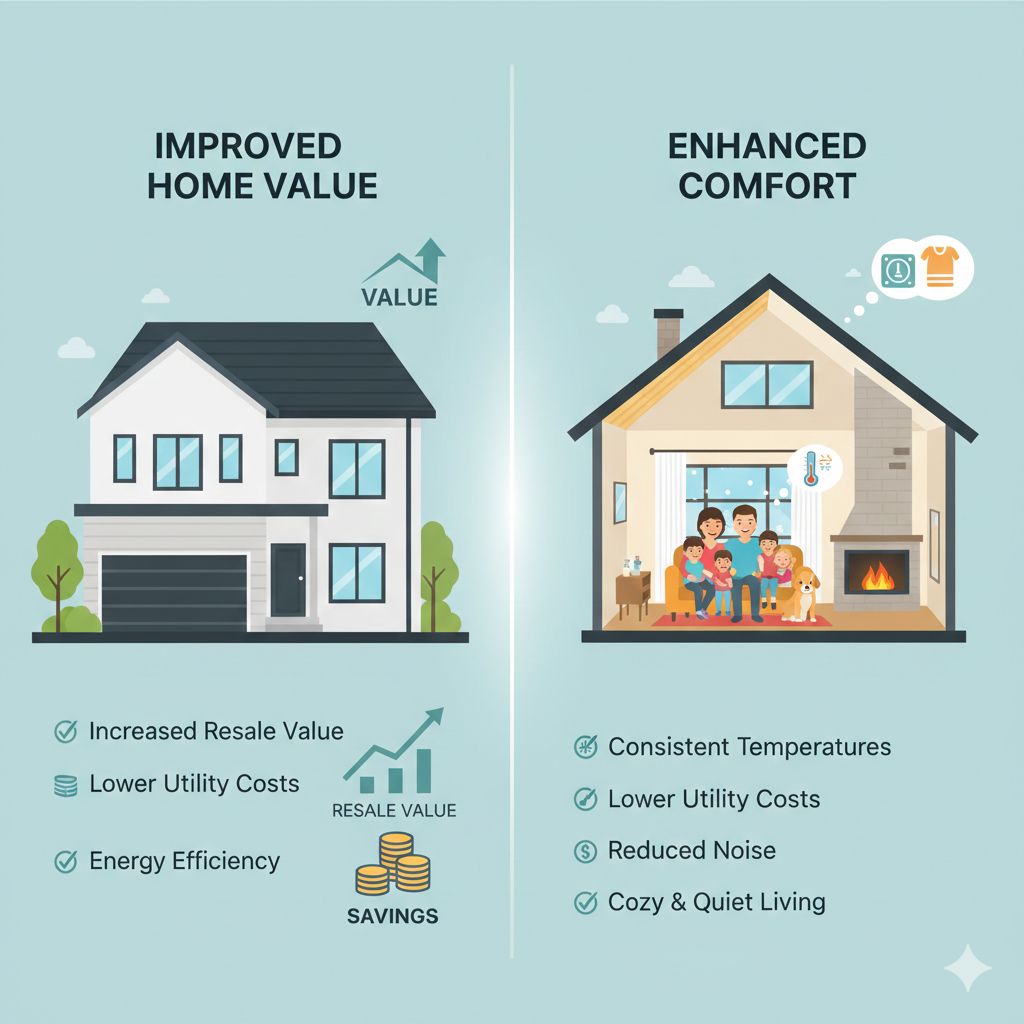
While upfront costs may differ, effective acoustic insulation reduces stress, improves comfort, and adds long-term value to the property—making it a smart investment.
Conclusion
Modern living demands quieter, more comfortable indoor spaces. By choosing the right acoustic insulation solutions for homes, homeowners can significantly reduce noise, improve privacy, and enhance overall quality of life.
Materials like rockwool acoustic insulation, acoustic insulation panels, and acoustic insulation boards provide reliable, long-lasting sound control when selected and installed properly. Whether you are renovating or building new, investing in acoustic insulation is a decision that delivers everyday comfort.
FAQ’S
The best acoustic insulation solutions for homes depend on noise type and location. For walls and partitions, rockwool acoustic insulation performs best due to its high sound absorption and density.
Rockwool sound insulation is highly effective at reducing airborne noise such as voices, traffic, and TV sound. Its fibrous structure traps sound waves instead of reflecting them.
Rockwool sound insulation price varies based on thickness, density, and panel size. Higher density options offer better sound control and long-term durability.
Acoustic insulation panels are designed specifically for sound absorption, while standard insulation boards mainly focus on thermal performance. For home soundproofing, acoustic panels provide better results.
Yes, acoustic insulation board systems can be installed in existing homes during renovations by fixing panels behind gypsum boards or within false ceilings.
Yes, materials like rockwool acoustic insulation offer both sound reduction and thermal insulation, improving overall indoor comfort.
Leave a Reply