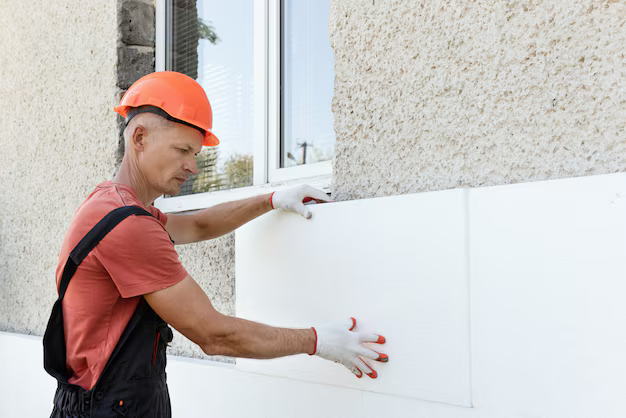

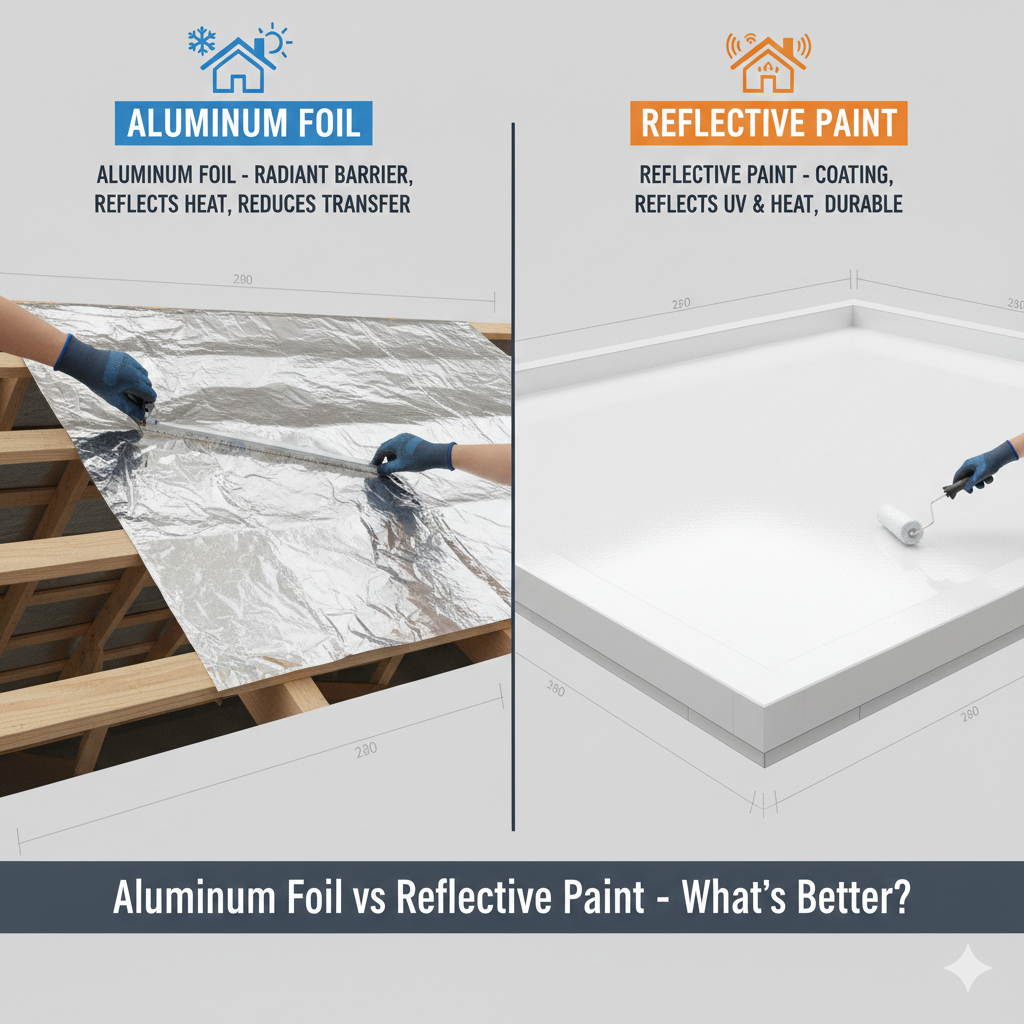
Heat control has become a major concern for homes, warehouses, and commercial buildings, especially in regions with long summers and high solar exposure. Two commonly used solutions for heat management are aluminium foil insulation and reflective paint. While both aim to reduce heat gain, their working principles, effectiveness, and durability differ significantly.
This guide provides a clear comparison of aluminium foil vs reflective paint, helping you choose the right option based on performance, application, and long-term value.
Understanding Heat Reflection in Buildings
Before comparing materials, it is important to understand how heat enters a structure. Solar radiation transfers heat through roofs and walls mainly by radiation and conduction. Materials that reflect radiant heat can significantly reduce indoor temperature rise and improve thermal comfort.
Both aluminium foil and reflective coatings are designed to limit heat absorption, but they achieve this in different ways.
What Is Aluminium Foil Insulation?
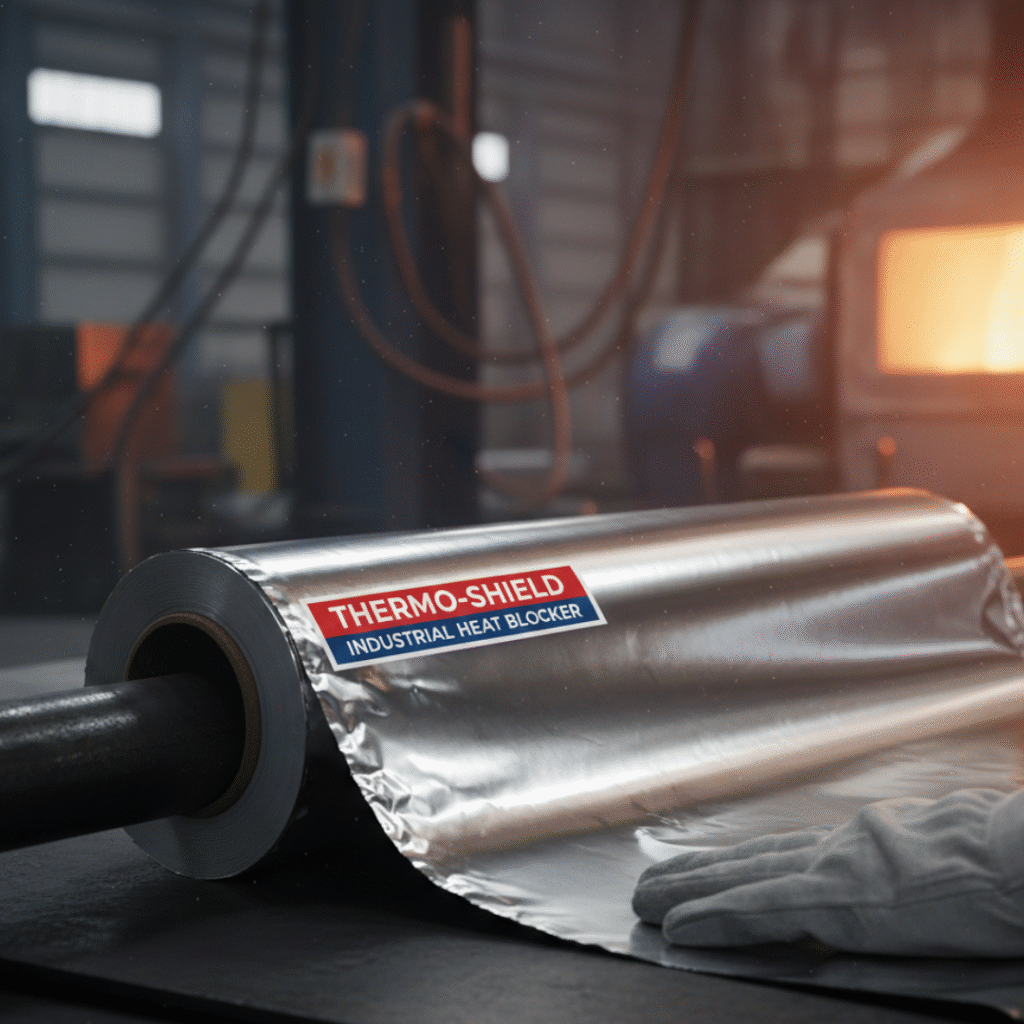
Aluminium foil insulation is a thin, metallic sheet designed to reflect radiant heat rather than absorb it. Due to its high reflectivity, it is widely used in roofs, walls, attics, and industrial applications.
Aluminium foil for reflecting light and heat works by bouncing radiant energy back toward its source, reducing heat transfer into living spaces. When installed correctly with an air gap, it can block a significant portion of radiant heat.
What Is Reflective Paint?
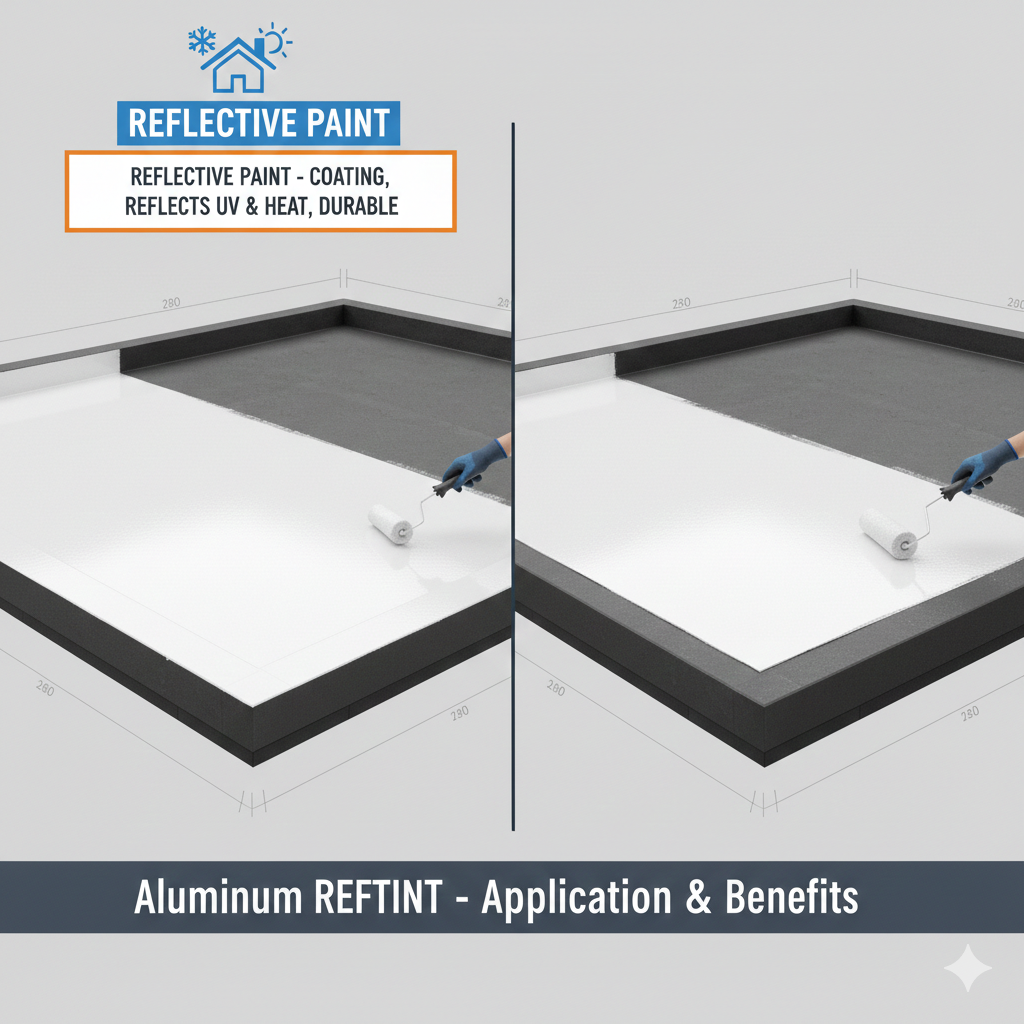
Reflective paint is a liquid coating applied directly to roofs or walls. It contains reflective pigments that reduce surface temperature by reflecting sunlight. While it can lower heat absorption to some extent, its effectiveness depends heavily on surface preparation, coating thickness, and long-term exposure to weather.
Reflective paint mainly reduces surface heat but offers limited resistance to radiant heat transfer compared to foil-based systems.
Aluminium Foil vs Reflective Paint: Core Differences
1. Heat Reflection Performance
When comparing aluminium foil vs reflective paint, foil provides a higher level of radiant heat reflection. Aluminium surfaces naturally reflect a large percentage of thermal radiation, whereas reflective paints lose efficiency over time due to dust, fading, and surface wear.
2. Durability & Lifespan
Aluminium foil insulation remains stable for years when protected from mechanical damage. Reflective paint, on the other hand, requires periodic reapplication as its reflective properties degrade with weather exposure.
3. Installation Method
Aluminium foil sheets are mechanically fixed under roofing materials or inside wall systems. Reflective paint is brush- or spray-applied, which may seem simpler but often requires multiple coats for effectiveness.
4. Long-Term Cost Efficiency
Although reflective paint may appear cheaper initially, aluminium foil for heat proofing generally delivers better long-term value due to minimal maintenance and consistent performance.
Aluminium Foil for Heat Proofing Applications
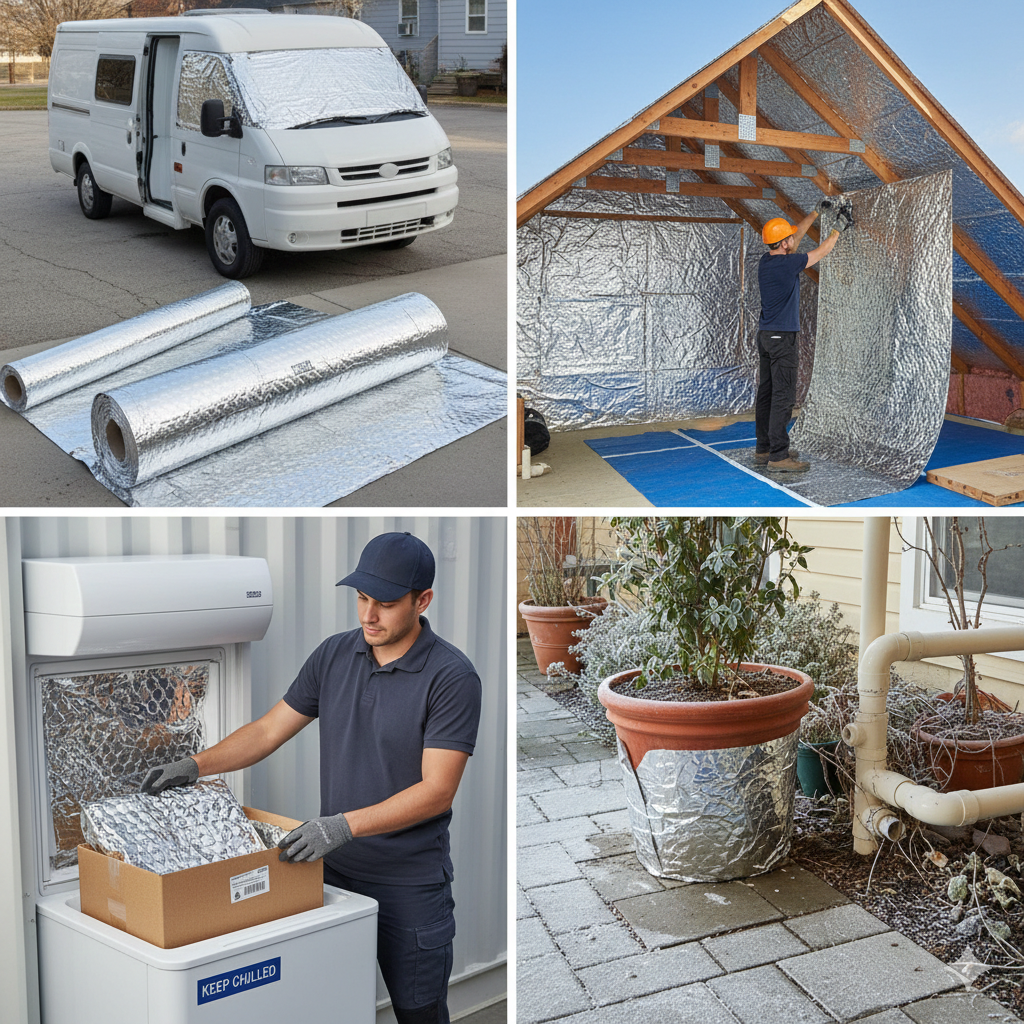
Aluminium foil is commonly used in:
- Roof insulation systems
- Attic heat barriers
- Wall insulation layers
- Industrial sheds and warehouses
Its ability to reflect radiant heat makes it especially effective in hot climates where roofs receive direct sunlight for extended periods.
How to Make Aluminium Foil More Reflective
The reflective performance of foil depends on proper installation and surface condition. How to make aluminium foil more reflective includes:
- Keeping the foil surface clean and dust-free
- Installing it with an air gap for radiant heat reflection
- Avoiding contact with rough surfaces that dull the finish
When these factors are considered, aluminium foil maintains high reflectivity for years.
Reflective Paint: Where It Works Best
Reflective paint can be suitable for:
- Temporary heat reduction solutions
- Surfaces where insulation layers cannot be installed
- Low-budget or short-term projects
However, its effectiveness reduces over time due to weathering and dirt accumulation.
Performance Comparison Table
| Feature | Aluminium Foil | Reflective Paint |
|---|---|---|
| Radiant Heat Reflection | Very High | Moderate |
| Durability | Long-term | Requires reapplication |
| Maintenance | Minimal | Regular maintenance |
| Installation | Sheet-based | Surface coating |
| Heat Proofing Efficiency | Excellent | Limited |
Which Option Is Better for Long-Term Use?
For long-term heat control, aluminium foil insulation offers superior performance. The aluminium foil vs reflective paint comparison clearly shows that foil-based systems provide better radiant heat blocking, longer lifespan, and stable results when installed correctly.
Reflective paint may serve as a temporary solution, but it cannot match the thermal consistency of aluminium foil systems.
Conclusion
Both aluminium foil and reflective paint aim to reduce heat gain, but they are not equal in performance. Aluminium foil delivers higher radiant heat reflection, better durability, and stronger heat proofing results. Reflective paint can help reduce surface temperature but lacks long-term efficiency.
For buildings exposed to intense heat, aluminium foil insulation remains the more reliable and effective solution.
FAQ’S
Aluminium foil provides a higher reflective efficiency for radiant heat, while reflective paint can reduce heat absorption on surfaces. For maximum heat proofing, aluminium foil is generally more effective.
Aluminium foil reflects up to 95% of radiant light due to its shiny surface, making it useful for both heat management and lighting efficiency in homes or commercial spaces.
Yes, cleaning the surface, ensuring it’s flat, and using multiple layers can improve aluminium foil reflectivity, enhancing its ability for heat proofing and light reflection.
Reflective paint can reduce heat absorption but doesn’t reflect as efficiently as aluminium foil. It is best for aesthetic surfaces or moderate heat reduction, whereas foil is better for intensive insulation needs.
Yes, using reflective paint over aluminium foil can provide added protection and durability, combining the heat-reflective properties of foil with the surface protection of paint.
Aluminium foil for heat proofing is available at local hardware stores, insulation suppliers, and online marketplaces. Search for “aluminium foil for heat proofing near me” for options in your city.
Leave a Reply