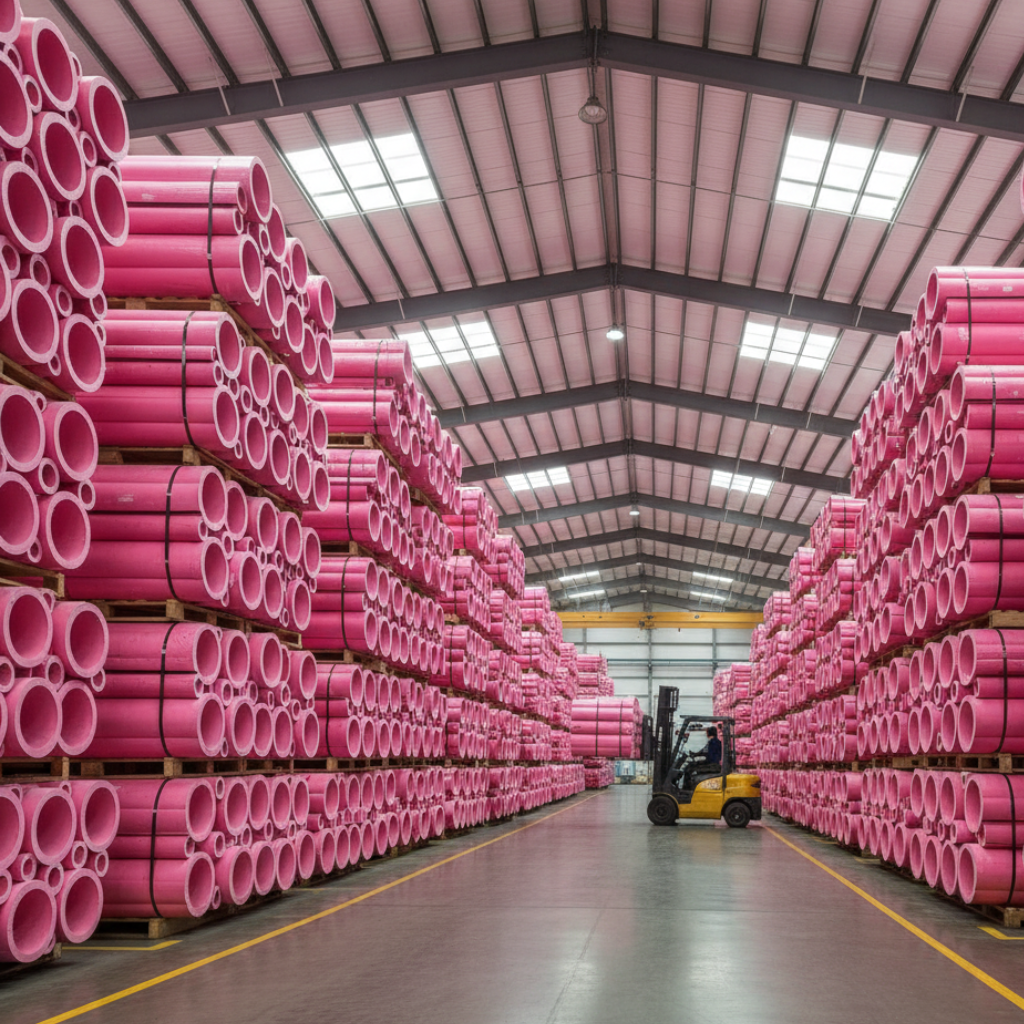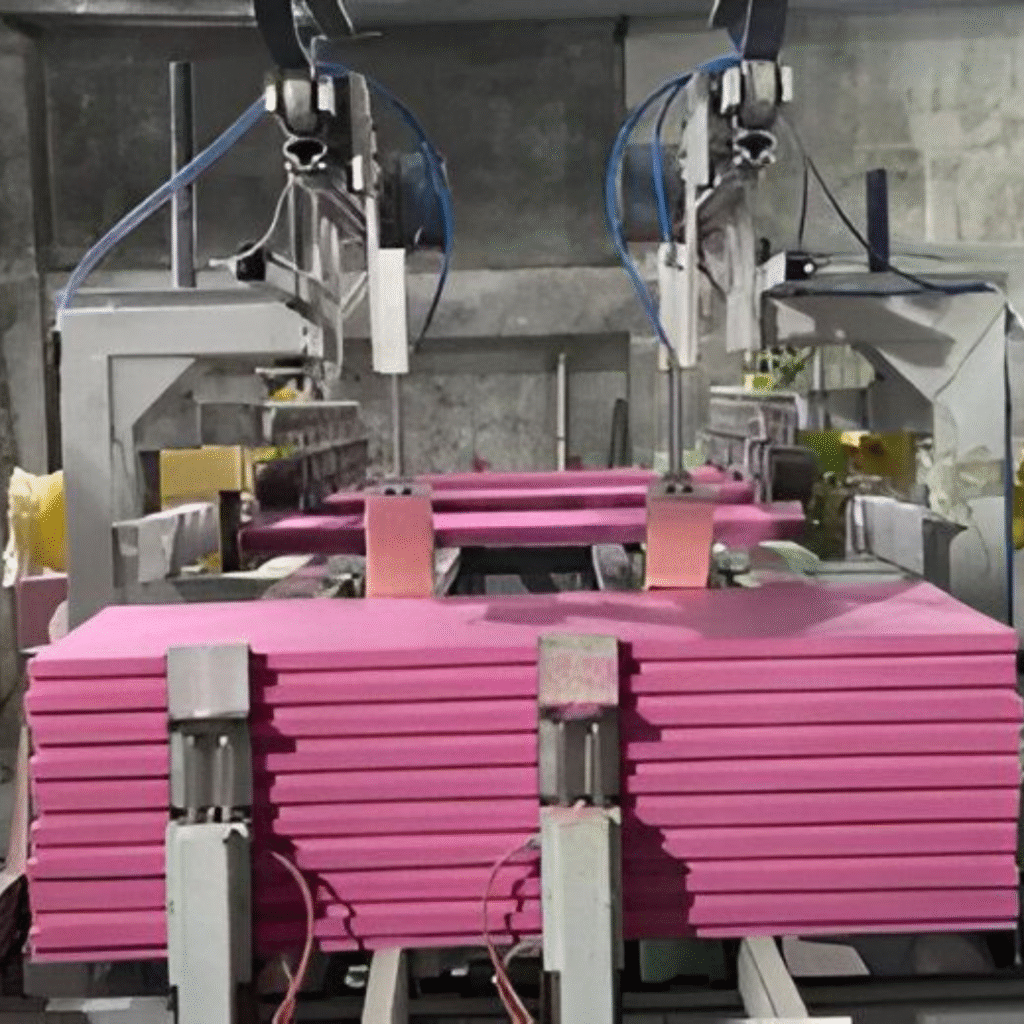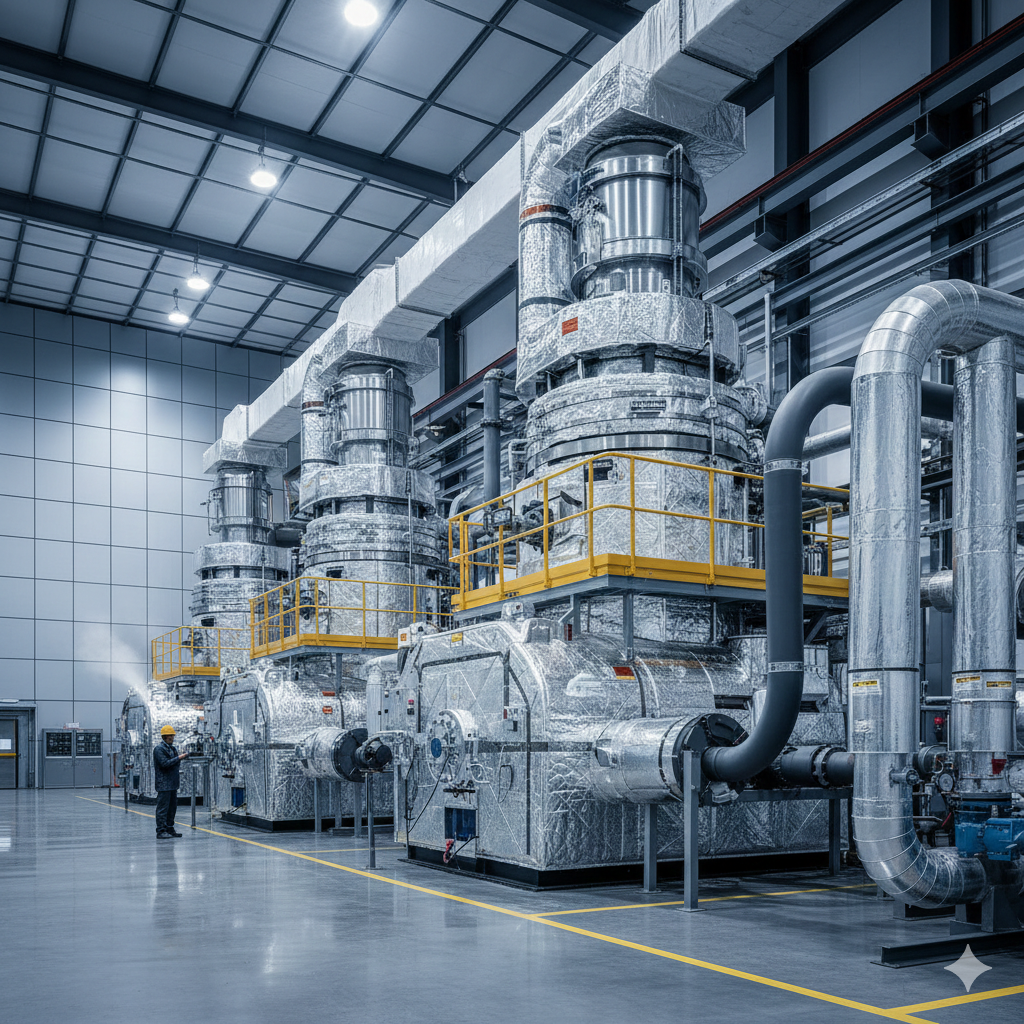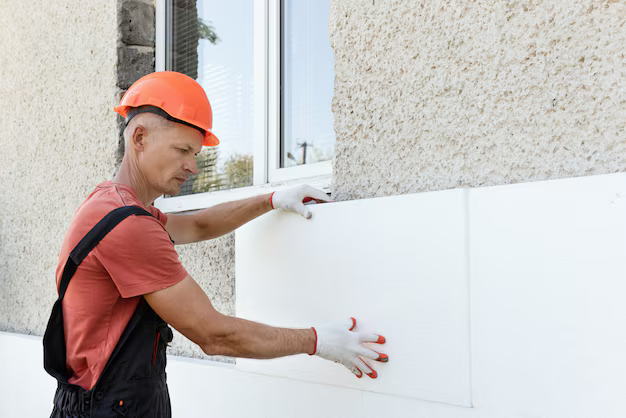

thermocol sheet price in pakistan

Author: Ammarchaudhary17@gamil.com

  • Thermopore vs XPS vs Jumbolon

    Thermopore vs XPS vs Jumbolon

    Choosing the right insulation material is one of the most important decisions in construction, especially in regions with extreme temperatures. In Pakistan, Thermopore, XPS, and Jumbolon are among the most commonly used insulation materials. This blog presents a detailed comparison of Thermopore vs XPS vs Jumbolon, helping homeowners, contractors, and builders understand which option suits their needs best.

    Why Comparing Insulation Materials Matters
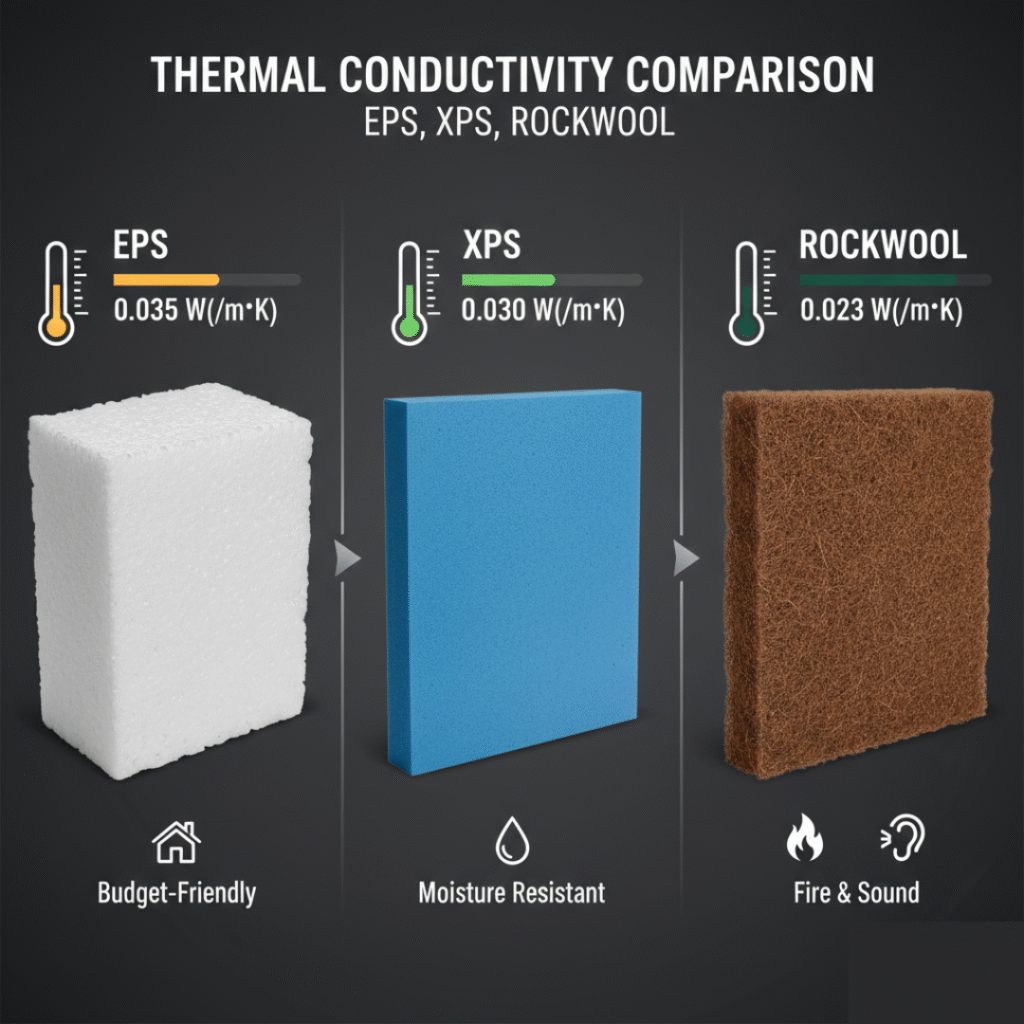
    Thermal Conductivity EPS XPS Rockwool

    Different insulation materials perform differently depending on heat resistance, moisture exposure, durability, and cost. Many people ask thermopore vs xps vs jumbolon which is better, but the answer depends on application, budget, and performance expectations.

    A clear comparison helps avoid long-term energy loss and unnecessary maintenance costs.

    What Is Thermopore Insulation?
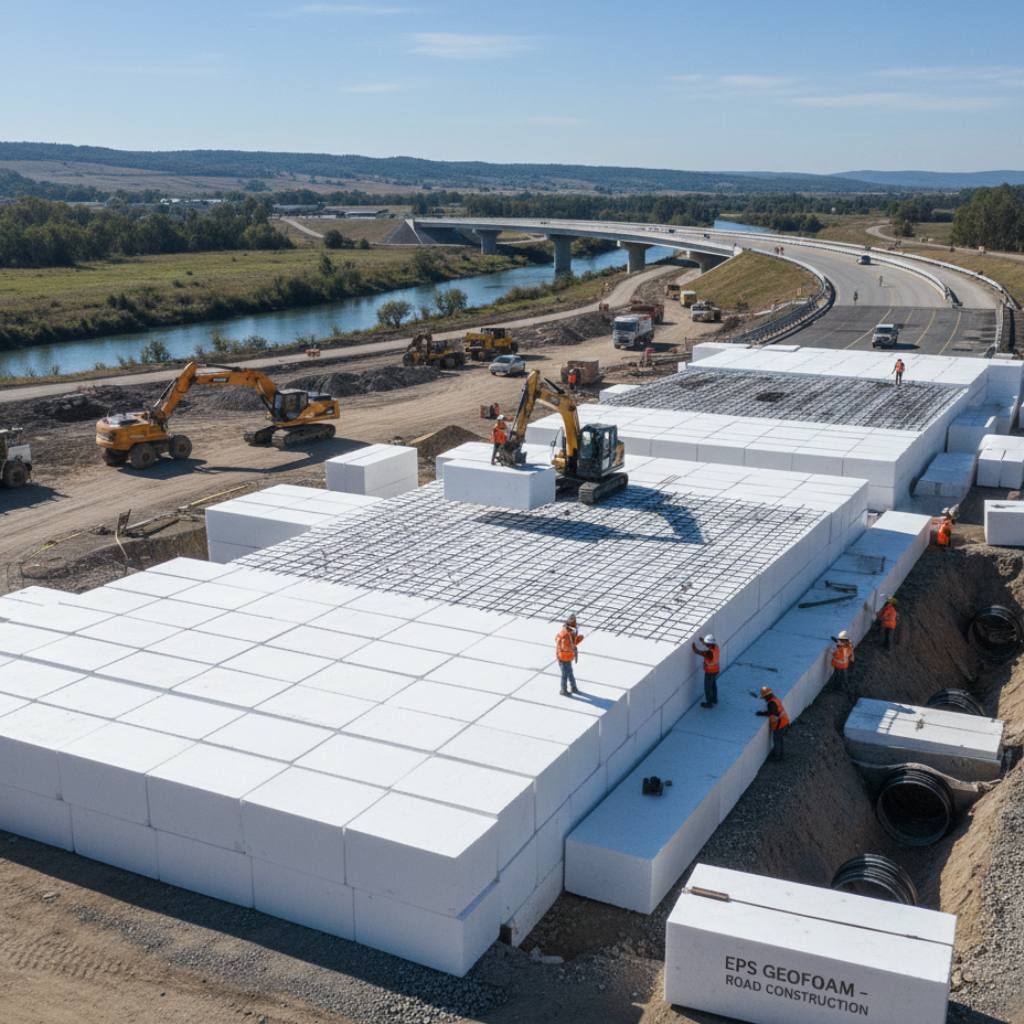
    EPS Geofoam For Road Construction

    Thermopore is a lightweight insulation material made from expanded polystyrene. It is commonly used for basic thermal insulation in walls and ceilings.

    Key Features of Thermopore

    • Lightweight and easy to install
    • Provides basic thermal insulation
    • Commonly available in sheet form

    Thermopore sheet insulation is often chosen for low-budget projects where moderate insulation performance is acceptable.

    What Is XPS Insulation?

    jumbolon Insulation for Metal Sheds

    XPS (Extruded Polystyrene) is a high-density insulation board designed for superior thermal resistance and moisture control. It is widely used in roofs, foundations, and floors.

    Why XPS Is Considered Premium

    • Higher compressive strength
    • Excellent moisture resistance
    • Long service life

    In most professional applications, XPS outperforms Thermopore and flexible foams.

    What Is Jumbolon Insulation?

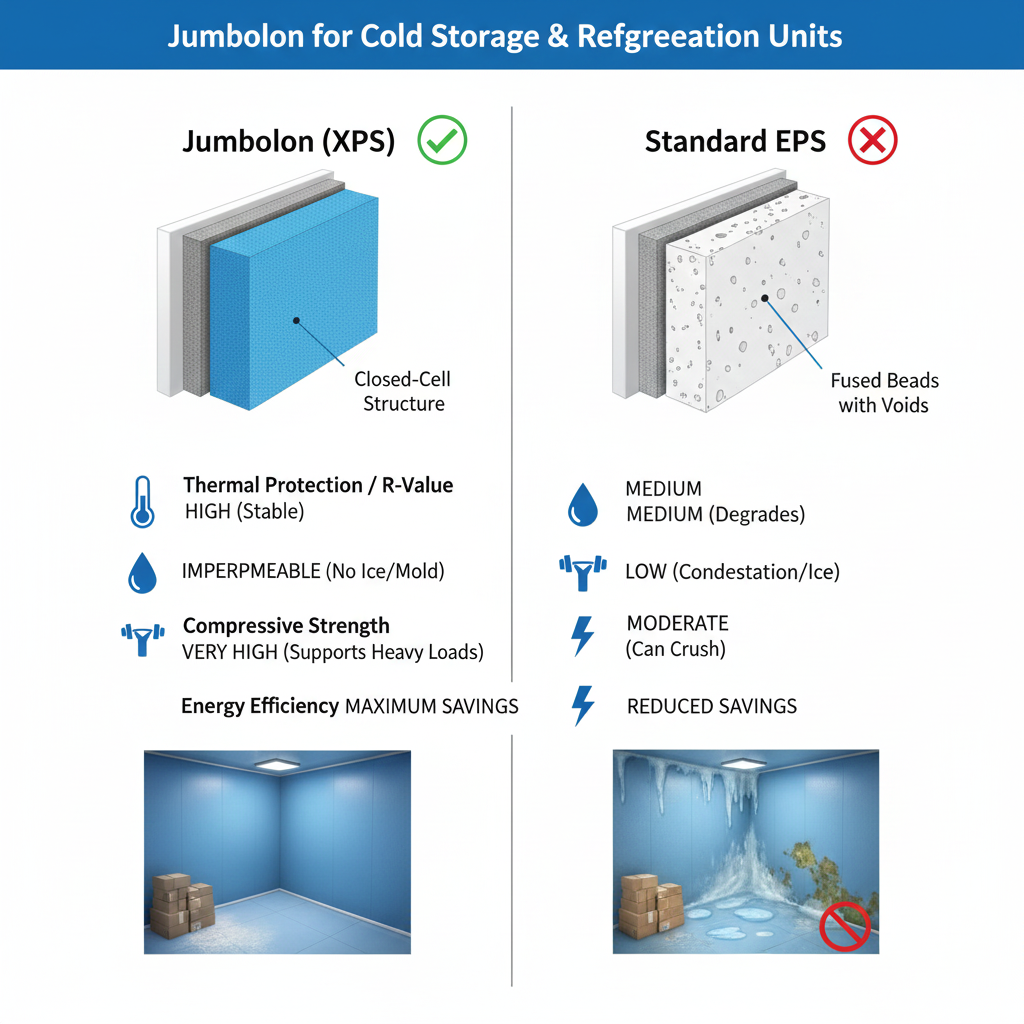
    Jumbolon For Cold Storage Insulation

    Jumbolon is a closed-cell polyethylene foam insulation commonly used for thermal and acoustic purposes. It is flexible, lightweight, and easy to apply in residential and commercial buildings.

    The comparison of jumbolon vs thermopore often comes down to flexibility and ease of installation versus rigidity.

    Performance Comparison: Thermopore vs XPS vs Jumbolon

    Thermal Insulation Performance

    • XPS offers the highest thermal resistance
    • Jumbolon provides moderate insulation with flexibility
    • Thermopore delivers basic thermal protection

    This performance gap is why many ask thermopore vs xps vs jumbolon which is better for long-term use.

    Moisture Resistance

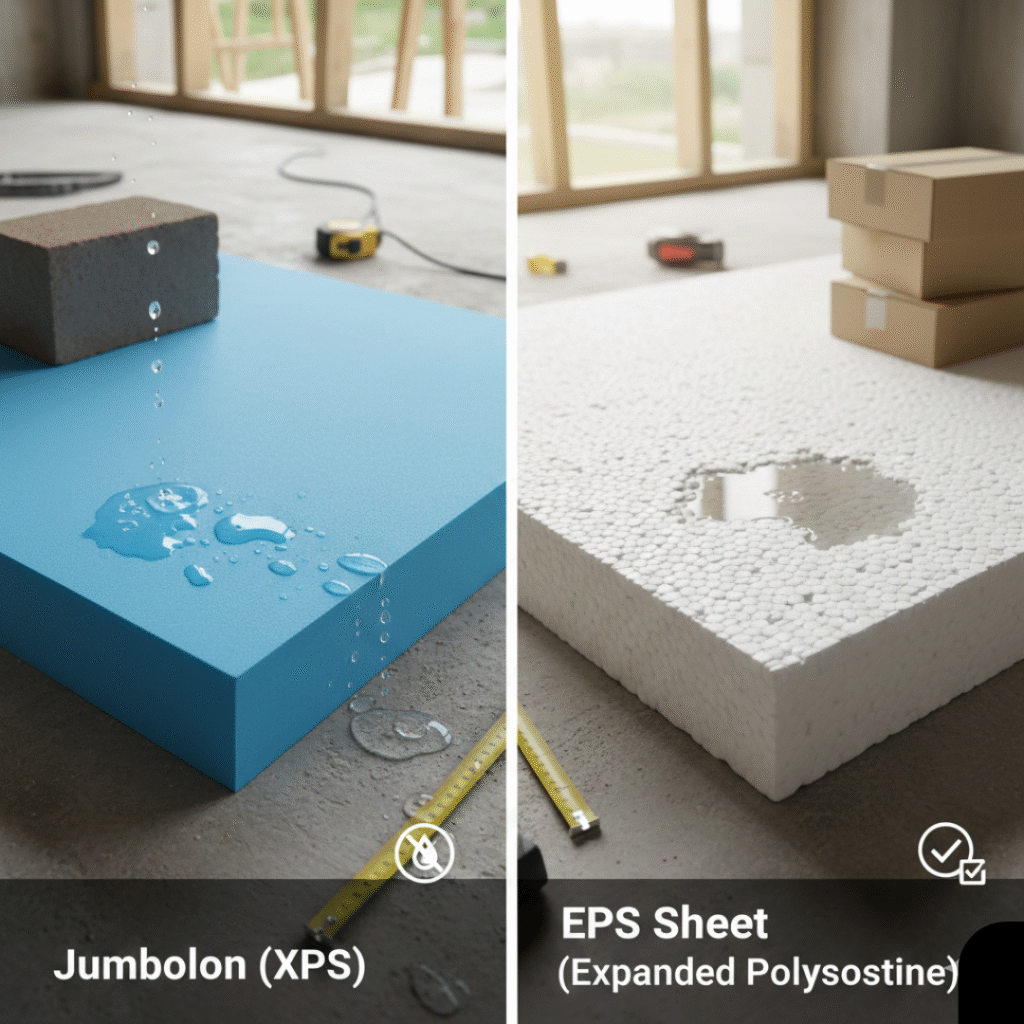
    • XPS resists water absorption extremely well
    • Jumbolon performs well in humid environments
    • Thermopore may absorb moisture over time

    Durability and Strength

    • XPS is structurally strong and load-bearing
    • Jumbolon is flexible but not load-bearing
    • Thermopore is fragile and prone to breakage

    Price Comparison in Pakistan

    Jumbolon Price in Pakistan

    The jumbolon price in pakistan varies depending on thickness, density, and brand. It is generally considered affordable and suitable for residential insulation projects.

    Jumbolon Sheet Price in Pakistan

    The jumbolon sheet price in pakistan depends on sheet thickness and roll size. Thicker sheets naturally cost more but offer better insulation.

    12mm Jumbolon Sheet Price in Pakistan

    The 12mm jumbolon sheet price in pakistan is commonly searched because this thickness is widely used for roof and ceiling insulation due to its balance between cost and performance.

    Thermopore Price

    Thermopore price is usually lower than both XPS and Jumbolon, making it a budget-friendly option for short-term or low-demand insulation needs.

    Overall Jumbolon Price Comparison

    When evaluating overall jumbolon price, it sits between Thermopore and XPS, offering a good balance of flexibility, insulation, and affordability.

    Best Use Cases for Each Material

    When to Use Thermopore

    • Low-budget construction
    • Temporary insulation needs
    • Non-load-bearing areas

    Use of XPS

    • Roof insulation
    • Foundations and floors
    • Long-term energy-efficient buildings

    When to Use Jumbolon

    • Residential roofs and ceilings
    • Acoustic insulation
    • Areas requiring flexible insulation

    Final Verdict: Which One Should You Choose?

    There is no single answer to thermopore vs xps vs jumbolon which is better. The right choice depends on your specific needs:

    • Choose XPS for maximum durability and thermal performance
    • Choose Jumbolon for flexible, cost-effective insulation
    • Choose Thermopore for basic, low-cost applications

    Understanding the difference between jumbolon vs thermopore and comparing them with XPS ensures you invest in the right insulation solution.

    Conclusion

    Comparing Thermopore vs XPS vs Jumbolon helps builders and homeowners make informed insulation decisions. While XPS delivers premium performance, Jumbolon offers flexibility and affordability, and Thermopore remains a basic insulation choice for budget projects.

    Selecting the right material today can lead to better comfort, lower energy bills, and long-term savings.

    FAQ’S

    The better option depends on usage. XPS offers the best thermal performance and durability, Jumbolon provides flexible and cost-effective insulation, while Thermopore is suitable for basic and low-budget applications.

    Jumbolon is flexible and moisture-resistant, while Thermopore is rigid and more fragile. Jumbolon is better for roofs and ceilings, whereas Thermopore is mainly used for basic wall insulation.

    Yes, XPS is generally better than Thermopore for roofs because it has higher compressive strength, better moisture resistance, and longer service life.

    Jumbolon price in Pakistan depends on thickness, density, sheet size, and brand. Thicker sheets usually provide better insulation and cost more.

    The jumbolon sheet price in Pakistan varies by thickness and quality. Standard sheets are more affordable, while thicker insulation sheets cost slightly higher.

    The 12mm jumbolon sheet price in Pakistan is popular because this thickness offers a good balance between insulation performance and affordability for residential roofs.

    Thermopore can be used for short-term or low-load applications. For long-term durability and higher insulation performance, XPS or Jumbolon is generally recommended.

    XPS performs best in moisture-prone areas due to its closed-cell structure, while Jumbolon also performs well. Thermopore may absorb moisture over time.

  • Future of Insulation in Pakistan (2026–2030)

    Future of Insulation in Pakistan (2026–2030)

    The construction and real estate sector in Pakistan is entering a transformative phase. Rising energy costs, extreme climate conditions, and increasing awareness of sustainable living are reshaping how buildings are designed. Between 2026 and 2030, insulation will no longer be considered an optional upgrade—it will become a core requirement. This blog explores the Future of Insulation in Pakistan (2026–2030), highlighting trends, technologies, and the growing role of professional insulation services.

    Why Insulation Is Becoming Essential in Pakistan

    Pakistan experiences intense summers, fluctuating winters, and increasing urban heat islands. These factors are driving demand for efficient insulation solutions that reduce indoor heat gain and energy consumption.

    As a result, house insulation Pakistan is rapidly shifting from luxury construction to mainstream residential and commercial practice.

    Current State of the Insulation Industry in Pakistan

    At present, insulation adoption is uneven across the country. Urban areas are showing higher demand, while smaller cities are still catching up. However, the presence of experienced insulation experts in Pakistan is helping bridge this gap by educating builders, architects, and homeowners on long-term benefits.

    Key Trends Shaping the Future of Insulation (2026–2030)

    1. Growth of Roof Insulation in Pakistan

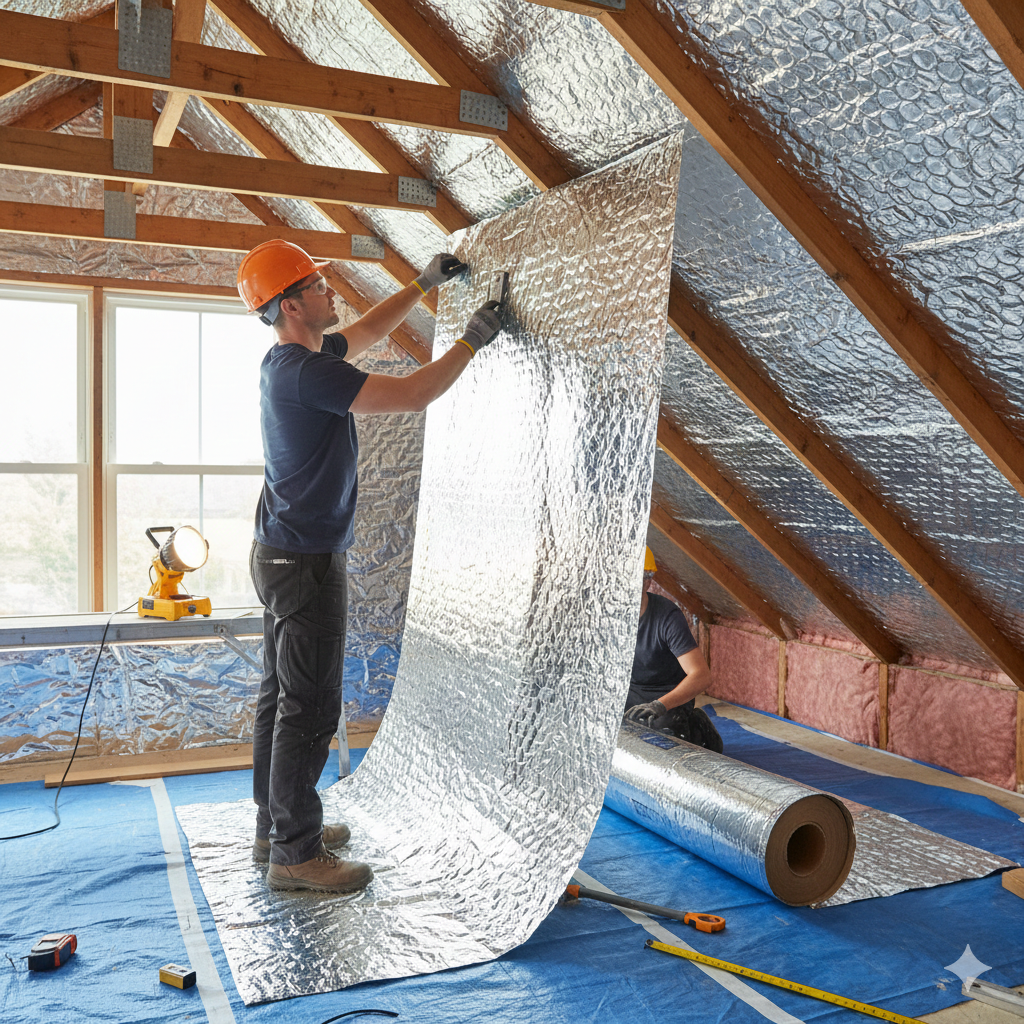
    Bubble Aluminium Foil Installation

    Roofs are the largest source of heat transfer in buildings. Between 2026 and 2030, roof insulation in Pakistan is expected to see massive adoption, especially in residential houses and commercial plazas.

    Builders are increasingly specifying insulation at the design stage rather than adding it later as a retrofit.

    2. Rising Demand for Insulation Foam Solutions

    EPS Geofoam For Road Construction

    Lightweight, fast-installation systems are gaining popularity. Insulation foam Pakistan is becoming a preferred solution due to its high thermal efficiency and seamless application.

    Foam insulation is particularly effective in reducing air leakage, making it suitable for both new and existing structures.

    3. Expansion of Polyurethane Insulation in Pakistan

    One of the fastest-growing segments is polyurethane insulation in pakistan, especially for roofs, warehouses, and industrial buildings. Its superior thermal performance and durability make it a long-term investment rather than a short-term cost.

    Between 2026 and 2030, polyurethane-based systems are expected to dominate high-performance insulation projects.

    Role of Pakistan Insulation Companies in the Next Decade

    A professional Pakistan insulation company will no longer just supply materials. Instead, companies will offer complete solutions, including:

    • Thermal analysis
    • Customized insulation design
    • Professional installation
    • Post-installation performance checks

    This shift will raise industry standards and reduce poor-quality installations.

    How House Insulation Will Evolve in Pakistan

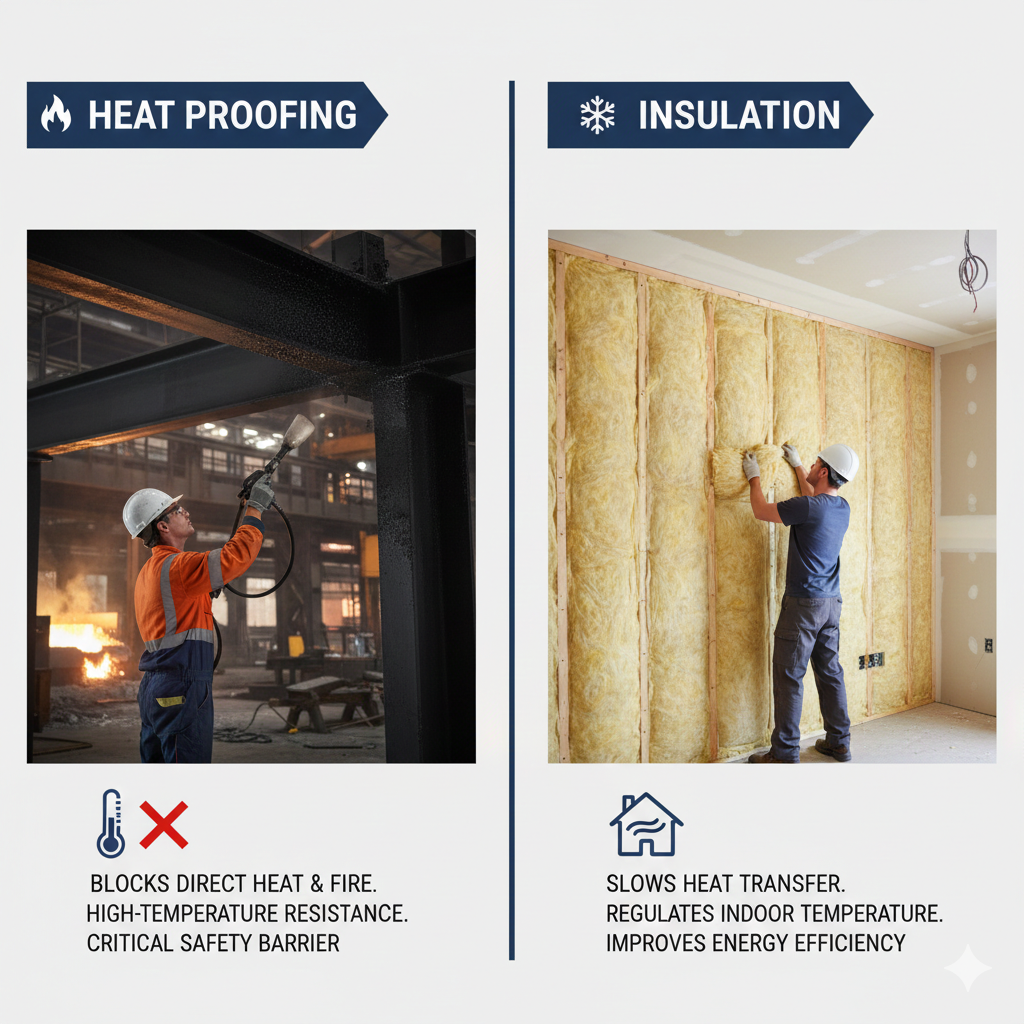
    heat insulation vs insulation

    The concept of house insulation Pakistan is expanding beyond roofs and walls. Future homes will include insulation in:

    • Floors and foundations
    • Internal partitions for sound control
    • Utility shafts and service areas

    Smart homeowners are already demanding insulation solutions that combine comfort, energy savings, and durability.

    Sustainability and Energy Efficiency Goals

    Pakistan’s growing focus on energy conservation is expected to accelerate insulation adoption. By 2030, insulated buildings could significantly reduce cooling loads, easing pressure on the national power grid.

    This shift will further increase reliance on certified insulation experts in Pakistan who understand climate-specific insulation strategies.

    Challenges Facing the Insulation Industry

    Despite growth, several challenges remain:

    • Lack of awareness in smaller cities
    • Shortage of skilled installers
    • Initial cost concerns among homeowners

    However, education campaigns and professional service providers are gradually overcoming these barriers.

    Opportunities for Builders and Developers

    For developers, insulation will become a competitive advantage. Projects offering high-quality roof insulation in Pakistan and modern foam systems will attract energy-conscious buyers and tenants.

    Insulation will soon be seen as a value feature rather than an added expense.

    What to Expect by 2030

    By 2030, insulation in Pakistan is expected to be:

    • Standardized in building practices
    • Integrated into building codes
    • Supported by trained professionals
    • Widely adopted in residential and commercial projects

    The industry’s growth will be driven by technology, awareness, and the expanding role of reliable insulation providers.

    Conclusion

    The Future of Insulation in Pakistan (2026–2030) is defined by innovation, efficiency, and sustainability. From insulation foam Pakistan solutions to advanced polyurethane insulation in pakistan, the industry is evolving rapidly. With the support of experienced insulation experts in Pakistan and professional service providers, insulation will become a foundational element of modern construction across the country.

    Investing in insulation today is not just about comfort—it’s about future-proofing buildings for the next generation.

    FAQ’S

    Rising temperatures, increasing electricity costs, and energy shortages are making insulation essential. Proper insulation reduces indoor heat, lowers cooling costs, and improves overall comfort in homes and buildings.

    Insulation experts in Pakistan will focus on proper system design, correct material selection, and professional installation. Their role will be critical in ensuring long-term insulation performance and energy efficiency.

    Insulation foam solutions and polyurethane systems are expected to grow rapidly due to their high thermal efficiency, durability, and suitability for Pakistan’s climate.

    House insulation in Pakistan will move beyond roofs and walls to include floors, partitions, and complete building envelopes, making insulation a standard feature rather than an optional upgrade.

    Roofs are the main source of heat gain in buildings. Roof insulation in Pakistan helps maintain indoor temperatures, reduces air-conditioning load, and improves energy efficiency, especially in hot regions.

    Insulation foam Pakistan solutions are lightweight, fast to install, and highly effective in sealing air gaps. These qualities make them ideal for both residential and commercial projects.

    Polyurethane insulation in Pakistan is expected to dominate high-performance insulation projects due to its superior thermal resistance and long service life.

    A Pakistan insulation company will offer complete insulation solutions, including consultation, system design, installation, and after-sales support, rather than just supplying materials.

  • Rockwool Fire Resistance Test & Results

    Rockwool Fire Resistance Test & Results

    Fire safety has become one of the most critical considerations in modern construction. Among insulation materials, Rockwool stands out due to its exceptional fire-resistant properties. This blog provides a detailed breakdown of Rockwool Fire Resistance Test & Results, explaining how it performs under extreme heat, what ratings mean in real-world applications, and why it is widely trusted in fire-rated construction systems.

    Why Fire Resistance Matters in Insulation Materials

    Sandwich Panels Using EPS & Rockwool

    During a fire, insulation can either slow down flame spread or accelerate it. Materials with poor fire performance contribute to structural failure and smoke development. Rockwool, made from mineral fibers, is designed to withstand extremely high temperatures while maintaining its structural integrity.

    Understanding rockwool fire resistance helps builders, architects, and homeowners make safer material choices for walls, ceilings, and structural assemblies.

    What Is Rockwool and Why Is It Fire Resistant?

    Soundproofing Material glasswool vs rockwool

    Rockwool is a type of mineral wool insulation manufactured from natural volcanic rock. These fibers are inherently non-combustible, meaning they do not ignite, melt, or release toxic smoke when exposed to fire.

    This composition directly influences rockwool fire performance, allowing it to act as a passive fire protection material rather than just thermal insulation.

    Rockwool Fire Resistance Test: How It Is Evaluated

    Fire resistance testing measures how long a material or system can withstand fire exposure while maintaining:

    • Structural stability
    • Integrity (no flame penetration)
    • Insulation (limited heat transfer)

    During standardized fire tests, Rockwool insulation is exposed to temperatures exceeding 1,000°C, simulating real fire conditions.

    Rockwool 1 Hour Fire Barrier Explained

    A common fire safety requirement in residential and commercial buildings is a rockwool 1 hour fire barrier. This means the insulation system can resist fire for at least 60 minutes without collapse or flame spread.

    In wall and floor assemblies, Rockwool significantly delays heat transmission, providing valuable time for evacuation and emergency response.

    Fire Test Results: How Rockwool Performs Under Heat

    Based on controlled fire exposure, Rockwool demonstrates consistent and reliable behavior:

    • Does not ignite or drip
    • Maintains fiber structure at high temperatures
    • Limits flame spread through cavities

    These results clearly highlight strong rockwool fire performance, even in prolonged fire scenarios.

    Rockwool Fire Rated Wall Panels

    Rockwool fire rated wall panels are engineered systems that combine insulation with fire-rated boards or cladding. These panels are commonly used in:

    • Stairwells
    • Fire escape corridors
    • Industrial buildings
    • High-rise residential projects

    Their ability to resist fire penetration makes them ideal for compartmentalization and fire zoning.

    Mineral Wool Insulation Fire Rating

    Aluminium Foil Sheet for Heat Proofing

    The mineral wool insulation fire rating is typically classified as non-combustible. Rockwool insulation does not contribute to fire load and helps meet strict building code requirements.

    This rating makes mineral wool suitable for applications where fire compliance is mandatory, such as hospitals, schools, and commercial structures.

    Rockwool vs Other Insulation Materials in Fire Conditions

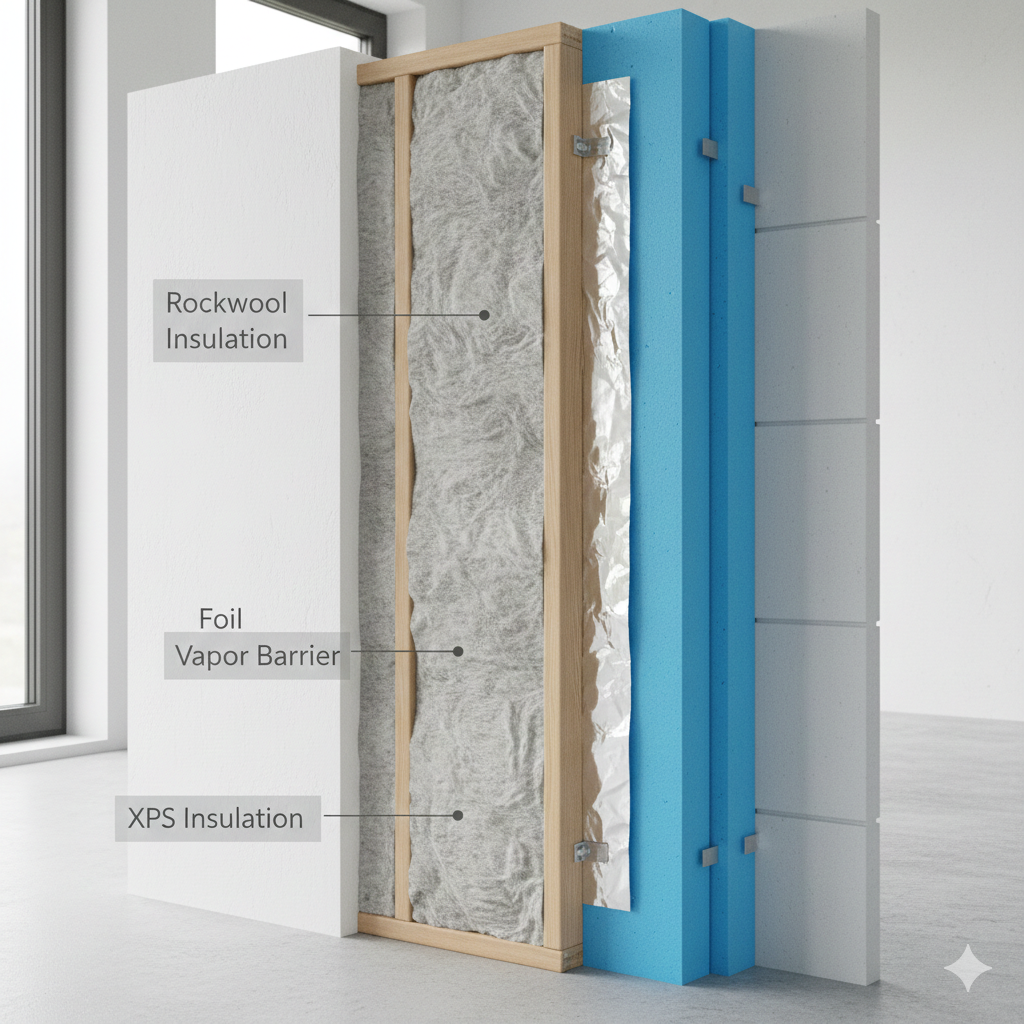
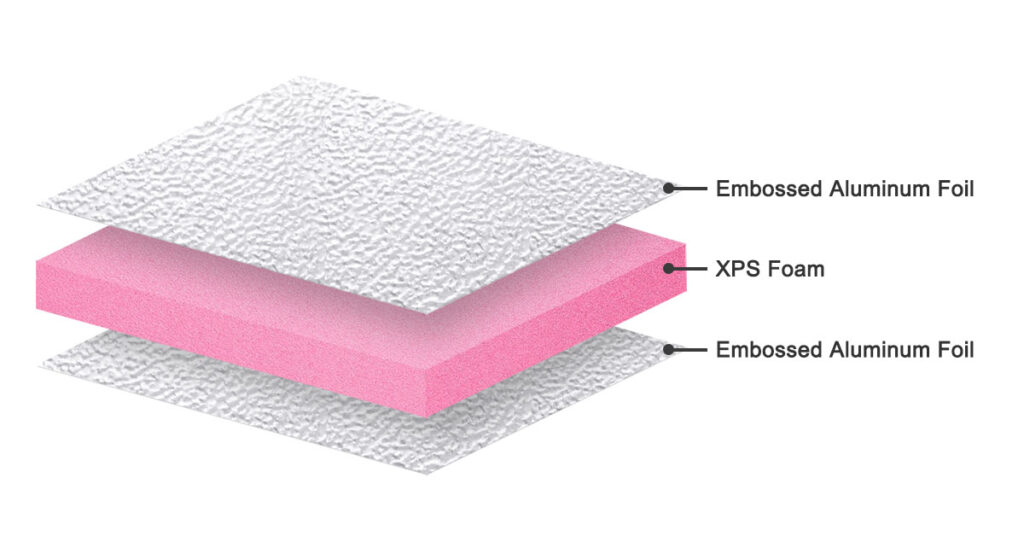
    insulation layers rockwool foil xps

    Compared to foam-based insulation or plastic-derived boards, Rockwool offers superior fire safety. While some materials may melt or release smoke, Rockwool remains stable and continues to act as a thermal barrier.

    This comparison further reinforces the value of rockwool fire resistance in high-risk environments.

    Where Rockwool Fire Resistance Is Most Effective

    Rockwool insulation is commonly used in:

    • Fire-rated walls and partitions
    • Ceiling voids and shafts
    • Industrial plants
    • Residential buildings requiring enhanced fire safety

    Its versatility allows it to integrate seamlessly into various construction systems without compromising safety.

    Limitations and Considerations

    While Rockwool performs exceptionally in fire conditions, correct installation is essential. Gaps, compression, or improper fixing can reduce overall system performance.

    Fire resistance ratings always apply to complete assemblies, not just the insulation material alone.

    Conclusion

    The Rockwool Fire Resistance Test & Results clearly demonstrate why Rockwool is one of the most reliable fire-resistant insulation materials available today. With its ability to form a rockwool 1 hour fire barrier, support fire rated wall panels, and meet stringent mineral wool insulation fire rating standards, Rockwool plays a vital role in modern fire-safe construction.

    Choosing Rockwool is not just an insulation decision—it is a commitment to safety, durability, and compliance.

    FAQ’S

    Rockwool insulation is non-combustible and can withstand extremely high temperatures. Its fire resistance performance helps slow fire spread and reduce heat transfer during a fire.

    A rockwool 1 hour fire barrier means the insulation system can resist fire exposure for at least 60 minutes without allowing flame penetration or structural failure.

    Rockwool fire resistance is tested under controlled conditions where insulation systems are exposed to high temperatures to evaluate integrity, insulation, and stability over time.

    Yes, rockwool fire rated wall panels are widely used in residential buildings, especially in staircases, corridors, and partition walls that require enhanced fire protection.

    Rockwool fire performance is significantly better than foam insulation because it does not melt, drip, or release toxic smoke when exposed to fire.

    The mineral wool insulation fire rating is typically classified as non-combustible, meaning it does not contribute to fire load or flame spread.

    Yes, Rockwool insulation is commonly used to meet building fire safety codes due to its high fire resistance and compatibility with fire-rated construction systems.

    Rockwool fire insulation is commonly used in fire-rated walls, ceilings, shafts, industrial facilities, and residential buildings where fire safety is a priority.

  • EPS, XPS, Glasswool: Best Mix for Homes

    EPS, XPS, Glasswool: Best Mix for Homes

    Choosing the right insulation for a home is no longer optional—it’s essential for comfort, energy efficiency, and long-term cost savings. Among the many insulation options available today, EPS, XPS, and Glasswool stand out as a powerful combination for residential buildings. This blog explains why EPS, XPS, Glasswool: Best Mix for Homes is a smart insulation strategy and how each material contributes to thermal, acoustic, and fire performance.

    Why Modern Homes Need a Combination of Insulation Materials

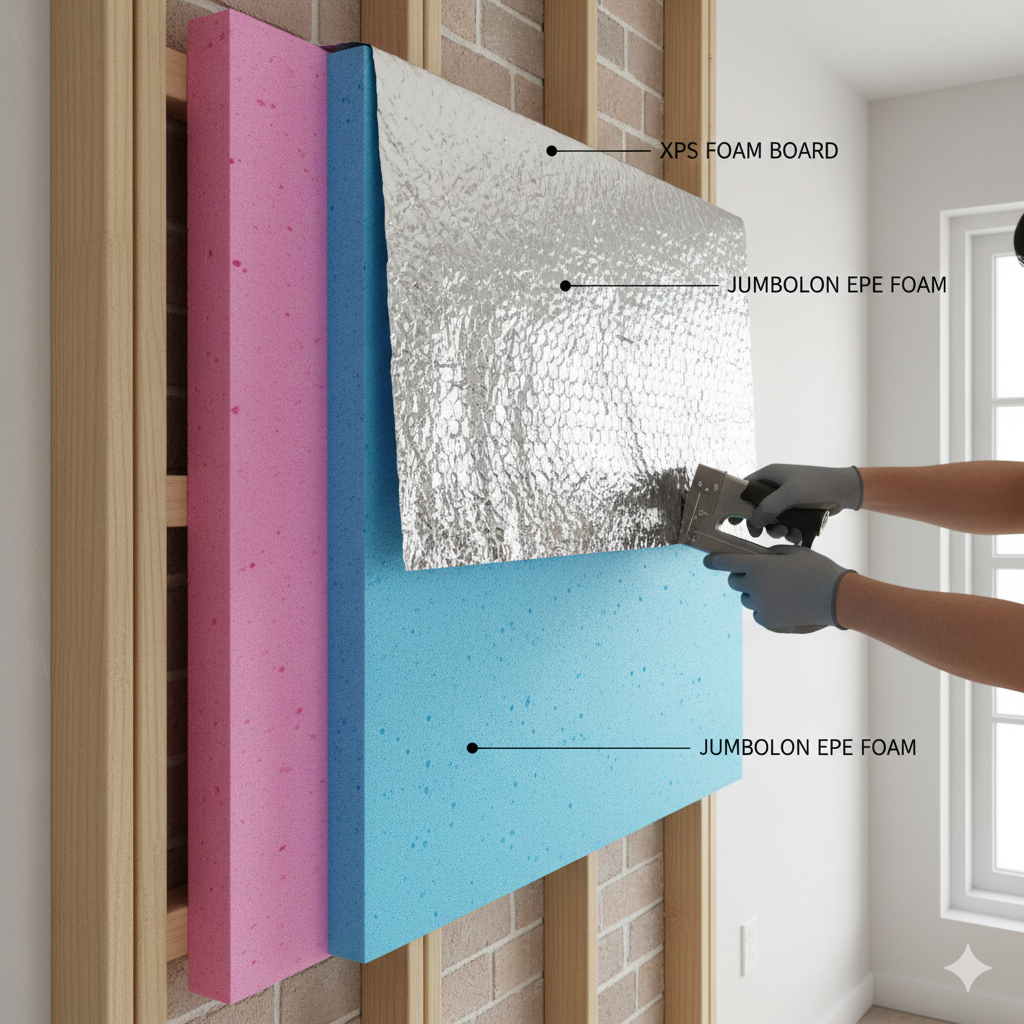
    Using aluminium foil with jumbolon

    No single insulation material can perfectly address heat control, soundproofing, moisture resistance, and fire safety at the same time. That’s why combining materials has become a best practice in modern construction.

    Using EPS for walls, XPS for roofs and foundations, and Glasswool for ceilings and partitions creates a balanced system that enhances indoor comfort without excessive cost.

    Understanding EPS, XPS, and Glasswool

    What is EPS Insulation?

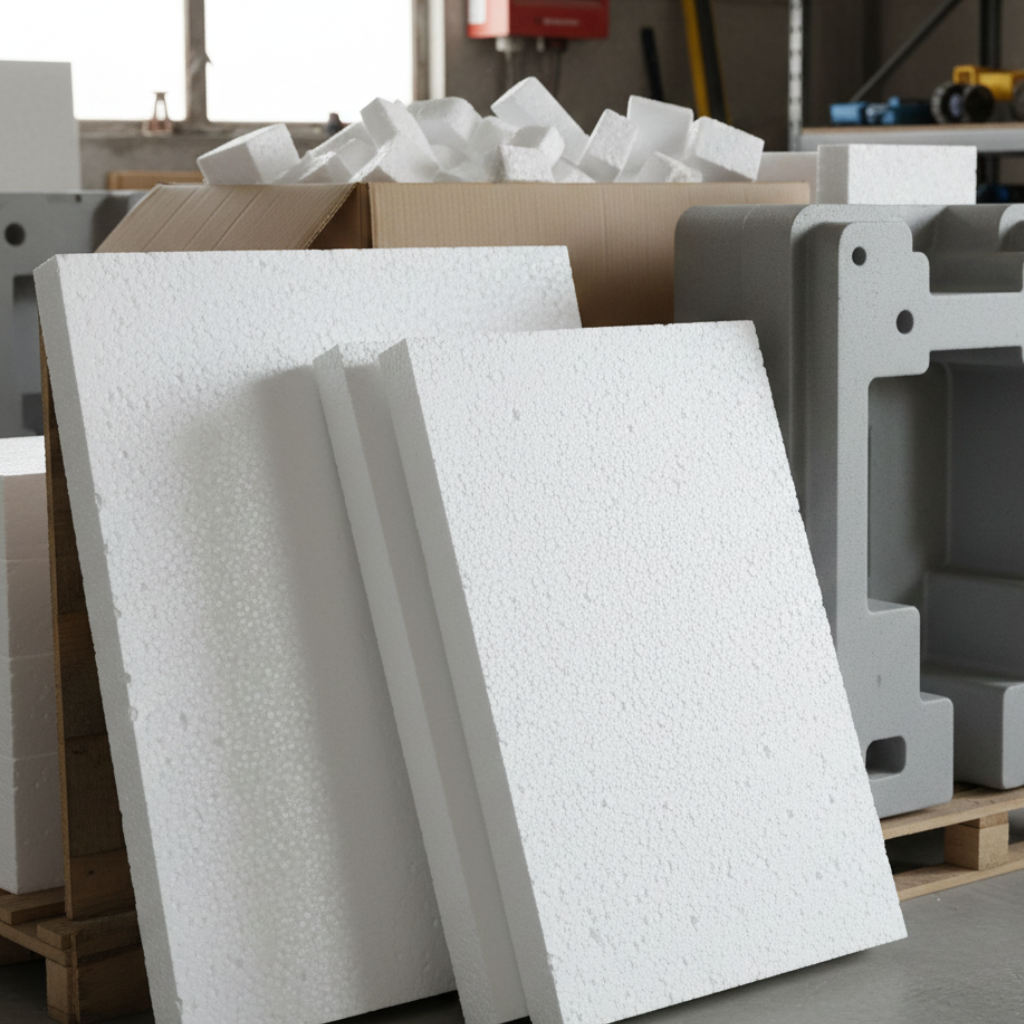
    EPS Foam

    Expanded Polystyrene (EPS) is a lightweight insulation material widely used in walls and floors. It provides effective thermal insulation and is easy to install, making it popular in residential projects.

    Key Benefits of EPS:

    • Cost-effective thermal insulation
    • Lightweight and easy to handle
    • Suitable for wall cavities and floor insulation

    What is XPS Insulation?

    jumbolon Insulation for Metal Sheds

    Extruded Polystyrene (XPS) offers higher density and better moisture resistance than EPS. It is ideal for areas exposed to water or heavy loads.

    Why XPS is Ideal for Homes:

    • Strong moisture resistance
    • High compressive strength
    • Excellent for roofs and foundations

    What Is Glass Mineral Wool Insulation?

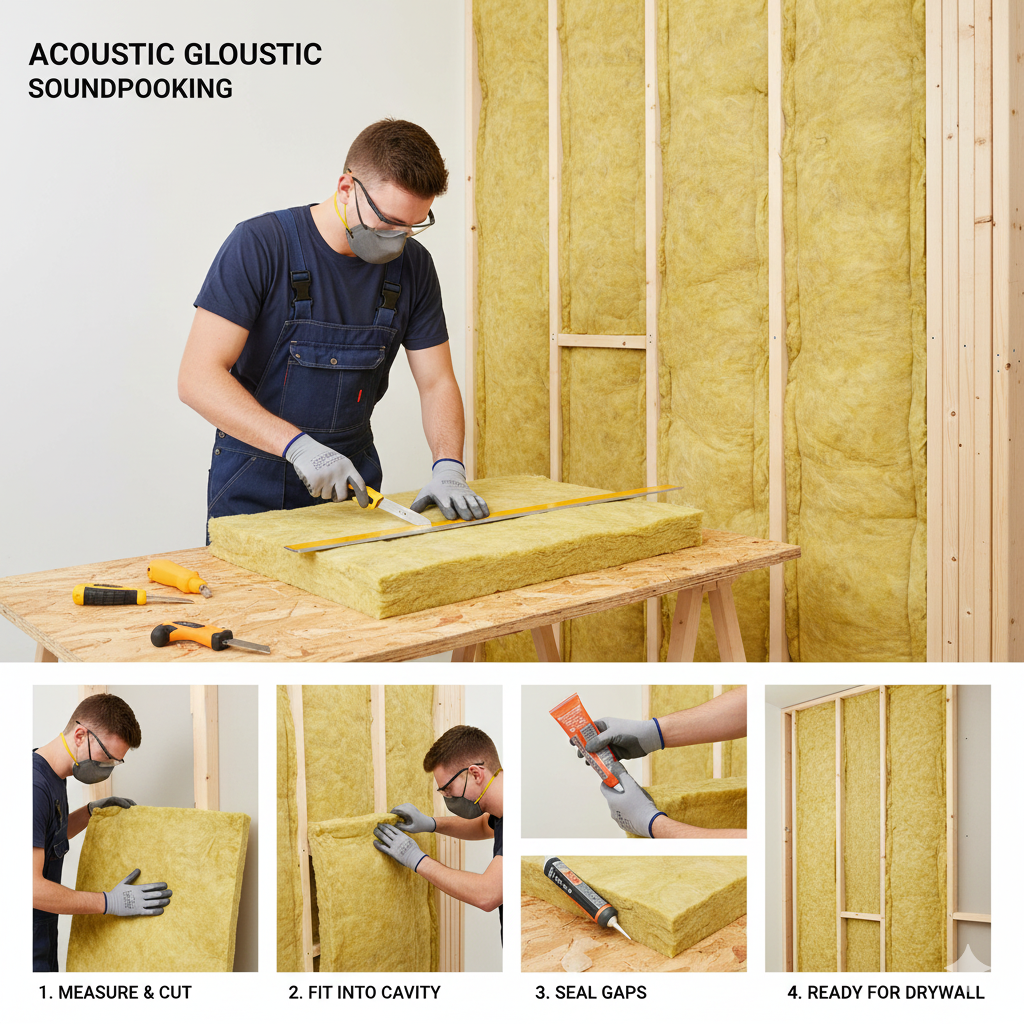
    Glasswool Sheet For Soundproofing

    Many homeowners ask, what is glass mineral wool insulation?
    Glass mineral wool is a fibrous insulation made from recycled glass, designed to trap air and reduce heat and sound transfer. It is commonly used in ceilings, partitions, and internal walls.

    Glass Wool Performance Explained

    Glass Wool Fire Resistance

    One of the strongest advantages of glass wool is its fire safety. Glass wool fire resistance is high because it is non-combustible and can withstand extreme temperatures without spreading flames. This makes it a reliable choice for residential safety.

    Is Glass Wool Dangerous?

    A common concern is whether glass wool dangerous for homes. When installed correctly and sealed behind walls or ceilings, glass wool is safe. Modern manufacturing standards have significantly reduced health risks, making it suitable for residential use.

    Soundproofing Comparison: Glasswool vs Rockwool

    Rockwool vs Glasswool Soundproofing

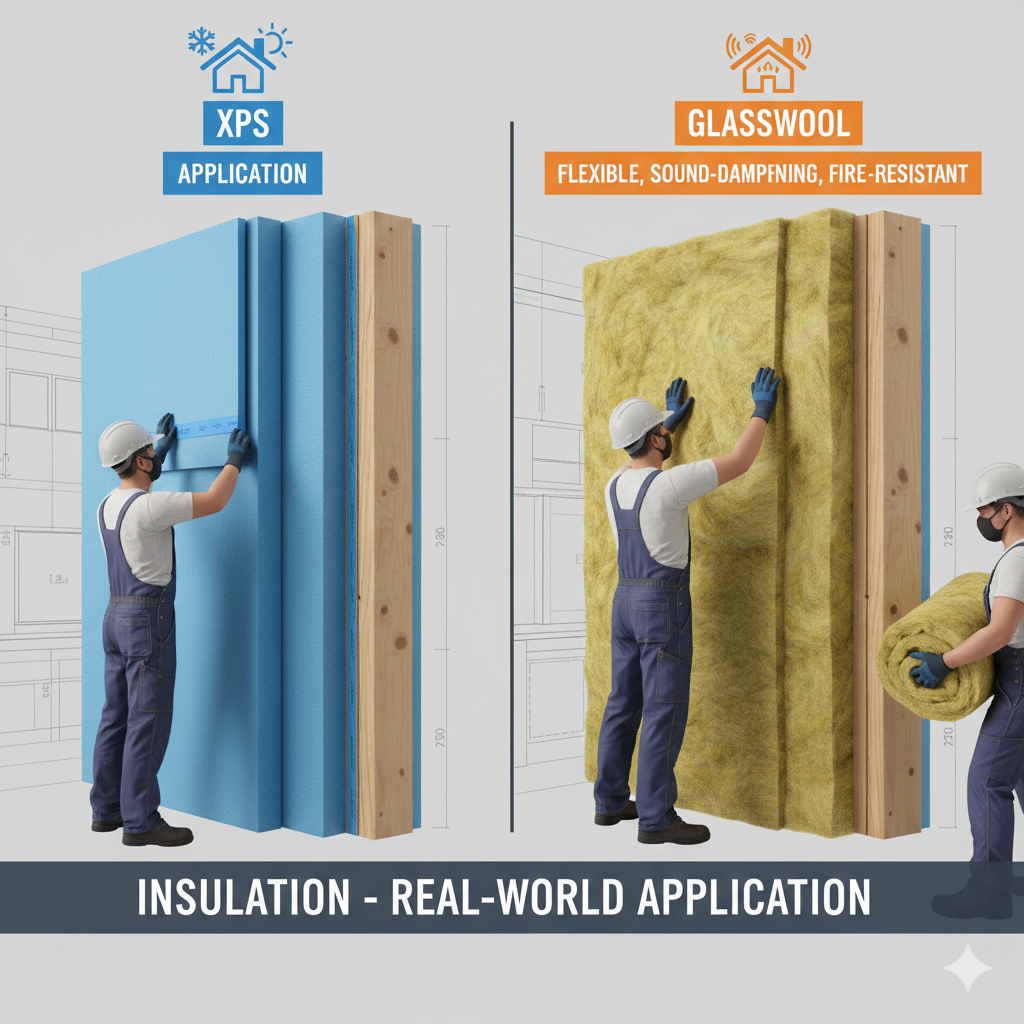
    XPS Vs Glasswool

    When comparing rockwool vs glasswool soundproofing, both materials perform well, but glass wool is often preferred for residential spaces due to its lighter weight and easier installation.

    Glass Mineral Wool vs Rockwool

    The debate of glass mineral wool vs rockwool comes down to application. Glass mineral wool is ideal for ceilings and partitions, while rockwool is often chosen for industrial or heavy-duty acoustic applications.

    Cost Comparison and Pricing Factors

    Glass Wool vs Rock Wool Price

    In terms of affordability, glass wool vs rock wool price generally favors glass wool for residential projects. Glass wool offers a lower upfront cost while still delivering strong thermal and acoustic performance.

    Glass Wool Insulation Price

    The glass wool insulation price depends on thickness, density, and application area. For homes, it remains one of the most economical insulation solutions, especially when combined with EPS and XPS.

    Floor and Structural Applications

    insulation layers rockwool foil xps

    Mineral Wool Floor Insulation

    Using mineral wool floor insulation helps reduce impact noise and heat loss between floors. In multi-story homes, it significantly improves acoustic comfort while maintaining thermal efficiency.

    Why EPS, XPS, Glasswool Is the Best Mix for Homes

    Combining these materials allows homeowners to target specific insulation needs:

    • EPS for walls and floors
    • XPS for roofs, terraces, and foundations
    • Glasswool for ceilings, partitions, and sound control

    This strategic combination ensures thermal stability, sound reduction, moisture protection, and fire safety—all without overspending.

    How to Choose the Right Insulation Mix for Your Home

    Before selecting insulation, consider:

    • Local climate conditions
    • Noise levels
    • Budget constraints
    • Fire safety requirements

    Professionals often recommend the EPS, XPS, Glasswool: Best Mix for Homes because it balances performance and cost effectively.

    Conclusion

    A well-insulated home is more comfortable, energy-efficient, and safer. By combining EPS, XPS, and glass wool, homeowners achieve superior insulation performance across all areas of the house. Understanding factors like rockwool vs glasswool soundproofing, glass wool fire resistance, and glass wool insulation price helps in making an informed decision.

    If you’re planning a new home or upgrading insulation, this combination offers long-term value and dependable performance.

    FAQ’S

    This combination works well because each material serves a specific purpose. EPS is ideal for walls and floors, XPS performs best in roofs and moisture-prone areas, while glass wool improves thermal and acoustic comfort inside the home.

    Glass mineral wool insulation is commonly used in ceilings, partitions, and cavity walls. It helps reduce heat transfer and improves indoor sound insulation without adding heavy load to the structure.

    Glass wool is safe for homes when installed correctly. Modern glass wool products are designed to meet safety standards, and once sealed behind walls or ceilings, there is no health risk.

    Glass wool fire resistance is high because it is non-combustible. It does not support flame spread and helps slow down heat transfer during a fire, making it suitable for residential buildings.

    When comparing rockwool vs glasswool soundproofing, both are effective. Glass wool is generally preferred in homes due to its lighter weight and easier installation, while rockwool is often used in industrial or high-noise environments.

    The main difference between glass mineral wool vs rockwool lies in density and application. Glass mineral wool is lighter and more flexible, whereas rockwool is denser and better suited for heavy-duty insulation needs.

  • Full Comparison Chart of All Insulation Materials

    Full Comparison Chart of All Insulation Materials

    Insulation materials play a critical role in maintaining energy efficiency, controlling indoor temperature, and reducing utility costs. With numerous types of insulation available, it can be overwhelming to choose the right one for your project. In this blog, we present a Full Comparison Chart of All Insulation Materials in Pakistan, helping you make an informed decision. We will also discuss the thermal conductivity of all insulation materials and identify the best insulation board for roof applications.

    What is Insulation Material?

    Using aluminium foil with jumbolon

    Insulation materials are substances used in buildings to reduce heat transfer, sound, or vibration in Pakistan. They help maintain comfortable indoor temperatures while minimizing energy consumption. Different insulation materials have unique properties, including density, thermal resistance, and moisture resistance, which make them suitable for specific applications.

    Importance of Choosing the Right Insulation

    Selecting the right insulation material affects:

    • Energy Efficiency: Proper insulation reduces heating and cooling costs.
    • Comfort: Maintains a consistent indoor temperature.
    • Noise Reduction: Certain insulation materials provide excellent acoustic control.
    • Durability: High-quality insulation extends the lifespan of your building structure.

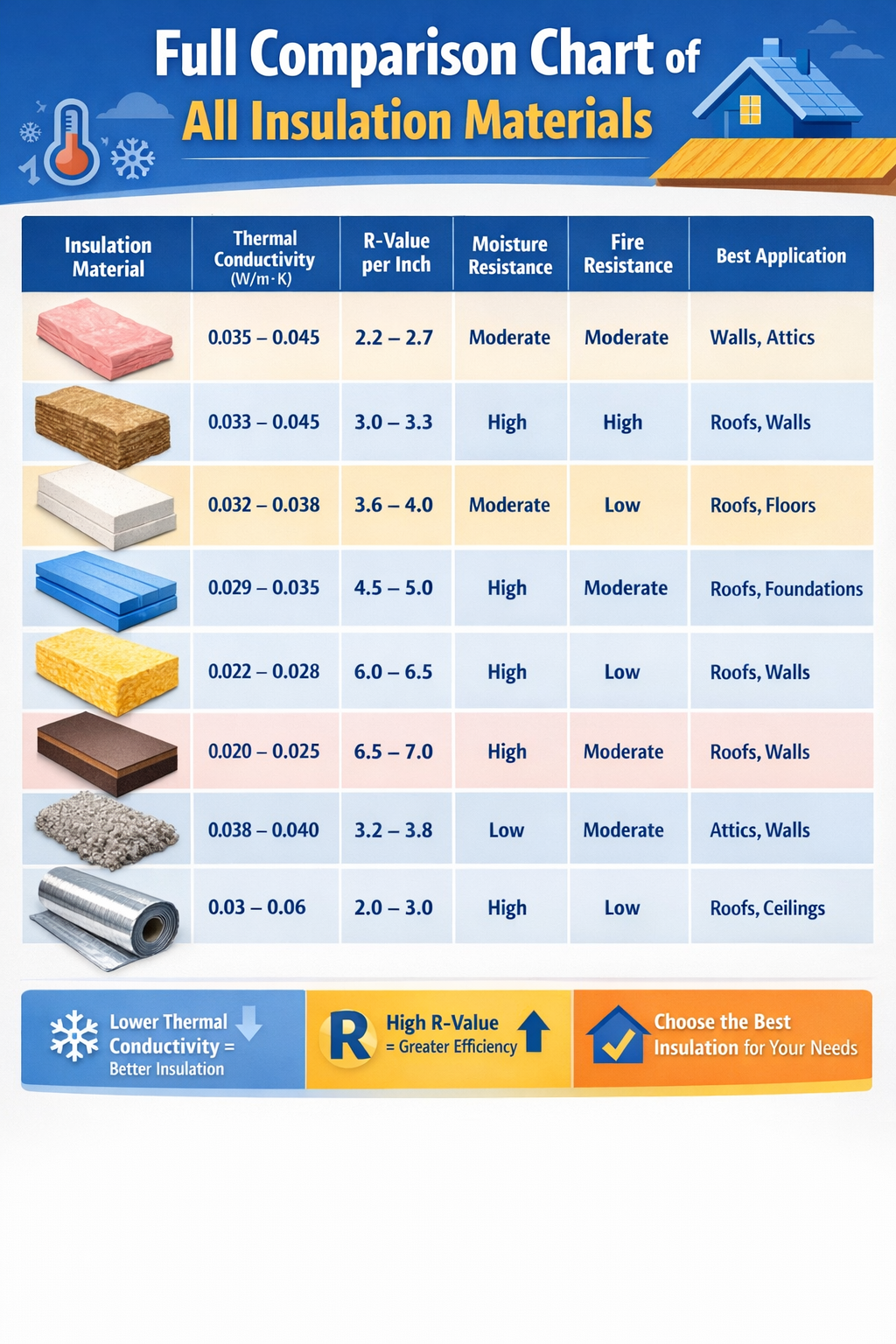
    The Full Comparison Chart of All Insulation Materials below summarizes these aspects to simplify your choice.

    Full Comparison Chart of All Insulation Materials

    Insulation MaterialThermal Conductivity (W/m·K)R-Value per InchMoisture ResistanceFire ResistanceBest Application
    Fiberglass0.035 – 0.0452.2 – 2.7ModerateModerateWalls, Attics
    Mineral Wool0.033 – 0.0453.0 – 3.3HighHighRoofs, Walls
    Expanded Polystyrene (EPS)0.032 – 0.0383.6 – 4.0ModerateLowRoofs, Floors
    Extruded Polystyrene (XPS)0.029 – 0.0354.5 – 5.0HighModerateRoofs, Foundations
    Polyurethane Foam (PU)0.022 – 0.0286.0 – 6.5HighLowRoofs, Walls
    Phenolic Foam0.020 – 0.0256.5 – 7.0HighModerateRoofs, Walls
    Cellulose0.038 – 0.0403.2 – 3.8LowModerateAttics, Walls
    Reflective Foil0.03 – 0.062.0 – 3.0HighLowRoofs, Ceilings

    This Full Comparison Chart of All Insulation Materials allows homeowners, contractors, and architects to evaluate materials based on thermal conductivity of all insulation materials and other critical properties.

    Thermal Conductivity of All Insulation Materials

    Thermal Conductivity EPS XPS Rockwool

    Thermal conductivity measures how well a material conducts heat. Lower values indicate better insulation performance. Here’s a quick breakdown:

    • Fiberglass: 0.035 – 0.045 W/m·K, suitable for walls and attics.
    • Mineral Wool: 0.033 – 0.045 W/m·K, excellent for fire-resistant applications.
    • EPS & XPS: 0.029 – 0.038 W/m·K, perfect for roofs and foundations.
    • PU & Phenolic Foam: 0.020 – 0.028 W/m·K, among the most efficient insulators.
    • Cellulose: 0.038 – 0.040 W/m·K, eco-friendly and cost-effective.
    • Reflective Foil: 0.03 – 0.06 W/m·K, best for radiant heat reflection.

    Understanding the thermal conductivity of all insulation materials helps determine the R-value needed for your specific building requirements in Pakistan.

    Best Insulation Board for Roof

    When it comes to roofing, you need materials that offer:

    • Low thermal conductivity
    • Moisture resistance
    • Durability against weather conditions

    Based on these factors, the best insulation board for roof applications are:

    1. Extruded Polystyrene (XPS) – Highly moisture-resistant and strong.
    2. Polyurethane (PU) Foam Board – Exceptional thermal performance and lightweight.
    3. Phenolic Foam Board – Superior insulation with a high R-value per inch.

    These boards ensure your roof stays cool in summer and warm in winter, improving energy efficiency and reducing long-term costs.

    How to Choose the Right Insulation

    Consider these factors before selecting an insulation material:

    1. Purpose: Walls, roofs, floors, or attics.
    2. Climate: Hot, cold, or humid regions.
    3. Budget: Initial cost vs. long-term energy savings.
    4. Environmental Impact: Recyclable and eco-friendly options.
    5. Fire and Moisture Resistance: Essential for safety and durability.

    Using the Full Comparison Chart of All Insulation Materials will simplify this selection process.

    Conclusion

    Choosing the right insulation material is critical for building comfort, energy efficiency, and safety. The Full Comparison Chart of All Insulation Materials presented here, along with details about thermal conductivity of all insulation materials and the best insulation board for roof, helps you make a well-informed decision.

    Invest wisely in insulation today, and enjoy lower energy bills, better comfort, and a sustainable home for years to come.

    FAQ’S

    For hot climates, materials with low thermal conductivity like PU foam, XPS, and Phenolic foam are ideal, as they reduce heat transfer and keep interiors cooler.

    The best insulation board for roof applications depends on moisture resistance, thermal efficiency, and durability. XPS, PU foam, and Phenolic boards are excellent options.

    EPS (Expanded Polystyrene) has slightly higher thermal conductivity and lower moisture resistance than XPS (Extruded Polystyrene), making XPS more suitable for roofing and foundations.

    Thermal conductivity indicates how well a material resists heat flow. Lower thermal conductivity means better insulation performance, reducing energy costs and maintaining comfort.

    Yes, reflective foil is ideal for roofs, ceilings, and walls where radiant heat reflection is important. It works best in combination with other insulation materials for maximum efficiency.

  • Roof Cooling Methods Using Jumbolon or XPS

    Roof Cooling Methods Using Jumbolon or XPS

    Rising temperatures and long summers have made roof heat control a major concern for homes, warehouses, and commercial buildings. Among modern insulation solutions, roof cooling methods using Jumbolon or XPS have gained popularity due to their affordability, effectiveness, and ease of installation. This guide explains how these materials work, compares their performance, and helps you choose the right option for long-term heat reduction.

    Why Roof Cooling Is Essential in Hot Climates

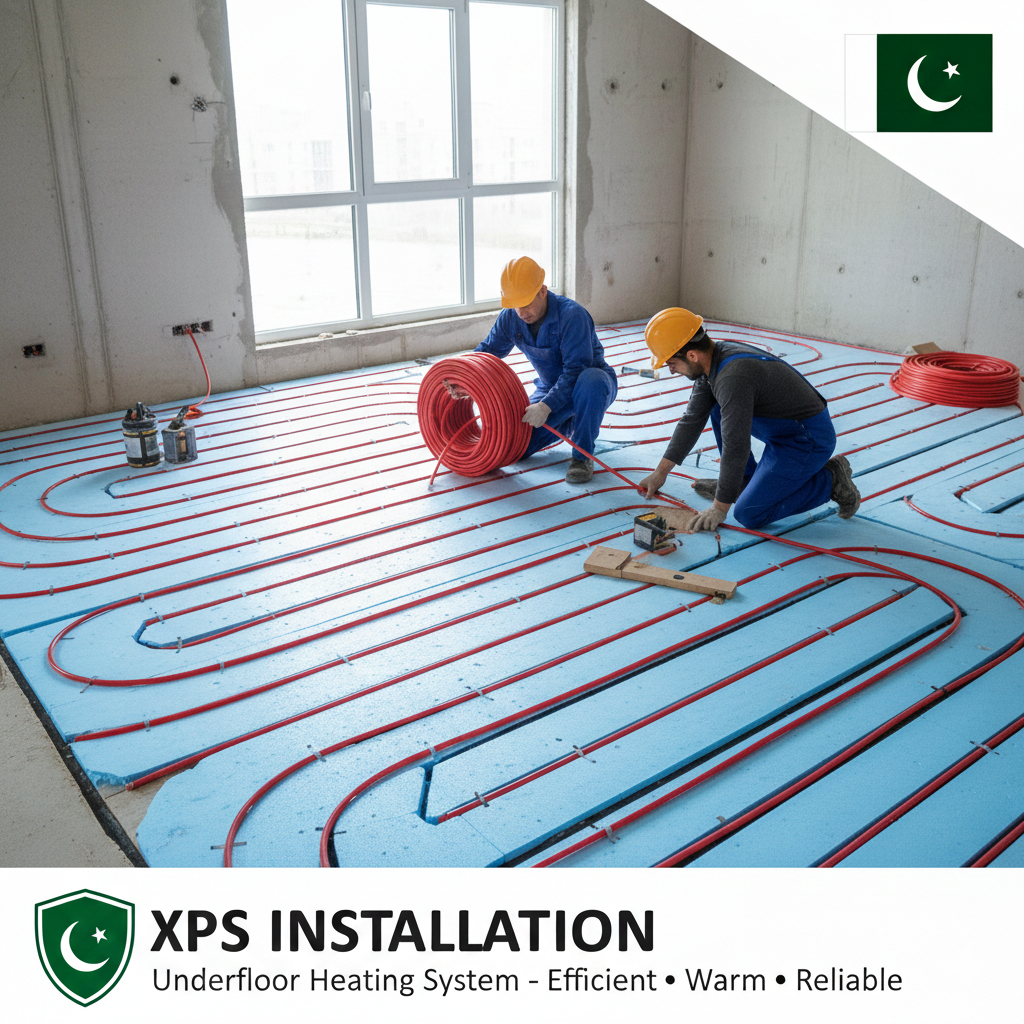
    XPS Installation at underfloor heating system

    The roof absorbs the highest amount of solar radiation throughout the day. Without proper insulation, this heat transfers indoors, increasing cooling costs and reducing comfort. Effective roof insulation:

    • Lowers indoor temperature
    • Reduces air-conditioning load
    • Extends roof lifespan
    • Improves overall energy efficiency

    This is why many property owners now prefer roof cooling methods using Jumbolon or XPS instead of temporary solutions.

    What Is Jumbolon Insulation?

    Jumbolon Insulation Pipes in Pakistan

    Jumbolon is a closed-cell polyethylene foam insulation commonly used for thermal control. It is lightweight, flexible, and resistant to moisture, making it suitable for both residential and industrial roofs.

    Key Features of Jumbolon

    • Available in sheet and jumbolon roll form
    • Flexible installation on uneven surfaces
    • Reflective foil option for enhanced heat resistance
    • Suitable for metal, concrete, and shed roofs

    Because of its adaptability, many consider it among the best roof cooling methods using Jumbolon or XPS for retrofit projects.

    Understanding XPS for Roof Cooling

    XPS (Extruded Polystyrene) is a rigid insulation board known for high compressive strength and thermal resistance. Unlike flexible foam, XPS provides structural stability along with insulation.

    Key Features of XPS

    • High thermal resistance
    • Excellent moisture resistance
    • Long service life
    • Ideal for flat and load-bearing roofs

    XPS is often selected for permanent construction where durability is critical.

    Roof Cooling Methods Using Jumbolon or XPS – How They Work

    Both materials reduce heat transfer by creating a thermal barrier between the roof surface and interior space.

    • Jumbolon slows down heat penetration and reflects radiant heat when foil-faced
    • XPS blocks conductive heat flow through dense insulation boards

    Choosing between them depends on roof type, budget, and insulation goals.

    Jumbolon Sheet Size and Installation Options

    XPS Sheet Manufacturer in Pakistan

    Understanding jumbolon sheet size is important for cost estimation and coverage planning.

    Common configurations include:

    • Sheets for flat concrete roofs
    • Rolls for curved or metal roofs
    • Layered installation for improved insulation

    Many buyers compare jumbolon sheet size and price before finalizing their roof cooling strategy

    Cost Considerations and Budget Planning

    When planning roof insulation, buyers often compare material and installation expenses.

    • Roof Cooling Methods Using Jumbolon or XPS cost depends on thickness, coverage area, and installation method
    • Flexible foam solutions generally offer faster installation
    • Rigid boards require surface preparation but provide long-term durability

    Market demand often influences jumbolon sheet price in Pakistan, especially during peak summer months.

    Comparing Jumbolon and XPS for Roof Cooling

    FeatureJumbolonXPS
    FlexibilityHighLow
    Thermal ResistanceMedium to HighHigh
    Moisture ResistanceGoodExcellent
    Installation SpeedFastModerate
    Best Use CaseMetal & retrofit roofsConcrete & load-bearing roofs

    This comparison helps identify the best roof cooling methods using Jumbolon or XPS based on project needs.

    Which Option Should You Choose?

    Choose Jumbolon if:

    • You need a lightweight solution
    • Your roof has curves or joints
    • Fast installation is a priority

    Choose XPS if:

    • You want maximum thermal resistance
    • The roof carries structural load
    • Long-term performance is critical

    Both materials perform exceptionally well when installed correctly.

    Long-Term Benefits of Proper Roof Insulation

    • Reduced indoor heat gain during peak summer hours
    • Lower dependency on air-conditioning systems
    • Noticeable reduction in monthly electricity bills
    • Improved indoor comfort for living and working spaces
    • Extended lifespan of roofing materials due to controlled thermal stress

    These benefits justify investing in roof cooling methods using Jumbolon or XPS, especially for regions facing prolonged heat exposure.

    Best Practices for Installing Roof Cooling Insulation

    To achieve optimal performance, insulation must be installed correctly regardless of material choice.

    Installation Tips

    • Ensure the roof surface is clean and dry
    • Seal joints and edges properly to avoid thermal leaks
    • Use reflective layers where possible to enhance heat rejection
    • Maintain correct thickness as per roof design and climate needs

    Proper installation significantly improves the effectiveness of roof cooling methods using Jumbolon or XPS cost efficiency over time.

    Maintenance and Durability Considerations

    Both insulation materials require minimal maintenance, but periodic inspection helps maintain performance.

    • Check for moisture ingress after monsoon seasons
    • Ensure insulation layers remain intact
    • Repair any damaged sections promptly

    XPS generally requires less maintenance due to its rigid structure, while Jumbolon benefits from protective surface coverings.

    Environmental and Energy Efficiency Impact

    Effective roof insulation contributes to sustainability by:

    • Reducing overall energy consumption
    • Lowering carbon emissions from cooling systems
    • Enhancing building energy efficiency ratings

    This makes roof cooling methods using Jumbolon or XPS not only cost-effective but also environmentally responsible solutions.

    Final Verdict: Jumbolon or XPS – Which Is Better?

    There is no one-size-fits-all answer. The choice depends on building type, budget, and insulation objectives.

    • Jumbolon is ideal for flexible applications, metal roofs, and retrofit projects
    • XPS is best suited for concrete roofs requiring high thermal resistance and structural strength

    Evaluating jumbolon sheet size, application method, and insulation goals will help you make the right decision.

    Conclusion

    Roof insulation is no longer optional—it is essential for energy efficiency and comfort. By adopting the right roof cooling methods using Jumbolon or XPS, property owners can significantly reduce heat transfer, lower energy costs, and create more comfortable indoor environments.

    Whether you choose flexible foam insulation or rigid thermal boards, proper planning and professional installation ensure long-lasting performance.

    FAQ’S

    Both materials reduce heat effectively, but XPS offers higher thermal resistance for concrete roofs, while Jumbolon works best for metal roofs and retrofit projects due to its flexibility.

    Jumbolon generally has a lower upfront cost, whereas XPS is priced higher due to its rigid structure and long-term durability. Final cost depends on thickness, sheet size, and installation area.

    Yes, Jumbolon is widely used for residential roofs, sheds, and warehouses because it is lightweight, easy to install, and effective against radiant heat.

    When installed properly, XPS insulation can last decades with minimal maintenance, making it a long-term solution for roof cooling.

    Yes. Proper roof insulation significantly lowers indoor temperatures, reducing air-conditioning usage and helping reduce monthly electricity costs.

    This depends on roof design. Above-slab installation offers better protection for concrete roofs, while below-roof installation is common for metal roofing systems.

  • Acoustic Insulation Solutions for Homes

    Acoustic Insulation Solutions for Homes

    Noise pollution has become one of the most overlooked comfort issues in modern homes. Whether it’s traffic, neighbors, appliances, or internal echo, unwanted sound directly affects sleep quality, productivity, and overall well-being. This is why acoustic insulation solutions for homes are now considered an essential part of residential construction and renovation.

    This guide explains how acoustic insulation works, which materials perform best, and how homeowners can choose the right system based on budget, noise level, and application.

    What Are Acoustic Insulation Solutions for Homes?

    glasswool vs rockwool

    Acoustic insulation solutions for homes are specialized materials designed to absorb, block, or reduce sound transmission between rooms or from external sources. Unlike thermal insulation, the primary goal here is sound control rather than temperature regulation.

    Modern residential systems focus on:

    • Reducing airborne noise (voices, traffic, TV)
    • Minimizing impact noise (footsteps, vibration)
    • Improving indoor sound clarity

    When installed correctly, acoustic insulation dramatically improves living comfort without altering interior aesthetics.

    Why Acoustic Insulation Matters in Residential Buildings

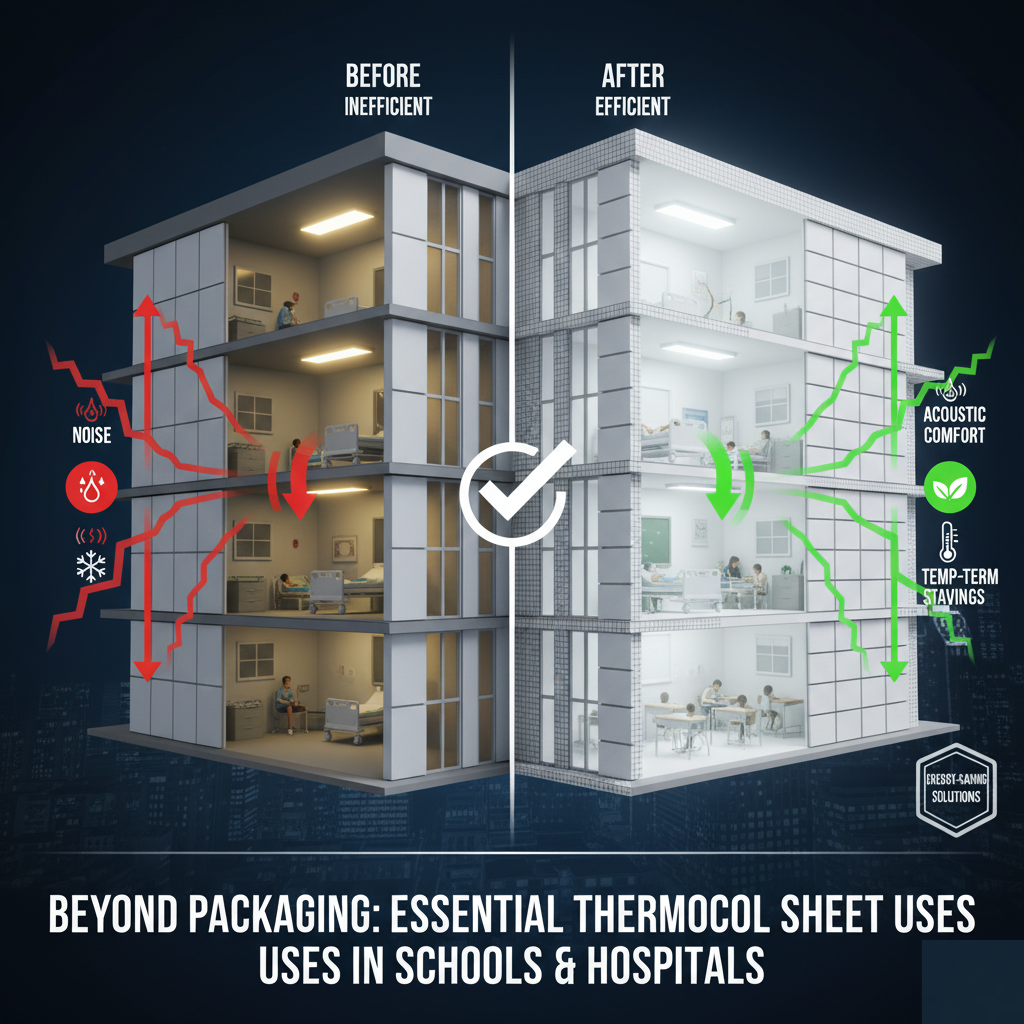
    Thermocol Sheet For Hospitals & Schools

    Urban living has increased background noise levels in most cities. Apartments, duplex homes, and even standalone houses are affected by sound transmission through walls, ceilings, and floors.

    Installing the best acoustic insulation solutions for homes helps:

    • Create quiet bedrooms and home offices
    • Improve privacy between rooms
    • Reduce echo in large living areas
    • Increase overall property value

    Soundproofing is no longer a luxury—it is a functional requirement for modern homes.

    Rockwool Sound Insulation – A Preferred Choice

    Among various acoustic materials, rockwool sound insulation stands out due to its fibrous structure and high density. It traps sound waves within its matrix, converting sound energy into low-level heat, effectively reducing noise transmission.

    Key Benefits of Rockwool Acoustic Insulation

    • Excellent sound absorption
    • Fire-resistant by nature
    • Durable and long-lasting
    • Performs well in walls, ceilings, and partitions

    Because of these qualities, rockwool acoustic insulation is widely used in residential and commercial soundproofing projects.

    Rockwool Sound Insulation Specifications Explained

    Understanding rockwool sound insulation specifications helps homeowners choose the right product for their needs. Key technical factors include:

    • Density: Higher density improves sound absorption
    • Thickness: Thicker slabs provide better noise reduction
    • Installation area: Walls, ceilings, or floors require different configurations

    Selecting the correct specification ensures effective performance without unnecessary cost.

    Acoustic Insulation Panels for Interior Spaces

    An acoustic insulation panel is designed to control sound within a room rather than blocking noise completely. These panels absorb sound reflections, reduce echo, and improve speech clarity, making them ideal for bedrooms, home theaters, study rooms, and lounges.

    Unlike decorative wall treatments, acoustic panels are engineered using porous materials that trap sound waves. When installed correctly, they significantly enhance indoor acoustics without major construction work.

    Acoustic Insulation Materials

    Material TypeSound Absorption LevelCommon ThicknessKey Use Area
    Rockwool Acoustic InsulationVery High25–50 mmWalls, ceilings
    Acoustic Insulation PanelHigh12–25 mmStudios, bedrooms
    Acoustic Insulation BoardMedium to High25 mmPartition walls
    Foam Sound PanelsMedium20–40 mmEcho control
    Glasswool PanelsMedium25–50 mmCeilings

    Note: Rockwool sound insulation specifications typically provide superior noise reduction compared to lightweight foam options.

    Acoustic Insulation Board vs Panels – What’s the Difference?

    EPS Vs Rockwool

    While panels focus on surface-level sound absorption, an acoustic insulation board is typically installed inside walls, ceilings, or partitions. Boards work by limiting sound transmission between spaces, whereas panels improve sound quality within a space.

    When to use acoustic insulation boards:

    • Shared walls between apartments
    • Bedrooms next to living areas
    • Ceiling insulation for multi-storey homes

    Boards are often paired with drywall systems to create a complete soundproofing solution.

    Rockwool Acoustic Insulation for Walls & Ceilings

    Rockwool acoustic insulation is highly effective for residential walls and ceilings due to its open-fiber structure. It absorbs both high-frequency and low-frequency sounds, making it suitable for homes exposed to traffic noise or internal disturbances.

    Common residential applications include:

    • Partition walls
    • False ceilings
    • Media rooms
    • Staircase walls

    Because it maintains performance over time, rockwool is considered one of the most reliable long-term soundproofing materials.

    Understanding Rockwool Sound Insulation Price

    The rockwool sound insulation price depends on factors such as density, thickness, and application area. While it may appear costlier than basic foam solutions, its durability and performance make it more cost-effective over time.
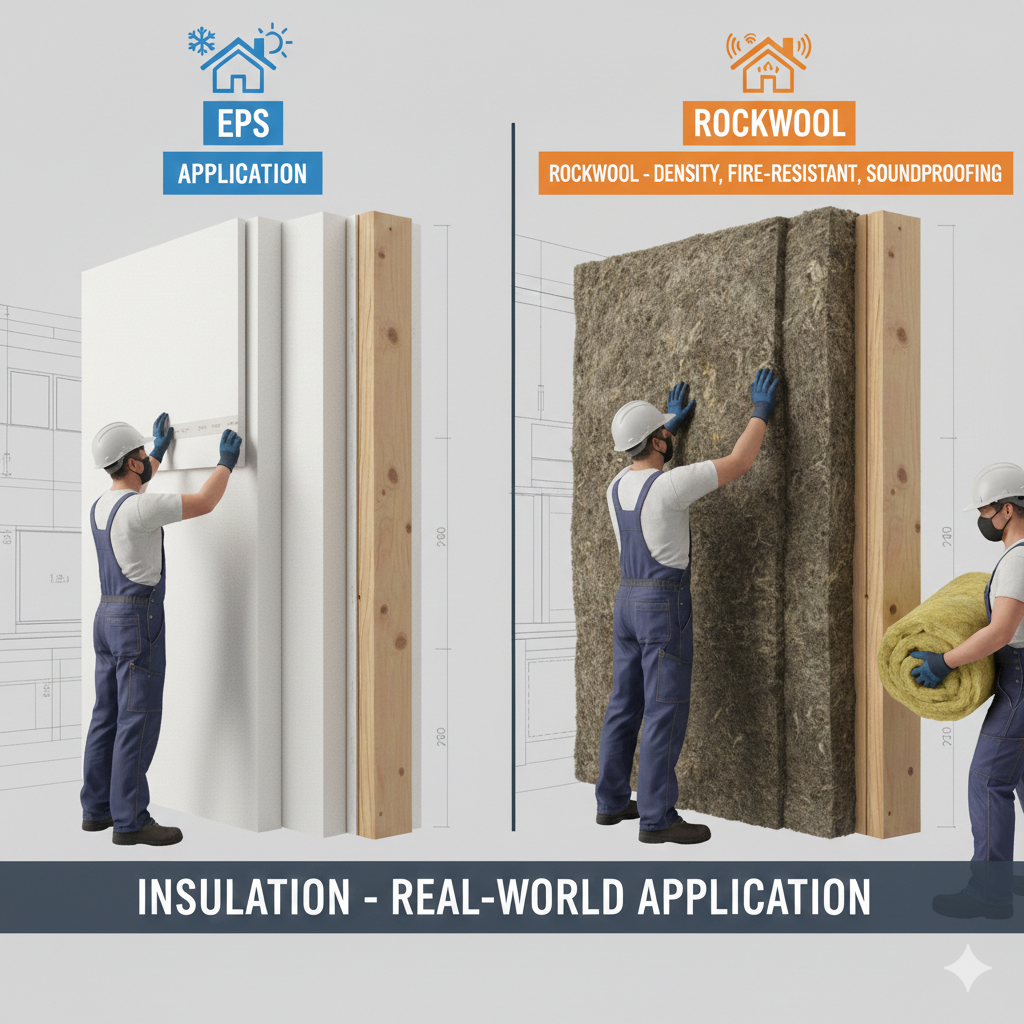
    For homeowners seeking balance between performance and value, rockwool-based systems offer consistent results without frequent replacement.

    Best Acoustic Insulation Solutions for Homes – Material Comparison

    Choosing the right material depends on the type of noise and the space being treated. Below is a simplified comparison:

    Material TypeNoise Control LevelBest Used For
    Rockwool Acoustic InsulationHighWalls, ceilings
    Acoustic Insulation PanelMediumRoom echo control
    Acoustic Insulation BoardHighSound separation
    Foam PanelsLow to MediumStudios, decor-based solutions

    For residential use, combining rockwool sound insulation with panels delivers the best overall performance.

    Where Acoustic Insulation Works Best in Homes

    Acoustic insulation solutions for homes are most effective in:

    • Bedrooms (for privacy and sleep quality)
    • Home offices (for focus and calls)
    • TV lounges (to reduce sound leakage)
    • Staircases and corridors (to reduce echo)

    Proper placement is as important as material choice. Even the best insulation will underperform if installed incorrectly.

    Installation Tips for Maximum Sound Reduction

    To get the best results:

    • Seal gaps and joints before installing insulation
    • Use proper framing support for insulation boards
    • Avoid compressing insulation material
    • Combine acoustic boards with double-layer drywall where possible

    Professional installation ensures optimal sound control and material longevity.

    Acoustic Insulation Solutions for Homes – Price Considerations

    house insulation in pakistan

    The Acoustic Insulation Solutions for Homes price varies depending on:

    • Area coverage
    • Material type
    • Installation method

    While upfront costs may differ, effective acoustic insulation reduces stress, improves comfort, and adds long-term value to the property—making it a smart investment.

    Conclusion

    Modern living demands quieter, more comfortable indoor spaces. By choosing the right acoustic insulation solutions for homes, homeowners can significantly reduce noise, improve privacy, and enhance overall quality of life.

    Materials like rockwool acoustic insulation, acoustic insulation panels, and acoustic insulation boards provide reliable, long-lasting sound control when selected and installed properly. Whether you are renovating or building new, investing in acoustic insulation is a decision that delivers everyday comfort.

    FAQ’S

    The best acoustic insulation solutions for homes depend on noise type and location. For walls and partitions, rockwool acoustic insulation performs best due to its high sound absorption and density.

    Rockwool sound insulation is highly effective at reducing airborne noise such as voices, traffic, and TV sound. Its fibrous structure traps sound waves instead of reflecting them.

    Rockwool sound insulation price varies based on thickness, density, and panel size. Higher density options offer better sound control and long-term durability.

    Acoustic insulation panels are designed specifically for sound absorption, while standard insulation boards mainly focus on thermal performance. For home soundproofing, acoustic panels provide better results.

    Yes, acoustic insulation board systems can be installed in existing homes during renovations by fixing panels behind gypsum boards or within false ceilings.

    Yes, materials like rockwool acoustic insulation offer both sound reduction and thermal insulation, improving overall indoor comfort.

  • Complete Guide to Thermal Insulation Sheets

    Complete Guide to Thermal Insulation Sheets

    Thermal insulation has become a necessity rather than a luxury, especially in regions facing extreme summers and rising energy costs. This complete guide to thermal insulation sheets and their price explains how insulation boards work, where they are used, and how to select the right solution for roofs, walls, and interior spaces.

    Whether you are planning new construction or upgrading an existing building, understanding insulation sheets will help you improve comfort, reduce energy bills, and protect your structure long-term.

    What Are Thermal Insulation Sheets?

    Using aluminium foil with jumbolon

    Thermal insulation sheets are specially engineered materials designed to reduce heat transfer between indoor and outdoor environments. They slow down heat flow by resisting conduction, convection, and radiation, helping maintain stable indoor temperatures.

    These sheets are widely used for roof heat proofing, wall insulation, and interior thermal control in residential, commercial, and industrial buildings.

    What Is an Insulation Board?

    Jumbolon Board in Pakistan

    Many people ask: what is insulation board?
    An insulation board is a rigid or semi-rigid panel made from insulating materials such as foam, mineral fibers, or composites. These boards are easy to install, durable, and offer consistent thermal performance.

    Insulation boards are commonly installed:

    • Under roofs
    • Inside wall cavities
    • On interior walls
    • In ceilings and floors

    Types of Insulation Board Used in Buildings

    Understanding the types of insulation board is essential before choosing the right solution.

    1. PIR Insulation Board

    A PIR insulation board is known for its high thermal efficiency and slim profile. It delivers excellent insulation where space is limited and is commonly used in modern roofing systems.

    2. EPS & XPS Boards

    Jumbolon VS EPS Sheet

    These foam boards are lightweight, moisture-resistant, and cost-effective. They are widely used in walls and roofs where long-term durability is required.

    3. Mineral-Based Boards

    EPS Vs Rockwool

    These boards provide both thermal and sound insulation and are often selected for fire-resistant applications.

    Each insulation board type serves a specific purpose depending on heat exposure, moisture conditions, and building design.

    Roof Heat Proofing with Insulation Sheets

    One of the most common applications of insulation sheets is roof heat proofing. Roofs receive direct sunlight for extended hours, making them the largest source of indoor heat gain.

    Using insulation boards beneath roofing systems can:

    • Reduce indoor temperatures significantly
    • Protect waterproofing layers
    • Extend roof lifespan
    • Improve overall energy efficiency

    When considering roof insulation price in Pakistan, factors such as board thickness, material type, and installation method play a major role.

    Insulation Boards for Walls – Exterior & Interior Use

    rockwool insulation in pakistan

    Insulation boards for walls help stabilize indoor temperatures and reduce thermal bridging. They are commonly installed on external walls to block heat entry and retain indoor cooling.

    Best Insulation Board for Interior Walls

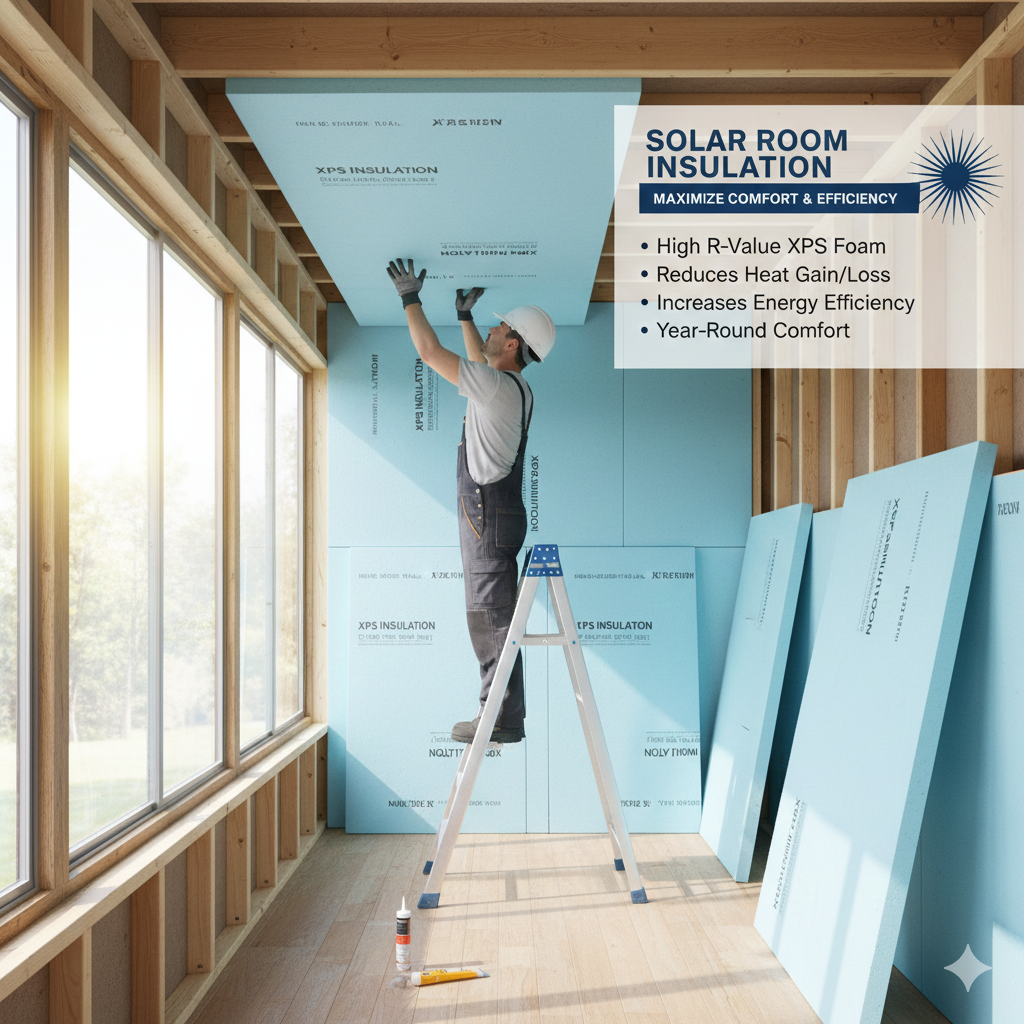
    Solar Room Insulation in Pakistan

    Choosing the best insulation board for interior walls depends on space availability and thermal needs. Slim, high-performance boards are preferred for interiors as they do not reduce room size significantly.

    Interior insulation also improves comfort between rooms and reduces temperature fluctuation throughout the day.

    Best Insulation Board for Roof Applications

    The best insulation board for roof use should have:

    • High thermal resistance
    • Moisture resistance
    • Long-term structural stability

    Rigid insulation boards paired with reflective layers often provide the most effective results for roofs exposed to intense heat.

    Technical Comparison Table (EPS vs XPS vs Rockwool vs PIR Heat Boards)

    Insulation TypeThermal PerformanceMoisture ResistanceFire ResistanceCommon Applications
    EPS BoardMediumLow to MediumLowWalls, basic roofs
    XPS BoardHighHighMediumRoofs, floors
    Rockwool BoardHighMediumVery HighFire-rated walls
    PIR Heat BoardVery HighHighHighRoofs, interiors

    Note: Selection should be based on climate conditions, fire requirements, and available installation space.

    Cost Factors: What Influences Insulation Sheet Prices?

    Many buyers search for the Complete Guide to Thermal Insulation Sheets price to understand budgeting. Prices vary based on:

    • Material type
    • Board thickness
    • Density and performance rating
    • Installation complexity

    Additionally, roof insulation price in Pakistan can differ between cities due to transportation and labor costs.

    While insulation may seem like an upfront expense, it delivers long-term savings by lowering cooling and heating costs.

    How to Choose the Right Insulation Sheet

    To select the correct insulation solution, consider:

    • Climate conditions
    • Area of application (roof, wall, interior)
    • Available space
    • Long-term energy goals

    Using the best insulation board for interior walls may differ from what works best for roofs, so matching the board to the application is critical.

    Benefits of Using Thermal Insulation Sheets

    Installing thermal insulation sheets offers multiple advantages and consumer friendly price in Pakistan:

    • Improved indoor comfort
    • Lower electricity consumption
    • Reduced stress on HVAC systems
    • Enhanced property value
    • Protection against extreme temperatures

    Future of Insulation Boards in Modern Construction

    As energy efficiency standards rise, insulation boards are becoming a core part of sustainable construction. Advanced materials like PIR and hybrid insulation systems are setting new benchmarks in thermal performance.

    FAQ’S

    The best insulation board for roofs depends on heat exposure and budget. PIR insulation boards and XPS boards are commonly preferred due to high thermal resistance and long service life, especially for roof heat proofing.

    When selecting insulation boards for walls, consider thickness, moisture resistance, and installation space. Interior walls usually require slim, high-performance boards, while exterior walls can use thicker insulation systems.

    A PIR insulation board offers higher thermal efficiency compared to many traditional insulation sheets, allowing better insulation with less thickness, making it ideal for modern buildings.

    Roof insulation price in Pakistan varies based on insulation material, board thickness, covered area, and installation method. Transport and city location may also influence final pricing.

    Yes, proper insulation boards significantly reduce heat transfer, which lowers cooling and heating demand and helps reduce monthly electricity bills.

    The best insulation board for interior walls is one that provides strong thermal resistance without reducing room space, such as PIR or high-density foam boards.

  • Energy Efficiency Boost with Proper Insulation

    Energy Efficiency Boost with Proper Insulation

    In modern construction, energy efficiency is no longer optional—it’s essential. One of the most effective ways to reduce energy consumption and utility costs is by investing in proper insulation. Whether for residential or commercial buildings, proper insulation ensures that your indoor environment remains comfortable while minimizing energy waste.

    What Is Proper Insulation?

    Proper insulation refers to materials and techniques used to prevent heat loss in winter and heat gain in summer. It acts as a barrier to reduce the exchange of energy between indoor and outdoor environments. Proper insulation can be applied in walls, roofs, attics, and lofts to maximize thermal comfort.

    Key areas include:

    • Roof insulation – The primary barrier against heat entering from above.
    • Attic insulation – Ensures stored heat or cool air is maintained.
    • Loft insulation – Prevents energy loss through uninsulated roof spaces.

    Technical Comparison Table – Roof/Attic Insulation Options

    Insulation MaterialR-Value / Thermal ResistanceWater ResistanceSound AbsorptionLifespan (Years)Typical Price Range (PKR/m²)
    RockwoolHighModerateExcellent20–30700–1,200
    XPS BoardsHighExcellentGood25–30600–1,000
    EPS SheetsMediumGoodFair15–20500–900
    Reflective Aluminium FoilMedium (reflective heat)ExcellentMinimal10–15400–800
    Combination (Foil + XPS)Very HighExcellentGood25–30900–1,400

    Note: Prices and performance may vary depending on thickness, density, and local suppliers.

    How Proper Roof Insulation Improves Energy Efficiency

    Glasswool Sheet For Soundproofing

    Proper roof insulation is one of the most impactful investments for energy efficiency. Roofs are responsible for up to 30% of energy loss in buildings. By installing quality insulation:

    • Reduce your heating and cooling cost by maintaining a stable indoor temperature.
    • Improve building comfort during summer and winter months.
    • Proper insulation generally lowers electricity bills by decreasing the load on HVAC systems.
    • Protect roofing materials by reducing thermal stress and condensation.

    Ways to Improve Insulation in Your Building

    Thermocol Sheet For Hospitals & Schools

    Improving insulation in your building doesn’t always require a full renovation. Here are effective strategies:

    1. Insulate Your Loft: Adding loft insulation is cost-effective and prevents heat loss through the roof.
    2. Insulate Your Attic: For buildings with unoccupied attic spaces, insulating the attic floor can reduce energy waste.
    3. Upgrade Roof Insulation Materials: Using reflective foil, XPS, EPS, or Rockwool insulation layers can significantly improve thermal performance.
    4. Seal Gaps and Leaks: Proper sealing of vents, ducts, and chimneys complements insulation and reduces drafts.

    Implementing these steps can deliver a noticeable energy efficiency boost with proper insulation and significantly reduce your electricity bills.

    Benefits of Proper Insulation

    • Energy Savings: Lower energy bills through efficient thermal management.
    • Enhanced Comfort: Stable indoor temperatures throughout the year.
    • Environmental Impact: Reduced carbon footprint by using less electricity.
    • Property Value: Energy-efficient buildings are more attractive to buyers and tenants.
    • Durability: Protects roofing and interior structures from condensation and moisture damage.

    Choosing the Right Insulation Material

    Using aluminium foil with jumbolon

    Selecting the right insulation material depends on your building type, climate, and budget. Common options include:

    • Rockwool Insulation: Fireproof, sound-absorbing, and high thermal resistance.
    • EPS & XPS Boards: Lightweight, water-resistant, and high insulation efficiency.
    • Reflective Aluminium Foil: Excellent for reflective heat reduction in attics and lofts.

    By combining materials, such as foil with XPS or Rockwool, you can maximize performance for both heat and sound insulation.

    Energy Efficiency Boost with Proper Insulation Price Considerations

    The energy efficiency boost with proper insulation price varies depending on the material, thickness, and installation complexity. Factors include:

    • Type of insulation (Rockwool, XPS, EPS, reflective foil).
    • Area to be insulated (attic, loft, roof, walls).
    • Labor and installation techniques.

    Investing in high-quality insulation may cost more initially but yields long-term savings on electricity bills and enhances building comfort.

    FAQ’S

    The energy efficiency boost with proper insulation price depends on the material used, area covered, and installation type. On average, roof or attic insulation can save 20–30% on energy bills, making the investment worthwhile.

    Both are effective, but if the attic is unoccupied, insulating the attic floor prevents heat loss. Loft insulation is more suitable when the loft space is used regularly.

    Yes, proper roof insulation minimizes heat exchange, reducing reliance on AC or heating systems, which immediately lowers electricity usage.

    Materials like Rockwool, XPS boards, and reflective aluminium foils are highly effective. For extreme climates, a combination of foil with XPS or Rockwool provides maximum heat resistance and comfort.

    Absolutely. Upgrading insulation in older buildings can drastically improve indoor comfort, reduce energy bills, and increase property value.

    High-quality insulation materials, such as Rockwool or XPS, can last 20–30 years when installed correctly, providing long-term energy savings.

  • Combination Insulation Layers (Rockwool + Foil + XPS)

    Combination Insulation Layers (Rockwool + Foil + XPS)

    Modern buildings, factories, and commercial projects demand insulation systems that do more than just reduce heat. A combination insulation layer using Rockwool, Aluminium Foil, and XPS delivers thermal resistance, fire safety, moisture control, and long-term energy savings in one integrated solution.

    This guide explains how Combination Insulation Layers Rockwool Foil XPS work, where they are used, technical specifications, pricing considerations, and how to choose the right configuration for your project.

    What Is a Combination Insulation Layer (Rockwool + Foil + XPS)?

    Using aluminium foil with jumbolon

    A Combination Insulation Layer is a multi-material insulation system where:

    • Rockwool provides fire resistance, acoustic insulation, and high-temperature stability
    • Aluminium foil reflects radiant heat and acts as a vapor barrier
    • XPS (Extruded Polystyrene) delivers strong thermal insulation with high compressive strength

    This layered system is engineered to perform better than any single insulation material used alone.

    Why Use Combination Insulation Instead of Single-Layer Systems?

    EPS Vs Rockwool

    Single insulation materials often solve only one problem. In contrast, Combination Insulation Layers Rockwool Foil XPS address multiple performance requirements simultaneously, especially in harsh climates and industrial environments.

    Key Advantages:

    • Superior heat reduction
    • Fire-rated insulation performance
    • Moisture and vapor control
    • Structural durability
    • Long-term energy efficiency

    Layer-by-Layer Breakdown of the System

    1️⃣ Rockwool Insulation Layer

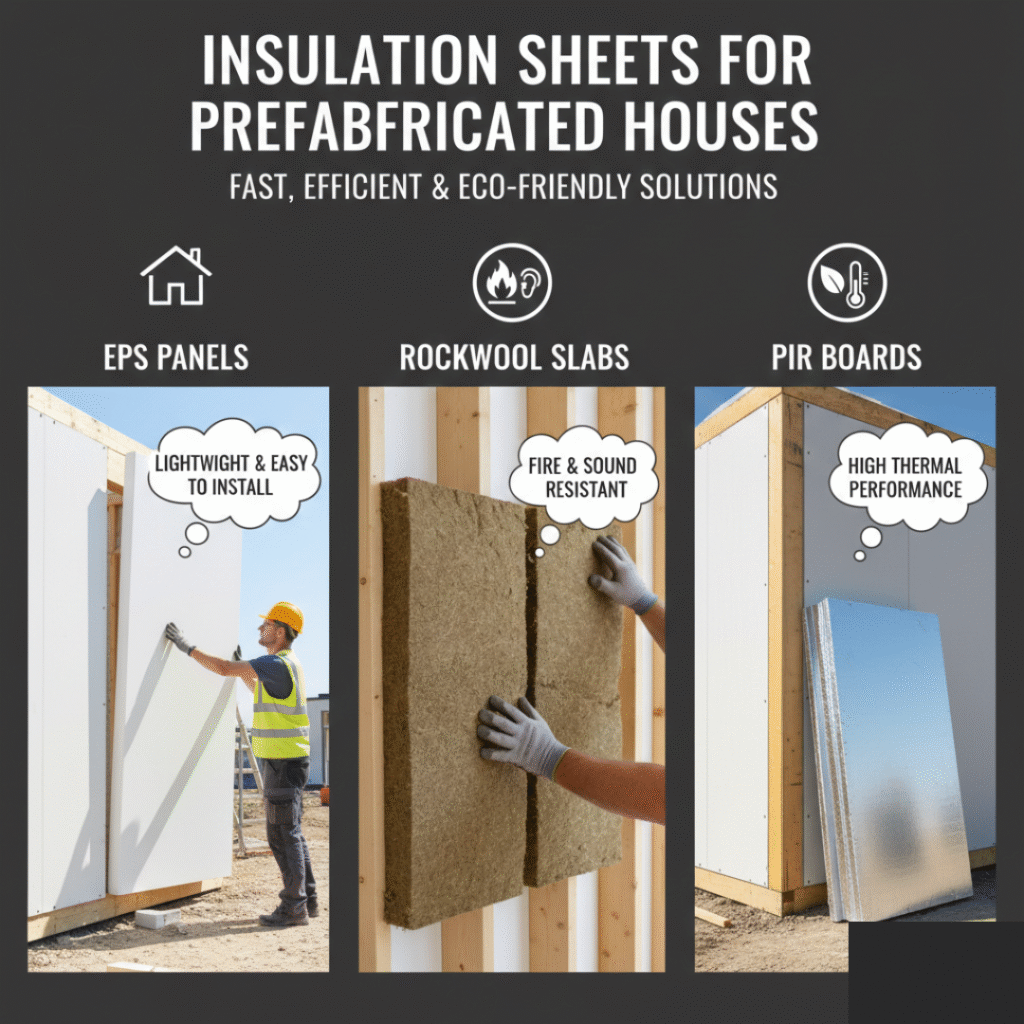
    insulation sheets for prefabricated house

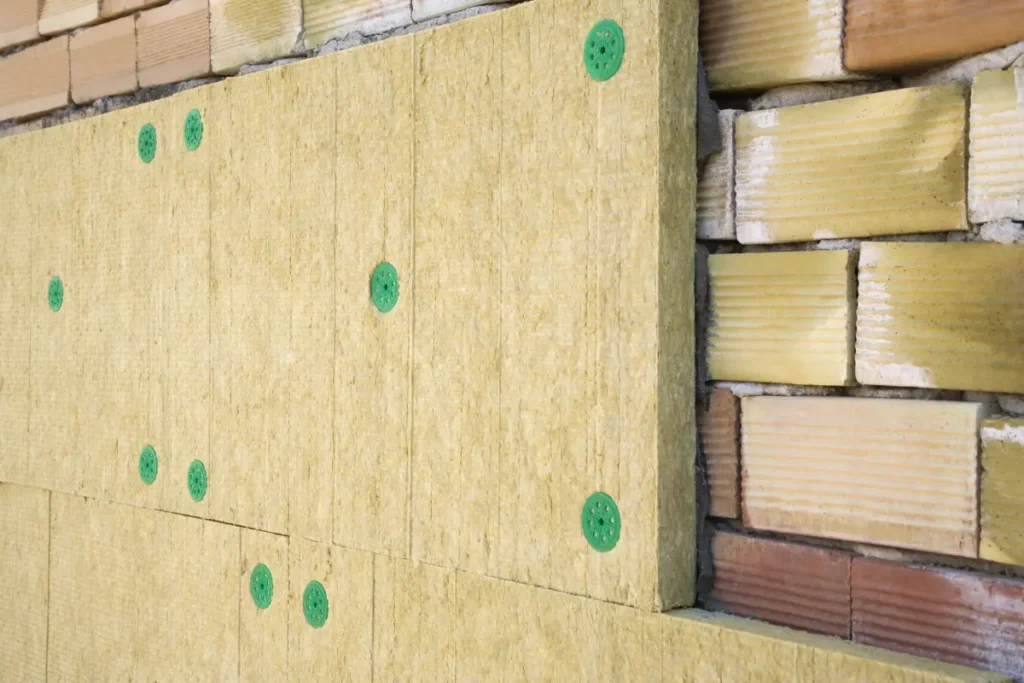
    Rockwool is the backbone of fire and sound protection in the system.

    Rockwool density typically ranges between 40–120 kg/m³, depending on application. Higher density improves fire resistance and acoustic performance.

    Rockwool insulation specifications commonly include:

    • Non-combustible material
    • High melting point
    • Excellent sound absorption
    • Stable performance under extreme heat

    For heavy-duty applications, 100mm rockwool insulation is often selected to meet fire-rating and thermal requirements.

    2️⃣ Aluminium Foil Layer

    Bubble Aluminium Foil Installation

    The foil layer plays a critical role in radiant heat reflection.

    Functions of aluminium foil:

    • Reflects radiant heat back toward the source
    • Acts as a vapor barrier
    • Prevents moisture penetration
    • Improves overall thermal efficiency of the insulation system

    Foil placement between layers maximizes thermal resistance and protects inner materials

    3️⃣ XPS Insulation Layer

    xps Insulation for Metal Sheds

    XPS is known for its closed-cell structure, making it ideal for load-bearing and moisture-prone areas.

    Key benefits:

    • High thermal resistance (R-value)
    • Strong compressive strength
    • Water resistance
    • Long service life

    XPS complements rockwool by improving insulation efficiency without adding excessive thickness.

    3️⃣ XPS Insulation Layer

    XPS Vs Glasswool

    XPS is known for its closed-cell structure, making it ideal for load-bearing and moisture-prone areas.

    Key benefits:

    • High thermal resistance (R-value)
    • Strong compressive strength
    • Water resistance
    • Long service life

    XPS complements rockwool by improving insulation efficiency without adding excessive thickness.

    Applications of Rockwool + Foil + XPS Insulation Systems

    This combination insulation system is widely used in:

    • Industrial factories
    • Power plants
    • Commercial buildings
    • Data centers
    • Cold storage facilities
    • Roofs and wall insulation systems
    • Mechanical rooms and machinery enclosures

    It is especially valuable where fire safety, heat control, and durability are non-negotiable.

    Combination Insulation Layers Rockwool Foil XPS Price – What Affects Cost?

    The Combination Insulation Layers Rockwool Foil XPS price depends on several factors:

    • Rockwool density selection
    • Thickness (including 100mm rockwool insulation)
    • XPS board thickness
    • Foil quality and layering method
    • Installation complexity
    • Project size and location

    Higher density rockwool and thicker insulation layers increase cost but significantly improve performance and lifespan.

    Technical Performance Overview

    PropertyPerformance
    Thermal ResistanceExcellent
    Fire ResistanceHigh (Rockwool core)
    Moisture ControlVery High (Foil + XPS)
    Acoustic InsulationExcellent
    Structural StrengthHigh
    LifespanLong-term

    How to Choose the Right Configuration

    When selecting a combination insulation system, consider:

    • Fire rating requirements
    • Indoor temperature range
    • Moisture exposure
    • Structural load
    • Energy efficiency goals

    Projects with strict fire regulations often prioritize higher rockwool density, while energy-focused projects may increase XPS thickness.

    Installation Best Practices

    Proper installation is critical for system performance:

    • Ensure tight joints between insulation layers
    • Place foil with reflective side facing heat source
    • Avoid compression of rockwool beyond specifications
    • Seal all gaps to prevent thermal bridging

    Professional installation ensures the system performs as designed.

    Long-Term Benefits of Combination Insulation Systems

    • Reduced energy bills
    • Improved fire safety compliance
    • Lower HVAC load
    • Enhanced indoor comfort
    • Reduced maintenance costs
    • Increased building lifespan

    Is This Insulation System Worth the Investment?

    For projects requiring maximum thermal efficiency and fire safety, the answer is yes. While the initial Combination Insulation Layers Rockwool Foil XPS price may be higher than single-layer insulation, the long-term savings and safety benefits justify the investment.

    Conclusion

    A Combination Insulation Layer using Rockwool, Aluminium Foil, and XPS is a future-ready solution for modern buildings and industrial facilities. By combining fire resistance, thermal insulation, and moisture control, this system delivers unmatched performance in demanding environments.

    FAQ’S

    For most commercial and industrial projects, 100mm rockwool insulation combined with 25–50mm XPS delivers optimal fire resistance and thermal performance. Thickness may vary based on fire-rating and energy-efficiency requirements.

    Higher rockwool density improves fire resistance, sound absorption, and durability. Medium to high-density rockwool is recommended when used in combination insulation layers with foil and XPS.

    Yes. Aluminium foil significantly improves performance by reflecting radiant heat and acting as a vapor barrier, which enhances the overall efficiency of Rockwool insulation specifications.

    Pricing depends on rockwool density, thickness (including 100mm rockwool insulation), XPS board thickness, foil quality, installation method, and project scale. Industrial-grade systems cost more but offer longer service life.

    These systems are widely used in factories, commercial buildings, power plants, mechanical rooms, roofs, and walls where fire safety and thermal control are critical.

    Yes. Combination insulation layers outperform single materials by providing fire resistance, thermal insulation, moisture control, and acoustic performance in one integrated system.