
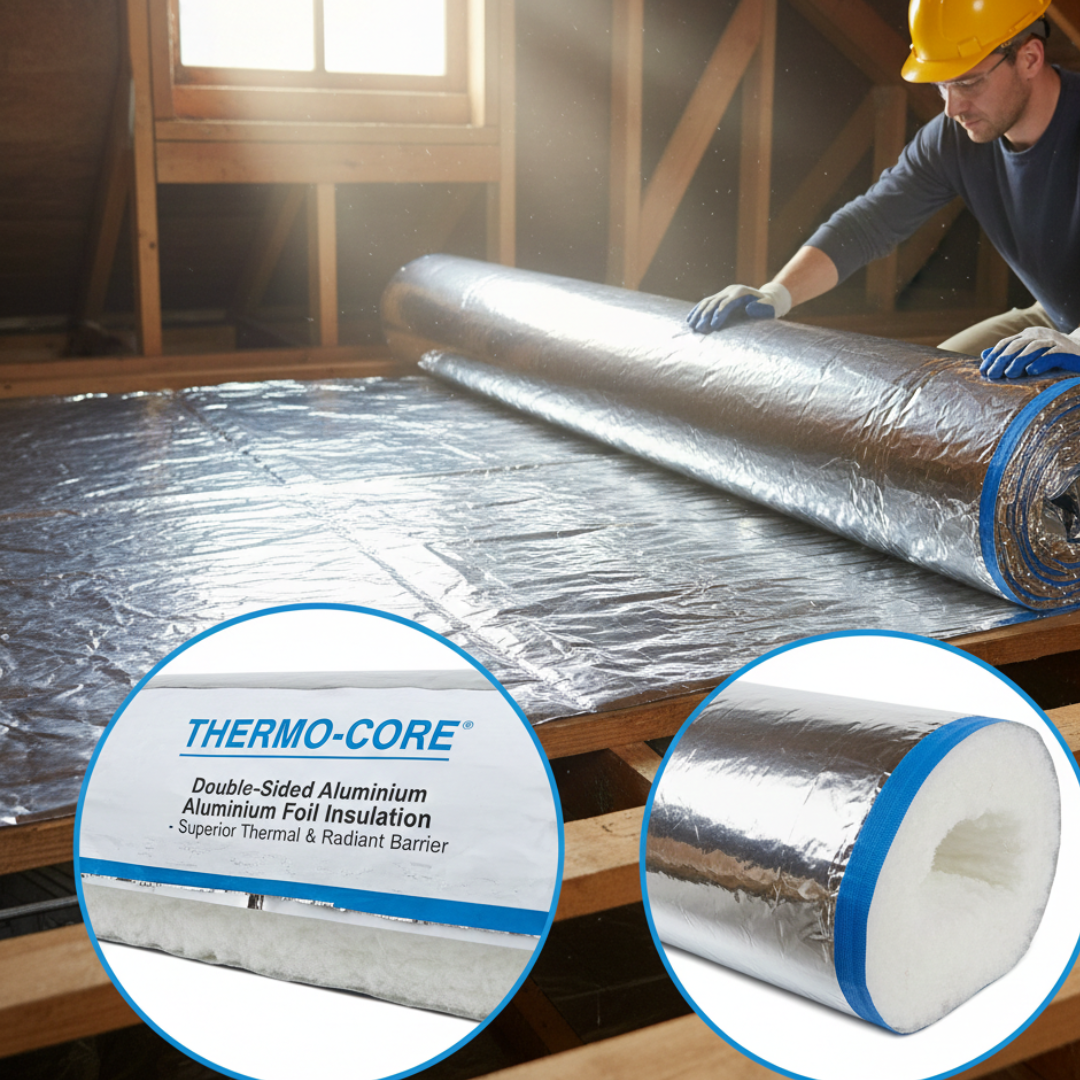
thermocol sheet price in pakistan

Author: Ammarchaudhary17@gamil.com

  • Double-Sided Aluminium Foil Insulation Price

    Double-Sided Aluminium Foil Insulation Price

    As energy costs rise and heat control becomes essential for modern buildings, reflective insulation materials are gaining strong demand. Among these, double-sided aluminium foil insulation has emerged as a preferred solution due to its high reflectivity, lightweight structure, and cost efficiency. Understanding the Double-Sided Aluminium Foil Insulation Price helps builders, contractors, and property owners choose the right material for heat protection.

    This guide covers pricing factors, material composition, roll specifications, and market trends in Pakistan.

    What Is Double-Sided Aluminium Foil Insulation?
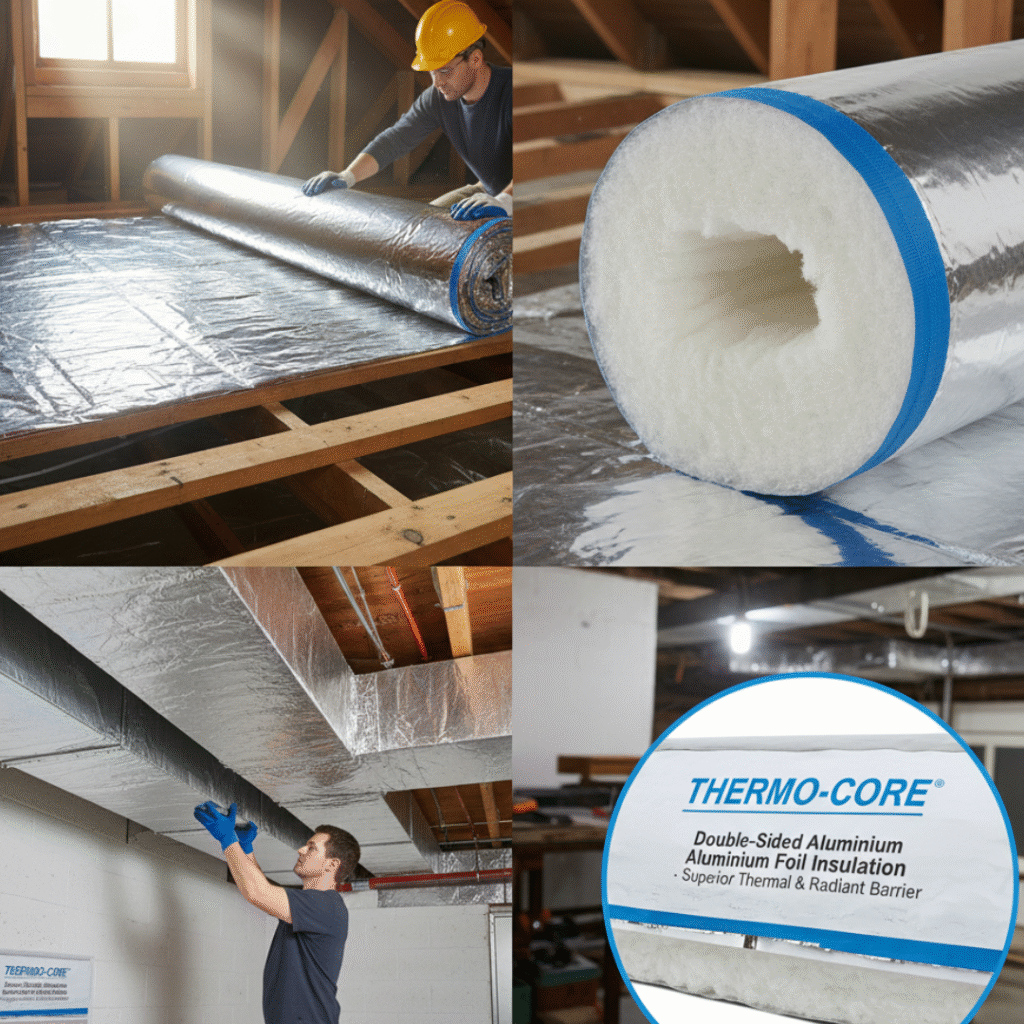
    double sided aluminium sheet in pakistan

    Double-sided aluminium foil insulation consists of reflective aluminium layers on both sides, often combined with air-filled bubble sheets in between. This structure reflects radiant heat from both directions, improving thermal resistance.

    Unlike traditional insulation that relies on thickness, foil insulation works by reflecting heat, making it ideal for roofs, walls, warehouses, and industrial buildings.

    Double-Sided Aluminium Foil Insulation Price in Pakistan

    The Double-Sided Aluminium Foil Insulation Price in Pakistan varies depending on material thickness, bubble layer type, roll size, and order quantity. Prices are generally influenced by raw aluminium rates, manufacturing quality, and whether the product is locally supplied or imported.

    Bulk purchases and wholesale orders often reduce the per-roll cost significantly.

    Aluminium Bubble Insulation – How It Works
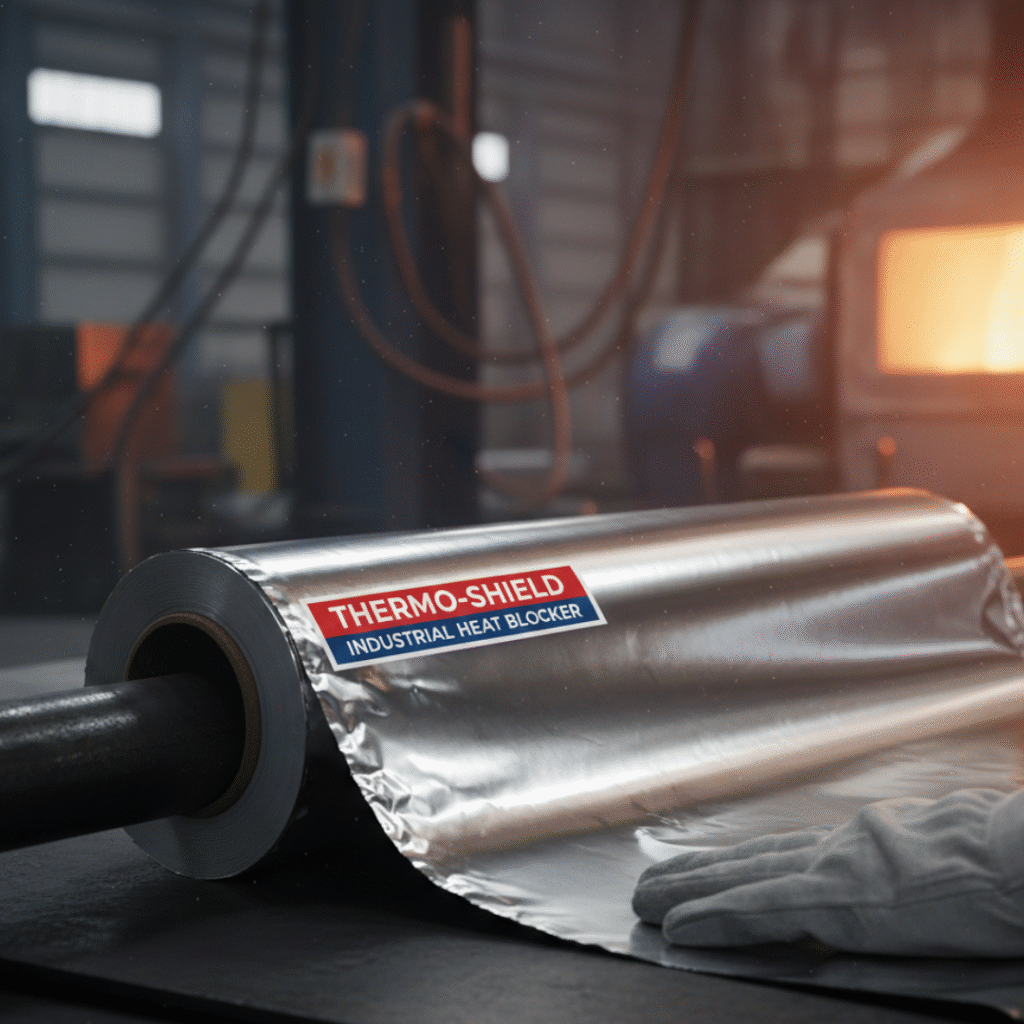
    Aluminium Foil Sheet for Thermal Insulation

    Aluminium Bubble Insuation combines reflective foil with sealed air bubbles that act as a thermal barrier. The trapped air slows heat transfer, while aluminium surfaces reflect radiant heat away from the building.

    This combination delivers effective insulation without adding excessive weight or thickness.

    Aluminium Foil With Double Sided Bubble Sheet

    Aluminium Foil With Double Sided Bubble Sheet is commonly used in roofing systems, HVAC ducts, and industrial sheds. The dual foil layers improve durability and reflective efficiency, making it suitable for both hot and cold climates.

    It is especially effective in metal structures where radiant heat transfer is high.

    Wholesale Price Double Sided Aluminum Foil – Cost Advantages
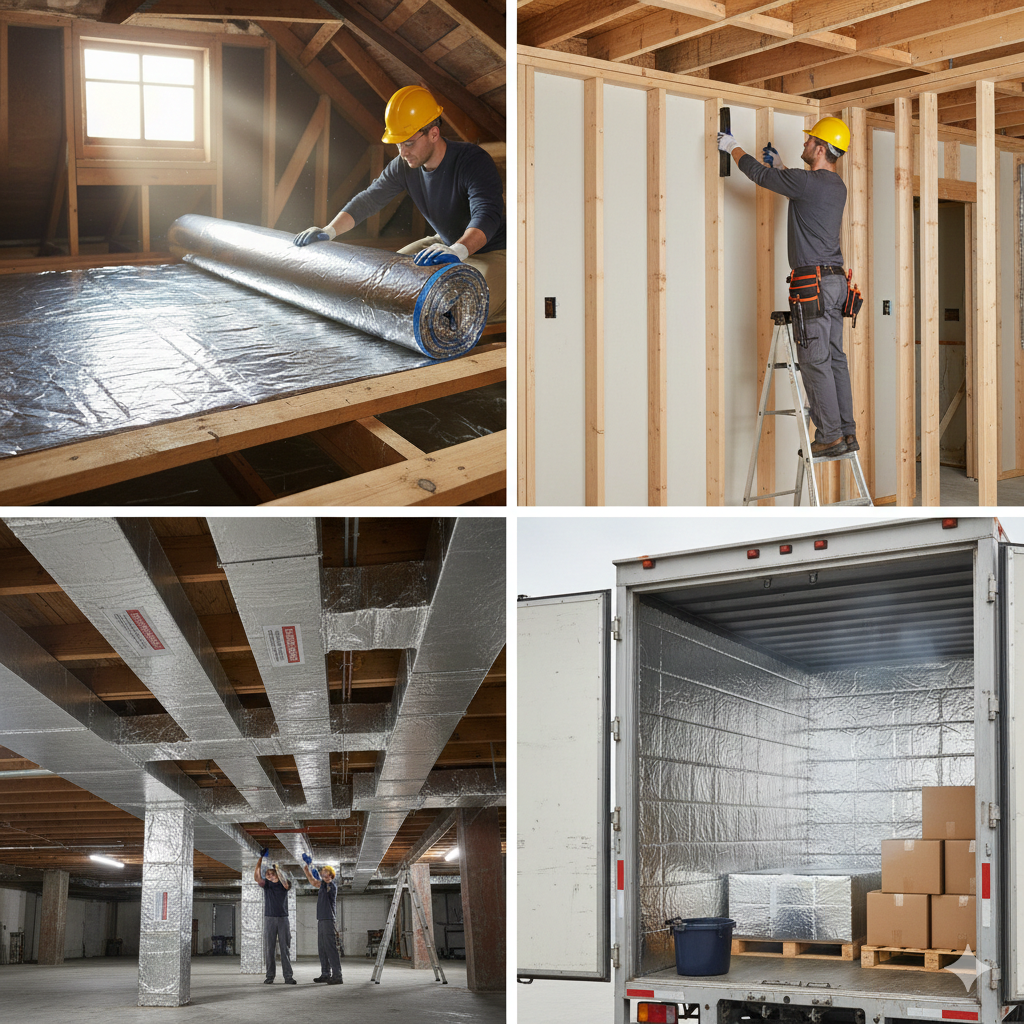
    Buyers seeking Wholesale Price Double Sided Aluminum Foil benefit from reduced rates when ordering large quantities. Wholesale pricing is ideal for contractors, developers, and distributors handling multiple projects.

    Moreover, wholesale orders often include customized roll sizes and thickness options.

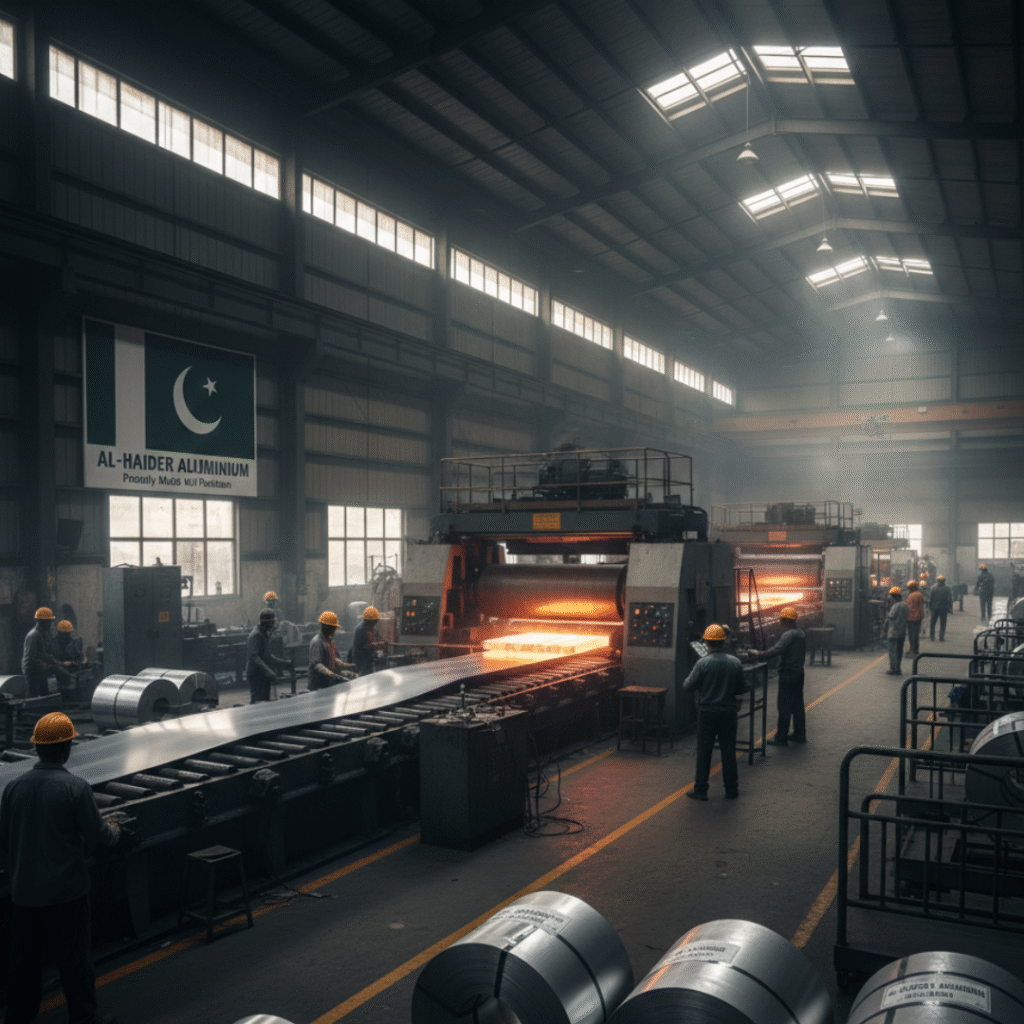
    Building Roll Heat Resistant Double Sided Aluminum Foil Bubble
    alumimium sheet in pakistan

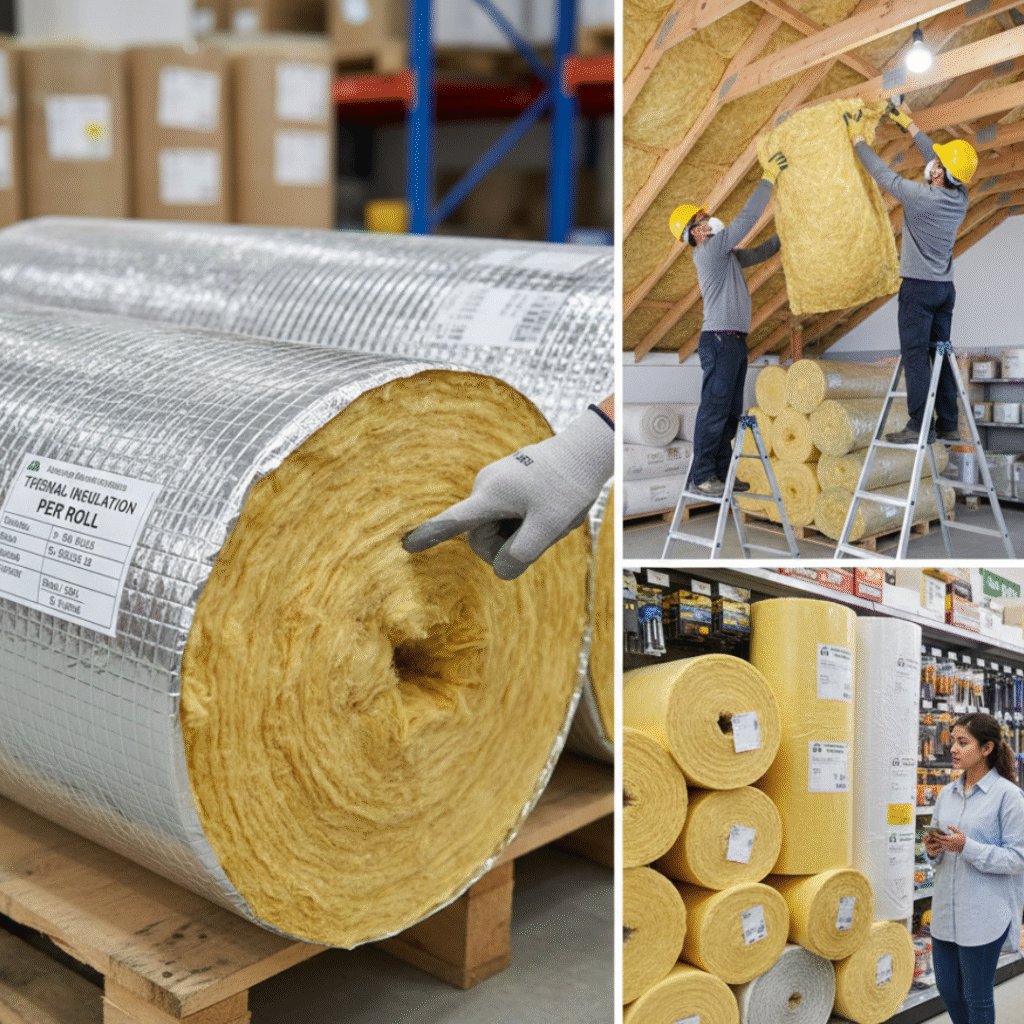
    A Building Roll Heat Resistant Double Sided Aluminum Foil Bubble is designed for large-scale construction projects. These rolls are easy to install, cover wide surface areas, and provide consistent thermal performance.

    They are commonly used in:

    • Commercial roofs
    • Industrial warehouses
    • Factory ceilings
    • Pre-engineered buildings

    Standard Roll Sizes and Specifications

    One popular format in the market is Double Sided Bubble Reflective Foil Insulation Rolls 24 Inch x 20 Ft. This size is convenient for handling, cutting, and installing in confined or modular spaces.

    However, roll dimensions directly affect pricing, with larger rolls offering better cost efficiency per square foot.

    Silver Reflective Insulation Materials – Performance Benefits

    Silver Reflective Insulation Materials are valued for their ability to reflect a high percentage of radiant heat. The silver surface minimizes heat absorption, keeping indoor environments cooler and reducing HVAC load.

    Moreover, this reflective efficiency is a key reason aluminium foil insulation is widely used in hot climates.

    Role of Double Sided Foil in Thermal Protection

    Double Sided Foil enhances insulation performance by reflecting heat from both external and internal sources. This makes it suitable for buildings exposed to intense sunlight or internal heat generation.

    Moreover, the dual reflective surface improves year-round thermal comfort.

    10mm Thickness Double Sided Pure Aluminum Foil

    10mm Thickness Double Sided Pure Aluminum Foil products are used where higher insulation performance is required. Increased thickness improves durability and resistance to compression while maintaining flexibility.

    However, this thickness is commonly selected for industrial and commercial applications.

    Applications That Influence Pricing

    Double-sided aluminium foil insulation pricing depends on application type, including:

    • Roof heat proofing
    • Wall insulation
    • HVAC duct wrapping
    • Industrial shed insulation

    However, higher performance requirements usually increase material cost.

    Is Double-Sided Aluminium Foil Insulation Worth the Price?

    Although foil insulation may appear costlier than basic materials, its long-term benefits include energy savings, reduced cooling costs, and minimal maintenance. For many projects, the return on investment justifies the initial expense.

    Final Thoughts on Double-Sided Aluminium Foil Insulation Price

    Double-sided aluminium foil insulation offers an effective balance between performance and affordability. With various roll sizes, thicknesses, and bubble configurations available, buyers can select a solution that fits both budget and insulation needs. Understanding pricing factors ensures smarter purchasing decisions and long-term efficiency.

    FAQ’S

    The price mainly depends on aluminium quality, bubble layer thickness, roll size, and whether you are purchasing retail or wholesale. Imported raw materials and higher thickness levels can also increase cost.

    Yes, aluminium bubble insulation is highly effective in hot climates because it reflects radiant heat rather than absorbing it. This makes it ideal for roofs, warehouses, and industrial buildings in Pakistan.

    Double-sided foil reflects heat from both directions, improving thermal efficiency. It is especially useful where both external sunlight and internal heat sources are present.

    For commercial and industrial use, 10mm thickness double sided pure aluminum foil is preferred as it provides better durability, insulation performance, and long-term reliability.
  • Aluminium Foil Sheet for Heat Proofing

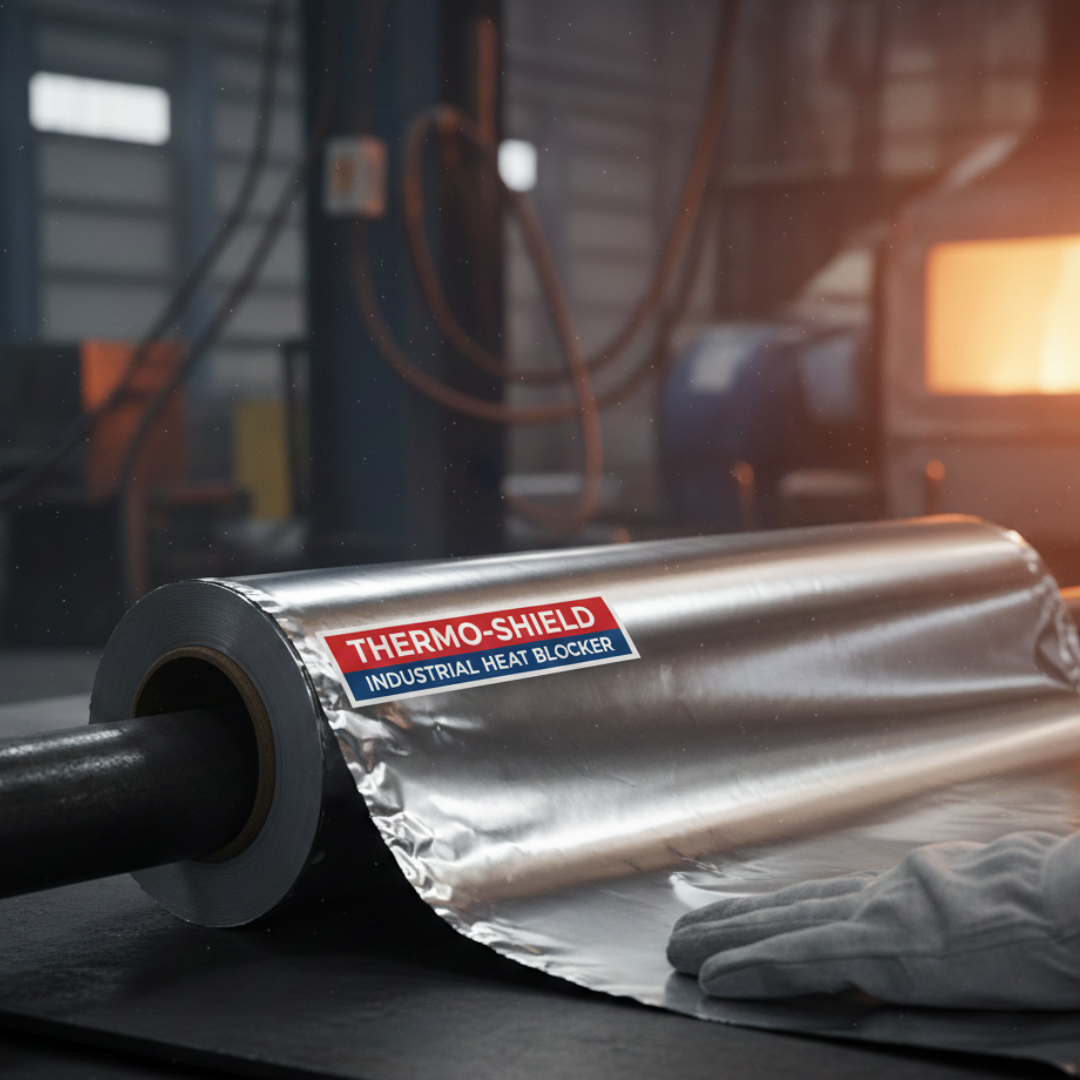
    Aluminium Foil Sheet for Heat Proofing

    Rising temperatures, increasing energy costs, and the demand for sustainable construction have made heat-proofing a priority for modern buildings. One of the most effective and widely used solutions is the Aluminium Foil Sheet for Heat Proofing, known for its reflective properties and compatibility with multiple insulation systems.

    This guide explains how aluminium foil sheets work, their applications, pricing factors, and availability in Pakistan.

    Understanding Aluminium Foil Sheet for Heat Proofing

    Aluminium Foil Sheet for Heat Proofing

    An aluminium foil sheet is a thin, reflective material designed to reduce heat transfer by reflecting radiant heat away from building surfaces. Unlike bulky insulation materials, foil sheets work by limiting heat absorption rather than trapping air.

    This makes aluminium foil an ideal solution for roofs, walls, ceilings, and HVAC insulation layers.

    Fire Aluminium Foil Sheet for Heat Proofing of Commercial Buildings

    In commercial environments, safety and thermal performance go hand in hand. Fire Aluminium Foil Sheet for Heat Proofing of Commercial Buildings is commonly used as a protective layer in insulation assemblies.

    Its non-combustible nature and high reflectivity help reduce heat gain while supporting fire-safety requirements in offices, malls, hospitals, and industrial facilities.

    Aluminium Foil Sheet for Thermal Insulation

    Aluminium Foil Sheet for thermal insulation works by reflecting up to a significant portion of radiant heat, keeping indoor spaces cooler during hot conditions. When combined with materials like glasswool or rockwool, aluminium foil enhances overall insulation efficiency.

    This layered approach is widely used in energy-efficient building designs.

    Aluminium Foil Sheet for Heat Proofing in Pakistan

    The use of Aluminium Foil Sheet for Heat Proofing in Pakistan has increased due to extreme summer temperatures and rising electricity costs. It is commonly applied in:

    • Residential rooftops
    • Commercial ceilings
    • Warehouses and factories
    • HVAC duct systems

    Its lightweight nature and ease of installation make it suitable for both new construction and retrofit projects.

    Aluminium Foil Sheet Insulation Pakistan – Market Overview

    alumimium sheet in pakistan

    The Aluminium Foil Sheet insulation Pakistan market includes a variety of thicknesses, coatings, and backing materials. Products are available in plain foil, kraft-backed foil, and reinforced foil formats depending on insulation requirements.

    Availability across major cities has improved, supporting faster project execution.

    Aluminium Foil Sheet Manufacturers in Pakistan

    aluminium sheet manufacturer in pakistan

    Several suppliers operate as Aluminium Foil Sheet manufacturers in Pakistan, offering locally produced and imported foil insulation products. Reliable manufacturers focus on consistent thickness, proper lamination, and quality reflective surfaces.

    Selecting a reputable supplier ensures better performance and durability.

    Aluminium Foil Sheet Price – What Influences Cost?

    The Aluminium Foil Sheet price varies based on multiple factors, including:

    • Foil thickness
    • Reinforcement or backing material
    • Roll width and length
    • Application type

    Compared to bulk insulation materials, aluminium foil sheets offer a cost-effective solution for reducing radiant heat.

    Comparison with Thermal Insulation Sheet Price in Pakistan

    When comparing options, the thermal insulation sheet price in Pakistan may vary depending on material type. While foil sheets are generally less expensive than dense insulation boards, they perform best when used as part of a complete insulation system.

    For radiant heat control, aluminium foil remains one of the most economical choices.

    Benefits of Using Aluminium Foil Sheet for Heat Proofing

    Key advantages include:

    • High heat reflectivity
    • Lightweight and flexible installation
    • Compatibility with other insulation materials
    • Reduced indoor heat gain
    • Energy savings over time

    These benefits make aluminium foil sheets suitable for a wide range of applications.

    Final Thoughts on Aluminium Foil Sheet for Heat Proofing

    Aluminium foil sheets play a vital role in modern heat-proofing solutions. Whether used alone or combined with thermal insulation materials, they help improve indoor comfort and reduce energy costs. With growing demand and local availability, aluminium foil remains a practical and efficient choice for heat control in Pakistan.

    FAQ’S

    An aluminium foil sheet reflects radiant heat away from building surfaces, reducing heat absorption. This makes indoor spaces cooler and improves overall energy efficiency, especially in hot climates like Pakistan.

    Yes, Fire Aluminium Foil Sheet for Heat Proofing of Commercial Buildings is widely used in offices, malls, warehouses, and hospitals. It supports thermal performance while meeting basic fire-safety requirements when used within insulation systems.

    Aluminium Foil Sheet for thermal insulation works best when combined with materials such as glasswool or rockwool. The foil reflects heat while the insulation material reduces heat transfer, creating an efficient layered system.

    Yes, by reducing heat gain, aluminium foil sheet insulation helps maintain indoor temperatures, lowering the load on air conditioning systems and reducing electricity costs over time.

  • Rockwool Mattress Insulation For Industrial Plant

    Rockwool Mattress Insulation For Industrial Plant

    Industrial plants operate under extreme conditions involving high temperatures, heavy machinery, continuous operation, and strict safety requirements. Insulation materials used in such environments must deliver thermal stability, fire resistance, and long-term durability. Rockwool mattress insulation for industrial plants is widely used because it meets these demanding performance standards.

    This guide explains how rockwool mattresses work, their specifications, density options, pricing considerations, and availability in Pakistan.

    What Is Rockwool Mattress Insulation?

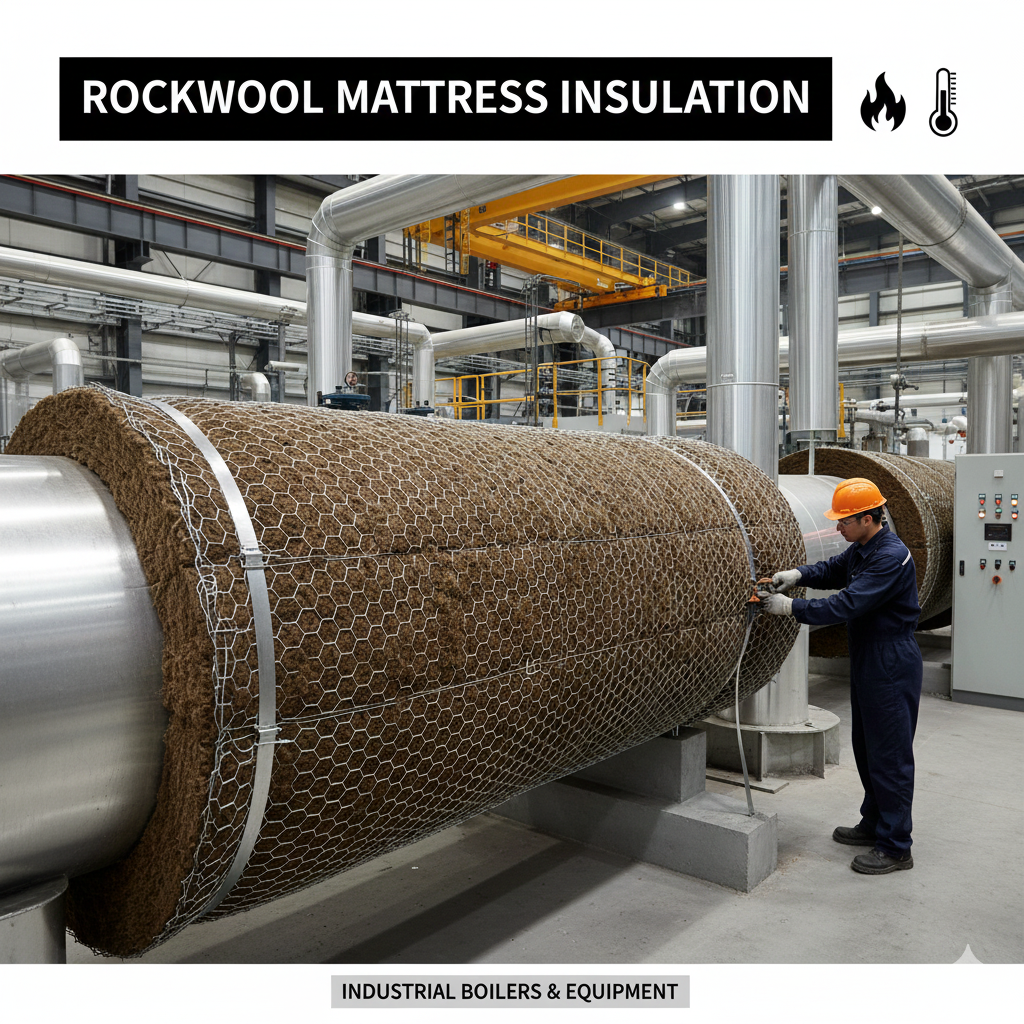
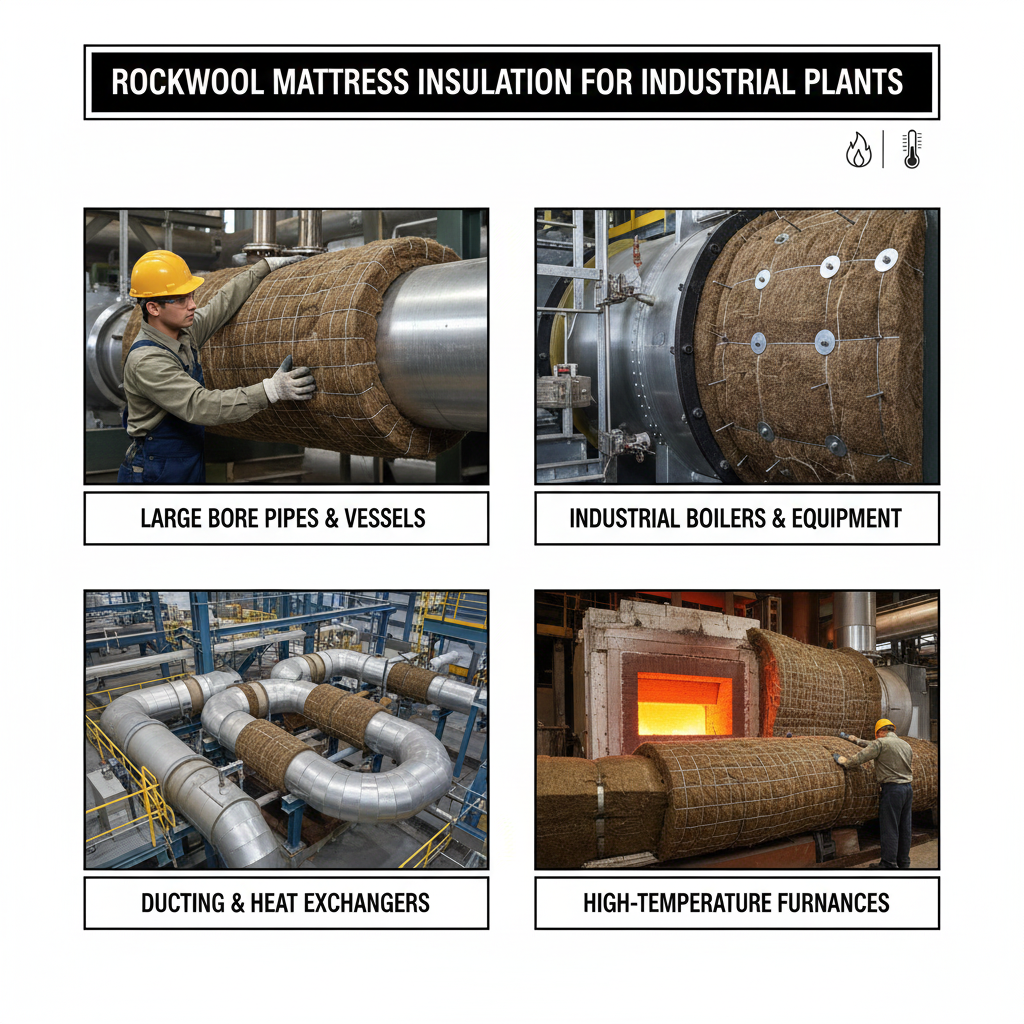
    Rockwool mattress insulation is a flexible form of mineral insulation made from melted natural stone fibers. Unlike rigid boards, mattresses are designed to wrap around pipes, boilers, ducts, vessels, and industrial equipment.

    Due to the inherent properties of rockwool material, these mattresses offer excellent resistance to heat, fire, and mechanical stress in industrial environments.

    Why Industrial Plants Require Specialized Insulation

    Industrial facilities face challenges such as:

    • Continuous high-temperature exposure
    • Fire risk around equipment and pipelines
    • Energy loss from uninsulated surfaces
    • Safety compliance requirements

    Rockwool insulation addresses these issues while maintaining performance over long operational cycles.

    Fire Safety in Industrial Environments

    rockwool board price in pakistan

    Although this guide focuses on industrial use, the same fire-resistant properties found in Fire Resistant Rockwool for Commercial Buildings apply to industrial plants. Rockwool does not burn, melt, or emit toxic fumes when exposed to fire, making it suitable for high-risk zones.

    This characteristic significantly reduces fire spread in processing plants and energy facilities.

    Rockwool Thermal Insulation Performance

    Rockwool thermal insulation minimizes heat transfer by trapping air within its dense fiber network. In industrial plants, this helps:

    • Maintain process temperatures
    • Reduce heat loss from equipment
    • Improve energy efficiency
    • Protect workers from hot surfaces

    Thermal performance remains stable even under fluctuating operating conditions.

    Rockwool Insulation Specification for Industrial Use

    rockwool insulation sheet

    A clear rockwool insulation specification is essential when selecting materials for industrial projects. Typical specifications include:

    • Density range based on application
    • Operating temperature tolerance
    • Fire resistance classification
    • Moisture resistance
    • Mechanical strength

    Correct specification ensures safety, efficiency, and compliance with engineering standards.

    Understanding Rockwool Density Chart

    A rockwool density chart helps engineers select the right product for specific industrial applications. Density affects insulation strength, thermal resistance, and durability.

    Lower densities are used for general thermal insulation, while higher densities provide better mechanical stability for demanding conditions.

    Rockwool Density 100kg/m³ – Industrial Standard

    Rockwool density 100kg/m³ is commonly used in industrial plants where higher strength and heat resistance are required. This density provides:

    • Excellent shape retention
    • Strong thermal insulation
    • Enhanced fire resistance
    • Long service life

    However, it is suitable for pipes, boilers, reactors, and high-temperature equipment.

    Rockwool Wired Mat for Industrial Equipment

    A rockwool wired mat is a reinforced insulation mattress stitched with galvanized wire mesh. Moreover, this design improves strength and makes installation easier on curved or vibrating surfaces.

    Wired mats are widely used for:

    • Large diameter pipelines
    • Industrial boilers
    • Exhaust systems
    • High-temperature vessels

    Rockwool Board vs Mattress Insulation

    While a rockwool board is ideal for flat surfaces like walls and ceilings, mattress insulation is preferred for industrial equipment due to its flexibility. Both forms are often used together in large industrial projects.

    Rockwool Insulation Pakistan – Industrial Market Overview

    The demand for rockwool insulation Pakistan has grown with the expansion of industrial zones, power plants, and manufacturing facilities. Rockwool is now a standard insulation choice in industries such as oil & gas, textile, chemical processing, and power generation.

    Rockwool Manufacturers in Pakistan

    Several suppliers operate as rockwool manufacturers in Pakistan, offering mattresses, boards, and wired mats. Reliable manufacturers ensure consistent density, accurate specifications, and quality control suitable for industrial use. However, selecting the right supplier is critical for long-term performance and safety compliance.

    Rock Wool Insulation Price in Industrial Projects

    The rock wool insulation price for industrial applications varies based on:

    • Density and thickness
    • Mattress or wired mat construction
    • Temperature rating
    • Quantity and project size

    While the initial cost may be higher than basic insulation, rockwool delivers long-term savings through durability and energy efficiency.

    Comparison with Thermal Insulation Sheet Price in Pakistan

    When comparing industrial materials, the thermal insulation sheet price in Pakistan may seem lower for alternatives such as EPS or glasswool. However, these materials often lack the fire resistance and mechanical strength required in industrial plants.

    Moreover, Rockwool remains the preferred choice where safety and performance are critical.

    Use in Commercial-Industrial Hybrid Projects

    In facilities that combine production and office spaces, rockwool is often specified for both industrial equipment and office areas. This overlaps with rockwool for commercial buildings in Pakistan, ensuring consistent fire safety and thermal control throughout the facility.

    Final Thoughts on Rockwool Mattress Insulation for Industrial Plants

    Rockwool mattress insulation is a reliable solution for industrial plants requiring fire safety, thermal efficiency, and mechanical durability. With proper specification, correct density selection, and quality installation, rockwool supports safe and efficient industrial operations for decades.

    However, Its proven performance makes it one of the most trusted insulation materials in Pakistan’s industrial sector.

    FAQ’S

    Rockwool mattress insulation is flexible, fire-resistant, and thermally efficient, making it ideal for high-temperature pipes, boilers, and equipment in industrial plants. It ensures energy efficiency and safety compliance.

    Rockwool density 100kg/m³ is commonly used in industrial plants because it provides excellent thermal insulation, mechanical strength, and fire resistance for equipment and pipelines.

    A rockwool wired mat includes a galvanized wire mesh for added strength and easier installation on curved or vibrating surfaces. It is ideal for large pipes, boilers, and high-temperature industrial vessels.

    You can source rockwool insulation Pakistan from certified distributors or rockwool manufacturers in Pakistan who supply boards, mattresses, and wired mats with verified specifications and quality control.

  • Fire-Resistant Rockwool for Commercial Buildings

    Fire-Resistant Rockwool for Commercial Buildings

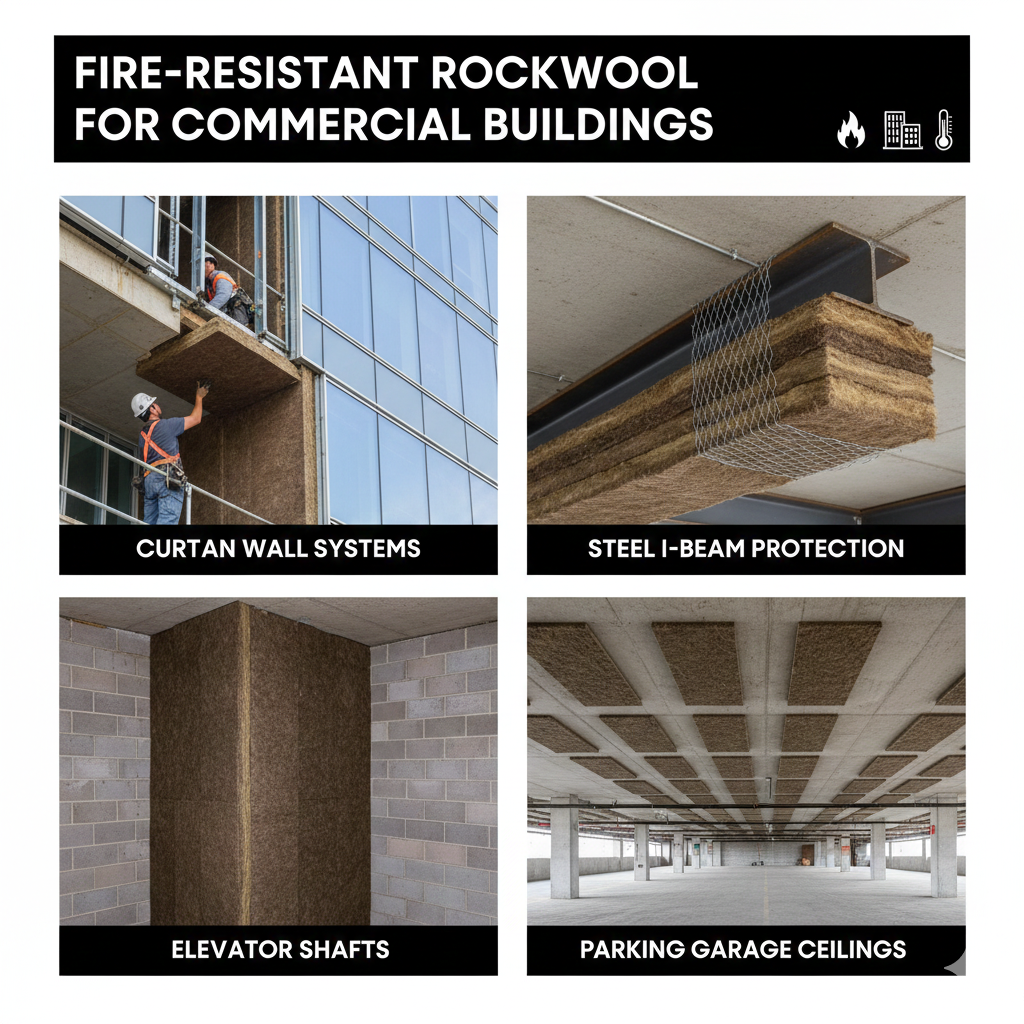
    Fire safety has become a critical requirement in modern commercial construction. With increasing building heights, occupancy loads, and electrical systems, the choice of insulation material plays a major role in protecting lives and assets. Fire Resistant Rockwool for Commercial Buildings is widely adopted due to its ability to withstand extreme temperatures while maintaining insulation performance.

    This guide explains why rockwool is preferred in commercial projects, its material properties, pricing considerations, and availability in Pakistan.

    Why Fire Resistance Matters in Commercial Buildings

    rockwool insulation in pakistan

    Commercial buildings such as offices, malls, hospitals, hotels, and factories require insulation materials that can delay fire spread and maintain structural integrity. Insulation that melts or releases toxic fumes can worsen fire situations.

    Rockwool stands out because it is non-combustible and remains stable under extreme heat, making it a trusted solution for commercial fire safety standards.

    Understanding Rockwool Material for Fire Safety

    The performance of rockwool depends on its rockwool material, which is produced from natural stone melted at very high temperatures. The resulting fibers form a dense, non-flammable structure that resists fire penetration.

    Key fire-safety properties include:

    • High melting point
    • No flame spread
    • No toxic gas emission
    • Structural stability during fire exposure

    These features make rockwool suitable for critical commercial environments.

    Rockwool for Commercial Buildings in Pakistan

    rockwool insulation sheet

    The use of rockwool for commercial buildings in Pakistan has increased significantly due to stricter safety regulations and awareness of fire risks. Developers and consultants now specify rockwool in projects such as:

    • Corporate offices
    • Shopping malls
    • Healthcare facilities
    • Educational institutions
    • Industrial complexes

    Its fire resistance and thermal performance meet the demands of large-scale commercial construction.

    Rockwool Thermal Insulation Performance

    In addition to fire protection, rockwool thermal insulation helps regulate indoor temperatures. By reducing heat transfer, it supports energy-efficient HVAC systems and improves indoor comfort.

    This dual functionality—fire resistance and thermal control—makes rockwool a practical choice for commercial buildings seeking long-term efficiency.

    Rockwool Board for Commercial Applications

    A rockwool board is commonly used in commercial projects due to its rigidity and ease of installation. Boards provide consistent coverage across walls, ceilings, and service shafts.

    Typical commercial applications include:

    • Fire-rated partitions
    • Ceiling insulation systems
    • HVAC duct insulation
    • Mechanical and electrical rooms

    Boards ensure both safety compliance and neat installation.

    Rockwool Insulation Pakistan – Market Availability

    The demand for rockwool insulation Pakistan has expanded as more commercial projects adopt international safety standards. Rockwool products are available in various densities and thicknesses to suit different fire and thermal requirements.

    Availability through local distributors and importers has improved project timelines and cost planning.

    Rockwool Manufacturers in Pakistan

    Several suppliers operate as rockwool manufacturers in Pakistan, offering both locally produced and imported insulation boards. Reliable manufacturers focus on consistent density, fire performance certification, and product quality.

    Choosing the right manufacturer ensures compliance with commercial building codes and long-term reliability.
    Rock Wool Insulation Price in Commercial Projects

    The rock wool insulation price for commercial buildings depends on several factors:

    • Board thickness and density
    • Fire-rating requirements
    • Project size and quantity
    • Supplier source

    Although rockwool is priced higher than basic insulation materials, its fire safety benefits justify the investment in commercial settings.

    Comparison with Thermal Insulation Sheet Price in Pakistan

    When compared to alternatives, the thermal insulation sheet price in Pakistan may appear lower for materials like EPS or glasswool. However, these materials often lack the same level of fire resistance and durability.

    For commercial buildings where safety compliance is critical, rockwool provides superior value despite a higher upfront cost.

    Why Commercial Builders Prefer Rockwool

    Commercial developers and consultants prefer rockwool because it offers:

    • Certified fire resistance
    • Long service life
    • Energy efficiency
    • Compliance with safety standards

    These benefits reduce long-term risk and maintenance costs.

    Final Thoughts on Fire-Resistant Rockwool for Commercial Buildings

    Fire safety is not optional in commercial construction. Fire Resistant Rockwool for Commercial Buildings provides reliable protection, thermal efficiency, and long-term durability. Its non-combustible nature, strong market presence in Pakistan, and suitability for large-scale projects make it one of the most trusted insulation materials available.

    Selecting the right specification and supplier ensures safety, compliance, and performance for years to come.

    FAQ’S

    Fire-resistant rockwool helps slow the spread of fire and maintains structural stability during high-temperature exposure. This makes it suitable for commercial buildings where occupant safety and fire compliance are critical.

    Yes, rockwool for commercial buildings in Pakistan is widely used in offices, malls, hospitals, and industrial facilities. Its fire resistance and thermal performance meet the requirements of large-scale commercial construction.

    While the thermal insulation sheet price in Pakistan may be lower for some materials, rockwool offers better fire resistance and durability. This makes it a preferred option for commercial projects where safety standards are strict.

    Yes, rockwool thermal insulation reduces heat transfer while also providing fire resistance. This combination helps improve energy efficiency and indoor comfort in commercial buildings.

  • Glasswool for Duct & HVAC Insulation

    Glasswool for Duct & HVAC Insulation

    Efficient HVAC systems rely not only on advanced machinery but also on the quality of insulation used within air ducts. Poor insulation leads to energy loss, temperature fluctuations, condensation, and higher operational costs. This is where glasswool-based insulation solutions play a critical role.

    This guide explains everything you need to know about Glasswool for Duct & HVAC Insulation, including performance, temperature resistance, material forms, and modern applications.

    Understanding Glasswool Insulation

    Glasswool Insulation in Pakistan

    Glasswool insulation is a fibrous insulating material manufactured by melting glass and forming it into fine strands. These fibers create trapped air pockets that reduce heat transfer, making glasswool an efficient solution for HVAC and duct systems.

    Furthermore, its lightweight nature and flexibility allow it to fit easily around curved ducts, rectangular air channels, and complex HVAC layouts without compromising airflow efficiency.

    Why Glasswool Is Ideal for HVAC & Duct Systems

    HVAC ducts require insulation that can handle continuous airflow, temperature variation, and vibration. Glasswool meets these requirements by offering:

    • Consistent thermal resistance
    • Lightweight structure for suspended ducts
    • Easy installation and maintenance
    • Compatibility with both residential and commercial HVAC systems

    Due to these advantages, glasswool is widely used in centralized cooling and heating networks.

    Glasswool Thermal Insulation Performance

    Glasswool Sheet For Soundproofing

    Glasswool thermal insulation works by minimizing heat gain and heat loss inside air ducts. This helps maintain desired indoor temperatures while reducing the load on HVAC equipment.

    However, properly insulated ducts improve system efficiency, lower energy consumption, and enhance occupant comfort in offices, malls, hospitals, and industrial facilities.

    Glasswool Insulation Temperature Range

    One of the most important technical aspects is the glasswool insulation temperature range. Glasswool is engineered to perform reliably across a wide range of operating temperatures commonly found in HVAC systems.

    It remains stable under normal heating and cooling conditions, making it suitable for both chilled air ducts and warm air distribution networks.

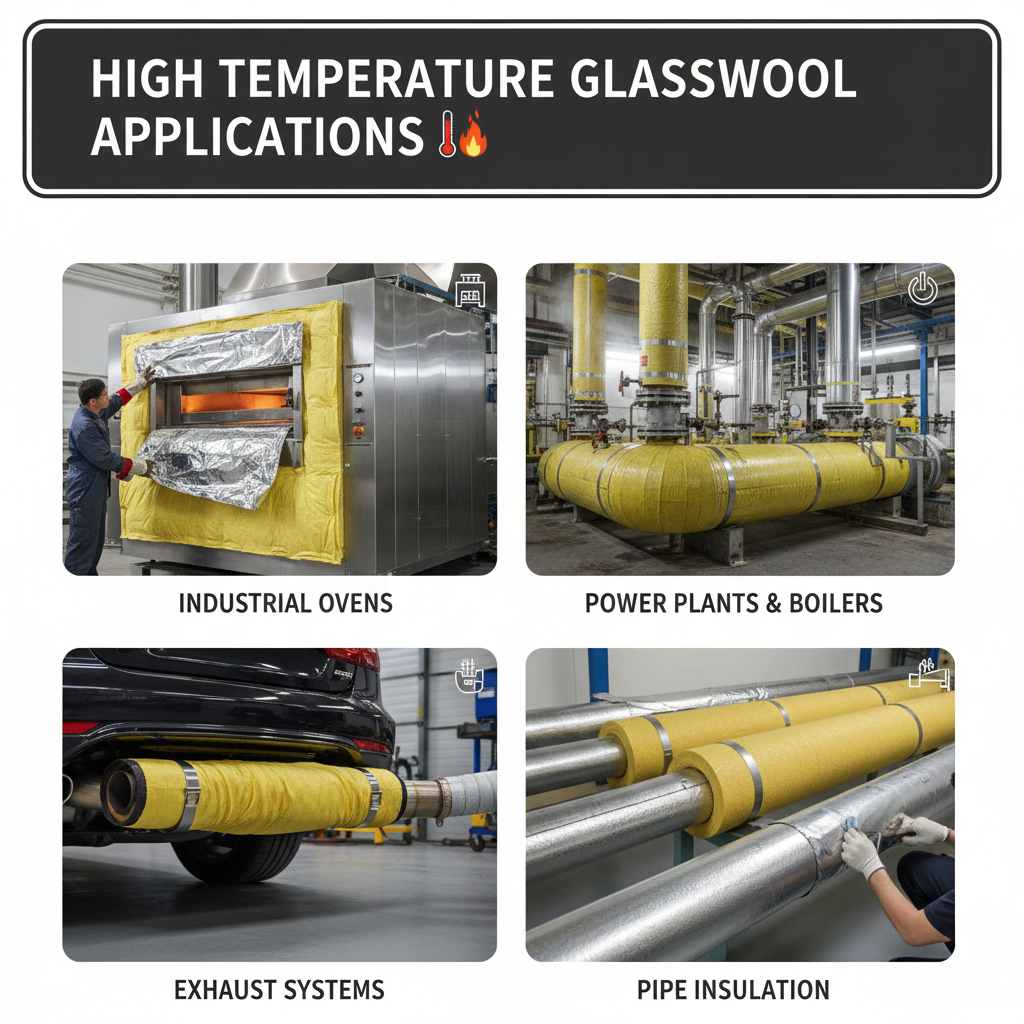
    High Temperature Glasswool Applications

    For environments exposed to elevated heat levels, high temperature glasswool is used. This variant is designed to withstand higher thermal stress without losing its insulating properties.

    High-temperature applications include:

    • Industrial HVAC systems
    • Mechanical rooms
    • Heat-exposed duct sections
    • Commercial ventilation shafts

    This ensures safety, durability, and long-term performance.

    Glasswool Board for HVAC Insulation

    A glasswool board is a rigid or semi-rigid form of glasswool designed for flat duct surfaces and equipment enclosures. Compared to rolls or blankets, boards provide better dimensional stability and a neat finish.

    Glasswool boards are commonly used in:

    • Rectangular duct insulation
    • AHU panels
    • HVAC plant rooms
    • Acoustic lining inside ducts

    Glasswool with Aluminium Foil – Added Protection

    This sheet with aluminium foil is widely preferred in duct insulation due to its dual functionality. The aluminium facing acts as a vapor barrier, preventing moisture penetration and condensation.

    Key benefits include:

    • Improved thermal efficiency
    • Enhanced durability
    • Clean and professional appearance
    • Resistance to humidity and corrosion

    This combination is especially effective in high-humidity environments and air-conditioned spaces.

    Installation Advantages in HVAC Systems

    Glasswool insulation offers installers practical benefits that reduce labor time and installation complexity:

    • Easy cutting and shaping
    • Lightweight handling
    • Secure fitting around ducts
    • Compatibility with standard fastening systems

    These advantages make glasswool a preferred choice for large-scale HVAC projects.

    Energy Efficiency & Cost Benefits

    By maintaining stable air temperatures inside ducts, glasswool insulation reduces energy loss and operating costs. Over time, this results in:

    • Lower electricity bills
    • Reduced HVAC maintenance
    • Extended equipment lifespan

    Moreover, these benefits make glasswool a cost-effective insulation solution for long-term HVAC performance

    Final Thoughts on Glasswool for Duct & HVAC Insulation

    Glasswool remains one of the most reliable and efficient insulation materials for duct and HVAC applications. Its thermal performance, temperature resistance, flexible formats, and compatibility with aluminium foil coverings make it suitable for a wide range of projects. However, selecting the right thickness, density, and form ensures optimal system efficiency and long-term comfort.

    FAQ’S

    Glasswool insulation is widely used in HVAC ducts because it provides effective thermal control, reduces energy loss, and is lightweight. Its flexible structure allows easy installation around round and rectangular ducts without affecting airflow efficiency.

    Yes, depending on the grade, glasswool insulation temperature range supports both cooling and heating applications. For areas exposed to higher heat, high temperature glasswool is recommended to maintain performance and safety.

    Glasswool with aluminium foil adds a vapor barrier that prevents moisture buildup and condensation inside ducts. This improves insulation efficiency, protects the duct surface, and extends the life of HVAC systems.

    A glasswool board is ideal for flat surfaces such as rectangular ducts and AHU panels because it provides better rigidity and a cleaner finish. Rolls or blankets are better suited for curved ductwork and tight spaces.

  • Glasswool vs Rockwool – Key Differences

    Glasswool vs Rockwool – Key Differences

    Choosing the right insulation material is a critical decision for homes, commercial buildings, and industrial projects. Among the most commonly used insulation materials, glasswool and rockwool stand out for their thermal and acoustic performance. However, many buyers remain confused when comparing these two options.

    This detailed guide on Glasswool vs Rockwool – Key Differences will help you understand their composition, performance, safety, cost, and best use cases—especially if you are seeking professional insulation services in Pakistan.

    What Is Glasswool Insulation?

    Glasswool Sheet For Soundproofing

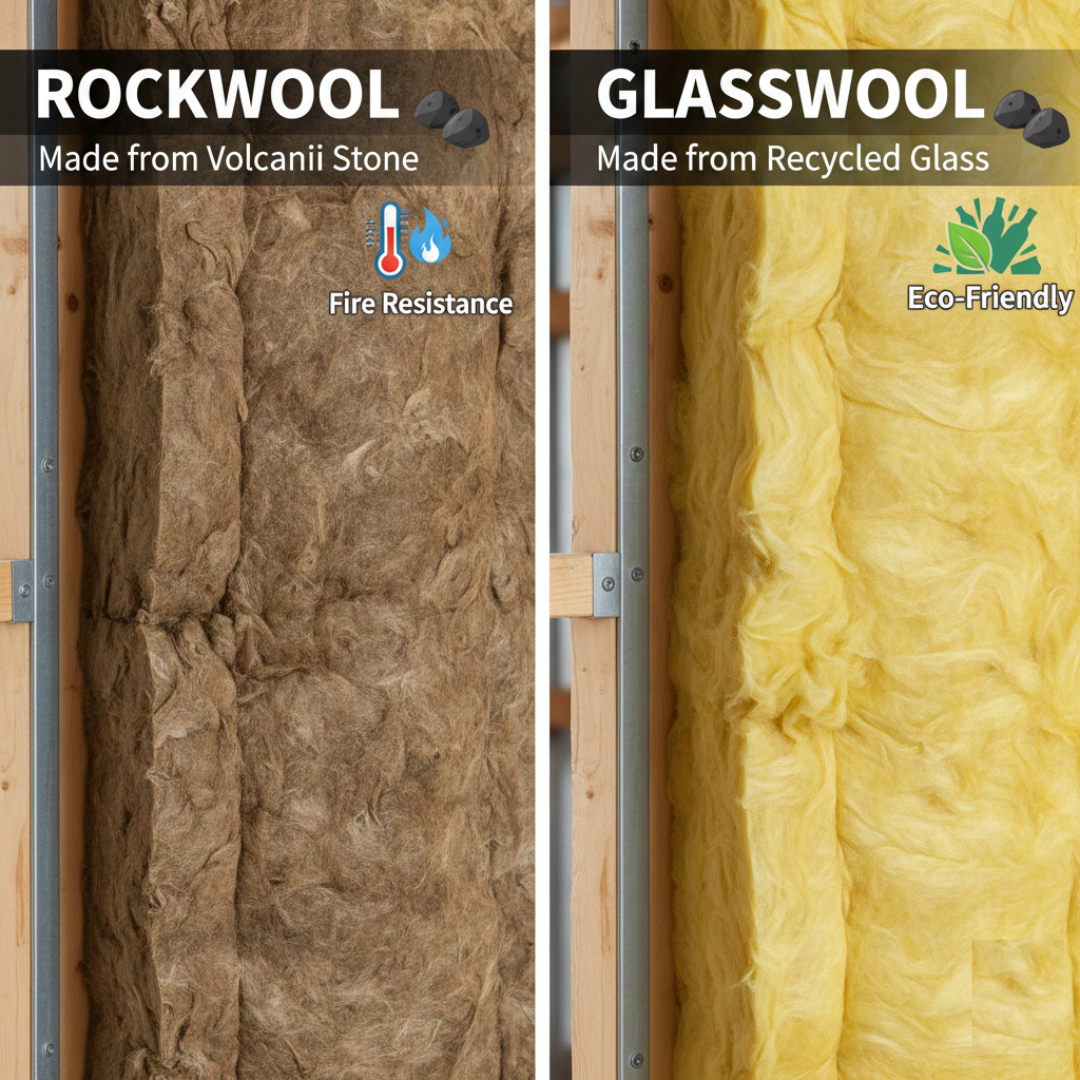
    Glasswool insulation is a fibrous material manufactured by melting recycled glass and spinning it into fine fibers. These fibers trap air pockets, making glasswool highly effective for thermal insulation and moderate sound absorption.

    It is lightweight, flexible, and commonly supplied in rolls, slabs, or blankets, making it easy to install in walls, ceilings, and HVAC systems.

    What Is Rockwool Insulation?

    rockwool insulation in pakistan

    Rockwool insulation, also known as stone wool, is produced by melting natural volcanic rock and forming it into dense fibers. Due to its structure, rockwool provides superior fire resistance, excellent sound absorption, and high durability.

    Many people compare rockwool vs mineral wool, but technically, rockwool is a type of mineral wool specifically derived from stone rather than glass.

    Glasswool vs Rockwool – Core Material Differences

    FeatureGlasswoolRockwool
    Raw MaterialRecycled glassVolcanic rock
    DensityLowHigh
    WeightLightweightHeavier
    FlexibilityVery flexibleRigid
    Fire ResistanceModerateExcellent
    Moisture ResistanceModerateHigh

    These material differences significantly influence performance and application areas.

    Glasswool vs Rockwool for Soundproofing

    When evaluating glasswool vs rockwool for soundproofing, density plays a crucial role.

    • Glasswool absorbs airborne noise effectively but performs best in low-to-medium sound control applications.
    • Rockwool’s dense structure makes it superior for blocking impact noise and high-decibel environments such as factories, studios, and generator rooms.

    For professional acoustic solutions, most insulation services in Pakistan recommend rockwool for demanding soundproofing requirements.

    Thermal Insulation Performance Comparison

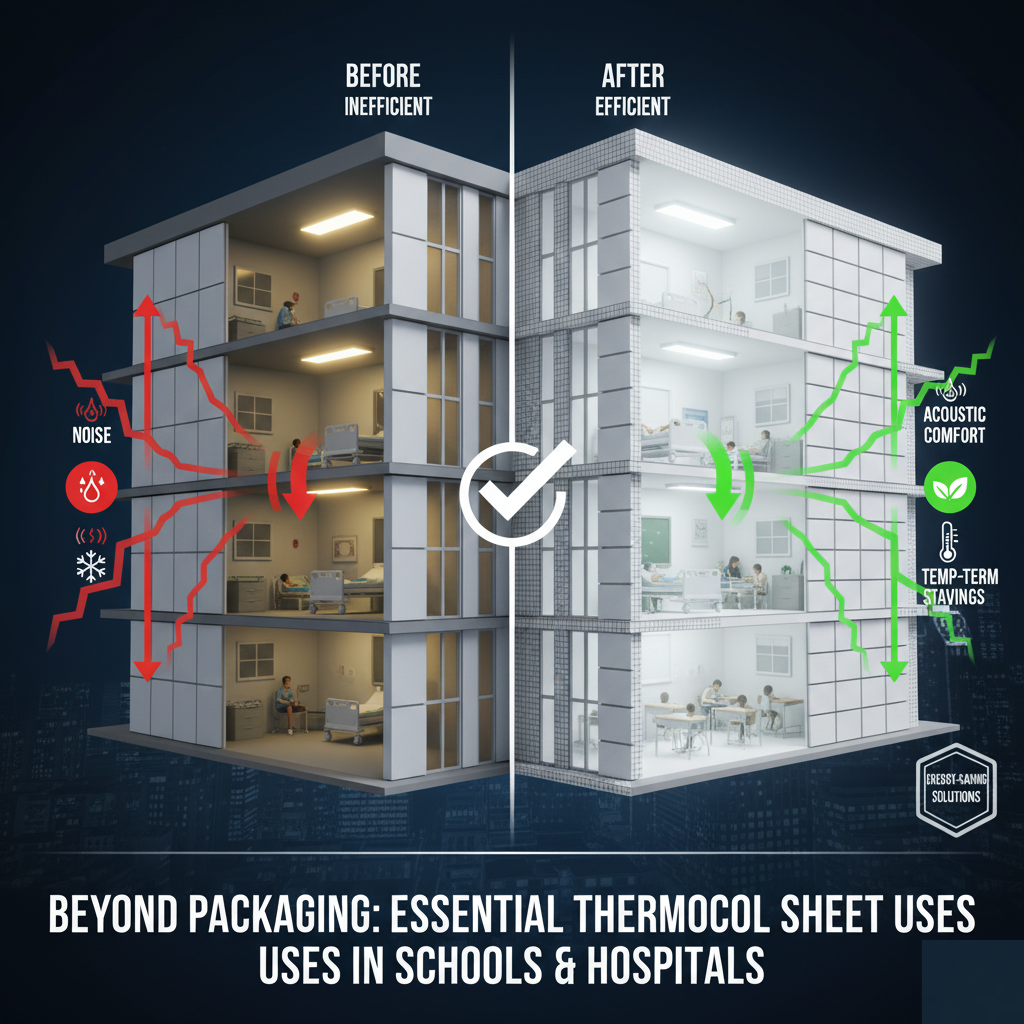
    Thermocol Sheet For Hospitals & Schools

    Both materials provide excellent thermal resistance, but usage conditions matter:

    • Glasswool is ideal for residential ceilings, HVAC ducts, and lightweight partitions.
    • Rockwool performs better in extreme heat environments, industrial walls, and fire-rated constructions.

    If long-term thermal stability is your priority, rockwool has a performance edge.

    Rockwool vs Fibreglass – Are They the Same?

    Many users compare rockwool vs fibreglass, assuming they are similar. While fibreglass is closely related to glasswool, rockwool differs significantly in composition and performance.

    • Fibreglass (glasswool) focuses on lightweight insulation
    • Rockwool offers superior fire resistance, rigidity, and acoustic insulation

    The choice depends on safety requirements and application type.

    Health & Safety Considerations

    One of the most discussed topics is rockwool vs glasswool health concerns.

    • Modern glasswool products are engineered to be safe when installed with protective gear.
    • Rockwool fibers are thicker and less likely to become airborne, making them safer for long-term exposure.

    Regardless of the material, professional installation and protective equipment are essential.

    Rockwool Price vs Glasswool Price

    Cost is often a deciding factor when choosing insulation.

    • Glasswool price is generally lower due to its lightweight composition and mass production.
    • Rockwool price is higher because of its density, fire resistance, and durability.

    Rockwool Price in Pakistan & Glasswool Price in Pakistan

    In the local market:

    • Glasswool price in Pakistan is more affordable and commonly used for residential projects.
    • Rockwool price in Pakistan is higher but justified for industrial, acoustic, and fire-rated applications.

    Prices vary depending on thickness, density, brand, and project scale.

    Applications: Which One Should You Choose?

    Choose glasswool insulation if you need:

    • Budget-friendly thermal insulation
    • Lightweight ceiling or duct insulation
    • Residential and commercial buildings

    Choose rockwool insulation if you need:

    • High fire resistance
    • Superior soundproofing
    • Industrial or high-temperature environments

    Most professional insulation services in Pakistan assess project requirements before recommending the right material.

    Final Verdict: Glasswool vs Rockwool

    The debate of Glasswool vs Rockwool does not have a one-size-fits-all answer. Glasswool excels in affordability and flexibility, while rockwool dominates in fire safety, soundproofing, and durability. The right choice depends on your building type, budget, and performance expectations.

    Consult experienced insulation professionals to ensure maximum efficiency and long-term value.

    FAQ’S

    For residential buildings, glasswool insulation is usually preferred due to its affordability and lightweight nature. However, in areas where fire resistance or higher sound insulation is required, rockwool insulation becomes a better option. The final choice depends on climate, budget, and building design.

    When comparing rockwool vs glasswool health aspects, both materials are safe if installed correctly. Rockwool fibers are heavier and less likely to become airborne, while modern glasswool products are designed to meet international safety standards. Professional installation is always recommended.

    In the comparison of glasswool vs rockwool for soundproofing, rockwool performs better due to its higher density and structure. It is commonly used in studios, industrial spaces, and commercial buildings where noise control is critical.

    Yes, both rockwool price in Pakistan and glasswool price in Pakistan can vary by city depending on availability, transportation costs, thickness, and project size. Major cities usually offer more competitive rates due to higher demand and supplier presence.

  • Glasswool Thickness Guide: Choosing the Right Insulation (25mm–100mm)

    Glasswool Thickness Guide: Choosing the Right Insulation (25mm–100mm)

    Introduction

    When planning any home insulation project, whether it’s for thermal comfort, energy efficiency, or acoustic insulation, one of the most fundamental decisions you’ll make is choosing the right insulation thickness. For Glasswool (fiberglass), this choice directly impacts its thermal performance and, consequently, your long-term energy savings.

    This comprehensive Glasswool thickness guide will walk you through the common range of $25 \, \text{mm}$ to $100 \, \text{mm}$, explaining how each thickness affects the insulation R-value, its ideal applications, and crucial considerations for making the best choice for your building material needs.

    Understanding R-Value and Its Relation to Thickness

    glasswool density in pakistan

    Before diving into specific thicknesses, it’s vital to grasp the concept of insulation R-value. R-value measures a material’s resistance to heat flow. A higher R-value indicates better insulating properties.

    For Glasswool, the R-value is directly proportional to its thickness. Doubling the thickness generally doubles the R-value, leading to improved thermal performance. This is why selecting the appropriate Glasswool thickness is paramount for achieving desired energy efficiency.

    Glasswool Thickness Options and Their Applications

    glasswool thickness

    Let’s explore the common thicknesses of Glasswool insulation blanket available in the market:

    1. 25mm Glasswool (1 Inch)

    • R-value (Approximate): R-1.1 to R-1.5
    • Ideal Applications:
      • Soundproofing: Often used as an additional layer for acoustic insulation in internal wall partitions or false ceilings where minimal thermal insulation is required, but sound dampening is a priority.
      • Duct Insulation: Wrapping HVAC ductwork to prevent heat loss/gain and reduce noise.
      • Limited Space: Where space is extremely constrained, and any insulation is better than none.
    • Consideration: This is generally considered a minimal Glasswool thickness and is rarely sufficient for primary home insulation where significant energy efficiency is desired.

    2. 50mm Glasswool (2 Inches)

    • R-value (Approximate): R-2.2 to R-3.0
    • Ideal Applications:
      • Internal Walls: Excellent for acoustic insulation between rooms or floors.
      • Existing Wall Cavities: Often chosen for older homes or retrofits where wall cavities are shallow, making it a common wall insulation choice.
      • Floor Insulation: Effective under timber floors or in crawl spaces for basic thermal performance.
      • Shed or Garage Insulation: Provides a good balance of cost and insulation for non-living spaces.
    • Consideration: A very versatile Glasswool thickness for secondary insulation or in moderate climates, but may still be insufficient for primary roof insulation or in extreme climates.

    3. 75mm Glasswool (3 Inches)

    • R-value (Approximate): R-3.3 to R-4.5
    • Ideal Applications:
      • Exterior Wall Insulation: A good choice for modern exterior wall insulation, providing a substantial boost to thermal performance.
      • Residential Roof Insulation: Can be used in conjunction with other layers or as a primary layer for roof insulation in moderately insulated attics.
      • Ceiling Insulation: Provides effective thermal insulation for ceilings below conditioned spaces.
    • Consideration: This Glasswool thickness offers a strong balance between performance and cost, making it a popular choice for many new construction projects seeking improved energy efficiency.

    4. 100mm Glasswool (4 Inches)

    • R-value (Approximate): R-4.4 to R-6.0
    • Ideal Applications:
      • Primary Roof Insulation: Ideal for high-performance roof insulation in attics and lofts, especially in regions with extreme temperatures.
      • Exterior Walls in Cold Climates: Provides maximum thermal performance for wall insulation in colder regions, ensuring superior energy efficiency.
      • Soundproofing Studios: Used for optimal acoustic insulation in home theaters or recording studios due to its density and thickness.
      • Floor Insulation (Over crawlspaces/unheated basements): Prevents significant heat loss through the floor.
    • Consideration: This is the highest common Glasswool thickness for residential applications, offering peak thermal performance and significantly contributing to a comfortable indoor environment and lower utility bills.

    Choosing the Right Thickness for Your Project

    Selecting the optimal Glasswool thickness involves considering several factors:

    1. Climate Zone: Colder climates or regions with extreme temperature swings will demand a higher R-value, thus requiring a greater insulation thickness.
    2. Building Codes: Local building codes often specify minimum R-value requirements for different parts of a structure (walls, roofs, floors). Always check these before making a decision.
    3. Available Space: The depth of your wall cavities, joists, or rafters will dictate how much Glasswool insulation blanket you can fit.
    4. Budget: While thicker insulation generally costs more upfront, the long-term energy efficiency savings often outweigh the initial expense.
    5. Desired Performance: Are you prioritizing maximum thermal performance, superior acoustic insulation, or a balance of both?

    Installation Tips for Different Thicknesses

    Regardless of the Glasswool thickness you choose, proper installation tips are crucial for maximizing performance:

    • Wear PPE: Always wear gloves, long sleeves, eye protection, and a respirator during DIY insulation.
    • Friction Fit: Ensure the insulation is cut slightly wider than the cavity for a snug, friction fit. Avoid compressing it, as this reduces the R-value.
    • Continuous Barrier: Minimize gaps and voids to prevent thermal bridging and ensure consistent thermal performance.
    • Vapor Barrier: In most applications, especially with wall insulation or roof insulation, a vapor barrier (typically plastic sheeting) is installed on the warm side of the insulation to prevent moisture condensation.

    Conclusion: A Strategic Investment in Comfort

    Choosing the correct Glasswool thickness is more than just a purchase; it’s a strategic investment in your home’s energy efficiency, comfort, and long-term value. From the basic 25mm Glasswool for acoustic dampening to the robust 100mm Glasswool for maximum thermal performance, each option serves a specific purpose. By understanding the relationship between thickness and R-value, consulting local codes, and following proper installation tips, you can confidently select the ideal insulation blanket to transform your living space into an energy-efficient haven.

    FAQ’S

    The ideal thickness depends on your purpose. 25mm–50mm is suitable for basic thermal control and noise reduction, while 75mm–100mm is recommended for high-performance insulation in hot climates, metal buildings, HVAC systems, and industrial areas.

    Not always. While thicker glasswool provides higher thermal and acoustic performance, it must match the space available and the insulation requirement. For example, walls often use 50mm, while roofs and industrial sheds may require 75mm–100mm.

    For acoustic insulation, 50mm to 75mm glasswool offers excellent sound absorption. In recording studios, cinemas, and noise-sensitive areas, 100mm thickness delivers the best performance.

    For roofs and metal sheds exposed to extreme heat, 75mm or 100mm glasswool is recommended. It significantly reduces heat transfer, improves energy efficiency, and enhances indoor comfort, especially in hot regions like Pakistan and the Middle East.

  • Rockwool Board Price in Pakistan 2025

    Rockwool Board Price in Pakistan 2025

    Introduction

    As Pakistan faces increasingly severe weather conditions and rising energy costs, the shift towards high-performance thermal insulation has accelerated. Among the premium insulation options, Rockwool board (or stone wool/mineral wool) stands out for its unique blend of fire-resistant material properties, acoustic benefits, and superior thermal efficiency.

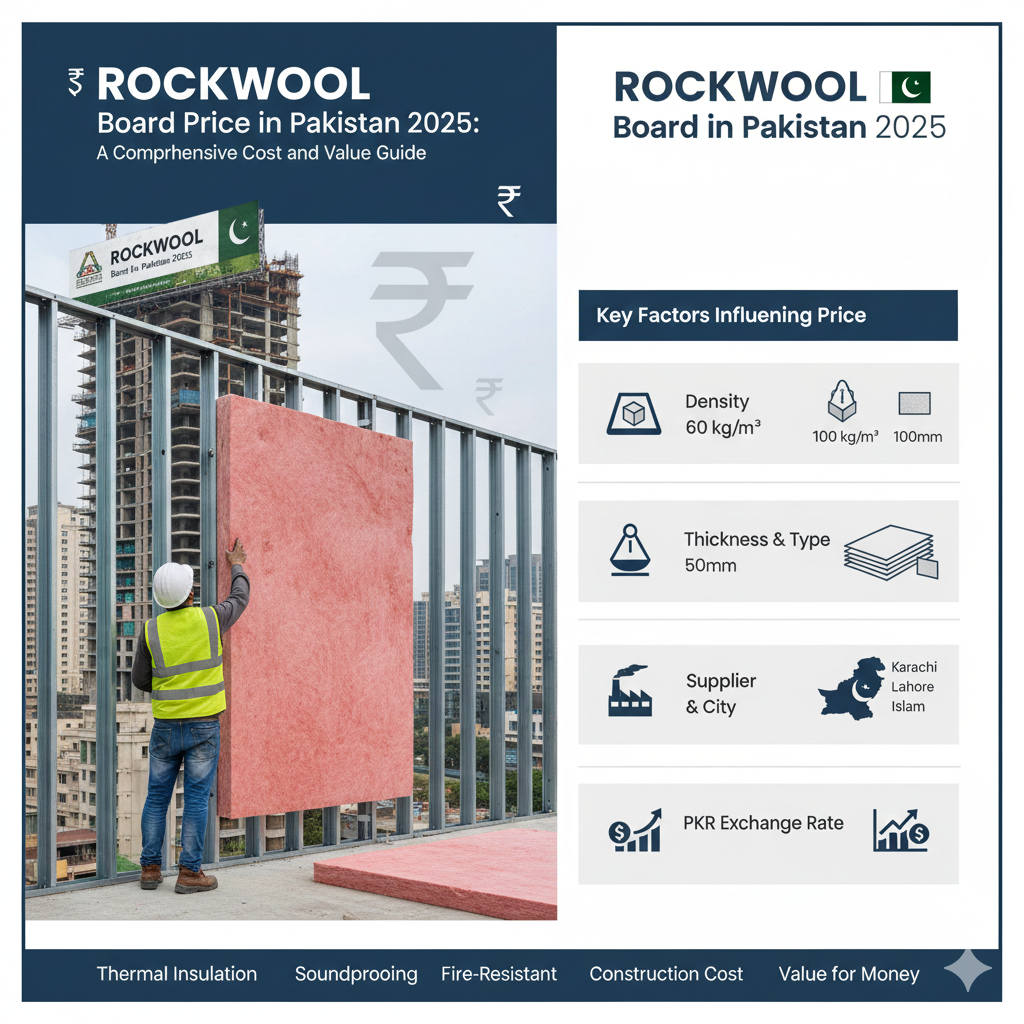
    However, for builders and homeowners planning construction or home improvement in 2025, the key question is always: What is the Rockwool board price in Pakistan 2025? This guide breaks down the estimated costs, the key variables affecting pricing, and how to find the best value for your investment in this durable insulation material.

    Estimated Rockwool Board Price in Pakistan (2025)

    Pricing for specialized construction materials like Rockwool is fluid, driven by dollar exchange rates, import duties, and local taxes. While obtaining a precise, universal figure is impossible without a direct supplier quote, we can provide a detailed range and cost per square foot analysis based on common specifications:

    Product SpecificationEstimated Price Range (PKR/sq. ft)Common Application
    Standard Rockwool Board (Low Density, e.g., $60 \, \text{kg/m}^3$)₨ $300 – 450$Internal wall partition, basic soundproofing.
    High-Density Rockwool Board (e.g., $100 \, \text{kg/m}^3$)₨ $450 – 700$External walls, high-traffic areas, HVAC systems.
    Fireproof Rockwool Sandwich Panel (50mm Core)₨ $650 – 950$Industrial roofs, pre-fabricated warehouses, cold storage.

    Note on Pricing: The prices listed above are estimates for 2025 and are subject to immediate change based on currency fluctuations, volume purchased, and the specific insulation supplier.

    Key Factors Influencing Mineral Wool Insulation Rates

    glasswool insulation in pakistan

    Understanding the Rockwool board price in Pakistan 2025 requires looking beyond the sticker price. Several critical factors influence the final construction cost:

    1. Density (The Most Crucial Factor)

    Rockwool boards are measured in kilograms per cubic meter ($\text{kg/m}^3$). Higher density means more material is packed into the board, offering superior thermal insulation, better acoustic insulation, and greater compressive strength.

    • Low Density ($\sim 60 \, \text{kg/m}^3$): Used where simple thermal barriers are needed. Lower price.
    • High Density ($\sim 100-180 \, \text{kg/m}^3$): Used for load-bearing applications (like flooring) or where maximum fire-resistant material and noise reduction are required. Higher price.

    2. Thickness and Dimensions

    Common thicknesses range from $25 \, \text{mm}$ to $100 \, \text{mm}$. A $100 \, \text{mm}$ board will cost significantly more than a $50 \, \text{mm}$ board because it contains twice the volume of mineral wool insulation. The overall R-value (thermal resistance) increases proportionally with thickness.

    3. Board Type and Facing

    • Plain Board: Standard Rockwool. Lowest cost.
    • Faced Board: Includes a layer of aluminum foil (Alu-foil) or reinforced facing for vapor barrier and enhanced thermal reflectivity. This adds to the Rockwool board price.
    • Sandwich Panel: Rockwool core encased in metal sheeting. Used in specialized industrial and commercial construction. Highest cost per square foot.

    4. Supplier and Location

    Prices can vary between major cities. While a Lahore insulation supplier might offer slightly different rates than one in Karachi or Islamabad due to localized logistics, the primary variation comes from whether the product is imported (higher duty/tax) or locally manufactured (more competitive pricing).

    Rockwool vs. Traditional Insulation: The Value Proposition

    When analyzing the Rockwool board price, it’s essential to consider its value proposition against cheaper alternatives:

    FeatureRockwool Board (Mineral Wool)EPS/Styrofoam (Lower Cost)
    Fire ResistanceExcellent (Fire-resistant material / Non-combustible)Combustible (Fire-retardant grade available)
    Thermal PerformanceVery good R-value, consistent over time.Good R-value, can be impacted by gaps/settling.
    Acoustic InsulationSuperior soundproofing due to high density.Poor to moderate sound absorption.
    DurabilityRigid, resists moisture, no sagging.Less rigid, susceptible to damage.

    Investing in Rockwool, even at a higher construction cost, results in reduced long-term energy bills, superior safety against fire, and better acoustic comfort—a true value for money in home improvement.

    Tips for Securing the Best Rockwool Board Rates

    To find the most competitive mineral wool insulation rates in 2025:

    1. Buy in Bulk: Suppliers offer better discounts for large volume orders necessary for significant construction projects.
    2. Check Local Manufacturers: Explore local Rockwool manufacturers in Pakistan (who produce stone wool insulation) as their pricing may be less susceptible to import duties and currency volatility than international brands.
    3. Get Quotes Across Cities: Request detailed quotes from Karachi, Lahore, and Islamabad suppliers to compare total landed costs, including delivery.
    4. Confirm Specifications: Always verify the density ($\text{kg/m}^3$) and thickness ($\text{mm}$) when comparing prices. A cheaper board may simply be a lower-density product.

    Conclusion

    The Rockwool board price in Pakistan 2025 reflects its premium status as a multi-functional insulation material. While the initial cost per square foot may be higher than conventional options, the long-term benefits of superior thermal insulation, fire safety, and excellent soundproofing make it a worthwhile and responsible investment for modern construction and home improvement in Pakistan.

    FAQ’S

    The price of Rockwool boards varies depending on thickness, density, size, and type (thermal or acoustic). As of 2025, standard boards typically range from PKR 1,800 to PKR 5,500 per sheet, depending on specifications and supplier.

    Prices are influenced by board density, thickness, fire-resistant or acoustic properties, brand, supply-demand, and city-based logistics. Higher-density or specialized boards for industrial applications usually cost more.

    Rockwool boards are available from authorized suppliers, insulation material dealers, construction markets, and online stores. Major cities like Karachi, Lahore, Islamabad, and Rawalpindi have the widest selection and competitive prices.

    Not necessarily. Performance depends on density, thickness, and intended application rather than price alone. Choosing the right specification for thermal, acoustic, or fire-resistant needs ensures maximum efficiency and value.

  • Is Glasswool Insulation Safe?

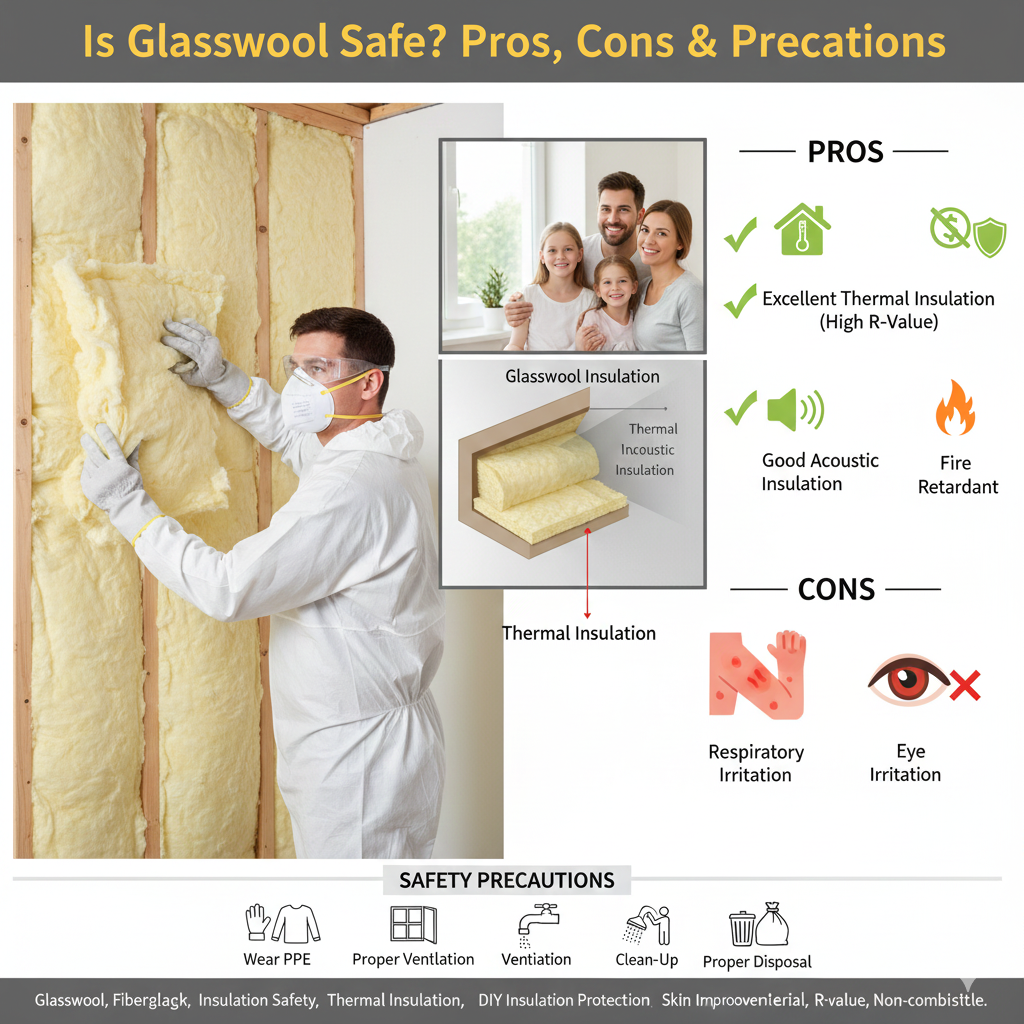
    Is Glasswool Insulation Safe?

    Introduction

    When considering home improvement projects or new construction, thermal insulation is a critical component for energy efficiency and indoor comfort. Among the most widely used building material options for insulation is Glasswool insulation, often referred to as fiberglass. Its prevalence is due to its excellent thermal insulation properties and relatively low cost.

    However, many homeowners and DIY enthusiasts often ask: “Is Glasswool safe?” This is a valid concern, given its fibrous nature and the dust it can generate. This guide will delve into the composition of Glasswool, its benefits, potential drawbacks, and, most importantly, the essential safety precautions to ensure a safe experience during installation and in daily living.

    What is Glasswool (Fiberglass) Insulation?

    Glasswool Sheet For Soundproofing

    Glasswool is a type of mineral wool made from extremely fine fibers of glass. The manufacturing process involves melting recycled glass and sand, then spinning it into fibers, which are then bound together with a resin and formed into batts, rolls, or loose-fill. The tiny air pockets trapped within these fibers are what provide its superior thermal insulation and decent acoustic insulation properties.

    It’s primarily used in walls, ceilings, and floors to reduce heat transfer, lower energy bills, and improve overall interior comfort.

    The Benefits of Using Glasswool

    Despite the safety questions, Glasswool remains popular for several good reasons:

    1. Excellent Thermal Insulation

    Glasswool is highly effective at resisting heat flow, boasting a good R-value (a measure of thermal resistance) per inch. This makes it an efficient building material for keeping homes warm in winter and cool in summer, leading to significant energy savings.

    2. Cost-Effective

    Compared to some other insulation material options, Glasswool is generally more affordable, making it a budget-friendly choice for many DIY insulation projects and large-scale constructions.

    3. Good Acoustic Insulation

    Beyond thermal properties, the fibrous structure of Glasswool also provides reasonable acoustic insulation, helping to dampen sound transmission between rooms and from outside, contributing to a quieter indoor environment.

    4. Fire Retardant Properties

    While not entirely non-combustible like stone wool, Glasswool is resistant to fire and does not typically contribute to the spread of flames. It has good fire-retardant properties, offering an added layer of safety in a building’s fire strategy.

    Potential Concerns: Addressing the Safety Question

    The main concerns regarding the safety of Glasswool stem from the tiny glass fibers themselves:

    1. Skin Irritation

    The most common issue encountered with Glasswool is skin irritation. The microscopic glass fibers can embed themselves in the skin, causing itching, redness, and discomfort. This is a physical irritation, not a chemical reaction, and is temporary.

    2. Respiratory Irritation

    When disturbed, Glasswool can release fine airborne fibers. Inhaling these fibers can irritate the upper respiratory tract, leading to coughing, sneezing, or a sore throat. For individuals with existing respiratory conditions like asthma, this can be particularly bothersome. However, extensive research by organizations like the World Health Organization (WHO) and the International Agency for Research on Cancer (IARC) has concluded that modern Glasswool fibers are not classifiable as to their carcinogenicity to humans, meaning they are not considered a cancer risk. The fibers are non-respirable, meaning they are too large to reach the deep lung tissue.

    3. Eye Irritation

    Fibers can also get into the eyes, causing discomfort, redness, and a gritty sensation.

    Essential Safety Precautions for Handling Glasswool

    The key to safe installation and handling of Glasswool lies in proper safety precautions. These measures are simple but crucial for minimizing exposure and discomfort.

    1. Personal Protective Equipment (PPE)

    • Gloves: Always wear heavy-duty work gloves to prevent skin irritation.
    • Long Sleeves and Pants: Cover all exposed skin. Wear loose-fitting, long-sleeved shirts and long pants, ideally disposable coveralls for extensive work.
    • Eye Protection: Goggles or safety glasses are essential to protect your eyes from airborne fibers.
    • Respiratory Protection: A dust mask or, ideally, an N95 respirator should always be worn to prevent inhalation of fibers. This is a non-negotiable safety precaution.

    2. Proper Ventilation

    Work in well-ventilated areas. If possible, open windows and doors during installation to allow fresh air circulation and reduce the concentration of airborne fibers.

    3. Minimize Disturbance

    Handle Glasswool batts or rolls carefully to avoid excessive agitation that releases fibers into the air. Do not shake or tear the material roughly.

    4. Clean-Up Procedures

    • Do NOT Vacuum with a Household Vacuum: The fine fibers can clog filters and be recirculated into the air.
    • Wet Wipe or HEPA Vacuum: Use a damp cloth to wipe surfaces or a vacuum equipped with a HEPA filter.
    • Shower and Wash Clothes Separately: After working with Glasswool, shower with cold water first to rinse off fibers without opening pores. Wash work clothes separately from other laundry to avoid cross-contamination.

    5. Disposal

    Dispose of Glasswool waste in sealed plastic bags to prevent fibers from escaping into the environment or affecting others. Check local regulations for proper waste disposal.

    Glasswool in Everyday Living

    Once installed and covered by drywall, ceilings, or other finishes, Glasswool insulation poses no significant health risk in a finished building. The fibers are encapsulated and not airborne. The concerns are primarily during the installation or removal process when the material is exposed.

    Conclusion: Safe and Effective with Proper Care

    Glasswool insulation remains a valuable and effective building material for achieving excellent thermal insulation and acoustic insulation in homes and buildings. While questions about “Is Glasswool safe?” are understandable, current scientific consensus confirms that modern Glasswool is not carcinogenic.

    The temporary skin irritation and respiratory discomfort can be entirely managed and prevented by adhering strictly to recommended safety precautions during installation. By wearing appropriate PPE, ensuring good ventilation, and following proper handling and clean-up procedures, you can safely harness the many benefits of this ubiquitous insulation material for your home improvement needs.

    FAQ’S

    Glasswool insulation is commonly used for thermal insulation, soundproofing, and fire resistance in homes, offices, industrial buildings, HVAC ducts, and metal structures.

    Yes. Glasswool is non-combustible and widely used in residential construction. However, during installation, wearing protective gloves, goggles, and a mask is recommended to avoid irritation from loose fibers.

    Glasswool has a high R-value, meaning it provides strong thermal resistance. It helps maintain indoor temperature, reduces heat transfer, and can significantly lower cooling and heating costs.

    Yes. Glasswool is an excellent acoustic insulation material. Its fibrous structure reduces echo, noise transfer, and vibrations, making it ideal for studios, commercial buildings, and home sound control.

  • Rockwool Insulation Sheet

    Rockwool Insulation Sheet

    Introduction

    In the world of construction and home improvement, insulation is not merely an option—it’s a critical component for energy efficiency, comfort, and safety. Among the numerous insulation material options available, Rockwool insulation sheet (also commonly known as stone wool or mineral wool) stands out as a high-performance solution.

    But what exactly is it? Unlike traditional fiberglass or foam, Rockwool is an innovative product created from molten volcanic rock and slag, spun into fine fibers, and compressed into rigid or semi-rigid sheets. This unique manufacturing process gives it a powerful trifecta of benefits: exceptional thermal performance, superior acoustic insulation, and incredible fire resistance.

    If you’re looking to upgrade your building’s envelope, save on energy bills, or enhance your interior comfort, understanding the properties of this fascinating insulation material is your first step.

    What is Rockwool Insulation?

    rockwool insulation sheet

    The foundation of Rockwool is literally rock. The process involves heating basalt rock and recycled slag (a by-product of the steel industry) to over $1500^{\circ}C$ until they melt. This lava-like material is then poured into rapidly spinning wheels, which sling the molten substance outward, transforming it into millions of thin, interweaving fibers—much like making cotton candy. A binder is added, and the fibers are compressed and cured into the final product: the Rockwool insulation sheet.

    This dense, non-directional fiber structure is key to its outstanding performance, creating millions of tiny air pockets that trap heat and dissipate sound waves.

    The Unmatched Benefits of Rockwool

    Choosing the right insulation material is crucial, and Rockwool offers compelling advantages over traditional DIY insulation choices:

    1. Superior Thermal Performance (R-Value)

    Rockwool boasts an excellent thermal performance thanks to its high density. It efficiently maintains its structural integrity over time, meaning its R-value (a measure of resistance to heat flow) remains consistent. This translates directly into lower heating and cooling costs, making it a sustainable choice for long-term energy savings.

    2. Exceptional Fire Protection

    Perhaps the most impressive benefit is its inherent fire safety. Because it is made from stone, Rockwool insulation sheet is non-combustible. It can withstand temperatures exceeding $1000^{\circ}C$ without melting, offering a critical barrier that can significantly slow the spread of fire and provide occupants with valuable time to evacuate.

    3. High-Grade Acoustic Insulation

    For projects where noise reduction is a priority—such as soundproofing a home office, basement studio, or apartment wall—Rockwool excels. Its dense, fibrous structure absorbs sound vibrations, providing superior acoustic insulation compared to many other materials. It helps minimize both airborne sound (voices, music) and impact noise (footsteps).

    4. Moisture Resistance

    While it is breathable, Rockwool is also resistant to water absorption, meaning it will not hold water and lose its insulating properties if exposed to moisture. This characteristic helps prevent mold and mildew growth, contributing to better indoor air quality.

    Common Applications of Rockwool Insulation

    rockwool insulation in pakistan

    The versatility of the Rockwool insulation sheet makes it suitable for a wide range of building envelope and home improvement projects:

    • Wall Cavities: Used in both interior and exterior walls for thermal and acoustic control.
    • Attics and Ceilings: Especially effective in high-heat areas to maintain a consistent temperature.
    • Floors: Provides sound dampening between floors in multi-story buildings.
    • HVAC Ductwork: Applied to the outside of heating and cooling ducts to improve efficiency and reduce mechanical noise.
    • Basement and Crawlspaces: Helps manage moisture and maintain thermal control in below-grade areas.

    Key Considerations for Installation

    While DIY insulation with Rockwool is feasible, a few tips can ensure a perfect, high-performance fit:

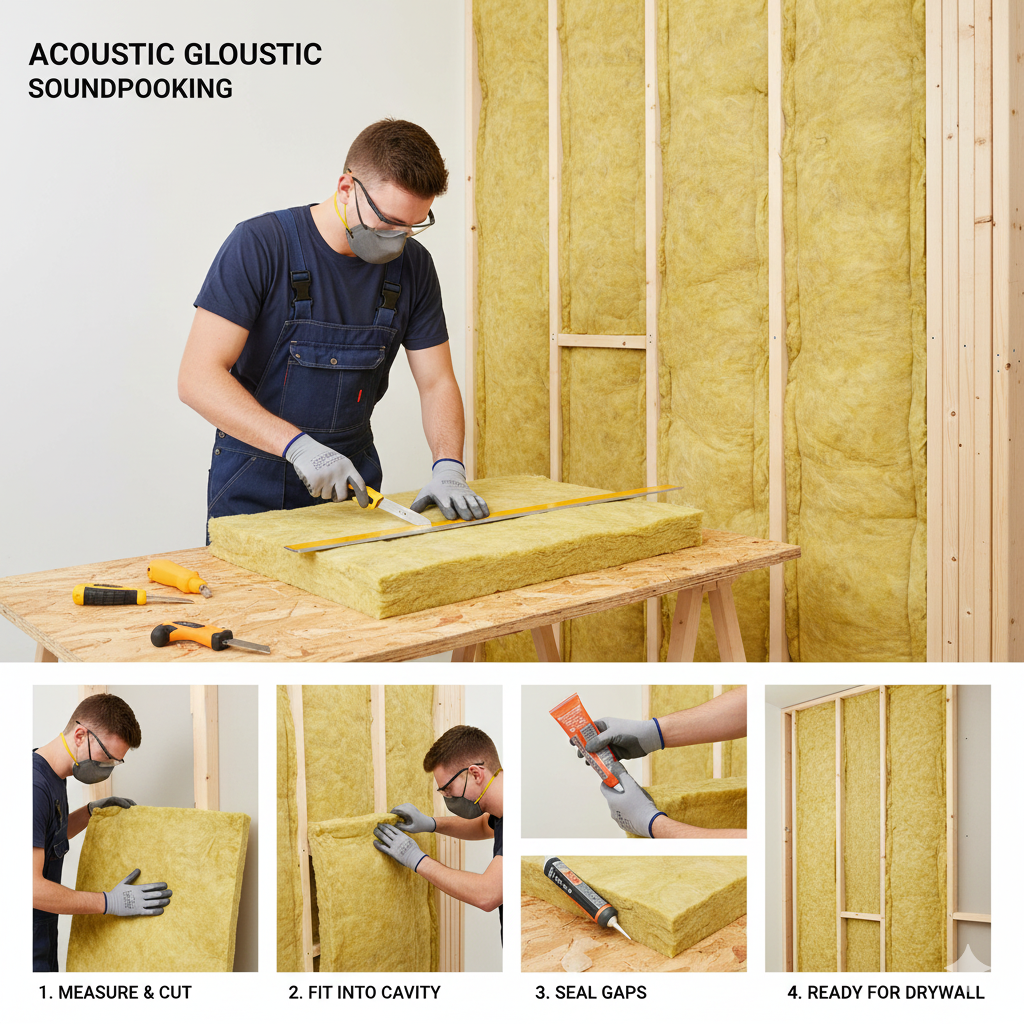
    1. Safety First: Always wear long sleeves, gloves, and a dust mask. While Rockwool fibers are not as itchy as fiberglass, proper protection is essential.
    2. Precise Cutting: Use a long, sharp utility knife to cut the sheets. Measure the cavity width carefully and cut the batts about half an inch wider. This slight oversizing ensures a friction fit, eliminating gaps that compromise thermal performance.
    3. Friction Fit: The goal is a snug, perfect friction fit. There should be no compressing, bending, or squeezing of the insulation material—simply place it gently into the stud cavity.
    4. Vapor Barrier: In colder climates, or where required by building codes, ensure you install a continuous polyethylene vapor barrier on the warm-in-winter side of the wall assembly to manage condensation.

    Rockwool vs. Fiberglass: Which is Better?

    When comparing insulation material for your next project, fiberglass is often the main competitor. Here is a brief comparison:

    FeatureRockwool (Mineral Wool)Fiberglass
    Primary MaterialVolcanic rock, slagSand, recycled glass
    R-value per InchGenerally higher (superior thermal performance)Generally lower
    Fire ResistanceExcellent (Non-combustible)Can melt at high temperatures
    Acoustic InsulationExcellent (High density)Good (Lower density)
    Moisture ResistanceVery goodFair (Can lose R-value when wet)

    For projects requiring the highest levels of fire safety and acoustic insulation, the Rockwool insulation sheet is the preferred choice. For basic thermal control on a tight budget, fiberglass may be considered.

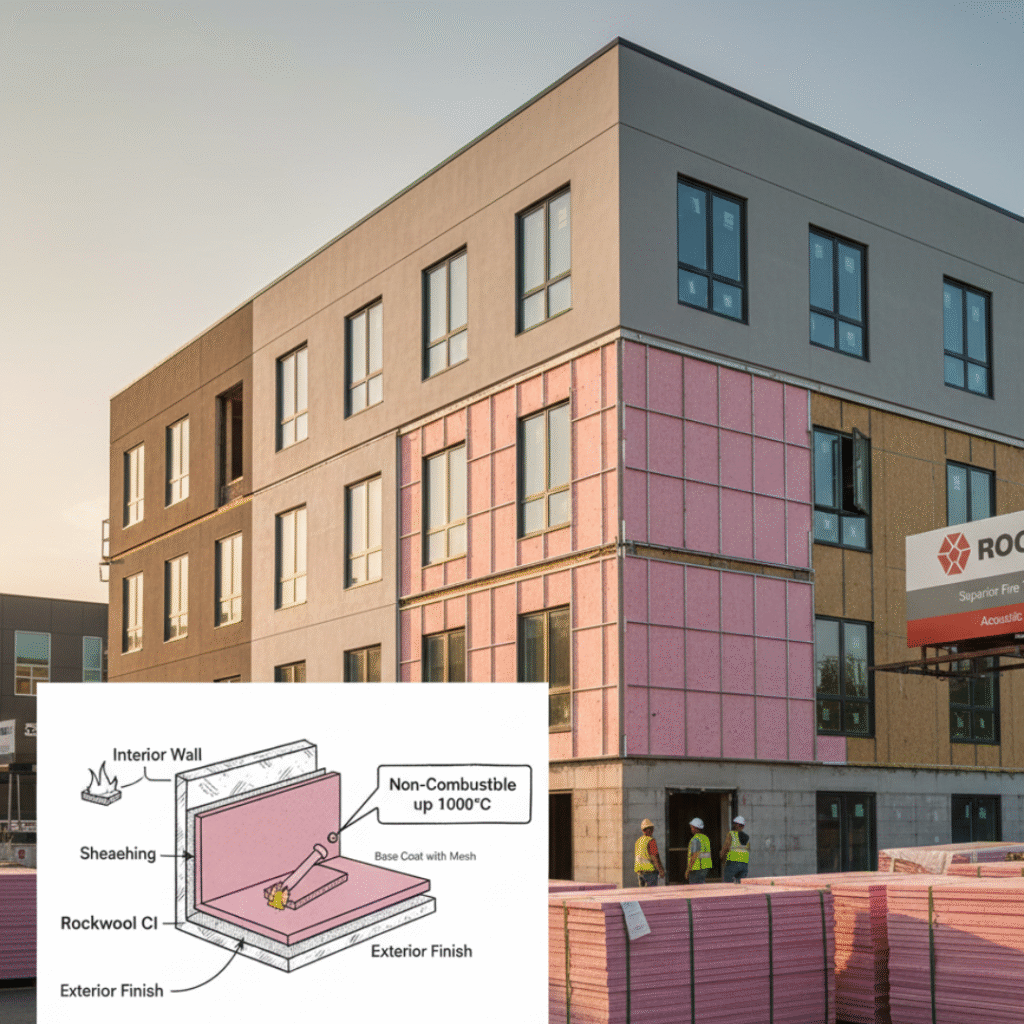
    Rockwool Sheet Application in Exterior Insulation Systems

    rockwool insulation sheet in eifs

    While Rockwool is often celebrated for its use in interior walls and ceilings, its unique properties—especially its density, moisture repellency, and non-combustibility—make it an exceptional insulation material for exterior systems, particularly in large commercial and high-rise buildings where safety codes are stringent.

    Using a Rockwool insulation sheet on the exterior is a form of continuous insulation (CI), which wraps the building in a thermal blanket, drastically improving thermal performance by eliminating thermal bridging through wall studs.

    1. Exterior Insulation and Finish Systems (EIFS)

    EIFS refers to non-load bearing building cladding systems that provide exterior walls with an insulated, water-resistant, finished surface.

    • Traditional EIFS: Historically, EIFS used foam plastics (like EPS or XPS). However, due to concerns over the combustibility of these materials, especially in mid-to-high-rise construction, Rockwool (mineral wool) has become the preferred choice for a non-combustible substrate.
    • The Rockwool Advantage in EIFS: Rigid stone wool boards (e.g., specific high-density Rockwool products) are mechanically fastened or adhered to the exterior sheathing. This layer provides the superior fire resistance of rock while acting as a stable, dimensionally sound base for the subsequent layers (base coat, mesh, and decorative render/finish). This combination offers the highest possible fire rating (A1/Class A non-combustible).

    2. Rainscreen and Cavity Wall Systems

    Rainscreen and cavity wall systems are modern façade designs that create an intentional air gap (cavity) between the insulation and the exterior cladding (e.g., metal panels, brick, or siding). This gap manages moisture by allowing water that penetrates the cladding to drain away.

    • Cavityrock Insulation: Rockwool manufactures specialized semi-rigid boards designed specifically for this application. These boards are installed in the cavity, right against the exterior wall sheathing.
    • Superior Moisture Management: The stone wool boards are water repellent yet vapor permeable. This means they actively shed liquid water that might trickle down the cavity while allowing water vapor from inside the wall assembly to pass through and dry out. This breathability is crucial for preventing condensation, mold, and rot within the wall structure, ensuring the building’s long-term durability.

    3. Continuous Insulation (CI) for Thermal Bridging

    Thermal bridging occurs when a highly conductive material (like wood or steel studs) extends from the interior to the exterior, creating a path for heat to bypass the cavity insulation.

    • The CI Solution: By installing a layer of rigid Rockwool board outside the wall framing, the entire structure is wrapped in continuous insulation. This creates an unbroken thermal envelope, significantly reducing overall heat loss (or gain) and contributing to massive long-term energy savings and overall thermal performance.

    Key Benefits of Exterior Rockwool Installation

    BenefitDescription
    Non-Combustible Fire BarrierOffers an unparalleled level of fire resistance (up to $1000^{\circ}C$), acting as a literal fire block, essential for multi-story residential and commercial buildings.
    Dimensional StabilityRockwool does not shrink, sag, or shift with temperature changes, maintaining its R-value and a continuous seal for the life of the building.
    Enhanced Acoustic BarrierThe exterior installation adds significant mass and density to the wall, providing superior acoustic insulation from outside traffic and urban noise.
    Resilience to ElementsThe material is water repellent and inhibits mold/mildew growth, ensuring its insulating properties are not compromised by weather exposure during construction or operation.

    Conclusion: A Smart Investment in Sustainability

    The Rockwool insulation sheet represents a smart, long-term investment in your building’s comfort, safety, and energy efficiency. Its unique composition delivers outstanding thermal performance, crucial fire resistance, and excellent acoustic insulation, making it an ideal choice for both professional builders and DIY insulation enthusiasts. By choosing this durable insulation material, you are not only reducing your energy consumption but also enhancing the structural integrity and quietude of your space for years to come.

    FAQ’S

    Rockwool insulation sheet is made from natural volcanic rock (basalt) that is melted and spun into dense, fibrous wool. This structure provides excellent thermal insulation, fire resistance, and soundproofing for various applications.

    Yes, Rockwool is naturally fire-resistant and can withstand extremely high temperatures. It does not burn, melt, or release toxic smoke, making it ideal for residential, commercial, and industrial fire-safety applications.

    Absolutely. Rockwool’s dense fiber structure absorbs sound waves effectively, making it a popular choice for acoustic walls, studios, auditoriums, generator rooms, and HVAC systems.

    The density depends on the application:

    • 40–60 kg/m³ for ceiling and drywall partitions
    • 80–100 kg/m³ for exterior walls and duct insulation
    • 120–150 kg/m³ for industrial equipment, boilers, and fire-rated assemblies
      Higher density provides better thermal and acoustic performance.