
thermocol sheet price in pakistan

Category: Thermocol Sheets

  • What is Cavity Wall Insulation? Benefits, Types & How It Saves Energy

    What is Cavity Wall Insulation? Benefits, Types & How It Saves Energy

    With increasing energy costs and extreme weather conditions, insulation has become a necessity in modern construction. One of the most effective methods for improving energy efficiency is cavity wall insulation.

    Understanding Cavity Wall Insulation in Pakistan helps homeowners and businesses maintain indoor comfort while reducing electricity bills. Whether you are building a new home or upgrading an existing one, this insulation method offers long-term benefits.

    What is Cavity Wall Insulation?
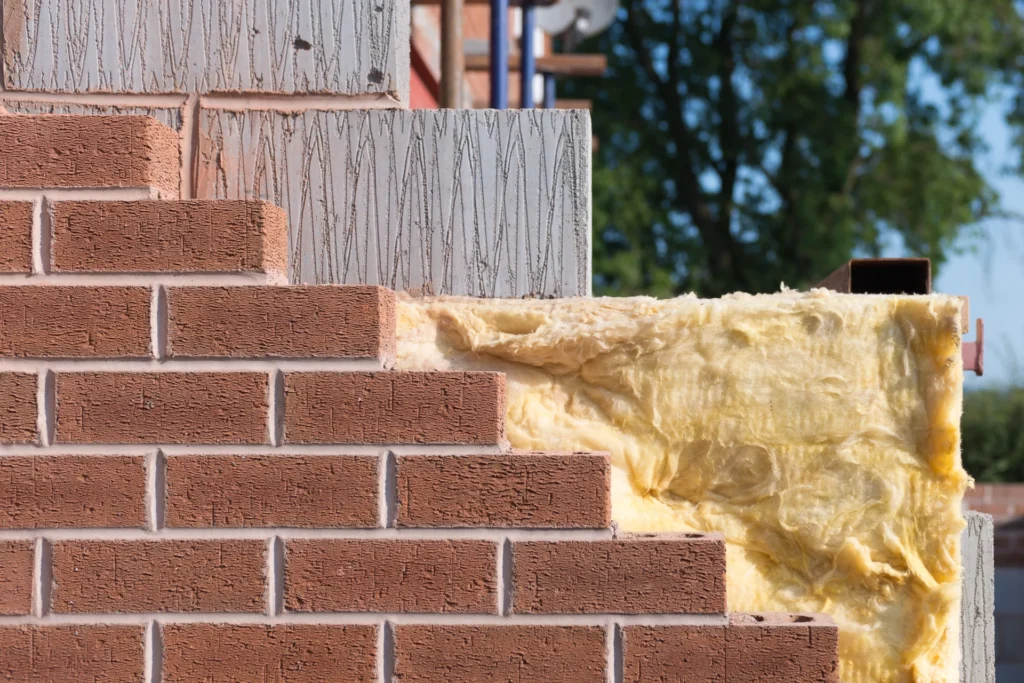
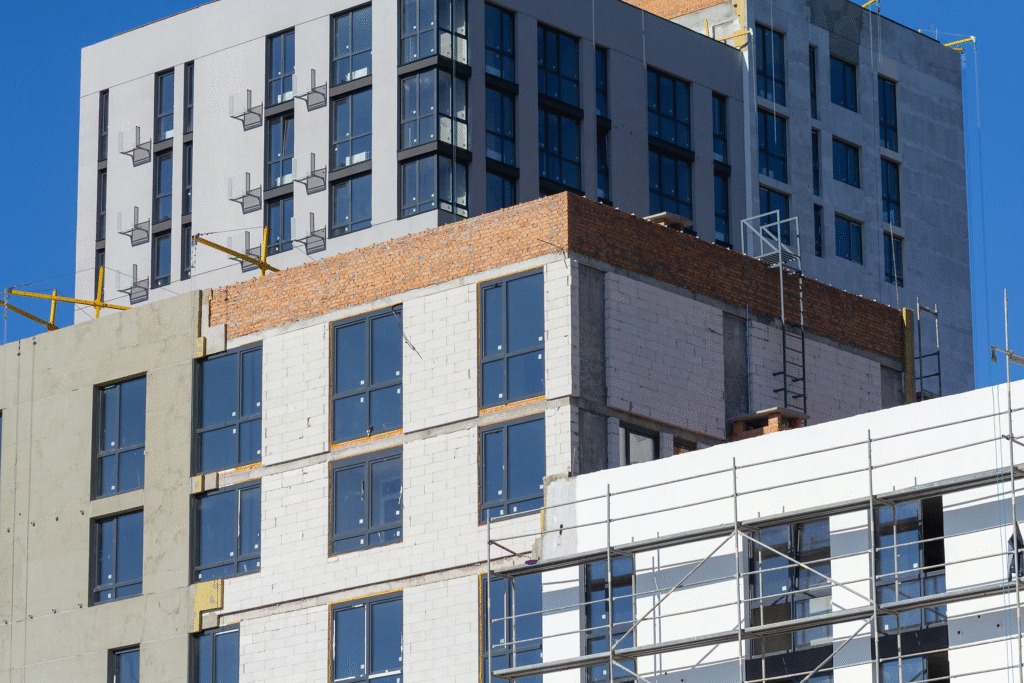
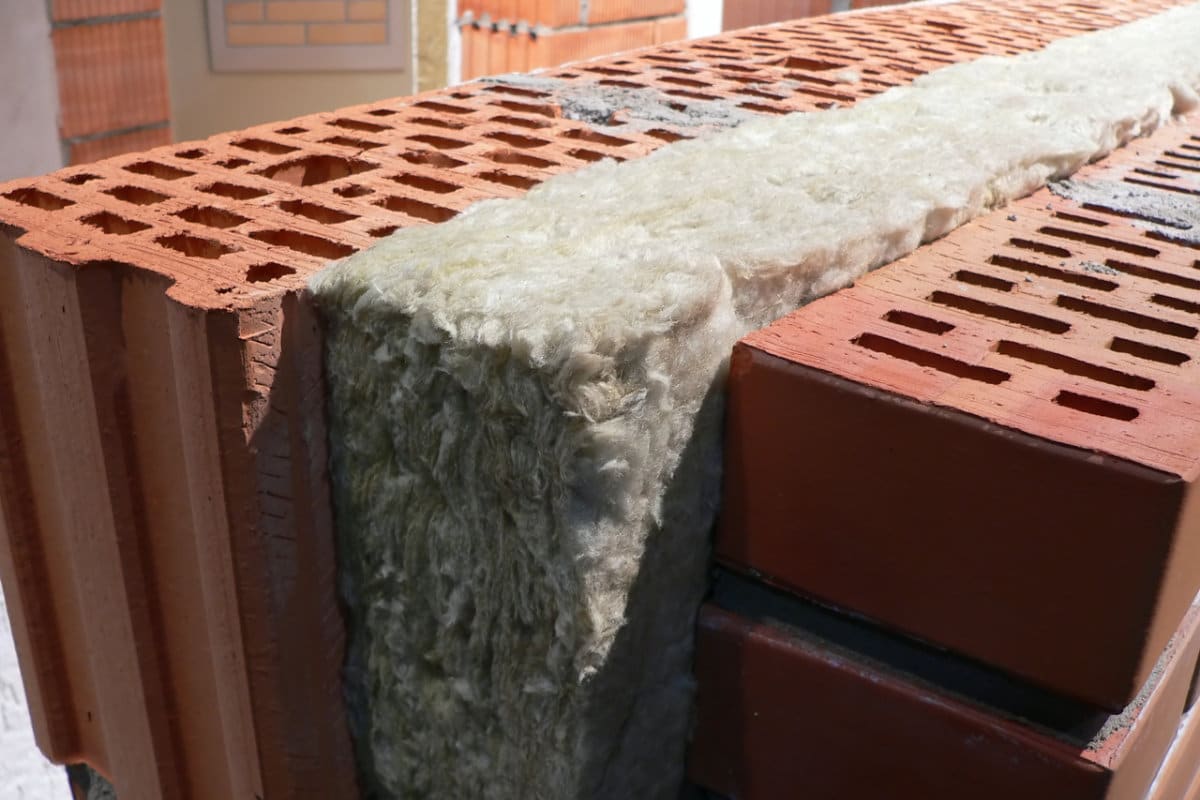
    Cavity wall insulation involves filling the gap (cavity) between two layers of a wall with insulating material. This gap acts as a barrier that reduces heat transfer between the interior and exterior of a building.

    The insulation material used in the cavity helps:

    • Keep heat out during summer
    • Retain warmth during winter
    • Improve overall energy efficiency

    This makes it one of the best Cavity Wall Insulation in Pakistan solutions for residential and commercial buildings.

    How Cavity Wall Insulation Saves Energy
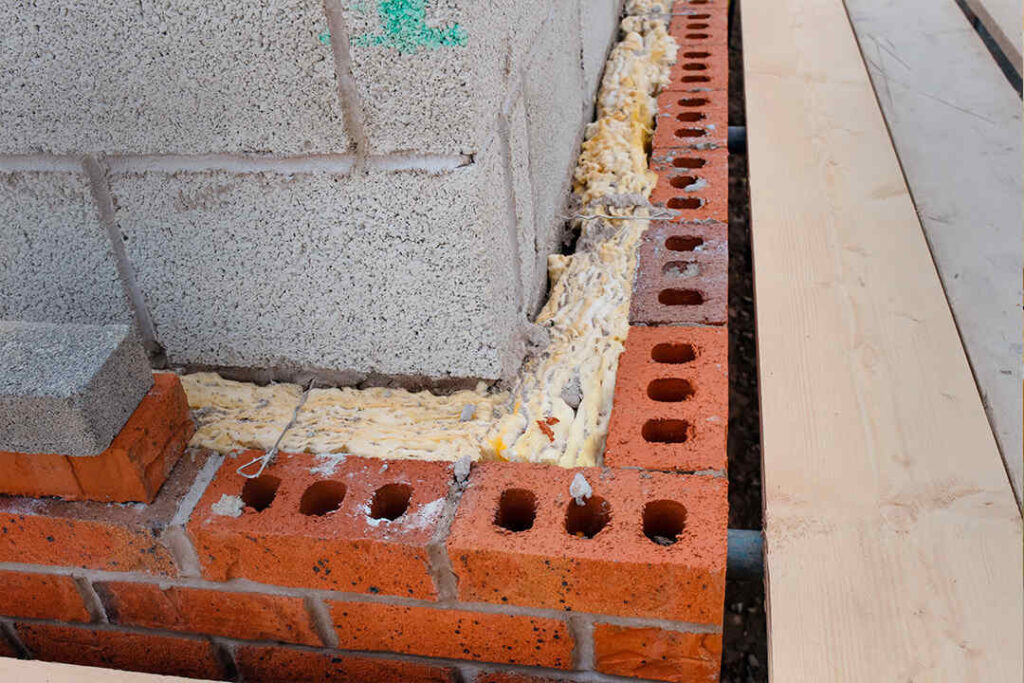
    How-long-does-cavity-wall-insula

    Walls are one of the largest areas where heat loss or gain occurs. By insulating the cavity:

    • Heat transfer is significantly reduced
    • Air conditioning usage decreases
    • Heating requirements are minimized
    • Indoor temperature remains stable

    These benefits contribute to top Cavity Wall Insulation in Pakistan practices for energy-efficient construction.

    Types of Cavity Wall Insulation Materials

    1. Mineral Wool (Rock Wool)
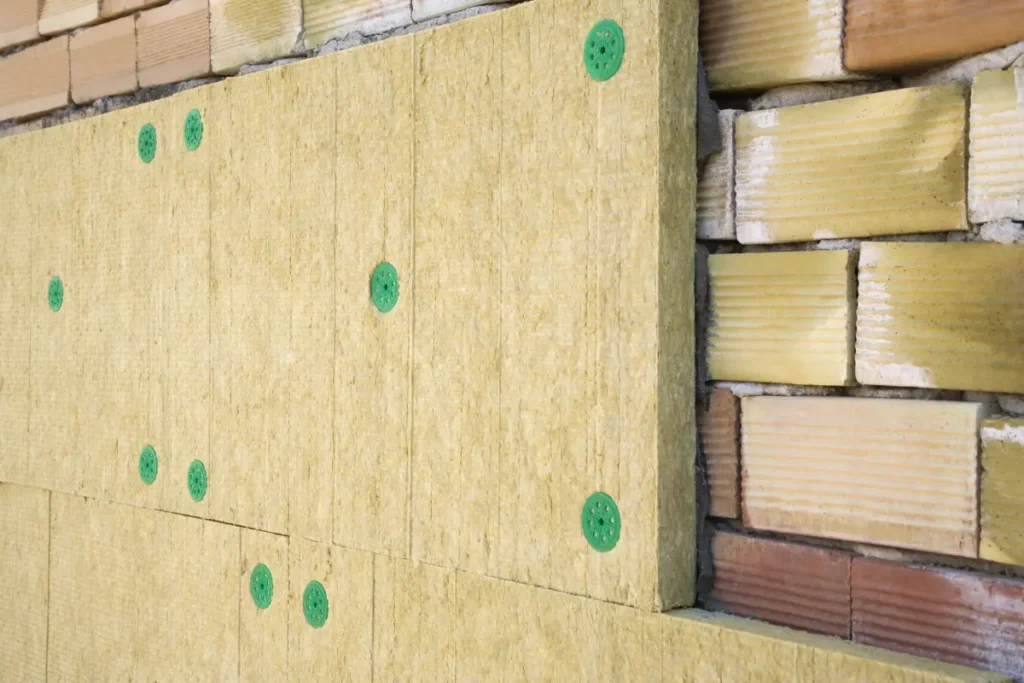
    • Fire-resistant and durable
    • Good thermal and sound insulation
    • Suitable for residential and commercial use

    2. Polystyrene Beads (EPS)
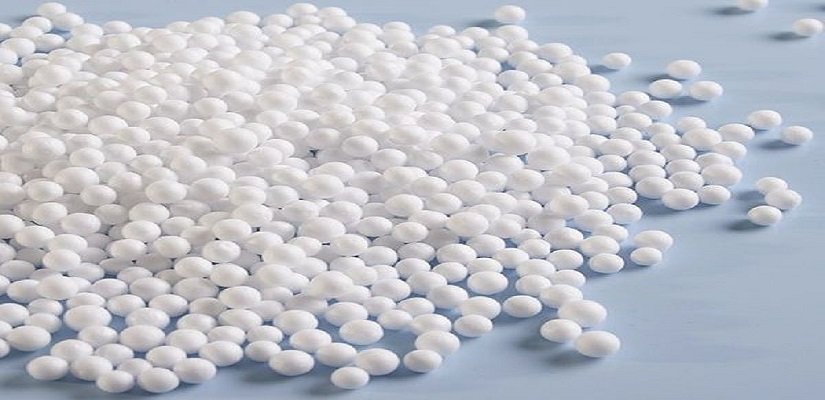
    eps beads
    • Lightweight and cost-effective
    • Easy to install in cavities
    • Moisture-resistant

    3. Polyurethane Foam (PU Foam)
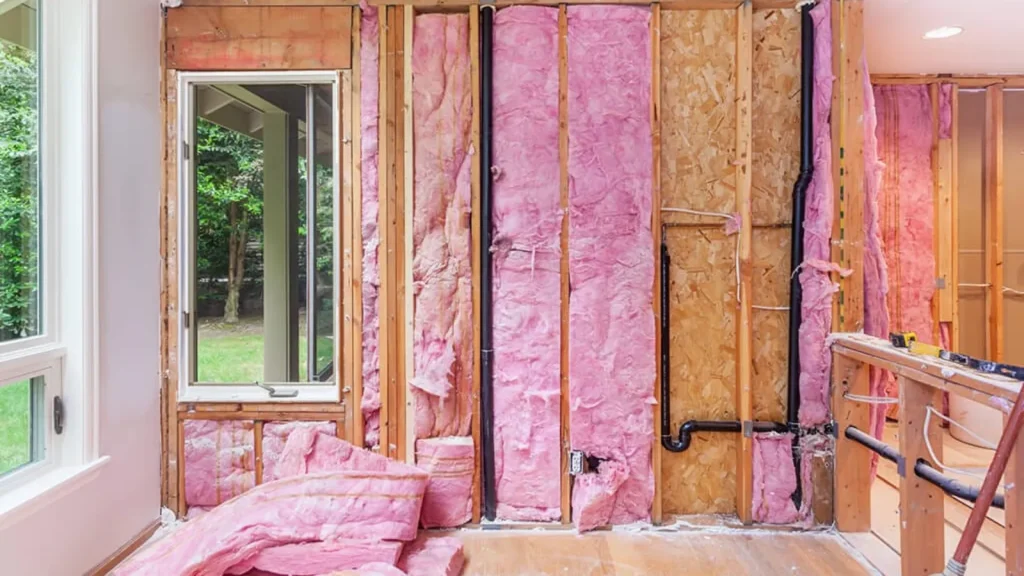
    home insulation
    • High insulation performance
    • Expands to fill gaps completely
    • Ideal for irregular cavities

    4. Fiberglass Insulation
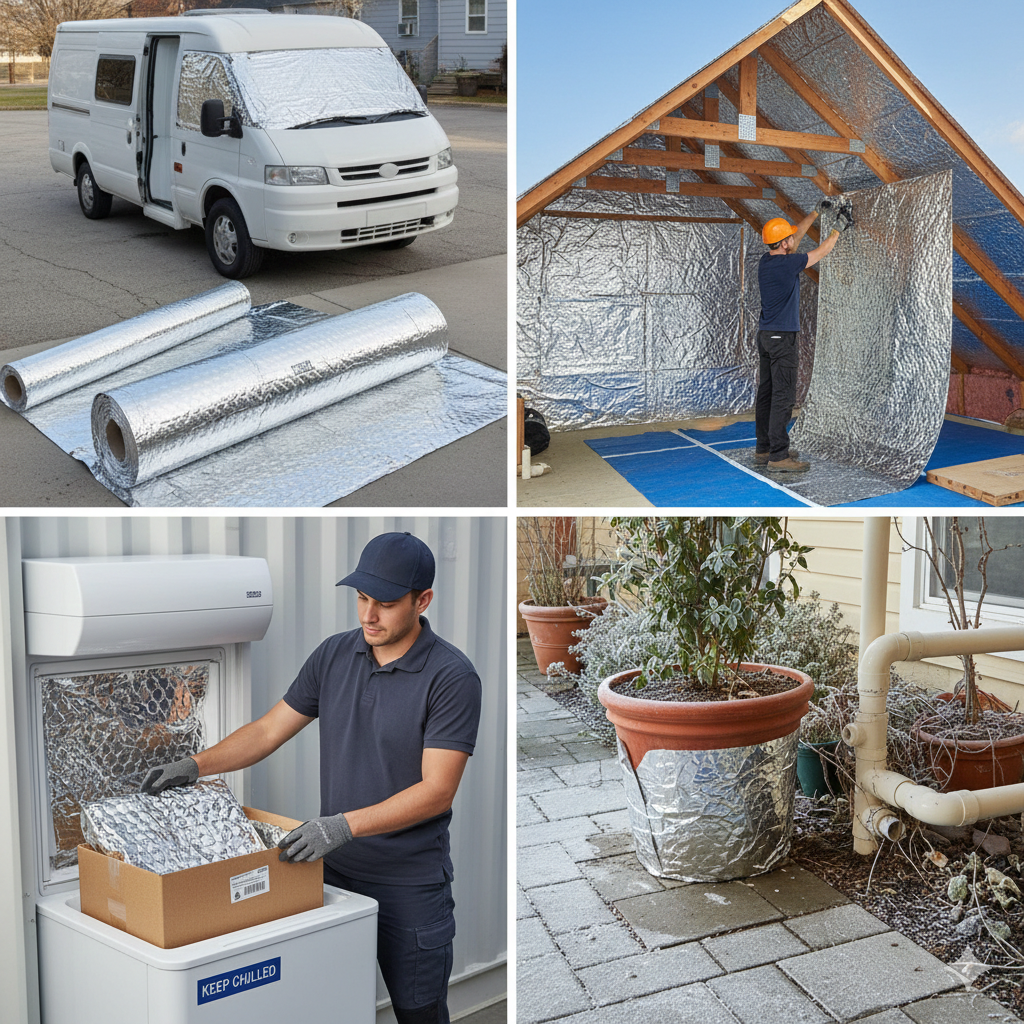
    • Affordable and widely used
    • Good thermal performance
    • Easy to install

    Choosing the right material ensures you get the best Cavity Wall Insulation in Pakistan for your needs.

    Benefits of Cavity Wall Insulation

    • Reduces energy consumption
    • Lowers electricity bills
    • Improves indoor comfort
    • Prevents moisture and dampness
    • Enhances building durability

    These advantages make it a popular choice across major cities.

    Cavity Wall Insulation Price in Pakistan

    The Cavity Wall Insulation price in Pakistan depends on material type, wall size, and installation method.

    Estimated Price Table

    Material TypePrice Range (PKR per sq. ft)
    EPS Beads120 – 200
    Mineral Wool200 – 350
    PU Foam300 – 500
    Fiberglass150 – 250

    The overall Cavity Wall Insulation in Pakistan price may vary depending on location and supplier.

    City-Wise Cavity Wall Insulation Services
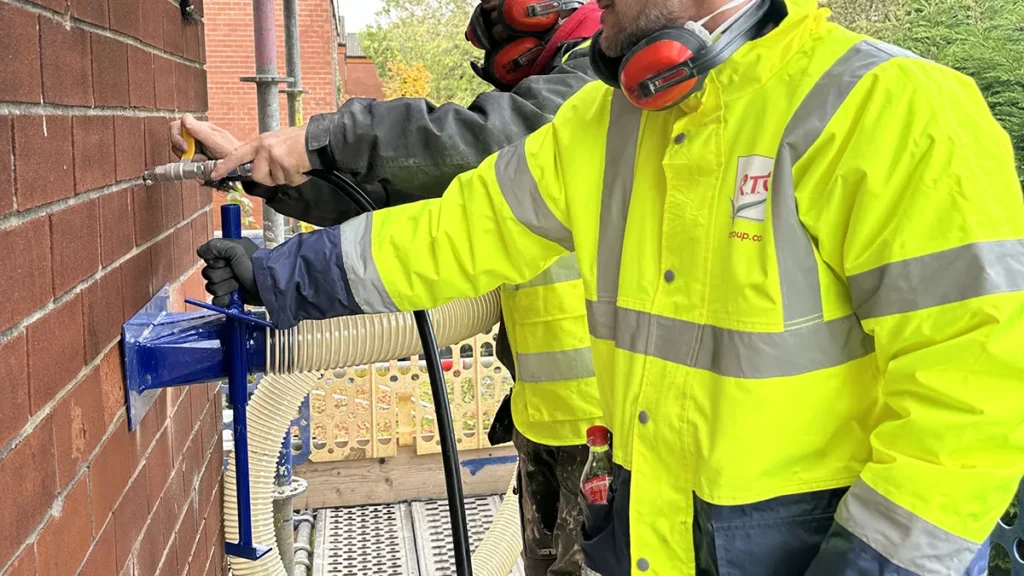
    Cavity Wall Insulation in Lahore

    Lahore’s growing construction sector widely adopts insulation solutions to improve energy efficiency.

    Cavity Wall Insulation in Islamabad

    Modern homes and offices use advanced insulation materials for better thermal performance.

    Cavity Wall Insulation in Faisalabad

    Industrial and residential buildings benefit from effective insulation systems.

    Cavity Wall Insulation in Multan

    Extreme heat makes insulation essential for maintaining indoor comfort.

    Cavity Wall Insulation in Karachi

    Humidity and heat increase the need for moisture-resistant insulation materials.

    Manufacturers and Wholesalers

    Manufacturers

    Local companies act as Cavity Wall Insulation manufacturer in pakistan, producing insulation materials for different applications.

    Wholesalers

    Bulk suppliers serve as Cavity Wall Insulation wholeseller and top Cavity Wall Insulation wholeseller, offering competitive pricing for large-scale projects.

    Choosing reliable suppliers ensures consistent quality and long-term performance.

    Cheap vs High-Quality Insulation

    While cheap Cavity Wall Insulation options are available, they may not provide long-term efficiency.

    Low-quality insulation may:

    • Lose effectiveness over time
    • Provide weak thermal resistance
    • Increase maintenance costs

    Investing in high-quality insulation ensures better performance and durability.

    Applications of Cavity Wall Insulation

    • Residential homes
    • Commercial buildings
    • Offices and apartments
    • Industrial facilities

    How to Choose the Right Cavity Wall Insulation

    Consider these factors:

    • Climate conditions
    • Type of building
    • Budget
    • Moisture resistance
    • Fire safety requirements

    Selecting the right material ensures the top Cavity Wall Insulation results.

    Conclusion

    Cavity wall insulation is one of the most effective ways to improve energy efficiency in buildings. From Cavity Wall Insulation in Lahore to Cavity Wall Insulation in Karachi, its demand is increasing due to rising energy costs and climate challenges.

    Whether you choose materials from a Cavity Wall Insulation manufacturer or work with a trusted Cavity Wall Insulation wholeseller in pakistan, proper insulation can significantly reduce energy consumption and improve comfort.

    FAQ’S

    Cavity wall insulation involves filling the gap between two layers of a wall with insulating material to reduce heat transfer, keeping buildings cooler in summer and warmer in winter.

    The cavity wall insulation price in Pakistan generally ranges from PKR 120 to PKR 500 per sq. ft depending on the material type and installation method.

    PU foam, EPS beads, and mineral wool are among the best options. The choice depends on budget, climate, and building requirements.

    Yes, cavity wall insulation is suitable for most residential, commercial, and industrial buildings, especially those with double-wall construction.
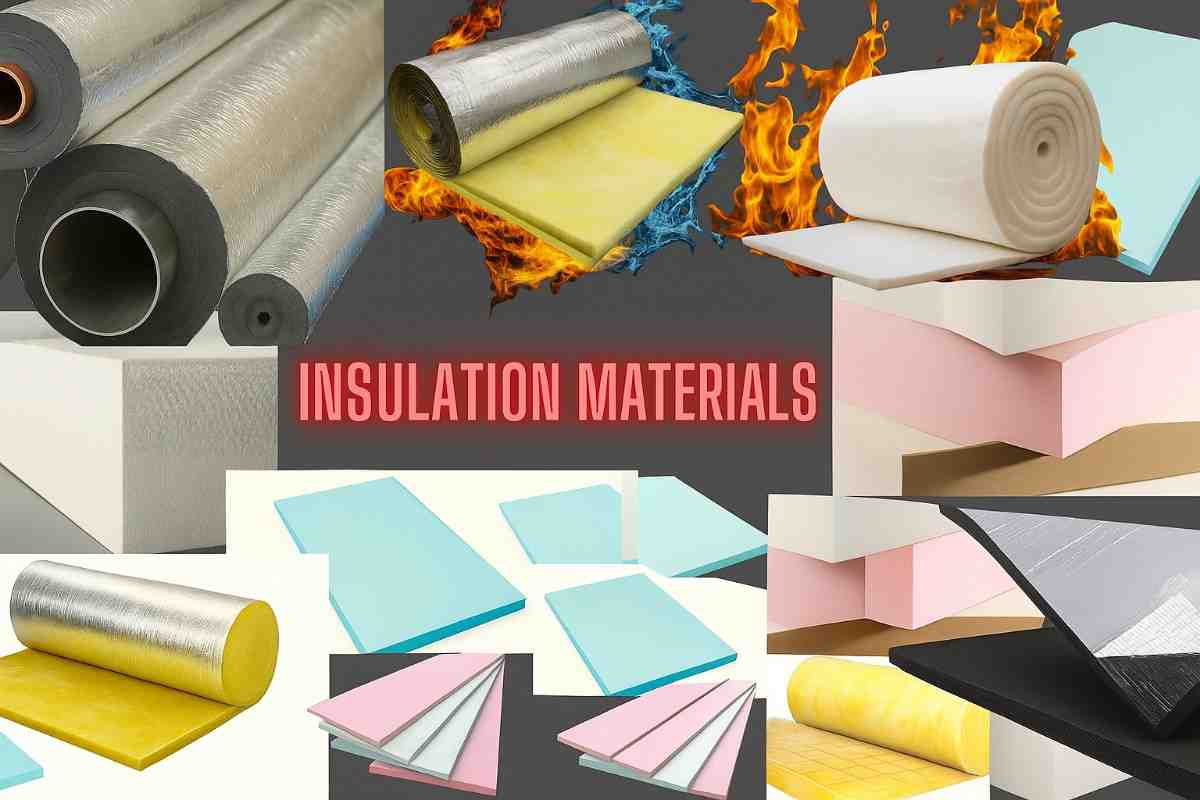
  • Types of Thermal Insulation in Pakistan | Best Insulation Materials Guide

    Types of Thermal Insulation in Pakistan | Best Insulation Materials Guide

    With extreme weather conditions and rising electricity costs, insulation has become a necessity in Pakistan rather than a luxury. Understanding the Types of Thermal Insulation in Pakistan helps homeowners, builders, and businesses make better decisions for energy efficiency and comfort.

    Whether you’re constructing a new building or upgrading an existing one, selecting the right insulation material can significantly reduce heat transfer and energy consumption.

    Why Thermal Insulation is Important

    Thermal insulation plays a vital role in:

    • Maintaining indoor temperature
    • Reducing electricity bills
    • Improving energy efficiency
    • Enhancing building durability
    • Providing comfort in all seasons

    These benefits make insulation one of the top Types of Thermal Insulation in Pakistan solutions for modern construction.
    Main Types of Thermal Insulation in Pakistan

    1. Expanded Polystyrene (EPS – Thermopore)

    EPS Foam

    EPS is one of the most commonly used insulation materials in Pakistan.

    Features:

    • Lightweight and affordable
    • Good thermal resistance
    • Easy to install

    It is widely used in roofs and walls, making it one of the best Types of Thermal Insulation in Pakistan for budget-friendly projects.

    2. Extruded Polystyrene (XPS)

    Jumbolon Board Manufacturer in Pakistan

    XPS offers higher strength and moisture resistance compared to EPS.

    Features:

    • Durable and water-resistant
    • Suitable for heavy-load areas
    • Long-lasting performance

    3. Polyurethane Foam (PU Foam)

    home insulation

    PU foam provides excellent insulation performance.

    Features:

    • High thermal efficiency
    • Air-tight sealing
    • Ideal for roofs and cold storage

    4. Mineral Wool (Rock Wool)

    Soundproofing Material glasswool vs rockwool

    Rock wool is widely used in industrial and commercial applications.

    Features:

    • Fire-resistant
    • Soundproofing properties
    • Durable under high temperatures

    5. Fiberglass Insulation

    Glasswool Roll Price in Pakistan

    A cost-effective and commonly used insulation material.

    Features:

    • Easy installation
    • Affordable
    • Suitable for ceilings and walls

    Types of Thermal Insulation Price

    The Types of Thermal Insulation price in Pakistan depends on material type, thickness, and application.

    Estimated Price Table

    Material TypePrice Range (PKR per sq. ft)
    EPS (Thermopore)40 – 120
    XPS180 – 350
    PU Foam250 – 500
    Rock Wool200 – 400
    Fiberglass80 – 150

    The overall Types of Thermal Insulation price may vary depending on supplier and city.

    City-Wise Thermal Insulation

    Types of Thermal Insulation in Lahore

    Lahore’s construction industry widely uses different insulation materials for residential and commercial buildings.

    Types of Thermal Insulation in Islamabad

    Modern housing projects prefer advanced insulation systems for energy efficiency.

    Types of Thermal Insulation in Faisalabad

    Industrial applications drive demand for durable insulation materials in Faisalabad.

    Types of Thermal Insulation in Multan

    Extreme heat increases the need for effective insulation in residential and commercial spaces.

    Types of Thermal Insulation in Karachi

    Humidity and coastal conditions require moisture-resistant insulation solutions.

    Manufacturers and Wholesalers

    Manufacturers

    Local companies act as Types of Thermal Insulation manufacturer in pakistan, producing a wide range of insulation materials for different applications.

    Wholesalers

    Bulk suppliers serve as Types of Thermal Insulation For Roofs wholeseller and top Types of Thermal Insulation wholeseller, offering competitive pricing for large projects.

    Working with trusted suppliers ensures quality and long-term performance.

    Cheap vs High-Quality Thermal Insulation

    While cheap Thermal Insulation in pakistan options are available, they may compromise durability and efficiency.

    Low-quality insulation may:

    • Degrade quickly
    • Offer poor thermal resistance
    • Increase long-term costs

    Investing in high-quality materials ensures better results and long-term savings.

    How to Choose the Right Insulation Material

    Consider these factors:

    • Climate conditions
    • Application (roof, wall, industrial use)
    • Budget
    • Moisture resistance
    • Fire safety requirements

    Selecting the right material helps achieve the best Types of Thermal Insulation for your project.

    Applications of Thermal Insulation

    • Residential homes
    • Commercial buildings
    • Industrial facilities
    • Cold storage units
    • HVAC systems

    Conclusion

    Understanding the Types of Thermal Insulation is essential for making informed construction decisions. From EPS and XPS to PU foam and rock wool, each material offers unique benefits depending on your needs.

    Whether you are sourcing from a Types of Thermal Insulation manufacturer in pakistan or working with a top Types of Thermal Insulation wholeseller, choosing the right insulation can significantly improve comfort, reduce energy costs, and increase building efficiency.

    FAQ’S

    The main types include EPS (Thermopore), XPS, polyurethane foam (PU), fiberglass, and rock wool. Each material has different properties depending on usage and budget.

    Types of Thermal Insulation price in Pakistan generally ranges from PKR 40 to PKR 500 per sq. ft depending on the material type, thickness, and quality.

    PU foam and XPS are considered the best for roofs due to their high thermal resistance, while EPS (Thermopore) is a cost-effective alternative.

    You can find thermal insulation services in major cities like Lahore, Islamabad, Karachi, Faisalabad, and Multan through local contractors, manufacturers, and wholesalers.

  • Thermopore Sheet For Roof

    Thermopore Sheet For Roof

    With extreme summer temperatures across Pakistan, roof insulation has become essential rather than optional. One of the most widely used and cost-effective solutions is thermopore (EPS) sheets. These lightweight insulation sheets help reduce heat transfer and keep indoor spaces cooler.

    If you are planning roof insulation, understanding the benefits and usage of Thermopore Sheet For Roofs in Pakistan can help you make an informed decision for long-term comfort and energy savings.

    What is a Thermopore Sheet?

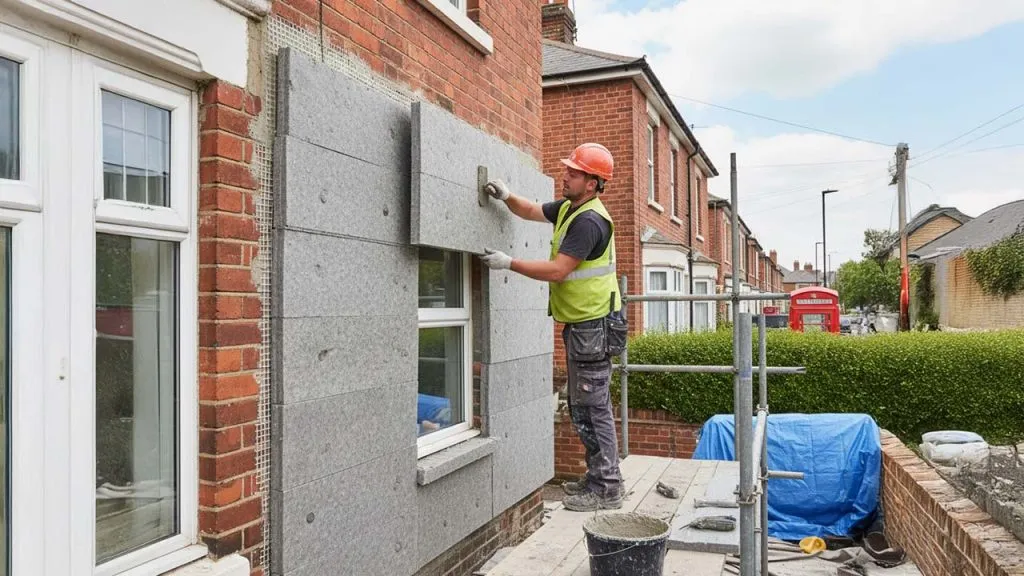
    External-Wall-Insulation-1080x675

    Thermopore, also known as Expanded Polystyrene (EPS), is a lightweight foam material commonly used for insulation. It is widely applied in roofing systems due to its excellent thermal resistance and affordability.

    Thermopore sheets are:

    • Lightweight and easy to handle
    • Moisture-resistant
    • Cost-effective
    • Suitable for residential and commercial buildings

    This makes them one of the best Thermopore Sheet For Roofs in Pakistan options available today.

    Why Use Thermopore Sheets for Roof Insulation?

    thermopore sheet for residential building

    Roof surfaces absorb the maximum heat from sunlight, especially in cities like Multan and Karachi. Thermopore sheets act as a barrier, reducing heat transfer into the building.

    Key Benefits

    • Reduces indoor temperature significantly
    • Lowers electricity bills
    • Improves comfort levels
    • Easy to install and maintain
    • Long-lasting performance

    These advantages make thermopore one of the top Thermopore Sheet For Roofs in Pakistan solutions for modern construction.
    Types of Thermopore Sheets for Roofs

    1. Standard EPS Sheets

    12mm theramal insulation Sheet in Pakistan
    • Basic insulation
    • Suitable for homes

    2. High-Density Thermopore

    EPS Thermal Insulation
    • Stronger and more durable
    • Ideal for commercial and industrial roofs

    3. Laminated Thermopore Sheets

    XPS Insulation
    • Includes protective coating
    • Better resistance against moisture and weather

    Choosing the right type ensures better performance depending on your project requirements.

    Thermopore Sheet For Roofs Price in Pakistan

    The Thermopore Sheet For Roofs price in Pakistan depends on thickness, density, and quality.

    Estimated Price Table

    ThicknessPrice Range (PKR per sq. ft)
    1 inch40 – 70
    2 inch70 – 120
    3 inch120 – 180
    High Density150 – 250

    The overall Thermopore Sheet For Roofs in Pakistan price may vary depending on supplier and city.

    City-Wise Availability in Pakistan

    thermal insulation in pakistan

    Thermopore Sheet For Roofs in Lahore

    Lahore’s construction sector widely uses Thermopore Sheet For Roofs in Lahore for residential and commercial insulation.

    Thermopore Sheet For Roofs in Islamabad

    Modern housing projects prefer Thermopore Sheet For Roofs in Islamabad due to energy efficiency and durability.

    Thermopore Sheet For Roofs in Faisalabad

    Industrial and residential buildings rely on Thermopore Sheet For Roofs in Faisalabad to control indoor temperatures.

    Thermopore Sheet For Roofs in Multan

    Due to extreme heat, Thermopore Sheet For Roofs in Multan are essential for reducing cooling costs.

    Thermopore Sheet For Roofs in Karachi

    Humidity and heat increase demand for Thermopore Sheet For Roofs in Karachi for both homes and warehouses.

    Thermopore Sheet Manufacturers and Wholesalers in Pakistan

    Manufacturers

    Local companies act as Thermopore Sheet For Roofs manufacturer in Pakistan, producing EPS sheets in various densities and sizes.

    Wholesalers

    Bulk suppliers serve as Thermopore Sheet For Roofs wholeseller in Pakistan, offering competitive pricing for large-scale projects.

    Working with a top Thermopore Sheet For Roofs wholeseller in Pakistan ensures quality and cost savings.

    Cheap vs High-Quality Thermopore Sheets

    EPS Geofoam For Road Construction

    Many buyers look for cheap Thermopore Sheet For Roofs in Pakistan, but it’s important to consider quality.

    Cheap sheets may:

    • Have lower density
    • Provide weak insulation
    • Break easily

    Investing in high-quality sheets ensures better performance and durability.

    Installation Process

    Proper installation is key to maximizing insulation performance.

    Basic Steps:

    1. Clean roof surface
    2. Place thermopore sheets evenly
    3. Seal joints properly
    4. Add protective layer (cement screed or waterproofing)

    This ensures effective insulation for long-term use.

    Applications of Thermopore Sheets

    • Residential rooftops
    • Commercial buildings
    • Warehouses
    • Cold storage facilities
    • Industrial sheds

    Thermopore sheets are versatile and suitable for various construction needs.

    How to Choose the Best Thermopore Sheet

    Consider these factors:

    • Thickness and density
    • Climate conditions
    • Budget
    • Load-bearing requirements
    • Supplier reliability

    Selecting the best Thermopore Sheet For Roofs in Pakistan ensures maximum energy efficiency.

    Conclusion

    Thermopore sheets are one of the most practical and affordable insulation solutions in Pakistan. From Thermopore Sheet For Roofs in Lahore to Thermopore Sheet For Roofs in Karachi, their demand continues to grow due to increasing temperatures and energy costs.

    Whether you purchase from a Thermopore Sheet For Roofs manufacturer in Pakistan or a trusted Thermopore Sheet For Roofs wholeseller in Pakistan, choosing the right material can significantly improve comfort and reduce expenses.

    FAQ’S

    Thermopore sheet is a lightweight expanded polystyrene (EPS) material used for roof insulation. It reduces heat transfer, keeping buildings cooler in summer and improving energy efficiency.

    The price typically ranges from PKR 40 to PKR 250 per sq. ft depending on thickness, density, and quality of the sheet.

    Yes, Thermopore is highly effective for Pakistan’s hot climate. It helps reduce indoor temperatures and lowers electricity consumption, especially in cities like Lahore, Multan, and Karachi.

    You can purchase Thermopore sheets from local suppliers, insulation contractors, and wholesalers in major cities like Lahore, Islamabad, Karachi, Faisalabad, and Multan.

  • How to Insulate a Water Tank | Guide for Pakistani Homes

    How to Insulate a Water Tank | Guide for Pakistani Homes

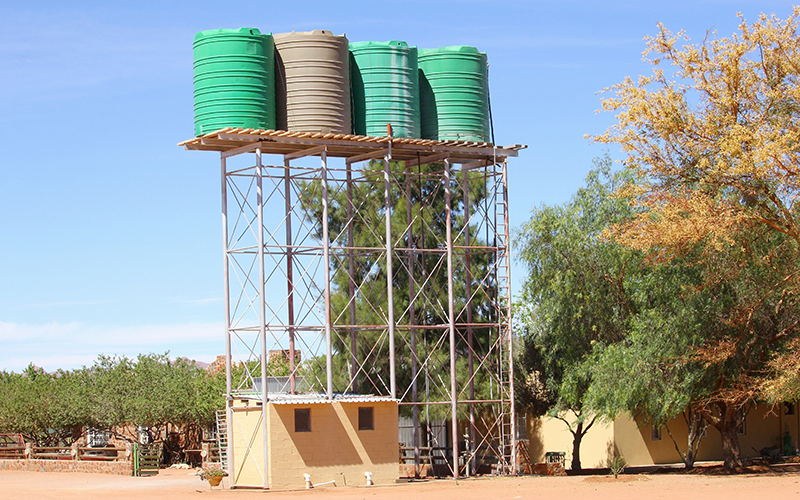
    Water tanks in Pakistan are constantly exposed to harsh weather—extreme heat in summer and cold conditions in winter. This exposure affects water temperature, quality, and even the durability of the tank itself. Understanding how to properly insulate a tank is essential for maintaining a stable water supply.

    Whether you live in a hot region or a moderate climate, knowing how to insulate a water tank in Pakistan can help improve efficiency, reduce maintenance, and enhance daily comfort.

    Why Water Tank Insulation is Important

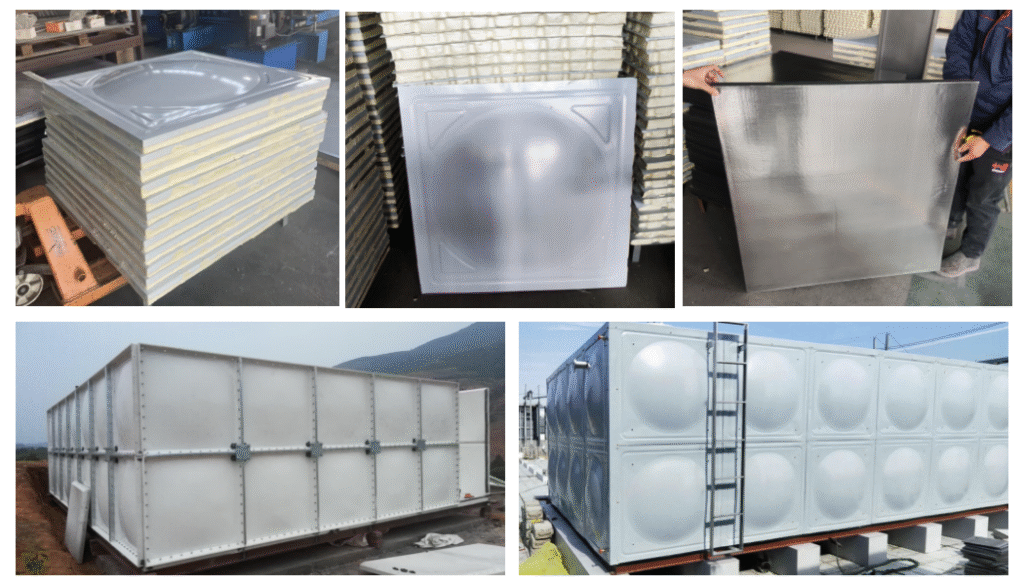
    insulate a water tank in pakistan

    Insulating your water tank offers several benefits:

    • Maintains water temperature
    • Prevents overheating in summer
    • Reduces heat loss in winter
    • Protects tank material from damage
    • Improves water quality

    For homeowners searching for the best insulate a water tank in Pakistan, insulation is a simple yet highly effective solution.

    Common Problems Without Insulation

    Without proper insulation, water tanks may face:

    • Extremely hot water during summer
    • Algae growth due to heat exposure
    • Cracks and damage in tank material
    • Increased energy usage if connected to heating systems

    These issues are common in cities like Multan and Karachi, making it essential to understand how to insulate a water tank in Multan or similar climates.

    Materials Used to Insulate a Water Tank

    Choosing the right material is key to effective insulation.

    1. Foam Insulation Sheets

    • Lightweight and easy to install
    • Provides strong thermal resistance

    2. Fiberglass Insulation

    • Cost-effective solution
    • Suitable for residential tanks

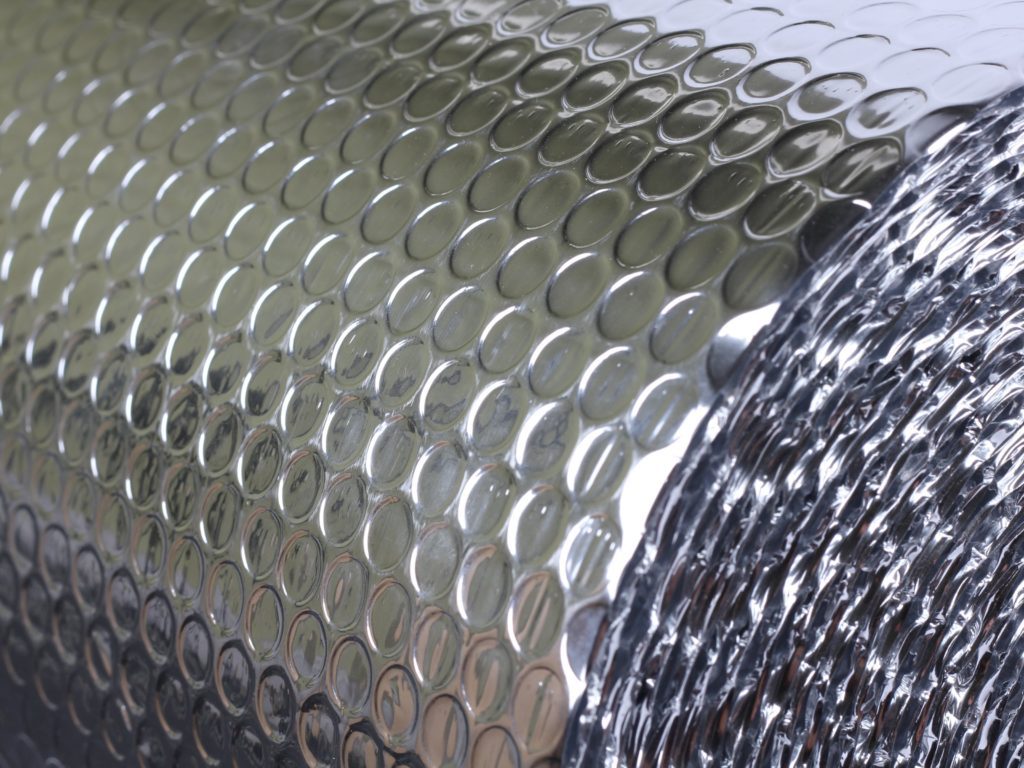
    3. Reflective Insulation

    • Reflects sunlight and reduces heat absorption
    • Ideal for rooftop tanks

    4. Polyurethane (PU) Spray

    • High-performance insulation
    • Long-lasting and durable

    Selecting the right option ensures you achieve the top insulate a water tank in Pakistan performance.

    Step-by-Step Guide: How to Insulate a Water Tank

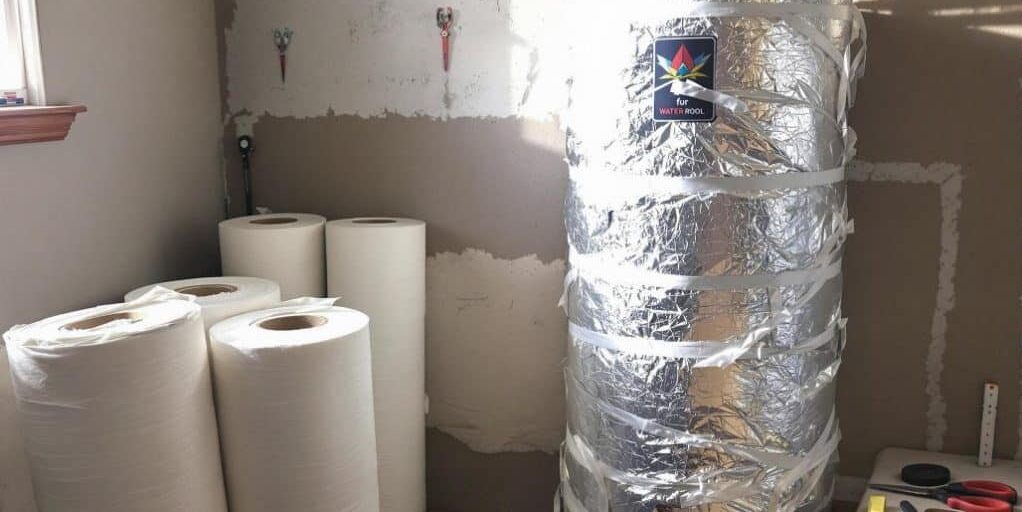
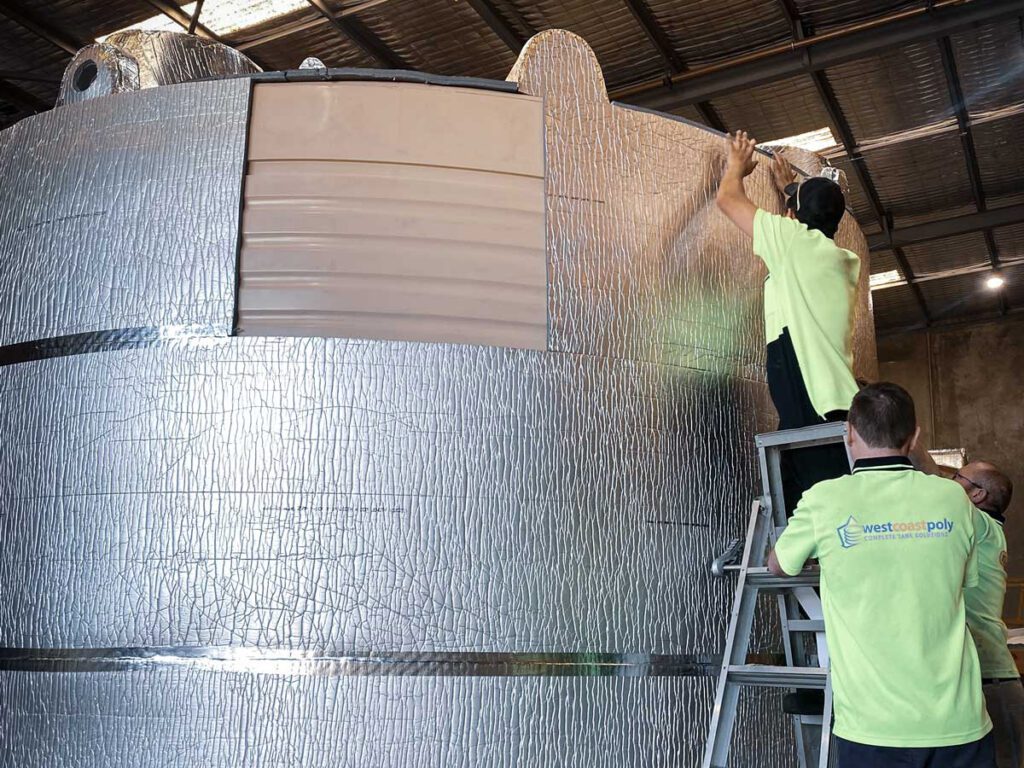
    water tank insulation installation

    Step 1: Clean the Tank Surface

    Ensure the tank is clean and dry before applying insulation material.

    Step 2: Measure the Tank

    Take accurate measurements to calculate material requirements.

    Step 3: Apply Insulation Material

    Wrap or spray the chosen insulation material evenly around the tank.

    Step 4: Cover with Protective Layer

    Use aluminum sheets or weatherproof coating to protect insulation.

    Step 5: Seal All Gaps

    Ensure there are no exposed areas where heat can enter.

    This simple process works effectively whether you want to insulate a water tank in Lahore or any other city.

    City-Wise Water Tank Insulation in Pakistan

    Insulate a Water Tank in Lahore

    In Lahore’s hot summers, insulation helps keep water cooler and reduces heat absorption from rooftops.

    Insulate a Water Tank in Islamabad

    For Islamabad’s varying climate, insulation ensures stable water temperature throughout the year.

    Insulate a Water Tank in Faisalabad

    Industrial and residential users benefit from insulate a water tank in Faisalabad to maintain water quality and reduce heat impact.

    Insulate a Water Tank in Multan

    Extreme temperatures make insulate a water tank in Multan essential for preventing overheating.

    Insulate a Water Tank in Karachi

    Humidity and heat require proper solutions when planning to insulate a water tank in Karachi.

    Insulate a Water Tank Price in Pakistan

    The insulate a water tank price in Pakistan depends on material and tank size.

    Estimated Cost Table

    Material TypePrice Range (PKR)
    Foam Sheets2,000 – 8,000
    Fiberglass3,000 – 10,000
    Reflective Sheets2,500 – 7,000
    PU Spray5,000 – 15,000

    The overall insulate a water tank in Pakistan price may vary depending on labor and location.

    Manufacturers and Wholesalers in Pakistan

    Many companies provide insulation materials and services across the country.

    • Insulate a water tank manufacturer in Pakistan offers foam boards, PU spray, and reflective sheets
    • Bulk suppliers act as insulate a water tank wholeseller in Pakistan
    • Contractors often work with top insulate a water tank wholeseller in Pakistan for large-scale projects

    Choosing reliable suppliers ensures quality and durability.

    Cheap vs Quality Insulation – What to Choose?

    While cheap insulate a water tank in Pakistan options are available, they may not provide long-term benefits.

    Low-cost insulation may:

    • Wear out quickly
    • Provide weak thermal protection
    • Require frequent replacement

    Investing in quality materials ensures better performance and durability.

    Tips for Better Water Tank Insulation

    • Install insulation on both sides (top and walls)
    • Use UV-resistant outer layers
    • Regularly check for damage
    • Combine insulation with shading (roof cover)

    These tips help achieve the best insulate a water tank in Pakistan results.

    Long-Term Benefits of Water Tank Insulation

    • Improved water hygiene
    • Consistent water temperature
    • Reduced maintenance costs
    • Increased tank lifespan

    Conclusion

    Learning how to properly insulate a water tank is essential for homes across Pakistan. From insulate a water tank in Lahore to insulate a water tank in Karachi, the need for insulation continues to grow due to climate conditions.

    By choosing the right materials and working with a trusted insulate a water tank wholeseller in Pakistan or manufacturer, you can ensure long-term performance, cost savings, and better water quality.

    FAQ’S

    Insulating a water tank helps maintain water temperature, prevents overheating in summer, reduces algae growth, and increases the lifespan of the tank.

    The insulate a water tank price in Pakistan typically ranges from PKR 2,000 to PKR 15,000 depending on the material, tank size, and installation method.

    Foam sheets, PU spray, and reflective insulation are considered the best options. The right choice depends on your budget and climate conditions.

    Small tanks can be insulated using DIY methods, but for long-lasting and efficient results, hiring professional insulation contractors is recommended.

  • Thermal Insulation

    Thermal Insulation

    Thermal insulation is a critical component in modern construction in Pakistan. With rising energy costs and extreme weather conditions, using the right thermal insulation in Pakistan can help reduce energy bills, improve comfort, and protect your building structure.

    Whether you are building a residential home, commercial space, or industrial facility, choosing the right insulation material is essential for long-term efficiency.

    What is Thermal Insulation?

    external wall insulation price in pakistan

    Thermal insulation refers to materials and systems that reduce heat transfer between the inside and outside of a building. It helps maintain indoor temperature by keeping spaces warm during winter and cool in summer.

    Applications of thermal insulation include:

    • Roofs and ceilings
    • Walls and floors
    • HVAC systems
    • Industrial pipelines and storage

    Proper thermal insulation ensures better energy efficiency and reduces electricity consumption.

    Types of Thermal Insulation Materials in Pakistan

    1. Fiberglass Insulation

    • Cost-effective and widely used
    • Suitable for ceilings and walls
    • Lightweight and easy to install

    2. Polyurethane (PU) Foam

    home insulation
    • High thermal efficiency
    • Ideal for roofs and cold storage
    • Long-lasting performance

    3. Expanded Polystyrene (EPS) & Extruded Polystyrene (XPS)

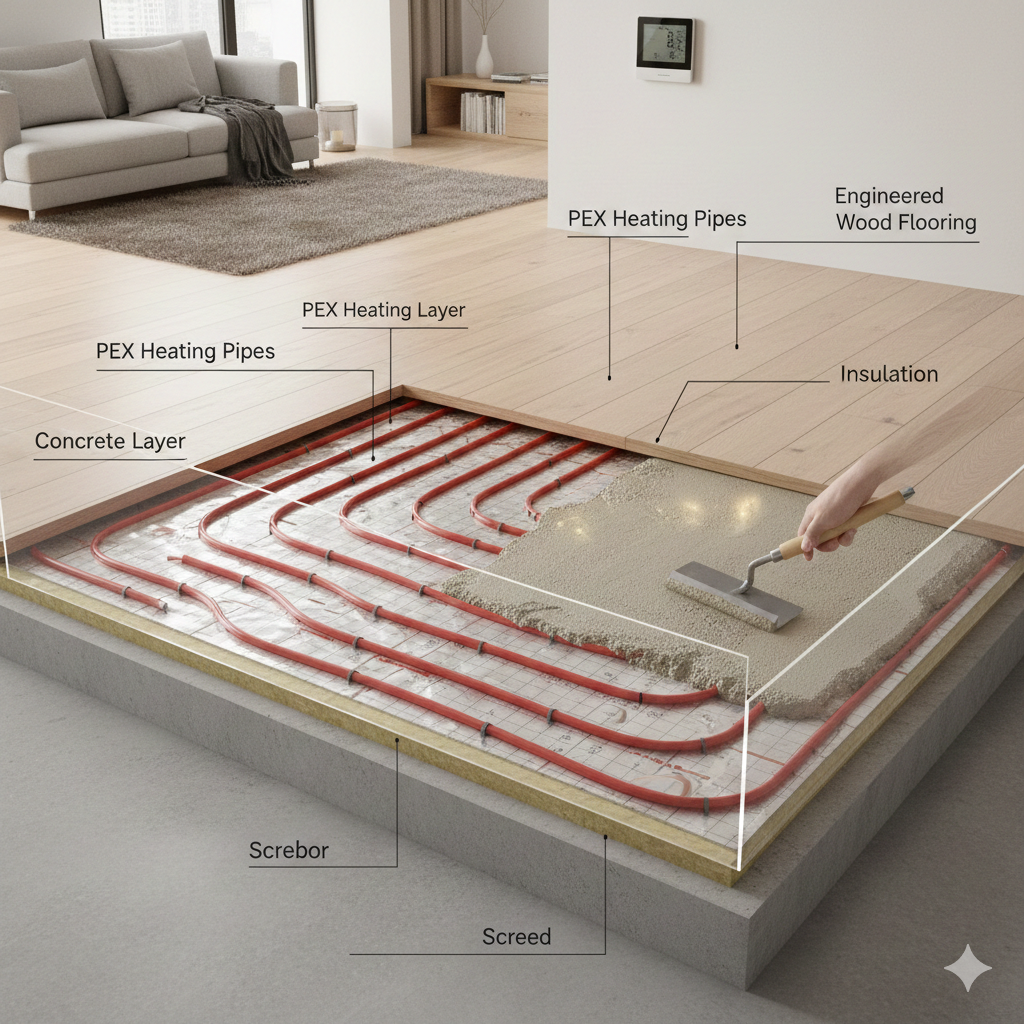
    Underfloor hEating System
    • Moisture-resistant
    • Good for walls and floors
    • Durable and stable under pressure

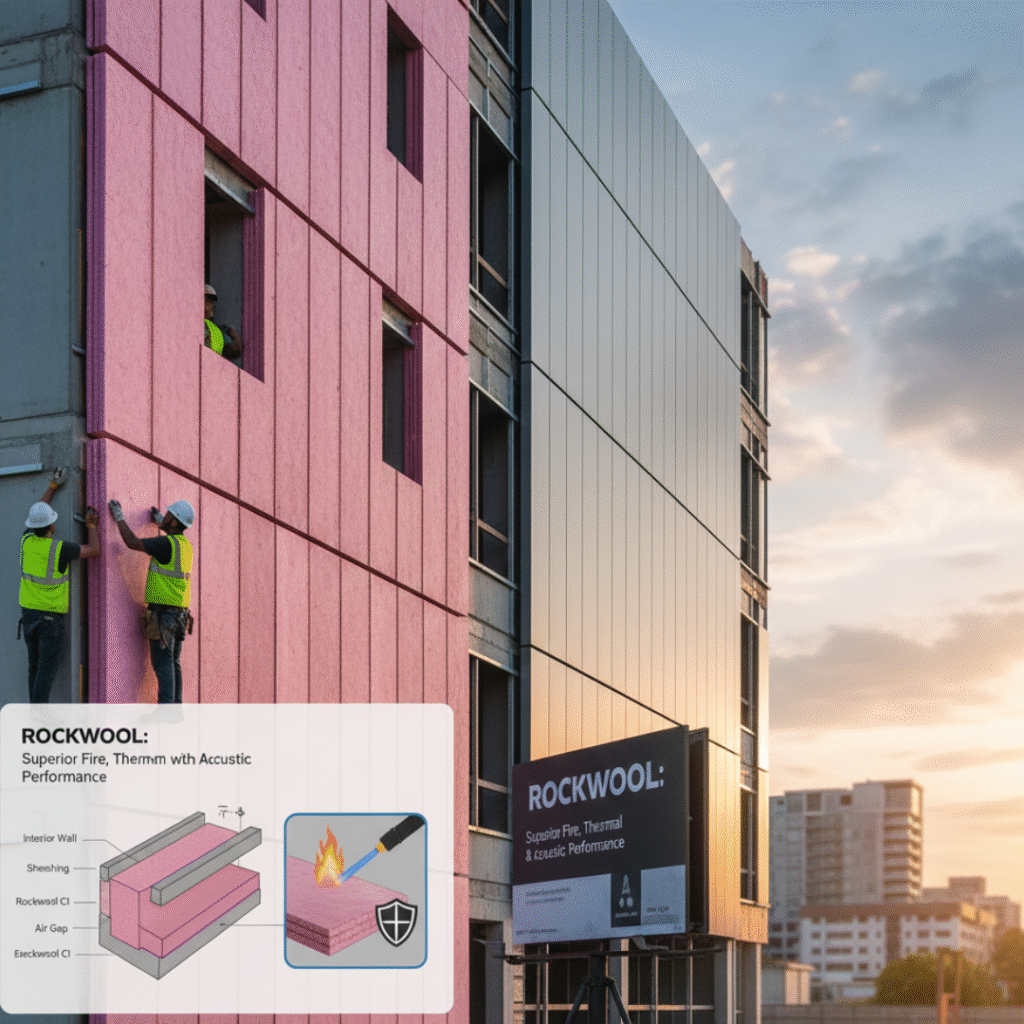
    4. Mineral Wool / Rock Wool

    Soundproofing Material glasswool vs rockwool
    • Fire-resistant
    • Used in industrial and commercial projects
    • Also provides sound insulation

    Choosing the best thermal insulation in Pakistan depends on your climate, budget, and building requirements.

    Benefits of Thermal Insulation

    • Reduces electricity bills
    • Improves indoor comfort
    • Protects building structure from temperature fluctuations
    • Minimizes environmental impact
    • Increases HVAC efficiency

    Investing in high-quality insulation ensures long-term savings and durability.

    Thermal Insulation Price in Pakistan

    The thermal insulation price in Pakistan varies based on material, thickness, and quality. Typical prices are:

    Material TypeApproximate Price (PKR per sq. ft)
    Fiberglass Insulation80 – 150
    EPS Insulation100 – 200
    XPS Insulation180 – 350
    PU Foam250 – 500
    Rock Wool200 – 400

    The overall thermal insulation in Pakistan price may vary depending on location and supplier.

    Thermal Insulation Services by City

    Thermal Insulation in Lahore

    Lahore has a rapidly growing construction market, offering a variety of thermal insulation in Lahore solutions for residential and commercial buildings.

    Thermal Insulation in Islamabad

    With modern residential and office projects, thermal insulation in Islamabad focuses on energy-efficient solutions and high-performance materials.

    Thermal Insulation in Faisalabad

    As an industrial hub, Faisalabad relies heavily on thermal insulation in Faisalabad for factories, cold storage, and commercial warehouses.

    Thermal Insulation in Multan

    Hot summers in Multan make thermal insulation in Multan essential for reducing cooling costs in homes and businesses.

    Thermal Insulation in Karachi

    Karachi’s humid climate requires moisture-resistant insulation. Many suppliers offer thermal insulation in Karachi suitable for both residential and industrial applications.

    Thermal Insulation Manufacturers and Wholesalers

    Manufacturers

    Local companies operate as thermal insulation manufacturer in Pakistan, producing EPS, PU foam, fiberglass, and XPS materials for domestic and export markets.

    Wholesalers

    For bulk purchases, businesses often work with thermal insulation wholeseller in Pakistan or top thermal insulation wholeseller in Pakistan, which helps reduce costs for large projects.

    Choosing the top thermal insulation in Pakistan ensures quality materials, reliable supply, and competitive pricing.

    Cheap Thermal Insulation in Pakistan – Is It Worth It?

    While cheap thermal insulation in Pakistan may save initial costs, it often comes at the expense of durability and efficiency. For long-term benefits, investing in high-quality materials is recommended.

    Applications of Thermal Insulation

    • Residential homes
    • Commercial buildings
    • Cold storage and warehouses
    • Industrial facilities
    • HVAC and piping systems

    Proper insulation reduces energy consumption and improves indoor comfort across all applications.

    How to Choose the Right Thermal Insulation

    Consider these factors before choosing:

    • Climate conditions (hot, cold, or humid)
    • Budget constraints
    • Building type (residential, commercial, industrial)
    • Fire resistance and safety requirements
    • Moisture resistance

    Selecting the best thermal insulation in Pakistan ensures maximum energy efficiency and long-term savings.

    Conclusion

    Thermal insulation is a vital investment for homes, offices, and industrial buildings in Pakistan. From thermal insulation in Lahore to thermal insulation in Karachi, and across Faisalabad and Multan, high-quality insulation reduces electricity bills, improves comfort, and protects your building.

    Whether you source from a thermal insulation manufacturer in Pakistan or a trusted thermal insulation wholeseller in Pakistan, choosing the right solution is essential for efficiency and durability.

    FAQ’S

    The best thermal insulation in Pakistan depends on your application. PU foam, XPS, and mineral wool are ideal for industrial and commercial buildings, while EPS and fiberglass are cost-effective for residential projects.

    Thermal insulation price in Pakistan ranges from PKR 80 to PKR 500 per sq. ft, depending on the material type, thickness, and supplier.

    You can find thermal insulation in Lahore, Islamabad, Karachi, Faisalabad, and Multan through local contractors, manufacturers, and wholesale suppliers.

    Cheap thermal insulation can reduce upfront costs, but it may have lower efficiency and shorter lifespan. For long-term savings and durability, it’s better to invest in high-quality insulation materials.

  • How to Save Energy in Pakistan – Best Energy Saving Tips for Homes & Businesses

    How to Save Energy in Pakistan – Best Energy Saving Tips for Homes & Businesses

    Discover practical and effective ways to reduce electricity consumption, lower your bills, and improve comfort in your home or business. This guide explains how to save energy Pakistan with simple, realistic strategies that actually work.

    Saving energy isn’t just about cutting costs — it’s about using resources wisely, improving comfort, and creating a more efficient living or working environment. With increasing electricity prices and frequent power challenges, many people are actively searching for solutions on how to save energy in Pakistan price without compromising their lifestyle.

    The good news? You don’t need drastic changes. Small, consistent improvements can make a big difference.

    Why Saving Energy Matters More Than Ever

    how to save energy pakistan

    Energy consumption directly affects:

    • Monthly electricity bills
    • Performance and lifespan of appliances
    • Indoor comfort levels
    • Environmental sustainability

    In cities like Lahore, Karachi, and Multan, where extreme temperatures are common, energy usage often spikes due to cooling and heating needs. Learning how to save energy in Lahore, or any major city, helps you stay in control financially while maintaining comfort.

    1. Improve Insulation to Reduce Energy Loss

    One of the most effective ways to reduce energy usage is to prevent heat from entering or escaping your home. Poor insulation forces your air conditioners and heaters to work harder.

    Installing insulation in roofs and walls creates a thermal barrier that maintains indoor temperature. This is especially important when considering how to save energy in Multan or other hot regions where cooling costs are high.

    Proper insulation:

    • Saves electricity long-term
    • Reduces heat transfer
    • Lowers AC usage
    • Improves indoor comfort

    2. Use Energy-Efficient Appliances

    Outdated appliances consume significantly more electricity than modern energy-efficient models. Replacing them with inverter-based or energy-rated appliances is a smart investment.

    For example:

    • Energy-efficient refrigerators use much less power
    • Inverter ACs adjust power usage automatically
    • Modern washing machines optimize energy consumption

    These upgrades are among the best tips to save energy in Pakistan and provide long-term savings.

    3. Be Smart with Cooling and Heating

    Cooling and heating systems are the biggest energy consumers in most homes.

    To optimize usage:

    • Set AC temperature between 24–26°C
    • Use fans to support cooling
    • Avoid running AC continuously
    • Seal doors and windows to prevent leakage

    These practices are essential when planning how to save energy in Karachi, where humidity increases cooling demand, or how to save energy in Islamabad, where both heating and cooling are needed seasonally.

    4. Switch to LED Lighting

    Lighting is one of the easiest areas to improve energy efficiency.

    LED bulbs:

    • Use up to 80% less energy
    • Last much longer than traditional bulbs
    • Produce less heat

    Replacing old bulbs with LEDs can significantly reduce electricity bills in homes and offices.

    5. Reduce Standby Power Usage

    Many devices continue to consume electricity even when turned off. This is known as standby or phantom power.

    To reduce this:

    • Unplug chargers when not in use
    • Turn off power strips
    • Avoid leaving electronics on standby

    This simple habit is often overlooked but plays an important role in how to save energy in Faisalabad and other industrial or high-usage areas.

    6. Maximize Natural Light and Ventilation

    Natural resources like sunlight and fresh air are free and effective.

    • Open curtains during the day
    • Use cross-ventilation for cooling
    • Reduce reliance on artificial lighting

    This approach supports energy efficiency while improving indoor comfort.

    7. Maintain Your Equipment Regularly

    Poorly maintained appliances consume more energy and perform less efficiently.

    Regular maintenance includes:

    • Cleaning AC filters
    • Servicing HVAC systems
    • Checking for air leaks
    • Ensuring proper insulation

    Well-maintained systems are essential for implementing top how to save energy in Pakistan strategies effectively.

    Energy Saving for Businesses and Bulk Buyers

    For commercial and industrial sectors, energy efficiency becomes even more critical. Many organizations adopt bulk solutions and efficient systems through suppliers, often referred to as top how to save energy wholeseller in Pakistan practices.

    These include:

    • Energy audits
    • Efficient machinery
    • Automated systems
    • Insulation upgrades

    Cost of Energy Saving Solutions in Pakistan

    The how to save energy in Pakistan price depends on the type of solution:

    Solution TypeEstimated Cost (PKR)
    LED Bulbs300 – 1,000
    Inverter AC120,000 – 350,000
    Solar Panel System500,000 – 2,000,000
    Insulation Work150 – 500/sq. ft

    While initial costs may seem high, the long-term savings make these solutions worthwhile.

    How to Save Energy in Different Cities of Pakistan

    Energy-saving strategies vary depending on climate and usage:

    • How to save energy in Lahore: Focus on insulation and efficient cooling
    • How to save energy in Islamabad: Balance heating and cooling systems
    • How to save energy in Faisalabad: Optimize industrial energy usage
    • How to save energy in Multan: Reduce heat gain with insulation
    • How to save energy in Karachi: Improve ventilation and humidity control

    Long-Term Energy Saving Strategy

    Saving energy is not a one-time task — it’s a long-term approach.

    To achieve lasting results:

    • Invest in insulation and efficient materials
    • Upgrade appliances gradually
    • Use smart energy systems
    • Develop energy-saving habits

    These steps align with the best tips to save energy in Pakistan for sustainable living.

    Common Mistakes to Avoid

    • Using outdated appliances
    • Ignoring insulation
    • Overusing air conditioners
    • Not maintaining electrical systems
    • Leaving devices on standby

    Avoiding these mistakes helps maximize the benefits of energy-saving efforts.

    Conclusion

    Understanding how to save energy Pakistan doesn’t require major sacrifices. By improving insulation, upgrading appliances, managing cooling systems, and building smarter habits, you can significantly reduce your electricity bills while improving comfort.

    Whether you’re focusing on how to save energy in Karachi or how to save energy in Islamabad, the key lies in consistency and smart choices.

    FAQ’S

    The best tips to save energy in Pakistan include using LED lighting, installing energy-efficient appliances, improving insulation, switching to solar energy, and turning off unused devices.

    You can reduce your electricity bill by using inverter appliances, limiting AC usage, sealing air leaks, and adopting smart energy habits like turning off standby devices.

    The cost varies depending on the solution. LED bulbs start from around PKR 300, while solar systems can range from PKR 500,000 to over 2,000,000 depending on capacity.

    Yes, energy-saving solutions are effective in all major cities including Lahore, Islamabad, Karachi, Faisalabad, and Multan, but strategies may vary depending on climate and usage needs.

  • External Wall Insulation

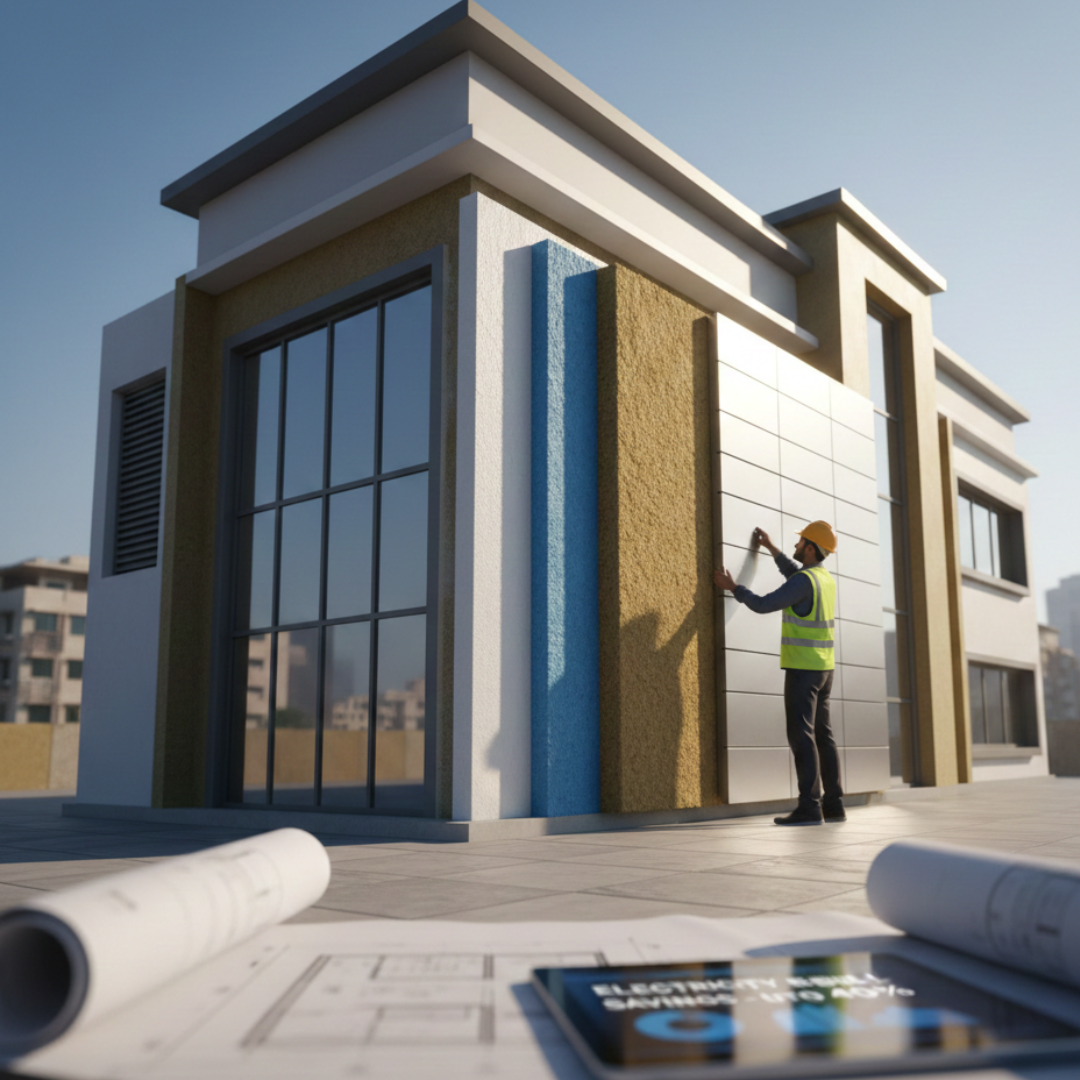
    External Wall Insulation

    With rising temperatures and increasing energy costs, external wall insulation has become an essential solution for buildings across Pakistan. It helps maintain indoor comfort, reduces electricity consumption, and protects structures from harsh weather conditions.

    Whether you are constructing a new building or upgrading an existing one, investing in external wall insulation in Pakistan is a smart long-term decision for energy efficiency and durability.

    What is External Wall Insulation?

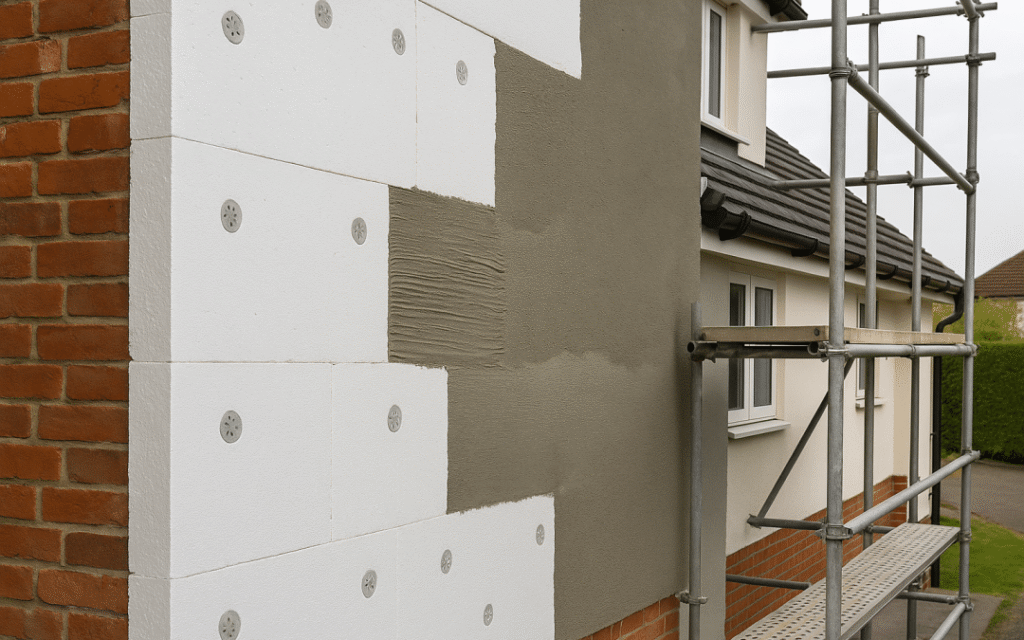
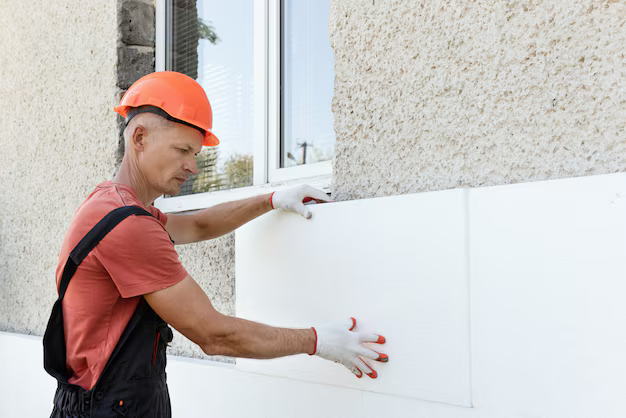
    External wall insulation (EWI) is a system where insulating material is applied to the outer walls of a building and then covered with a protective finish such as plaster or cladding.

    This system:

    • Reduces heat transfer
    • Improves thermal performance
    • Enhances building appearance
    • Protects walls from moisture and cracks

    Types of External Wall Insulation Materials

    1. Expanded Polystyrene (EPS)

    insulation material supplier in pakistan
    • Lightweight and cost-effective
    • Common for residential buildings

    2. Extruded Polystyrene (XPS)

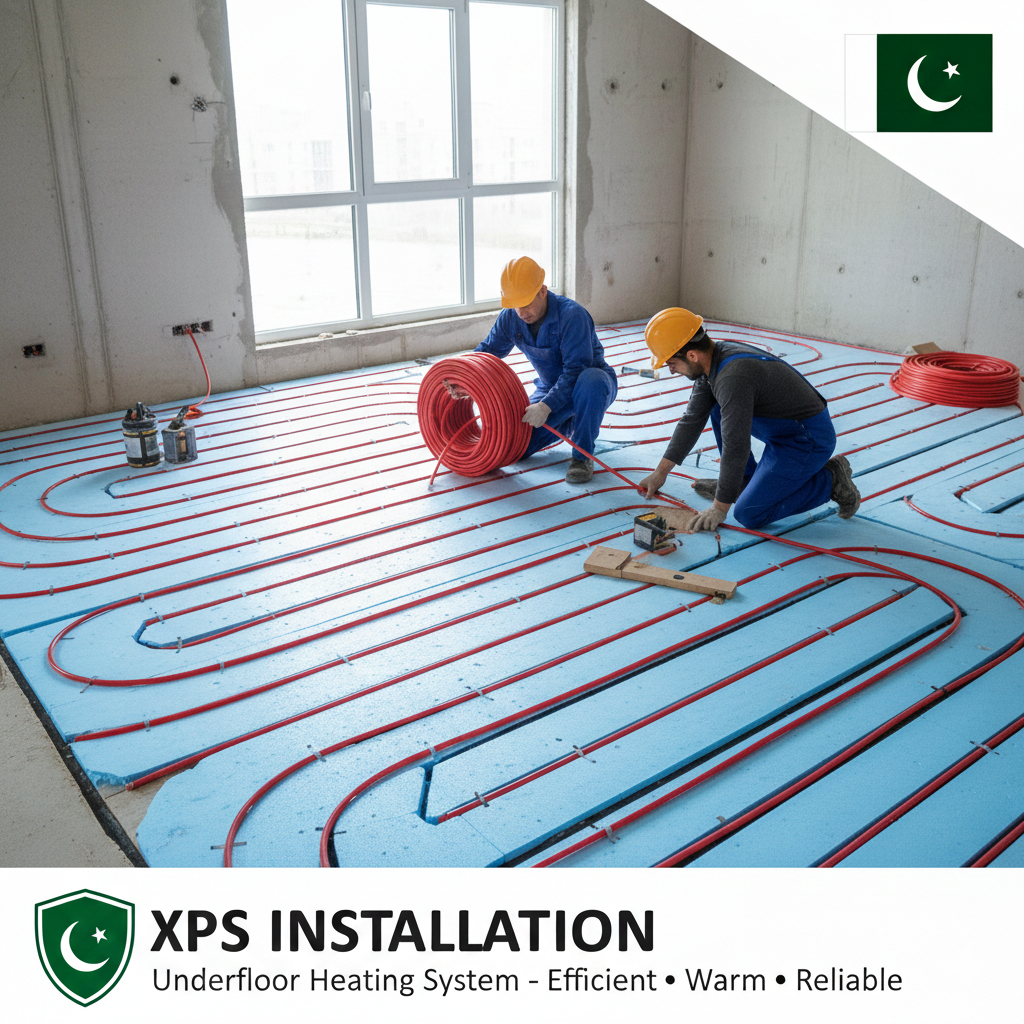
    XPS Installation at underfloor heating system
    • Higher strength and moisture resistance
    • Ideal for humid climates

    3. Mineral Wool (Rock Wool)

    rockwool insulation sheets in pakistan
    • Fire-resistant and breathable
    • Used in commercial and industrial buildings

    4. Polyurethane (PU) Panels

    sandwich panels installation
    • High insulation performance
    • Suitable for modern construction projects

    Choosing the best external wall insulation in Pakistan depends on climate, budget, and building type.

    Benefits of External Wall Insulation

    external wall insulation
    • Reduces energy bills significantly
    • Improves indoor temperature stability
    • Protects structure from weather damage
    • Minimizes condensation and dampness
    • Enhances property value

    This makes it one of the top external wall insulation in Pakistan solutions for modern construction.

    External Wall Insulation Price in Pakistan

    The external wall insulation price in Pakistan varies based on material, thickness, and labor.

    Estimated Price Table

    Material TypePrice Range (PKR per sq. ft)
    EPS Insulation150 – 250
    XPS Insulation250 – 400
    Mineral Wool300 – 500
    PU Panels400 – 700

    The overall external wall insulation in Pakistan price may change depending on project size and location.

    City-Wise External Wall Insulation Services

    External Wall Insulation in Lahore

    The construction sector in Lahore активно adopts energy-efficient solutions. Many contractors provide external wall insulation in Lahore for homes and commercial buildings.

    External Wall Insulation in Islamabad

    In Islamabad, modern architecture demands high-performance insulation systems. Reliable companies offer external wall insulation in Islamabad for villas and offices.

    External Wall Insulation in Faisalabad

    Industrial and residential projects increasingly use external wall insulation in Faisalabad to control indoor temperatures and reduce costs.

    External Wall Insulation in Multan

    Due to extreme heat, external wall insulation in Multan is widely used to improve cooling efficiency in homes and warehouses.

    External Wall Insulation Material in Karachi

    Karachi’s coastal climate requires moisture-resistant insulation. High-quality external wall insulation material in Karachi is available for residential and industrial applications.

    External Wall Insulation Manufacturers and Wholesalers in Pakistan

    insulation material

    Pakistan has a growing insulation market with both local and imported solutions.

    Manufacturers

    • Local companies now operate as external wall insulation manufacturer in Pakistan
    • Provide EPS sheets, PU panels, and insulation systems

    Wholesalers

    • Bulk suppliers act as external wall insulation wholeseller in Pakistan
    • Offer discounted rates for large projects

    Working with a top external wall insulation wholeseller in Pakistan ensures cost efficiency and consistent supply.

    Cheap External Wall Insulation in Pakistan – Should You Consider It?

    Many builders look for cheap external wall insulation in Pakistan to reduce initial costs. While budget options are available, always consider:

    • Durability
    • Thermal performance
    • Installation quality

    Low-cost insulation may result in higher maintenance costs in the long run.

    Applications of External Wall Insulation

    • Residential houses
    • Commercial buildings
    • Offices and plazas
    • Factories and warehouses
    • Cold storage facilities

    How to Choose the Right External Wall Insulation

    Consider these factors:

    • Climate conditions (heat, humidity)
    • Building type
    • Budget
    • Fire resistance requirements
    • Moisture protection

    Selecting the top external wall insulation in Pakistan ensures long-term performance and savings.

    Conclusion

    External insulation is no longer optional—it’s a necessity in Pakistan’s climate. From external wall insulation in Lahore to external wall insulation in Islamabad, and across cities like Faisalabad and Multan, demand continues to grow.

    Whether you source from an external wall insulation manufacturer in Pakistan or a trusted external wall insulation wholeseller in Pakistan, investing in the right system will improve comfort, reduce costs, and protect your building for years to come.

    FAQ’S

    External wall insulation is a system where insulating material is applied to the outer surface of walls and covered with a protective layer. It reduces heat transfer, keeping buildings cooler in summer and warmer in winter.

    The external wall insulation price in Pakistan typically ranges from PKR 150 to PKR 700 per sq. ft, depending on the material type, thickness, and installation requirements.

    The best external wall insulation in Pakistan includes EPS, XPS, mineral wool, and PU panels. The right choice depends on your budget, climate conditions, and building type.

    You can find external wall insulation services in Lahore, Islamabad, Karachi, Faisalabad, and Multan through local contractors, construction companies, and insulation material suppliers.

  • Thermal Insulation Material

    Thermal Insulation Material

    Thermal insulation plays a critical role in modern construction across Pakistan, where extreme temperatures—both hot and cold—can significantly impact energy consumption and indoor comfort. Whether it’s residential buildings, commercial projects, or industrial facilities, choosing the right thermal insulation material in Pakistan can help reduce electricity bills, improve energy efficiency, and enhance durability.

    In this detailed guide, we’ll explore types, benefits, applications, and thermal insulation material price in Pakistan, along with insights into suppliers and wholesalers across major cities.

    What is Thermal Insulation Material?

    Thermal insulation materials are specially designed products that reduce heat transfer between surfaces. They help maintain indoor temperatures by preventing heat loss in winter and heat gain in summer.

    These materials are widely used in:

    • Roof insulation
    • Wall insulation
    • HVAC systems
    • Industrial pipelines

    Types of Thermal Insulation Materials in Pakistan

    1. Fiberglass Insulation

    double sided aluminium sheet price
    • Lightweight and cost-effective
    • Commonly used in ceilings and walls
    • Ideal for residential projects

    2. Polystyrene (EPS & XPS)

    12mm theramal insulation Sheet in Pakistan
    • Moisture-resistant
    • High thermal performance
    • Used in walls and floors

    3. Polyurethane Foam (PU Foam)

    house insulation
    • Excellent insulation efficiency
    • Used in roofs and cold storage
    • Slightly higher cost but long-lasting

    4. Rock Wool / Mineral Wool

    Soundproofing Material glasswool vs rockwool
    • Fire-resistant material
    • Suitable for industrial applications
    • Also provides sound insulation

    5. Reflective Insulation

    • Reflects heat instead of absorbing
    • Perfect for hot climates like Pakistan

    Benefits of Using Thermal Insulation

    • Reduces electricity consumption
    • Improves indoor comfort
    • Minimizes environmental impact
    • Increases building lifespan
    • Reduces HVAC load

    Using the best thermal insulation material in Pakistan ensures long-term savings and better performance.

    Thermal Insulation Material Price in Pakistan

    Prices vary depending on type, thickness, and quality. Below is a general estimate:

    Material TypePrice Range (PKR per sq. ft)
    Fiberglass Insulation80 – 150
    EPS (Expanded Polystyrene)100 – 200
    XPS Insulation180 – 350
    PU Foam250 – 500
    Rock Wool200 – 400

    The thermal insulation material in Pakistan price may vary depending on city and supplier.

    City-Wise Availability in Pakistan

    Thermal Insulation Material in Lahore

    Lahore has a growing construction industry, making it easy to find thermal insulation material in Lahore through local distributors and construction suppliers.

    Thermal Insulation Material in Islamabad

    In the capital city, demand is increasing for energy-efficient buildings. You can find premium quality thermal insulation material in Islamabad for both residential and commercial projects.

    Thermal Insulation Material in Faisalabad

    Industrial growth in Faisalabad has boosted the demand for insulation solutions. Many factories rely on thermal insulation material in Faisalabad for temperature control.

    Thermal Insulation Material in Multan

    Due to extreme heat, thermal insulation material in Multan is essential for homes and warehouses to maintain indoor comfort.

    Thermal Insulation Material in Karachi

    Karachi’s humid climate increases the need for insulation. Reliable suppliers provide thermal insulation material in Karachi for roofing and industrial use.

    Top Thermal Insulation Material Wholesellers in Pakistan

    Finding a reliable supplier is key to ensuring quality and affordability. Many companies operate as:

    • Thermal insulation material wholeseller in Pakistan
    • Bulk suppliers for construction companies
    • Distributors for imported insulation products

    If you’re buying in large quantities, choosing a top thermal insulation material wholeseller in Pakistan can significantly reduce costs.

    Thermal Insulation Material Manufacturers in Pakistan

    thermal-insulation

    Local production has improved over the years, and several companies now operate as:

    • Thermal insulation material manufacturer in Pakistan
    • Producers of EPS, PU foam, and fiberglass
    • Suppliers for both local and export markets

    Working directly with a thermal insulation material wholeseller in Pakistan or manufacturer ensures better pricing and consistent quality.

    How to Choose the Best Thermal Insulation Material

    When selecting insulation, consider:

    • Climate conditions
    • Budget constraints
    • Application (roof, wall, industrial)
    • Fire resistance requirements
    • Moisture resistance

    Choosing the top thermal insulation material in Pakistan depends on your specific project needs.

    Cheap Thermal Insulation Material in Pakistan – Is It Worth It?

    While many options are available as cheap thermal insulation material in Pakistan, it’s important to balance cost with quality.

    Low-cost materials may:

    • Have shorter lifespan
    • Provide less insulation efficiency
    • Require frequent replacement

    Always evaluate performance before choosing based on price alone.

    Applications of Thermal Insulation in Pakistan

    • Residential homes
    • Commercial buildings
    • Cold storage facilities
    • Factories and warehouses
    • HVAC duct insulation

    Conclusion

    Investing in high-quality thermal insulation material in Pakistan is essential for energy efficiency, cost savings, and long-term building performance. Whether you’re sourcing from a thermal insulation material wholeseller in Pakistan or working with a thermal insulation material manufacturer in Pakistan, choosing the right material can make a significant difference.

    From thermal insulation material in Lahore to thermal insulation material in Karachi, the availability across cities ensures you can find the right solution for your needs.

    FAQ’S

    The best thermal insulation material in Pakistan depends on your application. PU foam and XPS are ideal for roofs and walls due to high efficiency, while fiberglass and rock wool are suitable for budget-friendly and industrial uses.

    The thermal insulation material price in Pakistan typically ranges from PKR 80 to PKR 500 per sq. ft, depending on the type, thickness, and quality of the material.

    You can purchase thermal insulation material in Lahore, Karachi, Islamabad, Faisalabad, and Multan from local construction markets, wholesalers, and specialized insulation suppliers across these cities.

    Cheap thermal insulation material in Pakistan can be suitable for small projects, but it may offer lower durability and efficiency. For long-term performance, it’s better to invest in high-quality insulation materials.

  • Finding the Best Insulation Material Supplier in Pakistan

    Finding the Best Insulation Material Supplier in Pakistan

    In a country facing increasingly extreme weather and persistent energy challenges, thermal insulation has transitioned from a luxury feature to an essential component of modern construction. Whether you are building a new commercial facility or aiming to make your home more comfortable and cost-effective, selecting the right insulation material supplier in Pakistan is a crucial decision. A proper thermal solution can significantly reduce your energy consumption, leading to lower utility bills and a smaller carbon footprint.
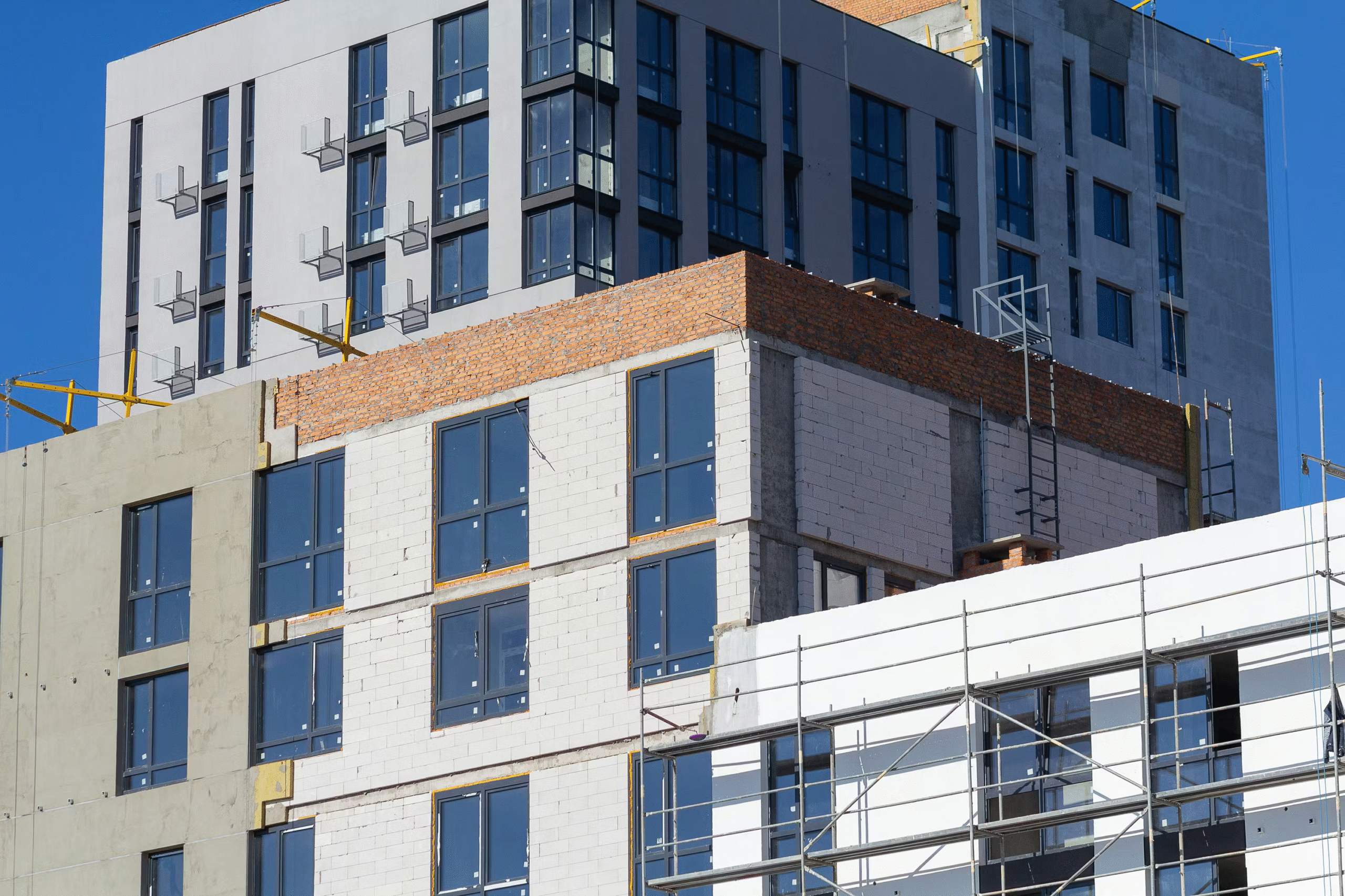
    Why Thermal Insulation is Vital for Pakistani Buildings?

    insulation material suppliers in pakistan

    The benefits of incorporating quality heat insulation material in residential, commercial, and industrial structures in Pakistan are far-reaching, addressing both economic and environmental concerns.

    • Significant Energy Savings: In Pakistan’s harsh summers and chilly winters, a substantial portion of a building’s energy cost (often up to 80%) is consumed by HVAC systems. Effective thermal insulation acts as a barrier, drastically reducing heat gain in the summer and heat loss in the winter. This means your air conditioner or heater runs less frequently, resulting in considerable electricity bill savings.
    • Enhanced Indoor Comfort: Insulation helps maintain a stable, pleasant indoor temperature year-round, regardless of external conditions. This improved thermal comfort is vital for productivity in offices and relaxation in homes.
    • Acoustic Insulation Benefits: Many thermal materials, such as rock wool and fiberglass insulation, also offer excellent acoustic insulation, creating a quieter, more peaceful indoor environment by dampening external noise.
    • Increased Property Value: Investing in high-quality insulation is seen as a major upgrade, improving a building’s energy rating and potentially increasing its resale value.
    • Environmental Responsibility: By lowering energy demand, you decrease the reliance on power generation from fossil fuels, thereby reducing your carbon footprint and contributing to national energy conservation efforts.

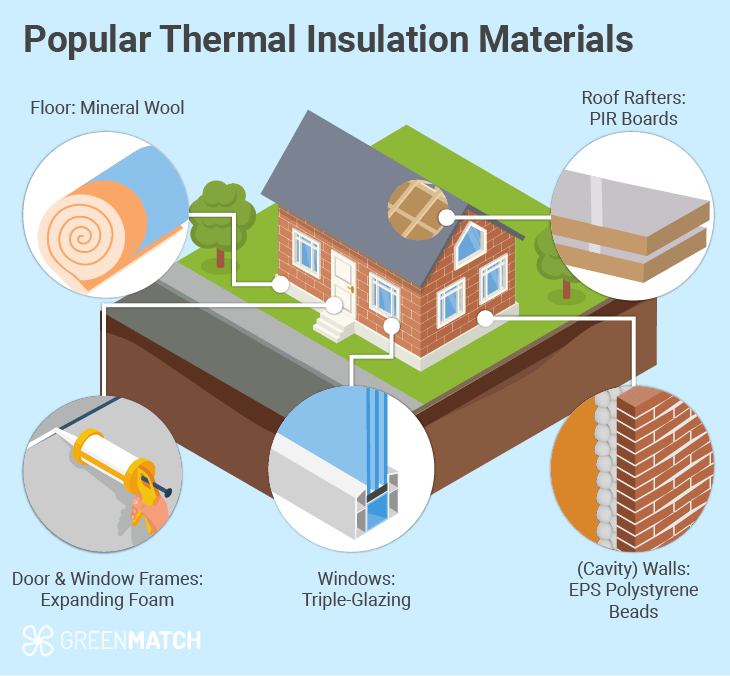
    Popular Insulation Materials Available in Pakistan

    insulation material

    The Pakistani market offers a wide variety of insulation solutions, each with its unique properties, applications, and insulation material price in Pakistan. Choosing the best product depends on your specific project needs, budget, and desired R-value (a measure of thermal resistance).

    1. Expanded Polystyrene (EPS) Sheets / Thermopore

    Expanded Polystyrene (EPS), commonly known by brand names like Thermopore Sheet, is perhaps the most widely recognized and cost-effective insulation material in Pakistan.

    • Key Features: Lightweight, moisture-resistant, and relatively easy to install.
    • Common Applications: Roof insulation, wall cavity insulation, false ceilings, and cold storage heat proofing.
    • Procurement Insight: Due to its popularity, many local insulation material manufacturer companies specialize in EPS production, offering competitive prices and custom sizes.

    2. Extruded Polystyrene (XPS) / Jumbolon

    Extruded Polystyrene (XPS), often marketed as Diamond Jumbolon, is a denser, higher-performance version of EPS.

    • Key Features: Higher compressive strength, superior moisture resistance, and a better R-value compared to EPS at the same thickness.
    • Common Applications: Flat roofs, floors, and areas requiring high-load bearing capacity or superior water protection.
    3. Glass Wool and Rock Wool

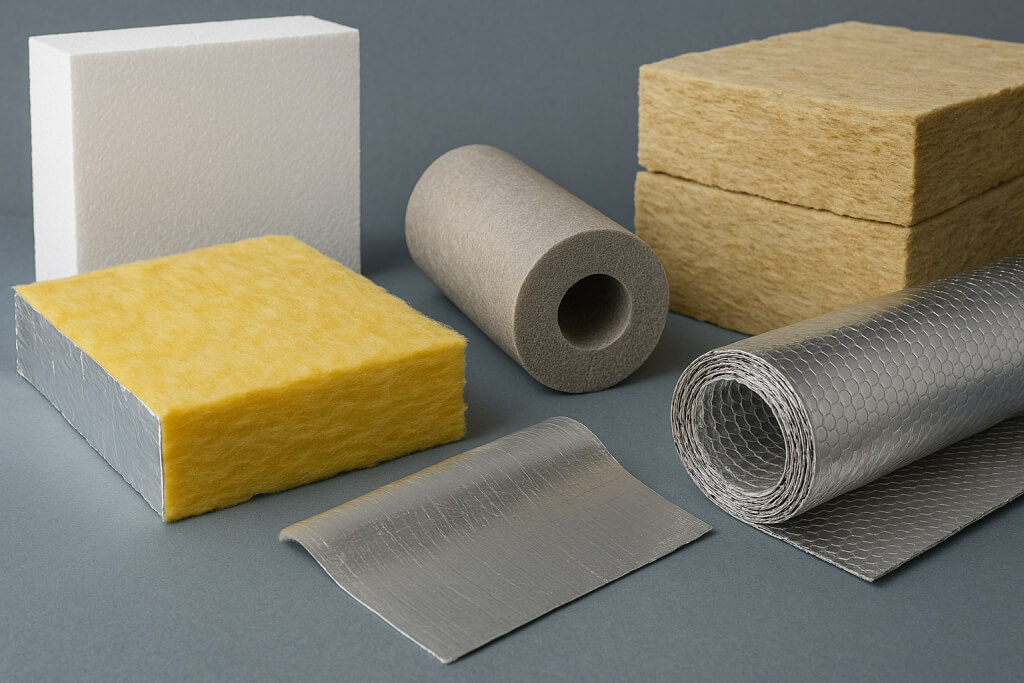
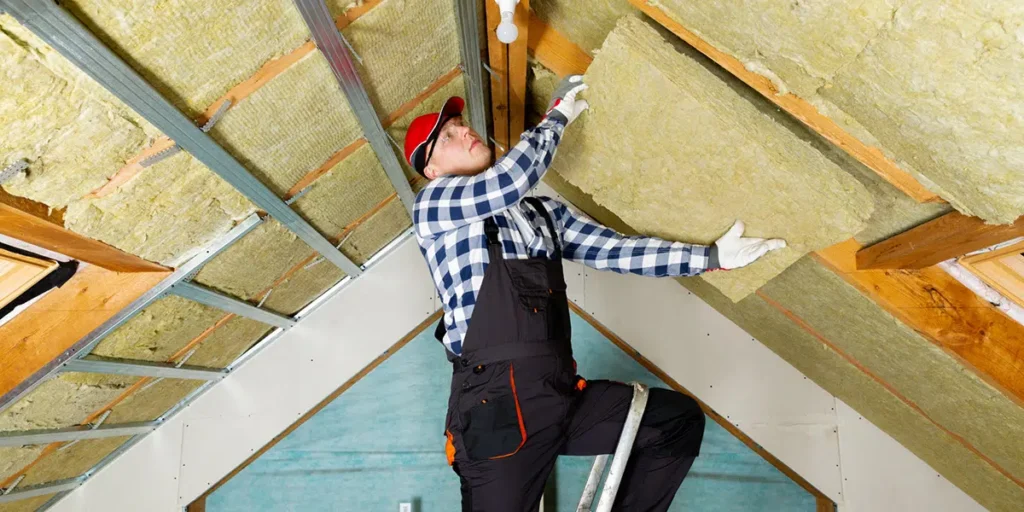
    These are fibrous insulation materials, often grouped under the category of mineral wool insulation material. They are highly valued for their non-combustible nature and dual thermal and acoustic properties.

    • Glass Wool: Made from fine glass fibers, it is lightweight and commonly used in rolls or blankets.
    • Rock Wool: Denser and heavier, made from volcanic rock, offering excellent fire-retardant and soundproofing capabilities.
    • Common Applications: Metallic building insulation, industrial shed insulation, partition walls, and HVAC duct insulation.
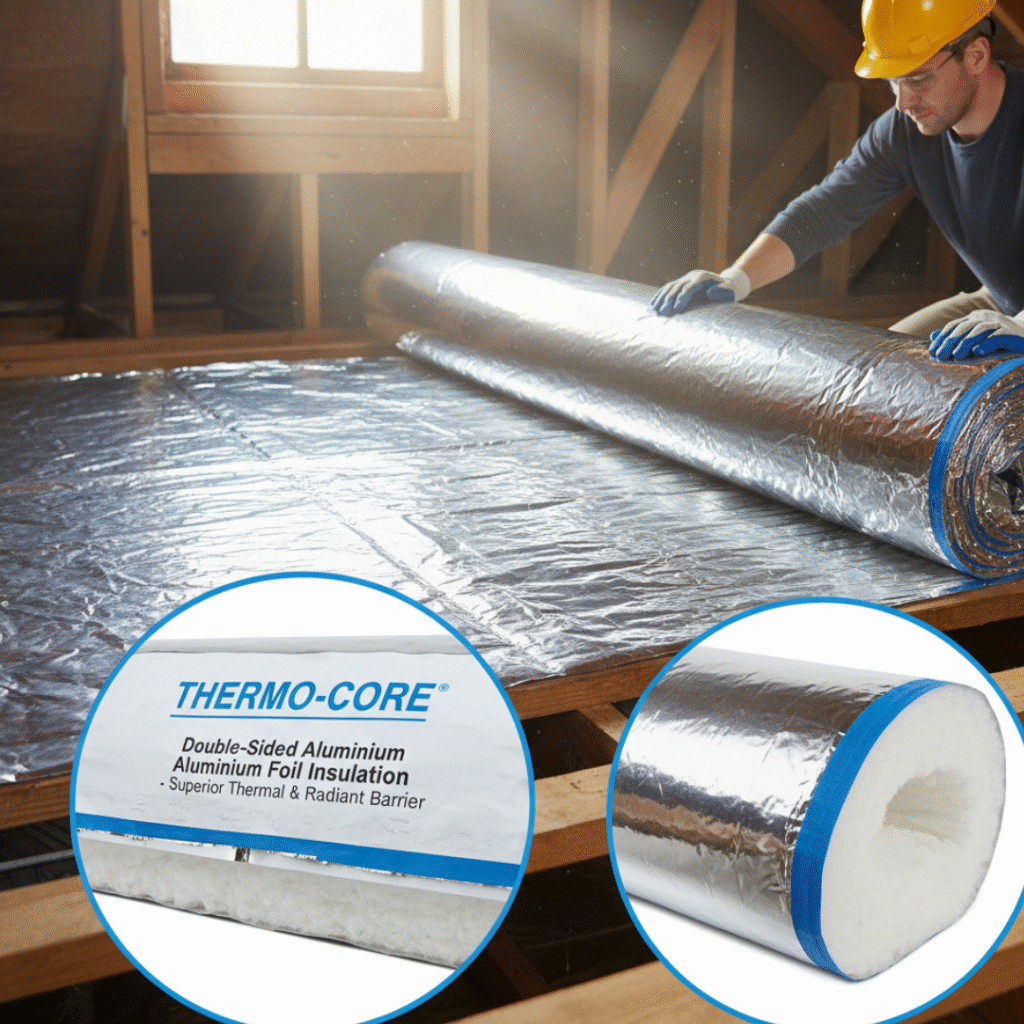
    4. Polyurethane (PU) and Polyisocyanurate (PIR)

    These high-performance materials are available as rigid panels (e.g., PU sandwich panels) or closed-cell spray foam.

    • Key Features: Extremely high R-value for minimal thickness, excellent durability, and can be used for cold storage chambers and industrial applications.
    • Common Applications: Insulated metal buildings, cold rooms, and exterior wall insulation systems (EIFS). Polyurethane spray foam is an excellent solution for existing structures with difficult-to-access cavities.

    Selecting the Right Supplier and Manufacturer

    insulation material supplier

    Choosing the best insulation supplier involves considering more than just the product price. Reputable firms will offer certified products and technical support.

    • Quality Certification: Look for manufacturers who adhere to international standards (like ASTM or ISO certification). To ensure the quality and claimed R-value of the heat insulation material.
    • Product Range: A supplier offering a diverse product portfolio (EPS, XPS, Glass Wool, PU/PIR) provides flexibility. To select the best fit for different parts of your building.
    • Technical Expertise: The best companies offer on-site consultations, custom sizing, and installation support. This is crucial for maximizing the effectiveness of your insulation solution.
    • Nationwide Availability: Ensure the insulation material supplier in Pakistan can provide timely delivery and service to major cities like Karachi, Lahore, Islamabad, and Faisalabad.

    Conclusion: A Foundation for Sustainability

    Thermal insulation is a foundational element of sustainable, energy-efficient building in Pakistan. By investing in the right thermal insulation and partnering with a reliable insulation material manufacturer, you ensure not only immediate savings on utility bills but also long-term comfort, durability, and a positive impact on the environment. Take the time to compare materials, understand the insulation material price in Pakistan, and choose a supplier who can deliver certified quality and expert support for your project.

    FAQ’S

    Insulation suppliers in Pakistan offer a wide range of materials including EPS sheets, XPS (Jumbolon) sheets, Thermopore, Glasswool rolls, Rockwool, PU panels, aluminum foil insulation, bubble insulation, and heat-proofing boards—suitable for residential, commercial, and industrial applications.

    The choice depends on your temperature requirements, building type, budget, and desired R-value. For roofs, XPS, EPS, and glasswool are common; for cold storage, PU panels and XPS are preferred; and for soundproofing, glasswool or rockwool works best. A professional supplier can guide you according to your project specifications.

    Prices vary by type, thickness, and density. EPS and XPS sheets range from PKR 250–650 per sheet, glasswool rolls range PKR 1,500–4,500, and PU panels vary based on thickness and brand. Market demand and location can also affect pricing.

    Many insulation suppliers in Pakistan provide both supply and installation, including roof insulation, wall insulation, heat-proofing services, glasswool installation, and PU panel fitting. Some suppliers also offer on-site consultation, cost estimation, and customized insulation solutions.

  • Why Jumbolon is Ideal for Cold Storage & Refrigeration Units?

    Why Jumbolon is Ideal for Cold Storage & Refrigeration Units?

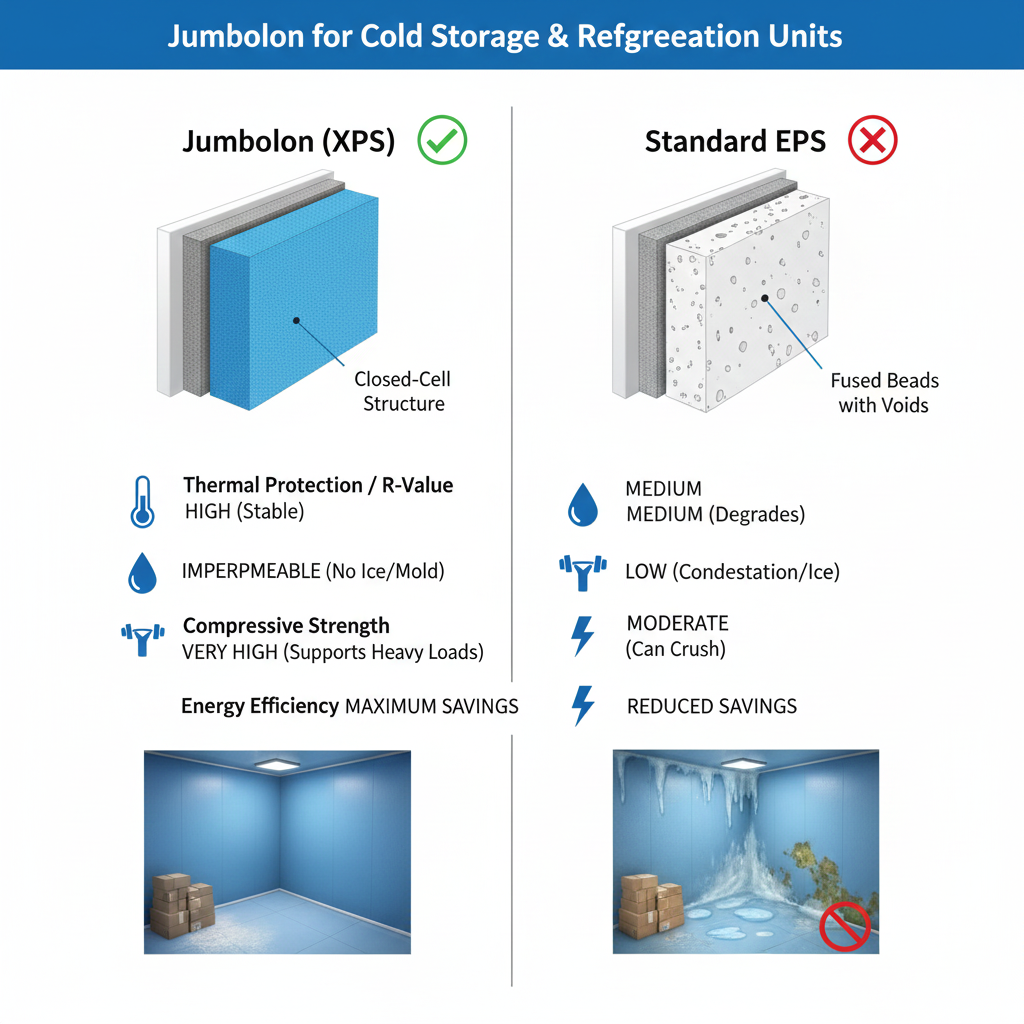
    Maintaining precise, low temperatures is paramount for cold storage facilities and refrigeration units. Any inefficiency in insulation can lead to significant energy waste, temperature fluctuations that compromise stored goods, and the costly formation of ice and condensation. This is where Jumbolon insulation, a high-performance Extruded Polystyrene (XPS) foam, emerges as an indispensable material.

    Jumbolon’s unique properties make it exceptionally well-suited for the demanding environments of cold room panels, walk-in freezers, and industrial refrigeration. It delivers the robust thermal protection and moisture resistance essential for preventing heat gain and ensuring optimal operational efficiency.
    The Critical Demands of Cold Environments

    XPS For Cold Storage Insulation

    Cold storage applications face unique challenges that standard insulation materials often fail to address adequately:

    1. Extreme Temperature Differential

    The vast difference between the internal cold temperature and the external ambient temperature creates a constant drive for heat to infiltrate the unit. This requires an insulation material with a very high R-value and exceptional thermal resistance.

    2. Vapor Drive and Condensation

    Warm, humid air from outside constantly tries to migrate into the cold space. If this vapor isn’t stopped effectively, it will condense and freeze, leading to ice formation, structural damage, reduced efficiency, and potential mold growth. An effective vapor barrier is critical.

    3. Hygienic Requirements

    Cold storage units must maintain strict hygiene standards to protect perishable goods. Insulation materials that absorb moisture or foster mold are unacceptable.

    Jumbolon’s Unmatched Advantages for Cold Storage

    Jumbolon For Cold Storage Insulation

    Jumbolon (XPS) offers a suite of properties that directly address these challenges, making it an ideal choice for cold storage insulation.

    1. Superior Thermal Performance (High R-Value)

    Jumbolon boasts a high R-value per inch (typically R-5.0), providing excellent thermal protection in critical temperature-controlled environments. Its consistent insulation value minimizes heat transfer, significantly reducing the energy load on refrigeration systems. This translates directly to enhanced energy efficiency and lower operating costs for any refrigeration unit.

    2. Unrivaled Moisture Resistance

    The defining feature of Jumbolon is its completely closed-cell structure. This makes it virtually impervious to water absorption and water vapor transmission. In cold room applications, this means: * No Ice Formation: Jumbolon prevents the infiltration of moisture that would otherwise freeze within the insulation or on surfaces. * Maintained R-Value: Unlike materials that lose insulating power when wet, Jumbolon’s R-value remains stable, ensuring consistent long-lasting insulation. * Vapor Barrier: It acts as an inherent vapor barrier, mitigating condensation and mold growth.

    3. High Compressive Strength

    Cold room panels and flooring often bear heavy loads from stored goods, shelving, and forklift traffic. Jumbolon’s high compressive strength allows it to withstand these pressures without deforming, ensuring the long-term integrity of the insulated structure and preventing thermal bridging caused by crushing. This makes it ideal for floor insulation in freezers.

    4. Durability and Longevity

    The robust nature of Jumbolon ensures it stands up to the harsh conditions of cold storage environments. Its resistance to rot, decay, and insect infestation, combined with its stable thermal performance, means it provides long-lasting insulation requiring minimal maintenance.

    Applications in Cold Storage & Refrigeration

    Jumbolon is versatile enough for various components within cold environments:

    • Cold Room Panels: Used as the core insulating material in pre-fabricated or custom-built panels.
    • Floor Insulation: Critical for preventing frost heave and maintaining floor temperature in walk-in freezers and coolers. Its compressive strength is essential here.
    • Wall and Ceiling Insulation: Forms a continuous thermal envelope to minimize heat leakage throughout the structure.
    • Refrigerated Transport: Increasingly used in the construction of refrigerated containers and trucks for its lightweight and superior insulation properties.

    The Economic and Operational Benefits

    Investing in Jumbolon for your cold storage or refrigeration unit offers clear advantages:

    • Significant Energy Savings: The superior thermal resistance and air sealing properties drastically reduce the energy consumption of refrigeration systems.
    • Product Integrity: Stable temperatures and absence of moisture protect sensitive goods (food, pharmaceuticals, chemicals) from spoilage or damage.
    • Reduced Maintenance: Prevents issues like ice formation, rust, and mold growth, leading to lower repair and cleaning costs.
    • Optimized Space: Its high R-value allows for thinner insulation profiles compared to less efficient materials, maximizing usable interior space.

    For any application where precise temperature control and moisture resistance are non-negotiable, Jumbolon insulation offers a reliable, efficient, and long-lasting insulation solution, solidifying its position as the preferred choice for cold storage insulation.

    FAQ’S

    Jumbolon (XPS) is highly recommended for cold storage because it has excellent thermal resistance, low water absorption, and high compressive strength. These properties help maintain stable low temperatures, reduce energy consumption, and prevent moisture buildup inside refrigeration units.

    For standard cold rooms, 50mm to 75mm Jumbolon sheets are commonly used, while freezer rooms and deep-freeze units often require 100mm or higher thickness. The ideal thickness depends on temperature requirements, insulation design, and building specifications.

    Yes. Jumbolon’s closed-cell structure makes it moisture-resistant, preventing condensation, mold, and water absorption. This is essential for maintaining hygiene standards in cold storage and refrigerated warehouse environments.

    Absolutely. Jumbolon is used for walls, roofs, floors, and doors of cold storage units due to its high durability and thermal efficiency. It provides long-lasting performance even under constant low-temperature conditions.