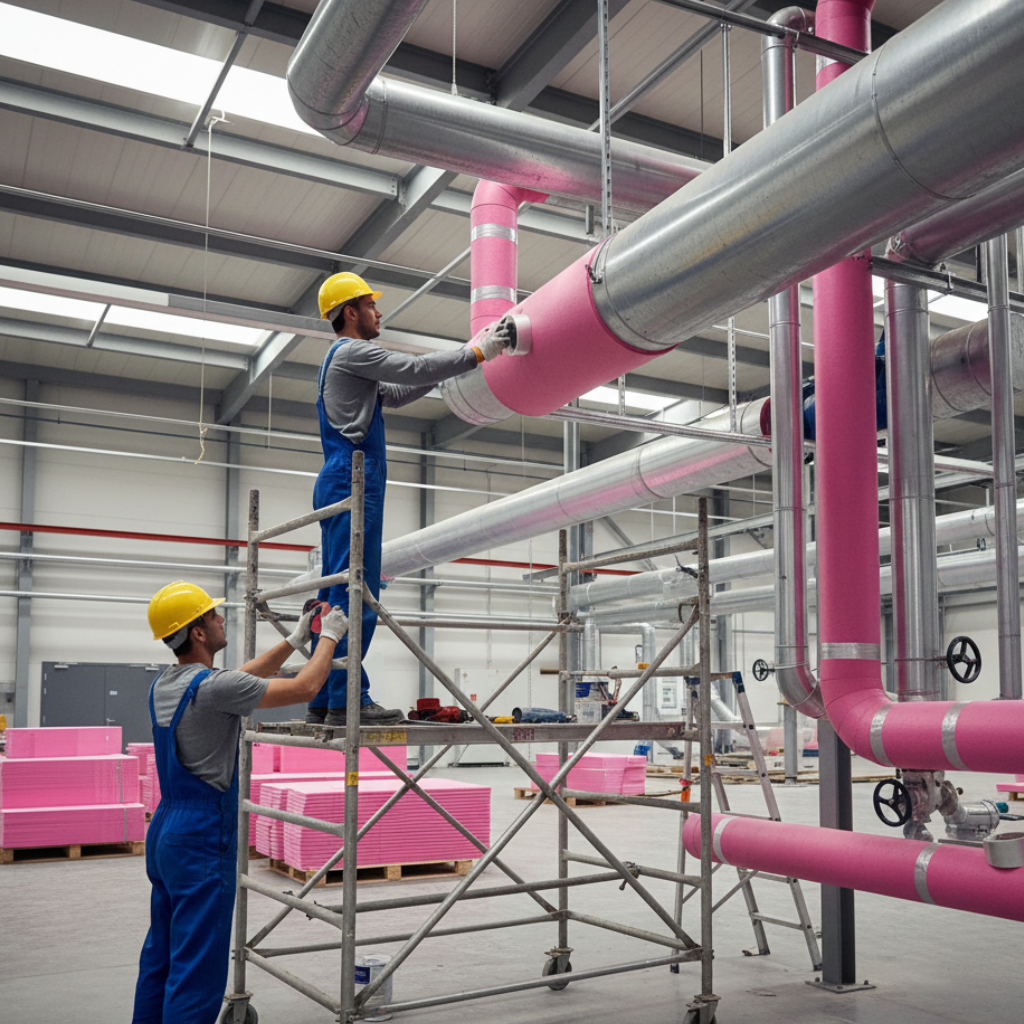
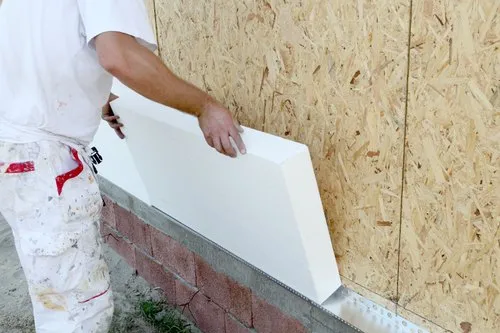
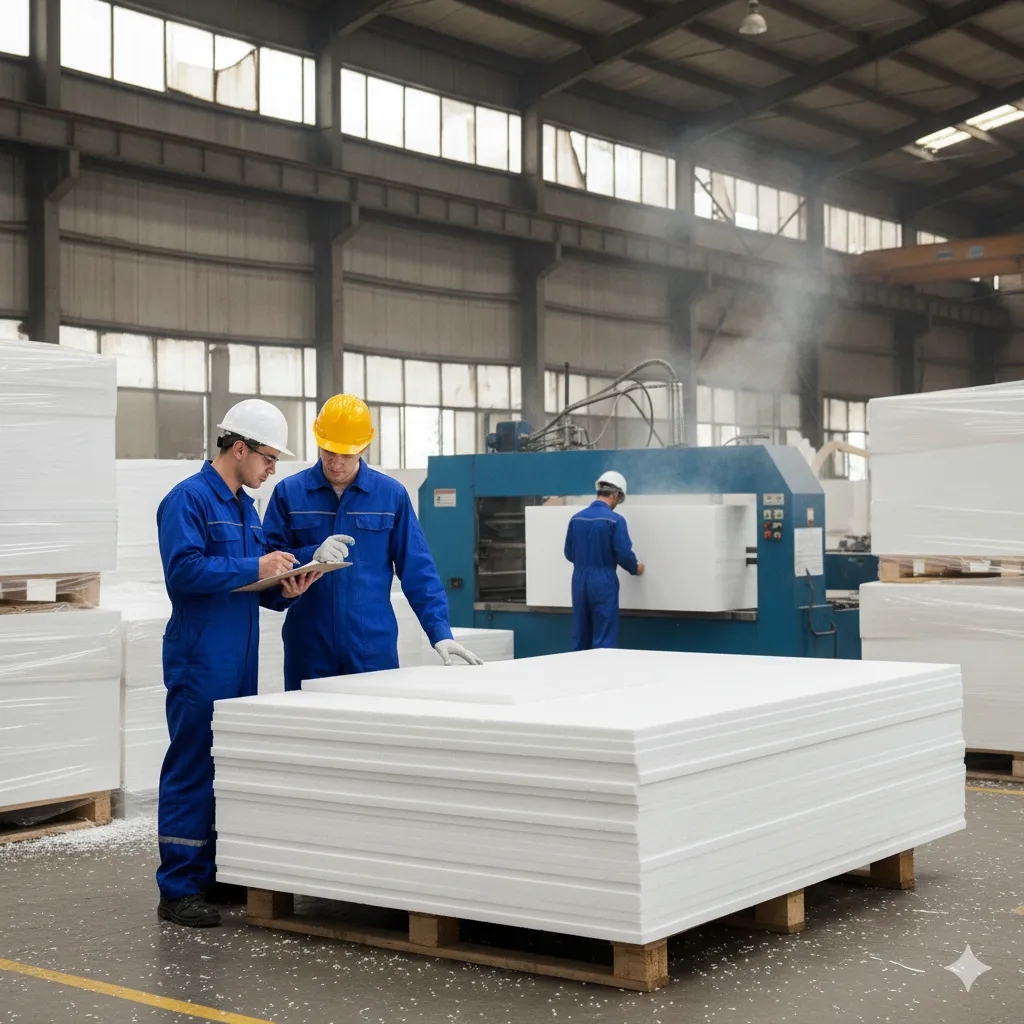
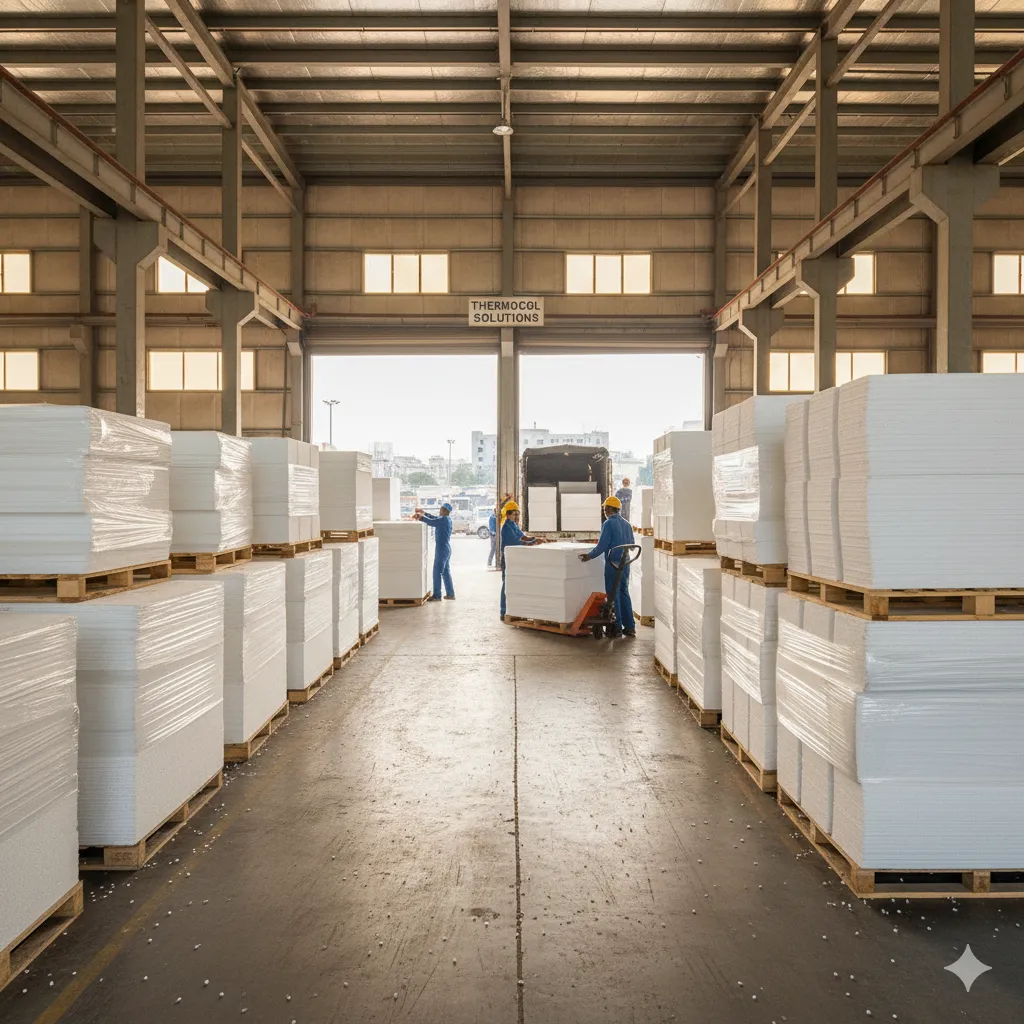
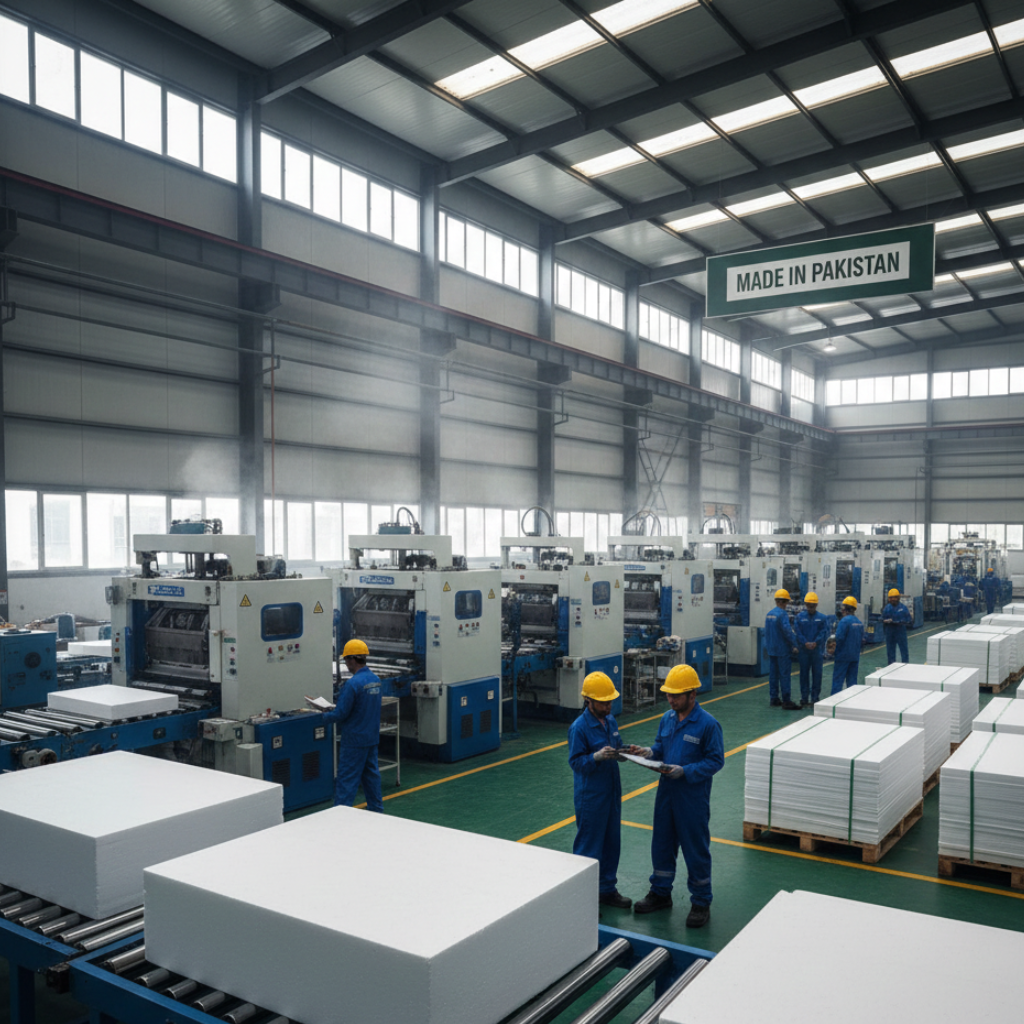
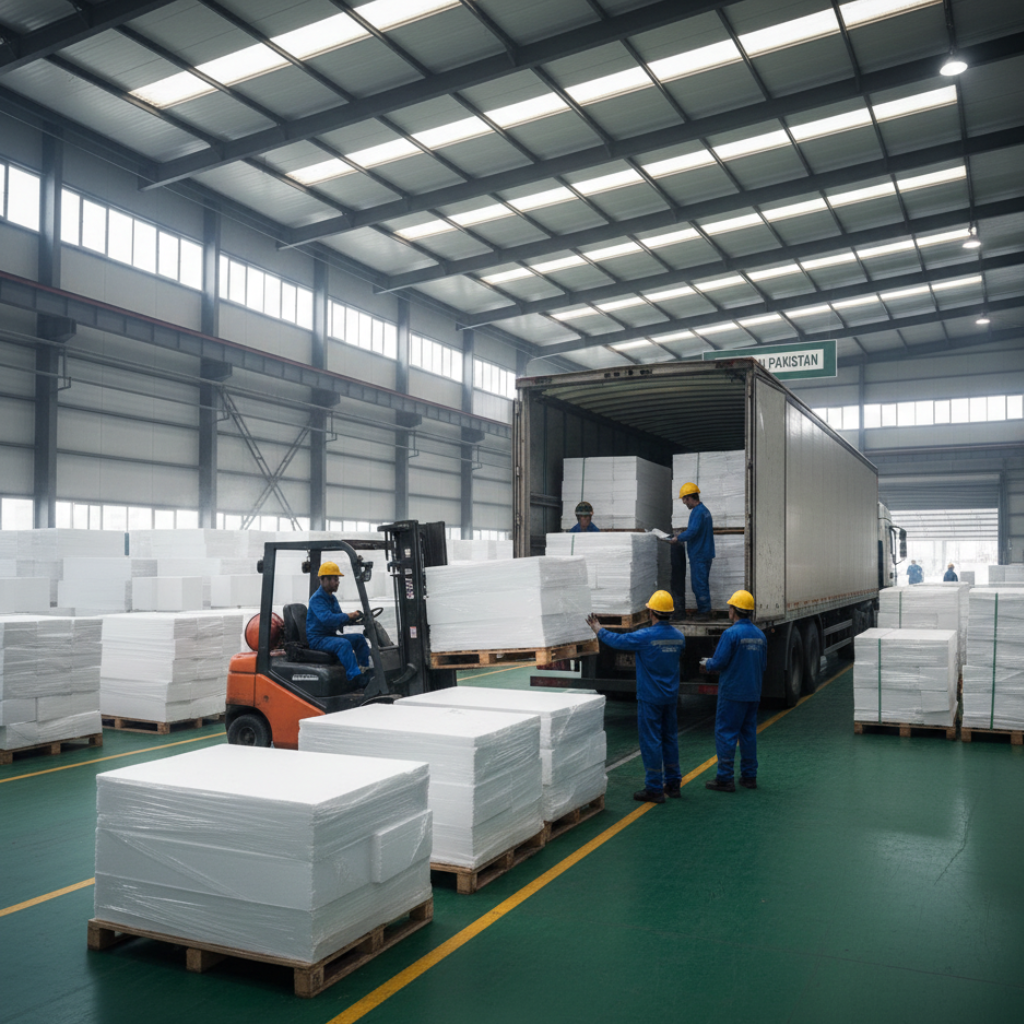
Keep your home energy-efficient with our premium Thermocol Products in Pakistan such as Thermocol InsulationSheets. Reliable Heat Insulation Solutions, tailored for Pakistan’s climate.
With rising temperatures and increasing energy costs, external wall insulation has become an essential solution for buildings across Pakistan. It helps maintain indoor comfort, reduces electricity consumption, and protects structures from harsh weather conditions.
Whether you are constructing a new building or upgrading an existing one, investing in external wall insulation in Pakistan is a smart long-term decision for energy efficiency and durability.
What is External Wall Insulation?
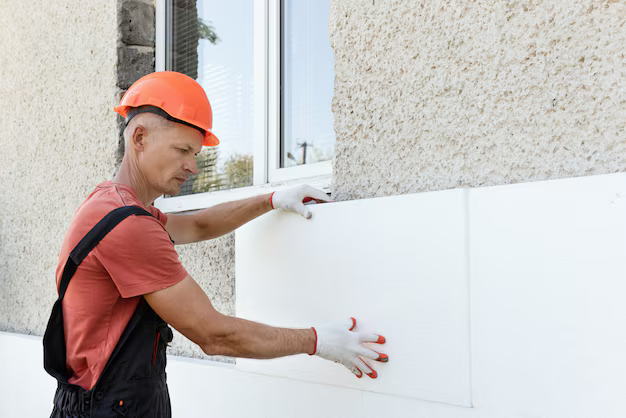
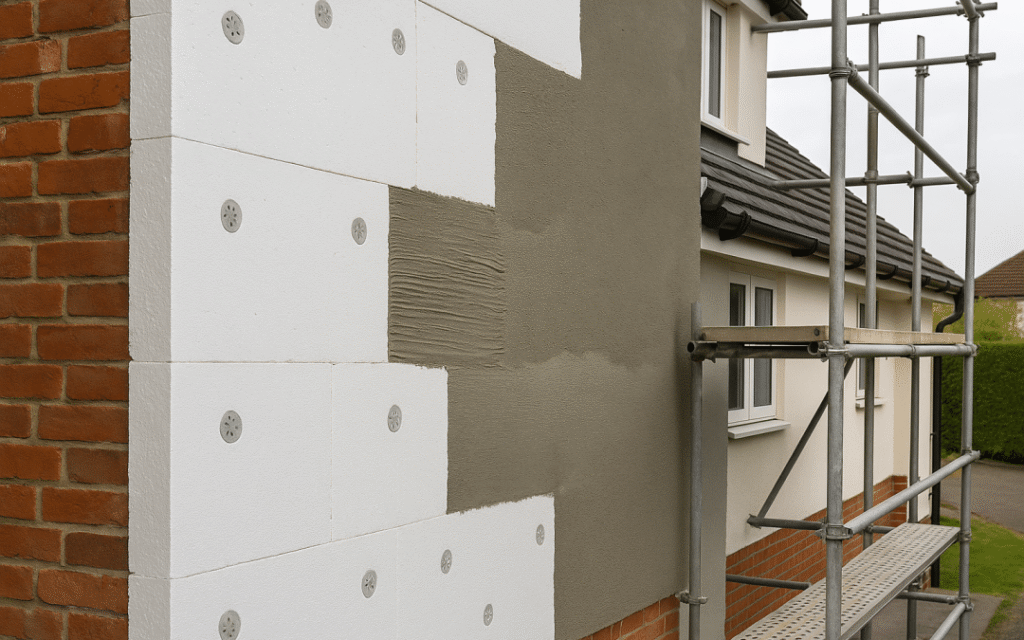
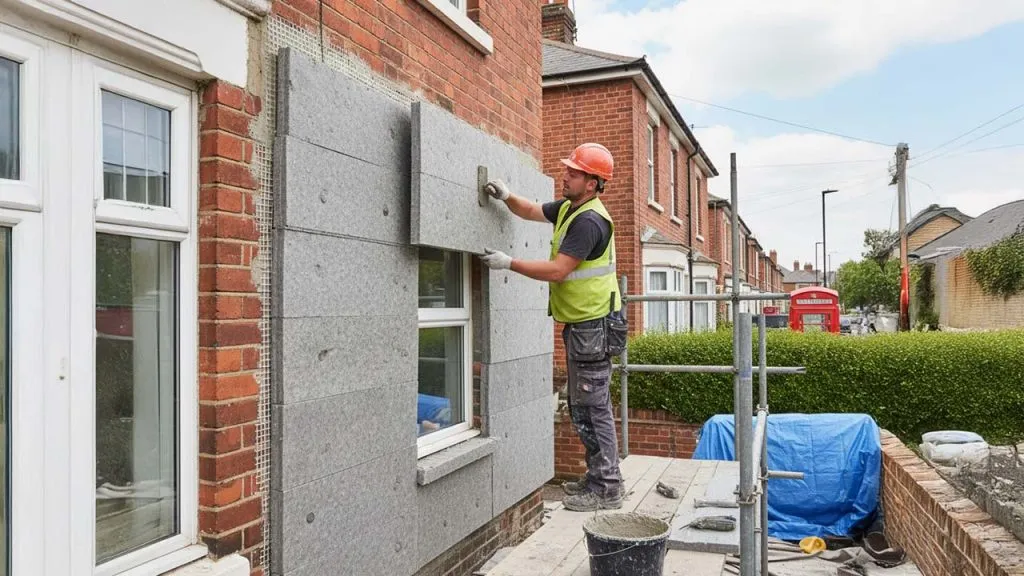
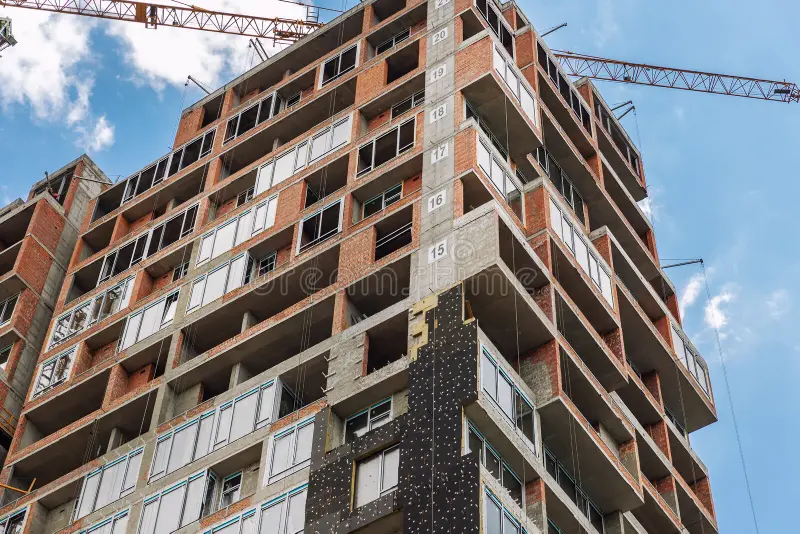
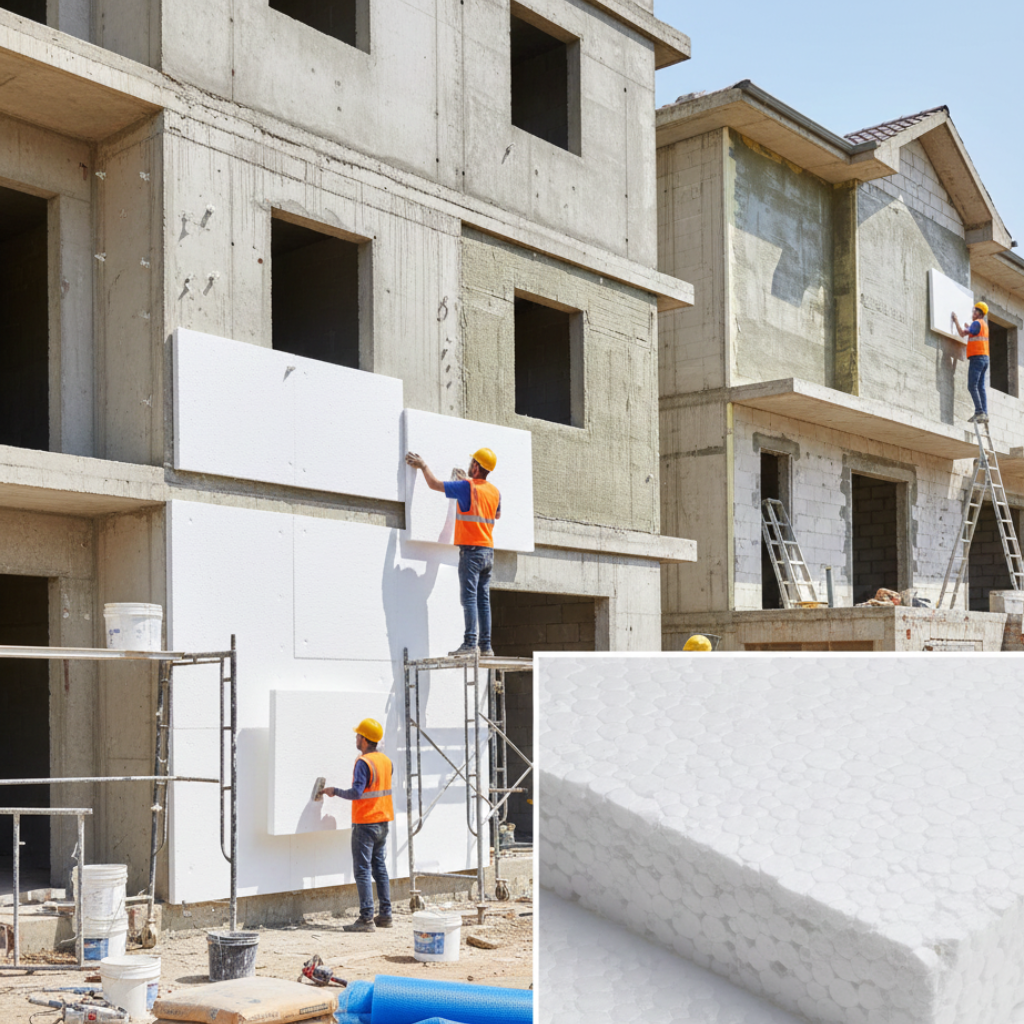
External wall insulation (EWI) is a system where insulating material is applied to the outer walls of a building and then covered with a protective finish such as plaster or cladding.
This system:
Reduces heat transfer
Improves thermal performance
Enhances building appearance
Protects walls from moisture and cracks
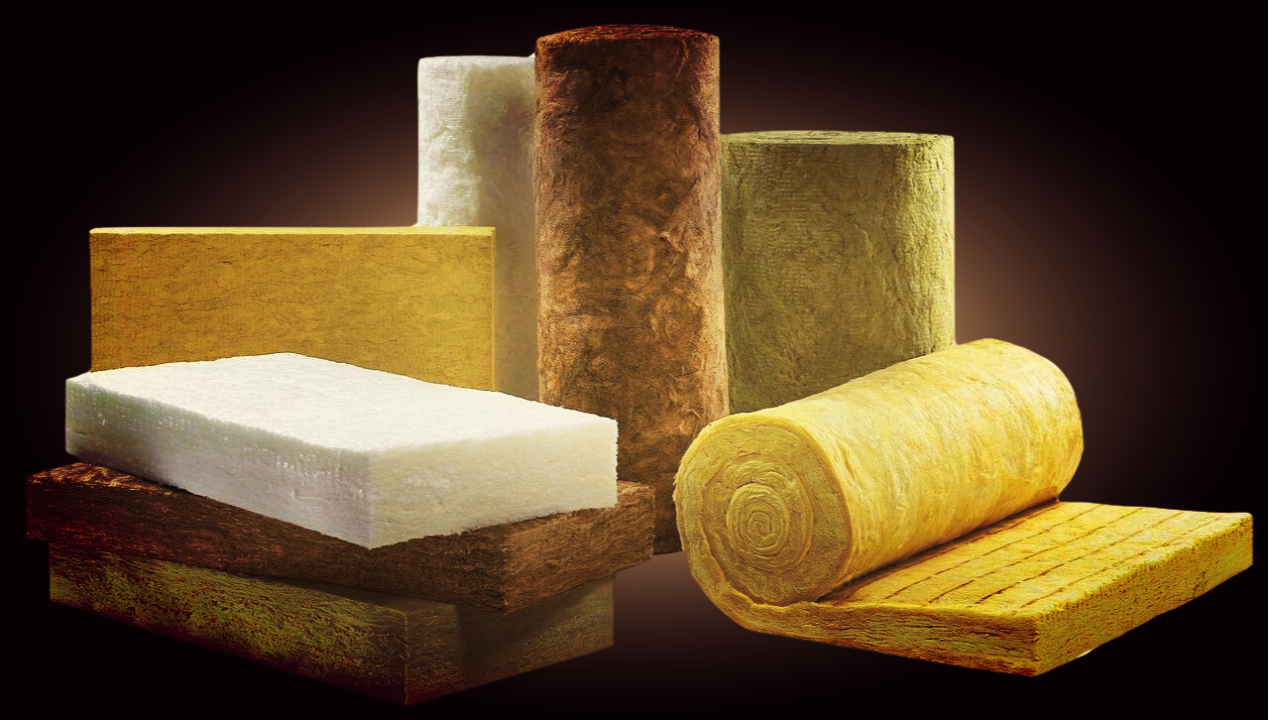
Types of External Wall Insulation Materials
1. Expanded Polystyrene (EPS)
Lightweight and cost-effective
Common for residential buildings
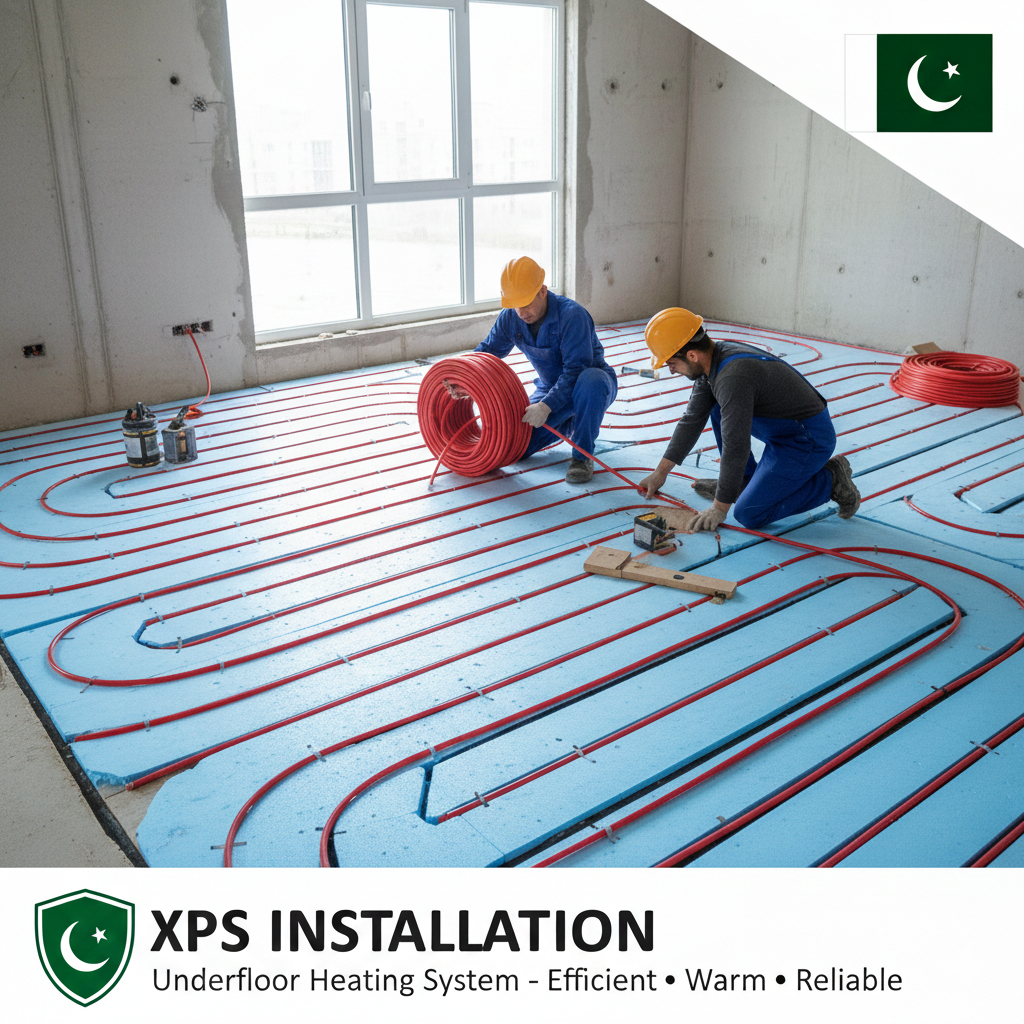
2. Extruded Polystyrene (XPS)
Higher strength and moisture resistance
Ideal for humid climates
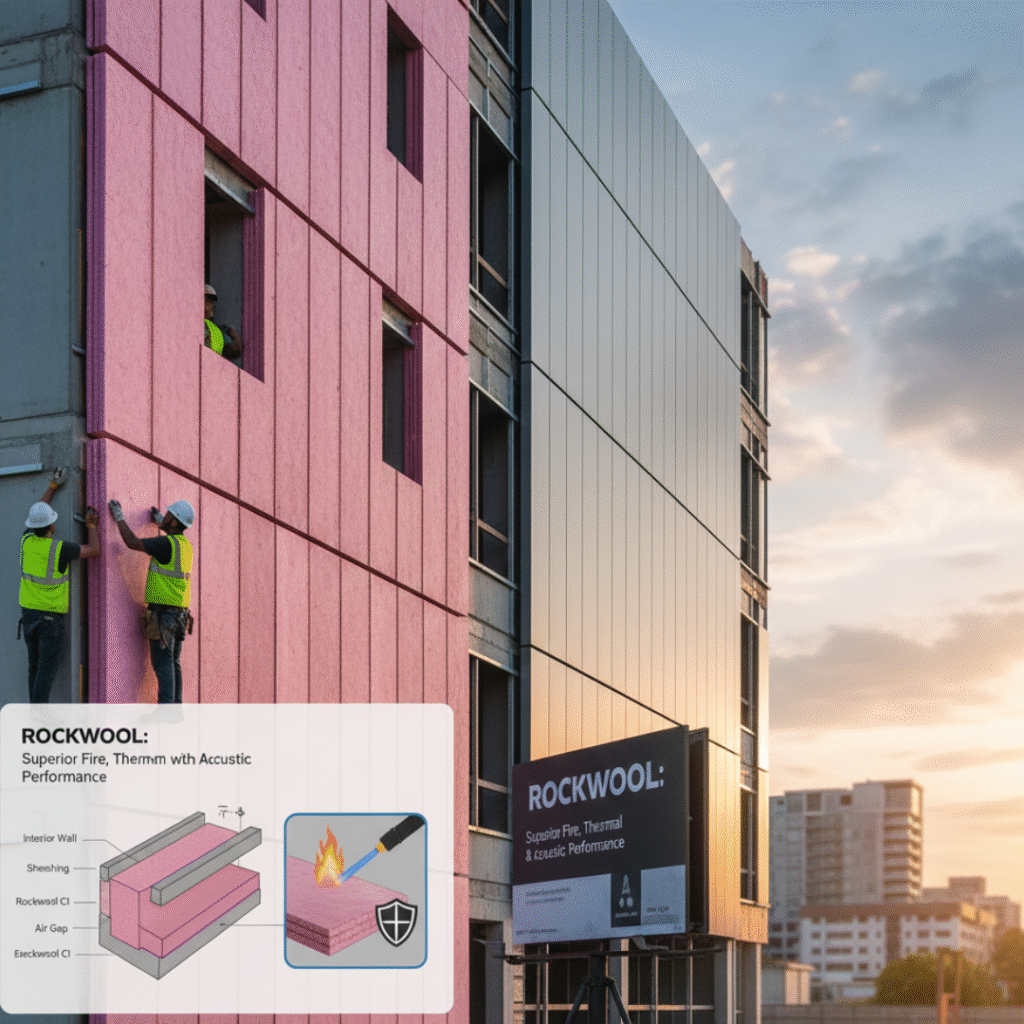
3. Mineral Wool (Rock Wool)
Fire-resistant and breathable
Used in commercial and industrial buildings
4. Polyurethane (PU) Panels
High insulation performance
Suitable for modern construction projects
Choosing the best external wall insulation in Pakistan depends on climate, budget, and building type.
Benefits of External Wall Insulation
Reduces energy bills significantly
Improves indoor temperature stability
Protects structure from weather damage
Minimizes condensation and dampness
Enhances property value
This makes it one of the top external wall insulation in Pakistan solutions for modern construction.
External Wall Insulation Price in Pakistan
The external wall insulation price in Pakistan varies based on material, thickness, and labor.
Estimated Price Table
Material Type
Price Range (PKR per sq. ft)
EPS Insulation
150 – 250
XPS Insulation
250 – 400
Mineral Wool
300 – 500
PU Panels
400 – 700
The overall external wall insulation in Pakistan price may change depending on project size and location.
City-Wise External Wall Insulation Services
External Wall Insulation in Lahore
The construction sector in Lahore активно adopts energy-efficient solutions. Many contractors provide external wall insulation in Lahore for homes and commercial buildings.
External Wall Insulation in Islamabad
In Islamabad, modern architecture demands high-performance insulation systems. Reliable companies offer external wall insulation in Islamabad for villas and offices.
External Wall Insulation in Faisalabad
Industrial and residential projects increasingly use external wall insulation in Faisalabad to control indoor temperatures and reduce costs.
External Wall Insulation in Multan
Due to extreme heat, external wall insulation in Multan is widely used to improve cooling efficiency in homes and warehouses.
External Wall Insulation Material in Karachi
Karachi’s coastal climate requires moisture-resistant insulation. High-quality external wall insulation material in Karachi is available for residential and industrial applications.
External Wall Insulation Manufacturers and Wholesalers in Pakistan
Pakistan has a growing insulation market with both local and imported solutions.
Manufacturers
Local companies now operate as external wall insulation manufacturer in Pakistan
Provide EPS sheets, PU panels, and insulation systems
Wholesalers
Bulk suppliers act as external wall insulation wholeseller in Pakistan
Offer discounted rates for large projects
Working with a top external wall insulation wholeseller in Pakistan ensures cost efficiency and consistent supply.
Cheap External Wall Insulation in Pakistan – Should You Consider It?
Many builders look for cheap external wall insulation in Pakistan to reduce initial costs. While budget options are available, always consider:
Durability
Thermal performance
Installation quality
Low-cost insulation may result in higher maintenance costs in the long run.
Applications of External Wall Insulation
Residential houses
Commercial buildings
Offices and plazas
Factories and warehouses
Cold storage facilities
How to Choose the Right External Wall Insulation
Consider these factors:
Climate conditions (heat, humidity)
Building type
Budget
Fire resistance requirements
Moisture protection
Selecting the top external wall insulation in Pakistan ensures long-term performance and savings.
Conclusion
External insulation is no longer optional—it’s a necessity in Pakistan’s climate. From external wall insulation in Lahore to external wall insulation in Islamabad, and across cities like Faisalabad and Multan, demand continues to grow.
Whether you source from an external wall insulation manufacturer in Pakistan or a trusted external wall insulation wholeseller in Pakistan, investing in the right system will improve comfort, reduce costs, and protect your building for years to come.
FAQ’S
External wall insulation is a system where insulating material is applied to the outer surface of walls and covered with a protective layer. It reduces heat transfer, keeping buildings cooler in summer and warmer in winter.
The external wall insulation price in Pakistan typically ranges from PKR 150 to PKR 700 per sq. ft, depending on the material type, thickness, and installation requirements.
The best external wall insulation in Pakistan includes EPS, XPS, mineral wool, and PU panels. The right choice depends on your budget, climate conditions, and building type.
You can find external wall insulation services in Lahore, Islamabad, Karachi, Faisalabad, and Multan through local contractors, construction companies, and insulation material suppliers.
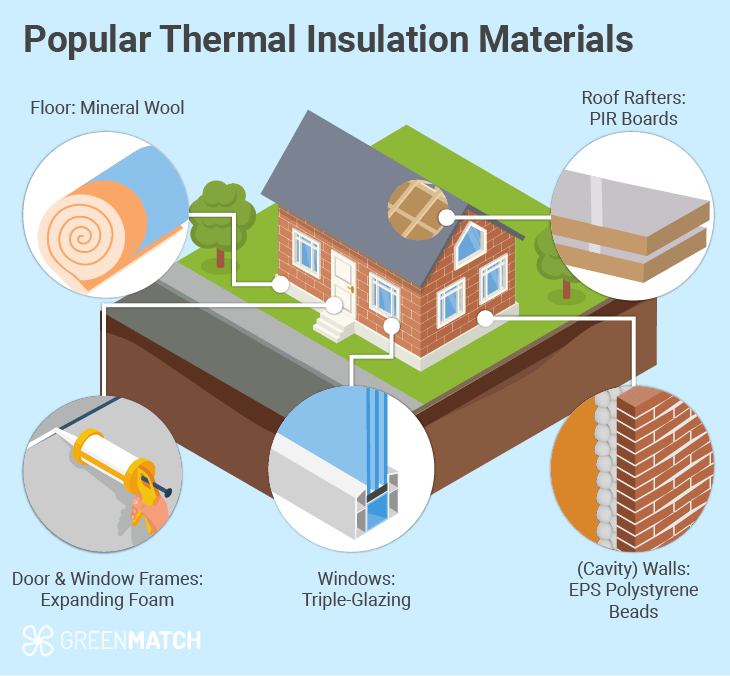
Thermal insulation plays a critical role in modern construction across Pakistan, where extreme temperatures—both hot and cold—can significantly impact energy consumption and indoor comfort. Whether it’s residential buildings, commercial projects, or industrial facilities, choosing the right thermal insulation material in Pakistan can help reduce electricity bills, improve energy efficiency, and enhance durability.
In this detailed guide, we’ll explore types, benefits, applications, and thermal insulation material price in Pakistan, along with insights into suppliers and wholesalers across major cities.
What is Thermal Insulation Material?
Thermal insulation materials are specially designed products that reduce heat transfer between surfaces. They help maintain indoor temperatures by preventing heat loss in winter and heat gain in summer.
These materials are widely used in:
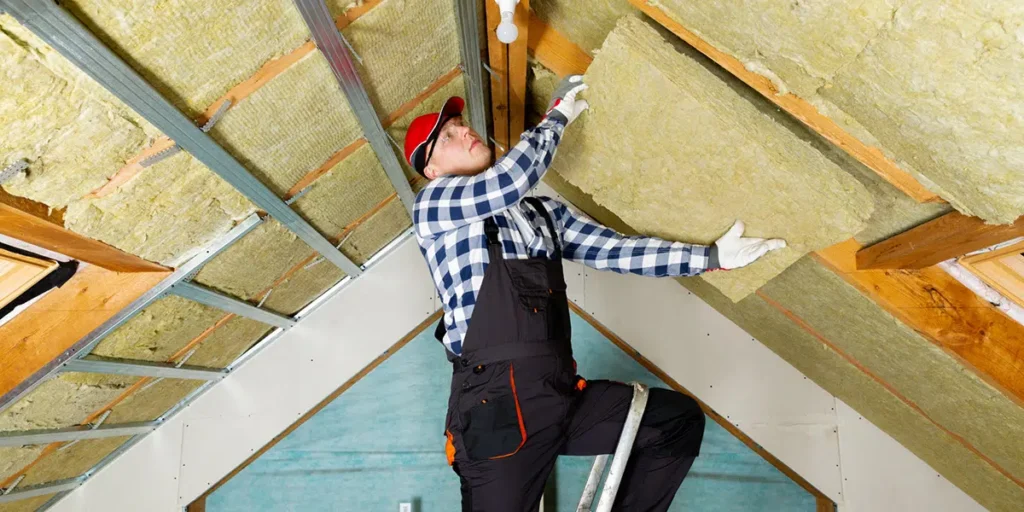
Roof insulation
Wall insulation
HVAC systems
Industrial pipelines
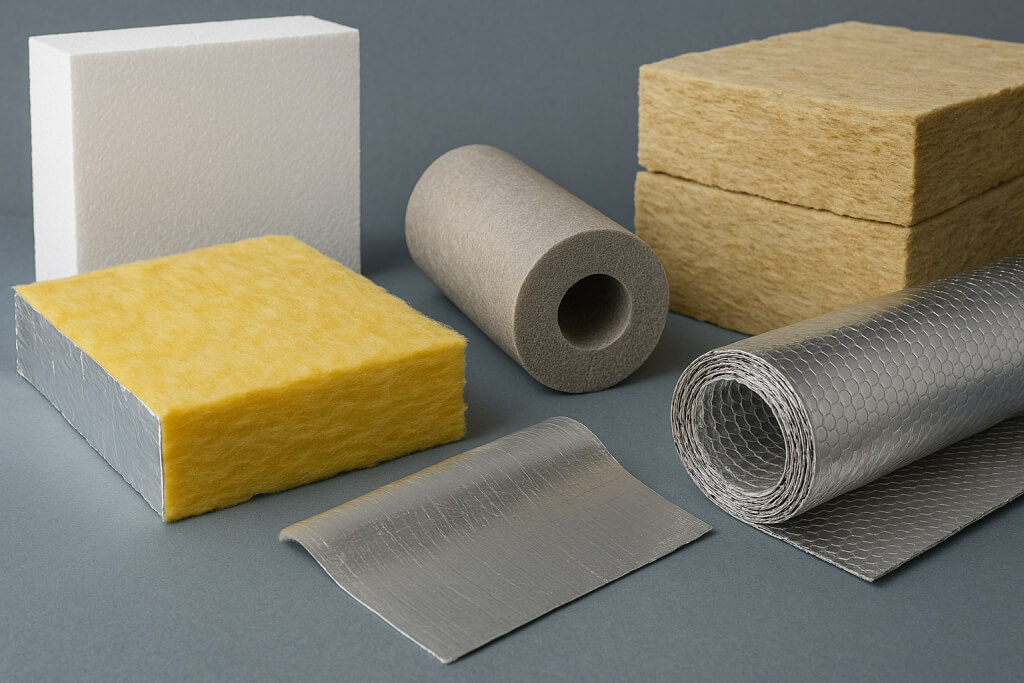
Types of Thermal Insulation Materials in Pakistan
1. Fiberglass Insulation
Lightweight and cost-effective
Commonly used in ceilings and walls
Ideal for residential projects
2. Polystyrene (EPS & XPS)
Moisture-resistant
High thermal performance
Used in walls and floors
3. Polyurethane Foam (PU Foam)
Excellent insulation efficiency
Used in roofs and cold storage
Slightly higher cost but long-lasting
4. Rock Wool / Mineral Wool
Fire-resistant material
Suitable for industrial applications
Also provides sound insulation
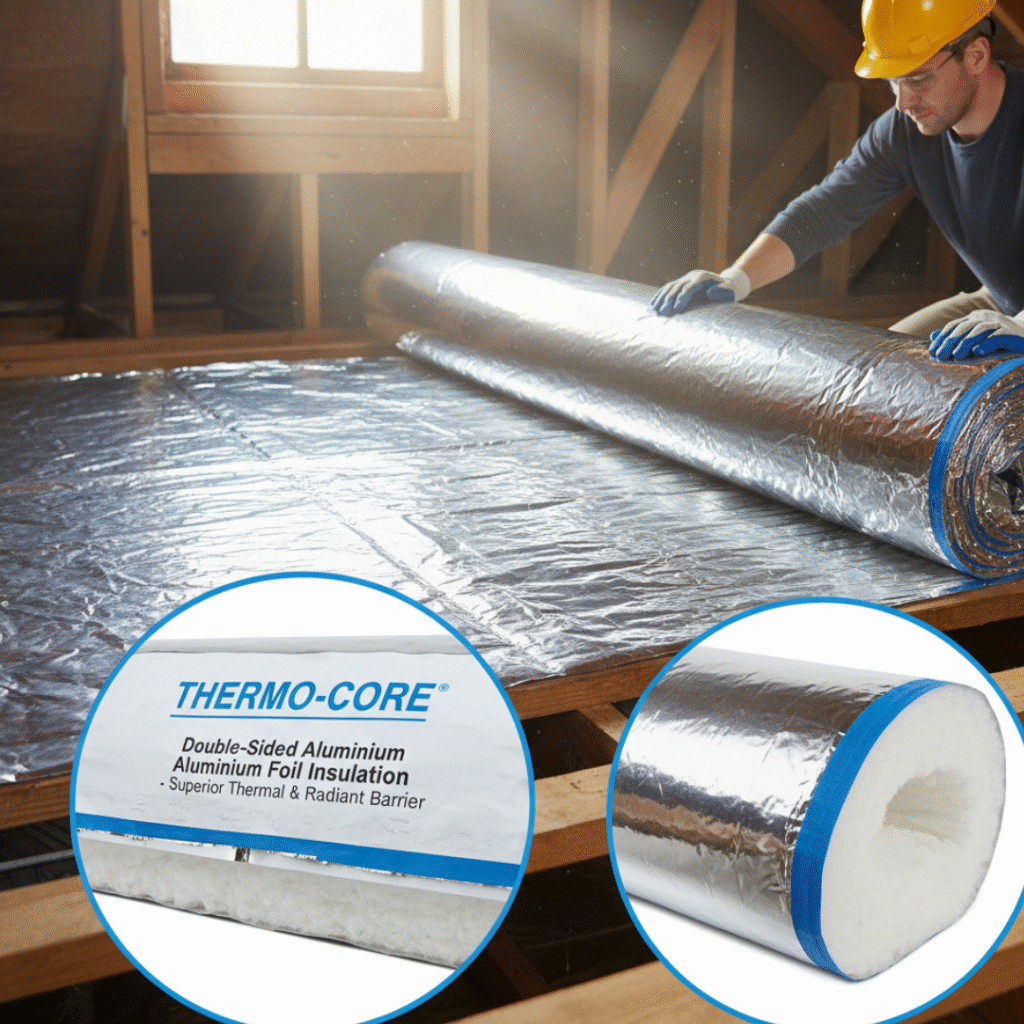
5. Reflective Insulation
Reflects heat instead of absorbing
Perfect for hot climates like Pakistan
Benefits of Using Thermal Insulation
Reduces electricity consumption
Improves indoor comfort
Minimizes environmental impact
Increases building lifespan
Reduces HVAC load
Using the best thermal insulation material in Pakistan ensures long-term savings and better performance.
Thermal Insulation Material Price in Pakistan
Prices vary depending on type, thickness, and quality. Below is a general estimate:
Material Type
Price Range (PKR per sq. ft)
Fiberglass Insulation
80 – 150
EPS (Expanded Polystyrene)
100 – 200
XPS Insulation
180 – 350
PU Foam
250 – 500
Rock Wool
200 – 400
The thermal insulation material in Pakistan price may vary depending on city and supplier.
City-Wise Availability in Pakistan
Thermal Insulation Material in Lahore
Lahore has a growing construction industry, making it easy to find thermal insulation material in Lahore through local distributors and construction suppliers.
Thermal Insulation Material in Islamabad
In the capital city, demand is increasing for energy-efficient buildings. You can find premium quality thermal insulation material in Islamabad for both residential and commercial projects.
Thermal Insulation Material in Faisalabad
Industrial growth in Faisalabad has boosted the demand for insulation solutions. Many factories rely on thermal insulation material in Faisalabad for temperature control.
Thermal Insulation Material in Multan
Due to extreme heat, thermal insulation material in Multan is essential for homes and warehouses to maintain indoor comfort.
Thermal Insulation Material in Karachi
Karachi’s humid climate increases the need for insulation. Reliable suppliers provide thermal insulation material in Karachi for roofing and industrial use.
Top Thermal Insulation Material Wholesellers in Pakistan
Finding a reliable supplier is key to ensuring quality and affordability. Many companies operate as:
Thermal insulation material wholeseller in Pakistan
Bulk suppliers for construction companies
Distributors for imported insulation products
If you’re buying in large quantities, choosing a top thermal insulation material wholeseller in Pakistan can significantly reduce costs.
Thermal Insulation Material Manufacturers in Pakistan
Local production has improved over the years, and several companies now operate as:
Thermal insulation material manufacturer in Pakistan
Producers of EPS, PU foam, and fiberglass
Suppliers for both local and export markets
Working directly with a thermal insulation material wholeseller in Pakistan or manufacturer ensures better pricing and consistent quality.
How to Choose the Best Thermal Insulation Material
When selecting insulation, consider:
Climate conditions
Budget constraints
Application (roof, wall, industrial)
Fire resistance requirements
Moisture resistance
Choosing the top thermal insulation material in Pakistan depends on your specific project needs.
Cheap Thermal Insulation Material in Pakistan – Is It Worth It?
While many options are available as cheap thermal insulation material in Pakistan, it’s important to balance cost with quality.
Low-cost materials may:
Have shorter lifespan
Provide less insulation efficiency
Require frequent replacement
Always evaluate performance before choosing based on price alone.
Applications of Thermal Insulation in Pakistan
Residential homes
Commercial buildings
Cold storage facilities
Factories and warehouses
HVAC duct insulation
Conclusion
Investing in high-quality thermal insulation material in Pakistan is essential for energy efficiency, cost savings, and long-term building performance. Whether you’re sourcing from a thermal insulation material wholeseller in Pakistan or working with a thermal insulation material manufacturer in Pakistan, choosing the right material can make a significant difference.
From thermal insulation material in Lahore to thermal insulation material in Karachi, the availability across cities ensures you can find the right solution for your needs.
FAQ’S
The best thermal insulation material in Pakistan depends on your application. PU foam and XPS are ideal for roofs and walls due to high efficiency, while fiberglass and rock wool are suitable for budget-friendly and industrial uses.
The thermal insulation material price in Pakistan typically ranges from PKR 80 to PKR 500 per sq. ft, depending on the type, thickness, and quality of the material.
You can purchase thermal insulation material in Lahore, Karachi, Islamabad, Faisalabad, and Multan from local construction markets, wholesalers, and specialized insulation suppliers across these cities.
Cheap thermal insulation material in Pakistan can be suitable for small projects, but it may offer lower durability and efficiency. For long-term performance, it’s better to invest in high-quality insulation materials.
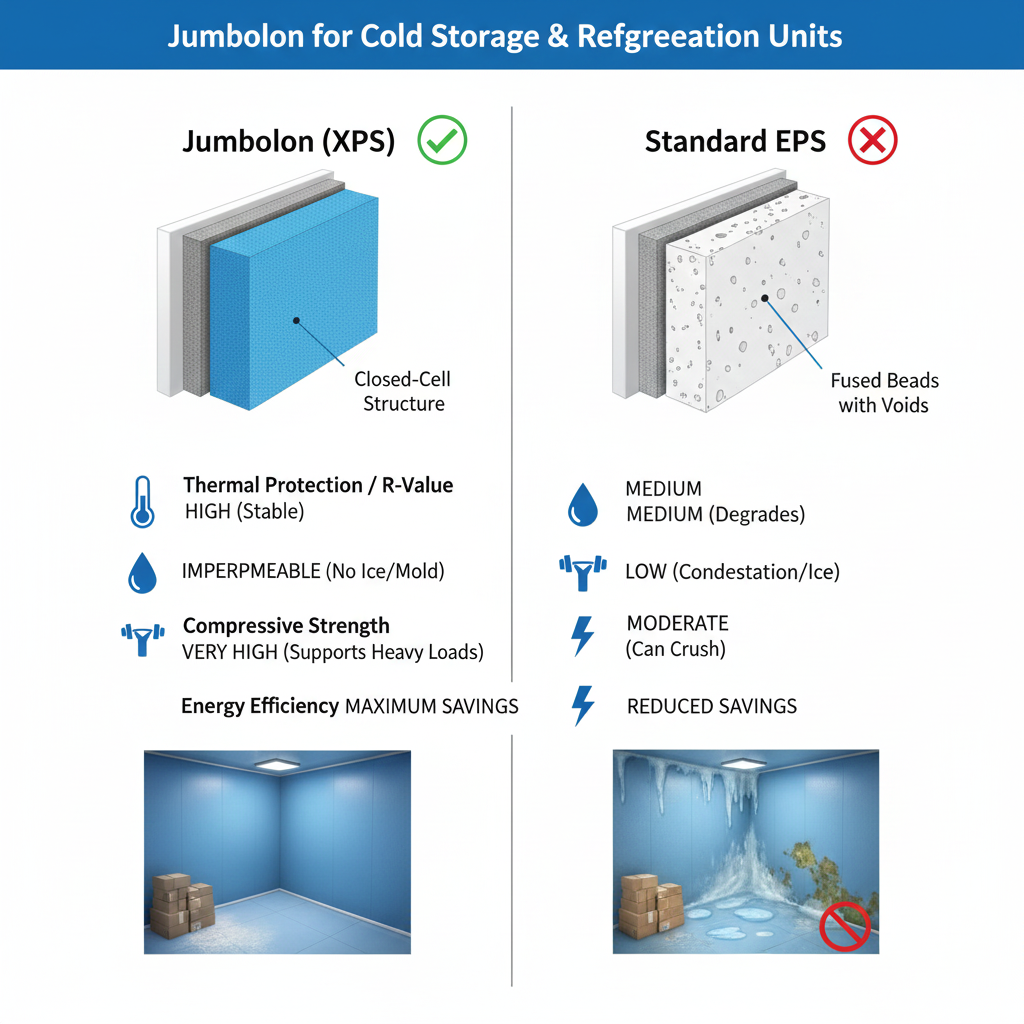
Maintaining precise, low temperatures is paramount for cold storage facilities and refrigeration units. Any inefficiency in insulation can lead to significant energy waste, temperature fluctuations that compromise stored goods, and the costly formation of ice and condensation. This is where Jumbolon insulation, a high-performance Extruded Polystyrene (XPS) foam, emerges as an indispensable material.
Jumbolon’s unique properties make it exceptionally well-suited for the demanding environments of cold room panels, walk-in freezers, and industrial refrigeration. It delivers the robust thermal protection and moisture resistance essential for preventing heat gain and ensuring optimal operational efficiency.
The Critical Demands of Cold Environments
Cold storage applications face unique challenges that standard insulation materials often fail to address adequately:
1. Extreme Temperature Differential
The vast difference between the internal cold temperature and the external ambient temperature creates a constant drive for heat to infiltrate the unit. This requires an insulation material with a very high R-value and exceptional thermal resistance.
2. Vapor Drive and Condensation
Warm, humid air from outside constantly tries to migrate into the cold space. If this vapor isn’t stopped effectively, it will condense and freeze, leading to ice formation, structural damage, reduced efficiency, and potential mold growth. An effective vapor barrier is critical.
3. Hygienic Requirements
Cold storage units must maintain strict hygiene standards to protect perishable goods. Insulation materials that absorb moisture or foster mold are unacceptable.
Jumbolon’s Unmatched Advantages for Cold Storage
Jumbolon (XPS) offers a suite of properties that directly address these challenges, making it an ideal choice for cold storage insulation.
1. Superior Thermal Performance (High R-Value)
Jumbolon boasts a high R-value per inch (typically R-5.0), providing excellent thermal protection in critical temperature-controlled environments. Its consistent insulation value minimizes heat transfer, significantly reducing the energy load on refrigeration systems. This translates directly to enhanced energy efficiency and lower operating costs for any refrigeration unit.
2. Unrivaled Moisture Resistance
The defining feature of Jumbolon is its completely closed-cell structure. This makes it virtually impervious to water absorption and water vapor transmission. In cold room applications, this means: * No Ice Formation: Jumbolon prevents the infiltration of moisture that would otherwise freeze within the insulation or on surfaces. * Maintained R-Value: Unlike materials that lose insulating power when wet, Jumbolon’s R-value remains stable, ensuring consistent long-lasting insulation. * Vapor Barrier: It acts as an inherent vapor barrier, mitigating condensation and mold growth.
3. High Compressive Strength
Cold room panels and flooring often bear heavy loads from stored goods, shelving, and forklift traffic. Jumbolon’s high compressive strength allows it to withstand these pressures without deforming, ensuring the long-term integrity of the insulated structure and preventing thermal bridging caused by crushing. This makes it ideal for floor insulation in freezers.
4. Durability and Longevity
The robust nature of Jumbolon ensures it stands up to the harsh conditions of cold storage environments. Its resistance to rot, decay, and insect infestation, combined with its stable thermal performance, means it provides long-lasting insulation requiring minimal maintenance.
Applications in Cold Storage & Refrigeration
Jumbolon is versatile enough for various components within cold environments:
Cold Room Panels: Used as the core insulating material in pre-fabricated or custom-built panels.
Floor Insulation: Critical for preventing frost heave and maintaining floor temperature in walk-in freezers and coolers. Its compressive strength is essential here.
Wall and Ceiling Insulation: Forms a continuous thermal envelope to minimize heat leakage throughout the structure.
Refrigerated Transport: Increasingly used in the construction of refrigerated containers and trucks for its lightweight and superior insulation properties.
The Economic and Operational Benefits
Investing in Jumbolon for your cold storage or refrigeration unit offers clear advantages:
Significant Energy Savings: The superior thermal resistance and air sealing properties drastically reduce the energy consumption of refrigeration systems.
Product Integrity: Stable temperatures and absence of moisture protect sensitive goods (food, pharmaceuticals, chemicals) from spoilage or damage.
Reduced Maintenance: Prevents issues like ice formation, rust, and mold growth, leading to lower repair and cleaning costs.
Optimized Space: Its high R-value allows for thinner insulation profiles compared to less efficient materials, maximizing usable interior space.
For any application where precise temperature control and moisture resistance are non-negotiable, Jumbolon insulation offers a reliable, efficient, and long-lasting insulation solution, solidifying its position as the preferred choice for cold storage insulation.
FAQ’S
Jumbolon (XPS) is highly recommended for cold storage because it has excellent thermal resistance, low water absorption, and high compressive strength. These properties help maintain stable low temperatures, reduce energy consumption, and prevent moisture buildup inside refrigeration units.
For standard cold rooms, 50mm to 75mm Jumbolon sheets are commonly used, while freezer rooms and deep-freeze units often require 100mm or higher thickness. The ideal thickness depends on temperature requirements, insulation design, and building specifications.
Yes. Jumbolon’s closed-cell structure makes it moisture-resistant, preventing condensation, mold, and water absorption. This is essential for maintaining hygiene standards in cold storage and refrigerated warehouse environments.
Absolutely. Jumbolon is used for walls, roofs, floors, and doors of cold storage units due to its high durability and thermal efficiency. It provides long-lasting performance even under constant low-temperature conditions.
Choosing the correct Jumbolon insulation thickness is the most critical factor in maximizing your building’s energy efficiency and achieving long-term comfort. Jumbolon, which is a brand of Extruded Polystyrene (XPS) foam, is a premium choice for roof assemblies due to its superior moisture resistance and high compressive strength.
However, thermal performance is directly proportional to thickness. Too thin, and you waste energy; too thick, and you overspend on materials. This guide will help you determine the best thickness for your roof insulation project based on performance requirements and climate.
The Core Metric: R-Value and Thickness
The insulating power of any material is measured by its R-value, which denotes thermal resistance to heat flow. The higher the R-value, the better the insulation performance.
1. Jumbolon’s Thermal Advantage
Jumbolon (XPS) typically provides an R-value per inch ranging from R-5.0 to R-5.3. This high R-value means it can achieve significant thermal protection with less material compared to traditional insulation types.
2. Required R-Value by Climate
The ideal total R-value for your roof assembly is dictated by your geographical climate zone. In regions with very hot summers or cold winters, higher resistance is necessary to maintain a comfortable interior temperature and reduce utility costs.
Hot Climates (Cooling Dominated): To prevent heat ingress, a minimum roof R-value of R-20 to R-30 is often required, depending on local building codes and the intensity of solar heat.
Moderate/Mixed Climates: R-values in the range of R-30 to R-40 provide a good balance for both heating and cooling seasons.
Cold Climates (Heating Dominated): These zones demand the highest levels of protection, typically requiring R-49 to R-60 or more to minimize heat loss.
Determining the Best Thickness for Roof Insulation
Moreover, based on Jumbolon’s average R-value of R-5.0 per inch, here is a breakdown of the thickness required to achieve common target R-values:
Target R-Value
Jumbolon Thickness (Inches)
Primary Application
R-10
2 inches (2 * 5.0)
Minimal requirement; often used in light-commercial or shed roofs.
R-20
4 inches (4 * 5.0)
Recommended minimum for residential roof insulation in moderate climates or for commercial buildings needing adequate heat proofing.
R-25
5 inches (5 * 5.0)
Ideal mid-range thickness, providing high energy efficiency in hot climates where solar load is severe.
R-30
6 inches (6 * 5.0)
Excellent for high-performance residential homes or in areas with stringent thermal protection standards.
Furthermore, for most residential and commercial flat roof insulation projects in hot to moderate climates. However, a thickness between 4 to 5 inches (100mm to 125mm) is considered the best thickness for balancing material cost and long-term thermal performance.
Factors Influencing Your Final Decision
While R-value is paramount, other factors specific to Jumbolon and its application should guide your final purchase:
1. Application Type: Inverted vs. Conventional Roof
Inverted Roof (Most Common with XPS): In this system, the Jumbolon (XPS) boards are laid above the waterproofing membrane. This is ideal because the insulation shields the membrane from temperature extremes and UV damage, greatly extending its lifespan. Since the XPS is exposed to water from rain and snow, its excellent moisture resistance is critical.
Conventional Roof: The insulation is placed below the waterproofing membrane.
2. Load-Bearing Requirements
Jumbolon is known for its high compressive strength, making it suitable for rooftops that see pedestrian traffic, heavy equipment, or support green roof assemblies. If your roof will be a walkable terrace or support air conditioning units, ensure you select a high-density Jumbolon board, regardless of the thickness required for thermal efficiency.
3. Moisture Resistance and Long-Term Value
The closed-cell structure of Jumbolon ensures negligible water absorption, meaning its R-value is maintained even if the roof assembly gets wet. Investing in sufficient thickness ensures long-lasting insulation. That will continue to deliver performance for decades, offering better lifetime value and maximizing your potential energy savings.
Conclusion: Optimal Thickness
For a comprehensive and effective roofing system, the sweet spot for Jumbolon insulation thickness is generally 4 inches (100mm) for adequate thermal protection in most average climates, or 5 to 6 inches (125mm to 150mm) if you are aiming for superior energy efficiency in an extreme climate zone or seeking to meet high-end green building standards. Always verify the required total R-value with your local building code before making a final decision.
FAQ’S
The total R-value (or thermal resistance) of your Jumbolon insulation is calculated linearly based on its thickness. Since Jumbolon (Extruded Polystyrene – XPS) typically offers an R-value per inch of around R-5.0, a 4-inch board provides an R-20, and a 6-inch board provides an R-30. To achieve high energy efficiency and the required thermal protection. However, you must select the best thickness that meets or exceeds the local code’s minimum R-value requirement for your specific climate zone.
In both very cold and very hot climate zones, a higher total R-value is required to ensure thermal protection and maximize efficiency. Cold climates, a thicker layer provides better resistance against heat escaping (heat loss). In hot climates, the insulation must resist the intense solar load (heat gain). However, choosing a sufficient Jumbolon insulation thickness (often 5 to 6 inches) minimizes the work required by your HVAC system, translating directly to lower utility bills.
While moisture resistance doesn’t directly dictate the thermal thickness, it is a key factor in ensuring long-lasting insulation. The closed-cell structure of Jumbolon prevents water absorption, which means the installed R-value is maintained over decades, even in challenging environments like a flat roof insulation system. Furthermore, this long-term stability ensures the thickness you select for your target R-value. Which continues to perform reliably throughout the building’s life.
For a standard residential roof insulation project in a moderate to mixed climate. While the best thickness of Jumbolon is typically 4 inches (providing R-20) to 5 inches (providing R-25). This range offers an excellent balance between the material cost and achieving very good thermal performance. However, you should always consult local building codes as many jurisdictions now require R-30 or higher for superior heat proofing and long-term energy savings.
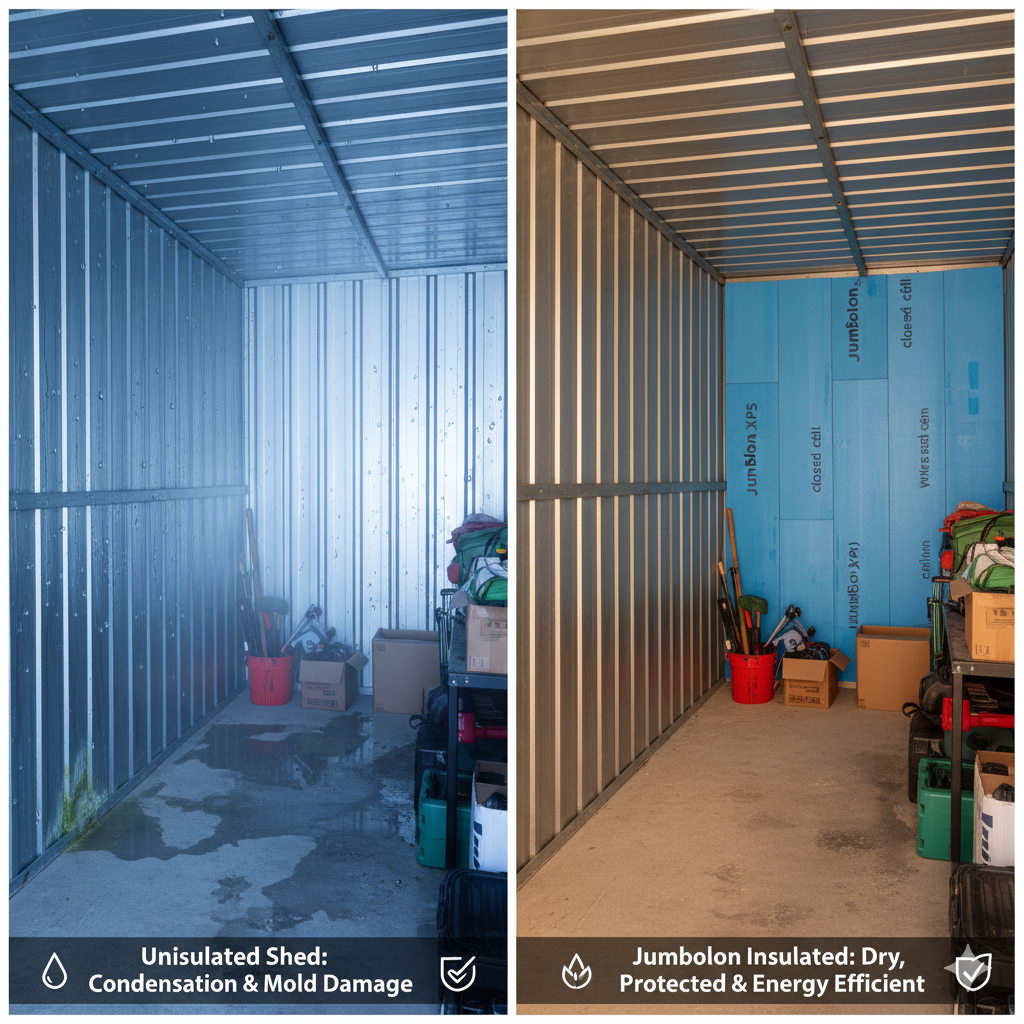
Metal sheds are incredibly versatile, serving as workshops, storage units, garages, and even home offices. However, they share a common and significant drawback: poor thermal regulation. A non-insulated metal structure acts like an oven in the summer and a freezer in the winter, making the space uncomfortable and often unusable. This is where Jumbolon insulation, a popular brand name for Extruded Polystyrene (XPS) foam, provides a powerful solution. Known for its distinct closed-cell structure and high performance, Jumbolon is arguably the best choice for achieving optimal thermal protection in your metal shed. Jumbolon Insulation is Essential for Metal Sheds
The Metal Shed Problem: Condensation and Heat Transfer
Before diving into the solution, it’s vital to understand the issues inherent in metal sheds:
1. Extreme Heat Transfer
Metal is a high conductor of heat. In sunny conditions, the exterior heat is rapidly transferred inside, leading to unbearable temperatures. This results in incredibly low energy efficiency.
2. Condensation and Moisture Damage
When the warm, humid air inside the shed meets the cold metal roof and walls, it causes condensation. This phenomenon is a major problem, leading to rust, mold growth, and damage to stored items or equipment. Effective insulation must act as a moisture barrier.
Why Jumbolon (XPS) Excels in Metal Shed Insulation?
Jumbolon, or XPS, possesses a unique set of characteristics that make it perfectly suited for the challenging environment of a metal shed.
1. Superior Thermal Performance (High R-Value)
Jumbolon boards offer a high R-value per inch (typically R-5), providing excellent thermal resistance. Installing these foam panels dramatically slows the rate of heat transfer. This means the shed stays cooler when the sun is out and retains heat better during cold nights.
2. Built-in Moisture Barrier
The core challenge in a metal shed is managing moisture. Jumbolon’s closed-cell foam structure is virtually impermeable to water. This quality makes it a reliable water-resistant material, preventing the warm, moist indoor air from reaching the cold metal surfaces and stopping that destructive shed condensation. This is a major advantage over open-cell options.
3. Ease of Installation and Handling
Insulating a shed should not be an overly complex task. Jumbolon sheets are lightweight and rigid, making them easy to cut with a utility knife and secure directly to the metal purlins or wall girts using construction adhesive or mechanical fasteners. This straightforward process makes it an ideal DIY shed insulation project.
4. High Compressive Strength
While a shed’s walls don’t bear heavy loads, the durability of the insulation matters. Jumbolon’s high compressive strength means it is less likely to be damaged during handling, installation, or if pressure is accidentally applied to the walls from the inside. This ensures long-lasting insulation that won’t degrade over time.
Installation Guide: Applying Jumbolon Sheets
For maximum benefit, the insulation should be applied to both the walls and the roof.
Prepare the Surface
Ensure the interior metal surfaces are clean, dry, and free of rust or debris.
Measure and Cut the Panels
Measure the distance between the structural supports (purlins or girts). Cut the Jumbolon panels to fit snugly into the space, minimizing air gaps.
Secure the Insulation
Use a high-strength adhesive suitable for bonding XPS foam to metal, or use self-tapping screws with large washers to secure the panels in place. It is critical to achieve a tight fit.
Seal the Joints (Crucial for Efficiency)
For true air sealing and to maximize your energy efficiency, apply specialized foam-compatible tape (like foil tape) over all seams and joints between the Jumbolon boards. This step seals any minor gaps and ensures the continuous thermal envelope.
Beyond Thermal: Additional Benefits of Jumbolon Insulation for Metal Sheds
Insulating your shed with Jumbolon provides benefits that extend beyond temperature control:
Noise Reduction: The dense foam acts as a sound dampening layer, significantly reducing the loud drumming noise caused by rain or hail hitting the metal roof.
Protection for Stored Goods: By eliminating wide temperature swings and moisture, you protect valuable tools, equipment, and sensitive materials from rust, warping, and mold growth.
Aesthetics: Once installed, the bright, uniform surface of the insulation creates a cleaner, more professional, and brighter interior space compared to exposed metal.
By choosing Jumbolon (XPS) for your shed, you are investing in a durable, multi-functional solution that transforms a harsh metal box into a comfortable, dry, and highly functional space with reliable thermal protection. This is why Jumbolon Insulation is Essential for Metal Sheds.
FAQ’S
Jumbolon (XPS) is a closed-cell foam, meaning its internal structure is made of millions of tiny, sealed pockets. This makes it an incredibly effective moisture barrier and water-resistant material. Condensation forms when warm, moist air meets a cold surface (the metal). Jumbolon prevents the warm indoor air from ever touching the cold metal, and because its structure resists vapor permeation, it stops the root cause of shed condensation better than less dense or open-cell insulation materials.
Absolutely. Metal is a highly conductive material, leading to massive heat gain in summer and heat loss in winter, resulting in very low energy efficiency. By installing Jumbolon, which offers excellent thermal resistance (a high R-value), you create a robust thermal envelope. This significantly reduces the amount of heating or cooling needed to keep the shed comfortable, leading to substantial energy savings if you use climate control.
Yes, Jumbolon is ideal for DIY shed insulation. It is lightweight, rigid, and easy to cut with standard tools. The most common method for securing the Extruded Polystyrene (XPS) boards to the interior metal frame (purlins or girts) is using a high-strength adhesive formulated for foam and metal bonding. For added security, some installers also use mechanical fasteners like self-tapping screws with large washers, ensuring a tight fit and good air sealing.
While a shed’s walls don’t typically bear structural loads, the high compressive strength of Jumbolon is still beneficial. It ensures the long-lasting insulation will not dent, crumble, or be easily damaged during the insulating a shed process, or when accidentally bumped into while storing items. This durability contributes to maintaining the full thermal protection and performance over many years.
Choosing the right insulation material is a critical decision for any construction project. It impacts everything from long-term energy costs to the structural integrity and comfort of the building. Two common choices in the rigid foam insulation market are Jumbolon sheets vs EPS (Expanded Polystyrene) sheets. While both are lightweight, foam-based materials, they are fundamentally different in composition, properties, and overall performance.
This comprehensive guide breaks down the key differences to help you determine which material—Jumbolon or EPS sheet—is the superior option for your specific application.
Understanding the Materials: Jumbolon vs EPSSheet
The core difference lies in their manufacturing process and material classification.
1. Jumbolon (Extruded Polystyrene – XPS)
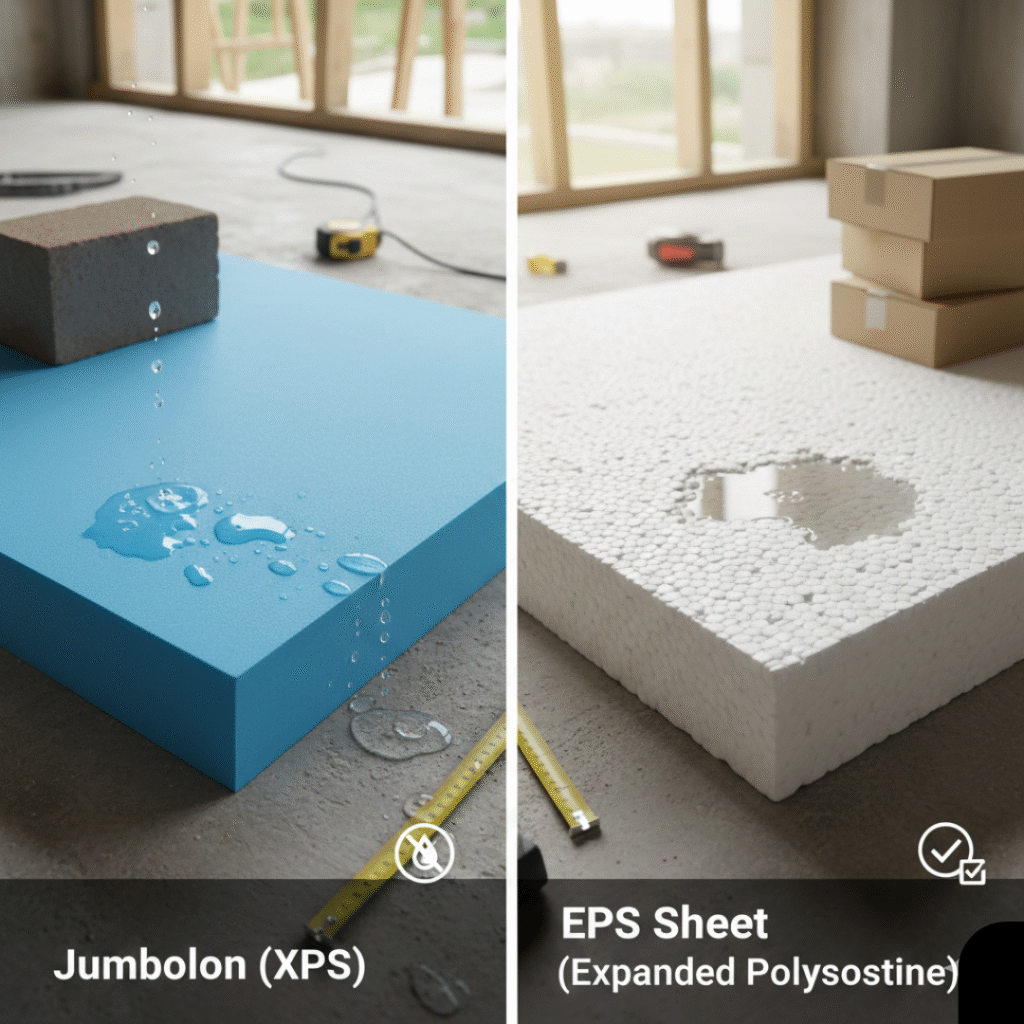
Jumbolon is a popular brand name for Extruded Polystyrene (XPS) foam insulation. It is manufactured through a continuous extrusion process that results in a unique structure.
Structure: Closed-cell, homogenous, and uniform. This tight, non-interconnected cell structure is key to its superior properties.
Key Advantage: The closed-cell structure makes it an extremely effective moisture-resistant foam and accounts for its high compressive strength.
2. EPS Sheet (Expanded Polystyrene)
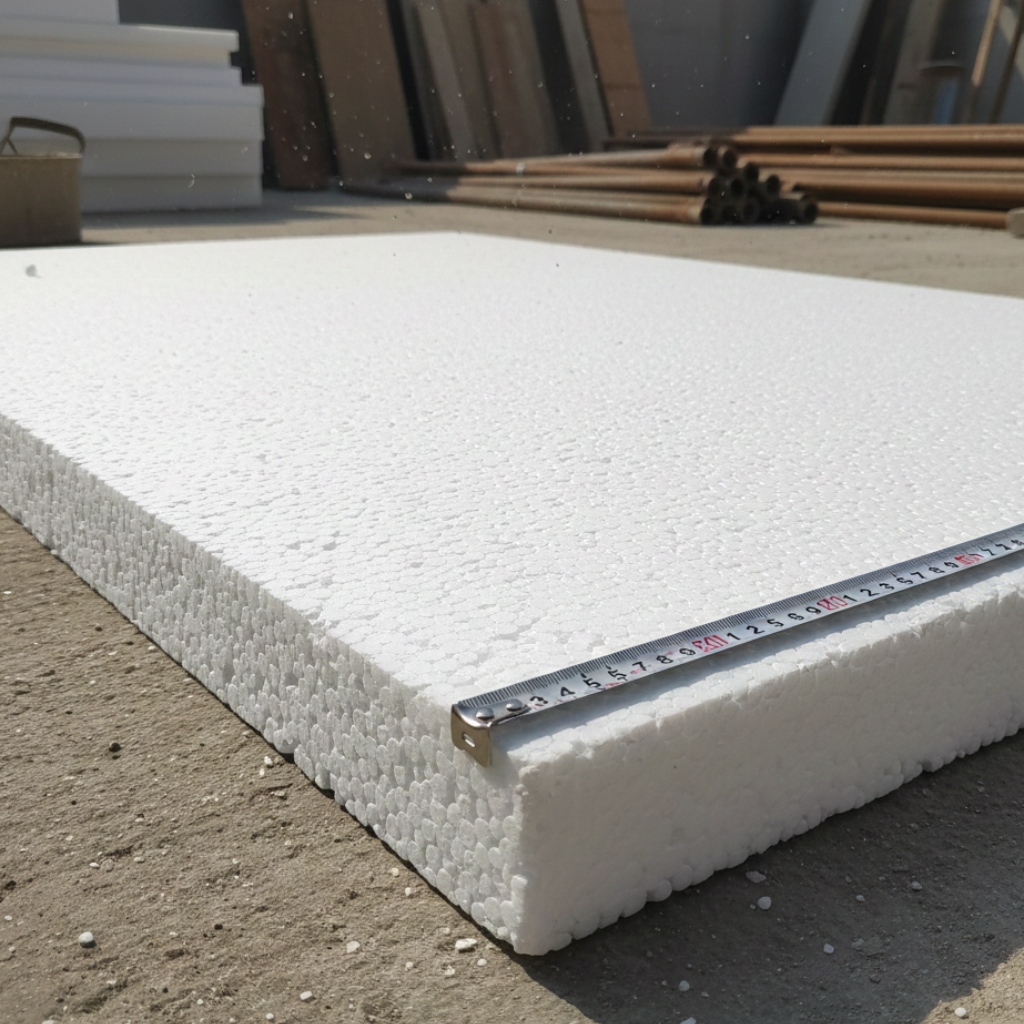
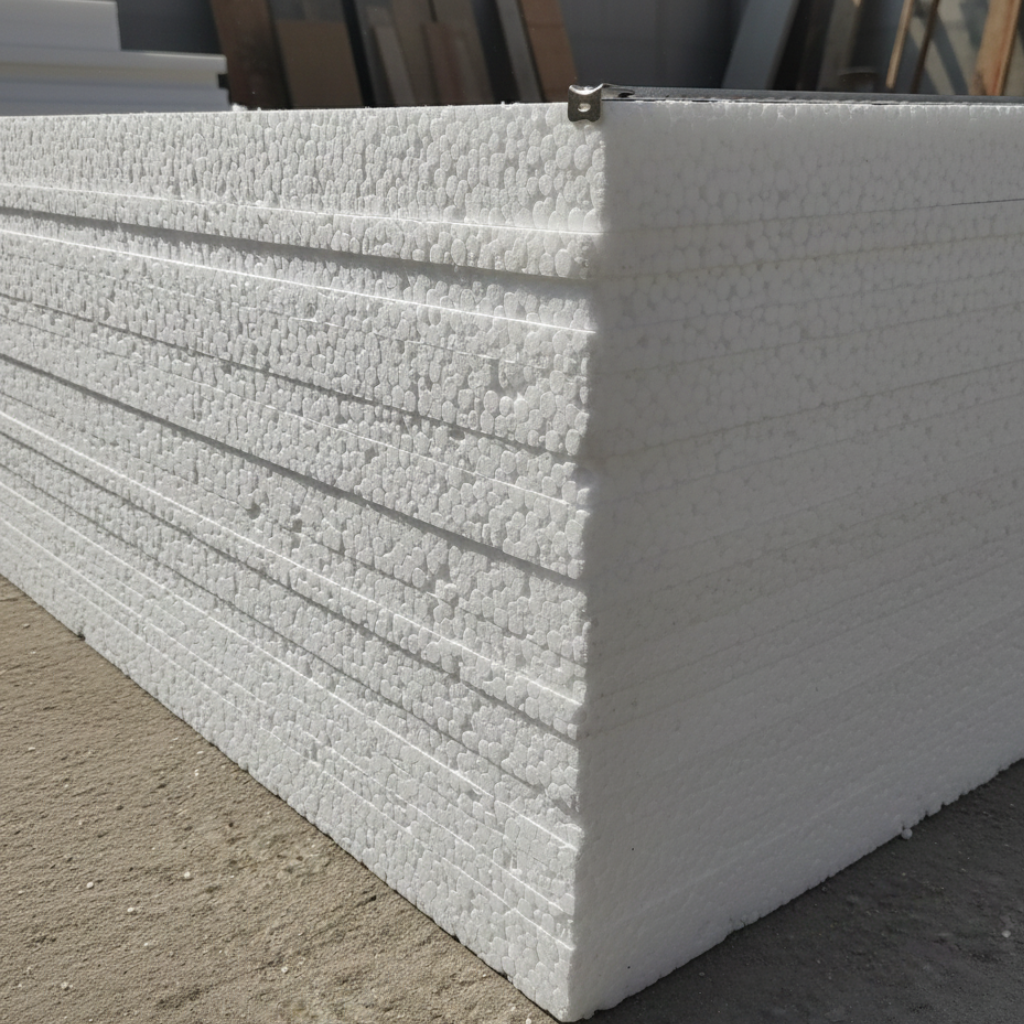
Expanded Polystyrene (EPS) sheets, sometimes colloquially referred to as Thermopore or Thermocol, are made by expanding polystyrene beads with steam, fusing them into a solid block, and then cutting the block into sheets.
Key Advantage: It is highly cost-effective and lightweight.
Structure: Closed-cell, but the cells are not completely interconnected; there are tiny voids between the fused beads.
Performance Comparison: Jumbolon vs. EPS Sheet
The performance of an insulating material is measured by several key criteria, including thermal efficiency, resistance to moisture, and long-term durability.
1. Thermal Insulation (R-Value)
The R-value measures a material’s resistance to heat flow. A higher R-value indicates better thermal resistance and insulating capability.
Feature
Jumbolon (XPS)
EPS Sheet (Expanded Polystyrene)
Verdict
R-Value per Inch
Generally $\approx 5$
Generally $\approx 3.6 – 4.2$
Jumbolon (XPS) offers a significantly higher R-value per inch, providing superior thermal performance in thinner applications.
Long-Term Performance
Maintains R-value exceptionally well over time.
Can see a slight drop in R-value if exposed to moisture over the long term.
Jumbolon (XPS) maintains efficiency better.
2. Moisture Resistance and Water Absorption
Water absorption is critical, as a wet insulator loses its R-value rapidly.
Jumbolon (XPS): Due to its fine, uniform closed-cell structure, it is highly hydrophobic. It has very low water absorption (often $< 0.3\%$ by volume, even when submerged) and is an excellent water-resistant insulation choice, making it ideal for below-grade applications and areas prone to dampness.
EPS Sheet: While largely closed-cell, the spaces between the fused beads can allow water vapor to permeate and, in prolonged exposure to moisture, it can absorb more water (up to $2-3\%$ by volume).
Verdict:Jumbolon (XPS) is the clear winner for moisture resistance, ensuring stable performance in humid or wet environments.
3. Compressive Strength
Compressive strength is the material’s ability to withstand loads without deforming or failing.
Jumbolon (XPS): Features a high compressive strength (often $250 – 350$ KPa or more). Its dense, uniform structure makes it ideal for bearing heavy loads.
EPS Sheet: Compressive strength is good but varies significantly with the density grade. It typically performs well but is generally less robust than XPS at comparable densities.
Verdict:Jumbolon (XPS) is better suited for applications under high load or pressure, such as floor insulation and roof insulation.
Common Applicationsof Jumbolon Vs EPS Sheet
The best choice often depends on the specific job.
Application
Jumbolon (XPS) Recommendation
EPS Sheet Recommendation
Below-Grade Insulation (Foundations, Slabs)
Strongly Recommended (Due to high moisture resistance and compressive strength).
Not ideal for long-term below-grade use where persistent moisture is a factor.
Wall Insulation (Cavity or Exterior)
Excellent choice (High R-value, durability).
Good choice (Cost-effective and lightweight for above-grade walls).
Roof Insulation (Flat or Pitched)
Recommended (Withstands environmental stress and traffic loads better).
Suitable for light-load roof systems where cost is the primary factor.
General Packaging/Void Fill
Overkill, generally too expensive.
Highly Recommended (Most cost-effective foam for non-structural, protective use).
Cost-Effectiveness and Durability
While Jumbolon provides better performance, the final decision often comes down to budget and long-term value.
Initial Cost: The Expanded Polystyrene (EPS sheet) typically has a lower insulation material cost per square foot than Jumbolon (XPS). It is the more budget-friendly option upfront.
Long-Term Value: Jumbolon’s long-lasting insulation properties—its superior moisture resistance and higher R-value retention—mean it can offer better lifetime value and greater energy efficiency over the decades, leading to lower utility bills. Its durability also reduces the risk of material replacement.
Conclusion: Which Is Better Jumbolon Vs EPS Sheet?
There is no single “better” material; there is only the right material for the job.
Choose Jumbolon (XPS) when:
You need the highest possible thermal resistance in a limited thickness.
The application involves persistent moisture, such as a basement, foundation, or water tank insulation.
The material will be subject to heavy loads, such as in floor insulation or a trafficable roof.
Choose EPS Sheet when:
The budget is the primary constraint.
The application is for above-grade walls where it will be protected from direct water exposure.
The material is for lightweight use like packaging or a quick, non-structural heat proofing solution.
In the final analysis, for applications requiring long-lasting insulation and maximum thermal performance under challenging conditions, the superior compressive strength and moisture-resistant foam properties of Jumbolon (XPS) make it the clear technical winner, justifying its higher insulation material cost.
FAQ’S
The main difference lies in how they are manufactured. Jumbolon (XPS) is made through an extrusion process, resulting in a closed-cell, highly uniform structure with no internal voids. This structure gives it superior moisture resistance and high compressive strength. EPS sheets are made by expanding and fusing beads, resulting in a closed-cell structure but with tiny air voids between the fused beads, which allows for slightly higher water vapor permeability and absorption over time.
Yes, Jumbolon (XPS) is highly recommended for basement, foundation, and other below-grade insulation applications. This is because these areas are prone to constant moisture exposure. Jumbolon’s extremely low water absorption and high moisture-resistant foam properties ensure its R-value remains stable and its performance is not compromised by groundwater or damp soil, unlike EPS, which can absorb more water over the long term.
Jumbolon (XPS) generally offers better long-term performance and R-value retention. While both materials have high initial R-values, Jumbolon’s robust, closed-cell structure is inherently resistant to moisture ingress. Since water infiltration is the primary cause of R-value degradation in foam insulation, the superior water resistance of Jumbolon ensures it maintains its specified thermal resistance over the lifespan of the building more reliably than standard EPS sheets.
An EPS sheet is the most cost-effective foam option when the application is above-grade and not exposed to constant moisture or high structural loads. It is a great budget-friendly choice for non-structural applications like general wall insulation, temporary heat proofing, or protective packaging where its slightly lower R-value per inch and higher permeability are acceptable trade-offs for a lower insulation material cost.
Thermopore Sheet has become one of the most important insulation materials for residential, commercial, and industrial applications in Pakistan. Known for its lightweight structure, excellent heat resistance, and long-term durability, Thermopore offers an affordable way to control indoor temperature and reduce energy consumption. With rising electricity costs and extreme seasonal weather, Thermopore insulation sheets are now widely used in construction, packaging, cold storage, and roofing projects.
In this comprehensive guide, we explore everything about Thermopore sheets — from manufacturing and density options to applications, benefits, pricing trends, and choosing the right insulation material for your project.
Introduction to Thermopore Sheet
A Thermopore sheet is a high-quality expanded polystyrene (EPS) insulation material designed for temperature control and structural protection. In Pakistan, Thermopore is widely preferred due to its durability, moisture resistance, and cost-effective performance. Whether it’s roof insulation, wall insulation, or industrial packaging, Thermopore sheets deliver long-term thermal efficiency without increasing construction costs.
Thermocol Sheet Pakistan is widely known for producing reliable and affordable insulation materials used in residential, commercial, and industrial construction. Among the most popular options is the EPS insulation sheet, which offers excellent thermal resistance and long-term durability. Builders across the country often choose this material because it performs exceptionally well in both hot and cold climates. Another commonly used product is the polystyrene sheet Pakistan, valued for its lightweight structure and versatility in various building applications. Whether used for walls, roofs, or industrial projects, a high-quality thermal insulation board helps improve energy efficiency, reduce electricity consumption, and maintain comfortable indoor temperatures throughout the year.
Thermopore Sheet Manufacturing Process
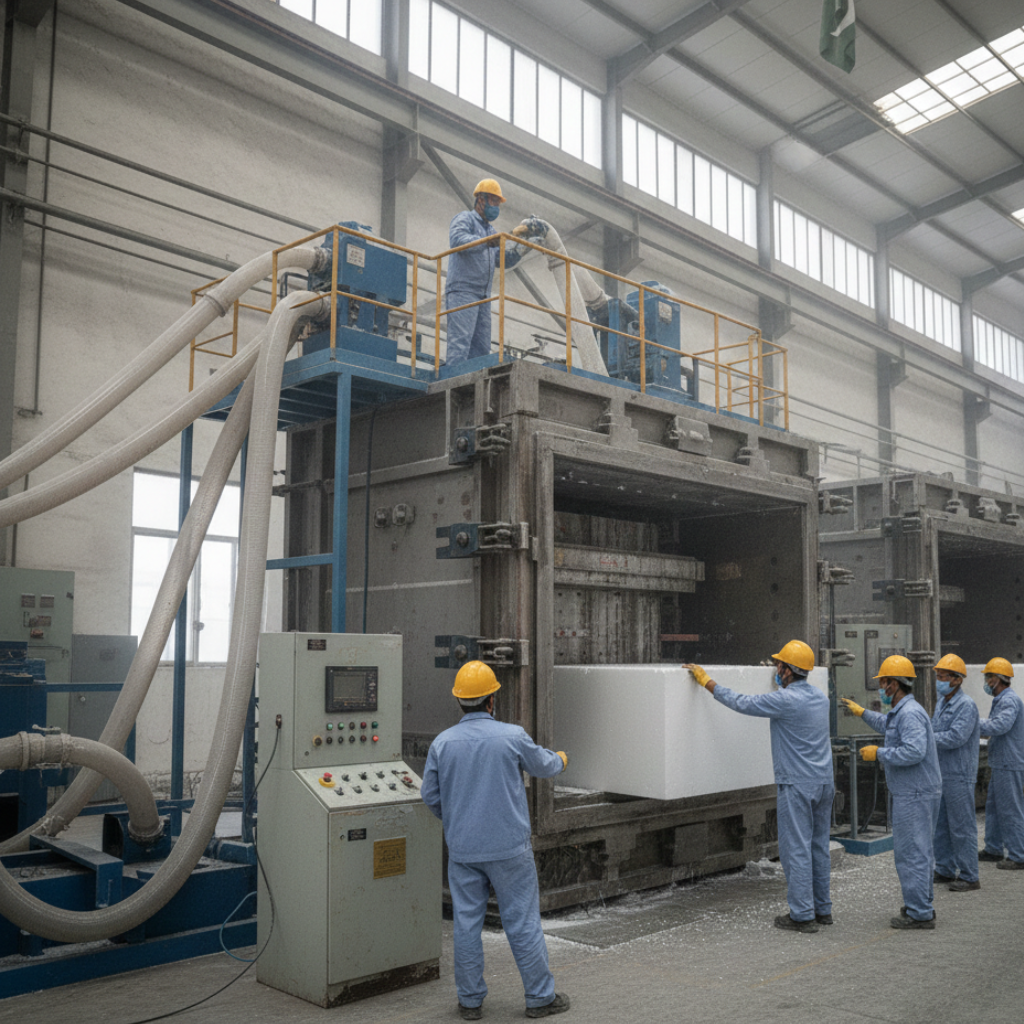
Thermopore sheets are manufactured through an EPS bead expansion process. The beads are steamed, molded, and fused together to form solid insulation boards. Each sheet is crafted with precise density, thickness, and size specifications to meet industry standards. High-density Thermopore sheets are produced for heavy-duty applications such as cold storage, roofing, and acoustic insulation.
Manufacturers in Pakistan follow rigorous quality controls to maintain consistency, structural strength, and thermal resistance. Modern construction relies heavily on advanced EPS technology, which allows manufacturers to create lightweight, durable, and energy-efficient insulation solutions. Through precise expanded polystyrene production, small polystyrene beads are expanded, molded, and fused into strong insulation panels suitable for a wide range of applications. One of the most popular products is the insulation foam sheet, known for its thermal resistance and moisture protection, making it ideal for both residential and commercial use. For projects that require greater strength and stability, builders often choose high-density insulation material, which provides enhanced compressive strength and long-term performance in roofing, flooring, cold storage, and industrial environments.
Types of Thermopore Sheets
Thermopore sheets come in various types depending on their density, thickness, and intended purpose:
a. Standard Thermopore Sheet
Ideal for general-purpose insulation such as walls and lightweight packaging.
b. High-Density Thermopore Sheet
Suitable for roofing, flooring, industrial insulation, and applications requiring greater compressive strength.
c. Thermopore Insulation Boards
Used in commercial buildings, HVAC insulation, cold rooms, and heat-resistant structures.
d. Roof & Wall Insulation Sheets
Specifically designed to reduce heat transfer and improve energy efficiency in homes and offices.
Builders today rely on a variety of EPS board types to achieve efficient temperature control and long-lasting performance in modern construction projects. These boards are widely recognized for their ability to act as thermal resistance sheets, helping reduce heat transfer and maintain comfortable indoor environments throughout the year. For residential and commercial structures, roof insulation boards are especially popular, as they provide strong thermal protection against intense sunlight and fluctuating outdoor temperatures. Similarly, insulation wall panels play a key role in improving energy efficiency, enhancing soundproofing, and creating more stable indoor climates, making them essential components in contemporary building design.
Key Benefits of Thermopore Sheets
Thermopore insulation offers numerous advantages, making it a popular choice across Pakistan:
✔ Lightweight & Easy to Handle
The sheets are extremely light, making transportation and installation simple.
✔ Superior Thermal Insulation
They effectively block heat transfer, keeping indoor spaces cooler in summers and warmer in winters.
✔ Moisture & Weather Resistant
Thermopore does not absorb water, making it perfect for roofs and humid environments.
✔ Cost-Effective Insulation Material
Compared to other insulation materials, Thermopore offers better performance at a lower price.
✔ Energy Efficient & Eco-Friendly
Reduces load on air conditioning systems, lowering electricity bills.
Modern construction increasingly prioritizes energy-efficient insulation materials that help reduce electricity consumption and maintain comfortable indoor temperatures. Among these solutions, the thermal protection sheet stands out for its ability to block heat transfer and enhance overall building performance. In regions with high temperatures, homeowners and builders often rely on heat-proofing insulation to reduce AC load and improve long-term energy savings. For environmentally conscious projects, choosing an eco-friendly EPS sheet is an excellent option, as it offers strong insulation, lightweight durability, and sustainable performance without harming the environment.
Applications of Thermopore Sheets in Pakistan
Thermopore sheets have versatile uses across various industries:
a. Residential & Commercial Insulation
Homes, offices, and buildings use Thermopore for walls, ceilings, and floors.
b. Roof Insulation
Prevents heat from entering through concrete roofs — essential in Pakistan’s hot climate.
c. Wall Insulation Panels
Enhances soundproofing and temperature stability.
d. Cold Storage & Packaging
High-density EPS sheets are used to store frozen goods, fruits, and pharmaceuticals.
e. Industrial Construction
Ideal for sheds, factories, and pre-fabricated structures.
f. HVAC & Duct Insulation
Provides long-term resistance against condensation and temperature loss.
In Pakistan’s construction and industrial sectors, roof insulation sheets play a crucial role in reducing heat transfer and maintaining cooler indoor temperatures during extreme summers. For interior thermal stability, builders often install wall insulation panels, which help improve energy efficiency and overall comfort in residential and commercial buildings. Industries that require controlled temperature environments rely heavily on cold room insulation, ensuring consistent cooling for food storage, pharmaceuticals, and perishable products. For factories, warehouses, and metal structures, shed insulation sheets provide effective protection against heat, moisture, and environmental fluctuations. Meanwhile, manufacturers and exporters frequently use packaging EPS sheets because of their lightweight durability, shock absorption, and ability to protect fragile items during transportation.
Thermopore Sheet Price in Pakistan (2025 Updated Guide)
Thermopore sheet price in Pakistan varies based on density, thickness, and brand. The most influential factors include:
Sheet density (low, medium, high density EPS)
Sheet thickness (1-inch to 5-inch)
Sheet size (2×4, 4×8 feet)
Insulation quality
Wholesale vs retail purchases
Average Price Range (2025):
Low-density EPS sheet: PKR 180 – PKR 250
Medium-density Thermopore: PKR 260 – PKR 480
High-density insulation sheet: PKR 500 – PKR 900+
Bulk purchases offer discounted factory rates for contractors and industrial buyers.
The Thermopore sheet price in Pakistan varies depending on density, thickness, and sheet size, making it important for buyers to compare rates before purchasing. Many construction projects consider the insulation sheet price when planning budgets, as high-quality EPS sheets provide long-term energy savings and durability. For those sourcing materials in large quantities, the EPS sheet price Pakistan can be more economical when purchased in bulk. Leading suppliers offer wholesale Thermopore sheets at factory rates, making it easier for contractors and businesses to complete large-scale insulation projects. Additionally, bulk EPS sheets are available for industrial applications, cold storage, and commercial building insulation, ensuring cost-effective solutions without compromising on quality.
How to Choose the Right Thermopore Sheet
Selecting the right Thermopore sheet requires considering:
✔ Density
Higher density = stronger sheet + better insulation. Recommended for roofs and cold rooms.
✔ Thickness
1”–2” for walls
2”–3” for roofs
3”–4” for cold storage
✔ Application Requirement
Lightweight sheets for packaging, high-density sheets for structural insulation.
Choosing the right insulation requires understanding an insulation density guide, which helps determine the appropriate material for different applications such as roofs, walls, and floors. Builders and homeowners can select from a variety of EPS thickness options depending on the level of thermal resistance needed, whether for standard residential use or heavy-duty industrial projects. Following practical construction insulation tips ensures proper installation, maximizes energy efficiency, and extends the lifespan of the insulation materials, making it a smart investment for both new builds and renovation projects.
Thermopore Sheet vs Other Insulation Materials
Thermocol vs Jumbolon
Thermopore is EPS-based
Jumbolon is EPE-based
Thermopore offers higher rigidity and stability for construction
Thermopore vs Foam Sheets
Better temperature control
More durable than standard foam insulation
EPS vs XPS Boards
EPS is cost-effective and breathable
XPS offers higher moisture resistance but is more expensive
When choosing insulation materials, it is important to understand the differences between EPS vs XPS insulation. EPS sheets are lightweight, cost-effective, and breathable, making them ideal for most residential and commercial applications, while XPS boards offer higher moisture resistance and compressive strength but at a higher price. For projects that require flexibility and shock absorption, a Jumbolon comparison can help determine whether EPE-based Jumbolon or EPS sheets are more suitable. Additionally, builders often consider foam sheet alternatives as lightweight insulation options, especially for packaging, temporary structures, or areas where easy handling and quick installation are required.
Best Thermopore Sheet Manufacturers & Suppliers in Pakistan
A good manufacturer should provide:
High-density and standard EPS options
Factory rates and wholesale pricing
Custom sizes and thickness
Nationwide delivery
Installation guidance
Many suppliers offer roof insulation solutions, wall insulation panels, and bulk EPS sheet orders for contractors and builders.
When sourcing high-quality Thermopore sheets, it is essential to work with a reliable Thermopore supplier Pakistan who can provide consistent material quality and timely delivery. Reputable EPS manufacturers in Pakistan ensure that every sheet meets industry standards for density, thermal resistance, and durability. For large-scale construction or industrial projects, an experienced insulation sheet distributor can supply various sizes and thicknesses to meet specific requirements. Additionally, bulk insulation suppliers offer competitive pricing for large orders, making it easier for contractors, builders, and commercial buyers to complete their projects efficiently without compromising on quality.
Conclusion
Thermopore sheets remain one of the most reliable and affordable insulation solutions in Pakistan. Their versatility, energy efficiency, and long-term durability make them ideal for roofing, walls, cold storage, packaging, and large-scale construction. Whether you’re a contractor, homeowner, or industrial buyer, Thermopore insulation offers unmatched performance at an excellent price point.
FAQ’S
Density ranges from 12 kg/m³ to 30 kg/m³ depending on application.
Yes, it significantly reduces heat absorption and maintains indoor temperature.
Prices typically vary from PKR 180 to PKR 900+ depending on thickness and density.
With proper installation, Thermopore sheets can last over 20 years.
In Pakistan’s rapidly expanding construction and industrial sectors, Jumbolon insulation pipes have become one of the most reliable, cost-effective, and energy-efficient materials for pipe protection. Whether it’s hot and cold water pipe insulation, HVAC ducting, industrial pipelines, chiller lines, or residential plumbing insulation, Jumbolon EPE foam pipe sections offer the ideal combination of durability, thermal resistance, and affordability.
If you are searching for pipe insulation in Pakistan, understanding why Jumbolon insulation pipes are popular—and where they perform best—can help you make the right choice.
What Are Jumbolon Insulation Pipes?
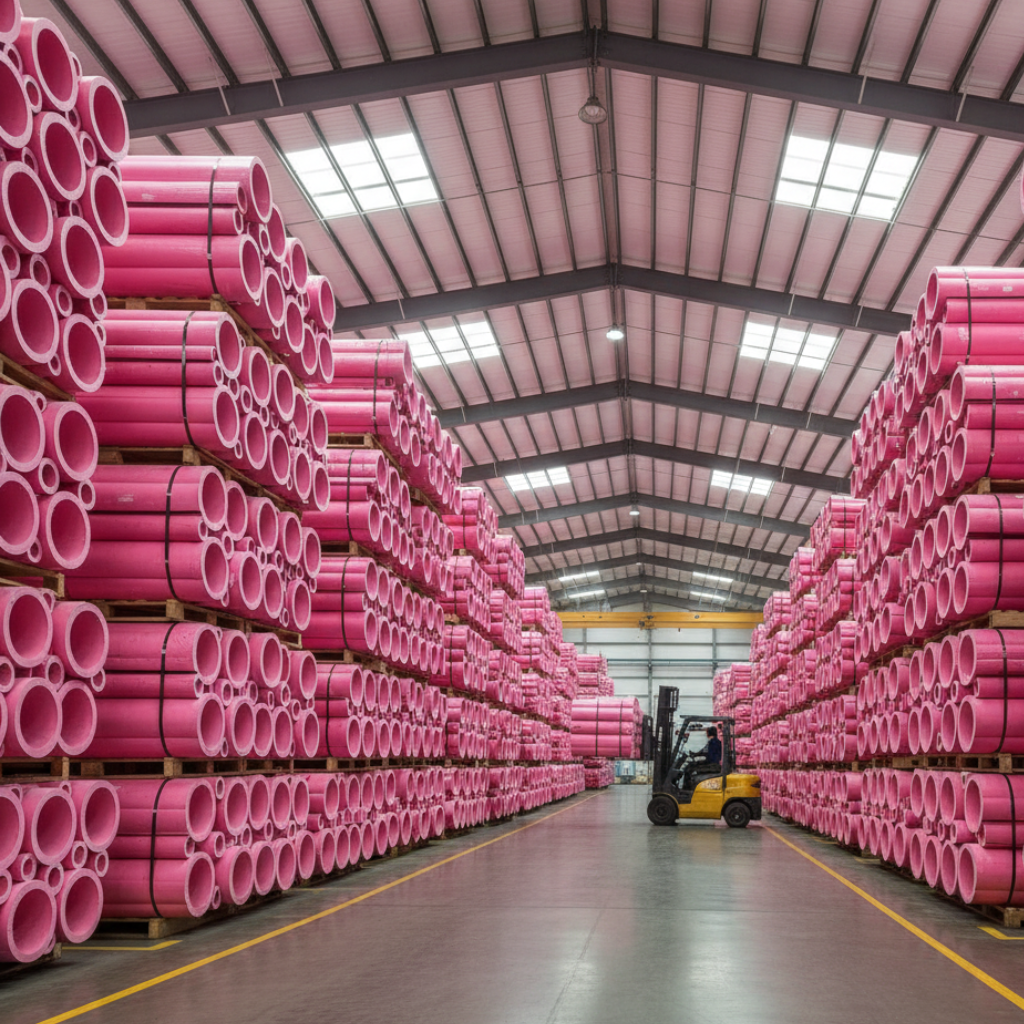
Jumbolon insulation pipes are cylindrical pipe-section covers made from EPE (Expanded Polyethylene) foam, known for its closed-cell structure, lightweight body, and excellent insulation properties. These pipes are also referred to as:
EPE foam pipe
EPE pipe section
Thermal insulation pipe covers
EPE insulation Pakistan
Jumbolon pipe section for plumbing
Their design ensures superior insulation for metal, PVC, GI, HDPE, PPRC, and copper pipelines used in homes, factories, and commercial buildings.
Key Features and Benefits of Jumbolon Insulation Pipes
1. Excellent Thermal Insulation
Jumbolon insulation pipes significantly reduce heat transfer—making them ideal for:
Hot water insulation pipes
Cold water pipe insulation
Chiller line insulation
HVAC insulation pipes
The closed-cell EPE foam helps maintain temperature stability and reduces energy loss.
2. Moisture & Condensation Control
Moisture buildup on pipes is a common problem in humid Pakistani cities like Karachi and Lahore. Jumbolon pipe sections prevent:
Condensation
Dripping
Rust
Corrosion
This extends the lifespan of plumbing and HVAC systems.
3. Lightweight and Easy to Install
Because EPE foam is soft and flexible, Jumbolon pipes can be installed quickly on:
Residential plumbing lines
Industrial pipelines
High-rise building HVAC systems
Commercial cold storage units
Contractors prefer it due to its clean handling and installation convenience.
4. Affordable & Durable
Compared to other insulation materials, Jumbolon pipe price in Pakistan is economical. It provides long-term performance with:
High elasticity
Shock resistance
Protection from heat and chemicals
This makes it an excellent value for money for both small and large-scale projects.
Common Applications of Jumbolon EPE Foam Pipes in Pakistan
1. Residential Use
Hot/cold water pipelines
Overhead water tank pipes
Washing area plumbing insulation
Air conditioner pipes
Solar geyser line insulation
2. Commercial & Industrial
HVAC duct and pipeline insulation
Factory process lines
Cold storage insulation
Refrigeration pipelines
Industrial chiller systems
3. Construction & Infrastructure
Building plumbing insulation
Thermal and acoustic insulation
Energy-efficient pipe insulation
Roof and shed pipeline protection
4. Retail, Wholesale & OEM Sector
Jumbolon foam pipe sections are widely available through:
Why Jumbolon Insulation Pipes Are Popular in Pakistan
Pakistan’s climate conditions demand strong insulation solutions due to:
Intense summer heat
High humidity levels
Rapid urban construction
Increasing electricity costs
Jumbolon EPE pipe insulation helps reduce power consumption by keeping hot water hotter and cool water cooler without using extra energy. Builders and industries choose these pipes because they offer:
Energy-efficient insulation materials
High-density foam quality
Long-lasting protection
Jumbolon Pipe Density & Thickness Options
Jumbolon pipe insulation comes in various:
Densities (low density, medium density, high-density EPE pipe)
Wall thicknesses
Internal diameters
Higher density options offer better:
Heat resistance
Compression strength
Durability
Sound insulation
These are commonly used in industrial insulation pipes and high-performance HVAC systems.
Jumbolon Pipe Price in Pakistan – 2025 Update
The EPE foam pipe price in Pakistan varies depending on:
Diameter
Wall thickness
Density
Quantity (retail or wholesale)
Location
Estimated prices:
Small diameter lines: PKR 80 – PKR 150 per meter
Medium diameter lines: PKR 150 – PKR 280 per meter
High-density thick-wall insulation: PKR 300 – PKR 550+ per meter
For bulk buyers, factory-rate Jumbolon insulation pipes are cheaper, especially for Lahore, Karachi, Islamabad, Faisalabad, and Peshawar markets.
Why Jumbolon EPE Pipe Insulation Is Better Than Alternatives
Material Type
Moisture Resistance
Flexibility
Heat Protection
Cost Level
Jumbolon EPE Foam
Excellent
High
Good
Affordable
Rubber Foam
Very Good
High
Very Good
Expensive
Glass Wool
Low
Low
Good
Cheap
PUF Pipe
Excellent
Medium
Excellent
High
Jumbolon remains the best option for general-purpose insulation at an economical rate.
Final Thoughts
Jumbolon insulation pipes in Pakistan are a practical, budget-friendly, and high-performance solution for a wide range of plumbing, HVAC, industrial, and refrigeration applications. Their thermal efficiency, moisture resistance, durability, and easy installation make them an ideal choice for both residential and industrial use.
Jumbolon insulation pipes are one of the most reliable and energy-efficient insulation solutions in Pakistan. Made from high-density EPE foam, these pipe sections protect hot and cold water pipelines, prevent condensation, reduce heat loss, and increase the lifespan of HVAC and industrial systems. Whether you’re insulating residential plumbing, commercial chiller lines, or large-scale industrial pipelines, Jumbolon EPE pipe insulation offers durability, affordability, and top-tier thermal performance — making it the ideal choice for 2025 and beyond.
If you’re looking for energy-efficient pipe insulation materials, EPE pipe sections, or high-density Jumbolon pipes at affordable rates, Jumbolon remains one of the most reliable insulation options in Pakistan.
FAQ’S
Jumbolon insulation pipes are mainly used for hot and cold water pipe insulation, HVAC duct insulation, industrial chiller line insulation, and plumbing insulation in residential and commercial buildings. They help reduce heat loss, prevent condensation, and improve energy efficiency.
The Jumbolon pipe price in Pakistan varies by diameter, thickness, and density. Small diameter pipes range from PKR 80–150 per meter, medium pipes from PKR 150–280 per meter, and high-density thick-wall pipes from PKR 300–550+ per meter. Bulk and wholesale orders are available at factory rates in Lahore, Karachi, Islamabad, and other cities.
Yes. High-density EPE pipe sections are ideal for industrial insulation pipes, including refrigeration lines, HVAC systems, and cold storage insulation. They provide excellent thermal insulation, moisture resistance, and durability for both industrial and commercial pipelines.
Absolutely. Jumbolon EPE foam insulation prevents moisture buildup on hot and cold water pipes, reducing condensation, corrosion, and rust. It is highly recommended for humid climates in Pakistan, such as Karachi, Lahore, and Islamabad, as well as for monsoon-prone areas.
Wall insulation is one of the most important elements of modern construction, especially in a climate like Pakistan where summers are intensely hot, and winters can be surprisingly cold. To achieve stable indoor temperatures and reduce electricity consumption, more homeowners, builders, and industries are now turning to Thermocol sheet for wall insulation.
At Thermocol Sheet, we specialize in manufacturing high-performance EPS insulation sheets that offer durable, lightweight, and highly effective thermal and soundproofing properties. As a trusted Thermocol sheet manufacturer and supplier in Pakistan, our products are widely used across residential, commercial, and industrial projects nationwide.
The Importance of Using Thermocol Sheets for Wall Insulation
Walls play a major role in the heat flow inside a building. Poorly insulated walls force air conditioners and heaters to work harder, increasing electricity bills and reducing comfort.
Using Thermocol insulation sheets enhances thermal resistance by blocking external heat and retaining cool indoor air. This results in:
Lower electricity bills
Reduced heat transfer
Improved indoor comfort
Better building energy efficiency
Extended life of HVAC systems
Our EPS sheet Pakistan product range is designed to meet these targeted performance needs while remaining affordable, lightweight, and easy to install.
High-Density Thermocol Sheet – The Best Choice for Wall Insulation
When it comes to wall insulation, density matters. A high-density Thermocol sheet provides stronger thermal resistance, better sound absorption, and improved moisture control.
Our high-density EPS wall sheets come with:
Enhanced compressive strength
Long-term durability
Fire-retardant properties (optional)
Excellent thermal insulation ability
These qualities make them ideal for interior walls, exterior cladding, partition walls, false walls, and industrial wall insulation applications.
Applications of Thermocol Wall Insulation Panels
Our wall insulation panels are versatile and suitable for a wide range of applications:
1. Residential Insulation
Homes and apartments benefit from improved comfort, lower AC load, and noise reduction.
2. Commercial Buildings
Used in offices, banks, malls, restaurants, and retail outlets to maintain a comfortable environment for employees and customers.
3. Industrial & Warehouse Insulation
Factories, godowns, and storage units rely on shed insulation sheets and wall panels for efficient temperature control and reduced energy costs.
4. Acoustic Insulation
Our Thermocol sheets serve as effective soundproofing insulation, especially for:
Studios
Meeting rooms
Classrooms
Cinemas
Offices
Bedrooms
5. Cold Storage Wall Insulation
EPS sheets offer excellent temperature retention, making them ideal for cold rooms and temperature-sensitive environments.
Thermocol Sheet for Soundproofing – Reduce Noise Effectively
Thermocol may appear simple, but its closed-cell structure makes it a great material for soundproofing insulation. When installed inside walls, it absorbs vibrations, reduces echo, and minimizes sound leakage between rooms.
This cost-effective solution is widely used in:
Recording rooms
Home offices
Hospitals
Schools
Residential buildings
Energy-Efficient Insulation for Pakistan’s Climate
With rising electricity costs across Pakistan, using energy-efficient insulation is no longer a luxury—it’s a necessity. Our wall insulation sheets help reduce AC and heater usage significantly.
Builders across Lahore, Karachi, Islamabad, and Faisalabad choose our EPS sheets for long-term savings and improved building energy performance.
The Thermocol sheet price in Pakistan depends on several factors, including:
Thickness (1″ to 4″)
Density (12kg to 40kg)
Sheet size
Custom requirements
As a manufacturer, we offer the most affordable Thermocol sheet price in Pakistan by eliminating middlemen. Whether you need a single bundle or bulk EPS sheets, we provide competitive pricing and nationwide delivery.
Builders and contractors also benefit from:
Bulk order discounts
Wholesale Thermocol sheets
Custom production
Fast supply and consistent stock availability
At Thermocol Sheet, we manufacture a complete range of insulation products tailored for modern construction needs. Our product line includes Thermocol insulation, EPS sheet Pakistan, high-density Thermocol sheet, roof insulation sheets, wall insulation panels, shed insulation sheets, soundproofing insulation, energy-efficient insulation, wholesale Thermocol sheets, bulk EPS sheets, and solutions offered at the most affordable Thermocol sheet price in Pakistan. As a top Thermocol sheet manufacturer and supplier, we ensure premium-quality insulation materials for residential, commercial, and industrial applications across the country.
Why Choose Thermocol Sheet? – Trusted Since 2000
For the past 25 years, our company has been a leading name in insulation manufacturing.
What Makes Us the Best?
✔ In-house manufacturing facility at Sundar Industrial Estate ✔ High-grade EPS raw material ✔ Custom density & thickness options ✔ Bulk production capacity ✔ Factory rate pricing ✔ Quality-tested insulation sheets ✔ Nationwide fast delivery ✔ Trusted by builders, architects & contractors
Whether you need roof insulation sheets for heat protection, shed insulation sheets for industrial units, or wall insulation panels for buildings, we provide complete insulation solutions under one roof.
Installation Benefits – Easy, Fast & Cost-Efficient
Installing Thermocol sheets for wall insulation is simple:
Lightweight sheets
Easy to cut, shape, and fit
No heavy tools required
Compatible with brick, concrete, wood, and gypsum walls
Suitable for new construction and renovations
This reduces overall labor cost and speeds up project delivery.
Conclusion
If you are searching for reliable, durable, and efficient Thermocol sheet for wall insulation in Pakistan, Thermocol Sheet is your go-to manufacturer. Our high-density EPS wall panels offer unmatched thermal insulation, noise reduction, and long-lasting performance—perfect for Pakistani climate conditions.
We deliver the highest-quality insulation products at factory prices, ensuring you get maximum value and energy savings.
FAQ’S
Thermocol sheets are used to reduce heat transfer, improve indoor comfort, and enhance soundproofing in residential, commercial, and industrial walls. They are lightweight, durable, and affordable.
Yes. Thermocol acts as an effective soundproofing insulation material by absorbing noise, reducing echo, and blocking sound transmission between rooms.
The Thermocol sheet price in Pakistan depends on density, thickness, and size. As a manufacturer, we offer affordable factory rates and wholesale pricing for bulk orders.
We provide low-density, medium-density, and high-density Thermocol sheets suitable for wall insulation, roofs, sheds, and industrial applications.
Yes. We supply EPS sheet Pakistan nationwide, including Lahore, Karachi, Islamabad, Faisalabad, Multan, and all major cities.
Absolutely. Thermocol sheets are excellent for energy-efficient insulation, reducing electricity bills by maintaining indoor temperature and lowering AC/heater usage.
Yes. Thermocol sheets are widely used behind gypsum and false walls for thermal and sound insulation in homes and offices.
Welcome to Thermocol Sheet, your trusted destination for premium Thermocol sheets in Lahore, Pakistan. We specialize in providing advanced Thermocol insulation solutions for roofs, walls, floors, and sheds. Our products are designed to enhance indoor comfort, improve energy efficiency, and provide long-lasting insulation performance.
Whether you are a homeowner, builder, or industrial client, our EPS sheets (Expanded Polystyrene sheets) are the perfect choice for modern construction and insulation needs.
Understanding Thermocol Sheets
Thermocol sheets, also referred to as EPS sheets or polystyrene insulation panels, are lightweight, rigid insulation materials widely used in construction and industrial applications. Made from closed-cell polystyrene foam, these sheets trap air within their structure, effectively minimizing heat transfer.
This unique property makes Thermocol sheets highly effective for:
Roof insulation
Wall insulation
Floor insulation
Industrial and poultry shed insulation
By reducing energy loss, Thermocol sheets contribute significantly to energy-efficient buildings in Pakistan. They are also eco-friendly, non-toxic, and safe for indoor applications.
Key Features of Thermocol Sheets
1. Superior Thermal Insulation
Thermocol sheets are known for exceptional thermal resistance. They are ideal for controlling indoor temperatures, maintaining cool interiors during hot summers, and retaining warmth in colder seasons.
Roof Insulation: Keeps homes and commercial buildings cool in summer and warm in winter.
Wall and Floor Insulation: Reduces energy consumption and enhances indoor comfort.
Poultry Shed Insulation: Provides precise temperature control for livestock management.
2. Excellent Soundproofing
Apart from thermal insulation, Thermocol sheets also act as sound absorbers. They are widely used in:
Recording studios
Home theaters
Industrial noise reduction panels
This makes them a dual-purpose material for thermal and acoustic insulation.
3. Lightweight and Durable
Thermocol sheets are lightweight yet highly durable, resistant to:
Moisture and water vapor
Chemicals
Physical impact and pressure
This makes them easy to cut, shape, and install in a wide range of applications.
4. High Density Options
We provide high-density Thermocol sheets, ideal for applications requiring enhanced compressive strength. High-density EPS sheets offer:
Stronger insulation performance
Better load-bearing capacity
Long-lasting durability
Thermocol Sheet Prices in Pakistan
At Thermocol Sheet, we offer affordable Thermocol sheets in Lahore and across Pakistan. Our pricing is competitive and transparent, providing value without compromising on quality.
Factors affecting Thermocol sheet prices include:
Sheet thickness (1 inch, 2 inch, 3 inch, etc.)
Density of the EPS foam
Size of the sheets
Quantity purchased (wholesale vs. retail)
By purchasing Thermocol sheets in bulk, you can enjoy factory rates, cost savings, and prompt delivery.
Estimated Thermocol Sheet Prices in Pakistan (2025)
Sheet Thickness
Density
Price Range (PKR)
1 inch
Low
80 – 120
2 inch
Medium
150 – 220
3 inch
High
250 – 350
Note: Prices may vary based on city, supplier, and demand.
Applications of Thermocol Sheets
Thermocol sheets are versatile and can be used in a wide range of applications:
1. Residential and Commercial Buildings
Roofs, walls, and floors
Enhances energy efficiency and reduces electricity bills
Provides sound insulation for quiet indoor spaces
2. Industrial and Poultry Sheds
Temperature control in poultry houses
Reduces heat stress for livestock
Improves overall management and productivity
3. Server Rooms and Technical Spaces
Maintains stable temperature in server rooms
Protects sensitive equipment from heat damage
Contributes to reduced energy costs
4. Renovation and Heritage Buildings
Insulates old structures without damaging their integrity
Improves indoor comfort while preserving historical architecture
Advantages of Thermocol Sheets
Low thermal conductivity for maximum energy savings
Lightweight yet durable and easy to install
Non-toxic and eco-friendly
Resistant to fungi, bacteria, and water vapor
Available in multiple thicknesses and densities
Can be cut, drilled, and shaped to meet project needs
We also offer Jumbolon sheets as part of our insulation materials in Pakistan, ideal for specialized thermal and acoustic insulation projects.
Wholesale Thermocol Sheets in Pakistan
For builders, contractors, and industries, we provide bulk EPS sheets and wholesale Thermocol sheets at factory rates. Our wide range includes:
High-density Thermocol sheets for maximum insulation
Low-density sheets for lightweight applications
Custom-sized EPS foam panels for any project
We deliver nationwide across Pakistan, including: Lahore, Karachi, Islamabad, Faisalabad, Multan, and beyond.