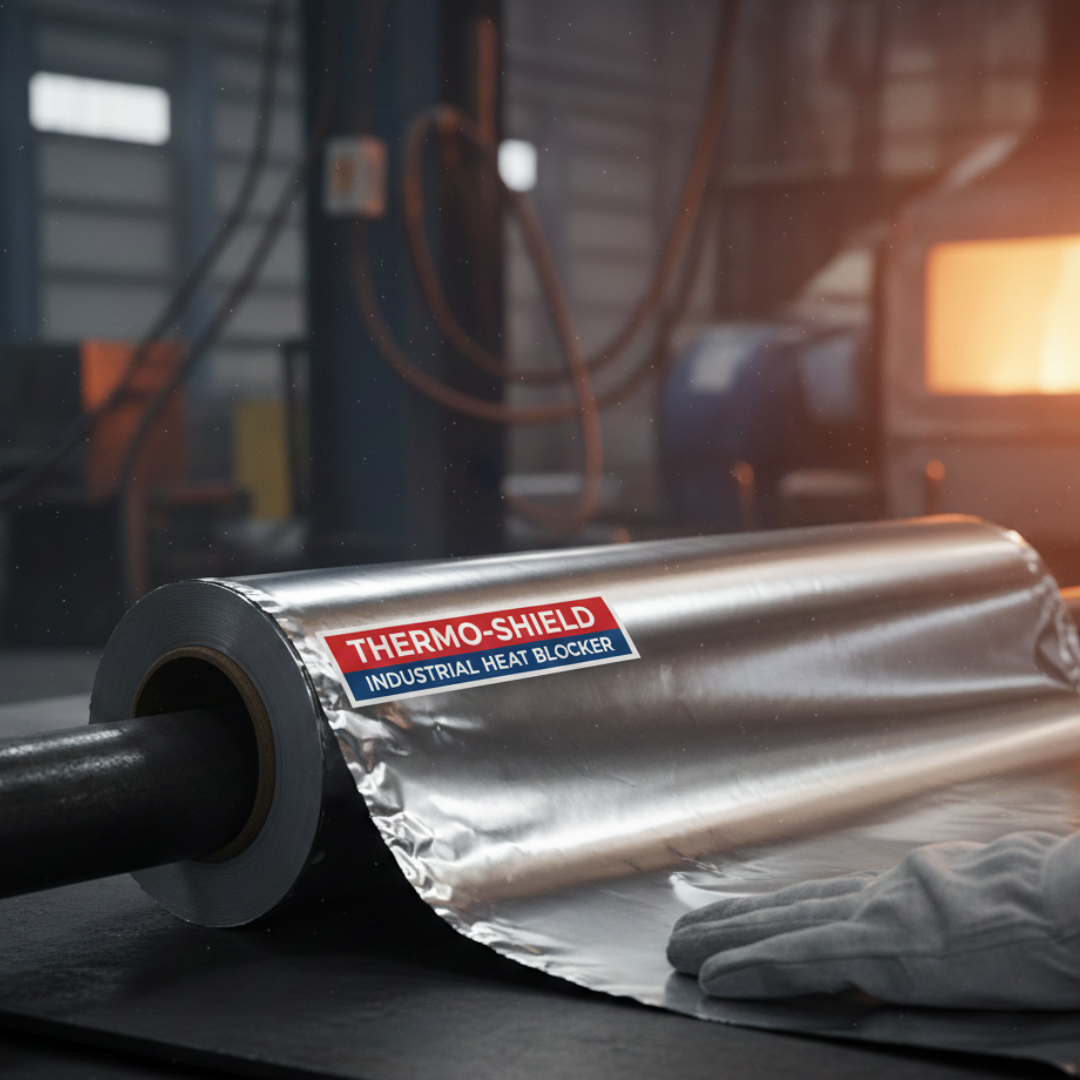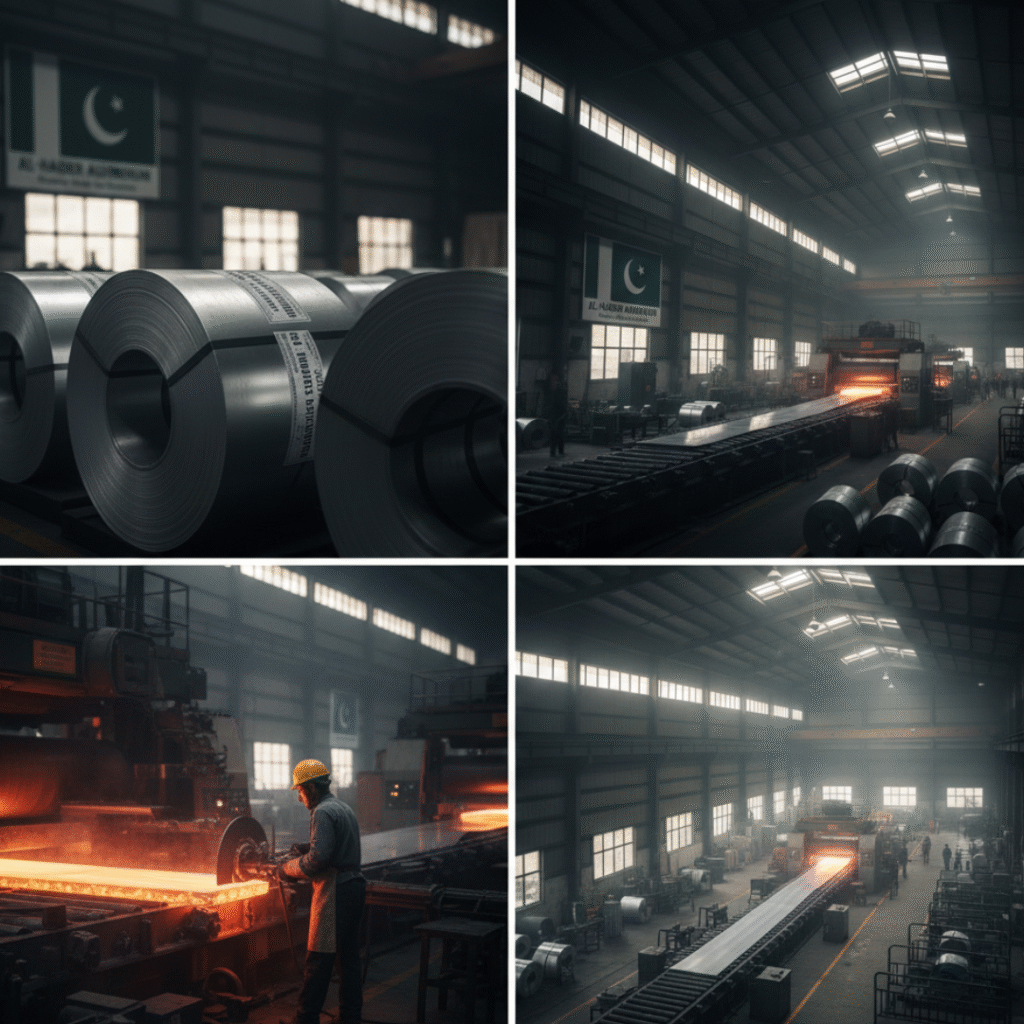

thermocol sheet price in pakistan

Category: Uncategorized

  • Eco-Friendly Aluminium Foil Insulation Benefits

    Eco-Friendly Aluminium Foil Insulation Benefits

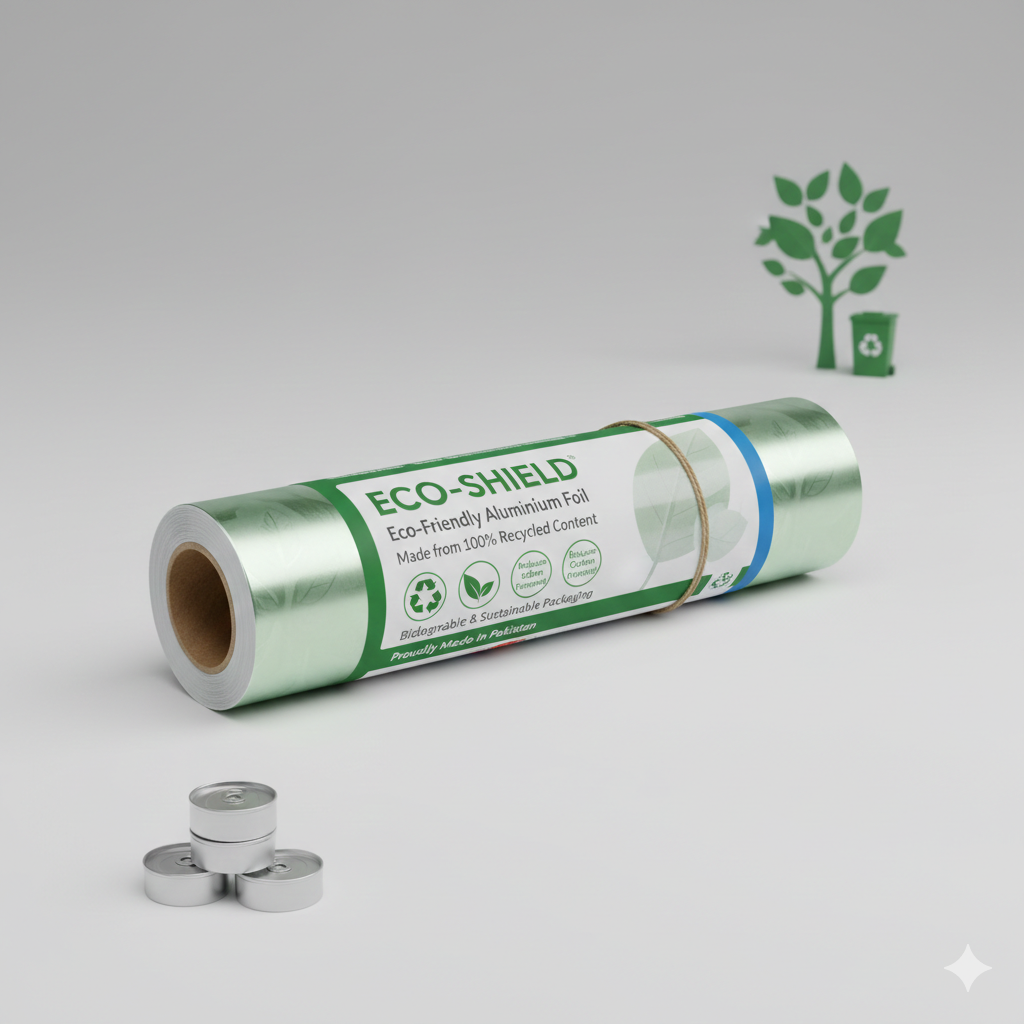
    As sustainability becomes a core focus in modern construction, builders and property owners are actively searching for insulation materials that reduce environmental impact without compromising performance. Eco-friendly aluminium foil insulation has emerged as a smart solution, offering energy efficiency, durability, and recyclability in a single material.

    This blog explores the environmental advantages, applications, and cost considerations of eco-friendly aluminium foil insulation, especially in the context of Pakistan’s climate and construction needs.

    What Makes Aluminium Foil Insulation Eco-Friendly?
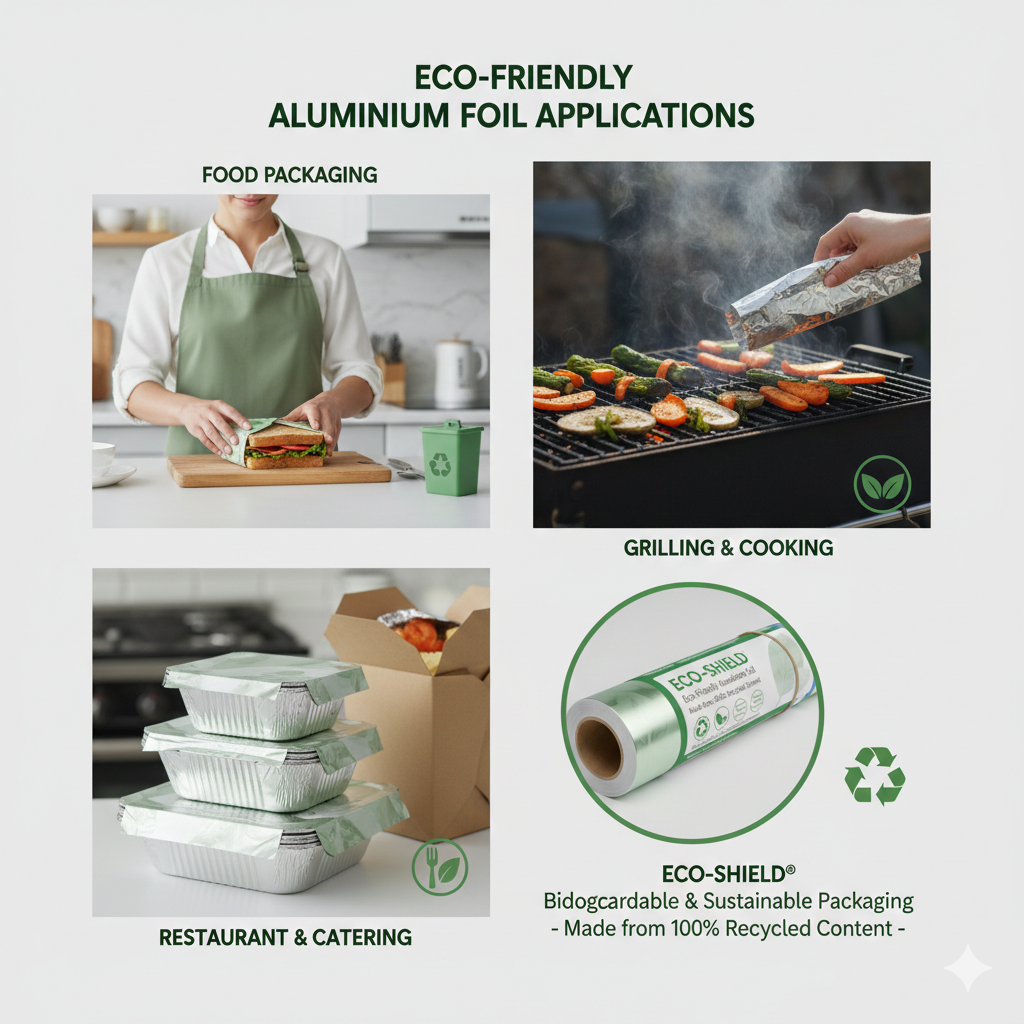
    eco friendly alumimium foil insulation

    Eco-friendly aluminium foil insulation in Pakistan is manufactured using recyclable aluminium with minimal material waste. Unlike conventional insulation materials that degrade or release harmful substances over time, aluminium foil maintains its structure and performance for decades.

    Because aluminium is fully recyclable, it supports sustainable building practices and reduces landfill waste, making it an environmentally responsible choice.

    Energy Efficiency and Environmental Impact
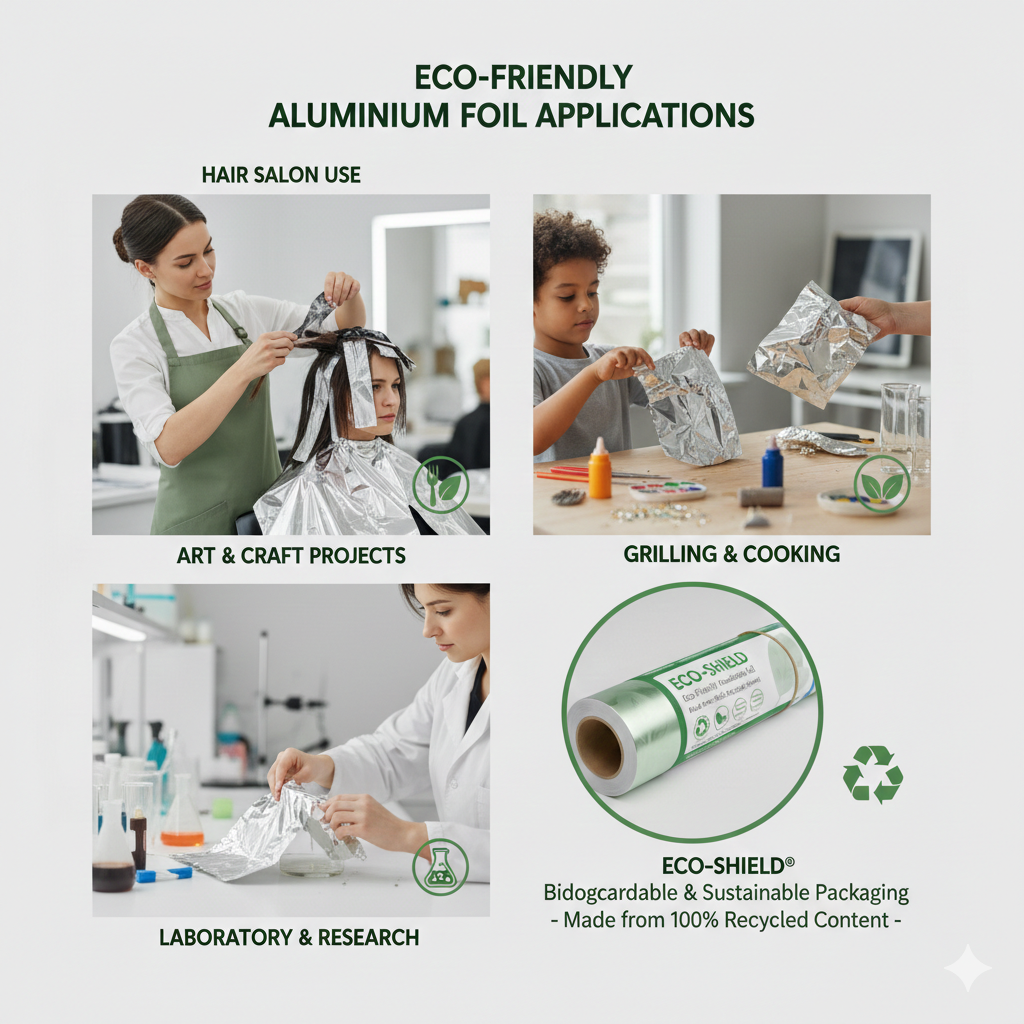
    eco friendly alumimium foil insulation applications

    One of the biggest benefits of eco-friendly aluminium foil insulation is its ability to reflect radiant heat rather than absorb it. This reflective property reduces indoor temperature fluctuations, lowering dependence on air conditioning and heating systems.

    By cutting energy consumption, buildings insulated with aluminium foil contribute to reduced carbon emissions and long-term energy savings.

    Growing Demand for Eco Friendly Aluminium Foil in Pakistan

    The construction sector’s shift toward sustainability has increased demand for eco friendly aluminium foil in Pakistan. From residential rooftops to large commercial facilities, this insulation material is being used to meet energy efficiency standards while aligning with environmental goals.

    Its lightweight nature and ease of installation further reduce transportation emissions and on-site energy usage.

    Safe and Durable Insulation Solution

    Eco-friendly aluminium foil insulation does not release fibers or toxic chemicals into the air. This makes it a safe choice for indoor environments, especially in homes, offices, hospitals, and educational buildings.

    Additionally, aluminium foil is resistant to moisture, mold, and pests, ensuring long-term performance without frequent replacement.

    Cost Considerations and Market Value

    When evaluating insulation options, price plays an important role. The eco friendly aluminium foil price in Pakistan varies depending on thickness, layering, and application type. While the upfront cost may be slightly higher than conventional insulation, the long-term savings in energy bills and maintenance make it a cost-effective investment.

    Globally, the eco friendly aluminium foil price reflects its recyclability, durability, and energy-saving benefits, positioning it as a premium yet economical insulation choice.

    Applications in Modern Construction

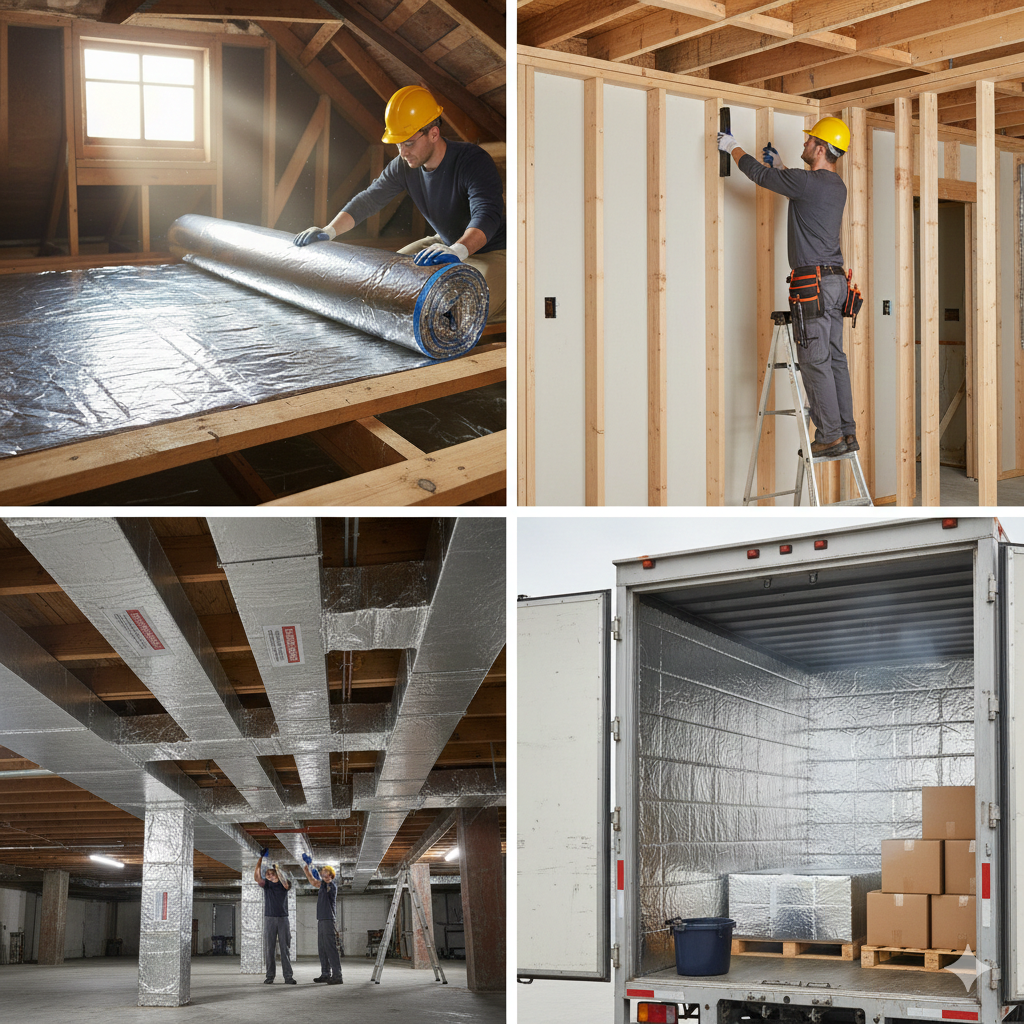
    Eco-friendly aluminium foil insulation is widely used in:

    • Residential roofs and walls
    • Commercial buildings
    • Warehouses and factories
    • HVAC duct systems
    • Industrial sheds

    Its versatility allows it to integrate easily with other insulation systems while enhancing overall thermal performance.

    Supporting Green Building Standards

    Many green building certifications prioritize materials that reduce energy usage and environmental impact. Aluminium foil insulation aligns with these standards by improving thermal efficiency and supporting sustainable material sourcing.

    Using eco-friendly insulation materials also enhances a building’s long-term value and market appeal.

    Conclusion

    Eco-friendly aluminium foil insulation offers a powerful combination of energy efficiency, environmental responsibility, durability, and safety. For builders and property owners seeking sustainable solutions, this insulation material provides long-term benefits while supporting greener construction practices.

    As Pakistan continues to embrace energy-efficient building solutions, eco-friendly aluminium foil insulation stands out as a smart and responsible choice.

    FAQ’S

    Aluminium foil insulation is eco-friendly because it is recyclable, long-lasting, and helps reduce energy consumption by reflecting heat, which lowers carbon emissions over time.

    Yes, eco-friendly aluminium foil insulation is ideal for homes as it improves indoor comfort, reduces cooling costs, and does not release harmful fibers or chemicals.

    Yes, by reflecting radiant heat, aluminium foil insulation minimizes indoor heat gain, which reduces the load on air-conditioning systems and lowers electricity usage.

    Eco-friendly aluminium foil performs exceptionally well in hot climates by preventing excessive heat transfer, making it suitable for roofs, walls, and commercial buildings.

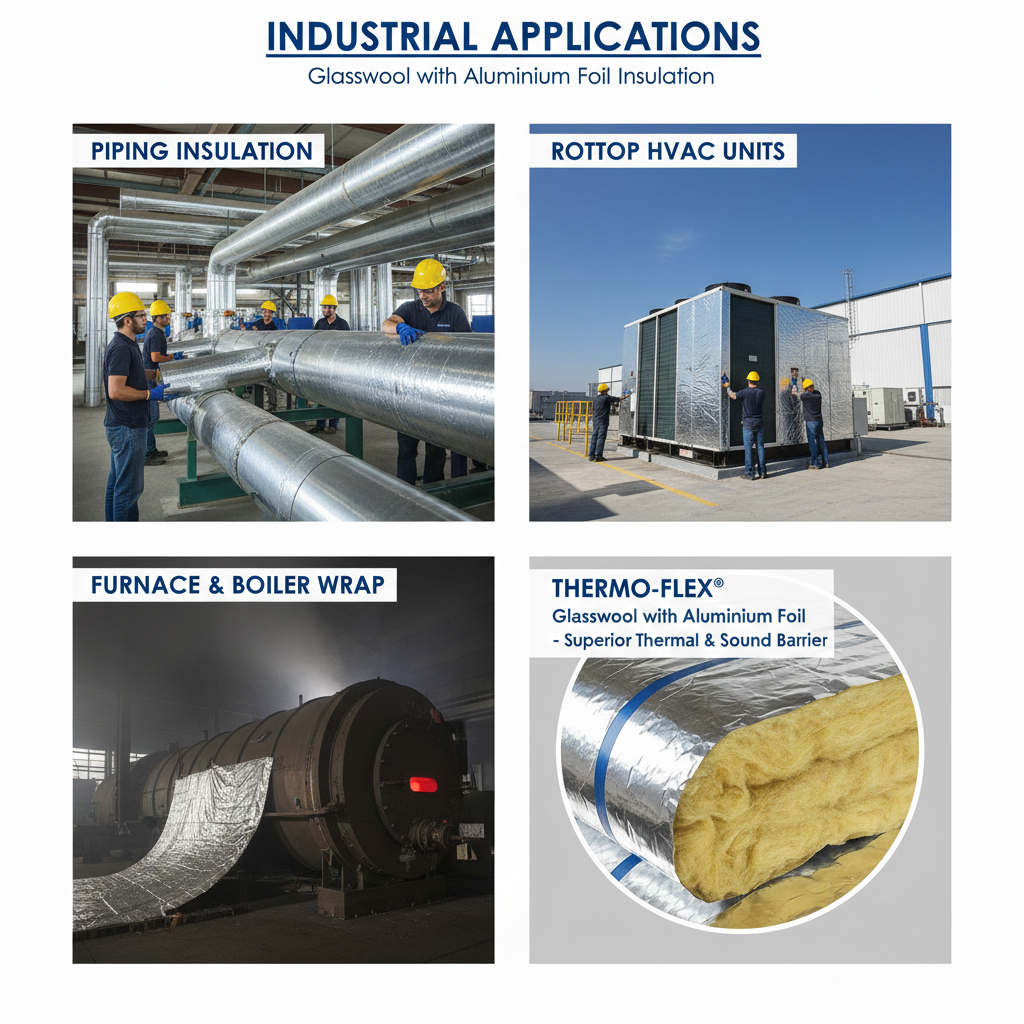
  • Aluminium Foil + Glasswool Combinations

    Aluminium Foil + Glasswool Combinations

    As construction standards evolve in Pakistan, the demand for advanced insulation materials has increased rapidly. One solution that stands out for both thermal and acoustic performance is the combination of aluminium foil and glasswool insulation. This hybrid system delivers superior heat reflection, energy efficiency, and sound control for residential, commercial, and industrial buildings.

    This blog explains how aluminium foil and glasswool work together, where they are best used, and why this insulation system is becoming a preferred choice across Pakistan.

    What Is Aluminium Foil + Glasswool Combination Insulation?

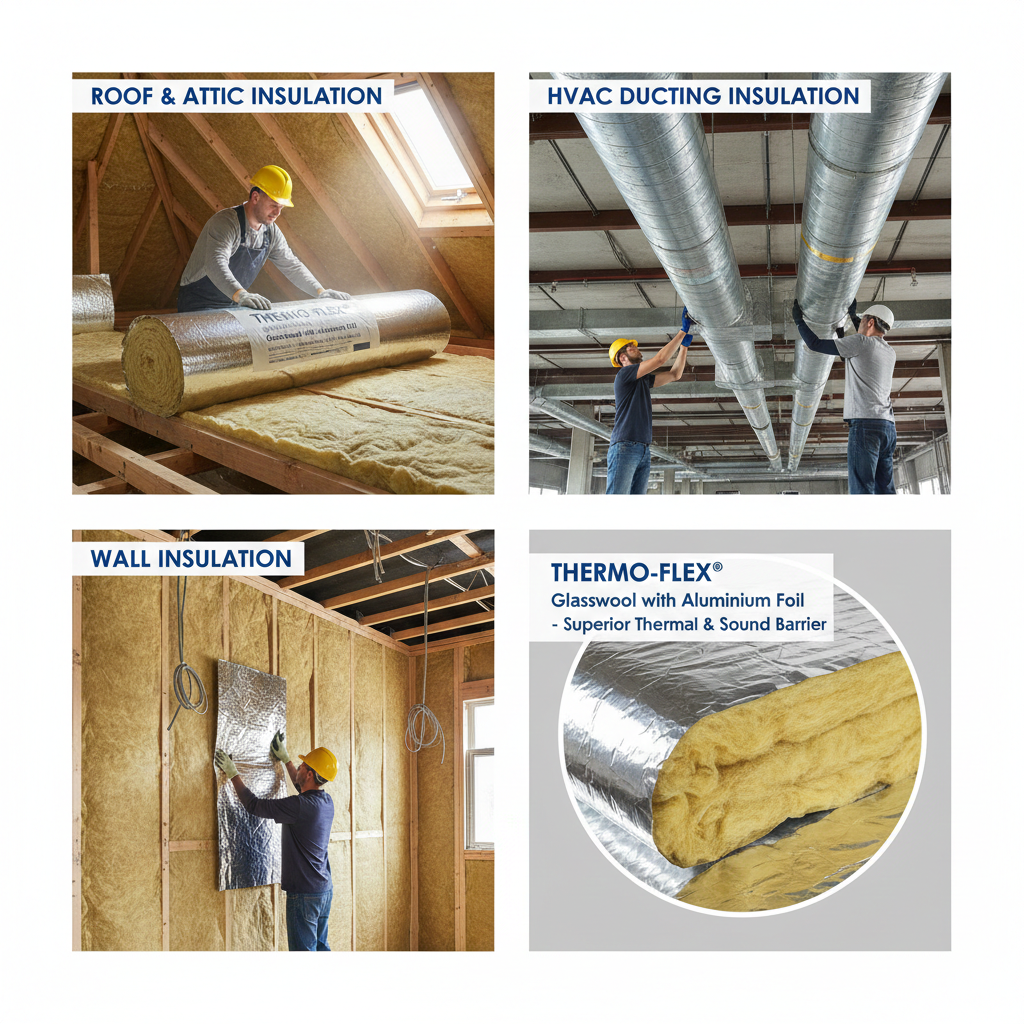
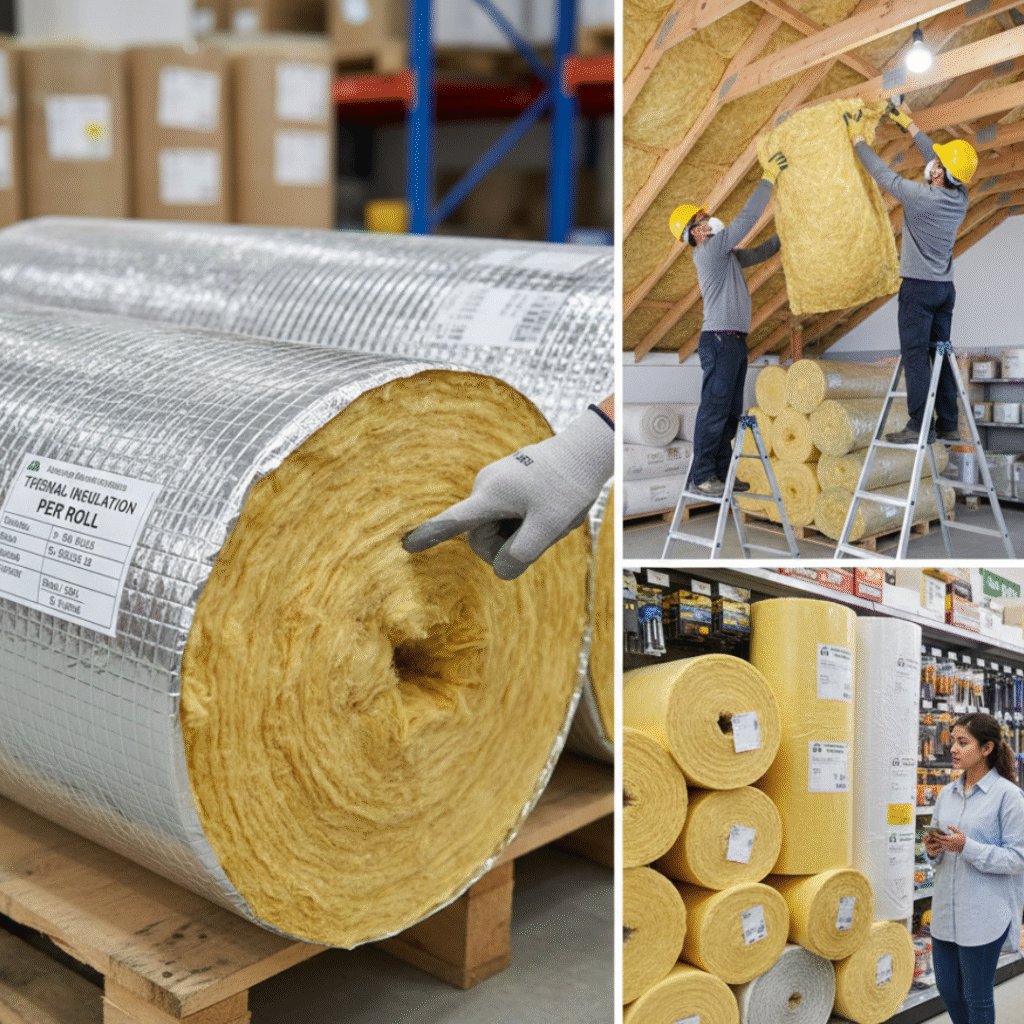
    Aluminium foil and glasswool insulation is a layered system where glasswool fibers provide thermal and acoustic resistance, while aluminium foil acts as a radiant heat barrier. The foil surface reflects heat, moisture, and vapor, enhancing the overall insulation efficiency.

    This combination is widely available as rolls, blankets, and boards, making it suitable for roofs, HVAC ducts, warehouses, factories, and modern buildings.

    Benefits of Glasswool with Aluminium Foil in Pakistan

    The growing use of glasswool with aluminium foil in Pakistan is driven by climate conditions and rising energy costs. Key benefits include:

    • Reduced indoor heat gain during extreme summers
    • Improved temperature stability in air-conditioned spaces
    • Lower electricity consumption
    • Moisture resistance and vapor control
    • Lightweight and easy installation

    These advantages make it suitable for both new construction and retrofit projects.

    Thermal and Acoustic Performance Explained

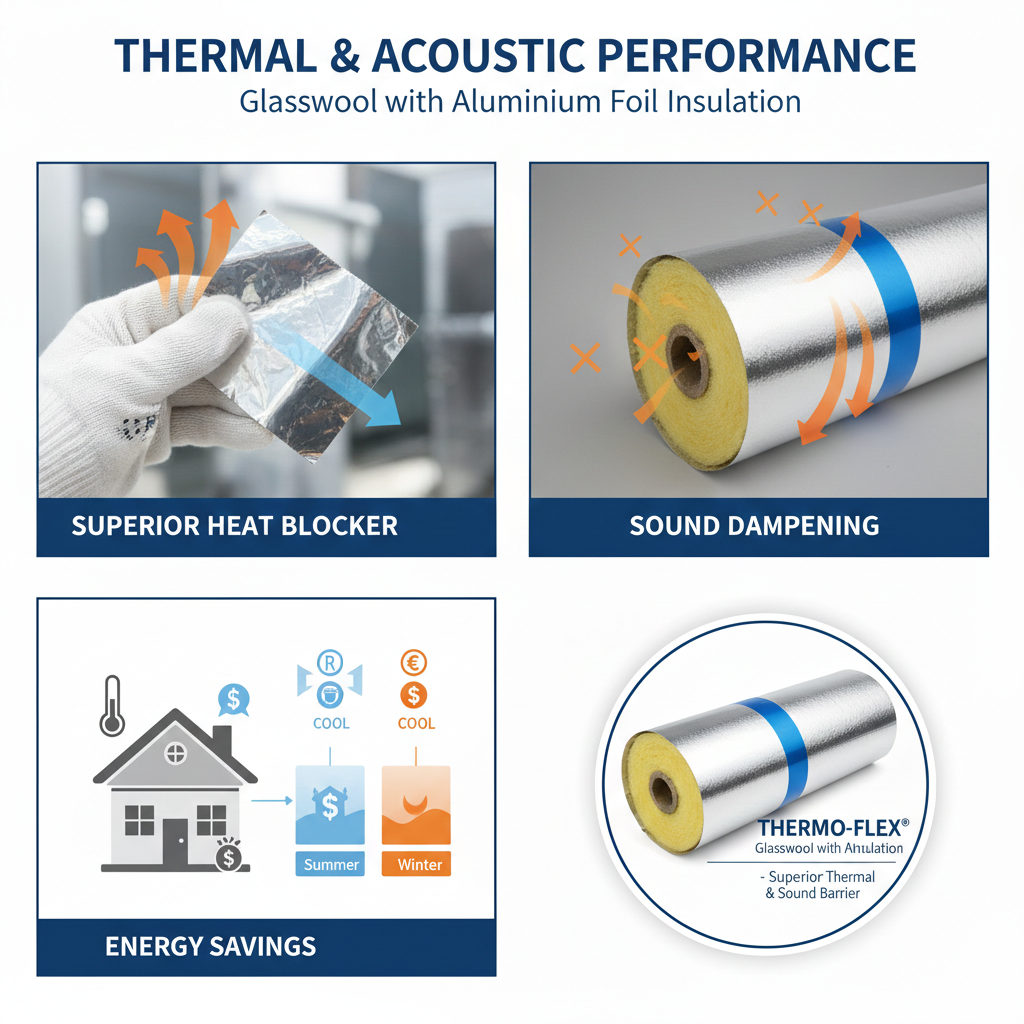
    The glasswool with aluminium foil insulation system provides dual protection:

    • Glasswool fibers trap air, slowing down heat transfer
    • Aluminium foil reflects radiant heat away from the building

    Additionally, glasswool naturally absorbs sound, making this insulation ideal for areas where noise reduction is required, such as offices, studios, and industrial facilities.

    Industrial and Commercial Applications

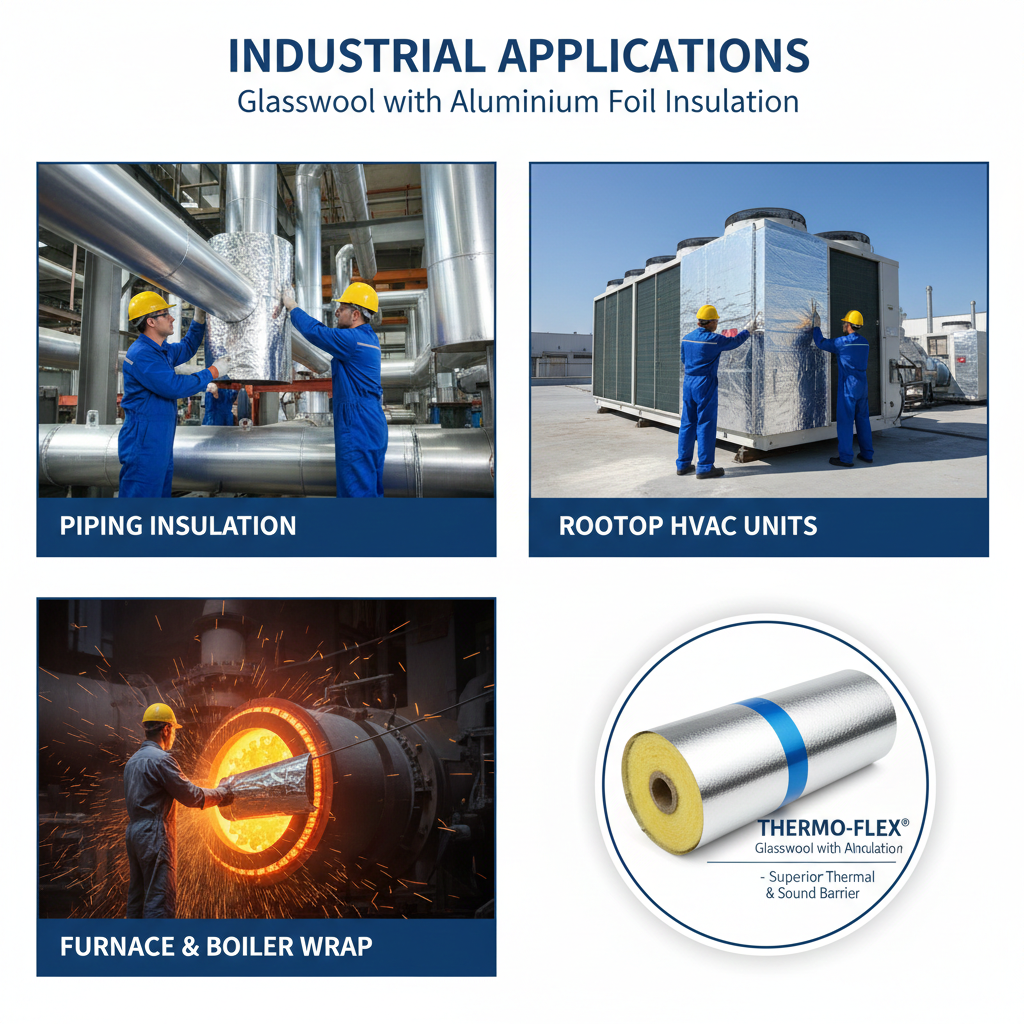
    One of the most commonly used formats is the Acoustic Glass Wool Roll Fiberglass Blanket with Aluminium Foil, which is ideal for:

    • HVAC duct insulation
    • Generator rooms
    • Factory sheds
    • Warehouses
    • Shopping malls

    This format ensures flexibility, high coverage, and consistent insulation performance across large surfaces.

    Modern Design and Thickness Options

    For projects that require both performance and aesthetics, Modern Design Aluminium Foil Faced Glass Wool Insulation 25mm Thickness is widely used. This thickness offers a balanced solution for:

    • False ceilings
    • Partition walls
    • Office interiors
    • Commercial buildings

    The foil-faced surface also improves durability and provides a clean, professional finish.

    Wholesale Supply and Cost Efficiency

    Contractors and large projects often look for Wholesale Price glasswool with aluminium foil to reduce material costs. Wholesale purchasing not only lowers per-unit pricing but also ensures consistent quality and availability for large-scale installations.

    Prices may vary based on density, thickness, foil quality, and roll dimensions, making it important to select products based on project requirements rather than cost alone.

    Why Choose Aluminium Foil + Glasswool Over Single Insulation Materials?

    Using a combined insulation system offers clear advantages over standalone materials:

    • Better thermal efficiency compared to glasswool alone
    • Enhanced moisture resistance compared to plain insulation
    • Longer service life due to foil protection
    • Improved indoor comfort in extreme climates

    This makes aluminium foil and glasswool combinations a future-ready insulation choice.

    Installation and Maintenance

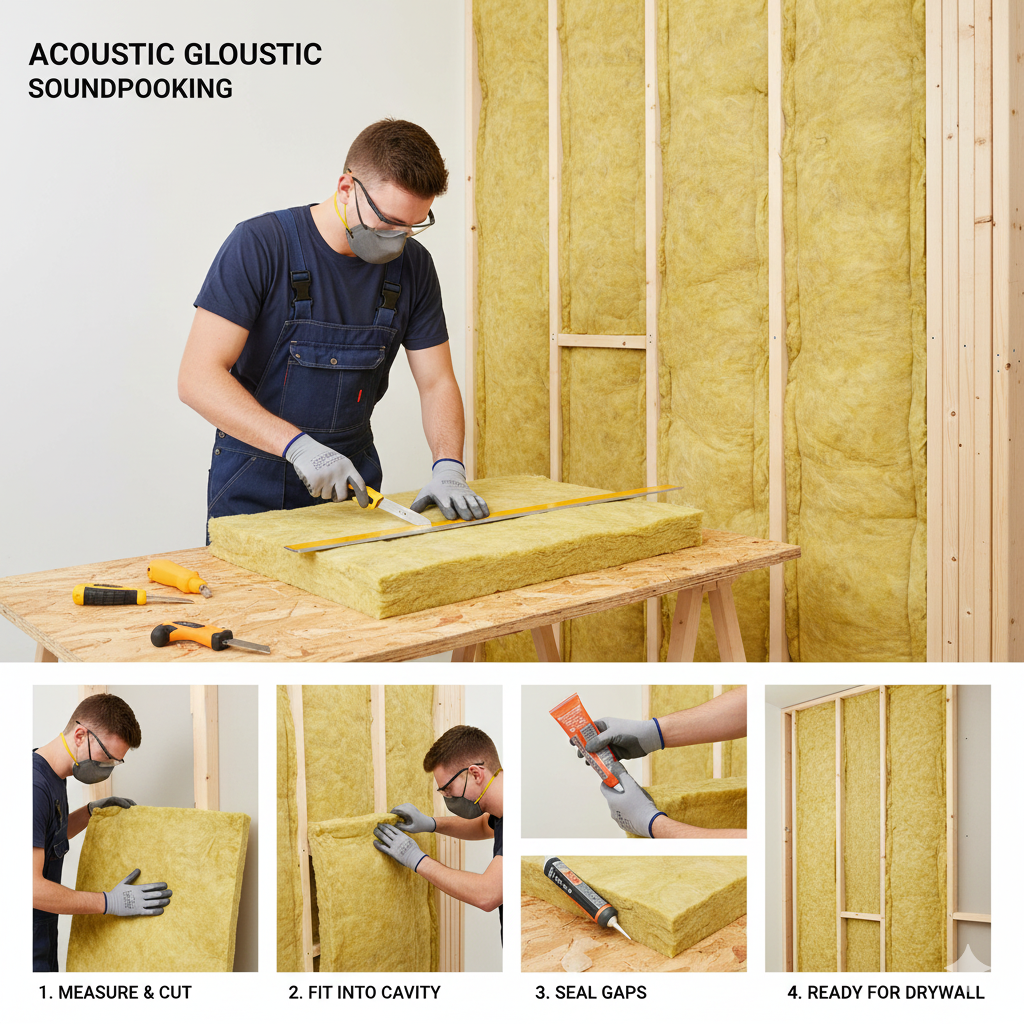
    Installation is straightforward when handled by trained professionals. Proper sealing of joints and correct orientation of the foil layer are essential for maximum efficiency. Once installed, the system requires minimal maintenance and retains performance for many years.

    Conclusion

    Aluminium foil and glasswool combination insulation delivers a powerful blend of thermal resistance, acoustic control, and energy efficiency. Whether used in residential buildings, commercial spaces, or industrial facilities, this system offers long-term value and performance.

    With rising temperatures and energy costs in Pakistan, investing in this insulation solution is both practical and cost-effective.

    FAQ’S

    Aluminium foil reflects radiant heat and acts as a vapor barrier, while glasswool reduces heat transfer and absorbs sound. Together, they improve overall thermal and acoustic efficiency.

    Yes, glasswool with aluminium foil in Pakistan is ideal for hot climates as it reduces heat gain, improves indoor comfort, and helps lower air-conditioning costs.

    It is commonly used in roofs, HVAC ducts, warehouses, factories, false ceilings, and commercial buildings where both temperature control and noise reduction are required.

    Yes, thickness plays a key role. Products like modern design aluminium foil faced glass wool insulation 25mm thickness provide a balanced solution for thermal insulation and sound control in commercial applications.

  • Double-Sided Aluminium Foil Insulation Price

    Double-Sided Aluminium Foil Insulation Price

    As energy costs rise and heat control becomes essential for modern buildings, reflective insulation materials are gaining strong demand. Among these, double-sided aluminium foil insulation has emerged as a preferred solution due to its high reflectivity, lightweight structure, and cost efficiency. Understanding the Double-Sided Aluminium Foil Insulation Price helps builders, contractors, and property owners choose the right material for heat protection.

    This guide covers pricing factors, material composition, roll specifications, and market trends in Pakistan.

    What Is Double-Sided Aluminium Foil Insulation?

    double sided aluminium sheet in pakistan

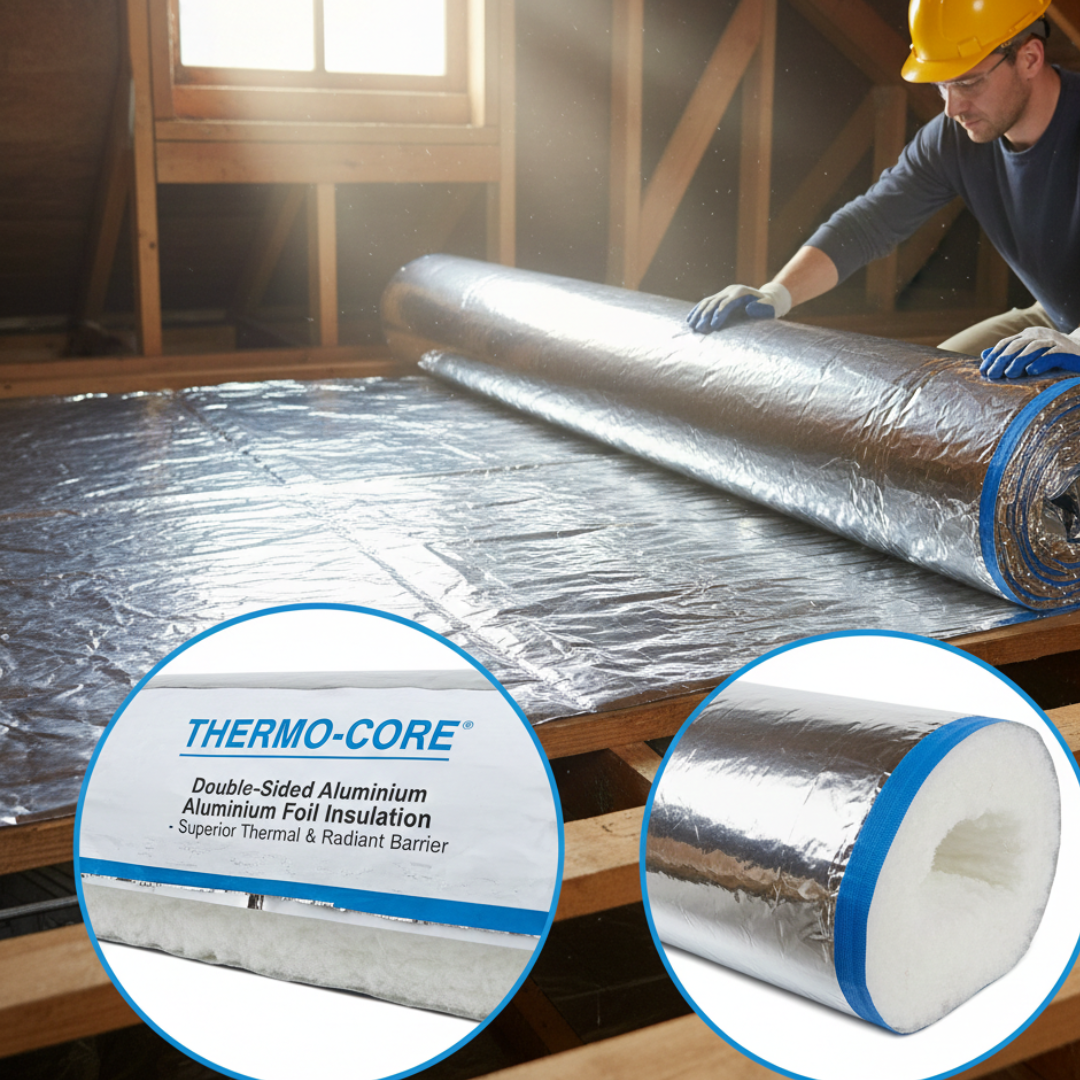
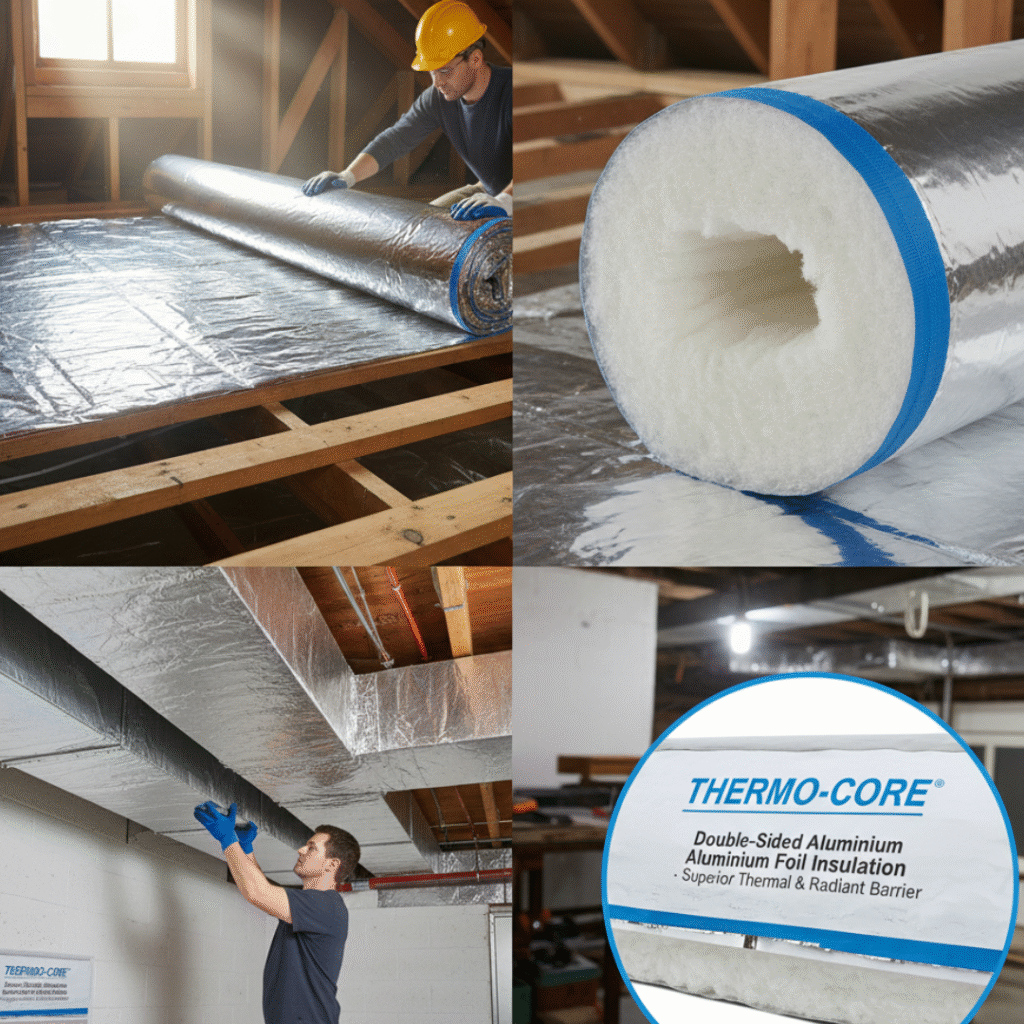
    Double-sided aluminium foil insulation consists of reflective aluminium layers on both sides, often combined with air-filled bubble sheets in between. This structure reflects radiant heat from both directions, improving thermal resistance.

    Unlike traditional insulation that relies on thickness, foil insulation works by reflecting heat, making it ideal for roofs, walls, warehouses, and industrial buildings.

    Double-Sided Aluminium Foil Insulation Price in Pakistan

    The Double-Sided Aluminium Foil Insulation Price in Pakistan varies depending on material thickness, bubble layer type, roll size, and order quantity. Prices are generally influenced by raw aluminium rates, manufacturing quality, and whether the product is locally supplied or imported.

    Bulk purchases and wholesale orders often reduce the per-roll cost significantly.

    Aluminium Bubble Insulation – How It Works

    Aluminium Foil Sheet for Thermal Insulation

    Aluminium Bubble Insuation combines reflective foil with sealed air bubbles that act as a thermal barrier. The trapped air slows heat transfer, while aluminium surfaces reflect radiant heat away from the building.

    This combination delivers effective insulation without adding excessive weight or thickness.

    Aluminium Foil With Double Sided Bubble Sheet

    Aluminium Foil With Double Sided Bubble Sheet is commonly used in roofing systems, HVAC ducts, and industrial sheds. The dual foil layers improve durability and reflective efficiency, making it suitable for both hot and cold climates.

    It is especially effective in metal structures where radiant heat transfer is high.

    Wholesale Price Double Sided Aluminum Foil – Cost Advantages

    Buyers seeking Wholesale Price Double Sided Aluminum Foil benefit from reduced rates when ordering large quantities. Wholesale pricing is ideal for contractors, developers, and distributors handling multiple projects.

    Moreover, wholesale orders often include customized roll sizes and thickness options.

    Building Roll Heat Resistant Double Sided Aluminum Foil Bubble

    alumimium sheet in pakistan

    A Building Roll Heat Resistant Double Sided Aluminum Foil Bubble is designed for large-scale construction projects. These rolls are easy to install, cover wide surface areas, and provide consistent thermal performance.

    They are commonly used in:

    • Commercial roofs
    • Industrial warehouses
    • Factory ceilings
    • Pre-engineered buildings

    Standard Roll Sizes and Specifications

    One popular format in the market is Double Sided Bubble Reflective Foil Insulation Rolls 24 Inch x 20 Ft. This size is convenient for handling, cutting, and installing in confined or modular spaces.

    However, roll dimensions directly affect pricing, with larger rolls offering better cost efficiency per square foot.

    Silver Reflective Insulation Materials – Performance Benefits

    Silver Reflective Insulation Materials are valued for their ability to reflect a high percentage of radiant heat. The silver surface minimizes heat absorption, keeping indoor environments cooler and reducing HVAC load.

    Moreover, this reflective efficiency is a key reason aluminium foil insulation is widely used in hot climates.

    Role of Double Sided Foil in Thermal Protection

    Double Sided Foil enhances insulation performance by reflecting heat from both external and internal sources. This makes it suitable for buildings exposed to intense sunlight or internal heat generation.

    Moreover, the dual reflective surface improves year-round thermal comfort.

    10mm Thickness Double Sided Pure Aluminum Foil

    10mm Thickness Double Sided Pure Aluminum Foil products are used where higher insulation performance is required. Increased thickness improves durability and resistance to compression while maintaining flexibility.

    However, this thickness is commonly selected for industrial and commercial applications.

    Applications That Influence Pricing

    Double-sided aluminium foil insulation pricing depends on application type, including:

    • Roof heat proofing
    • Wall insulation
    • HVAC duct wrapping
    • Industrial shed insulation

    However, higher performance requirements usually increase material cost.

    Is Double-Sided Aluminium Foil Insulation Worth the Price?

    Although foil insulation may appear costlier than basic materials, its long-term benefits include energy savings, reduced cooling costs, and minimal maintenance. For many projects, the return on investment justifies the initial expense.

    Final Thoughts on Double-Sided Aluminium Foil Insulation Price

    Double-sided aluminium foil insulation offers an effective balance between performance and affordability. With various roll sizes, thicknesses, and bubble configurations available, buyers can select a solution that fits both budget and insulation needs. Understanding pricing factors ensures smarter purchasing decisions and long-term efficiency.

    FAQ’S

    The price mainly depends on aluminium quality, bubble layer thickness, roll size, and whether you are purchasing retail or wholesale. Imported raw materials and higher thickness levels can also increase cost.

    Yes, aluminium bubble insulation is highly effective in hot climates because it reflects radiant heat rather than absorbing it. This makes it ideal for roofs, warehouses, and industrial buildings in Pakistan.

    Double-sided foil reflects heat from both directions, improving thermal efficiency. It is especially useful where both external sunlight and internal heat sources are present.

    For commercial and industrial use, 10mm thickness double sided pure aluminum foil is preferred as it provides better durability, insulation performance, and long-term reliability.

  • Aluminium Foil Sheet for Heat Proofing

    Aluminium Foil Sheet for Heat Proofing

    Rising temperatures, increasing energy costs, and the demand for sustainable construction have made heat-proofing a priority for modern buildings. One of the most effective and widely used solutions is the Aluminium Foil Sheet for Heat Proofing, known for its reflective properties and compatibility with multiple insulation systems.

    This guide explains how aluminium foil sheets work, their applications, pricing factors, and availability in Pakistan.

    Understanding Aluminium Foil Sheet for Heat Proofing

    Aluminium Foil Sheet for Heat Proofing

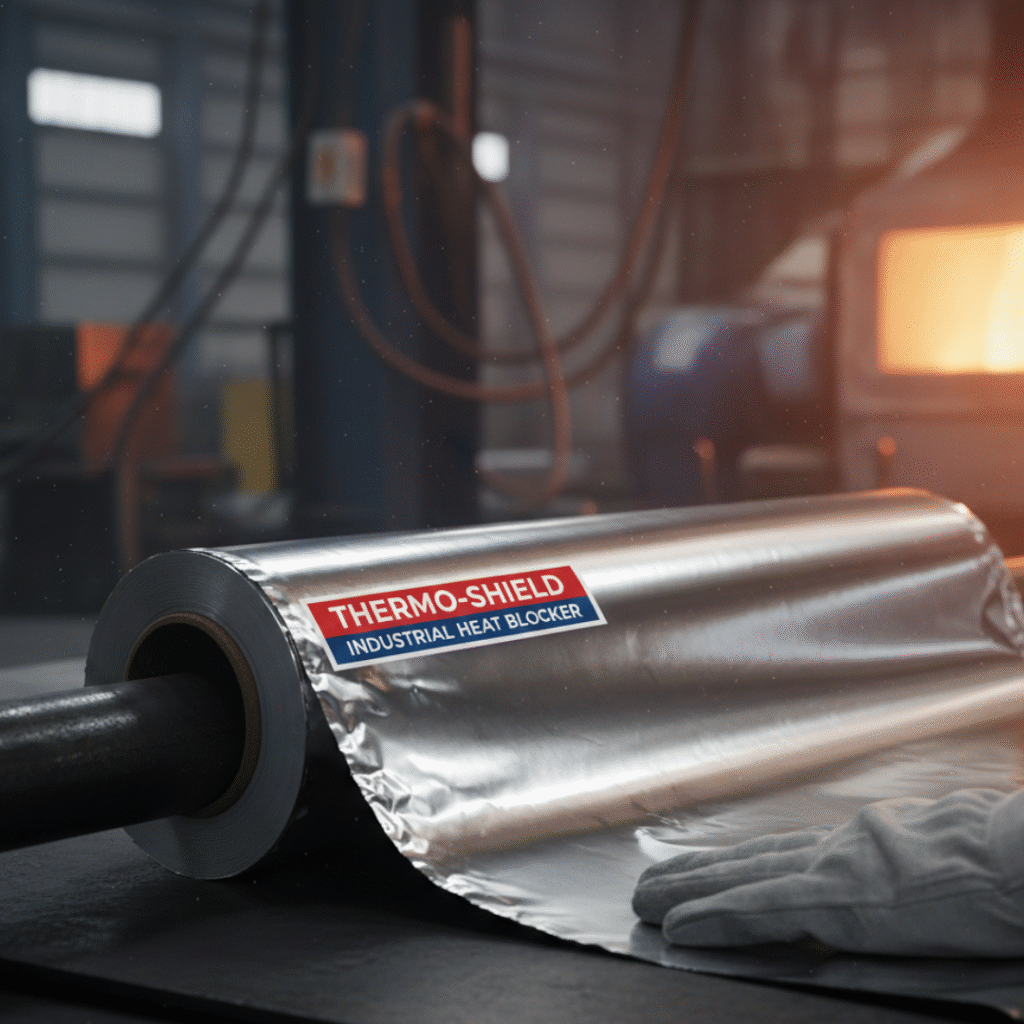
    An aluminium foil sheet is a thin, reflective material designed to reduce heat transfer by reflecting radiant heat away from building surfaces. Unlike bulky insulation materials, foil sheets work by limiting heat absorption rather than trapping air.

    This makes aluminium foil an ideal solution for roofs, walls, ceilings, and HVAC insulation layers.

    Fire Aluminium Foil Sheet for Heat Proofing of Commercial Buildings

    In commercial environments, safety and thermal performance go hand in hand. Fire Aluminium Foil Sheet for Heat Proofing of Commercial Buildings is commonly used as a protective layer in insulation assemblies.

    Its non-combustible nature and high reflectivity help reduce heat gain while supporting fire-safety requirements in offices, malls, hospitals, and industrial facilities.

    Aluminium Foil Sheet for Thermal Insulation

    Aluminium Foil Sheet for thermal insulation works by reflecting up to a significant portion of radiant heat, keeping indoor spaces cooler during hot conditions. When combined with materials like glasswool or rockwool, aluminium foil enhances overall insulation efficiency.

    This layered approach is widely used in energy-efficient building designs.

    Aluminium Foil Sheet for Heat Proofing in Pakistan

    The use of Aluminium Foil Sheet for Heat Proofing in Pakistan has increased due to extreme summer temperatures and rising electricity costs. It is commonly applied in:

    • Residential rooftops
    • Commercial ceilings
    • Warehouses and factories
    • HVAC duct systems

    Its lightweight nature and ease of installation make it suitable for both new construction and retrofit projects.

    Aluminium Foil Sheet Insulation Pakistan – Market Overview

    alumimium sheet in pakistan

    The Aluminium Foil Sheet insulation Pakistan market includes a variety of thicknesses, coatings, and backing materials. Products are available in plain foil, kraft-backed foil, and reinforced foil formats depending on insulation requirements.

    Availability across major cities has improved, supporting faster project execution.

    Aluminium Foil Sheet Manufacturers in Pakistan

    aluminium sheet manufacturer in pakistan

    Several suppliers operate as Aluminium Foil Sheet manufacturers in Pakistan, offering locally produced and imported foil insulation products. Reliable manufacturers focus on consistent thickness, proper lamination, and quality reflective surfaces.

    Selecting a reputable supplier ensures better performance and durability.

    Aluminium Foil Sheet Price – What Influences Cost?

    The Aluminium Foil Sheet price varies based on multiple factors, including:

    • Foil thickness
    • Reinforcement or backing material
    • Roll width and length
    • Application type

    Compared to bulk insulation materials, aluminium foil sheets offer a cost-effective solution for reducing radiant heat.

    Comparison with Thermal Insulation Sheet Price in Pakistan

    When comparing options, the thermal insulation sheet price in Pakistan may vary depending on material type. While foil sheets are generally less expensive than dense insulation boards, they perform best when used as part of a complete insulation system.

    For radiant heat control, aluminium foil remains one of the most economical choices.

    Benefits of Using Aluminium Foil Sheet for Heat Proofing

    Key advantages include:

    • High heat reflectivity
    • Lightweight and flexible installation
    • Compatibility with other insulation materials
    • Reduced indoor heat gain
    • Energy savings over time

    These benefits make aluminium foil sheets suitable for a wide range of applications.

    Final Thoughts on Aluminium Foil Sheet for Heat Proofing

    Aluminium foil sheets play a vital role in modern heat-proofing solutions. Whether used alone or combined with thermal insulation materials, they help improve indoor comfort and reduce energy costs. With growing demand and local availability, aluminium foil remains a practical and efficient choice for heat control in Pakistan.

    FAQ’S

    An aluminium foil sheet reflects radiant heat away from building surfaces, reducing heat absorption. This makes indoor spaces cooler and improves overall energy efficiency, especially in hot climates like Pakistan.

    Yes, Fire Aluminium Foil Sheet for Heat Proofing of Commercial Buildings is widely used in offices, malls, warehouses, and hospitals. It supports thermal performance while meeting basic fire-safety requirements when used within insulation systems.

    Aluminium Foil Sheet for thermal insulation works best when combined with materials such as glasswool or rockwool. The foil reflects heat while the insulation material reduces heat transfer, creating an efficient layered system.

    Yes, by reducing heat gain, aluminium foil sheet insulation helps maintain indoor temperatures, lowering the load on air conditioning systems and reducing electricity costs over time.

  • Rockwool Mattress Insulation For Industrial Plant

    Rockwool Mattress Insulation For Industrial Plant

    Industrial plants operate under extreme conditions involving high temperatures, heavy machinery, continuous operation, and strict safety requirements. Insulation materials used in such environments must deliver thermal stability, fire resistance, and long-term durability. Rockwool mattress insulation for industrial plants is widely used because it meets these demanding performance standards.

    This guide explains how rockwool mattresses work, their specifications, density options, pricing considerations, and availability in Pakistan.

    What Is Rockwool Mattress Insulation?

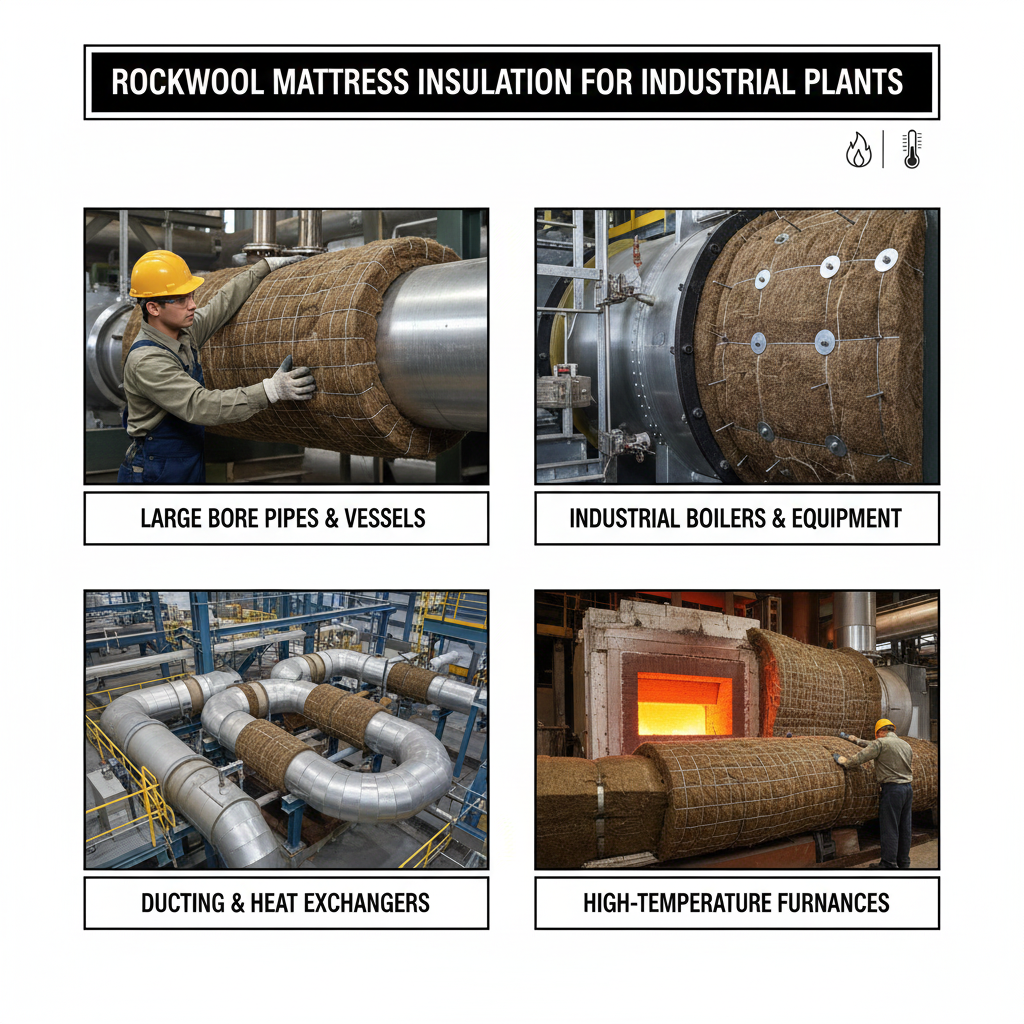
    Rockwool mattress insulation is a flexible form of mineral insulation made from melted natural stone fibers. Unlike rigid boards, mattresses are designed to wrap around pipes, boilers, ducts, vessels, and industrial equipment.

    Due to the inherent properties of rockwool material, these mattresses offer excellent resistance to heat, fire, and mechanical stress in industrial environments.

    Why Industrial Plants Require Specialized Insulation

    Industrial facilities face challenges such as:

    • Continuous high-temperature exposure
    • Fire risk around equipment and pipelines
    • Energy loss from uninsulated surfaces
    • Safety compliance requirements

    Rockwool insulation addresses these issues while maintaining performance over long operational cycles.

    Fire Safety in Industrial Environments

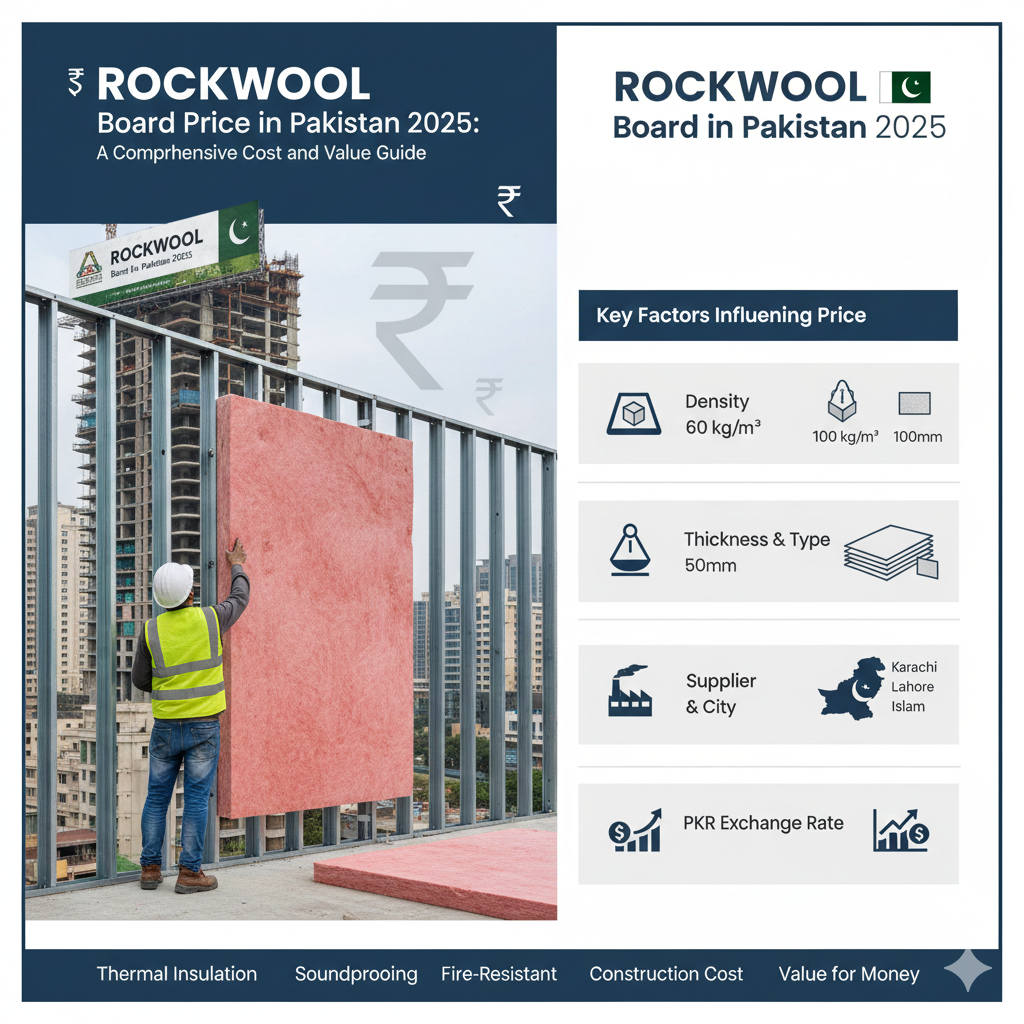
    rockwool board price in pakistan

    Although this guide focuses on industrial use, the same fire-resistant properties found in Fire Resistant Rockwool for Commercial Buildings apply to industrial plants. Rockwool does not burn, melt, or emit toxic fumes when exposed to fire, making it suitable for high-risk zones.

    This characteristic significantly reduces fire spread in processing plants and energy facilities.

    Rockwool Thermal Insulation Performance

    Rockwool thermal insulation minimizes heat transfer by trapping air within its dense fiber network. In industrial plants, this helps:

    • Maintain process temperatures
    • Reduce heat loss from equipment
    • Improve energy efficiency
    • Protect workers from hot surfaces

    Thermal performance remains stable even under fluctuating operating conditions.

    Rockwool Insulation Specification for Industrial Use

    rockwool insulation sheet

    A clear rockwool insulation specification is essential when selecting materials for industrial projects. Typical specifications include:

    • Density range based on application
    • Operating temperature tolerance
    • Fire resistance classification
    • Moisture resistance
    • Mechanical strength

    Correct specification ensures safety, efficiency, and compliance with engineering standards.

    Understanding Rockwool Density Chart

    A rockwool density chart helps engineers select the right product for specific industrial applications. Density affects insulation strength, thermal resistance, and durability.

    Lower densities are used for general thermal insulation, while higher densities provide better mechanical stability for demanding conditions.

    Rockwool Density 100kg/m³ – Industrial Standard

    Rockwool density 100kg/m³ is commonly used in industrial plants where higher strength and heat resistance are required. This density provides:

    • Excellent shape retention
    • Strong thermal insulation
    • Enhanced fire resistance
    • Long service life

    However, it is suitable for pipes, boilers, reactors, and high-temperature equipment.

    Rockwool Wired Mat for Industrial Equipment

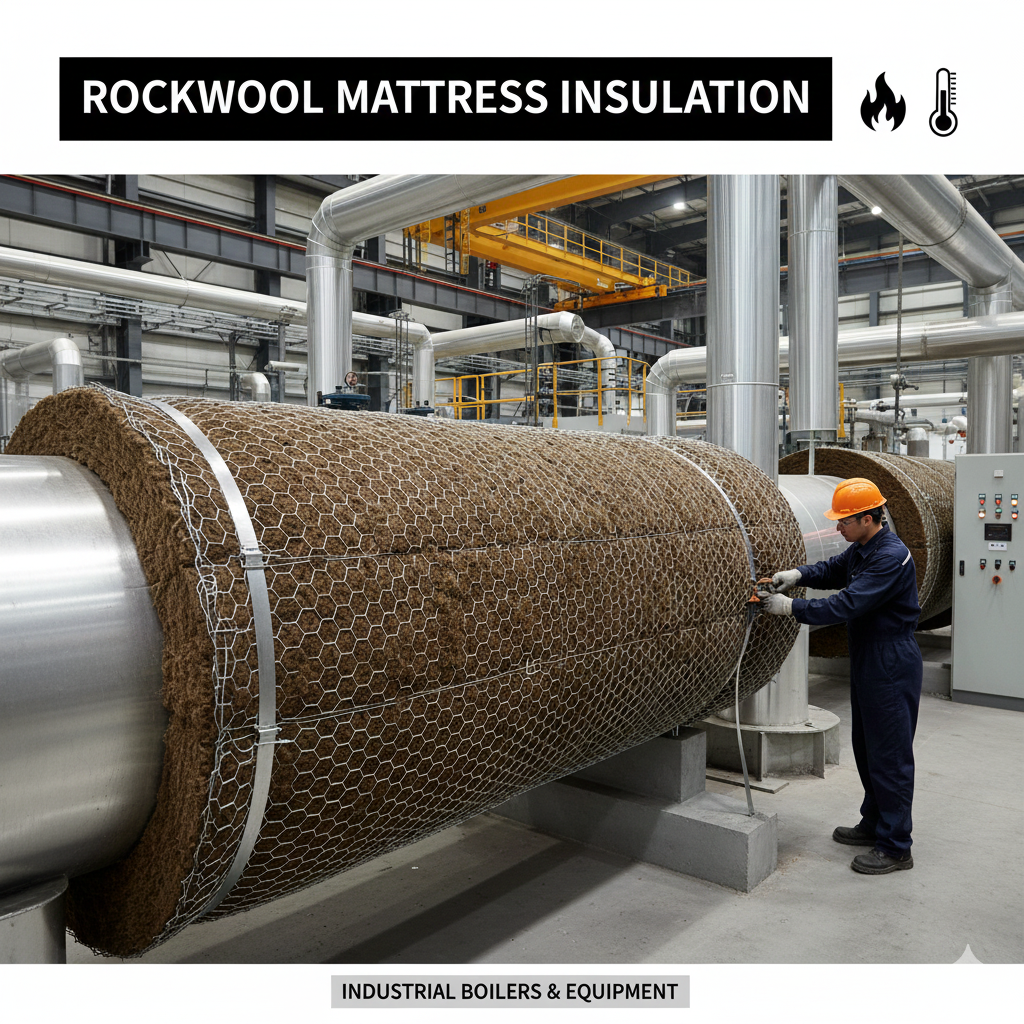
    A rockwool wired mat is a reinforced insulation mattress stitched with galvanized wire mesh. Moreover, this design improves strength and makes installation easier on curved or vibrating surfaces.

    Wired mats are widely used for:

    • Large diameter pipelines
    • Industrial boilers
    • Exhaust systems
    • High-temperature vessels

    Rockwool Board vs Mattress Insulation

    While a rockwool board is ideal for flat surfaces like walls and ceilings, mattress insulation is preferred for industrial equipment due to its flexibility. Both forms are often used together in large industrial projects.

    Rockwool Insulation Pakistan – Industrial Market Overview

    The demand for rockwool insulation Pakistan has grown with the expansion of industrial zones, power plants, and manufacturing facilities. Rockwool is now a standard insulation choice in industries such as oil & gas, textile, chemical processing, and power generation.

    Rockwool Manufacturers in Pakistan

    Several suppliers operate as rockwool manufacturers in Pakistan, offering mattresses, boards, and wired mats. Reliable manufacturers ensure consistent density, accurate specifications, and quality control suitable for industrial use. However, selecting the right supplier is critical for long-term performance and safety compliance.

    Rock Wool Insulation Price in Industrial Projects

    The rock wool insulation price for industrial applications varies based on:

    • Density and thickness
    • Mattress or wired mat construction
    • Temperature rating
    • Quantity and project size

    While the initial cost may be higher than basic insulation, rockwool delivers long-term savings through durability and energy efficiency.

    Comparison with Thermal Insulation Sheet Price in Pakistan

    When comparing industrial materials, the thermal insulation sheet price in Pakistan may seem lower for alternatives such as EPS or glasswool. However, these materials often lack the fire resistance and mechanical strength required in industrial plants.

    Moreover, Rockwool remains the preferred choice where safety and performance are critical.

    Use in Commercial-Industrial Hybrid Projects

    In facilities that combine production and office spaces, rockwool is often specified for both industrial equipment and office areas. This overlaps with rockwool for commercial buildings in Pakistan, ensuring consistent fire safety and thermal control throughout the facility.

    Final Thoughts on Rockwool Mattress Insulation for Industrial Plants

    Rockwool mattress insulation is a reliable solution for industrial plants requiring fire safety, thermal efficiency, and mechanical durability. With proper specification, correct density selection, and quality installation, rockwool supports safe and efficient industrial operations for decades.

    However, Its proven performance makes it one of the most trusted insulation materials in Pakistan’s industrial sector.

    FAQ’S

    Rockwool mattress insulation is flexible, fire-resistant, and thermally efficient, making it ideal for high-temperature pipes, boilers, and equipment in industrial plants. It ensures energy efficiency and safety compliance.

    Rockwool density 100kg/m³ is commonly used in industrial plants because it provides excellent thermal insulation, mechanical strength, and fire resistance for equipment and pipelines.

    A rockwool wired mat includes a galvanized wire mesh for added strength and easier installation on curved or vibrating surfaces. It is ideal for large pipes, boilers, and high-temperature industrial vessels.

    You can source rockwool insulation Pakistan from certified distributors or rockwool manufacturers in Pakistan who supply boards, mattresses, and wired mats with verified specifications and quality control.

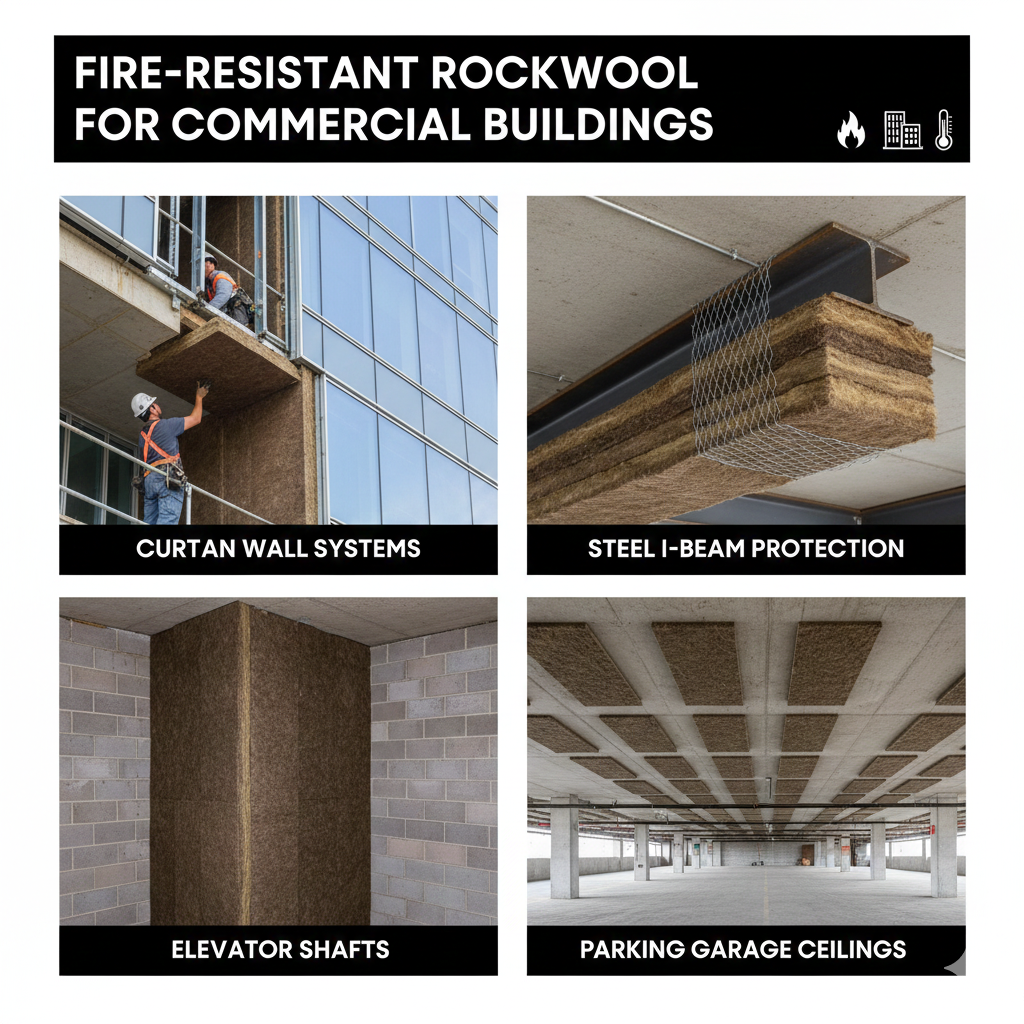
  • Fire-Resistant Rockwool for Commercial Buildings

    Fire-Resistant Rockwool for Commercial Buildings

    Fire safety has become a critical requirement in modern commercial construction. With increasing building heights, occupancy loads, and electrical systems, the choice of insulation material plays a major role in protecting lives and assets. Fire Resistant Rockwool for Commercial Buildings is widely adopted due to its ability to withstand extreme temperatures while maintaining insulation performance.

    This guide explains why rockwool is preferred in commercial projects, its material properties, pricing considerations, and availability in Pakistan.

    Why Fire Resistance Matters in Commercial Buildings

    rockwool insulation in pakistan

    Commercial buildings such as offices, malls, hospitals, hotels, and factories require insulation materials that can delay fire spread and maintain structural integrity. Insulation that melts or releases toxic fumes can worsen fire situations.

    Rockwool stands out because it is non-combustible and remains stable under extreme heat, making it a trusted solution for commercial fire safety standards.

    Understanding Rockwool Material for Fire Safety

    The performance of rockwool depends on its rockwool material, which is produced from natural stone melted at very high temperatures. The resulting fibers form a dense, non-flammable structure that resists fire penetration.

    Key fire-safety properties include:

    • High melting point
    • No flame spread
    • No toxic gas emission
    • Structural stability during fire exposure

    These features make rockwool suitable for critical commercial environments.

    Rockwool for Commercial Buildings in Pakistan

    rockwool insulation sheet

    The use of rockwool for commercial buildings in Pakistan has increased significantly due to stricter safety regulations and awareness of fire risks. Developers and consultants now specify rockwool in projects such as:

    • Corporate offices
    • Shopping malls
    • Healthcare facilities
    • Educational institutions
    • Industrial complexes

    Its fire resistance and thermal performance meet the demands of large-scale commercial construction.

    Rockwool Thermal Insulation Performance

    In addition to fire protection, rockwool thermal insulation helps regulate indoor temperatures. By reducing heat transfer, it supports energy-efficient HVAC systems and improves indoor comfort.

    This dual functionality—fire resistance and thermal control—makes rockwool a practical choice for commercial buildings seeking long-term efficiency.

    Rockwool Board for Commercial Applications

    A rockwool board is commonly used in commercial projects due to its rigidity and ease of installation. Boards provide consistent coverage across walls, ceilings, and service shafts.

    Typical commercial applications include:

    • Fire-rated partitions
    • Ceiling insulation systems
    • HVAC duct insulation
    • Mechanical and electrical rooms

    Boards ensure both safety compliance and neat installation.

    Rockwool Insulation Pakistan – Market Availability

    The demand for rockwool insulation Pakistan has expanded as more commercial projects adopt international safety standards. Rockwool products are available in various densities and thicknesses to suit different fire and thermal requirements.

    Availability through local distributors and importers has improved project timelines and cost planning.

    Rockwool Manufacturers in Pakistan

    Several suppliers operate as rockwool manufacturers in Pakistan, offering both locally produced and imported insulation boards. Reliable manufacturers focus on consistent density, fire performance certification, and product quality.

    Choosing the right manufacturer ensures compliance with commercial building codes and long-term reliability.

    Rock Wool Insulation Price in Commercial Projects

    The rock wool insulation price for commercial buildings depends on several factors:

    • Board thickness and density
    • Fire-rating requirements
    • Project size and quantity
    • Supplier source

    Although rockwool is priced higher than basic insulation materials, its fire safety benefits justify the investment in commercial settings.

    Comparison with Thermal Insulation Sheet Price in Pakistan

    When compared to alternatives, the thermal insulation sheet price in Pakistan may appear lower for materials like EPS or glasswool. However, these materials often lack the same level of fire resistance and durability.

    For commercial buildings where safety compliance is critical, rockwool provides superior value despite a higher upfront cost.

    Why Commercial Builders Prefer Rockwool

    Commercial developers and consultants prefer rockwool because it offers:

    • Certified fire resistance
    • Long service life
    • Energy efficiency
    • Compliance with safety standards

    These benefits reduce long-term risk and maintenance costs.

    Final Thoughts on Fire-Resistant Rockwool for Commercial Buildings

    Fire safety is not optional in commercial construction. Fire Resistant Rockwool for Commercial Buildings provides reliable protection, thermal efficiency, and long-term durability. Its non-combustible nature, strong market presence in Pakistan, and suitability for large-scale projects make it one of the most trusted insulation materials available.

    Selecting the right specification and supplier ensures safety, compliance, and performance for years to come.

    FAQ’S

    Fire-resistant rockwool helps slow the spread of fire and maintains structural stability during high-temperature exposure. This makes it suitable for commercial buildings where occupant safety and fire compliance are critical.

    Yes, rockwool for commercial buildings in Pakistan is widely used in offices, malls, hospitals, and industrial facilities. Its fire resistance and thermal performance meet the requirements of large-scale commercial construction.

    While the thermal insulation sheet price in Pakistan may be lower for some materials, rockwool offers better fire resistance and durability. This makes it a preferred option for commercial projects where safety standards are strict.

    Yes, rockwool thermal insulation reduces heat transfer while also providing fire resistance. This combination helps improve energy efficiency and indoor comfort in commercial buildings.

  • Glasswool for Duct & HVAC Insulation

    Glasswool for Duct & HVAC Insulation

    Efficient HVAC systems rely not only on advanced machinery but also on the quality of insulation used within air ducts. Poor insulation leads to energy loss, temperature fluctuations, condensation, and higher operational costs. This is where glasswool-based insulation solutions play a critical role.

    This guide explains everything you need to know about Glasswool for Duct & HVAC Insulation, including performance, temperature resistance, material forms, and modern applications.

    Understanding Glasswool Insulation

    Glasswool Insulation in Pakistan

    Glasswool insulation is a fibrous insulating material manufactured by melting glass and forming it into fine strands. These fibers create trapped air pockets that reduce heat transfer, making glasswool an efficient solution for HVAC and duct systems.

    Furthermore, its lightweight nature and flexibility allow it to fit easily around curved ducts, rectangular air channels, and complex HVAC layouts without compromising airflow efficiency.

    Why Glasswool Is Ideal for HVAC & Duct Systems

    HVAC ducts require insulation that can handle continuous airflow, temperature variation, and vibration. Glasswool meets these requirements by offering:

    • Consistent thermal resistance
    • Lightweight structure for suspended ducts
    • Easy installation and maintenance
    • Compatibility with both residential and commercial HVAC systems

    Due to these advantages, glasswool is widely used in centralized cooling and heating networks.

    Glasswool Thermal Insulation Performance

    Glasswool Sheet For Soundproofing

    Glasswool thermal insulation works by minimizing heat gain and heat loss inside air ducts. This helps maintain desired indoor temperatures while reducing the load on HVAC equipment.

    However, properly insulated ducts improve system efficiency, lower energy consumption, and enhance occupant comfort in offices, malls, hospitals, and industrial facilities.

    Glasswool Insulation Temperature Range

    One of the most important technical aspects is the glasswool insulation temperature range. Glasswool is engineered to perform reliably across a wide range of operating temperatures commonly found in HVAC systems.

    It remains stable under normal heating and cooling conditions, making it suitable for both chilled air ducts and warm air distribution networks.

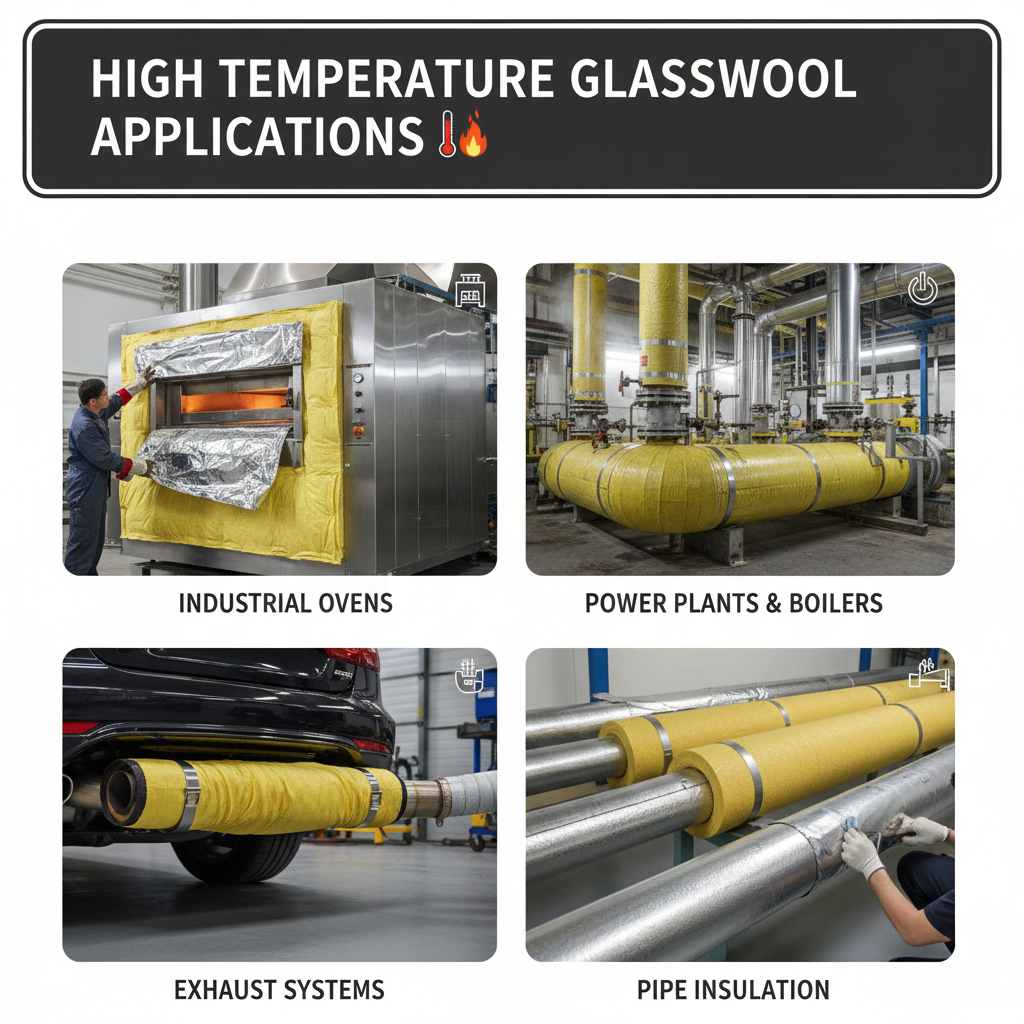
    High Temperature Glasswool Applications

    For environments exposed to elevated heat levels, high temperature glasswool is used. This variant is designed to withstand higher thermal stress without losing its insulating properties.

    High-temperature applications include:

    • Industrial HVAC systems
    • Mechanical rooms
    • Heat-exposed duct sections
    • Commercial ventilation shafts

    This ensures safety, durability, and long-term performance.

    Glasswool Board for HVAC Insulation

    A glasswool board is a rigid or semi-rigid form of glasswool designed for flat duct surfaces and equipment enclosures. Compared to rolls or blankets, boards provide better dimensional stability and a neat finish.

    Glasswool boards are commonly used in:

    • Rectangular duct insulation
    • AHU panels
    • HVAC plant rooms
    • Acoustic lining inside ducts

    Glasswool with Aluminium Foil – Added Protection

    This sheet with aluminium foil is widely preferred in duct insulation due to its dual functionality. The aluminium facing acts as a vapor barrier, preventing moisture penetration and condensation.

    Key benefits include:

    • Improved thermal efficiency
    • Enhanced durability
    • Clean and professional appearance
    • Resistance to humidity and corrosion

    This combination is especially effective in high-humidity environments and air-conditioned spaces.

    Installation Advantages in HVAC Systems

    Glasswool insulation offers installers practical benefits that reduce labor time and installation complexity:

    • Easy cutting and shaping
    • Lightweight handling
    • Secure fitting around ducts
    • Compatibility with standard fastening systems

    These advantages make glasswool a preferred choice for large-scale HVAC projects.

    Energy Efficiency & Cost Benefits

    By maintaining stable air temperatures inside ducts, glasswool insulation reduces energy loss and operating costs. Over time, this results in:

    • Lower electricity bills
    • Reduced HVAC maintenance
    • Extended equipment lifespan

    Moreover, these benefits make glasswool a cost-effective insulation solution for long-term HVAC performance

    Final Thoughts on Glasswool for Duct & HVAC Insulation

    Glasswool remains one of the most reliable and efficient insulation materials for duct and HVAC applications. Its thermal performance, temperature resistance, flexible formats, and compatibility with aluminium foil coverings make it suitable for a wide range of projects. However, selecting the right thickness, density, and form ensures optimal system efficiency and long-term comfort.

    FAQ’S

    Glasswool insulation is widely used in HVAC ducts because it provides effective thermal control, reduces energy loss, and is lightweight. Its flexible structure allows easy installation around round and rectangular ducts without affecting airflow efficiency.

    Yes, depending on the grade, glasswool insulation temperature range supports both cooling and heating applications. For areas exposed to higher heat, high temperature glasswool is recommended to maintain performance and safety.

    Glasswool with aluminium foil adds a vapor barrier that prevents moisture buildup and condensation inside ducts. This improves insulation efficiency, protects the duct surface, and extends the life of HVAC systems.

    A glasswool board is ideal for flat surfaces such as rectangular ducts and AHU panels because it provides better rigidity and a cleaner finish. Rolls or blankets are better suited for curved ductwork and tight spaces.

  • Glasswool vs Rockwool – Key Differences

    Glasswool vs Rockwool – Key Differences

    Choosing the right insulation material is a critical decision for homes, commercial buildings, and industrial projects. Among the most commonly used insulation materials, glasswool and rockwool stand out for their thermal and acoustic performance. However, many buyers remain confused when comparing these two options.

    This detailed guide on Glasswool vs Rockwool – Key Differences will help you understand their composition, performance, safety, cost, and best use cases—especially if you are seeking professional insulation services in Pakistan.

    What Is Glasswool Insulation?

    Glasswool Sheet For Soundproofing

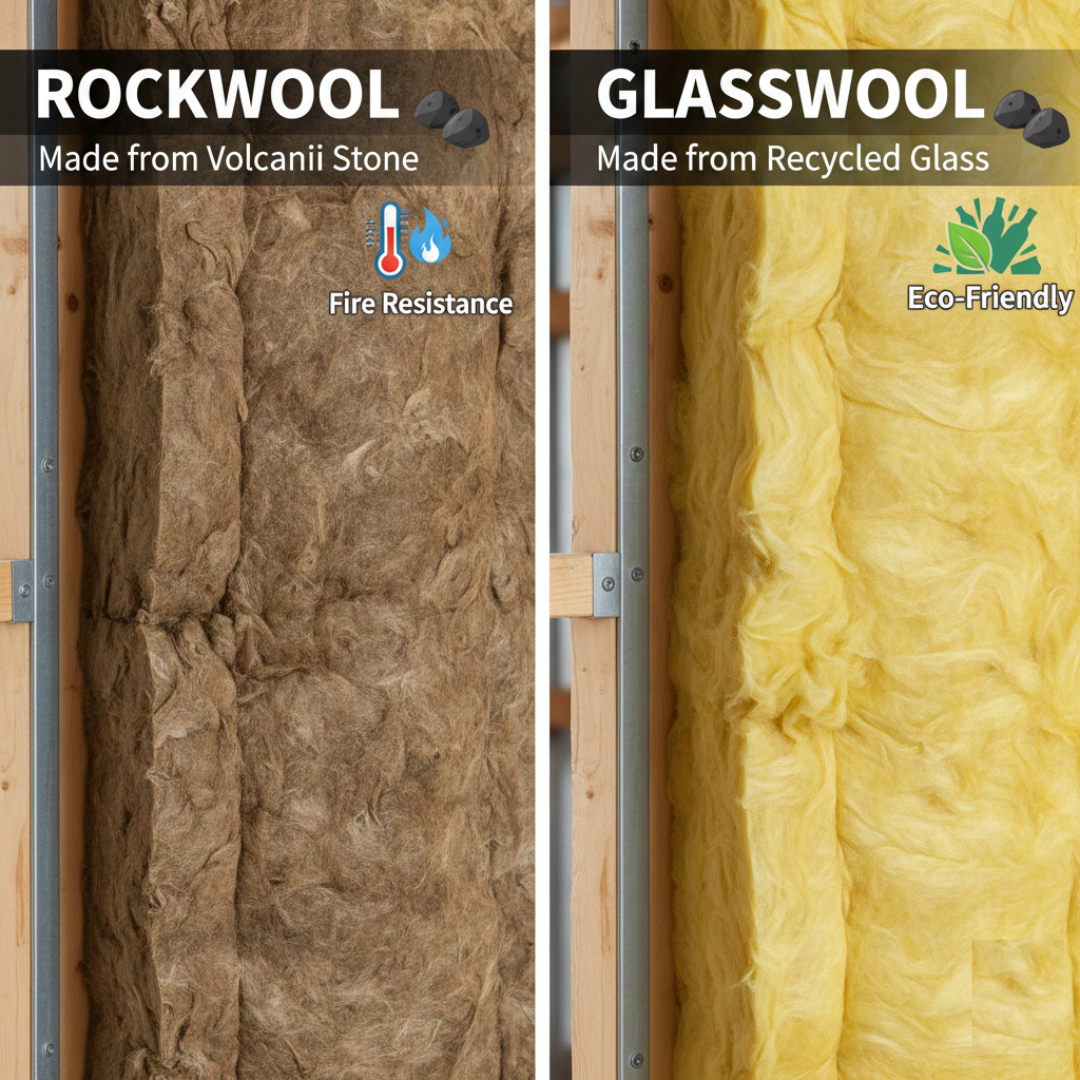
    Glasswool insulation is a fibrous material manufactured by melting recycled glass and spinning it into fine fibers. These fibers trap air pockets, making glasswool highly effective for thermal insulation and moderate sound absorption.

    It is lightweight, flexible, and commonly supplied in rolls, slabs, or blankets, making it easy to install in walls, ceilings, and HVAC systems.

    What Is Rockwool Insulation?

    rockwool insulation in pakistan

    Rockwool insulation, also known as stone wool, is produced by melting natural volcanic rock and forming it into dense fibers. Due to its structure, rockwool provides superior fire resistance, excellent sound absorption, and high durability.

    Many people compare rockwool vs mineral wool, but technically, rockwool is a type of mineral wool specifically derived from stone rather than glass.

    Glasswool vs Rockwool – Core Material Differences

    FeatureGlasswoolRockwool
    Raw MaterialRecycled glassVolcanic rock
    DensityLowHigh
    WeightLightweightHeavier
    FlexibilityVery flexibleRigid
    Fire ResistanceModerateExcellent
    Moisture ResistanceModerateHigh

    These material differences significantly influence performance and application areas.

    Glasswool vs Rockwool for Soundproofing

    When evaluating glasswool vs rockwool for soundproofing, density plays a crucial role.

    • Glasswool absorbs airborne noise effectively but performs best in low-to-medium sound control applications.
    • Rockwool’s dense structure makes it superior for blocking impact noise and high-decibel environments such as factories, studios, and generator rooms.

    For professional acoustic solutions, most insulation services in Pakistan recommend rockwool for demanding soundproofing requirements.

    Thermal Insulation Performance Comparison

    Thermocol Sheet For Hospitals & Schools

    Both materials provide excellent thermal resistance, but usage conditions matter:

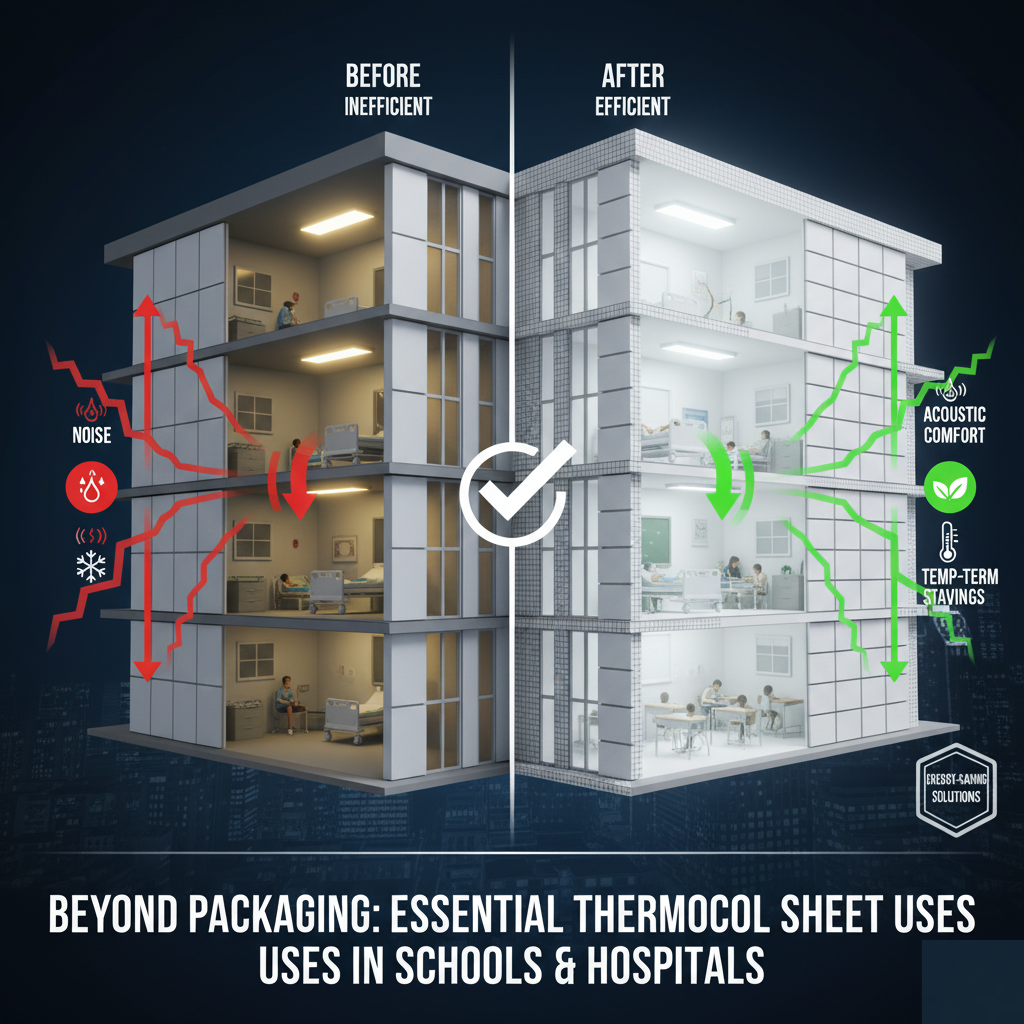
    • Glasswool is ideal for residential ceilings, HVAC ducts, and lightweight partitions.
    • Rockwool performs better in extreme heat environments, industrial walls, and fire-rated constructions.

    If long-term thermal stability is your priority, rockwool has a performance edge.

    Rockwool vs Fibreglass – Are They the Same?

    Many users compare rockwool vs fibreglass, assuming they are similar. While fibreglass is closely related to glasswool, rockwool differs significantly in composition and performance.

    • Fibreglass (glasswool) focuses on lightweight insulation
    • Rockwool offers superior fire resistance, rigidity, and acoustic insulation

    The choice depends on safety requirements and application type.

    Health & Safety Considerations

    One of the most discussed topics is rockwool vs glasswool health concerns.

    • Modern glasswool products are engineered to be safe when installed with protective gear.
    • Rockwool fibers are thicker and less likely to become airborne, making them safer for long-term exposure.

    Regardless of the material, professional installation and protective equipment are essential.

    Rockwool Price vs Glasswool Price

    Cost is often a deciding factor when choosing insulation.

    • Glasswool price is generally lower due to its lightweight composition and mass production.
    • Rockwool price is higher because of its density, fire resistance, and durability.

    Rockwool Price in Pakistan & Glasswool Price in Pakistan

    In the local market:

    • Glasswool price in Pakistan is more affordable and commonly used for residential projects.
    • Rockwool price in Pakistan is higher but justified for industrial, acoustic, and fire-rated applications.

    Prices vary depending on thickness, density, brand, and project scale.

    Applications: Which One Should You Choose?

    Choose glasswool insulation if you need:

    • Budget-friendly thermal insulation
    • Lightweight ceiling or duct insulation
    • Residential and commercial buildings

    Choose rockwool insulation if you need:

    • High fire resistance
    • Superior soundproofing
    • Industrial or high-temperature environments

    Most professional insulation services in Pakistan assess project requirements before recommending the right material.

    Final Verdict: Glasswool vs Rockwool

    The debate of Glasswool vs Rockwool does not have a one-size-fits-all answer. Glasswool excels in affordability and flexibility, while rockwool dominates in fire safety, soundproofing, and durability. The right choice depends on your building type, budget, and performance expectations.

    Consult experienced insulation professionals to ensure maximum efficiency and long-term value.

    FAQ’S

    For residential buildings, glasswool insulation is usually preferred due to its affordability and lightweight nature. However, in areas where fire resistance or higher sound insulation is required, rockwool insulation becomes a better option. The final choice depends on climate, budget, and building design.

    When comparing rockwool vs glasswool health aspects, both materials are safe if installed correctly. Rockwool fibers are heavier and less likely to become airborne, while modern glasswool products are designed to meet international safety standards. Professional installation is always recommended.

    In the comparison of glasswool vs rockwool for soundproofing, rockwool performs better due to its higher density and structure. It is commonly used in studios, industrial spaces, and commercial buildings where noise control is critical.

    Yes, both rockwool price in Pakistan and glasswool price in Pakistan can vary by city depending on availability, transportation costs, thickness, and project size. Major cities usually offer more competitive rates due to higher demand and supplier presence.

  • How to Choose the Right Density of Glasswool for Different Applications?

    How to Choose the Right Density of Glasswool for Different Applications?

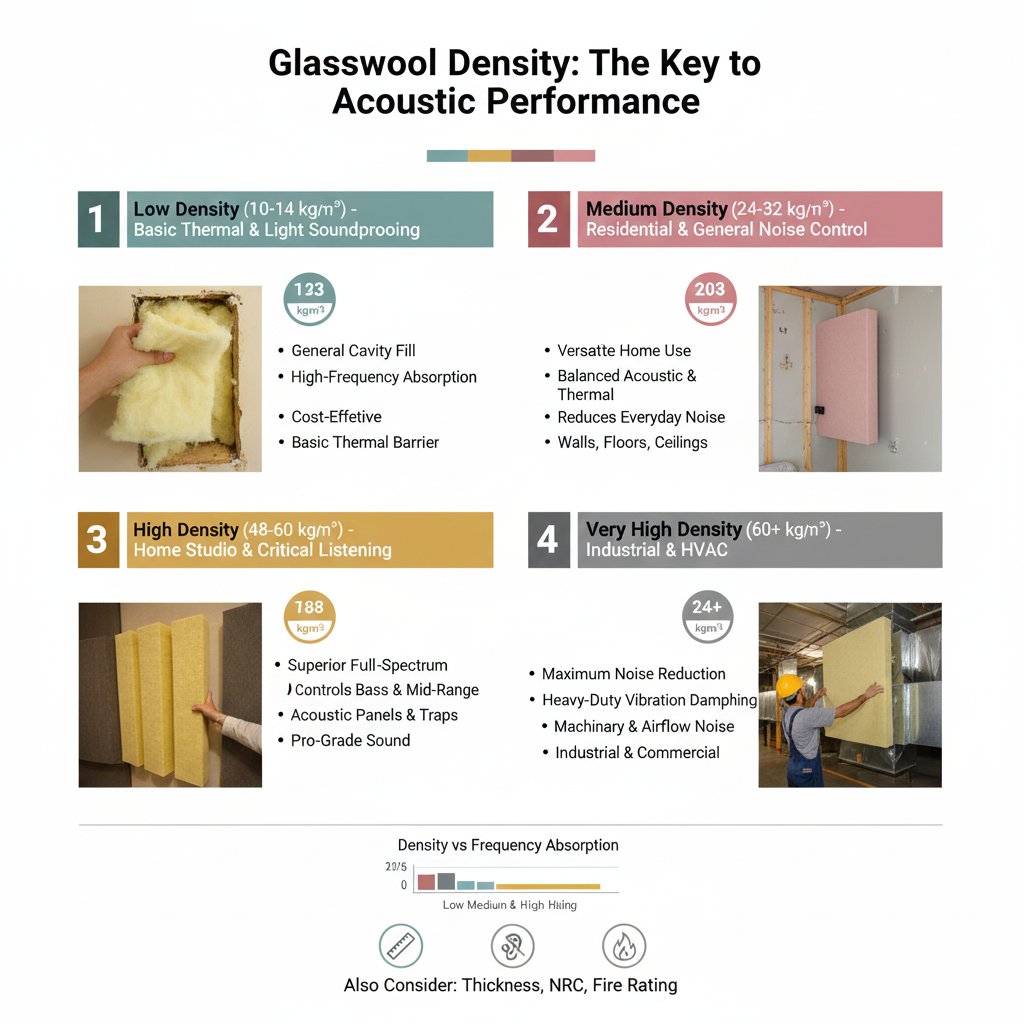
    Glasswool is a phenomenal material for both thermal insulation and soundproofing, but not all glasswool is created equal. Its effectiveness, particularly for acoustic treatment, largely depends on its density. Choosing the right density of glasswool insulation is crucial for achieving optimal results, whether you’re tackling noise reduction in a home studio or an industrial setting. This guide will help you navigate the options and make an informed decision for your specific application.

    Understanding Density: What it Means for Acoustic Performance

    glasswool sheet density

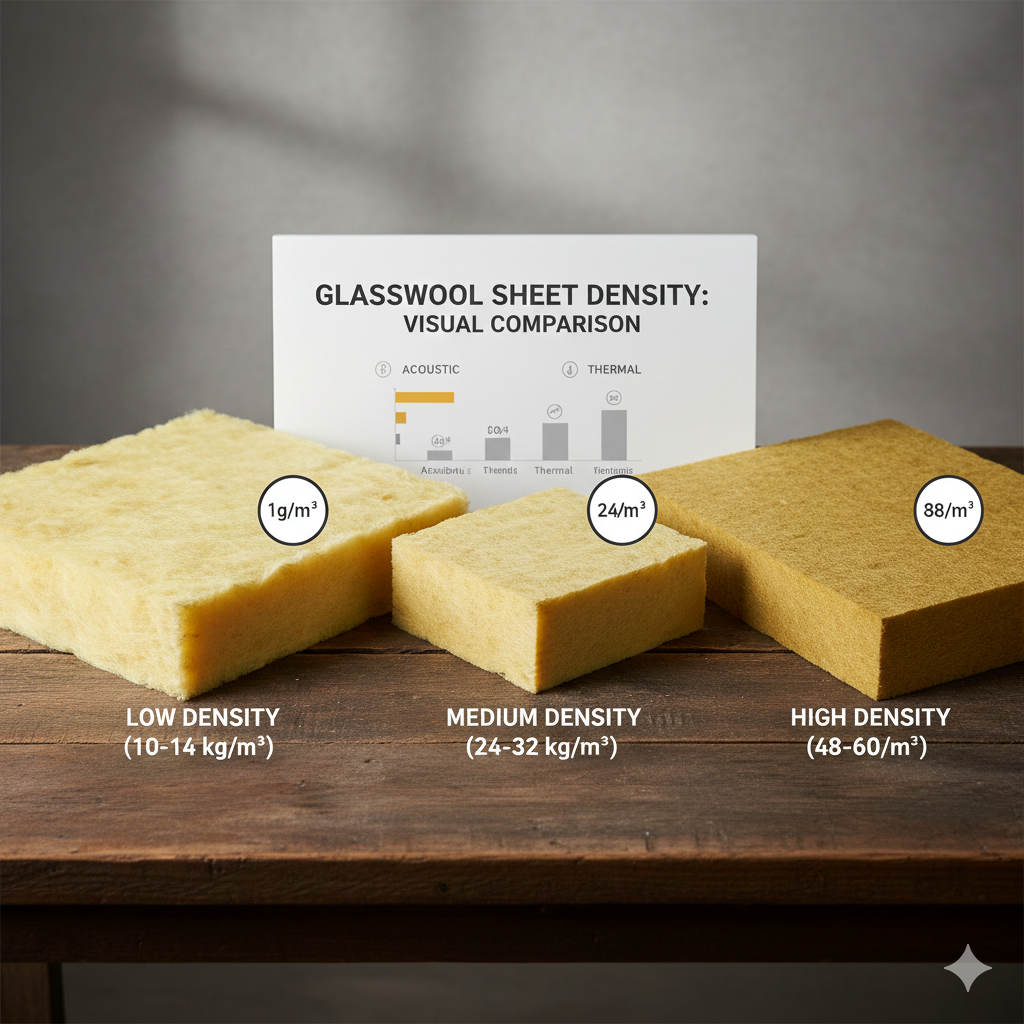
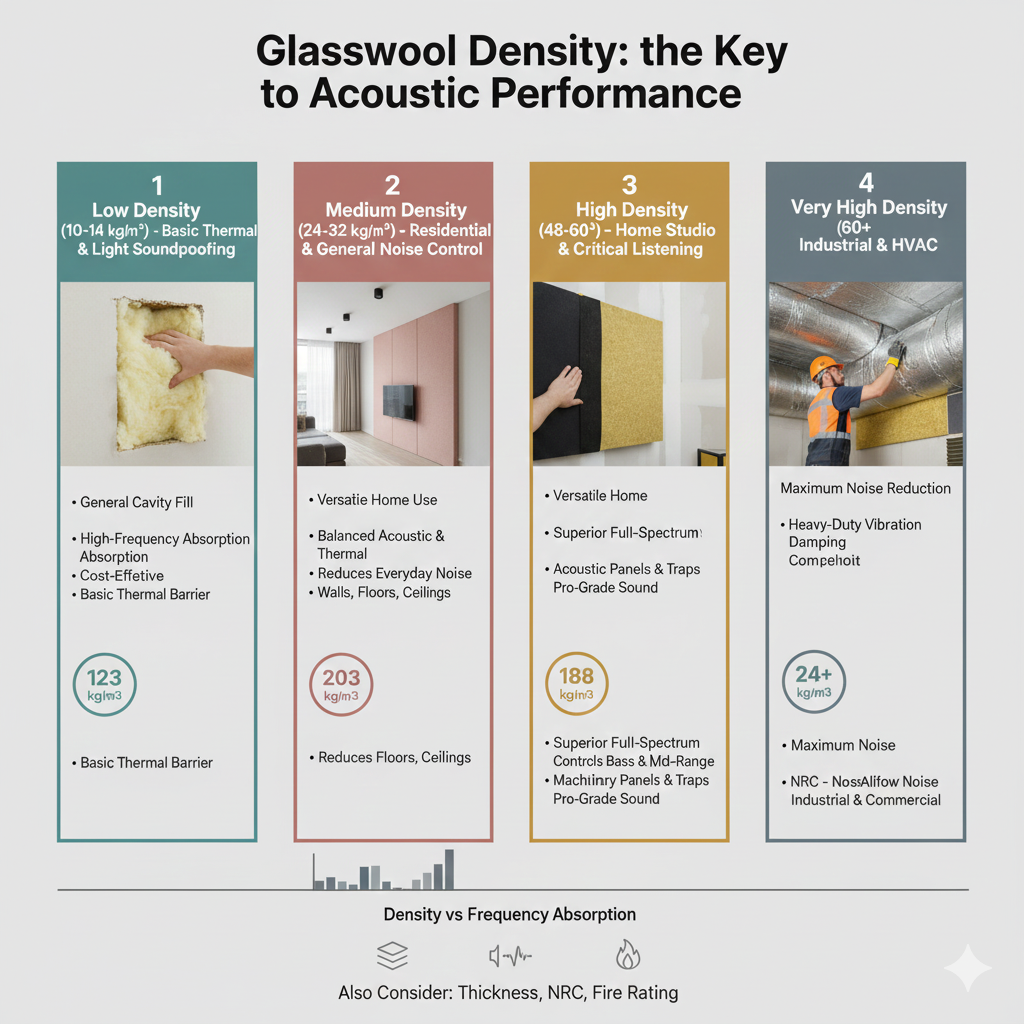
    Density in glasswool panels refers to the mass per unit volume, typically measured in kilograms per cubic meter (kg/m³). It directly impacts how effectively the material can absorb and dissipate sound energy.

    • Low Density (e.g., 10-14 kg/m³): Lighter, less fibrous. Excellent for basic thermal insulation and offers some sound absorption, primarily for higher frequencies. It’s often more cost-effective for general cavity filling.
    • Medium Density (e.g., 24-32 kg/m³): A versatile option, providing a good balance of thermal insulation and improved acoustic performance. This range is often a go-to for residential soundproofing material.
    • High Density (e.g., 48 kg/m³ and above): Denser, more rigid. Offers superior noise reduction across a broader frequency spectrum, including lower frequencies. Ideal for demanding acoustic treatment scenarios.

    The denser the glasswool insulation, the more internal friction and resistance it offers to sound waves, leading to better vibration dampening and overall sound absorption.

    Matching Density to Application: A Practical Guide

    The “sweet spot” for density varies significantly based on where and how you plan to use your glasswool sheets.

    1. Residential Spaces (General Soundproofing & Thermal Insulation)

    For standard walls, ceilings, and floors in homes where both thermal insulation and moderate noise reduction are desired, medium density glasswool (24-32 kg/m³) is often the most practical choice. It offers sufficient sound dampening for everyday noise and is cost-effective. For a bedroom or living area seeking better noise control, opting for the higher end of this range or slightly above is beneficial.

    2. Dedicated Home Studio & Critical Listening Environments

    When building a home studio or a high-fidelity listening room, acoustic performance is paramount. Here, high density glasswool (48-60 kg/m³) is highly recommended. It excels at absorbing a wider range of frequencies, particularly crucial for controlling bass and mid-range frequencies, which are common in music production. These acoustic panels provide superior sound absorption for a more accurate and controlled sound environment.

    3. Commercial and Office Spaces (Partitions & Ceilings)

    In an office space or commercial building, the goal is often to enhance speech privacy and reduce general ambient noise. Medium to high density glasswool (32-48 kg/m³) is suitable for partition walls and suspended ceiling panels. This helps create a quieter work environment, improving focus and communication. The specific acoustic performance target will guide the precise density selection.

    4. Industrial & HVAC Systems (Heavy Duty Noise Control)

    For industrial applications or damping noise from HVAC ductwork, where intense noise reduction is critical, very high density glasswool (60 kg/m³ and above) or even specialized rigid glasswool boards are preferred. These robust materials can withstand harsh conditions while providing maximum sound dampening and vibration dampening against machinery and airflow noise.

    Beyond Density: Other Factors to Consider

    While density is a primary factor, keep these additional points in mind when selecting your soundproofing material:

    • Thickness: Thicker insulation generally offers better acoustic performance, especially for lower frequencies, regardless of density.
    • Installation: Ensure the glasswool sheets fit snugly without compression. Proper installing is key to effectiveness.
    • N.R.C. (Noise Reduction Coefficient): Look for the NRC rating, which indicates the material’s ability to absorb sound. A higher NRC means better sound absorption.
    • Fire Rating: For certain applications, check the fire resistance rating of the glasswool insulation.

    By carefully considering the right density in conjunction with your specific application and these additional factors, you can confidently choose the optimal glasswool solution to create your desired quiet and acoustically controlled environment.

    FAQ’S

    Density directly affects sound absorption, thermal performance, and structural stability. Higher-density glasswool provides better acoustic control and stronger insulation for industrial or commercial use, while lower-density options are sufficient for basic thermal insulation in homes.

    For effective acoustic treatment, glasswool with a density of 48 kg/m³ to 96 kg/m³ is recommended. Higher densities provide better sound absorption, especially in studios, cinemas, offices, or noisy commercial areas.

    For residential and commercial thermal insulation, glasswool with a density of 16 kg/m³ to 32 kg/m³ is typically used. It provides excellent heat resistance, energy savings, and overall comfort for roofs, ceilings, and walls.

    Industrial and HVAC systems require high-density glasswool (48–64 kg/m³ or more) due to higher temperature exposure, vibration, and strict performance requirements. High density enhances durability, fire resistance, and thermal stability under tough conditions.

  • Hello world!

    Welcome to WordPress. This is your first post. Edit or delete it, then start writing!