
In today’s fast-paced world, finding a quiet retreat is essential, whether for a home studio, a professional office space, or a peaceful bedroom. Noise reduction is a common challenge, and while many materials promise silence. Moreover, few deliver the performance and value of glasswool insulation sheet for acoustic soundproofing. This blog post will delve into how these sheets function as a superior solution for acoustic treatment and help you achieve your perfect sound sanctuary.
What is Glasswool and How Does It Achieve Noise Reduction?

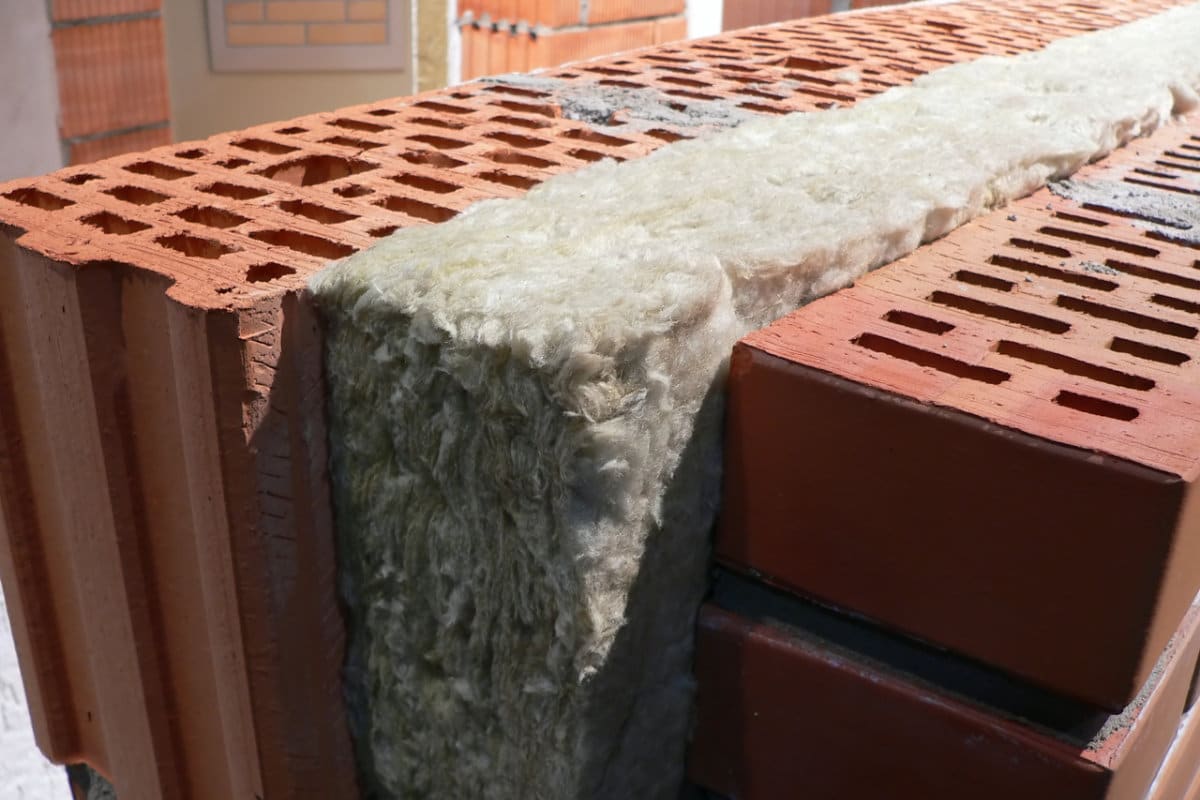
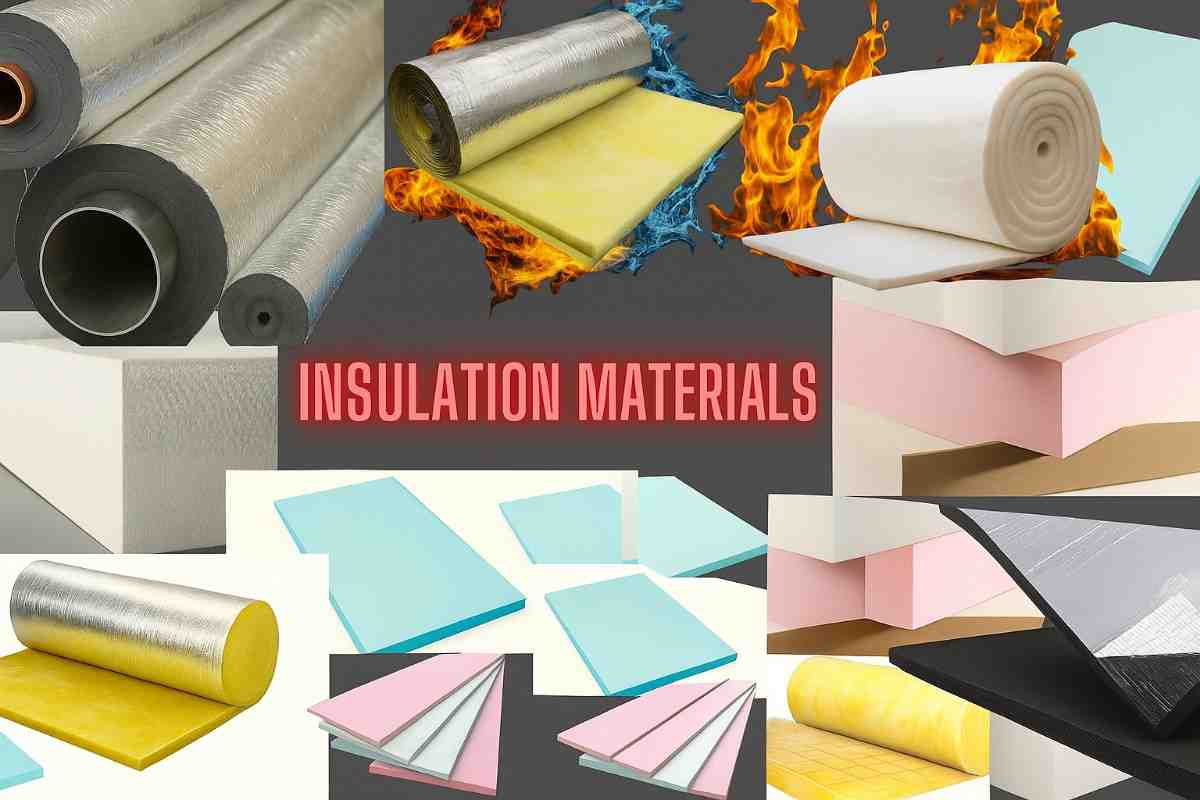
Glasswool insulation, also known as fiberglass insulation, is a material made from extremely fine fibers of glass woven into a dense, wool-like mat. Its primary function is thermal insulation, but its unique structure makes it an excellent material for sound absorption.
Effectiveness
This process significantly reduces the intensity of airborne sound, making it a reliable soundproofing material for walls, ceilings, and floors.
Porous Structure
The key to its acoustic performance lies in its porous, open-cell structure. When sound waves encounter a glasswool sheet, they penetrate the material.
Energy Conversion
As the sound waves travel through the tangled glass fibers, vibration occurs. However, this mechanical energy (sound) is converted into minute amounts of heat energy through friction, effectively dampening the sound wave.
Applications: Where to Use Glasswool Sheet for Optimal Acoustic Soundproofing Treatment
Glasswool panels are highly versatile and can be used in a variety of settings where noise control is paramount.
1. Residential Use (Home Studio and Bedrooms)
For musicians and podcasters, a dedicated home studio requires high-quality acoustic treatment. Glasswool sheets are ideal for creating bass traps and wall panels, improving sound clarity within the room and minimizing noise leakage. In bedrooms, they are installed within drywall cavities to significantly reduce external traffic or neighbor noise.
2. Commercial and Office Space
In commercial buildings, controlling sound is vital for privacy and productivity. Moreover, Installing glasswool in partition walls and suspended ceiling systems provides excellent sound absorption, contributing to a more focused office space.
3. Industrial and HVAC Systems
Due to its robust acoustic performance, glasswool is often used to wrap ductwork in HVAC systems to suppress mechanical fan noise and airflow sounds, ensuring quieter operation.
Comparing Glasswool: Acoustic Performance vs. Other Materials
When selecting a soundproofing material, comparing glasswool insulation to alternatives like rockwool or acoustic foam is essential.
| Material | Primary Advantage | Acoustic Performance | Key Application |
| Glasswool | Excellent value, easy installation | High-frequency sound absorption | Walls, ceilings, acoustic panels |
| Rockwool | Higher density, fire resistance | Superior noise reduction for low frequencies | Industrial, fire-rated areas |
| Acoustic Foam | Aesthetic finishing, easy to apply | Surface-level dampening and echo control | Home studio acoustic treatment |
Glasswool strikes a balance, offering excellent performance and flexibility. Its lighter weight and ease of handling make installing it within standard stud walls a straightforward process.
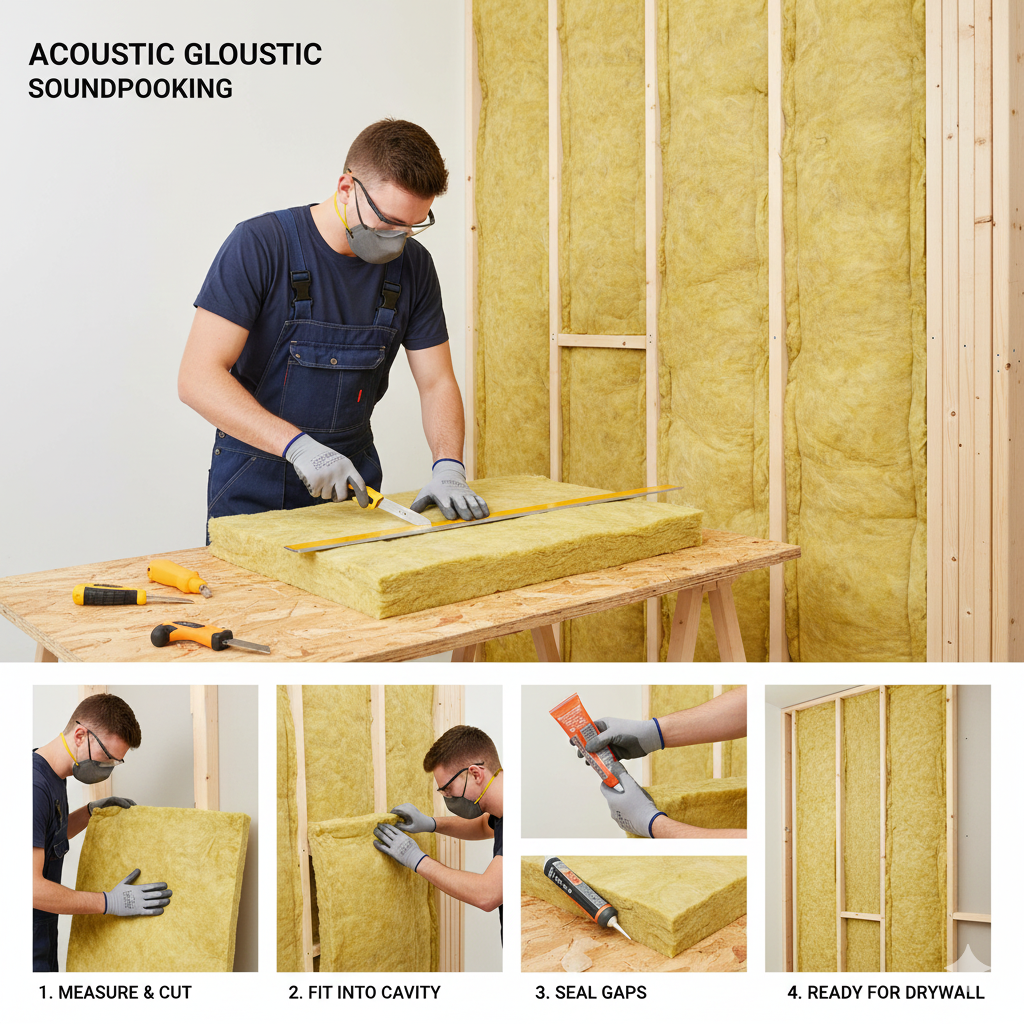
Essential Steps for Installing Glasswool Panels
For maximum noise control and acoustic treatment, proper installing of the sheets is critical.
- Preparation: Always wear protective gear (gloves, mask, goggles) as the fibers can be irritating.
- Cutting: Use a utility knife and a straight edge to cut the glasswool panels to the required size, ensuring a snug fit.
- Placement: Insert the sheets into the wall, ceiling, or floor cavities. However, they should fill the cavity completely without being overly compressed, as this can reduce their acoustic performance.
- Sealing: For true soundproofing material effectiveness, ensure all gaps and seams are sealed with acoustic sealant. This prevents sound flanking paths.
Furthermore, achieving noise reduction is an investment in your comfort and peace of mind. By choosing high-quality glasswool sheets. However, you’re selecting a proven solution that delivers reliable sound absorption and excellent long-term vibration dampening.
FAQ’S
Yes, glasswool is one of the most effective and widely used acoustic insulation materials. Its fibrous structure absorbs sound waves, reduces echo, and minimizes noise transmission between rooms, making it ideal for homes, offices, studios, cinemas, and commercial buildings.
For acoustic soundproofing, 50mm to 75mm thick glasswool rolls or slabs are commonly used. Higher density options provide better sound absorption, especially for walls, ceilings, and partition systems. The best thickness depends on the required noise reduction (dB rating).
Absolutely. Glasswool works best when installed behind gypsum boards, acoustic panels, wooden partitions, or false ceilings. These layers help increase sound absorption and significantly improve noise control in living and working spaces.
Yes, modern glasswool products are safe when properly installed. They are non-combustible, resistant to moisture, and manufactured with low-irritation fibers. It’s recommended to use protective gear during installation and ensure panels are sealed behind walls or ceilings.
Leave a Reply