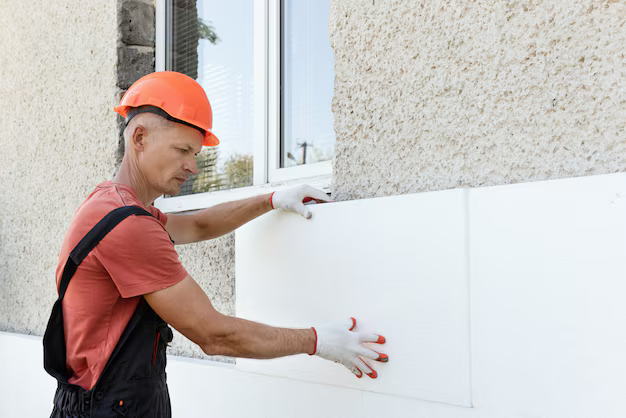

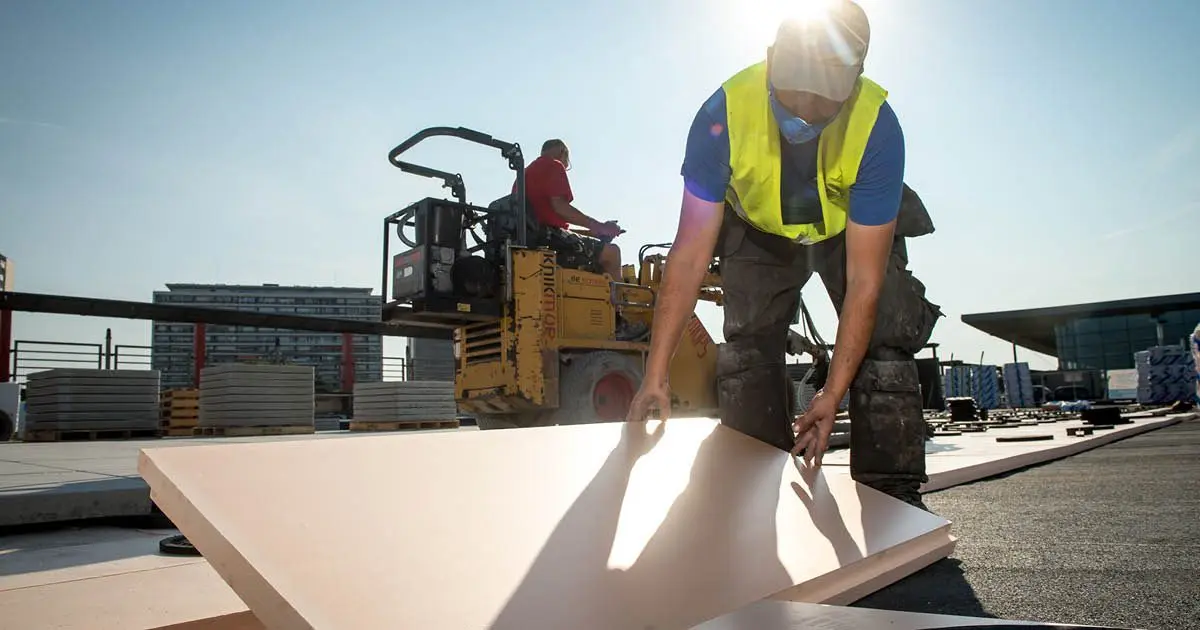
Electricity bills in Pakistan are rising, and inefficient buildings waste energy every day. One of the most effective ways to save electricity is through proper insulation. Insulation reduces heat transfer, keeps indoor temperatures stable, and lowers reliance on air conditioning or heating systems.
This guide explains How Insulation Saves Electricity Costs in Pakistan, explores its eco-friendly benefits, and shows how homeowners and businesses can reduce energy expenses while improving comfort.
Why Electricity Costs Are High in Pakistan
In Pakistan, hot summers and cold winters cause a spike in electricity consumption. Poorly insulated homes and offices require more power for cooling and heating. This not only increases monthly electricity bills but also contributes to higher carbon emissions.
Implementing effective insulation is a proven method to save electricity while maintaining indoor comfort.
How Insulation Saves Electricity Costs in Pakistan

Insulation works by slowing down the transfer of heat between indoor and outdoor environments. Here’s how it helps:
- Reduces Cooling Load in Summer
Proper roof and wall insulation keep interiors cooler, reducing the need for fans or air conditioners. - Minimizes Heating Load in Winter
Insulation traps warmth inside buildings, cutting down on electric heater usage. - Stabilizes Indoor Temperature
Consistent temperature reduces frequent on/off cycles of HVAC systems, improving energy efficiency.
By addressing heat gain and loss, insulation directly lowers electricity consumption, making monthly bills more manageable.
How Insulation Saves Electricity Price in Pakistan
The impact of insulation on electricity bills can be significant. On average, well-insulated buildings can reduce energy costs by 30–40%, depending on climate and building type. This is especially important for commercial spaces and large residential buildings in Pakistan.
By reducing dependency on electricity, insulation offers long-term financial benefits and faster return on investment.
Types of Insulation That Help Save Electricity
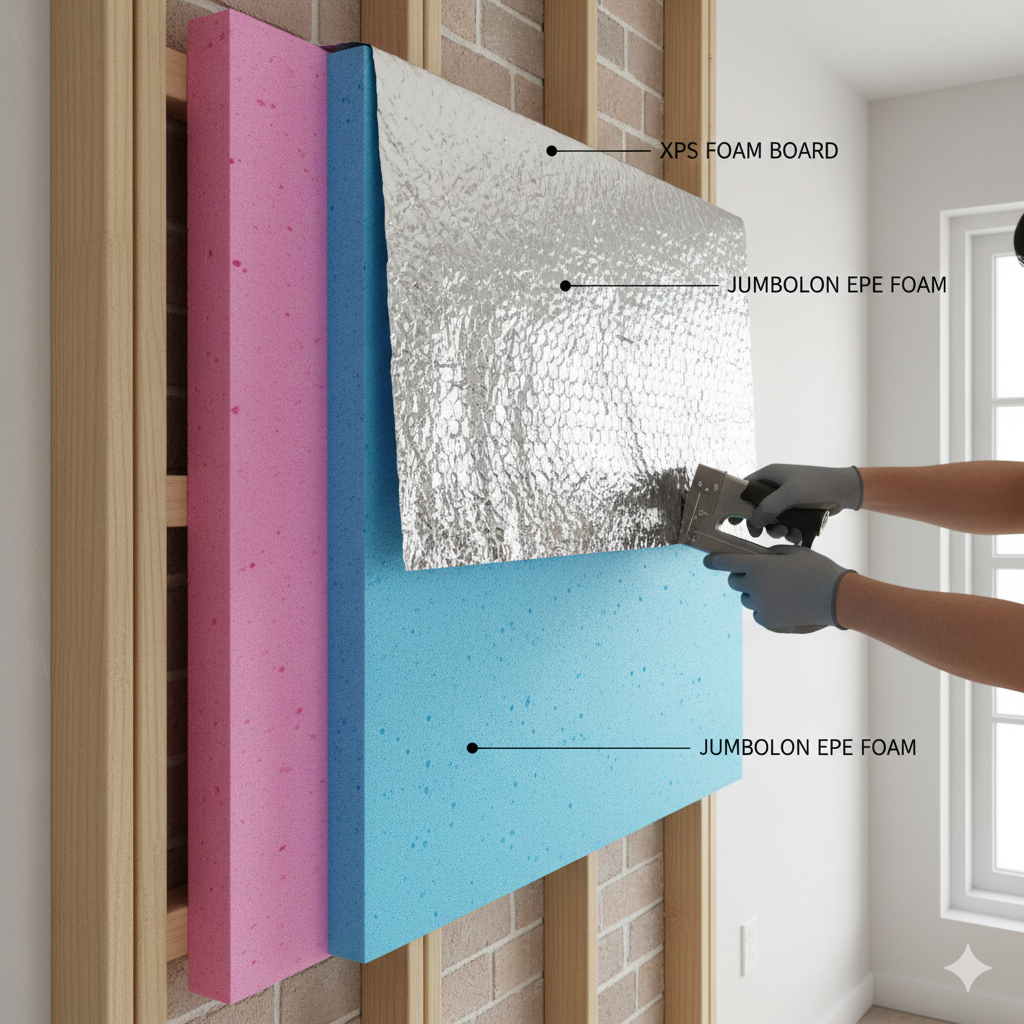
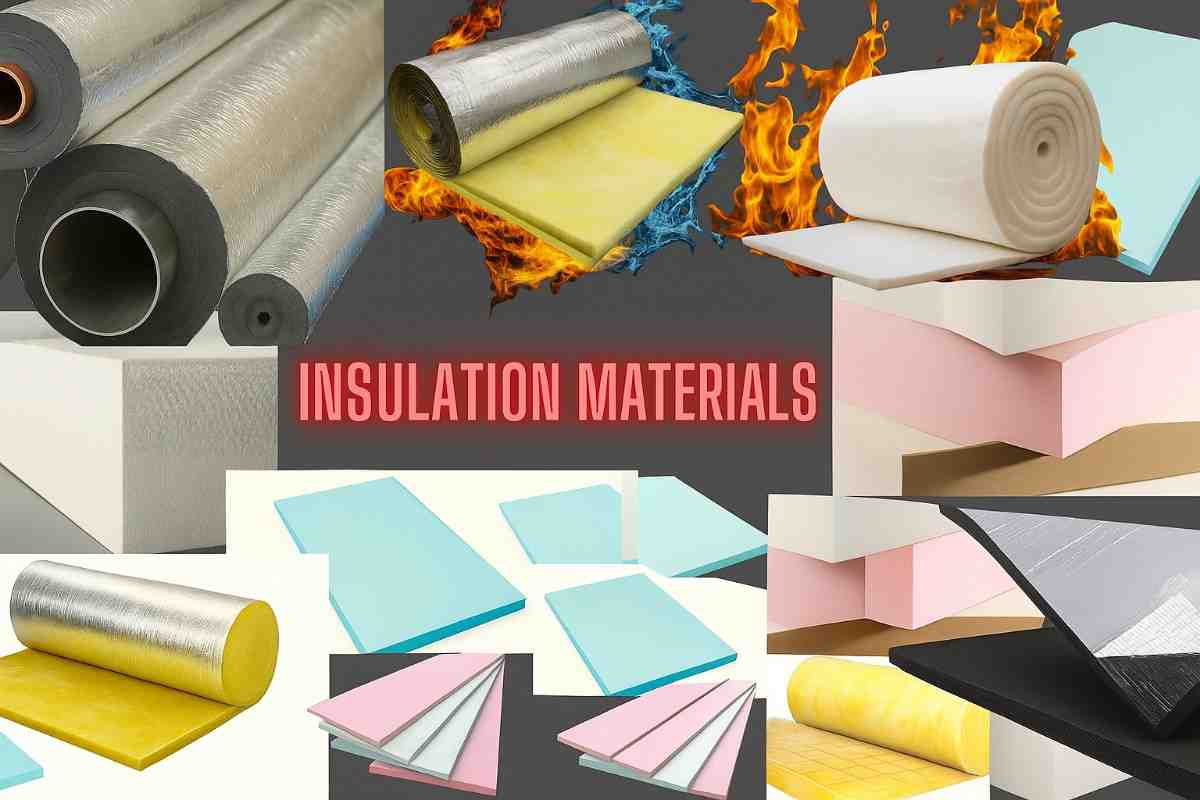
Several insulation materials are commonly used in Pakistan to save electricity effectively:
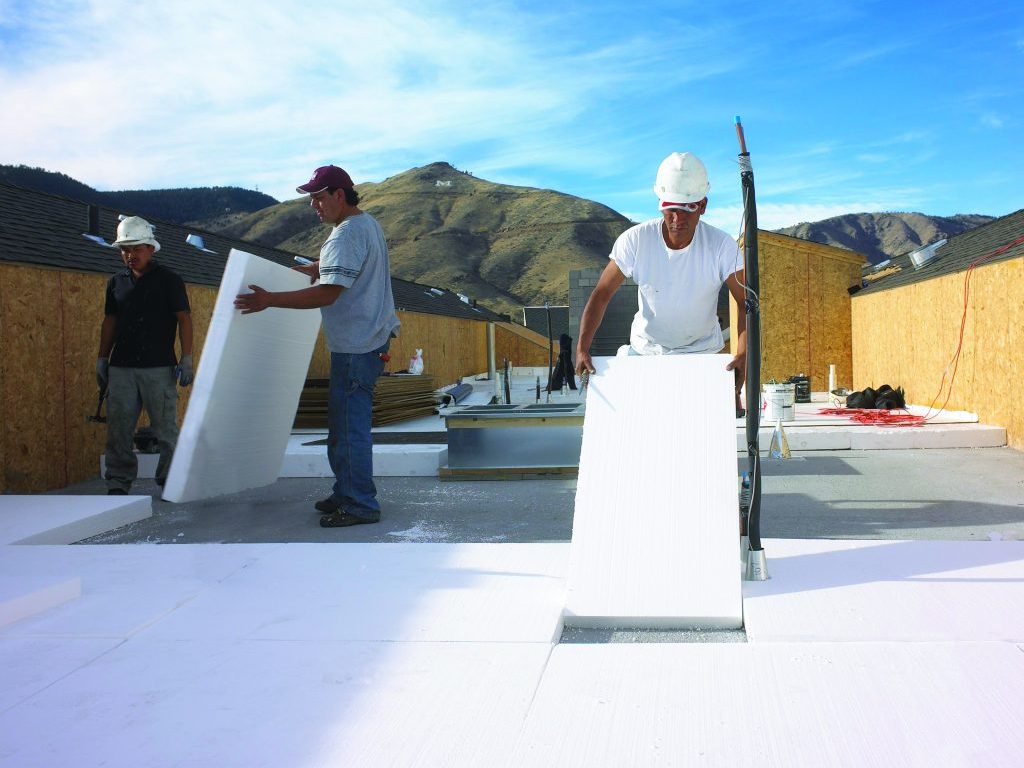
- EPS and XPS Sheets – Lightweight and cost-effective for walls and roofs.
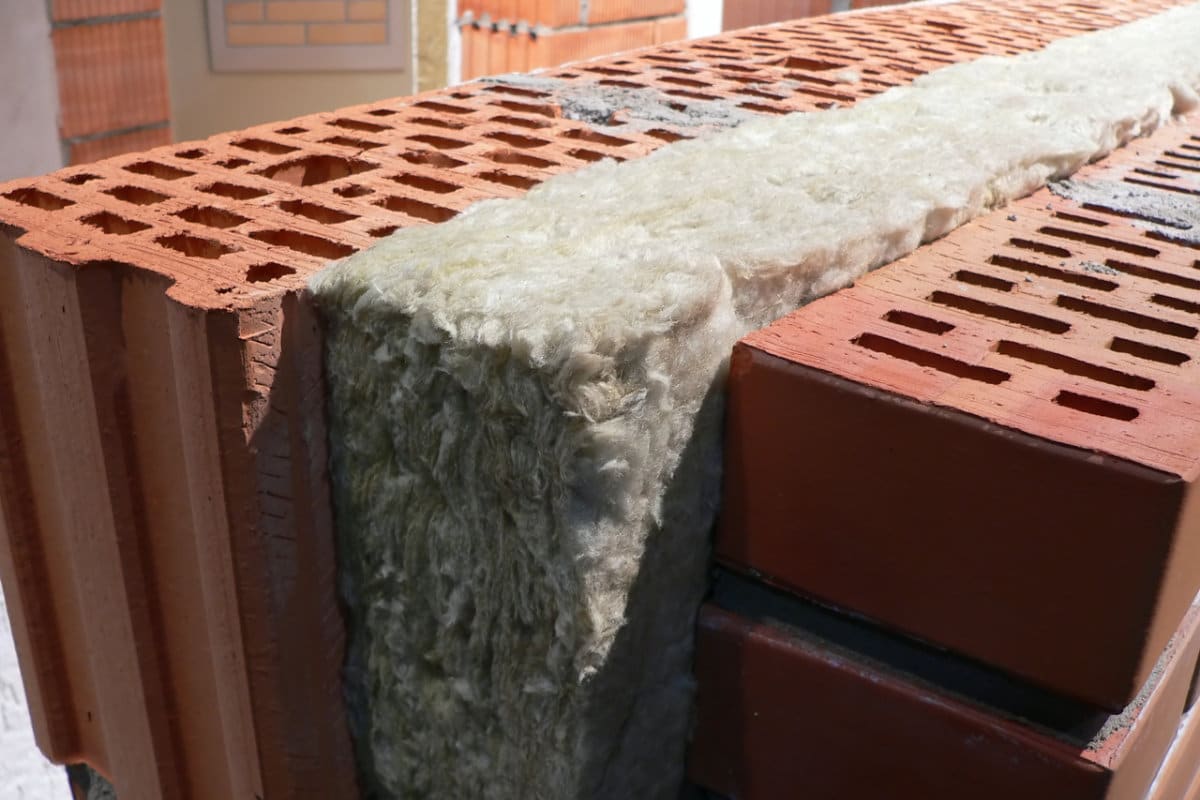
- Glass Wool and Mineral Wool – Provides thermal and sound insulation.
- PU/PIR Foam Panels – High thermal resistance, ideal for cold storage and warehouses.
- Sandwich Panels – Combines structure and insulation in one layer for energy efficiency.
Choosing the right material depends on your application, budget, and climate.
Insulation as an Eco-Friendly Solution
Beyond cost savings, insulation is an insulation eco friendly solution:
- Reduces energy consumption and greenhouse gas emissions
- Lowers the carbon footprint of buildings
- Promotes sustainable construction practices
Investing in insulation is not only smart financially but also environmentally responsible.
How to Maximize Electricity Savings with Insulation
- Insulate Roofs and Ceilings – The roof is the largest source of heat gain.
- Install Wall Insulation – Helps maintain a stable indoor temperature.
- Seal Gaps and Openings – Prevents unnecessary heat loss or gain.
- Combine with Energy-Efficient Appliances – Insulation works best with modern cooling and heating systems.
Even modest improvements can significantly save electricity over time.
Conclusion
Understanding How Insulation Saves Electricity Costs in Pakistan is crucial for homeowners, business owners, and facility managers. Proper insulation reduces electricity bills, improves comfort, and supports eco-friendly building practices. By investing in quality insulation, you gain long-term savings and a sustainable advantage.
Whether for a house, office, or warehouse, insulation is one of the smartest investments to save electricity and protect the environment.
FAQ’S
Insulation slows heat transfer through walls, roofs, and ceilings, reducing the need for air conditioning or heating, which directly lowers electricity consumption.
EPS sheets, XPS boards, glass wool, mineral wool, and PU/PIR foam panels are effective options that provide high thermal resistance and help save electricity.
Yes. Insulation reduces energy consumption, lowers greenhouse gas emissions, and is a sustainable way to save electricity while maintaining comfort.
Roofs, ceilings, and external walls are the most critical areas. Proper insulation in these areas helps stabilize indoor temperatures and significantly reduces electricity usage.
Leave a Reply