
Metal sheds are incredibly versatile, serving as workshops, storage units, garages, and even home offices. However, they share a common and significant drawback: poor thermal regulation. A non-insulated metal structure acts like an oven in the summer and a freezer in the winter, making the space uncomfortable and often unusable. This is where Jumbolon insulation, a popular brand name for Extruded Polystyrene (XPS) foam, provides a powerful solution. Known for its distinct closed-cell structure and high performance, Jumbolon is arguably the best choice for achieving optimal thermal protection in your metal shed. Jumbolon Insulation is Essential for Metal Sheds
The Metal Shed Problem: Condensation and Heat Transfer
Before diving into the solution, it’s vital to understand the issues inherent in metal sheds:
1. Extreme Heat Transfer
Metal is a high conductor of heat. In sunny conditions, the exterior heat is rapidly transferred inside, leading to unbearable temperatures. This results in incredibly low energy efficiency.
2. Condensation and Moisture Damage
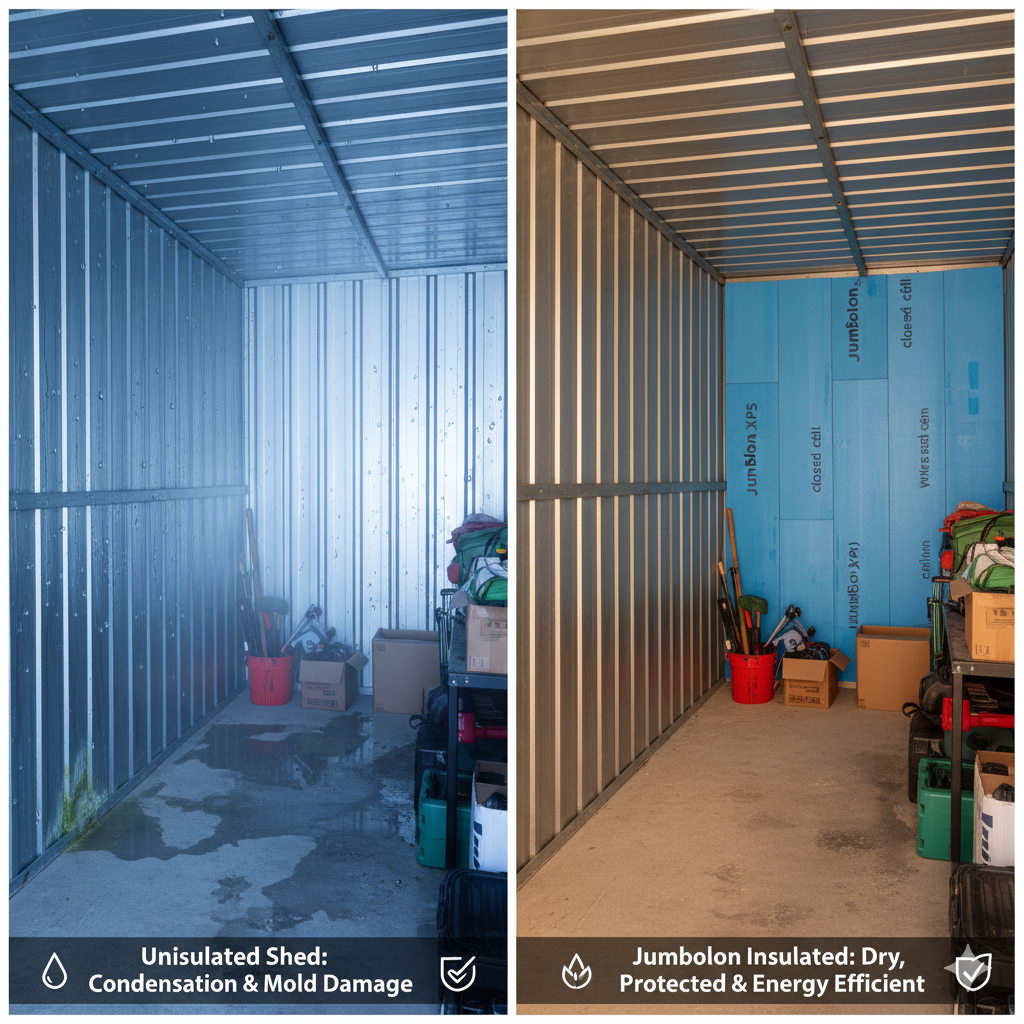
When the warm, humid air inside the shed meets the cold metal roof and walls, it causes condensation. This phenomenon is a major problem, leading to rust, mold growth, and damage to stored items or equipment. Effective insulation must act as a moisture barrier.
Why Jumbolon (XPS) Excels in Metal Shed Insulation?

Jumbolon, or XPS, possesses a unique set of characteristics that make it perfectly suited for the challenging environment of a metal shed.
1. Superior Thermal Performance (High R-Value)
Jumbolon boards offer a high R-value per inch (typically R-5), providing excellent thermal resistance. Installing these foam panels dramatically slows the rate of heat transfer. This means the shed stays cooler when the sun is out and retains heat better during cold nights.
2. Built-in Moisture Barrier
The core challenge in a metal shed is managing moisture. Jumbolon’s closed-cell foam structure is virtually impermeable to water. This quality makes it a reliable water-resistant material, preventing the warm, moist indoor air from reaching the cold metal surfaces and stopping that destructive shed condensation. This is a major advantage over open-cell options.
3. Ease of Installation and Handling
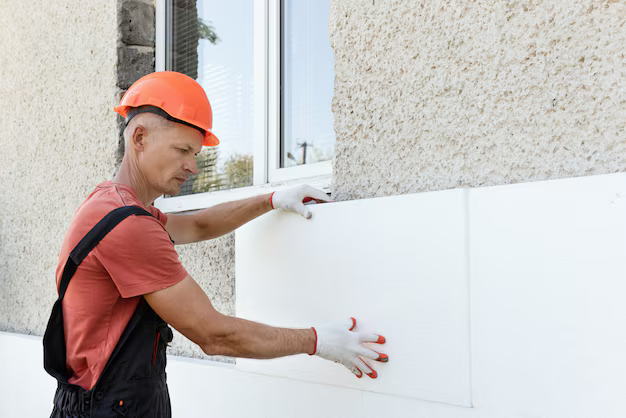
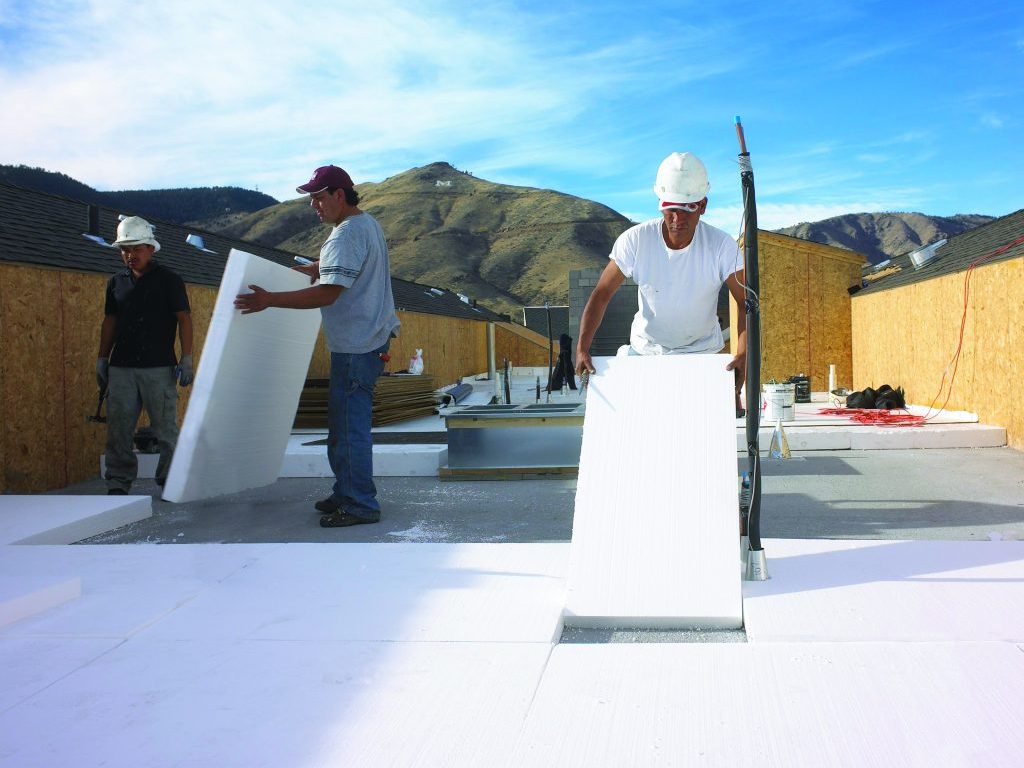
Insulating a shed should not be an overly complex task. Jumbolon sheets are lightweight and rigid, making them easy to cut with a utility knife and secure directly to the metal purlins or wall girts using construction adhesive or mechanical fasteners. This straightforward process makes it an ideal DIY shed insulation project.
4. High Compressive Strength
While a shed’s walls don’t bear heavy loads, the durability of the insulation matters. Jumbolon’s high compressive strength means it is less likely to be damaged during handling, installation, or if pressure is accidentally applied to the walls from the inside. This ensures long-lasting insulation that won’t degrade over time.
Installation Guide: Applying Jumbolon Sheets

For maximum benefit, the insulation should be applied to both the walls and the roof.
Prepare the Surface
Ensure the interior metal surfaces are clean, dry, and free of rust or debris.
Measure and Cut the Panels
Measure the distance between the structural supports (purlins or girts). Cut the Jumbolon panels to fit snugly into the space, minimizing air gaps.
Secure the Insulation
Use a high-strength adhesive suitable for bonding XPS foam to metal, or use self-tapping screws with large washers to secure the panels in place. It is critical to achieve a tight fit.
Seal the Joints (Crucial for Efficiency)
For true air sealing and to maximize your energy efficiency, apply specialized foam-compatible tape (like foil tape) over all seams and joints between the Jumbolon boards. This step seals any minor gaps and ensures the continuous thermal envelope.
Beyond Thermal: Additional Benefits of Jumbolon Insulation for Metal Sheds
Insulating your shed with Jumbolon provides benefits that extend beyond temperature control:
- Noise Reduction: The dense foam acts as a sound dampening layer, significantly reducing the loud drumming noise caused by rain or hail hitting the metal roof.
- Protection for Stored Goods: By eliminating wide temperature swings and moisture, you protect valuable tools, equipment, and sensitive materials from rust, warping, and mold growth.
- Aesthetics: Once installed, the bright, uniform surface of the insulation creates a cleaner, more professional, and brighter interior space compared to exposed metal.
By choosing Jumbolon (XPS) for your shed, you are investing in a durable, multi-functional solution that transforms a harsh metal box into a comfortable, dry, and highly functional space with reliable thermal protection. This is why Jumbolon Insulation is Essential for Metal Sheds.
FAQ’S
Jumbolon (XPS) is a closed-cell foam, meaning its internal structure is made of millions of tiny, sealed pockets. This makes it an incredibly effective moisture barrier and water-resistant material. Condensation forms when warm, moist air meets a cold surface (the metal). Jumbolon prevents the warm indoor air from ever touching the cold metal, and because its structure resists vapor permeation, it stops the root cause of shed condensation better than less dense or open-cell insulation materials.
Absolutely. Metal is a highly conductive material, leading to massive heat gain in summer and heat loss in winter, resulting in very low energy efficiency. By installing Jumbolon, which offers excellent thermal resistance (a high R-value), you create a robust thermal envelope. This significantly reduces the amount of heating or cooling needed to keep the shed comfortable, leading to substantial energy savings if you use climate control.
Yes, Jumbolon is ideal for DIY shed insulation. It is lightweight, rigid, and easy to cut with standard tools. The most common method for securing the Extruded Polystyrene (XPS) boards to the interior metal frame (purlins or girts) is using a high-strength adhesive formulated for foam and metal bonding. For added security, some installers also use mechanical fasteners like self-tapping screws with large washers, ensuring a tight fit and good air sealing.
While a shed’s walls don’t typically bear structural loads, the high compressive strength of Jumbolon is still beneficial. It ensures the long-lasting insulation will not dent, crumble, or be easily damaged during the insulating a shed process, or when accidentally bumped into while storing items. This durability contributes to maintaining the full thermal protection and performance over many years.
Leave a Reply