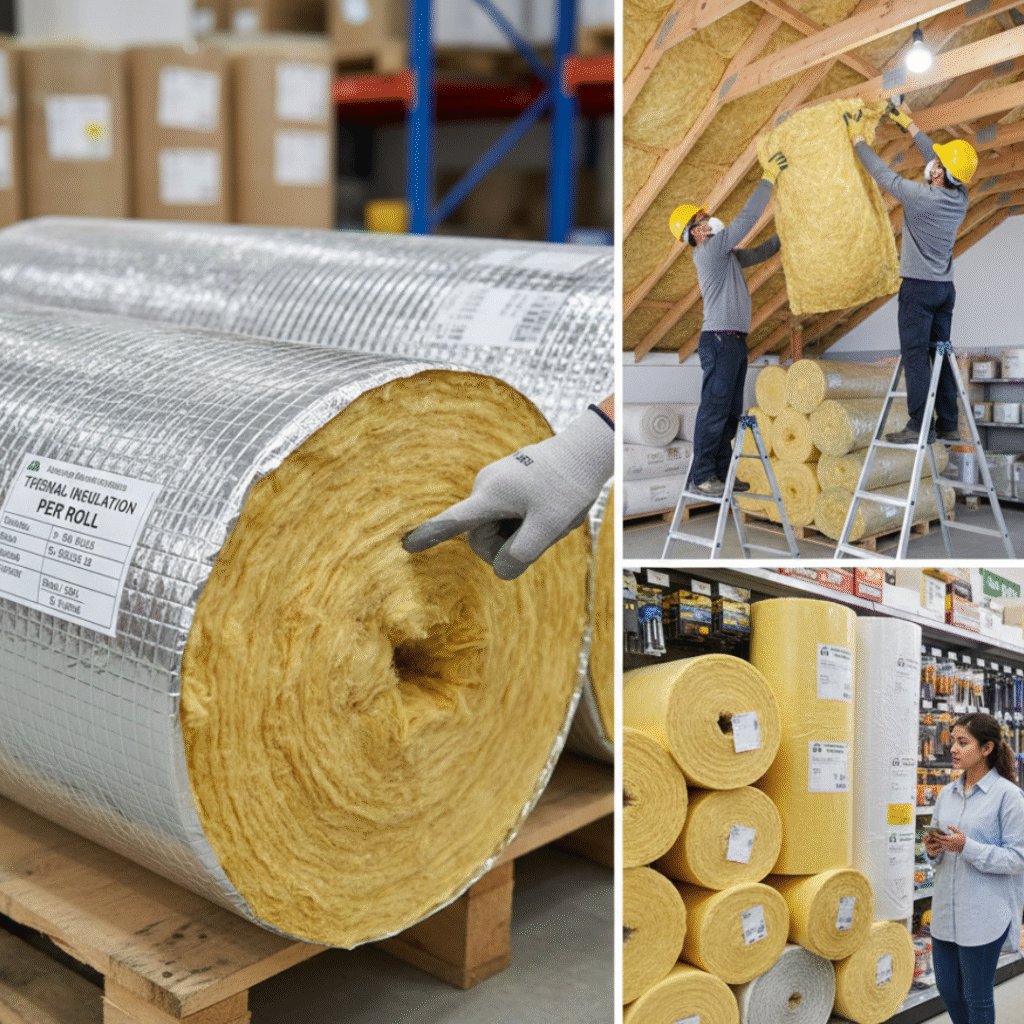

thermocol sheet price in pakistan

Tag: acoustic insulation services

  • Is Glasswool Insulation Safe?

    Is Glasswool Insulation Safe?

    Introduction

    When considering home improvement projects or new construction, thermal insulation is a critical component for energy efficiency and indoor comfort. Among the most widely used building material options for insulation is Glasswool insulation, often referred to as fiberglass. Its prevalence is due to its excellent thermal insulation properties and relatively low cost.

    However, many homeowners and DIY enthusiasts often ask: “Is Glasswool safe?” This is a valid concern, given its fibrous nature and the dust it can generate. This guide will delve into the composition of Glasswool, its benefits, potential drawbacks, and, most importantly, the essential safety precautions to ensure a safe experience during installation and in daily living.

    What is Glasswool (Fiberglass) Insulation?
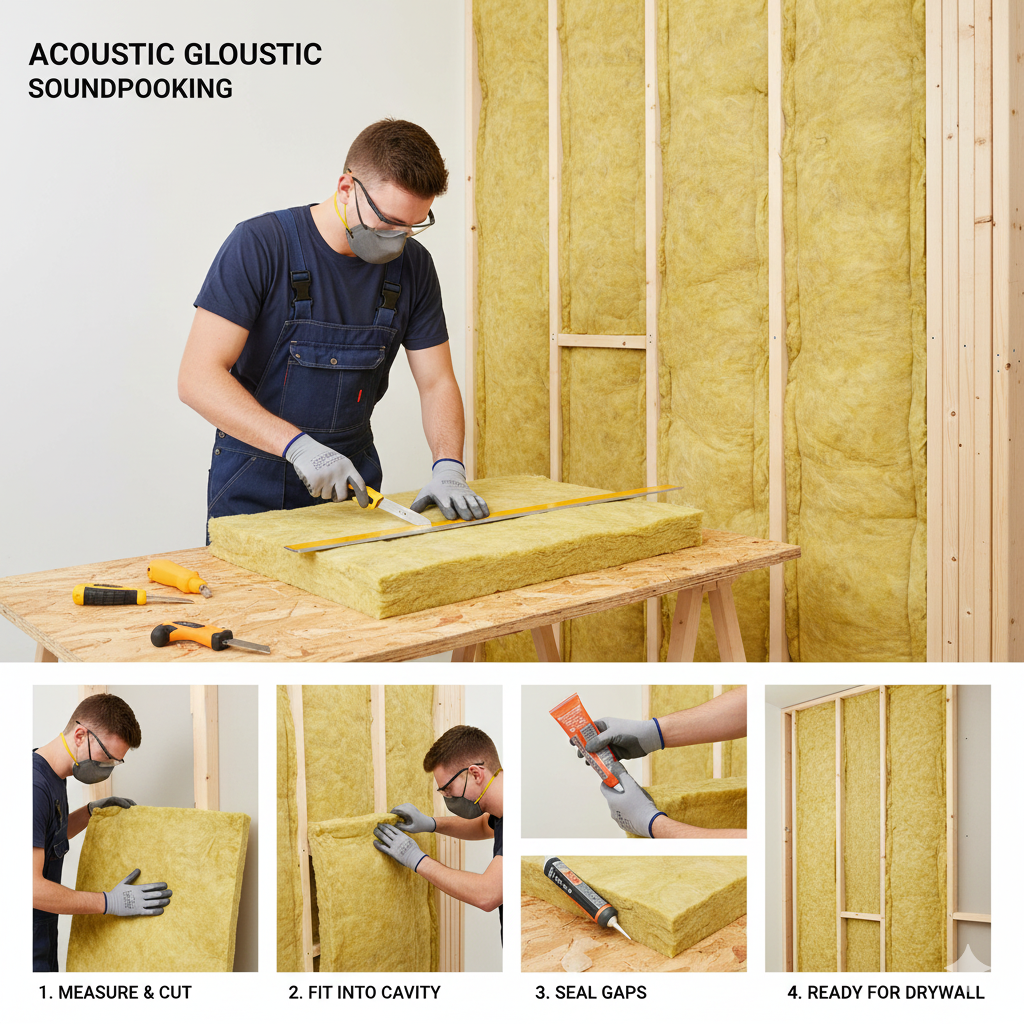
    Glasswool Sheet For Soundproofing

    Glasswool is a type of mineral wool made from extremely fine fibers of glass. The manufacturing process involves melting recycled glass and sand, then spinning it into fibers, which are then bound together with a resin and formed into batts, rolls, or loose-fill. The tiny air pockets trapped within these fibers are what provide its superior thermal insulation and decent acoustic insulation properties.

    It’s primarily used in walls, ceilings, and floors to reduce heat transfer, lower energy bills, and improve overall interior comfort.

    The Benefits of Using Glasswool
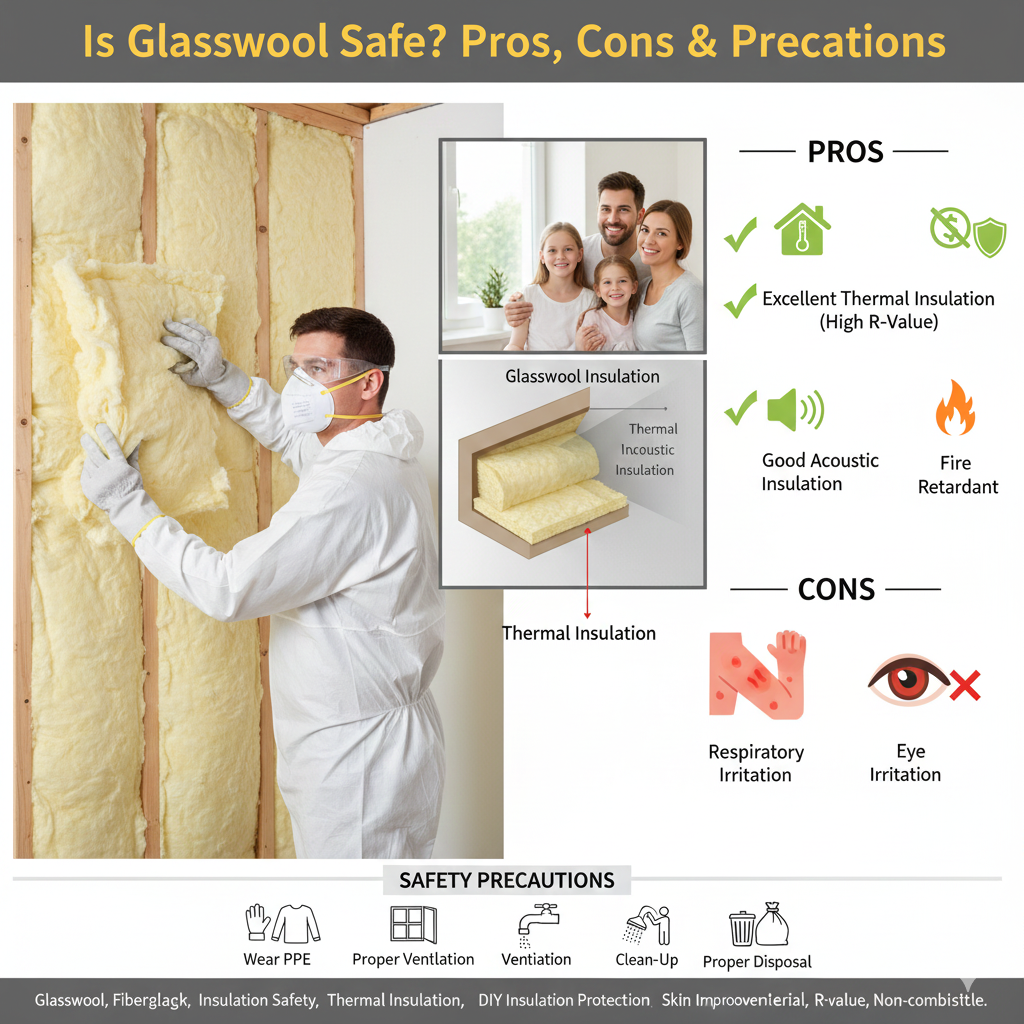
    Despite the safety questions, Glasswool remains popular for several good reasons:

    1. Excellent Thermal Insulation

    Glasswool is highly effective at resisting heat flow, boasting a good R-value (a measure of thermal resistance) per inch. This makes it an efficient building material for keeping homes warm in winter and cool in summer, leading to significant energy savings.

    2. Cost-Effective

    Compared to some other insulation material options, Glasswool is generally more affordable, making it a budget-friendly choice for many DIY insulation projects and large-scale constructions.

    3. Good Acoustic Insulation

    Beyond thermal properties, the fibrous structure of Glasswool also provides reasonable acoustic insulation, helping to dampen sound transmission between rooms and from outside, contributing to a quieter indoor environment.

    4. Fire Retardant Properties

    While not entirely non-combustible like stone wool, Glasswool is resistant to fire and does not typically contribute to the spread of flames. It has good fire-retardant properties, offering an added layer of safety in a building’s fire strategy.

    Potential Concerns: Addressing the Safety Question

    The main concerns regarding the safety of Glasswool stem from the tiny glass fibers themselves:

    1. Skin Irritation

    The most common issue encountered with Glasswool is skin irritation. The microscopic glass fibers can embed themselves in the skin, causing itching, redness, and discomfort. This is a physical irritation, not a chemical reaction, and is temporary.

    2. Respiratory Irritation

    When disturbed, Glasswool can release fine airborne fibers. Inhaling these fibers can irritate the upper respiratory tract, leading to coughing, sneezing, or a sore throat. For individuals with existing respiratory conditions like asthma, this can be particularly bothersome. However, extensive research by organizations like the World Health Organization (WHO) and the International Agency for Research on Cancer (IARC) has concluded that modern Glasswool fibers are not classifiable as to their carcinogenicity to humans, meaning they are not considered a cancer risk. The fibers are non-respirable, meaning they are too large to reach the deep lung tissue.

    3. Eye Irritation

    Fibers can also get into the eyes, causing discomfort, redness, and a gritty sensation.

    Essential Safety Precautions for Handling Glasswool

    The key to safe installation and handling of Glasswool lies in proper safety precautions. These measures are simple but crucial for minimizing exposure and discomfort.

    1. Personal Protective Equipment (PPE)

    • Gloves: Always wear heavy-duty work gloves to prevent skin irritation.
    • Long Sleeves and Pants: Cover all exposed skin. Wear loose-fitting, long-sleeved shirts and long pants, ideally disposable coveralls for extensive work.
    • Eye Protection: Goggles or safety glasses are essential to protect your eyes from airborne fibers.
    • Respiratory Protection: A dust mask or, ideally, an N95 respirator should always be worn to prevent inhalation of fibers. This is a non-negotiable safety precaution.

    2. Proper Ventilation

    Work in well-ventilated areas. If possible, open windows and doors during installation to allow fresh air circulation and reduce the concentration of airborne fibers.

    3. Minimize Disturbance

    Handle Glasswool batts or rolls carefully to avoid excessive agitation that releases fibers into the air. Do not shake or tear the material roughly.

    4. Clean-Up Procedures

    • Do NOT Vacuum with a Household Vacuum: The fine fibers can clog filters and be recirculated into the air.
    • Wet Wipe or HEPA Vacuum: Use a damp cloth to wipe surfaces or a vacuum equipped with a HEPA filter.
    • Shower and Wash Clothes Separately: After working with Glasswool, shower with cold water first to rinse off fibers without opening pores. Wash work clothes separately from other laundry to avoid cross-contamination.

    5. Disposal

    Dispose of Glasswool waste in sealed plastic bags to prevent fibers from escaping into the environment or affecting others. Check local regulations for proper waste disposal.

    Glasswool in Everyday Living

    Once installed and covered by drywall, ceilings, or other finishes, Glasswool insulation poses no significant health risk in a finished building. The fibers are encapsulated and not airborne. The concerns are primarily during the installation or removal process when the material is exposed.

    Conclusion: Safe and Effective with Proper Care

    Glasswool insulation remains a valuable and effective building material for achieving excellent thermal insulation and acoustic insulation in homes and buildings. While questions about “Is Glasswool safe?” are understandable, current scientific consensus confirms that modern Glasswool is not carcinogenic.

    The temporary skin irritation and respiratory discomfort can be entirely managed and prevented by adhering strictly to recommended safety precautions during installation. By wearing appropriate PPE, ensuring good ventilation, and following proper handling and clean-up procedures, you can safely harness the many benefits of this ubiquitous insulation material for your home improvement needs.

    FAQ’S

    Glasswool insulation is commonly used for thermal insulation, soundproofing, and fire resistance in homes, offices, industrial buildings, HVAC ducts, and metal structures.

    Yes. Glasswool is non-combustible and widely used in residential construction. However, during installation, wearing protective gloves, goggles, and a mask is recommended to avoid irritation from loose fibers.

    Glasswool has a high R-value, meaning it provides strong thermal resistance. It helps maintain indoor temperature, reduces heat transfer, and can significantly lower cooling and heating costs.

    Yes. Glasswool is an excellent acoustic insulation material. Its fibrous structure reduces echo, noise transfer, and vibrations, making it ideal for studios, commercial buildings, and home sound control.
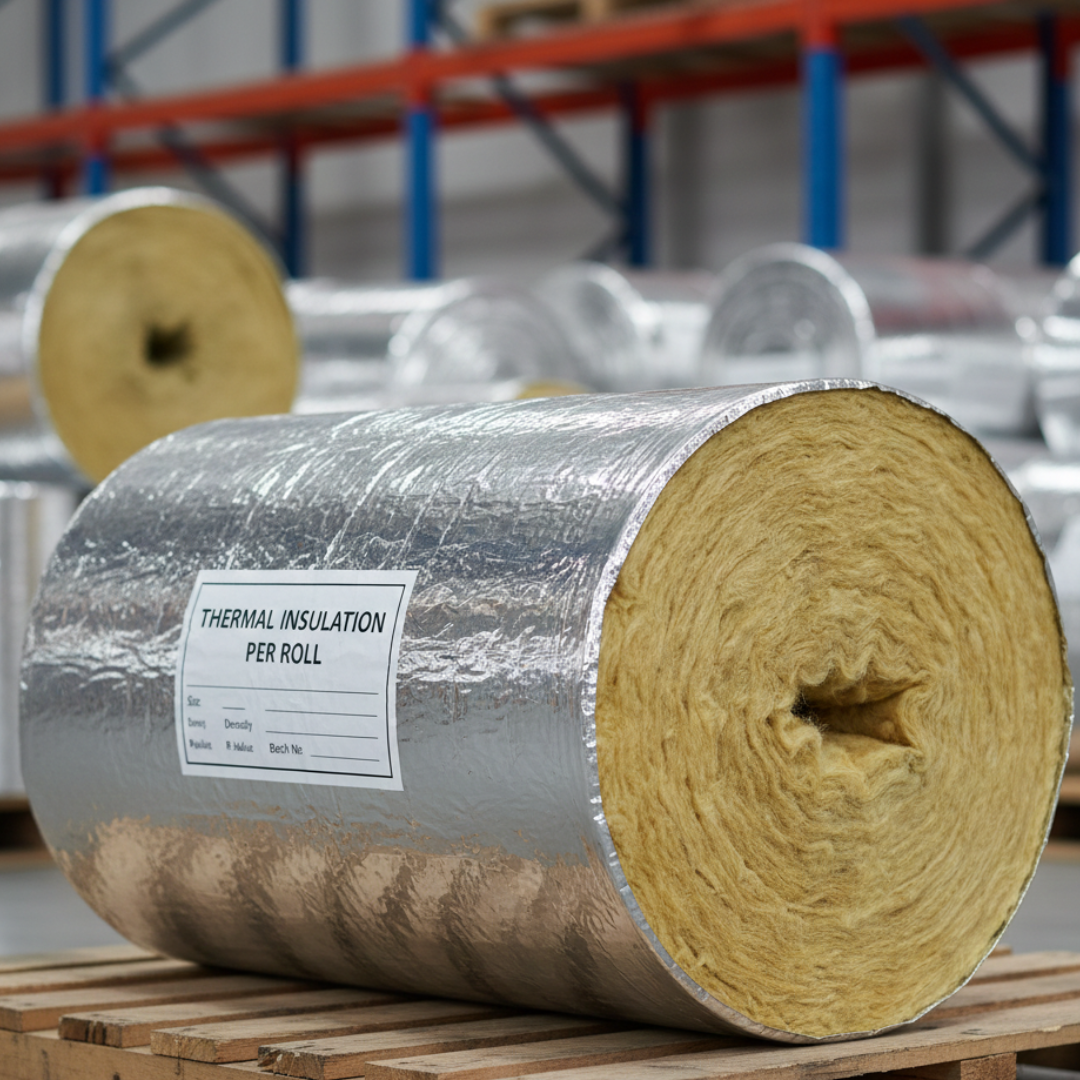
  • Glasswool Roll Price in Pakistan: An Essential Buyer’s Guide for Thermal Insulation

    Glasswool Roll Price in Pakistan: An Essential Buyer’s Guide for Thermal Insulation

    The rising need for energy efficiency and comfortable indoor environments across Pakistan has made thermal insulation a key consideration for homeowners, builders, and industrial operators. Among the most popular and cost-effective solutions is glasswool insulation roll. If you are searching for the current glass wool insulation price in Pakistan, this comprehensive guide will break down the costs, factors affecting pricing, and essential buying tips.

    What is Glasswool Insulation and Why is it Popular in Pakistan?

    Glasswool Rolls in Pakistan

    Glasswool, also known as fiberglass or fiber glass wool, is an insulating material made from fine fibers of glass arranged into a wool-like texture. This structure traps small pockets of air, giving it exceptional thermal and acoustic insulation properties.

    In Pakistan’s diverse and often extreme climate—from the intense heat of Karachi and Lahore to the cold of the northern areas—glasswool rolls are widely favored due to several key benefits:

    • Excellent Thermal Performance: It effectively resists heat flow, reducing the energy needed for air conditioning in summer and heating in winter. This translates directly into lower electricity bills.
    • Superior Soundproofing: The dense, fibrous composition makes it an effective noise insulation material for walls, ceilings, and partitions.
    • Fire Resistance: Glasswool is generally non-combustible, adding a critical layer of safety to any structure.
    • Cost-Effectiveness: When compared to alternatives, the glass wool roll price in Pakistan offers a superior balance of performance and affordability.

    Current Glasswool Roll Price in Pakistan (2025 Estimate)

    The cost of fiber glass wool is not fixed and depends heavily on several specifications. However, based on current market trends and common product types, here is an estimated price breakdown:

    Product TypeThickness (Density)Estimated Price Range (PKR)Unit
    Standard Glasswool Roll (Unfaced)25mm (12-16 kg/m³)PKR 3,500 – PKR 4,500Per Roll (Approx. 40-48 sq. ft.)
    Glasswool Roll with FSK Facing50mm (16-24 kg/m³)PKR 6,000 – PKR 8,000Per Roll (Approx. 24-32 sq. ft.)
    Glasswool Roll Price per Square Foot25mm – 50mmPKR 55 – PKR 85Per Square Foot (Varies)
    Acoustic Glass Wool Slab50mm – 75mm (Higher Density)PKR 1,200 – PKR 1,800Per Square Meter

    Note: These prices are estimates for late 2025 and are subject to fluctuation based on currency rates, import duties, and supplier location (Karachi, Lahore, Islamabad).

    Factors Affecting Glass Wool Insulation Price

    Understanding the variables that influence the cost will help you choose the most budget-friendly option for your project.

    1. Thickness and Density

    This is the most crucial factor determining the glass wool blanket’s performance and cost.

    • Thickness: Rolls are commonly available in 25mm (1-inch) and 50mm (2-inch) thicknesses. Thicker rolls provide a higher R-value (thermal resistance) but are naturally more expensive.
    • Density: Measured in kilograms per cubic meter ($\text{kg/m}^3$), typical densities range from 12 $\text{kg/m}^3$ for light roof insulation to 48 $\text{kg/m}^3$ for high-performance sound insulation. Higher-density rolls cost more due to the material volume.

    2. Facing/Vapor Barrier

    Glasswool can be unfaced (plain) or faced with a protective layer, which significantly impacts the price of glass wool in Pakistan.

    • Unfaced: Cheapest option, suitable for cavity walls where moisture is not a major concern.
    • FSK (Foil Scrim Kraft): A foil layer acts as an excellent vapor barrier, essential for roofing and HVAC ducts in humid climates. This facing increases the price.
    • Vinyl/WMP-VR: A white, vinyl-faced option often used for visible indoor applications where a clean look and added resistance are desired.

    3. Supplier and Brand

    Whether you opt for locally manufactured products or international brands like KIMMCO, Afico, or Izocam will affect the cost. Local manufacturers often provide the best glass wool price in Pakistan, especially for bulk orders, as they save on import duties.

    4. Market Dynamics

    Like all construction materials, the price is influenced by global energy costs (which impact the manufacturing process) and regional supply-demand. For the most accurate quote, it’s best to contact a trusted insulation material supplier directly.

    Where to Buy and Installation Tips

    Glasswool Insulation in Pakistan

    Finding a reliable supplier is key to ensuring you get high-quality material at a competitive rate. Major cities like Karachi, Lahore, and Islamabad have numerous distributors catering to residential and industrial needs.

    Where to Buy:

    • HVAC and Industrial Suppliers: These firms often stock a variety of densities and facings, including specialized fiberglass thermal insulation blanket products for ductwork.
    • Large Hardware Stores: Some large construction material retailers carry standard rolls for residential projects.
    • Online Marketplaces: For smaller projects or price comparison, online platforms can be a good starting point.

    Installation Safety & Technique:

    Glasswool insulation should be handled with care. Always wear gloves, eye protection, and a mask to prevent irritation from glass fibers. For large-scale projects, consulting an experienced glasswool insulation contractor is recommended to ensure correct installation and maximize energy savings.

    Conclusion: Making an Informed Insulation Investment

    The glasswool roll price in Pakistan remains highly competitive, establishing it as one of the most effective and affordable ways to manage thermal and acoustic environments in any building project. By carefully assessing your needs—primarily the required thickness, density, and facing—you can select the ideal heat insulation material that delivers long-term energy savings and enhanced indoor comfort. Don’t view the cost as an expense, but as a critical investment in your property’s value and sustainability.

    FAQ’S

    The price of glasswool rolls depends on factors such as thickness, density, roll size (length and width), brand or manufacturer, and whether it has additional facing (e.g., foil-faced, mesh-faced). Transportation and regional demand also affect final retail prices.

    Prices vary depending on specs — for standard density rolls (e.g., 25–50 mm thickness) typical in ceiling or wall insulation, glasswool rolls can range roughly from PKR 1,500 to PKR 4,500 per roll. Heavier-density or thicker rolls (used for more intensive thermal or acoustic insulation) tend to be more expensive.
    (Note: Actual prices fluctuate based on market and supplier.)

    You can buy glasswool rolls from building materials suppliers, insulation-specific dealers, and construction-material markets. Prices often vary by city — metropolitan areas like Karachi, Lahore, Islamabad may have more supply and slightly different pricing due to logistics and competition.

    Not always. Performance depends on correct density and thickness for your application rather than price alone. A moderately priced roll with proper density and correct installation can outperform a costly, but mismatched roll. Evaluate technical specifications (density, R-value, thickness) for best value.

  • Thermocol Sheets Uses In Schools & Hospitals

    Thermocol Sheets Uses In Schools & Hospitals

    Understanding the Critical Needs of Institutional Buildings

    Schools and hospitals are not ordinary structures; they are community pillars where human health, safety, and productivity are paramount. These institutions operate under unique and stringent demands:

    • Hospitals require highly sterile environments, strict infection control, continuous temperature stability for patients and sensitive equipment, and a structure that supports complex services.
    • Schools need quiet, comfortable learning spaces to foster a productive educational environment, along with materials that are durable, safe, and easily maintained to manage high traffic and rigorous cleaning protocols.

    In both scenarios, the choice of building maintenance and construction materials is critical. Increasingly, Thermocol sheets, scientifically known as Expanded Polystyrene (EPS) foam boards, have emerged as a versatile and essential component, offering numerous advantages over traditional materials in addressing these specialized needs.

    Thermocol Sheet For Hospitals

    Temperature and Energy Control – The Role of Thermal Insulation Properties

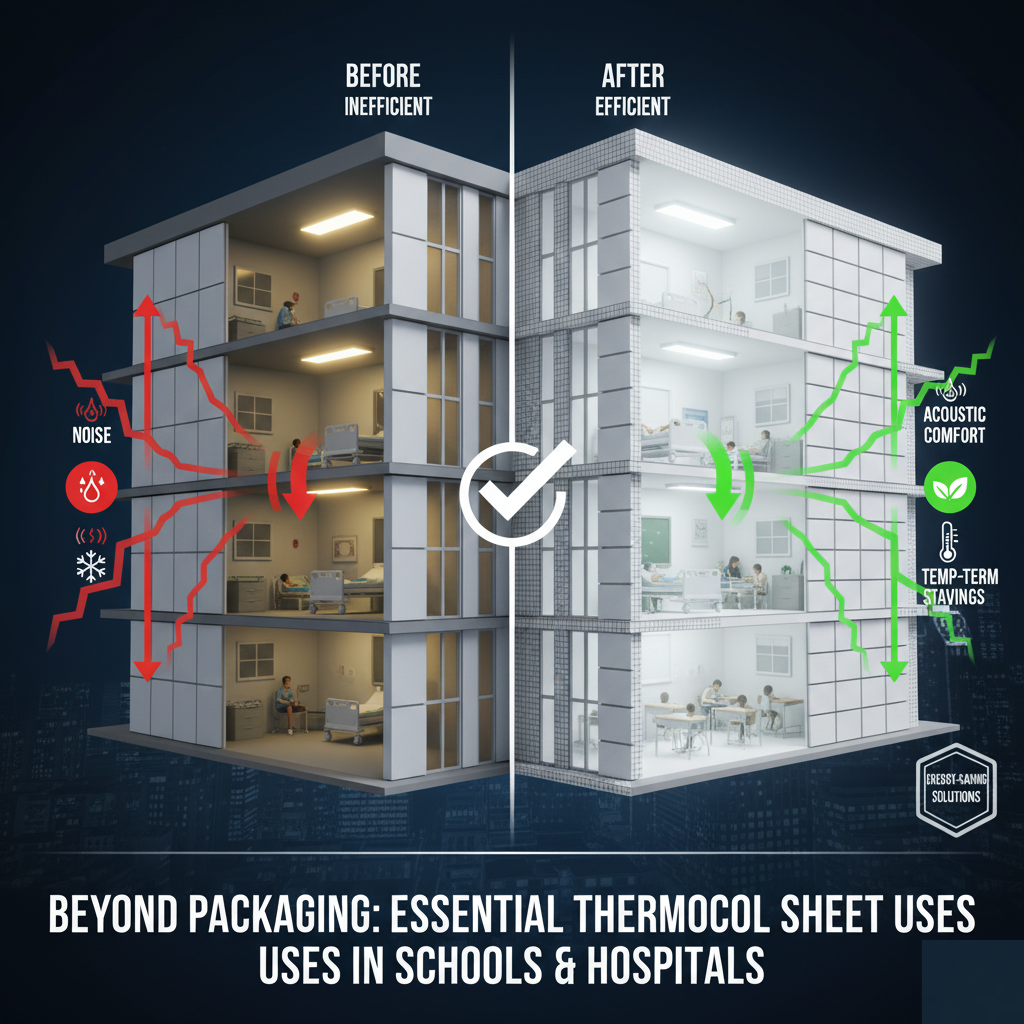
    The most recognized application of Thermocol sheets is in providing superior thermal insulation properties. In large institutional buildings, heating, ventilation, and air conditioning (HVAC) systems are major consumers of energy. Minimizing heat loss in winter and heat gain in summer is the fastest path to realizing significant operational savings.

    Optimizing HVAC Efficiency in Hospitals

    Hospitals, in particular, must maintain precise temperature zones, from operating theaters to patient recovery rooms. Ineffective insulation forces HVAC systems to run constantly, leading to inflated utility bills and increased risk of system failure.

    EPS foam boards are installed within walls, roofs, and flooring systems to create an effective thermal envelope. This crucial barrier stabilizes the internal temperature, allowing the HVAC system to operate efficiently. This material directly supports the institutional goal of achieving significant energy-saving solutions by reducing the building’s reliance on continuous climate control. This stability is critical for the storage of medicines and the operation of life-saving equipment, contributing to the overall integrity of the facility.

    Creating a Comfortable Educational Environment

    Thermocol Sheet For Schools

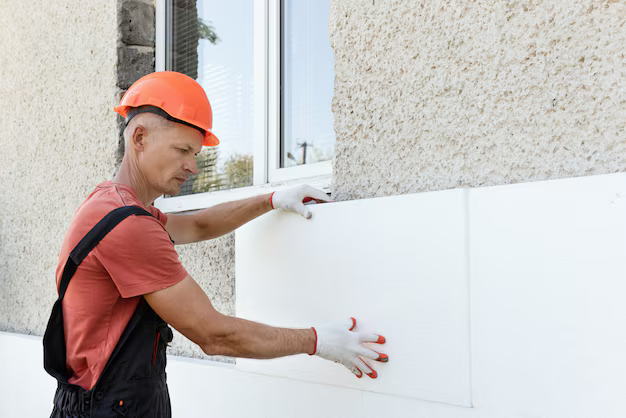
    For schools, temperature regulation impacts student focus and attendance. A classroom that is too hot or too cold is a distraction. Thermocol sheets in the roof and ceiling of school buildings significantly reduce the external heat transfer. This passive cooling effect is especially important in regions with extreme climates, creating a more comfortable and conducive educational environment without excessively burdening the school’s budget. Their lightweight nature makes them ideal for retrofitting older school buildings without adding significant structural load.

    Noise Reduction and Focus – The Benefit of Acoustic Insulation

    In busy institutional settings, noise pollution is a serious concern. The clatter of hospital carts, intercom announcements, and machinery hum can hinder patient recovery, while noise from adjacent classrooms or outdoor traffic can impair student learning.

    Enhancing Patient Recovery with Acoustic Insulation

    Hospitals require quiet zones. Excessive noise is a known contributor to patient stress and poor sleep, directly affecting recovery times. Acoustic insulation is therefore vital for patient wards and consultation rooms.

    While primarily known for its thermal resistance, high-density Expanded Polystyrene (EPS), especially when used in combination with other materials in partition walls, provides significant acoustic insulation benefits. It helps dampen sound vibrations and reduce reverberation, creating a quieter, more therapeutic environment essential for hygiene and safety protocols that rely on clear communication.

    Supporting Learning with Sound Dampening

    In a school, concentration is key. Noise transference between classrooms, gymnasiums, and hallways is a constant challenge. Using Thermocol sheets as an underlay in flooring or within false ceilings helps absorb impact noise and reduce airborne sound transmission. This investment in a quieter educational environment directly translates to better student comprehension and focus. The cost-effective material solution offers high-impact improvements in learning conditions without the prohibitive expense of specialized soundproofing systems.

    Hygiene, Safety, and Construction Durability

    Beyond environmental control, institutions prioritize durability, ease of maintenance, and compliance with health and fire safety standards.

    Facilitating Infection Control and Hygiene

    In hospitals, every material must be easy to clean and resistant to biological growth. EPS foam boards are non-fibrous and do not absorb water, making them inherently resistant to mold, mildew, and bacterial growth—a non-negotiable factor in infection control environments. When protected by a hard, sealed coating, the smooth, impermeable surfaces simplify the rigorous cleaning and sterilization procedures required for healthcare facilities, contributing greatly to overall hygiene and safety.

    Fire-Retardant Grade and Structural Safety

    Safety is paramount. Modern Expanded Polystyrene (EPS) materials are often available in a special fire-retardant grade (FR-grade), which is crucial for public buildings. While no material is completely fireproof, this treated EPS is designed to self-extinguish when the source of the fire is removed, significantly slowing the spread of flames and meeting specific regulatory requirements for institutional construction. Choosing this grade is a fundamental step in responsible building maintenance and code compliance.

    Lightweight Construction for Rapid Deployment

    The lightweight construction of Thermocol sheets and prefabricated panels offers immense logistical and structural advantages.

    Schools: Faster construction times minimize disruption to the school calendar. The ease of handling the lightweight construction materials also lowers labor costs and simplifies on-site logistics.

    Hospitals: Their light weight reduces the load on a building’s structure, which is important for multi-story hospitals. Furthermore, these prefabricated panels can be rapidly assembled, supporting quick renovations or the construction of temporary isolation wards—a necessity for modern healthcare logistics.

    Maintenance, Cost, and Future-Proofing

    The economic benefits of using EPS extend far beyond initial cost savings to encompass long-term building maintenance and operational budgets.

    Cost-Effective Material for Large Scale Projects

    Institutions operate on taxpayer or donor funds, making cost-effectiveness essential. Thermocol sheets are a remarkably cost-effective material compared to alternatives like rockwool or specialized rigid insulation foams, offering a high R-value per dollar spent. This affordability allows for comprehensive insulation coverage across vast areas—roofs, exterior walls, and floors—which maximizes the overall thermal insulation properties of the entire structure. This initial saving, combined with the continuous energy-saving solutions provided by the insulation, guarantees a substantial return on investment (ROI).

    Durability and Longevity

    High-quality, dense EPS foam boards are extremely durable. Unlike softer materials, they resist compression and degradation when properly installed and protected. Their resilience to moisture means they do not rot or support vermin, drastically reducing future building maintenance issues related to structural damage or mold remediation. This longevity ensures that the performance of the thermal insulation properties remains consistent over the decades-long lifespan of the school or hospital.

    Versatility with Prefabricated Panels

    The use of prefabricated panels—sandwich panels that incorporate Thermocol sheets—is growing in institutional building. These factory-made units ensure consistency, speed up installation, and are especially useful for constructing extensions or specialized rooms. They support the seamless integration of services while maintaining high hygiene and safety standards.

    Conclusion: A Smart Investment in Institutional Infrastructure

    The utilization of Thermocol sheets—or Expanded Polystyrene (EPS) foam boards—in schools and hospitals is a strategic choice that addresses the multifaceted challenges of institutional infrastructure. From providing essential acoustic insulation to creating an environment suitable for rigorous infection control, and from delivering powerful energy-saving solutions via excellent thermal insulation properties to facilitating rapid, lightweight construction using prefabricated panels, EPS is a superior and cost-effective material.

    By adopting this versatile and durable material, institutions can ensure a higher standard of hygiene and safety, provide a more comfortable educational environment for students, and significantly reduce operational costs through reduced building maintenance and superior efficiency. It is an investment that pays dividends in both the balance sheet and the well-being of the community.

    FAQ’S

    Yes. In institutional and commercial construction, it is crucial to use a specific fire-retardant grade (FR-grade) of Expanded Polystyrene (EPS) foam boards. While standard EPS is flammable, the FR-grade is treated with flame retardants during manufacturing. This allows the material to meet stringent building codes by self-extinguishing when the ignition source is removed. This safety feature, combined with its excellent thermal insulation properties, makes the fire-retardant grade a safe and approved, cost-effective material for use in schools and hospitals, contributing significantly to overall hygiene and safety protocols.

    Thermocol sheets aid infection control primarily because of their physical properties. They are non-fibrous, closed-cell materials, meaning they do not absorb moisture or support biological growth like mold, mildew, or bacteria, unlike some traditional insulation types. When used in composite structures like prefabricated panels with sealed, smooth outer skins, they create surfaces that are easy to clean, sterilize, and maintain, which is vital for meeting the high hygiene and safety standards required in healthcare environments.

    The major benefit beyond temperature control is acoustic insulation. Schools require quiet spaces for effective teaching and concentration. When integrated into walls, ceilings, and flooring, EPS foam boards help dampen sound transmission and reduce ambient noise levels. This allows teachers to maintain a better learning atmosphere and ensures that students are not distracted by noise from adjacent classrooms or exterior traffic, creating a more focused and productive educational environment. This dual function of thermal and acoustic buffering is a key element of effective building maintenance.

    Yes, when properly manufactured as prefabricated panels (often known as sandwich panels), the core Thermocol sheets (EPS foam boards) are sandwiched between durable outer layers, typically steel, cement board, or high-density plastic. This structure utilizes the light weight of the EPS for easy, lightweight construction while relying on the outer skins for structural integrity and resistance to wear and tear. This makes the panels highly durable, resistant to impact, and easy to clean, proving them suitable for the heavy demands and frequent building maintenance of institutional settings.