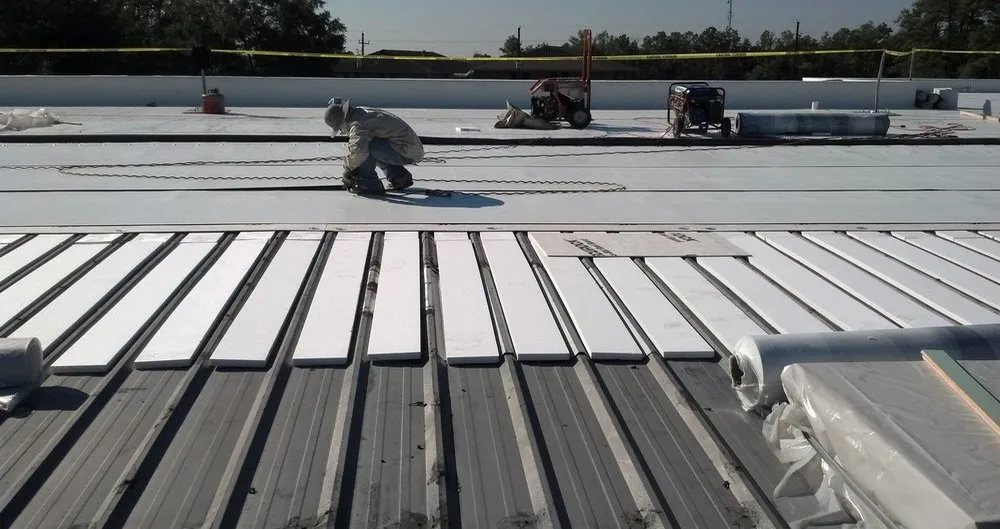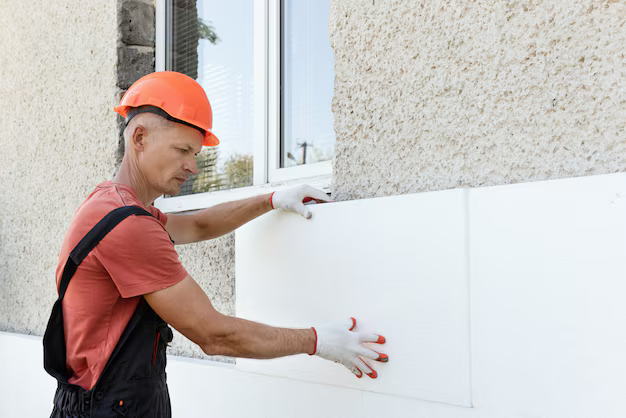

thermocol sheet price in pakistan

Tag: building insulation materials

  • Is Glasswool Insulation Safe?

    Is Glasswool Insulation Safe?

    Introduction

    When considering home improvement projects or new construction, thermal insulation is a critical component for energy efficiency and indoor comfort. Among the most widely used building material options for insulation is Glasswool insulation, often referred to as fiberglass. Its prevalence is due to its excellent thermal insulation properties and relatively low cost.

    However, many homeowners and DIY enthusiasts often ask: “Is Glasswool safe?” This is a valid concern, given its fibrous nature and the dust it can generate. This guide will delve into the composition of Glasswool, its benefits, potential drawbacks, and, most importantly, the essential safety precautions to ensure a safe experience during installation and in daily living.

    What is Glasswool (Fiberglass) Insulation?
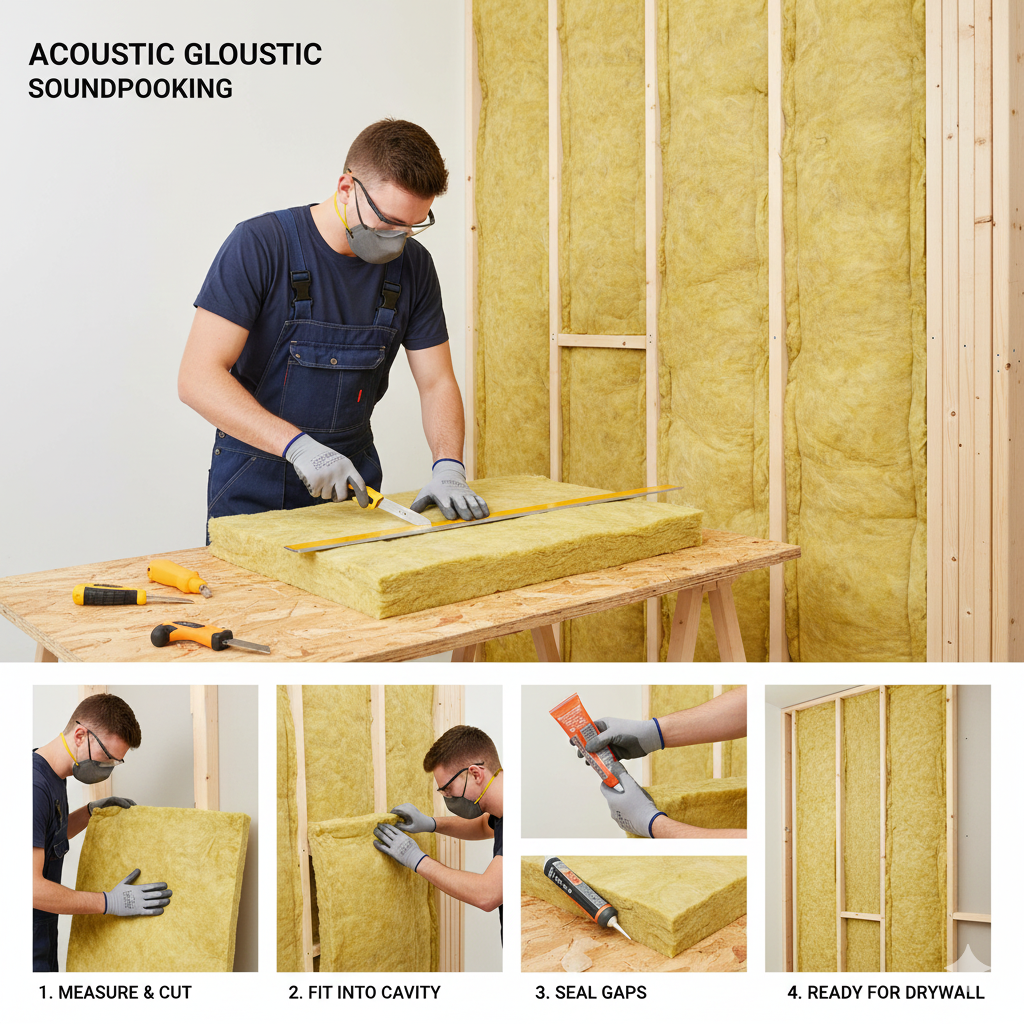
    Glasswool Sheet For Soundproofing

    Glasswool is a type of mineral wool made from extremely fine fibers of glass. The manufacturing process involves melting recycled glass and sand, then spinning it into fibers, which are then bound together with a resin and formed into batts, rolls, or loose-fill. The tiny air pockets trapped within these fibers are what provide its superior thermal insulation and decent acoustic insulation properties.

    It’s primarily used in walls, ceilings, and floors to reduce heat transfer, lower energy bills, and improve overall interior comfort.

    The Benefits of Using Glasswool
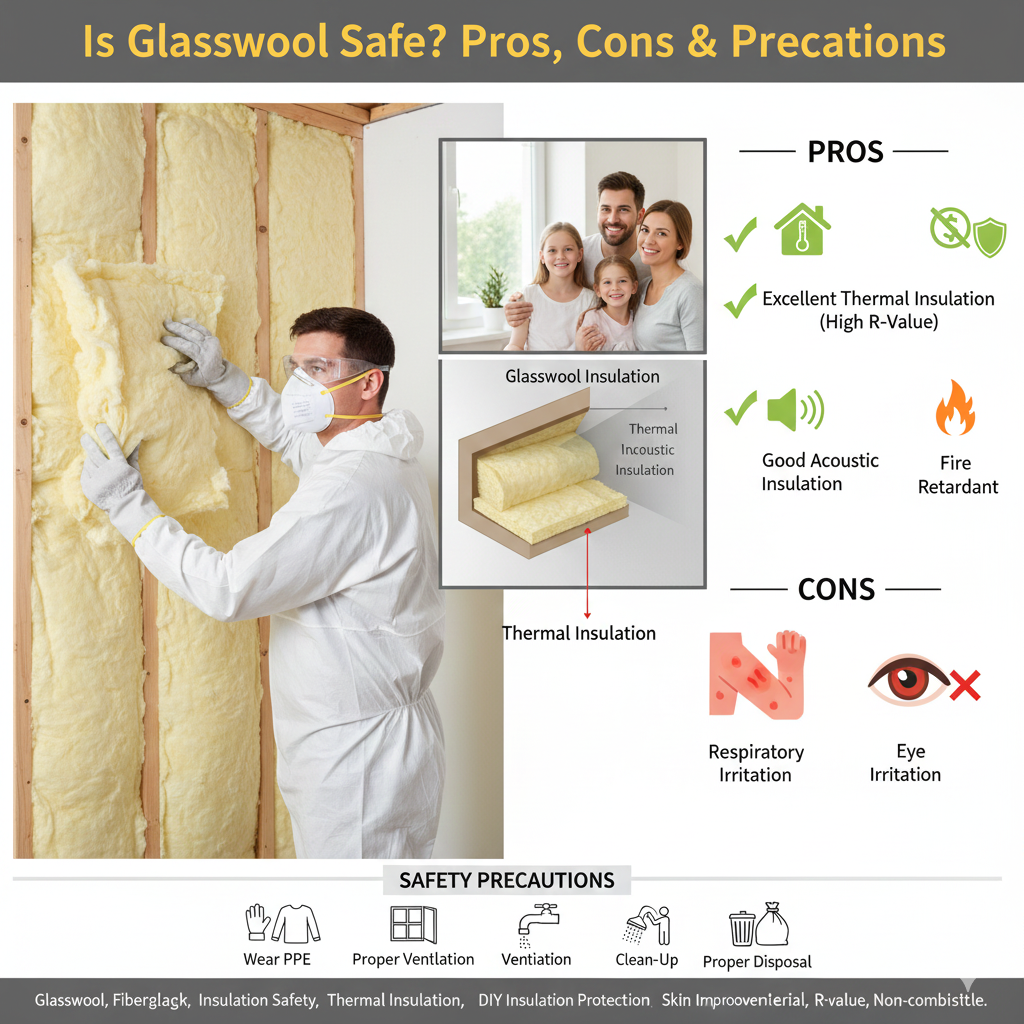
    Despite the safety questions, Glasswool remains popular for several good reasons:

    1. Excellent Thermal Insulation

    Glasswool is highly effective at resisting heat flow, boasting a good R-value (a measure of thermal resistance) per inch. This makes it an efficient building material for keeping homes warm in winter and cool in summer, leading to significant energy savings.

    2. Cost-Effective

    Compared to some other insulation material options, Glasswool is generally more affordable, making it a budget-friendly choice for many DIY insulation projects and large-scale constructions.

    3. Good Acoustic Insulation

    Beyond thermal properties, the fibrous structure of Glasswool also provides reasonable acoustic insulation, helping to dampen sound transmission between rooms and from outside, contributing to a quieter indoor environment.

    4. Fire Retardant Properties

    While not entirely non-combustible like stone wool, Glasswool is resistant to fire and does not typically contribute to the spread of flames. It has good fire-retardant properties, offering an added layer of safety in a building’s fire strategy.

    Potential Concerns: Addressing the Safety Question

    The main concerns regarding the safety of Glasswool stem from the tiny glass fibers themselves:

    1. Skin Irritation

    The most common issue encountered with Glasswool is skin irritation. The microscopic glass fibers can embed themselves in the skin, causing itching, redness, and discomfort. This is a physical irritation, not a chemical reaction, and is temporary.

    2. Respiratory Irritation

    When disturbed, Glasswool can release fine airborne fibers. Inhaling these fibers can irritate the upper respiratory tract, leading to coughing, sneezing, or a sore throat. For individuals with existing respiratory conditions like asthma, this can be particularly bothersome. However, extensive research by organizations like the World Health Organization (WHO) and the International Agency for Research on Cancer (IARC) has concluded that modern Glasswool fibers are not classifiable as to their carcinogenicity to humans, meaning they are not considered a cancer risk. The fibers are non-respirable, meaning they are too large to reach the deep lung tissue.

    3. Eye Irritation

    Fibers can also get into the eyes, causing discomfort, redness, and a gritty sensation.

    Essential Safety Precautions for Handling Glasswool

    The key to safe installation and handling of Glasswool lies in proper safety precautions. These measures are simple but crucial for minimizing exposure and discomfort.

    1. Personal Protective Equipment (PPE)

    • Gloves: Always wear heavy-duty work gloves to prevent skin irritation.
    • Long Sleeves and Pants: Cover all exposed skin. Wear loose-fitting, long-sleeved shirts and long pants, ideally disposable coveralls for extensive work.
    • Eye Protection: Goggles or safety glasses are essential to protect your eyes from airborne fibers.
    • Respiratory Protection: A dust mask or, ideally, an N95 respirator should always be worn to prevent inhalation of fibers. This is a non-negotiable safety precaution.

    2. Proper Ventilation

    Work in well-ventilated areas. If possible, open windows and doors during installation to allow fresh air circulation and reduce the concentration of airborne fibers.

    3. Minimize Disturbance

    Handle Glasswool batts or rolls carefully to avoid excessive agitation that releases fibers into the air. Do not shake or tear the material roughly.

    4. Clean-Up Procedures

    • Do NOT Vacuum with a Household Vacuum: The fine fibers can clog filters and be recirculated into the air.
    • Wet Wipe or HEPA Vacuum: Use a damp cloth to wipe surfaces or a vacuum equipped with a HEPA filter.
    • Shower and Wash Clothes Separately: After working with Glasswool, shower with cold water first to rinse off fibers without opening pores. Wash work clothes separately from other laundry to avoid cross-contamination.

    5. Disposal

    Dispose of Glasswool waste in sealed plastic bags to prevent fibers from escaping into the environment or affecting others. Check local regulations for proper waste disposal.

    Glasswool in Everyday Living

    Once installed and covered by drywall, ceilings, or other finishes, Glasswool insulation poses no significant health risk in a finished building. The fibers are encapsulated and not airborne. The concerns are primarily during the installation or removal process when the material is exposed.

    Conclusion: Safe and Effective with Proper Care

    Glasswool insulation remains a valuable and effective building material for achieving excellent thermal insulation and acoustic insulation in homes and buildings. While questions about “Is Glasswool safe?” are understandable, current scientific consensus confirms that modern Glasswool is not carcinogenic.

    The temporary skin irritation and respiratory discomfort can be entirely managed and prevented by adhering strictly to recommended safety precautions during installation. By wearing appropriate PPE, ensuring good ventilation, and following proper handling and clean-up procedures, you can safely harness the many benefits of this ubiquitous insulation material for your home improvement needs.

    FAQ’S

    Glasswool insulation is commonly used for thermal insulation, soundproofing, and fire resistance in homes, offices, industrial buildings, HVAC ducts, and metal structures.

    Yes. Glasswool is non-combustible and widely used in residential construction. However, during installation, wearing protective gloves, goggles, and a mask is recommended to avoid irritation from loose fibers.

    Glasswool has a high R-value, meaning it provides strong thermal resistance. It helps maintain indoor temperature, reduces heat transfer, and can significantly lower cooling and heating costs.

    Yes. Glasswool is an excellent acoustic insulation material. Its fibrous structure reduces echo, noise transfer, and vibrations, making it ideal for studios, commercial buildings, and home sound control.
  • Thermocol Sheet Price in Lahore

    Thermocol Sheet Price in Lahore

    Introduction

    If you’re planning to insulate your home, office, or factory in Lahore, or looking for safe packaging material, thermocol sheets are one of the most practical and affordable options available. Known for their lightweight structure, excellent insulation capacity, and versatile usage, thermocol sheets are in high demand across Lahore — from construction sites to packaging industries and cold storage units.

    But before buying, it’s essential to know the latest thermocol sheet price in Lahore, the different types available (like EPS, XPS, Jumbolon, glass wool, rock wool, and aluminium foil sheets), and how to choose the right one for your needs.

    In this guide, we’ll explore everything about thermocol sheets in Lahore — including prices, uses, suppliers, and comparisons with other insulation materials. Whether you’re a contractor, builder, or homeowner, this guide will help you make the right purchase decision.

    What Is a Thermocol Sheet?

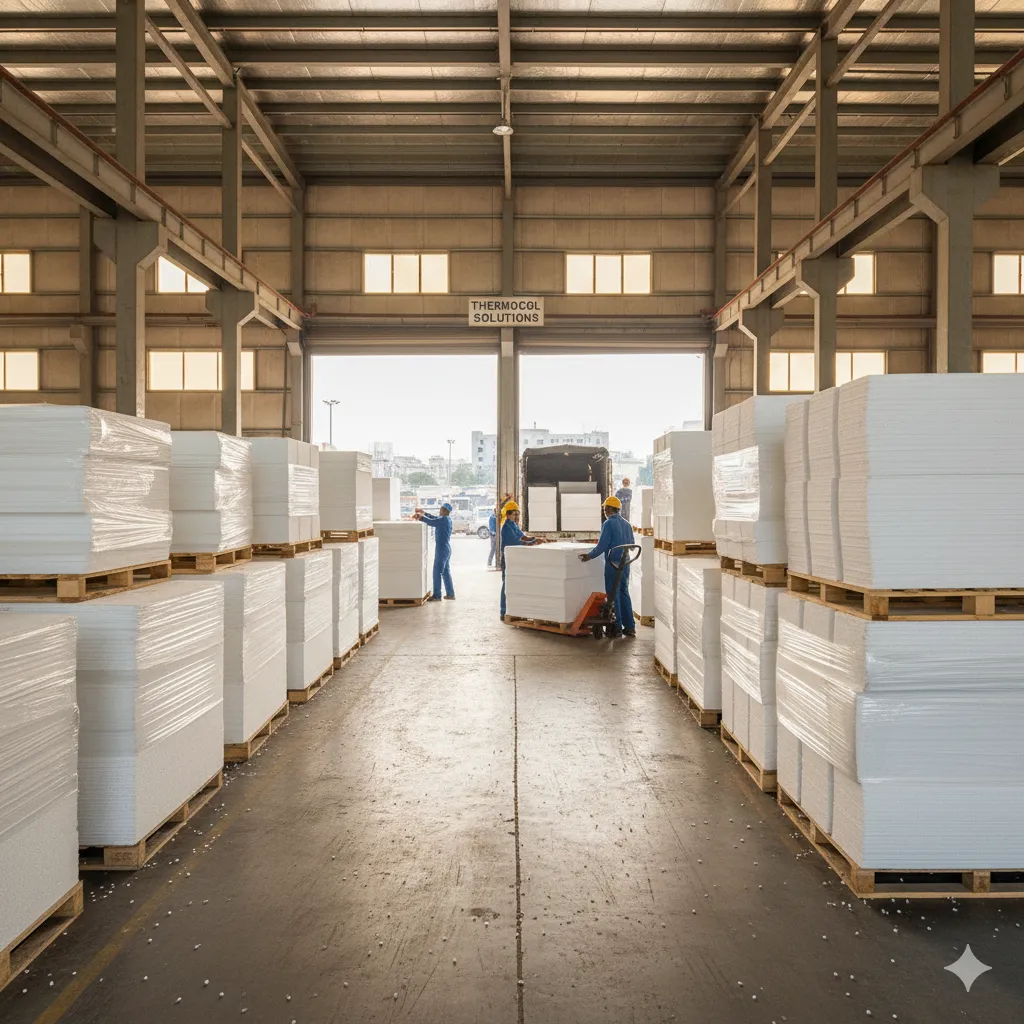
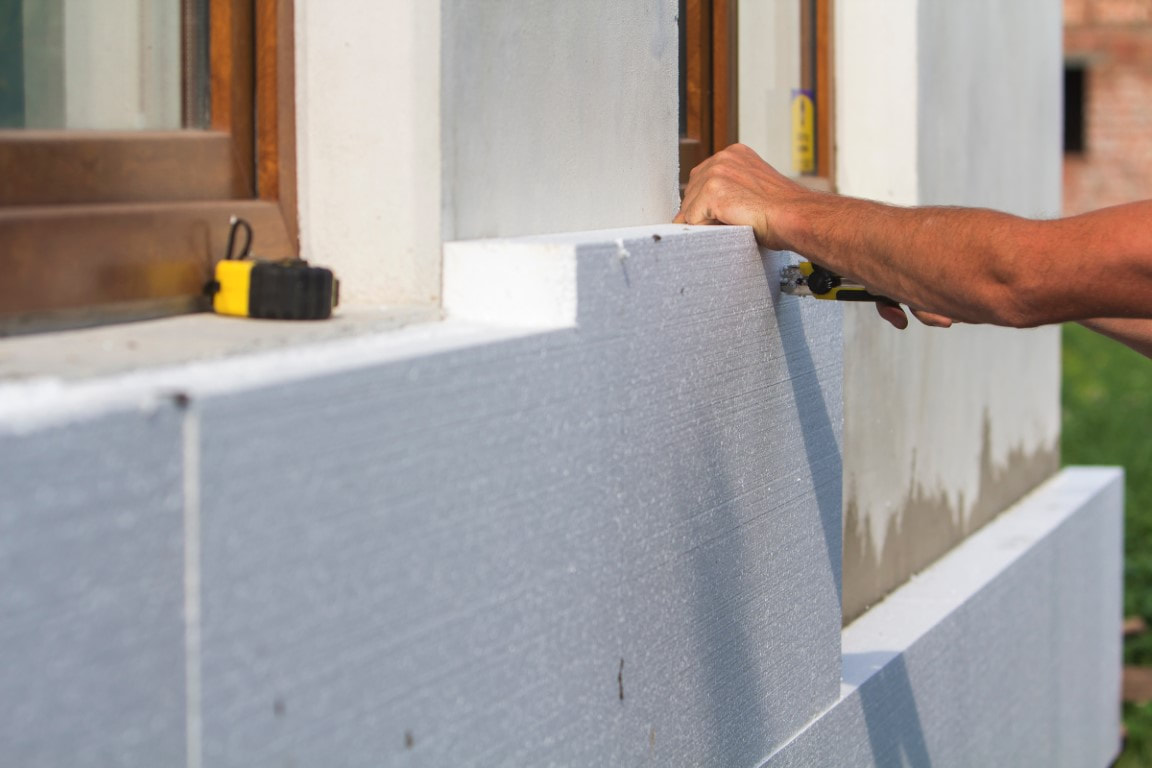
    Thermocol, also known as Expanded Polystyrene (EPS), is a foam-like, lightweight material made from small polystyrene beads. When these beads are expanded with steam and molded into sheets, they create a solid yet lightweight structure that offers excellent thermal insulation and shock absorption.

    The standard thermocol sheet size in Lahore is 4×8 feet, available in different thicknesses such as 1 inch, 2 inch, 3 inch, and 4 inch.

    Our products are popular for:

    • Roof and wall insulation
    • Cold storage insulation
    • Soundproofing
    • Packaging
    • Craft and decoration work

    Thermocol Sheet Price in Lahore (2025 Updated List)

    Thermocol sheet prices in Lahore depend on the type, thickness, density, and brand. EPS sheets are the most affordable, while XPS, Jumbolon, and rock wool sheets are higher in cost due to their density and insulation efficiency.

    Here’s the latest thermocol sheet price list in Lahore (2025):

    TypeThicknessApprox. Price (PKR per sheet)
    EPS Thermocol Sheet1 inch400 – 600
    EPS Thermocol Sheet2 inch700 – 1000
    EPS Thermocol Sheet3 inch950 – 1300
    EPS Thermocol Sheet4 inch1200 – 1600
    XPS Sheet (Extruded Polystyrene)1 inch800 – 1200
    Jumbolon Sheet1 inch600 – 900
    Glass Wool Sheet1 inch900 – 1300
    Rock Wool Sheet1 inch1000 – 1500
    Aluminium Foil Insulation Sheet1000 – 1600

    Note: Prices may vary depending on density (16–24 kg/m³), supplier location, and order quantity. Bulk orders usually get discounted rates.

    Why Thermocol Sheets Are Popular in Lahore

    Lahore’s climate, with hot summers and moderate winters, makes insulation a necessity for homes, offices, and factories. Thermocol sheets provide an affordable way to control temperature, reduce electricity bills, and increase comfort indoors.

    Here are the main reasons for their popularity:

    1. Heat Insulation

    Thermocol acts as a thermal barrier, preventing heat from entering during summer and retaining warmth during winter.

    2. Cost-Effective

    Compared to other insulation materials like glass wool or rock wool, thermocol sheets are much more budget-friendly.

    3. Lightweight and Easy to Install

    You don’t need heavy machinery or specialized labor — thermocol sheets can be easily cut and installed.

    4. Widely Available

    Thermocol sheets are easily available in Lahore’s building material markets and online platforms.

    5. Multipurpose Usage

    From construction to decoration, packaging to soundproofing, thermocol sheets serve multiple purposes.

    Common Types of Thermocol and Insulation Sheets in Lahore

    When you look for thermocol sheet price in Lahore, you’ll come across several types of insulation materials. Here’s a breakdown of the most commonly available types:

    1. EPS Sheet (Expanded Polystyrene)

    The most common and economical type of thermocol sheet. Perfect for basic insulation and packaging.

    Key Benefits:

    • Low cost
    • Lightweight
    • Good thermal resistance
    • Ideal for ceilings, walls, and packaging

    2. XPS Sheet (Extruded Polystyrene)

    A premium insulation sheet with a dense structure and superior moisture resistance.

    Key Benefits:

    • High compressive strength
    • Waterproof and vapor-resistant
    • Long-lasting durability
    • Best for roofs, floors, and cold rooms

    3. Jumbolon Sheet

    A closed-cell polyethylene foam sheet known for flexibility, durability, and sound absorption.

    Key Benefits:

    • Excellent sound and heat insulation
    • Flexible and water-resistant
    • Used for ducts, floors, and soundproofing

    4. Glass Wool Sheet

    Made from fine glass fibers, this material is widely used in industrial and residential insulation projects in Lahore.

    Key Benefits:

    • Superior acoustic and thermal insulation
    • Non-combustible
    • Commonly used in HVAC systems and ceilings

    5. Rock Wool Sheet

    Rock wool (or mineral wool) is made from natural basalt rock. It’s widely used in industrial insulation applications.

    Key Benefits:

    • Fireproof
    • High heat resistance
    • Excellent for factories, boilers, and industrial units

    6. Aluminium Foil Sheet

    A reflective insulation material used to block radiant heat. Often combined with thermocol or foam sheets for added protection.

    Key Benefits:

    • Reflects sunlight and heat
    • Used for ducting and roof insulation
    • Lightweight and durable

    Applications of Thermocol Sheets in Lahore

    Thermocol sheets are used in multiple sectors across Lahore, from homes to commercial and industrial projects.

    1. Home and Building Insulation

    Used in walls, ceilings, and roofs to reduce indoor temperature and energy bills. Many new construction projects in Lahore use EPS thermocol sheets for cost-effective insulation.

    2. Packaging Industry

    Thermocol sheets are ideal for protecting fragile products like electronics, glass items, and food packaging.

    3. Cold Storage Facilities

    For fruit, vegetables, meat, and pharmaceuticals — thermocol sheets help maintain controlled temperature.

    4. Event Decoration & Craft

    Used in model making, stage setups, and school projects due to easy shaping and cutting.

    5. Soundproofing

    When combined with glass wool or Jumbolon, thermocol sheets offer excellent sound absorption in studios and offices.

    Thermocol Sheet Suppliers and Markets in Lahore

    Lahore has several well-known suppliers and local markets where thermocol sheets of various sizes and densities are available.

    Popular Markets:

    • Hall Road Lahore – For general and packaging-grade thermocol
    • Shah Alam Market – Wholesale dealers for insulation materials
    • Badami Bagh Industrial Area – Building insulation and thermocol suppliers
    • Ferozepur Road & Multan Road – Construction material outlets

    Online Stores:

    • Daraz.pk – Thermocol sheets for insulation and packaging
    • OLX Pakistan – Local suppliers listing bulk thermocol sheets
    • Alibaba.com (Pakistan suppliers) – For wholesale orders
    • Facebook Marketplace Lahore – Local sellers offering retail and bulk deals

    Before buying, always compare prices, check product density, and confirm the thickness you need.

    Thermocol Sheet Size and Density Options

    The standard thermocol sheet size available in Lahore is 4×8 feet (48” x 96”).
    It comes in different thicknesses depending on usage:

    ThicknessBest Use
    1 inchPackaging, crafts
    2 inchCeiling insulation
    3 inchWall insulation
    4 inchRoof or industrial insulation

    Density Options (kg/m³):

    • 16 Density – For general use
    • 18 Density – For ceiling insulation
    • 20 Density – For walls and packaging
    • 24 Density – For industrial or high-performance insulation

    Higher density = better insulation & strength (but slightly higher cost).

    Advantages of Using Thermocol Sheets in Lahore

    Thermocol sheets offer numerous advantages, especially suited to Lahore’s weather conditions.

    1. Energy Efficiency

    They minimize heat transfer, keeping your home cooler and reducing the load on air conditioners.

    2. Lightweight and Easy to Handle

    Their low weight makes them easy to carry and install without professional help.

    3. Moisture Resistant (XPS and Jumbolon)

    High-density sheets prevent moisture absorption — perfect for humid conditions.

    4. Economical

    Thermocol is one of the most budget-friendly insulation options available in Pakistan.

    5. Environmentally Friendly

    EPS sheets can be recycled and reused, making them an eco-conscious choice.

    Thermocol Sheet Price Comparison in Major Cities

    City1-inch EPS Sheet Price (PKR)2-inch EPS Sheet Price (PKR)
    Lahore400 – 600700 – 1000
    Karachi450 – 650750 – 1100
    Islamabad500 – 700800 – 1200
    Faisalabad420 – 600750 – 1000

    Lahore generally offers the most competitive prices due to local suppliers and low transport costs.

    Thermocol vs Other Insulation Materials

    Material Heat Resistance Durability Moisture Resistance Price Range Best For
    Thermocol (EPS) Good Moderate Moderate Low Ceiling & Packaging
    XPS Sheet Excellent High High Medium Roof & Floor Insulation
    Jumbolon Sheet Very Good Moderate High Medium Duct & Soundproofing
    Glass Wool Excellent Moderate Moderate Medium Walls & Ceilings
    Rock Wool Excellent High Moderate High Industrial Insulation
    Aluminium Foil Sheet Reflective High High Medium Roofs & Ducts

    How to Choose the Right Thermocol Sheet

    If you’re buying thermocol sheets in Lahore, consider these tips before purchasing:

    1. Decide the Application: For roofs, go for XPS; for walls or ceilings, EPS is ideal.
    2. Check Density: Higher density offers better insulation and durability.
    3. Inspect Quality: Ensure sheets are uniform, without holes or uneven texture.
    4. Compare Prices: Always check prices from multiple suppliers.
    5. Ask for Bulk Discounts: For construction projects, bulk buying saves 10–15%

    Installation Tips

    Installing thermocol sheets is easy and can be done with basic tools.

    Roofs and Ceilings:

    • Clean the surface thoroughly.
    • Use adhesive or nails to fix sheets.
    • Cover with plasterboard or panels for protection.

    Walls:

    • Apply adhesive evenly on the sheet’s backside.
    • Press gently onto the wall.
    • Seal joints with tape or plaster.

    Packaging:

    • Cut sheets to fit the product shape.
    • Secure with tape or wrapping film.

    Conclusion

    Thermocol sheets are one of the most cost-effective insulation and packaging materials available in Lahore. Whether you’re insulating your roof, protecting fragile goods, or managing industrial cooling, EPS, XPS, and Jumbolon sheets offer dependable performance at a fraction of the cost of traditional materials.

    As Lahore continues to grow and construction expands, demand for thermocol and insulation sheets will only rise. If you’re planning your next project, take time to compare thermocol sheet prices in Lahore, check density, and buy from a trusted supplier for long-lasting results.

    🌡️ Save energy, stay cool, and protect your property — choose the right thermocol sheet today!

    FAQ’S

    Prices start from PKR 400 per sheet (1-inch EPS) and go up to PKR 1600 for premium XPS or rock wool sheets.

    The standard size is 4×8 feet (48 x 96 inches).

    Yes, XPS and EPS thermocol sheets are excellent for roof insulation to reduce heat.

    1-inch EPS sheets are ideal for packaging fragile products.

    You can find them in Thermocol Sheet. The Best Manufacturer and supplier of Thermocol Sheet in Lahore.