
thermocol sheet price in pakistan

Tag: building insulation materials Pakistan

  • EPS vs Rockwool – Complete Technical Comparison

    EPS vs Rockwool – Complete Technical Comparison

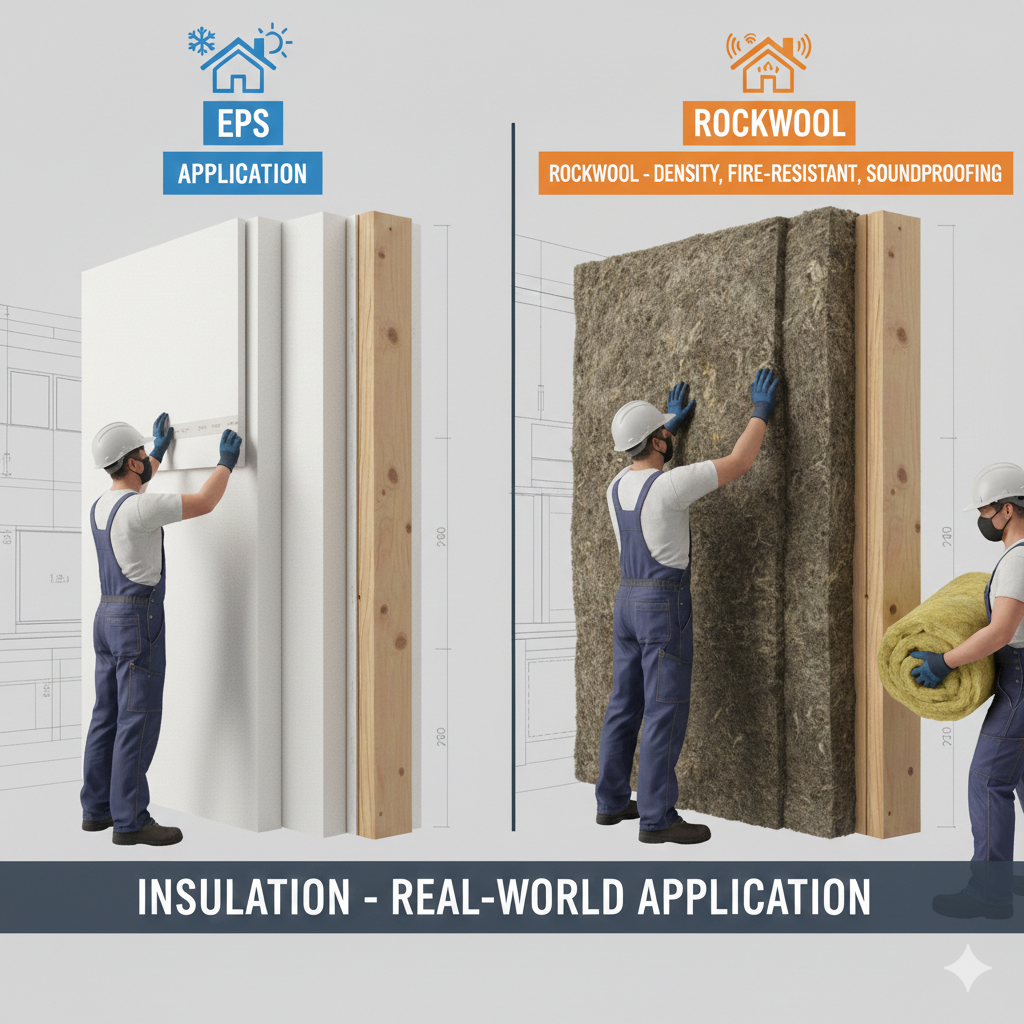
    Choosing the right insulation material is a critical decision for residential, commercial, and industrial buildings. Two of the most widely used materials are EPS insulation and rockwool insulation. While both serve the same primary purpose—reducing heat transfer—their composition, performance, and applications differ significantly.

    This EPS vs Rockwool – Complete Technical Comparison explains how each material works, where it performs best, and how to decide between them based on thermal, acoustic, moisture, and safety requirements.

    Understanding EPS Insulation
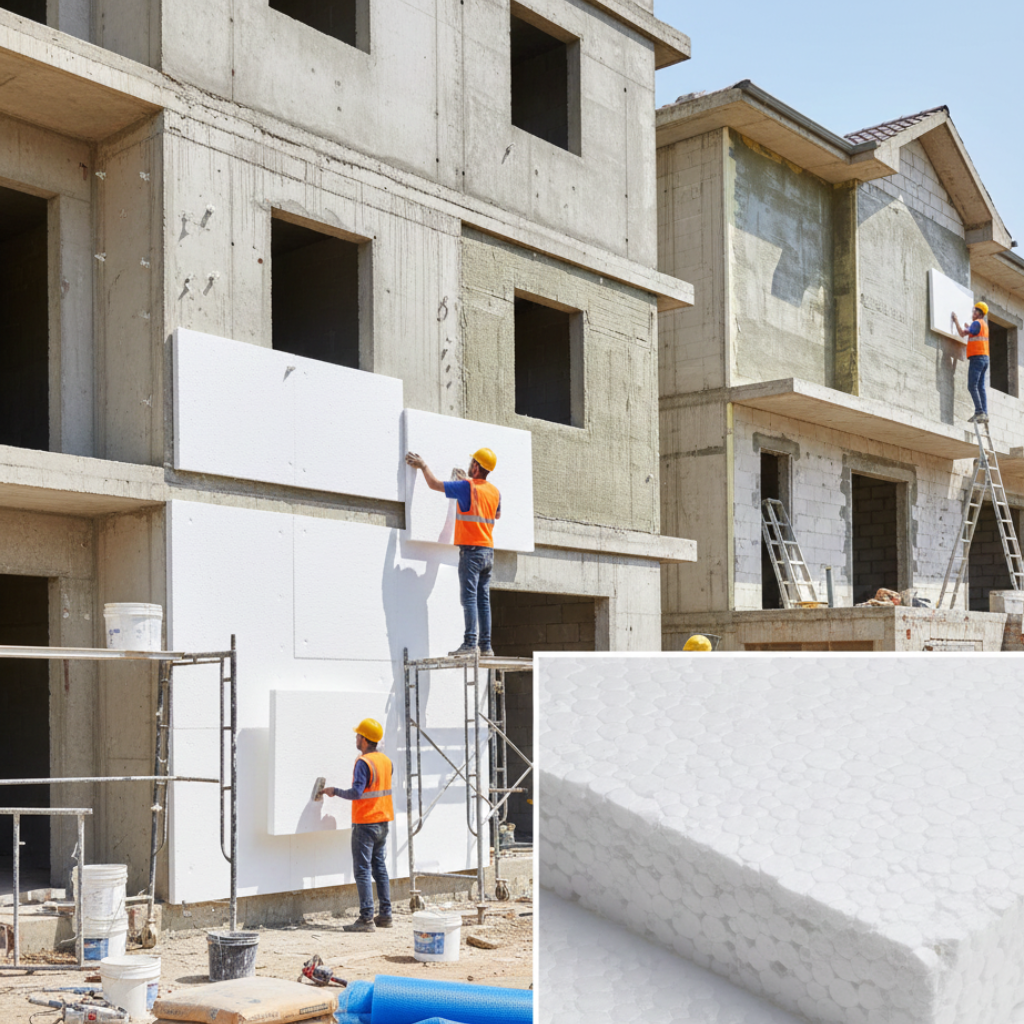
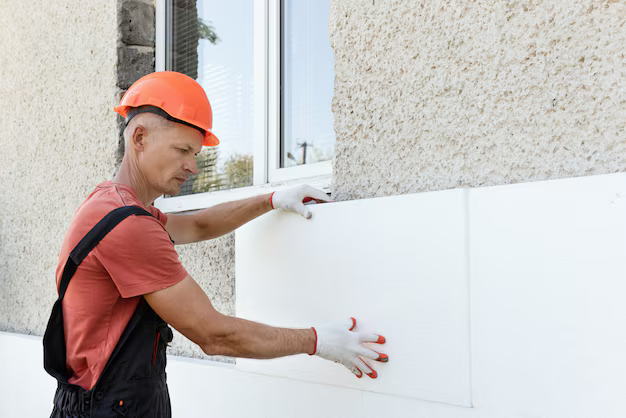
    Thermopore Sheet Installation

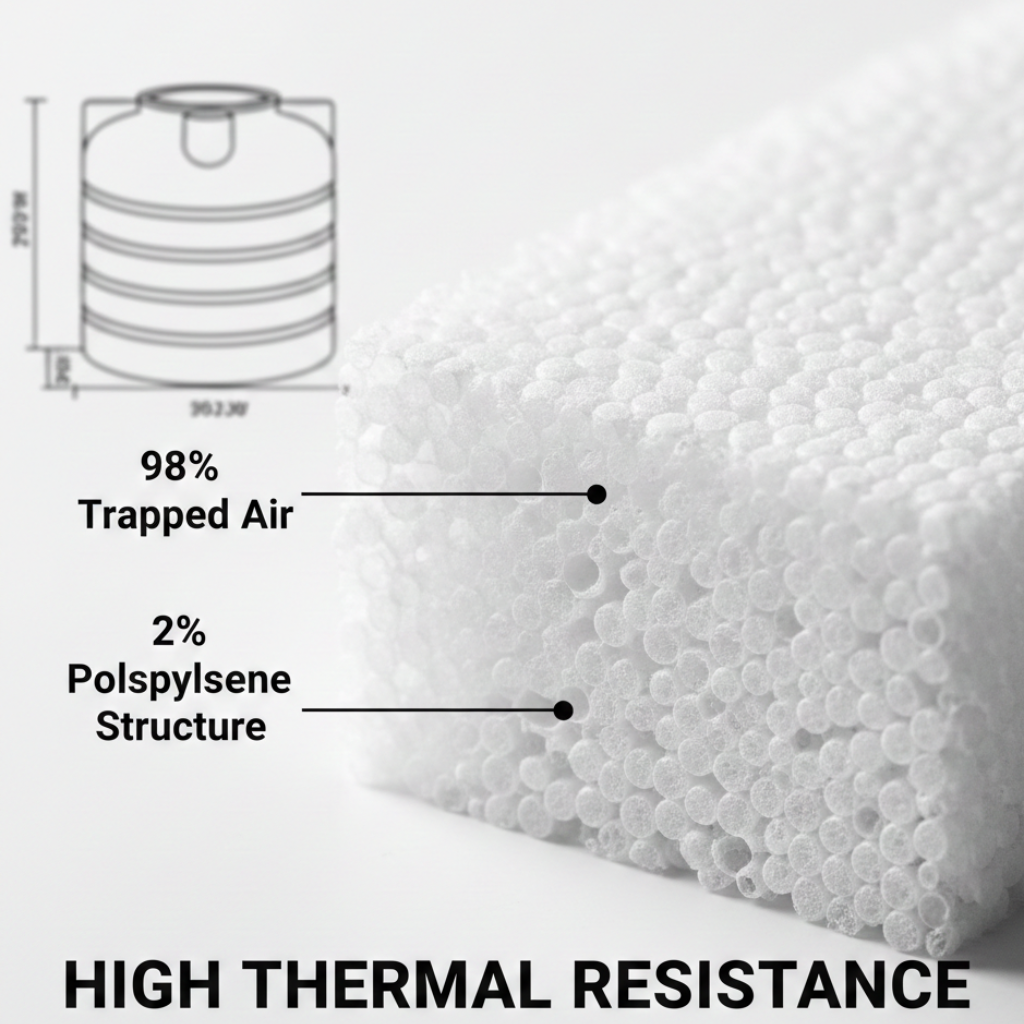
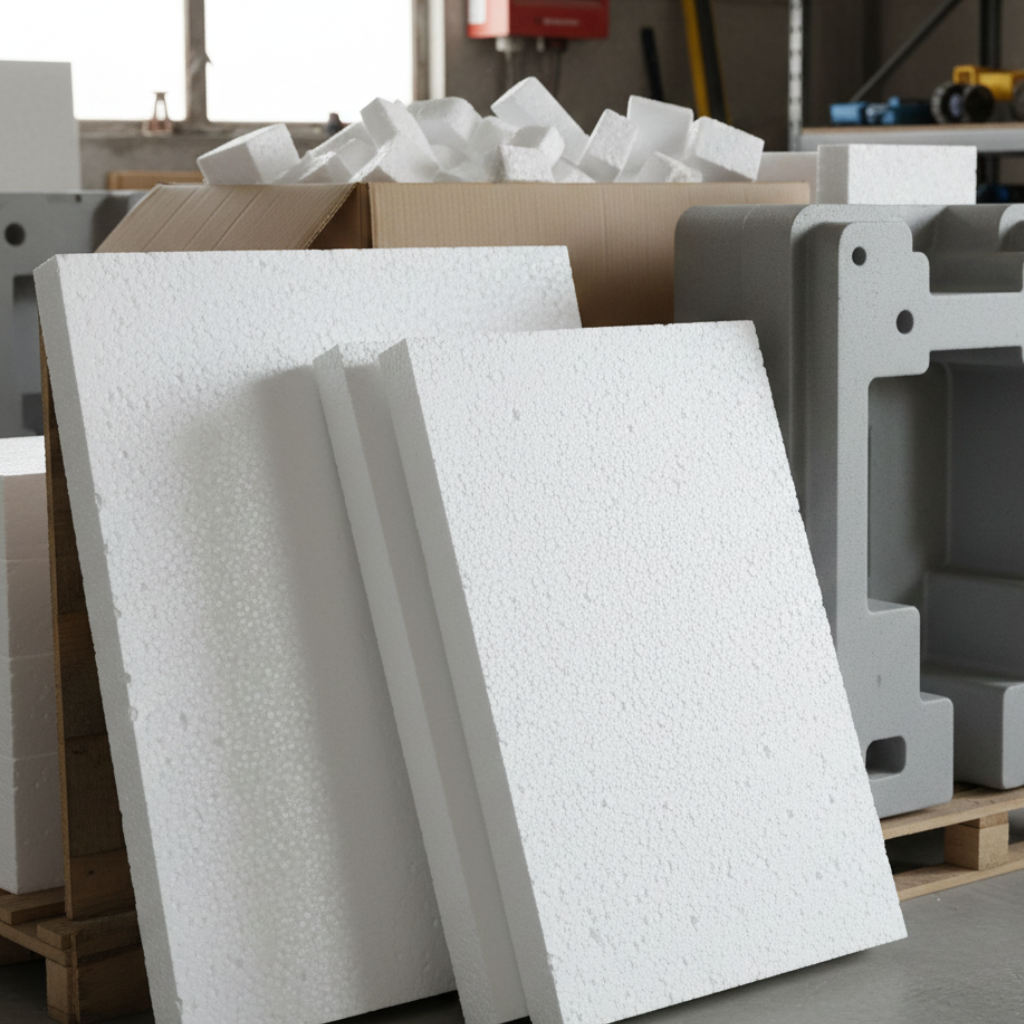
    EPS insulation (Expanded Polystyrene) is a rigid, lightweight insulation material made by expanding polystyrene beads using steam. The result is a closed-cell structure that traps air, which helps slow down heat transfer.

    EPS is widely used in walls, roofs, floors, and foundations due to its affordability and ease of installation.

    Key Characteristics of EPS

    • Lightweight and easy to handle
    • Consistent thermal performance
    • Resistant to moisture absorption
    • Cost-effective for large surface areas

    Understanding Rockwool Insulation
    Rockwool insulation is a mineral-based insulation material manufactured by melting volcanic rock and spinning it into dense fibers. This structure makes rockwool excellent for thermal resistance, sound absorption, and fire protection.

    Rockwool is commonly used in walls, roofs, industrial plants, and fire-rated structures.

    Key Characteristics of Rockwool

    • High density and durability
    • Excellent fire resistance
    • Superior sound absorption
    • Vapor-permeable structure

    EPS vs Rockwool – Material Composition Comparison
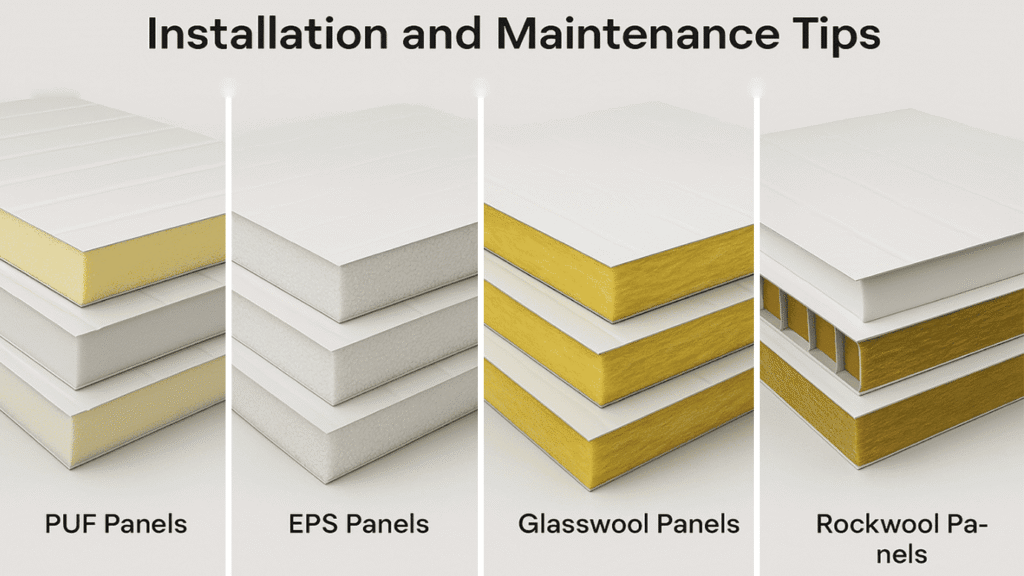
    One of the biggest differences in polystyrene vs rockwool insulation lies in how the materials are formed.

    EPS relies on trapped air inside rigid foam cells, while rockwool uses intertwined mineral fibers. This structural difference directly impacts performance in heat resistance, sound insulation, and fire behavior.

    Thermal Performance Comparison

    Both insulation types reduce heat transfer effectively, but in different ways.

    • EPS insulation provides stable thermal resistance due to its closed-cell design.
    • Rockwool insulation resists heat by slowing conduction through dense mineral fibers.

    In standard residential applications, both materials perform efficiently when installed correctly.

    EPS vs Rockwool – Technical Comparison Table

    FeatureEPS InsulationRockwool Insulation
    Material TypeExpanded PolystyreneMineral Wool
    Thermal PerformanceGoodVery Good
    Fire ResistanceLimited (needs protection)Excellent (non-combustible)
    Sound InsulationLow to MediumHigh
    Moisture ResistanceGoodModerate
    BreathabilityLowHigh
    Density Range10–30 kg/m³40–120 kg/m³
    WeightLightweightHeavier
    Installation EaseEasyModerate
    Common ApplicationsWalls, roofs, floorsFire-rated walls, partitions, ducts
    Cost LevelEconomicalHigher than EPS
    Suitability for Pakistan ClimateVery SuitableSuitable for premium projects

    EPS vs XPS – Where EPS Stands

    When discussing eps vs xps, EPS is generally more breathable and flexible in vapor movement, while XPS offers higher compressive strength. EPS remains popular for walls and roofs where breathability and cost-efficiency are priorities.

    Fire Resistance and Safety

    Fire performance is a major consideration in insulation selection.

    • Rockwool insulation is non-combustible and can withstand extremely high temperatures.
    • EPS is combustible but often treated with fire-retardant additives to slow flame spread.

    For fire-rated walls or industrial environments, rockwool is typically preferred.

    Sound Insulation Performance

    In polystyrene vs rockwool sound insulation, rockwool clearly outperforms EPS.

    • Rockwool absorbs airborne and impact sound due to its fibrous structure.
    • EPS primarily reflects sound rather than absorbing it.

    For noise-sensitive spaces such as apartments, offices, or studios, rockwool offers better acoustic comfort.

    Moisture Behavior & Breathability

    A common question is: is EPS insulation breathable?

    EPS allows limited vapor diffusion while resisting liquid water absorption. This makes it suitable for controlled indoor environments.

    Rockwool, on the other hand, is vapor-permeable and helps regulate moisture while remaining water-repellent. This characteristic makes it suitable for buildings that require breathability without trapping moisture.

    Installation & Handling Comparison

    • EPS insulation is easy to cut, lightweight, and quick to install, reducing labor time.
    • Rockwool is heavier and requires protective handling but offers greater structural stability in vertical applications.

    Environmental & Longevity Considerations

    Rockwool is manufactured from natural minerals and is dimensionally stable over time. EPS is long-lasting and recyclable but derived from petrochemical sources.

    Both materials have long service lives when installed properly.

    Where EPS Is the Better Choice

    EPS is ideal for:

    • Budget-sensitive projects
    • External wall insulation systems
    • Roof and floor insulation
    • Applications requiring lightweight materials

    Where Rockwool Is the Better Choice

    Soundproofing Material glasswool vs rockwool

    Rockwool is better suited for:

    • Fire-rated walls and ceilings
    • Soundproofing applications
    • High-temperature environments
    • Industrial and commercial buildings

    Final Verdict: EPS vs Rockwool

    There is no single “best” insulation—only the right one for your project.

    • Choose EPS insulation for affordability, ease of installation, and thermal efficiency.
    • Choose rockwool insulation when fire safety, sound insulation, and breathability are critical.

    Understanding the technical differences between these materials ensures better energy efficiency, comfort, and long-term performance.

    FAQ’S

    The main difference lies in composition and performance. EPS insulation is made from expanded polystyrene and focuses on thermal efficiency, while rockwool insulation is made from mineral fibers and offers superior fire resistance and sound absorption.

    For wall insulation in Pakistan, EPS is commonly used for residential projects due to affordability and thermal performance. Rockwool is preferred in commercial or industrial buildings where fire safety and acoustic insulation are critical.

    EPS insulation is not fully breathable. It has low vapor permeability, which helps block moisture but requires proper ventilation design to avoid condensation buildup inside walls.

    Yes. Rockwool performs significantly better in sound control. This is why polystyrene vs rockwool sound insulation comparisons often favor rockwool for apartments, offices, and studios.

    When comparing EPS vs XPS, XPS offers higher compressive strength and moisture resistance, while EPS is more cost-effective and widely used for wall and roof insulation.

    Rockwool is non-combustible and can withstand very high temperatures, making it safer in fire-rated applications. EPS must be protected with fire-resistant layers when used in building envelopes.
  • Insulation Sheet Densities Explained (EPS / XPS / Rockwool / Glasswool / Aluminium Foil)

    Insulation Sheet Densities Explained (EPS / XPS / Rockwool / Glasswool / Aluminium Foil)

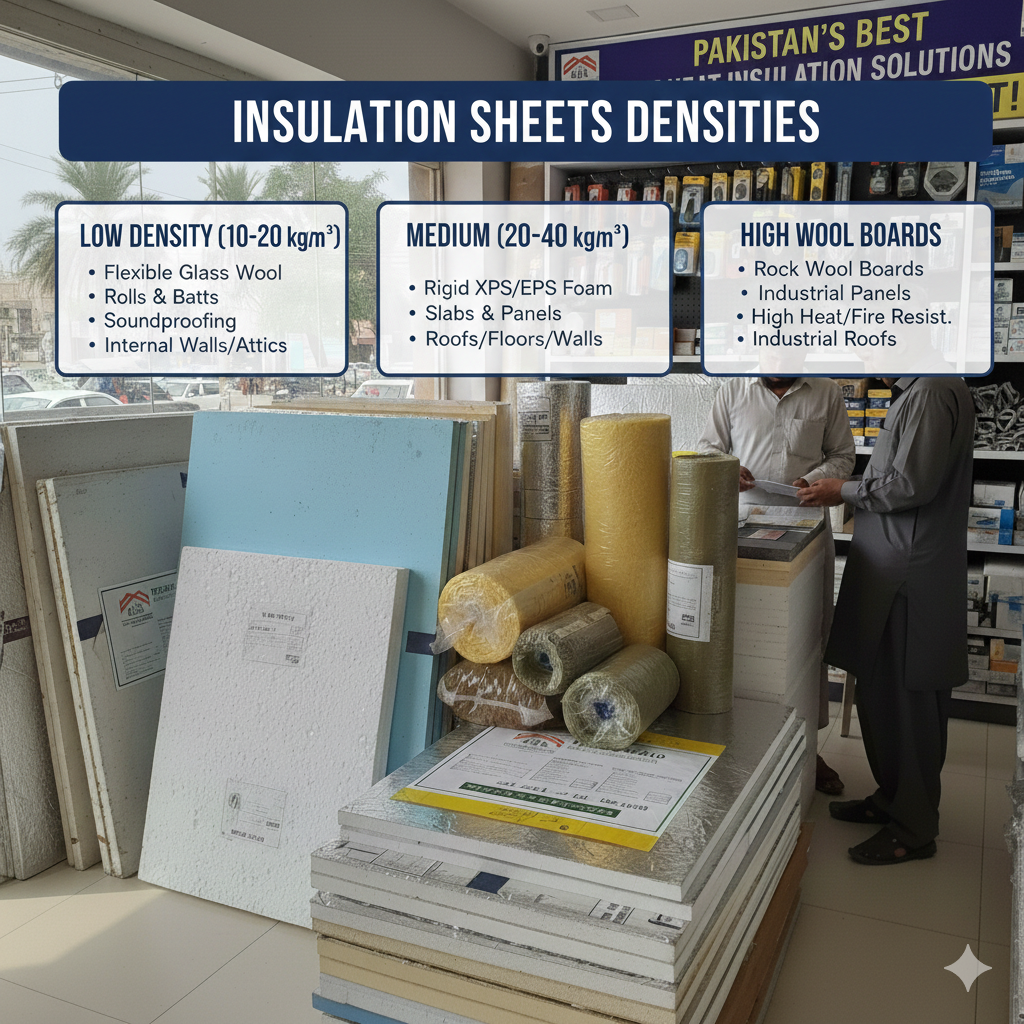
    When selecting insulation for buildings in Pakistan, material type alone is not enough. Insulation density plays a critical role in thermal performance, durability, and suitability for specific applications. However, understanding insulation sheet densities helps builders and homeowners choose the right product for roofs, walls, and industrial systems.

    Moreover, this guide explains insulation densities for EPS, XPS, rockwool, glasswool, and aluminium foil, along with practical recommendations for different building needs.

    Why Insulation Density Matters

    glasswool density

    Insulation density refers to the weight of material per cubic meter. It directly affects strength, heat resistance, and long-term performance. However, choosing the wrong density can result in poor insulation, compression, or reduced lifespan.

    Furthermore, understanding insulation density kg/m3 ensures the insulation performs as intended under real-world conditions.

    Types of Insulation Materials Used in Buildings

    Modern construction uses multiple types of insulation material depending on thermal, acoustic, and structural requirements. Below is a practical overview of common materials used in Pakistan.

    Expanded Polystyrene (EPS) Density Explained

    EPS Thermal Insulation

    EPS is a lightweight insulation material widely used in walls and floors. It provides good thermal resistance while remaining cost-effective.

    Typical density range:

    • Low-density EPS for residential walls
    • Medium-density EPS for floors and partitions

    EPS is part of the broader thermal insulation materials in building applications due to its ease of installation and affordability.

    Extruded Polystyrene (XPS) Density Explained

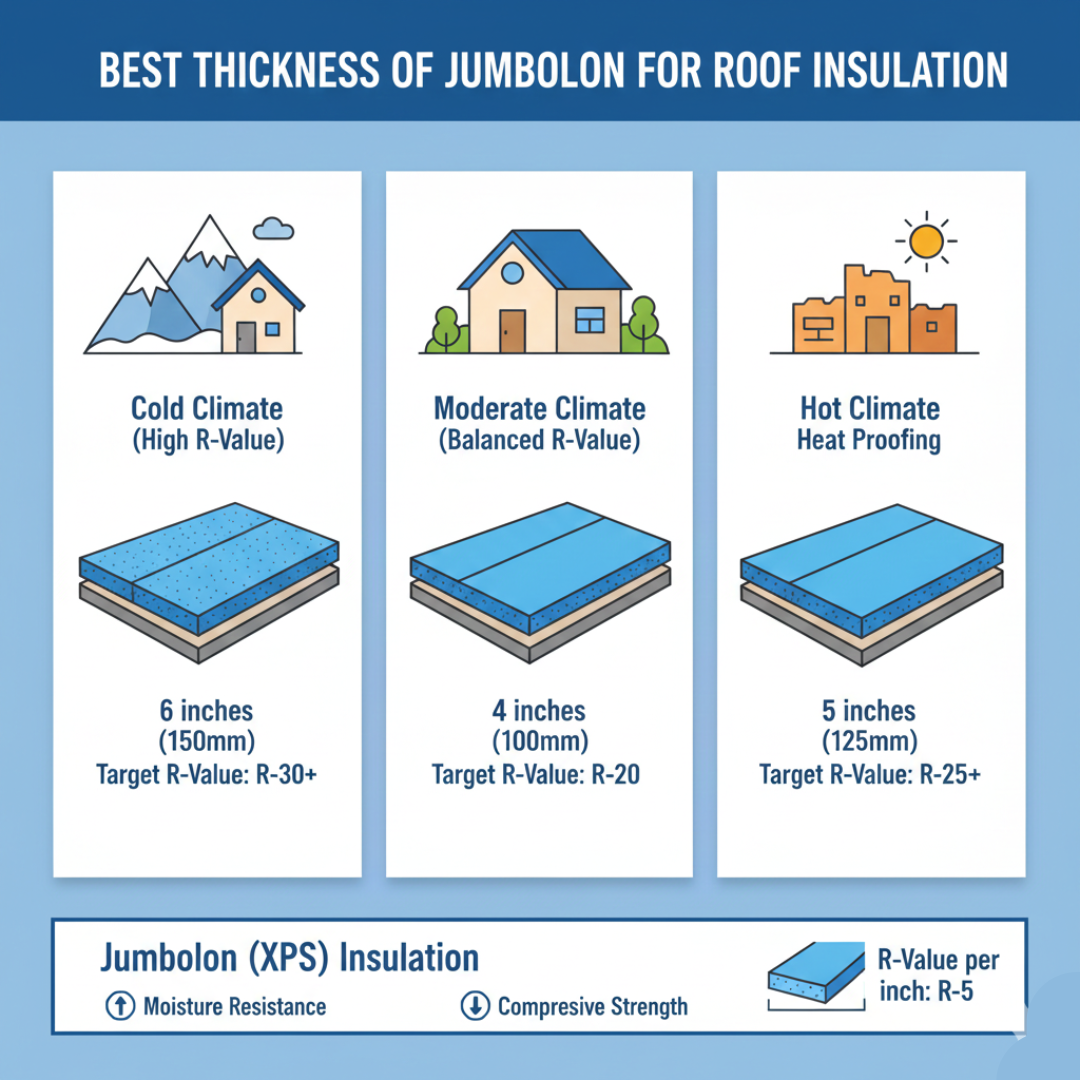
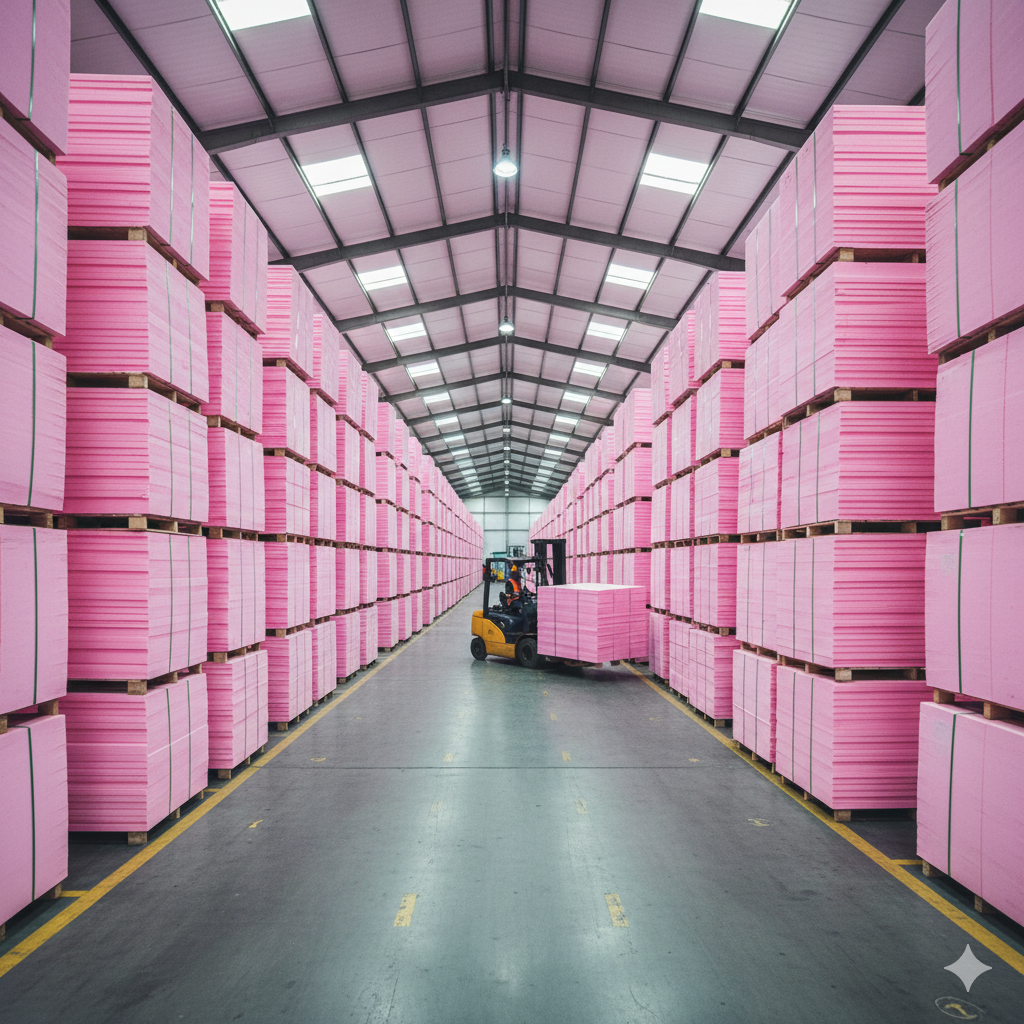
    Best Thickness of Jumbolon for Roof Insulation

    XPS insulation is denser than EPS and offers higher compressive strength and moisture resistance. It is often used in roofs, basements, and exterior walls.

    Because of its structure, XPS performs well as a hot insulation material in areas exposed to direct sunlight and moisture.

    Rockwool Insulation Density Overview

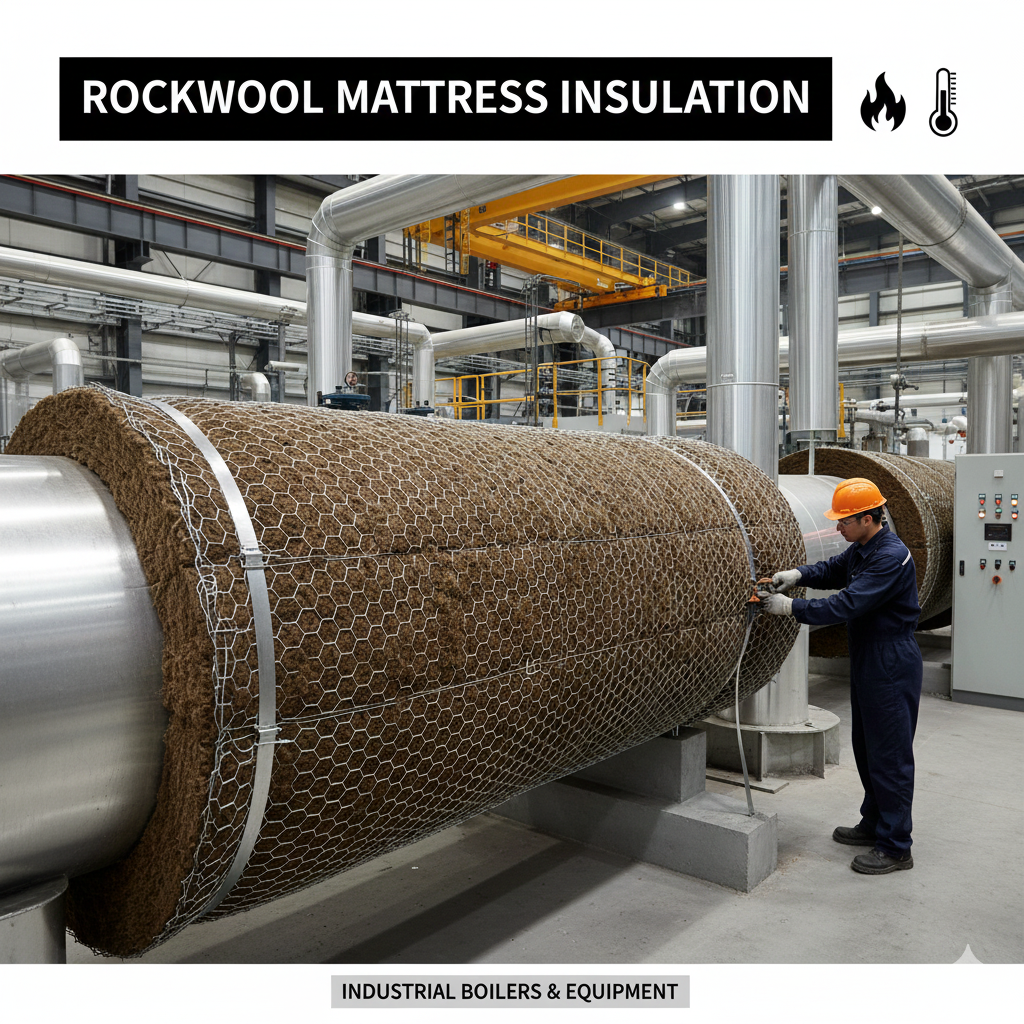
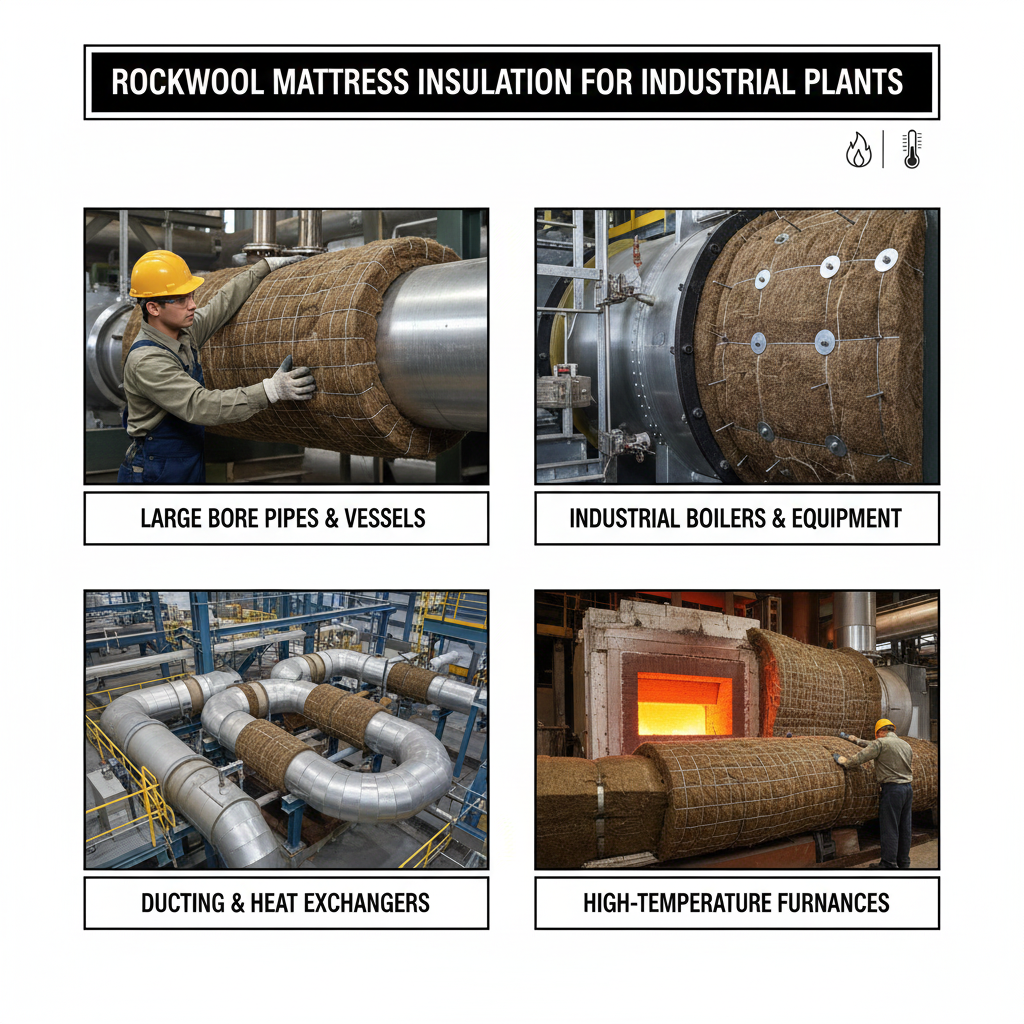
    rockwool mattress insulation for industrial plant

    Rockwool insulation is known for fire resistance and sound absorption. Selecting the correct rockwool insulation density kg/m3 is essential for achieving optimal performance.

    Lower densities are used for acoustic insulation, while higher densities are suitable for industrial and fire-rated applications.

    Rockwool is commonly selected as a best heat insulation material for commercial and industrial buildings due to its thermal stability.

    Glasswool Insulation Density Explained

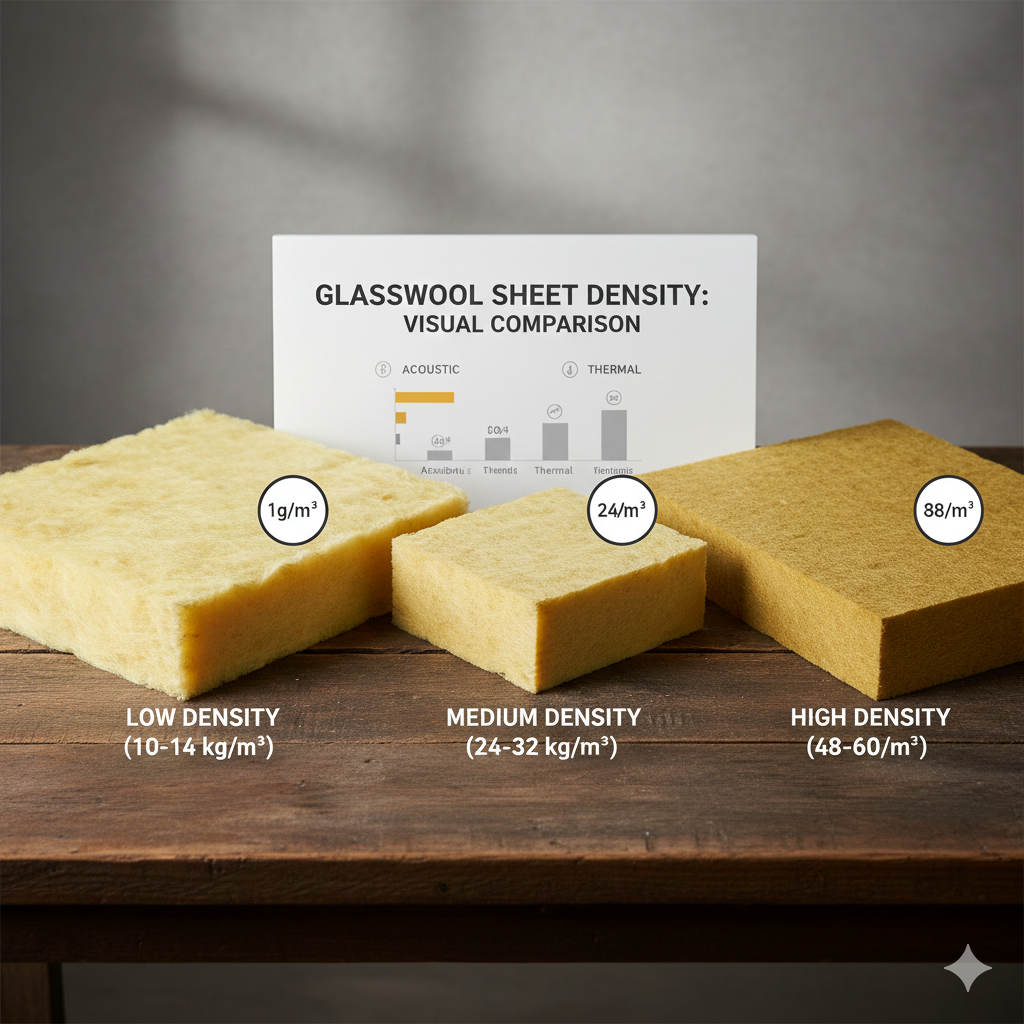
    glasswool insulation density

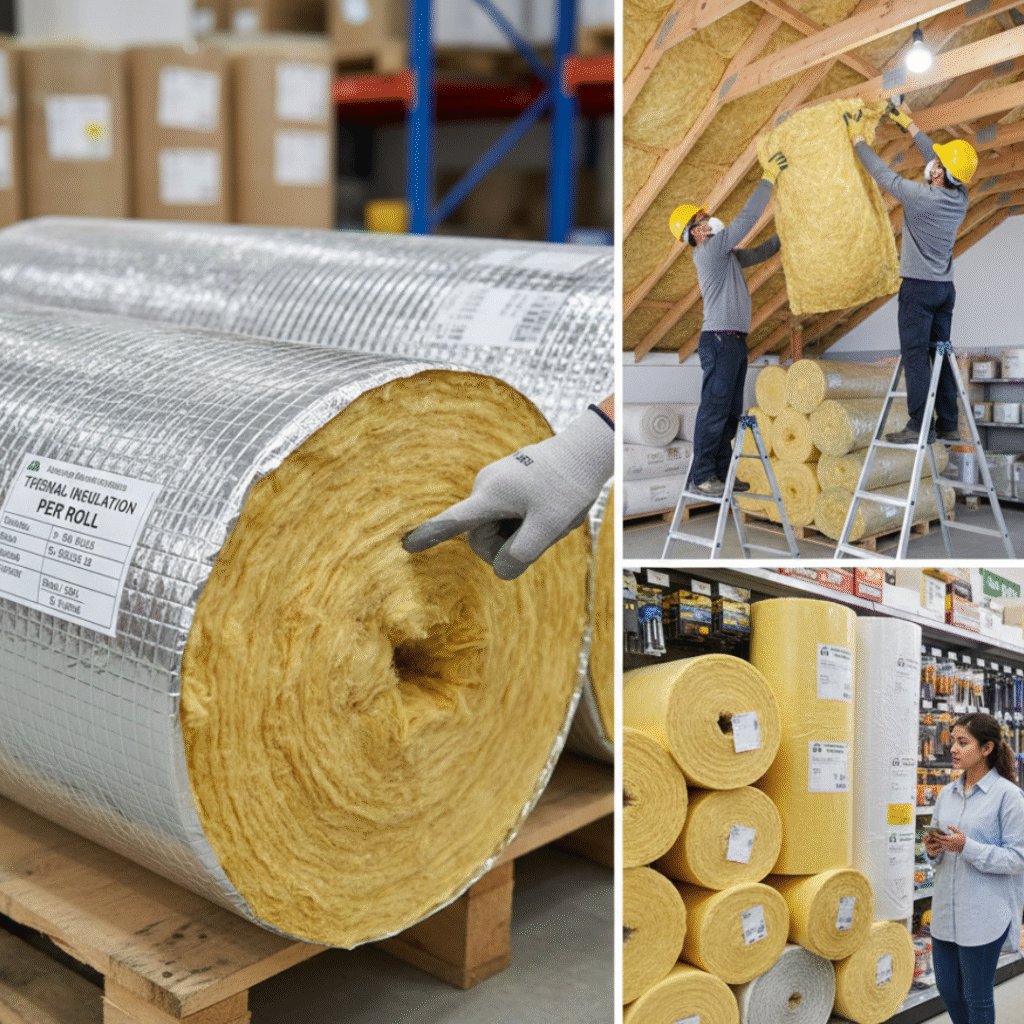
    Glasswool insulation offers excellent thermal and acoustic performance at relatively low weight. It is commonly used in ceilings, HVAC ducts, and interior walls.

    Lower densities suit ceiling applications, while medium densities are preferred for partitions and ducts within thermal insulation materials in building systems.

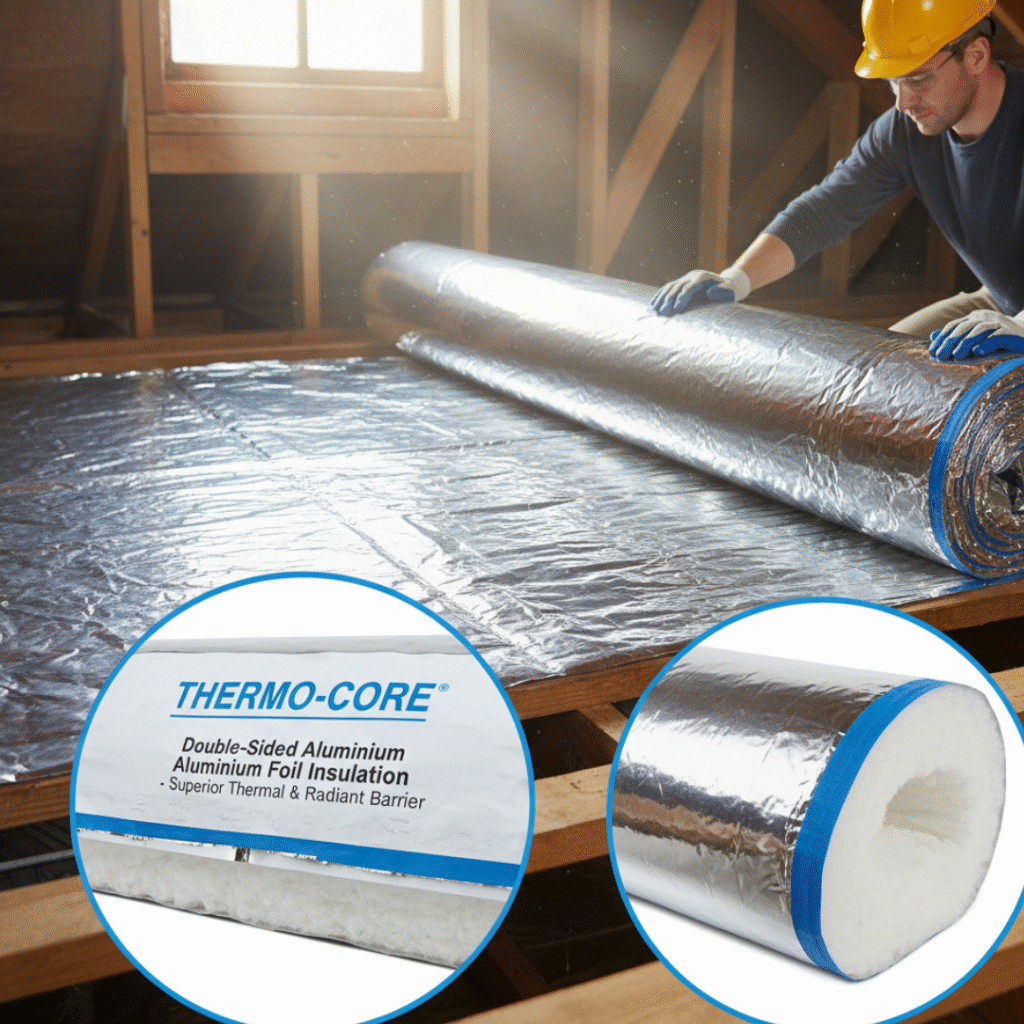
    Aluminium Foil Insulation and Density Concept

    double sided aluminium sheet price

    Unlike fibrous insulation, aluminium foil does not rely on density to resist heat. Instead, it reflects radiant heat. When combined with foam or fiber insulation, it enhances overall performance.

    However, aluminium foil is often paired with other insulation materials to create layered systems for maximum efficiency.

    Insulation Density Chart (General Overview)

    An insulation density chart helps compare materials and applications:

    • EPS: Low to medium density
    • XPS: Medium to high density
    • Rockwool: Medium to high density
    • Glasswool: Low to medium density
    • Aluminium foil: Reflective layer (non-density based)

    However, this chart simplifies material selection based on structural and thermal needs.

    Thermal Insulation Materials List for Practical Use

    Thermocol Sheet For Schools

    A practical thermal insulation materials list for buildings includes:

    • EPS boards
    • XPS boards
    • Rockwool slabs
    • Glasswool rolls
    • Aluminium foil insulation

    Moreover, each material serves a specific purpose based on density, location, and performance requirements.

    Choosing the Best Heat Insulation Material by Density

    The best heat insulation material is not defined by density alone. Roofs require different density levels than walls or industrial pipelines.

    For example:

    • Low density works for ceilings and partitions
    • Medium density suits residential walls
    • High density is required for industrial and fire-rated zones

    However, matching density to application ensures long-term insulation efficiency.

    Conclusion

    Understanding insulation sheet densities is essential for selecting the right insulation material in Pakistan. EPS, XPS, rockwool, glasswool, and aluminium foil each offer unique benefits when used at appropriate density levels.

    Moreover, by considering insulation density alongside application requirements, builders and homeowners can achieve better thermal comfort, energy savings, and durability.’

    FAQ’S

    Insulation density kg/m³ refers to the weight of insulation material per cubic meter. Higher density usually offers better strength and durability, while lower density is suitable for lightweight applications like ceilings.

    Medium-density insulation is generally best for residential buildings as it balances thermal performance, durability, and cost for walls and roofs.

    Rockwool insulation density kg/m³ affects fire resistance, sound absorption, and thermal stability. Higher density is recommended for industrial and fire-rated applications.

    Aluminium foil insulation does not rely on density for performance. It works by reflecting radiant heat and is usually combined with other insulation materials.

  • Best Roof Heat Insulation Sheets in Pakistan (2026 List)

    Best Roof Heat Insulation Sheets in Pakistan (2026 List)

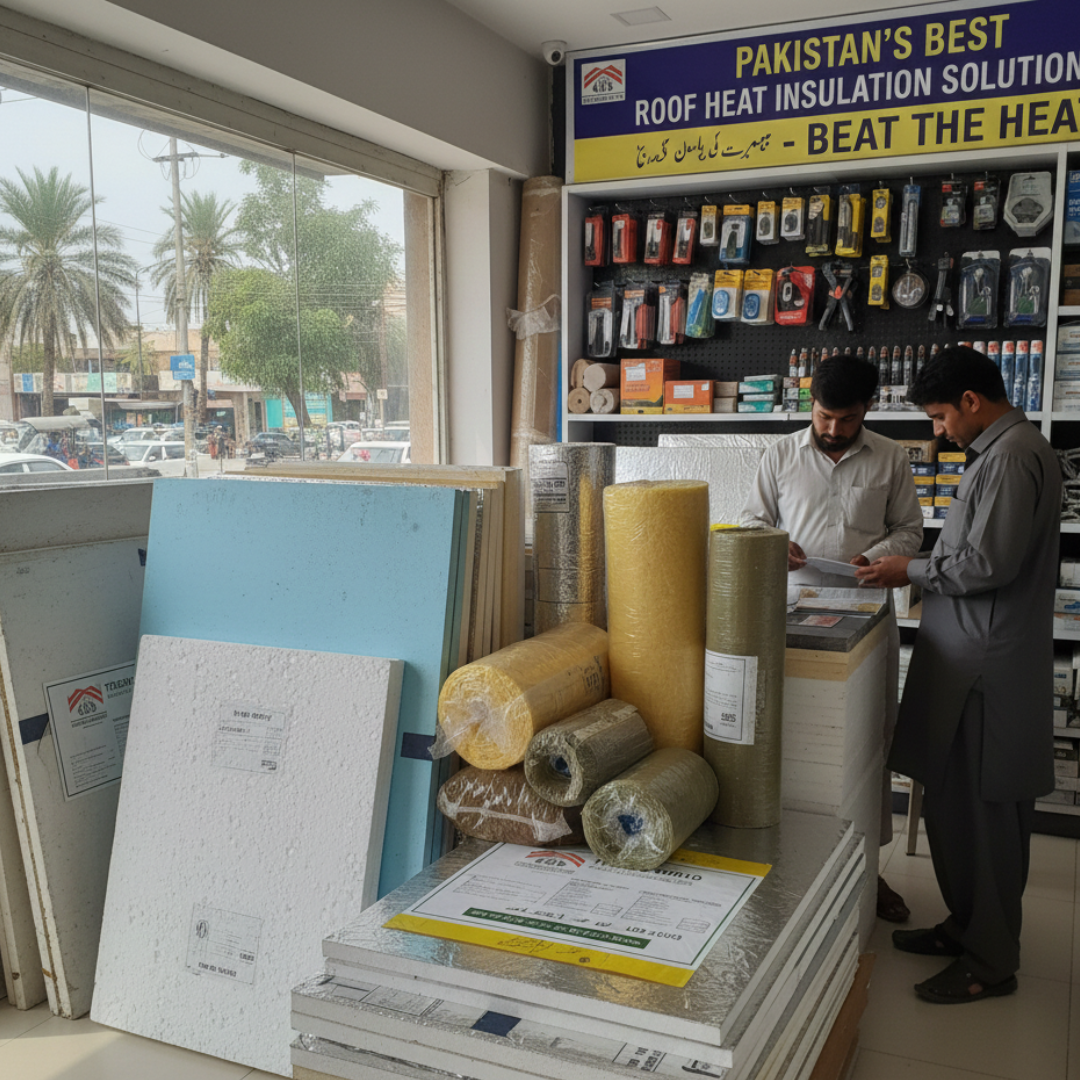
    Pakistan’s rising temperatures and increasing electricity costs have made roof insulation a necessity rather than a luxury. In 2026, homeowners, builders, and commercial property owners are actively searching for reliable heat insulation materials that reduce indoor heat and energy consumption. This guide covers the best roof heat insulation sheets in Pakistan, their benefits, applications, and pricing considerations.

    Why Roof Heat Insulation Is Important in Pakistan

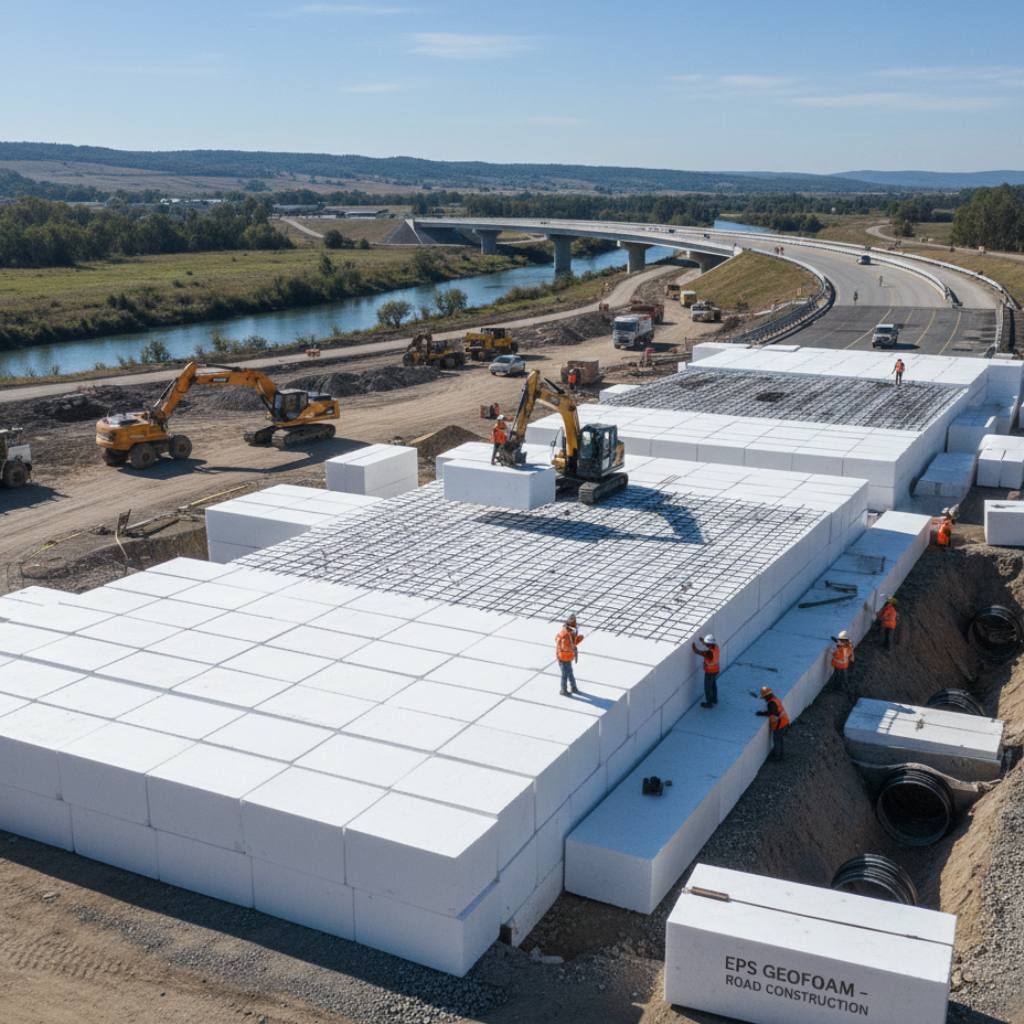
    EPS Geofoam For Road Construction

    Roofs receive direct sunlight throughout the day, making them the largest source of indoor heat gain. Without insulation, buildings absorb excessive heat, leading to higher cooling costs and uncomfortable living conditions.

    However, installing the right roof heat insulation sheets Pakistan helps:

    • Reduce indoor temperatures
    • Improve energy efficiency
    • Protect roofing structures
    • Lower long-term electricity bills

    Types of Roof Heat Insulation Sheets Used in 2026

    Several insulation materials are commonly used across residential, commercial, and industrial projects in Pakistan.

    1. Jumbolon Insulation Sheets

    Jumbolon Board in Pakistan

    Jumbolon sheets are lightweight, flexible, and effective against radiant heat. The jumbolon sheet price in Pakistan depends on thickness and roll size, making it a popular choice for roofs, sheds, and warehouses.

    Best for:

    • Metal roofs
    • Industrial sheds
    • Warehouses

    2. Thermal Insulation Sheets

    EPS Foam

    Thermal insulation sheets are designed to reduce heat transfer through reflective and insulating layers. Moreover, the thermal insulation sheet price in Pakistan varies based on material type, thickness, and application area.

    Best for:

    • Residential roofs
    • Commercial buildings
    • Factories

    3. Aluminium Foil Heat Proof Sheets

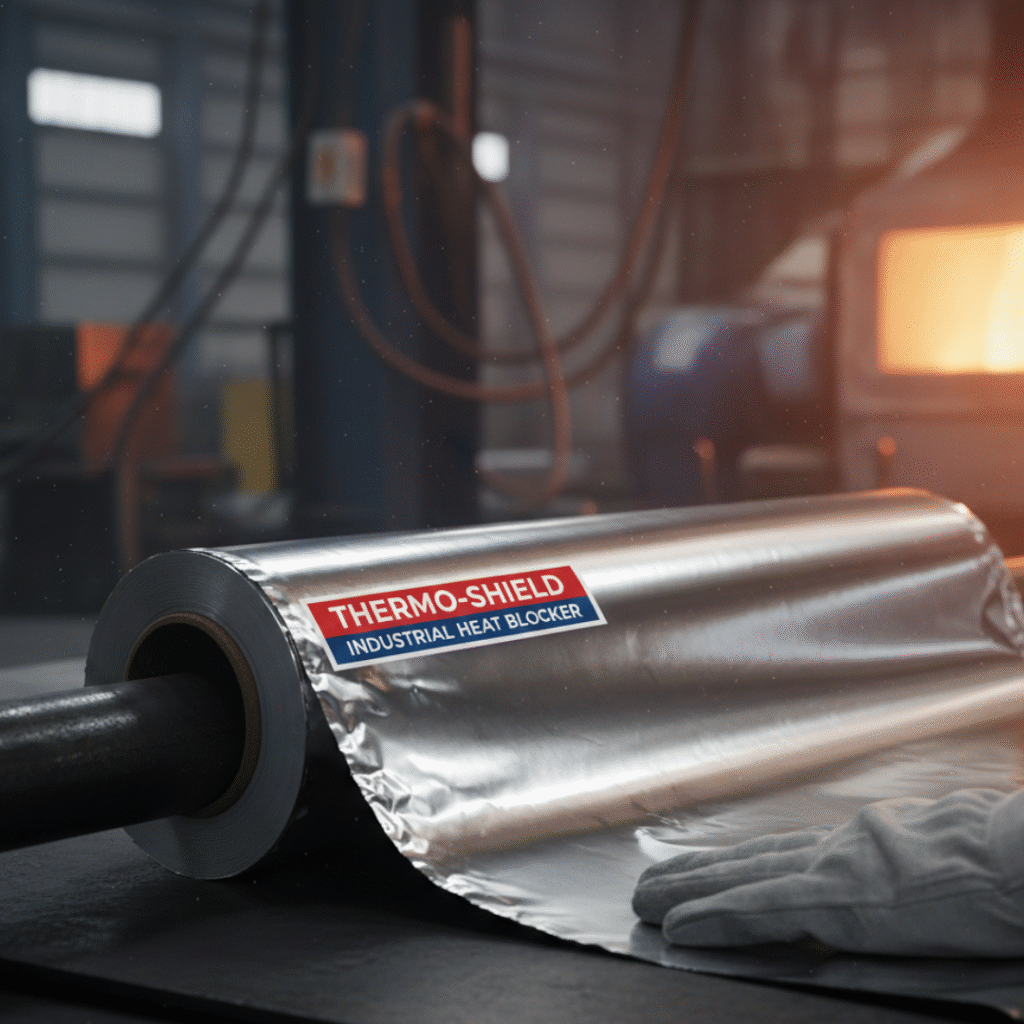
    Aluminium Foil Sheet for Thermal Insulation

    Aluminium foil sheets reflect radiant heat and are commonly used with other insulation layers. They are widely known as a heat proof sheet for roof in Pakistan due to their effectiveness in hot climates.

    Best for:

    • Concrete roofs
    • HVAC duct insulation
    • Roofing systems with limited space

    4. Foam-Based Heat Insulation Sheets

    Glasswool Insulation in Pakistan

    Foam insulation sheets provide thermal resistance and are used for both roofs and walls. Many builders also use roof heat insulation sheet for wall applications to improve indoor comfort and temperature stability.

    Best for:

    • Homes
    • Offices
    • Multi-story buildings

    Roof Insulation Prices in Pakistan (2026 Overview)

    The roof insulation price in Pakistan depends on several factors:

    • Material type
    • Thickness
    • Brand or manufacturer
    • Installation method

    While premium insulation materials may have a higher upfront cost, they provide better durability and long-term energy savings.

    Best Roof Heat Insulation Sheets in Karachi

    Due to extreme humidity and heat, selecting the Best Roof Heat Insulation Sheets in Karachi requires materials that resist moisture while reflecting heat. Aluminium foil-based insulation and closed-cell foam sheets are commonly preferred for coastal climates.

    These materials help maintain indoor comfort even during peak summer temperatures.

    Choosing the Right Heat Insulation Sheet

    When selecting a roof insulation solution, consider:

    • Climate conditions
    • Building structure
    • Budget
    • Installation requirements

    A properly selected roof heat insulation sheet Pakistan not only improves comfort but also extends the lifespan of roofing materials.

    Applications Beyond Roofs

    Modern insulation sheets are not limited to roofs. Many products are designed for walls, ceilings, and partitions. However, making heat insulation sheet for wall applications increasingly common in energy-efficient buildings.

    Conclusion

    In 2026, investing in high-quality roof insulation is one of the smartest decisions for buildings in Pakistan. Whether you choose jumbolon sheets, aluminium foil insulation, or advanced thermal insulation sheets, the right material can significantly reduce heat, energy costs, and long-term maintenance.

    Moreover, selecting the best insulation solution ensures comfort, sustainability, and cost efficiency for years to come.

    FAQ’S

    Aluminium foil–based sheets, thermal insulation sheets, and jumbolon sheets are among the best options as they effectively reduce heat gain in hot weather conditions.

    Roof insulation prices vary depending on material type, thickness, and installation area. High-quality insulation may cost more initially but offers better long-term energy savings.

    Yes, many modern insulation products are designed for dual use, making heat insulation sheets suitable for roofs as well as wall applications.

    For humid and hot regions, reflective aluminium foil insulation and closed-cell foam sheets are considered the best roof heat insulation sheets in Karachi.

  • Rockwool Insulation Sheet

    Rockwool Insulation Sheet

    Introduction

    In the world of construction and home improvement, insulation is not merely an option—it’s a critical component for energy efficiency, comfort, and safety. Among the numerous insulation material options available, Rockwool insulation sheet (also commonly known as stone wool or mineral wool) stands out as a high-performance solution.

    But what exactly is it? Unlike traditional fiberglass or foam, Rockwool is an innovative product created from molten volcanic rock and slag, spun into fine fibers, and compressed into rigid or semi-rigid sheets. This unique manufacturing process gives it a powerful trifecta of benefits: exceptional thermal performance, superior acoustic insulation, and incredible fire resistance.

    If you’re looking to upgrade your building’s envelope, save on energy bills, or enhance your interior comfort, understanding the properties of this fascinating insulation material is your first step.

    What is Rockwool Insulation?

    rockwool insulation sheet

    The foundation of Rockwool is literally rock. The process involves heating basalt rock and recycled slag (a by-product of the steel industry) to over $1500^{\circ}C$ until they melt. This lava-like material is then poured into rapidly spinning wheels, which sling the molten substance outward, transforming it into millions of thin, interweaving fibers—much like making cotton candy. A binder is added, and the fibers are compressed and cured into the final product: the Rockwool insulation sheet.

    This dense, non-directional fiber structure is key to its outstanding performance, creating millions of tiny air pockets that trap heat and dissipate sound waves.

    The Unmatched Benefits of Rockwool

    Choosing the right insulation material is crucial, and Rockwool offers compelling advantages over traditional DIY insulation choices:

    1. Superior Thermal Performance (R-Value)

    Rockwool boasts an excellent thermal performance thanks to its high density. It efficiently maintains its structural integrity over time, meaning its R-value (a measure of resistance to heat flow) remains consistent. This translates directly into lower heating and cooling costs, making it a sustainable choice for long-term energy savings.

    2. Exceptional Fire Protection

    Perhaps the most impressive benefit is its inherent fire safety. Because it is made from stone, Rockwool insulation sheet is non-combustible. It can withstand temperatures exceeding $1000^{\circ}C$ without melting, offering a critical barrier that can significantly slow the spread of fire and provide occupants with valuable time to evacuate.

    3. High-Grade Acoustic Insulation

    For projects where noise reduction is a priority—such as soundproofing a home office, basement studio, or apartment wall—Rockwool excels. Its dense, fibrous structure absorbs sound vibrations, providing superior acoustic insulation compared to many other materials. It helps minimize both airborne sound (voices, music) and impact noise (footsteps).

    4. Moisture Resistance

    While it is breathable, Rockwool is also resistant to water absorption, meaning it will not hold water and lose its insulating properties if exposed to moisture. This characteristic helps prevent mold and mildew growth, contributing to better indoor air quality.

    Common Applications of Rockwool Insulation

    rockwool insulation in pakistan

    The versatility of the Rockwool insulation sheet makes it suitable for a wide range of building envelope and home improvement projects:

    • Wall Cavities: Used in both interior and exterior walls for thermal and acoustic control.
    • Attics and Ceilings: Especially effective in high-heat areas to maintain a consistent temperature.
    • Floors: Provides sound dampening between floors in multi-story buildings.
    • HVAC Ductwork: Applied to the outside of heating and cooling ducts to improve efficiency and reduce mechanical noise.
    • Basement and Crawlspaces: Helps manage moisture and maintain thermal control in below-grade areas.

    Key Considerations for Installation

    While DIY insulation with Rockwool is feasible, a few tips can ensure a perfect, high-performance fit:

    1. Safety First: Always wear long sleeves, gloves, and a dust mask. While Rockwool fibers are not as itchy as fiberglass, proper protection is essential.
    2. Precise Cutting: Use a long, sharp utility knife to cut the sheets. Measure the cavity width carefully and cut the batts about half an inch wider. This slight oversizing ensures a friction fit, eliminating gaps that compromise thermal performance.
    3. Friction Fit: The goal is a snug, perfect friction fit. There should be no compressing, bending, or squeezing of the insulation material—simply place it gently into the stud cavity.
    4. Vapor Barrier: In colder climates, or where required by building codes, ensure you install a continuous polyethylene vapor barrier on the warm-in-winter side of the wall assembly to manage condensation.

    Rockwool vs. Fiberglass: Which is Better?

    When comparing insulation material for your next project, fiberglass is often the main competitor. Here is a brief comparison:

    FeatureRockwool (Mineral Wool)Fiberglass
    Primary MaterialVolcanic rock, slagSand, recycled glass
    R-value per InchGenerally higher (superior thermal performance)Generally lower
    Fire ResistanceExcellent (Non-combustible)Can melt at high temperatures
    Acoustic InsulationExcellent (High density)Good (Lower density)
    Moisture ResistanceVery goodFair (Can lose R-value when wet)

    For projects requiring the highest levels of fire safety and acoustic insulation, the Rockwool insulation sheet is the preferred choice. For basic thermal control on a tight budget, fiberglass may be considered.

    Rockwool Sheet Application in Exterior Insulation Systems

    rockwool insulation sheet in eifs

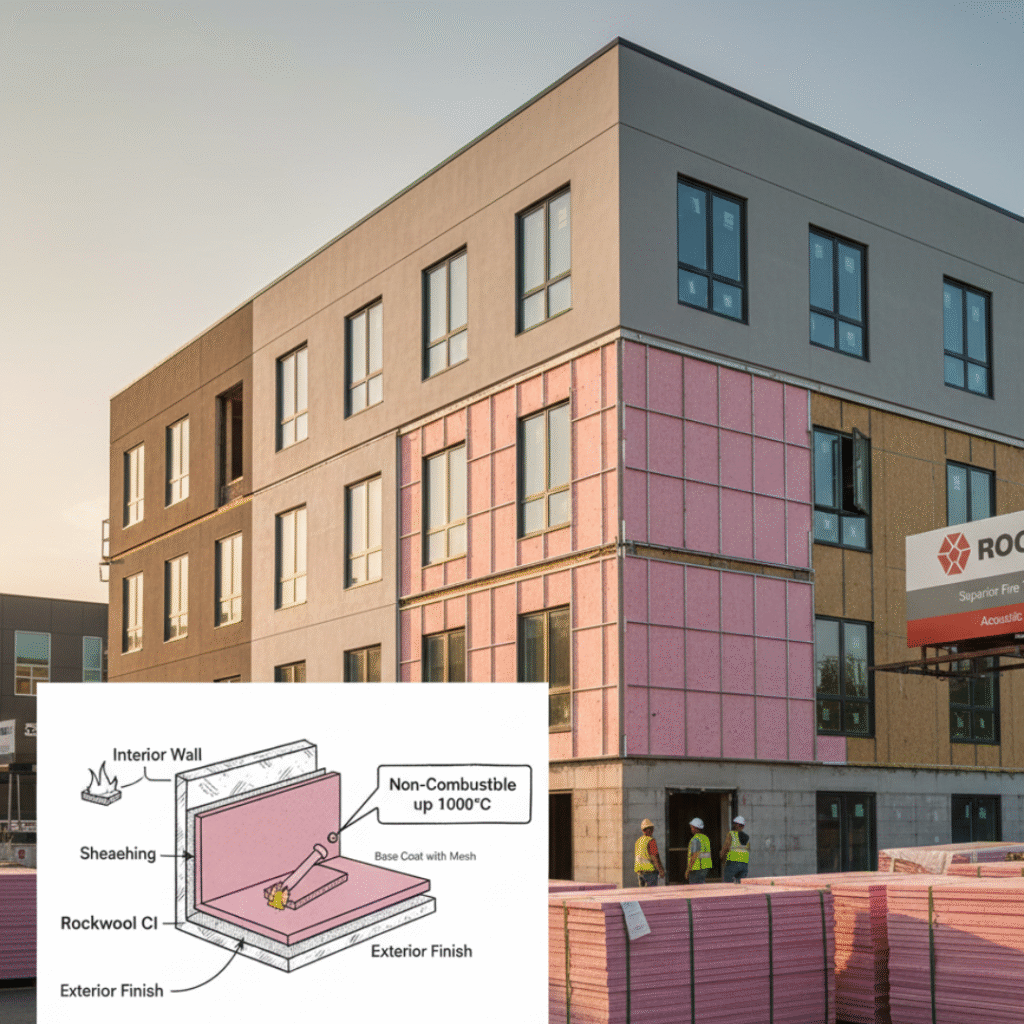
    While Rockwool is often celebrated for its use in interior walls and ceilings, its unique properties—especially its density, moisture repellency, and non-combustibility—make it an exceptional insulation material for exterior systems, particularly in large commercial and high-rise buildings where safety codes are stringent.

    Using a Rockwool insulation sheet on the exterior is a form of continuous insulation (CI), which wraps the building in a thermal blanket, drastically improving thermal performance by eliminating thermal bridging through wall studs.

    1. Exterior Insulation and Finish Systems (EIFS)

    EIFS refers to non-load bearing building cladding systems that provide exterior walls with an insulated, water-resistant, finished surface.

    • Traditional EIFS: Historically, EIFS used foam plastics (like EPS or XPS). However, due to concerns over the combustibility of these materials, especially in mid-to-high-rise construction, Rockwool (mineral wool) has become the preferred choice for a non-combustible substrate.
    • The Rockwool Advantage in EIFS: Rigid stone wool boards (e.g., specific high-density Rockwool products) are mechanically fastened or adhered to the exterior sheathing. This layer provides the superior fire resistance of rock while acting as a stable, dimensionally sound base for the subsequent layers (base coat, mesh, and decorative render/finish). This combination offers the highest possible fire rating (A1/Class A non-combustible).

    2. Rainscreen and Cavity Wall Systems

    Rainscreen and cavity wall systems are modern façade designs that create an intentional air gap (cavity) between the insulation and the exterior cladding (e.g., metal panels, brick, or siding). This gap manages moisture by allowing water that penetrates the cladding to drain away.

    • Cavityrock Insulation: Rockwool manufactures specialized semi-rigid boards designed specifically for this application. These boards are installed in the cavity, right against the exterior wall sheathing.
    • Superior Moisture Management: The stone wool boards are water repellent yet vapor permeable. This means they actively shed liquid water that might trickle down the cavity while allowing water vapor from inside the wall assembly to pass through and dry out. This breathability is crucial for preventing condensation, mold, and rot within the wall structure, ensuring the building’s long-term durability.

    3. Continuous Insulation (CI) for Thermal Bridging

    Thermal bridging occurs when a highly conductive material (like wood or steel studs) extends from the interior to the exterior, creating a path for heat to bypass the cavity insulation.

    • The CI Solution: By installing a layer of rigid Rockwool board outside the wall framing, the entire structure is wrapped in continuous insulation. This creates an unbroken thermal envelope, significantly reducing overall heat loss (or gain) and contributing to massive long-term energy savings and overall thermal performance.

    Key Benefits of Exterior Rockwool Installation

    BenefitDescription
    Non-Combustible Fire BarrierOffers an unparalleled level of fire resistance (up to $1000^{\circ}C$), acting as a literal fire block, essential for multi-story residential and commercial buildings.
    Dimensional StabilityRockwool does not shrink, sag, or shift with temperature changes, maintaining its R-value and a continuous seal for the life of the building.
    Enhanced Acoustic BarrierThe exterior installation adds significant mass and density to the wall, providing superior acoustic insulation from outside traffic and urban noise.
    Resilience to ElementsThe material is water repellent and inhibits mold/mildew growth, ensuring its insulating properties are not compromised by weather exposure during construction or operation.

    Conclusion: A Smart Investment in Sustainability

    The Rockwool insulation sheet represents a smart, long-term investment in your building’s comfort, safety, and energy efficiency. Its unique composition delivers outstanding thermal performance, crucial fire resistance, and excellent acoustic insulation, making it an ideal choice for both professional builders and DIY insulation enthusiasts. By choosing this durable insulation material, you are not only reducing your energy consumption but also enhancing the structural integrity and quietude of your space for years to come.

    FAQ’S

    Rockwool insulation sheet is made from natural volcanic rock (basalt) that is melted and spun into dense, fibrous wool. This structure provides excellent thermal insulation, fire resistance, and soundproofing for various applications.

    Yes, Rockwool is naturally fire-resistant and can withstand extremely high temperatures. It does not burn, melt, or release toxic smoke, making it ideal for residential, commercial, and industrial fire-safety applications.

    Absolutely. Rockwool’s dense fiber structure absorbs sound waves effectively, making it a popular choice for acoustic walls, studios, auditoriums, generator rooms, and HVAC systems.

    The density depends on the application:

    • 40–60 kg/m³ for ceiling and drywall partitions
    • 80–100 kg/m³ for exterior walls and duct insulation
    • 120–150 kg/m³ for industrial equipment, boilers, and fire-rated assemblies
      Higher density provides better thermal and acoustic performance.