
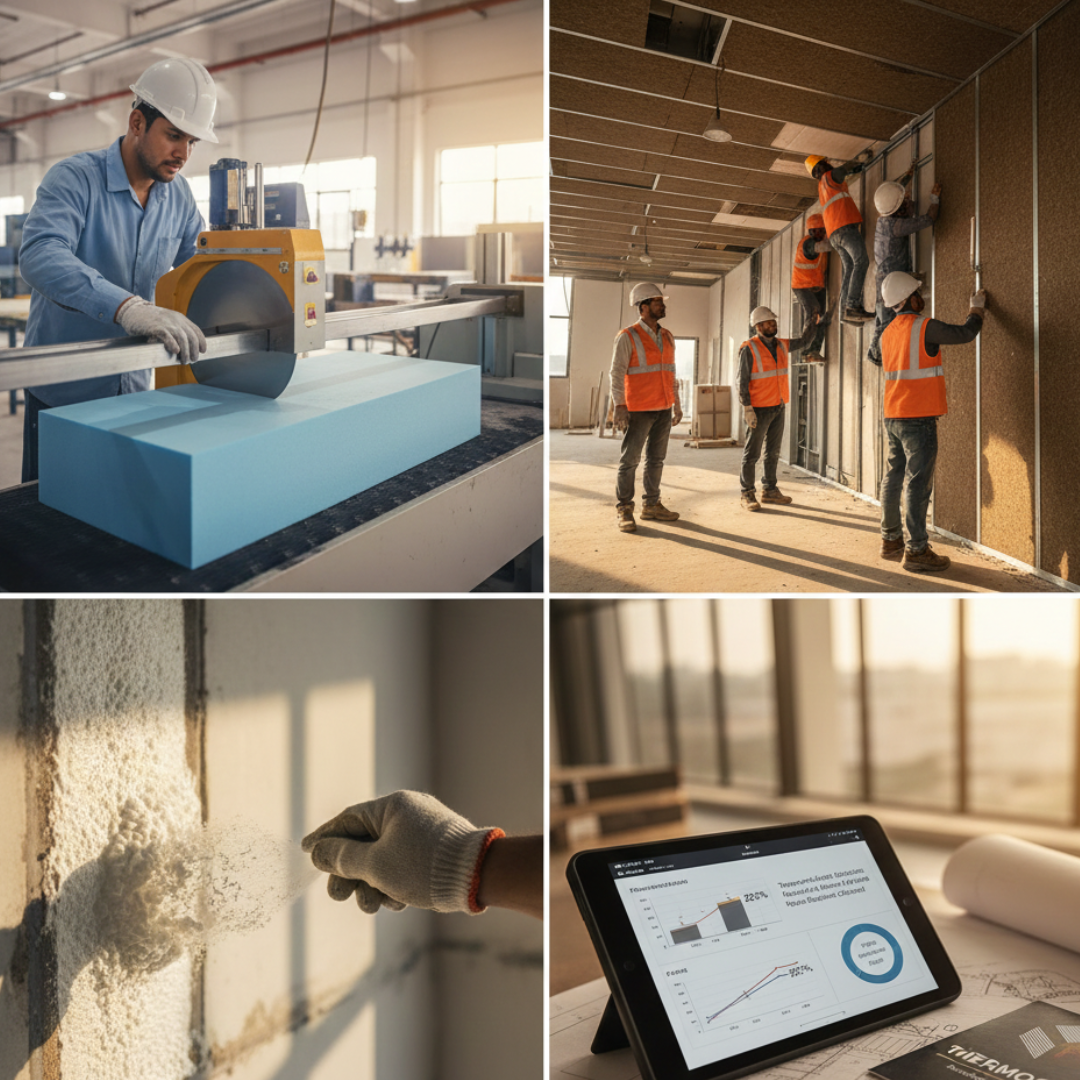
thermocol sheet price in pakistan

Tag: building insulation Pakistan

  • 2026 Insulation Sheet Buying Guide for Pakistan

    2026 Insulation Sheet Buying Guide for Pakistan

    As construction standards evolve and energy costs continue to rise, insulation has become a necessity rather than an option. This 2026 Insulation Sheet Buying Guide for Pakistan is designed to help homeowners, builders, and contractors make informed decisions based on climate, usage, and long-term value.

    From residential homes to commercial buildings, choosing the right insulation material in Pakistan directly impacts comfort, electricity bills, and building lifespan.

    Why Insulation Matters More in Pakistan in 2026
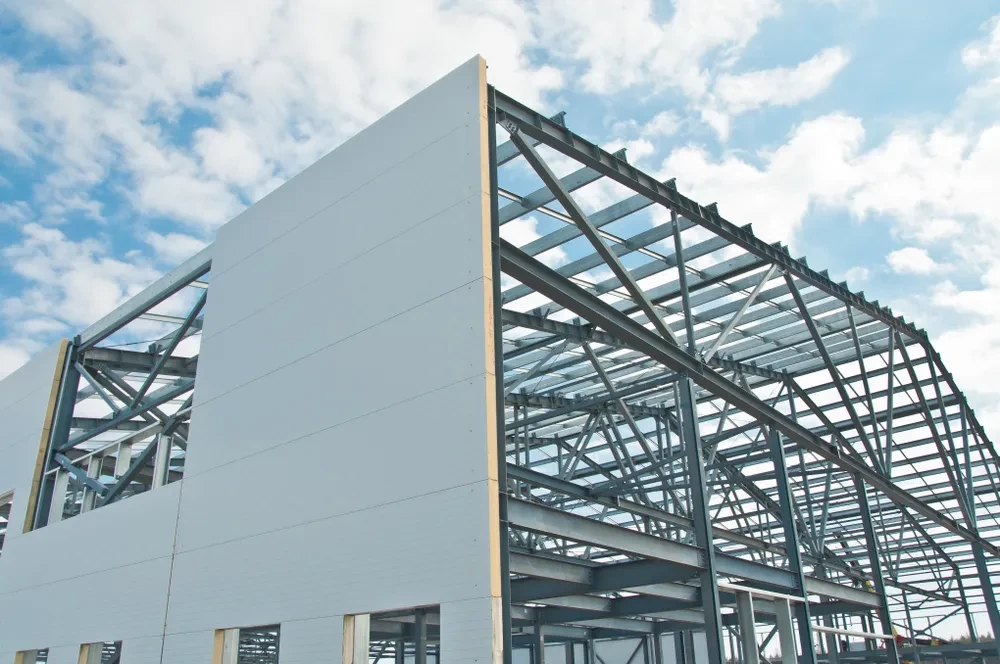
    Pakistan’s climate is becoming increasingly extreme, with longer summers and higher peak temperatures. This makes thermal insulation in Pakistan one of the most effective solutions for:

    • Reducing indoor heat gain
    • Lowering air-conditioning load
    • Improving indoor comfort
    • Increasing property value

    Modern insulation solutions are no longer limited to industrial use. In 2026, insulation is now standard for homes, offices, warehouses, and even small commercial units.

    Technical Comparison Table – EPS vs XPS vs Rockwool vs Heat Sheets

    Feature / MaterialEPS InsulationXPS InsulationRockwool InsulationHeat Insulation Sheets
    Thermal PerformanceMediumHighVery HighHigh
    Moisture ResistanceLow–MediumVery HighMediumHigh
    Fire ResistanceLowMediumVery HighLow–Medium
    Density RangeLowMediumHighLow
    Common ApplicationsWalls, floorsRoofs, wallsIndustrial, fire zonesRoof heat proofing
    DurabilityModerateHighVery HighModerate
    Cost LevelBudgetMid-RangePremiumMid-Range
    Popular Use in PakistanResidentialResidential & CommercialIndustrial & High-riseRoof insulation

    Note: Performance varies by thickness, installation quality, and climate conditions.

    Common Insulation Materials Used in Pakistan

    Understanding insulation types is the first step in choosing the right product.

    1. EPS (Expanded Polystyrene)
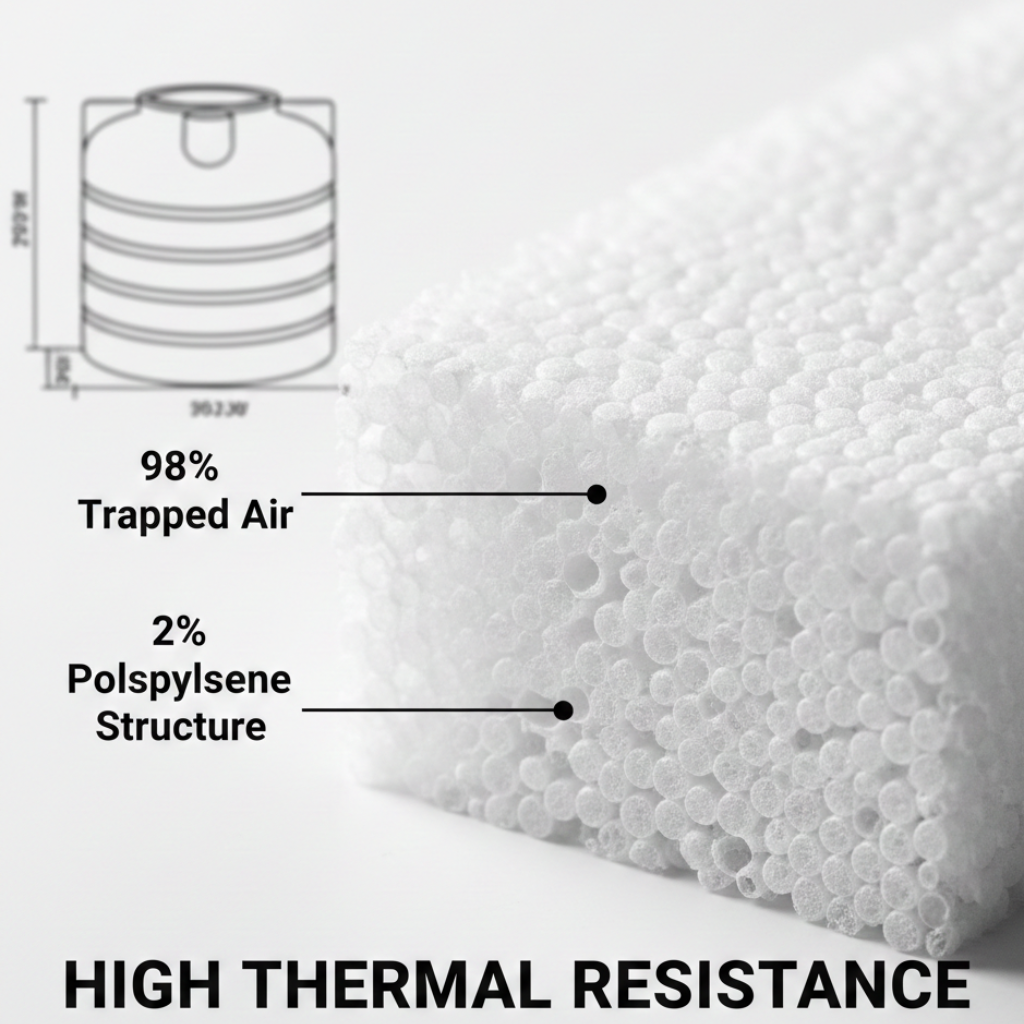
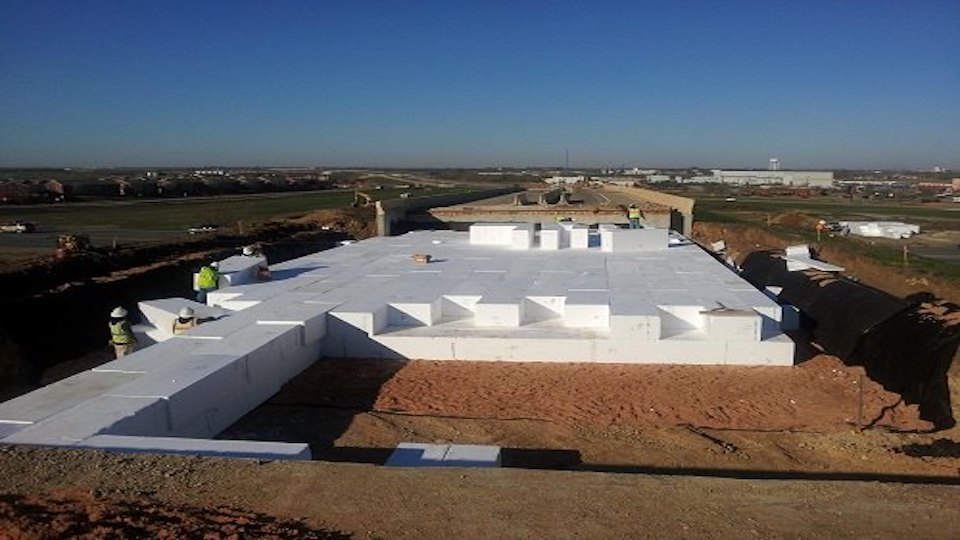
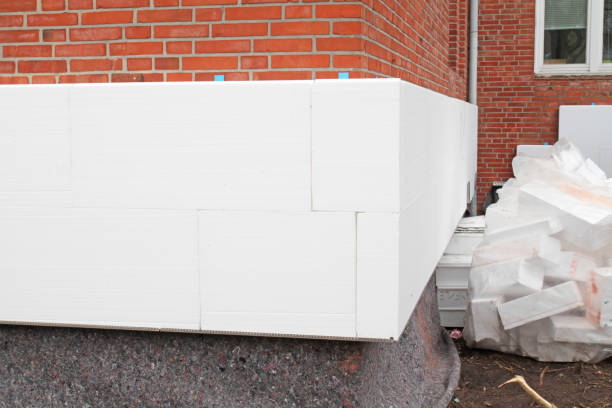
    EPS Thermal Insulation

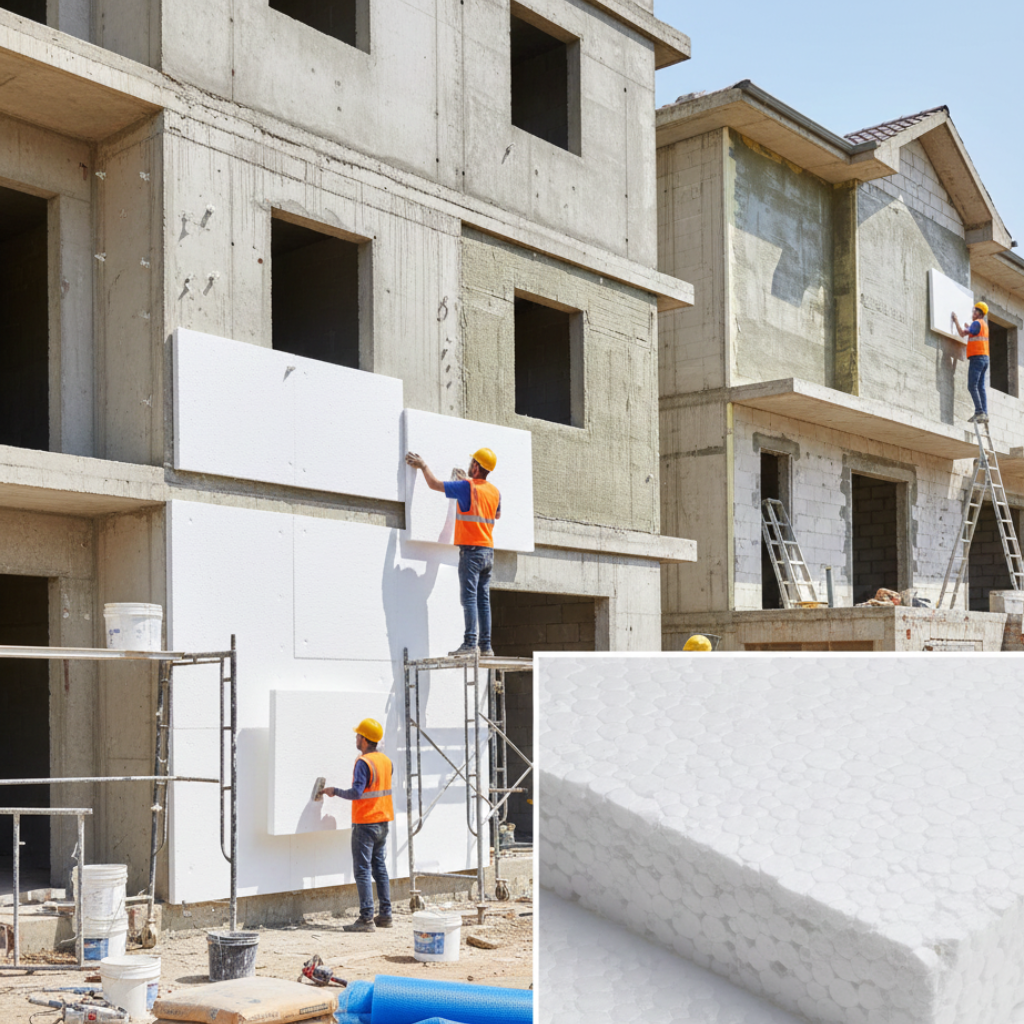
    EPS is lightweight, affordable, and commonly used for wall and roof insulation. It provides decent thermal resistance and is easy to install.

    2. XPS (Extruded Polystyrene)
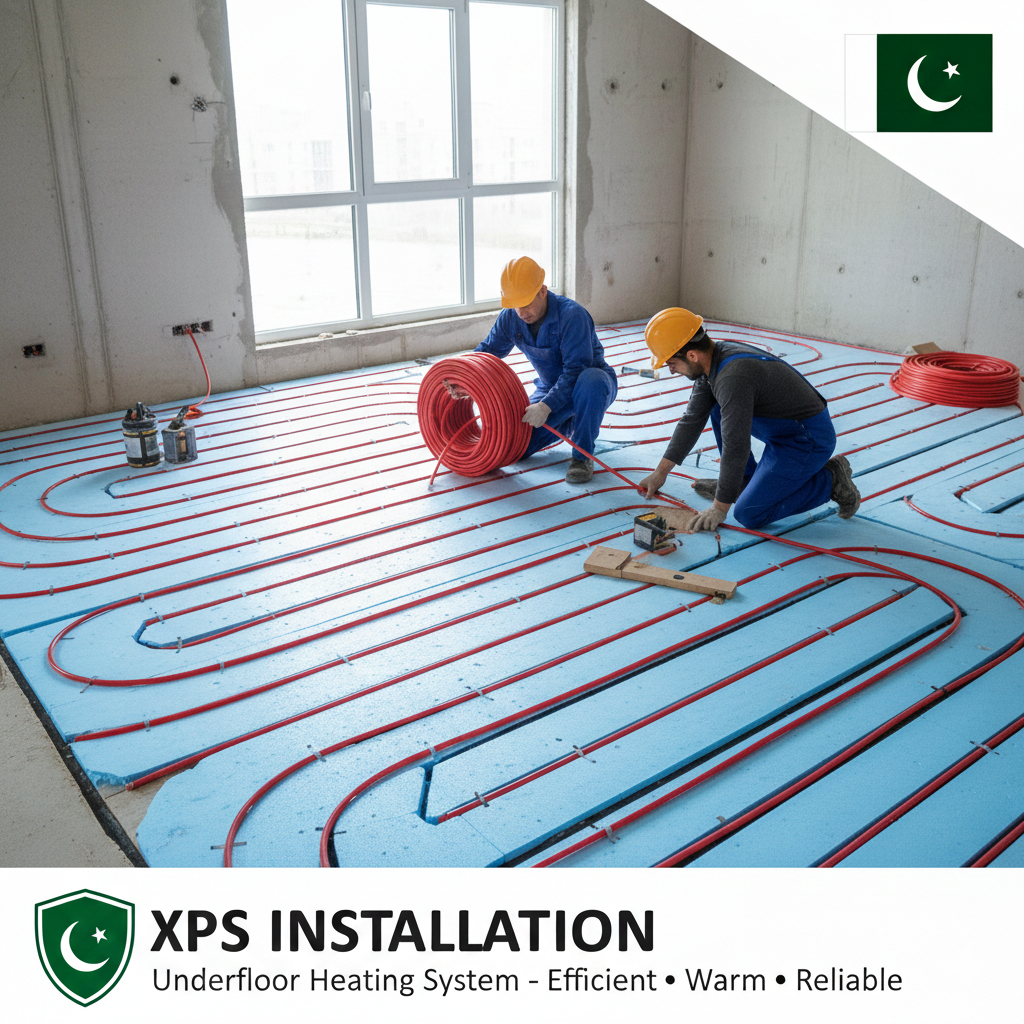
    XPS Installation at underfloor heating system

    XPS offers higher strength and moisture resistance compared to EPS, making it ideal for roofs and floors exposed to water.

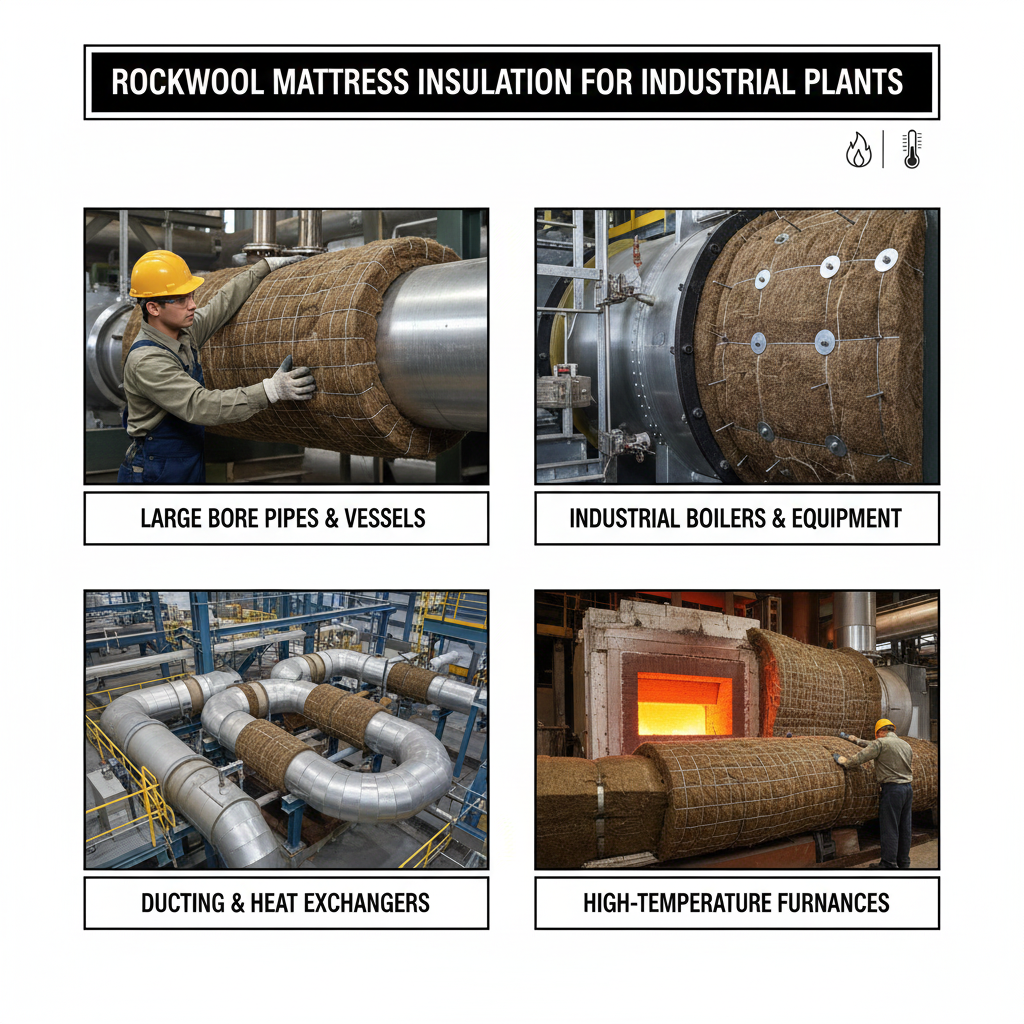
    3. Rockwool

    Soundproofing Material glasswool vs rockwool

    Rockwool is a premium insulation material known for fire resistance and sound absorption. Due to its density, rockwool insulation price in Pakistan is higher than EPS and XPS, but it offers superior performance.

    4. Heat Reflective & Composite Sheets
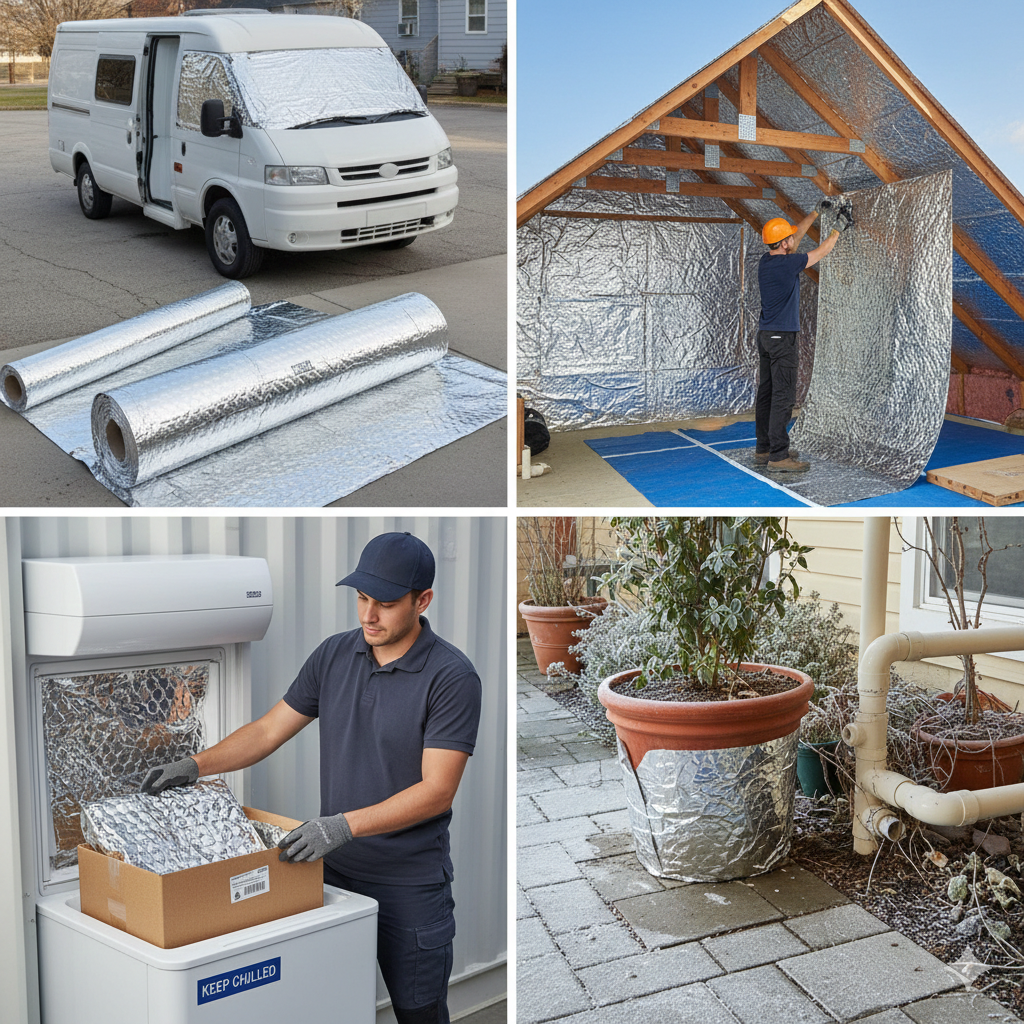
    These sheets combine reflective surfaces with insulation cores and are widely used as heat insulation sheet Pakistan solutions for roofs.

    Each insulation material in Pakistan serves a specific purpose depending on location, budget, and performance requirements.

    Roof Insulation: A Priority for Pakistani Homes

    Roof insulation delivers the highest return on investment due to direct sun exposure. Choosing the right roof system depends on structure type and budget.

    Key considerations include:

    • Thickness and density
    • Reflective properties
    • Installation method

    The roof insulation price in Pakistan varies based on material type and roof area, but it consistently offers long-term electricity savings.

    Wall Insulation for Temperature Stability

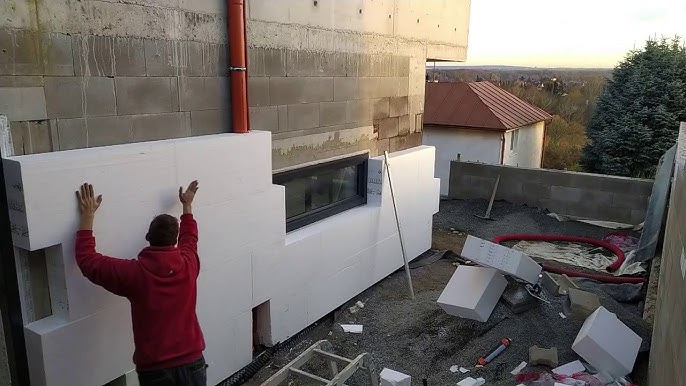
    While roofs handle direct heat, walls regulate internal temperature throughout the day. Proper wall insulation in Pakistan helps reduce heat transfer from adjacent buildings and outdoor exposure.

    Wall insulation is especially important for:

    • West-facing walls
    • Commercial buildings
    • Apartments and shared structures

    Understanding Insulation Prices in 2026

    Insulation costs fluctuate due to raw materials, energy prices, and import dependencies.

    In 2026:

    • Thermal insulation sheet price in Pakistan varies by thickness and composition
    • Rockwool remains the costliest but most durable option
    • EPS and XPS continue to dominate residential projects

    Buyers should focus on performance per square foot rather than upfront cost alone.

    Karachi-Specific Buying Considerations

    For coastal cities, humidity resistance and durability are critical. Builders often search for 2026 Insulation Sheet Buying Guide for Pakistan Karachi–specific solutions due to saline air and higher moisture exposure.

    In Karachi:

    • Moisture resistance is essential
    • XPS and rockwool are preferred for long-term use
    • Heat-reflective roof insulation performs exceptionally well

    How to Choose the Right Insulation in 2026
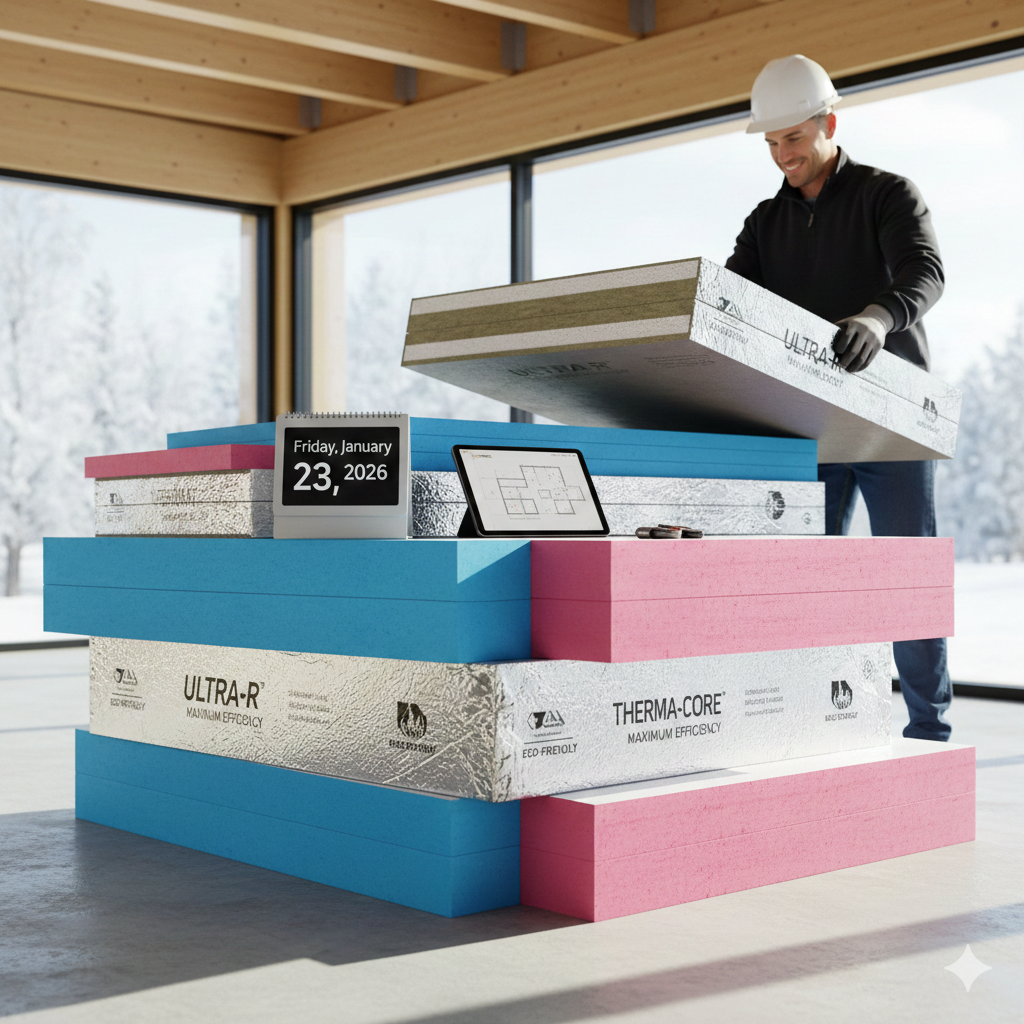
    Best Insulation Sheets in Karachi

    Before purchasing, ask these questions:

    1. Is the insulation for roof, wall, or floor?
    2. What level of thermal resistance is required?
    3. Is fire resistance important?
    4. What is the project’s lifespan?

    Matching the correct insulation material Pakistan options to your needs ensures efficiency and durability.

    Installation Quality Matters

    Even the best insulation fails if poorly installed. Always ensure:

    • No air gaps
    • Proper sealing
    • Correct thickness

    Professional installation significantly improves insulation performance and lifespan.

    Future Trends in Thermal Insulation in Pakistan

    Looking ahead, insulation systems in Pakistan are moving toward:

    • Higher density panels
    • Multi-layer composite sheets
    • Improved fire and moisture resistance

    By 2026, insulation is no longer an upgrade—it is a construction standard.

    Final Buying Advice

    This 2026 Insulation Sheet Buying Guide for Pakistan emphasizes one key principle: insulation is an investment, not an expense. Choosing the right system today ensures comfort, savings, and durability for years to come.

    FAQ’S

    EPS, XPS, and Rockwool are the most commonly used insulation materials in Pakistan. EPS is suitable for budget projects, XPS offers higher moisture resistance, while Rockwool is preferred for fire safety and high thermal insulation.

    Roof insulation price in Pakistan depends on the material, thickness, and installation method. Heat insulation sheets and rigid boards usually cost more than basic foam sheets due to better durability and performance.

    Yes. Wall insulation in Pakistan significantly reduces indoor heat gain, improves energy efficiency, and supports long-term thermal insulation performance, especially in hot cities.

    Selection should be based on climate, application area (roof or wall), moisture exposure, and budget. Comparing thermal insulation sheet price in Pakistan alongside performance ratings helps make the right decision.

    Yes. Proper thermal insulation in Pakistan lowers indoor temperature fluctuations, reduces air-conditioning load, and helps cut long-term energy costs.

    Heat insulation sheets are widely used in factories, warehouses, and commercial roofs due to their lightweight structure and effective heat resistance.
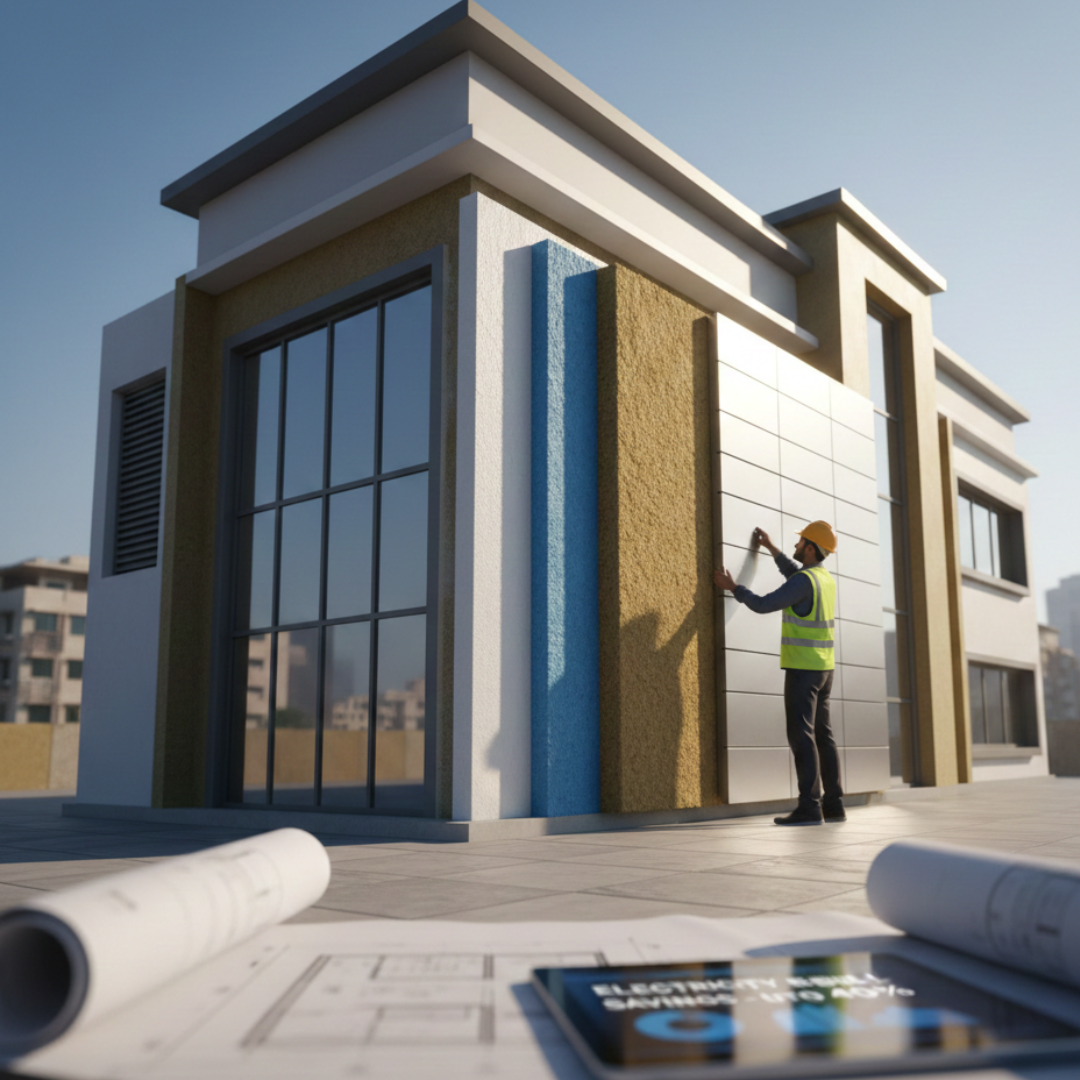
  • Rawalpindi Insulation Market Prices

    Rawalpindi Insulation Market Prices

    As construction activity grows across Rawalpindi, demand for thermal and acoustic insulation materials has increased rapidly. From residential homes to commercial and industrial buildings, buyers are actively comparing insulation types and prices before making decisions. This guide explores Rawalpindi insulation market prices, material trends, and factors that influence costs—helping buyers make informed choices.

    Overview of Insulation Demand in Rawalpindi

    Rawalpindi experiences extreme summer heat and cooler winters, making insulation a practical necessity rather than a luxury. Builders and homeowners now prioritize materials that reduce energy consumption, improve indoor comfort, and enhance fire safety.

    Among the most commonly traded insulation products in the local market are glass wool, rockwool, and mineral wool, each offering different performance levels and price points.

    Glass Wool Market Pricing Trends

    glasswool insulation in pakistan

    Glass wool remains one of the most widely used insulation materials due to its affordability and ease of installation. The glass wool price in Rawalpindi depends on density, thickness, and facing type (plain or foil-faced).

    While Rawalpindi has its own pricing structure, many suppliers also benchmark rates against major cities. As a result, glass wool price in Lahore often influences wholesale trends, especially for bulk purchases. Contractors sourcing glass wool insulation in Lahore sometimes supply Rawalpindi projects when availability fluctuates.

    Across Pakistan, the glass wool price in Pakistan varies based on imported raw materials, energy costs, and demand cycles.

    Rockwool Insulation Prices in the Local Market

    Rockwool is increasingly preferred for applications requiring fire resistance and higher acoustic performance. In Rawalpindi, demand for this material has grown in commercial buildings and industrial facilities.

    The rockwool insulation price in Pakistan is generally higher than glass wool due to its superior fire rating and density. Buyers comparing suppliers often evaluate the rock wool insulation price based on slab thickness and compressive strength.

    Local distributors offering rockwool insulation Pakistan products usually maintain stock for large-scale construction projects, where durability and fire safety are critical.

    Rawalpindi Insulation Price Comparison Table

    Insulation MaterialTypical Density (kg/m³)Common UseRelative Price Level
    Glass Wool12 – 24Roofs, ceilings, ductsLow
    Mineral Wool30 – 60Walls, partitionsMedium
    Rockwool40 – 120Fire-rated walls, industrial useHigh
    Glass Wool (Foil Faced)16 – 32Thermal + radiant controlMedium
    High-Density Rockwool80 – 120Acoustic & fire insulationHigh

    Note: Prices vary by supplier, thickness, and market demand.

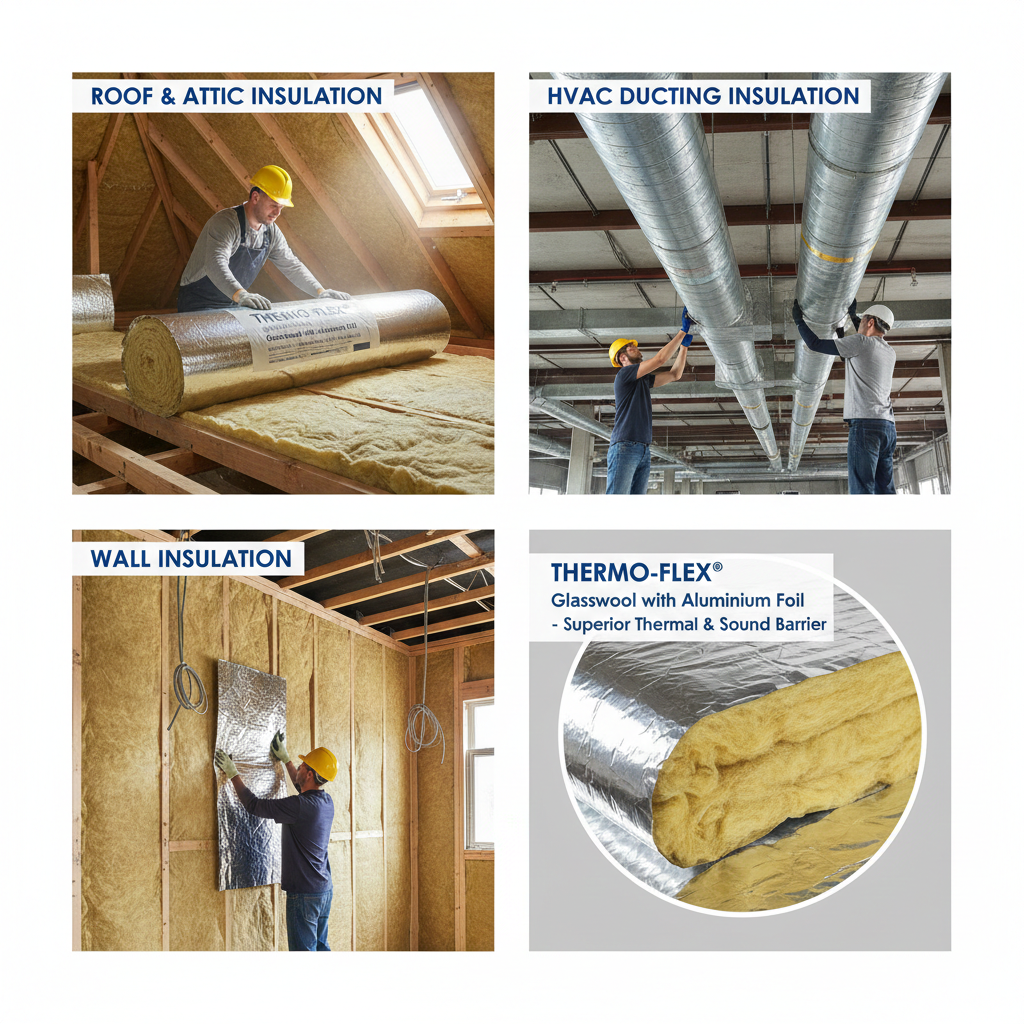
    Mineral Wool Pricing and Applications

    glasswool with aluminium foil industrial applications

    Mineral wool, which includes both glass wool and rockwool variants, is also traded separately in the Rawalpindi market. The mineral wool price in Pakistan depends on whether the product is intended for thermal insulation, soundproofing, or fire-rated systems.

    Mineral wool is commonly used in:

    • Partition walls
    • Industrial sheds
    • HVAC duct insulation
    • Fire-rated ceiling systems

    Its versatility keeps demand stable throughout the year.

    Factors Affecting Insulation Prices in Rawalpindi

    Several elements influence insulation pricing in the Rawalpindi market:

    1. Material Density & Thickness
      Higher density products provide better insulation but cost more.
    2. Imported vs Local Supply
      Imported insulation products tend to raise overall pricing trends.
    3. Seasonal Demand
      Prices often rise before peak summer due to increased demand.
    4. Transportation Costs
      Rates from Lahore or Karachi impact local pricing structures.
    5. Bulk Purchase Volume
      Wholesale buyers usually secure better pricing.

    Choosing the Right Insulation Material

    Selecting insulation should not be based on price alone. Buyers must consider application type, building design, and long-term energy savings. Glass wool works well for budget-focused residential projects, while rockwool is better suited for fire-sensitive areas. Mineral wool offers a balance between thermal and acoustic performance.

    Understanding local price trends allows buyers to plan procurement efficiently without compromising quality.

    Rawalpindi Insulation Market Outlook

    With growing awareness around energy efficiency, the Rawalpindi insulation market is expected to expand steadily. Demand for higher-performance insulation materials will continue to influence pricing, while competition among suppliers may stabilize costs over time.

    Staying updated on market trends helps contractors, builders, and homeowners secure the best value.

    FAQ’S

    The glass wool price in Rawalpindi depends on density, thickness, and facing type. Prices generally follow the national trend of the glass wool price in Pakistan, with slight variation based on local availability.

    Yes, glass wool is usually more economical. Rockwool insulation price in Pakistan is higher due to its superior fire resistance, durability, and sound insulation properties.

    Many distributors source insulation materials from Lahore. As a result, fluctuations in glass wool price in Lahore often impact Rawalpindi’s insulation market.

    Mineral wool price in Pakistan varies depending on whether it is glass-based or stone-based. Rockwool generally costs more due to higher density and fire performance.

    Yes, rockwool insulation Pakistan products are suitable for residential use, especially where fire safety and sound insulation are priorities.

    Rockwool offers long-term value through durability and fire resistance, while glass wool is ideal for cost-effective thermal insulation in standard applications.

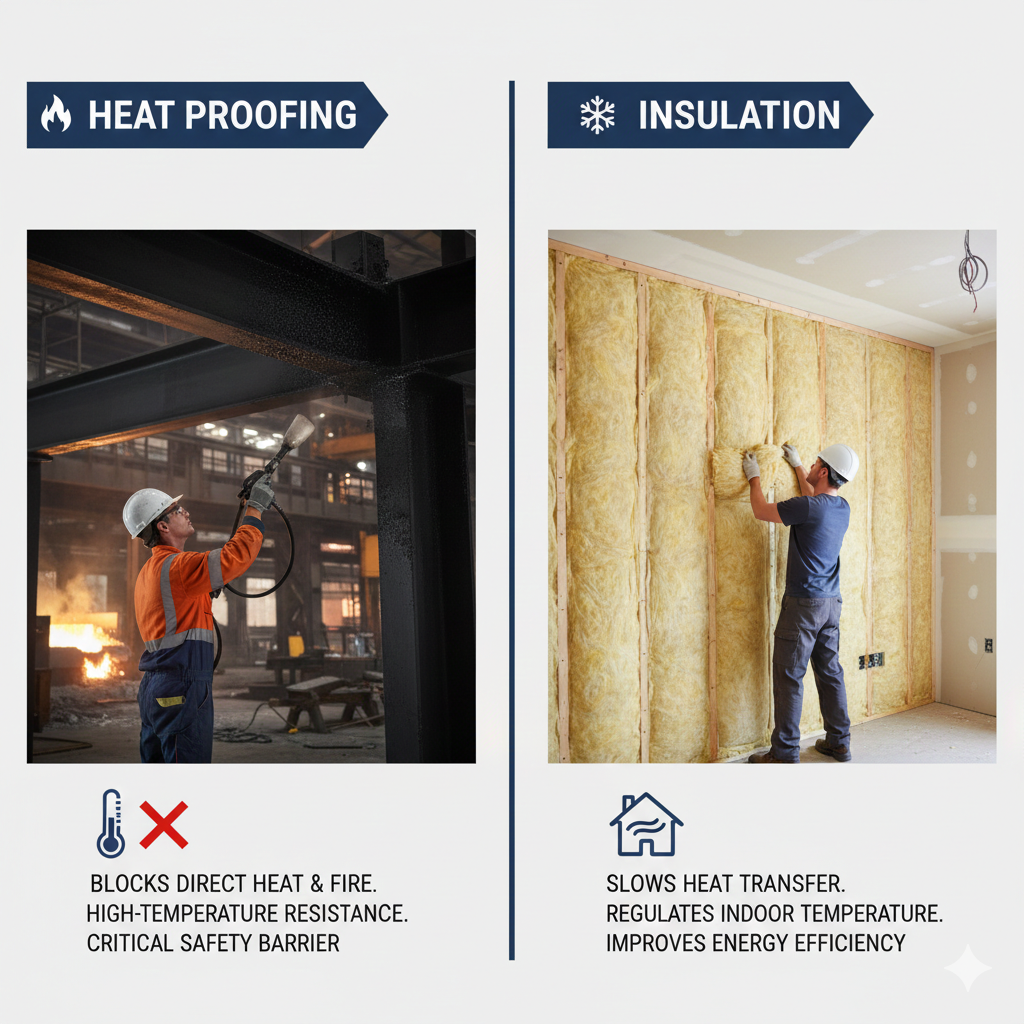
  • Heat Proofing vs Insulation – What’s the Difference?

    Heat Proofing vs Insulation – What’s the Difference?

    In Pakistan’s extreme climate, especially during long summers, homeowners and commercial property owners often search for solutions to control indoor temperatures. Two commonly used terms—heat proofing and thermal insulation—are frequently confused or used interchangeably. While both aim to improve comfort and energy efficiency, their purpose, performance, and applications differ significantly.

    This guide clearly explains the difference between insulation for heat proofing vs insulation, helping you make the right decision based on climate, building type, and budget.

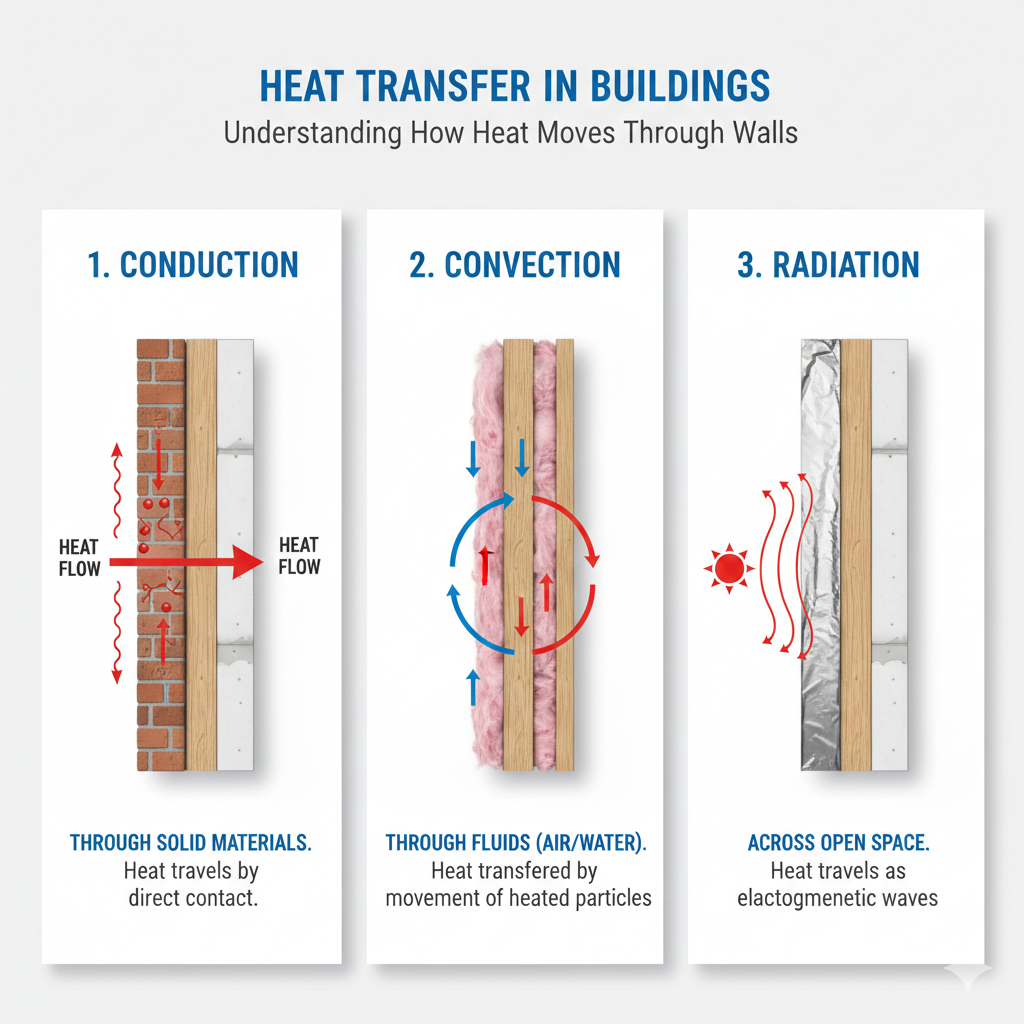
    Understanding Heat Transfer in Buildings

    heat insulation vs insulation

    Before comparing solutions, it’s important to understand how heat behaves.

    Heat enters and exits buildings through:

    • Roofs exposed to direct sunlight
    • External walls
    • Poorly insulated ceilings
    • Metal structures and water tanks

    The movement of heat occurs due to thermal conductivity, which measures how easily heat passes through a material. Materials with low thermal conductivity are more effective at controlling indoor temperatures.

    What Is Heat Proofing?

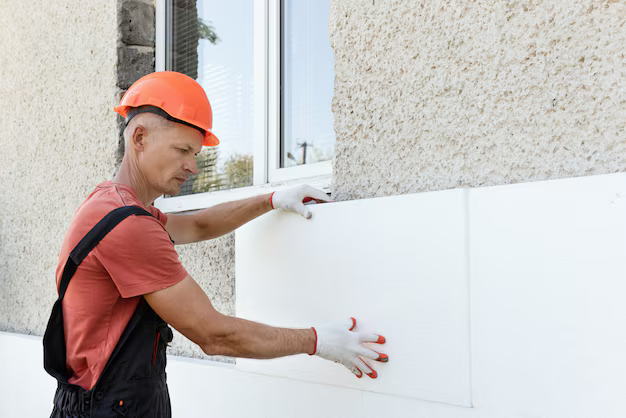
    Thermopore Sheet Installation

    Heat proofing focuses on blocking external heat, especially radiant heat from the sun. It is commonly applied to roofs, water tanks, and top floors of buildings.

    Key Characteristics of Heat Proofing

    • Reflects solar radiation
    • Reduces surface temperature
    • Works best in hot climates
    • Mainly protects against external heat gain

    In Pakistan, heat proofing is widely used on rooftops to reduce indoor temperatures during peak summer months.

    Common Heat Proofing Applications

    • Roof slabs
    • Metal sheds
    • Water tanks
    • Warehouses

    Due to rising demand, heat proofing services in Pakistan have become a popular seasonal solution for residential and commercial buildings.

    What Is Thermal Insulation?

    Thermal insulation is designed to control heat flow in both directions—keeping heat out in summer and retaining warmth in winter. It works by resisting heat movement through walls, ceilings, and floors.

    Key Characteristics of Thermal Insulation

    • Reduces heat loss and heat gain
    • Improves year-round comfort
    • Enhances energy efficiency
    • Suitable for long-term building performance

    Thermal insulation plays a major role in managing heat retention, especially during colder months.

    Insulation for Heat Proofing vs Insulation – Core Differences

    FeatureHeat ProofingThermal Insulation
    Primary functionReflects external heatControls heat flow
    Seasonal benefitSummer-focusedYear-round
    Application areasRoofs, tanks, shedsWalls, roofs, ceilings
    Energy efficiencyModerateHigh
    Long-term performanceMediumExcellent

    Role of Insulation for Thermal Conductivity

    Thermocol Sheet For Schools

    Insulation materials are selected based on their thermal conductivity value. Lower conductivity means better resistance to heat transfer.

    • Heat proofing materials mainly reflect radiant heat
    • Thermal insulation materials slow down heat movement through structure

    This difference is why insulation for thermal conductivity plays a more critical role in permanent buildings.

    Heat Proofing Price vs Insulation Cost

    Heat Proofing Price

    The heat proofing price in Pakistan is generally lower because it involves surface-level treatment. Costs vary depending on:

    • Roof size
    • Type of reflective coating or sheet
    • Labor charges

    Thermal Insulation Cost

    Thermal insulation usually requires higher upfront investment but delivers long-term energy savings by reducing cooling and heating expenses.

    Acoustic Insulation – An Added Advantage

    One major benefit of insulation materials is acoustic insulation. Unlike heat proofing, thermal insulation materials often help reduce noise transmission.

    This makes insulation ideal for:

    • Homes near busy roads
    • Commercial buildings
    • Industrial units
    • Hospitals and schools

    Heat proofing does not significantly contribute to sound control.

    Which One Should You Choose?

    Choose Heat Proofing If:

    • You live in an extremely hot region
    • Your roof receives direct sunlight
    • You want a short-term temperature reduction
    • Budget is limited

    Choose Thermal Insulation If:

    • You want long-term energy efficiency
    • Your building needs temperature stability
    • You want both heat control and acoustic insulation
    • You are constructing or renovating a building

    Many modern projects now combine both systems for maximum performance.

    Heat Proofing Services in Pakistan – Growing Demand

    With rising temperatures, heat proofing services in Pakistan are increasingly used in:

    • Karachi
    • Lahore
    • Multan
    • Faisalabad
    • Islamabad

    However, experts recommend combining heat proofing with thermal insulation for optimal results.

    Final Thoughts

    Understanding the difference between insulation for heat proofing vs insulation helps you invest wisely. Heat proofing provides immediate relief from sunlight-driven heat, while thermal insulation delivers long-term comfort, energy savings, and noise reduction.

    The best solution often depends on building structure, climate conditions, and performance expectations.

    FAQ’S

    Heat proofing mainly reflects external heat and reduces surface temperature, while thermal insulation controls heat flow by reducing thermal conductivity, helping with both cooling and heat retention throughout the year.

    Thermal insulation is better for long-term comfort because it works in both summer and winter. Heat proofing services in Pakistan are useful for roofs exposed to extreme sunlight, but insulation provides broader performance benefits.

    Yes, thermal insulation materials often provide acoustic insulation by absorbing sound vibrations. Heat proofing systems generally do not offer sound reduction benefits.

    Heat proofing price depends on roof area, material type, application method, and labor costs. Thermal insulation usually costs more initially but delivers better energy efficiency over time.

  • Glasswool Roll Price in Pakistan: An Essential Buyer’s Guide for Thermal Insulation

    Glasswool Roll Price in Pakistan: An Essential Buyer’s Guide for Thermal Insulation

    The rising need for energy efficiency and comfortable indoor environments across Pakistan has made thermal insulation a key consideration for homeowners, builders, and industrial operators. Among the most popular and cost-effective solutions is glasswool insulation roll. If you are searching for the current glass wool insulation price in Pakistan, this comprehensive guide will break down the costs, factors affecting pricing, and essential buying tips.

    What is Glasswool Insulation and Why is it Popular in Pakistan?

    Glasswool Rolls in Pakistan

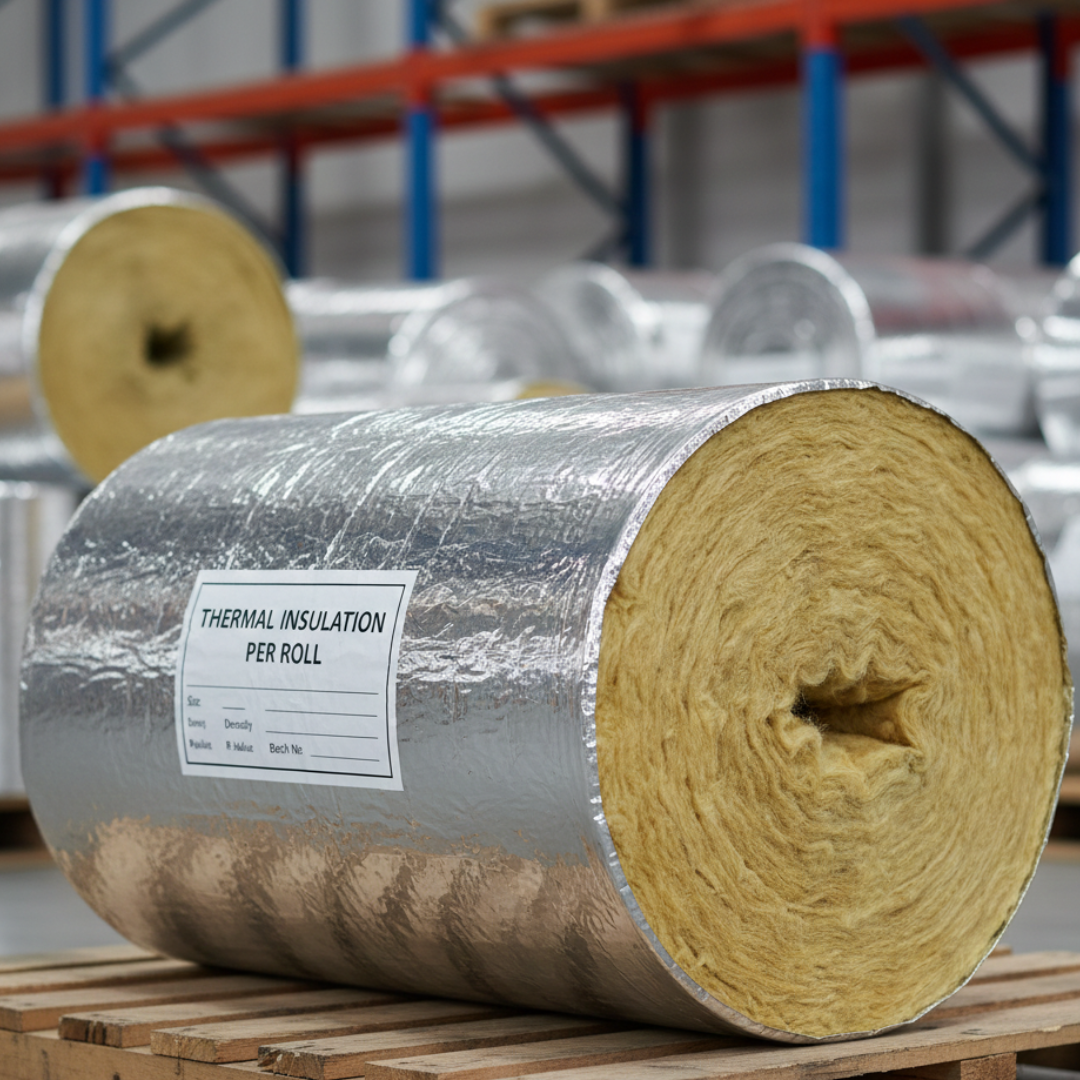
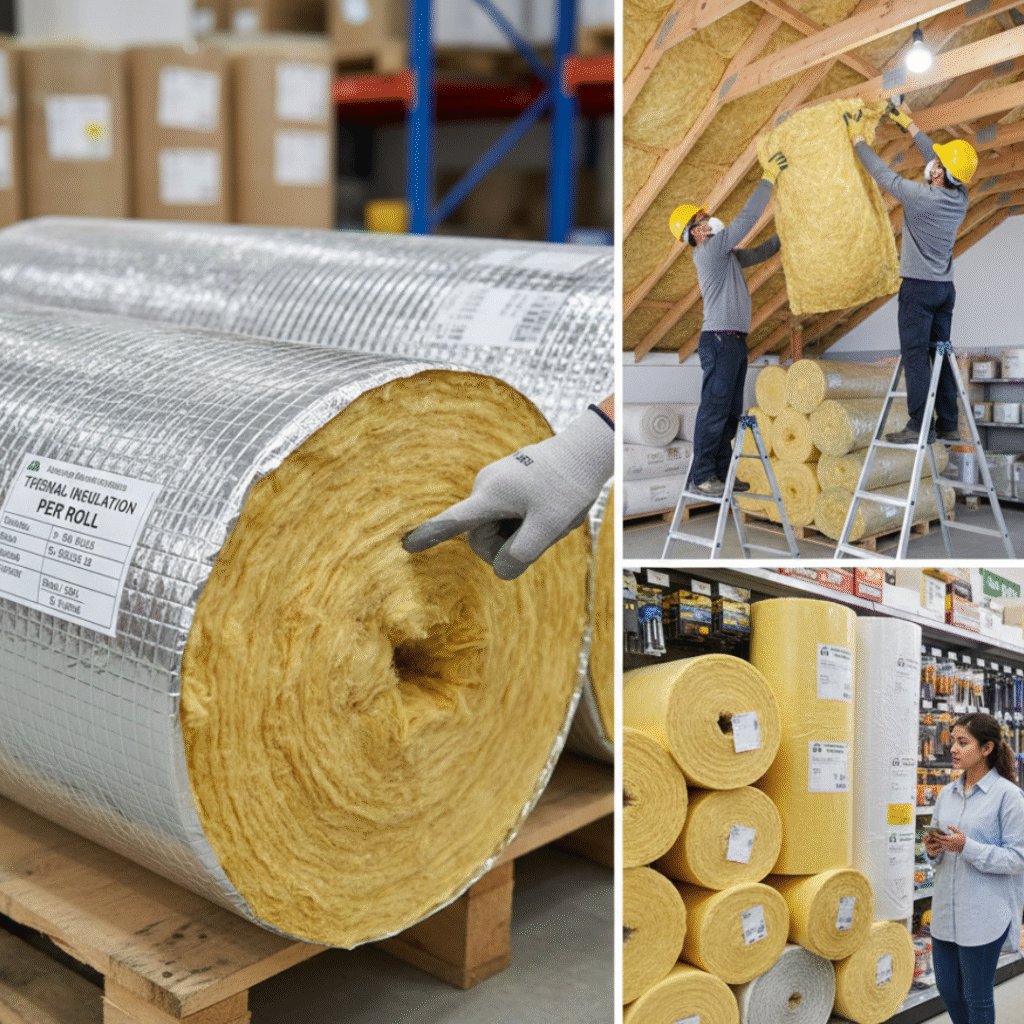
    Glasswool, also known as fiberglass or fiber glass wool, is an insulating material made from fine fibers of glass arranged into a wool-like texture. This structure traps small pockets of air, giving it exceptional thermal and acoustic insulation properties.

    In Pakistan’s diverse and often extreme climate—from the intense heat of Karachi and Lahore to the cold of the northern areas—glasswool rolls are widely favored due to several key benefits:

    • Excellent Thermal Performance: It effectively resists heat flow, reducing the energy needed for air conditioning in summer and heating in winter. This translates directly into lower electricity bills.
    • Superior Soundproofing: The dense, fibrous composition makes it an effective noise insulation material for walls, ceilings, and partitions.
    • Fire Resistance: Glasswool is generally non-combustible, adding a critical layer of safety to any structure.
    • Cost-Effectiveness: When compared to alternatives, the glass wool roll price in Pakistan offers a superior balance of performance and affordability.

    Current Glasswool Roll Price in Pakistan (2025 Estimate)

    The cost of fiber glass wool is not fixed and depends heavily on several specifications. However, based on current market trends and common product types, here is an estimated price breakdown:

    Product TypeThickness (Density)Estimated Price Range (PKR)Unit
    Standard Glasswool Roll (Unfaced)25mm (12-16 kg/m³)PKR 3,500 – PKR 4,500Per Roll (Approx. 40-48 sq. ft.)
    Glasswool Roll with FSK Facing50mm (16-24 kg/m³)PKR 6,000 – PKR 8,000Per Roll (Approx. 24-32 sq. ft.)
    Glasswool Roll Price per Square Foot25mm – 50mmPKR 55 – PKR 85Per Square Foot (Varies)
    Acoustic Glass Wool Slab50mm – 75mm (Higher Density)PKR 1,200 – PKR 1,800Per Square Meter

    Note: These prices are estimates for late 2025 and are subject to fluctuation based on currency rates, import duties, and supplier location (Karachi, Lahore, Islamabad).

    Factors Affecting Glass Wool Insulation Price

    Understanding the variables that influence the cost will help you choose the most budget-friendly option for your project.

    1. Thickness and Density

    This is the most crucial factor determining the glass wool blanket’s performance and cost.

    • Thickness: Rolls are commonly available in 25mm (1-inch) and 50mm (2-inch) thicknesses. Thicker rolls provide a higher R-value (thermal resistance) but are naturally more expensive.
    • Density: Measured in kilograms per cubic meter ($\text{kg/m}^3$), typical densities range from 12 $\text{kg/m}^3$ for light roof insulation to 48 $\text{kg/m}^3$ for high-performance sound insulation. Higher-density rolls cost more due to the material volume.

    2. Facing/Vapor Barrier

    Glasswool can be unfaced (plain) or faced with a protective layer, which significantly impacts the price of glass wool in Pakistan.

    • Unfaced: Cheapest option, suitable for cavity walls where moisture is not a major concern.
    • FSK (Foil Scrim Kraft): A foil layer acts as an excellent vapor barrier, essential for roofing and HVAC ducts in humid climates. This facing increases the price.
    • Vinyl/WMP-VR: A white, vinyl-faced option often used for visible indoor applications where a clean look and added resistance are desired.

    3. Supplier and Brand

    Whether you opt for locally manufactured products or international brands like KIMMCO, Afico, or Izocam will affect the cost. Local manufacturers often provide the best glass wool price in Pakistan, especially for bulk orders, as they save on import duties.

    4. Market Dynamics

    Like all construction materials, the price is influenced by global energy costs (which impact the manufacturing process) and regional supply-demand. For the most accurate quote, it’s best to contact a trusted insulation material supplier directly.

    Where to Buy and Installation Tips

    Glasswool Insulation in Pakistan

    Finding a reliable supplier is key to ensuring you get high-quality material at a competitive rate. Major cities like Karachi, Lahore, and Islamabad have numerous distributors catering to residential and industrial needs.

    Where to Buy:

    • HVAC and Industrial Suppliers: These firms often stock a variety of densities and facings, including specialized fiberglass thermal insulation blanket products for ductwork.
    • Large Hardware Stores: Some large construction material retailers carry standard rolls for residential projects.
    • Online Marketplaces: For smaller projects or price comparison, online platforms can be a good starting point.

    Installation Safety & Technique:

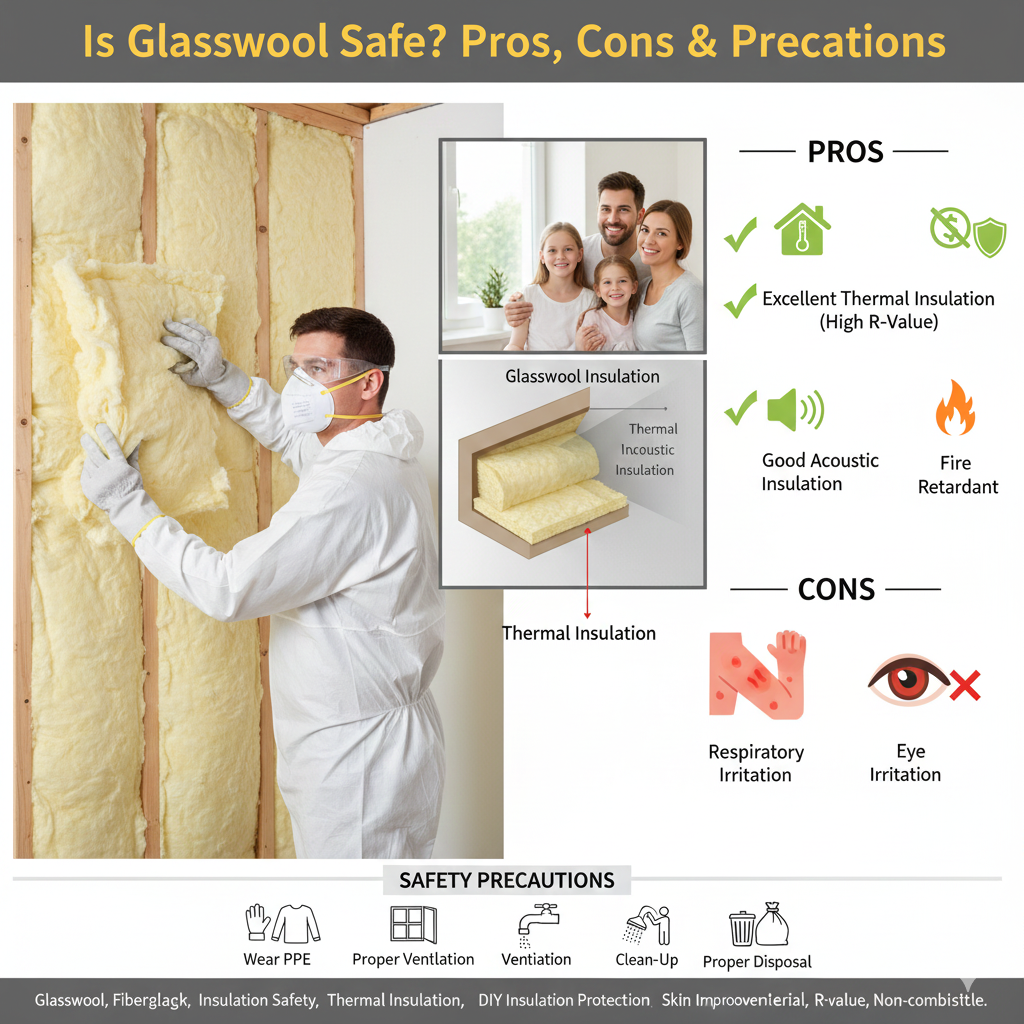
    Glasswool insulation should be handled with care. Always wear gloves, eye protection, and a mask to prevent irritation from glass fibers. For large-scale projects, consulting an experienced glasswool insulation contractor is recommended to ensure correct installation and maximize energy savings.

    Conclusion: Making an Informed Insulation Investment

    The glasswool roll price in Pakistan remains highly competitive, establishing it as one of the most effective and affordable ways to manage thermal and acoustic environments in any building project. By carefully assessing your needs—primarily the required thickness, density, and facing—you can select the ideal heat insulation material that delivers long-term energy savings and enhanced indoor comfort. Don’t view the cost as an expense, but as a critical investment in your property’s value and sustainability.

    FAQ’S

    The price of glasswool rolls depends on factors such as thickness, density, roll size (length and width), brand or manufacturer, and whether it has additional facing (e.g., foil-faced, mesh-faced). Transportation and regional demand also affect final retail prices.

    Prices vary depending on specs — for standard density rolls (e.g., 25–50 mm thickness) typical in ceiling or wall insulation, glasswool rolls can range roughly from PKR 1,500 to PKR 4,500 per roll. Heavier-density or thicker rolls (used for more intensive thermal or acoustic insulation) tend to be more expensive.
    (Note: Actual prices fluctuate based on market and supplier.)

    You can buy glasswool rolls from building materials suppliers, insulation-specific dealers, and construction-material markets. Prices often vary by city — metropolitan areas like Karachi, Lahore, Islamabad may have more supply and slightly different pricing due to logistics and competition.

    Not always. Performance depends on correct density and thickness for your application rather than price alone. A moderately priced roll with proper density and correct installation can outperform a costly, but mismatched roll. Evaluate technical specifications (density, R-value, thickness) for best value.

  • Insulation Services in Pakistan – Residential & Commercial Solutions

    Insulation Services in Pakistan – Residential & Commercial Solutions

    In today’s world of rising energy costs and extreme weather conditions, finding effective ways to improve energy efficiency has become essential for both households and businesses. One of the most practical and long-lasting solutions is insulation. From keeping homes comfortable to ensuring that commercial buildings operate efficiently, insulation services in Pakistan are becoming increasingly important.

    Whether you are a homeowner tired of high electricity bills or a business owner looking to optimize energy performance, insulation can transform your space into a more sustainable, cost-efficient, and comfortable environment. In this blog, we’ll explore the benefits, types, and applications of insulation, with a special focus on residential insulation services in Pakistan and commercial insulation services in Pakistan.

    Why Insulation Matters in Pakistan?

    Pakistan faces diverse and extreme climatic conditions—scorching hot summers, chilly winters in northern regions, and rising humidity levels in coastal areas. These weather patterns put a strain on air conditioners and heaters, causing electricity bills to skyrocket. Unfortunately, most buildings in Pakistan are constructed without proper insulation, which means cool air escapes during summers and heat seeps out during winters.

    This is where professional insulation services in Pakistan make a difference. By properly insulating walls, ceilings, roofs, and floors, homeowners and businesses can:

    • Maintain consistent indoor temperatures.
    • Reduce reliance on air conditioning and heating systems.
    • Lower electricity bills significantly.
    • Increase the lifespan of HVAC equipment.
    • Improve overall comfort and quality of life.

    Residential Insulation Services in Pakistan

    Creating Comfortable and Energy-Efficient Homes

    A home should be a place of comfort, but without insulation, even the most well-furnished houses can feel unbearable in extreme weather. Residential insulation services in Pakistan are designed to address this issue by making homes energy-efficient and climate-friendly.

    Benefits of Residential Insulation

    • Lower Energy Bills – Insulated homes require less cooling in summer and less heating in winter, which means your energy costs drop dramatically.
    • Year-Round Comfort – Proper insulation keeps homes cooler in June and warmer in January, creating a balanced indoor environment.
    • Noise Reduction – High-quality insulation materials also provide soundproofing benefits, making your home more peaceful.
    • Eco-Friendly Living – By consuming less electricity, you reduce your carbon footprint and contribute to a greener Pakistan.
    • Increased Property Value – Energy-efficient homes are in higher demand and often sell at better prices.

    Areas of Residential Insulation

    • Roof Insulation – Prevents heat from entering during summers and keeps warmth in during winters.
    • Wall Insulation – Stops energy loss through external and internal walls.
    • Floor Insulation – Reduces heat transfer and adds comfort, especially in colder regions.
    • Attic Insulation – Crucial for homes with upper storage or living areas, preventing unnecessary heat exchange.

    In cities like Karachi, Lahore, and Islamabad, homeowners are increasingly investing in residential insulation services in Pakistan as they realize the long-term financial and environmental benefits.

    commercial insulation services in pakistan

    Commercial Insulation Services in Pakistan

    Smart Investments for Businesses

    For businesses, energy consumption is a major operating expense. Offices, factories, warehouses, and shopping malls often spend huge amounts on electricity for air conditioning and heating. This is why commercial insulation services in Pakistan are a smart investment for businesses of all sizes.

    Benefits of Commercial Insulation

    • Reduced Operating Costs – Lower electricity bills mean more savings for your business.
    • Employee Comfort – Comfortable working environments increase productivity and morale.
    • Regulatory Compliance – Many industries are now required to follow energy-efficiency standards, and insulation helps achieve compliance.
    • Soundproofing – Insulation reduces noise transfer, which is especially useful for offices, hotels, and hospitals.
    • Long-Term ROI – The money saved on energy bills quickly recovers the initial investment in insulation.

    Applications of Commercial Insulation

    • Office Buildings – To create energy-efficient and comfortable workspaces.
    • Warehouses – To protect goods from heat damage and reduce cooling costs.
    • Factories & Industrial Units – To improve process efficiency and reduce energy waste.
    • Hotels & Shopping Malls – To enhance customer comfort and reduce operational costs.
    • Hospitals & Schools – To provide consistent indoor comfort in sensitive environments.

    Many companies are now opting for commercial insulation services in Pakistan as part of their sustainability and cost-saving strategies.

    Types of Insulation Materials Used in Pakistan

    Professional insulation providers use different materials depending on the property type and requirement. Some common options include:

    • EPS Sheets (Expanded Polystyrene) – Lightweight, affordable, and effective for walls and roofs.
    • XPS Sheets (Extruded Polystyrene) – High compressive strength and moisture resistance, ideal for both residential and commercial spaces.
    • Fiberglass Insulation – Known for its thermal efficiency and soundproofing properties.
    • Spray Foam Insulation – Provides excellent air sealing and is suitable for hard-to-reach areas.
    • Thermopore Sheets – Widely used in Pakistan due to their durability and affordability.

    Each material has unique benefits, and professional service providers recommend the best option based on the property’s structure and energy needs.

    insulation services in pakistan

    Why Choose Professional Insulation Services in Pakistan?

    While some homeowners may attempt DIY solutions, professional insulation installation ensures long-term performance and maximum energy efficiency. Here’s why you should always hire experts:

    • Customized Solutions – Every building is different; experts assess your property and recommend the best insulation method.
    • Proper Installation – Professional installation ensures there are no gaps, leaks, or weak spots.
    • High-Quality Materials – Reputable providers use durable and tested materials that perform well in Pakistan’s climate.
    • Warranty & After-Sales Service – Many providers offer warranties and maintenance services for peace of mind.

    The Future of Insulation in Pakistan

    With rising awareness about energy efficiency and sustainability, demand for insulation services in Pakistan is expected to grow significantly in the coming years. Government initiatives promoting energy conservation and the increasing cost of electricity are pushing both homeowners and businesses to invest in insulation.

    As more people realize that insulation is not just about comfort but also about saving money and protecting the environment, the trend of opting for residential insulation services in Pakistan and commercial insulation services in Pakistan will continue to rise.

    Final Thoughts

    Insulation is no longer a luxury—it is a necessity for modern living and business operations in Pakistan. Whether you are building a new home, upgrading your office, or trying to reduce electricity costs, professional insulation offers long-term benefits. From lower bills and improved comfort to eco-friendly living and increased property value, the advantages are endless.

    If you’re ready to transform your property, explore professional insulation services in Pakistan today. With tailored solutions for both residential insulation services in Pakistan and commercial insulation services in Pakistan, you can take the first step toward a more energy-efficient, comfortable, and sustainable future.