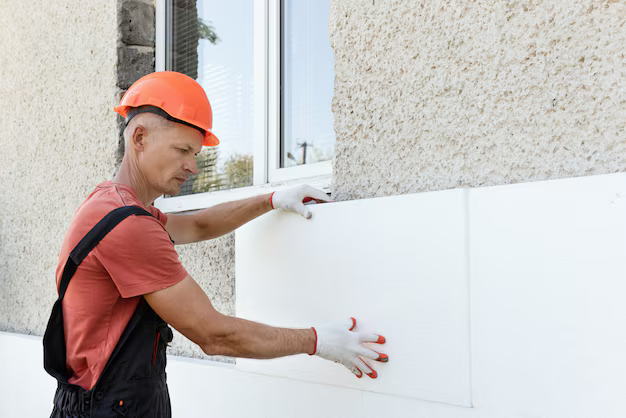

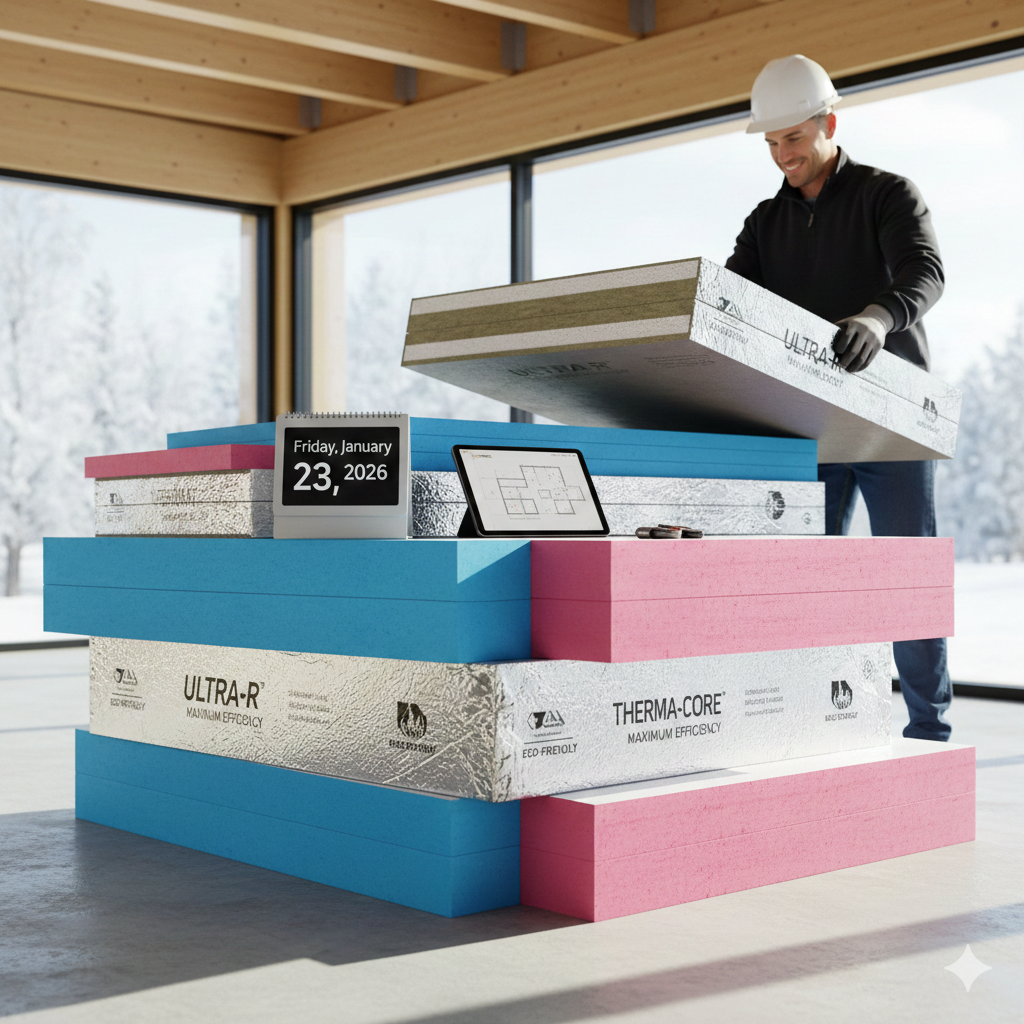
thermocol sheet price in pakistan

Tag: building insulation services

  • Best Insulation Sheets in Karachi

    Best Insulation Sheets in Karachi

    Karachi’s climate is dominated by intense sunlight, high humidity, and long summers. Without proper insulation, indoor temperatures can rise dramatically, increasing electricity bills and reducing comfort. Choosing the best insulation sheets in Karachi is no longer optional—it’s a necessity for homes, warehouses, factories, and commercial buildings.

    This guide explains top insulation sheet options, pricing factors, applications, and how to select the right solution for Karachi’s extreme weather conditions.

    Why Insulation Sheets Are Essential in Karachi
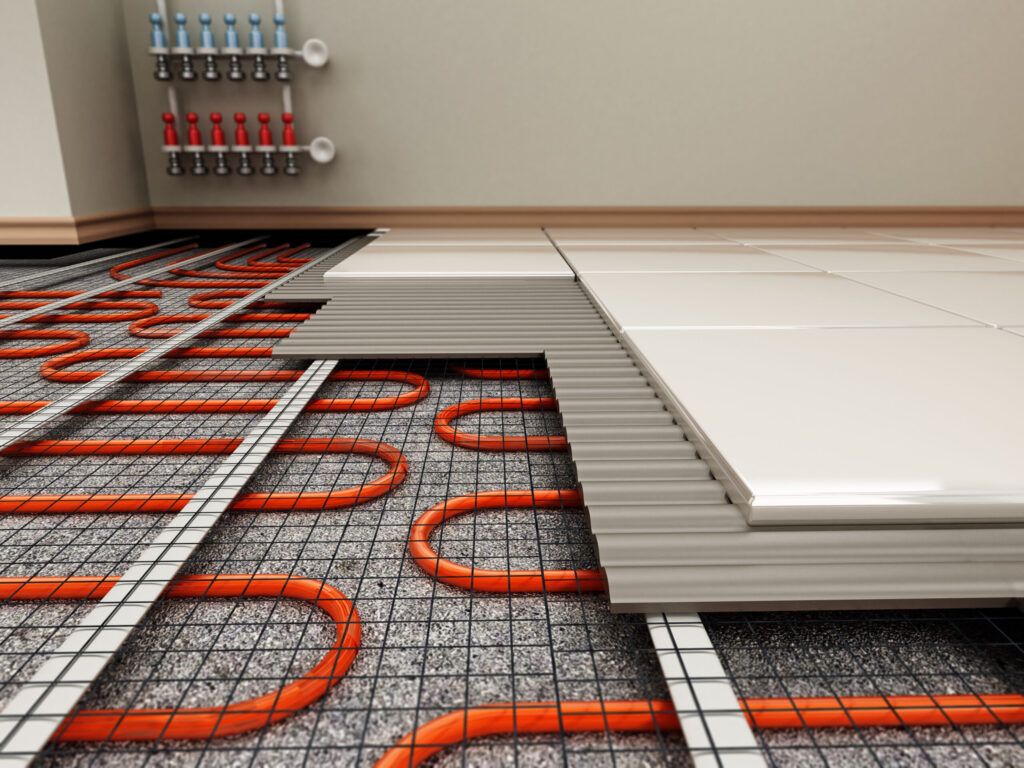
    heat insulation sheet in Pakistan
    Ground heating system structural detail. 3D illustration.

    Karachi experiences prolonged heat waves, especially from April to October. Roofs and walls absorb excessive heat, which transfers directly indoors.

    High-quality heat insulation sheet in Pakistan helps by:

    • Reducing roof surface temperature
    • Lowering indoor heat gain
    • Minimizing air-conditioning load
    • Improving year-round energy efficiency

    For both residential and industrial use, insulation sheets offer long-term cost savings and comfort.

    Types of Insulation Sheets Commonly Used in Karachi

    Several insulation materials are available in the local market, but performance varies depending on structure, thickness, and installation quality.

    1. Thermopore Insulation Sheets
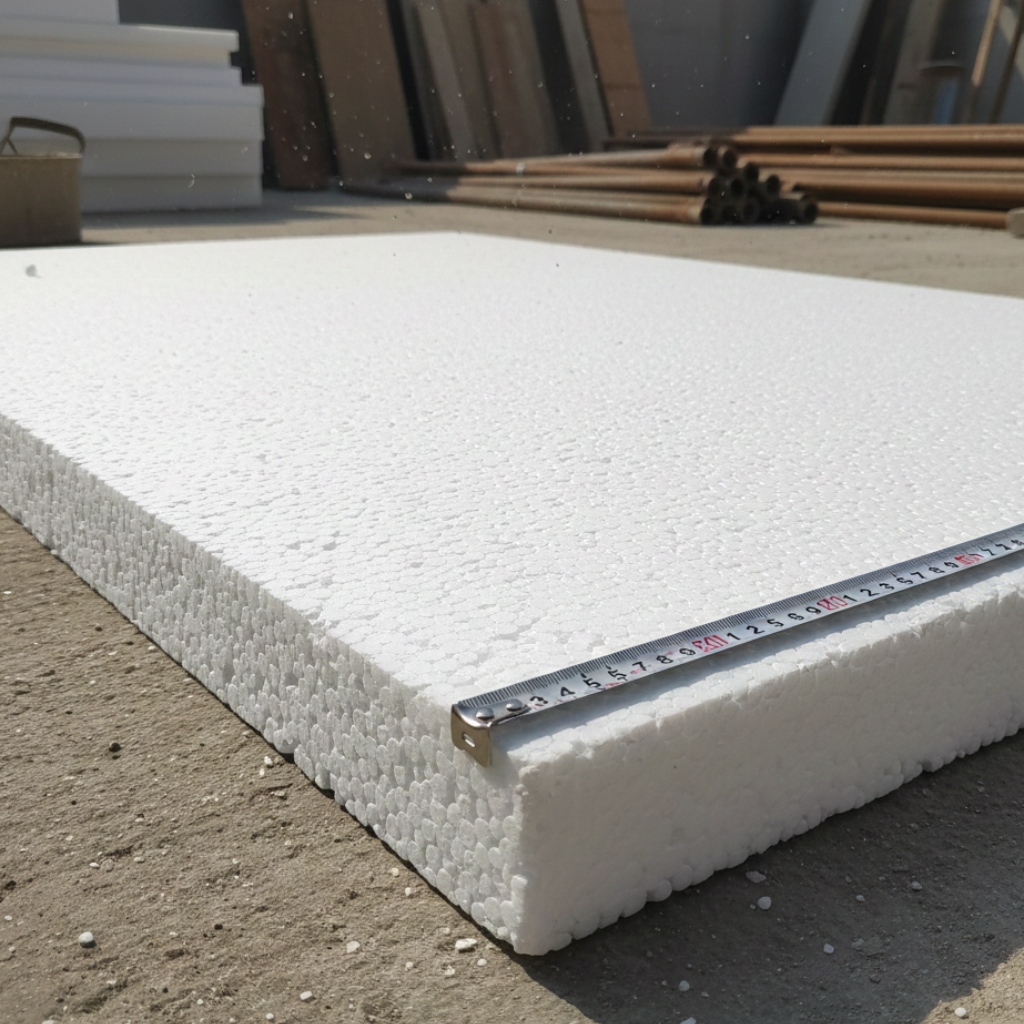
    Thermopore Sheet

    Thermopore is widely used due to affordability and availability.

    Key Features:

    • Lightweight and easy to install
    • Suitable for roofs, walls, and false ceilings
    • Commonly used in residential construction

    Many buyers search for a thermopore sheet supplier in Karachi because local availability reduces transportation cost and delivery time.

    2. Reflective Thermal Insulation Sheets
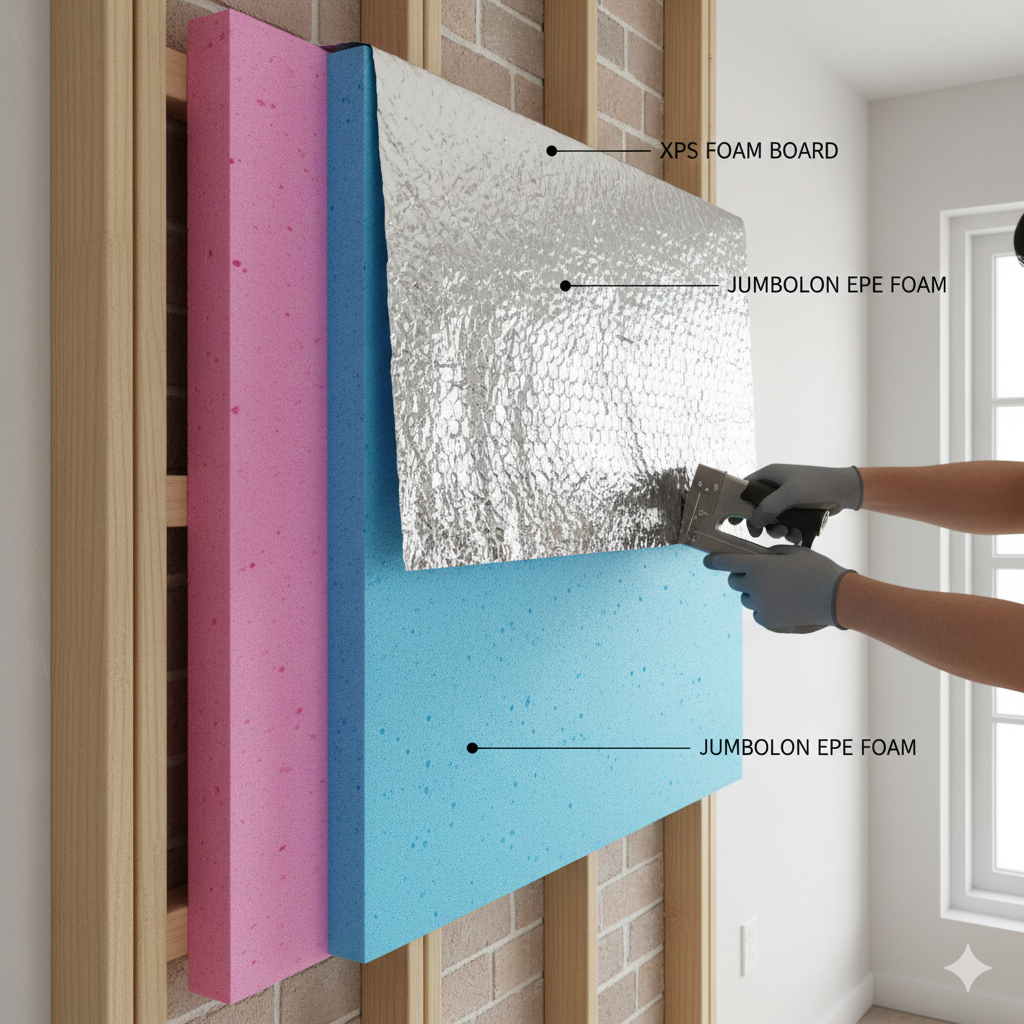
    Using aluminium foil with jumbolon

    These sheets combine insulation foam with aluminum foil to reflect radiant heat.

    Advantages:

    • Strong heat reflection
    • Ideal for rooftops exposed to direct sunlight
    • Performs better than plain foam in extreme heat

    They are often considered among the best insulation sheets in Karachi price-wise when energy savings are considered.

    3. Expanded Polystyrene (EPS) Sheets
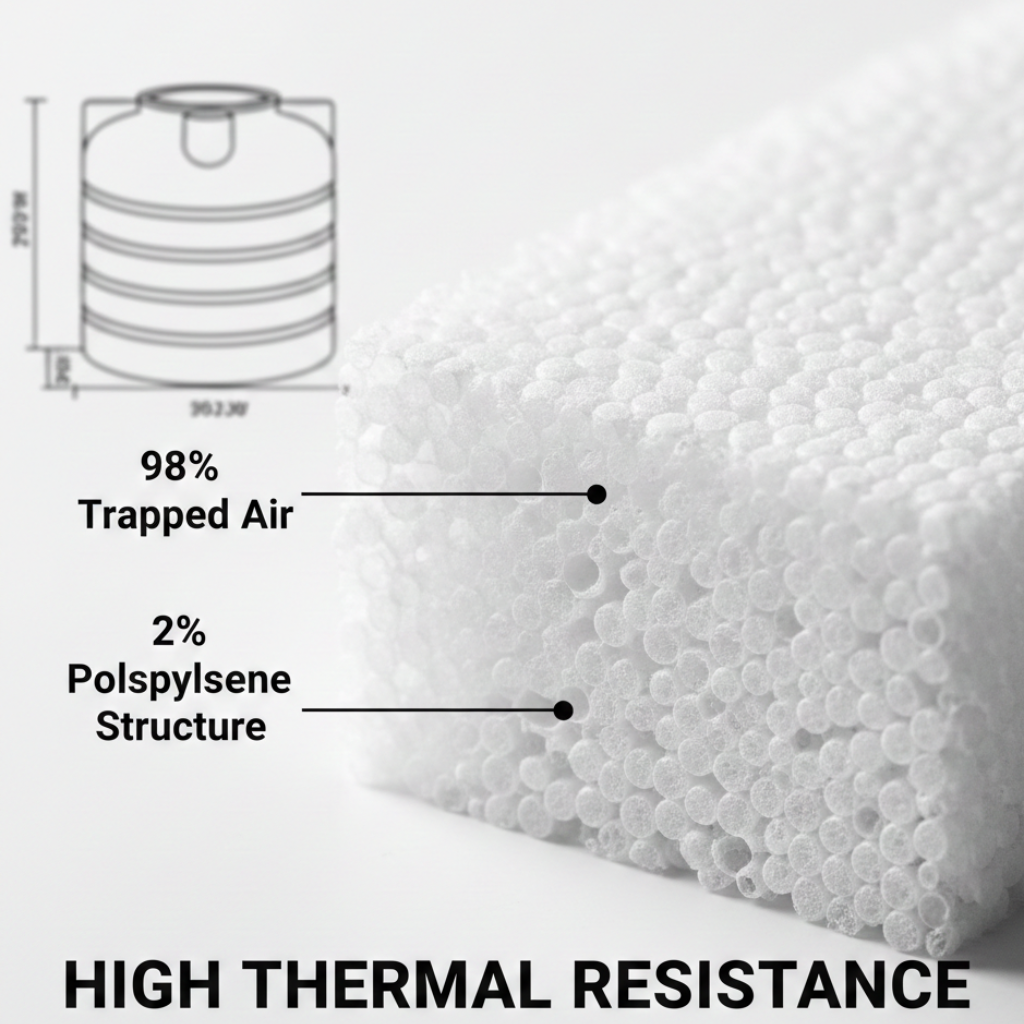
    EPS Thermal Insulation

    EPS sheets offer balanced thermal insulation and structural stability.

    Best used for:

    • Warehouses
    • Cold rooms
    • Commercial buildings

    EPS is commonly included when comparing thermal insulation sheet price in Pakistan due to its consistent performance.

    Thermopore Sheets in Karachi – Availability & Demand

    The demand for thermopore sheet in Karachi continues to grow due to urban expansion and rising energy costs.

    These sheets are commonly installed in:

    • Residential rooftops
    • Industrial sheds
    • Temporary structures

    People often search online for thermopore sheet near me, indicating strong local demand for quick sourcing and installation services.

    Heat Insulation Sheet Performance in Pakistan’s Climate

    insulation material supplier in pakistan

    A properly installed heat insulation sheet in Pakistan can reduce indoor temperature by several degrees. Performance depends on:

    • Sheet thickness
    • Roof exposure
    • Installation method
    • Combination with reflective layers

    For Karachi’s coastal climate, moisture resistance and durability are equally important.

    Pricing Overview – What Affects Insulation Sheet Cost?

    The best insulation sheets in Karachi price range depends on multiple factors:

    • Material type (thermopore, EPS, reflective)
    • Sheet thickness
    • Density and durability
    • Installation requirements
    • Market demand fluctuations

    Similarly, thermopore sheet price in Pakistan may vary city-to-city due to logistics and supplier margins.

    How to Choose the Best Insulation Sheet in Karachi

    When selecting insulation, consider the following:

    Climate Suitability

    Karachi requires insulation that resists both heat and humidity.

    Installation Area

    Roofs require higher thermal resistance compared to walls.

    Budget vs Long-Term Savings

    Low-cost insulation may increase cooling expenses over time.

    Supplier Reliability

    Working with a verified thermopore sheet supplier in Karachi ensures product quality and technical guidance.

    Residential vs Commercial Insulation Needs

    ApplicationRecommended Insulation
    HomesThermopore or reflective sheets
    ShopsEPS or foil insulation
    FactoriesHigh-density thermal sheets
    WarehousesEPS with reflective layers

    Each option balances cost, durability, and performance differently.

    Installation Tips for Maximum Heat Reduction

    • Always install insulation before waterproofing
    • Seal gaps to prevent air leakage
    • Use foil-faced sheets for rooftops
    • Avoid compressing insulation material

    Correct installation often matters more than material thickness alone.

    Final Verdict – Which Insulation Sheet Is Best for Karachi?

    There is no single solution for every building. However:

    • Thermopore remains the most accessible option
    • Reflective insulation delivers better heat reduction
    • EPS offers long-term durability

    Choosing the right product depends on roof design, usage, and budget.

    FAQ’S

    The best insulation sheets in Karachi include thermopore sheets, reflective insulation sheets, and EPS sheets. These materials are designed to reduce roof heat absorption and improve indoor comfort in Karachi’s hot and humid climate.

    Thermopore sheet price in Pakistan depends on thickness, density, and supplier location. Prices in Karachi may differ slightly due to transportation and local demand, so it’s recommended to consult a nearby supplier for updated rates.

    A reliable thermopore sheet supplier in Karachi can be found through building material markets, insulation dealers, and authorized distributors who provide proper thickness guidance and installation support.

    Yes, a quality heat insulation sheet in Pakistan can significantly reduce indoor temperature, especially when installed on rooftops. It helps lower electricity consumption by reducing the load on cooling systems.

    Thermal insulation sheet price in Pakistan varies based on material type, sheet thickness, durability, and whether the insulation includes reflective foil layers. EPS and reflective sheets generally cost more than basic thermopore.

    A thermopore sheet near me is suitable for long-term use when installed correctly and protected from moisture and direct exposure. Proper sealing and layering improve its lifespan and performance.

  • Jumbolon vs. EPS Sheet: Which Is the Better Insulation Choice?

    Jumbolon vs. EPS Sheet: Which Is the Better Insulation Choice?

    Choosing the right insulation material is a critical decision for any construction project. It impacts everything from long-term energy costs to the structural integrity and comfort of the building. Two common choices in the rigid foam insulation market are Jumbolon sheets vs EPS (Expanded Polystyrene) sheets. While both are lightweight, foam-based materials, they are fundamentally different in composition, properties, and overall performance.

    This comprehensive guide breaks down the key differences to help you determine which material—Jumbolon or EPS sheet—is the superior option for your specific application.

    Understanding the Materials: Jumbolon vs EPS Sheet

    XPS Vs EPS Sheet

    The core difference lies in their manufacturing process and material classification.

    1. Jumbolon (Extruded Polystyrene – XPS)

    Jumbolon is a popular brand name for Extruded Polystyrene (XPS) foam insulation. It is manufactured through a continuous extrusion process that results in a unique structure.

    • Structure: Closed-cell, homogenous, and uniform. This tight, non-interconnected cell structure is key to its superior properties.
    • Key Advantage: The closed-cell structure makes it an extremely effective moisture-resistant foam and accounts for its high compressive strength.

    2. EPS Sheet (Expanded Polystyrene)

    Expanded Polystyrene (EPS) sheets, sometimes colloquially referred to as Thermopore or Thermocol, are made by expanding polystyrene beads with steam, fusing them into a solid block, and then cutting the block into sheets.

    Key Advantage: It is highly cost-effective and lightweight.

    Structure: Closed-cell, but the cells are not completely interconnected; there are tiny voids between the fused beads.

    Performance Comparison: Jumbolon vs. EPS Sheet

    XPS Sheet Vs EPS Sheet

    The performance of an insulating material is measured by several key criteria, including thermal efficiency, resistance to moisture, and long-term durability.

    1. Thermal Insulation (R-Value)

    The R-value measures a material’s resistance to heat flow. A higher R-value indicates better thermal resistance and insulating capability.

    FeatureJumbolon (XPS)EPS Sheet (Expanded Polystyrene)Verdict
    R-Value per InchGenerally $\approx 5$Generally $\approx 3.6 – 4.2$Jumbolon (XPS) offers a significantly higher R-value per inch, providing superior thermal performance in thinner applications.
    Long-Term PerformanceMaintains R-value exceptionally well over time.Can see a slight drop in R-value if exposed to moisture over the long term.Jumbolon (XPS) maintains efficiency better.

    2. Moisture Resistance and Water Absorption

    Water absorption is critical, as a wet insulator loses its R-value rapidly.

    • Jumbolon (XPS): Due to its fine, uniform closed-cell structure, it is highly hydrophobic. It has very low water absorption (often $< 0.3\%$ by volume, even when submerged) and is an excellent water-resistant insulation choice, making it ideal for below-grade applications and areas prone to dampness.
    • EPS Sheet: While largely closed-cell, the spaces between the fused beads can allow water vapor to permeate and, in prolonged exposure to moisture, it can absorb more water (up to $2-3\%$ by volume).

    Verdict: Jumbolon (XPS) is the clear winner for moisture resistance, ensuring stable performance in humid or wet environments.

    3. Compressive Strength

    Compressive strength is the material’s ability to withstand loads without deforming or failing.

    • Jumbolon (XPS): Features a high compressive strength (often $250 – 350$ KPa or more). Its dense, uniform structure makes it ideal for bearing heavy loads.
    • EPS Sheet: Compressive strength is good but varies significantly with the density grade. It typically performs well but is generally less robust than XPS at comparable densities.

    Verdict: Jumbolon (XPS) is better suited for applications under high load or pressure, such as floor insulation and roof insulation.

    Common Applications of Jumbolon Vs EPS Sheet

    The best choice often depends on the specific job.

    ApplicationJumbolon (XPS) RecommendationEPS Sheet Recommendation
    Below-Grade Insulation (Foundations, Slabs)Strongly Recommended (Due to high moisture resistance and compressive strength).Not ideal for long-term below-grade use where persistent moisture is a factor.
    Wall Insulation (Cavity or Exterior)Excellent choice (High R-value, durability).Good choice (Cost-effective and lightweight for above-grade walls).
    Roof Insulation (Flat or Pitched)Recommended (Withstands environmental stress and traffic loads better).Suitable for light-load roof systems where cost is the primary factor.
    General Packaging/Void FillOverkill, generally too expensive.Highly Recommended (Most cost-effective foam for non-structural, protective use).

    Cost-Effectiveness and Durability

    While Jumbolon provides better performance, the final decision often comes down to budget and long-term value.

    • Initial Cost: The Expanded Polystyrene (EPS sheet) typically has a lower insulation material cost per square foot than Jumbolon (XPS). It is the more budget-friendly option upfront.
    • Long-Term Value: Jumbolon’s long-lasting insulation properties—its superior moisture resistance and higher R-value retention—mean it can offer better lifetime value and greater energy efficiency over the decades, leading to lower utility bills. Its durability also reduces the risk of material replacement.

    Conclusion: Which Is Better Jumbolon Vs EPS Sheet?

    There is no single “better” material; there is only the right material for the job.

    • Choose Jumbolon (XPS) when:
      • You need the highest possible thermal resistance in a limited thickness.
      • The application involves persistent moisture, such as a basement, foundation, or water tank insulation.
      • The material will be subject to heavy loads, such as in floor insulation or a trafficable roof.
    • Choose EPS Sheet when:
      • The budget is the primary constraint.
      • The application is for above-grade walls where it will be protected from direct water exposure.
      • The material is for lightweight use like packaging or a quick, non-structural heat proofing solution.

    In the final analysis, for applications requiring long-lasting insulation and maximum thermal performance under challenging conditions, the superior compressive strength and moisture-resistant foam properties of Jumbolon (XPS) make it the clear technical winner, justifying its higher insulation material cost.

    FAQ’S

    The main difference lies in how they are manufactured. Jumbolon (XPS) is made through an extrusion process, resulting in a closed-cell, highly uniform structure with no internal voids. This structure gives it superior moisture resistance and high compressive strength. EPS sheets are made by expanding and fusing beads, resulting in a closed-cell structure but with tiny air voids between the fused beads, which allows for slightly higher water vapor permeability and absorption over time.

    Yes, Jumbolon (XPS) is highly recommended for basement, foundation, and other below-grade insulation applications. This is because these areas are prone to constant moisture exposure. Jumbolon’s extremely low water absorption and high moisture-resistant foam properties ensure its R-value remains stable and its performance is not compromised by groundwater or damp soil, unlike EPS, which can absorb more water over the long term.

    Jumbolon (XPS) generally offers better long-term performance and R-value retention. While both materials have high initial R-values, Jumbolon’s robust, closed-cell structure is inherently resistant to moisture ingress. Since water infiltration is the primary cause of R-value degradation in foam insulation, the superior water resistance of Jumbolon ensures it maintains its specified thermal resistance over the lifespan of the building more reliably than standard EPS sheets.

    An EPS sheet is the most cost-effective foam option when the application is above-grade and not exposed to constant moisture or high structural loads. It is a great budget-friendly choice for non-structural applications like general wall insulation, temporary heat proofing, or protective packaging where its slightly lower R-value per inch and higher permeability are acceptable trade-offs for a lower insulation material cost.