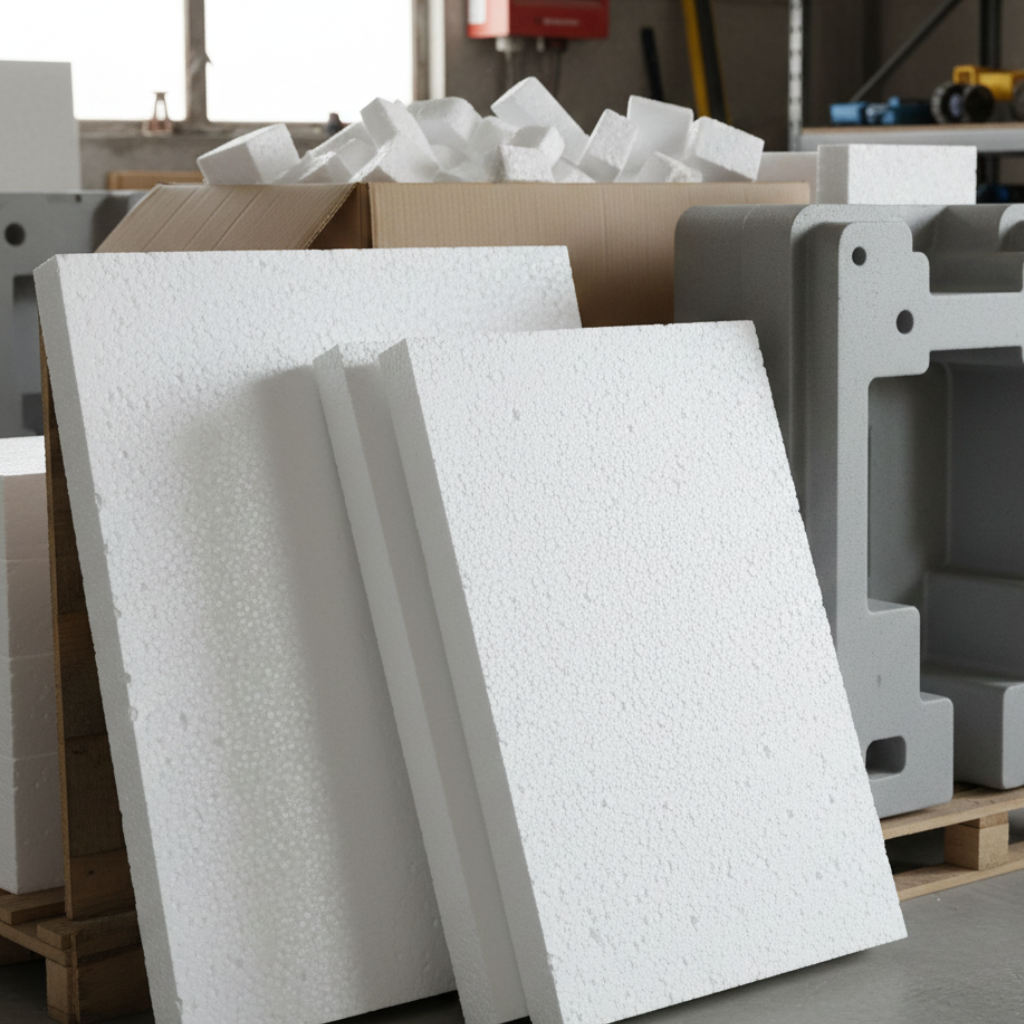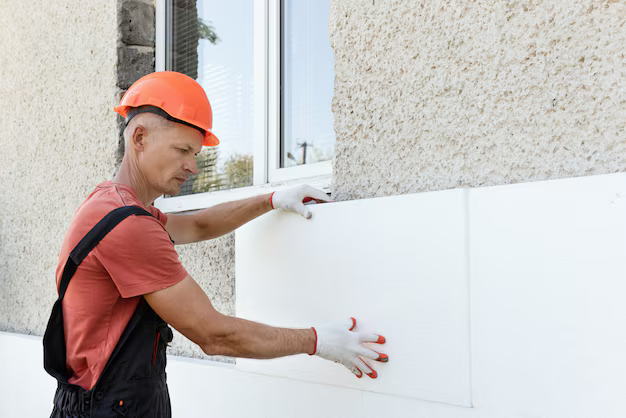

thermocol sheet price in pakistan

Tag: building insulation services Pakistan

  • What is Cavity Wall Insulation? Benefits, Types & How It Saves Energy

    What is Cavity Wall Insulation? Benefits, Types & How It Saves Energy

    With increasing energy costs and extreme weather conditions, insulation has become a necessity in modern construction. One of the most effective methods for improving energy efficiency is cavity wall insulation.

    Understanding Cavity Wall Insulation in Pakistan helps homeowners and businesses maintain indoor comfort while reducing electricity bills. Whether you are building a new home or upgrading an existing one, this insulation method offers long-term benefits.

    What is Cavity Wall Insulation?
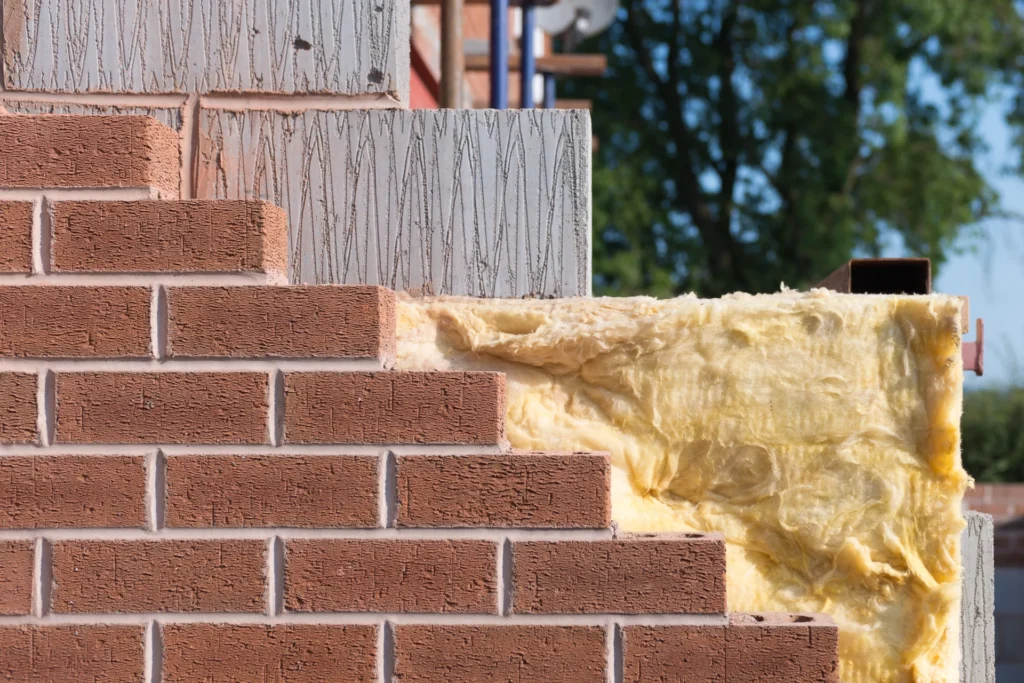
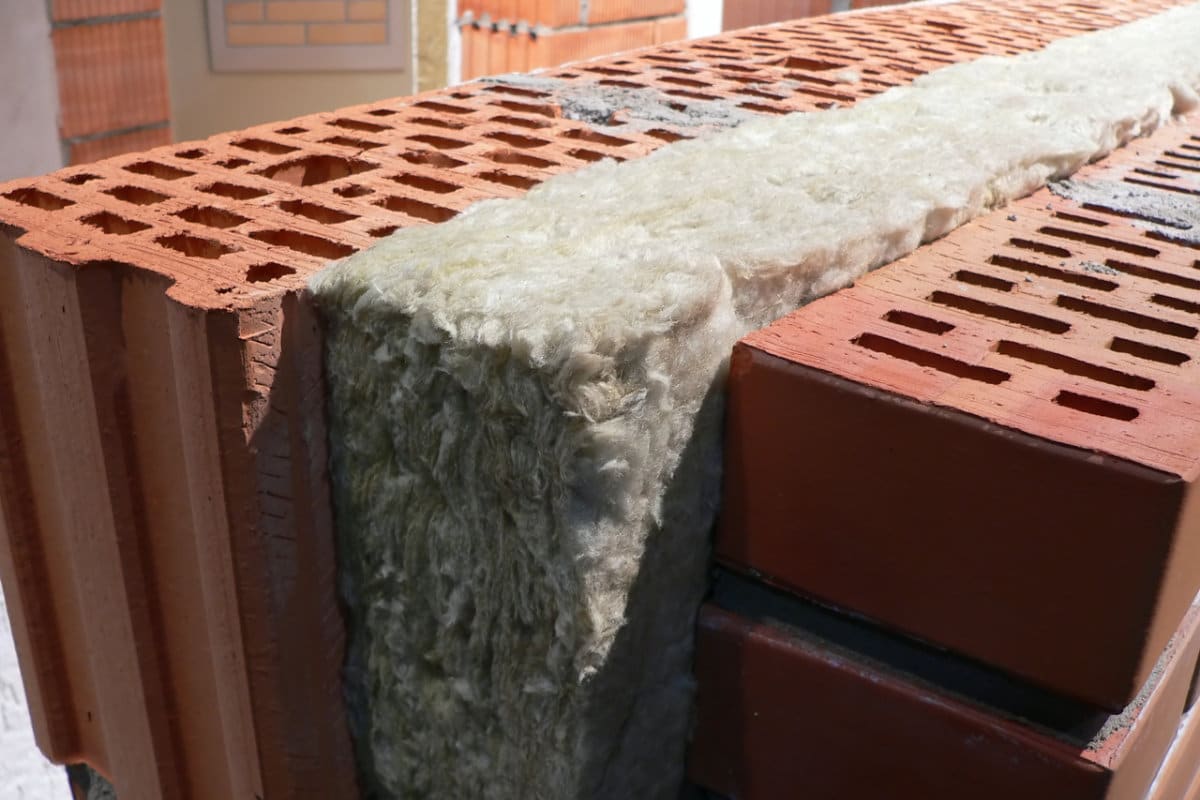
    Cavity wall insulation involves filling the gap (cavity) between two layers of a wall with insulating material. This gap acts as a barrier that reduces heat transfer between the interior and exterior of a building.

    The insulation material used in the cavity helps:

    • Keep heat out during summer
    • Retain warmth during winter
    • Improve overall energy efficiency

    This makes it one of the best Cavity Wall Insulation in Pakistan solutions for residential and commercial buildings.

    How Cavity Wall Insulation Saves Energy
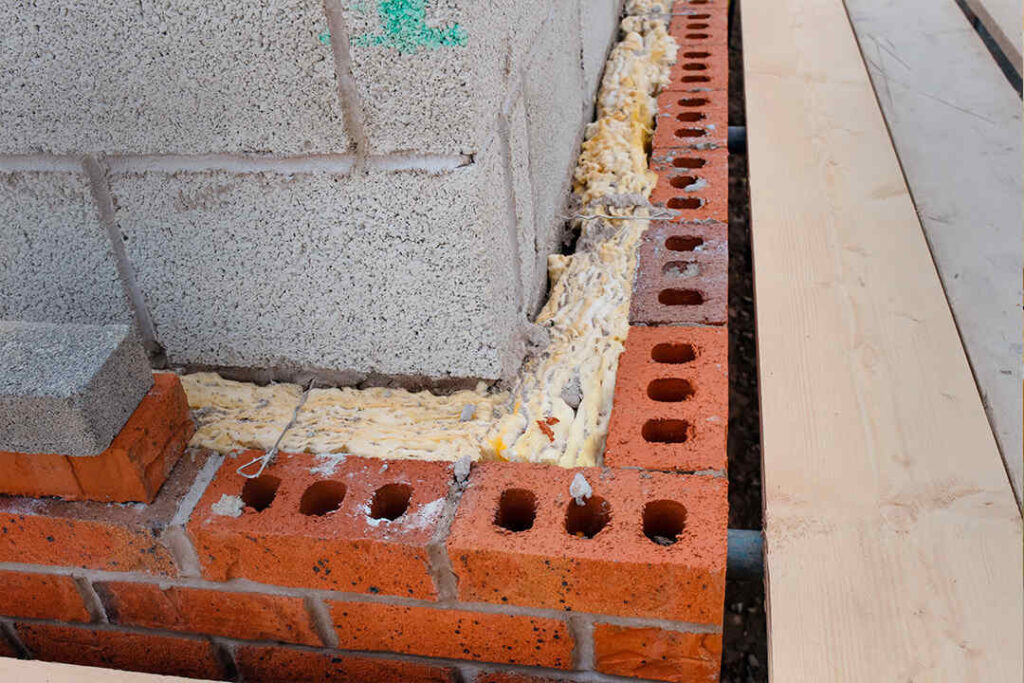
    How-long-does-cavity-wall-insula

    Walls are one of the largest areas where heat loss or gain occurs. By insulating the cavity:

    • Heat transfer is significantly reduced
    • Air conditioning usage decreases
    • Heating requirements are minimized
    • Indoor temperature remains stable

    These benefits contribute to top Cavity Wall Insulation in Pakistan practices for energy-efficient construction.

    Types of Cavity Wall Insulation Materials

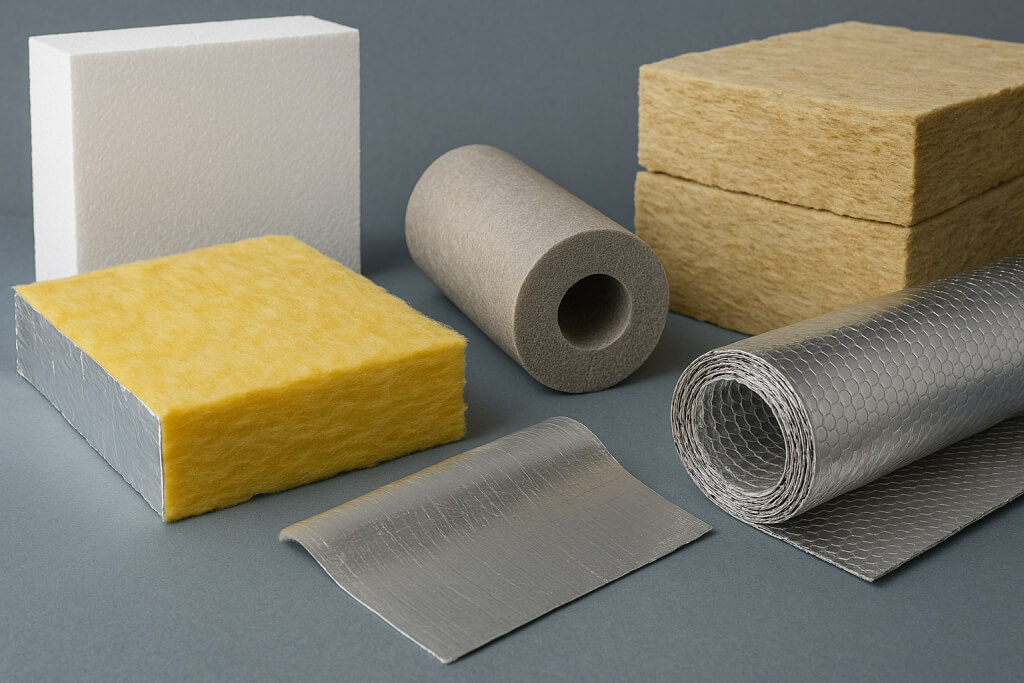
    1. Mineral Wool (Rock Wool)
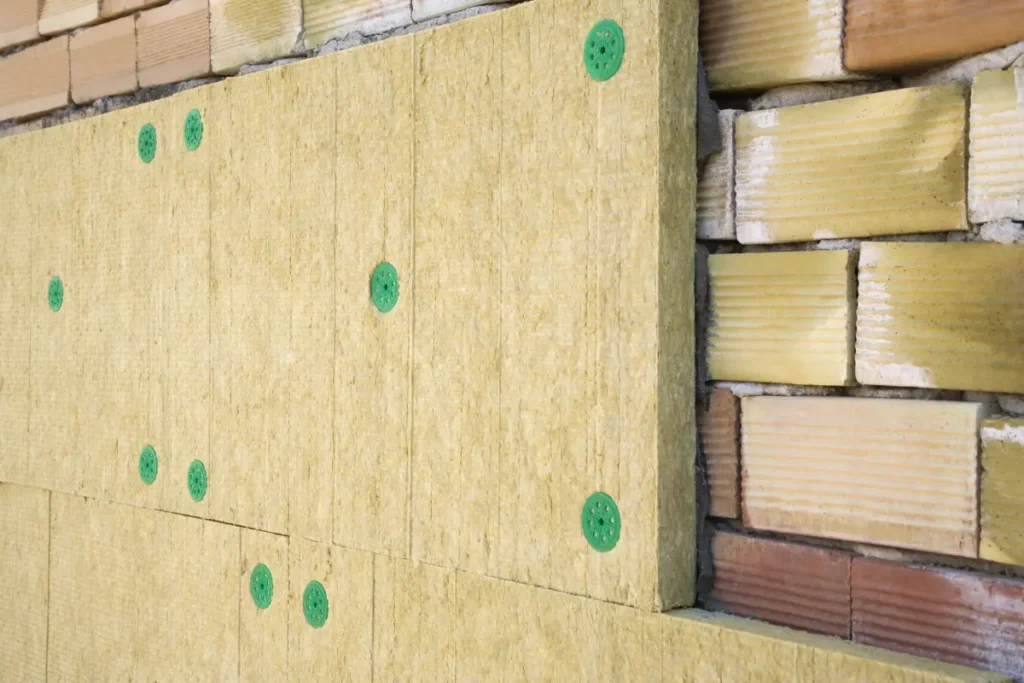
    • Fire-resistant and durable
    • Good thermal and sound insulation
    • Suitable for residential and commercial use

    2. Polystyrene Beads (EPS)
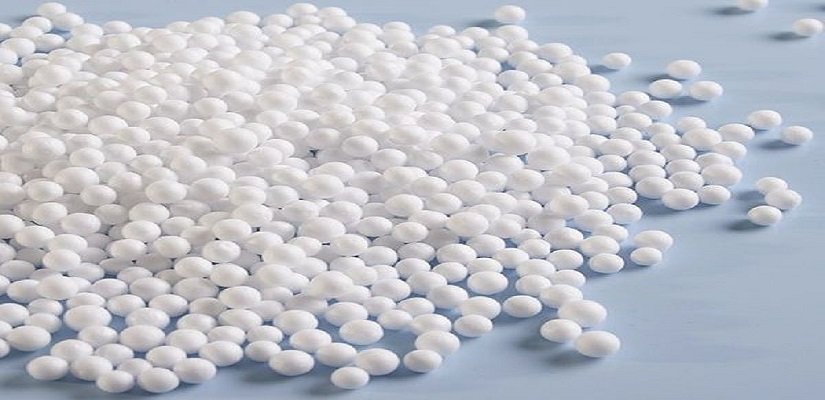
    eps beads
    • Lightweight and cost-effective
    • Easy to install in cavities
    • Moisture-resistant

    3. Polyurethane Foam (PU Foam)
    home insulation
    • High insulation performance
    • Expands to fill gaps completely
    • Ideal for irregular cavities

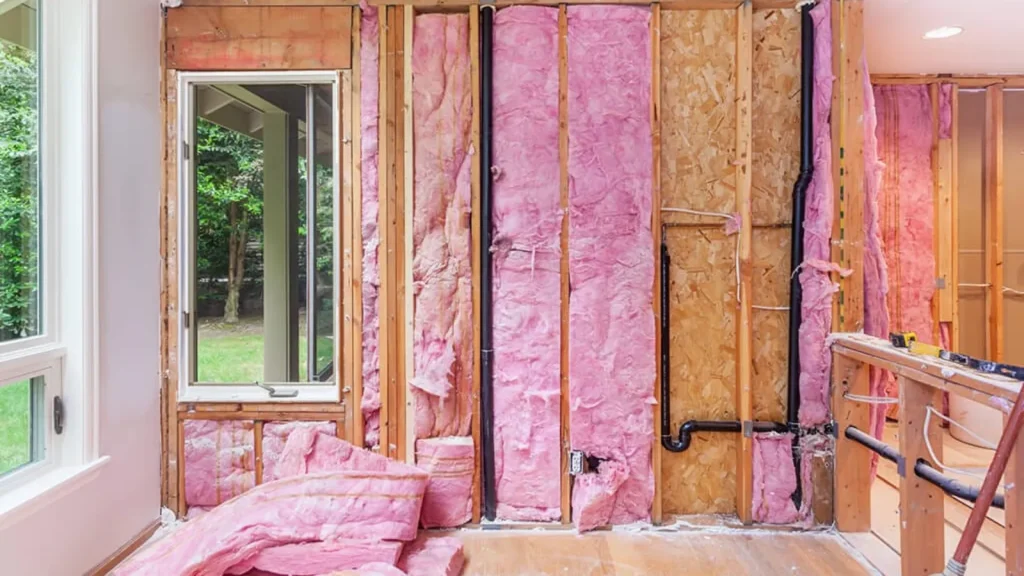
    4. Fiberglass Insulation
    • Affordable and widely used
    • Good thermal performance
    • Easy to install

    Choosing the right material ensures you get the best Cavity Wall Insulation in Pakistan for your needs.

    Benefits of Cavity Wall Insulation

    • Reduces energy consumption
    • Lowers electricity bills
    • Improves indoor comfort
    • Prevents moisture and dampness
    • Enhances building durability

    These advantages make it a popular choice across major cities.

    Cavity Wall Insulation Price in Pakistan

    The Cavity Wall Insulation price in Pakistan depends on material type, wall size, and installation method.

    Estimated Price Table

    Material TypePrice Range (PKR per sq. ft)
    EPS Beads120 – 200
    Mineral Wool200 – 350
    PU Foam300 – 500
    Fiberglass150 – 250

    The overall Cavity Wall Insulation in Pakistan price may vary depending on location and supplier.

    City-Wise Cavity Wall Insulation Services
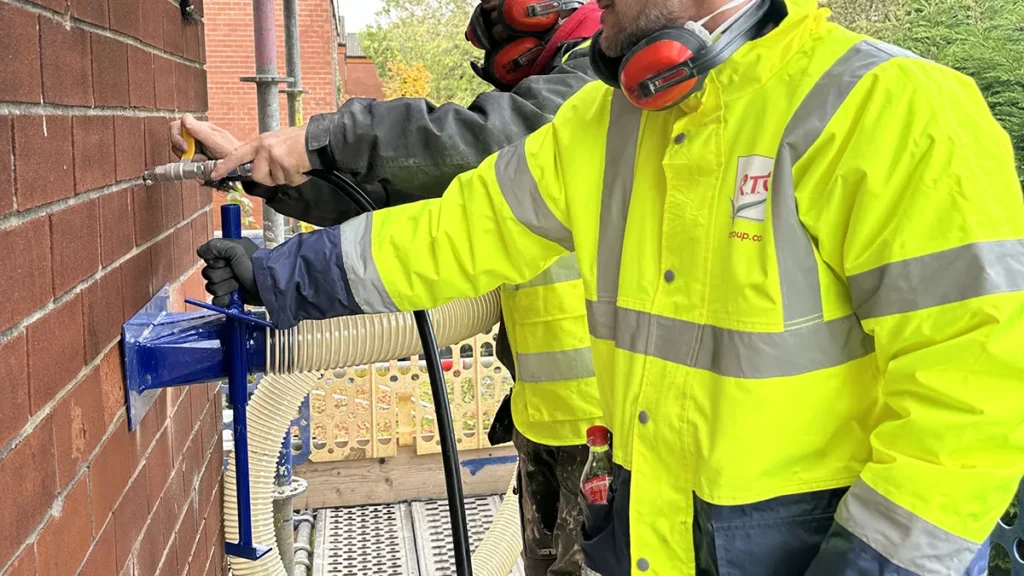
    Cavity Wall Insulation in Lahore

    Lahore’s growing construction sector widely adopts insulation solutions to improve energy efficiency.

    Cavity Wall Insulation in Islamabad

    Modern homes and offices use advanced insulation materials for better thermal performance.

    Cavity Wall Insulation in Faisalabad

    Industrial and residential buildings benefit from effective insulation systems.

    Cavity Wall Insulation in Multan

    Extreme heat makes insulation essential for maintaining indoor comfort.

    Cavity Wall Insulation in Karachi

    Humidity and heat increase the need for moisture-resistant insulation materials.

    Manufacturers and Wholesalers

    Manufacturers

    Local companies act as Cavity Wall Insulation manufacturer in pakistan, producing insulation materials for different applications.

    Wholesalers

    Bulk suppliers serve as Cavity Wall Insulation wholeseller and top Cavity Wall Insulation wholeseller, offering competitive pricing for large-scale projects.

    Choosing reliable suppliers ensures consistent quality and long-term performance.

    Cheap vs High-Quality Insulation

    While cheap Cavity Wall Insulation options are available, they may not provide long-term efficiency.

    Low-quality insulation may:

    • Lose effectiveness over time
    • Provide weak thermal resistance
    • Increase maintenance costs

    Investing in high-quality insulation ensures better performance and durability.

    Applications of Cavity Wall Insulation

    • Residential homes
    • Commercial buildings
    • Offices and apartments
    • Industrial facilities

    How to Choose the Right Cavity Wall Insulation

    Consider these factors:

    • Climate conditions
    • Type of building
    • Budget
    • Moisture resistance
    • Fire safety requirements

    Selecting the right material ensures the top Cavity Wall Insulation results.

    Conclusion

    Cavity wall insulation is one of the most effective ways to improve energy efficiency in buildings. From Cavity Wall Insulation in Lahore to Cavity Wall Insulation in Karachi, its demand is increasing due to rising energy costs and climate challenges.

    Whether you choose materials from a Cavity Wall Insulation manufacturer or work with a trusted Cavity Wall Insulation wholeseller in pakistan, proper insulation can significantly reduce energy consumption and improve comfort.

    FAQ’S

    Cavity wall insulation involves filling the gap between two layers of a wall with insulating material to reduce heat transfer, keeping buildings cooler in summer and warmer in winter.

    The cavity wall insulation price in Pakistan generally ranges from PKR 120 to PKR 500 per sq. ft depending on the material type and installation method.

    PU foam, EPS beads, and mineral wool are among the best options. The choice depends on budget, climate, and building requirements.

    Yes, cavity wall insulation is suitable for most residential, commercial, and industrial buildings, especially those with double-wall construction.
  • External Wall Insulation

    External Wall Insulation

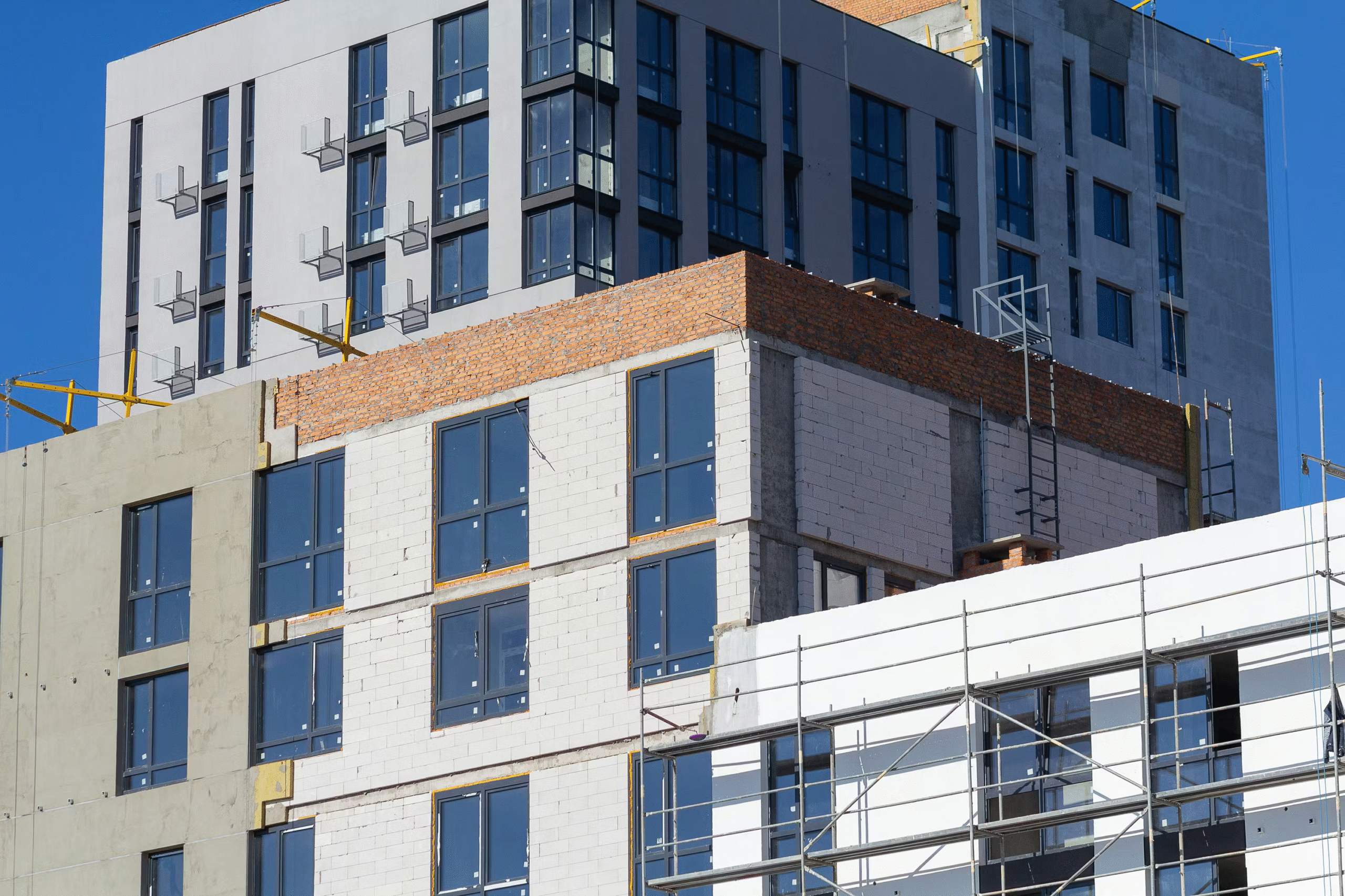
    With rising temperatures and increasing energy costs, external wall insulation has become an essential solution for buildings across Pakistan. It helps maintain indoor comfort, reduces electricity consumption, and protects structures from harsh weather conditions.

    Whether you are constructing a new building or upgrading an existing one, investing in external wall insulation in Pakistan is a smart long-term decision for energy efficiency and durability.

    What is External Wall Insulation?

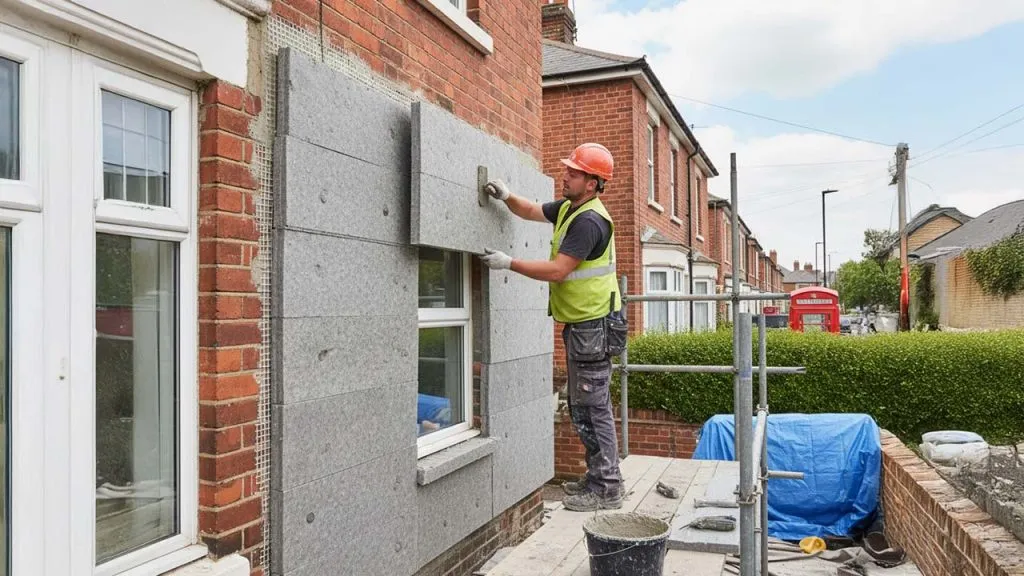
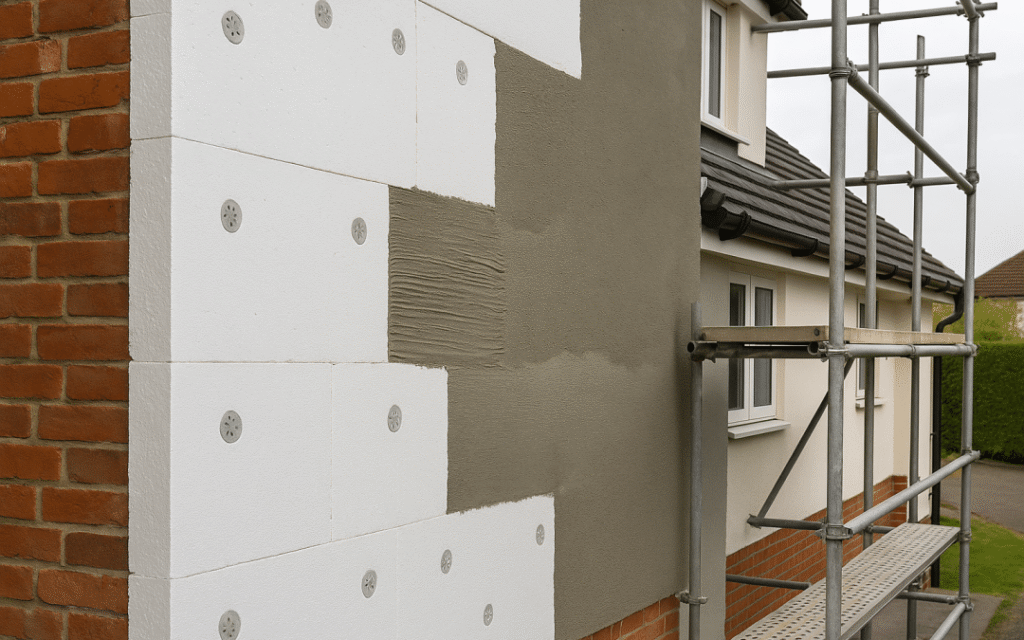
    External wall insulation (EWI) is a system where insulating material is applied to the outer walls of a building and then covered with a protective finish such as plaster or cladding.

    This system:

    • Reduces heat transfer
    • Improves thermal performance
    • Enhances building appearance
    • Protects walls from moisture and cracks

    Types of External Wall Insulation Materials

    1. Expanded Polystyrene (EPS)

    insulation material supplier in pakistan
    • Lightweight and cost-effective
    • Common for residential buildings

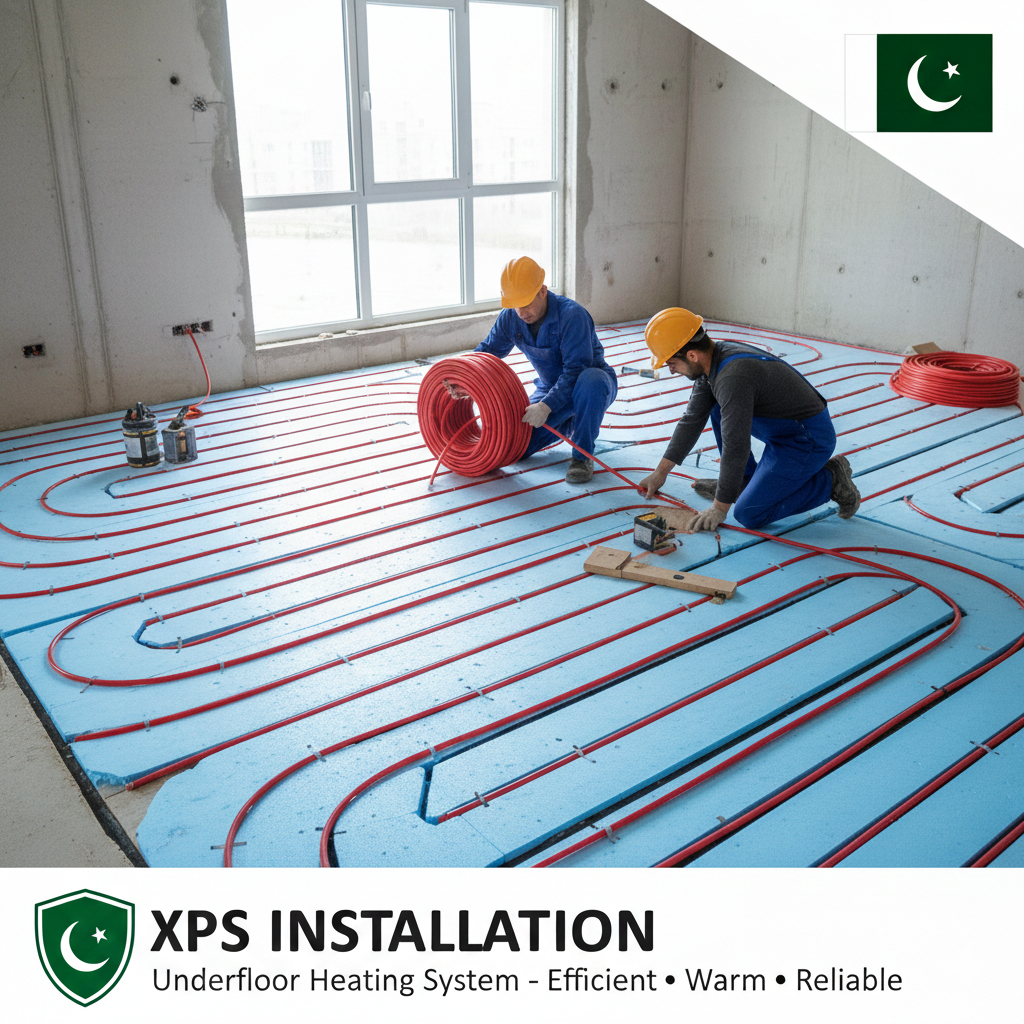
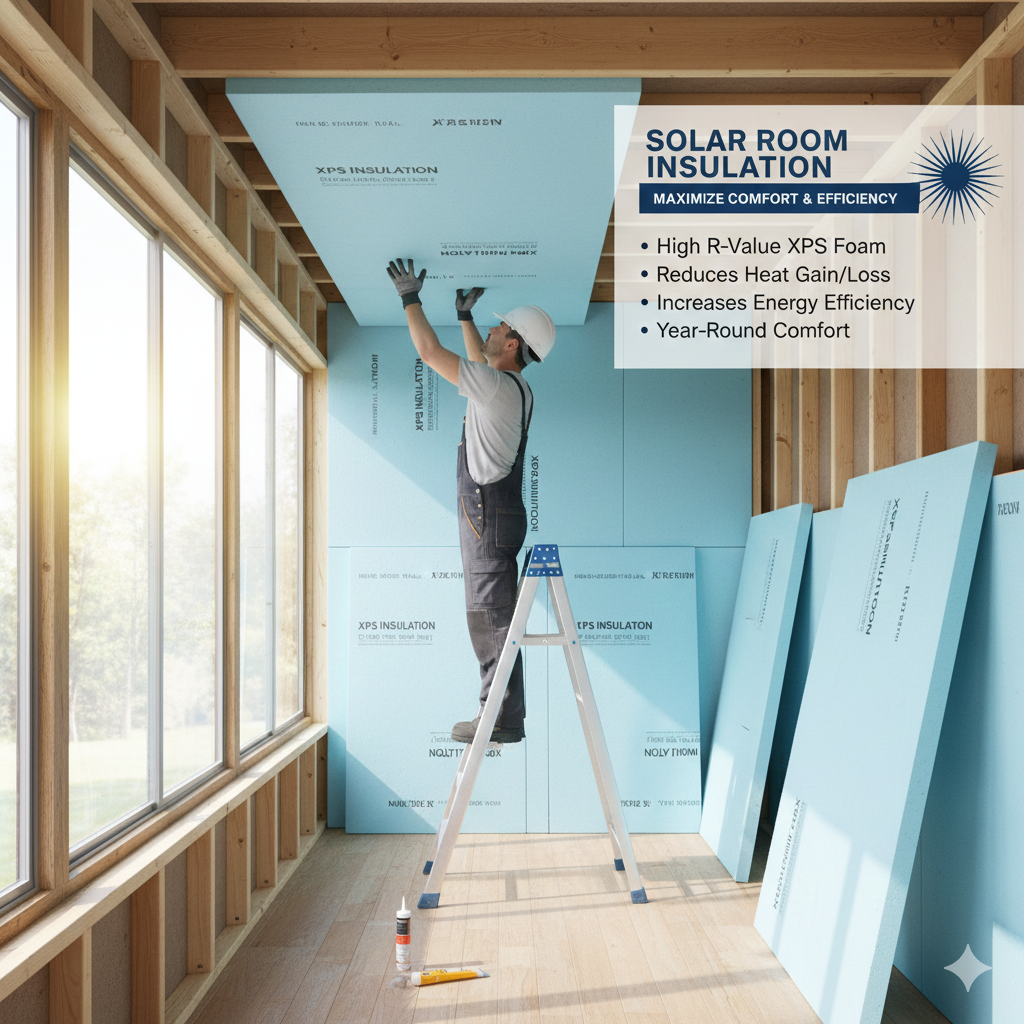
    2. Extruded Polystyrene (XPS)

    XPS Installation at underfloor heating system
    • Higher strength and moisture resistance
    • Ideal for humid climates

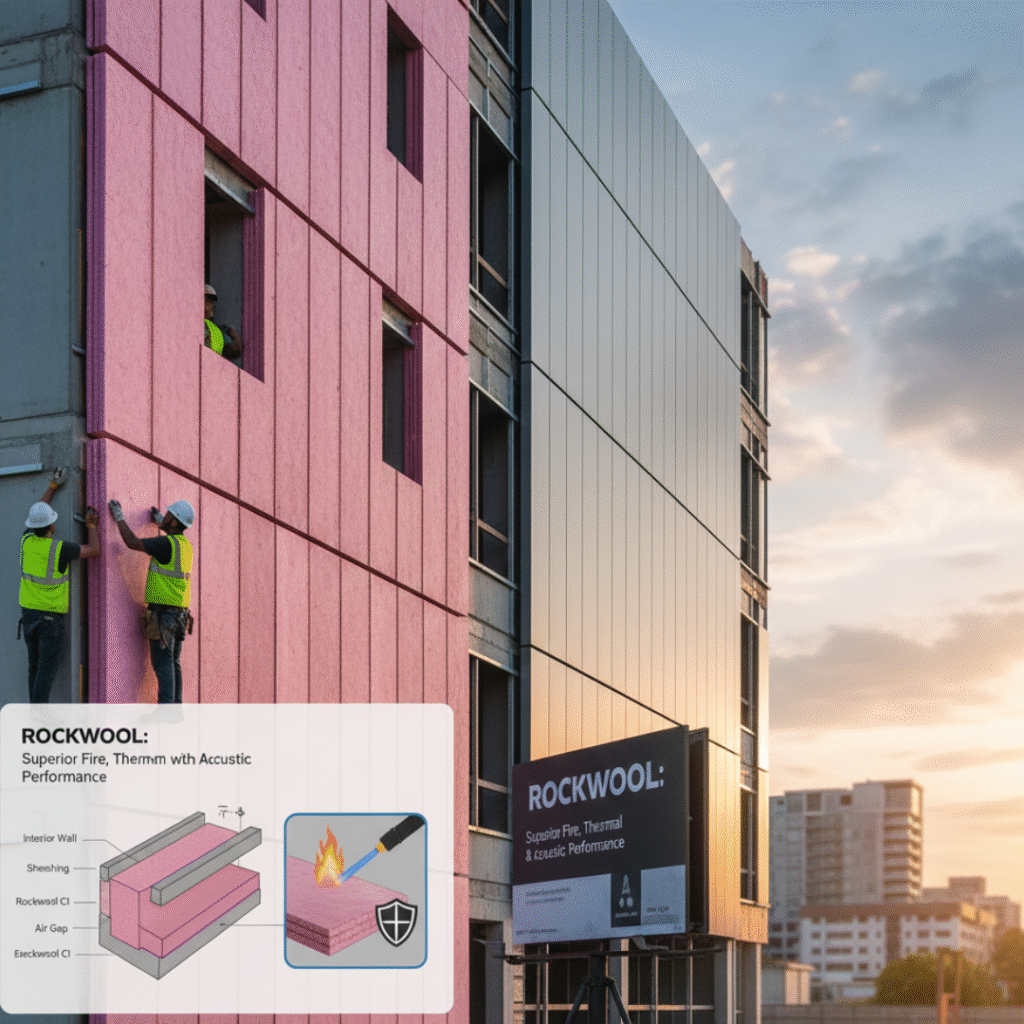
    3. Mineral Wool (Rock Wool)

    rockwool insulation sheets in pakistan
    • Fire-resistant and breathable
    • Used in commercial and industrial buildings

    4. Polyurethane (PU) Panels

    sandwich panels installation
    • High insulation performance
    • Suitable for modern construction projects

    Choosing the best external wall insulation in Pakistan depends on climate, budget, and building type.

    Benefits of External Wall Insulation

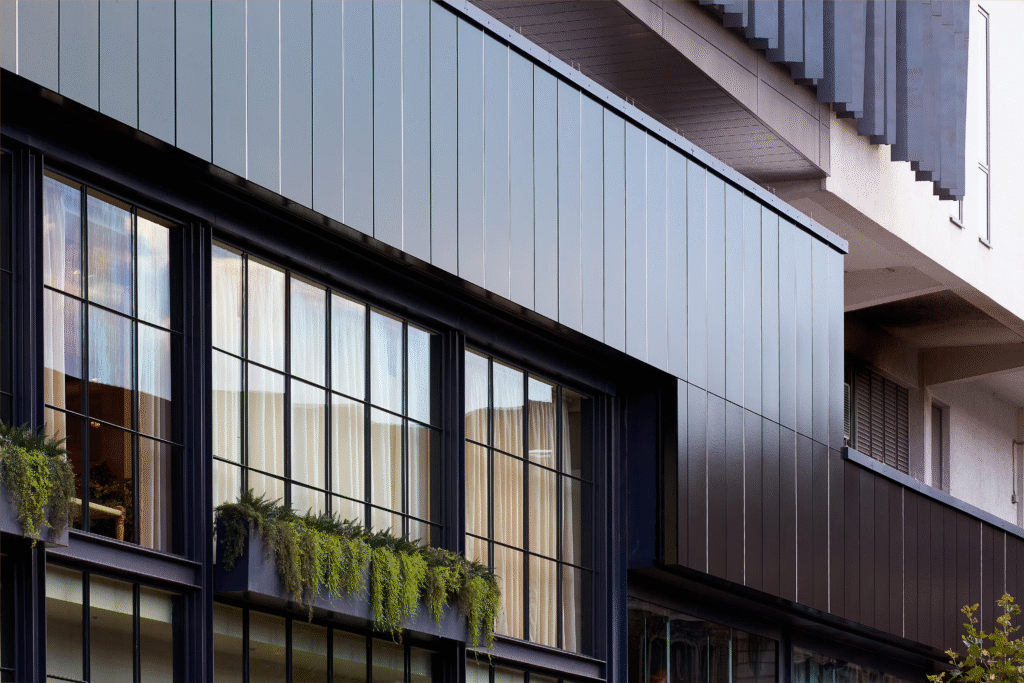
    external wall insulation
    • Reduces energy bills significantly
    • Improves indoor temperature stability
    • Protects structure from weather damage
    • Minimizes condensation and dampness
    • Enhances property value

    This makes it one of the top external wall insulation in Pakistan solutions for modern construction.
    External Wall Insulation Price in Pakistan

    The external wall insulation price in Pakistan varies based on material, thickness, and labor.

    Estimated Price Table

    Material TypePrice Range (PKR per sq. ft)
    EPS Insulation150 – 250
    XPS Insulation250 – 400
    Mineral Wool300 – 500
    PU Panels400 – 700

    The overall external wall insulation in Pakistan price may change depending on project size and location.

    City-Wise External Wall Insulation Services

    External Wall Insulation in Lahore

    The construction sector in Lahore активно adopts energy-efficient solutions. Many contractors provide external wall insulation in Lahore for homes and commercial buildings.

    External Wall Insulation in Islamabad

    In Islamabad, modern architecture demands high-performance insulation systems. Reliable companies offer external wall insulation in Islamabad for villas and offices.

    External Wall Insulation in Faisalabad

    Industrial and residential projects increasingly use external wall insulation in Faisalabad to control indoor temperatures and reduce costs.

    External Wall Insulation in Multan

    Due to extreme heat, external wall insulation in Multan is widely used to improve cooling efficiency in homes and warehouses.

    External Wall Insulation Material in Karachi

    Karachi’s coastal climate requires moisture-resistant insulation. High-quality external wall insulation material in Karachi is available for residential and industrial applications.

    External Wall Insulation Manufacturers and Wholesalers in Pakistan

    insulation material

    Pakistan has a growing insulation market with both local and imported solutions.

    Manufacturers

    • Local companies now operate as external wall insulation manufacturer in Pakistan
    • Provide EPS sheets, PU panels, and insulation systems

    Wholesalers

    • Bulk suppliers act as external wall insulation wholeseller in Pakistan
    • Offer discounted rates for large projects

    Working with a top external wall insulation wholeseller in Pakistan ensures cost efficiency and consistent supply.

    Cheap External Wall Insulation in Pakistan – Should You Consider It?

    Many builders look for cheap external wall insulation in Pakistan to reduce initial costs. While budget options are available, always consider:

    • Durability
    • Thermal performance
    • Installation quality

    Low-cost insulation may result in higher maintenance costs in the long run.

    Applications of External Wall Insulation

    • Residential houses
    • Commercial buildings
    • Offices and plazas
    • Factories and warehouses
    • Cold storage facilities

    How to Choose the Right External Wall Insulation

    Consider these factors:

    • Climate conditions (heat, humidity)
    • Building type
    • Budget
    • Fire resistance requirements
    • Moisture protection

    Selecting the top external wall insulation in Pakistan ensures long-term performance and savings.

    Conclusion

    External insulation is no longer optional—it’s a necessity in Pakistan’s climate. From external wall insulation in Lahore to external wall insulation in Islamabad, and across cities like Faisalabad and Multan, demand continues to grow.

    Whether you source from an external wall insulation manufacturer in Pakistan or a trusted external wall insulation wholeseller in Pakistan, investing in the right system will improve comfort, reduce costs, and protect your building for years to come.

    FAQ’S

    External wall insulation is a system where insulating material is applied to the outer surface of walls and covered with a protective layer. It reduces heat transfer, keeping buildings cooler in summer and warmer in winter.

    The external wall insulation price in Pakistan typically ranges from PKR 150 to PKR 700 per sq. ft, depending on the material type, thickness, and installation requirements.

    The best external wall insulation in Pakistan includes EPS, XPS, mineral wool, and PU panels. The right choice depends on your budget, climate conditions, and building type.

    You can find external wall insulation services in Lahore, Islamabad, Karachi, Faisalabad, and Multan through local contractors, construction companies, and insulation material suppliers.

  • Thermal Insulation Material

    Thermal Insulation Material

    Thermal insulation plays a critical role in modern construction across Pakistan, where extreme temperatures—both hot and cold—can significantly impact energy consumption and indoor comfort. Whether it’s residential buildings, commercial projects, or industrial facilities, choosing the right thermal insulation material in Pakistan can help reduce electricity bills, improve energy efficiency, and enhance durability.

    In this detailed guide, we’ll explore types, benefits, applications, and thermal insulation material price in Pakistan, along with insights into suppliers and wholesalers across major cities.

    What is Thermal Insulation Material?

    Thermal insulation materials are specially designed products that reduce heat transfer between surfaces. They help maintain indoor temperatures by preventing heat loss in winter and heat gain in summer.

    These materials are widely used in:

    • Roof insulation
    • Wall insulation
    • HVAC systems
    • Industrial pipelines

    Types of Thermal Insulation Materials in Pakistan

    1. Fiberglass Insulation

    double sided aluminium sheet price
    • Lightweight and cost-effective
    • Commonly used in ceilings and walls
    • Ideal for residential projects

    2. Polystyrene (EPS & XPS)

    12mm theramal insulation Sheet in Pakistan
    • Moisture-resistant
    • High thermal performance
    • Used in walls and floors

    3. Polyurethane Foam (PU Foam)

    house insulation
    • Excellent insulation efficiency
    • Used in roofs and cold storage
    • Slightly higher cost but long-lasting

    4. Rock Wool / Mineral Wool

    Soundproofing Material glasswool vs rockwool
    • Fire-resistant material
    • Suitable for industrial applications
    • Also provides sound insulation

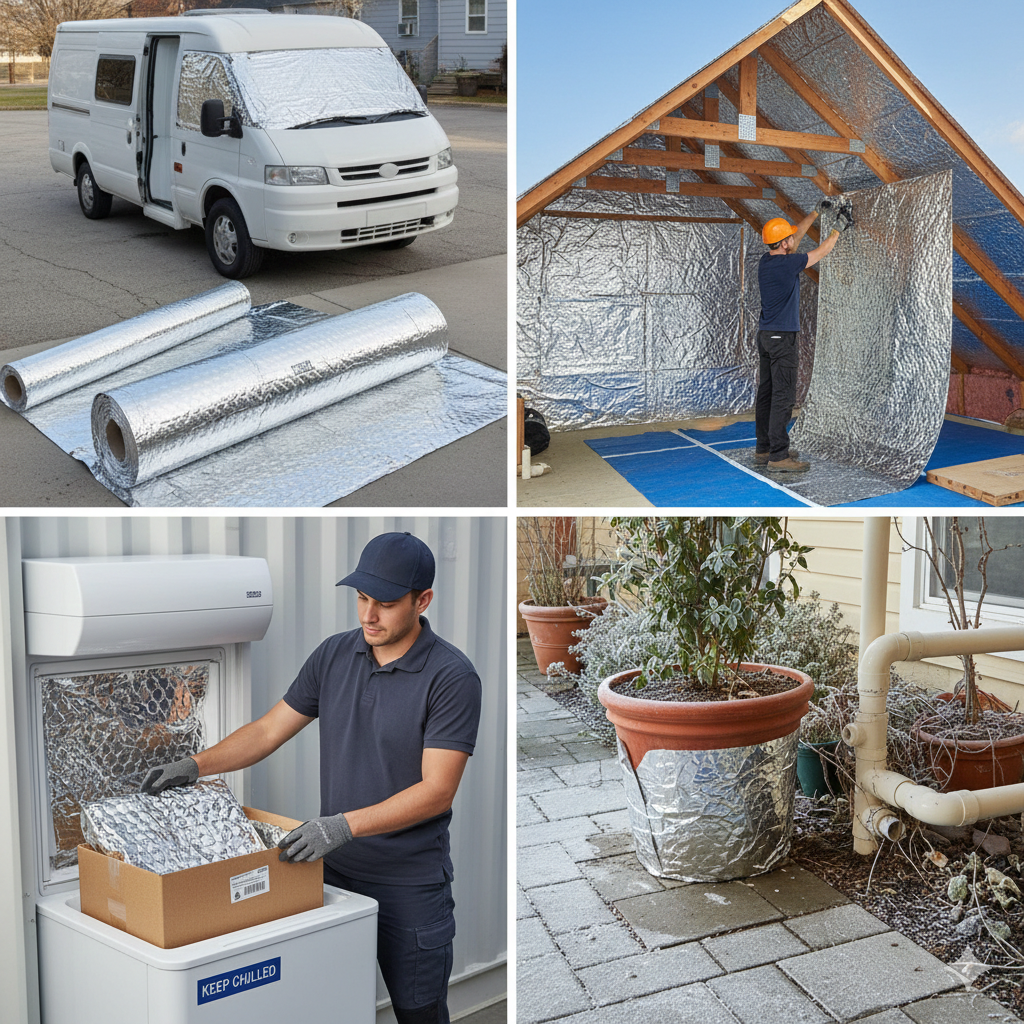
    5. Reflective Insulation

    • Reflects heat instead of absorbing
    • Perfect for hot climates like Pakistan

    Benefits of Using Thermal Insulation

    • Reduces electricity consumption
    • Improves indoor comfort
    • Minimizes environmental impact
    • Increases building lifespan
    • Reduces HVAC load

    Using the best thermal insulation material in Pakistan ensures long-term savings and better performance.

    Thermal Insulation Material Price in Pakistan

    Prices vary depending on type, thickness, and quality. Below is a general estimate:

    Material TypePrice Range (PKR per sq. ft)
    Fiberglass Insulation80 – 150
    EPS (Expanded Polystyrene)100 – 200
    XPS Insulation180 – 350
    PU Foam250 – 500
    Rock Wool200 – 400

    The thermal insulation material in Pakistan price may vary depending on city and supplier.

    City-Wise Availability in Pakistan

    Thermal Insulation Material in Lahore

    Lahore has a growing construction industry, making it easy to find thermal insulation material in Lahore through local distributors and construction suppliers.

    Thermal Insulation Material in Islamabad

    In the capital city, demand is increasing for energy-efficient buildings. You can find premium quality thermal insulation material in Islamabad for both residential and commercial projects.

    Thermal Insulation Material in Faisalabad

    Industrial growth in Faisalabad has boosted the demand for insulation solutions. Many factories rely on thermal insulation material in Faisalabad for temperature control.

    Thermal Insulation Material in Multan

    Due to extreme heat, thermal insulation material in Multan is essential for homes and warehouses to maintain indoor comfort.

    Thermal Insulation Material in Karachi

    Karachi’s humid climate increases the need for insulation. Reliable suppliers provide thermal insulation material in Karachi for roofing and industrial use.

    Top Thermal Insulation Material Wholesellers in Pakistan

    Finding a reliable supplier is key to ensuring quality and affordability. Many companies operate as:

    • Thermal insulation material wholeseller in Pakistan
    • Bulk suppliers for construction companies
    • Distributors for imported insulation products

    If you’re buying in large quantities, choosing a top thermal insulation material wholeseller in Pakistan can significantly reduce costs.

    Thermal Insulation Material Manufacturers in Pakistan

    thermal-insulation

    Local production has improved over the years, and several companies now operate as:

    • Thermal insulation material manufacturer in Pakistan
    • Producers of EPS, PU foam, and fiberglass
    • Suppliers for both local and export markets

    Working directly with a thermal insulation material wholeseller in Pakistan or manufacturer ensures better pricing and consistent quality.

    How to Choose the Best Thermal Insulation Material

    When selecting insulation, consider:

    • Climate conditions
    • Budget constraints
    • Application (roof, wall, industrial)
    • Fire resistance requirements
    • Moisture resistance

    Choosing the top thermal insulation material in Pakistan depends on your specific project needs.

    Cheap Thermal Insulation Material in Pakistan – Is It Worth It?

    While many options are available as cheap thermal insulation material in Pakistan, it’s important to balance cost with quality.

    Low-cost materials may:

    • Have shorter lifespan
    • Provide less insulation efficiency
    • Require frequent replacement

    Always evaluate performance before choosing based on price alone.

    Applications of Thermal Insulation in Pakistan

    • Residential homes
    • Commercial buildings
    • Cold storage facilities
    • Factories and warehouses
    • HVAC duct insulation

    Conclusion

    Investing in high-quality thermal insulation material in Pakistan is essential for energy efficiency, cost savings, and long-term building performance. Whether you’re sourcing from a thermal insulation material wholeseller in Pakistan or working with a thermal insulation material manufacturer in Pakistan, choosing the right material can make a significant difference.

    From thermal insulation material in Lahore to thermal insulation material in Karachi, the availability across cities ensures you can find the right solution for your needs.

    FAQ’S

    The best thermal insulation material in Pakistan depends on your application. PU foam and XPS are ideal for roofs and walls due to high efficiency, while fiberglass and rock wool are suitable for budget-friendly and industrial uses.

    The thermal insulation material price in Pakistan typically ranges from PKR 80 to PKR 500 per sq. ft, depending on the type, thickness, and quality of the material.

    You can purchase thermal insulation material in Lahore, Karachi, Islamabad, Faisalabad, and Multan from local construction markets, wholesalers, and specialized insulation suppliers across these cities.

    Cheap thermal insulation material in Pakistan can be suitable for small projects, but it may offer lower durability and efficiency. For long-term performance, it’s better to invest in high-quality insulation materials.

  • Energy Efficiency Boost with Proper Insulation

    Energy Efficiency Boost with Proper Insulation

    In modern construction, energy efficiency is no longer optional—it’s essential. One of the most effective ways to reduce energy consumption and utility costs is by investing in proper insulation. Whether for residential or commercial buildings, proper insulation ensures that your indoor environment remains comfortable while minimizing energy waste.

    What Is Proper Insulation?

    Proper insulation refers to materials and techniques used to prevent heat loss in winter and heat gain in summer. It acts as a barrier to reduce the exchange of energy between indoor and outdoor environments. Proper insulation can be applied in walls, roofs, attics, and lofts to maximize thermal comfort.

    Key areas include:

    • Roof insulation – The primary barrier against heat entering from above.
    • Attic insulation – Ensures stored heat or cool air is maintained.
    • Loft insulation – Prevents energy loss through uninsulated roof spaces.

    Technical Comparison Table – Roof/Attic Insulation Options

    Insulation MaterialR-Value / Thermal ResistanceWater ResistanceSound AbsorptionLifespan (Years)Typical Price Range (PKR/m²)
    RockwoolHighModerateExcellent20–30700–1,200
    XPS BoardsHighExcellentGood25–30600–1,000
    EPS SheetsMediumGoodFair15–20500–900
    Reflective Aluminium FoilMedium (reflective heat)ExcellentMinimal10–15400–800
    Combination (Foil + XPS)Very HighExcellentGood25–30900–1,400

    Note: Prices and performance may vary depending on thickness, density, and local suppliers.

    How Proper Roof Insulation Improves Energy Efficiency

    Glasswool Sheet For Soundproofing

    Proper roof insulation is one of the most impactful investments for energy efficiency. Roofs are responsible for up to 30% of energy loss in buildings. By installing quality insulation:

    • Reduce your heating and cooling cost by maintaining a stable indoor temperature.
    • Improve building comfort during summer and winter months.
    • Proper insulation generally lowers electricity bills by decreasing the load on HVAC systems.
    • Protect roofing materials by reducing thermal stress and condensation.

    Ways to Improve Insulation in Your Building

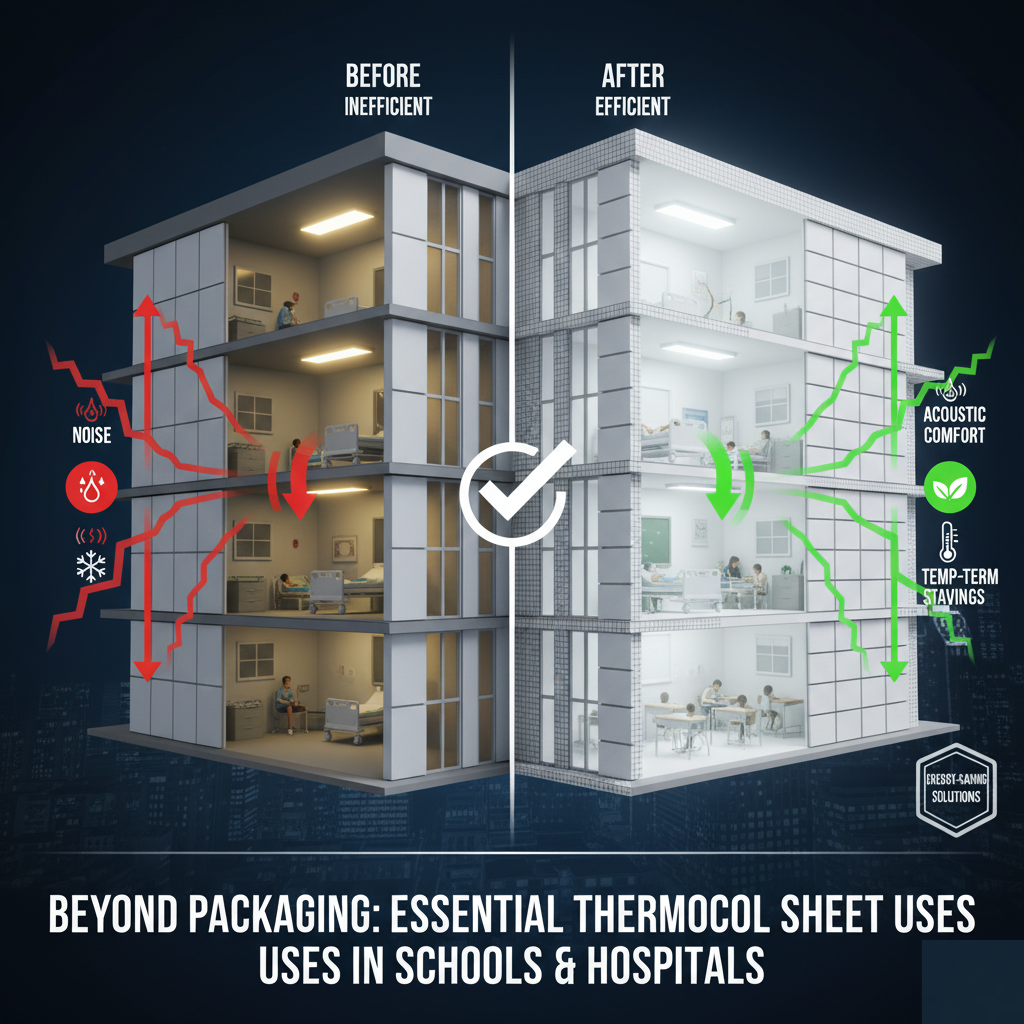
    Thermocol Sheet For Hospitals & Schools

    Improving insulation in your building doesn’t always require a full renovation. Here are effective strategies:

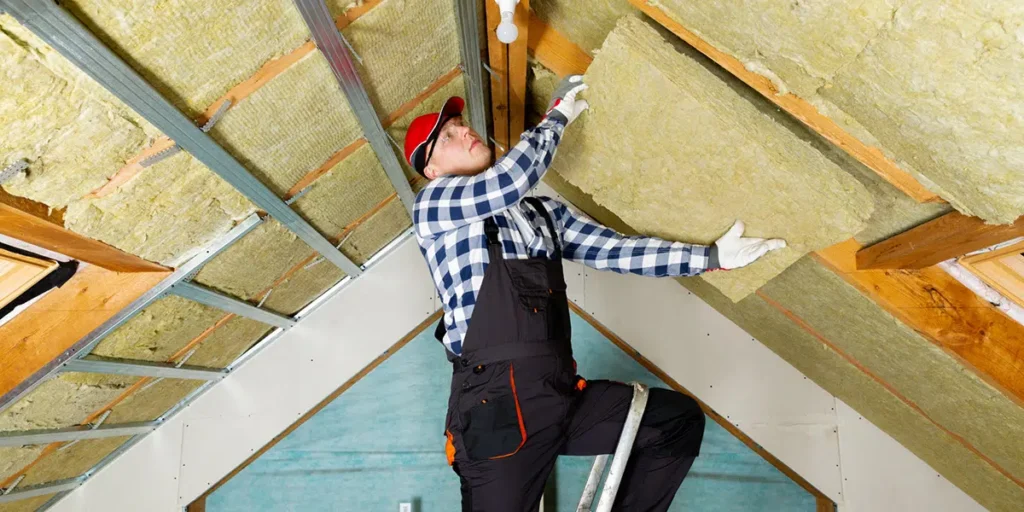
    1. Insulate Your Loft: Adding loft insulation is cost-effective and prevents heat loss through the roof.
    2. Insulate Your Attic: For buildings with unoccupied attic spaces, insulating the attic floor can reduce energy waste.
    3. Upgrade Roof Insulation Materials: Using reflective foil, XPS, EPS, or Rockwool insulation layers can significantly improve thermal performance.
    4. Seal Gaps and Leaks: Proper sealing of vents, ducts, and chimneys complements insulation and reduces drafts.

    Implementing these steps can deliver a noticeable energy efficiency boost with proper insulation and significantly reduce your electricity bills.

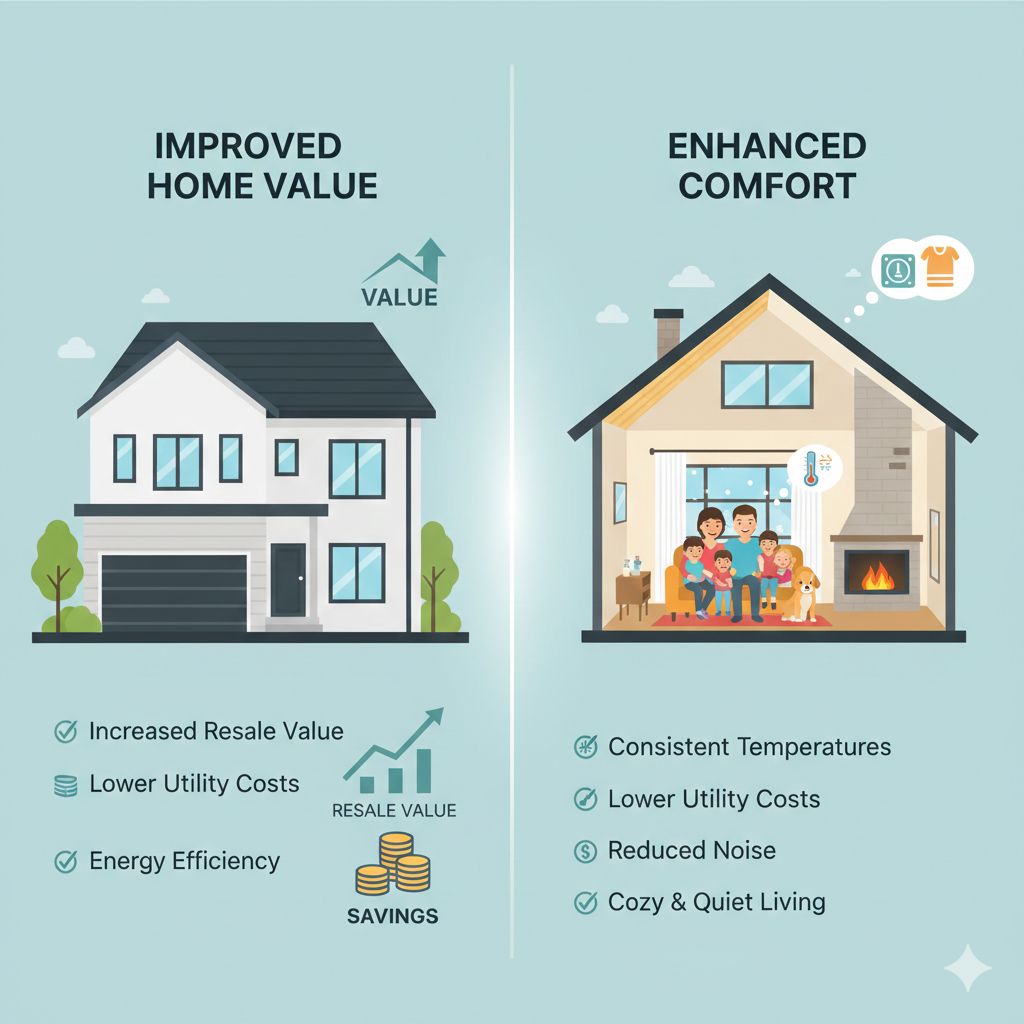
    Benefits of Proper Insulation

    • Energy Savings: Lower energy bills through efficient thermal management.
    • Enhanced Comfort: Stable indoor temperatures throughout the year.
    • Environmental Impact: Reduced carbon footprint by using less electricity.
    • Property Value: Energy-efficient buildings are more attractive to buyers and tenants.
    • Durability: Protects roofing and interior structures from condensation and moisture damage.

    Choosing the Right Insulation Material

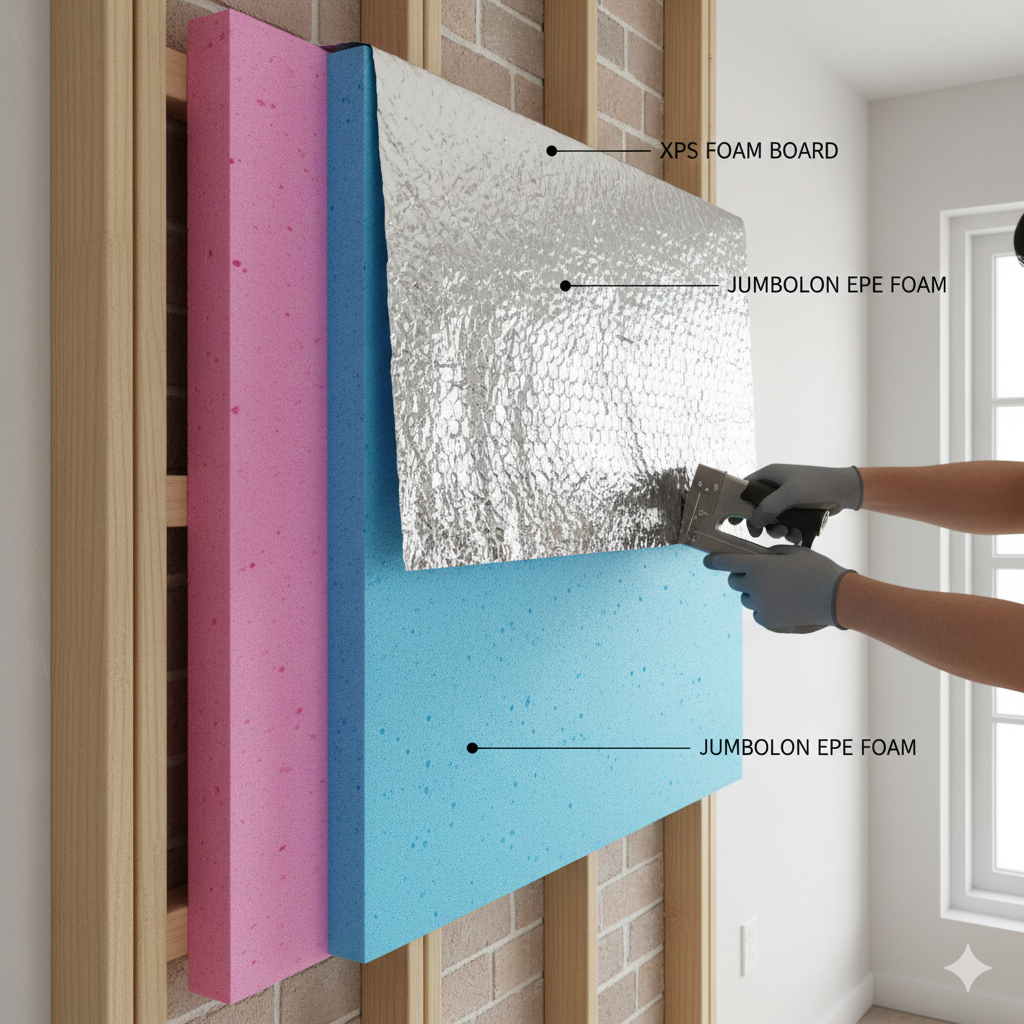
    Using aluminium foil with jumbolon

    Selecting the right insulation material depends on your building type, climate, and budget. Common options include:

    • Rockwool Insulation: Fireproof, sound-absorbing, and high thermal resistance.
    • EPS & XPS Boards: Lightweight, water-resistant, and high insulation efficiency.
    • Reflective Aluminium Foil: Excellent for reflective heat reduction in attics and lofts.

    By combining materials, such as foil with XPS or Rockwool, you can maximize performance for both heat and sound insulation.

    Energy Efficiency Boost with Proper Insulation Price Considerations

    The energy efficiency boost with proper insulation price varies depending on the material, thickness, and installation complexity. Factors include:

    • Type of insulation (Rockwool, XPS, EPS, reflective foil).
    • Area to be insulated (attic, loft, roof, walls).
    • Labor and installation techniques.

    Investing in high-quality insulation may cost more initially but yields long-term savings on electricity bills and enhances building comfort.

    FAQ’S

    The energy efficiency boost with proper insulation price depends on the material used, area covered, and installation type. On average, roof or attic insulation can save 20–30% on energy bills, making the investment worthwhile.

    Both are effective, but if the attic is unoccupied, insulating the attic floor prevents heat loss. Loft insulation is more suitable when the loft space is used regularly.

    Yes, proper roof insulation minimizes heat exchange, reducing reliance on AC or heating systems, which immediately lowers electricity usage.

    Materials like Rockwool, XPS boards, and reflective aluminium foils are highly effective. For extreme climates, a combination of foil with XPS or Rockwool provides maximum heat resistance and comfort.

    Absolutely. Upgrading insulation in older buildings can drastically improve indoor comfort, reduce energy bills, and increase property value.

    High-quality insulation materials, such as Rockwool or XPS, can last 20–30 years when installed correctly, providing long-term energy savings.

  • Thermal Conductivity Comparison: EPS, XPS, Rockwool

    Thermal Conductivity Comparison: EPS, XPS, Rockwool

    When selecting insulation for buildings, one technical factor plays a decisive role in performance: thermal conductivity. Understanding how different materials perform helps engineers, architects, and homeowners choose the most efficient insulation system. This guide presents a clear thermal conductivity comparison EPS XPS Rockwool, explaining how each material works and where it performs best.

    Understanding Thermal Conductivity in Insulation

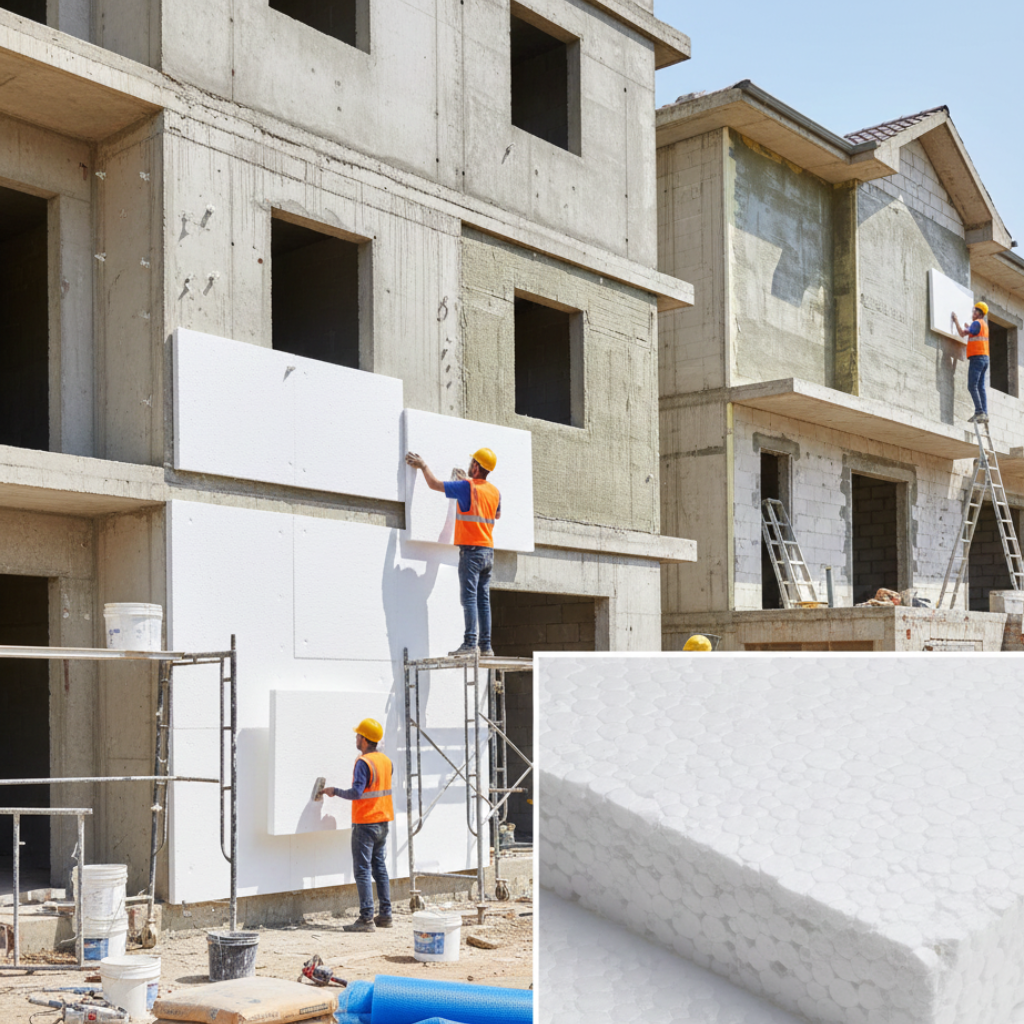
    Thermopore Sheet Installation

    Thermal conductivity measures how easily heat flows through a material. Lower thermal conductivity means better insulation performance. Materials with low conductivity slow down heat transfer, keeping interiors cooler in summer and warmer in winter.

    This property directly affects:

    • Energy efficiency
    • Cooling and heating costs
    • Indoor comfort

    Overview of Common Insulation Materials

    The most widely used insulation materials in construction include:

    • EPS (Expanded Polystyrene)
    • XPS (Extruded Polystyrene)
    • Rockwool (Mineral Wool)

    Each material differs in structure, density, and heat resistance.

    EPS Foam – Structure and Thermal Performance

    EPS Foam

    EPS foam is manufactured by expanding polystyrene beads and fusing them together. The trapped air inside the beads provides insulation.

    Key Characteristics of EPS Foam

    • Lightweight
    • Cost-effective
    • Moderate thermal resistance
    • Higher water absorption than XPS

    EPS is commonly used in walls, roofs, and packaging. Interestingly, EPS foam surfboard cores also use similar material properties due to lightweight strength and buoyancy, though construction-grade EPS differs in density.

    XPS Foam – High-Performance Insulation

    Solar Room Insulation in Pakistan

    XPS foam is produced using an extrusion process, creating a closed-cell structure that improves strength and moisture resistance.

    Key Characteristics of XPS Foam

    • Lower thermal conductivity than EPS
    • High compressive strength
    • Excellent moisture resistance
    • Long service life

    Because of these properties, XPS is preferred in demanding environments such as foundations, roofs, and exposed insulation areas.

    Rockwool – Mineral-Based Thermal Control

    Soundproofing Material glasswool vs rockwool

    Rockwool is made from molten volcanic rock spun into fibers. Unlike foam-based insulation, rockwool is inorganic and fire-resistant.

    Key Characteristics of Rockwool

    • Stable thermal performance
    • Fire resistance
    • Sound absorption
    • Heavier than EPS and XPS

    While rockwool has slightly higher thermal conductivity compared to XPS, it offers additional benefits like acoustic insulation.

    Thermal Conductivity Comparison: EPS, XPS, Rockwool

    Below is a simplified comparison based on general performance ranges:

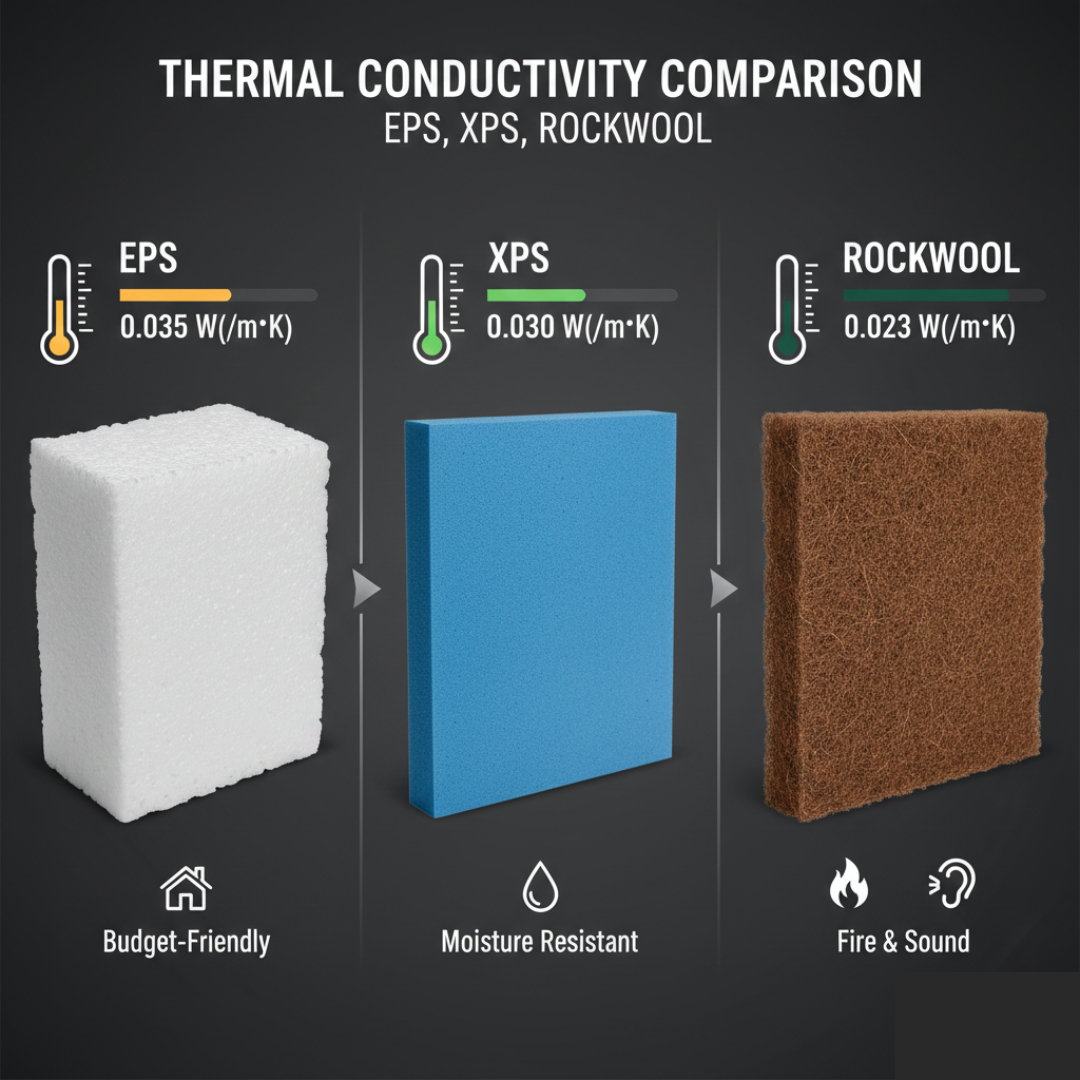
    MaterialThermal Conductivity (W/m·K)Moisture ResistanceStructural Strength
    EPSModerateMediumLow
    XPSLowHighHigh
    RockwoolModerateHighMedium

    This thermal conductivity comparison EPS XPS Rockwool shows why XPS is often selected where maximum thermal efficiency is required.

    EPS vs XPS R Value Explained

    R-value measures resistance to heat flow. Higher R-value means better insulation.

    When comparing EPS vs XPS R value:

    • XPS generally provides higher R-value per inch
    • EPS requires greater thickness to achieve similar performance

    This difference makes XPS vs EPS an important comparison in space-limited designs.

    How to Convert Thermal Conductivity to U Value

    Engineers often need to convert thermal conductivity to U value to evaluate overall building performance.

    • Thermal conductivity measures material performance
    • U-value measures heat loss through an entire building element

    Lower U-value indicates better insulation. Material thickness and layering directly affect the final U-value.

    Choosing the Right Material Based on Application

    EPS Foam Is Suitable

    • Budget-focused projects
    • Wall insulation
    • Lightweight applications

    XPS Foam Is Ideal

    • Roofs and foundations
    • High moisture areas
    • Space-constrained insulation

    Rockwool Is Preferred

    • Fire-sensitive environments
    • Acoustic insulation needs
    • Industrial and commercial buildings

    Final Thoughts

    Understanding insulation performance requires more than price comparison. A clear thermal conductivity comparison EPS XPS Rockwool highlights how each material behaves under real-world conditions. While EPS foam offers affordability, XPS foam delivers superior thermal resistance, and rockwool adds fire and sound control benefits.

    The right insulation choice depends on performance goals, environmental exposure, and building design.

    FAQ’S

    Among EPS, XPS, and rockwool, XPS foam generally has the lowest thermal conductivity. This means it offers better thermal resistance with less thickness compared to EPS foam and rockwool.

    To convert thermal conductivity to U value, divide the material’s thermal conductivity by its thickness and include all layers of the building element. A lower U value indicates better insulation performance.

    The main difference in XPS vs EPS lies in structure and performance. XPS has a closed-cell structure, higher compressive strength, better moisture resistance, and a higher R value than EPS.

    Yes, EPS foam is suitable for many building applications, especially walls and roofs where budget-friendly insulation is needed. However, for moisture-prone areas, XPS foam performs better.

  • Heat Proofing vs Insulation – What’s the Difference?

    Heat Proofing vs Insulation – What’s the Difference?

    In Pakistan’s extreme climate, especially during long summers, homeowners and commercial property owners often search for solutions to control indoor temperatures. Two commonly used terms—heat proofing and thermal insulation—are frequently confused or used interchangeably. While both aim to improve comfort and energy efficiency, their purpose, performance, and applications differ significantly.

    This guide clearly explains the difference between insulation for heat proofing vs insulation, helping you make the right decision based on climate, building type, and budget.

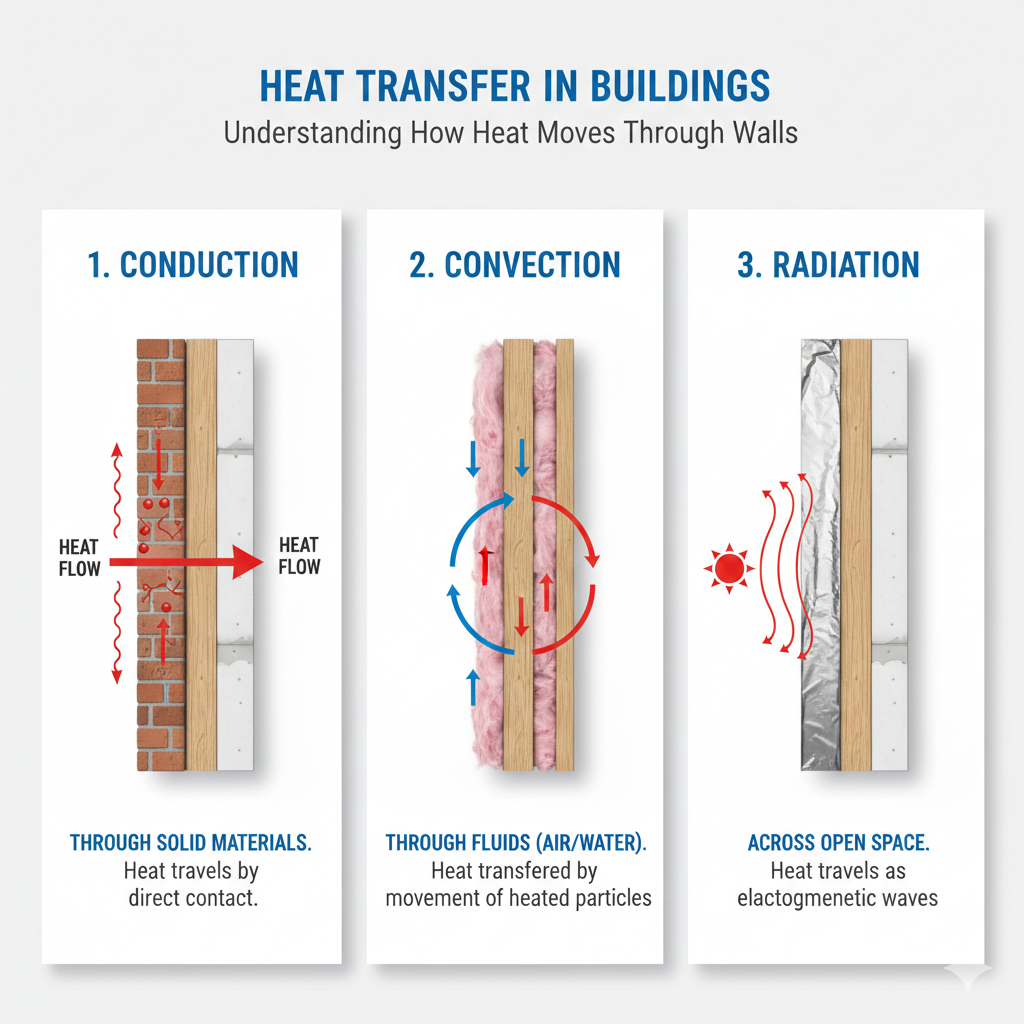
    Understanding Heat Transfer in Buildings

    heat insulation vs insulation

    Before comparing solutions, it’s important to understand how heat behaves.

    Heat enters and exits buildings through:

    • Roofs exposed to direct sunlight
    • External walls
    • Poorly insulated ceilings
    • Metal structures and water tanks

    The movement of heat occurs due to thermal conductivity, which measures how easily heat passes through a material. Materials with low thermal conductivity are more effective at controlling indoor temperatures.

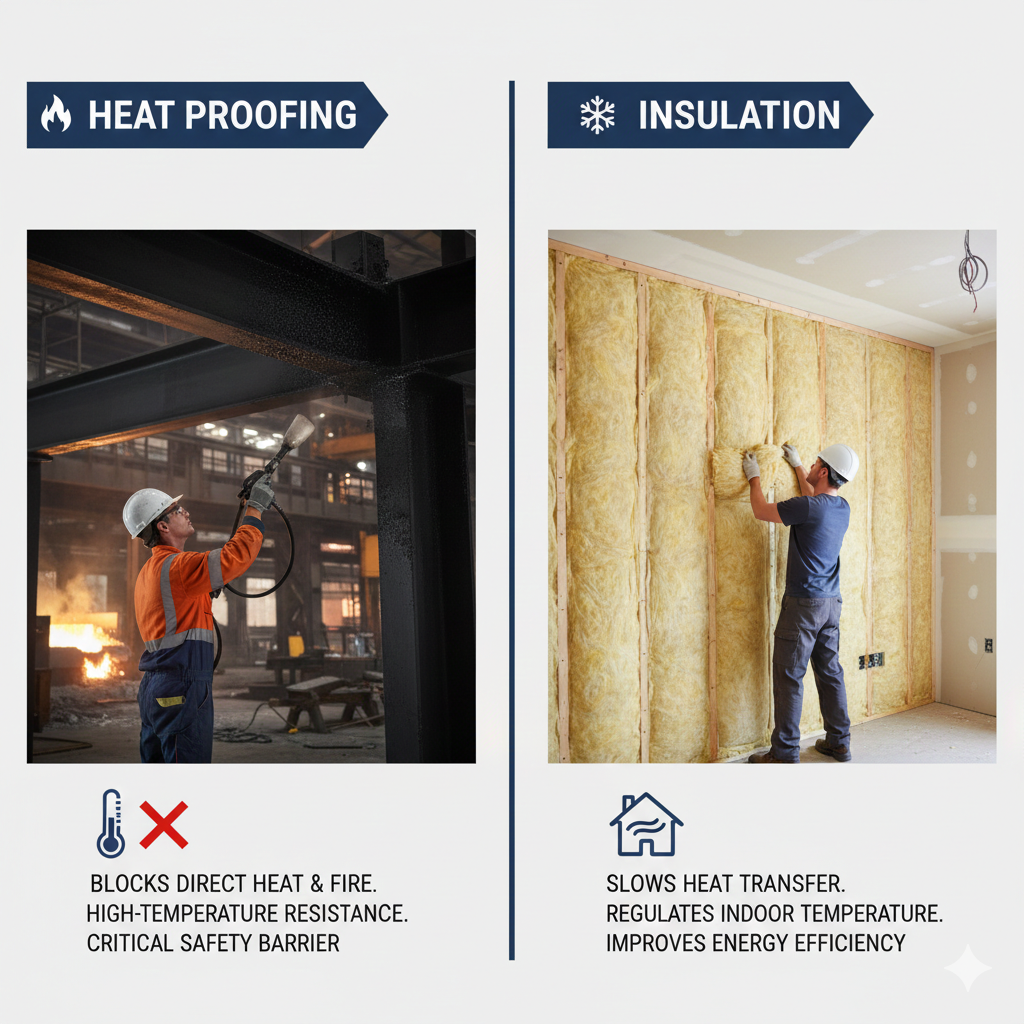
    What Is Heat Proofing?

    Thermopore Sheet Installation

    Heat proofing focuses on blocking external heat, especially radiant heat from the sun. It is commonly applied to roofs, water tanks, and top floors of buildings.

    Key Characteristics of Heat Proofing

    • Reflects solar radiation
    • Reduces surface temperature
    • Works best in hot climates
    • Mainly protects against external heat gain

    In Pakistan, heat proofing is widely used on rooftops to reduce indoor temperatures during peak summer months.

    Common Heat Proofing Applications

    • Roof slabs
    • Metal sheds
    • Water tanks
    • Warehouses

    Due to rising demand, heat proofing services in Pakistan have become a popular seasonal solution for residential and commercial buildings.

    What Is Thermal Insulation?

    Thermal insulation is designed to control heat flow in both directions—keeping heat out in summer and retaining warmth in winter. It works by resisting heat movement through walls, ceilings, and floors.

    Key Characteristics of Thermal Insulation

    • Reduces heat loss and heat gain
    • Improves year-round comfort
    • Enhances energy efficiency
    • Suitable for long-term building performance

    Thermal insulation plays a major role in managing heat retention, especially during colder months.

    Insulation for Heat Proofing vs Insulation – Core Differences

    FeatureHeat ProofingThermal Insulation
    Primary functionReflects external heatControls heat flow
    Seasonal benefitSummer-focusedYear-round
    Application areasRoofs, tanks, shedsWalls, roofs, ceilings
    Energy efficiencyModerateHigh
    Long-term performanceMediumExcellent

    Role of Insulation for Thermal Conductivity

    Thermocol Sheet For Schools

    Insulation materials are selected based on their thermal conductivity value. Lower conductivity means better resistance to heat transfer.

    • Heat proofing materials mainly reflect radiant heat
    • Thermal insulation materials slow down heat movement through structure

    This difference is why insulation for thermal conductivity plays a more critical role in permanent buildings.

    Heat Proofing Price vs Insulation Cost

    Heat Proofing Price

    The heat proofing price in Pakistan is generally lower because it involves surface-level treatment. Costs vary depending on:

    • Roof size
    • Type of reflective coating or sheet
    • Labor charges

    Thermal Insulation Cost

    Thermal insulation usually requires higher upfront investment but delivers long-term energy savings by reducing cooling and heating expenses.

    Acoustic Insulation – An Added Advantage

    One major benefit of insulation materials is acoustic insulation. Unlike heat proofing, thermal insulation materials often help reduce noise transmission.

    This makes insulation ideal for:

    • Homes near busy roads
    • Commercial buildings
    • Industrial units
    • Hospitals and schools

    Heat proofing does not significantly contribute to sound control.

    Which One Should You Choose?

    Choose Heat Proofing If:

    • You live in an extremely hot region
    • Your roof receives direct sunlight
    • You want a short-term temperature reduction
    • Budget is limited

    Choose Thermal Insulation If:

    • You want long-term energy efficiency
    • Your building needs temperature stability
    • You want both heat control and acoustic insulation
    • You are constructing or renovating a building

    Many modern projects now combine both systems for maximum performance.

    Heat Proofing Services in Pakistan – Growing Demand

    With rising temperatures, heat proofing services in Pakistan are increasingly used in:

    • Karachi
    • Lahore
    • Multan
    • Faisalabad
    • Islamabad

    However, experts recommend combining heat proofing with thermal insulation for optimal results.

    Final Thoughts

    Understanding the difference between insulation for heat proofing vs insulation helps you invest wisely. Heat proofing provides immediate relief from sunlight-driven heat, while thermal insulation delivers long-term comfort, energy savings, and noise reduction.

    The best solution often depends on building structure, climate conditions, and performance expectations.

    FAQ’S

    Heat proofing mainly reflects external heat and reduces surface temperature, while thermal insulation controls heat flow by reducing thermal conductivity, helping with both cooling and heat retention throughout the year.

    Thermal insulation is better for long-term comfort because it works in both summer and winter. Heat proofing services in Pakistan are useful for roofs exposed to extreme sunlight, but insulation provides broader performance benefits.

    Yes, thermal insulation materials often provide acoustic insulation by absorbing sound vibrations. Heat proofing systems generally do not offer sound reduction benefits.

    Heat proofing price depends on roof area, material type, application method, and labor costs. Thermal insulation usually costs more initially but delivers better energy efficiency over time.

  • Common Insulation Mistakes & How to Avoid Them

    Common Insulation Mistakes & How to Avoid Them

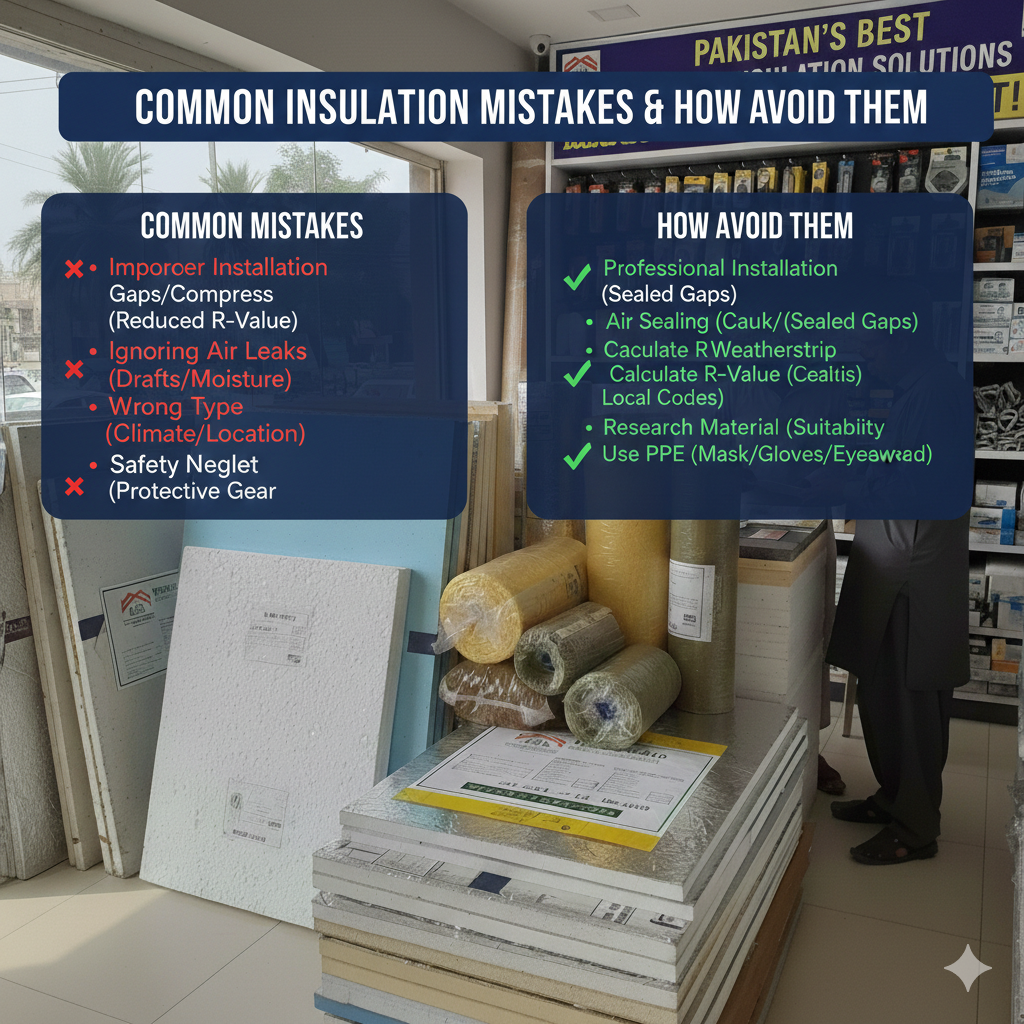
    Insulation plays a critical role in maintaining indoor comfort, reducing energy costs, and protecting buildings from extreme temperatures. However, many homeowners and builders in Pakistan unknowingly make insulation mistakes that reduce effectiveness and increase long-term expenses.

    This guide explains the most common insulation mistakes and provides practical solutions to avoid them for better thermal performance and durability.

    Why Proper Insulation Matters

    Correct insulation helps regulate indoor temperatures, reduces heat transfer, and improves energy efficiency. Poor insulation decisions can lead to excessive heat gain, moisture issues, and higher electricity bills, especially in Pakistan’s hot climate.

    Avoiding common mistakes ensures insulation performs as intended throughout the building’s lifespan.

    Mistake 1: Choosing the Wrong Insulation Material

    One of the most frequent mistakes is selecting insulation based only on price instead of application. Different areas of a building require different insulation materials.

    How to Avoid It

    Evaluate where insulation will be installed—roof, walls, ceilings, or ducts—and choose materials suitable for that specific location and climate exposure.

    Mistake 2: Ignoring Insulation Thickness and Density

    Many installations fail because insulation thickness or density is insufficient. Thin or low-density insulation may not provide adequate heat resistance.

    How to Avoid It

    Always select insulation with appropriate thickness and density based on building type, exposure to sunlight, and temperature requirements.

    Mistake 3: Poor Installation Practices

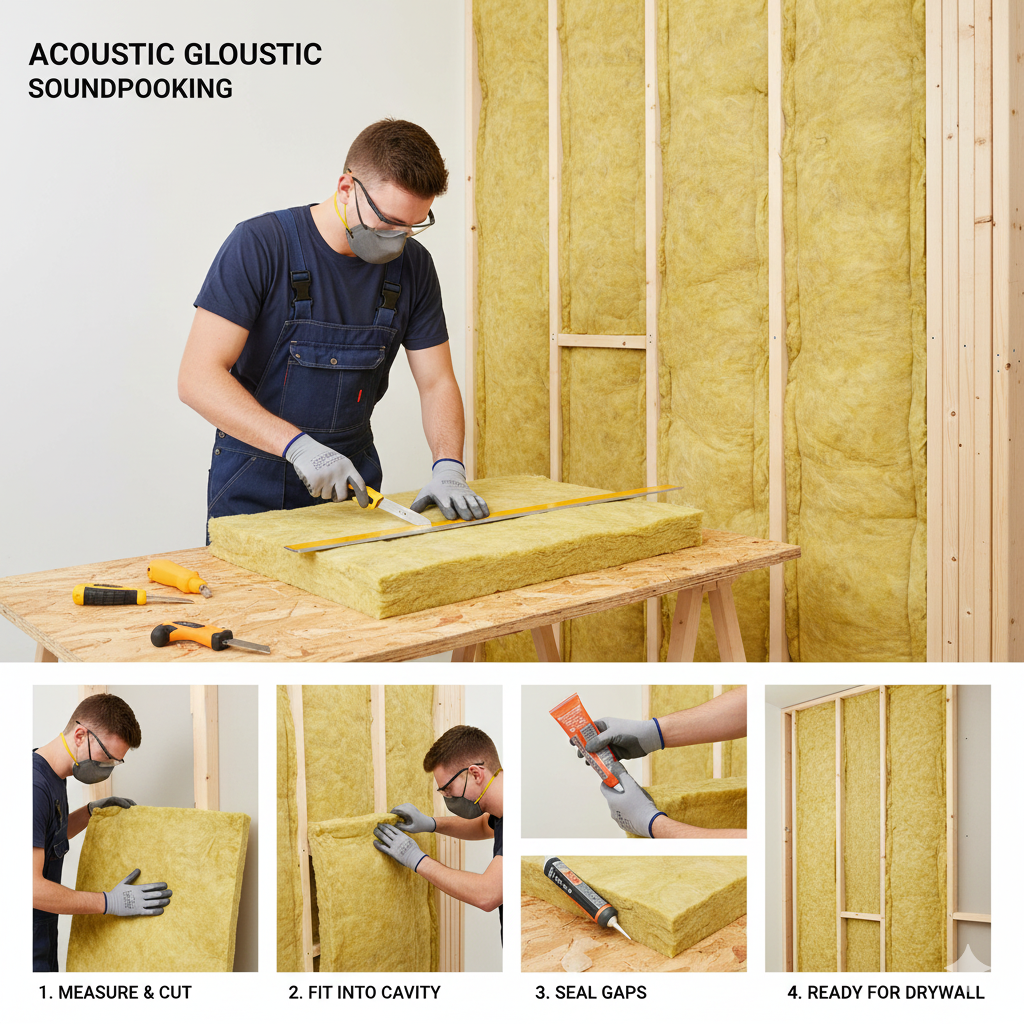
    Even the best insulation material fails if installed incorrectly. Gaps, compressed insulation, and unsealed joints reduce effectiveness.

    How to Avoid It

    Ensure professional installation with proper sealing, alignment, and coverage. Avoid compressing insulation materials during fitting.

    Mistake 4: Not Considering Moisture and Ventilation

    Insulation without proper moisture control can lead to condensation, mold growth, and structural damage.

    How to Avoid It

    Use vapor barriers where required and ensure adequate ventilation to prevent moisture buildup

    Mistake 5: Skipping Roof Insulation

    Many buildings focus on wall insulation but ignore the roof, which receives the most direct heat.

    How to Avoid It

    Always prioritize roof insulation, especially in hot climates, to significantly reduce indoor heat gain.

    Mistake 6: Using One Insulation Type for Entire Building

    No single insulation material works perfectly for every part of a building.

    How to Avoid It

    Combine insulation systems when necessary—for example, reflective insulation for roofs and fiber insulation for walls—to maximize performance.

    Mistake 7: Focusing Only on Initial Cost

    Low-cost insulation may seem attractive initially but often leads to higher energy bills and replacement costs.

    How to Avoid It

    Consider insulation as a long-term investment. Higher-quality insulation offers better durability, comfort, and energy savings.

    Conclusion

    Avoiding common insulation mistakes can significantly improve indoor comfort, energy efficiency, and building lifespan. Proper material selection, correct installation, and thoughtful planning are essential for effective insulation performance.

    Making informed insulation choices today prevents costly problems in the future.

    FAQ’S

    Common insulation mistakes include choosing the wrong material, improper thickness, poor installation, ignoring roof insulation, and neglecting moisture control.

    Hire professional installers, follow manufacturer guidelines, ensure proper sealing and alignment, and select materials suitable for the specific application area.

    Yes, the roof receives the most direct heat. Proper roof insulation significantly reduces indoor temperatures and energy costs.

    No, different areas have different requirements. Combining insulation types—for example, reflective insulation for roofs and fiber insulation for walls—maximizes efficiency.