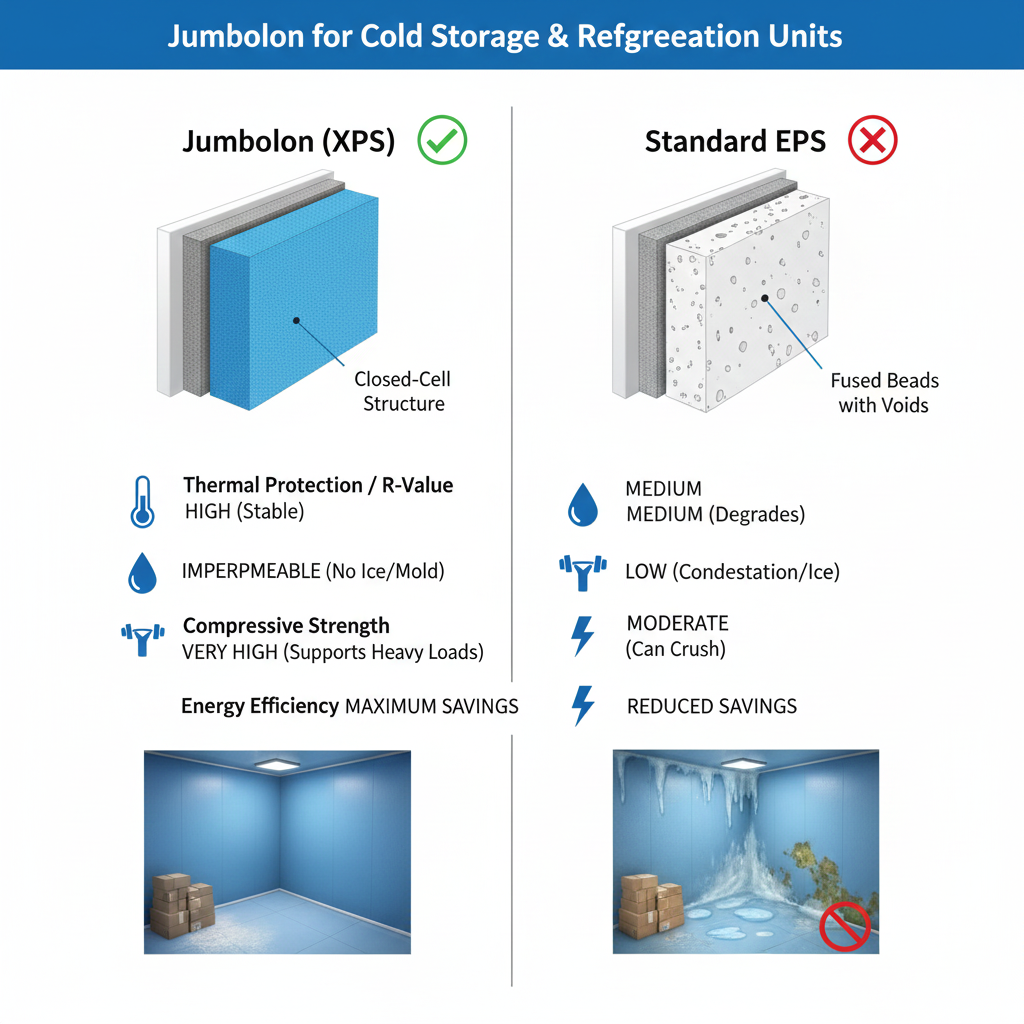

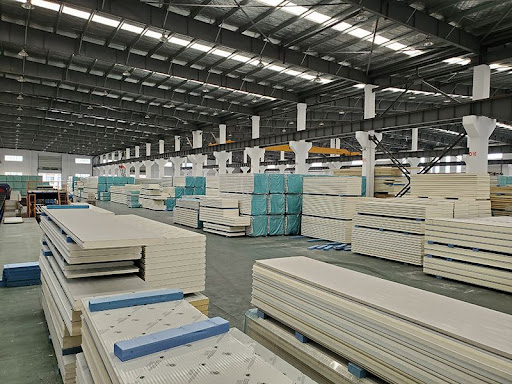
Cold rooms and freezers are highly sensitive environments where even minor insulation failure can result in major energy loss, temperature instability, and product spoilage. Selecting the right insulation sheets is essential to ensure consistent cooling, operational efficiency, and long-term durability.
This guide explains insulation solutions for cold rooms and freezers, material options, performance requirements, and best practices—especially relevant for commercial and industrial projects.
Importance of Insulation in Cold Rooms & Freezers
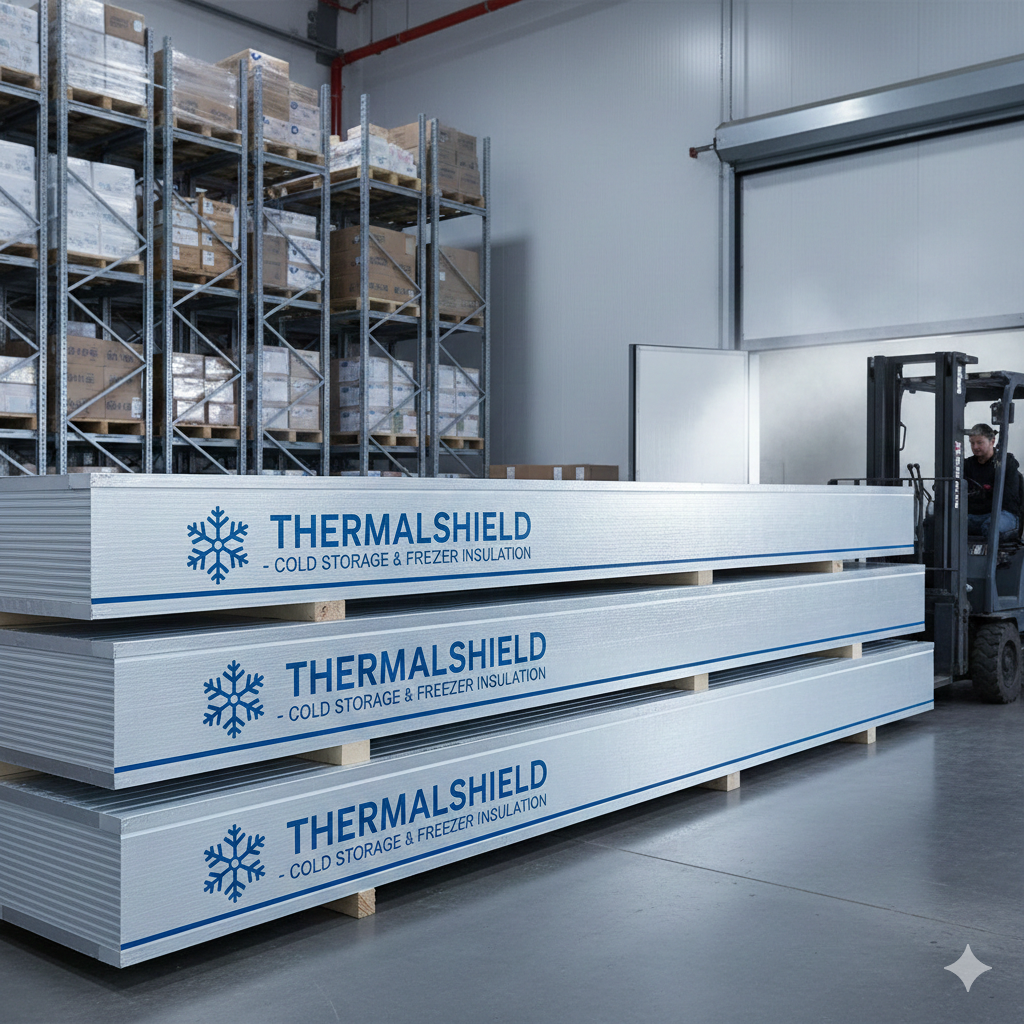
Cold rooms operate at controlled temperatures far below ambient conditions. Without proper insulation, heat infiltration increases compressor load, leading to higher electricity consumption and equipment wear.
High-quality insulation ensures:
- Stable internal temperatures
- Reduced energy consumption
- Moisture and condensation control
- Longer refrigeration system life
This makes insulation a core structural component, not just an add-on.
Insulation Sheets for Cold Rooms & Freezers Pakistan – Market Overview
The demand for Insulation Sheets for Cold Rooms & Freezers Pakistan has grown due to expanding food storage, pharmaceutical logistics, and export-driven cold chains. Local suppliers now offer a wide range of insulation systems designed to meet temperature, humidity, and hygiene requirements.
These systems are used in:
- Food processing units
- Cold storage warehouses
- Meat and dairy facilities
- Pharmaceutical freezers
Insulation for Cold Storage – Performance Requirements
Effective insulation for cold storage must meet strict performance criteria:
- Low thermal conductivity
- High vapor resistance
- Structural stability at low temperatures
- Compatibility with refrigeration systems
Insulation failure in cold storage environments often results in ice buildup, panel damage, and increased operational costs.
Best Insulation Sheets for Cold Rooms and Freezers
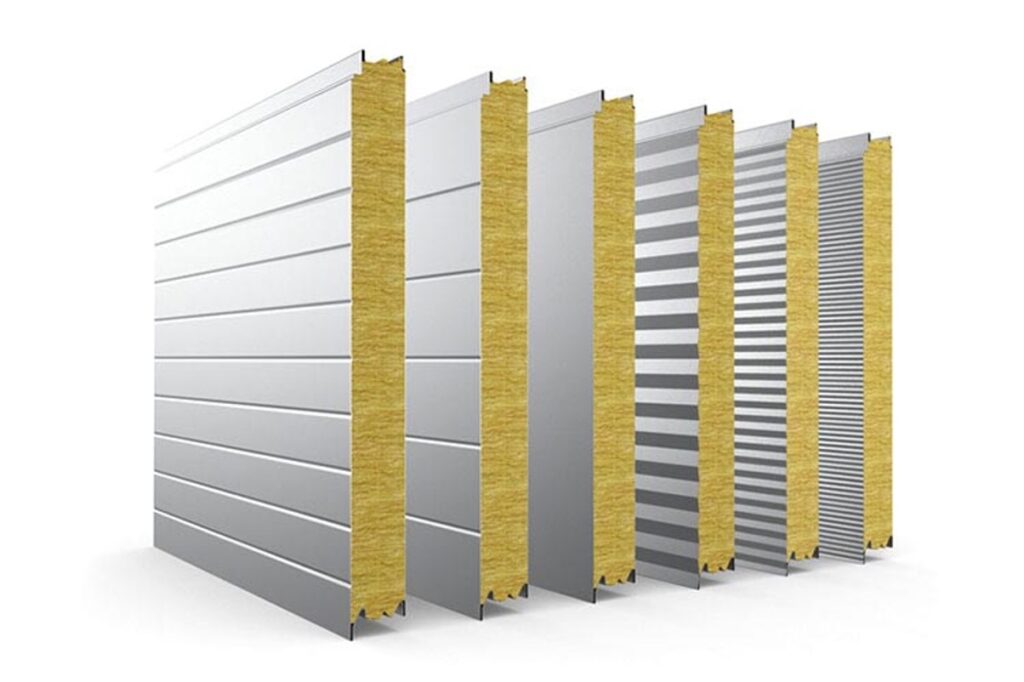
The best insulation sheets for cold rooms and freezers are selected based on temperature range, wall thickness, and operational load. Commonly used insulation solutions include rigid foam panels and prefabricated insulated panels.
Key considerations when choosing insulation sheets:
- Temperature set point (chiller vs freezer)
- Internal humidity levels
- Floor, wall, and ceiling load
- Hygiene and cleaning requirements
Cold Room Materials – What Are They Made Of?
Understanding cold room materials helps in designing efficient systems. These materials typically include:
- Rigid insulation cores
- Protective metal or composite facings
- Sealed joints to prevent air leakage
Each component plays a role in maintaining thermal integrity and preventing condensation.
Cold Room Insulation Panels Explained
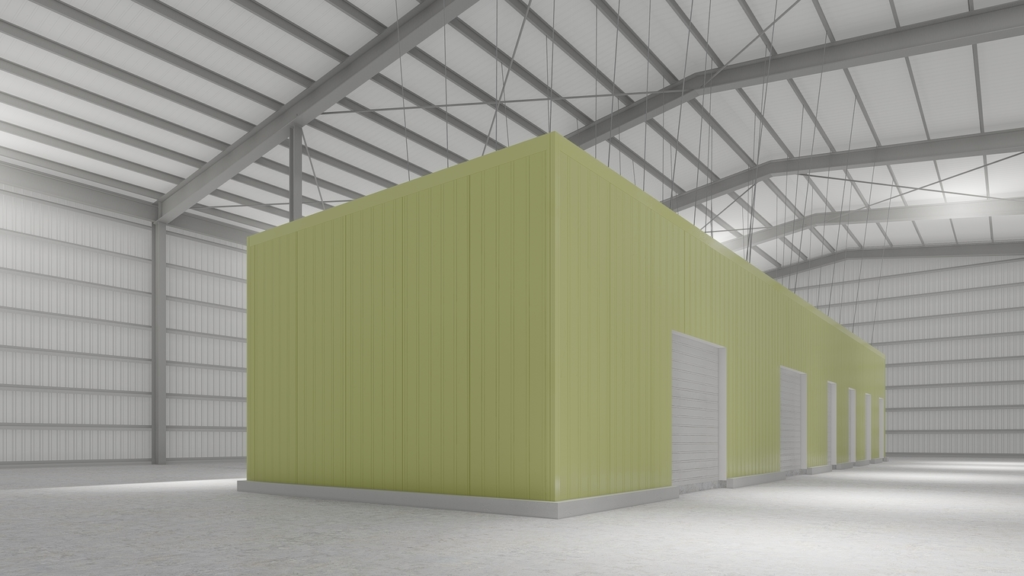
Cold room insulation panels are prefabricated systems designed for quick installation and airtight performance. These panels minimize thermal bridges and are widely used in modular cold room construction.
Advantages include:
- Faster installation
- Uniform insulation thickness
- Reduced onsite labor
- Improved temperature consistency
These panels are especially suitable for large cold storage facilities.
Freezer Wall Panels – Structural & Thermal Role
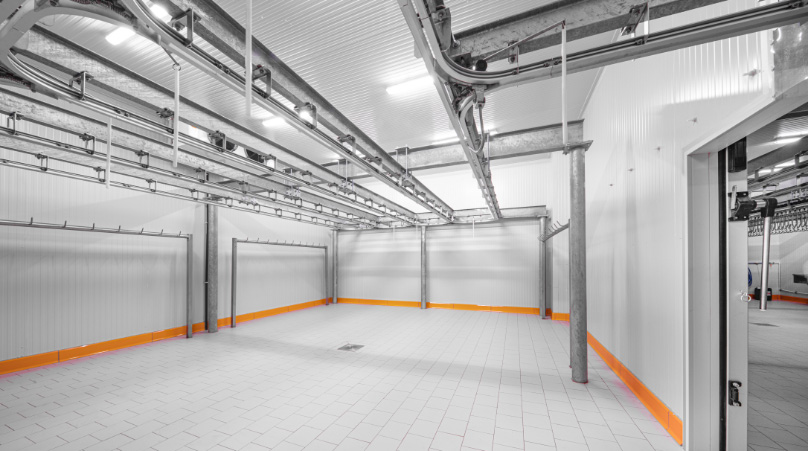
Freezer wall panels must withstand extreme temperature differences between interior and exterior environments. They are engineered to:
- Prevent heat ingress
- Resist moisture penetration
- Maintain panel rigidity at sub-zero temperatures
High-density insulation cores combined with sealed joints ensure freezer efficiency and structural stability.
Cold Storage Insulation Materials – Comparison
Different cold storage insulation materials offer varying performance levels. Selection depends on cost, energy efficiency, and application scale.
Common factors influencing material choice:
- Operating temperature
- Installation speed
- Maintenance requirements
- Lifecycle cost
High-performance materials reduce long-term operational expenses even if initial costs are higher.
Sandwich Panel Cold Room Systems
A sandwich panel cold room system integrates insulation and structure into a single unit. These panels consist of an insulation core sandwiched between protective metal sheets.
Benefits include:
- Excellent thermal performance
- Clean, hygienic surfaces
- Modular expandability
- Reduced construction time
Sandwich panel systems are widely used in modern cold storage projects.
Installation Best Practices
To maximize insulation performance:
- Ensure tight panel joints
- Use vapor barriers where required
- Seal all penetrations properly
- Avoid thermal bridges
Professional installation is critical to prevent long-term efficiency loss.
Maintenance & Long-Term Durability
Cold room insulation requires minimal maintenance when properly installed. However, periodic inspections should focus on:
- Joint sealing
- Moisture signs
- Panel alignment
Early detection of issues prevents costly repairs and downtime.
Final Thoughts
Insulation sheets are the backbone of efficient cold rooms and freezers. Choosing the right materials, panels, and installation methods ensures consistent temperature control, energy savings, and operational reliability.
Investing in high-quality insulation is not an expense—it is a long-term performance strategy for cold storage facilities.
FAQ’S
The best insulation sheets for cold rooms and freezers are those with low thermal conductivity and high moisture resistance. Insulated panels designed specifically for cold storage environments provide stable temperatures and long-term energy efficiency.
Cold storage insulation materials typically include rigid insulated panels engineered to minimize heat transfer. These materials are selected based on operating temperature, humidity levels, and durability requirements.
Yes, a sandwich panel cold room system is highly suitable for freezer applications. These panels combine insulation and structural strength, making them ideal for sub-zero environments.
The thickness of cold room insulation panels depends on the temperature range. Freezers usually require thicker panels compared to chillers to prevent heat ingress and condensation.
Properly installed freezer wall panels significantly reduce energy loss, helping refrigeration systems operate efficiently and lowering overall electricity consumption.