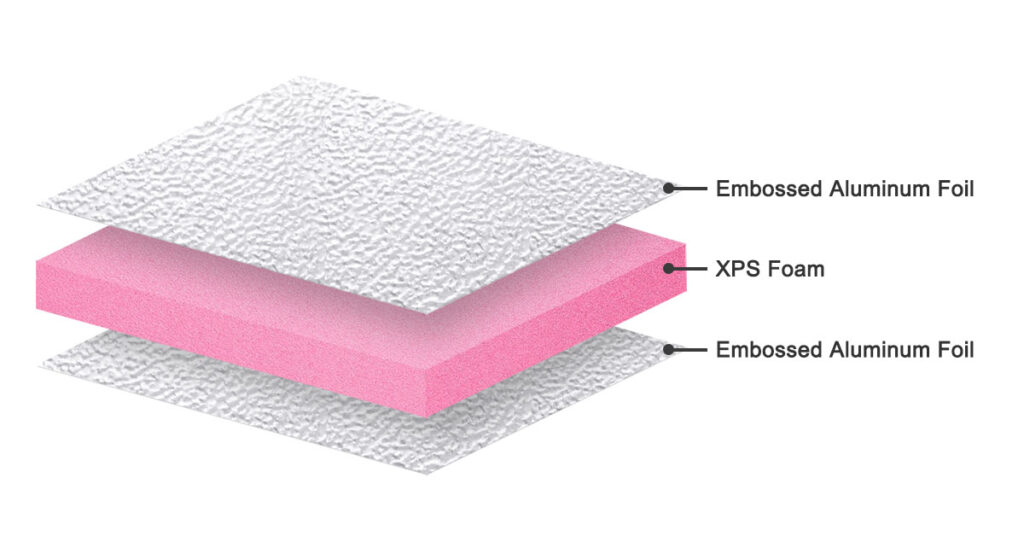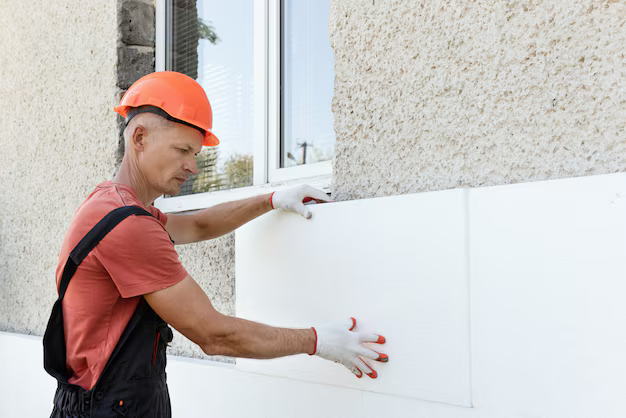

thermocol sheet price in pakistan

Tag: commercial insulation Pakistan

  • What is Cavity Wall Insulation? Benefits, Types & How It Saves Energy

    What is Cavity Wall Insulation? Benefits, Types & How It Saves Energy

    With increasing energy costs and extreme weather conditions, insulation has become a necessity in modern construction. One of the most effective methods for improving energy efficiency is cavity wall insulation.

    Understanding Cavity Wall Insulation in Pakistan helps homeowners and businesses maintain indoor comfort while reducing electricity bills. Whether you are building a new home or upgrading an existing one, this insulation method offers long-term benefits.

    What is Cavity Wall Insulation?
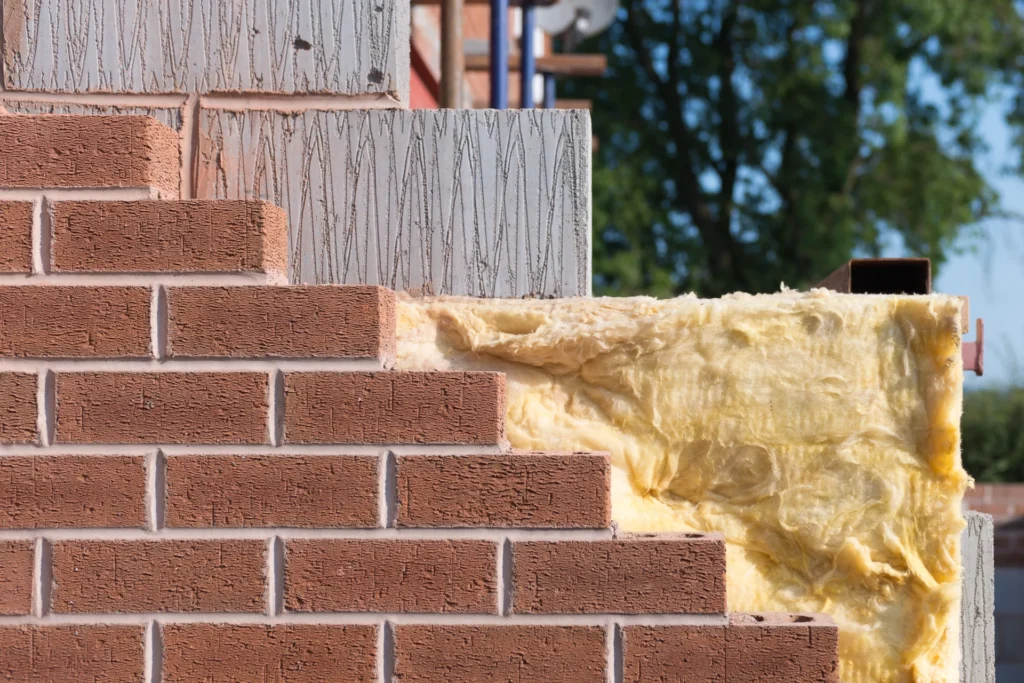
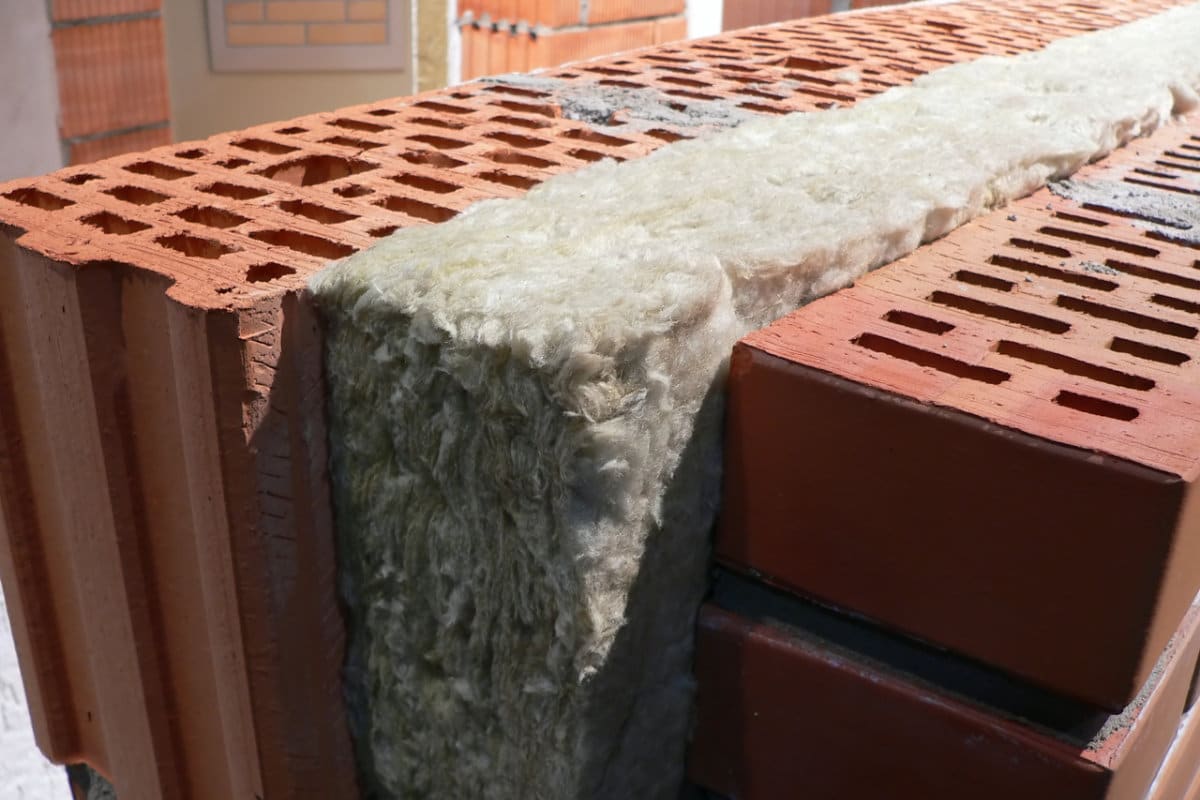
    Cavity wall insulation involves filling the gap (cavity) between two layers of a wall with insulating material. This gap acts as a barrier that reduces heat transfer between the interior and exterior of a building.

    The insulation material used in the cavity helps:

    • Keep heat out during summer
    • Retain warmth during winter
    • Improve overall energy efficiency

    This makes it one of the best Cavity Wall Insulation in Pakistan solutions for residential and commercial buildings.

    How Cavity Wall Insulation Saves Energy
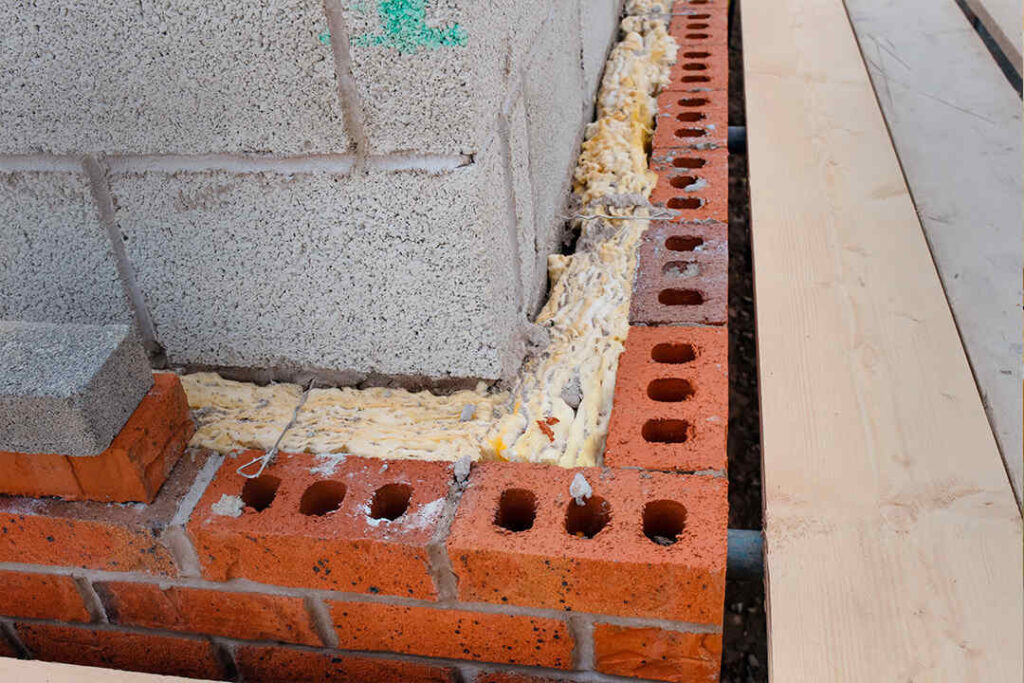
    How-long-does-cavity-wall-insula

    Walls are one of the largest areas where heat loss or gain occurs. By insulating the cavity:

    • Heat transfer is significantly reduced
    • Air conditioning usage decreases
    • Heating requirements are minimized
    • Indoor temperature remains stable

    These benefits contribute to top Cavity Wall Insulation in Pakistan practices for energy-efficient construction.

    Types of Cavity Wall Insulation Materials

    1. Mineral Wool (Rock Wool)
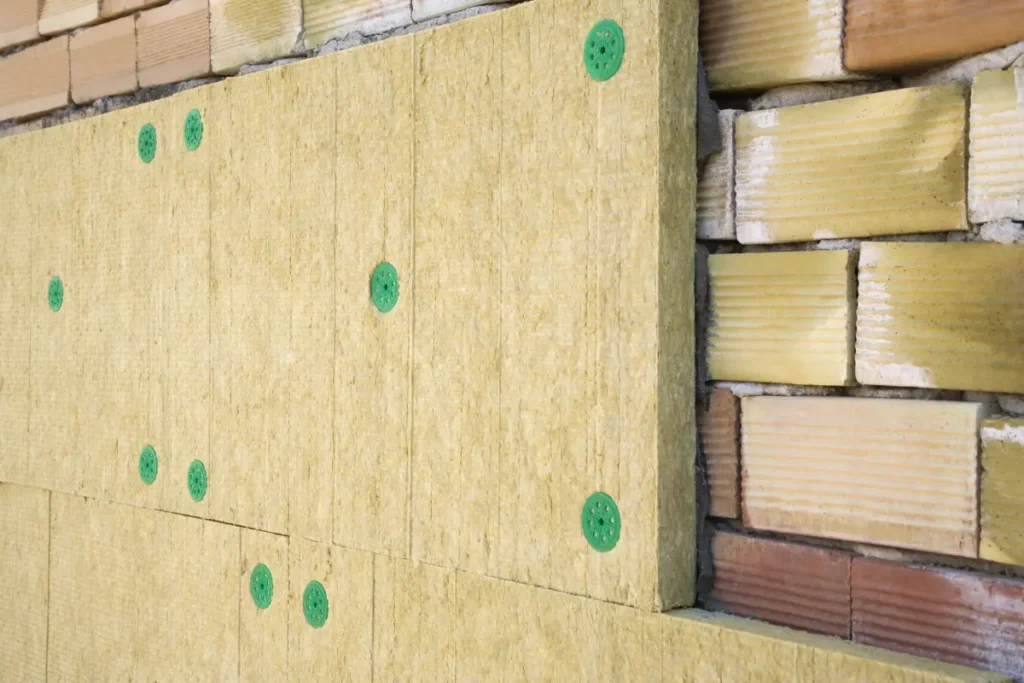
    • Fire-resistant and durable
    • Good thermal and sound insulation
    • Suitable for residential and commercial use

    2. Polystyrene Beads (EPS)
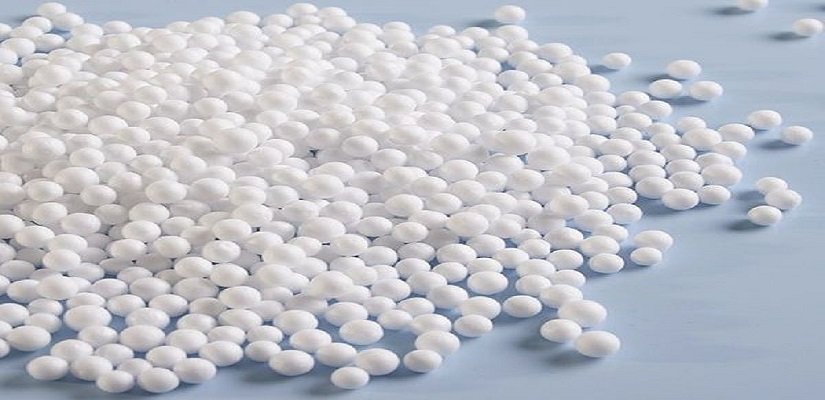
    eps beads
    • Lightweight and cost-effective
    • Easy to install in cavities
    • Moisture-resistant

    3. Polyurethane Foam (PU Foam)
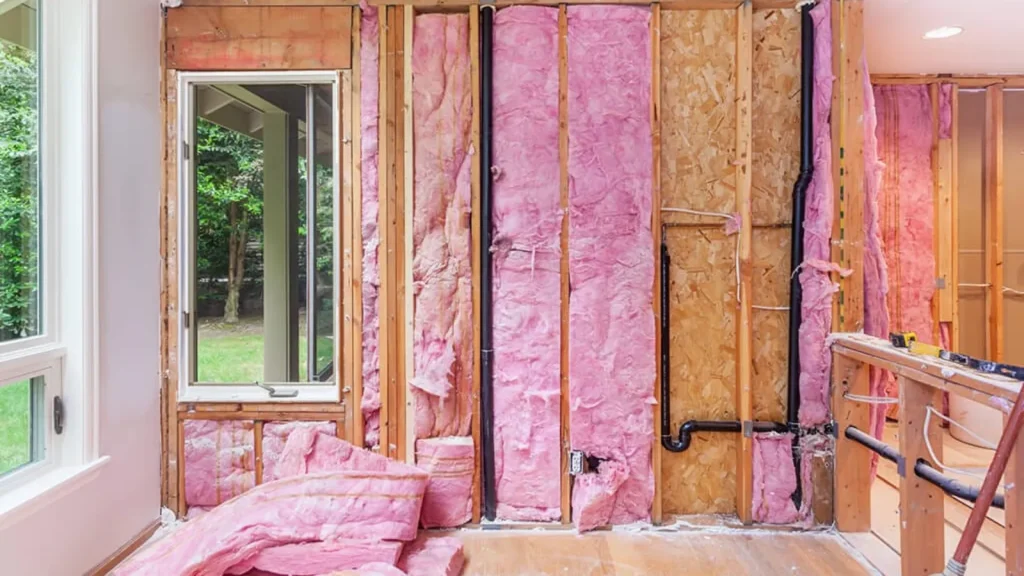
    home insulation
    • High insulation performance
    • Expands to fill gaps completely
    • Ideal for irregular cavities

    4. Fiberglass Insulation

    • Affordable and widely used
    • Good thermal performance
    • Easy to install

    Choosing the right material ensures you get the best Cavity Wall Insulation in Pakistan for your needs.

    Benefits of Cavity Wall Insulation

    • Reduces energy consumption
    • Lowers electricity bills
    • Improves indoor comfort
    • Prevents moisture and dampness
    • Enhances building durability

    These advantages make it a popular choice across major cities.

    Cavity Wall Insulation Price in Pakistan

    The Cavity Wall Insulation price in Pakistan depends on material type, wall size, and installation method.

    Estimated Price Table

    Material TypePrice Range (PKR per sq. ft)
    EPS Beads120 – 200
    Mineral Wool200 – 350
    PU Foam300 – 500
    Fiberglass150 – 250

    The overall Cavity Wall Insulation in Pakistan price may vary depending on location and supplier.

    City-Wise Cavity Wall Insulation Services
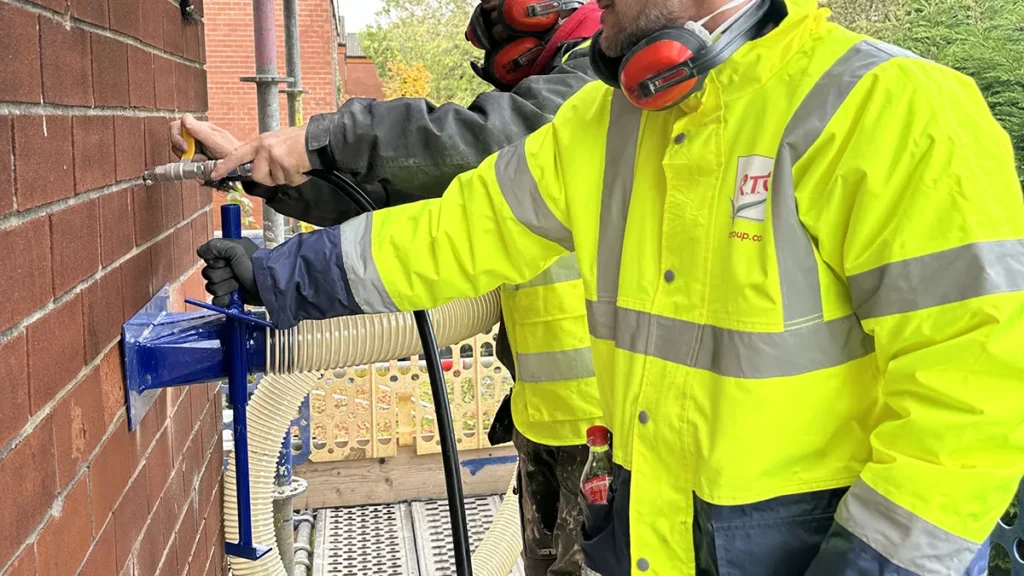
    Cavity Wall Insulation in Lahore

    Lahore’s growing construction sector widely adopts insulation solutions to improve energy efficiency.

    Cavity Wall Insulation in Islamabad

    Modern homes and offices use advanced insulation materials for better thermal performance.

    Cavity Wall Insulation in Faisalabad

    Industrial and residential buildings benefit from effective insulation systems.

    Cavity Wall Insulation in Multan

    Extreme heat makes insulation essential for maintaining indoor comfort.

    Cavity Wall Insulation in Karachi

    Humidity and heat increase the need for moisture-resistant insulation materials.

    Manufacturers and Wholesalers

    Manufacturers

    Local companies act as Cavity Wall Insulation manufacturer in pakistan, producing insulation materials for different applications.

    Wholesalers

    Bulk suppliers serve as Cavity Wall Insulation wholeseller and top Cavity Wall Insulation wholeseller, offering competitive pricing for large-scale projects.

    Choosing reliable suppliers ensures consistent quality and long-term performance.

    Cheap vs High-Quality Insulation

    While cheap Cavity Wall Insulation options are available, they may not provide long-term efficiency.

    Low-quality insulation may:

    • Lose effectiveness over time
    • Provide weak thermal resistance
    • Increase maintenance costs

    Investing in high-quality insulation ensures better performance and durability.

    Applications of Cavity Wall Insulation

    • Residential homes
    • Commercial buildings
    • Offices and apartments
    • Industrial facilities

    How to Choose the Right Cavity Wall Insulation

    Consider these factors:

    • Climate conditions
    • Type of building
    • Budget
    • Moisture resistance
    • Fire safety requirements

    Selecting the right material ensures the top Cavity Wall Insulation results.

    Conclusion

    Cavity wall insulation is one of the most effective ways to improve energy efficiency in buildings. From Cavity Wall Insulation in Lahore to Cavity Wall Insulation in Karachi, its demand is increasing due to rising energy costs and climate challenges.

    Whether you choose materials from a Cavity Wall Insulation manufacturer or work with a trusted Cavity Wall Insulation wholeseller in pakistan, proper insulation can significantly reduce energy consumption and improve comfort.

    FAQ’S

    Cavity wall insulation involves filling the gap between two layers of a wall with insulating material to reduce heat transfer, keeping buildings cooler in summer and warmer in winter.

    The cavity wall insulation price in Pakistan generally ranges from PKR 120 to PKR 500 per sq. ft depending on the material type and installation method.

    PU foam, EPS beads, and mineral wool are among the best options. The choice depends on budget, climate, and building requirements.

    Yes, cavity wall insulation is suitable for most residential, commercial, and industrial buildings, especially those with double-wall construction.
  • Jumbolon vs Glasswool – Which Gives More Heat Reduction?

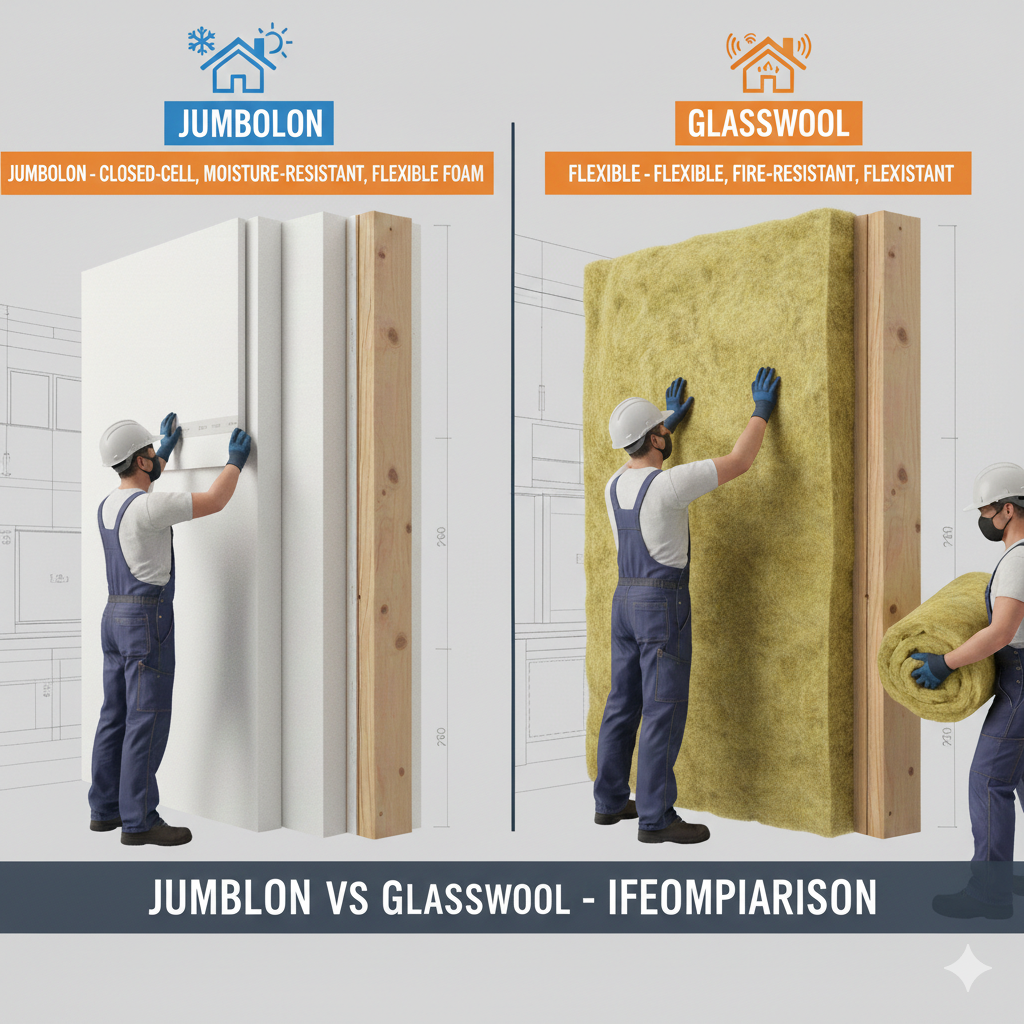
    Jumbolon vs Glasswool – Which Gives More Heat Reduction?

    n Pakistan’s hot climate, effective insulation is key to maintaining cool and energy-efficient homes and commercial spaces. Two popular insulation options are Jumbolon sheets and Glasswool insulation. Understanding their thermal performance, pricing, and applications can help you choose the right material for maximum heat reduction.

    This guide compares Jumbolon vs Glasswool in terms of heat reduction, cost, durability, and installation, with insights specific to Pakistan’s market.

    What Is Jumbolon Insulation?

    home insulation

    Jumbolon sheets are closed-cell polyethylene foam sheets, often laminated with reflective aluminum foil. They act as a thermal barrier, preventing heat from penetrating walls, roofs, and ceilings.

    Key features:

    • Lightweight and easy to install
    • Excellent thermal insulation due to air-trapped bubbles
    • Flexible and resistant to moisture
    • Available in various thicknesses and sizes

    Popular specifications in Pakistan:

    • Jumbolon sheet size: Typically 1m x 2m per sheet
    • 12mm Jumbolon sheet price in Pakistan: Competitive, varies by supplier
    • Diamond Jumbolon sheet price: Premium variant with enhanced thermal resistance

    What Is Glasswool Insulation?

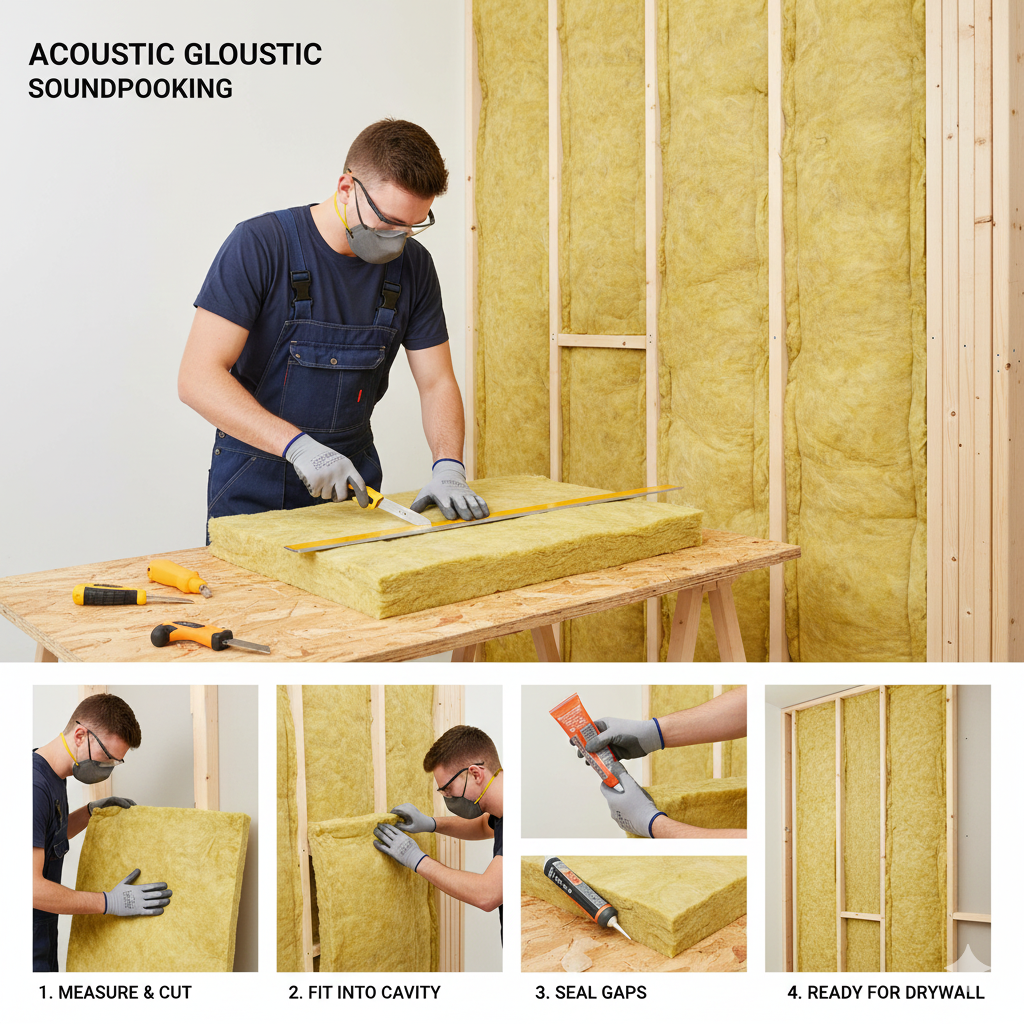
    Glasswool Sheet For Soundproofing

    Glasswool insulation is made from spun glass fibers, forming a fibrous blanket that traps air. It is widely used in ceilings, walls, and ducts to reduce heat transfer.

    Key features:

    • High thermal efficiency
    • Fire-resistant
    • Sound-absorbing properties
    • Lightweight and easy to handle

    Glasswool is available in rolls and blankets, and its performance depends on thickness and density.

    Jumbolon vs Glasswool – Heat Reduction Comparison

    FeatureJumbolonGlasswool
    Thermal ResistanceHigh due to reflective foil and closed-cell structureModerate to High depending on density
    Moisture ResistanceExcellent, closed-cell prevents water absorptionCan absorb moisture if foil-faced layer is not used
    InstallationEasy, cuts and fits walls, roofs, and ceilingsRequires careful handling and protective gear
    Noise ReductionMinimalGood, absorbs sound effectively
    LifespanLong-lasting, resistant to saggingLong-lasting but may settle over time
    Heat Reduction EfficiencyUp to 80% for roofs and ceilingsUp to 60–70% depending on thickness

    Conclusion: Jumbolon provides slightly better heat reduction than Glasswool for direct roof and wall applications, especially in high-temperature regions.

    Pricing Insights in Pakistan

    Jumbolon sheet price in Pakistan varies depending on thickness, size, and supplier:

    • Jumbolon roll: Available in bulk for large projects
    • Jumbolon sheet price in Karachi: Slightly higher due to demand and shipping costs
    • 12mm Jumbolon sheet price in Pakistan: Around average market rate
    • Diamond Jumbolon sheet price: Premium option for higher thermal resistance

    Glasswool prices are generally lower, but may require additional vapor barriers to prevent moisture issues.

    Jumbolon vs Thermopore

    Jumbolon is often compared to thermopore insulation:

    • Jumbolon vs Thermopore: Both are foam-based, but Jumbolon with foil offers superior heat reflection, making it more effective for roofs and ceilings in Pakistan’s climate.

    Applications of Jumbolon and Glasswool

    Jumbolon:

    • Roof insulation in homes and offices
    • Ceiling insulation in warehouses and factories
    • Wall insulation with foil facing

    Glasswool:

    • HVAC duct insulation
    • Soundproofing walls and ceilings
    • Residential and commercial roof insulation

    Conclusion

    Choosing between Jumbolon and Glasswool depends on your insulation priorities. For maximum heat reduction in hot climates, Jumbolon sheets—especially foil-faced variants—offer better performance and moisture resistance. Glasswool remains a versatile option for thermal and acoustic insulation, particularly in areas with moderate temperatures.

    By considering Jumbolon sheet price in Pakistan, sheet size, thickness, and specific application areas, you can achieve effective insulation while optimizing cost and energy savings.

    FAQ’S

    Jumbolon provides superior heat reduction for roofs and ceilings due to its closed-cell structure and reflective foil, while Glasswool performs well in moderate temperatures and offers soundproofing benefits.

    Yes, foil-faced Jumbolon sheets reflect heat effectively, making them more suitable for hot climates like Pakistan, whereas Glasswool is better for walls, ducts, and acoustic insulation.

    The price varies depending on thickness and type, with 12mm sheets being more affordable and diamond Jumbolon sheets slightly higher for enhanced thermal performance.

    Yes, if not properly foil-faced or installed with a vapor barrier, Glasswool can absorb moisture, reducing its thermal efficiency.

    Yes, Jumbolon sheets are lightweight, flexible, and easy to cut, making installation faster and cleaner than Glasswool, which requires careful handling and protective equipment.