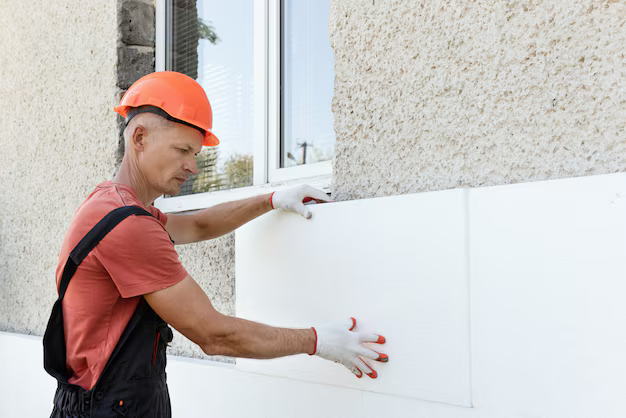

Choosing the right insulation material is no longer just about comfort—it directly impacts energy savings, building durability, and long-term costs. With rising temperatures and increasing energy prices, thermal insulation in Pakistan has become a necessity for homes, commercial buildings, and industrial facilities.
This guide provides a clear insulation sheet price comparison to help buyers understand material differences, performance levels, and where each option fits best.
Why Insulation Price Comparison Matters in Pakistan
Pakistan’s climate ranges from extremely hot summers to cold winters in northern regions. Without proper insulation, buildings absorb heat rapidly, increasing cooling costs and indoor discomfort.
Understanding insulation sheet price in Pakistan helps buyers:
- Plan budgets accurately
- Select cost-effective insulation materials
- Avoid overpaying for unsuitable products
- Balance thermal performance with long-term savings
Common Insulation Materials Used in Pakistan
Before comparing prices, it’s important to understand the four most commonly used insulation materials.
EPS (Expanded Polystyrene Sheets)
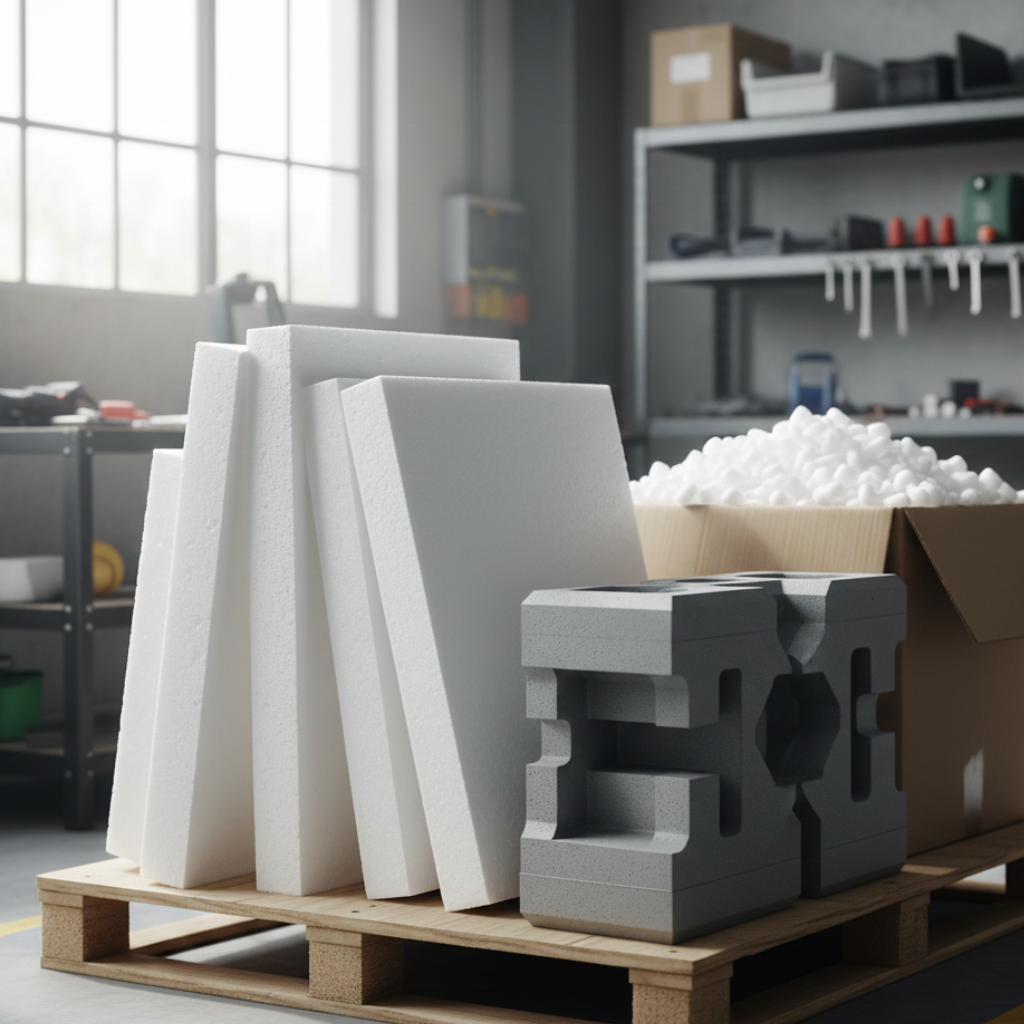
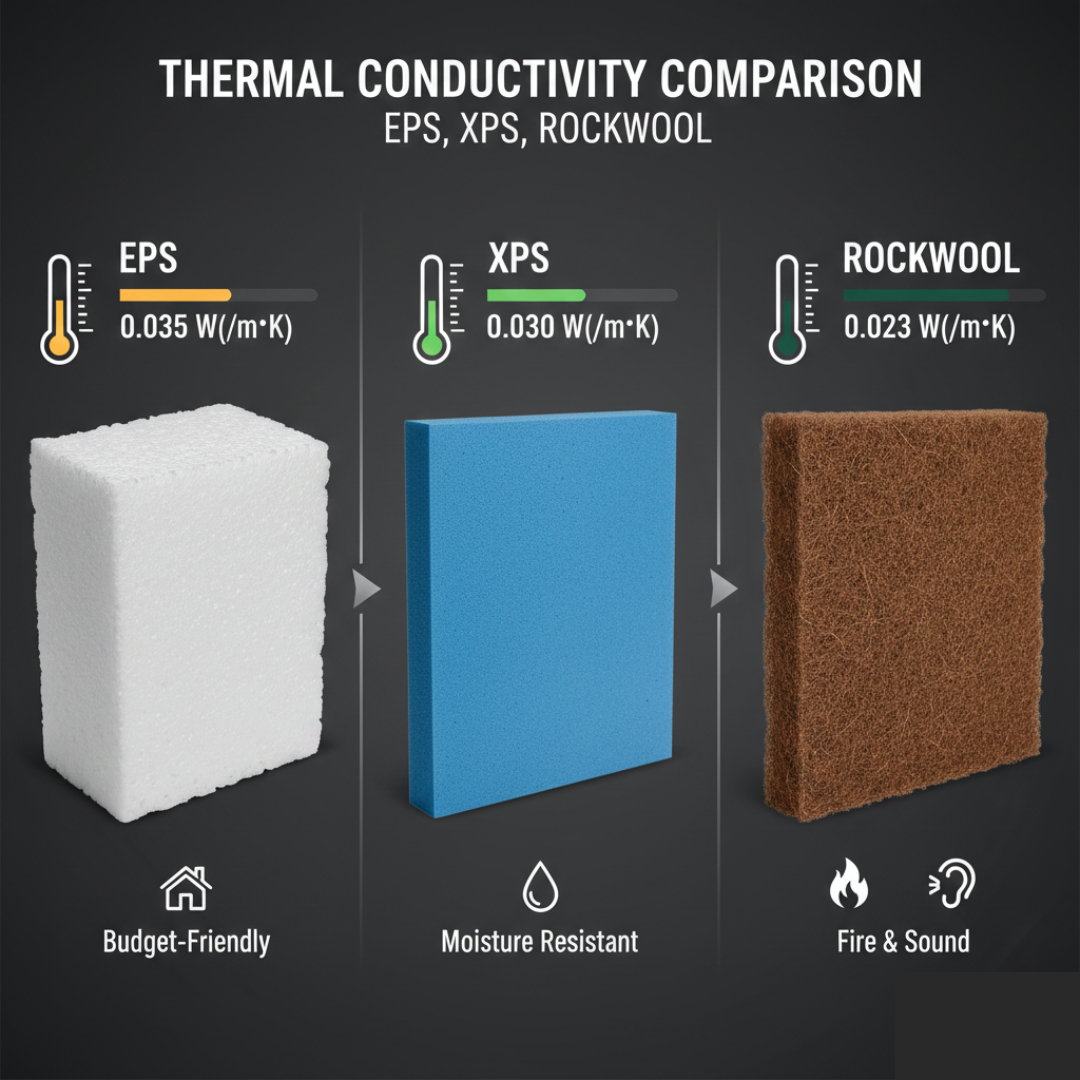
EPS is a lightweight insulation material widely used in walls and roofs. It offers decent thermal resistance at a relatively low cost.
XPS (Extruded Polystyrene Boards)
XPS provides higher strength and better moisture resistance than EPS, making it suitable for demanding applications.
Rockwool (Mineral Wool)
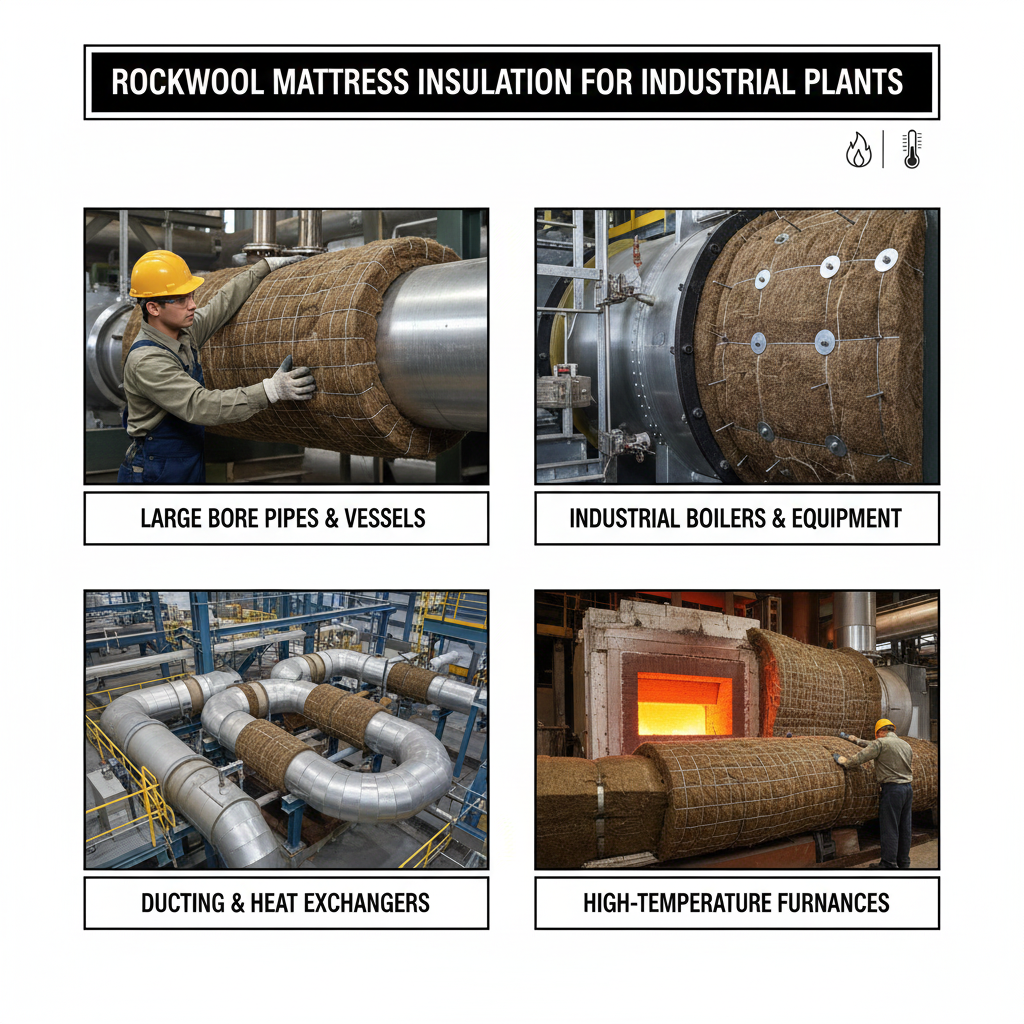
Rockwool is a premium insulation option known for fire resistance, sound absorption, and durability.
Glasswool (Fiberglass Insulation)
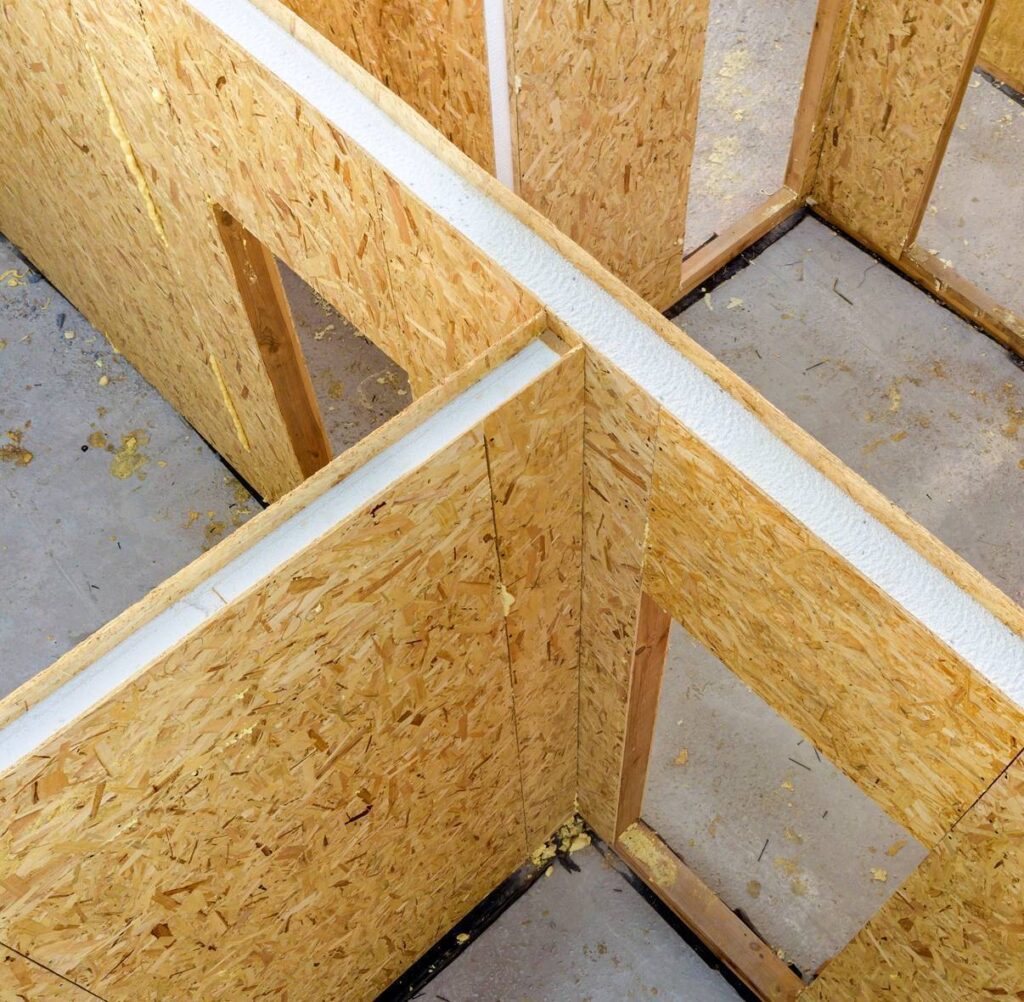
Glass wool insulation is flexible, lightweight, and commonly used for roof insulation and ducting.
Insulation Sheet Price Comparison in Pakistan
The table below provides a general market comparison to help buyers evaluate options. Prices vary based on thickness, density, brand, and location.
| Insulation Material | Price Range (PKR) | Thermal Performance | Fire Resistance | Best Use Case |
|---|---|---|---|---|
| EPS Sheets | Low | Medium | Low | Walls, ceilings |
| XPS Boards | Medium | High | Low | Roofs, floors |
| Rockwool Insulation | High | High | Very High | Fire-rated walls, factories |
| Glass Wool Insulation | Medium | Medium–High | Medium | Roofs, HVAC systems |
This insulation sheet price comparison highlights that higher cost materials often provide added benefits such as fire safety and sound insulation.
Rockwool Insulation Price in Pakistan – Is It Worth It?

Rockwool insulation price in Pakistan is higher than EPS and XPS, but it offers multiple advantages:
- Non-combustible and fire resistant
- Excellent acoustic insulation
- Stable performance at high temperatures
For commercial buildings, industrial units, and fire-rated walls, rockwool justifies its cost through safety and longevity.
Glass Wool Insulation Price & Performance
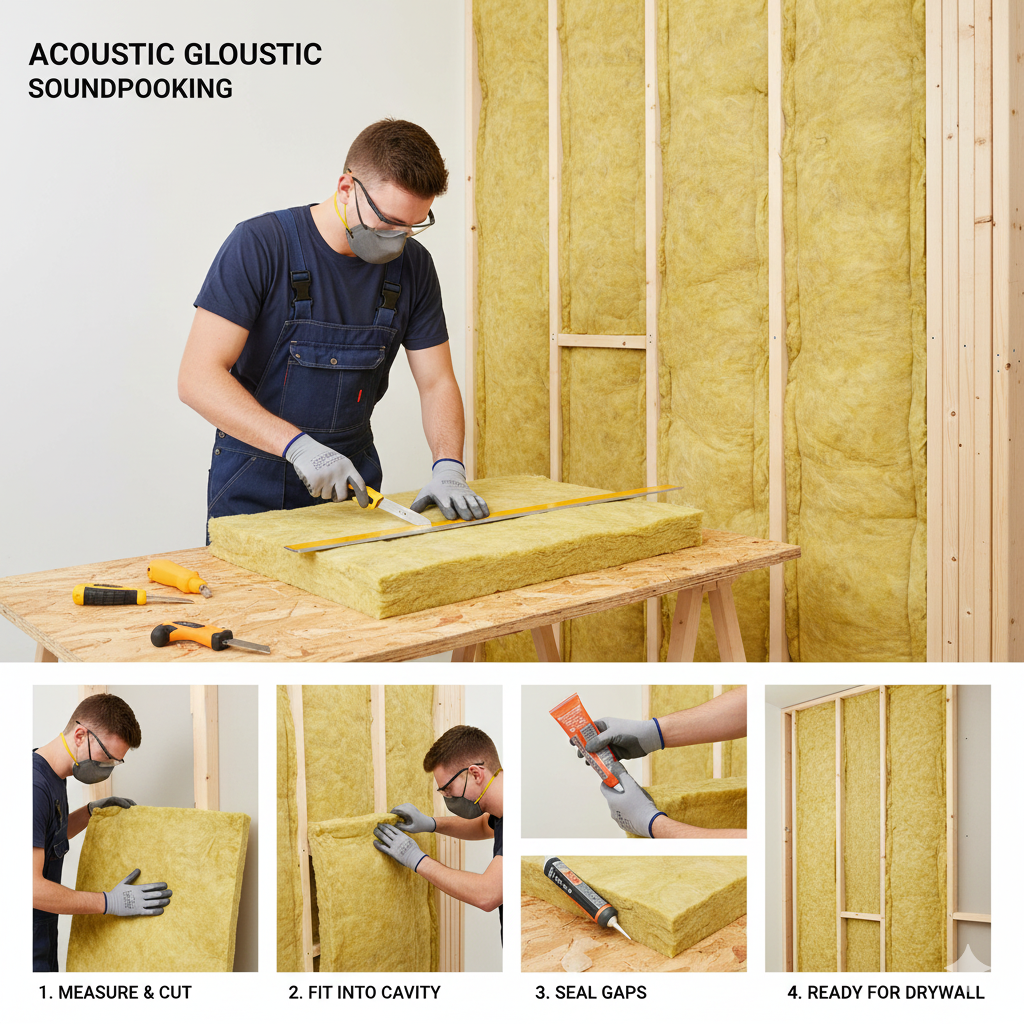
Glass wool insulation price is usually moderate, making it popular for residential roofs and HVAC systems.
Key benefits include:
- Lightweight and easy installation
- Good thermal insulation
- Cost-effective roof insulation solution
However, it is less durable than rockwool in high-moisture environments.
EPS vs XPS – Cost vs Performance
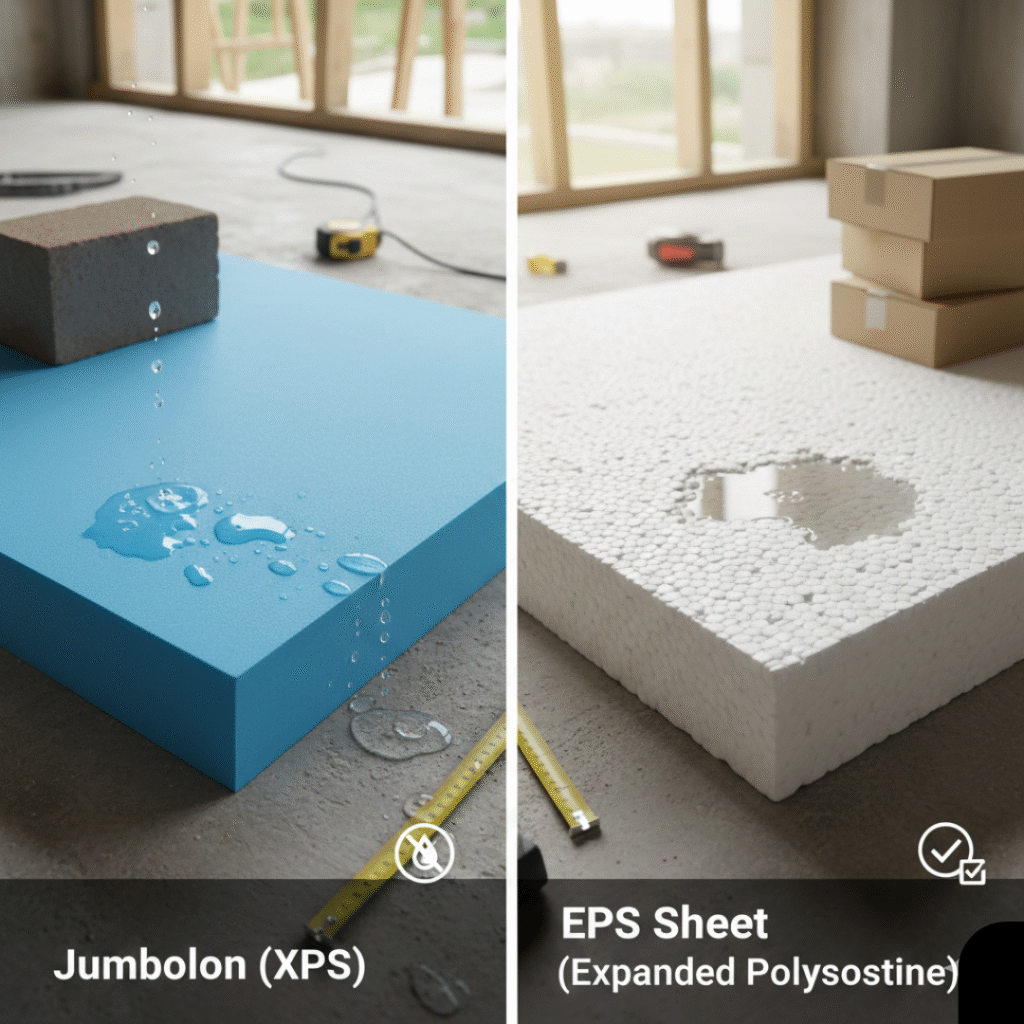
EPS remains one of the most affordable options for heat insulation sheet Pakistan projects. It is suitable for basic thermal control.
XPS costs more but offers:
- Higher compressive strength
- Better moisture resistance
- Longer lifespan
When evaluating roof insulation price in Pakistan, XPS often performs better in exposed conditions.
Technical Comparison Table (Building Applications)
| Insulation Material | Thermal Efficiency | Fire Rating | Moisture Resistance | Typical Building Use |
|---|---|---|---|---|
| EPS Sheets | Medium | Low | Low | Residential walls |
| XPS Boards | High | Low | High | Roofs, basements |
| Rockwool Insulation | High | Very High | Medium | Commercial & industrial buildings |
| Glass Wool Insulation | Medium–High | Medium | Low | Roofs, HVAC systems |
| Heat Insulation Sheets | Medium | Low | Medium | Roof heat proofing |
Choosing the Right Insulation Material in Pakistan
When selecting insulation material Pakistan, price should not be the only deciding factor. Consider:
- Climate conditions
- Area of installation (roof, wall, floor)
- Fire safety requirements
- Moisture exposure
- Long-term energy savings
A lower upfront cost may lead to higher electricity bills over time.
Heat Insulation Sheets for Roofs and Walls
For roofs, insulation must withstand direct heat exposure. XPS and glass wool are commonly used, while rockwool is preferred where fire protection is required.
For walls, EPS and rockwool provide effective thermal barriers depending on safety needs.
Final Thoughts on Insulation Sheet Prices in Pakistan
There is no single “best” insulation—each material serves a different purpose. This insulation sheet price comparison shows that:
- EPS is budget-friendly
- XPS offers durability and moisture resistance
- Rockwool delivers fire safety and acoustic control
- Glass wool balances cost and performance
The right choice depends on application, budget, and long-term goals.
FAQ’S
For commercial buildings, rockwool insulation is often the best choice due to its fire resistance, soundproofing, and long-term durability, especially in high-occupancy structures.
EPS sheets are commonly used in residential buildings because they offer reasonable thermal insulation at a lower upfront cost.
Yes, roof insulation significantly reduces heat gain in concrete buildings and helps control indoor temperature, especially during peak summer months.
XPS boards and rockwool insulation are preferred for high-rise buildings due to better compressive strength, moisture resistance, and fire safety.
Yes, properly insulated buildings usually have lower energy costs and better indoor comfort, which increases long-term property value.
While not mandatory everywhere, thermal insulation is increasingly recommended in modern building designs to improve energy efficiency and occupant comfort.