
thermocol sheet price in pakistan

Tag: energy saving insulation Pakistan

  • Thermal Insulation

    Thermal Insulation

    Thermal insulation is a critical component in modern construction in Pakistan. With rising energy costs and extreme weather conditions, using the right thermal insulation in Pakistan can help reduce energy bills, improve comfort, and protect your building structure.

    Whether you are building a residential home, commercial space, or industrial facility, choosing the right insulation material is essential for long-term efficiency.

    What is Thermal Insulation?
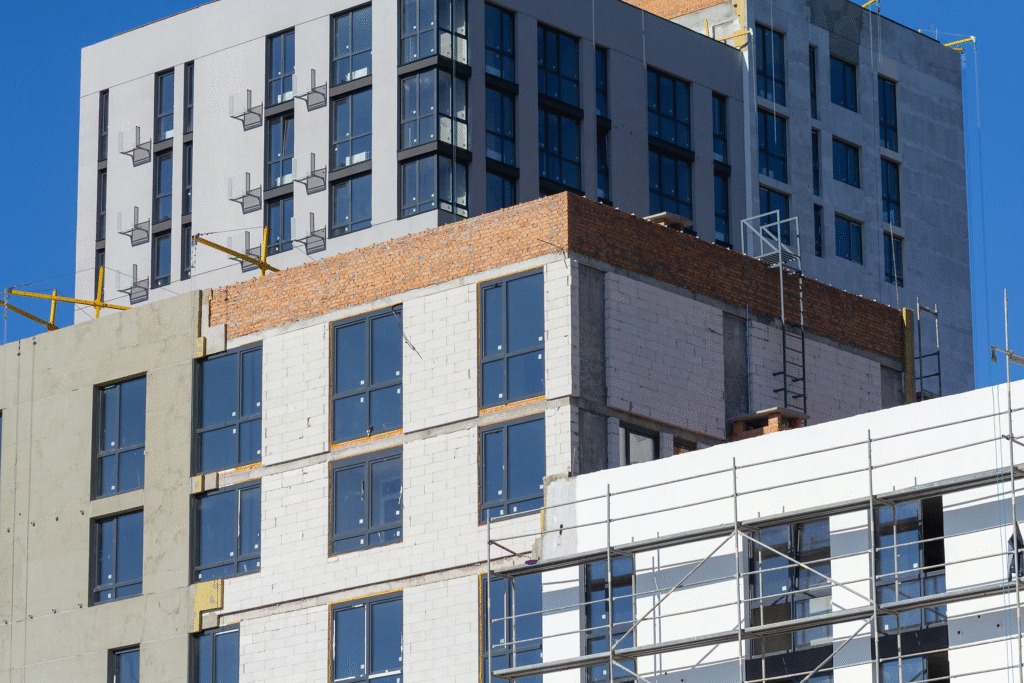
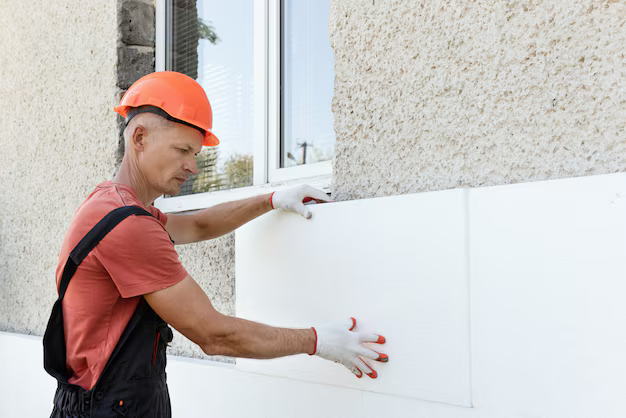
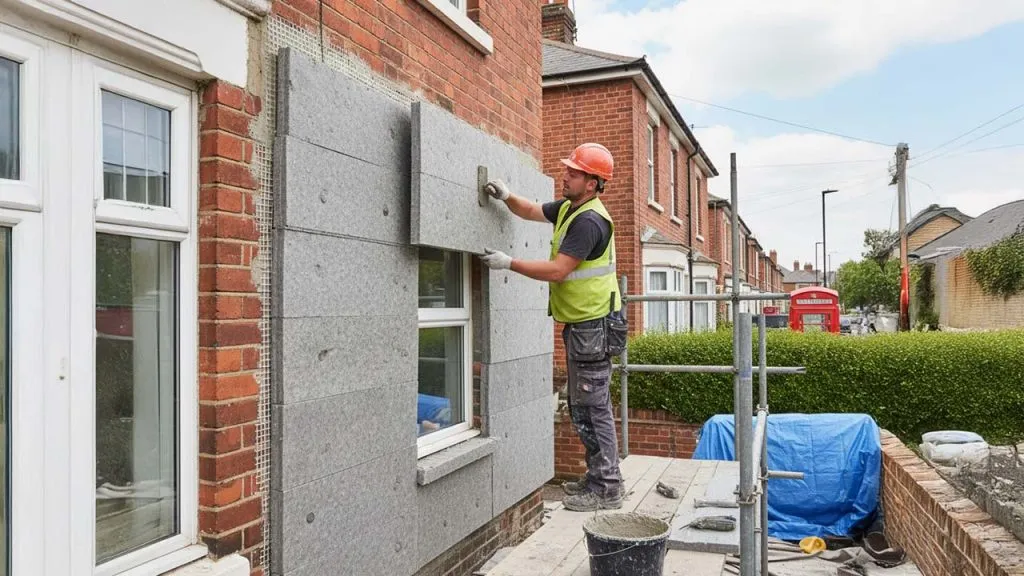
    external wall insulation price in pakistan

    Thermal insulation refers to materials and systems that reduce heat transfer between the inside and outside of a building. It helps maintain indoor temperature by keeping spaces warm during winter and cool in summer.

    Applications of thermal insulation include:

    • Roofs and ceilings
    • Walls and floors
    • HVAC systems
    • Industrial pipelines and storage

    Proper thermal insulation ensures better energy efficiency and reduces electricity consumption.

    Types of Thermal Insulation Materials in Pakistan

    1. Fiberglass Insulation
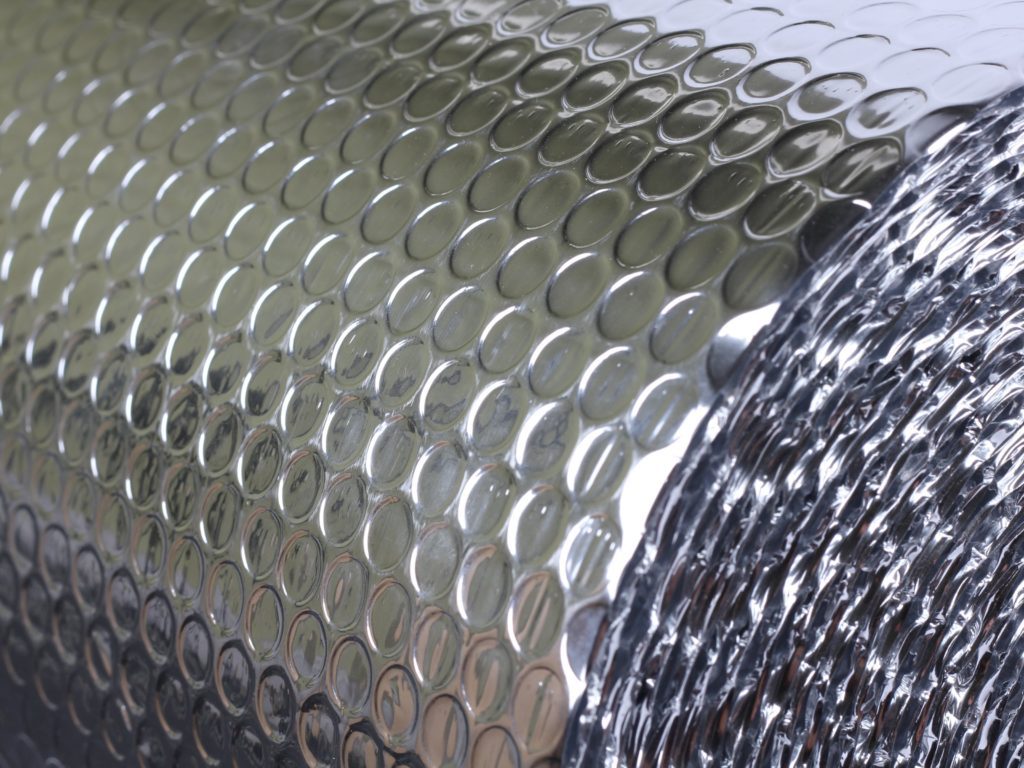
    • Cost-effective and widely used
    • Suitable for ceilings and walls
    • Lightweight and easy to install

    2. Polyurethane (PU) Foam
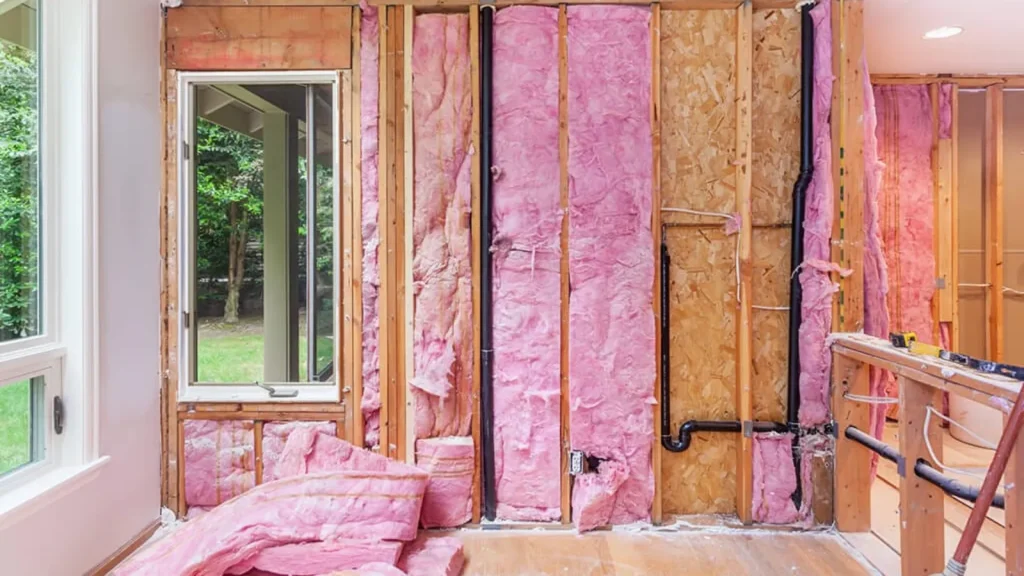
    home insulation
    • High thermal efficiency
    • Ideal for roofs and cold storage
    • Long-lasting performance

    3. Expanded Polystyrene (EPS) & Extruded Polystyrene (XPS)
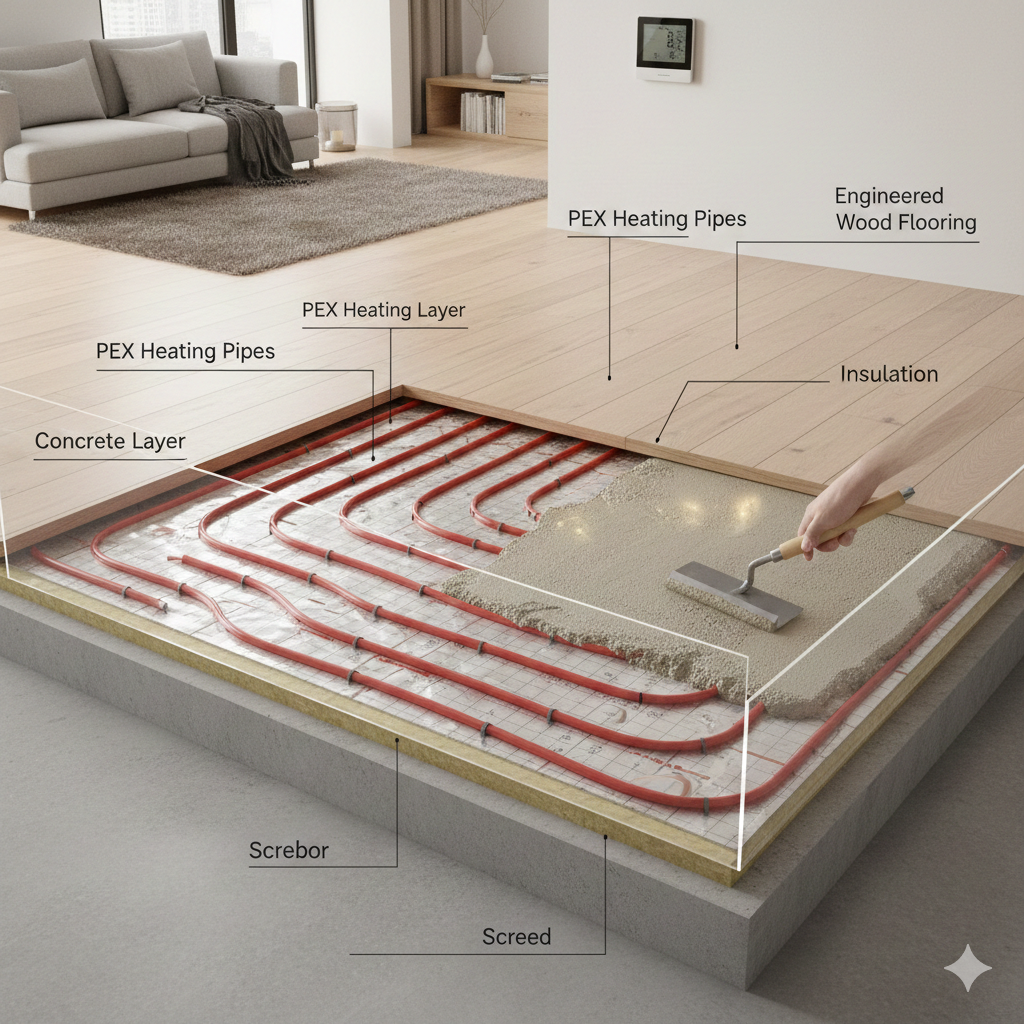
    Underfloor hEating System
    • Moisture-resistant
    • Good for walls and floors
    • Durable and stable under pressure

    4. Mineral Wool / Rock Wool

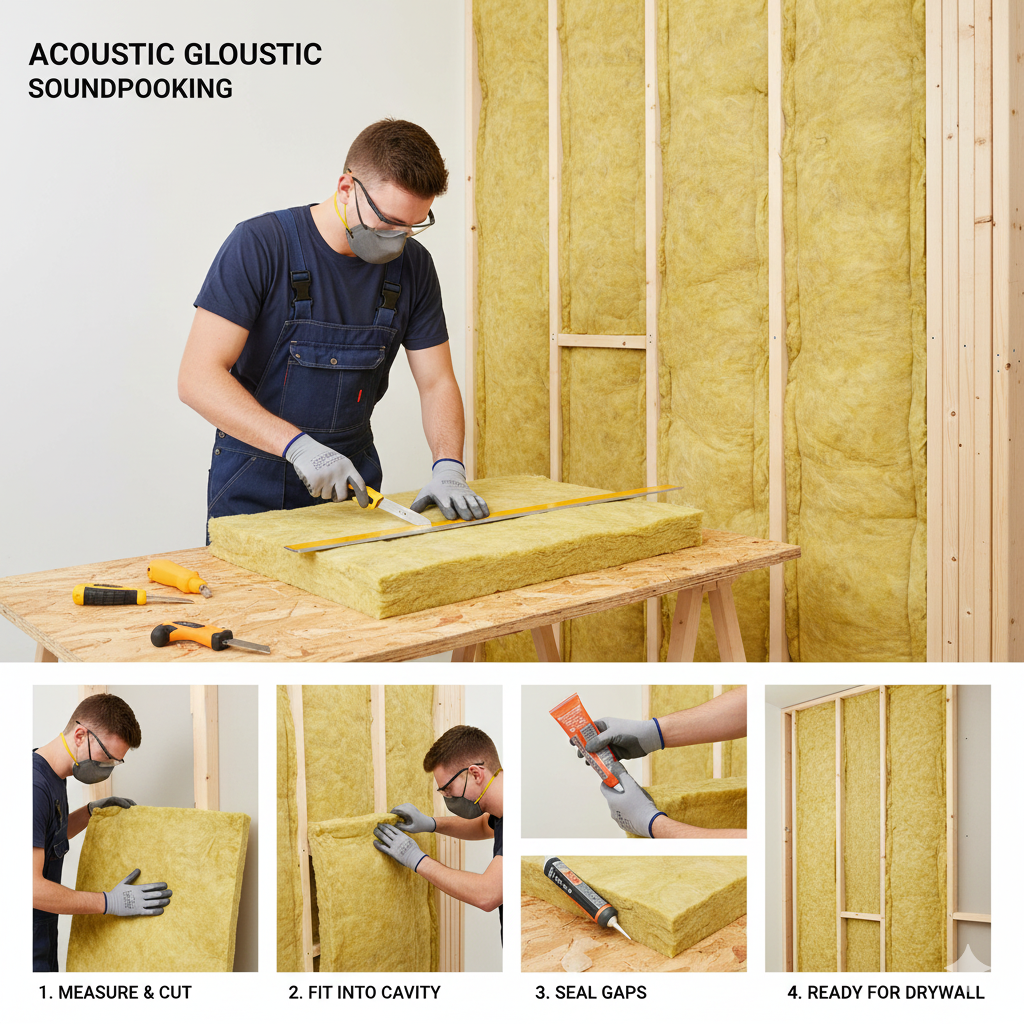
    Soundproofing Material glasswool vs rockwool
    • Fire-resistant
    • Used in industrial and commercial projects
    • Also provides sound insulation

    Choosing the best thermal insulation in Pakistan depends on your climate, budget, and building requirements.

    Benefits of Thermal Insulation

    • Reduces electricity bills
    • Improves indoor comfort
    • Protects building structure from temperature fluctuations
    • Minimizes environmental impact
    • Increases HVAC efficiency

    Investing in high-quality insulation ensures long-term savings and durability.

    Thermal Insulation Price in Pakistan

    The thermal insulation price in Pakistan varies based on material, thickness, and quality. Typical prices are:

    Material TypeApproximate Price (PKR per sq. ft)
    Fiberglass Insulation80 – 150
    EPS Insulation100 – 200
    XPS Insulation180 – 350
    PU Foam250 – 500
    Rock Wool200 – 400

    The overall thermal insulation in Pakistan price may vary depending on location and supplier.

    Thermal Insulation Services by City

    Thermal Insulation in Lahore

    Lahore has a rapidly growing construction market, offering a variety of thermal insulation in Lahore solutions for residential and commercial buildings.

    Thermal Insulation in Islamabad

    With modern residential and office projects, thermal insulation in Islamabad focuses on energy-efficient solutions and high-performance materials.

    Thermal Insulation in Faisalabad

    As an industrial hub, Faisalabad relies heavily on thermal insulation in Faisalabad for factories, cold storage, and commercial warehouses.

    Thermal Insulation in Multan

    Hot summers in Multan make thermal insulation in Multan essential for reducing cooling costs in homes and businesses.

    Thermal Insulation in Karachi

    Karachi’s humid climate requires moisture-resistant insulation. Many suppliers offer thermal insulation in Karachi suitable for both residential and industrial applications.

    Thermal Insulation Manufacturers and Wholesalers

    Manufacturers

    Local companies operate as thermal insulation manufacturer in Pakistan, producing EPS, PU foam, fiberglass, and XPS materials for domestic and export markets.

    Wholesalers

    For bulk purchases, businesses often work with thermal insulation wholeseller in Pakistan or top thermal insulation wholeseller in Pakistan, which helps reduce costs for large projects.

    Choosing the top thermal insulation in Pakistan ensures quality materials, reliable supply, and competitive pricing.

    Cheap Thermal Insulation in Pakistan – Is It Worth It?

    While cheap thermal insulation in Pakistan may save initial costs, it often comes at the expense of durability and efficiency. For long-term benefits, investing in high-quality materials is recommended.

    Applications of Thermal Insulation

    • Residential homes
    • Commercial buildings
    • Cold storage and warehouses
    • Industrial facilities
    • HVAC and piping systems

    Proper insulation reduces energy consumption and improves indoor comfort across all applications.

    How to Choose the Right Thermal Insulation

    Consider these factors before choosing:

    • Climate conditions (hot, cold, or humid)
    • Budget constraints
    • Building type (residential, commercial, industrial)
    • Fire resistance and safety requirements
    • Moisture resistance

    Selecting the best thermal insulation in Pakistan ensures maximum energy efficiency and long-term savings.

    Conclusion

    Thermal insulation is a vital investment for homes, offices, and industrial buildings in Pakistan. From thermal insulation in Lahore to thermal insulation in Karachi, and across Faisalabad and Multan, high-quality insulation reduces electricity bills, improves comfort, and protects your building.

    Whether you source from a thermal insulation manufacturer in Pakistan or a trusted thermal insulation wholeseller in Pakistan, choosing the right solution is essential for efficiency and durability.

    FAQ’S

    The best thermal insulation in Pakistan depends on your application. PU foam, XPS, and mineral wool are ideal for industrial and commercial buildings, while EPS and fiberglass are cost-effective for residential projects.

    Thermal insulation price in Pakistan ranges from PKR 80 to PKR 500 per sq. ft, depending on the material type, thickness, and supplier.

    You can find thermal insulation in Lahore, Islamabad, Karachi, Faisalabad, and Multan through local contractors, manufacturers, and wholesale suppliers.

    Cheap thermal insulation can reduce upfront costs, but it may have lower efficiency and shorter lifespan. For long-term savings and durability, it’s better to invest in high-quality insulation materials.
  • Energy Efficiency Boost with Proper Insulation

    Energy Efficiency Boost with Proper Insulation

    In modern construction, energy efficiency is no longer optional—it’s essential. One of the most effective ways to reduce energy consumption and utility costs is by investing in proper insulation. Whether for residential or commercial buildings, proper insulation ensures that your indoor environment remains comfortable while minimizing energy waste.

    What Is Proper Insulation?

    Proper insulation refers to materials and techniques used to prevent heat loss in winter and heat gain in summer. It acts as a barrier to reduce the exchange of energy between indoor and outdoor environments. Proper insulation can be applied in walls, roofs, attics, and lofts to maximize thermal comfort.

    Key areas include:

    • Roof insulation – The primary barrier against heat entering from above.
    • Attic insulation – Ensures stored heat or cool air is maintained.
    • Loft insulation – Prevents energy loss through uninsulated roof spaces.

    Technical Comparison Table – Roof/Attic Insulation Options

    Insulation MaterialR-Value / Thermal ResistanceWater ResistanceSound AbsorptionLifespan (Years)Typical Price Range (PKR/m²)
    RockwoolHighModerateExcellent20–30700–1,200
    XPS BoardsHighExcellentGood25–30600–1,000
    EPS SheetsMediumGoodFair15–20500–900
    Reflective Aluminium FoilMedium (reflective heat)ExcellentMinimal10–15400–800
    Combination (Foil + XPS)Very HighExcellentGood25–30900–1,400

    Note: Prices and performance may vary depending on thickness, density, and local suppliers.

    How Proper Roof Insulation Improves Energy Efficiency

    Glasswool Sheet For Soundproofing

    Proper roof insulation is one of the most impactful investments for energy efficiency. Roofs are responsible for up to 30% of energy loss in buildings. By installing quality insulation:

    • Reduce your heating and cooling cost by maintaining a stable indoor temperature.
    • Improve building comfort during summer and winter months.
    • Proper insulation generally lowers electricity bills by decreasing the load on HVAC systems.
    • Protect roofing materials by reducing thermal stress and condensation.

    Ways to Improve Insulation in Your Building

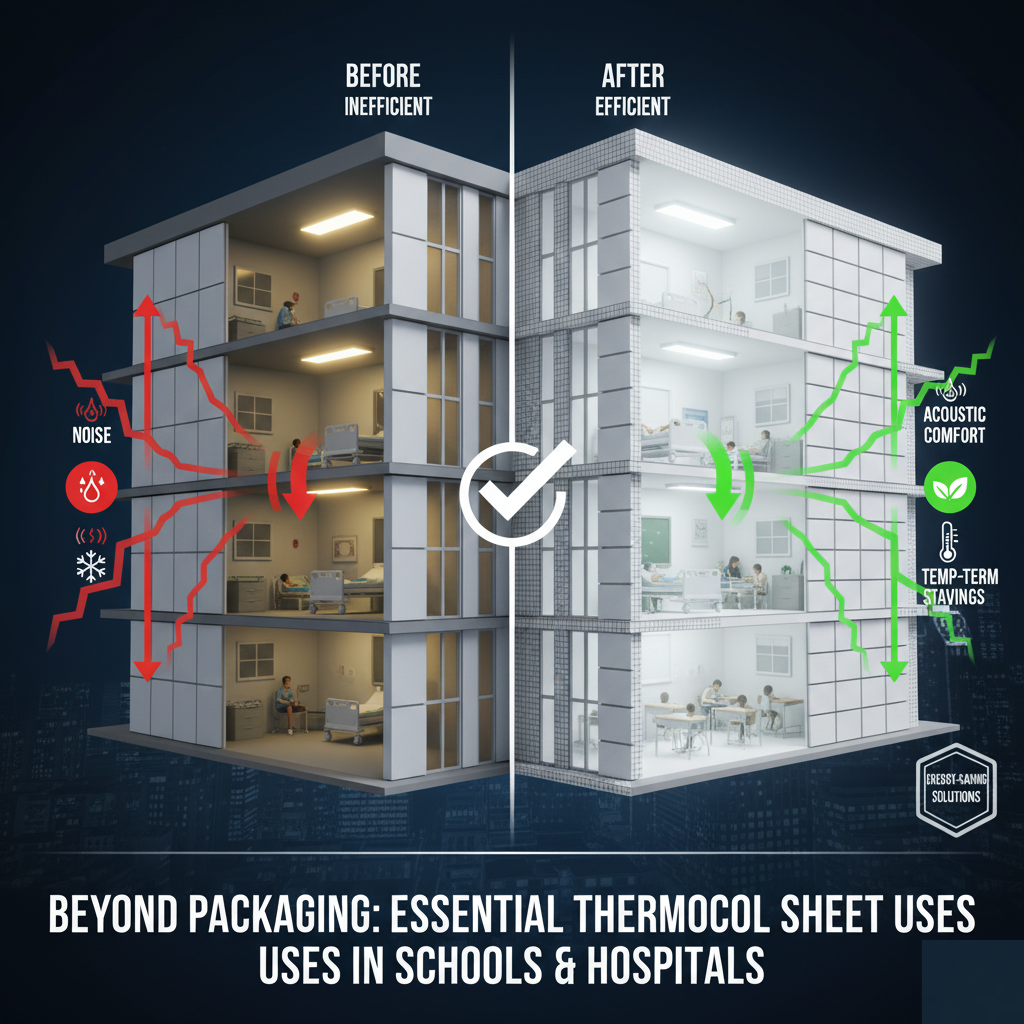
    Thermocol Sheet For Hospitals & Schools

    Improving insulation in your building doesn’t always require a full renovation. Here are effective strategies:

    1. Insulate Your Loft: Adding loft insulation is cost-effective and prevents heat loss through the roof.
    2. Insulate Your Attic: For buildings with unoccupied attic spaces, insulating the attic floor can reduce energy waste.
    3. Upgrade Roof Insulation Materials: Using reflective foil, XPS, EPS, or Rockwool insulation layers can significantly improve thermal performance.
    4. Seal Gaps and Leaks: Proper sealing of vents, ducts, and chimneys complements insulation and reduces drafts.

    Implementing these steps can deliver a noticeable energy efficiency boost with proper insulation and significantly reduce your electricity bills.

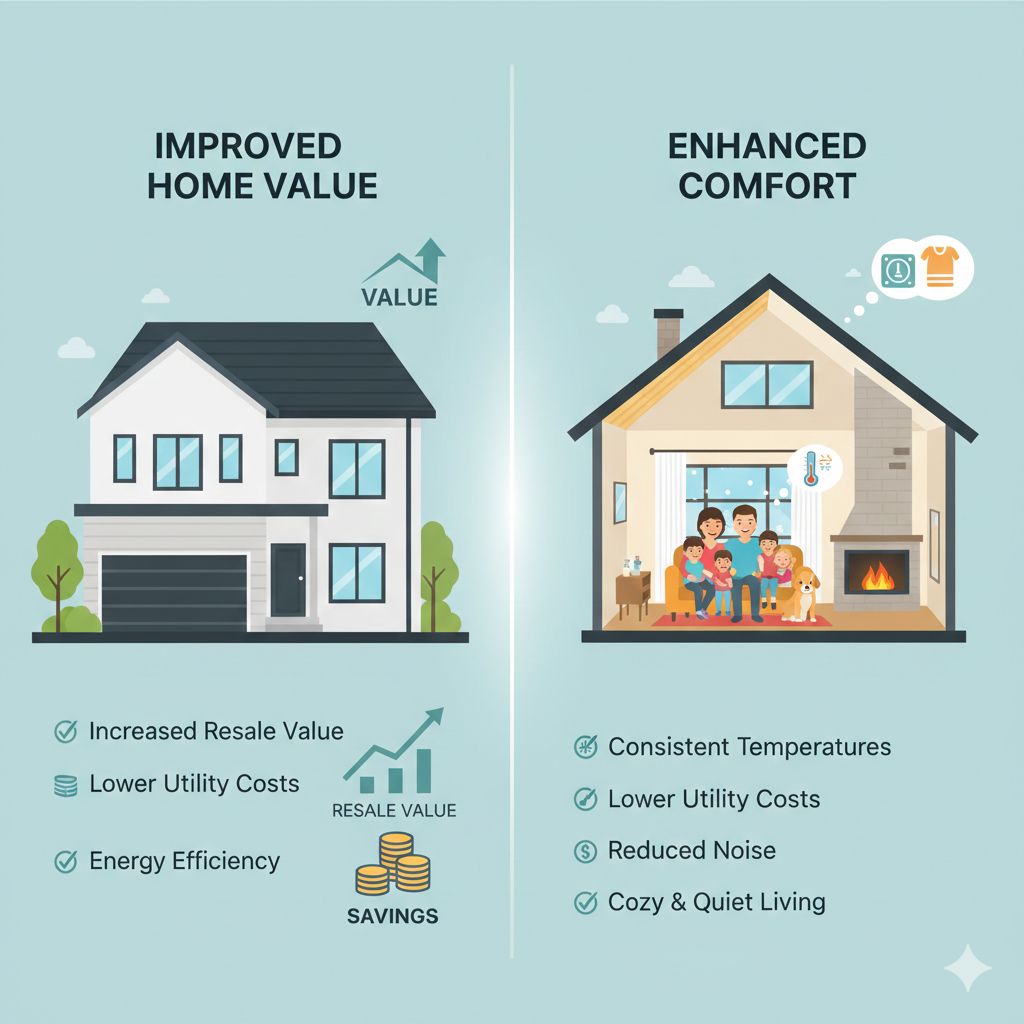
    Benefits of Proper Insulation

    • Energy Savings: Lower energy bills through efficient thermal management.
    • Enhanced Comfort: Stable indoor temperatures throughout the year.
    • Environmental Impact: Reduced carbon footprint by using less electricity.
    • Property Value: Energy-efficient buildings are more attractive to buyers and tenants.
    • Durability: Protects roofing and interior structures from condensation and moisture damage.

    Choosing the Right Insulation Material

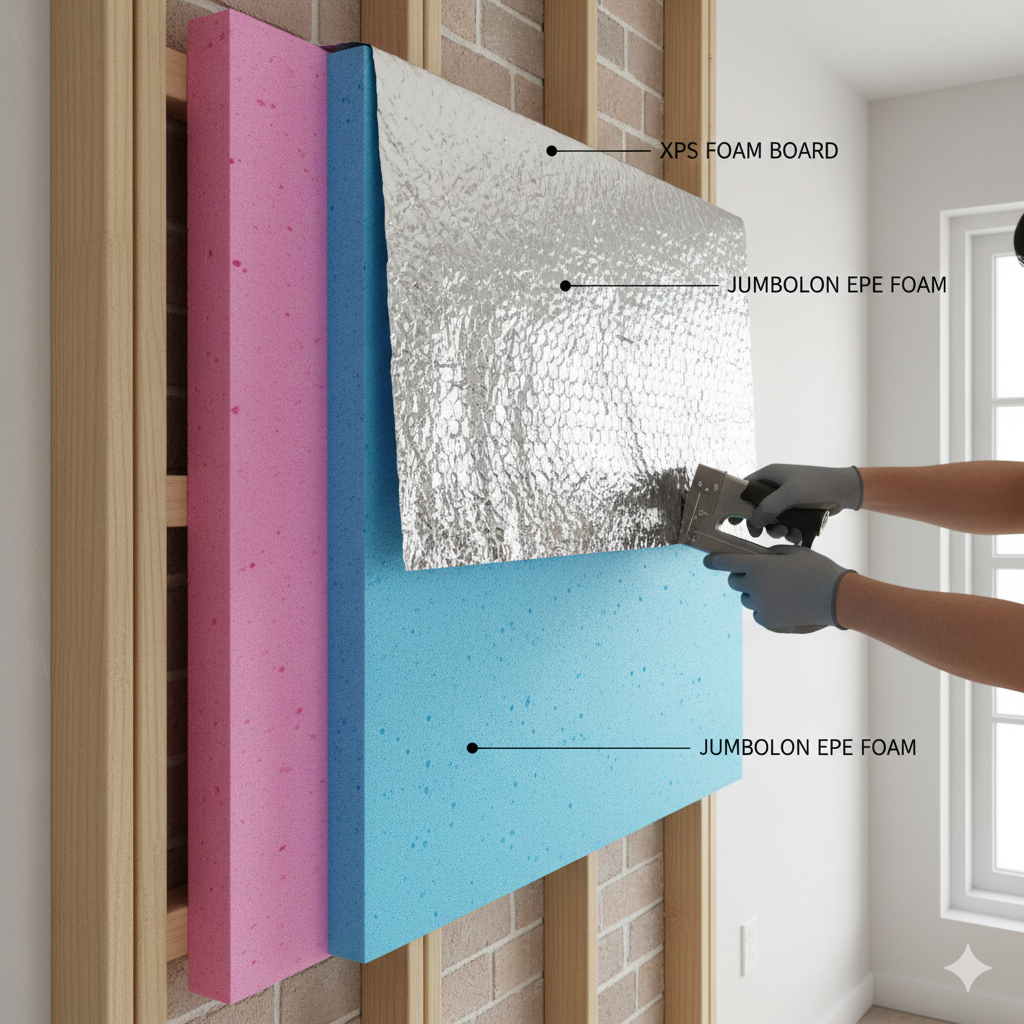
    Using aluminium foil with jumbolon

    Selecting the right insulation material depends on your building type, climate, and budget. Common options include:

    • Rockwool Insulation: Fireproof, sound-absorbing, and high thermal resistance.
    • EPS & XPS Boards: Lightweight, water-resistant, and high insulation efficiency.
    • Reflective Aluminium Foil: Excellent for reflective heat reduction in attics and lofts.

    By combining materials, such as foil with XPS or Rockwool, you can maximize performance for both heat and sound insulation.

    Energy Efficiency Boost with Proper Insulation Price Considerations

    The energy efficiency boost with proper insulation price varies depending on the material, thickness, and installation complexity. Factors include:

    • Type of insulation (Rockwool, XPS, EPS, reflective foil).
    • Area to be insulated (attic, loft, roof, walls).
    • Labor and installation techniques.

    Investing in high-quality insulation may cost more initially but yields long-term savings on electricity bills and enhances building comfort.

    FAQ’S

    The energy efficiency boost with proper insulation price depends on the material used, area covered, and installation type. On average, roof or attic insulation can save 20–30% on energy bills, making the investment worthwhile.

    Both are effective, but if the attic is unoccupied, insulating the attic floor prevents heat loss. Loft insulation is more suitable when the loft space is used regularly.

    Yes, proper roof insulation minimizes heat exchange, reducing reliance on AC or heating systems, which immediately lowers electricity usage.

    Materials like Rockwool, XPS boards, and reflective aluminium foils are highly effective. For extreme climates, a combination of foil with XPS or Rockwool provides maximum heat resistance and comfort.

    Absolutely. Upgrading insulation in older buildings can drastically improve indoor comfort, reduce energy bills, and increase property value.

    High-quality insulation materials, such as Rockwool or XPS, can last 20–30 years when installed correctly, providing long-term energy savings.