
thermocol sheet price in pakistan

Tag: eps insulation in Lahore

  • EPS, XPS, Glasswool: Best Mix for Homes

    EPS, XPS, Glasswool: Best Mix for Homes

    Choosing the right insulation for a home is no longer optional—it’s essential for comfort, energy efficiency, and long-term cost savings. Among the many insulation options available today, EPS, XPS, and Glasswool stand out as a powerful combination for residential buildings. This blog explains why EPS, XPS, Glasswool: Best Mix for Homes is a smart insulation strategy and how each material contributes to thermal, acoustic, and fire performance.

    Why Modern Homes Need a Combination of Insulation Materials
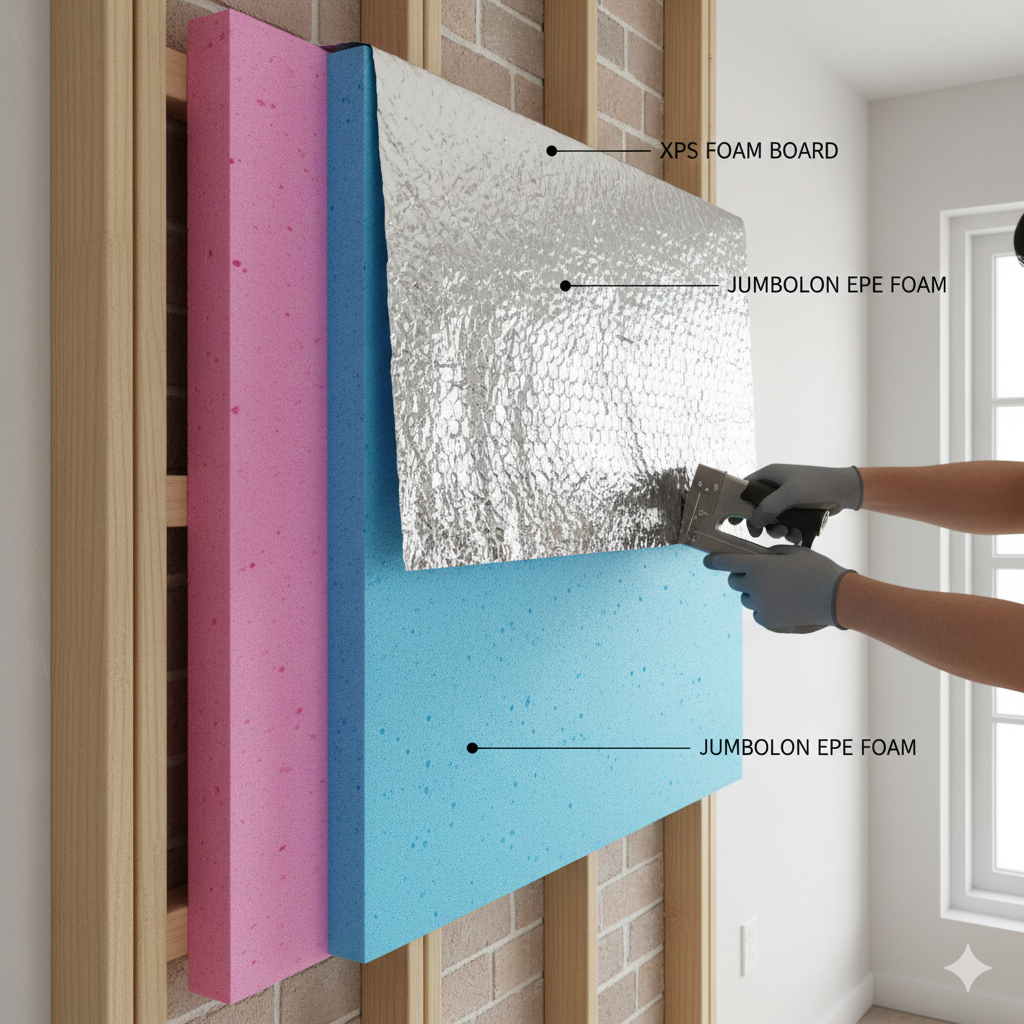
    Using aluminium foil with jumbolon

    No single insulation material can perfectly address heat control, soundproofing, moisture resistance, and fire safety at the same time. That’s why combining materials has become a best practice in modern construction.

    Using EPS for walls, XPS for roofs and foundations, and Glasswool for ceilings and partitions creates a balanced system that enhances indoor comfort without excessive cost.

    Understanding EPS, XPS, and Glasswool

    What is EPS Insulation?
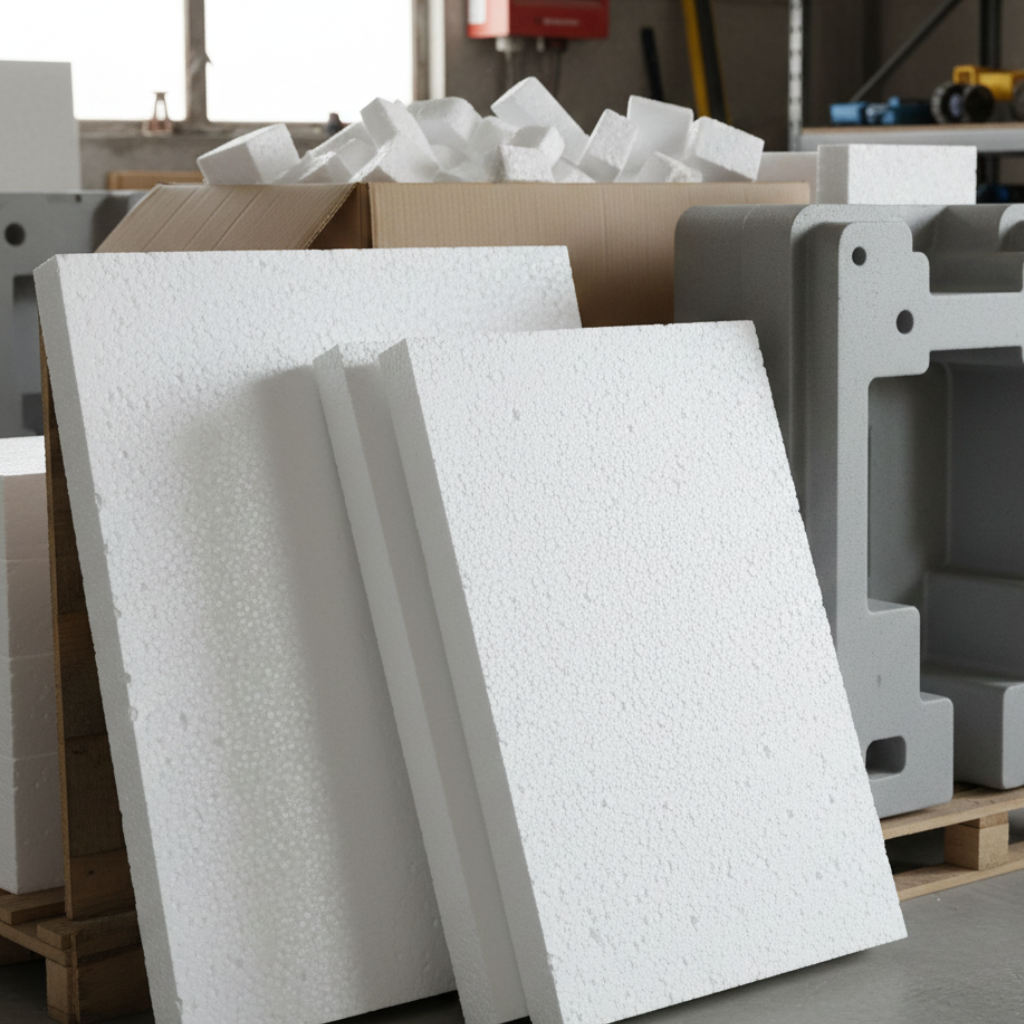
    EPS Foam

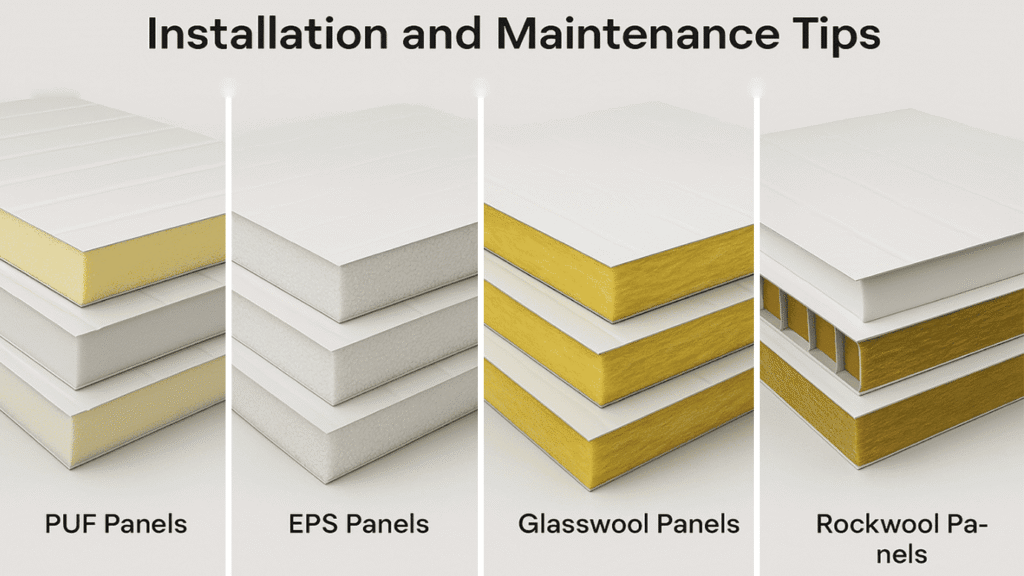
    Expanded Polystyrene (EPS) is a lightweight insulation material widely used in walls and floors. It provides effective thermal insulation and is easy to install, making it popular in residential projects.

    Key Benefits of EPS:

    • Cost-effective thermal insulation
    • Lightweight and easy to handle
    • Suitable for wall cavities and floor insulation

    What is XPS Insulation?

    jumbolon Insulation for Metal Sheds

    Extruded Polystyrene (XPS) offers higher density and better moisture resistance than EPS. It is ideal for areas exposed to water or heavy loads.

    Why XPS is Ideal for Homes:

    • Strong moisture resistance
    • High compressive strength
    • Excellent for roofs and foundations

    What Is Glass Mineral Wool Insulation?
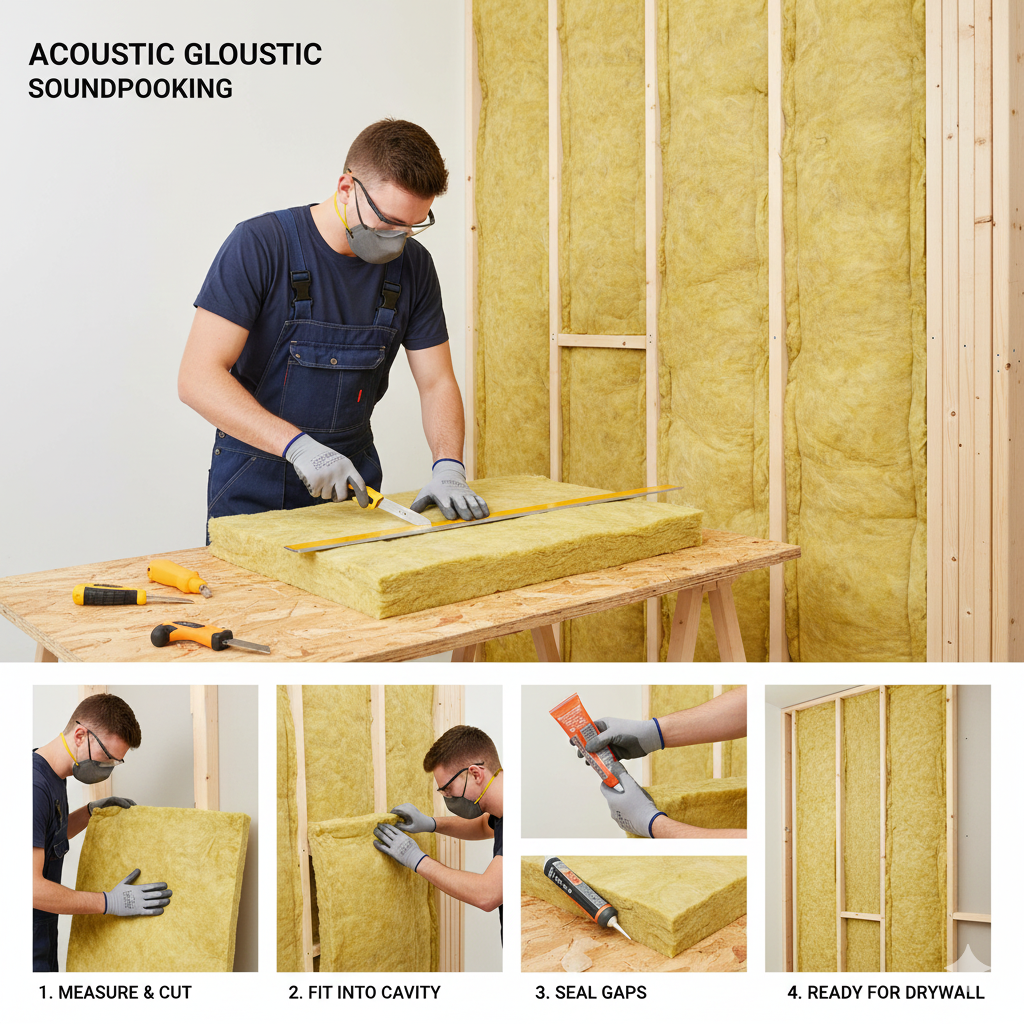
    Glasswool Sheet For Soundproofing

    Many homeowners ask, what is glass mineral wool insulation?
    Glass mineral wool is a fibrous insulation made from recycled glass, designed to trap air and reduce heat and sound transfer. It is commonly used in ceilings, partitions, and internal walls.

    Glass Wool Performance Explained

    Glass Wool Fire Resistance

    One of the strongest advantages of glass wool is its fire safety. Glass wool fire resistance is high because it is non-combustible and can withstand extreme temperatures without spreading flames. This makes it a reliable choice for residential safety.

    Is Glass Wool Dangerous?

    A common concern is whether glass wool dangerous for homes. When installed correctly and sealed behind walls or ceilings, glass wool is safe. Modern manufacturing standards have significantly reduced health risks, making it suitable for residential use.

    Soundproofing Comparison: Glasswool vs Rockwool

    Rockwool vs Glasswool Soundproofing
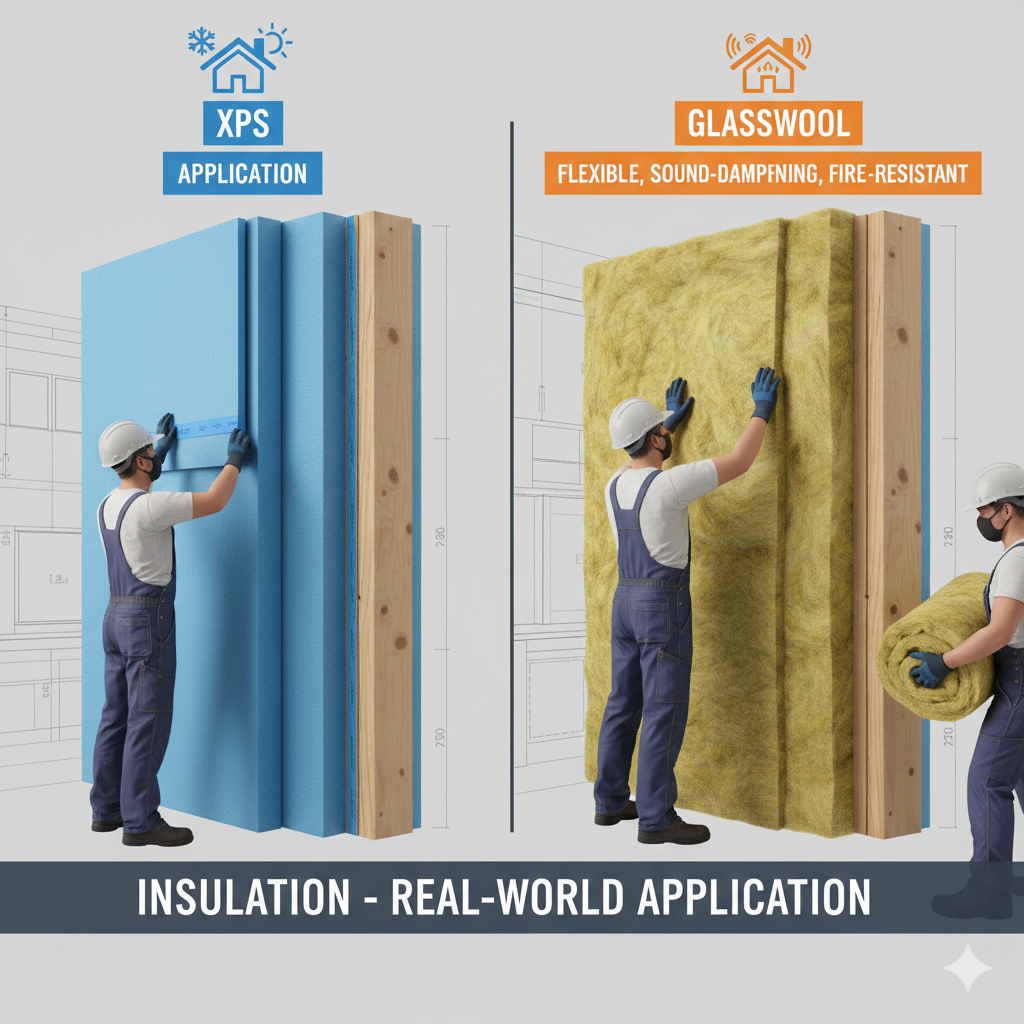
    XPS Vs Glasswool

    When comparing rockwool vs glasswool soundproofing, both materials perform well, but glass wool is often preferred for residential spaces due to its lighter weight and easier installation.

    Glass Mineral Wool vs Rockwool

    The debate of glass mineral wool vs rockwool comes down to application. Glass mineral wool is ideal for ceilings and partitions, while rockwool is often chosen for industrial or heavy-duty acoustic applications.

    Cost Comparison and Pricing Factors

    Glass Wool vs Rock Wool Price

    In terms of affordability, glass wool vs rock wool price generally favors glass wool for residential projects. Glass wool offers a lower upfront cost while still delivering strong thermal and acoustic performance.

    Glass Wool Insulation Price

    The glass wool insulation price depends on thickness, density, and application area. For homes, it remains one of the most economical insulation solutions, especially when combined with EPS and XPS.

    Floor and Structural Applications
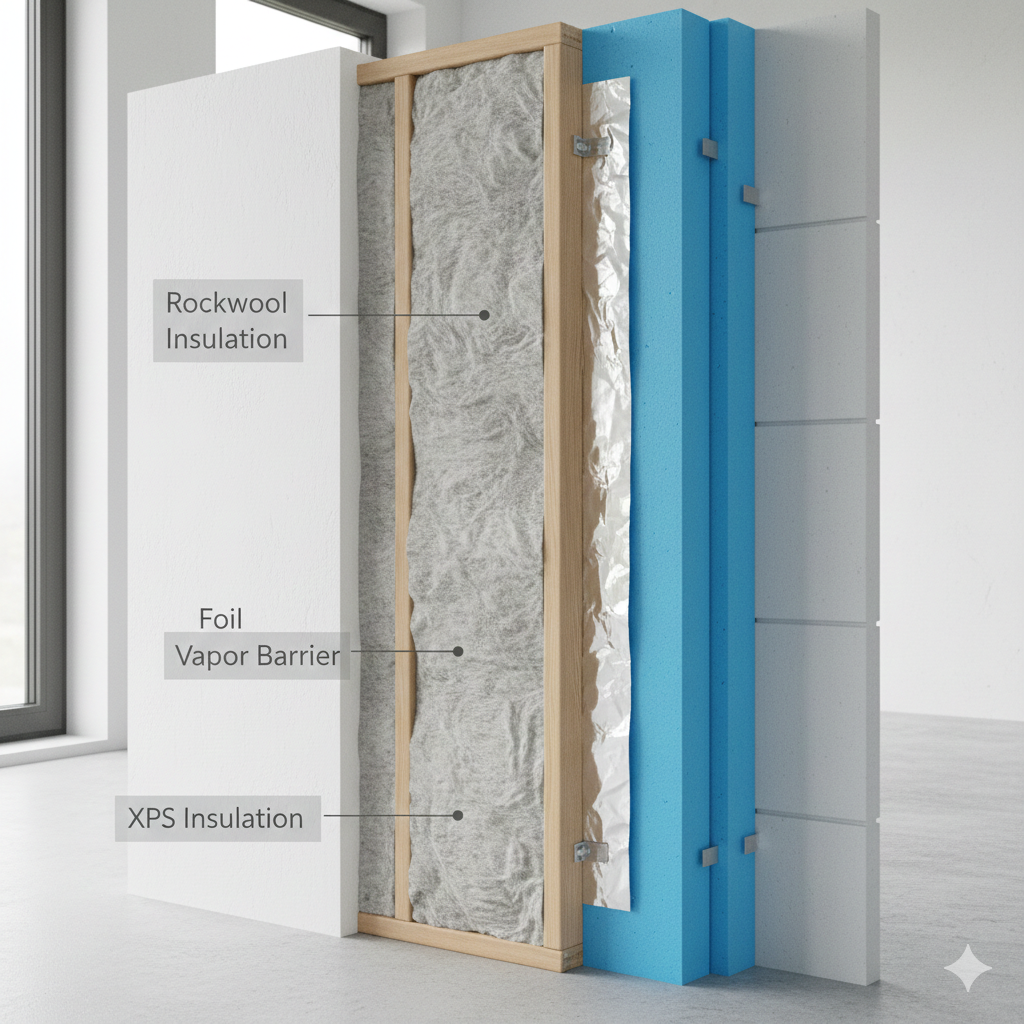
    insulation layers rockwool foil xps

    Mineral Wool Floor Insulation

    Using mineral wool floor insulation helps reduce impact noise and heat loss between floors. In multi-story homes, it significantly improves acoustic comfort while maintaining thermal efficiency.

    Why EPS, XPS, Glasswool Is the Best Mix for Homes

    Combining these materials allows homeowners to target specific insulation needs:

    • EPS for walls and floors
    • XPS for roofs, terraces, and foundations
    • Glasswool for ceilings, partitions, and sound control

    This strategic combination ensures thermal stability, sound reduction, moisture protection, and fire safety—all without overspending.

    How to Choose the Right Insulation Mix for Your Home

    Before selecting insulation, consider:

    • Local climate conditions
    • Noise levels
    • Budget constraints
    • Fire safety requirements

    Professionals often recommend the EPS, XPS, Glasswool: Best Mix for Homes because it balances performance and cost effectively.

    Conclusion

    A well-insulated home is more comfortable, energy-efficient, and safer. By combining EPS, XPS, and glass wool, homeowners achieve superior insulation performance across all areas of the house. Understanding factors like rockwool vs glasswool soundproofing, glass wool fire resistance, and glass wool insulation price helps in making an informed decision.

    If you’re planning a new home or upgrading insulation, this combination offers long-term value and dependable performance.

    FAQ’S

    This combination works well because each material serves a specific purpose. EPS is ideal for walls and floors, XPS performs best in roofs and moisture-prone areas, while glass wool improves thermal and acoustic comfort inside the home.

    Glass mineral wool insulation is commonly used in ceilings, partitions, and cavity walls. It helps reduce heat transfer and improves indoor sound insulation without adding heavy load to the structure.

    Glass wool is safe for homes when installed correctly. Modern glass wool products are designed to meet safety standards, and once sealed behind walls or ceilings, there is no health risk.

    Glass wool fire resistance is high because it is non-combustible. It does not support flame spread and helps slow down heat transfer during a fire, making it suitable for residential buildings.

    When comparing rockwool vs glasswool soundproofing, both are effective. Glass wool is generally preferred in homes due to its lighter weight and easier installation, while rockwool is often used in industrial or high-noise environments.

    The main difference between glass mineral wool vs rockwool lies in density and application. Glass mineral wool is lighter and more flexible, whereas rockwool is denser and better suited for heavy-duty insulation needs.
  • EPS vs Rockwool – Complete Technical Comparison

    EPS vs Rockwool – Complete Technical Comparison

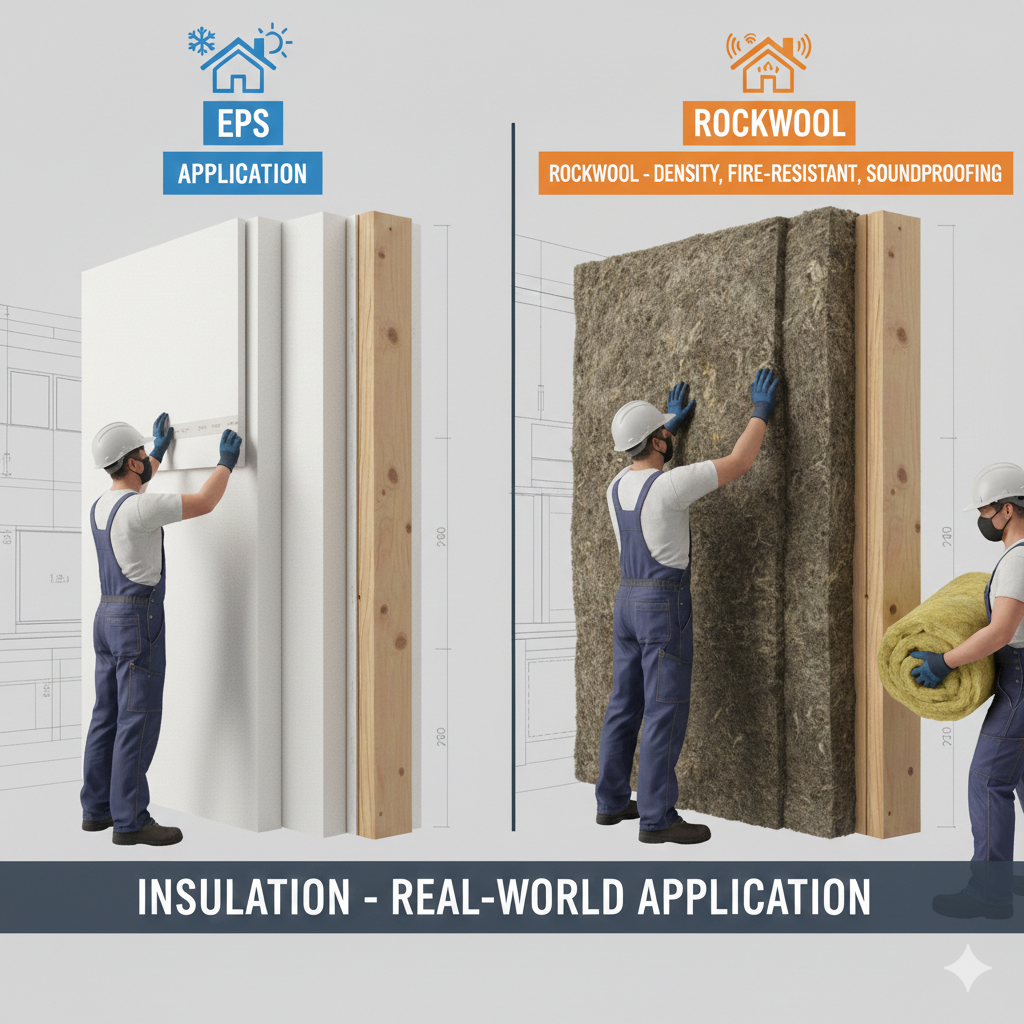
    Choosing the right insulation material is a critical decision for residential, commercial, and industrial buildings. Two of the most widely used materials are EPS insulation and rockwool insulation. While both serve the same primary purpose—reducing heat transfer—their composition, performance, and applications differ significantly.

    This EPS vs Rockwool – Complete Technical Comparison explains how each material works, where it performs best, and how to decide between them based on thermal, acoustic, moisture, and safety requirements.

    Understanding EPS Insulation

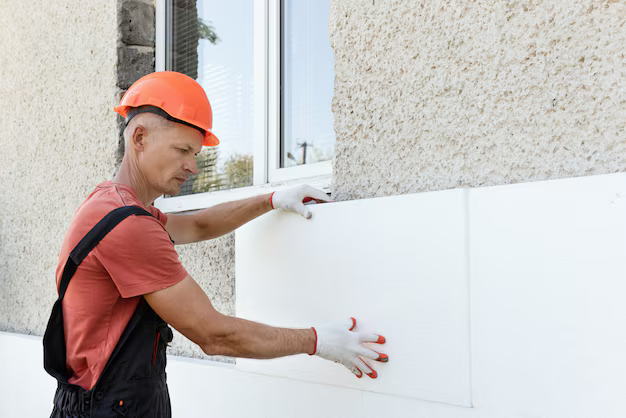
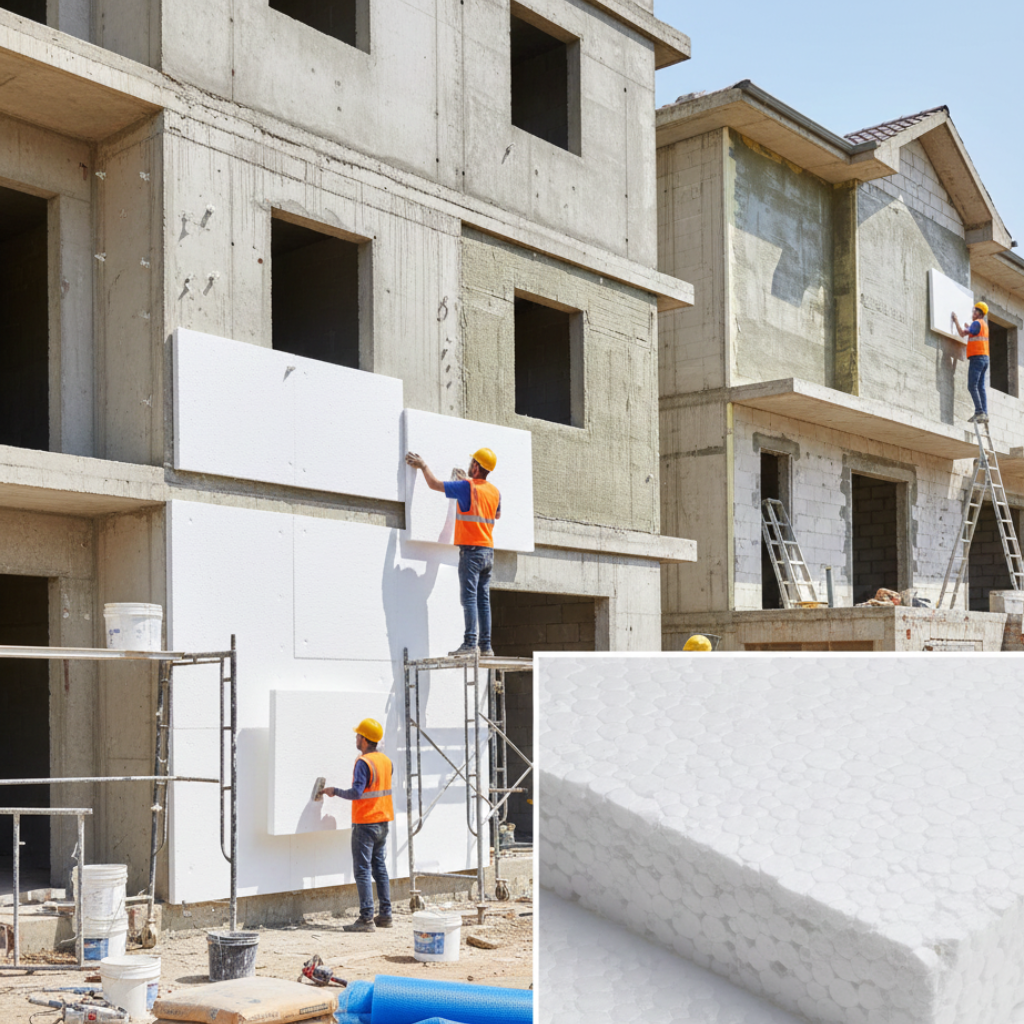
    Thermopore Sheet Installation

    EPS insulation (Expanded Polystyrene) is a rigid, lightweight insulation material made by expanding polystyrene beads using steam. The result is a closed-cell structure that traps air, which helps slow down heat transfer.

    EPS is widely used in walls, roofs, floors, and foundations due to its affordability and ease of installation.

    Key Characteristics of EPS

    • Lightweight and easy to handle
    • Consistent thermal performance
    • Resistant to moisture absorption
    • Cost-effective for large surface areas

    Understanding Rockwool Insulation

    Rockwool insulation is a mineral-based insulation material manufactured by melting volcanic rock and spinning it into dense fibers. This structure makes rockwool excellent for thermal resistance, sound absorption, and fire protection.

    Rockwool is commonly used in walls, roofs, industrial plants, and fire-rated structures.

    Key Characteristics of Rockwool

    • High density and durability
    • Excellent fire resistance
    • Superior sound absorption
    • Vapor-permeable structure

    EPS vs Rockwool – Material Composition Comparison

    One of the biggest differences in polystyrene vs rockwool insulation lies in how the materials are formed.

    EPS relies on trapped air inside rigid foam cells, while rockwool uses intertwined mineral fibers. This structural difference directly impacts performance in heat resistance, sound insulation, and fire behavior.

    Thermal Performance Comparison

    Both insulation types reduce heat transfer effectively, but in different ways.

    • EPS insulation provides stable thermal resistance due to its closed-cell design.
    • Rockwool insulation resists heat by slowing conduction through dense mineral fibers.

    In standard residential applications, both materials perform efficiently when installed correctly.

    EPS vs Rockwool – Technical Comparison Table

    FeatureEPS InsulationRockwool Insulation
    Material TypeExpanded PolystyreneMineral Wool
    Thermal PerformanceGoodVery Good
    Fire ResistanceLimited (needs protection)Excellent (non-combustible)
    Sound InsulationLow to MediumHigh
    Moisture ResistanceGoodModerate
    BreathabilityLowHigh
    Density Range10–30 kg/m³40–120 kg/m³
    WeightLightweightHeavier
    Installation EaseEasyModerate
    Common ApplicationsWalls, roofs, floorsFire-rated walls, partitions, ducts
    Cost LevelEconomicalHigher than EPS
    Suitability for Pakistan ClimateVery SuitableSuitable for premium projects

    EPS vs XPS – Where EPS Stands

    When discussing eps vs xps, EPS is generally more breathable and flexible in vapor movement, while XPS offers higher compressive strength. EPS remains popular for walls and roofs where breathability and cost-efficiency are priorities.

    Fire Resistance and Safety

    Fire performance is a major consideration in insulation selection.

    • Rockwool insulation is non-combustible and can withstand extremely high temperatures.
    • EPS is combustible but often treated with fire-retardant additives to slow flame spread.

    For fire-rated walls or industrial environments, rockwool is typically preferred.

    Sound Insulation Performance

    In polystyrene vs rockwool sound insulation, rockwool clearly outperforms EPS.

    • Rockwool absorbs airborne and impact sound due to its fibrous structure.
    • EPS primarily reflects sound rather than absorbing it.

    For noise-sensitive spaces such as apartments, offices, or studios, rockwool offers better acoustic comfort.

    Moisture Behavior & Breathability

    A common question is: is EPS insulation breathable?

    EPS allows limited vapor diffusion while resisting liquid water absorption. This makes it suitable for controlled indoor environments.

    Rockwool, on the other hand, is vapor-permeable and helps regulate moisture while remaining water-repellent. This characteristic makes it suitable for buildings that require breathability without trapping moisture.

    Installation & Handling Comparison

    • EPS insulation is easy to cut, lightweight, and quick to install, reducing labor time.
    • Rockwool is heavier and requires protective handling but offers greater structural stability in vertical applications.

    Environmental & Longevity Considerations

    Rockwool is manufactured from natural minerals and is dimensionally stable over time. EPS is long-lasting and recyclable but derived from petrochemical sources.

    Both materials have long service lives when installed properly.

    Where EPS Is the Better Choice

    EPS is ideal for:

    • Budget-sensitive projects
    • External wall insulation systems
    • Roof and floor insulation
    • Applications requiring lightweight materials

    Where Rockwool Is the Better Choice

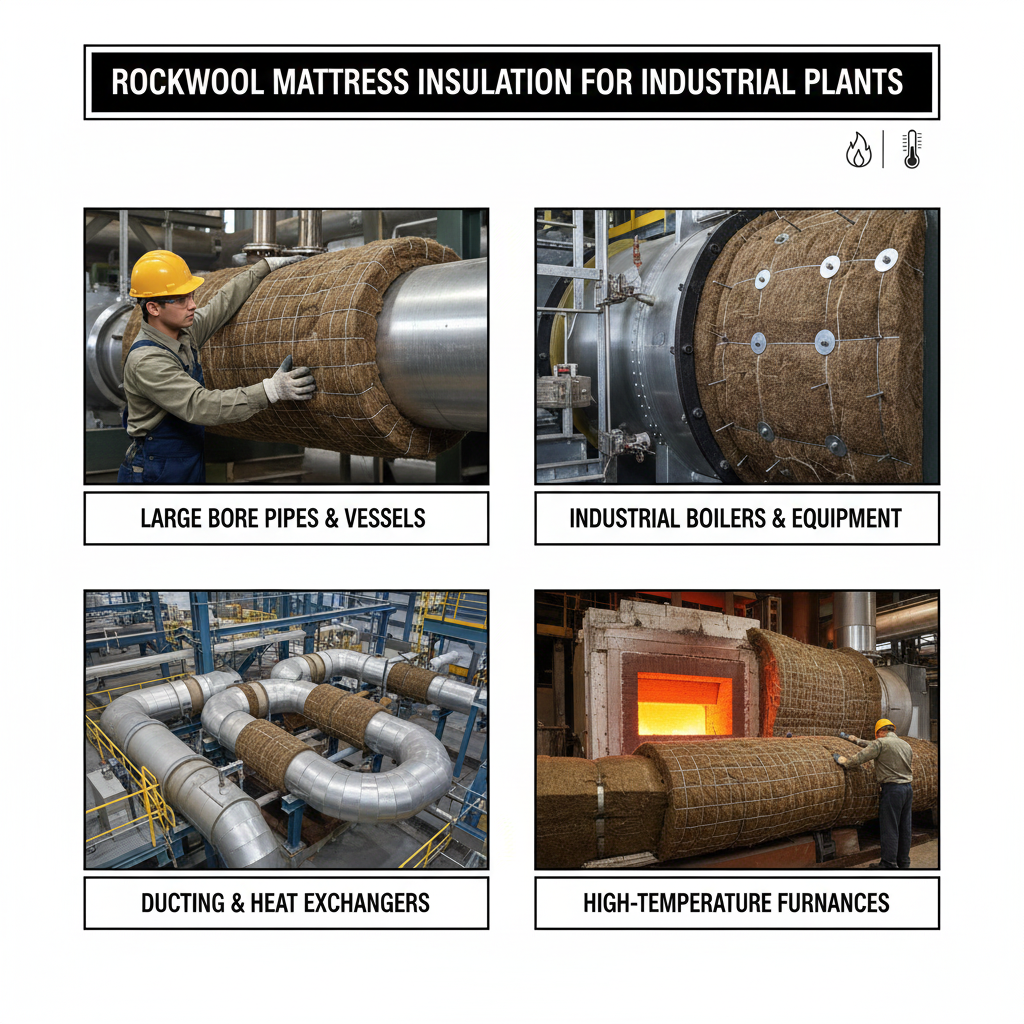
    Soundproofing Material glasswool vs rockwool

    Rockwool is better suited for:

    • Fire-rated walls and ceilings
    • Soundproofing applications
    • High-temperature environments
    • Industrial and commercial buildings

    Final Verdict: EPS vs Rockwool

    There is no single “best” insulation—only the right one for your project.

    • Choose EPS insulation for affordability, ease of installation, and thermal efficiency.
    • Choose rockwool insulation when fire safety, sound insulation, and breathability are critical.

    Understanding the technical differences between these materials ensures better energy efficiency, comfort, and long-term performance.

    FAQ’S

    The main difference lies in composition and performance. EPS insulation is made from expanded polystyrene and focuses on thermal efficiency, while rockwool insulation is made from mineral fibers and offers superior fire resistance and sound absorption.

    For wall insulation in Pakistan, EPS is commonly used for residential projects due to affordability and thermal performance. Rockwool is preferred in commercial or industrial buildings where fire safety and acoustic insulation are critical.

    EPS insulation is not fully breathable. It has low vapor permeability, which helps block moisture but requires proper ventilation design to avoid condensation buildup inside walls.

    Yes. Rockwool performs significantly better in sound control. This is why polystyrene vs rockwool sound insulation comparisons often favor rockwool for apartments, offices, and studios.

    When comparing EPS vs XPS, XPS offers higher compressive strength and moisture resistance, while EPS is more cost-effective and widely used for wall and roof insulation.

    Rockwool is non-combustible and can withstand very high temperatures, making it safer in fire-rated applications. EPS must be protected with fire-resistant layers when used in building envelopes.