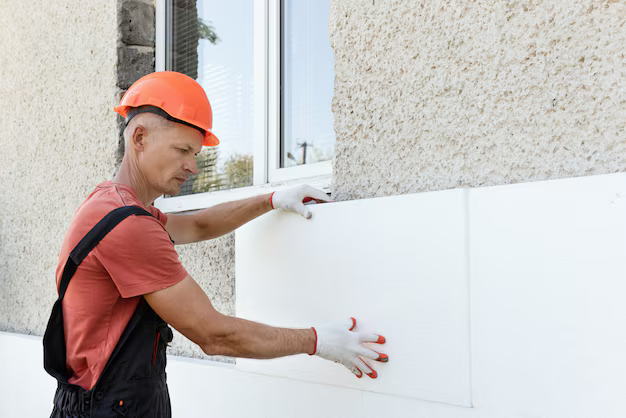
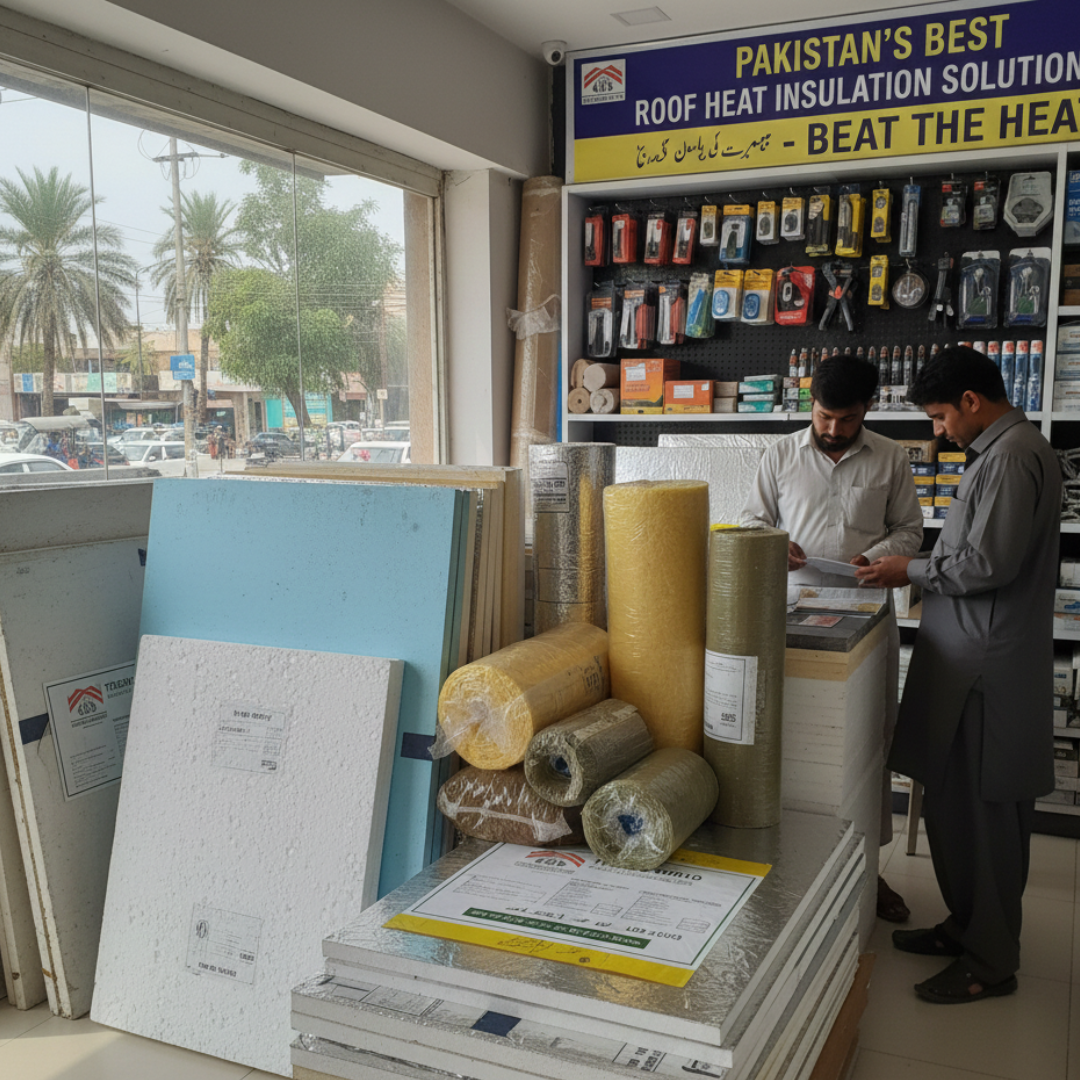
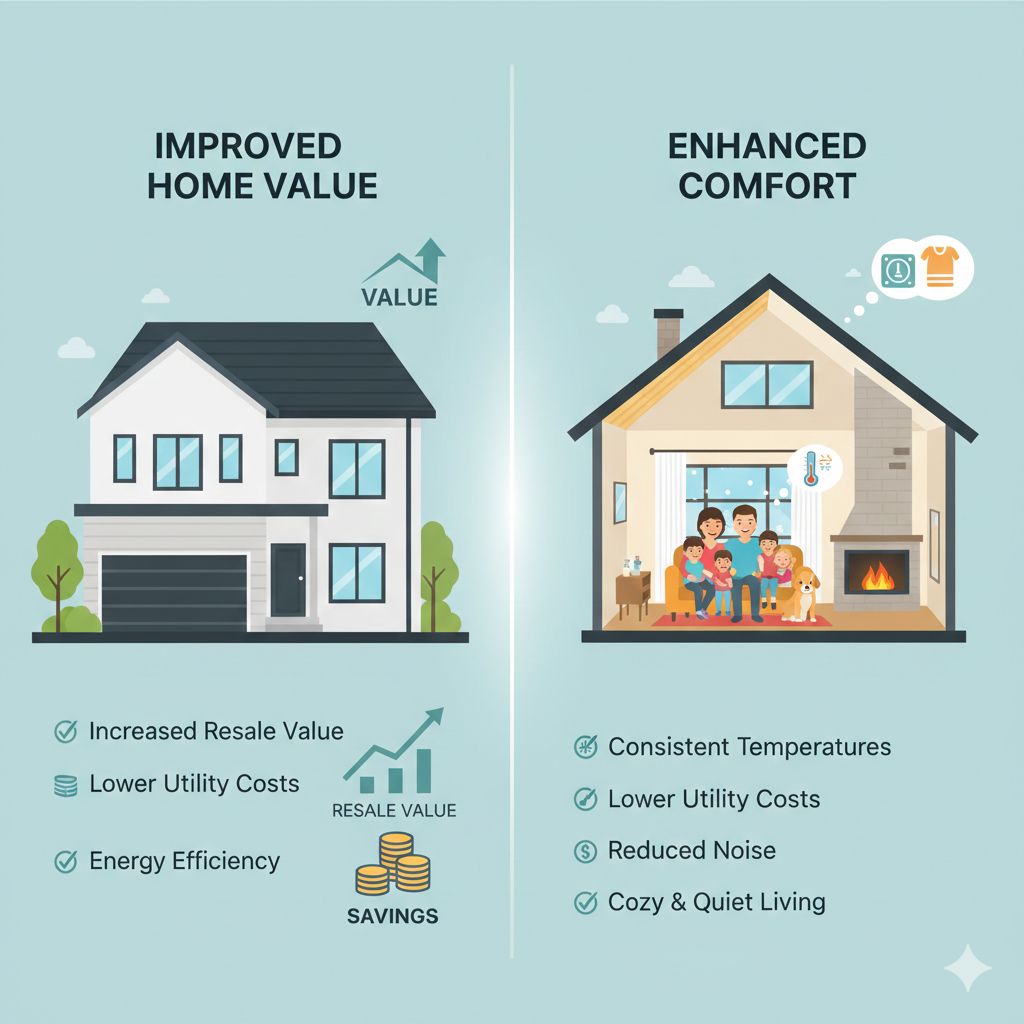
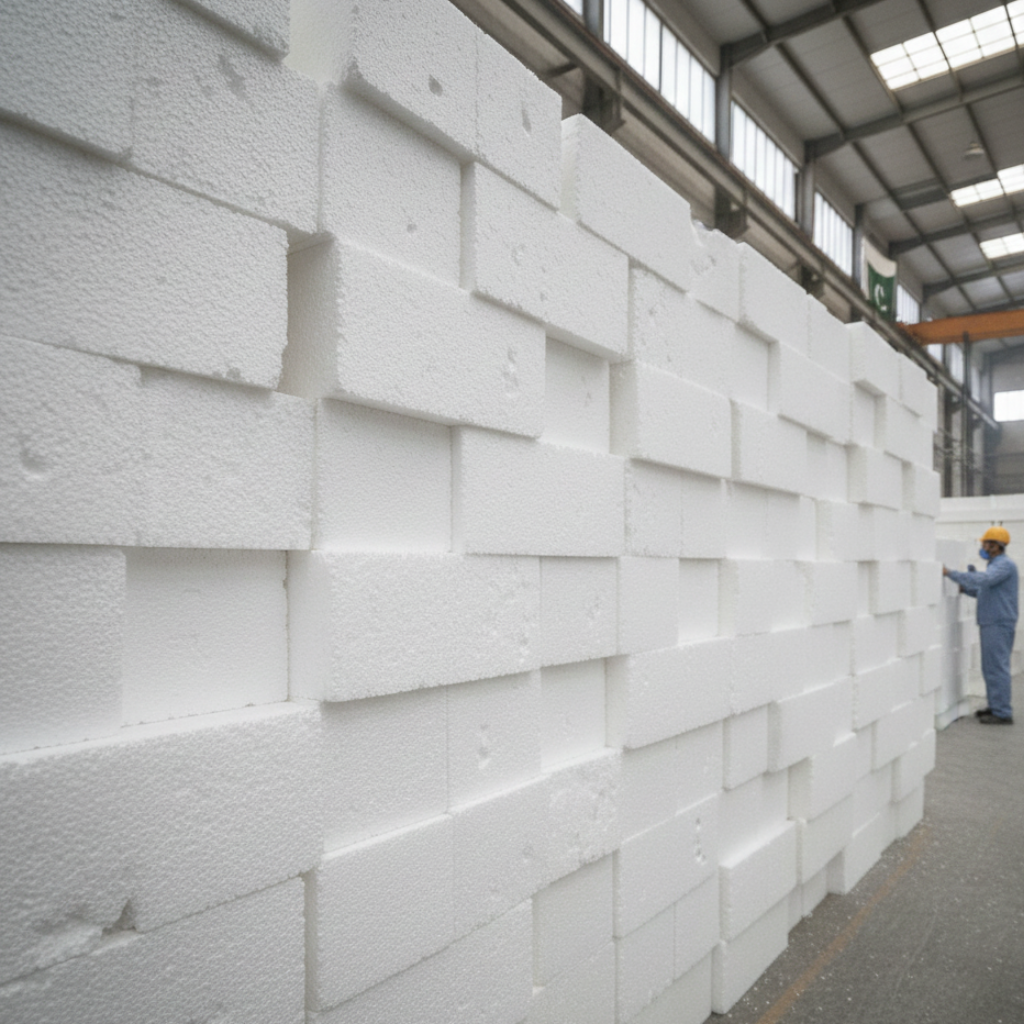
Keep your home energy-efficient with our premium Thermocol Products in Pakistan such as Thermocol InsulationSheets. Reliable Heat Insulation Solutions, tailored for Pakistan’s climate.
Lahore’s climate presents a serious challenge for homes, factories, and commercial buildings. Long summers, extreme heatwaves, and rising electricity costs have made heat insulation a necessity rather than a luxury. Choosing the right insulation system can significantly reduce indoor temperatures, improve comfort, and cut energy bills.
This guide explains Lahore Heat Insulation Solutions using EPS, XPS, and Rockwool, helping you select the most suitable option based on performance, durability, and cost.
Why Heat Insulation Is Essential in Lahore
Lahore experiences prolonged high temperatures that directly impact indoor comfort and energy usage. Without proper insulation, roofs and walls absorb heat throughout the day, making cooling systems work harder.
Effective thermal insulation in Pakistan helps:
Reduce indoor heat gain
Lower electricity consumption
Improve building lifespan
Enhance indoor comfort year-round
Overview of Insulation Materials Used in Pakistan
The insulation market offers several materials, but three dominate large-scale usage due to performance and availability. Each option serves a different structural need.
Choosing the right insulation material Pakistan depends on:
While foam-based insulation may have lower upfront costs, premium materials often provide better lifetime value.
Choosing the Right Thermal Insulation Sheet
When selecting insulation, consider:
Local climate exposure
Roof or wall location
Required thermal resistance
Budget constraints
Comparing the thermal insulation sheet price in Pakistan alongside performance metrics helps in making an informed decision.
Energy Efficiency & Long-Term Benefits
Proper insulation:
Reduces electricity bills year-round
Enhances indoor comfort
Protects concrete structures
Supports sustainable building practices
Modern thermal insulation in Pakistan is now considered an essential construction element rather than an optional upgrade.
Final Verdict: Which Insulation Is Best for Lahore?
EPS → Best for budget wall insulation
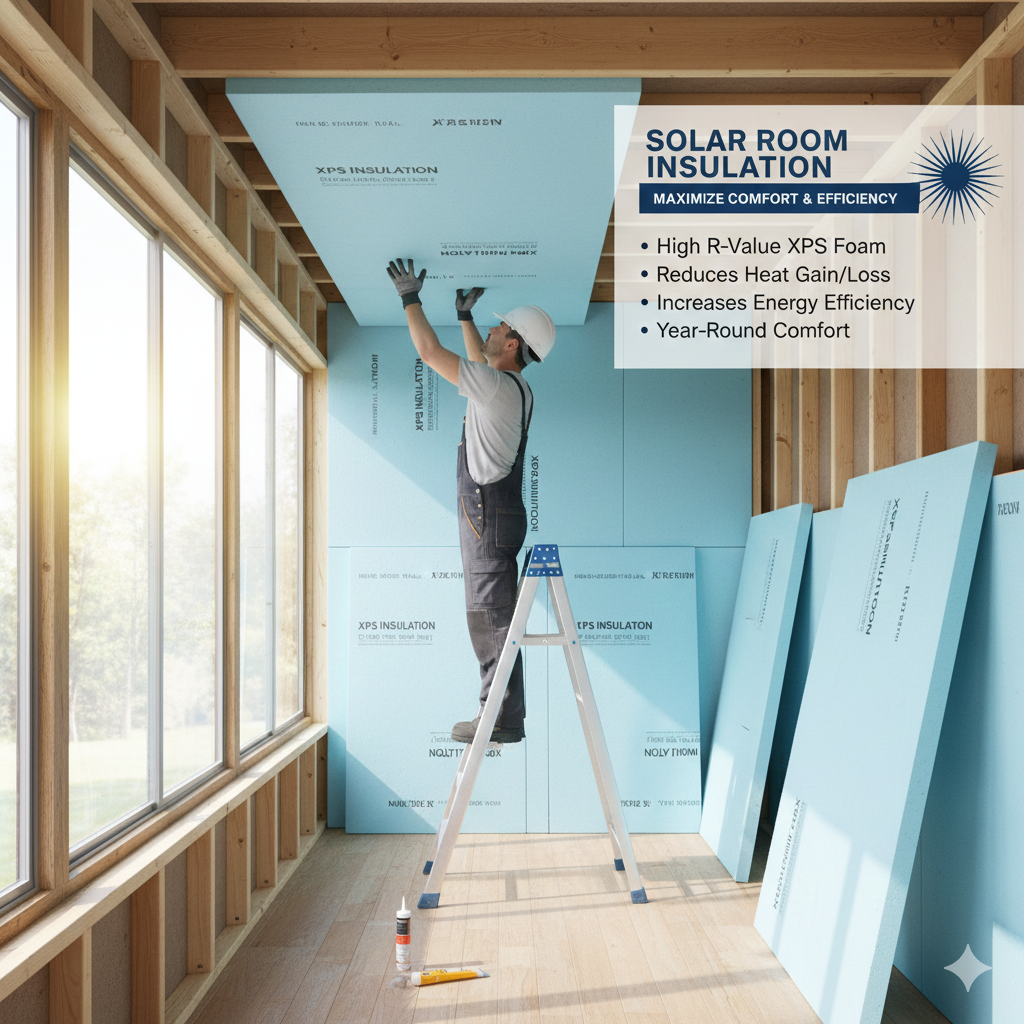
XPS → Best for rooftops and moisture-prone areas
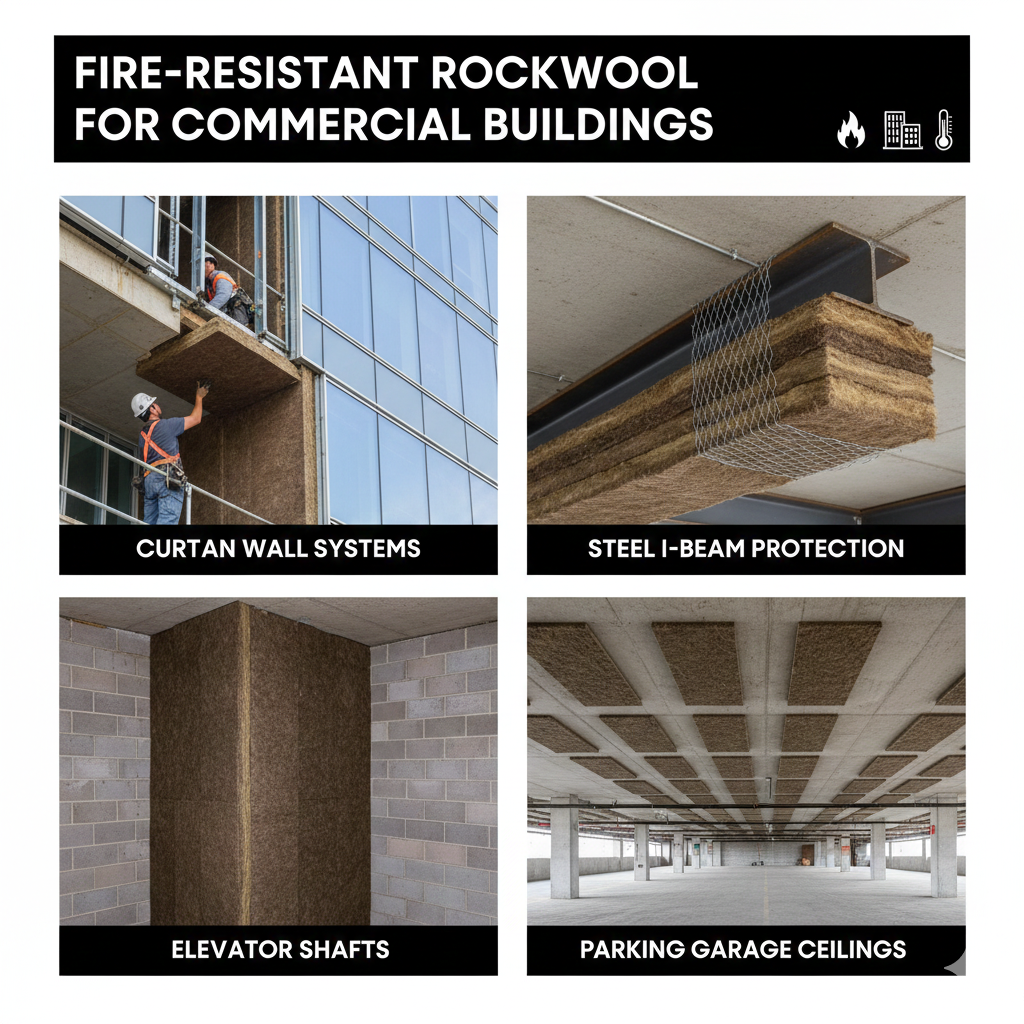
Rockwool → Best for heat, fire, and sound protection
Each solution has a unique role in Lahore’s demanding climate.
FAQ’S
For Lahore’s high summer temperatures, XPS is ideal for roofs due to moisture resistance, while Rockwool is best for commercial buildings needing heat and fire protection. EPS works well for budget-friendly wall insulation.
Yes, wall insulation in Pakistan significantly reduces heat transfer, improves indoor comfort, and lowers electricity consumption during long summer months.
EPS is lightweight and economical, while XPS offers higher thermal resistance, better moisture protection, and longer durability—making it more suitable for rooftops.
Proper thermal insulation in Pakistan can reduce cooling costs by up to 30–40% by limiting heat gain through roofs and walls.
Rockwool can be used in homes, especially where fire safety and sound insulation are priorities, though it is more commonly used in commercial and industrial buildings.
Understanding the Critical Needs of Institutional Buildings
Schools and hospitals are not ordinary structures; they are community pillars where human health, safety, and productivity are paramount. These institutions operate under unique and stringent demands:
Hospitals require highly sterile environments, strict infection control, continuous temperature stability for patients and sensitive equipment, and a structure that supports complex services.
Schools need quiet, comfortable learning spaces to foster a productive educational environment, along with materials that are durable, safe, and easily maintained to manage high traffic and rigorous cleaning protocols.
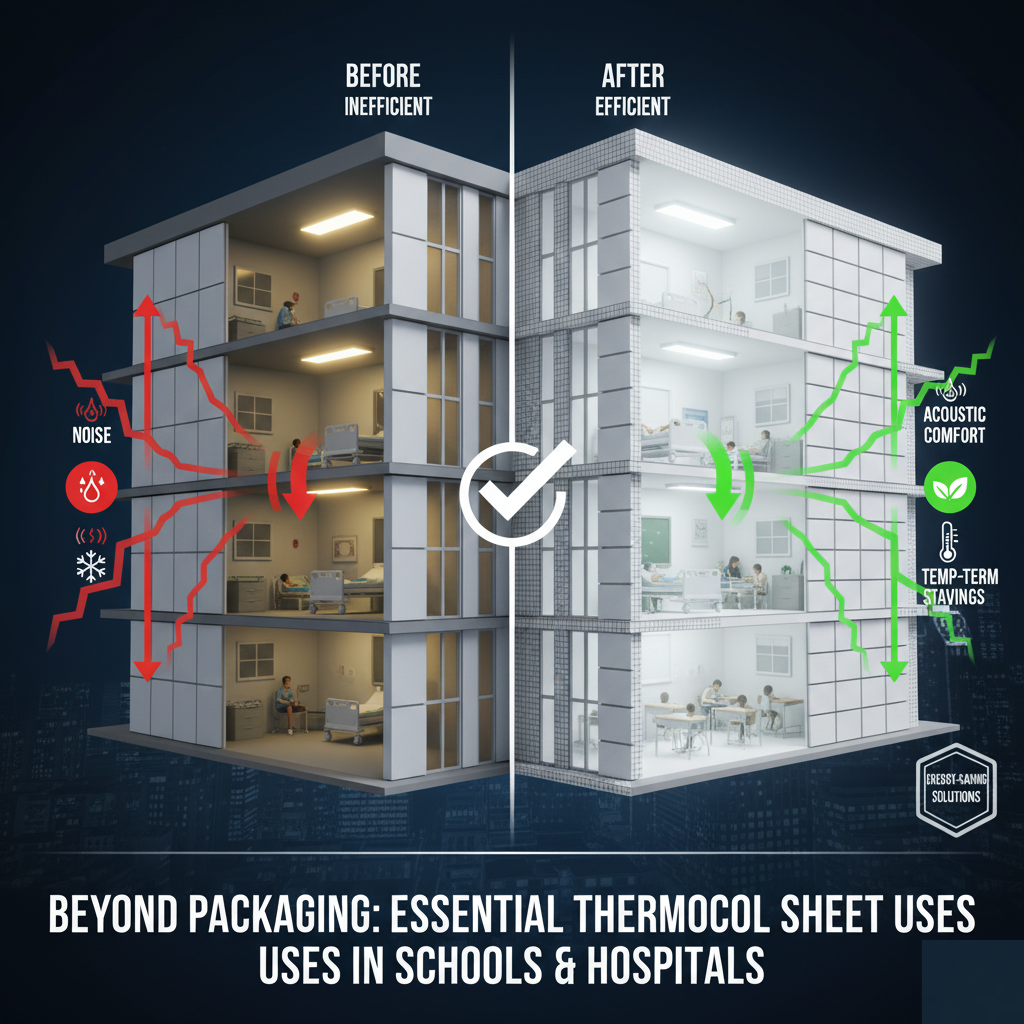
In both scenarios, the choice of building maintenance and construction materials is critical. Increasingly, Thermocol sheets, scientifically known as Expanded Polystyrene (EPS) foam boards, have emerged as a versatile and essential component, offering numerous advantages over traditional materials in addressing these specialized needs.
Temperature and Energy Control – The Role of Thermal Insulation Properties
The most recognized application of Thermocol sheets is in providing superior thermal insulation properties. In large institutional buildings, heating, ventilation, and air conditioning (HVAC) systems are major consumers of energy. Minimizing heat loss in winter and heat gain in summer is the fastest path to realizing significant operational savings.
Optimizing HVAC Efficiency in Hospitals
Hospitals, in particular, must maintain precise temperature zones, from operating theaters to patient recovery rooms. Ineffective insulation forces HVAC systems to run constantly, leading to inflated utility bills and increased risk of system failure.
EPS foam boards are installed within walls, roofs, and flooring systems to create an effective thermal envelope. This crucial barrier stabilizes the internal temperature, allowing the HVAC system to operate efficiently. This material directly supports the institutional goal of achieving significant energy-saving solutions by reducing the building’s reliance on continuous climate control. This stability is critical for the storage of medicines and the operation of life-saving equipment, contributing to the overall integrity of the facility.
Creating a Comfortable Educational Environment
For schools, temperature regulation impacts student focus and attendance. A classroom that is too hot or too cold is a distraction. Thermocol sheets in the roof and ceiling of school buildings significantly reduce the external heat transfer. This passive cooling effect is especially important in regions with extreme climates, creating a more comfortable and conducive educational environment without excessively burdening the school’s budget. Their lightweight nature makes them ideal for retrofitting older school buildings without adding significant structural load.
Noise Reduction and Focus – The Benefit of Acoustic Insulation
In busy institutional settings, noise pollution is a serious concern. The clatter of hospital carts, intercom announcements, and machinery hum can hinder patient recovery, while noise from adjacent classrooms or outdoor traffic can impair student learning.
Enhancing Patient Recovery with Acoustic Insulation
Hospitals require quiet zones. Excessive noise is a known contributor to patient stress and poor sleep, directly affecting recovery times. Acoustic insulation is therefore vital for patient wards and consultation rooms.
While primarily known for its thermal resistance, high-density Expanded Polystyrene (EPS), especially when used in combination with other materials in partition walls, provides significant acoustic insulation benefits. It helps dampen sound vibrations and reduce reverberation, creating a quieter, more therapeutic environment essential for hygiene and safety protocols that rely on clear communication.
Supporting Learning with Sound Dampening
In a school, concentration is key. Noise transference between classrooms, gymnasiums, and hallways is a constant challenge. Using Thermocol sheets as an underlay in flooring or within false ceilings helps absorb impact noise and reduce airborne sound transmission. This investment in a quieter educational environment directly translates to better student comprehension and focus. The cost-effective material solution offers high-impact improvements in learning conditions without the prohibitive expense of specialized soundproofing systems.
Hygiene, Safety, and Construction Durability
Beyond environmental control, institutions prioritize durability, ease of maintenance, and compliance with health and fire safety standards.
Facilitating Infection Control and Hygiene
In hospitals, every material must be easy to clean and resistant to biological growth. EPS foam boards are non-fibrous and do not absorb water, making them inherently resistant to mold, mildew, and bacterial growth—a non-negotiable factor in infection control environments. When protected by a hard, sealed coating, the smooth, impermeable surfaces simplify the rigorous cleaning and sterilization procedures required for healthcare facilities, contributing greatly to overall hygiene and safety.
Fire-Retardant Grade and Structural Safety
Safety is paramount. Modern Expanded Polystyrene (EPS) materials are often available in a special fire-retardant grade (FR-grade), which is crucial for public buildings. While no material is completely fireproof, this treated EPS is designed to self-extinguish when the source of the fire is removed, significantly slowing the spread of flames and meeting specific regulatory requirements for institutional construction. Choosing this grade is a fundamental step in responsible building maintenance and code compliance.
Lightweight Construction for Rapid Deployment
The lightweight construction of Thermocol sheets and prefabricated panels offers immense logistical and structural advantages.
Schools: Faster construction times minimize disruption to the school calendar. The ease of handling the lightweight construction materials also lowers labor costs and simplifies on-site logistics.
Hospitals: Their light weight reduces the load on a building’s structure, which is important for multi-story hospitals. Furthermore, these prefabricated panels can be rapidly assembled, supporting quick renovations or the construction of temporary isolation wards—a necessity for modern healthcare logistics.
Maintenance, Cost, and Future-Proofing
The economic benefits of using EPS extend far beyond initial cost savings to encompass long-term building maintenance and operational budgets.
Cost-Effective Material for Large Scale Projects
Institutions operate on taxpayer or donor funds, making cost-effectiveness essential. Thermocol sheets are a remarkably cost-effective material compared to alternatives like rockwool or specialized rigid insulation foams, offering a high R-value per dollar spent. This affordability allows for comprehensive insulation coverage across vast areas—roofs, exterior walls, and floors—which maximizes the overall thermal insulation properties of the entire structure. This initial saving, combined with the continuous energy-saving solutions provided by the insulation, guarantees a substantial return on investment (ROI).
Durability and Longevity
High-quality, dense EPS foam boards are extremely durable. Unlike softer materials, they resist compression and degradation when properly installed and protected. Their resilience to moisture means they do not rot or support vermin, drastically reducing future building maintenance issues related to structural damage or mold remediation. This longevity ensures that the performance of the thermal insulation properties remains consistent over the decades-long lifespan of the school or hospital.
Versatility with Prefabricated Panels
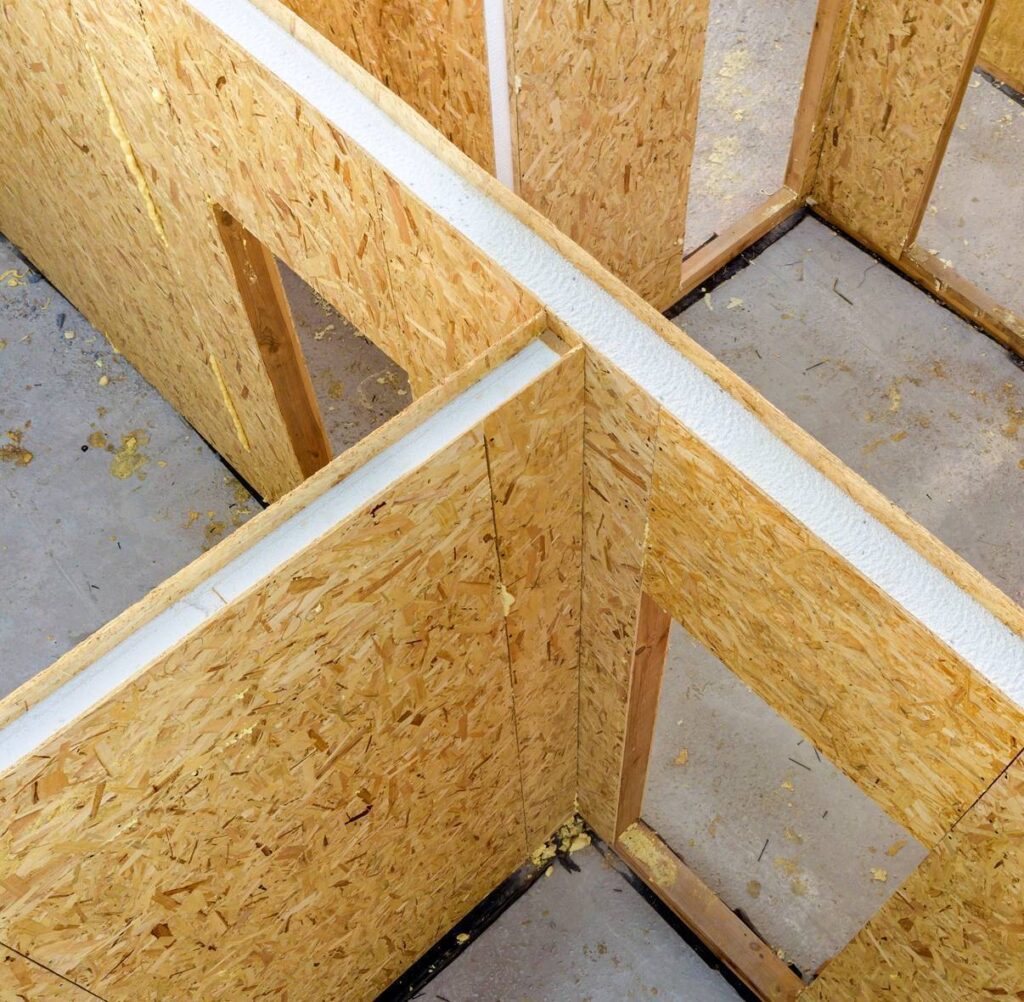
The use of prefabricated panels—sandwich panels that incorporate Thermocol sheets—is growing in institutional building. These factory-made units ensure consistency, speed up installation, and are especially useful for constructing extensions or specialized rooms. They support the seamless integration of services while maintaining high hygiene and safety standards.
Conclusion: A Smart Investment in Institutional Infrastructure
The utilization of Thermocol sheets—or Expanded Polystyrene (EPS) foam boards—in schools and hospitals is a strategic choice that addresses the multifaceted challenges of institutional infrastructure. From providing essential acoustic insulation to creating an environment suitable for rigorous infection control, and from delivering powerful energy-saving solutions via excellent thermal insulation properties to facilitating rapid, lightweight construction using prefabricated panels, EPS is a superior and cost-effective material.
By adopting this versatile and durable material, institutions can ensure a higher standard of hygiene and safety, provide a more comfortable educational environment for students, and significantly reduce operational costs through reduced building maintenance and superior efficiency. It is an investment that pays dividends in both the balance sheet and the well-being of the community.
FAQ’S
Yes. In institutional and commercial construction, it is crucial to use a specific fire-retardant grade (FR-grade) of Expanded Polystyrene (EPS) foam boards. While standard EPS is flammable, the FR-grade is treated with flame retardants during manufacturing. This allows the material to meet stringent building codes by self-extinguishing when the ignition source is removed. This safety feature, combined with its excellent thermal insulation properties, makes the fire-retardant grade a safe and approved, cost-effective material for use in schools and hospitals, contributing significantly to overall hygiene and safety protocols.
Thermocol sheets aid infection control primarily because of their physical properties. They are non-fibrous, closed-cell materials, meaning they do not absorb moisture or support biological growth like mold, mildew, or bacteria, unlike some traditional insulation types. When used in composite structures like prefabricated panels with sealed, smooth outer skins, they create surfaces that are easy to clean, sterilize, and maintain, which is vital for meeting the high hygiene and safety standards required in healthcare environments.
The major benefit beyond temperature control is acoustic insulation. Schools require quiet spaces for effective teaching and concentration. When integrated into walls, ceilings, and flooring, EPS foam boards help dampen sound transmission and reduce ambient noise levels. This allows teachers to maintain a better learning atmosphere and ensures that students are not distracted by noise from adjacent classrooms or exterior traffic, creating a more focused and productive educational environment. This dual function of thermal and acoustic buffering is a key element of effective building maintenance.
Yes, when properly manufactured as prefabricated panels (often known as sandwich panels), the core Thermocol sheets (EPS foam boards) are sandwiched between durable outer layers, typically steel, cement board, or high-density plastic. This structure utilizes the light weight of the EPS for easy, lightweight construction while relying on the outer skins for structural integrity and resistance to wear and tear. This makes the panels highly durable, resistant to impact, and easy to clean, proving them suitable for the heavy demands and frequent building maintenance of institutional settings.
A water tank—whether on your rooftop, in your loft, or part of a hot water system—is one of the most vital, yet often neglected, components of a residential or commercial property. Most people think of plumbing or heating elements, but rarely do they consider the material that surrounds the tank itself. In an era where energy costs are a major concern and sustainable living is a priority, leaving a water tank uninsulated is akin to leaving money on the table. This is where a simple, cost-effective, and highly efficient solution comes into play: Thermocol insulation for water tanks. Known scientifically as Expanded Polystyrene (EPS), this material offers a powerful thermal barrier that addresses one of the biggest sources of energy waste in a building.
The True Cost of an Uninsulated Tank
Without a proper thermal barrier, your tank is in constant thermal warfare with the surrounding environment.
In Cold Climates: A cold water tank in an unheated loft can freeze, causing catastrophic pipe bursts. A hot water cylinder loses heat rapidly, forcing the water heater to cycle on more frequently and significantly increasing your utility bills. This constant heat loss is known as thermal bridging.
In Hot Climates: A rooftop water storage tank absorbs relentless solar radiation, heating the water inside to uncomfortable temperatures that can even encourage bacterial growth. The water becomes too hot for a refreshing shower and requires energy-intensive cooling before use.
The solution is not just an expense; it is a long-term investment in energy efficiency and the longevity of your water system.
Thermocol (EPS): The Ideal Material for Water Tank Insulation
Thermocol, or Expanded Polystyrene (EPS), is a remarkably effective material for creating a robust thermal envelope around a water tank. Its unique structure is the key to its superior performance.
Understanding Expanded Polystyrene (EPS)
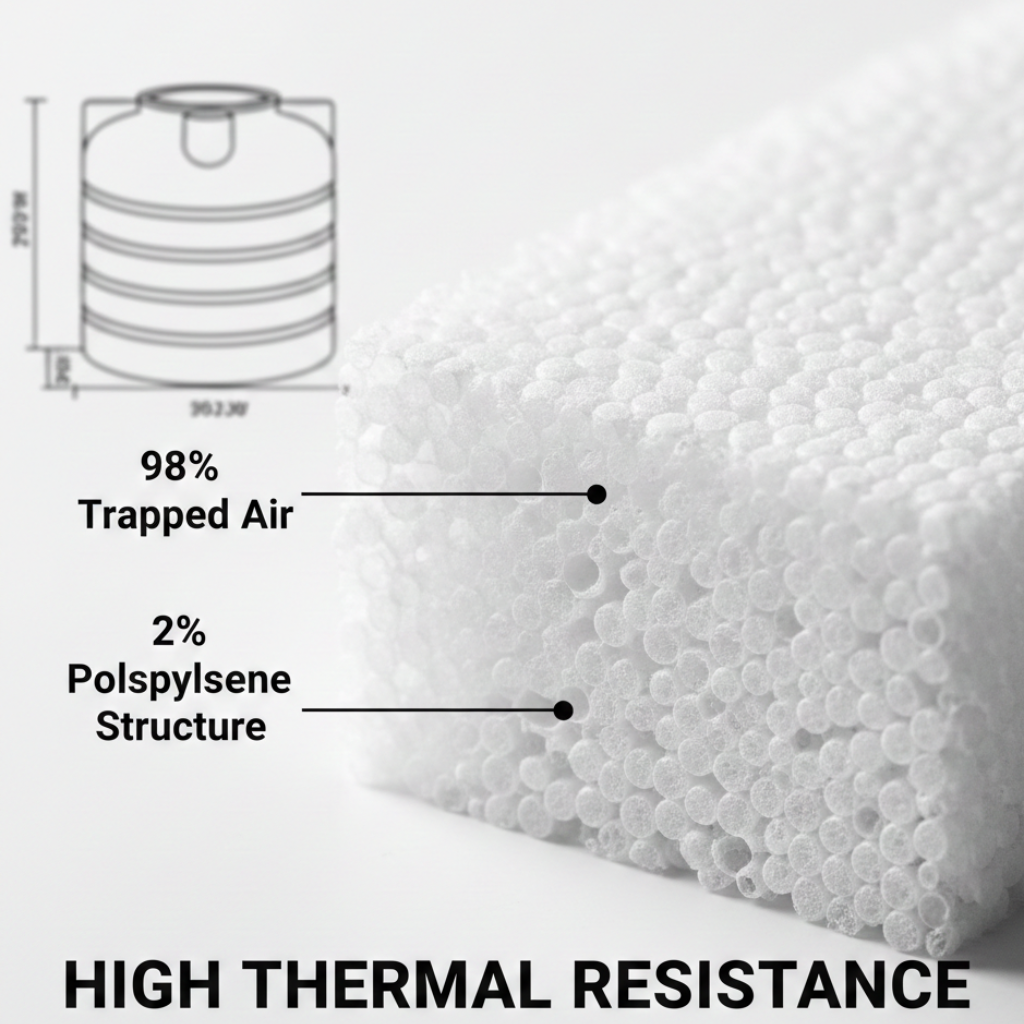
EPS is a lightweight, rigid foam plastic material composed of millions of tiny, closed cells. Amazingly, it is made up of about 98% trapped air and only 2% polystyrene material. It is these trapped air pockets that give it its extraordinary thermal resistance, acting as an excellent barrier against heat transfer.
Key Benefits of Using Thermocol Sheets
The properties of EPS make it an ideal choice when considering water tank insulation materials:
High R-Value (Thermal Resistance): The R-value is the measure of an insulation material’s ability to resist heat flow. EPS foam boards offer a consistently good R-value per inch of thickness, ensuring your water temperature is maintained efficiently.
Cost-Effectiveness: Compared to alternatives like Polyisocyanurate (PIR) or high-density spray foam, Thermocol insulation is generally more affordable insulation material upfront, providing a high return on investment quickly through energy savings.
Lightweight and Easy to Handle: The low density of EPS makes the insulation sheets easy to cut, shape, and transport. This is a significant advantage for both professional installers and the DIY water tank insulation enthusiast.
Moisture and Water Resistance: Unlike fibrous materials like fiberglass blankets, EPS is highly resistant to water absorption. This property prevents the material from becoming saturated, which would severely compromise its insulating properties and lead to mold or mildew growth. This is crucial for tanks where condensation or external moisture is a risk.
Durability and Longevity: When properly installed and protected from direct UV light, EPS foam is robust and maintains its thermal performance for decades, offering a long-term insulation solution.
Non-Toxic and Safe: Thermocol is non-toxic and does not emit harmful gases, making it safe for use in residential environments, even when placed near domestic water storage tanks.
Step-by-Step Guide to DIY Thermocol InsulationFor Water Tanks
Insulating a water tank with Thermocol foam boards is a feasible DIY project that can be completed in a few hours. This method is particularly effective for rectangular or square cold water storage tanks typically found in lofts, or for standard hot water cylinders where a ready-made insulation jacket may not be sufficient.
Preparation and Measurement
Safety First: If insulating a hot water cylinder, turn off the water supply and the power to the heating element (boiler or immersion heater). Allow the tank to cool slightly to ensure a safe working environment.
Clean the Surface: The tank surface must be clean, dry, and free of dust, dirt, or grease. A clean surface ensures a better fit and better adhesion if using an adhesive.
Accurate Measurement: Use a tape measure to get the precise dimensions of the tank: height, width, and depth (or diameter for a cylindrical tank). Crucially, measure the lid or top of the tank separately.
Gather Materials: You will need Expanded Polystyrene (EPS) foam boards (look for sheets with a high density for better insulation), a utility knife, a straight edge or measuring tool, insulation adhesive (polystyrene-safe), duct tape or foil tape, and a weatherproof coating (for outdoor tanks).
Cutting and Fitting the EPS Boards
Cut the Side Panels: Based on your measurements, carefully cut the EPS boards using the utility knife. Pro Tip: Score the board deeply with the knife, then snap it cleanly along the score line.
Ensure a Snug Fit: The goal is to create a complete thermal envelope with as few gaps as possible. Fit the cut pieces flush against the tank’s sides. For a cylindrical tank, you will need to cut smaller, curved sections that fit together or use thicker boards that naturally curve slightly with the tank.
Account for Obstructions: Carefully measure and cut out holes for any protruding pipes, valves, or temperature/pressure relief devices. Use the smallest possible cutout to minimize thermal bridges.
Insulate the Lid/Top: Cut a separate piece of Thermocol to fit perfectly over the tank’s lid. The top is a major source of heat loss or gain and must be covered. For outdoor tanks, ensure the lid panel is protected from water ingress.
Sealing and Protection
Secure the Boards: Use a polystyrene-safe adhesive to secure the EPS boards to the tank surface. For an easier, less permanent solution, a secure wrap of strong, broad duct tape can hold the sheets in place.
Seal All Seams and Gaps: This is the most critical step for optimal performance. Use the strong foil or duct tape to thoroughly seal every seam where two foam boards meet. Pay extra attention to the corners and the cutouts around pipes. Sealing gaps prevents air movement and dramatically boosts the insulation’s thermal performance.
Weatherproof Coating (for Outdoor Tanks): If your tank is outside (e.g., a rooftop tank), the EPS must be protected from UV rays and weather. Apply a protective outer layer, such as a waterproof coating, a reflective aluminum foil cladding, or a durable exterior paint designed for insulation. UV exposure degrades polystyrene over time.
Thermocol vs. Other Water Tank Insulation Materials
While Thermocol (EPS) is a fantastic, budget-friendly option, homeowners often consider other materials. Comparing the pros and cons helps make an informed decision based on climate and budget.
Requires professional installation; higher initial cost.
Extruded Polystyrene (XPS)
Higher compressive strength than EPS, better moisture resistance.
$5.0$
Underground tanks, high-moisture areas.
More expensive than EPS, less environmentally friendly due to blowing agents.
Thermocol strikes the best balance between cost-effectiveness and thermal efficiency for the average residential or small commercial water storage solution.
The Long-Term Return on Investment (ROI)
The initial cost of materials for insulating your water tank with EPS is quickly recouped through tangible savings.
Reduced Energy Consumption
For hot water cylinders, insulation drastically reduces heat loss, meaning the element or boiler doesn’t have to work as hard or as often. This directly translates to lower utility bills. Studies show that insulating an uninsulated or poorly insulated tank can save a significant percentage of the energy used for water heating. The thermal envelope created by the EPS maintains the stored heat, offering reliable hot water when you need it.
Extended Water Heater Lifespan
When a heater cycles on less frequently due to reduced heat loss, there is less wear and tear on its components. A well-insulated tank reduces the stress on the heating element and the tank itself, contributing to a longer, more reliable service life for your entire water heating system.
Climate Comfort and Safety
Preventing Water Freezing: For tanks in cold areas like lofts, the insulation provides a crucial barrier against freezing temperatures, preventing costly plumbing repairs caused by frozen and burst pipes.
Comfort in Summer: For rooftop tanks, the reflective coating applied over the Thermocol sheets in combination with the insulation layer minimizes heat gain from the sun, keeping the water refreshingly cooler. This is an essential consideration for homeowners in hot climatic regions.
Best Practices and Pro Tips for Maximum Performance
To ensure your Thermocol insulation for water tanks delivers its absolute best, follow these crucial tips:
Routine Inspection: Periodically check the tank for signs of moisture, damage to the protective layer, or gaps that have opened up due to settling. Maintaining the seal is key to sustained energy efficiency.
Choose the Right Thickness: Always opt for the thickest EPS board your space and budget allow. Thickness directly correlates with the R-value and overall thermal performance. Never compress the insulation, as this reduces its effectiveness.
Prioritize the Top and Bottom: Heat rises, so ensuring the lid is heavily and seamlessly insulated is paramount to reducing heat loss. The bottom of the tank (if accessible and not sitting directly on a heated floor) also needs attention to prevent heat escaping into the floor or ground.
Address Thermal Bridges: A thermal bridge is any area where the insulation layer is interrupted, allowing heat to flow freely. Pipes, mounting brackets, and access panels are common culprits. Use foam tape or sealant to fill every tiny gap around pipes after cutting the holes for the EPS board. This detail separates a good job from an excellent one.
Protect from the Elements: For outdoor tanks, UV protection is mandatory. A weatherproof coating or metal cladding shields the EPS from degradation, ensurinhttps://thermocolsheet.com/eps-foam/g its long-lasting insulation performance.
Conclusion: Securing Your Water Future with Thermocol
Thermocol insulation for water tanks is a proven, economical, and highly effective method for controlling water temperature, dramatically reducing utility bills, and protecting your property from the risks of extreme heat or cold. By choosing Expanded Polystyrene (EPS) foam boards, you invest in a solution that offers excellent thermal resistance, is simple to install, and provides long-term energy savings.
From the initial DIY water tank insulation project to enjoying decades of consistent water temperature and lower heating costs, the choice to insulate your water storage tank with Thermocol is a wise step towards a more sustainable and comfortable home or business. Embrace this smart material and turn your tank into an energy-saving asset.
FAQ’S
For most residential hot water tanks (cylinders), Google SEO guidelines often recommend aiming for a minimum R-value of R-12 to R-24 for the insulation jacket, especially in colder climates. Since Thermocol (EPS) typically has an R-value of around $4.0$ per inch, you should use an insulation sheet that is at least 3 inches thick to meet the R-12 minimum. For better energy efficiency and long-term heat loss prevention, especially in unheated spaces like lofts, aim for 4 to 6 inches of high-density EPS.
Yes, Thermocol insulation for water tanks installed outdoors, such as on a rooftop, absolutely requires protection. Expanded Polystyrene (EPS) is susceptible to degradation from UV rays (sunlight) and moisture ingress. To maintain its thermal performance and structural integrity, you must apply a weatherproof coating—preferably a thick, reflective exterior paint or a layer of aluminum foil cladding—over the EPS foam boards. This shields the material, prevents thermal bridging through gaps, and helps minimize solar radiation heat gain.
The payback period for DIY water tank insulation using affordable Thermocol sheets is usually very short, often between 6 to 18 months, depending on your existing insulation level and energy tariffs. Insulating a poorly covered hot water heater tank can reduce heat loss by up to $25\%-45\%$. The material’s low initial cost and its immediate impact on reducing the frequency of the water heater cycling on ensures a quick return on investment (ROI), leading to years of pure energy savings afterward.