
thermocol sheet price in pakistan

Tag: glass wool insulation price

  • Ceramic Fibre Insulation

    Ceramic Fibre Insulation

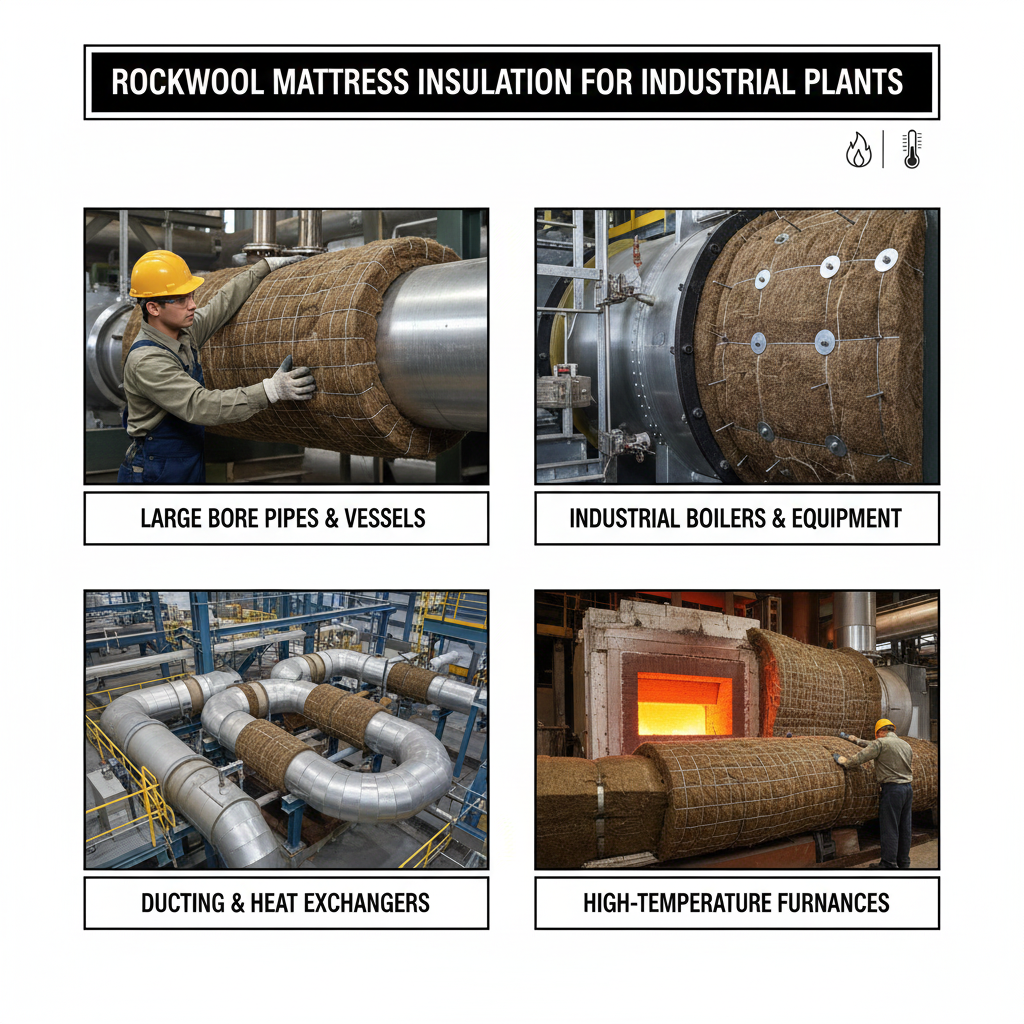
    High-temperature industries in Pakistan require insulation materials that can withstand extreme heat without losing performance. This is where ceramic fibre insulation plays a critical role. Used primarily in furnaces, kilns, boilers, and industrial plants, ceramic fibre insulation offers superior thermal resistance compared to conventional materials.

    This guide explains everything you need to know about ceramic fibre insulation in Pakistan, including pricing, applications, material forms, and how it compares with glass wool and fibreglass insulation.

    What Is Ceramic Fibre Insulation?
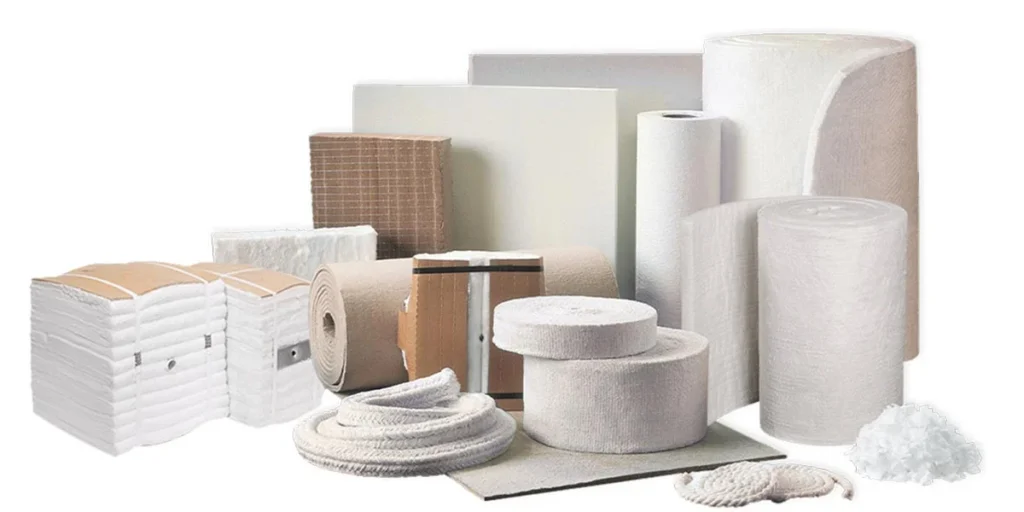
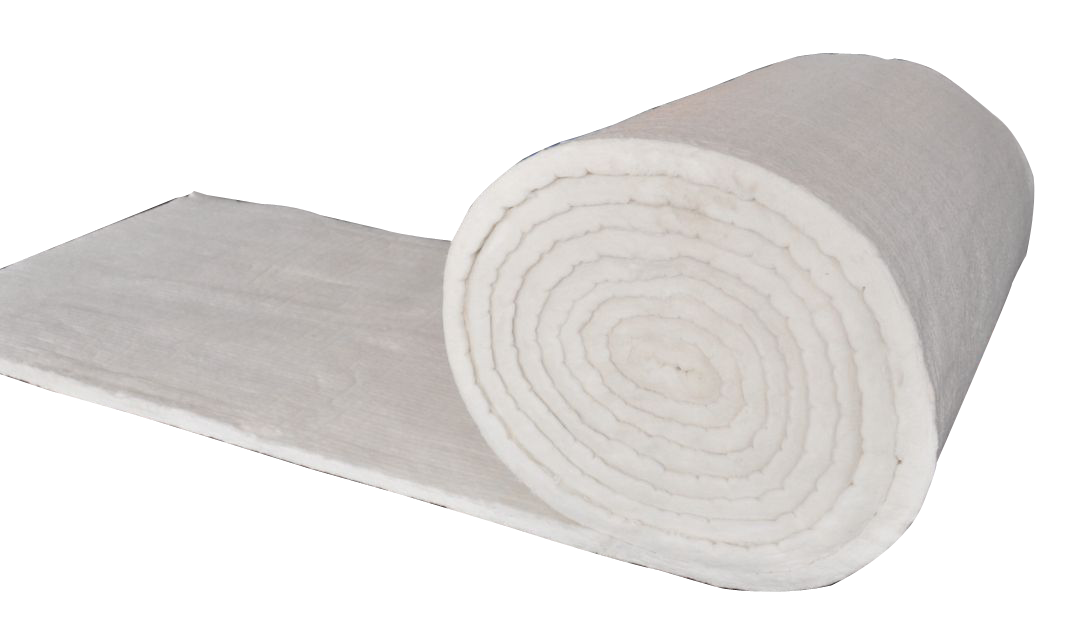
    Ceramic fibre insulation is a high-temperature resistant material manufactured from alumina-silica fibers. It is designed to perform in environments where conventional insulation materials fail due to extreme heat.

    Ceramic fibre insulation is commonly available in blanket, board, paper, and module forms, with ceramic wool insulation being one of the most widely used variants.

    Why Ceramic Fibre Insulation Is Used in Pakistan

    Ceramic fibre insulation is gaining importance in Pakistan due to:

    • Growing industrial sector
    • Demand for energy-efficient furnaces and kilns
    • High operating temperatures in steel, cement, and power plants
    • Long service life in extreme conditions

    Industries prefer ceramic fibre insulation where standard thermal solutions are not suitable.

    Ceramic Fibre Insulation in Pakistan Price – What Influences Cost?

    The ceramic fibre insulation in Pakistan price depends on multiple factors, including:

    • Temperature rating
    • Density and thickness
    • Product form (blanket, board, module)
    • Imported vs locally available material
    • Application type

    Because of these variables, prices are usually quoted per roll, per square meter, or per kilogram depending on product form.

    Ceramic Wool Insulation – Common Industrial Choice

    Ceramic wool insulation is widely used in high-temperature industrial applications due to its lightweight structure and excellent heat resistance. It helps reduce heat loss, improve process efficiency, and lower fuel consumption in furnaces and kilns.

    Ceramic wool is often selected when fast installation and high thermal performance are required.

    Ceramic Fiber Blanket Price in Pakistan

    The ceramic fiber blanket price in Pakistan varies depending on thickness and temperature rating. Higher temperature grades typically cost more due to increased alumina content and manufacturing complexity.

    Ceramic fiber blankets are commonly used in:

    • Industrial furnaces
    • Boilers and heaters
    • Expansion joints
    • Heat treatment equipment

    Ceramic Fibre Insulation in Karachi – Market Overview

    Demand for ceramic fibre insulation in Karachi is strong due to the city’s concentration of industrial zones, power plants, and manufacturing units. Availability is generally better in Karachi compared to smaller cities, although pricing may vary due to import logistics.

    Comparison With Fibreglass and Glass Wool Insulation

    Ceramic fibre insulation is often compared with conventional insulation materials.

    • Fibreglass insulation price in Pakistan is significantly lower, but fibreglass is not suitable for very high temperatures.
    • Glass wool insulation price is also more affordable, making it suitable for buildings and light industrial use rather than furnaces.

    Ceramic fibre insulation is chosen specifically for extreme heat applications, while fibreglass and glass wool are used for general thermal insulation.

    Best Ceramic Fibre Insulation in Pakistan – How to Choose

    Selecting the best ceramic fibre insulation in Pakistan depends on:

    • Maximum operating temperature
    • Type of industrial process
    • Installation environment
    • Long-term durability requirements

    Higher-grade ceramic fibre materials offer better resistance to shrinkage and thermal shock, making them suitable for critical industrial applications.

    Applications of Ceramic Fibre Insulation

    Ceramic fibre insulation is commonly used in:

    • Industrial furnaces and kilns
    • Boilers and heat exchangers
    • Steel and metal processing plants
    • Power generation units
    • Petrochemical industries

    Its performance in extreme conditions makes it indispensable in these sectors.

    Long-Term Benefits of Ceramic Fibre Insulation

    Despite higher initial cost, ceramic fibre insulation offers long-term benefits such as:

    • Reduced energy consumption
    • Faster heat-up and cool-down cycles
    • Improved process efficiency
    • Lower maintenance costs

    These benefits make ceramic fibre insulation a cost-effective solution over time.

    Final Thoughts

    Understanding ceramic fibre insulation in Pakistan helps industrial buyers make informed decisions. While it is more expensive than fibreglass or glass wool insulation, its performance at high temperatures makes it irreplaceable in industrial environments.

    Choosing the right grade and professional installation ensures safety, efficiency, and long-term value.

    FAQ’S

    Ceramic fibre insulation is mainly used in high-temperature industrial applications such as furnaces, kilns, boilers, and heat treatment plants where conventional insulation materials cannot withstand extreme heat.

    Ceramic fibre insulation is designed for very high temperatures, while glass wool and fibreglass insulation are suitable for buildings and low to medium temperature applications. Each material serves a different purpose.

    Price depends on temperature rating, thickness, density, product type (blanket or board), and whether the material is locally sourced or imported.

    Ceramic fibre insulation is commonly available in major industrial cities such as Karachi, Lahore, and Faisalabad through industrial insulation suppliers.

  • EPS, XPS, Glasswool: Best Mix for Homes

    EPS, XPS, Glasswool: Best Mix for Homes

    Choosing the right insulation for a home is no longer optional—it’s essential for comfort, energy efficiency, and long-term cost savings. Among the many insulation options available today, EPS, XPS, and Glasswool stand out as a powerful combination for residential buildings. This blog explains why EPS, XPS, Glasswool: Best Mix for Homes is a smart insulation strategy and how each material contributes to thermal, acoustic, and fire performance.

    Why Modern Homes Need a Combination of Insulation Materials

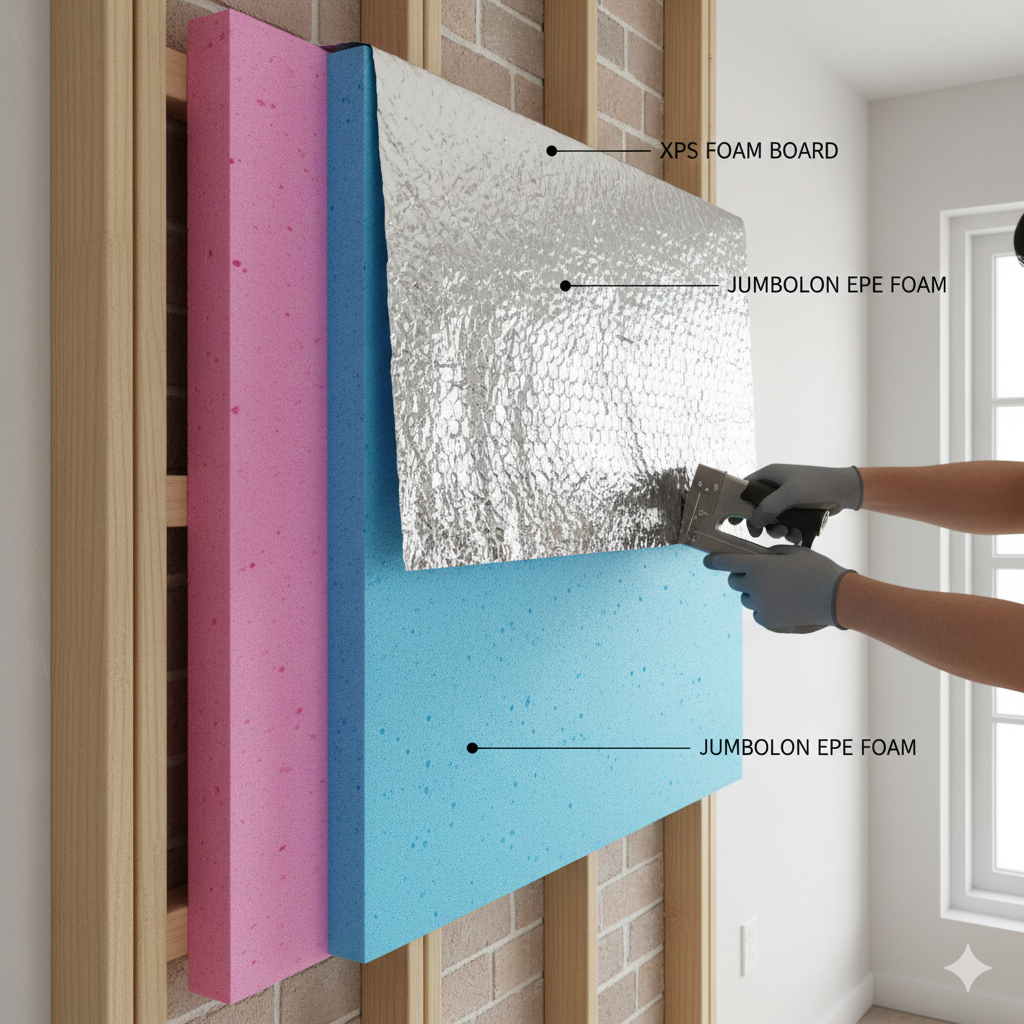
    Using aluminium foil with jumbolon

    No single insulation material can perfectly address heat control, soundproofing, moisture resistance, and fire safety at the same time. That’s why combining materials has become a best practice in modern construction.

    Using EPS for walls, XPS for roofs and foundations, and Glasswool for ceilings and partitions creates a balanced system that enhances indoor comfort without excessive cost.

    Understanding EPS, XPS, and Glasswool

    What is EPS Insulation?

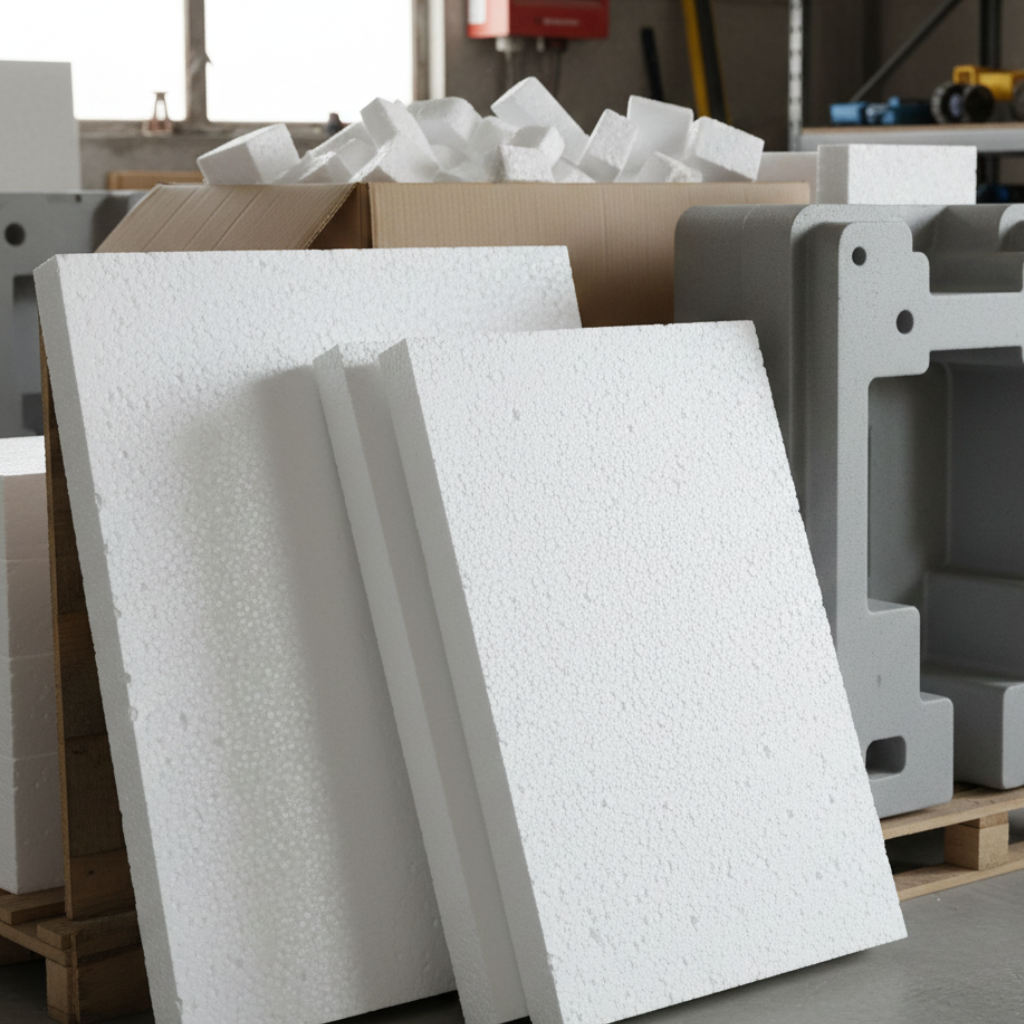
    EPS Foam

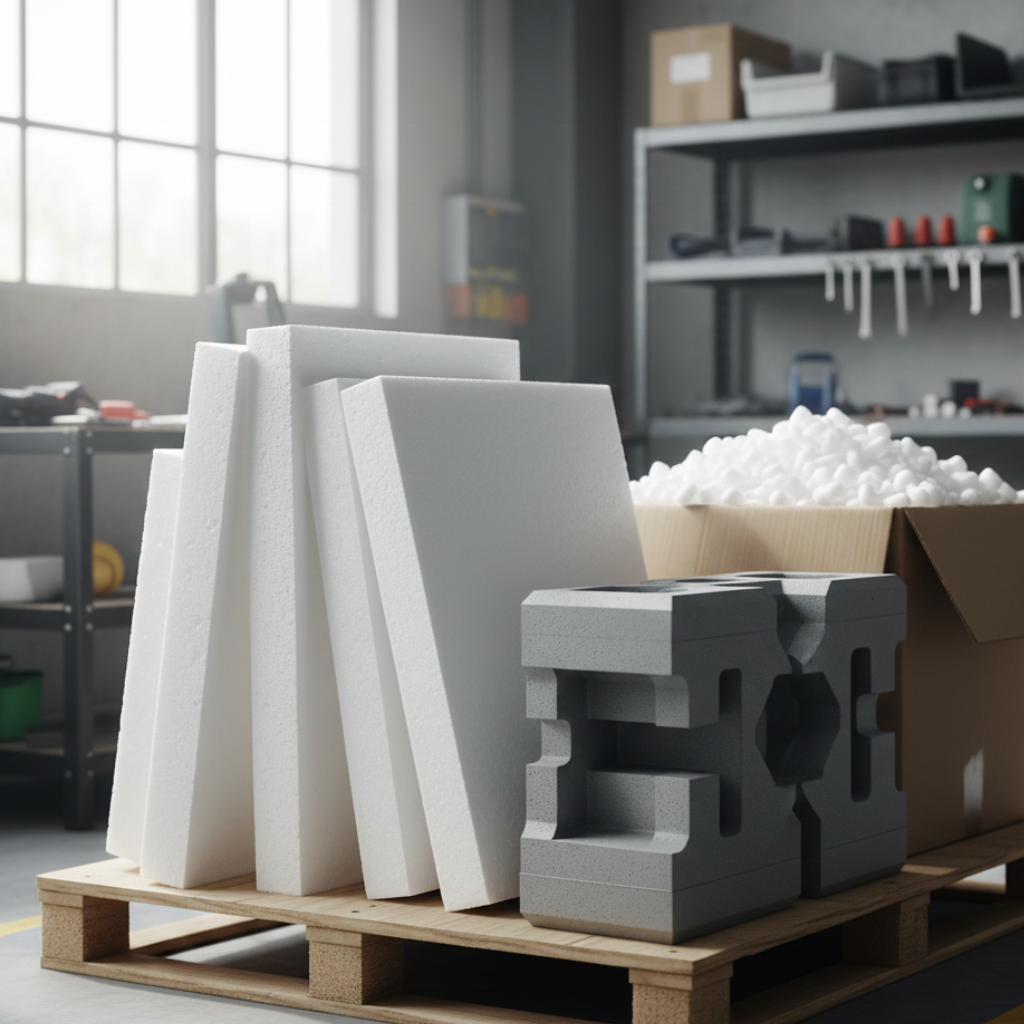
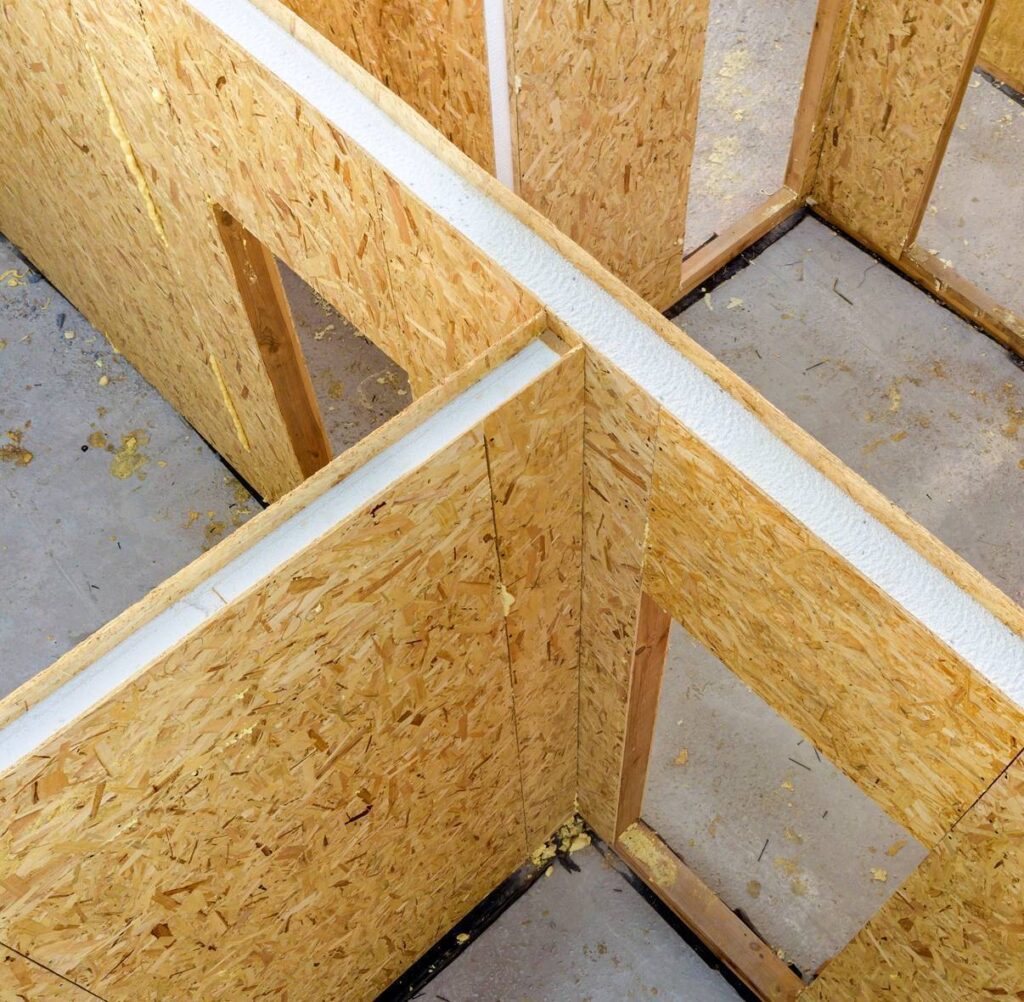
    Expanded Polystyrene (EPS) is a lightweight insulation material widely used in walls and floors. It provides effective thermal insulation and is easy to install, making it popular in residential projects.

    Key Benefits of EPS:

    • Cost-effective thermal insulation
    • Lightweight and easy to handle
    • Suitable for wall cavities and floor insulation

    What is XPS Insulation?

    jumbolon Insulation for Metal Sheds

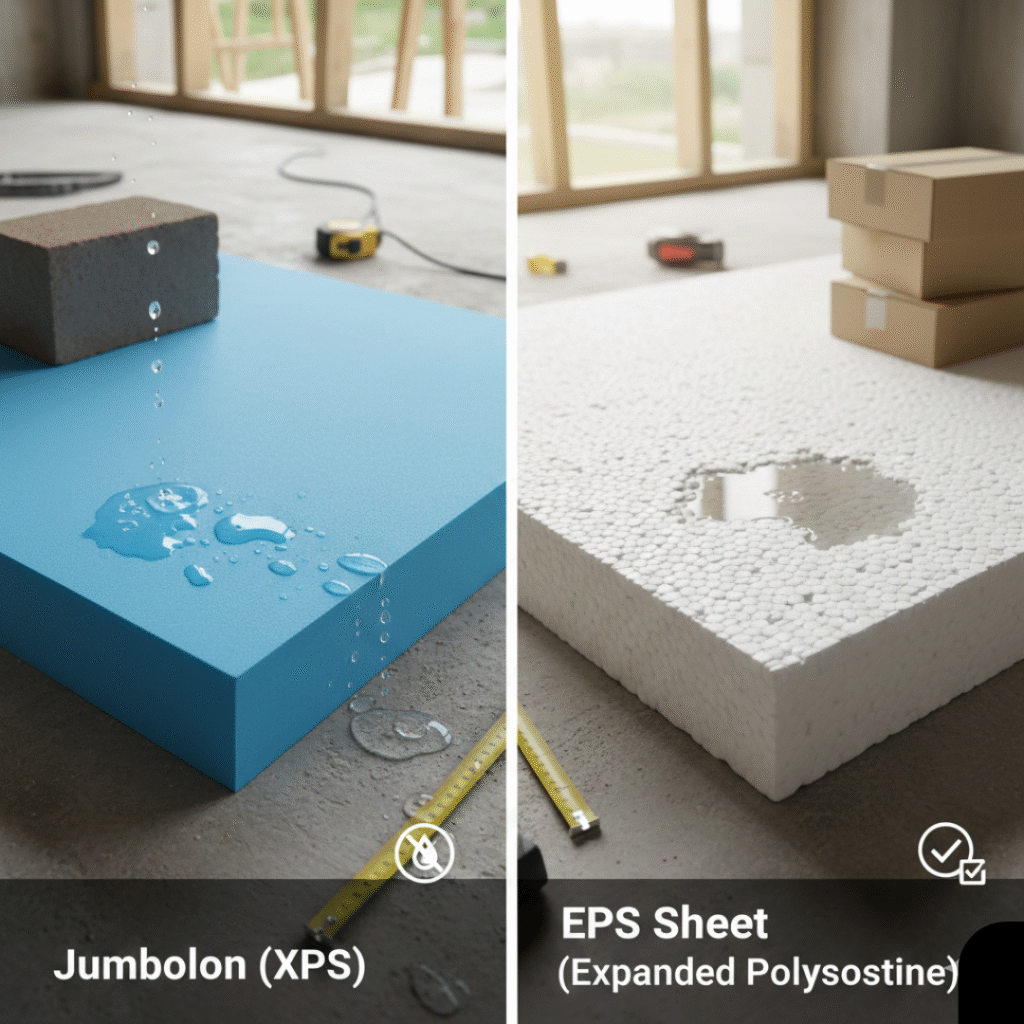
    Extruded Polystyrene (XPS) offers higher density and better moisture resistance than EPS. It is ideal for areas exposed to water or heavy loads.

    Why XPS is Ideal for Homes:

    • Strong moisture resistance
    • High compressive strength
    • Excellent for roofs and foundations

    What Is Glass Mineral Wool Insulation?

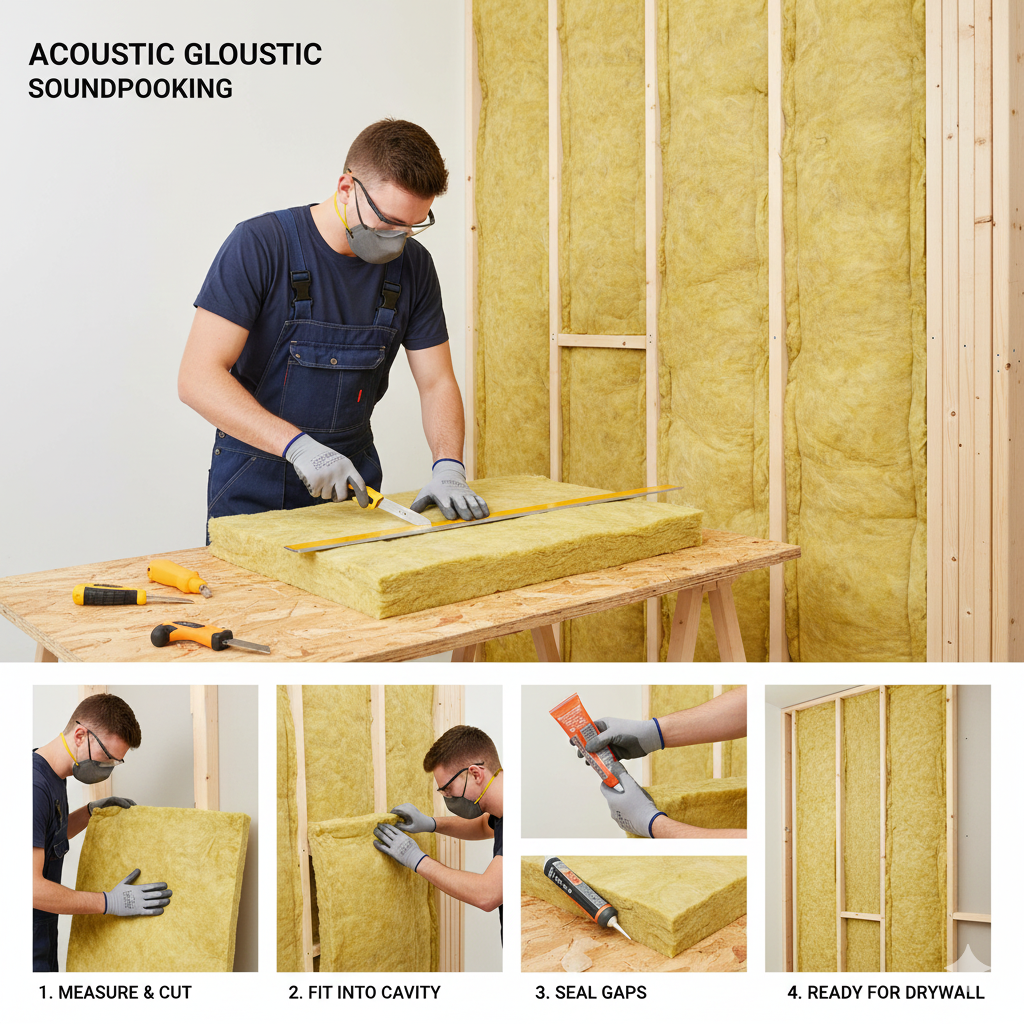
    Glasswool Sheet For Soundproofing

    Many homeowners ask, what is glass mineral wool insulation?
    Glass mineral wool is a fibrous insulation made from recycled glass, designed to trap air and reduce heat and sound transfer. It is commonly used in ceilings, partitions, and internal walls.

    Glass Wool Performance Explained

    Glass Wool Fire Resistance

    One of the strongest advantages of glass wool is its fire safety. Glass wool fire resistance is high because it is non-combustible and can withstand extreme temperatures without spreading flames. This makes it a reliable choice for residential safety.

    Is Glass Wool Dangerous?

    A common concern is whether glass wool dangerous for homes. When installed correctly and sealed behind walls or ceilings, glass wool is safe. Modern manufacturing standards have significantly reduced health risks, making it suitable for residential use.

    Soundproofing Comparison: Glasswool vs Rockwool

    Rockwool vs Glasswool Soundproofing

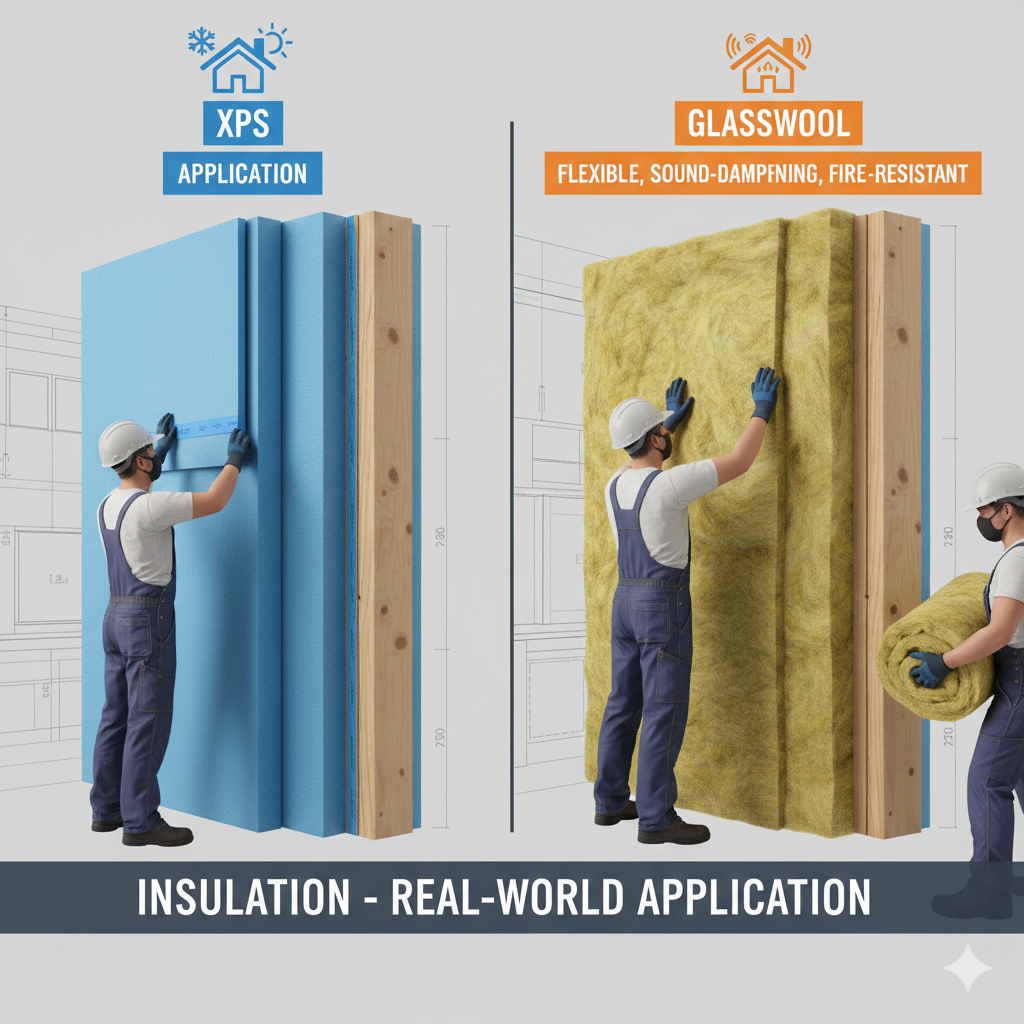
    XPS Vs Glasswool

    When comparing rockwool vs glasswool soundproofing, both materials perform well, but glass wool is often preferred for residential spaces due to its lighter weight and easier installation.

    Glass Mineral Wool vs Rockwool

    The debate of glass mineral wool vs rockwool comes down to application. Glass mineral wool is ideal for ceilings and partitions, while rockwool is often chosen for industrial or heavy-duty acoustic applications.

    Cost Comparison and Pricing Factors

    Glass Wool vs Rock Wool Price

    In terms of affordability, glass wool vs rock wool price generally favors glass wool for residential projects. Glass wool offers a lower upfront cost while still delivering strong thermal and acoustic performance.

    Glass Wool Insulation Price

    The glass wool insulation price depends on thickness, density, and application area. For homes, it remains one of the most economical insulation solutions, especially when combined with EPS and XPS.

    Floor and Structural Applications

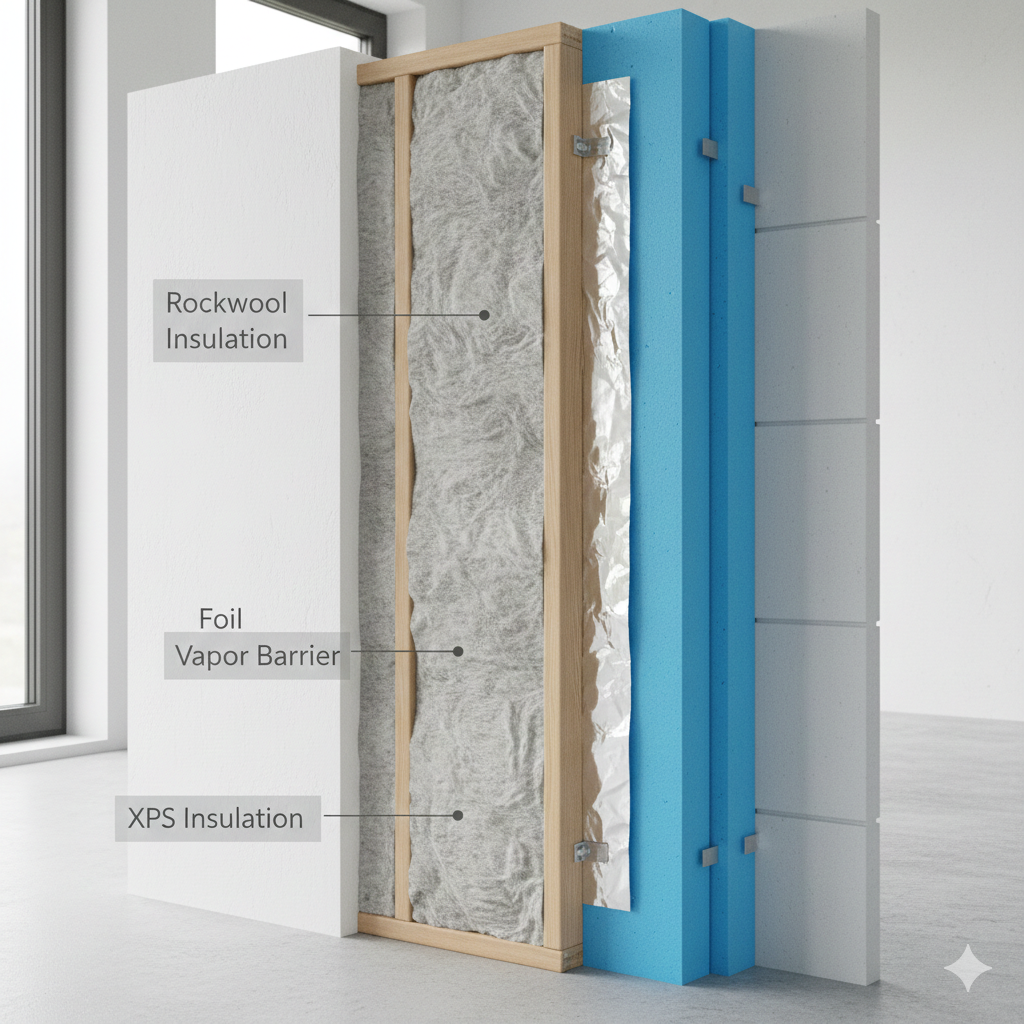
    insulation layers rockwool foil xps

    Mineral Wool Floor Insulation

    Using mineral wool floor insulation helps reduce impact noise and heat loss between floors. In multi-story homes, it significantly improves acoustic comfort while maintaining thermal efficiency.

    Why EPS, XPS, Glasswool Is the Best Mix for Homes

    Combining these materials allows homeowners to target specific insulation needs:

    • EPS for walls and floors
    • XPS for roofs, terraces, and foundations
    • Glasswool for ceilings, partitions, and sound control

    This strategic combination ensures thermal stability, sound reduction, moisture protection, and fire safety—all without overspending.

    How to Choose the Right Insulation Mix for Your Home

    Before selecting insulation, consider:

    • Local climate conditions
    • Noise levels
    • Budget constraints
    • Fire safety requirements

    Professionals often recommend the EPS, XPS, Glasswool: Best Mix for Homes because it balances performance and cost effectively.

    Conclusion

    A well-insulated home is more comfortable, energy-efficient, and safer. By combining EPS, XPS, and glass wool, homeowners achieve superior insulation performance across all areas of the house. Understanding factors like rockwool vs glasswool soundproofing, glass wool fire resistance, and glass wool insulation price helps in making an informed decision.

    If you’re planning a new home or upgrading insulation, this combination offers long-term value and dependable performance.

    FAQ’S

    This combination works well because each material serves a specific purpose. EPS is ideal for walls and floors, XPS performs best in roofs and moisture-prone areas, while glass wool improves thermal and acoustic comfort inside the home.

    Glass mineral wool insulation is commonly used in ceilings, partitions, and cavity walls. It helps reduce heat transfer and improves indoor sound insulation without adding heavy load to the structure.

    Glass wool is safe for homes when installed correctly. Modern glass wool products are designed to meet safety standards, and once sealed behind walls or ceilings, there is no health risk.

    Glass wool fire resistance is high because it is non-combustible. It does not support flame spread and helps slow down heat transfer during a fire, making it suitable for residential buildings.

    When comparing rockwool vs glasswool soundproofing, both are effective. Glass wool is generally preferred in homes due to its lighter weight and easier installation, while rockwool is often used in industrial or high-noise environments.

    The main difference between glass mineral wool vs rockwool lies in density and application. Glass mineral wool is lighter and more flexible, whereas rockwool is denser and better suited for heavy-duty insulation needs.

  • Insulation Sheet Price Comparison (EPS/XPS/Rockwool/Glasswool)

    Insulation Sheet Price Comparison (EPS/XPS/Rockwool/Glasswool)

    Choosing the right insulation material is no longer just about comfort—it directly impacts energy savings, building durability, and long-term costs. With rising temperatures and increasing energy prices, thermal insulation in Pakistan has become a necessity for homes, commercial buildings, and industrial facilities.

    This guide provides a clear insulation sheet price comparison to help buyers understand material differences, performance levels, and where each option fits best.

    Why Insulation Price Comparison Matters in Pakistan

    Pakistan’s climate ranges from extremely hot summers to cold winters in northern regions. Without proper insulation, buildings absorb heat rapidly, increasing cooling costs and indoor discomfort.

    Understanding insulation sheet price in Pakistan helps buyers:

    • Plan budgets accurately
    • Select cost-effective insulation materials
    • Avoid overpaying for unsuitable products
    • Balance thermal performance with long-term savings

    Common Insulation Materials Used in Pakistan

    Before comparing prices, it’s important to understand the four most commonly used insulation materials.

    EPS (Expanded Polystyrene Sheets)

    EPS Foam

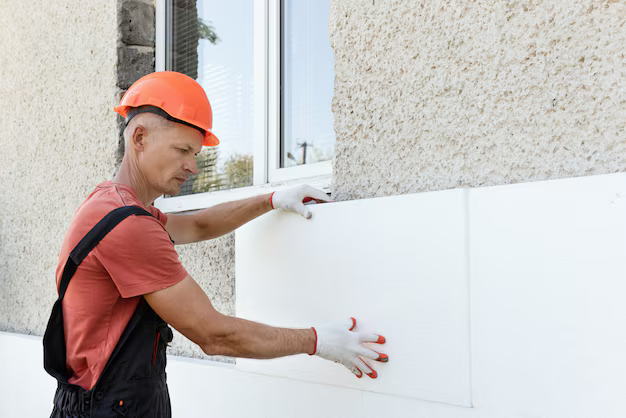
    EPS is a lightweight insulation material widely used in walls and roofs. It offers decent thermal resistance at a relatively low cost.

    XPS (Extruded Polystyrene Boards)

    Jumbolon Board in Pakistan

    XPS provides higher strength and better moisture resistance than EPS, making it suitable for demanding applications.

    Rockwool (Mineral Wool)

    Rockwool is a premium insulation option known for fire resistance, sound absorption, and durability.

    Glasswool (Fiberglass Insulation)

    Glass wool insulation is flexible, lightweight, and commonly used for roof insulation and ducting.

    Insulation Sheet Price Comparison in Pakistan

    The table below provides a general market comparison to help buyers evaluate options. Prices vary based on thickness, density, brand, and location.

    Insulation MaterialPrice Range (PKR)Thermal PerformanceFire ResistanceBest Use Case
    EPS SheetsLowMediumLowWalls, ceilings
    XPS BoardsMediumHighLowRoofs, floors
    Rockwool InsulationHighHighVery HighFire-rated walls, factories
    Glass Wool InsulationMediumMedium–HighMediumRoofs, HVAC systems

    This insulation sheet price comparison highlights that higher cost materials often provide added benefits such as fire safety and sound insulation.

    Rockwool Insulation Price in Pakistan – Is It Worth It?

    Soundproofing Material glasswool vs rockwool

    Rockwool insulation price in Pakistan is higher than EPS and XPS, but it offers multiple advantages:

    • Non-combustible and fire resistant
    • Excellent acoustic insulation
    • Stable performance at high temperatures

    For commercial buildings, industrial units, and fire-rated walls, rockwool justifies its cost through safety and longevity.

    Glass Wool Insulation Price & Performance

    Glasswool Sheet For Soundproofing

    Glass wool insulation price is usually moderate, making it popular for residential roofs and HVAC systems.
    Key benefits include:

    • Lightweight and easy installation
    • Good thermal insulation
    • Cost-effective roof insulation solution

    However, it is less durable than rockwool in high-moisture environments.

    EPS vs XPS – Cost vs Performance

    Jumbolon VS EPS Sheet

    EPS remains one of the most affordable options for heat insulation sheet Pakistan projects. It is suitable for basic thermal control.

    XPS costs more but offers:

    • Higher compressive strength
    • Better moisture resistance
    • Longer lifespan

    When evaluating roof insulation price in Pakistan, XPS often performs better in exposed conditions.

    Technical Comparison Table (Building Applications)

    Insulation MaterialThermal EfficiencyFire RatingMoisture ResistanceTypical Building Use
    EPS SheetsMediumLowLowResidential walls
    XPS BoardsHighLowHighRoofs, basements
    Rockwool InsulationHighVery HighMediumCommercial & industrial buildings
    Glass Wool InsulationMedium–HighMediumLowRoofs, HVAC systems
    Heat Insulation SheetsMediumLowMediumRoof heat proofing

    Choosing the Right Insulation Material in Pakistan

    When selecting insulation material Pakistan, price should not be the only deciding factor. Consider:

    • Climate conditions
    • Area of installation (roof, wall, floor)
    • Fire safety requirements
    • Moisture exposure
    • Long-term energy savings

    A lower upfront cost may lead to higher electricity bills over time.

    Heat Insulation Sheets for Roofs and Walls

    For roofs, insulation must withstand direct heat exposure. XPS and glass wool are commonly used, while rockwool is preferred where fire protection is required.

    For walls, EPS and rockwool provide effective thermal barriers depending on safety needs.

    Final Thoughts on Insulation Sheet Prices in Pakistan

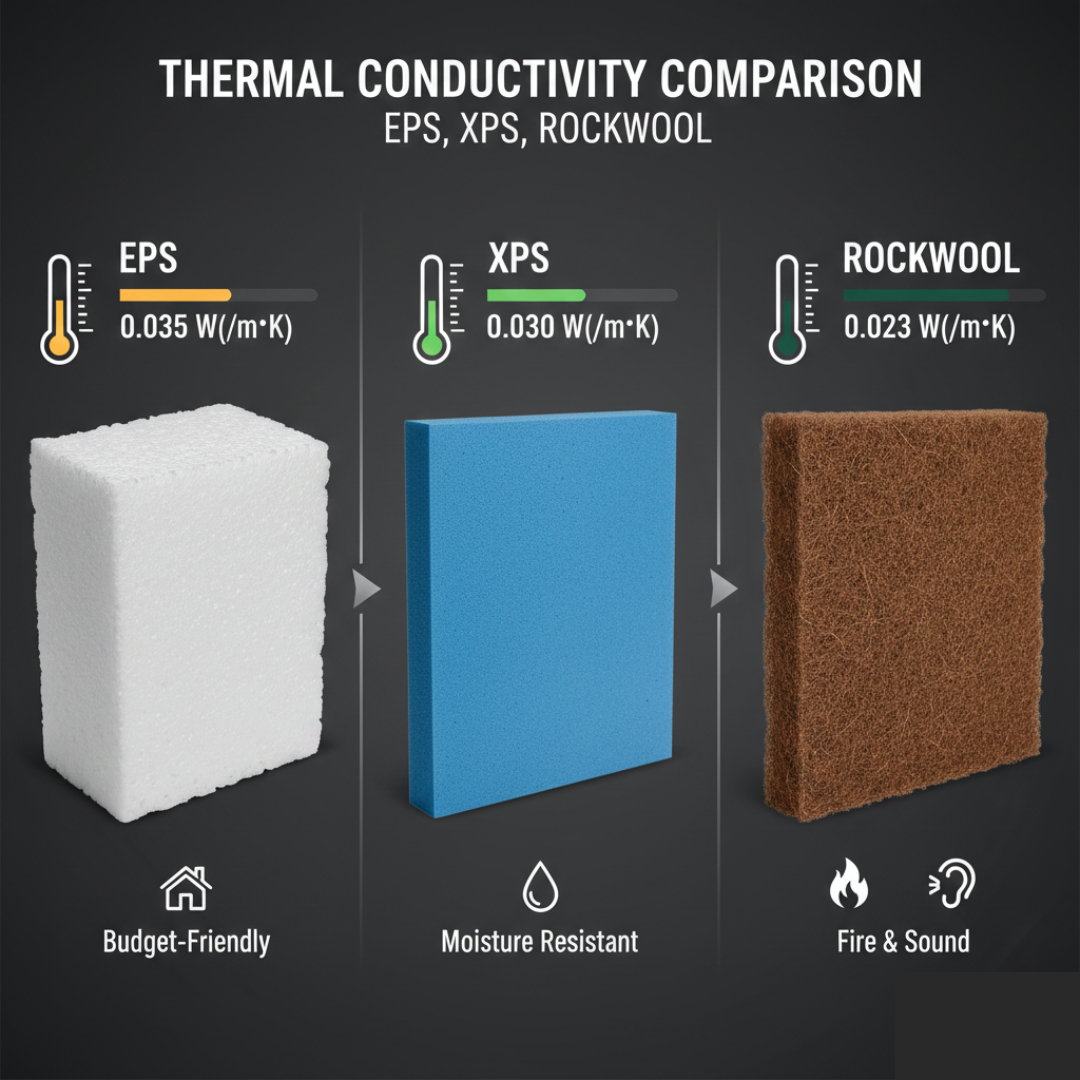
    There is no single “best” insulation—each material serves a different purpose. This insulation sheet price comparison shows that:

    • EPS is budget-friendly
    • XPS offers durability and moisture resistance
    • Rockwool delivers fire safety and acoustic control
    • Glass wool balances cost and performance

    The right choice depends on application, budget, and long-term goals.

    FAQ’S

    For commercial buildings, rockwool insulation is often the best choice due to its fire resistance, soundproofing, and long-term durability, especially in high-occupancy structures.

    EPS sheets are commonly used in residential buildings because they offer reasonable thermal insulation at a lower upfront cost.

    Yes, roof insulation significantly reduces heat gain in concrete buildings and helps control indoor temperature, especially during peak summer months.

    XPS boards and rockwool insulation are preferred for high-rise buildings due to better compressive strength, moisture resistance, and fire safety.

    Yes, properly insulated buildings usually have lower energy costs and better indoor comfort, which increases long-term property value.

    While not mandatory everywhere, thermal insulation is increasingly recommended in modern building designs to improve energy efficiency and occupant comfort.