
thermocol sheet price in pakistan

Tag: glass wool price in rawalpindi

  • Fibreglass Insulation Price in Pakistan

    Fibreglass Insulation Price in Pakistan

    Fibreglass insulation has become one of the most commonly used thermal insulation solutions in Pakistan due to its balance of performance, affordability, and availability. Whether used in residential houses, commercial buildings, or industrial sheds, fibreglass insulation plays a key role in controlling indoor temperature and reducing energy costs.

    This guide explains fibreglass insulation price in Pakistan, how it compares with other insulation materials, city-wise trends, and factors that influence overall cost.

    What Is Fibreglass Insulation?

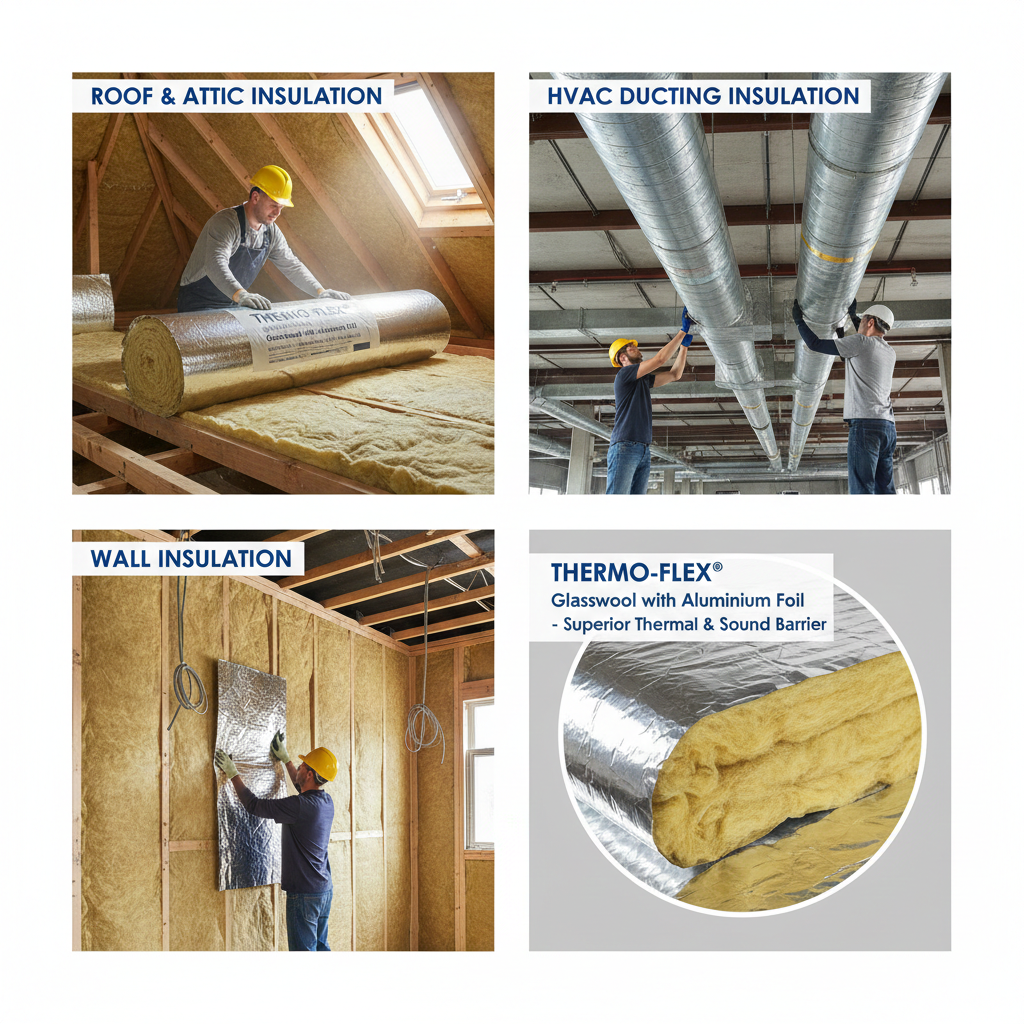
    glasswool with aluminium foil

    Fibreglass insulation is made from fine strands of glass fibers arranged into batts, rolls, or boards. These fibers trap air, slowing down heat transfer and improving thermal efficiency.

    In Pakistan, fibreglass insulation is often referred to interchangeably with glass wool insulation and is widely used for roofs, walls, and ceilings.

    Why Fibreglass Insulation Is Popular in Pakistan

    Fibreglass insulation is widely adopted because it offers:

    • Good thermal resistance at a reasonable cost
    • Easy availability in major cities
    • Lightweight structure
    • Compatibility with residential and commercial buildings

    Due to these advantages, fibreglass insulation remains competitive within the broader thermal insulation price in Pakistan market.

    Fibreglass Insulation Price in Pakistan – Key Factors

    The overall cost of fibreglass insulation depends on several variables:

    • Material density and thickness
    • Installation method
    • Area coverage
    • Project type (roof, wall, ceiling)
    • City-wise labor and supply chain differences

    For projects involving metal structures, steel fibreglass insulation price in Pakistan is often calculated separately because of additional fixing and support requirements.

    Glass Wool Insulation Price in Pakistan
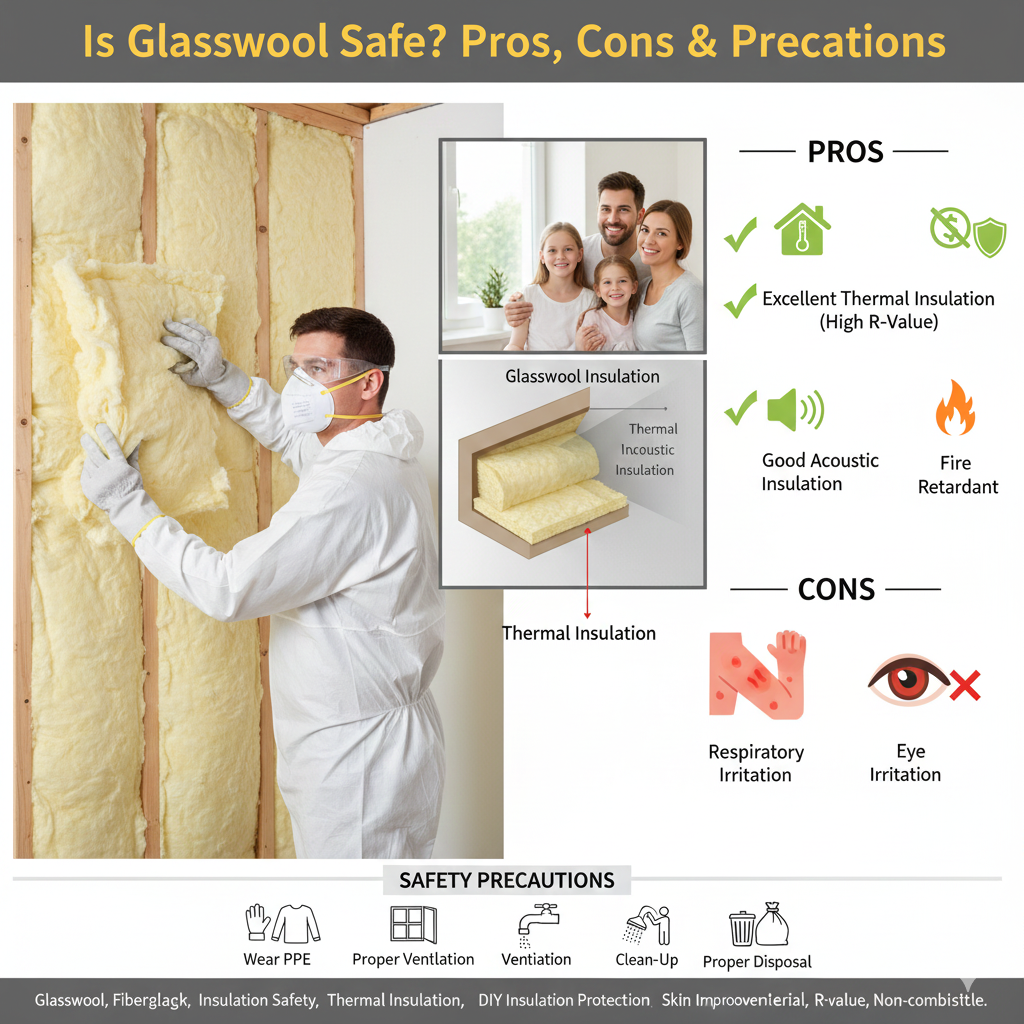
    glasswool insulation in pakistan

    Fibreglass insulation is commonly sold as glass wool. The glass wool insulation price in Pakistan varies based on roll thickness, facing material, and brand quality.

    Glass wool is frequently chosen for roof insulation in houses, factories, and warehouses because it provides effective heat resistance without adding excessive structural load.

    City-Wise Pricing Trends

    Glass Wool Price in Lahore

    The glass wool price in Lahore is generally competitive due to strong supplier availability and high market demand. Lahore-based projects often benefit from better pricing options and quicker material sourcing.

    Glass Wool Price in Rawalpindi

    The glass wool price in Rawalpindi may vary slightly depending on project size and seasonal demand. Pricing is influenced by transportation and local labor costs.

    Glass Wool Insulation in Lahore

    Demand for glass wool insulation in Lahore remains high for residential, commercial, and industrial buildings. It is widely used for both new construction and renovation projects.

    Fibreglass vs Rockwool – Price Perspective

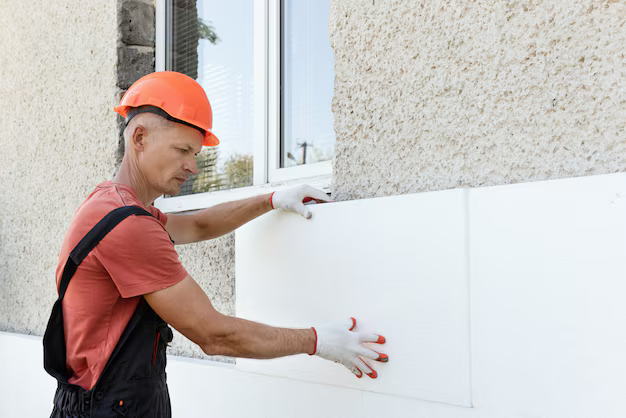
    glasswool vs rockwool

    When comparing insulation options, many buyers evaluate fibreglass against mineral wool. The rockwool insulation price in Pakistan is generally higher than fibreglass due to superior fire resistance and density.

    Fibreglass remains the preferred choice when budget control is a priority, while rockwool is selected for specialized applications requiring higher fire performance.

    Fibreglass Insulation for Roof Applications

    fibreglass insulation for roofs

    Roof insulation is one of the most common uses of fibreglass material. Fibreglass is widely chosen when evaluating roof insulation price in Pakistan, as it offers good performance without significantly increasing construction costs.

    It is suitable for:

    • Residential roofs
    • Industrial sheds
    • Warehouses
    • Commercial buildings

    Where Fibreglass Insulation Is Commonly Used

    Fibreglass insulation is applied in:

    • Houses and apartments
    • Office buildings
    • Factories and warehouses
    • Schools and hospitals
    • Metal and steel structures

    Its versatility allows it to fit a wide range of construction requirements.

    Long-Term Cost Benefits

    While upfront pricing matters, fibreglass insulation provides long-term value by:

    • Reducing cooling energy consumption
    • Improving indoor comfort
    • Extending HVAC system lifespan
    • Lowering overall operational costs

    Over time, these benefits often outweigh the initial investment.

    Choosing the Right Fibreglass Insulation

    When selecting fibreglass insulation, consider:

    • Thickness suitable for local climate
    • Proper vapor barriers
    • Installation quality
    • Intended application (roof, wall, ceiling)

    Correct selection and professional installation are key to achieving expected performance.

    Final Thoughts

    Understanding fibreglass insulation price in Pakistan helps property owners and builders make informed decisions. While prices vary by city, thickness, and application, fibreglass insulation remains one of the most cost-effective thermal insulation solutions available in Pakistan.

    With proper planning, it offers reliable performance, affordability, and long-term energy savings.

    FAQ’S

    Fibreglass insulation price in Pakistan varies depending on thickness, density, and application area. Roof and industrial applications usually cost more due to additional fixing and labor requirements.

    Yes, glass wool insulation is widely used for roof insulation in Pakistan. It helps reduce heat gain, improves indoor comfort, and is suitable for both residential and industrial roofs.

    Fibreglass insulation is generally more affordable than rockwool insulation. Rockwool offers better fire resistance, but fibreglass is often chosen where budget and thermal performance are the main priorities.

    Yes, fibreglass insulation helps lower indoor temperatures by limiting heat transfer, which reduces the load on air conditioning systems and leads to lower electricity bills over time.

  • Rawalpindi Insulation Market Prices

    Rawalpindi Insulation Market Prices

    As construction activity grows across Rawalpindi, demand for thermal and acoustic insulation materials has increased rapidly. From residential homes to commercial and industrial buildings, buyers are actively comparing insulation types and prices before making decisions. This guide explores Rawalpindi insulation market prices, material trends, and factors that influence costs—helping buyers make informed choices.

    Overview of Insulation Demand in Rawalpindi

    Rawalpindi experiences extreme summer heat and cooler winters, making insulation a practical necessity rather than a luxury. Builders and homeowners now prioritize materials that reduce energy consumption, improve indoor comfort, and enhance fire safety.

    Among the most commonly traded insulation products in the local market are glass wool, rockwool, and mineral wool, each offering different performance levels and price points.

    Glass Wool Market Pricing Trends

    glasswool insulation in pakistan

    Glass wool remains one of the most widely used insulation materials due to its affordability and ease of installation. The glass wool price in Rawalpindi depends on density, thickness, and facing type (plain or foil-faced).

    While Rawalpindi has its own pricing structure, many suppliers also benchmark rates against major cities. As a result, glass wool price in Lahore often influences wholesale trends, especially for bulk purchases. Contractors sourcing glass wool insulation in Lahore sometimes supply Rawalpindi projects when availability fluctuates.

    Across Pakistan, the glass wool price in Pakistan varies based on imported raw materials, energy costs, and demand cycles.

    Rockwool Insulation Prices in the Local Market

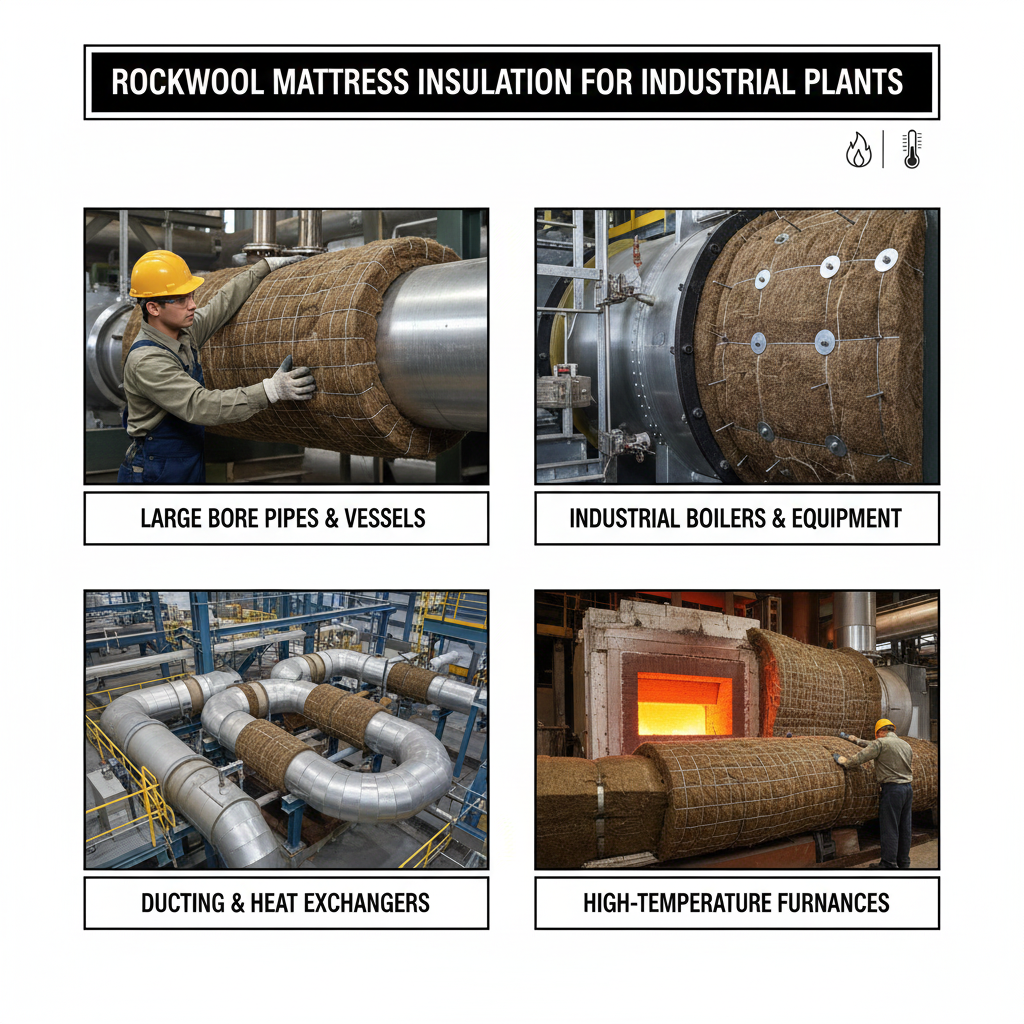
    Rockwool is increasingly preferred for applications requiring fire resistance and higher acoustic performance. In Rawalpindi, demand for this material has grown in commercial buildings and industrial facilities.

    The rockwool insulation price in Pakistan is generally higher than glass wool due to its superior fire rating and density. Buyers comparing suppliers often evaluate the rock wool insulation price based on slab thickness and compressive strength.

    Local distributors offering rockwool insulation Pakistan products usually maintain stock for large-scale construction projects, where durability and fire safety are critical.

    Rawalpindi Insulation Price Comparison Table

    Insulation MaterialTypical Density (kg/m³)Common UseRelative Price Level
    Glass Wool12 – 24Roofs, ceilings, ductsLow
    Mineral Wool30 – 60Walls, partitionsMedium
    Rockwool40 – 120Fire-rated walls, industrial useHigh
    Glass Wool (Foil Faced)16 – 32Thermal + radiant controlMedium
    High-Density Rockwool80 – 120Acoustic & fire insulationHigh

    Note: Prices vary by supplier, thickness, and market demand.

    Mineral Wool Pricing and Applications

    glasswool with aluminium foil industrial applications

    Mineral wool, which includes both glass wool and rockwool variants, is also traded separately in the Rawalpindi market. The mineral wool price in Pakistan depends on whether the product is intended for thermal insulation, soundproofing, or fire-rated systems.

    Mineral wool is commonly used in:

    • Partition walls
    • Industrial sheds
    • HVAC duct insulation
    • Fire-rated ceiling systems

    Its versatility keeps demand stable throughout the year.

    Factors Affecting Insulation Prices in Rawalpindi

    Several elements influence insulation pricing in the Rawalpindi market:

    1. Material Density & Thickness
      Higher density products provide better insulation but cost more.
    2. Imported vs Local Supply
      Imported insulation products tend to raise overall pricing trends.
    3. Seasonal Demand
      Prices often rise before peak summer due to increased demand.
    4. Transportation Costs
      Rates from Lahore or Karachi impact local pricing structures.
    5. Bulk Purchase Volume
      Wholesale buyers usually secure better pricing.

    Choosing the Right Insulation Material

    Selecting insulation should not be based on price alone. Buyers must consider application type, building design, and long-term energy savings. Glass wool works well for budget-focused residential projects, while rockwool is better suited for fire-sensitive areas. Mineral wool offers a balance between thermal and acoustic performance.

    Understanding local price trends allows buyers to plan procurement efficiently without compromising quality.

    Rawalpindi Insulation Market Outlook

    With growing awareness around energy efficiency, the Rawalpindi insulation market is expected to expand steadily. Demand for higher-performance insulation materials will continue to influence pricing, while competition among suppliers may stabilize costs over time.

    Staying updated on market trends helps contractors, builders, and homeowners secure the best value.

    FAQ’S

    The glass wool price in Rawalpindi depends on density, thickness, and facing type. Prices generally follow the national trend of the glass wool price in Pakistan, with slight variation based on local availability.

    Yes, glass wool is usually more economical. Rockwool insulation price in Pakistan is higher due to its superior fire resistance, durability, and sound insulation properties.

    Many distributors source insulation materials from Lahore. As a result, fluctuations in glass wool price in Lahore often impact Rawalpindi’s insulation market.

    Mineral wool price in Pakistan varies depending on whether it is glass-based or stone-based. Rockwool generally costs more due to higher density and fire performance.

    Yes, rockwool insulation Pakistan products are suitable for residential use, especially where fire safety and sound insulation are priorities.

    Rockwool offers long-term value through durability and fire resistance, while glass wool is ideal for cost-effective thermal insulation in standard applications.