


Efficient HVAC systems rely not only on advanced machinery but also on the quality of insulation used within air ducts. Poor insulation leads to energy loss, temperature fluctuations, condensation, and higher operational costs. This is where glasswool-based insulation solutions play a critical role.
This guide explains everything you need to know about Glasswool for Duct & HVAC Insulation, including performance, temperature resistance, material forms, and modern applications.
Understanding Glasswool Insulation
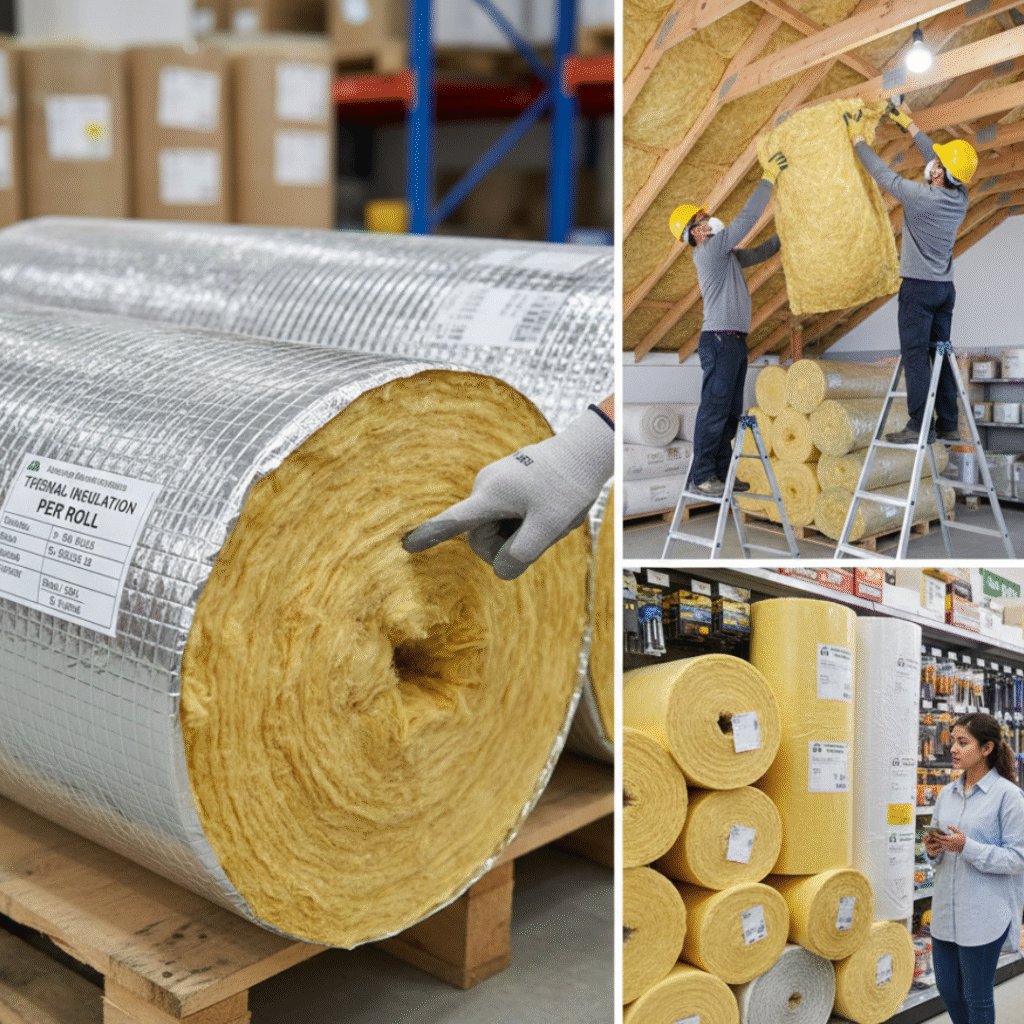
Glasswool insulation is a fibrous insulating material manufactured by melting glass and forming it into fine strands. These fibers create trapped air pockets that reduce heat transfer, making glasswool an efficient solution for HVAC and duct systems.
Furthermore, its lightweight nature and flexibility allow it to fit easily around curved ducts, rectangular air channels, and complex HVAC layouts without compromising airflow efficiency.
Why Glasswool Is Ideal for HVAC & Duct Systems
HVAC ducts require insulation that can handle continuous airflow, temperature variation, and vibration. Glasswool meets these requirements by offering:
- Consistent thermal resistance
- Lightweight structure for suspended ducts
- Easy installation and maintenance
- Compatibility with both residential and commercial HVAC systems
Due to these advantages, glasswool is widely used in centralized cooling and heating networks.
Glasswool Thermal Insulation Performance
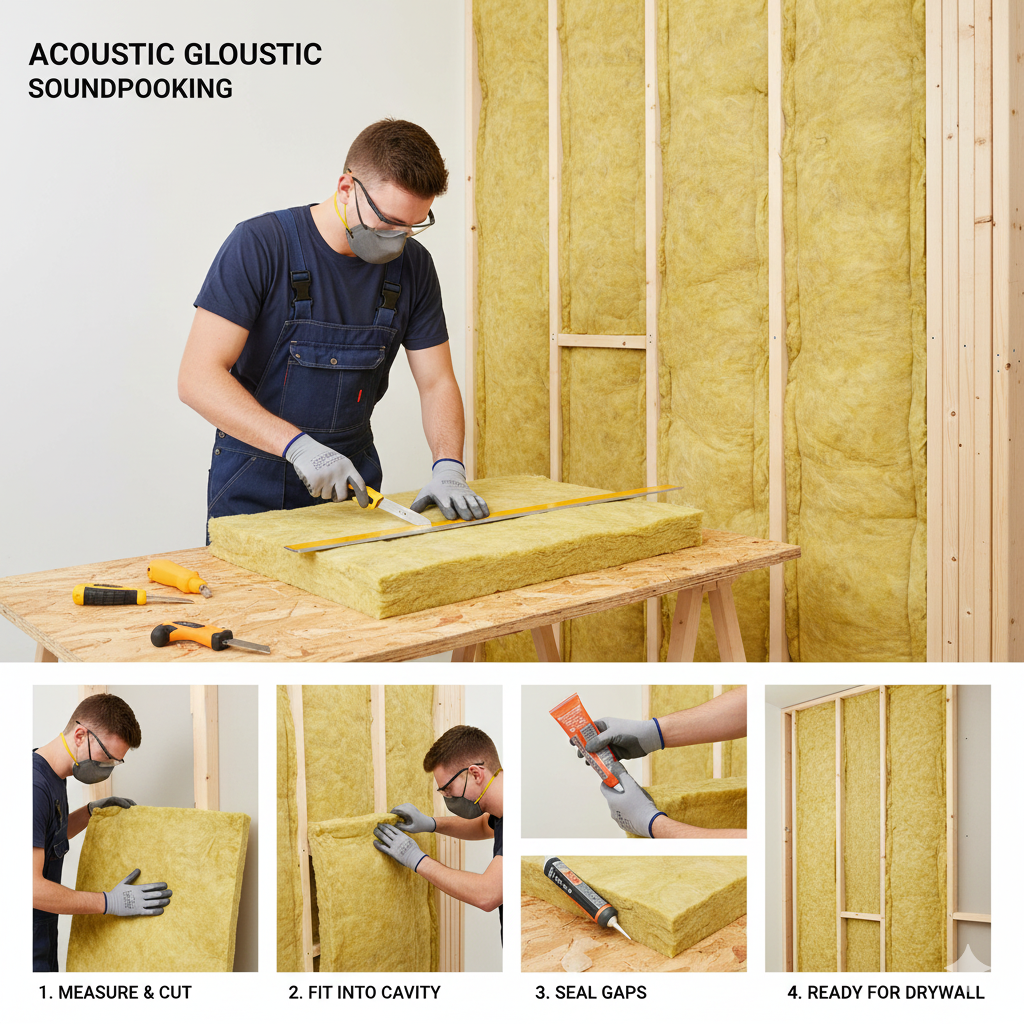
Glasswool thermal insulation works by minimizing heat gain and heat loss inside air ducts. This helps maintain desired indoor temperatures while reducing the load on HVAC equipment.
However, properly insulated ducts improve system efficiency, lower energy consumption, and enhance occupant comfort in offices, malls, hospitals, and industrial facilities.
Glasswool Insulation Temperature Range
One of the most important technical aspects is the glasswool insulation temperature range. Glasswool is engineered to perform reliably across a wide range of operating temperatures commonly found in HVAC systems.
It remains stable under normal heating and cooling conditions, making it suitable for both chilled air ducts and warm air distribution networks.
High Temperature Glasswool Applications
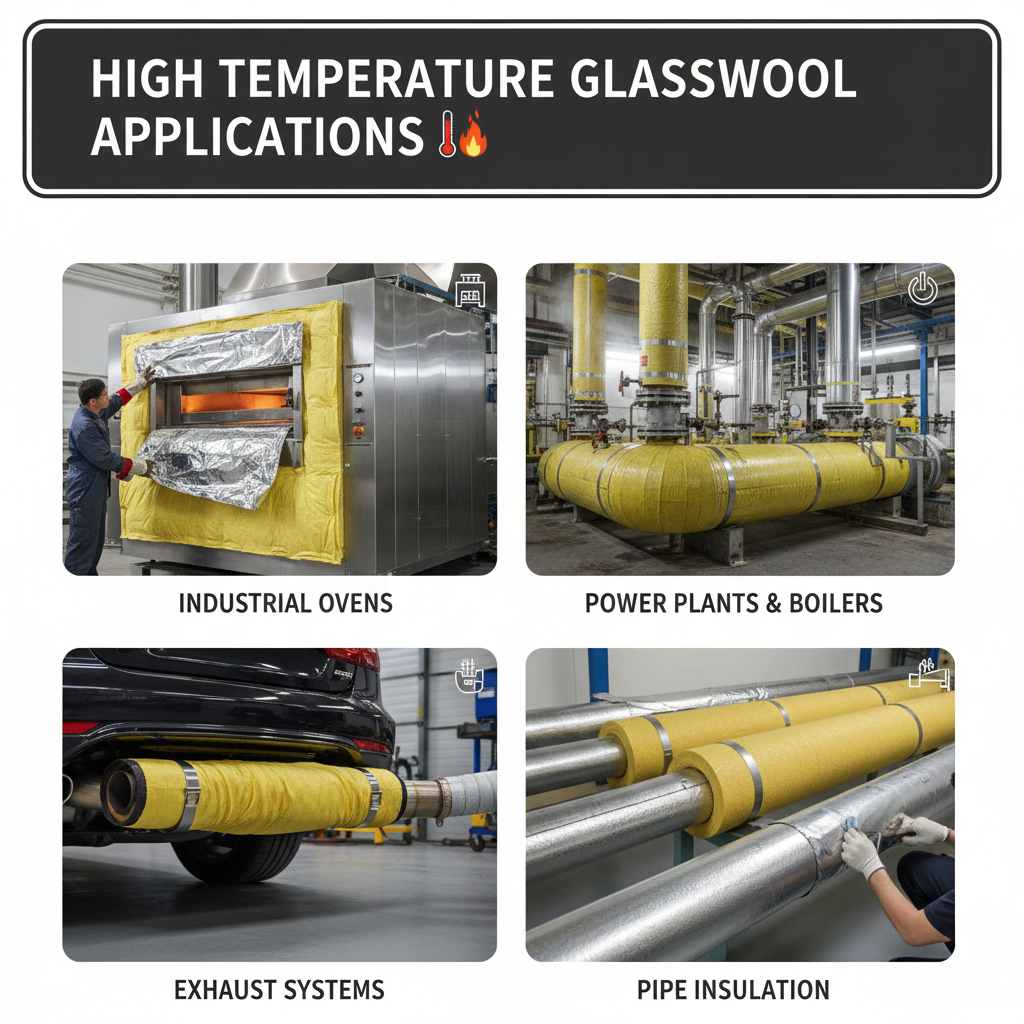
For environments exposed to elevated heat levels, high temperature glasswool is used. This variant is designed to withstand higher thermal stress without losing its insulating properties.
High-temperature applications include:
- Industrial HVAC systems
- Mechanical rooms
- Heat-exposed duct sections
- Commercial ventilation shafts
This ensures safety, durability, and long-term performance.
Glasswool Board for HVAC Insulation
A glasswool board is a rigid or semi-rigid form of glasswool designed for flat duct surfaces and equipment enclosures. Compared to rolls or blankets, boards provide better dimensional stability and a neat finish.
Glasswool boards are commonly used in:
- Rectangular duct insulation
- AHU panels
- HVAC plant rooms
- Acoustic lining inside ducts
Glasswool with Aluminium Foil – Added Protection
This sheet with aluminium foil is widely preferred in duct insulation due to its dual functionality. The aluminium facing acts as a vapor barrier, preventing moisture penetration and condensation.
Key benefits include:
- Improved thermal efficiency
- Enhanced durability
- Clean and professional appearance
- Resistance to humidity and corrosion
This combination is especially effective in high-humidity environments and air-conditioned spaces.
Installation Advantages in HVAC Systems
Glasswool insulation offers installers practical benefits that reduce labor time and installation complexity:
- Easy cutting and shaping
- Lightweight handling
- Secure fitting around ducts
- Compatibility with standard fastening systems
These advantages make glasswool a preferred choice for large-scale HVAC projects.
Energy Efficiency & Cost Benefits
By maintaining stable air temperatures inside ducts, glasswool insulation reduces energy loss and operating costs. Over time, this results in:
- Lower electricity bills
- Reduced HVAC maintenance
- Extended equipment lifespan
Moreover, these benefits make glasswool a cost-effective insulation solution for long-term HVAC performance
Final Thoughts on Glasswool for Duct & HVAC Insulation
Glasswool remains one of the most reliable and efficient insulation materials for duct and HVAC applications. Its thermal performance, temperature resistance, flexible formats, and compatibility with aluminium foil coverings make it suitable for a wide range of projects. However, selecting the right thickness, density, and form ensures optimal system efficiency and long-term comfort.
FAQ’S
Glasswool insulation is widely used in HVAC ducts because it provides effective thermal control, reduces energy loss, and is lightweight. Its flexible structure allows easy installation around round and rectangular ducts without affecting airflow efficiency.
Yes, depending on the grade, glasswool insulation temperature range supports both cooling and heating applications. For areas exposed to higher heat, high temperature glasswool is recommended to maintain performance and safety.
Glasswool with aluminium foil adds a vapor barrier that prevents moisture buildup and condensation inside ducts. This improves insulation efficiency, protects the duct surface, and extends the life of HVAC systems.
A glasswool board is ideal for flat surfaces such as rectangular ducts and AHU panels because it provides better rigidity and a cleaner finish. Rolls or blankets are better suited for curved ductwork and tight spaces.