
thermocol sheet price in pakistan

Tag: glasswool insulation Pakistan

  • Jumbolon vs Glasswool – Which Gives More Heat Reduction?

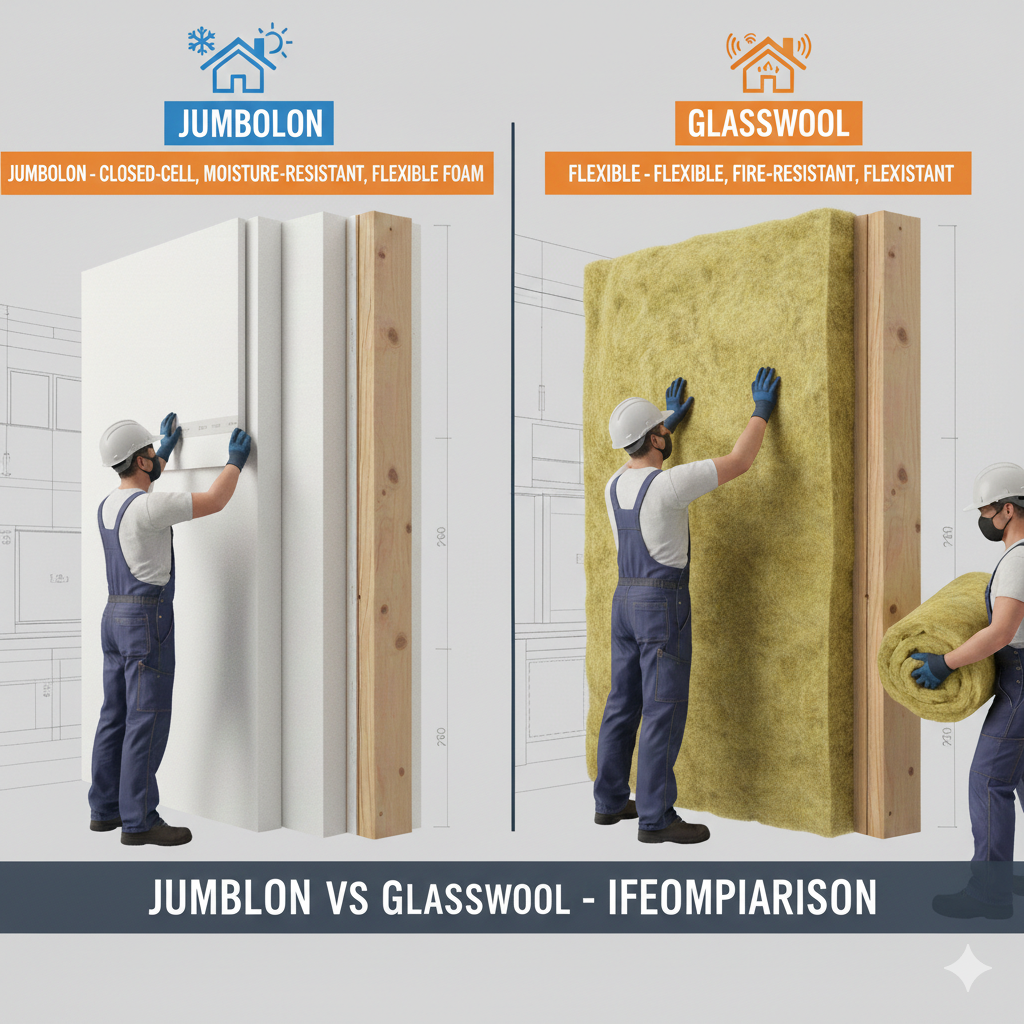
    Jumbolon vs Glasswool – Which Gives More Heat Reduction?

    n Pakistan’s hot climate, effective insulation is key to maintaining cool and energy-efficient homes and commercial spaces. Two popular insulation options are Jumbolon sheets and Glasswool insulation. Understanding their thermal performance, pricing, and applications can help you choose the right material for maximum heat reduction.

    This guide compares Jumbolon vs Glasswool in terms of heat reduction, cost, durability, and installation, with insights specific to Pakistan’s market.

    What Is Jumbolon Insulation?
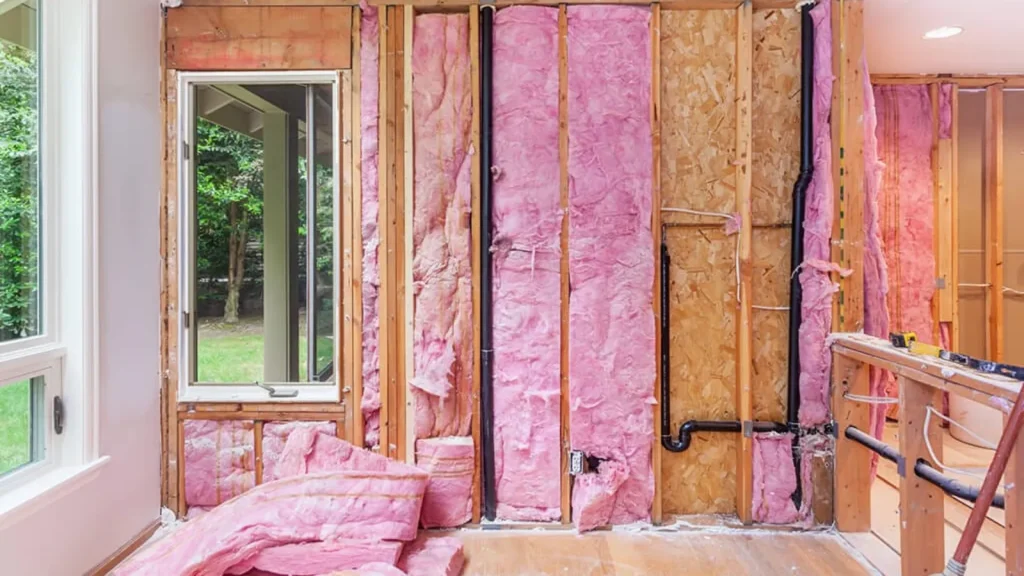
    home insulation

    Jumbolon sheets are closed-cell polyethylene foam sheets, often laminated with reflective aluminum foil. They act as a thermal barrier, preventing heat from penetrating walls, roofs, and ceilings.

    Key features:

    • Lightweight and easy to install
    • Excellent thermal insulation due to air-trapped bubbles
    • Flexible and resistant to moisture
    • Available in various thicknesses and sizes

    Popular specifications in Pakistan:

    • Jumbolon sheet size: Typically 1m x 2m per sheet
    • 12mm Jumbolon sheet price in Pakistan: Competitive, varies by supplier
    • Diamond Jumbolon sheet price: Premium variant with enhanced thermal resistance

    What Is Glasswool Insulation?
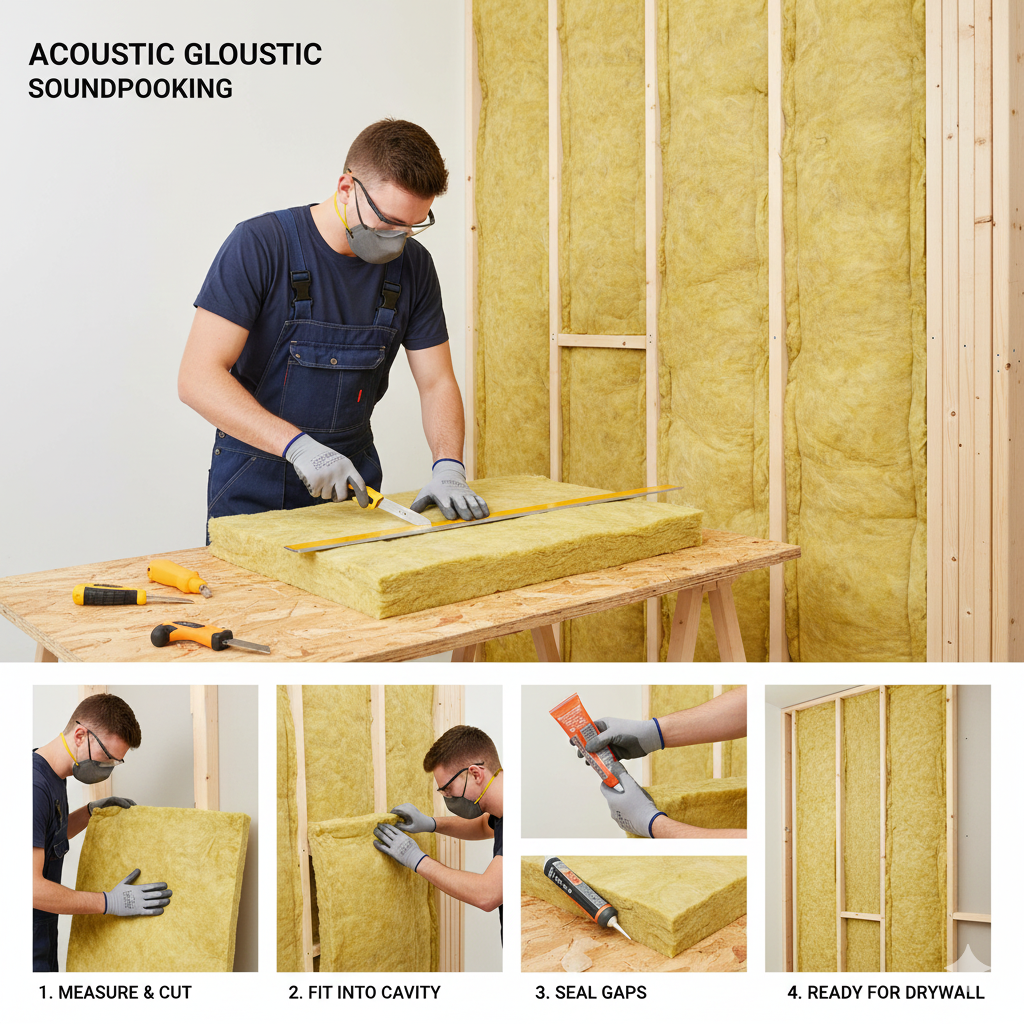
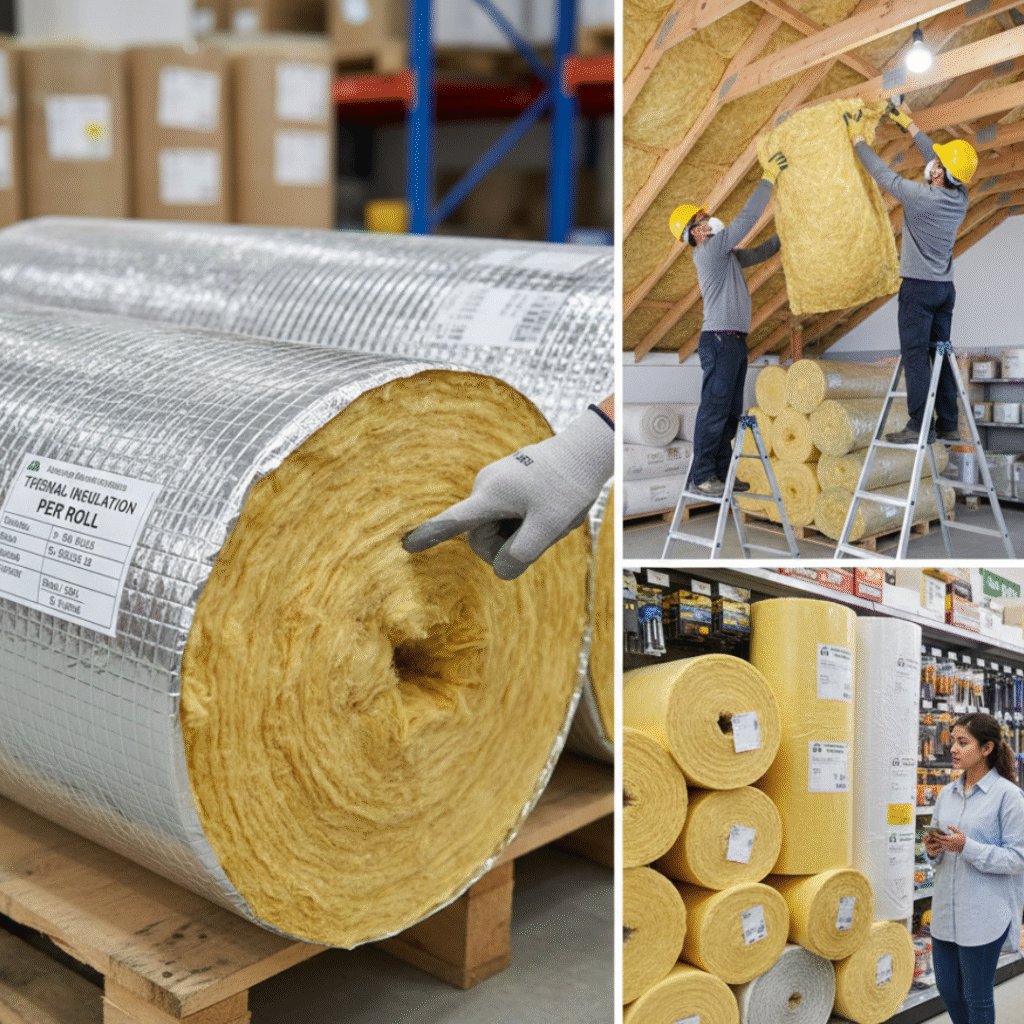
    Glasswool Sheet For Soundproofing

    Glasswool insulation is made from spun glass fibers, forming a fibrous blanket that traps air. It is widely used in ceilings, walls, and ducts to reduce heat transfer.

    Key features:

    • High thermal efficiency
    • Fire-resistant
    • Sound-absorbing properties
    • Lightweight and easy to handle

    Glasswool is available in rolls and blankets, and its performance depends on thickness and density.

    Jumbolon vs Glasswool – Heat Reduction Comparison

    FeatureJumbolonGlasswool
    Thermal ResistanceHigh due to reflective foil and closed-cell structureModerate to High depending on density
    Moisture ResistanceExcellent, closed-cell prevents water absorptionCan absorb moisture if foil-faced layer is not used
    InstallationEasy, cuts and fits walls, roofs, and ceilingsRequires careful handling and protective gear
    Noise ReductionMinimalGood, absorbs sound effectively
    LifespanLong-lasting, resistant to saggingLong-lasting but may settle over time
    Heat Reduction EfficiencyUp to 80% for roofs and ceilingsUp to 60–70% depending on thickness

    Conclusion: Jumbolon provides slightly better heat reduction than Glasswool for direct roof and wall applications, especially in high-temperature regions.

    Pricing Insights in Pakistan

    Jumbolon sheet price in Pakistan varies depending on thickness, size, and supplier:

    • Jumbolon roll: Available in bulk for large projects
    • Jumbolon sheet price in Karachi: Slightly higher due to demand and shipping costs
    • 12mm Jumbolon sheet price in Pakistan: Around average market rate
    • Diamond Jumbolon sheet price: Premium option for higher thermal resistance

    Glasswool prices are generally lower, but may require additional vapor barriers to prevent moisture issues.

    Jumbolon vs Thermopore
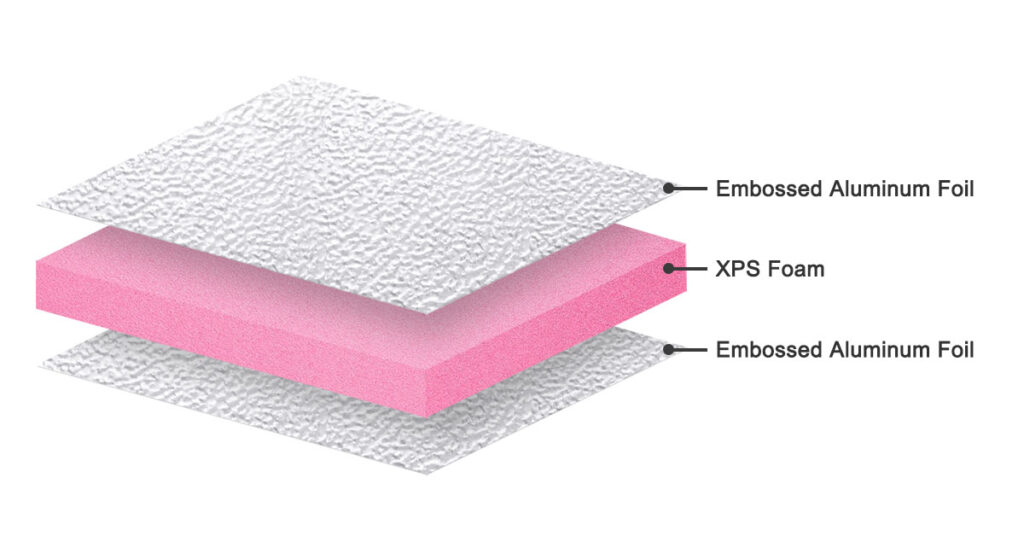
    Jumbolon is often compared to thermopore insulation:

    • Jumbolon vs Thermopore: Both are foam-based, but Jumbolon with foil offers superior heat reflection, making it more effective for roofs and ceilings in Pakistan’s climate.

    Applications of Jumbolon and Glasswool

    Jumbolon:

    • Roof insulation in homes and offices
    • Ceiling insulation in warehouses and factories
    • Wall insulation with foil facing

    Glasswool:

    • HVAC duct insulation
    • Soundproofing walls and ceilings
    • Residential and commercial roof insulation

    Conclusion

    Choosing between Jumbolon and Glasswool depends on your insulation priorities. For maximum heat reduction in hot climates, Jumbolon sheets—especially foil-faced variants—offer better performance and moisture resistance. Glasswool remains a versatile option for thermal and acoustic insulation, particularly in areas with moderate temperatures.

    By considering Jumbolon sheet price in Pakistan, sheet size, thickness, and specific application areas, you can achieve effective insulation while optimizing cost and energy savings.

    FAQ’S

    Jumbolon provides superior heat reduction for roofs and ceilings due to its closed-cell structure and reflective foil, while Glasswool performs well in moderate temperatures and offers soundproofing benefits.

    Yes, foil-faced Jumbolon sheets reflect heat effectively, making them more suitable for hot climates like Pakistan, whereas Glasswool is better for walls, ducts, and acoustic insulation.

    The price varies depending on thickness and type, with 12mm sheets being more affordable and diamond Jumbolon sheets slightly higher for enhanced thermal performance.

    Yes, if not properly foil-faced or installed with a vapor barrier, Glasswool can absorb moisture, reducing its thermal efficiency.

    Yes, Jumbolon sheets are lightweight, flexible, and easy to cut, making installation faster and cleaner than Glasswool, which requires careful handling and protective equipment.
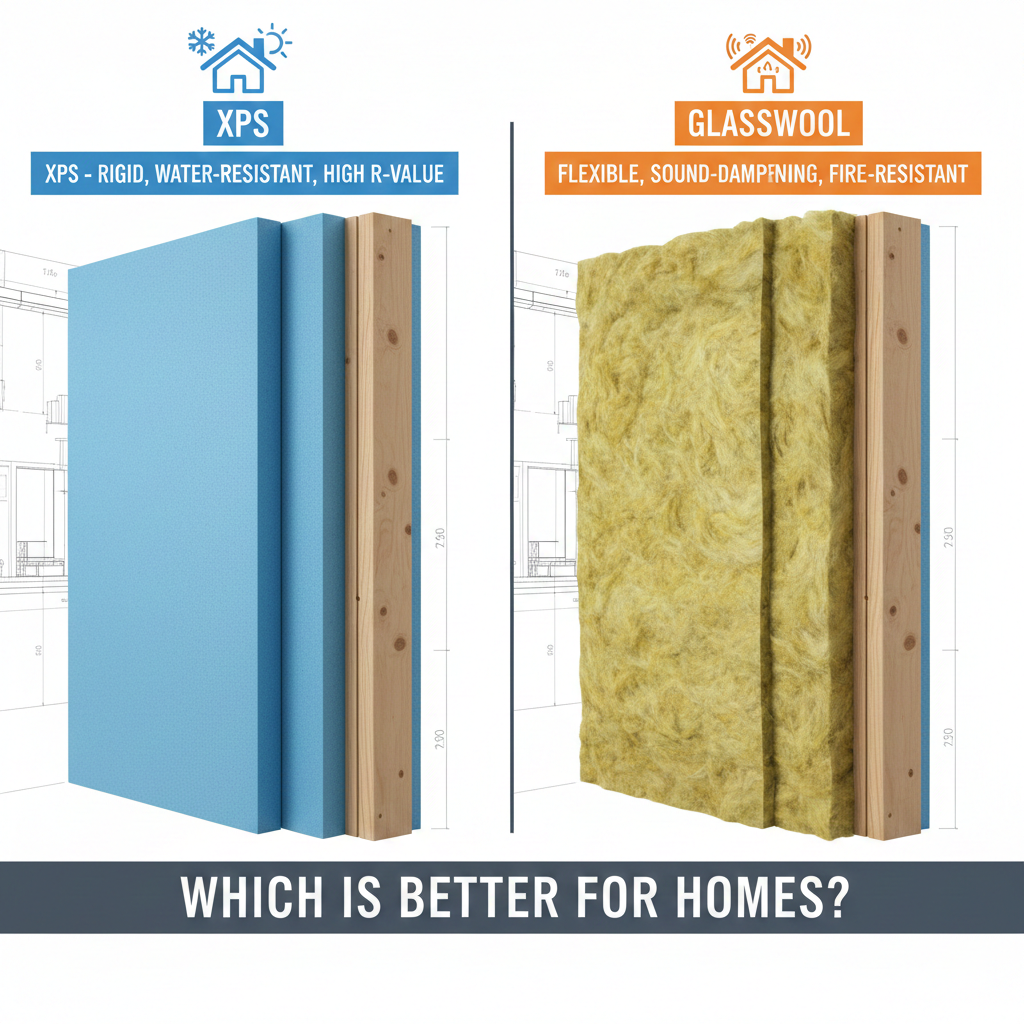
  • XPS vs Glasswool – Which Is Better for Homes?

    XPS vs Glasswool – Which Is Better for Homes?

    Choosing the right insulation is one of the most important decisions when designing or upgrading a home. In hot and mixed climates like Pakistan, insulation directly affects indoor comfort, electricity bills, and long-term building durability. Two of the most commonly compared options are XPS insulation and Glasswool insulation. This guide explains their differences in a clear, practical way to help homeowners make an informed decision.

    Understanding Home Insulation Needs in Pakistan

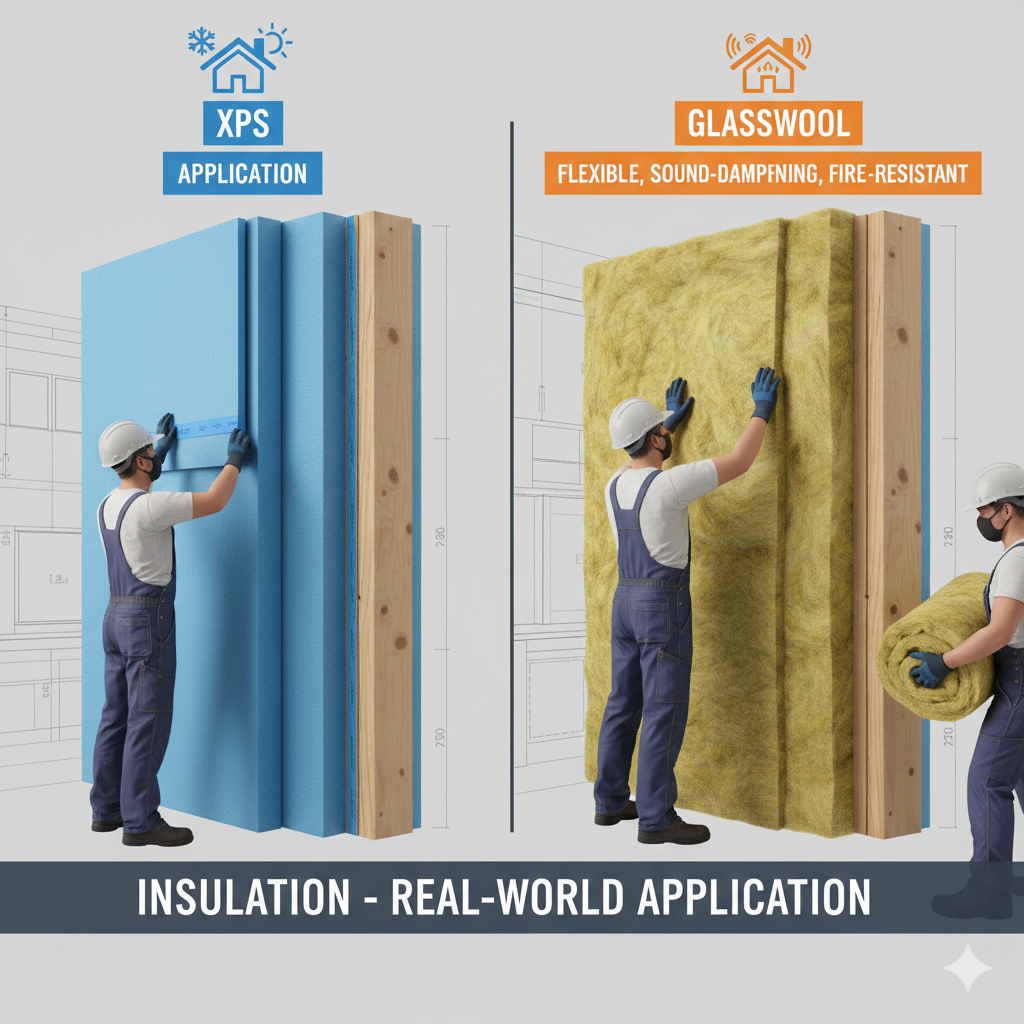
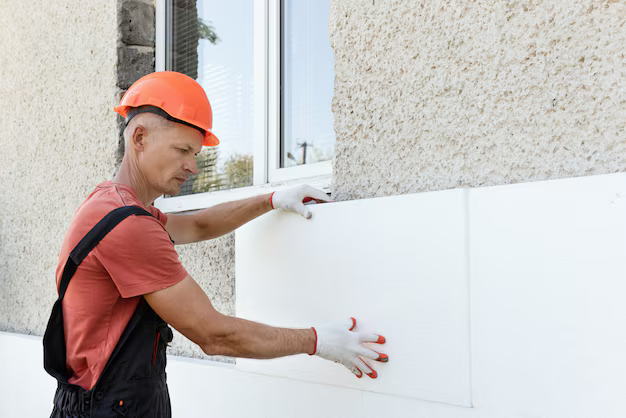
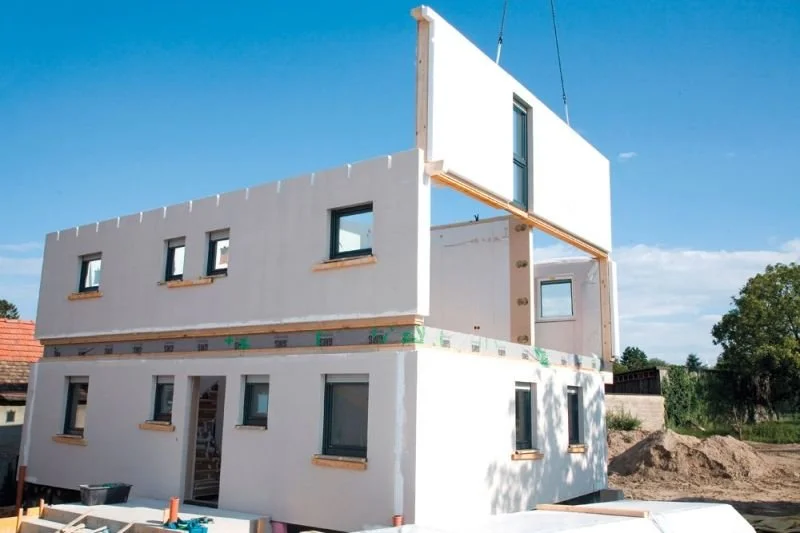
    thermocol moulding for building in pakistan

    Homes in Pakistan face intense heat, humidity variations, and rising energy costs. Effective insulation slows down heat transfer, reduces indoor temperature fluctuations, and supports energy efficiency. Whether the goal is roof protection, wall insulation in Pakistan, or overall thermal performance, material selection plays a critical role.

    What Is XPS Insulation?

    XPS insulation, made from extruded polystyrene, is a rigid board designed to resist heat, moisture, and pressure. Due to its closed-cell structure, XPS material offers consistent thermal performance even in demanding environments.

    Key Characteristics of XPS Insulation

    • High compressive strength
    • Low water absorption
    • Long service life
    • Suitable for roofs, floors, and external walls

    Because of its durability, XPS insulation is commonly used in residential and commercial construction across Pakistan.

    What Is Glasswool Insulation?

    Glasswool Sheet For Soundproofing

    Glasswool insulation is produced from recycled glass fibers arranged into soft, flexible mats or rolls. It traps air between fibers, which slows heat movement and improves acoustic comfort.

    Key Characteristics of Glasswool

    • Lightweight and flexible
    • Good thermal and sound insulation
    • Commonly used in ceilings and cavity walls
    • Requires proper sealing to avoid moisture issues

    Glasswool is often compared with alternatives like rockwool insulation, which uses stone fibers instead of glass.

    XPS vs Glasswool vs Rockwool – Detailed Comparison Table

    FeatureXPS InsulationGlasswool InsulationRockwool Insulation
    Material TypeExtruded polystyrene boardGlass fiber matStone fiber slab
    Thermal PerformanceHigh & stableGood (may reduce if compressed)High
    Moisture ResistanceExcellentLow to mediumMedium
    Structural StrengthHigh (load-bearing)LowMedium
    Fire ResistanceModerateModerateExcellent
    Application AreasRoofs, floors, wallsCeilings, partitionsWalls, fire-rated zones
    Suitability for HomesVery suitableSuitable (indoor use)Limited residential use
    Maintenance NeedLowMediumLow
    Cost RangeMedium to highLow to mediumHigh

    Summary:
    For long-term residential use in Pakistan’s climate, XPS offers the best balance of durability, moisture resistance, and thermal efficiency.

    XPS vs Glasswool: Core Performance Comparison

    XPS Vs Glasswool

    Thermal Efficiency

    XPS provides stable insulation values over time due to its closed-cell structure. Glasswool performs well initially but may lose effectiveness if compressed or exposed to moisture.

    Moisture Resistance

    XPS boards resist water penetration, making them suitable for humid climates. Glasswool requires vapor barriers to maintain performance.

    Structural Strength

    XPS can handle load-bearing applications such as floors. Glasswool is not designed for pressure-bearing use.

    XPS vs Polyiso and Mineral Wool Comparisons

    When evaluating insulation, homeowners often explore related comparisons like XPS vs polyiso or XPS ve mineral wool. Polyiso offers high thermal resistance but may lose efficiency in extreme heat. Mineral wool, including rockwool, excels in fire resistance but is heavier and costlier.

    These comparisons highlight why XPS remains a balanced option for many residential applications.

    Role of Rockwool in Home Insulation

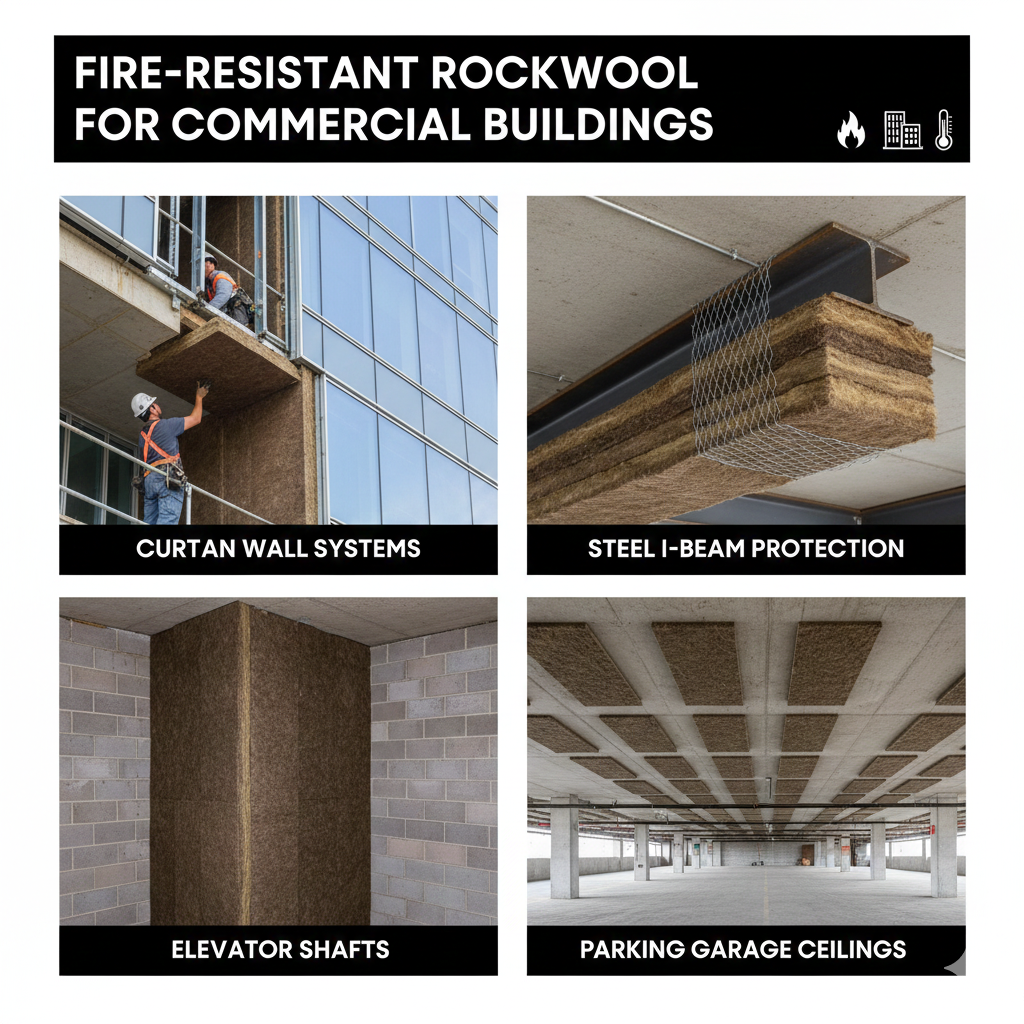
    fire resistant rockwool for commercial buildings

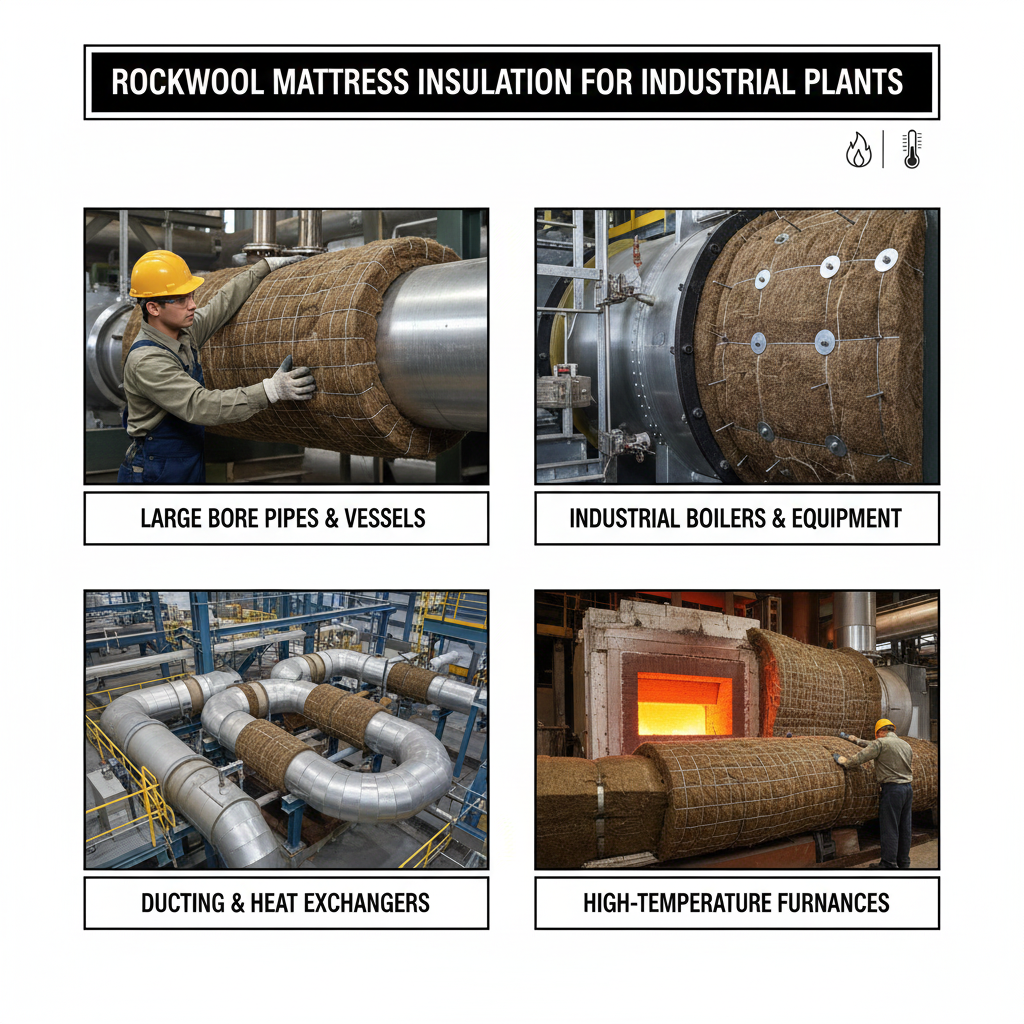
    Rockwool insulation is known for fire resistance and sound absorption. While effective, it is usually preferred in industrial or high-rise buildings rather than standard homes due to installation complexity and weight. Rockwool is often chosen when fire safety is prioritized over cost.

    Cost Considerations for Homeowners

    Insulation cost varies depending on material type, thickness, and location. While XPS boards may have a higher upfront price, they often deliver better long-term value due to durability. Products like jumbolon sheet price in Pakistan are also considered by homeowners seeking flexible insulation solutions, but they serve different use cases than rigid XPS boards.

    Which Insulation Is Better for Homes?

    Choose XPS Insulation If:

    • You need moisture-resistant insulation
    • Roof or floor insulation is required
    • Long-term durability is a priority

    Choose Glasswool If:

    • Budget is limited
    • Insulation is needed for ceilings or partitions
    • Sound insulation is also important

    For most modern homes, especially those focused on energy efficiency and structural reliability, XPS insulation is often the preferred solution.

    Final Verdict

    There is no universal insulation solution for every home. However, when comparing durability, moisture resistance, and performance stability, XPS consistently outperforms Glasswool for long-term residential use. Homeowners should evaluate climate, installation area, and budget before making a final decision.

    FAQ’S

    XPS insulation is generally better for wall insulation in Pakistan because it resists moisture and maintains thermal performance in hot and humid conditions.

    Yes, Glasswool insulation is suitable for ceilings and internal partitions, especially where sound insulation is also required. However, it needs proper sealing against moisture.

    XPS focuses on thermal efficiency and moisture resistance, while rockwool insulation provides superior fire resistance. Rockwool is often used in commercial or industrial projects.

    Yes, XPS insulation reduces heat transfer through roofs and walls, helping maintain indoor temperature and lowering air-conditioning usage.

  • Soundproofing Materials: Rockwool vs Glasswool

    Soundproofing Materials: Rockwool vs Glasswool

    Noise pollution has become a serious concern in residential, commercial, and industrial spaces. From traffic sounds to machinery noise, unwanted sound can affect comfort, productivity, and health. Choosing the right soundproofing material plays a vital role in controlling noise effectively. Among the most widely used solutions, rockwool and glasswool stand out as reliable options.

    In this guide, we provide a clear and practical comparison of Soundproofing Materials: Rockwool vs Glasswool, covering performance, safety, applications, and cost considerations to help you make an informed decision.

    Understanding Soundproofing Materials

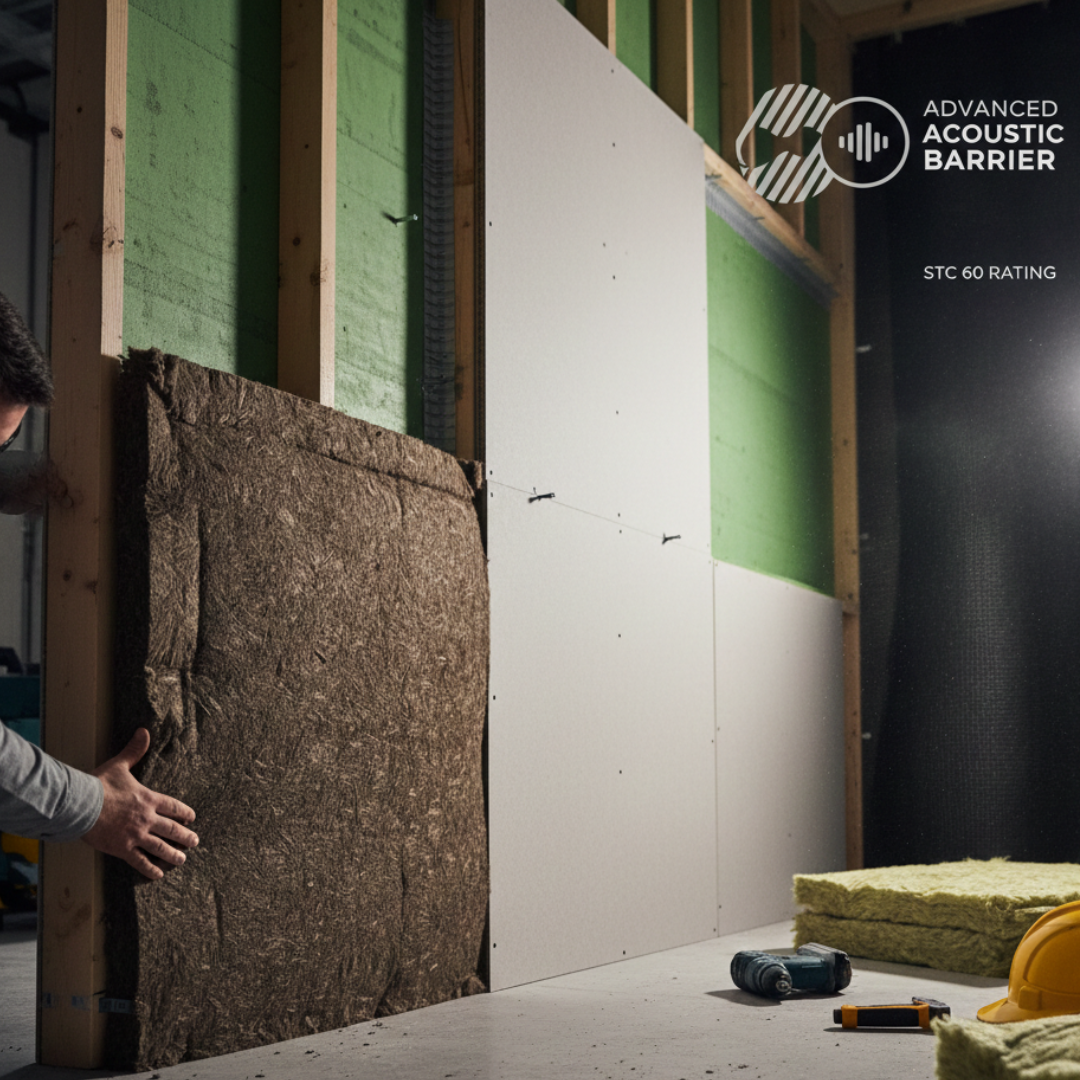
    glasswool vs rockwool

    Soundproofing materials are designed to reduce sound transmission by absorbing, blocking, or dampening noise waves. The effectiveness of any sound insulation depends on density, fiber structure, installation method, and the environment where it is applied.

    When comparing glass wool vs rockwool for soundproofing, both materials fall under fibrous insulation, which excels at absorbing airborne sound.

    What Is Rockwool?

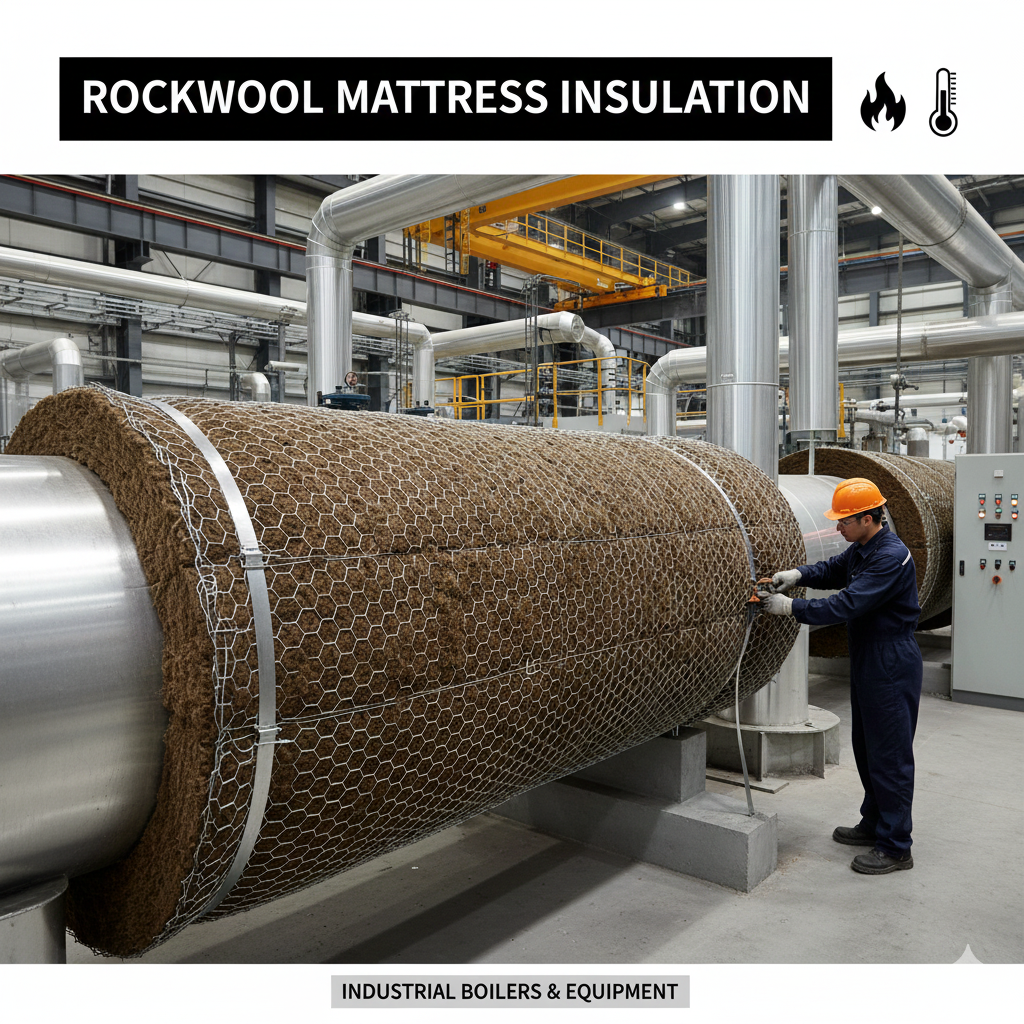
    rockwool mattress insulation for industrial plant

    Rockwool is produced from volcanic rock and recycled slag, melted and spun into dense fibers. Its rigid structure and high mass make it a popular option in demanding sound control environments.

    Key Characteristics of Rockwool

    • High density and excellent sound absorption
    • Strong resistance to fire and heat
    • Durable structure for long-term installations
    • Suitable for walls, ceilings, and industrial areas

    Because of these features, many professionals consider it a best soundproofing material rockwool vs glasswool in high-noise applications.

    What Is Glasswool?

    Glasswool Insulation in Pakistan

    Glasswool is manufactured from recycled glass and sand, processed into lightweight fibers. It is widely used in buildings for both thermal and acoustic insulation.

    Key Characteristics of Glasswool

    • Lightweight and flexible
    • Easy to install in tight spaces
    • Good acoustic absorption
    • Commonly used as glasswool insulation in residential and commercial projects

    Its softer fiber structure makes glass wool sound insulation particularly effective in controlling echo and background noise.

    Sound Performance Comparison

    When evaluating glass wool vs rockwool for soundproofing, performance depends on the type of noise and the installation area.

    Rockwool performs better at blocking low-frequency sounds such as machinery or heavy traffic. Glasswool, on the other hand, is very effective at absorbing mid- to high-frequency sounds like voices and office noise.

    In studios, offices, and homes, both materials deliver reliable acoustic comfort when installed correctly.

    Health and Safety Considerations

    A common concern among users is rockwool vs glasswool health impact. Both materials are safe when handled and installed properly.

    Rockwool fibers are generally thicker, reducing airborne particles during installation. Glasswool fibers are finer and may cause mild skin or respiratory irritation if protective gear is not used. Proper safety measures, such as gloves and masks, eliminate these risks.

    Cost and Pricing Factors

    The Soundproofing Materials Rockwool vs Glasswool price varies based on thickness, density, and application area. Typically, rockwool is priced higher due to its density and durability.

    From a budgeting perspective, Soundproofing Materials Rockwool vs Glasswool cost should be evaluated alongside long-term performance. While glasswool may have a lower upfront cost, rockwool often provides better durability in demanding environments.

    Applications and Use Cases

    Glasswool Sheet For Soundproofing

    Where Rockwool Works Best

    • Industrial facilities
    • Generator rooms
    • Recording studios
    • Commercial buildings

    Where Glasswool Works Best

    • Homes and apartments
    • Offices and meeting rooms
    • HVAC duct lining
    • False ceilings

    Both materials are effective solutions depending on project needs and sound control goals.

    Which One Should You Choose?

    If your priority is maximum noise reduction and durability, rockwool is often the better choice. If flexibility, ease of installation, and budget are more important, glasswool delivers excellent value.

    In many modern projects, a combination of both materials is used to achieve optimal sound control across different areas.

    Final Verdict

    Choosing between Soundproofing Materials Rockwool vs Glasswool depends on sound type, environment, budget, and safety requirements. Both materials are proven performers in acoustic insulation and continue to be trusted worldwide.

    By understanding their differences, you can confidently select the right solution for your soundproofing needs.

    FAQ’S

    Rockwool generally performs better for heavy noise control due to its higher density, making it ideal for studios and industrial areas. Glasswool is effective for reducing echo and airborne noise in homes and offices.

    Yes, glasswool insulation is safe when installed properly. Using gloves, masks, and protective clothing during installation prevents irritation, making it suitable for residential and commercial use.

    Rockwool absorbs low-frequency sounds more effectively, while glass wool sound insulation works well for mid and high frequencies. The choice depends on the type of noise you want to control.

    Soundproofing materials rockwool vs glasswool cost varies by density and thickness. Rockwool is usually more expensive, but it offers higher durability and long-term performance.