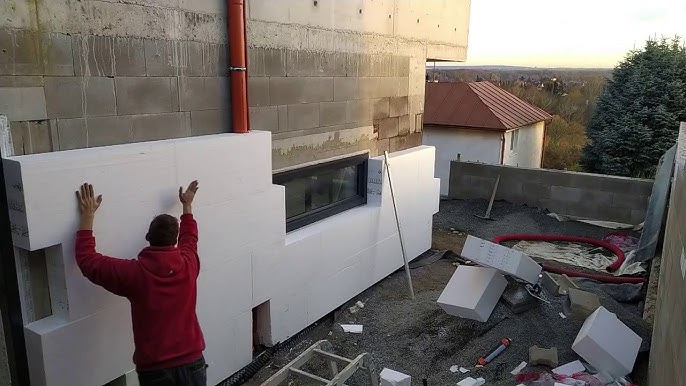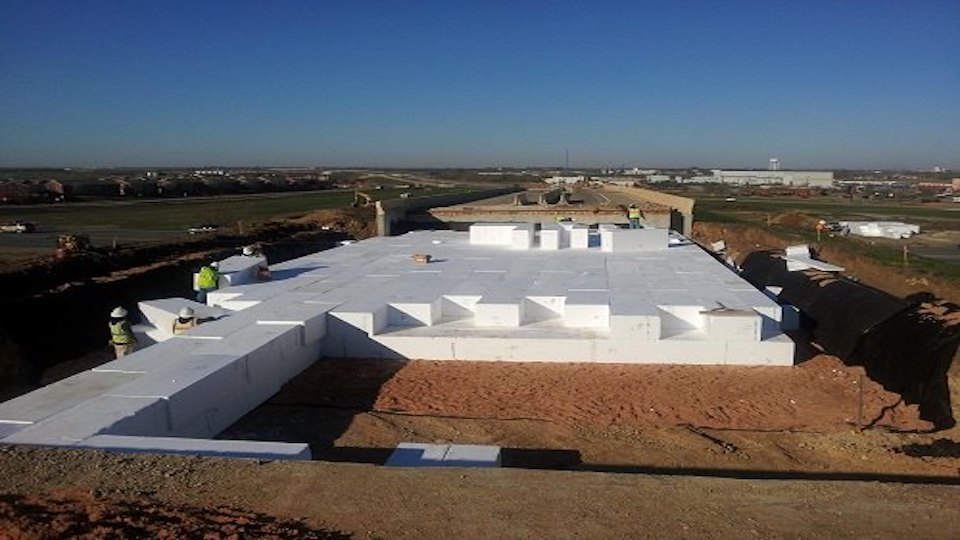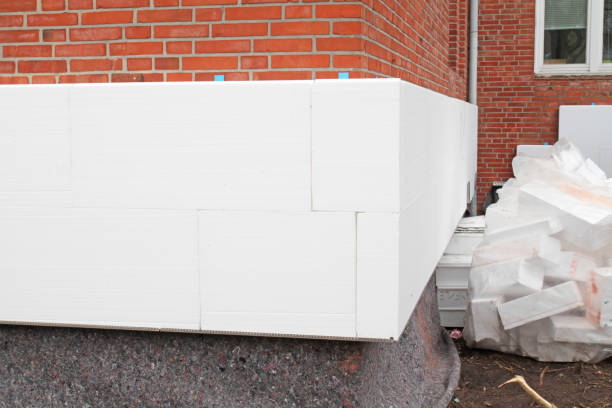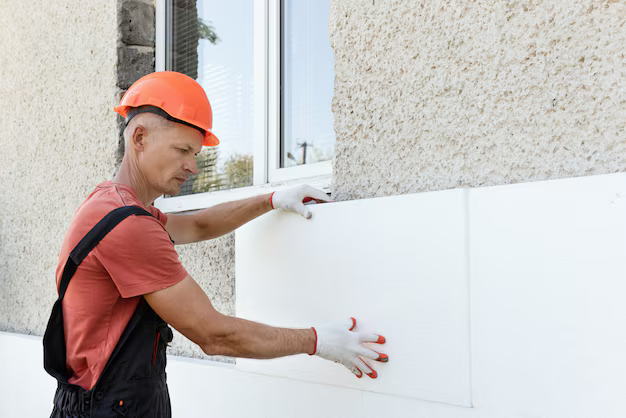

thermocol sheet price in pakistan

Tag: home insulation Pakistan

  • XPS vs Glasswool – Which Is Better for Homes?

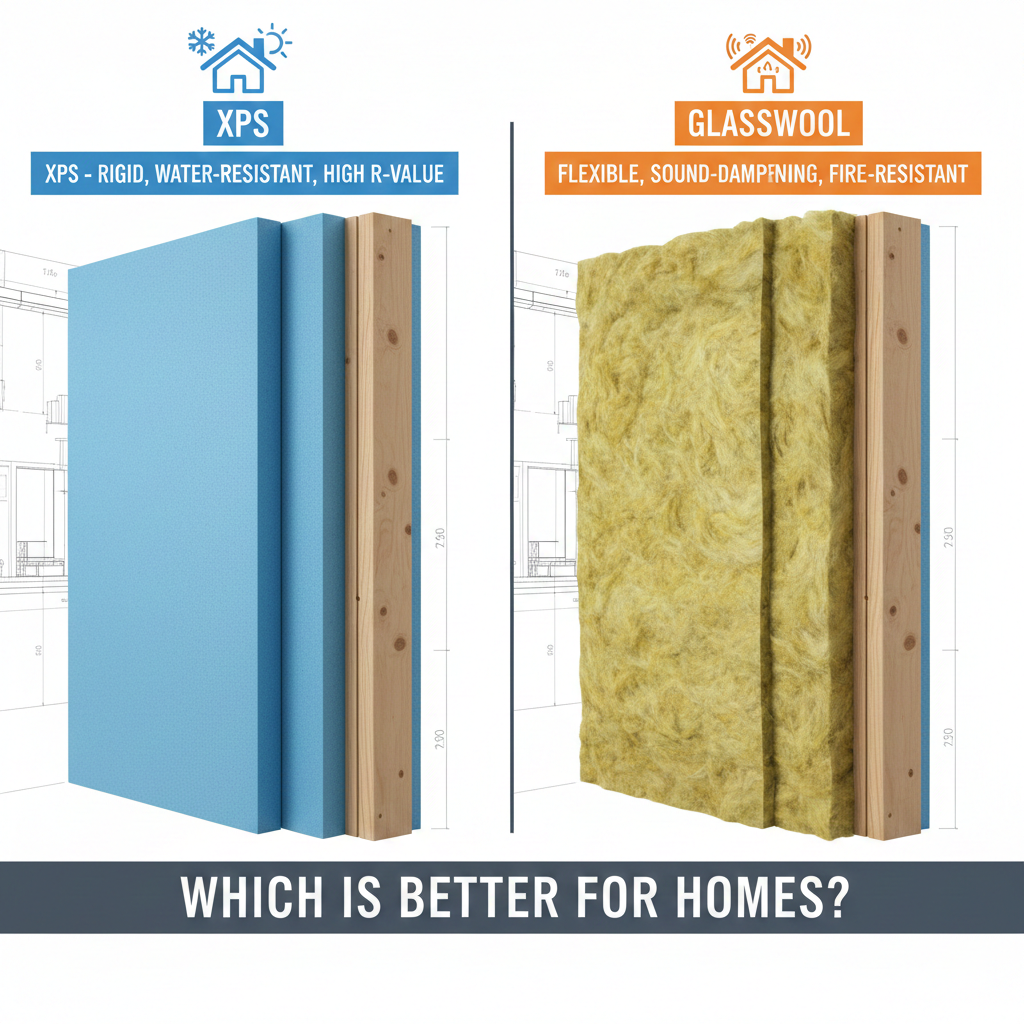
    XPS vs Glasswool – Which Is Better for Homes?

    Choosing the right insulation is one of the most important decisions when designing or upgrading a home. In hot and mixed climates like Pakistan, insulation directly affects indoor comfort, electricity bills, and long-term building durability. Two of the most commonly compared options are XPS insulation and Glasswool insulation. This guide explains their differences in a clear, practical way to help homeowners make an informed decision.

    Understanding Home Insulation Needs in Pakistan
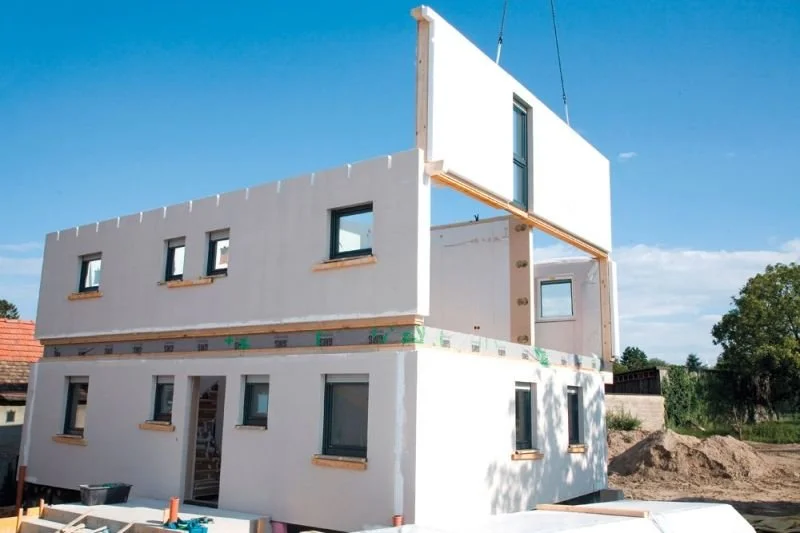
    thermocol moulding for building in pakistan

    Homes in Pakistan face intense heat, humidity variations, and rising energy costs. Effective insulation slows down heat transfer, reduces indoor temperature fluctuations, and supports energy efficiency. Whether the goal is roof protection, wall insulation in Pakistan, or overall thermal performance, material selection plays a critical role.

    What Is XPS Insulation?

    XPS insulation, made from extruded polystyrene, is a rigid board designed to resist heat, moisture, and pressure. Due to its closed-cell structure, XPS material offers consistent thermal performance even in demanding environments.

    Key Characteristics of XPS Insulation

    • High compressive strength
    • Low water absorption
    • Long service life
    • Suitable for roofs, floors, and external walls

    Because of its durability, XPS insulation is commonly used in residential and commercial construction across Pakistan.

    What Is Glasswool Insulation?
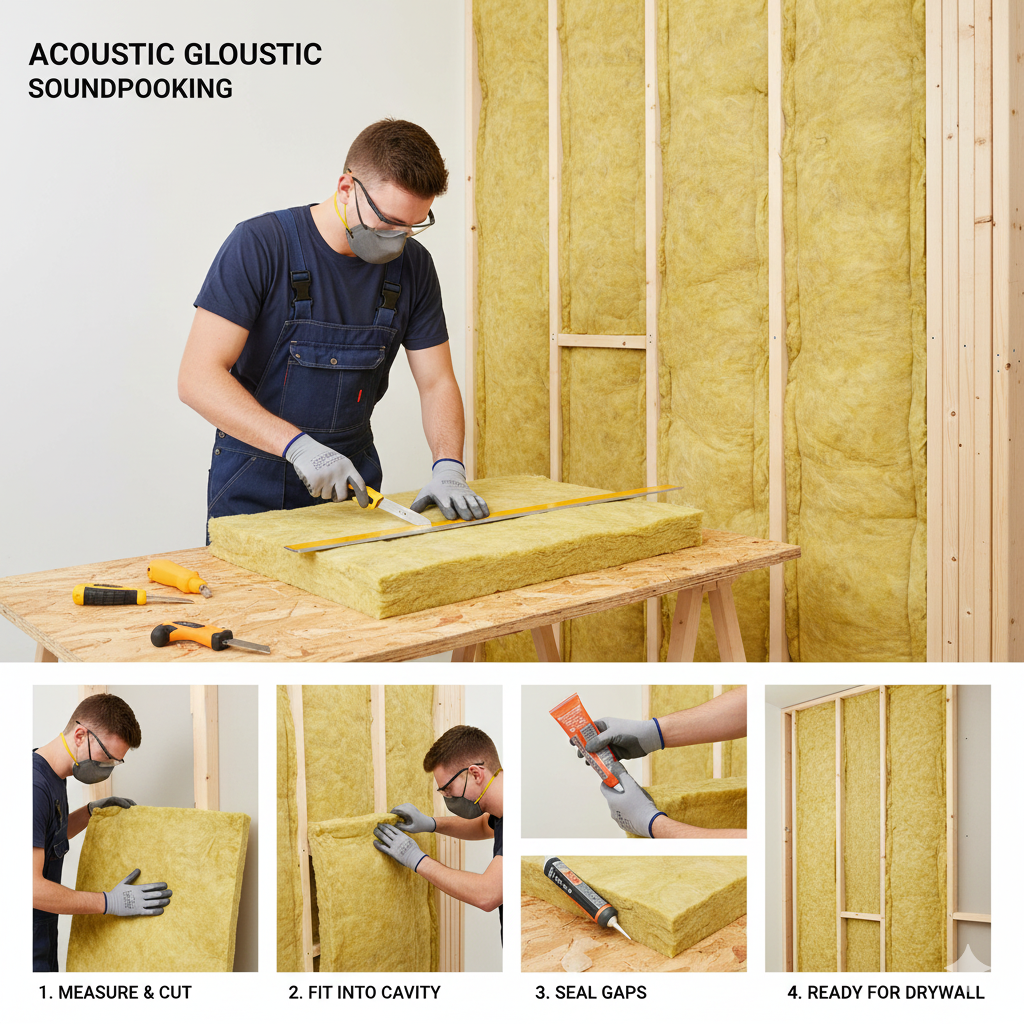
    Glasswool Sheet For Soundproofing

    Glasswool insulation is produced from recycled glass fibers arranged into soft, flexible mats or rolls. It traps air between fibers, which slows heat movement and improves acoustic comfort.

    Key Characteristics of Glasswool

    • Lightweight and flexible
    • Good thermal and sound insulation
    • Commonly used in ceilings and cavity walls
    • Requires proper sealing to avoid moisture issues

    Glasswool is often compared with alternatives like rockwool insulation, which uses stone fibers instead of glass.

    XPS vs Glasswool vs Rockwool – Detailed Comparison Table

    FeatureXPS InsulationGlasswool InsulationRockwool Insulation
    Material TypeExtruded polystyrene boardGlass fiber matStone fiber slab
    Thermal PerformanceHigh & stableGood (may reduce if compressed)High
    Moisture ResistanceExcellentLow to mediumMedium
    Structural StrengthHigh (load-bearing)LowMedium
    Fire ResistanceModerateModerateExcellent
    Application AreasRoofs, floors, wallsCeilings, partitionsWalls, fire-rated zones
    Suitability for HomesVery suitableSuitable (indoor use)Limited residential use
    Maintenance NeedLowMediumLow
    Cost RangeMedium to highLow to mediumHigh

    Summary:
    For long-term residential use in Pakistan’s climate, XPS offers the best balance of durability, moisture resistance, and thermal efficiency.

    XPS vs Glasswool: Core Performance Comparison
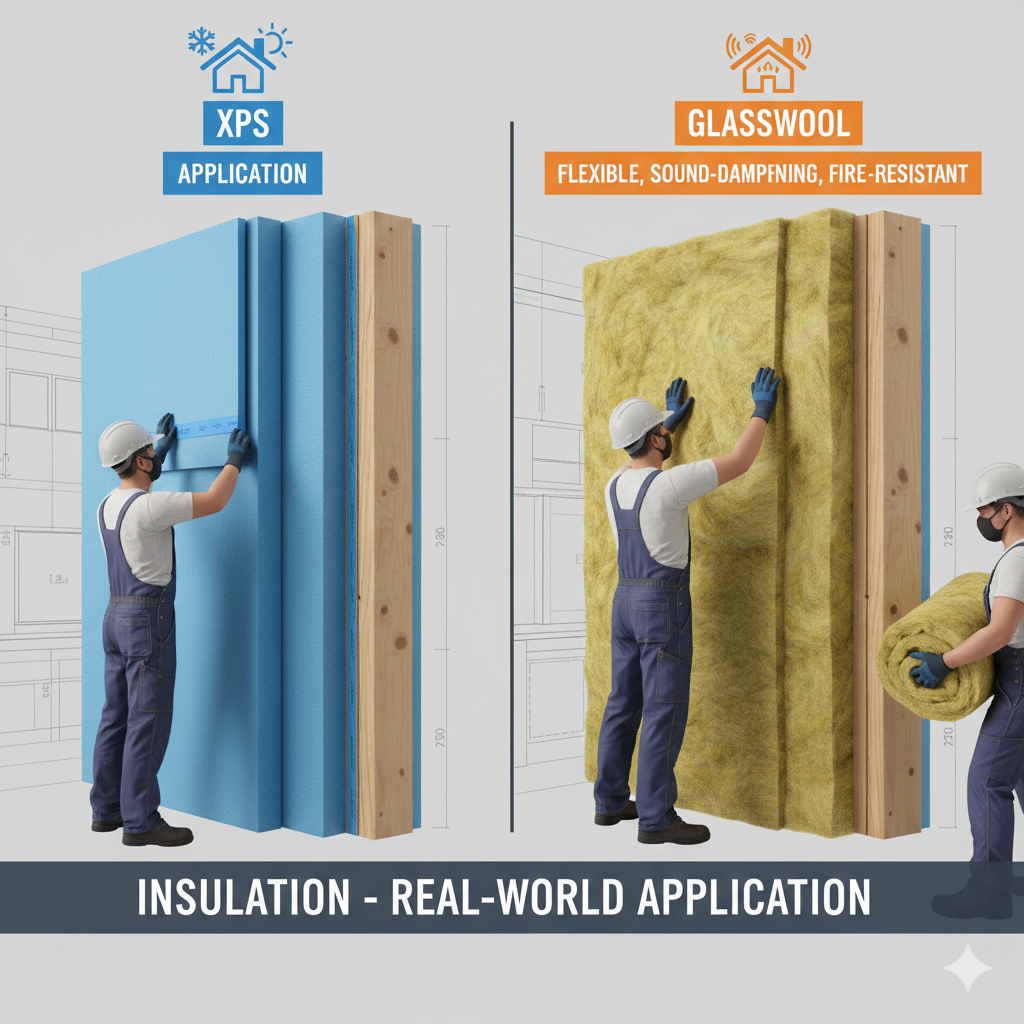
    XPS Vs Glasswool

    Thermal Efficiency

    XPS provides stable insulation values over time due to its closed-cell structure. Glasswool performs well initially but may lose effectiveness if compressed or exposed to moisture.

    Moisture Resistance

    XPS boards resist water penetration, making them suitable for humid climates. Glasswool requires vapor barriers to maintain performance.

    Structural Strength

    XPS can handle load-bearing applications such as floors. Glasswool is not designed for pressure-bearing use.

    XPS vs Polyiso and Mineral Wool Comparisons

    When evaluating insulation, homeowners often explore related comparisons like XPS vs polyiso or XPS ve mineral wool. Polyiso offers high thermal resistance but may lose efficiency in extreme heat. Mineral wool, including rockwool, excels in fire resistance but is heavier and costlier.

    These comparisons highlight why XPS remains a balanced option for many residential applications.

    Role of Rockwool in Home Insulation
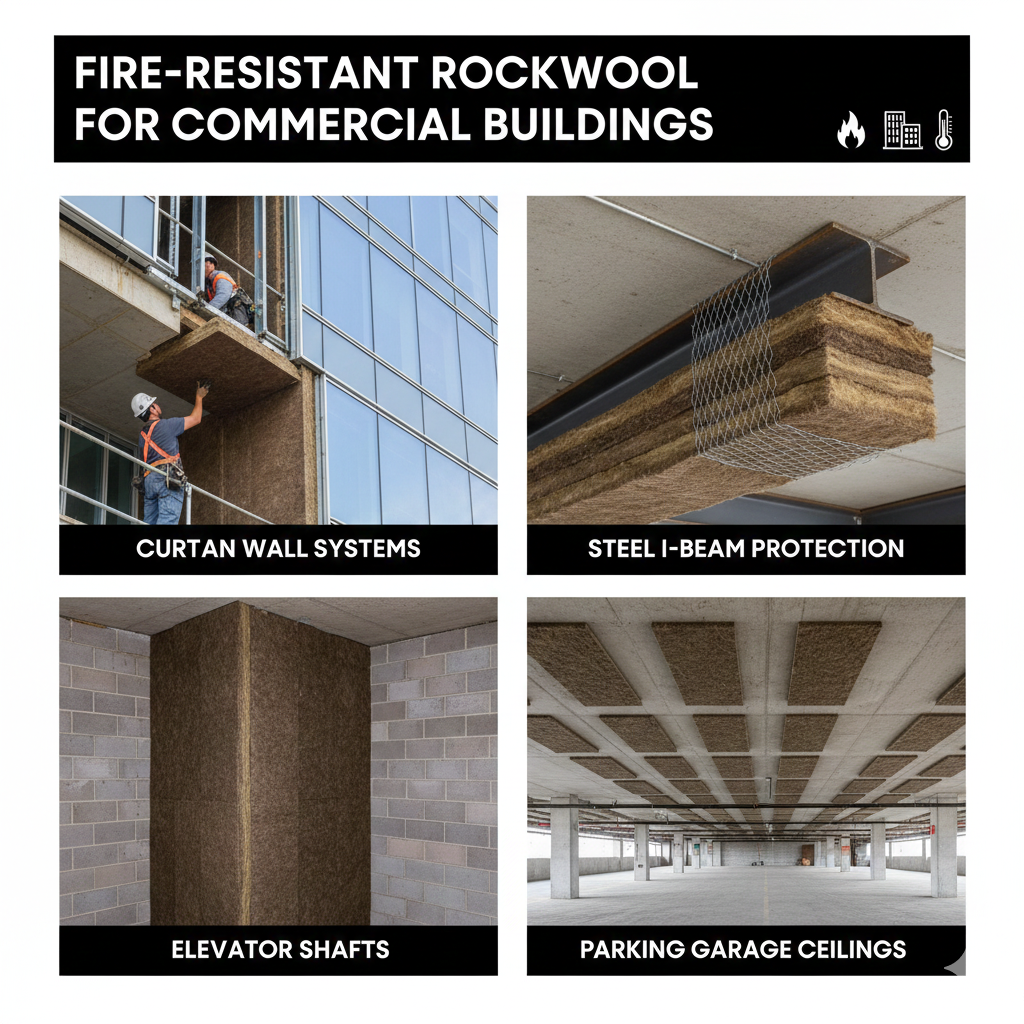
    fire resistant rockwool for commercial buildings

    Rockwool insulation is known for fire resistance and sound absorption. While effective, it is usually preferred in industrial or high-rise buildings rather than standard homes due to installation complexity and weight. Rockwool is often chosen when fire safety is prioritized over cost.

    Cost Considerations for Homeowners

    Insulation cost varies depending on material type, thickness, and location. While XPS boards may have a higher upfront price, they often deliver better long-term value due to durability. Products like jumbolon sheet price in Pakistan are also considered by homeowners seeking flexible insulation solutions, but they serve different use cases than rigid XPS boards.

    Which Insulation Is Better for Homes?

    Choose XPS Insulation If:

    • You need moisture-resistant insulation
    • Roof or floor insulation is required
    • Long-term durability is a priority

    Choose Glasswool If:

    • Budget is limited
    • Insulation is needed for ceilings or partitions
    • Sound insulation is also important

    For most modern homes, especially those focused on energy efficiency and structural reliability, XPS insulation is often the preferred solution.

    Final Verdict

    There is no universal insulation solution for every home. However, when comparing durability, moisture resistance, and performance stability, XPS consistently outperforms Glasswool for long-term residential use. Homeowners should evaluate climate, installation area, and budget before making a final decision.

    FAQ’S

    XPS insulation is generally better for wall insulation in Pakistan because it resists moisture and maintains thermal performance in hot and humid conditions.

    Yes, Glasswool insulation is suitable for ceilings and internal partitions, especially where sound insulation is also required. However, it needs proper sealing against moisture.

    XPS focuses on thermal efficiency and moisture resistance, while rockwool insulation provides superior fire resistance. Rockwool is often used in commercial or industrial projects.

    Yes, XPS insulation reduces heat transfer through roofs and walls, helping maintain indoor temperature and lowering air-conditioning usage.

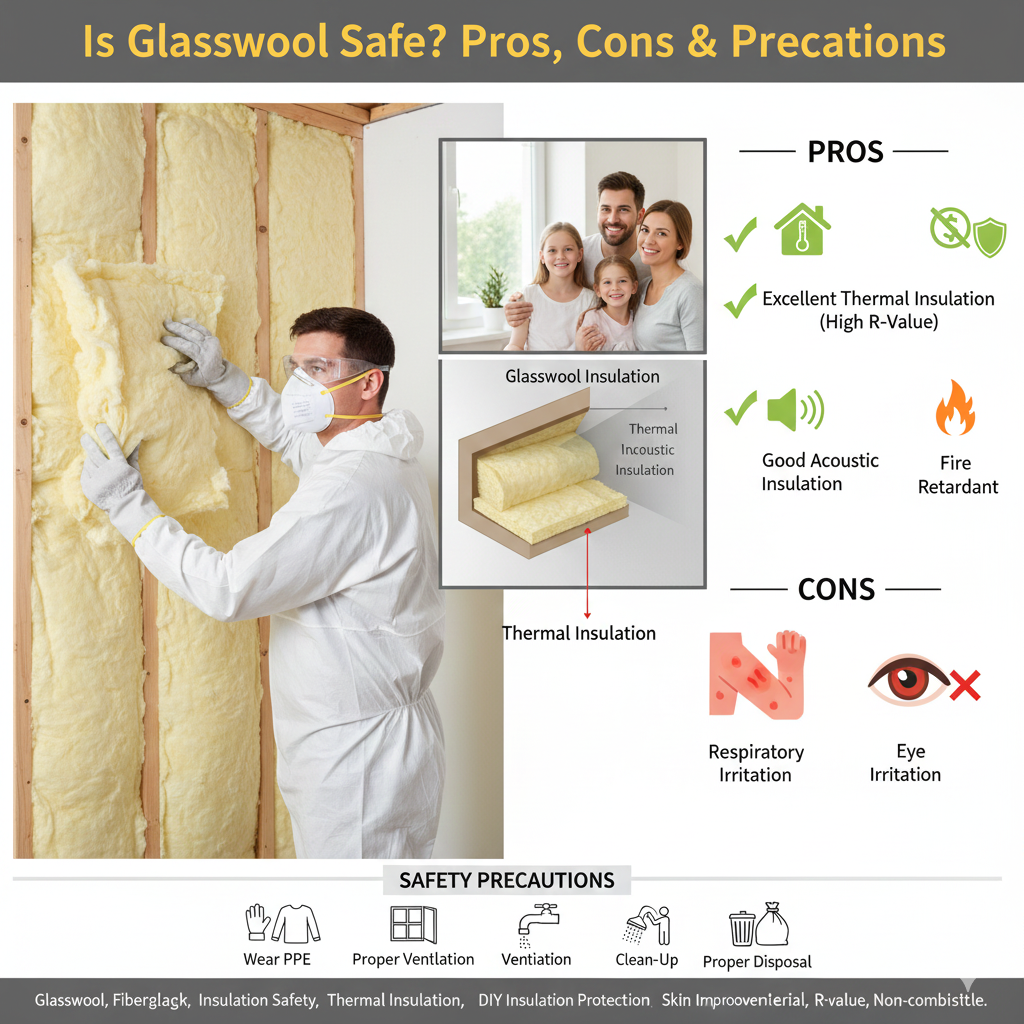
  • Is Glasswool Insulation Safe?

    Is Glasswool Insulation Safe?

    Introduction

    When considering home improvement projects or new construction, thermal insulation is a critical component for energy efficiency and indoor comfort. Among the most widely used building material options for insulation is Glasswool insulation, often referred to as fiberglass. Its prevalence is due to its excellent thermal insulation properties and relatively low cost.

    However, many homeowners and DIY enthusiasts often ask: “Is Glasswool safe?” This is a valid concern, given its fibrous nature and the dust it can generate. This guide will delve into the composition of Glasswool, its benefits, potential drawbacks, and, most importantly, the essential safety precautions to ensure a safe experience during installation and in daily living.

    What is Glasswool (Fiberglass) Insulation?

    Glasswool Sheet For Soundproofing

    Glasswool is a type of mineral wool made from extremely fine fibers of glass. The manufacturing process involves melting recycled glass and sand, then spinning it into fibers, which are then bound together with a resin and formed into batts, rolls, or loose-fill. The tiny air pockets trapped within these fibers are what provide its superior thermal insulation and decent acoustic insulation properties.

    It’s primarily used in walls, ceilings, and floors to reduce heat transfer, lower energy bills, and improve overall interior comfort.

    The Benefits of Using Glasswool

    Despite the safety questions, Glasswool remains popular for several good reasons:

    1. Excellent Thermal Insulation

    Glasswool is highly effective at resisting heat flow, boasting a good R-value (a measure of thermal resistance) per inch. This makes it an efficient building material for keeping homes warm in winter and cool in summer, leading to significant energy savings.

    2. Cost-Effective

    Compared to some other insulation material options, Glasswool is generally more affordable, making it a budget-friendly choice for many DIY insulation projects and large-scale constructions.

    3. Good Acoustic Insulation

    Beyond thermal properties, the fibrous structure of Glasswool also provides reasonable acoustic insulation, helping to dampen sound transmission between rooms and from outside, contributing to a quieter indoor environment.

    4. Fire Retardant Properties

    While not entirely non-combustible like stone wool, Glasswool is resistant to fire and does not typically contribute to the spread of flames. It has good fire-retardant properties, offering an added layer of safety in a building’s fire strategy.

    Potential Concerns: Addressing the Safety Question

    The main concerns regarding the safety of Glasswool stem from the tiny glass fibers themselves:

    1. Skin Irritation

    The most common issue encountered with Glasswool is skin irritation. The microscopic glass fibers can embed themselves in the skin, causing itching, redness, and discomfort. This is a physical irritation, not a chemical reaction, and is temporary.

    2. Respiratory Irritation

    When disturbed, Glasswool can release fine airborne fibers. Inhaling these fibers can irritate the upper respiratory tract, leading to coughing, sneezing, or a sore throat. For individuals with existing respiratory conditions like asthma, this can be particularly bothersome. However, extensive research by organizations like the World Health Organization (WHO) and the International Agency for Research on Cancer (IARC) has concluded that modern Glasswool fibers are not classifiable as to their carcinogenicity to humans, meaning they are not considered a cancer risk. The fibers are non-respirable, meaning they are too large to reach the deep lung tissue.

    3. Eye Irritation

    Fibers can also get into the eyes, causing discomfort, redness, and a gritty sensation.

    Essential Safety Precautions for Handling Glasswool

    The key to safe installation and handling of Glasswool lies in proper safety precautions. These measures are simple but crucial for minimizing exposure and discomfort.

    1. Personal Protective Equipment (PPE)

    • Gloves: Always wear heavy-duty work gloves to prevent skin irritation.
    • Long Sleeves and Pants: Cover all exposed skin. Wear loose-fitting, long-sleeved shirts and long pants, ideally disposable coveralls for extensive work.
    • Eye Protection: Goggles or safety glasses are essential to protect your eyes from airborne fibers.
    • Respiratory Protection: A dust mask or, ideally, an N95 respirator should always be worn to prevent inhalation of fibers. This is a non-negotiable safety precaution.

    2. Proper Ventilation

    Work in well-ventilated areas. If possible, open windows and doors during installation to allow fresh air circulation and reduce the concentration of airborne fibers.

    3. Minimize Disturbance

    Handle Glasswool batts or rolls carefully to avoid excessive agitation that releases fibers into the air. Do not shake or tear the material roughly.

    4. Clean-Up Procedures

    • Do NOT Vacuum with a Household Vacuum: The fine fibers can clog filters and be recirculated into the air.
    • Wet Wipe or HEPA Vacuum: Use a damp cloth to wipe surfaces or a vacuum equipped with a HEPA filter.
    • Shower and Wash Clothes Separately: After working with Glasswool, shower with cold water first to rinse off fibers without opening pores. Wash work clothes separately from other laundry to avoid cross-contamination.

    5. Disposal

    Dispose of Glasswool waste in sealed plastic bags to prevent fibers from escaping into the environment or affecting others. Check local regulations for proper waste disposal.

    Glasswool in Everyday Living

    Once installed and covered by drywall, ceilings, or other finishes, Glasswool insulation poses no significant health risk in a finished building. The fibers are encapsulated and not airborne. The concerns are primarily during the installation or removal process when the material is exposed.

    Conclusion: Safe and Effective with Proper Care

    Glasswool insulation remains a valuable and effective building material for achieving excellent thermal insulation and acoustic insulation in homes and buildings. While questions about “Is Glasswool safe?” are understandable, current scientific consensus confirms that modern Glasswool is not carcinogenic.

    The temporary skin irritation and respiratory discomfort can be entirely managed and prevented by adhering strictly to recommended safety precautions during installation. By wearing appropriate PPE, ensuring good ventilation, and following proper handling and clean-up procedures, you can safely harness the many benefits of this ubiquitous insulation material for your home improvement needs.

    FAQ’S

    Glasswool insulation is commonly used for thermal insulation, soundproofing, and fire resistance in homes, offices, industrial buildings, HVAC ducts, and metal structures.

    Yes. Glasswool is non-combustible and widely used in residential construction. However, during installation, wearing protective gloves, goggles, and a mask is recommended to avoid irritation from loose fibers.

    Glasswool has a high R-value, meaning it provides strong thermal resistance. It helps maintain indoor temperature, reduces heat transfer, and can significantly lower cooling and heating costs.

    Yes. Glasswool is an excellent acoustic insulation material. Its fibrous structure reduces echo, noise transfer, and vibrations, making it ideal for studios, commercial buildings, and home sound control.

  • Insulation Services in Pakistan – Residential & Commercial Solutions

    Insulation Services in Pakistan – Residential & Commercial Solutions

    In today’s world of rising energy costs and extreme weather conditions, finding effective ways to improve energy efficiency has become essential for both households and businesses. One of the most practical and long-lasting solutions is insulation. From keeping homes comfortable to ensuring that commercial buildings operate efficiently, insulation services in Pakistan are becoming increasingly important.

    Whether you are a homeowner tired of high electricity bills or a business owner looking to optimize energy performance, insulation can transform your space into a more sustainable, cost-efficient, and comfortable environment. In this blog, we’ll explore the benefits, types, and applications of insulation, with a special focus on residential insulation services in Pakistan and commercial insulation services in Pakistan.

    Why Insulation Matters in Pakistan?

    Pakistan faces diverse and extreme climatic conditions—scorching hot summers, chilly winters in northern regions, and rising humidity levels in coastal areas. These weather patterns put a strain on air conditioners and heaters, causing electricity bills to skyrocket. Unfortunately, most buildings in Pakistan are constructed without proper insulation, which means cool air escapes during summers and heat seeps out during winters.

    This is where professional insulation services in Pakistan make a difference. By properly insulating walls, ceilings, roofs, and floors, homeowners and businesses can:

    • Maintain consistent indoor temperatures.
    • Reduce reliance on air conditioning and heating systems.
    • Lower electricity bills significantly.
    • Increase the lifespan of HVAC equipment.
    • Improve overall comfort and quality of life.

    Residential Insulation Services in Pakistan

    Creating Comfortable and Energy-Efficient Homes

    A home should be a place of comfort, but without insulation, even the most well-furnished houses can feel unbearable in extreme weather. Residential insulation services in Pakistan are designed to address this issue by making homes energy-efficient and climate-friendly.

    Benefits of Residential Insulation

    • Lower Energy Bills – Insulated homes require less cooling in summer and less heating in winter, which means your energy costs drop dramatically.
    • Year-Round Comfort – Proper insulation keeps homes cooler in June and warmer in January, creating a balanced indoor environment.
    • Noise Reduction – High-quality insulation materials also provide soundproofing benefits, making your home more peaceful.
    • Eco-Friendly Living – By consuming less electricity, you reduce your carbon footprint and contribute to a greener Pakistan.
    • Increased Property Value – Energy-efficient homes are in higher demand and often sell at better prices.

    Areas of Residential Insulation

    • Roof Insulation – Prevents heat from entering during summers and keeps warmth in during winters.
    • Wall Insulation – Stops energy loss through external and internal walls.
    • Floor Insulation – Reduces heat transfer and adds comfort, especially in colder regions.
    • Attic Insulation – Crucial for homes with upper storage or living areas, preventing unnecessary heat exchange.

    In cities like Karachi, Lahore, and Islamabad, homeowners are increasingly investing in residential insulation services in Pakistan as they realize the long-term financial and environmental benefits.

    commercial insulation services in pakistan

    Commercial Insulation Services in Pakistan

    Smart Investments for Businesses

    For businesses, energy consumption is a major operating expense. Offices, factories, warehouses, and shopping malls often spend huge amounts on electricity for air conditioning and heating. This is why commercial insulation services in Pakistan are a smart investment for businesses of all sizes.

    Benefits of Commercial Insulation

    • Reduced Operating Costs – Lower electricity bills mean more savings for your business.
    • Employee Comfort – Comfortable working environments increase productivity and morale.
    • Regulatory Compliance – Many industries are now required to follow energy-efficiency standards, and insulation helps achieve compliance.
    • Soundproofing – Insulation reduces noise transfer, which is especially useful for offices, hotels, and hospitals.
    • Long-Term ROI – The money saved on energy bills quickly recovers the initial investment in insulation.

    Applications of Commercial Insulation

    • Office Buildings – To create energy-efficient and comfortable workspaces.
    • Warehouses – To protect goods from heat damage and reduce cooling costs.
    • Factories & Industrial Units – To improve process efficiency and reduce energy waste.
    • Hotels & Shopping Malls – To enhance customer comfort and reduce operational costs.
    • Hospitals & Schools – To provide consistent indoor comfort in sensitive environments.

    Many companies are now opting for commercial insulation services in Pakistan as part of their sustainability and cost-saving strategies.

    Types of Insulation Materials Used in Pakistan

    Professional insulation providers use different materials depending on the property type and requirement. Some common options include:

    • EPS Sheets (Expanded Polystyrene) – Lightweight, affordable, and effective for walls and roofs.
    • XPS Sheets (Extruded Polystyrene) – High compressive strength and moisture resistance, ideal for both residential and commercial spaces.
    • Fiberglass Insulation – Known for its thermal efficiency and soundproofing properties.
    • Spray Foam Insulation – Provides excellent air sealing and is suitable for hard-to-reach areas.
    • Thermopore Sheets – Widely used in Pakistan due to their durability and affordability.

    Each material has unique benefits, and professional service providers recommend the best option based on the property’s structure and energy needs.

    insulation services in pakistan

    Why Choose Professional Insulation Services in Pakistan?

    While some homeowners may attempt DIY solutions, professional insulation installation ensures long-term performance and maximum energy efficiency. Here’s why you should always hire experts:

    • Customized Solutions – Every building is different; experts assess your property and recommend the best insulation method.
    • Proper Installation – Professional installation ensures there are no gaps, leaks, or weak spots.
    • High-Quality Materials – Reputable providers use durable and tested materials that perform well in Pakistan’s climate.
    • Warranty & After-Sales Service – Many providers offer warranties and maintenance services for peace of mind.

    The Future of Insulation in Pakistan

    With rising awareness about energy efficiency and sustainability, demand for insulation services in Pakistan is expected to grow significantly in the coming years. Government initiatives promoting energy conservation and the increasing cost of electricity are pushing both homeowners and businesses to invest in insulation.

    As more people realize that insulation is not just about comfort but also about saving money and protecting the environment, the trend of opting for residential insulation services in Pakistan and commercial insulation services in Pakistan will continue to rise.

    Final Thoughts

    Insulation is no longer a luxury—it is a necessity for modern living and business operations in Pakistan. Whether you are building a new home, upgrading your office, or trying to reduce electricity costs, professional insulation offers long-term benefits. From lower bills and improved comfort to eco-friendly living and increased property value, the advantages are endless.

    If you’re ready to transform your property, explore professional insulation services in Pakistan today. With tailored solutions for both residential insulation services in Pakistan and commercial insulation services in Pakistan, you can take the first step toward a more energy-efficient, comfortable, and sustainable future.