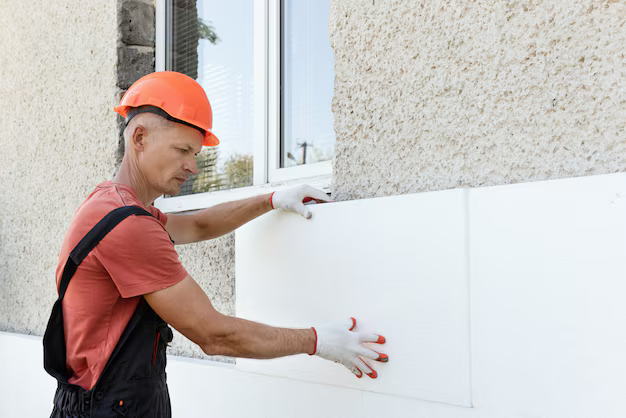
thermocol sheet price in pakistan

Tag: home insulation services

  • Is Glasswool Insulation Safe?

    Is Glasswool Insulation Safe?

    Introduction

    When considering home improvement projects or new construction, thermal insulation is a critical component for energy efficiency and indoor comfort. Among the most widely used building material options for insulation is Glasswool insulation, often referred to as fiberglass. Its prevalence is due to its excellent thermal insulation properties and relatively low cost.

    However, many homeowners and DIY enthusiasts often ask: “Is Glasswool safe?” This is a valid concern, given its fibrous nature and the dust it can generate. This guide will delve into the composition of Glasswool, its benefits, potential drawbacks, and, most importantly, the essential safety precautions to ensure a safe experience during installation and in daily living.

    What is Glasswool (Fiberglass) Insulation?
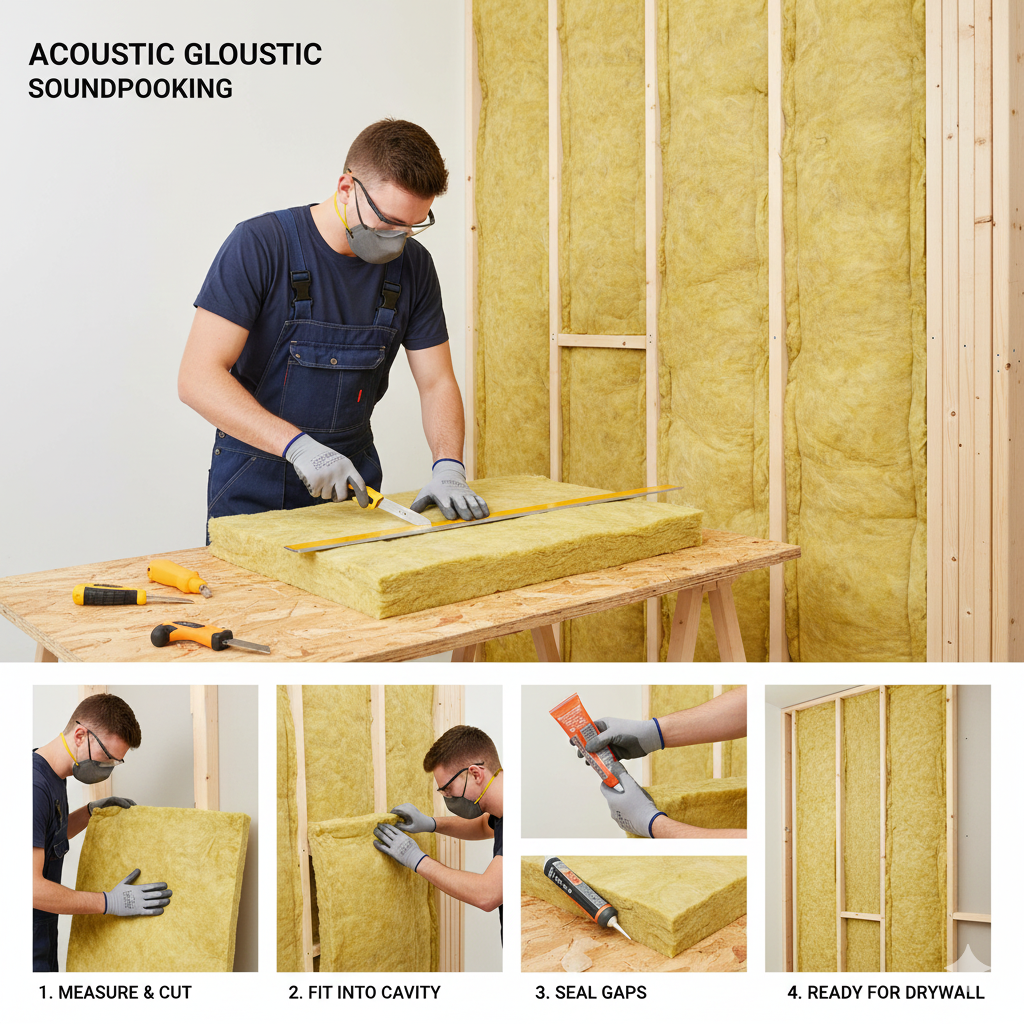
    Glasswool Sheet For Soundproofing

    Glasswool is a type of mineral wool made from extremely fine fibers of glass. The manufacturing process involves melting recycled glass and sand, then spinning it into fibers, which are then bound together with a resin and formed into batts, rolls, or loose-fill. The tiny air pockets trapped within these fibers are what provide its superior thermal insulation and decent acoustic insulation properties.

    It’s primarily used in walls, ceilings, and floors to reduce heat transfer, lower energy bills, and improve overall interior comfort.

    The Benefits of Using Glasswool
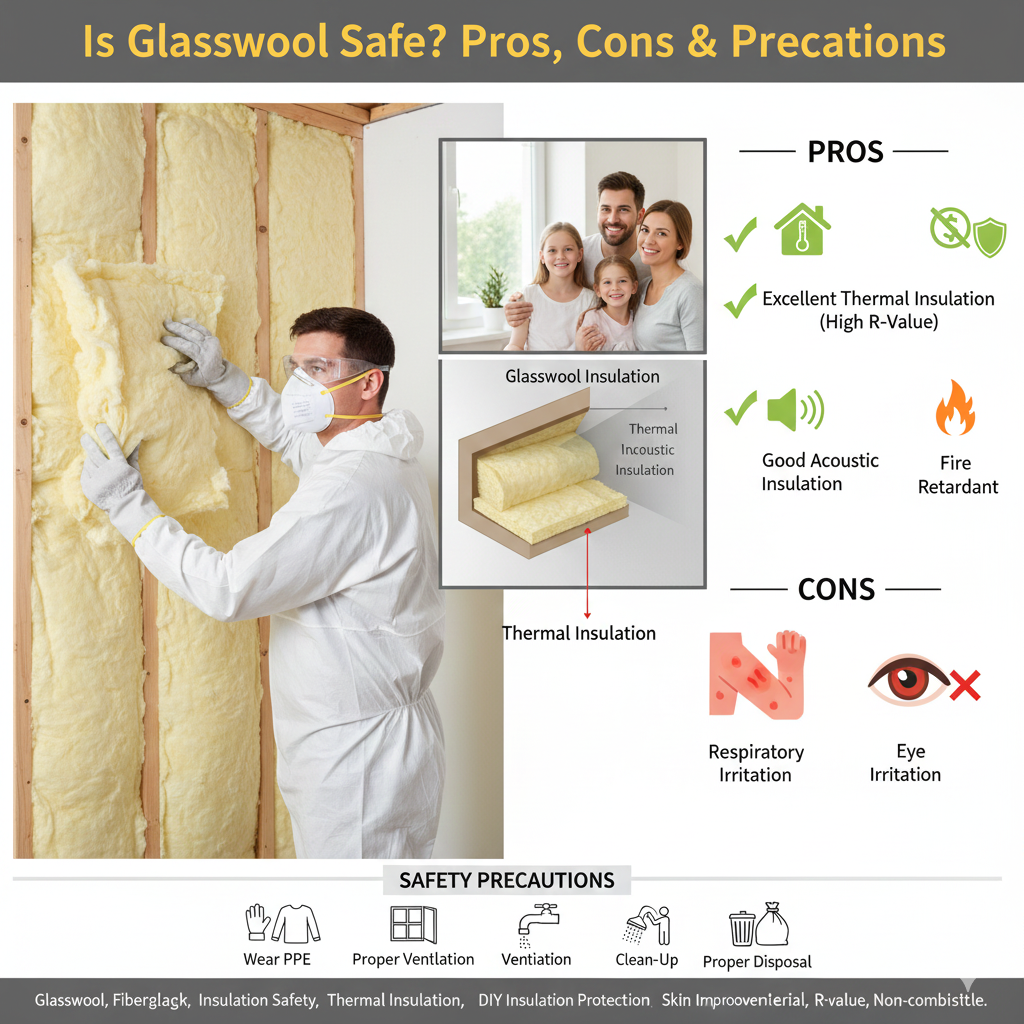
    Despite the safety questions, Glasswool remains popular for several good reasons:

    1. Excellent Thermal Insulation

    Glasswool is highly effective at resisting heat flow, boasting a good R-value (a measure of thermal resistance) per inch. This makes it an efficient building material for keeping homes warm in winter and cool in summer, leading to significant energy savings.

    2. Cost-Effective

    Compared to some other insulation material options, Glasswool is generally more affordable, making it a budget-friendly choice for many DIY insulation projects and large-scale constructions.

    3. Good Acoustic Insulation

    Beyond thermal properties, the fibrous structure of Glasswool also provides reasonable acoustic insulation, helping to dampen sound transmission between rooms and from outside, contributing to a quieter indoor environment.

    4. Fire Retardant Properties

    While not entirely non-combustible like stone wool, Glasswool is resistant to fire and does not typically contribute to the spread of flames. It has good fire-retardant properties, offering an added layer of safety in a building’s fire strategy.

    Potential Concerns: Addressing the Safety Question

    The main concerns regarding the safety of Glasswool stem from the tiny glass fibers themselves:

    1. Skin Irritation

    The most common issue encountered with Glasswool is skin irritation. The microscopic glass fibers can embed themselves in the skin, causing itching, redness, and discomfort. This is a physical irritation, not a chemical reaction, and is temporary.

    2. Respiratory Irritation

    When disturbed, Glasswool can release fine airborne fibers. Inhaling these fibers can irritate the upper respiratory tract, leading to coughing, sneezing, or a sore throat. For individuals with existing respiratory conditions like asthma, this can be particularly bothersome. However, extensive research by organizations like the World Health Organization (WHO) and the International Agency for Research on Cancer (IARC) has concluded that modern Glasswool fibers are not classifiable as to their carcinogenicity to humans, meaning they are not considered a cancer risk. The fibers are non-respirable, meaning they are too large to reach the deep lung tissue.

    3. Eye Irritation

    Fibers can also get into the eyes, causing discomfort, redness, and a gritty sensation.

    Essential Safety Precautions for Handling Glasswool

    The key to safe installation and handling of Glasswool lies in proper safety precautions. These measures are simple but crucial for minimizing exposure and discomfort.

    1. Personal Protective Equipment (PPE)

    • Gloves: Always wear heavy-duty work gloves to prevent skin irritation.
    • Long Sleeves and Pants: Cover all exposed skin. Wear loose-fitting, long-sleeved shirts and long pants, ideally disposable coveralls for extensive work.
    • Eye Protection: Goggles or safety glasses are essential to protect your eyes from airborne fibers.
    • Respiratory Protection: A dust mask or, ideally, an N95 respirator should always be worn to prevent inhalation of fibers. This is a non-negotiable safety precaution.

    2. Proper Ventilation

    Work in well-ventilated areas. If possible, open windows and doors during installation to allow fresh air circulation and reduce the concentration of airborne fibers.

    3. Minimize Disturbance

    Handle Glasswool batts or rolls carefully to avoid excessive agitation that releases fibers into the air. Do not shake or tear the material roughly.

    4. Clean-Up Procedures

    • Do NOT Vacuum with a Household Vacuum: The fine fibers can clog filters and be recirculated into the air.
    • Wet Wipe or HEPA Vacuum: Use a damp cloth to wipe surfaces or a vacuum equipped with a HEPA filter.
    • Shower and Wash Clothes Separately: After working with Glasswool, shower with cold water first to rinse off fibers without opening pores. Wash work clothes separately from other laundry to avoid cross-contamination.

    5. Disposal

    Dispose of Glasswool waste in sealed plastic bags to prevent fibers from escaping into the environment or affecting others. Check local regulations for proper waste disposal.

    Glasswool in Everyday Living

    Once installed and covered by drywall, ceilings, or other finishes, Glasswool insulation poses no significant health risk in a finished building. The fibers are encapsulated and not airborne. The concerns are primarily during the installation or removal process when the material is exposed.

    Conclusion: Safe and Effective with Proper Care

    Glasswool insulation remains a valuable and effective building material for achieving excellent thermal insulation and acoustic insulation in homes and buildings. While questions about “Is Glasswool safe?” are understandable, current scientific consensus confirms that modern Glasswool is not carcinogenic.

    The temporary skin irritation and respiratory discomfort can be entirely managed and prevented by adhering strictly to recommended safety precautions during installation. By wearing appropriate PPE, ensuring good ventilation, and following proper handling and clean-up procedures, you can safely harness the many benefits of this ubiquitous insulation material for your home improvement needs.

    FAQ’S

    Glasswool insulation is commonly used for thermal insulation, soundproofing, and fire resistance in homes, offices, industrial buildings, HVAC ducts, and metal structures.

    Yes. Glasswool is non-combustible and widely used in residential construction. However, during installation, wearing protective gloves, goggles, and a mask is recommended to avoid irritation from loose fibers.

    Glasswool has a high R-value, meaning it provides strong thermal resistance. It helps maintain indoor temperature, reduces heat transfer, and can significantly lower cooling and heating costs.

    Yes. Glasswool is an excellent acoustic insulation material. Its fibrous structure reduces echo, noise transfer, and vibrations, making it ideal for studios, commercial buildings, and home sound control.
  • Glasswool Roll Price in Pakistan: An Essential Buyer’s Guide for Thermal Insulation

    Glasswool Roll Price in Pakistan: An Essential Buyer’s Guide for Thermal Insulation

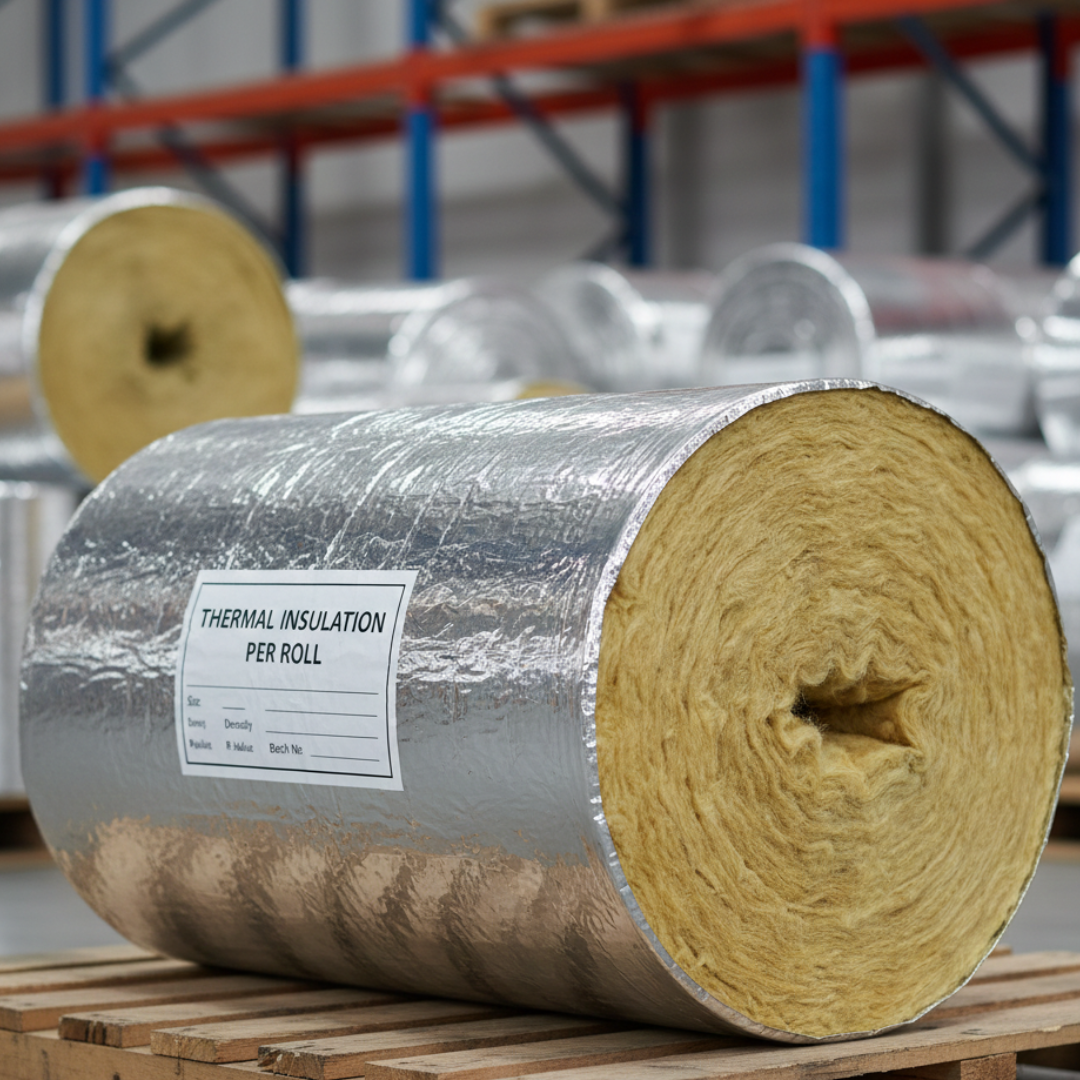
    The rising need for energy efficiency and comfortable indoor environments across Pakistan has made thermal insulation a key consideration for homeowners, builders, and industrial operators. Among the most popular and cost-effective solutions is glasswool insulation roll. If you are searching for the current glass wool insulation price in Pakistan, this comprehensive guide will break down the costs, factors affecting pricing, and essential buying tips.

    What is Glasswool Insulation and Why is it Popular in Pakistan?

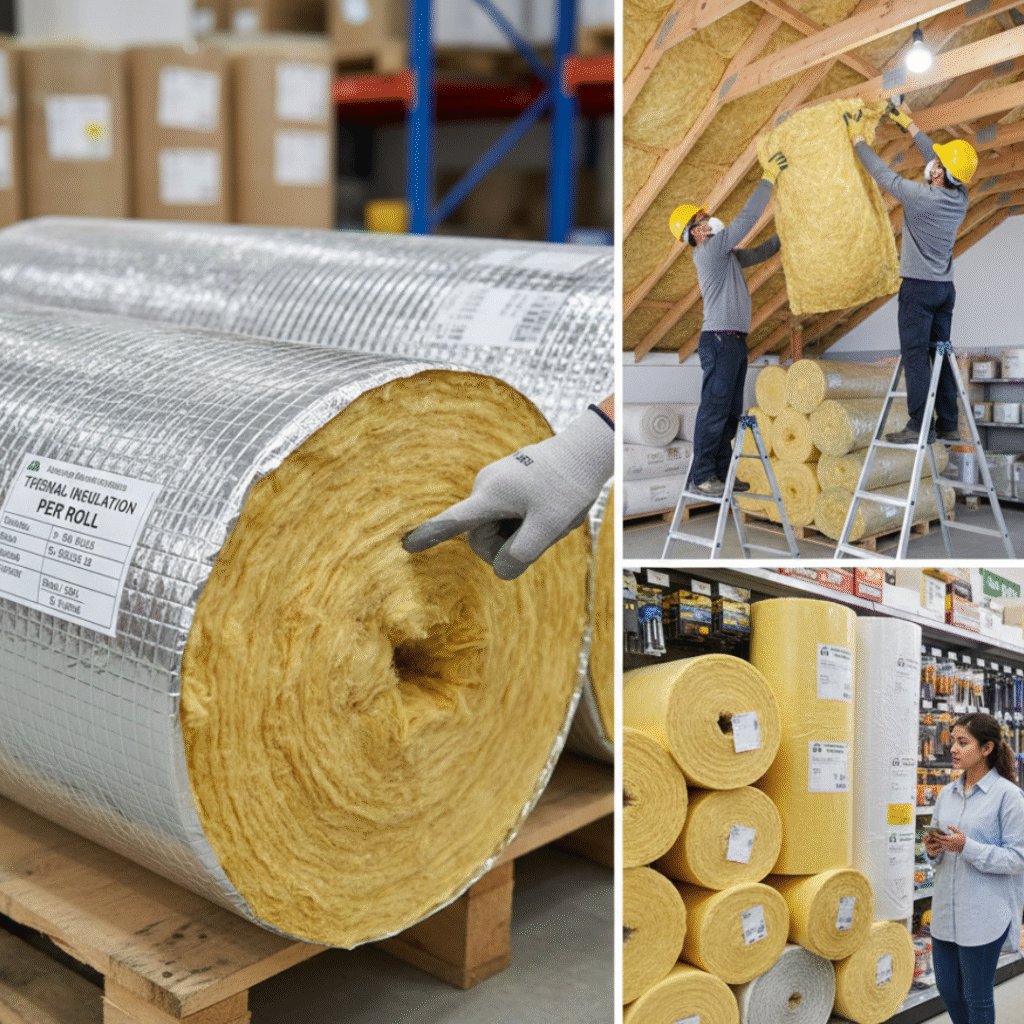
    Glasswool Rolls in Pakistan

    Glasswool, also known as fiberglass or fiber glass wool, is an insulating material made from fine fibers of glass arranged into a wool-like texture. This structure traps small pockets of air, giving it exceptional thermal and acoustic insulation properties.

    In Pakistan’s diverse and often extreme climate—from the intense heat of Karachi and Lahore to the cold of the northern areas—glasswool rolls are widely favored due to several key benefits:

    • Excellent Thermal Performance: It effectively resists heat flow, reducing the energy needed for air conditioning in summer and heating in winter. This translates directly into lower electricity bills.
    • Superior Soundproofing: The dense, fibrous composition makes it an effective noise insulation material for walls, ceilings, and partitions.
    • Fire Resistance: Glasswool is generally non-combustible, adding a critical layer of safety to any structure.
    • Cost-Effectiveness: When compared to alternatives, the glass wool roll price in Pakistan offers a superior balance of performance and affordability.

    Current Glasswool Roll Price in Pakistan (2025 Estimate)

    The cost of fiber glass wool is not fixed and depends heavily on several specifications. However, based on current market trends and common product types, here is an estimated price breakdown:

    Product TypeThickness (Density)Estimated Price Range (PKR)Unit
    Standard Glasswool Roll (Unfaced)25mm (12-16 kg/m³)PKR 3,500 – PKR 4,500Per Roll (Approx. 40-48 sq. ft.)
    Glasswool Roll with FSK Facing50mm (16-24 kg/m³)PKR 6,000 – PKR 8,000Per Roll (Approx. 24-32 sq. ft.)
    Glasswool Roll Price per Square Foot25mm – 50mmPKR 55 – PKR 85Per Square Foot (Varies)
    Acoustic Glass Wool Slab50mm – 75mm (Higher Density)PKR 1,200 – PKR 1,800Per Square Meter

    Note: These prices are estimates for late 2025 and are subject to fluctuation based on currency rates, import duties, and supplier location (Karachi, Lahore, Islamabad).

    Factors Affecting Glass Wool Insulation Price

    Understanding the variables that influence the cost will help you choose the most budget-friendly option for your project.

    1. Thickness and Density

    This is the most crucial factor determining the glass wool blanket’s performance and cost.

    • Thickness: Rolls are commonly available in 25mm (1-inch) and 50mm (2-inch) thicknesses. Thicker rolls provide a higher R-value (thermal resistance) but are naturally more expensive.
    • Density: Measured in kilograms per cubic meter ($\text{kg/m}^3$), typical densities range from 12 $\text{kg/m}^3$ for light roof insulation to 48 $\text{kg/m}^3$ for high-performance sound insulation. Higher-density rolls cost more due to the material volume.

    2. Facing/Vapor Barrier

    Glasswool can be unfaced (plain) or faced with a protective layer, which significantly impacts the price of glass wool in Pakistan.

    • Unfaced: Cheapest option, suitable for cavity walls where moisture is not a major concern.
    • FSK (Foil Scrim Kraft): A foil layer acts as an excellent vapor barrier, essential for roofing and HVAC ducts in humid climates. This facing increases the price.
    • Vinyl/WMP-VR: A white, vinyl-faced option often used for visible indoor applications where a clean look and added resistance are desired.

    3. Supplier and Brand

    Whether you opt for locally manufactured products or international brands like KIMMCO, Afico, or Izocam will affect the cost. Local manufacturers often provide the best glass wool price in Pakistan, especially for bulk orders, as they save on import duties.

    4. Market Dynamics

    Like all construction materials, the price is influenced by global energy costs (which impact the manufacturing process) and regional supply-demand. For the most accurate quote, it’s best to contact a trusted insulation material supplier directly.

    Where to Buy and Installation Tips

    Glasswool Insulation in Pakistan

    Finding a reliable supplier is key to ensuring you get high-quality material at a competitive rate. Major cities like Karachi, Lahore, and Islamabad have numerous distributors catering to residential and industrial needs.

    Where to Buy:

    • HVAC and Industrial Suppliers: These firms often stock a variety of densities and facings, including specialized fiberglass thermal insulation blanket products for ductwork.
    • Large Hardware Stores: Some large construction material retailers carry standard rolls for residential projects.
    • Online Marketplaces: For smaller projects or price comparison, online platforms can be a good starting point.

    Installation Safety & Technique:

    Glasswool insulation should be handled with care. Always wear gloves, eye protection, and a mask to prevent irritation from glass fibers. For large-scale projects, consulting an experienced glasswool insulation contractor is recommended to ensure correct installation and maximize energy savings.

    Conclusion: Making an Informed Insulation Investment

    The glasswool roll price in Pakistan remains highly competitive, establishing it as one of the most effective and affordable ways to manage thermal and acoustic environments in any building project. By carefully assessing your needs—primarily the required thickness, density, and facing—you can select the ideal heat insulation material that delivers long-term energy savings and enhanced indoor comfort. Don’t view the cost as an expense, but as a critical investment in your property’s value and sustainability.

    FAQ’S

    The price of glasswool rolls depends on factors such as thickness, density, roll size (length and width), brand or manufacturer, and whether it has additional facing (e.g., foil-faced, mesh-faced). Transportation and regional demand also affect final retail prices.

    Prices vary depending on specs — for standard density rolls (e.g., 25–50 mm thickness) typical in ceiling or wall insulation, glasswool rolls can range roughly from PKR 1,500 to PKR 4,500 per roll. Heavier-density or thicker rolls (used for more intensive thermal or acoustic insulation) tend to be more expensive.
    (Note: Actual prices fluctuate based on market and supplier.)

    You can buy glasswool rolls from building materials suppliers, insulation-specific dealers, and construction-material markets. Prices often vary by city — metropolitan areas like Karachi, Lahore, Islamabad may have more supply and slightly different pricing due to logistics and competition.

    Not always. Performance depends on correct density and thickness for your application rather than price alone. A moderately priced roll with proper density and correct installation can outperform a costly, but mismatched roll. Evaluate technical specifications (density, R-value, thickness) for best value.