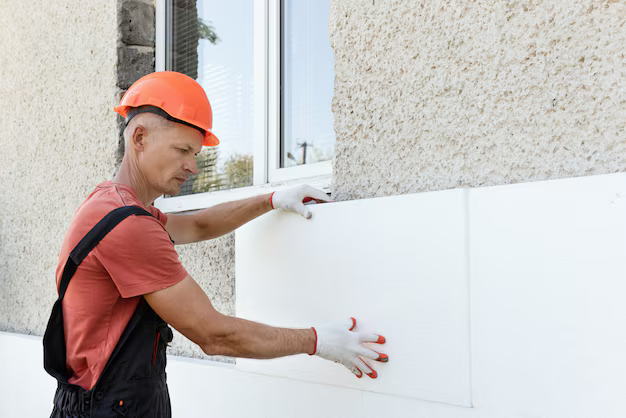

thermocol sheet price in pakistan

Tag: home insulation services in islamabad

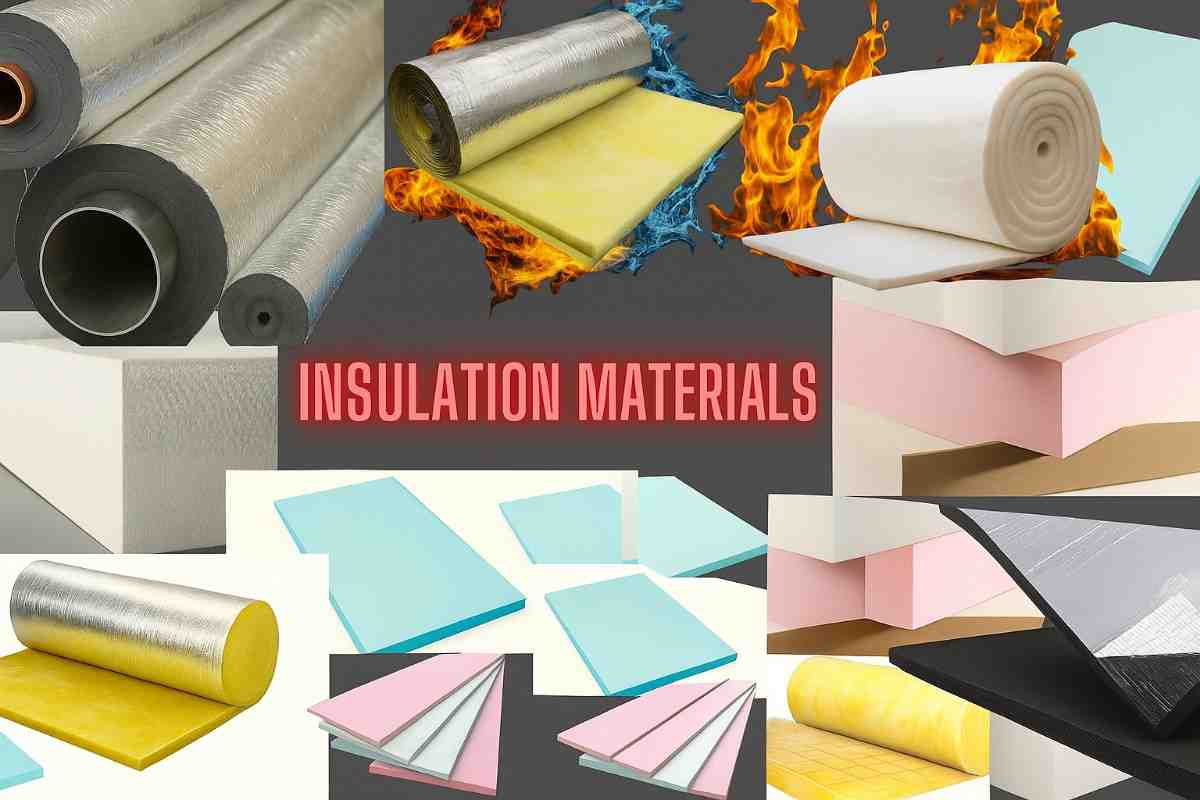
  • Types of Thermal Insulation in Pakistan | Best Insulation Materials Guide

    Types of Thermal Insulation in Pakistan | Best Insulation Materials Guide

    With extreme weather conditions and rising electricity costs, insulation has become a necessity in Pakistan rather than a luxury. Understanding the Types of Thermal Insulation in Pakistan helps homeowners, builders, and businesses make better decisions for energy efficiency and comfort.

    Whether you’re constructing a new building or upgrading an existing one, selecting the right insulation material can significantly reduce heat transfer and energy consumption.

    Why Thermal Insulation is Important
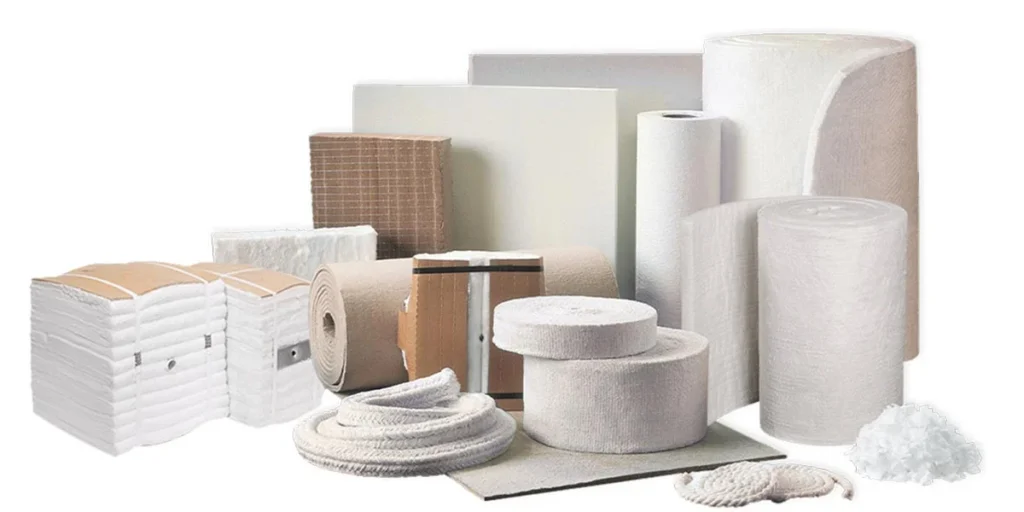
    Thermal insulation plays a vital role in:

    • Maintaining indoor temperature
    • Reducing electricity bills
    • Improving energy efficiency
    • Enhancing building durability
    • Providing comfort in all seasons

    These benefits make insulation one of the top Types of Thermal Insulation in Pakistan solutions for modern construction.

    Main Types of Thermal Insulation in Pakistan

    1. Expanded Polystyrene (EPS – Thermopore)
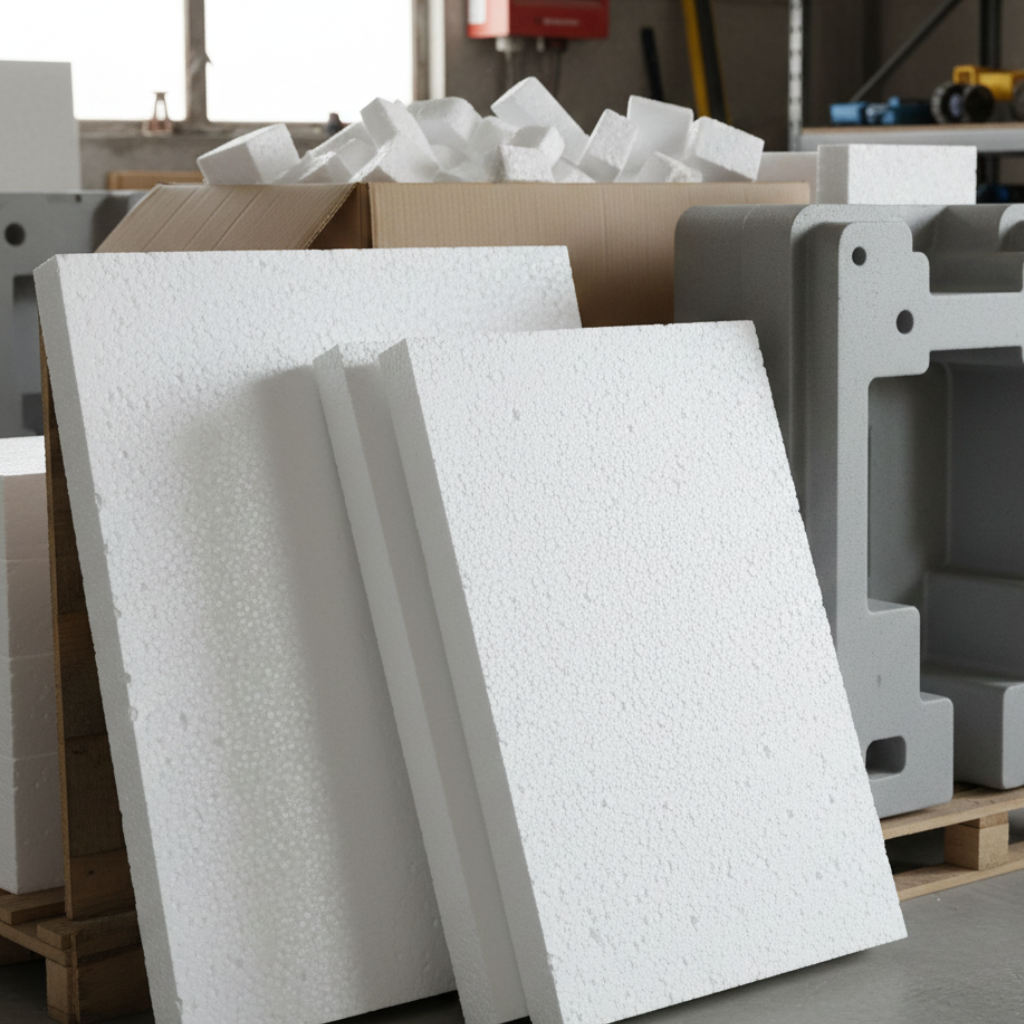
    EPS Foam

    EPS is one of the most commonly used insulation materials in Pakistan.

    Features:

    • Lightweight and affordable
    • Good thermal resistance
    • Easy to install

    It is widely used in roofs and walls, making it one of the best Types of Thermal Insulation in Pakistan for budget-friendly projects.

    2. Extruded Polystyrene (XPS)
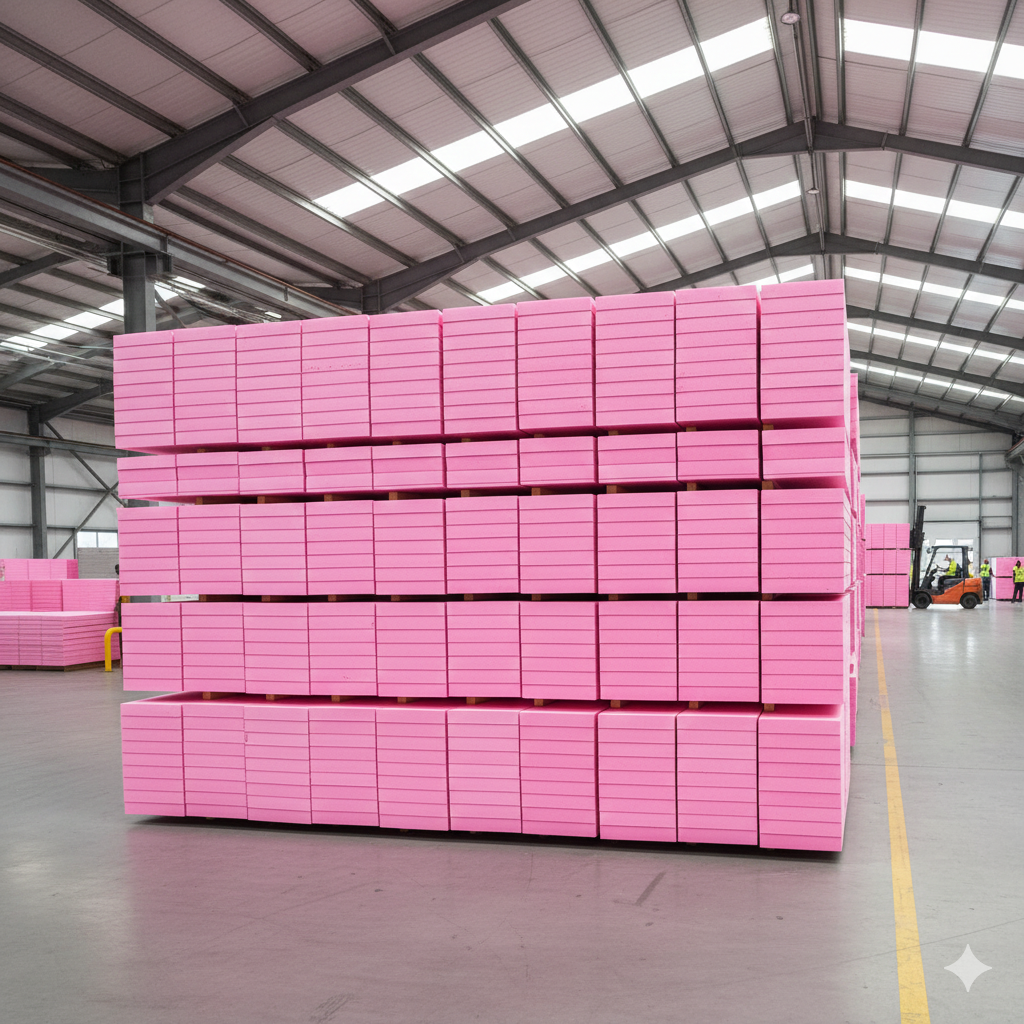
    Jumbolon Board Manufacturer in Pakistan

    XPS offers higher strength and moisture resistance compared to EPS.

    Features:

    • Durable and water-resistant
    • Suitable for heavy-load areas
    • Long-lasting performance

    3. Polyurethane Foam (PU Foam)
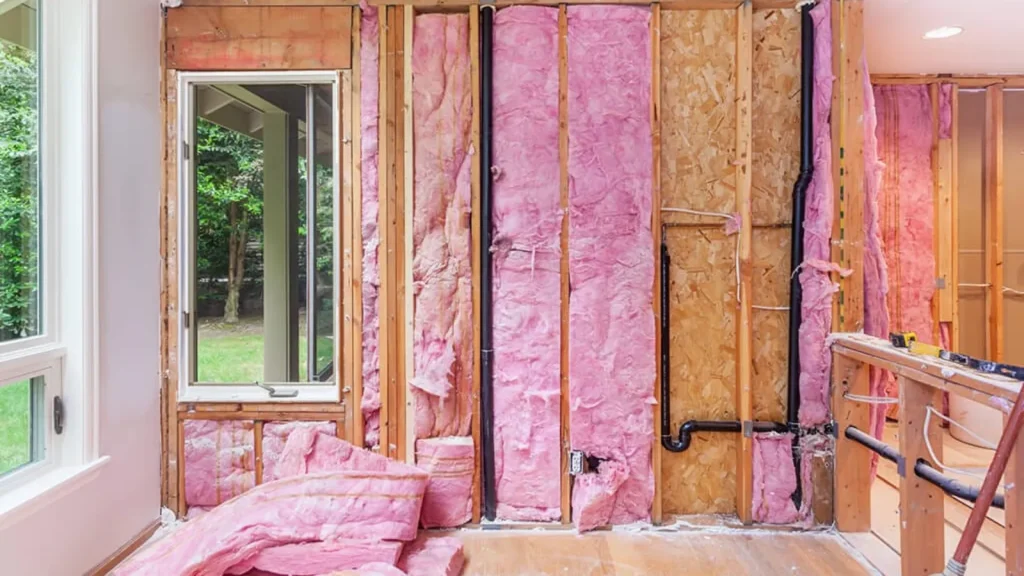
    home insulation

    PU foam provides excellent insulation performance.

    Features:

    • High thermal efficiency
    • Air-tight sealing
    • Ideal for roofs and cold storage

    4. Mineral Wool (Rock Wool)

    Soundproofing Material glasswool vs rockwool

    Rock wool is widely used in industrial and commercial applications.

    Features:

    • Fire-resistant
    • Soundproofing properties
    • Durable under high temperatures

    5. Fiberglass Insulation
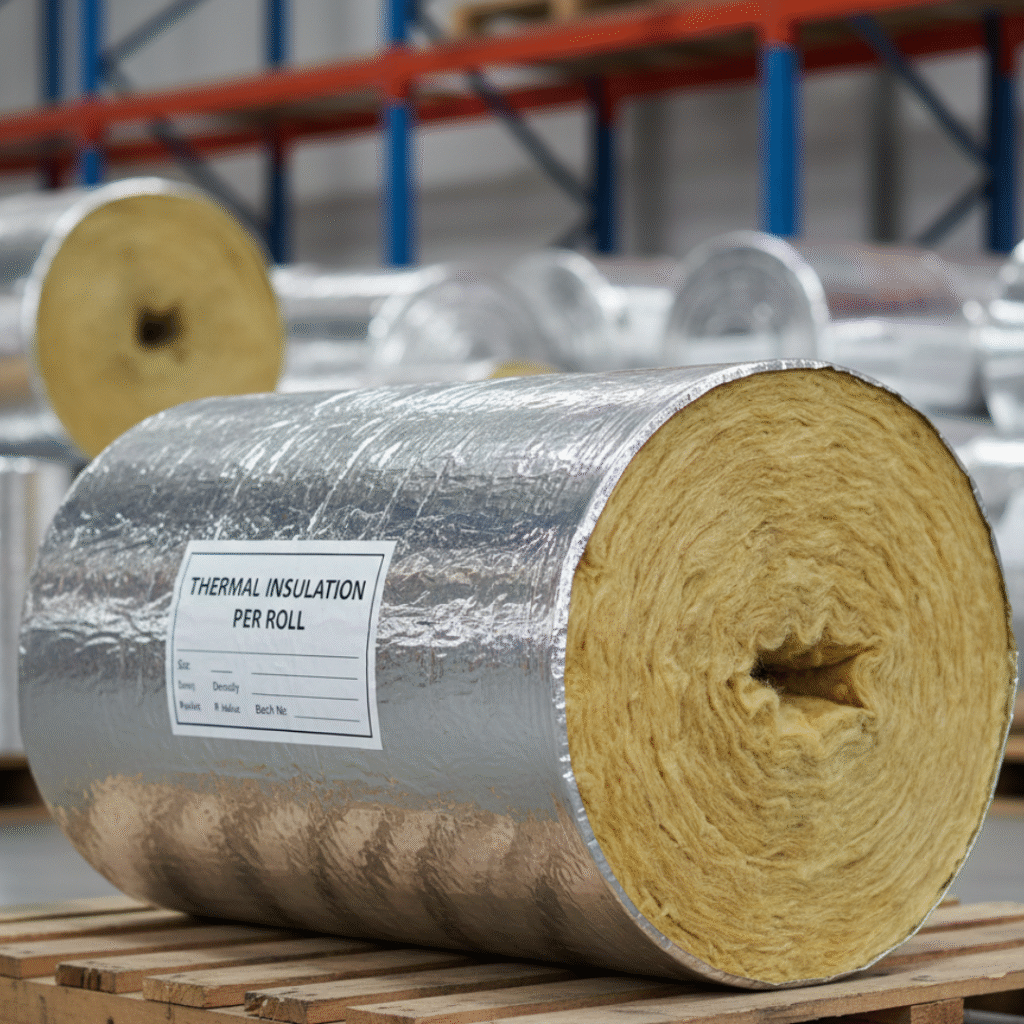
    Glasswool Roll Price in Pakistan

    A cost-effective and commonly used insulation material.

    Features:

    • Easy installation
    • Affordable
    • Suitable for ceilings and walls

    Types of Thermal Insulation Price

    The Types of Thermal Insulation price in Pakistan depends on material type, thickness, and application.

    Estimated Price Table

    Material TypePrice Range (PKR per sq. ft)
    EPS (Thermopore)40 – 120
    XPS180 – 350
    PU Foam250 – 500
    Rock Wool200 – 400
    Fiberglass80 – 150

    The overall Types of Thermal Insulation price may vary depending on supplier and city.

    City-Wise Thermal Insulation

    Types of Thermal Insulation in Lahore

    Lahore’s construction industry widely uses different insulation materials for residential and commercial buildings.

    Types of Thermal Insulation in Islamabad

    Modern housing projects prefer advanced insulation systems for energy efficiency.

    Types of Thermal Insulation in Faisalabad

    Industrial applications drive demand for durable insulation materials in Faisalabad.

    Types of Thermal Insulation in Multan

    Extreme heat increases the need for effective insulation in residential and commercial spaces.

    Types of Thermal Insulation in Karachi

    Humidity and coastal conditions require moisture-resistant insulation solutions.

    Manufacturers and Wholesalers

    Manufacturers

    Local companies act as Types of Thermal Insulation manufacturer in pakistan, producing a wide range of insulation materials for different applications.

    Wholesalers

    Bulk suppliers serve as Types of Thermal Insulation For Roofs wholeseller and top Types of Thermal Insulation wholeseller, offering competitive pricing for large projects.

    Working with trusted suppliers ensures quality and long-term performance.

    Cheap vs High-Quality Thermal Insulation

    While cheap Thermal Insulation in pakistan options are available, they may compromise durability and efficiency.

    Low-quality insulation may:

    • Degrade quickly
    • Offer poor thermal resistance
    • Increase long-term costs

    Investing in high-quality materials ensures better results and long-term savings.

    How to Choose the Right Insulation Material

    Consider these factors:

    • Climate conditions
    • Application (roof, wall, industrial use)
    • Budget
    • Moisture resistance
    • Fire safety requirements

    Selecting the right material helps achieve the best Types of Thermal Insulation for your project.

    Applications of Thermal Insulation

    • Residential homes
    • Commercial buildings
    • Industrial facilities
    • Cold storage units
    • HVAC systems

    Conclusion

    Understanding the Types of Thermal Insulation is essential for making informed construction decisions. From EPS and XPS to PU foam and rock wool, each material offers unique benefits depending on your needs.

    Whether you are sourcing from a Types of Thermal Insulation manufacturer in pakistan or working with a top Types of Thermal Insulation wholeseller, choosing the right insulation can significantly improve comfort, reduce energy costs, and increase building efficiency.

    FAQ’S

    The main types include EPS (Thermopore), XPS, polyurethane foam (PU), fiberglass, and rock wool. Each material has different properties depending on usage and budget.

    Types of Thermal Insulation price in Pakistan generally ranges from PKR 40 to PKR 500 per sq. ft depending on the material type, thickness, and quality.

    PU foam and XPS are considered the best for roofs due to their high thermal resistance, while EPS (Thermopore) is a cost-effective alternative.

    You can find thermal insulation services in major cities like Lahore, Islamabad, Karachi, Faisalabad, and Multan through local contractors, manufacturers, and wholesalers.
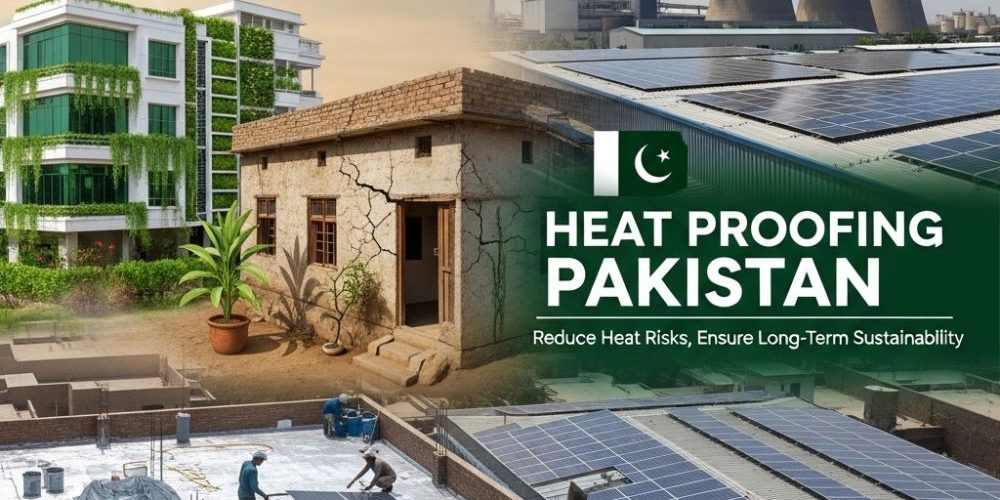
  • How to Save Energy in Pakistan – Best Energy Saving Tips for Homes & Businesses

    How to Save Energy in Pakistan – Best Energy Saving Tips for Homes & Businesses

    Discover practical and effective ways to reduce electricity consumption, lower your bills, and improve comfort in your home or business. This guide explains how to save energy Pakistan with simple, realistic strategies that actually work.

    Saving energy isn’t just about cutting costs — it’s about using resources wisely, improving comfort, and creating a more efficient living or working environment. With increasing electricity prices and frequent power challenges, many people are actively searching for solutions on how to save energy in Pakistan price without compromising their lifestyle.

    The good news? You don’t need drastic changes. Small, consistent improvements can make a big difference.

    Why Saving Energy Matters More Than Ever

    how to save energy pakistan

    Energy consumption directly affects:

    • Monthly electricity bills
    • Performance and lifespan of appliances
    • Indoor comfort levels
    • Environmental sustainability

    In cities like Lahore, Karachi, and Multan, where extreme temperatures are common, energy usage often spikes due to cooling and heating needs. Learning how to save energy in Lahore, or any major city, helps you stay in control financially while maintaining comfort.

    1. Improve Insulation to Reduce Energy Loss

    One of the most effective ways to reduce energy usage is to prevent heat from entering or escaping your home. Poor insulation forces your air conditioners and heaters to work harder.

    Installing insulation in roofs and walls creates a thermal barrier that maintains indoor temperature. This is especially important when considering how to save energy in Multan or other hot regions where cooling costs are high.

    Proper insulation:

    • Saves electricity long-term
    • Reduces heat transfer
    • Lowers AC usage
    • Improves indoor comfort

    2. Use Energy-Efficient Appliances

    Outdated appliances consume significantly more electricity than modern energy-efficient models. Replacing them with inverter-based or energy-rated appliances is a smart investment.

    For example:

    • Energy-efficient refrigerators use much less power
    • Inverter ACs adjust power usage automatically
    • Modern washing machines optimize energy consumption

    These upgrades are among the best tips to save energy in Pakistan and provide long-term savings.

    3. Be Smart with Cooling and Heating

    Cooling and heating systems are the biggest energy consumers in most homes.

    To optimize usage:

    • Set AC temperature between 24–26°C
    • Use fans to support cooling
    • Avoid running AC continuously
    • Seal doors and windows to prevent leakage

    These practices are essential when planning how to save energy in Karachi, where humidity increases cooling demand, or how to save energy in Islamabad, where both heating and cooling are needed seasonally.

    4. Switch to LED Lighting

    Lighting is one of the easiest areas to improve energy efficiency.

    LED bulbs:

    • Use up to 80% less energy
    • Last much longer than traditional bulbs
    • Produce less heat

    Replacing old bulbs with LEDs can significantly reduce electricity bills in homes and offices.

    5. Reduce Standby Power Usage

    Many devices continue to consume electricity even when turned off. This is known as standby or phantom power.

    To reduce this:

    • Unplug chargers when not in use
    • Turn off power strips
    • Avoid leaving electronics on standby

    This simple habit is often overlooked but plays an important role in how to save energy in Faisalabad and other industrial or high-usage areas.

    6. Maximize Natural Light and Ventilation

    Natural resources like sunlight and fresh air are free and effective.

    • Open curtains during the day
    • Use cross-ventilation for cooling
    • Reduce reliance on artificial lighting

    This approach supports energy efficiency while improving indoor comfort.

    7. Maintain Your Equipment Regularly

    Poorly maintained appliances consume more energy and perform less efficiently.

    Regular maintenance includes:

    • Cleaning AC filters
    • Servicing HVAC systems
    • Checking for air leaks
    • Ensuring proper insulation

    Well-maintained systems are essential for implementing top how to save energy in Pakistan strategies effectively.

    Energy Saving for Businesses and Bulk Buyers

    For commercial and industrial sectors, energy efficiency becomes even more critical. Many organizations adopt bulk solutions and efficient systems through suppliers, often referred to as top how to save energy wholeseller in Pakistan practices.

    These include:

    • Energy audits
    • Efficient machinery
    • Automated systems
    • Insulation upgrades

    Cost of Energy Saving Solutions in Pakistan

    The how to save energy in Pakistan price depends on the type of solution:

    Solution TypeEstimated Cost (PKR)
    LED Bulbs300 – 1,000
    Inverter AC120,000 – 350,000
    Solar Panel System500,000 – 2,000,000
    Insulation Work150 – 500/sq. ft

    While initial costs may seem high, the long-term savings make these solutions worthwhile.

    How to Save Energy in Different Cities of Pakistan

    Energy-saving strategies vary depending on climate and usage:

    • How to save energy in Lahore: Focus on insulation and efficient cooling
    • How to save energy in Islamabad: Balance heating and cooling systems
    • How to save energy in Faisalabad: Optimize industrial energy usage
    • How to save energy in Multan: Reduce heat gain with insulation
    • How to save energy in Karachi: Improve ventilation and humidity control

    Long-Term Energy Saving Strategy

    Saving energy is not a one-time task — it’s a long-term approach.

    To achieve lasting results:

    • Invest in insulation and efficient materials
    • Upgrade appliances gradually
    • Use smart energy systems
    • Develop energy-saving habits

    These steps align with the best tips to save energy in Pakistan for sustainable living.

    Common Mistakes to Avoid

    • Using outdated appliances
    • Ignoring insulation
    • Overusing air conditioners
    • Not maintaining electrical systems
    • Leaving devices on standby

    Avoiding these mistakes helps maximize the benefits of energy-saving efforts.

    Conclusion

    Understanding how to save energy Pakistan doesn’t require major sacrifices. By improving insulation, upgrading appliances, managing cooling systems, and building smarter habits, you can significantly reduce your electricity bills while improving comfort.

    Whether you’re focusing on how to save energy in Karachi or how to save energy in Islamabad, the key lies in consistency and smart choices.

    FAQ’S

    The best tips to save energy in Pakistan include using LED lighting, installing energy-efficient appliances, improving insulation, switching to solar energy, and turning off unused devices.

    You can reduce your electricity bill by using inverter appliances, limiting AC usage, sealing air leaks, and adopting smart energy habits like turning off standby devices.

    The cost varies depending on the solution. LED bulbs start from around PKR 300, while solar systems can range from PKR 500,000 to over 2,000,000 depending on capacity.

    Yes, energy-saving solutions are effective in all major cities including Lahore, Islamabad, Karachi, Faisalabad, and Multan, but strategies may vary depending on climate and usage needs.