
thermocol sheet price in pakistan

Tag: industrial insulation pakistan

  • Ceramic Fibre Insulation

    Ceramic Fibre Insulation

    High-temperature industries in Pakistan require insulation materials that can withstand extreme heat without losing performance. This is where ceramic fibre insulation plays a critical role. Used primarily in furnaces, kilns, boilers, and industrial plants, ceramic fibre insulation offers superior thermal resistance compared to conventional materials.

    This guide explains everything you need to know about ceramic fibre insulation in Pakistan, including pricing, applications, material forms, and how it compares with glass wool and fibreglass insulation.

    What Is Ceramic Fibre Insulation?

    Ceramic fibre insulation is a high-temperature resistant material manufactured from alumina-silica fibers. It is designed to perform in environments where conventional insulation materials fail due to extreme heat.

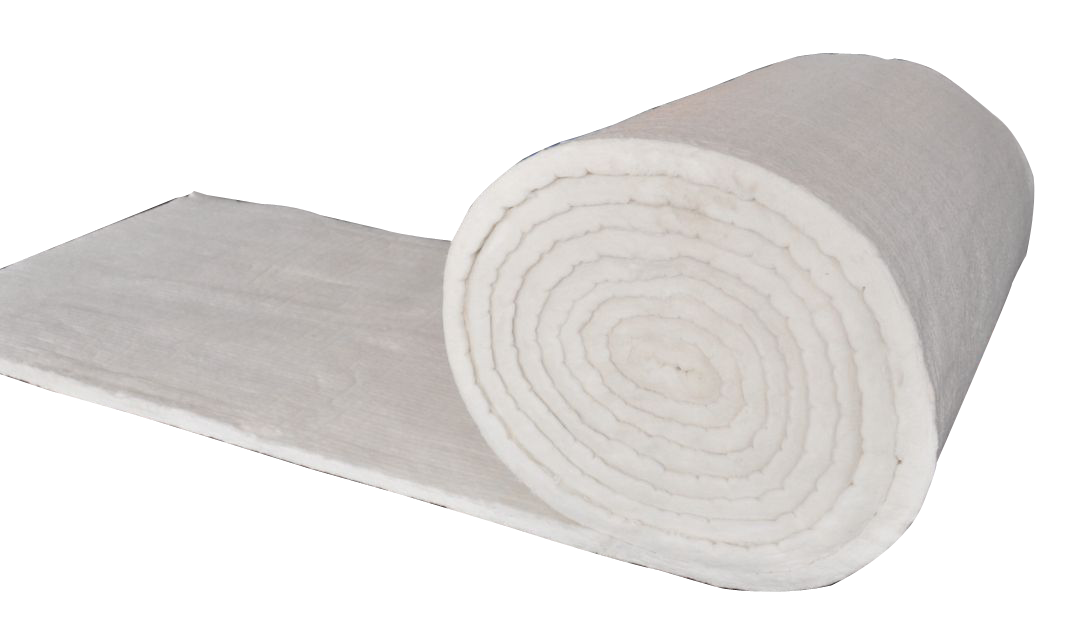
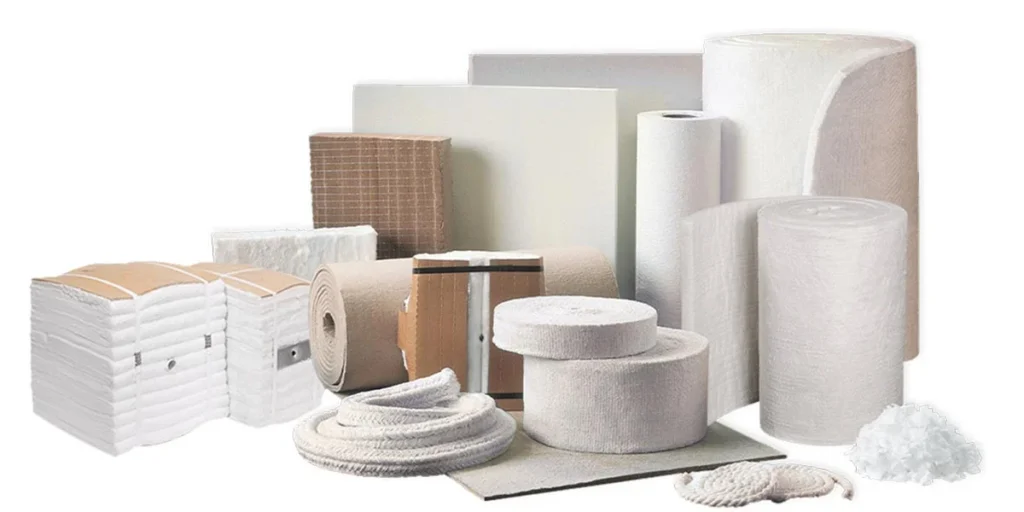
    Ceramic fibre insulation is commonly available in blanket, board, paper, and module forms, with ceramic wool insulation being one of the most widely used variants.

    Why Ceramic Fibre Insulation Is Used in Pakistan

    Ceramic fibre insulation is gaining importance in Pakistan due to:

    • Growing industrial sector
    • Demand for energy-efficient furnaces and kilns
    • High operating temperatures in steel, cement, and power plants
    • Long service life in extreme conditions

    Industries prefer ceramic fibre insulation where standard thermal solutions are not suitable.

    Ceramic Fibre Insulation in Pakistan Price – What Influences Cost?

    The ceramic fibre insulation in Pakistan price depends on multiple factors, including:

    • Temperature rating
    • Density and thickness
    • Product form (blanket, board, module)
    • Imported vs locally available material
    • Application type

    Because of these variables, prices are usually quoted per roll, per square meter, or per kilogram depending on product form.

    Ceramic Wool Insulation – Common Industrial Choice

    Ceramic wool insulation is widely used in high-temperature industrial applications due to its lightweight structure and excellent heat resistance. It helps reduce heat loss, improve process efficiency, and lower fuel consumption in furnaces and kilns.

    Ceramic wool is often selected when fast installation and high thermal performance are required.

    Ceramic Fiber Blanket Price in Pakistan

    The ceramic fiber blanket price in Pakistan varies depending on thickness and temperature rating. Higher temperature grades typically cost more due to increased alumina content and manufacturing complexity.

    Ceramic fiber blankets are commonly used in:

    • Industrial furnaces
    • Boilers and heaters
    • Expansion joints
    • Heat treatment equipment

    Ceramic Fibre Insulation in Karachi – Market Overview

    Demand for ceramic fibre insulation in Karachi is strong due to the city’s concentration of industrial zones, power plants, and manufacturing units. Availability is generally better in Karachi compared to smaller cities, although pricing may vary due to import logistics.

    Comparison With Fibreglass and Glass Wool Insulation

    Ceramic fibre insulation is often compared with conventional insulation materials.

    • Fibreglass insulation price in Pakistan is significantly lower, but fibreglass is not suitable for very high temperatures.
    • Glass wool insulation price is also more affordable, making it suitable for buildings and light industrial use rather than furnaces.

    Ceramic fibre insulation is chosen specifically for extreme heat applications, while fibreglass and glass wool are used for general thermal insulation.

    Best Ceramic Fibre Insulation in Pakistan – How to Choose

    Selecting the best ceramic fibre insulation in Pakistan depends on:

    • Maximum operating temperature
    • Type of industrial process
    • Installation environment
    • Long-term durability requirements

    Higher-grade ceramic fibre materials offer better resistance to shrinkage and thermal shock, making them suitable for critical industrial applications.

    Applications of Ceramic Fibre Insulation

    Ceramic fibre insulation is commonly used in:

    • Industrial furnaces and kilns
    • Boilers and heat exchangers
    • Steel and metal processing plants
    • Power generation units
    • Petrochemical industries

    Its performance in extreme conditions makes it indispensable in these sectors.

    Long-Term Benefits of Ceramic Fibre Insulation

    Despite higher initial cost, ceramic fibre insulation offers long-term benefits such as:

    • Reduced energy consumption
    • Faster heat-up and cool-down cycles
    • Improved process efficiency
    • Lower maintenance costs

    These benefits make ceramic fibre insulation a cost-effective solution over time.

    Final Thoughts

    Understanding ceramic fibre insulation in Pakistan helps industrial buyers make informed decisions. While it is more expensive than fibreglass or glass wool insulation, its performance at high temperatures makes it irreplaceable in industrial environments.

    Choosing the right grade and professional installation ensures safety, efficiency, and long-term value.

    FAQ’S

    Ceramic fibre insulation is mainly used in high-temperature industrial applications such as furnaces, kilns, boilers, and heat treatment plants where conventional insulation materials cannot withstand extreme heat.

    Ceramic fibre insulation is designed for very high temperatures, while glass wool and fibreglass insulation are suitable for buildings and low to medium temperature applications. Each material serves a different purpose.

    Price depends on temperature rating, thickness, density, product type (blanket or board), and whether the material is locally sourced or imported.

    Ceramic fibre insulation is commonly available in major industrial cities such as Karachi, Lahore, and Faisalabad through industrial insulation suppliers.

  • Lahore Heat Insulation Solutions (EPS/XPS/Rockwool)

    Lahore Heat Insulation Solutions (EPS/XPS/Rockwool)

    Lahore’s climate presents a serious challenge for homes, factories, and commercial buildings. Long summers, extreme heatwaves, and rising electricity costs have made heat insulation a necessity rather than a luxury. Choosing the right insulation system can significantly reduce indoor temperatures, improve comfort, and cut energy bills.

    This guide explains Lahore Heat Insulation Solutions using EPS, XPS, and Rockwool, helping you select the most suitable option based on performance, durability, and cost.

    Why Heat Insulation Is Essential in Lahore

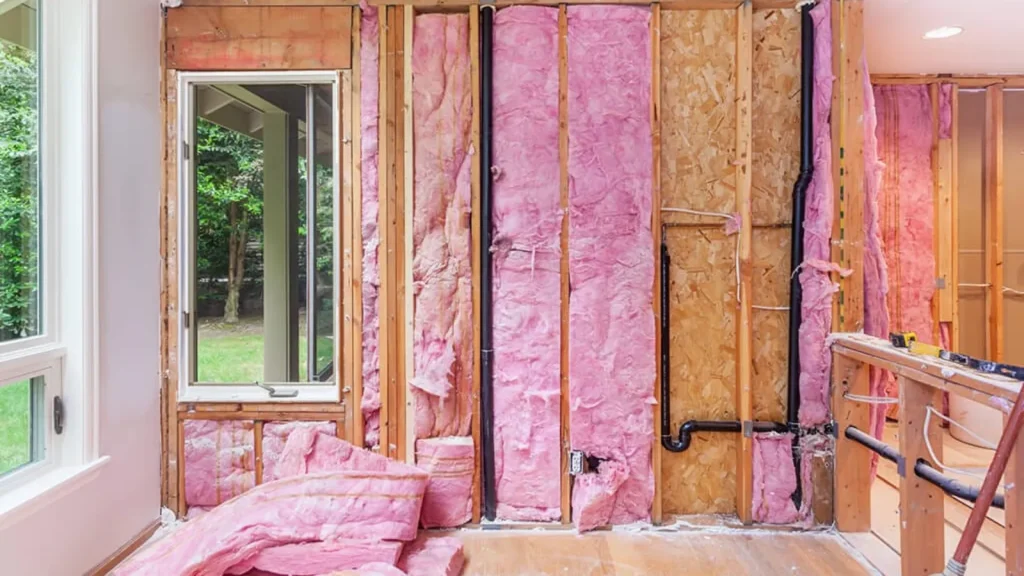
    house insulation in pakistan

    Lahore experiences prolonged high temperatures that directly impact indoor comfort and energy usage. Without proper insulation, roofs and walls absorb heat throughout the day, making cooling systems work harder.

    Effective thermal insulation in Pakistan helps:

    • Reduce indoor heat gain
    • Lower electricity consumption
    • Improve building lifespan
    • Enhance indoor comfort year-round

    Overview of Insulation Materials Used in Pakistan

    The insulation market offers several materials, but three dominate large-scale usage due to performance and availability. Each option serves a different structural need.

    Choosing the right insulation material Pakistan depends on:

    • Location (roof, wall, or cavity)
    • Budget
    • Heat resistance requirements
    • Fire and moisture safety

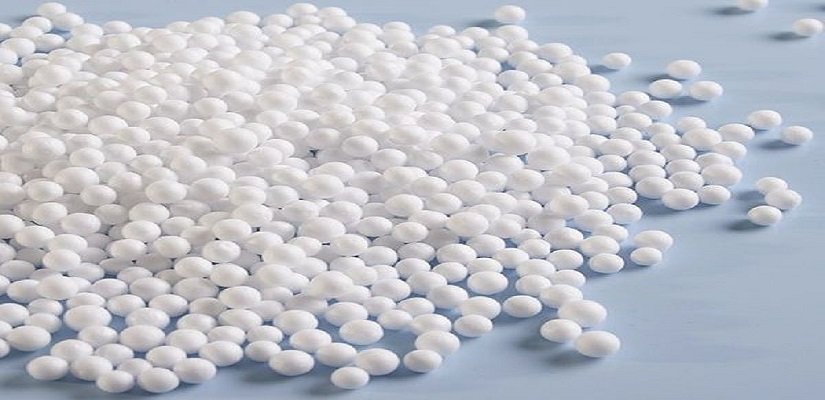
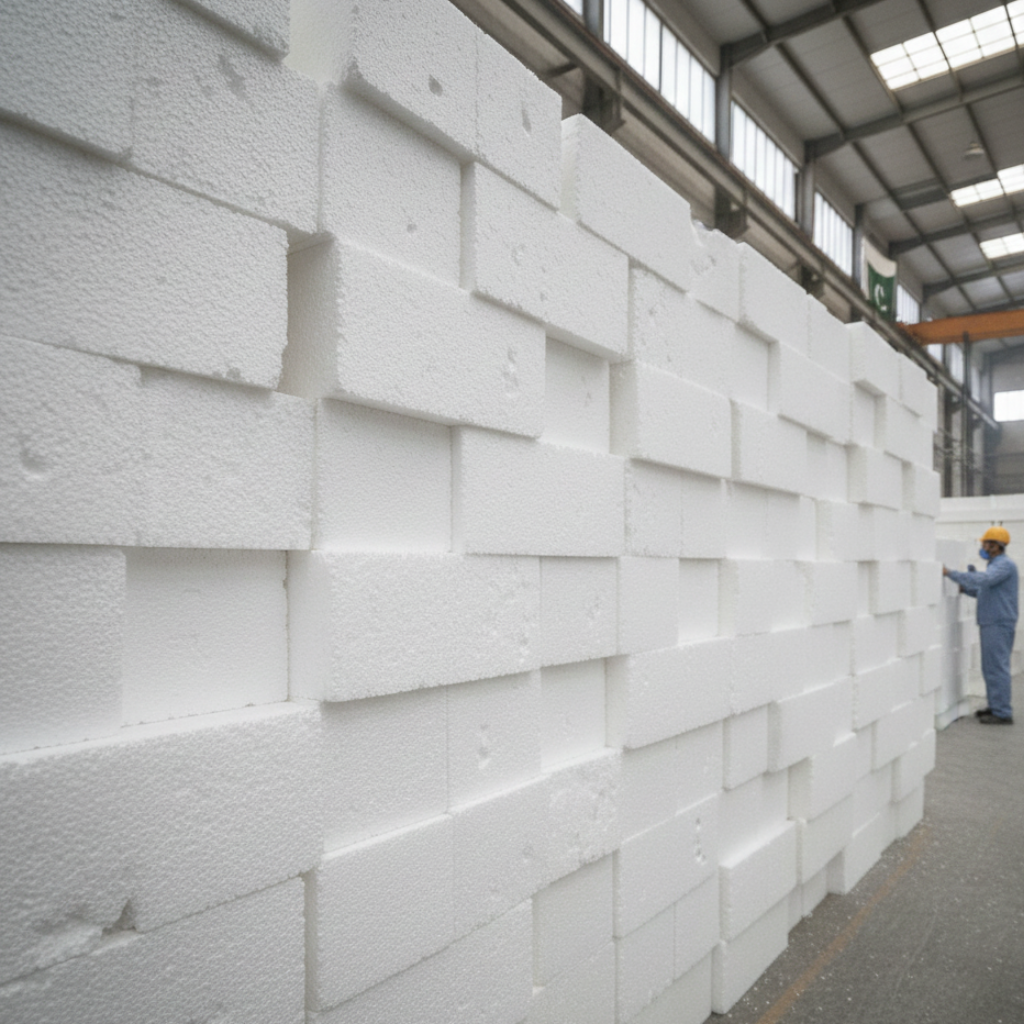
    EPS (Expanded Polystyrene) – Lightweight & Economical

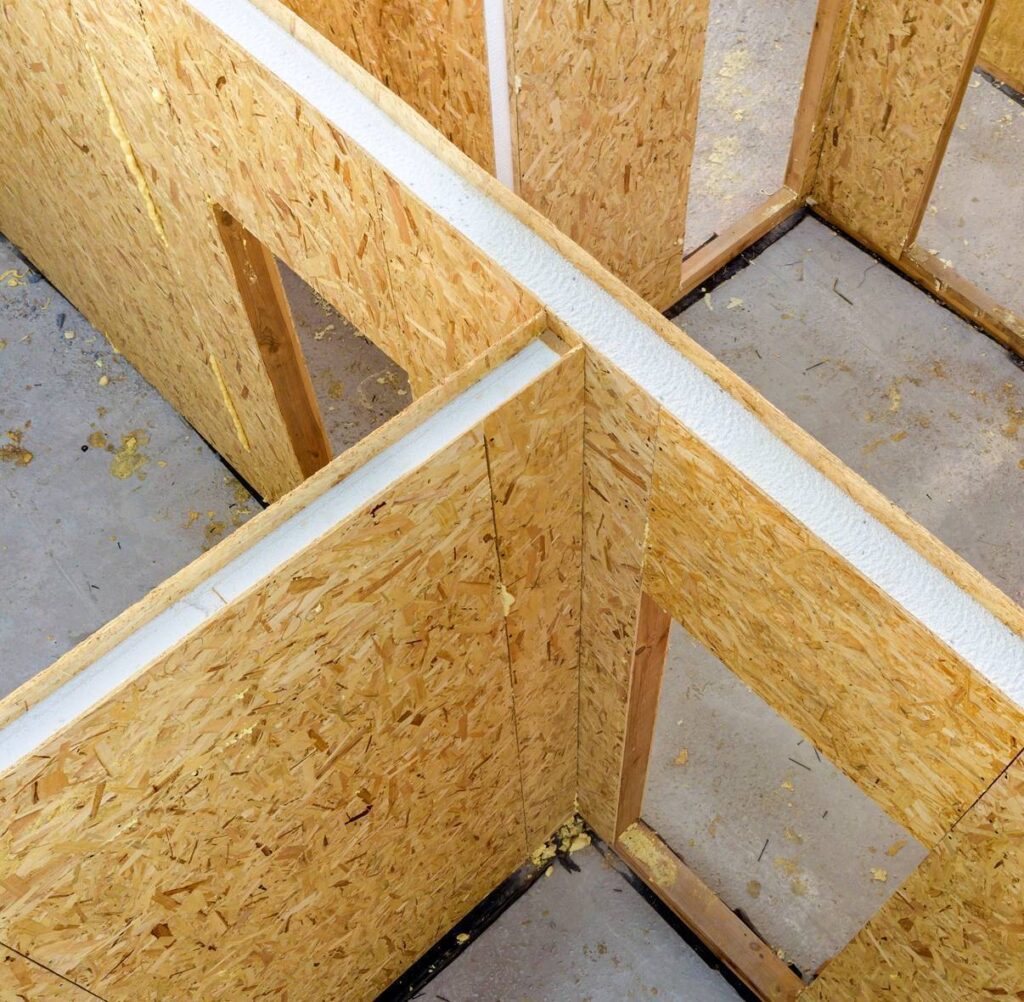
    thermocol blocks manufacturer in pakistan

    EPS insulation is widely used for basic thermal protection in walls and ceilings.

    Key Benefits of EPS:

    • Lightweight and easy to install
    • Cost-effective for large areas
    • Suitable for wall insulation in Pakistan
    • Moderate thermal resistance

    EPS works well for homes where budget is a priority and insulation thickness can be increased for better performance.

    XPS (Extruded Polystyrene) – High Performance Thermal Shield

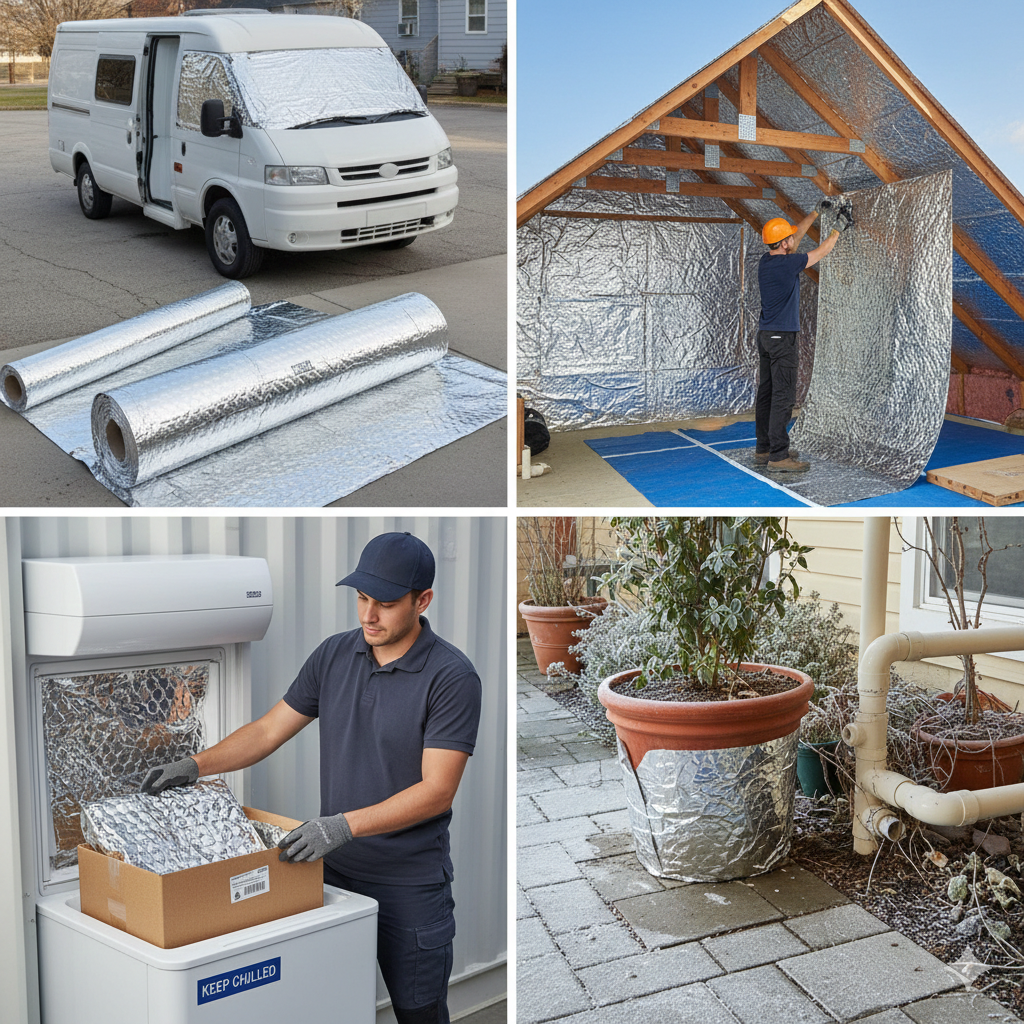
    jumbolon Insulation for Metal Sheds

    XPS offers superior insulation compared to EPS, especially in roofs exposed to direct sunlight.

    Why XPS Is Popular in Lahore:

    • High compressive strength
    • Excellent moisture resistance
    • Long service life
    • Ideal as a heat resistant thermal insulation sheet

    XPS boards are commonly used under concrete slabs and rooftops where durability is essential.

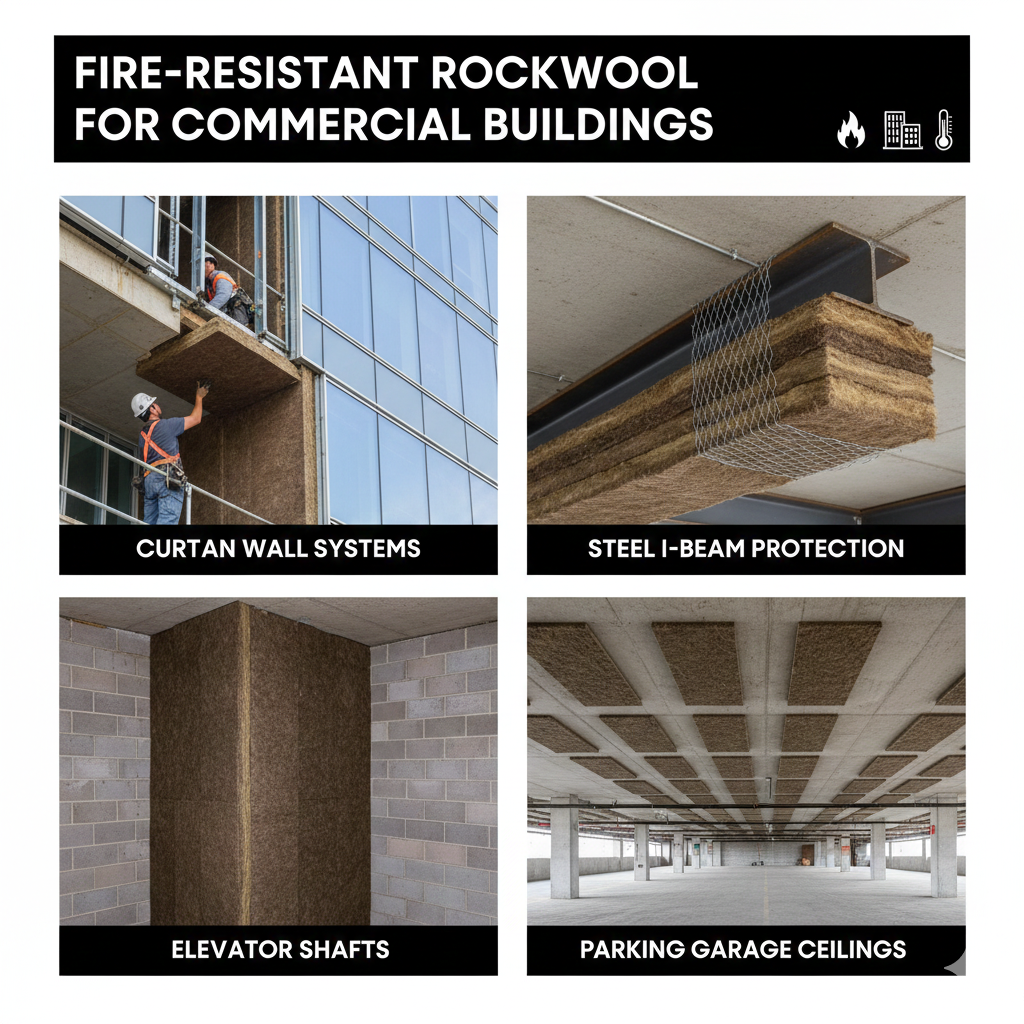
    Rockwool – Premium Heat & Fire Protection

    fire resistant rockwool for commercial buildings

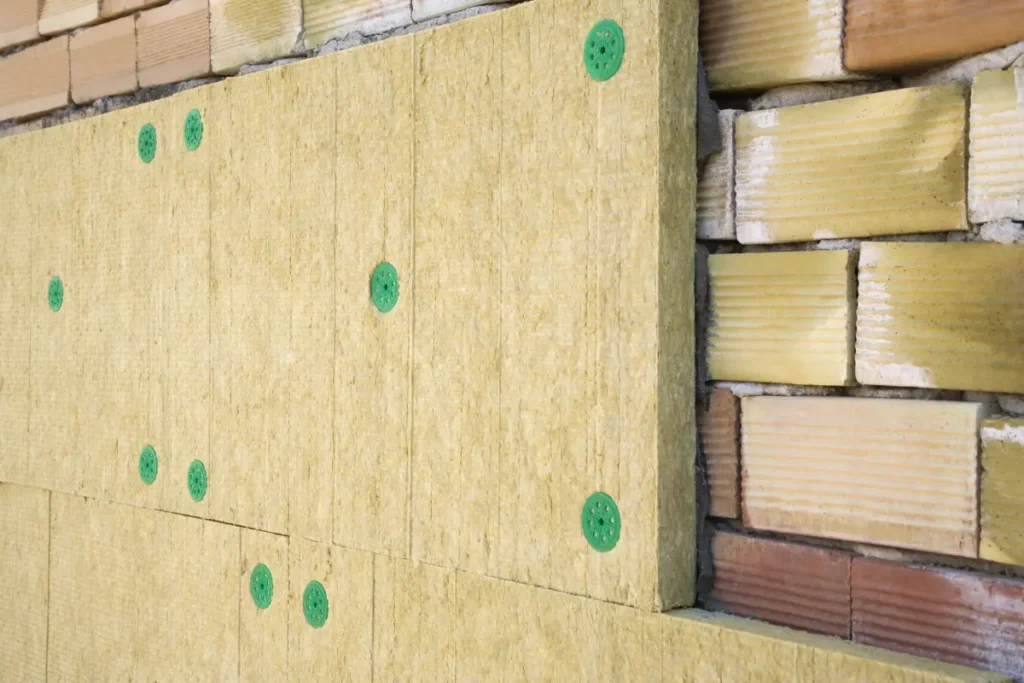
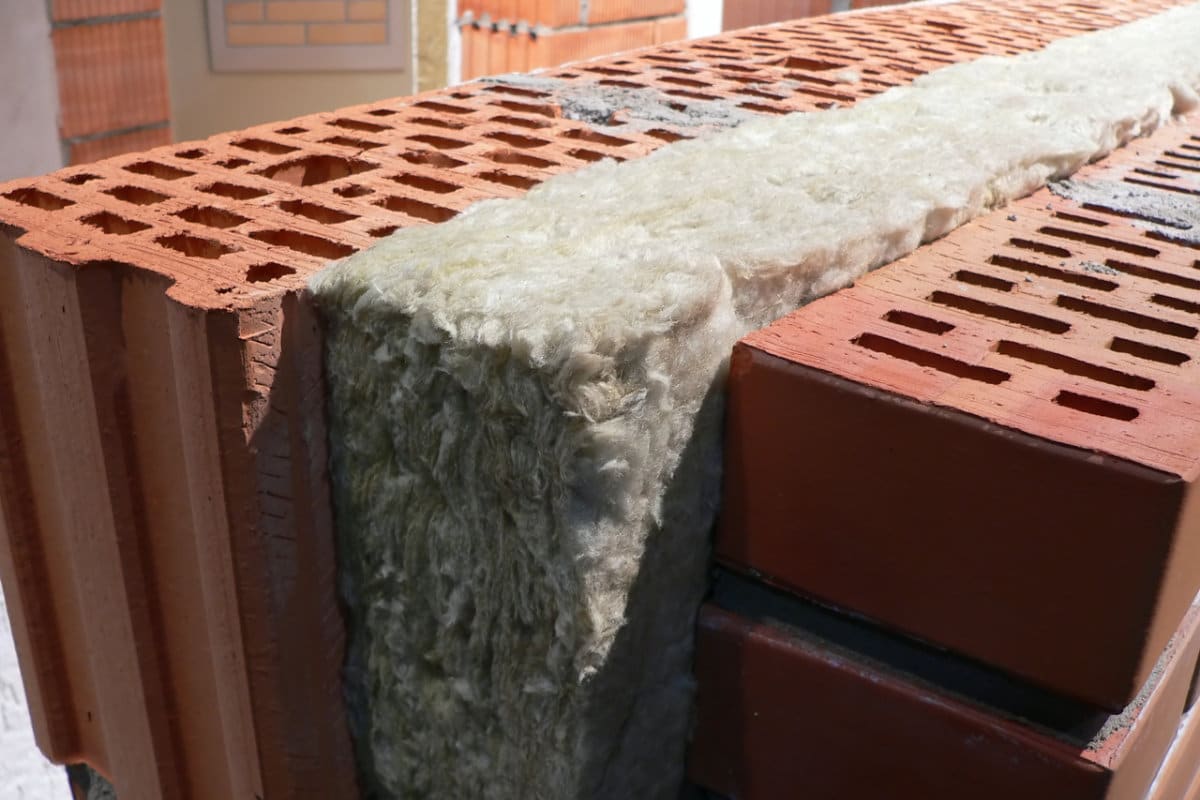
    Rockwool insulation is manufactured from natural stone fibers, offering both thermal and acoustic benefits.

    Advantages of Rockwool:

    • Excellent heat resistance
    • Fire-retardant properties
    • Strong sound insulation
    • Suitable for industrial and commercial buildings

    Many buyers consider rockwool insulation price in Pakistan higher than foam-based solutions, but its long-term safety benefits justify the investment.

    Comparison: EPS vs XPS vs Rockwool

    FeatureEPSXPSRockwool
    Thermal ResistanceMediumHighHigh
    Moisture ResistanceLowVery HighMedium
    Fire ResistanceLowMediumVery High
    InstallationEasyEasyModerate
    Best UseWallsRoofsIndustrial / Commercial

    This comparison highlights why multiple heat insulation sheet Pakistan options exist—each suited to different conditions.

    Application Areas in Lahore Buildings

    Roof Insulation

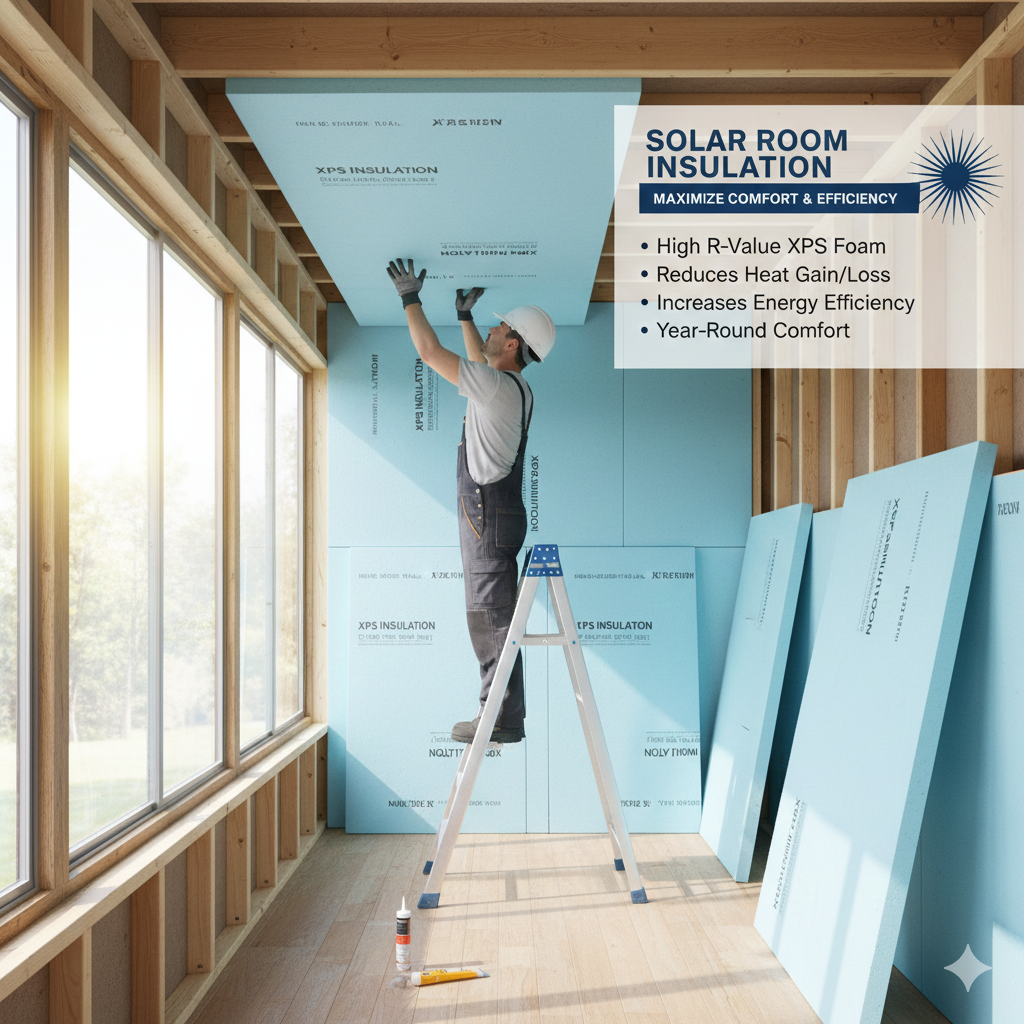
    Solar Room Insulation in Pakistan

    Roof surfaces absorb the highest heat. XPS and Rockwool are preferred solutions due to their performance and durability.

    Wall Insulation

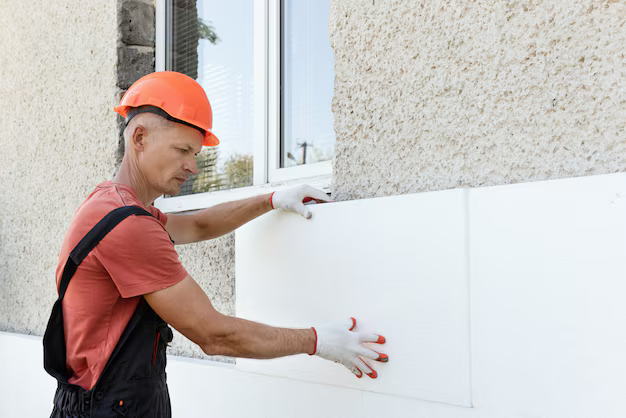
    EPS and XPS panels are commonly installed for wall insulation in Pakistan, reducing heat transfer through external walls.

    Industrial Facilities

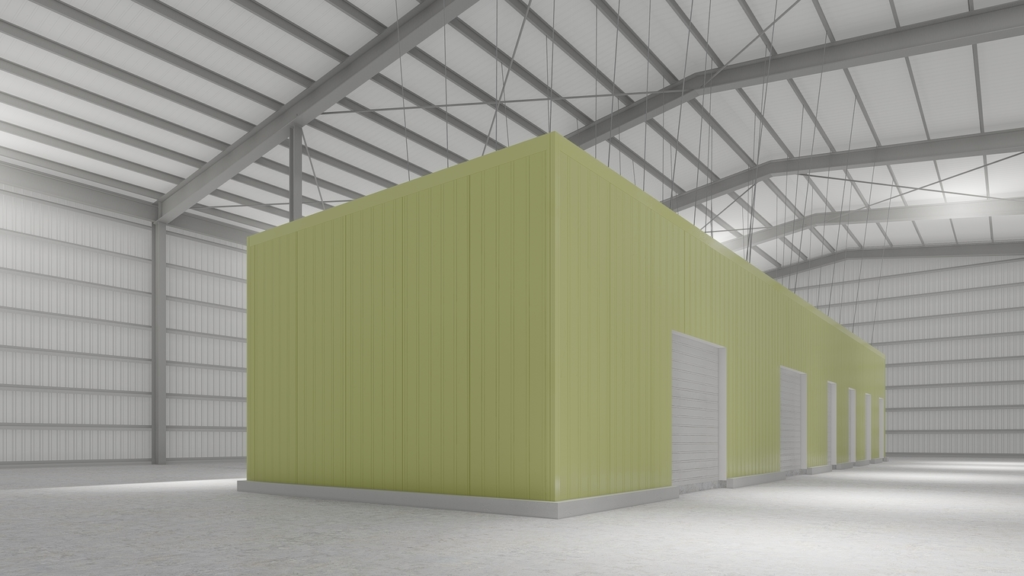
    freezers wall panels pakistan

    Rockwool is widely used where fire safety and thermal stability are critical.

    Cost Factors to Consider

    Insulation costs vary depending on thickness, density, and material type. Buyers frequently compare:

    • Lahore Heat Insulation Solutions EPS XPS Rockwool price
    • Installation method
    • Long-term energy savings

    While foam-based insulation may have lower upfront costs, premium materials often provide better lifetime value.

    Choosing the Right Thermal Insulation Sheet

    When selecting insulation, consider:

    • Local climate exposure
    • Roof or wall location
    • Required thermal resistance
    • Budget constraints

    Comparing the thermal insulation sheet price in Pakistan alongside performance metrics helps in making an informed decision.

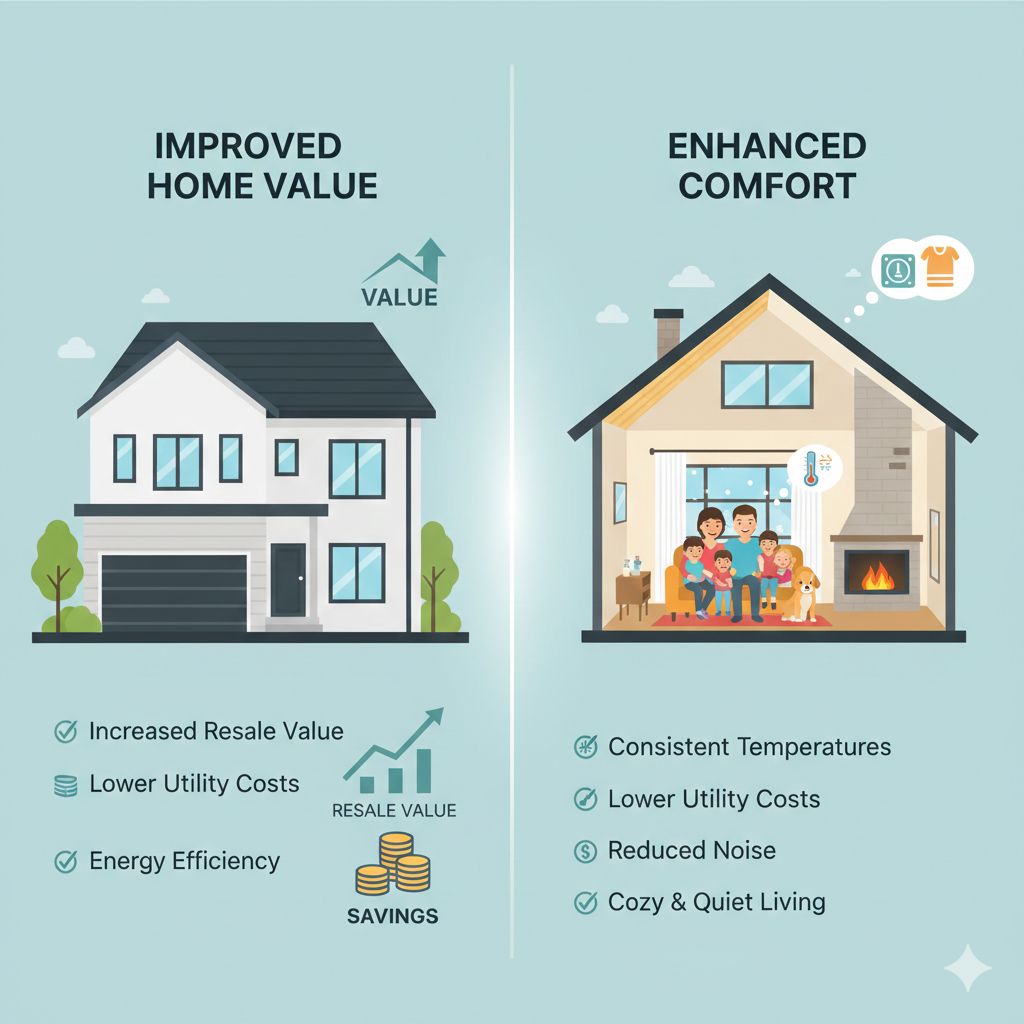
    Energy Efficiency & Long-Term Benefits

    Proper insulation:

    • Reduces electricity bills year-round
    • Enhances indoor comfort
    • Protects concrete structures
    • Supports sustainable building practices

    Modern thermal insulation in Pakistan is now considered an essential construction element rather than an optional upgrade.

    Final Verdict: Which Insulation Is Best for Lahore?

    • EPS → Best for budget wall insulation
    • XPS → Best for rooftops and moisture-prone areas
    • Rockwool → Best for heat, fire, and sound protection

    Each solution has a unique role in Lahore’s demanding climate.

    FAQ’S

    For Lahore’s high summer temperatures, XPS is ideal for roofs due to moisture resistance, while Rockwool is best for commercial buildings needing heat and fire protection. EPS works well for budget-friendly wall insulation.

    Yes, wall insulation in Pakistan significantly reduces heat transfer, improves indoor comfort, and lowers electricity consumption during long summer months.

    EPS is lightweight and economical, while XPS offers higher thermal resistance, better moisture protection, and longer durability—making it more suitable for rooftops.

    Proper thermal insulation in Pakistan can reduce cooling costs by up to 30–40% by limiting heat gain through roofs and walls.

    Rockwool can be used in homes, especially where fire safety and sound insulation are priorities, though it is more commonly used in commercial and industrial buildings.