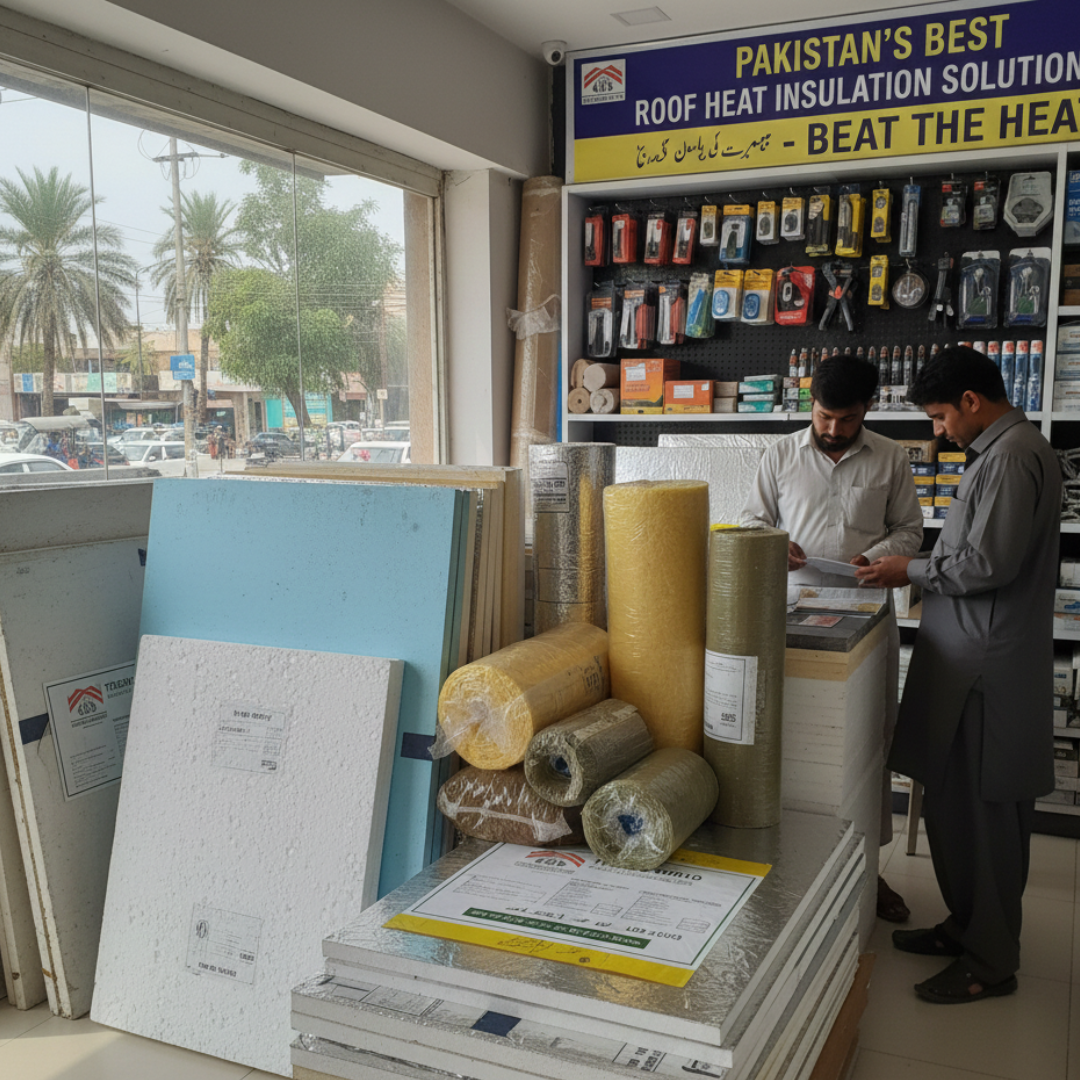

thermocol sheet price in pakistan

Tag: industrial insulation services Pakistan

  • Types of Thermal Insulation in Pakistan | Best Insulation Materials Guide

    Types of Thermal Insulation in Pakistan | Best Insulation Materials Guide

    With extreme weather conditions and rising electricity costs, insulation has become a necessity in Pakistan rather than a luxury. Understanding the Types of Thermal Insulation in Pakistan helps homeowners, builders, and businesses make better decisions for energy efficiency and comfort.

    Whether you’re constructing a new building or upgrading an existing one, selecting the right insulation material can significantly reduce heat transfer and energy consumption.

    Why Thermal Insulation is Important
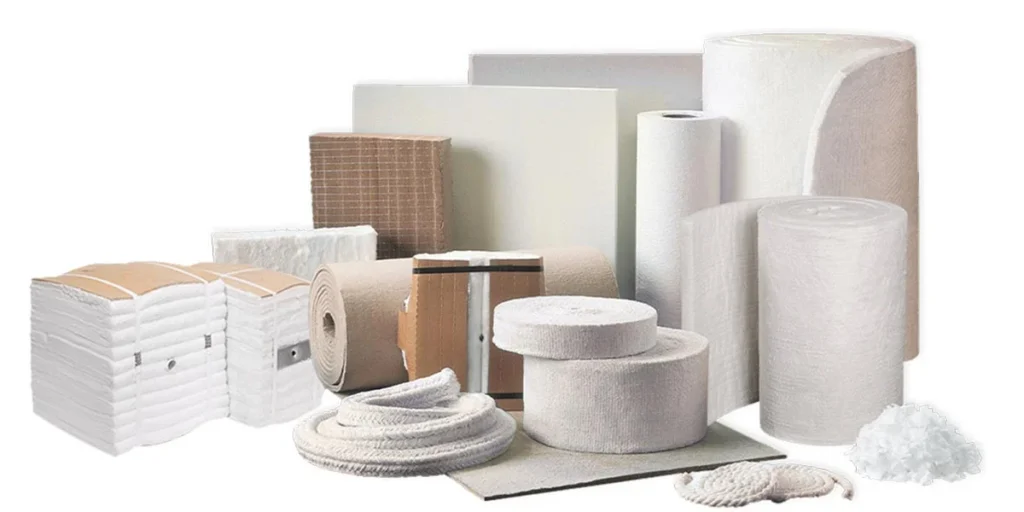
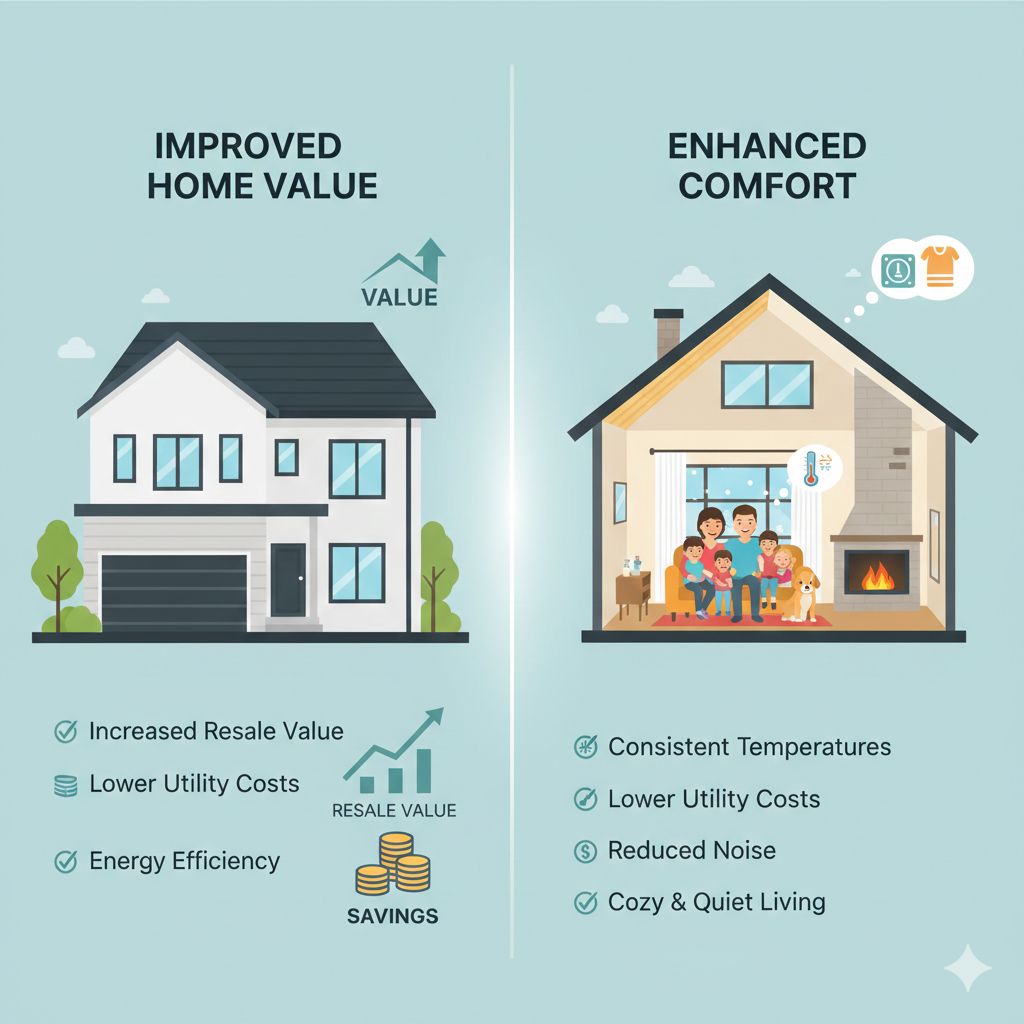
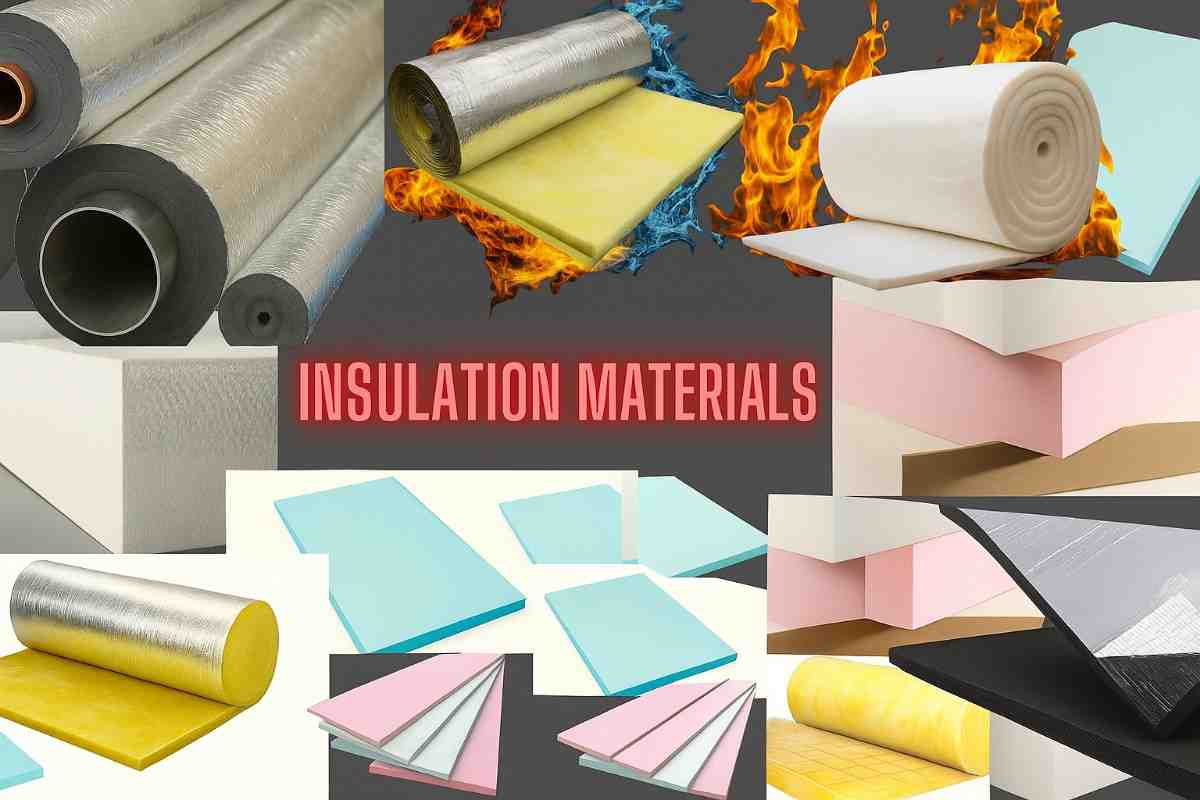
    Thermal insulation plays a vital role in:

    • Maintaining indoor temperature
    • Reducing electricity bills
    • Improving energy efficiency
    • Enhancing building durability
    • Providing comfort in all seasons

    These benefits make insulation one of the top Types of Thermal Insulation in Pakistan solutions for modern construction.

    Main Types of Thermal Insulation in Pakistan

    1. Expanded Polystyrene (EPS – Thermopore)
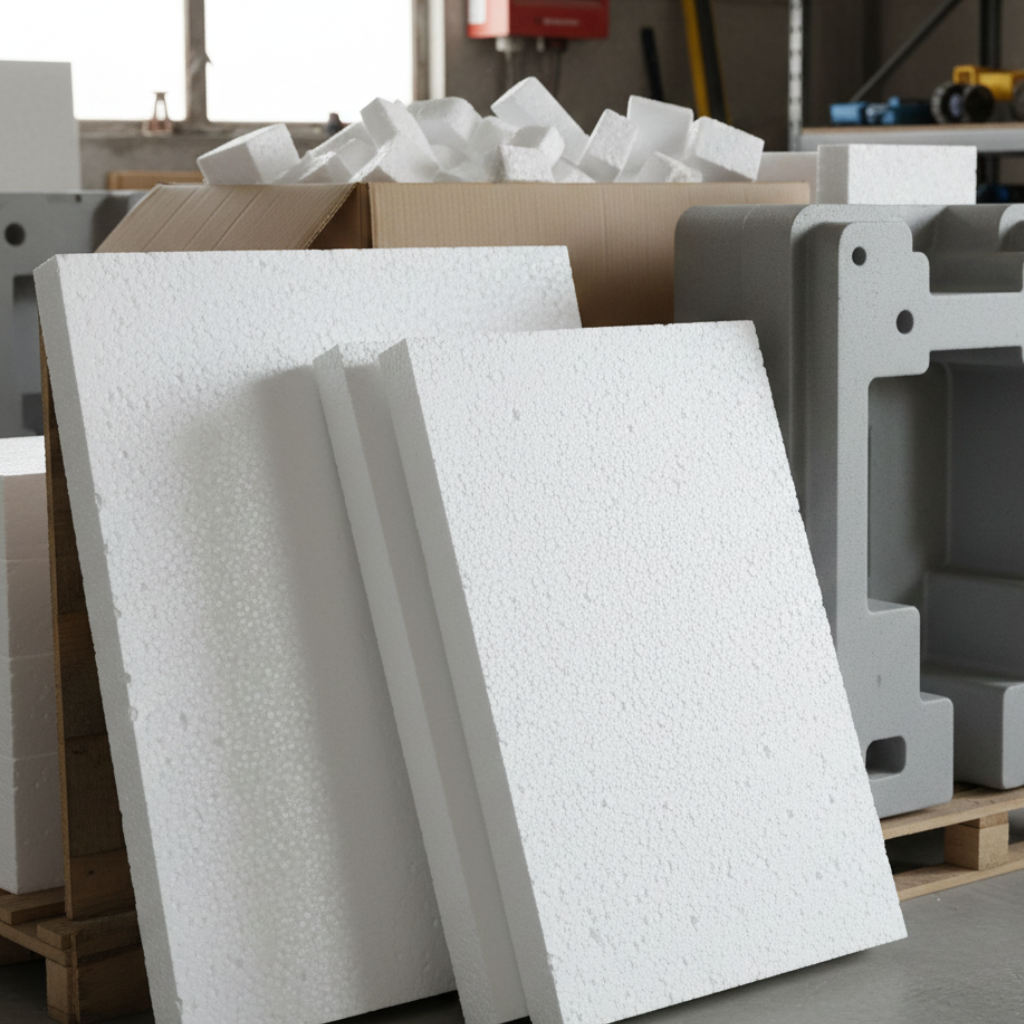
    EPS Foam

    EPS is one of the most commonly used insulation materials in Pakistan.

    Features:

    • Lightweight and affordable
    • Good thermal resistance
    • Easy to install

    It is widely used in roofs and walls, making it one of the best Types of Thermal Insulation in Pakistan for budget-friendly projects.

    2. Extruded Polystyrene (XPS)
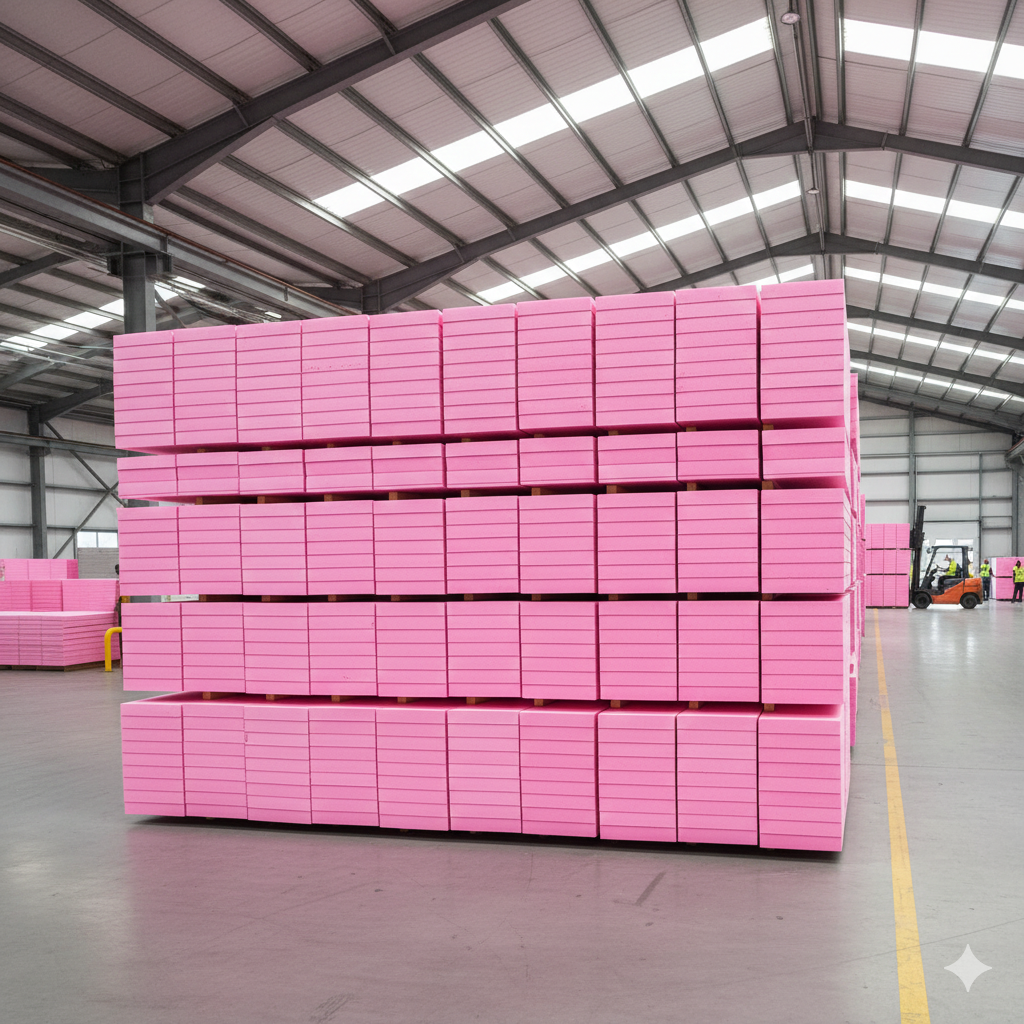
    Jumbolon Board Manufacturer in Pakistan

    XPS offers higher strength and moisture resistance compared to EPS.

    Features:

    • Durable and water-resistant
    • Suitable for heavy-load areas
    • Long-lasting performance

    3. Polyurethane Foam (PU Foam)
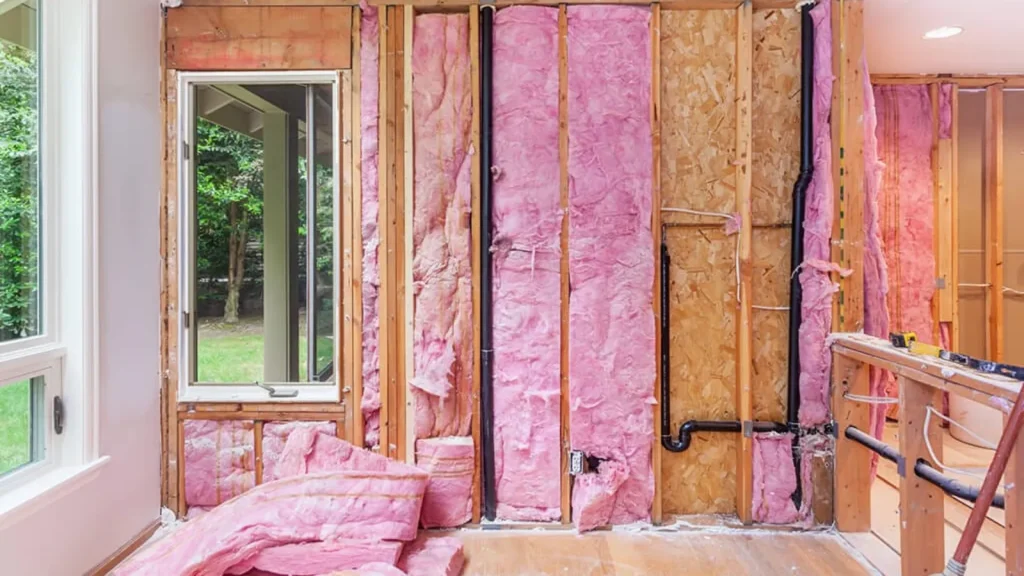
    home insulation

    PU foam provides excellent insulation performance.

    Features:

    • High thermal efficiency
    • Air-tight sealing
    • Ideal for roofs and cold storage

    4. Mineral Wool (Rock Wool)

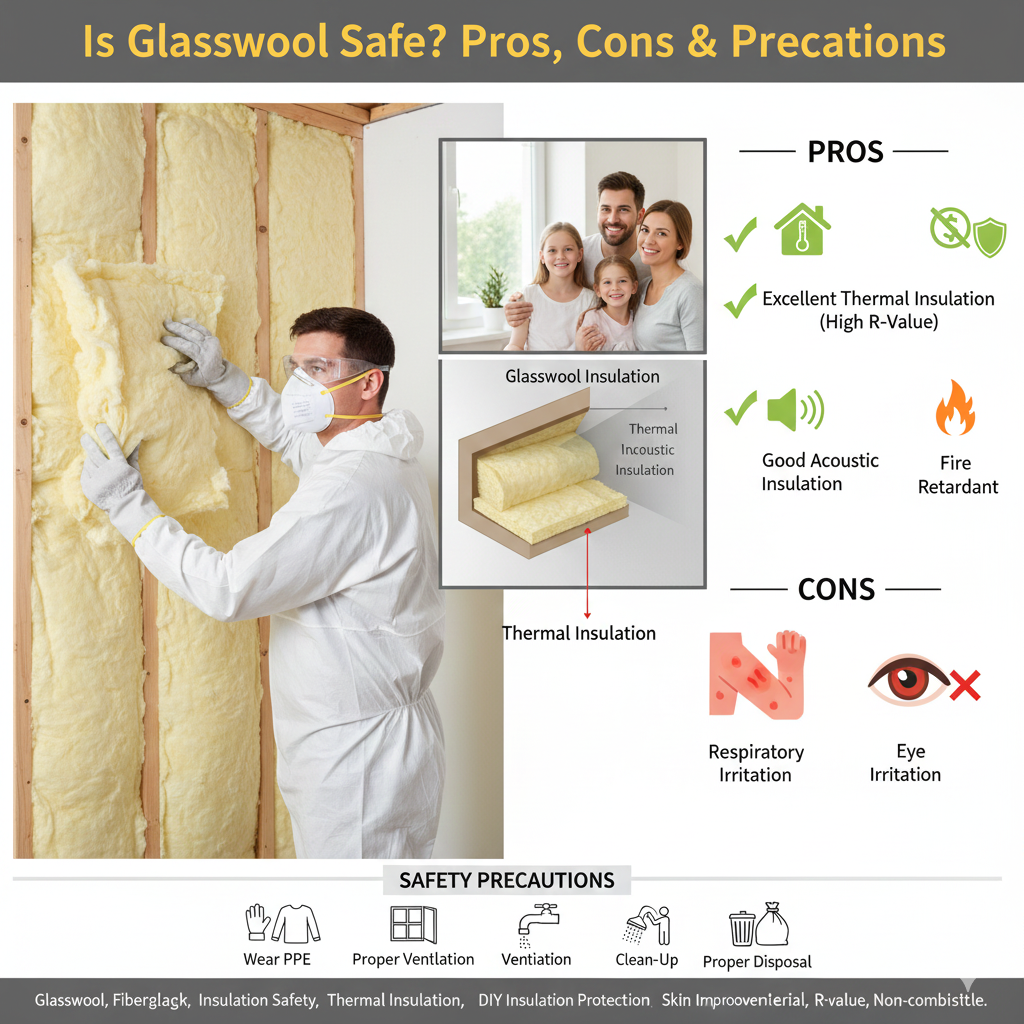
    Soundproofing Material glasswool vs rockwool

    Rock wool is widely used in industrial and commercial applications.

    Features:

    • Fire-resistant
    • Soundproofing properties
    • Durable under high temperatures

    5. Fiberglass Insulation
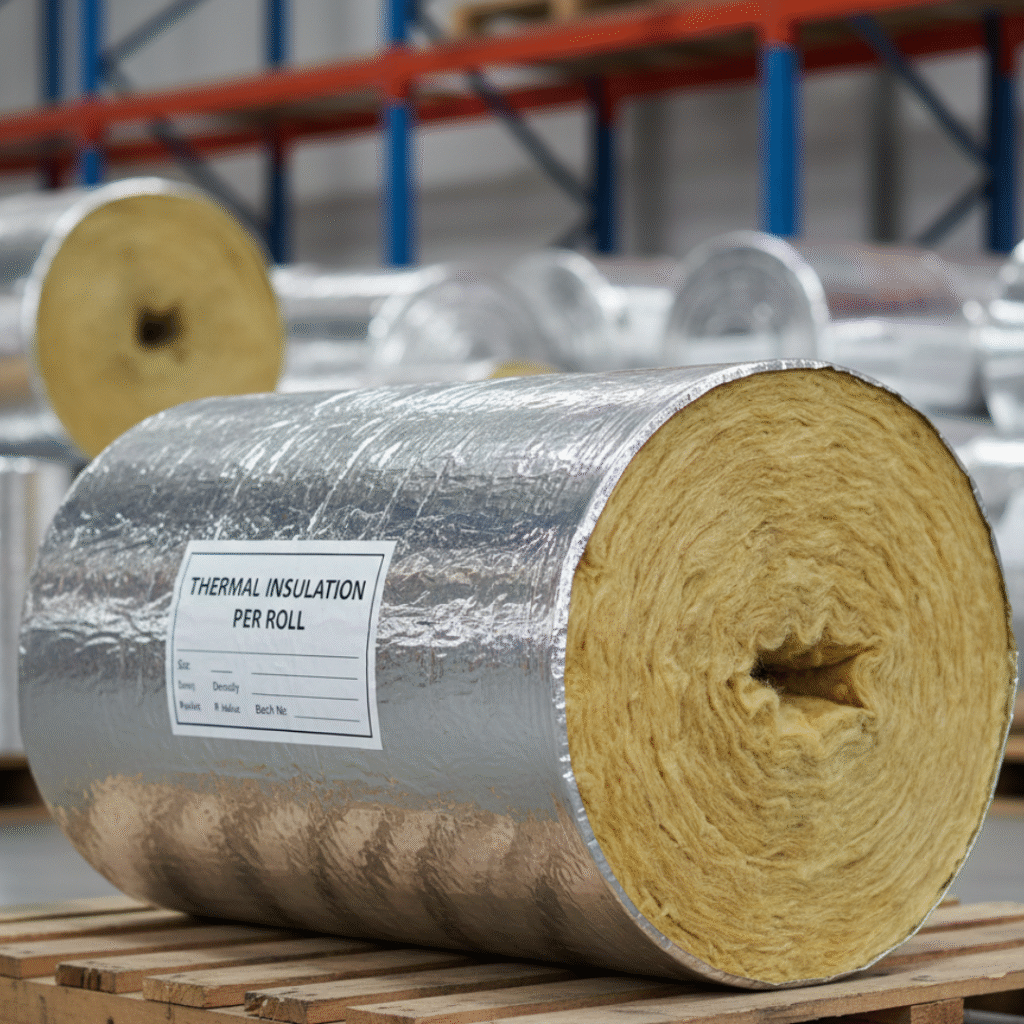
    Glasswool Roll Price in Pakistan

    A cost-effective and commonly used insulation material.

    Features:

    • Easy installation
    • Affordable
    • Suitable for ceilings and walls

    Types of Thermal Insulation Price

    The Types of Thermal Insulation price in Pakistan depends on material type, thickness, and application.

    Estimated Price Table

    Material TypePrice Range (PKR per sq. ft)
    EPS (Thermopore)40 – 120
    XPS180 – 350
    PU Foam250 – 500
    Rock Wool200 – 400
    Fiberglass80 – 150

    The overall Types of Thermal Insulation price may vary depending on supplier and city.

    City-Wise Thermal Insulation

    Types of Thermal Insulation in Lahore

    Lahore’s construction industry widely uses different insulation materials for residential and commercial buildings.

    Types of Thermal Insulation in Islamabad

    Modern housing projects prefer advanced insulation systems for energy efficiency.

    Types of Thermal Insulation in Faisalabad

    Industrial applications drive demand for durable insulation materials in Faisalabad.

    Types of Thermal Insulation in Multan

    Extreme heat increases the need for effective insulation in residential and commercial spaces.

    Types of Thermal Insulation in Karachi

    Humidity and coastal conditions require moisture-resistant insulation solutions.

    Manufacturers and Wholesalers

    Manufacturers

    Local companies act as Types of Thermal Insulation manufacturer in pakistan, producing a wide range of insulation materials for different applications.

    Wholesalers

    Bulk suppliers serve as Types of Thermal Insulation For Roofs wholeseller and top Types of Thermal Insulation wholeseller, offering competitive pricing for large projects.

    Working with trusted suppliers ensures quality and long-term performance.

    Cheap vs High-Quality Thermal Insulation

    While cheap Thermal Insulation in pakistan options are available, they may compromise durability and efficiency.

    Low-quality insulation may:

    • Degrade quickly
    • Offer poor thermal resistance
    • Increase long-term costs

    Investing in high-quality materials ensures better results and long-term savings.

    How to Choose the Right Insulation Material

    Consider these factors:

    • Climate conditions
    • Application (roof, wall, industrial use)
    • Budget
    • Moisture resistance
    • Fire safety requirements

    Selecting the right material helps achieve the best Types of Thermal Insulation for your project.

    Applications of Thermal Insulation

    • Residential homes
    • Commercial buildings
    • Industrial facilities
    • Cold storage units
    • HVAC systems

    Conclusion

    Understanding the Types of Thermal Insulation is essential for making informed construction decisions. From EPS and XPS to PU foam and rock wool, each material offers unique benefits depending on your needs.

    Whether you are sourcing from a Types of Thermal Insulation manufacturer in pakistan or working with a top Types of Thermal Insulation wholeseller, choosing the right insulation can significantly improve comfort, reduce energy costs, and increase building efficiency.

    FAQ’S

    The main types include EPS (Thermopore), XPS, polyurethane foam (PU), fiberglass, and rock wool. Each material has different properties depending on usage and budget.

    Types of Thermal Insulation price in Pakistan generally ranges from PKR 40 to PKR 500 per sq. ft depending on the material type, thickness, and quality.

    PU foam and XPS are considered the best for roofs due to their high thermal resistance, while EPS (Thermopore) is a cost-effective alternative.

    You can find thermal insulation services in major cities like Lahore, Islamabad, Karachi, Faisalabad, and Multan through local contractors, manufacturers, and wholesalers.
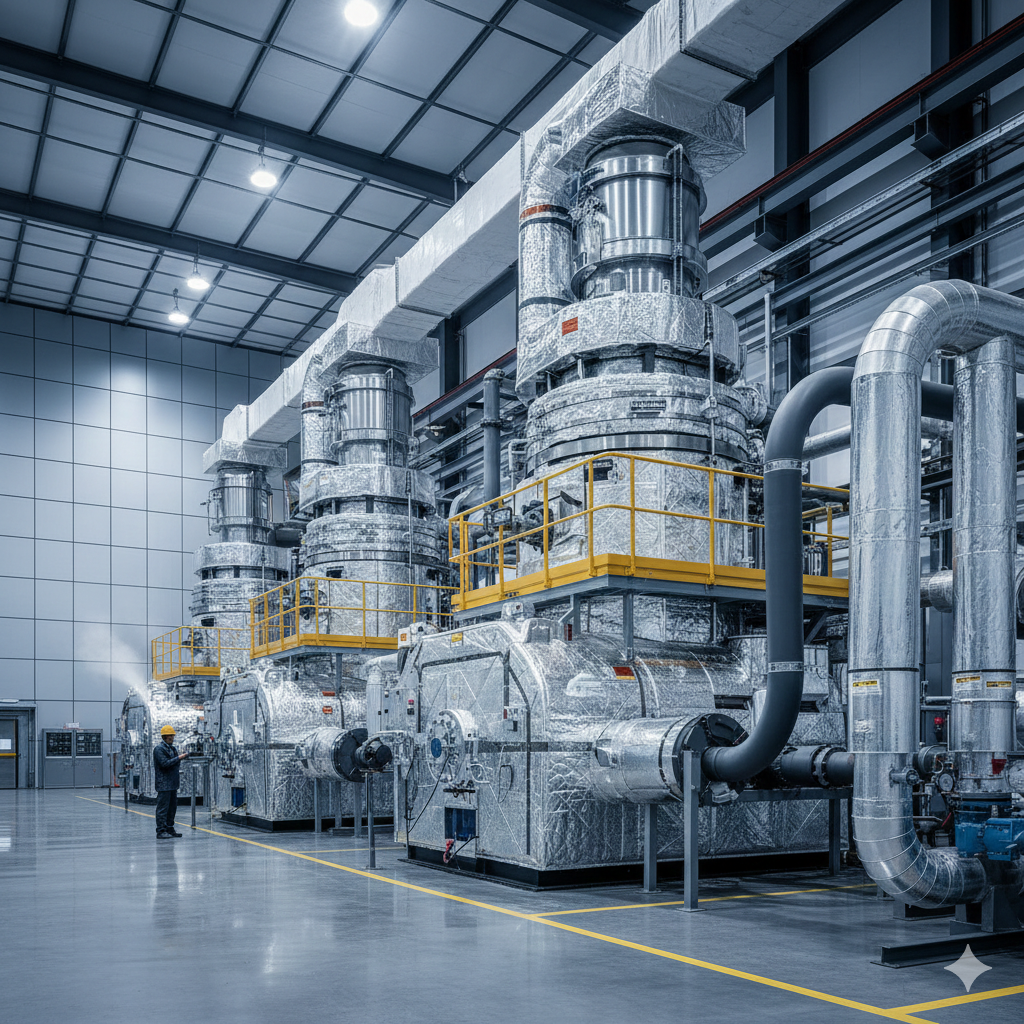
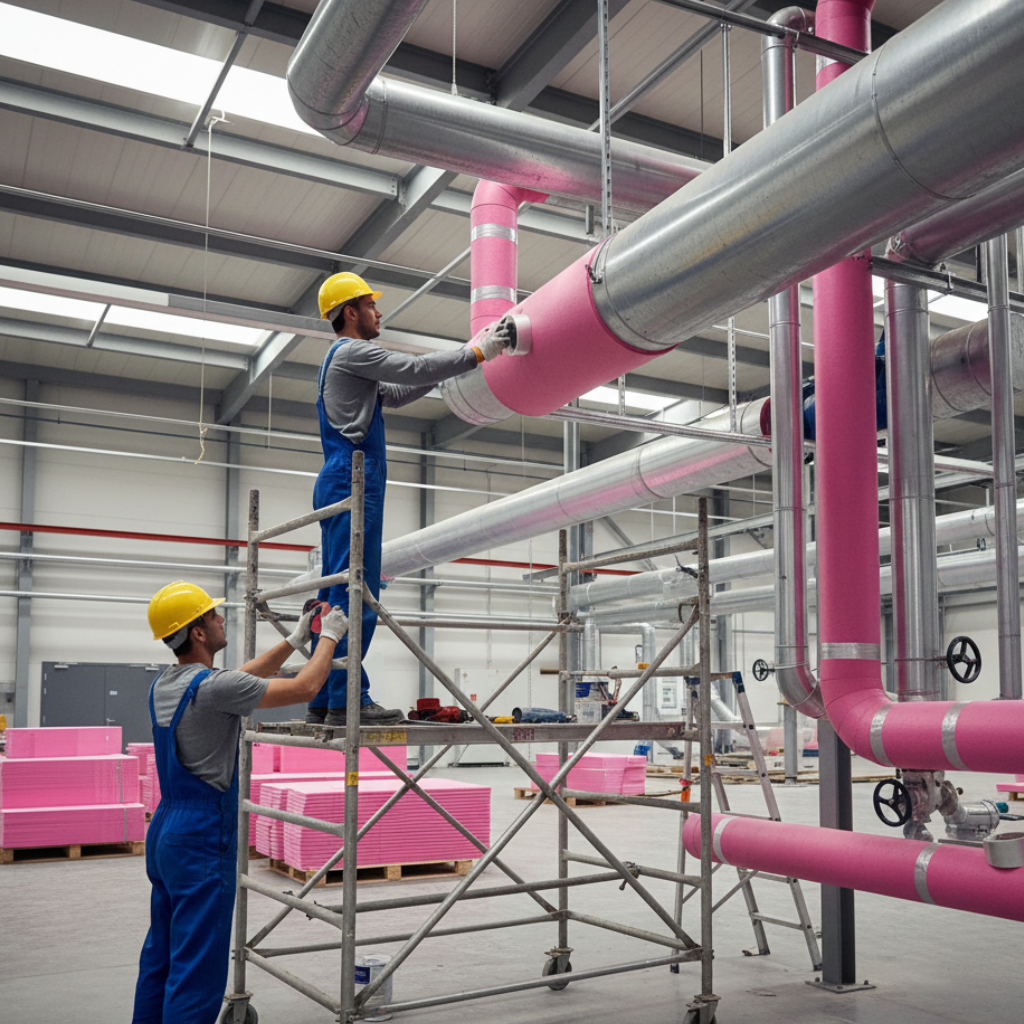
  • Best Insulation for Factories & Industrial Machinery

    Best Insulation for Factories & Industrial Machinery

    Industrial environments generate intense heat due to heavy machinery, continuous operations, and high-energy processes. Without proper insulation, factories face excessive energy loss, unsafe working conditions, and rising operational costs. Choosing the best insulation for factories & industrial machinery in Pakistan is no longer optional—it’s a necessity for efficiency, safety, and sustainability.

    This guide explains suitable insulation materials, pricing considerations, and how to design an effective industrial insulation system for Pakistani conditions.

    Why Industrial Insulation Matters in Factories

    Factories operate in demanding environments where uncontrolled heat affects both machines and manpower. Proper insulation plays a critical role by:

    • Reducing heat transfer from industrial machinery
    • Improving workplace safety and thermal comfort
    • Enhancing machine lifespan by controlling operating temperatures
    • Lowering electricity and fuel consumption
    • Supporting compliance with industrial safety standards

    With rising energy costs, thermal insulation in Pakistan has become a strategic investment rather than an expense.

    Common Heat Challenges in Industrial Machinery

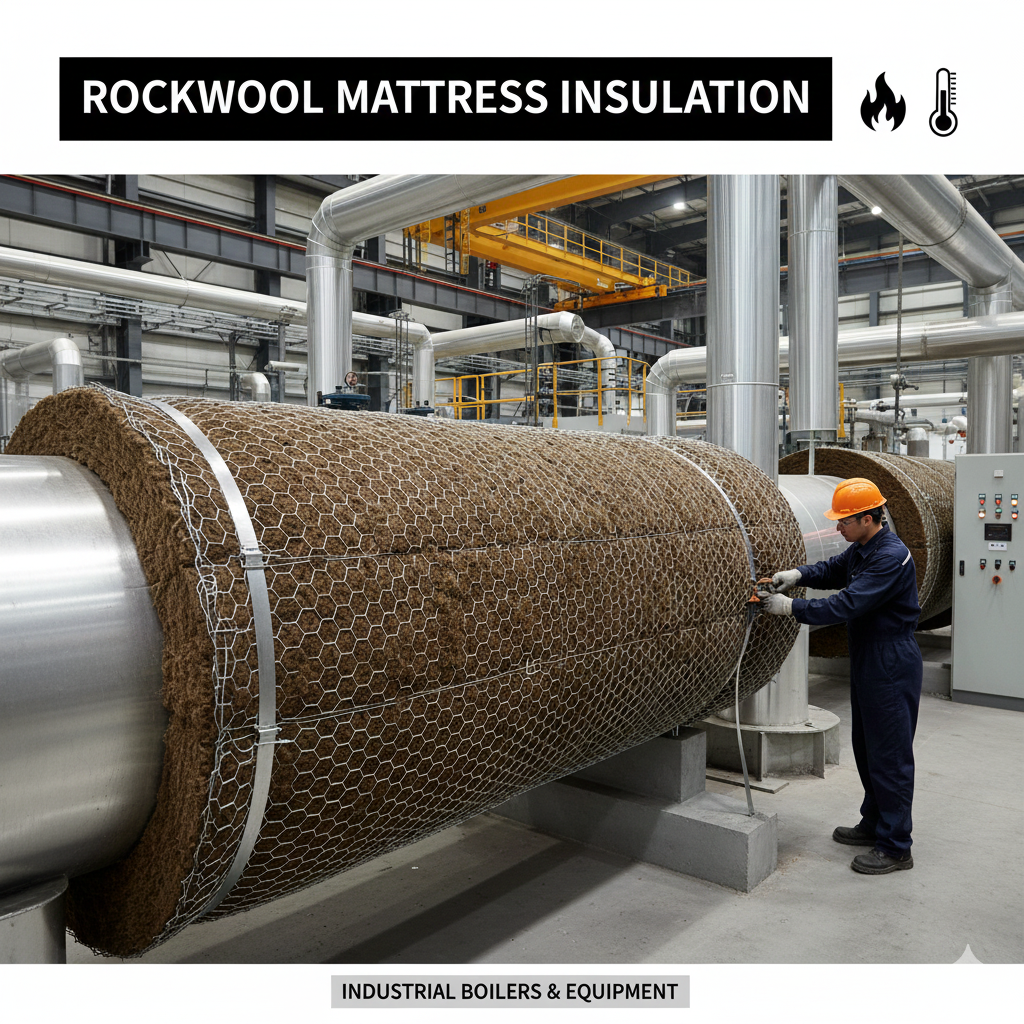
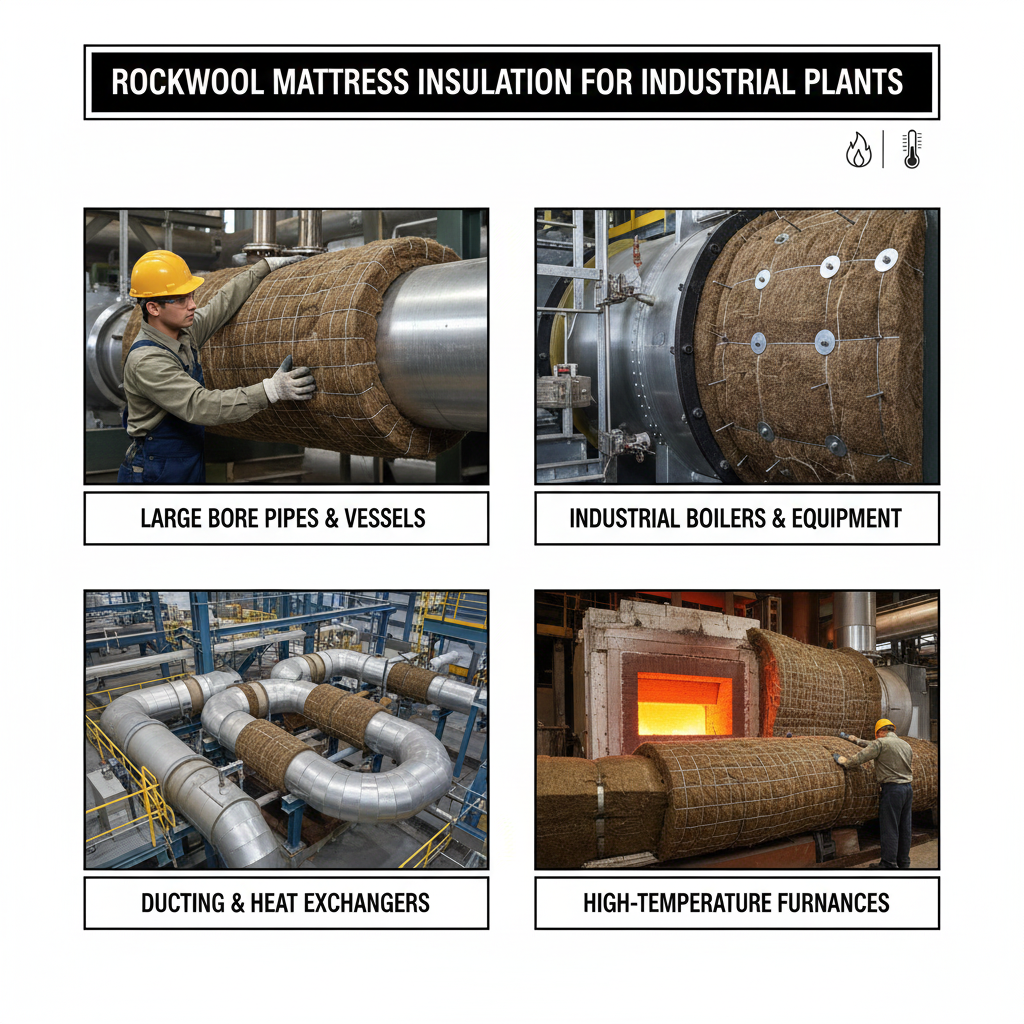
    rockwool mattress insulation for industrial plant

    Industrial units typically face:

    • Radiant heat from boilers, furnaces, and pipelines
    • Continuous heat buildup in production halls
    • Thermal loss from uninsulated walls and roofs
    • Moisture and condensation affecting machinery performance

    An effective insulation system addresses all these issues holistically.

    Best Insulation Materials for Factories & Machinery

    Selecting the right insulation material Pakistan depends on temperature range, moisture exposure, and mechanical stress.

    1. Thermopore Insulation Sheets

    Thermopore sheet insulation in factories

    Thermopore insulation is widely used in factories due to its lightweight structure and thermal resistance.

    • Suitable for walls and roofs
    • Easy to install and cut
    • Commonly sourced from a thermopore manufacturer in Pakistan

    When evaluating cost, thermopore sheet price in Pakistan varies depending on density and thickness.

    2. Thermal Insulation Sheets

    Glasswool for HVAC & Duct System

    Thermal insulation sheets are engineered for high-heat zones and industrial surfaces.

    • Used in roofs, machinery enclosures, and partitions
    • Helps stabilize internal factory temperatures
    • Reduces heat loss in continuous operations

    The thermal insulation sheet price in Pakistan depends on material composition and application area.

    3. Composite Industrial Insulation Systems

    Large factories often combine multiple materials into one integrated insulation system.

    • Thermopore for walls
    • Reflective or thermal sheets for roofs
    • Protective cladding for machinery

    This layered approach improves long-term performance and operational safety.

    Designing an Effective Insulation System for Factories

    An industrial insulation system should be planned strategically rather than installed randomly.

    Key considerations include:

    • Operating temperature of machinery
    • Humidity and moisture exposure
    • Fire safety requirements
    • Structural compatibility

    A well-designed insulation system ensures uniform thermal control across production areas.

    Cost Factors & Industrial Pricing Considerations

    While searching for the best insulation for factories & industrial machinery in Pakistan, pricing should be evaluated based on performance—not just material cost.

    Key factors influencing cost:

    • Type of insulation material
    • Thickness and density
    • Area coverage
    • Installation complexity

    Although thermopore sheet price in Pakistan may seem economical initially, combining it with higher-performance thermal insulation can deliver better long-term savings.

    Energy Efficiency & ROI for Industrial Insulation

    Factories that invest in proper insulation experience:

    • Reduced cooling and heating costs
    • Lower machinery maintenance expenses
    • Improved productivity due to stable working conditions
    • Faster return on investment

    This is why thermal insulation in Pakistan is increasingly adopted by manufacturing plants, warehouses, and processing units.

    Compliance & Safety Advantages

    Insulation also contributes to:

    • Heat control around sensitive machinery
    • Safer working environments
    • Reduced risk of heat-related equipment failure

    Using insulation from a verified thermopore manufacturer in Pakistan ensures material consistency and reliability.

    Future of Industrial Insulation in Pakistan

    With rising industrialization, demand for advanced insulation material Pakistan continues to grow. Modern factories are shifting toward integrated insulation systems that balance thermal control, durability, and cost efficiency.

    Final Thoughts

    Choosing the best insulation for factories & industrial machinery in Pakistan requires understanding operational needs, material performance, and long-term efficiency. Whether using thermopore insulation, thermal insulation sheets, or a hybrid insulation system, the right choice directly impacts productivity, safety, and energy costs.

    Best insulation for factories & industrial machinery in Pakistan. Learn about thermopore insulation, thermal insulation sheet price in Pakistan, insulation systems, and industrial heat control solutions.

    FAQ’S

    The best insulation for factories in Pakistan depends on heat load and safety needs. Rockwool is preferred for fire resistance, while Thermopore and XPS are commonly used for cost-effective thermal insulation in industrial buildings.

    Thermopore insulation is suitable for factory walls and roofs where moderate heat control is needed, but it is not recommended near high-temperature machinery due to low fire resistance.

    Industrial insulation cost varies by material, thickness, and installation area. Thermal insulation sheet price in Pakistan, thermopore sheet price in Pakistan, and rockwool insulation price differ based on fire rating, density, and project size.

    For high-temperature zones and machinery protection, fireproof insulation materials such as rockwool insulation boards and fire-rated insulation systems are the safest and most durable options.

    Yes, installing a proper insulation system significantly reduces heat transfer, lowers indoor temperatures, and decreases air-conditioning load, resulting in noticeable energy savings for factories and industrial units.

    Most professional insulation providers offer installation services in Karachi, Lahore, Islamabad, Rawalpindi, and other industrial cities, including site inspection, material selection, and complete insulation system setup.

  • Rawalpindi Insulation Market Prices

    Rawalpindi Insulation Market Prices

    As construction activity grows across Rawalpindi, demand for thermal and acoustic insulation materials has increased rapidly. From residential homes to commercial and industrial buildings, buyers are actively comparing insulation types and prices before making decisions. This guide explores Rawalpindi insulation market prices, material trends, and factors that influence costs—helping buyers make informed choices.

    Overview of Insulation Demand in Rawalpindi

    Rawalpindi experiences extreme summer heat and cooler winters, making insulation a practical necessity rather than a luxury. Builders and homeowners now prioritize materials that reduce energy consumption, improve indoor comfort, and enhance fire safety.

    Among the most commonly traded insulation products in the local market are glass wool, rockwool, and mineral wool, each offering different performance levels and price points.

    Glass Wool Market Pricing Trends

    glasswool insulation in pakistan

    Glass wool remains one of the most widely used insulation materials due to its affordability and ease of installation. The glass wool price in Rawalpindi depends on density, thickness, and facing type (plain or foil-faced).

    While Rawalpindi has its own pricing structure, many suppliers also benchmark rates against major cities. As a result, glass wool price in Lahore often influences wholesale trends, especially for bulk purchases. Contractors sourcing glass wool insulation in Lahore sometimes supply Rawalpindi projects when availability fluctuates.

    Across Pakistan, the glass wool price in Pakistan varies based on imported raw materials, energy costs, and demand cycles.

    Rockwool Insulation Prices in the Local Market

    Rockwool is increasingly preferred for applications requiring fire resistance and higher acoustic performance. In Rawalpindi, demand for this material has grown in commercial buildings and industrial facilities.

    The rockwool insulation price in Pakistan is generally higher than glass wool due to its superior fire rating and density. Buyers comparing suppliers often evaluate the rock wool insulation price based on slab thickness and compressive strength.

    Local distributors offering rockwool insulation Pakistan products usually maintain stock for large-scale construction projects, where durability and fire safety are critical.

    Rawalpindi Insulation Price Comparison Table

    Insulation MaterialTypical Density (kg/m³)Common UseRelative Price Level
    Glass Wool12 – 24Roofs, ceilings, ductsLow
    Mineral Wool30 – 60Walls, partitionsMedium
    Rockwool40 – 120Fire-rated walls, industrial useHigh
    Glass Wool (Foil Faced)16 – 32Thermal + radiant controlMedium
    High-Density Rockwool80 – 120Acoustic & fire insulationHigh

    Note: Prices vary by supplier, thickness, and market demand.

    Mineral Wool Pricing and Applications

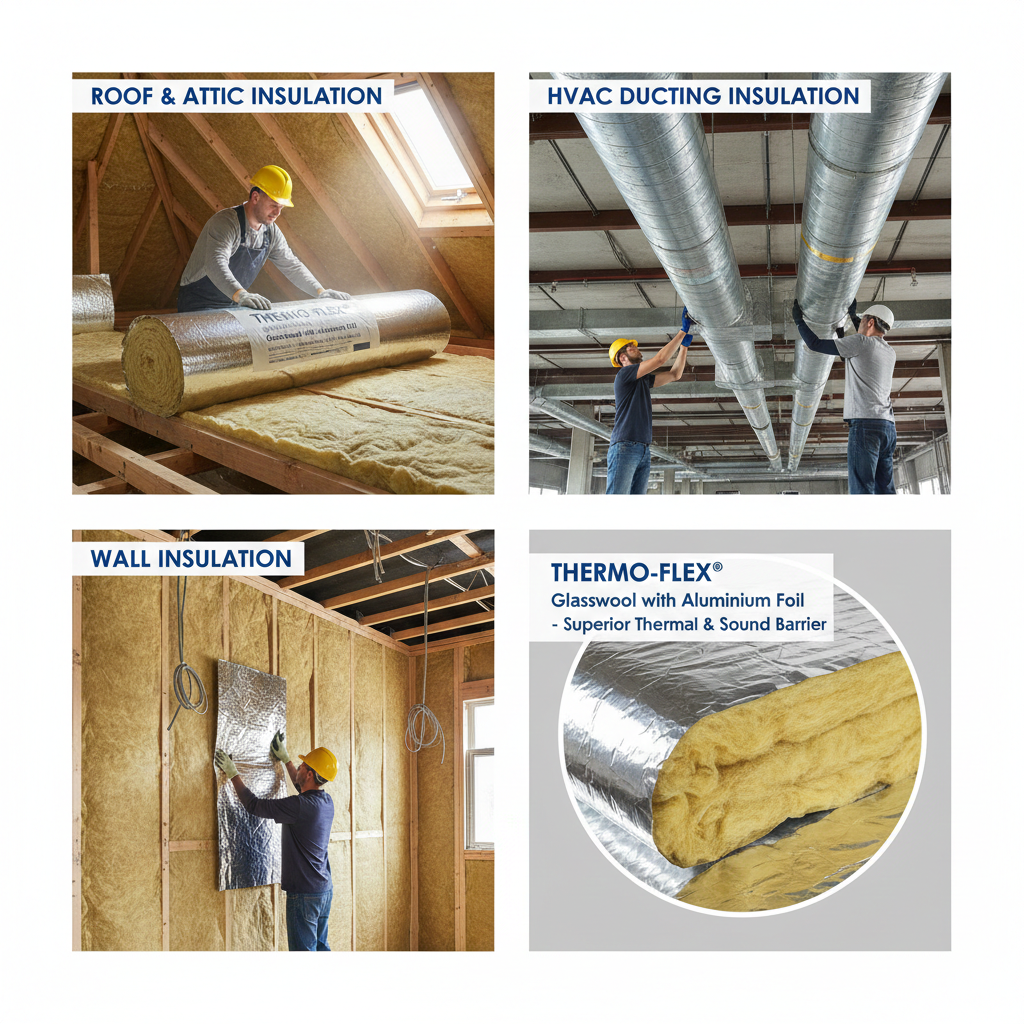
    glasswool with aluminium foil industrial applications

    Mineral wool, which includes both glass wool and rockwool variants, is also traded separately in the Rawalpindi market. The mineral wool price in Pakistan depends on whether the product is intended for thermal insulation, soundproofing, or fire-rated systems.

    Mineral wool is commonly used in:

    • Partition walls
    • Industrial sheds
    • HVAC duct insulation
    • Fire-rated ceiling systems

    Its versatility keeps demand stable throughout the year.

    Factors Affecting Insulation Prices in Rawalpindi

    Several elements influence insulation pricing in the Rawalpindi market:

    1. Material Density & Thickness
      Higher density products provide better insulation but cost more.
    2. Imported vs Local Supply
      Imported insulation products tend to raise overall pricing trends.
    3. Seasonal Demand
      Prices often rise before peak summer due to increased demand.
    4. Transportation Costs
      Rates from Lahore or Karachi impact local pricing structures.
    5. Bulk Purchase Volume
      Wholesale buyers usually secure better pricing.

    Choosing the Right Insulation Material

    Selecting insulation should not be based on price alone. Buyers must consider application type, building design, and long-term energy savings. Glass wool works well for budget-focused residential projects, while rockwool is better suited for fire-sensitive areas. Mineral wool offers a balance between thermal and acoustic performance.

    Understanding local price trends allows buyers to plan procurement efficiently without compromising quality.

    Rawalpindi Insulation Market Outlook

    With growing awareness around energy efficiency, the Rawalpindi insulation market is expected to expand steadily. Demand for higher-performance insulation materials will continue to influence pricing, while competition among suppliers may stabilize costs over time.

    Staying updated on market trends helps contractors, builders, and homeowners secure the best value.

    FAQ’S

    The glass wool price in Rawalpindi depends on density, thickness, and facing type. Prices generally follow the national trend of the glass wool price in Pakistan, with slight variation based on local availability.

    Yes, glass wool is usually more economical. Rockwool insulation price in Pakistan is higher due to its superior fire resistance, durability, and sound insulation properties.

    Many distributors source insulation materials from Lahore. As a result, fluctuations in glass wool price in Lahore often impact Rawalpindi’s insulation market.

    Mineral wool price in Pakistan varies depending on whether it is glass-based or stone-based. Rockwool generally costs more due to higher density and fire performance.

    Yes, rockwool insulation Pakistan products are suitable for residential use, especially where fire safety and sound insulation are priorities.

    Rockwool offers long-term value through durability and fire resistance, while glass wool is ideal for cost-effective thermal insulation in standard applications.

  • Lahore Heat Insulation Solutions (EPS/XPS/Rockwool)

    Lahore Heat Insulation Solutions (EPS/XPS/Rockwool)

    Lahore’s climate presents a serious challenge for homes, factories, and commercial buildings. Long summers, extreme heatwaves, and rising electricity costs have made heat insulation a necessity rather than a luxury. Choosing the right insulation system can significantly reduce indoor temperatures, improve comfort, and cut energy bills.

    This guide explains Lahore Heat Insulation Solutions using EPS, XPS, and Rockwool, helping you select the most suitable option based on performance, durability, and cost.

    Why Heat Insulation Is Essential in Lahore

    house insulation in pakistan

    Lahore experiences prolonged high temperatures that directly impact indoor comfort and energy usage. Without proper insulation, roofs and walls absorb heat throughout the day, making cooling systems work harder.

    Effective thermal insulation in Pakistan helps:

    • Reduce indoor heat gain
    • Lower electricity consumption
    • Improve building lifespan
    • Enhance indoor comfort year-round

    Overview of Insulation Materials Used in Pakistan

    The insulation market offers several materials, but three dominate large-scale usage due to performance and availability. Each option serves a different structural need.

    Choosing the right insulation material Pakistan depends on:

    • Location (roof, wall, or cavity)
    • Budget
    • Heat resistance requirements
    • Fire and moisture safety

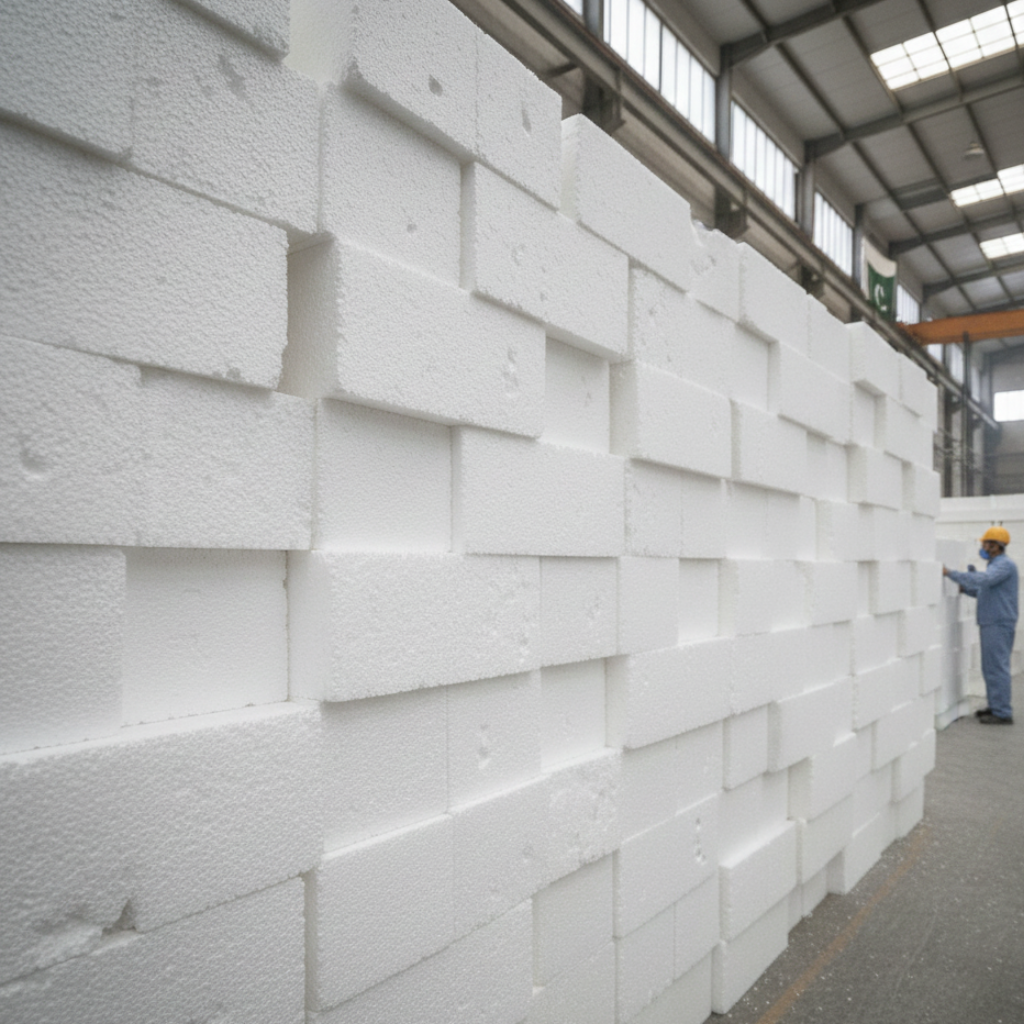
    EPS (Expanded Polystyrene) – Lightweight & Economical

    thermocol blocks manufacturer in pakistan

    EPS insulation is widely used for basic thermal protection in walls and ceilings.

    Key Benefits of EPS:

    • Lightweight and easy to install
    • Cost-effective for large areas
    • Suitable for wall insulation in Pakistan
    • Moderate thermal resistance

    EPS works well for homes where budget is a priority and insulation thickness can be increased for better performance.

    XPS (Extruded Polystyrene) – High Performance Thermal Shield

    jumbolon Insulation for Metal Sheds

    XPS offers superior insulation compared to EPS, especially in roofs exposed to direct sunlight.

    Why XPS Is Popular in Lahore:

    • High compressive strength
    • Excellent moisture resistance
    • Long service life
    • Ideal as a heat resistant thermal insulation sheet

    XPS boards are commonly used under concrete slabs and rooftops where durability is essential.

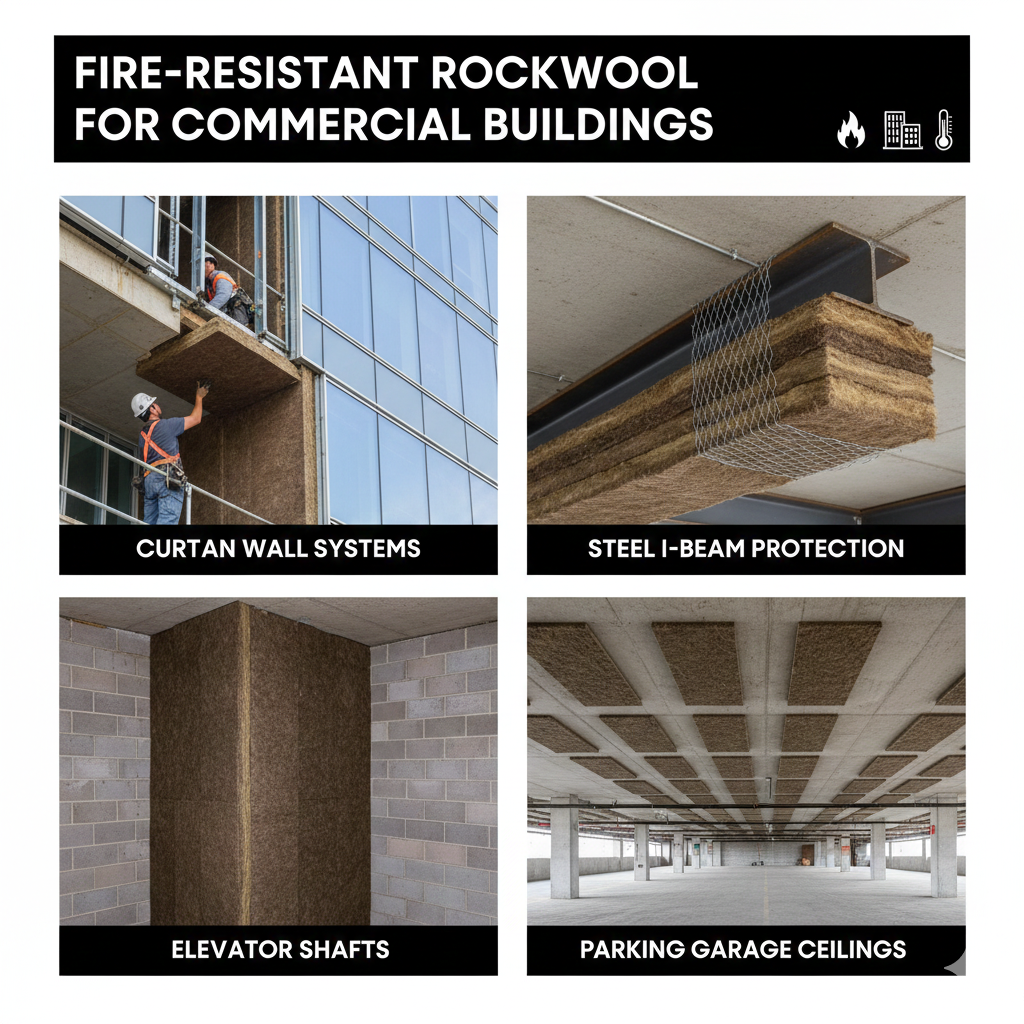
    Rockwool – Premium Heat & Fire Protection

    fire resistant rockwool for commercial buildings

    Rockwool insulation is manufactured from natural stone fibers, offering both thermal and acoustic benefits.

    Advantages of Rockwool:

    • Excellent heat resistance
    • Fire-retardant properties
    • Strong sound insulation
    • Suitable for industrial and commercial buildings

    Many buyers consider rockwool insulation price in Pakistan higher than foam-based solutions, but its long-term safety benefits justify the investment.

    Comparison: EPS vs XPS vs Rockwool

    FeatureEPSXPSRockwool
    Thermal ResistanceMediumHighHigh
    Moisture ResistanceLowVery HighMedium
    Fire ResistanceLowMediumVery High
    InstallationEasyEasyModerate
    Best UseWallsRoofsIndustrial / Commercial

    This comparison highlights why multiple heat insulation sheet Pakistan options exist—each suited to different conditions.

    Application Areas in Lahore Buildings

    Roof Insulation

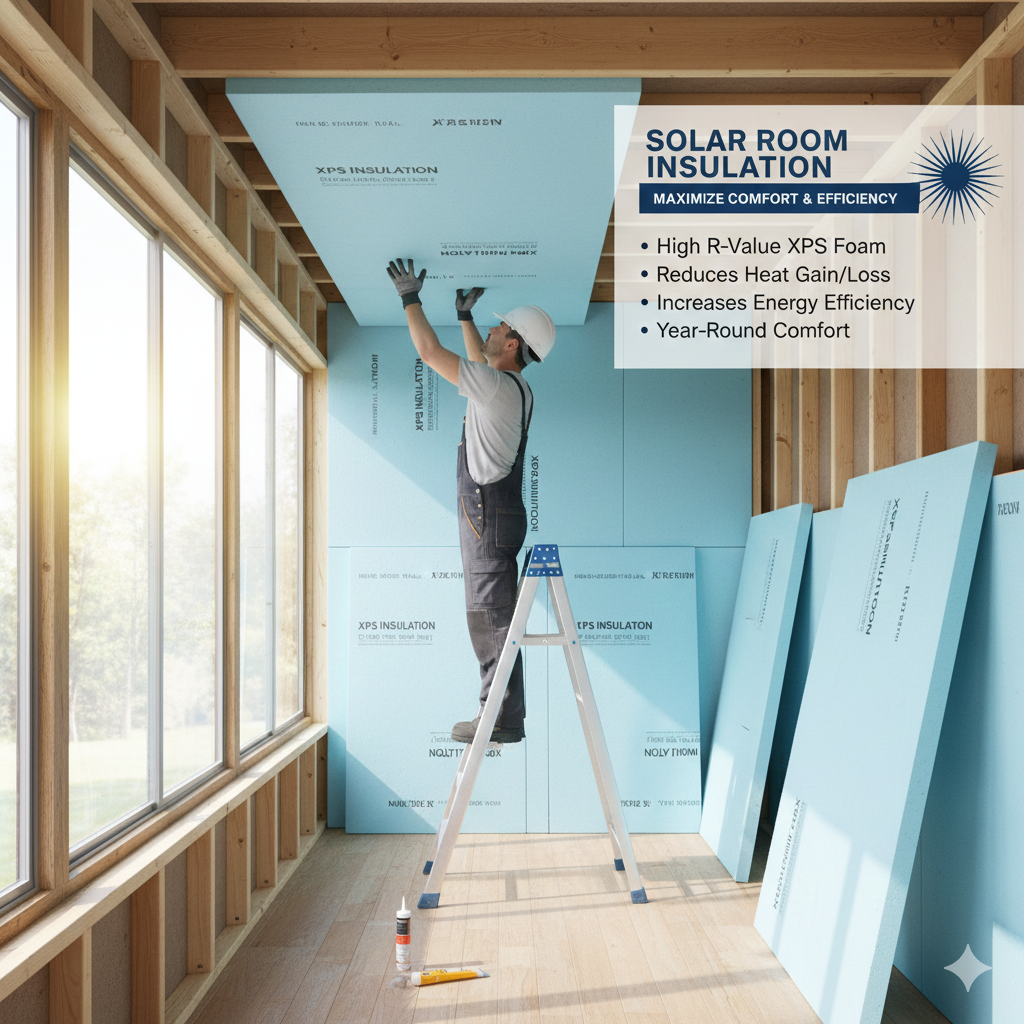
    Solar Room Insulation in Pakistan

    Roof surfaces absorb the highest heat. XPS and Rockwool are preferred solutions due to their performance and durability.

    Wall Insulation

    EPS and XPS panels are commonly installed for wall insulation in Pakistan, reducing heat transfer through external walls.

    Industrial Facilities

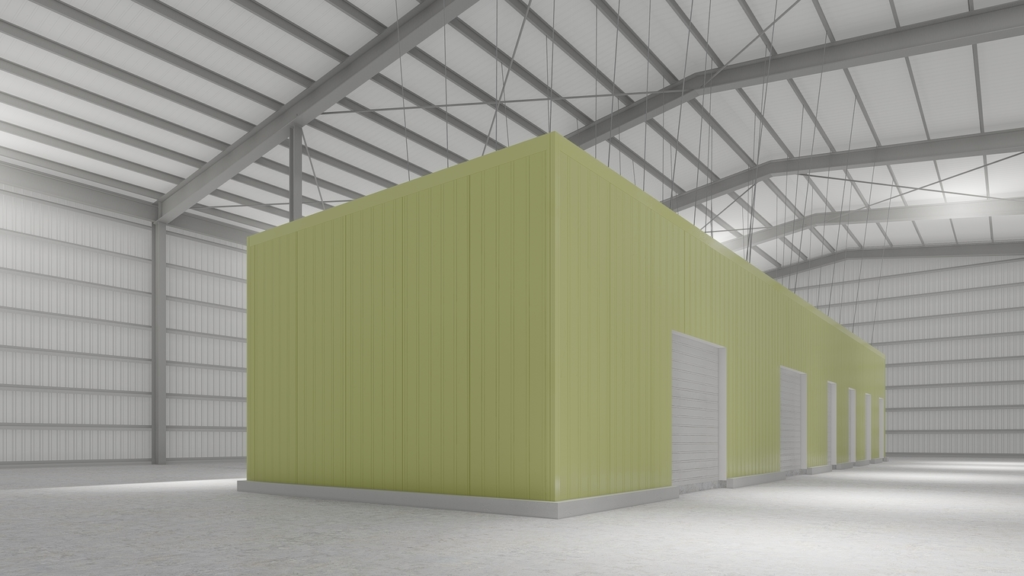
    freezers wall panels pakistan

    Rockwool is widely used where fire safety and thermal stability are critical.

    Cost Factors to Consider

    Insulation costs vary depending on thickness, density, and material type. Buyers frequently compare:

    • Lahore Heat Insulation Solutions EPS XPS Rockwool price
    • Installation method
    • Long-term energy savings

    While foam-based insulation may have lower upfront costs, premium materials often provide better lifetime value.

    Choosing the Right Thermal Insulation Sheet

    When selecting insulation, consider:

    • Local climate exposure
    • Roof or wall location
    • Required thermal resistance
    • Budget constraints

    Comparing the thermal insulation sheet price in Pakistan alongside performance metrics helps in making an informed decision.

    Energy Efficiency & Long-Term Benefits

    Proper insulation:

    • Reduces electricity bills year-round
    • Enhances indoor comfort
    • Protects concrete structures
    • Supports sustainable building practices

    Modern thermal insulation in Pakistan is now considered an essential construction element rather than an optional upgrade.

    Final Verdict: Which Insulation Is Best for Lahore?

    • EPS → Best for budget wall insulation
    • XPS → Best for rooftops and moisture-prone areas
    • Rockwool → Best for heat, fire, and sound protection

    Each solution has a unique role in Lahore’s demanding climate.

    FAQ’S

    For Lahore’s high summer temperatures, XPS is ideal for roofs due to moisture resistance, while Rockwool is best for commercial buildings needing heat and fire protection. EPS works well for budget-friendly wall insulation.

    Yes, wall insulation in Pakistan significantly reduces heat transfer, improves indoor comfort, and lowers electricity consumption during long summer months.

    EPS is lightweight and economical, while XPS offers higher thermal resistance, better moisture protection, and longer durability—making it more suitable for rooftops.

    Proper thermal insulation in Pakistan can reduce cooling costs by up to 30–40% by limiting heat gain through roofs and walls.

    Rockwool can be used in homes, especially where fire safety and sound insulation are priorities, though it is more commonly used in commercial and industrial buildings.

  • Insulation Sheet Densities Explained (EPS / XPS / Rockwool / Glasswool / Aluminium Foil)

    Insulation Sheet Densities Explained (EPS / XPS / Rockwool / Glasswool / Aluminium Foil)

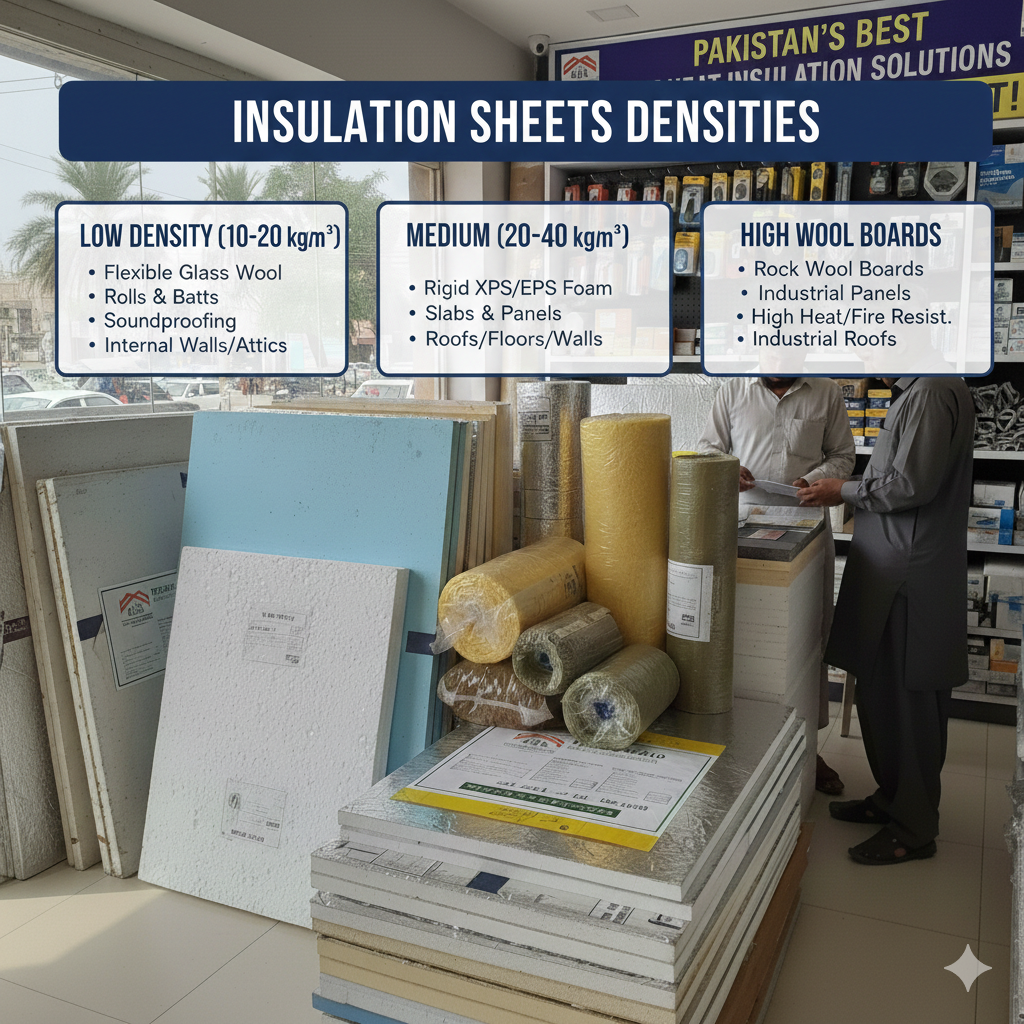
    When selecting insulation for buildings in Pakistan, material type alone is not enough. Insulation density plays a critical role in thermal performance, durability, and suitability for specific applications. However, understanding insulation sheet densities helps builders and homeowners choose the right product for roofs, walls, and industrial systems.

    Moreover, this guide explains insulation densities for EPS, XPS, rockwool, glasswool, and aluminium foil, along with practical recommendations for different building needs.

    Why Insulation Density Matters

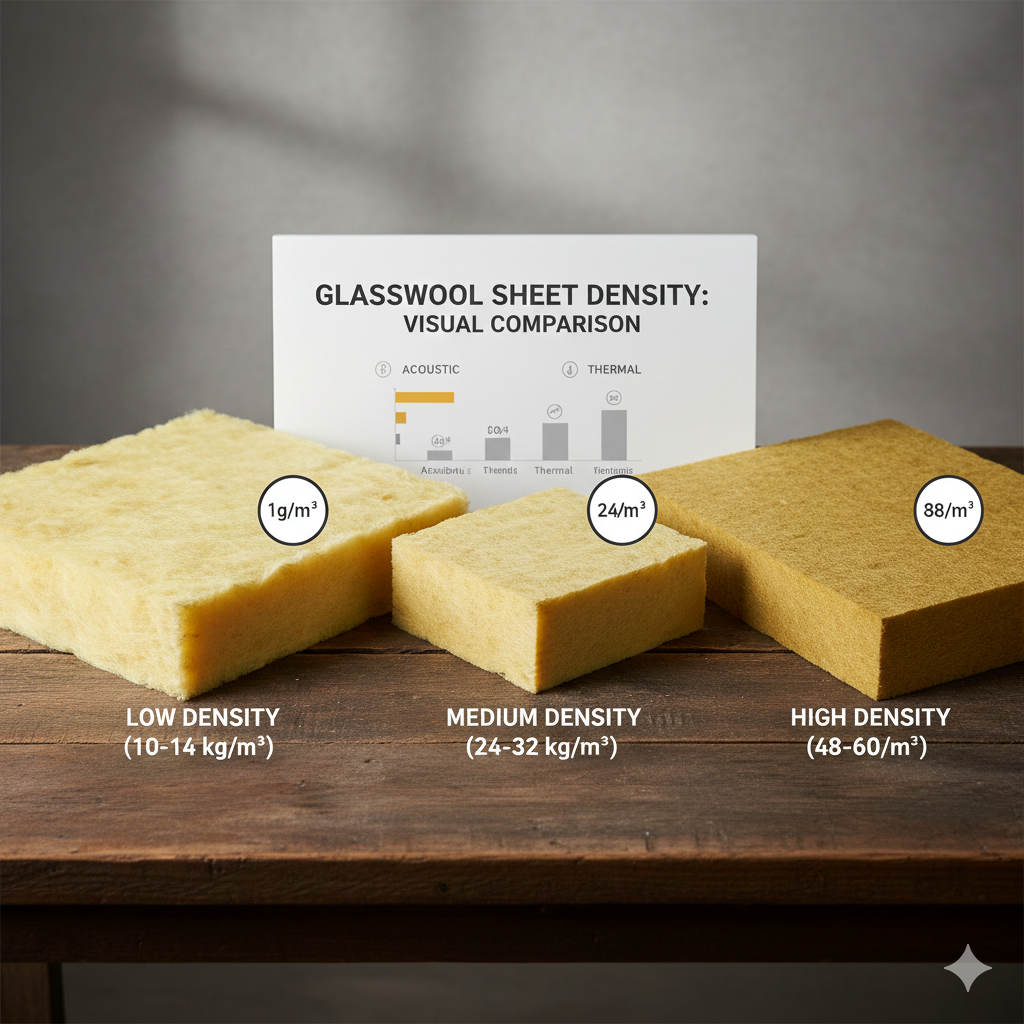
    glasswool density

    Insulation density refers to the weight of material per cubic meter. It directly affects strength, heat resistance, and long-term performance. However, choosing the wrong density can result in poor insulation, compression, or reduced lifespan.

    Furthermore, understanding insulation density kg/m3 ensures the insulation performs as intended under real-world conditions.

    Types of Insulation Materials Used in Buildings

    Modern construction uses multiple types of insulation material depending on thermal, acoustic, and structural requirements. Below is a practical overview of common materials used in Pakistan.

    Expanded Polystyrene (EPS) Density Explained

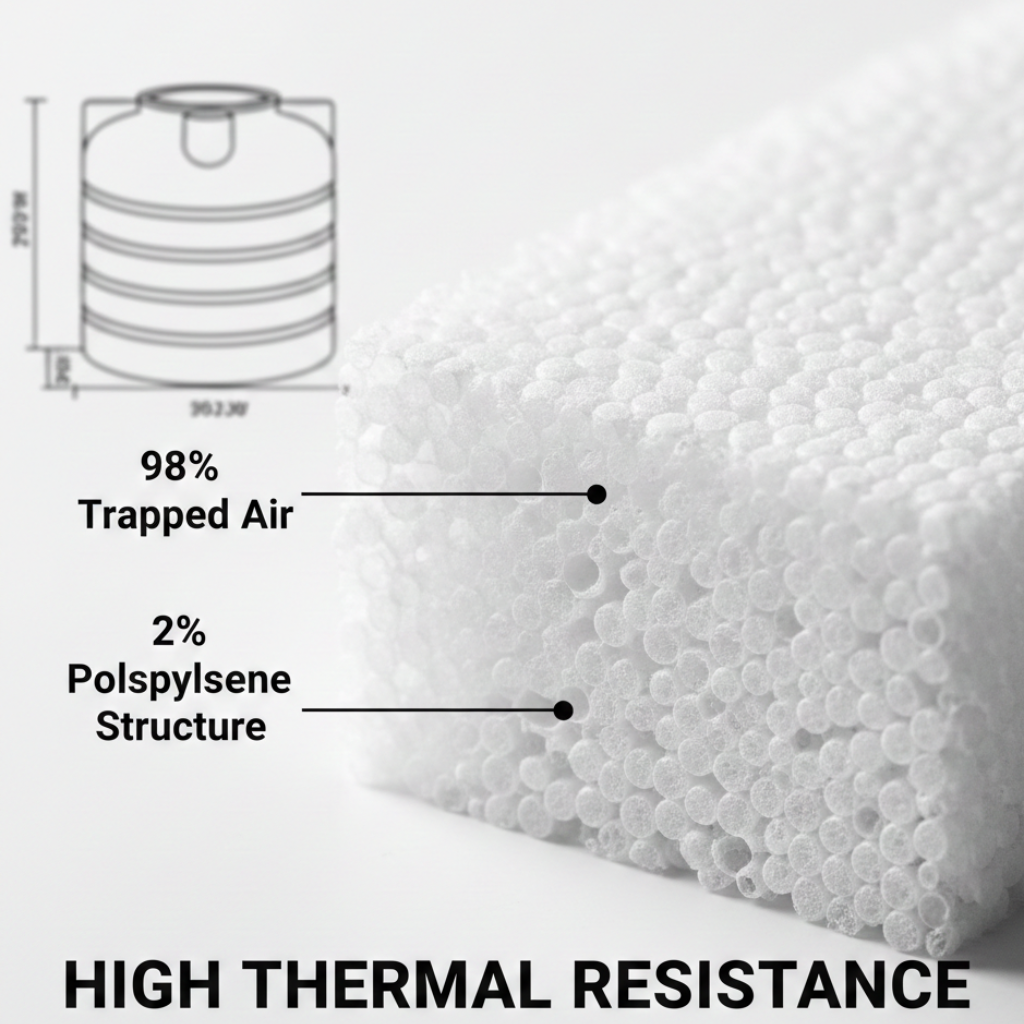
    EPS Thermal Insulation

    EPS is a lightweight insulation material widely used in walls and floors. It provides good thermal resistance while remaining cost-effective.

    Typical density range:

    • Low-density EPS for residential walls
    • Medium-density EPS for floors and partitions

    EPS is part of the broader thermal insulation materials in building applications due to its ease of installation and affordability.

    Extruded Polystyrene (XPS) Density Explained

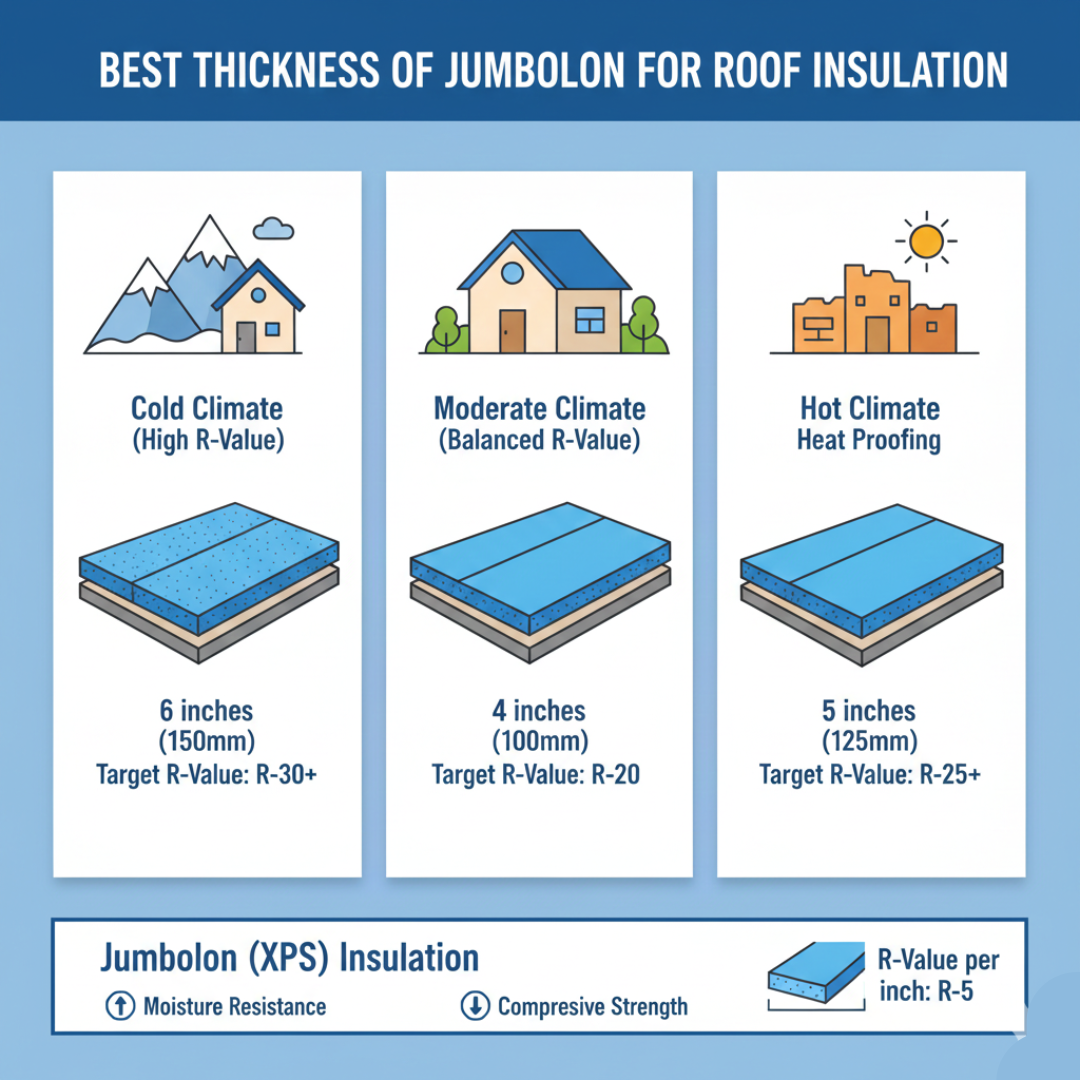
    Best Thickness of Jumbolon for Roof Insulation

    XPS insulation is denser than EPS and offers higher compressive strength and moisture resistance. It is often used in roofs, basements, and exterior walls.

    Because of its structure, XPS performs well as a hot insulation material in areas exposed to direct sunlight and moisture.

    Rockwool Insulation Density Overview

    rockwool mattress insulation for industrial plant

    Rockwool insulation is known for fire resistance and sound absorption. Selecting the correct rockwool insulation density kg/m3 is essential for achieving optimal performance.

    Lower densities are used for acoustic insulation, while higher densities are suitable for industrial and fire-rated applications.

    Rockwool is commonly selected as a best heat insulation material for commercial and industrial buildings due to its thermal stability.

    Glasswool Insulation Density Explained

    glasswool insulation density

    Glasswool insulation offers excellent thermal and acoustic performance at relatively low weight. It is commonly used in ceilings, HVAC ducts, and interior walls.

    Lower densities suit ceiling applications, while medium densities are preferred for partitions and ducts within thermal insulation materials in building systems.

    Aluminium Foil Insulation and Density Concept

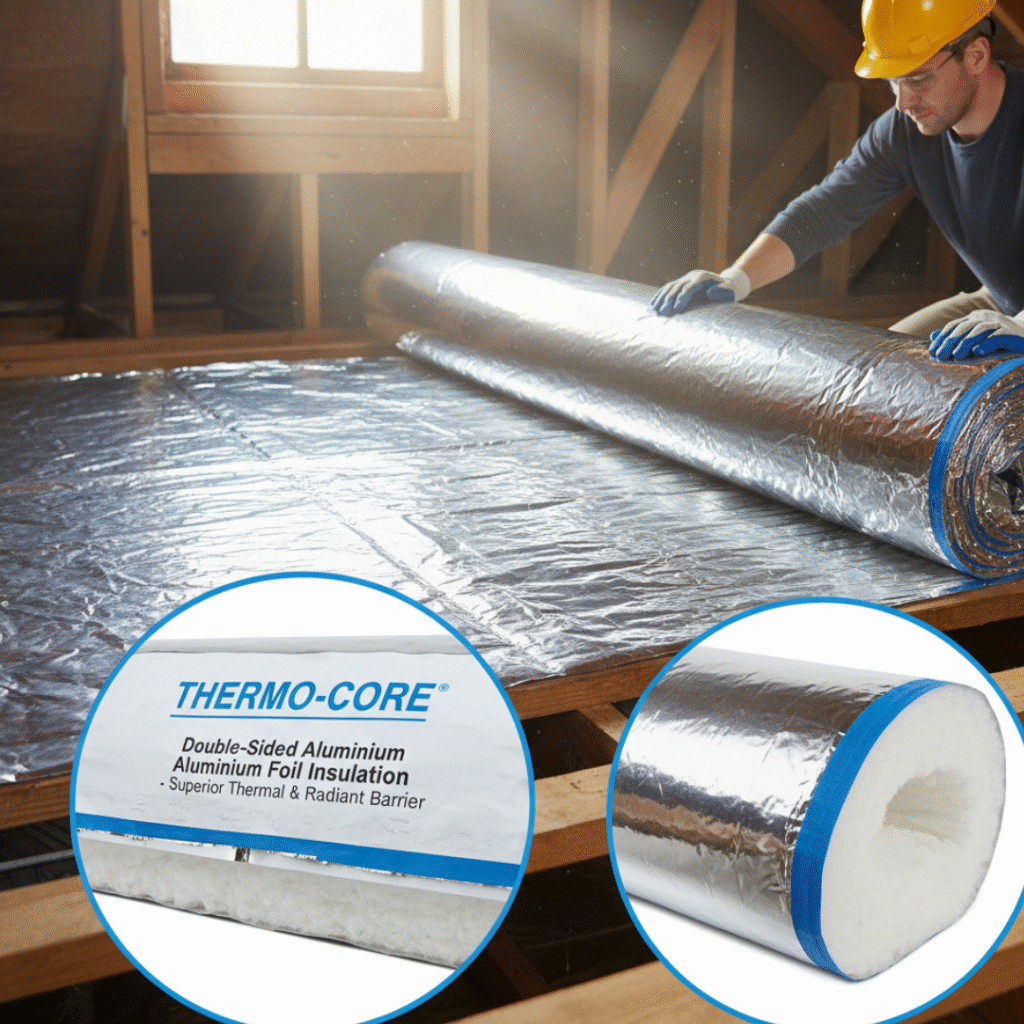
    double sided aluminium sheet price

    Unlike fibrous insulation, aluminium foil does not rely on density to resist heat. Instead, it reflects radiant heat. When combined with foam or fiber insulation, it enhances overall performance.

    However, aluminium foil is often paired with other insulation materials to create layered systems for maximum efficiency.

    Insulation Density Chart (General Overview)

    An insulation density chart helps compare materials and applications:

    • EPS: Low to medium density
    • XPS: Medium to high density
    • Rockwool: Medium to high density
    • Glasswool: Low to medium density
    • Aluminium foil: Reflective layer (non-density based)

    However, this chart simplifies material selection based on structural and thermal needs.

    Thermal Insulation Materials List for Practical Use

    Thermocol Sheet For Schools

    A practical thermal insulation materials list for buildings includes:

    • EPS boards
    • XPS boards
    • Rockwool slabs
    • Glasswool rolls
    • Aluminium foil insulation

    Moreover, each material serves a specific purpose based on density, location, and performance requirements.

    Choosing the Best Heat Insulation Material by Density

    The best heat insulation material is not defined by density alone. Roofs require different density levels than walls or industrial pipelines.

    For example:

    • Low density works for ceilings and partitions
    • Medium density suits residential walls
    • High density is required for industrial and fire-rated zones

    However, matching density to application ensures long-term insulation efficiency.

    Conclusion

    Understanding insulation sheet densities is essential for selecting the right insulation material in Pakistan. EPS, XPS, rockwool, glasswool, and aluminium foil each offer unique benefits when used at appropriate density levels.

    Moreover, by considering insulation density alongside application requirements, builders and homeowners can achieve better thermal comfort, energy savings, and durability.’

    FAQ’S

    Insulation density kg/m³ refers to the weight of insulation material per cubic meter. Higher density usually offers better strength and durability, while lower density is suitable for lightweight applications like ceilings.

    Medium-density insulation is generally best for residential buildings as it balances thermal performance, durability, and cost for walls and roofs.

    Rockwool insulation density kg/m³ affects fire resistance, sound absorption, and thermal stability. Higher density is recommended for industrial and fire-rated applications.

    Aluminium foil insulation does not rely on density for performance. It works by reflecting radiant heat and is usually combined with other insulation materials.