


Warehouses play a critical role in supply chains, storage, and industrial operations. However, maintaining a stable internal temperature remains one of the biggest challenges for warehouse owners. Warehouse Temperature Control Using Insulation has emerged as one of the most effective and cost-efficient solutions to protect goods, reduce energy consumption, and improve operational efficiency.
Why Temperature Control Is Important in Warehouses

Extreme temperature fluctuations can damage stored products, increase energy bills, and reduce workforce productivity. From food storage to pharmaceuticals and manufacturing materials, consistent indoor conditions are essential.
This is where thermal insulation solutions for warehouse environments become a strategic investment rather than an optional upgrade.
Understanding Thermal Insulation for Warehouses
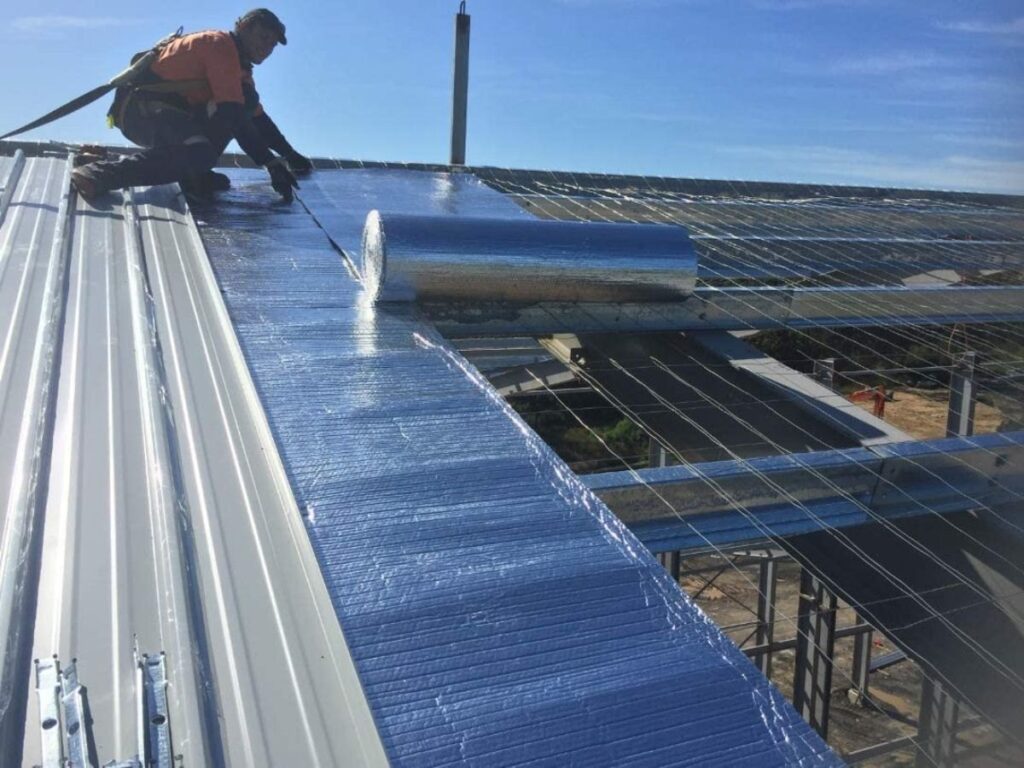
Thermal insulation works by slowing heat transfer between the inside and outside of a building. By using effective thermal insulators, warehouses can maintain stable temperatures regardless of external weather conditions.
Proper insulation minimizes heat gain during summer and heat loss during winter, making temperature control systems more efficient.
Insulating a Warehouse: Where to Start

When insulating a warehouse, the focus should be on areas most exposed to heat transfer:
- Roofs and ceilings
- External walls
- Loading docks and shutters
- Floors (in temperature-sensitive storage)
A well-planned insulation strategy improves overall temperature stability and reduces dependence on mechanical cooling.
Common Thermal Insulators Used in Warehouses
Several thermal insulators are commonly used for warehouse applications, including:
- Polyurethane foam systems
- Mineral wool insulation
- Extruded polystyrene boards
- Reflective insulation materials
Each material serves a specific purpose depending on warehouse size, stored goods, and climate conditions.
How to Make Temperature Controlled Warehouses
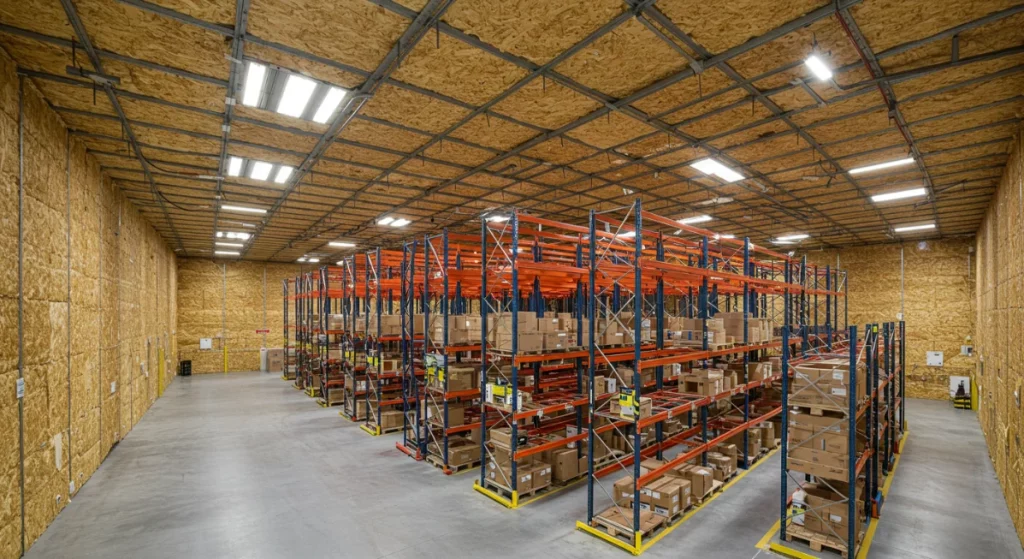
Many warehouse owners ask how to make temperature controlled warehouses without excessive operational costs. The key steps include:
- Installing high-performance insulation in roofs and walls
- Sealing air leaks and thermal bridges
- Using insulation with proven thermal resistance
- Integrating insulation with efficient HVAC systems
Insulation acts as the foundation, while cooling or heating systems fine-tune the temperature.
Warehouse Insulation in Pakistan: Growing Demand
With rising temperatures and energy costs, warehouse insulation in Pakistan is gaining strong demand across industrial zones. Logistics centers, cold storage facilities, and manufacturing units are increasingly investing in insulation to reduce long-term expenses.
The availability of professional thermal insulation in Pakistan has also improved, making installation more accessible.
Thermal Insulation Solutions for Warehouse Operations
Modern thermal insulation solutions for warehouse projects focus on:
- Energy efficiency
- Long service life
- Low maintenance
- Compatibility with industrial structures
These solutions help maintain consistent temperatures even in large, open spaces.
Cost Factors: Understanding Insulation Pricing
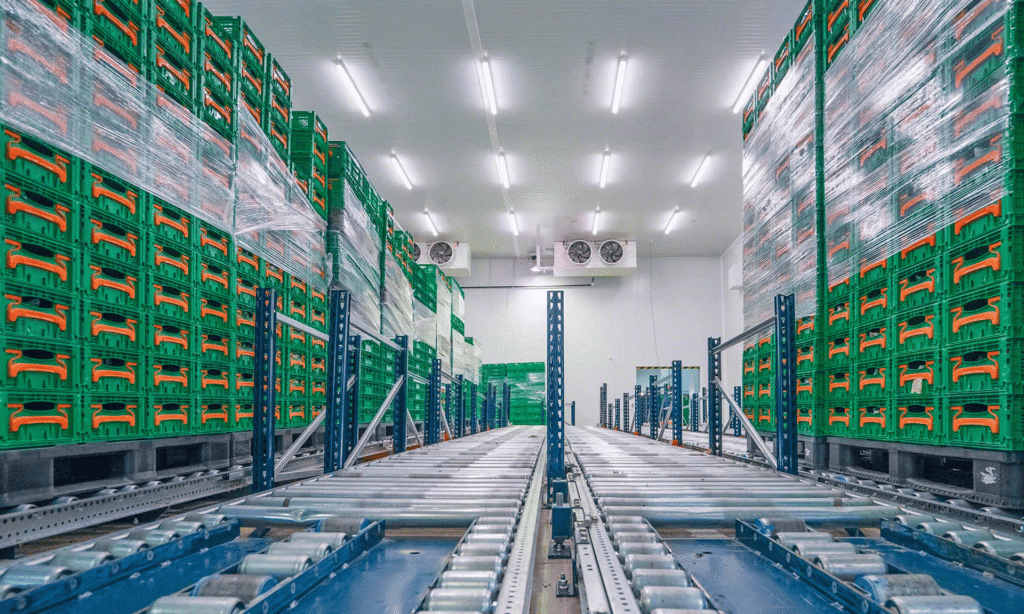
Thermal Insulation Price Overview
The thermal insulation price depends on material type, thickness, installation area, and labor requirements. High-performance insulation may have a higher initial cost but delivers long-term savings.
Thermal Insulation Price in Pakistan
When evaluating thermnal insulation price in pakistan, factors such as climate conditions, material availability, and installation expertise play a major role. Prices vary depending on whether insulation is applied to roofs, walls, or complete warehouse envelopes.
Warehouse Insulation Price Considerations
The warehouse insulation price is influenced by warehouse size, insulation system complexity, and temperature control requirements.
For large facilities, warehouse insulation price in pakistan is often calculated per square foot, making insulation a scalable solution for both small and large warehouses.
Benefits of Warehouse Temperature Control Using Insulation
- Reduced energy consumption
- Lower operational costs
- Improved product safety
- Extended equipment lifespan
- Better working conditions for staff
These benefits make insulation one of the smartest infrastructure investments for warehouse owners.
Choosing the Right Insulation Strategy
To maximize performance, insulation selection should consider:
- Type of goods stored
- Desired temperature range
- Local climate conditions
- Budget and long-term goals
Professional assessment ensures the insulation system delivers consistent results.
Conclusion
Warehouse Temperature Control Using Insulation is no longer a luxury—it is a necessity for efficient and sustainable operations. From selecting the right thermal insulators to understanding thermal insulation price and warehouse insulation price in pakistan, insulation plays a key role in building temperature-controlled warehouses.
With growing demand for thermal insulation in Pakistan, warehouse owners who invest in proper insulation today will gain long-term cost savings, operational stability, and competitive advantage.
FAQ’S
Warehouse insulation is essential in Pakistan due to extreme summer temperatures. Proper insulation reduces heat transfer, protects stored goods, lowers electricity consumption, and improves working conditions inside warehouses.
The best insulation depends on usage, but polyurethane foam, mineral wool, and XPS boards are commonly used. These materials provide strong thermal resistance and are suitable for temperature-controlled warehouses.
Warehouse insulation cost varies based on material type, thickness, and total covered area. The warehouse insulation price in Pakistan is usually calculated per square foot and offers long-term energy savings.
Insulation plays a critical role, but a temperature-controlled warehouse also requires proper sealing, ventilation planning, and integration with cooling or HVAC systems for best results.
High-quality insulation materials can last 20–30 years with minimal maintenance, making them a cost-effective solution for industrial and commercial warehouses.


