
thermocol sheet price in pakistan

Tag: Insulation contractors in Islamabad

  • How to Insulate a Water Tank | Guide for Pakistani Homes

    How to Insulate a Water Tank | Guide for Pakistani Homes

    Water tanks in Pakistan are constantly exposed to harsh weather—extreme heat in summer and cold conditions in winter. This exposure affects water temperature, quality, and even the durability of the tank itself. Understanding how to properly insulate a tank is essential for maintaining a stable water supply.

    Whether you live in a hot region or a moderate climate, knowing how to insulate a water tank in Pakistan can help improve efficiency, reduce maintenance, and enhance daily comfort.

    Why Water Tank Insulation is Important
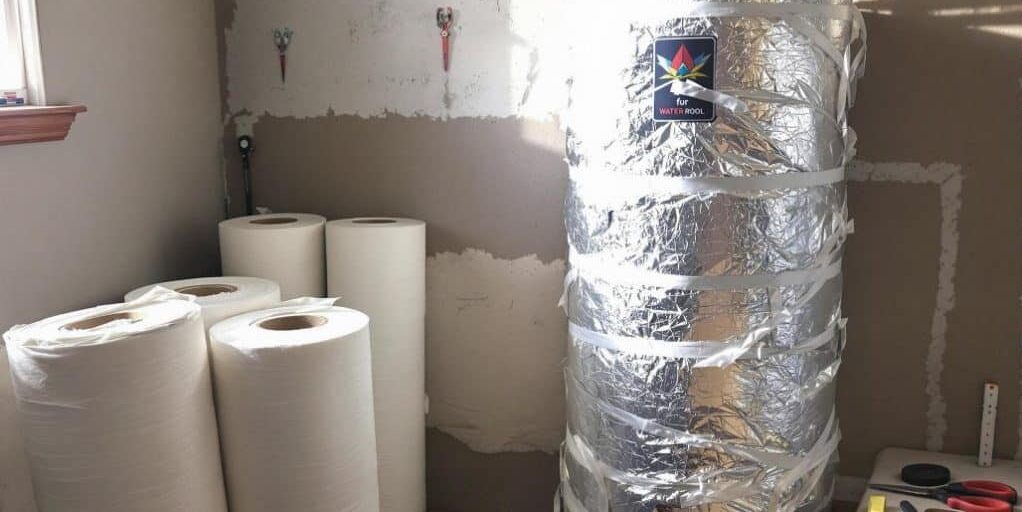
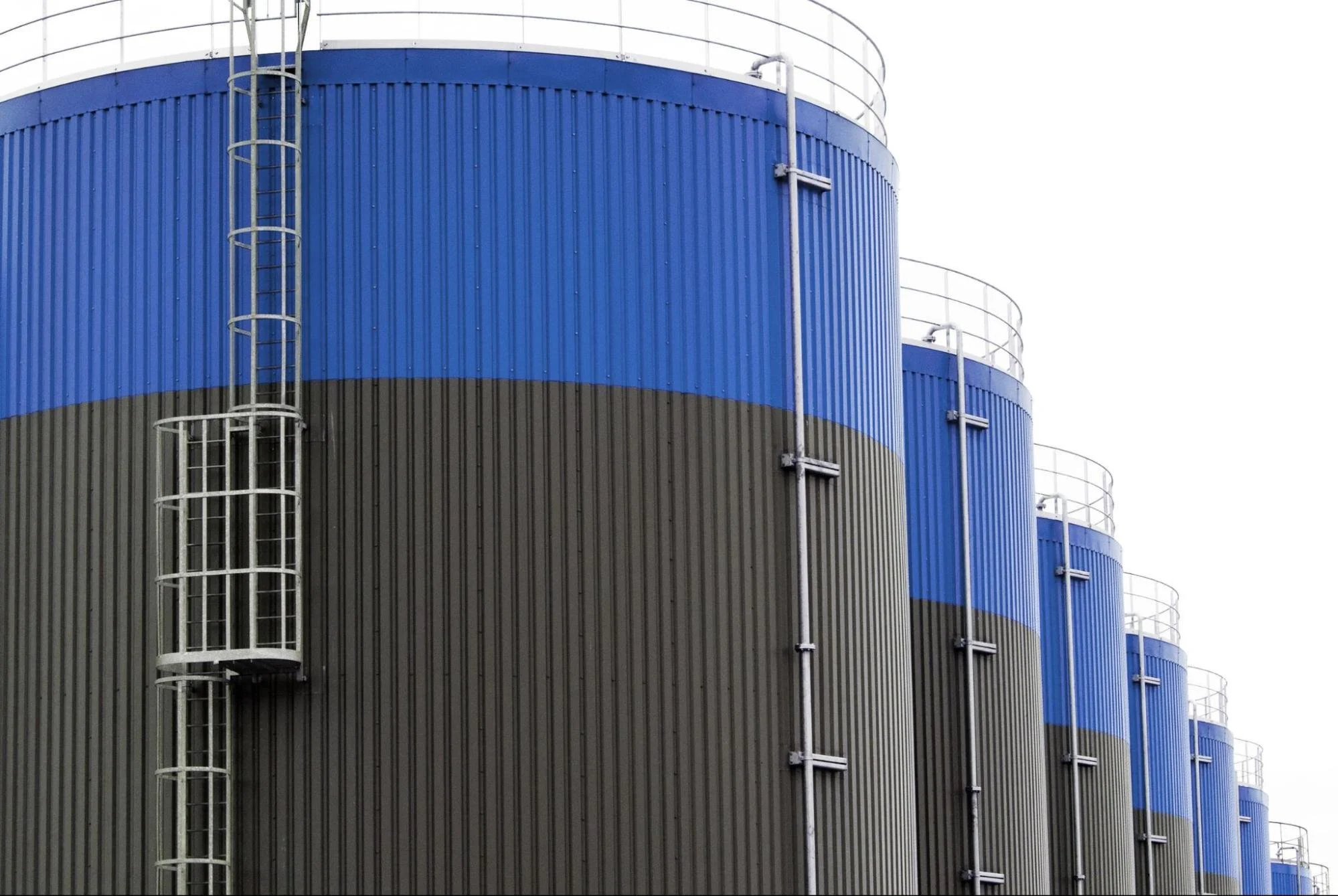
    insulate a water tank in pakistan

    Insulating your water tank offers several benefits:

    • Maintains water temperature
    • Prevents overheating in summer
    • Reduces heat loss in winter
    • Protects tank material from damage
    • Improves water quality

    For homeowners searching for the best insulate a water tank in Pakistan, insulation is a simple yet highly effective solution.

    Common Problems Without Insulation

    Without proper insulation, water tanks may face:

    • Extremely hot water during summer
    • Algae growth due to heat exposure
    • Cracks and damage in tank material
    • Increased energy usage if connected to heating systems

    These issues are common in cities like Multan and Karachi, making it essential to understand how to insulate a water tank in Multan or similar climates.

    Materials Used to Insulate a Water Tank

    Choosing the right material is key to effective insulation.

    1. Foam Insulation Sheets

    • Lightweight and easy to install
    • Provides strong thermal resistance

    2. Fiberglass Insulation

    • Cost-effective solution
    • Suitable for residential tanks

    3. Reflective Insulation

    • Reflects sunlight and reduces heat absorption
    • Ideal for rooftop tanks

    4. Polyurethane (PU) Spray

    • High-performance insulation
    • Long-lasting and durable

    Selecting the right option ensures you achieve the top insulate a water tank in Pakistan performance.

    Step-by-Step Guide: How to Insulate a Water Tank
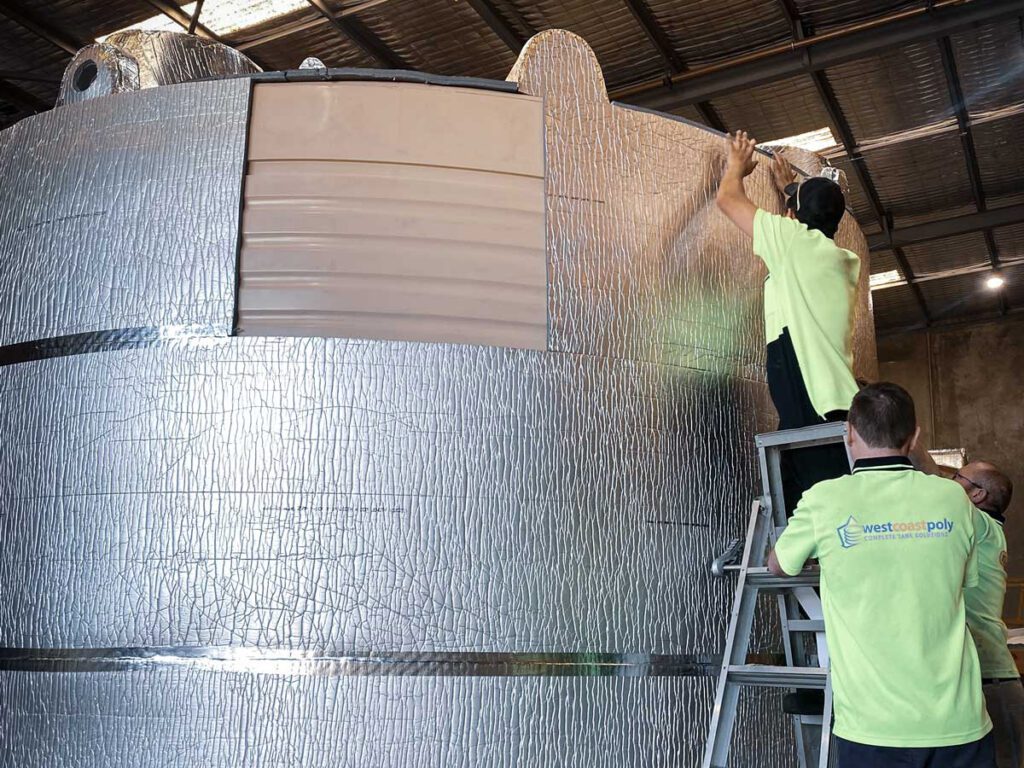
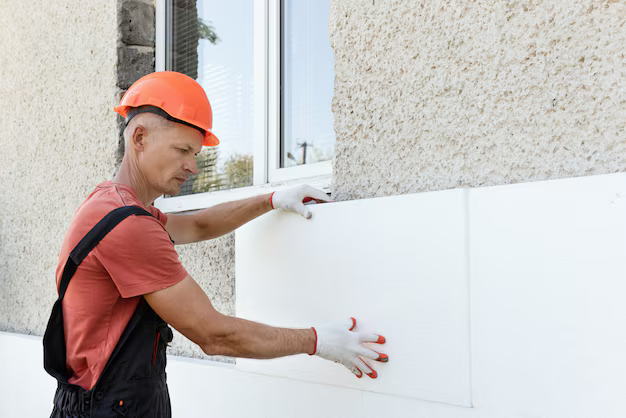
    water tank insulation installation

    Step 1: Clean the Tank Surface

    Ensure the tank is clean and dry before applying insulation material.

    Step 2: Measure the Tank

    Take accurate measurements to calculate material requirements.

    Step 3: Apply Insulation Material

    Wrap or spray the chosen insulation material evenly around the tank.

    Step 4: Cover with Protective Layer

    Use aluminum sheets or weatherproof coating to protect insulation.

    Step 5: Seal All Gaps

    Ensure there are no exposed areas where heat can enter.

    This simple process works effectively whether you want to insulate a water tank in Lahore or any other city.

    City-Wise Water Tank Insulation in Pakistan
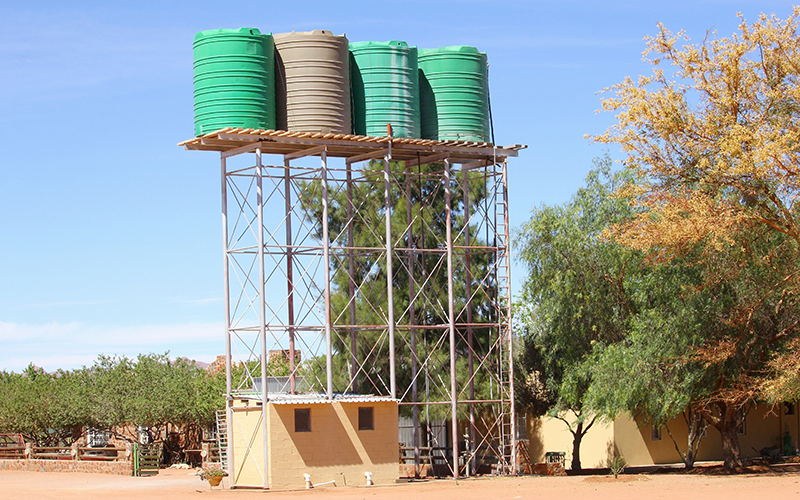
    Insulate a Water Tank in Lahore

    In Lahore’s hot summers, insulation helps keep water cooler and reduces heat absorption from rooftops.

    Insulate a Water Tank in Islamabad

    For Islamabad’s varying climate, insulation ensures stable water temperature throughout the year.

    Insulate a Water Tank in Faisalabad

    Industrial and residential users benefit from insulate a water tank in Faisalabad to maintain water quality and reduce heat impact.

    Insulate a Water Tank in Multan

    Extreme temperatures make insulate a water tank in Multan essential for preventing overheating.

    Insulate a Water Tank in Karachi

    Humidity and heat require proper solutions when planning to insulate a water tank in Karachi.

    Insulate a Water Tank Price in Pakistan

    The insulate a water tank price in Pakistan depends on material and tank size.

    Estimated Cost Table

    Material TypePrice Range (PKR)
    Foam Sheets2,000 – 8,000
    Fiberglass3,000 – 10,000
    Reflective Sheets2,500 – 7,000
    PU Spray5,000 – 15,000

    The overall insulate a water tank in Pakistan price may vary depending on labor and location.

    Manufacturers and Wholesalers in Pakistan

    Many companies provide insulation materials and services across the country.

    • Insulate a water tank manufacturer in Pakistan offers foam boards, PU spray, and reflective sheets
    • Bulk suppliers act as insulate a water tank wholeseller in Pakistan
    • Contractors often work with top insulate a water tank wholeseller in Pakistan for large-scale projects

    Choosing reliable suppliers ensures quality and durability.

    Cheap vs Quality Insulation – What to Choose?

    While cheap insulate a water tank in Pakistan options are available, they may not provide long-term benefits.

    Low-cost insulation may:

    • Wear out quickly
    • Provide weak thermal protection
    • Require frequent replacement

    Investing in quality materials ensures better performance and durability.

    Tips for Better Water Tank Insulation
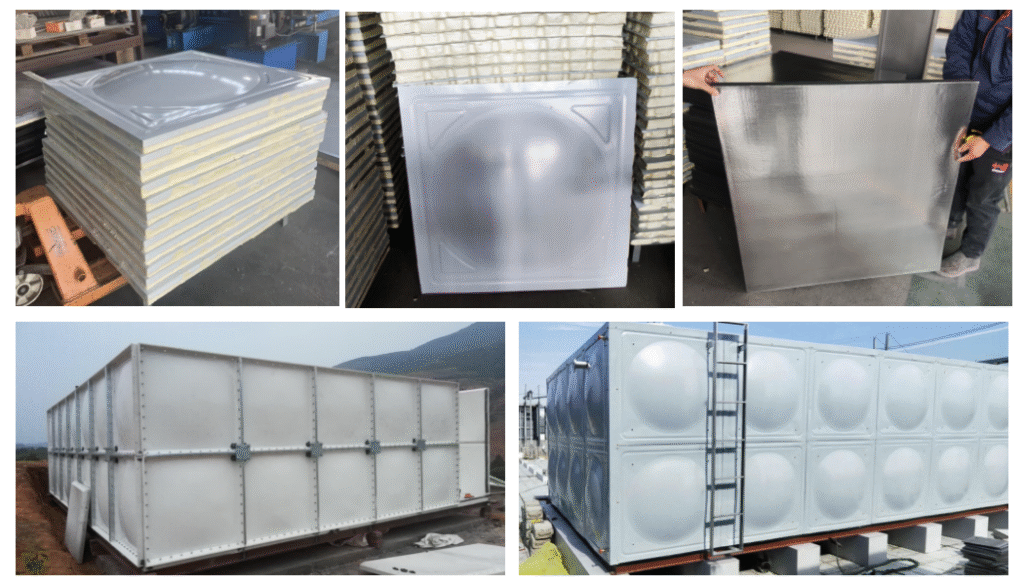
    • Install insulation on both sides (top and walls)
    • Use UV-resistant outer layers
    • Regularly check for damage
    • Combine insulation with shading (roof cover)

    These tips help achieve the best insulate a water tank in Pakistan results.

    Long-Term Benefits of Water Tank Insulation

    • Improved water hygiene
    • Consistent water temperature
    • Reduced maintenance costs
    • Increased tank lifespan

    Conclusion

    Learning how to properly insulate a water tank is essential for homes across Pakistan. From insulate a water tank in Lahore to insulate a water tank in Karachi, the need for insulation continues to grow due to climate conditions.

    By choosing the right materials and working with a trusted insulate a water tank wholeseller in Pakistan or manufacturer, you can ensure long-term performance, cost savings, and better water quality.

    FAQ’S

    Insulating a water tank helps maintain water temperature, prevents overheating in summer, reduces algae growth, and increases the lifespan of the tank.

    The insulate a water tank price in Pakistan typically ranges from PKR 2,000 to PKR 15,000 depending on the material, tank size, and installation method.

    Foam sheets, PU spray, and reflective insulation are considered the best options. The right choice depends on your budget and climate conditions.

    Small tanks can be insulated using DIY methods, but for long-lasting and efficient results, hiring professional insulation contractors is recommended.
  • Full Comparison Chart of All Insulation Materials

    Full Comparison Chart of All Insulation Materials

    Insulation materials play a critical role in maintaining energy efficiency, controlling indoor temperature, and reducing utility costs. With numerous types of insulation available, it can be overwhelming to choose the right one for your project. In this blog, we present a Full Comparison Chart of All Insulation Materials in Pakistan, helping you make an informed decision. We will also discuss the thermal conductivity of all insulation materials and identify the best insulation board for roof applications.

    What is Insulation Material?

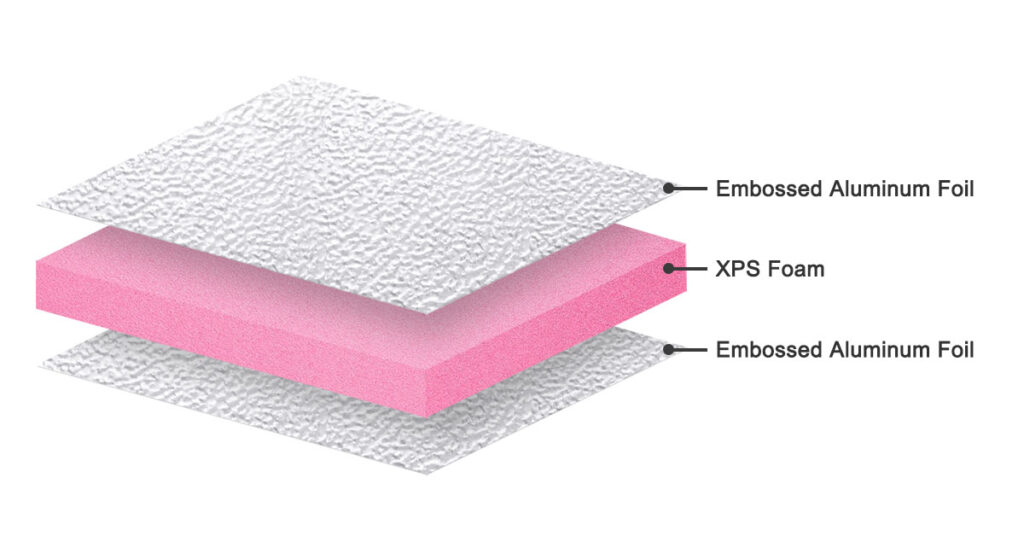
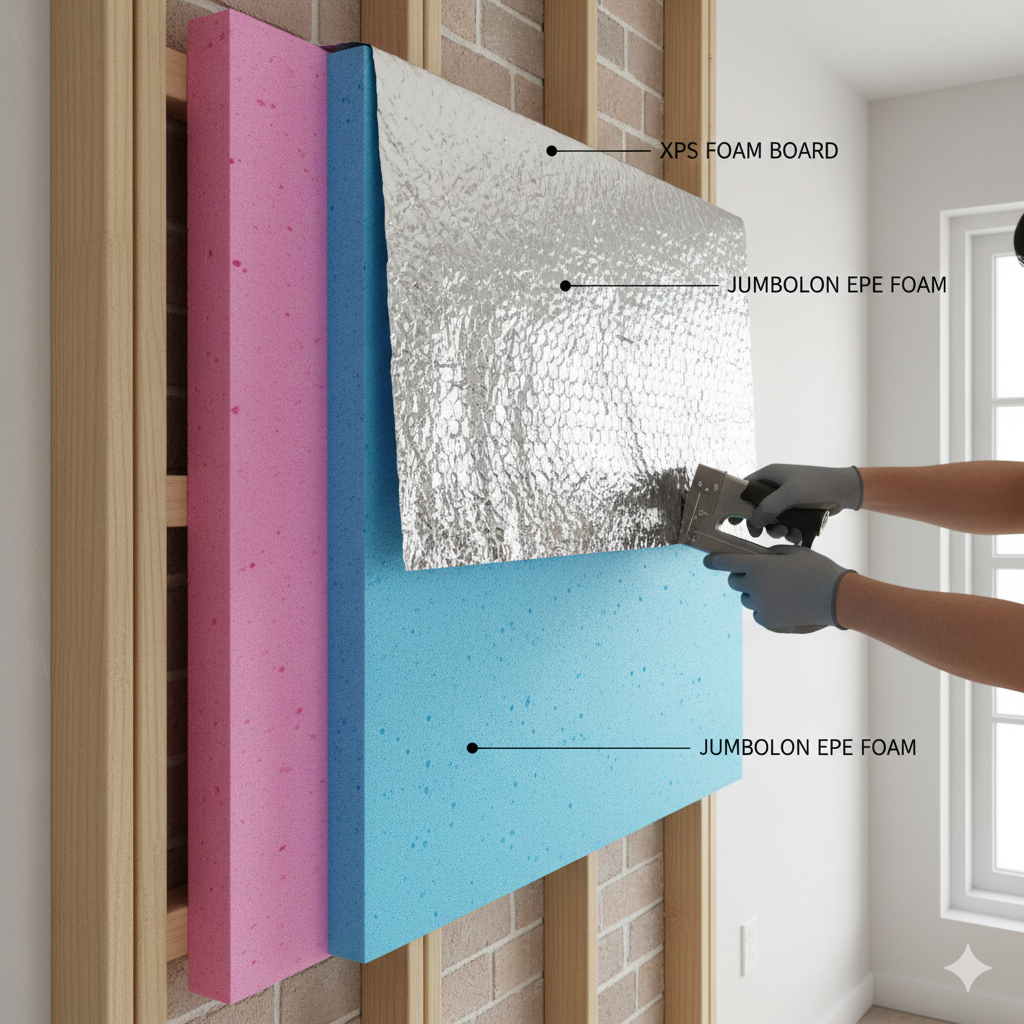
    Using aluminium foil with jumbolon

    Insulation materials are substances used in buildings to reduce heat transfer, sound, or vibration in Pakistan. They help maintain comfortable indoor temperatures while minimizing energy consumption. Different insulation materials have unique properties, including density, thermal resistance, and moisture resistance, which make them suitable for specific applications.

    Importance of Choosing the Right Insulation

    Selecting the right insulation material affects:

    • Energy Efficiency: Proper insulation reduces heating and cooling costs.
    • Comfort: Maintains a consistent indoor temperature.
    • Noise Reduction: Certain insulation materials provide excellent acoustic control.
    • Durability: High-quality insulation extends the lifespan of your building structure.

    The Full Comparison Chart of All Insulation Materials below summarizes these aspects to simplify your choice.

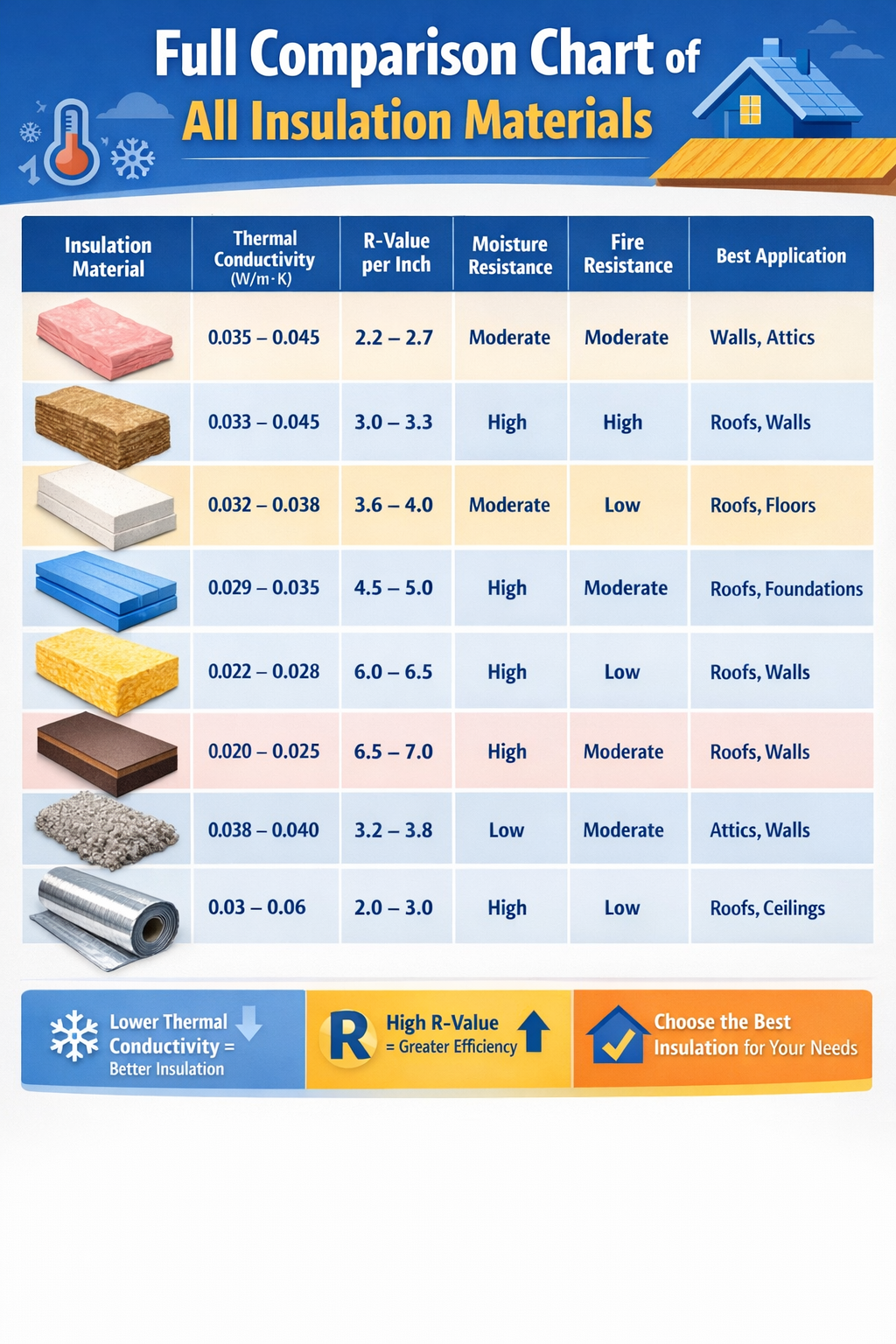
    Full Comparison Chart of All Insulation Materials

    Insulation MaterialThermal Conductivity (W/m·K)R-Value per InchMoisture ResistanceFire ResistanceBest Application
    Fiberglass0.035 – 0.0452.2 – 2.7ModerateModerateWalls, Attics
    Mineral Wool0.033 – 0.0453.0 – 3.3HighHighRoofs, Walls
    Expanded Polystyrene (EPS)0.032 – 0.0383.6 – 4.0ModerateLowRoofs, Floors
    Extruded Polystyrene (XPS)0.029 – 0.0354.5 – 5.0HighModerateRoofs, Foundations
    Polyurethane Foam (PU)0.022 – 0.0286.0 – 6.5HighLowRoofs, Walls
    Phenolic Foam0.020 – 0.0256.5 – 7.0HighModerateRoofs, Walls
    Cellulose0.038 – 0.0403.2 – 3.8LowModerateAttics, Walls
    Reflective Foil0.03 – 0.062.0 – 3.0HighLowRoofs, Ceilings

    This Full Comparison Chart of All Insulation Materials allows homeowners, contractors, and architects to evaluate materials based on thermal conductivity of all insulation materials and other critical properties.

    Thermal Conductivity of All Insulation Materials

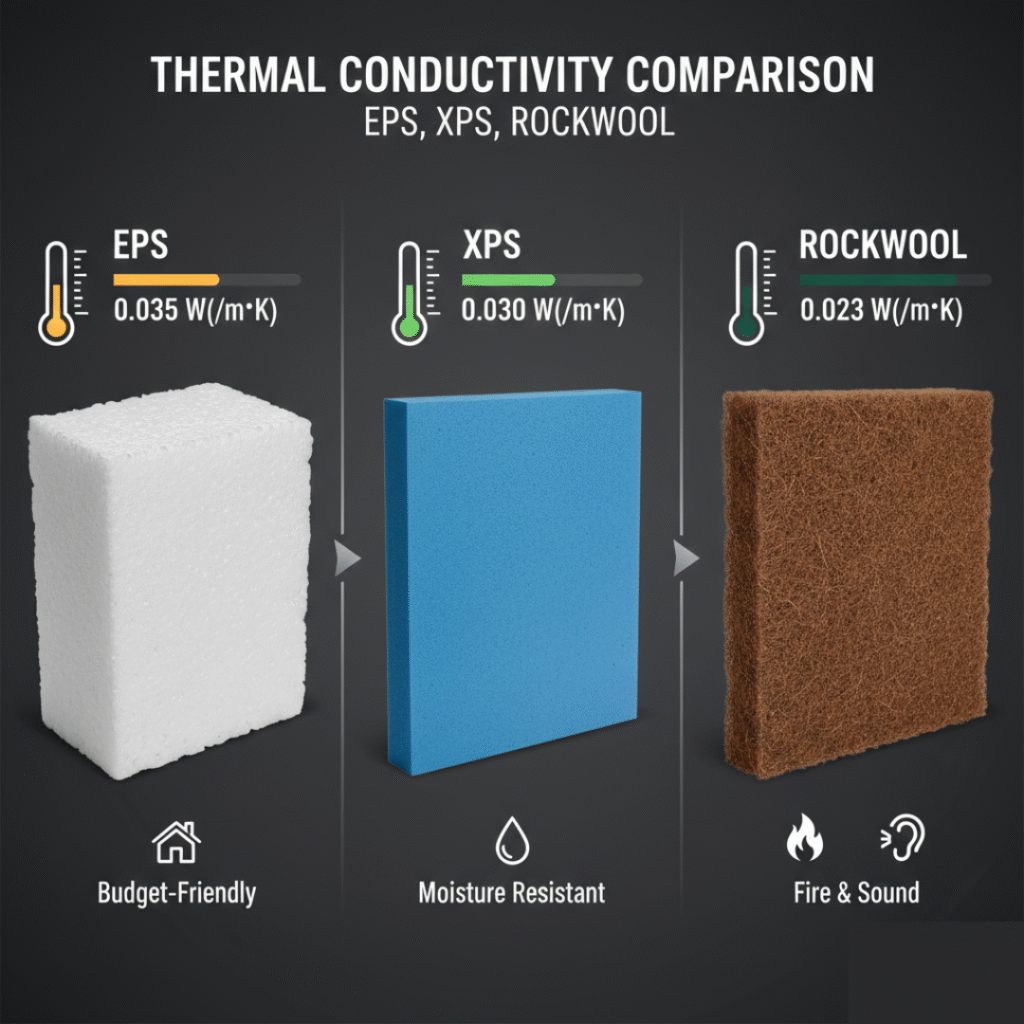
    Thermal Conductivity EPS XPS Rockwool

    Thermal conductivity measures how well a material conducts heat. Lower values indicate better insulation performance. Here’s a quick breakdown:

    • Fiberglass: 0.035 – 0.045 W/m·K, suitable for walls and attics.
    • Mineral Wool: 0.033 – 0.045 W/m·K, excellent for fire-resistant applications.
    • EPS & XPS: 0.029 – 0.038 W/m·K, perfect for roofs and foundations.
    • PU & Phenolic Foam: 0.020 – 0.028 W/m·K, among the most efficient insulators.
    • Cellulose: 0.038 – 0.040 W/m·K, eco-friendly and cost-effective.
    • Reflective Foil: 0.03 – 0.06 W/m·K, best for radiant heat reflection.

    Understanding the thermal conductivity of all insulation materials helps determine the R-value needed for your specific building requirements in Pakistan.

    Best Insulation Board for Roof

    When it comes to roofing, you need materials that offer:

    • Low thermal conductivity
    • Moisture resistance
    • Durability against weather conditions

    Based on these factors, the best insulation board for roof applications are:

    1. Extruded Polystyrene (XPS) – Highly moisture-resistant and strong.
    2. Polyurethane (PU) Foam Board – Exceptional thermal performance and lightweight.
    3. Phenolic Foam Board – Superior insulation with a high R-value per inch.

    These boards ensure your roof stays cool in summer and warm in winter, improving energy efficiency and reducing long-term costs.

    How to Choose the Right Insulation

    Consider these factors before selecting an insulation material:

    1. Purpose: Walls, roofs, floors, or attics.
    2. Climate: Hot, cold, or humid regions.
    3. Budget: Initial cost vs. long-term energy savings.
    4. Environmental Impact: Recyclable and eco-friendly options.
    5. Fire and Moisture Resistance: Essential for safety and durability.

    Using the Full Comparison Chart of All Insulation Materials will simplify this selection process.

    Conclusion

    Choosing the right insulation material is critical for building comfort, energy efficiency, and safety. The Full Comparison Chart of All Insulation Materials presented here, along with details about thermal conductivity of all insulation materials and the best insulation board for roof, helps you make a well-informed decision.

    Invest wisely in insulation today, and enjoy lower energy bills, better comfort, and a sustainable home for years to come.

    FAQ’S

    For hot climates, materials with low thermal conductivity like PU foam, XPS, and Phenolic foam are ideal, as they reduce heat transfer and keep interiors cooler.

    The best insulation board for roof applications depends on moisture resistance, thermal efficiency, and durability. XPS, PU foam, and Phenolic boards are excellent options.

    EPS (Expanded Polystyrene) has slightly higher thermal conductivity and lower moisture resistance than XPS (Extruded Polystyrene), making XPS more suitable for roofing and foundations.

    Thermal conductivity indicates how well a material resists heat flow. Lower thermal conductivity means better insulation performance, reducing energy costs and maintaining comfort.

    Yes, reflective foil is ideal for roofs, ceilings, and walls where radiant heat reflection is important. It works best in combination with other insulation materials for maximum efficiency.