
Insulation plays a critical role in maintaining indoor comfort, reducing energy costs, and protecting buildings from extreme temperatures. However, many homeowners and builders in Pakistan unknowingly make insulation mistakes that reduce effectiveness and increase long-term expenses.
This guide explains the most common insulation mistakes and provides practical solutions to avoid them for better thermal performance and durability.
Why Proper Insulation Matters
Correct insulation helps regulate indoor temperatures, reduces heat transfer, and improves energy efficiency. Poor insulation decisions can lead to excessive heat gain, moisture issues, and higher electricity bills, especially in Pakistan’s hot climate.
Avoiding common mistakes ensures insulation performs as intended throughout the building’s lifespan.
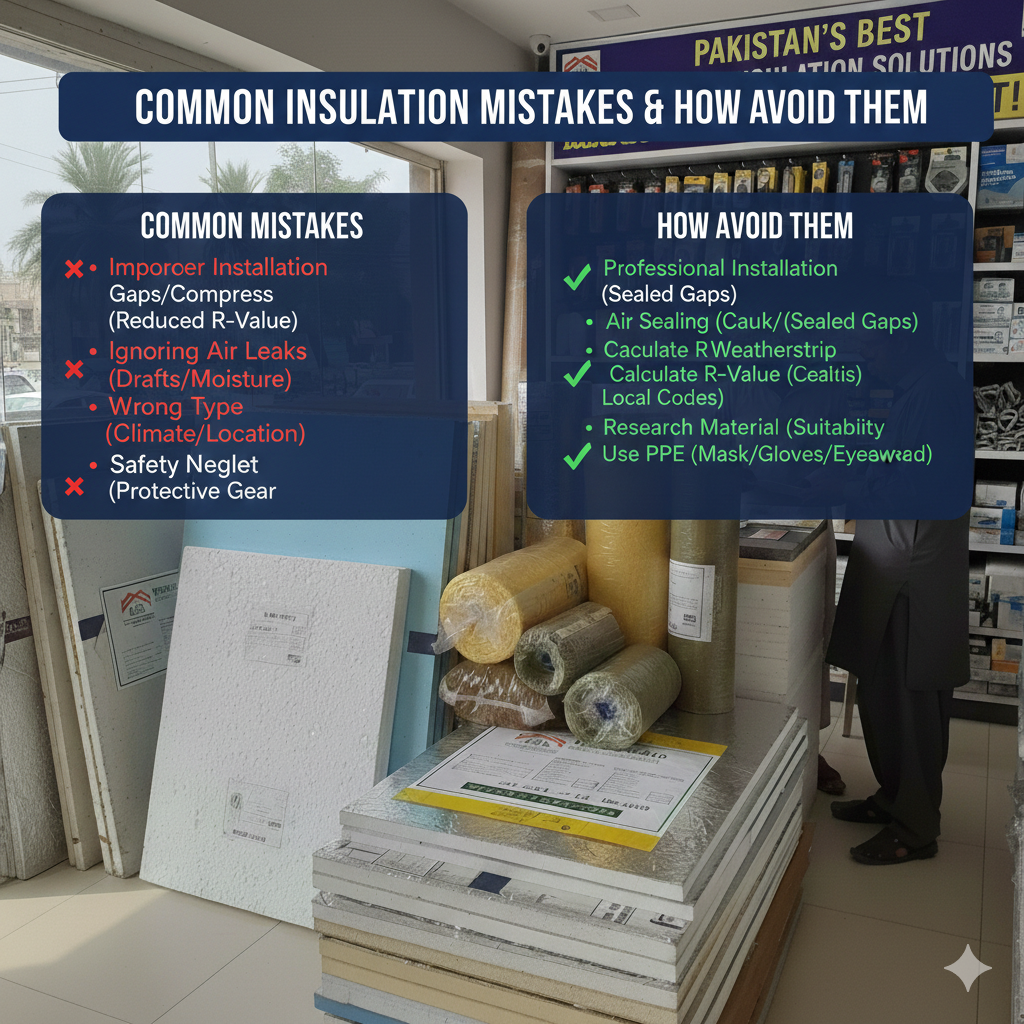
Mistake 1: Choosing the Wrong Insulation Material
One of the most frequent mistakes is selecting insulation based only on price instead of application. Different areas of a building require different insulation materials.
How to Avoid It
Evaluate where insulation will be installed—roof, walls, ceilings, or ducts—and choose materials suitable for that specific location and climate exposure.
Mistake 2: Ignoring Insulation Thickness and Density
Many installations fail because insulation thickness or density is insufficient. Thin or low-density insulation may not provide adequate heat resistance.
How to Avoid It
Always select insulation with appropriate thickness and density based on building type, exposure to sunlight, and temperature requirements.
Mistake 3: Poor Installation Practices
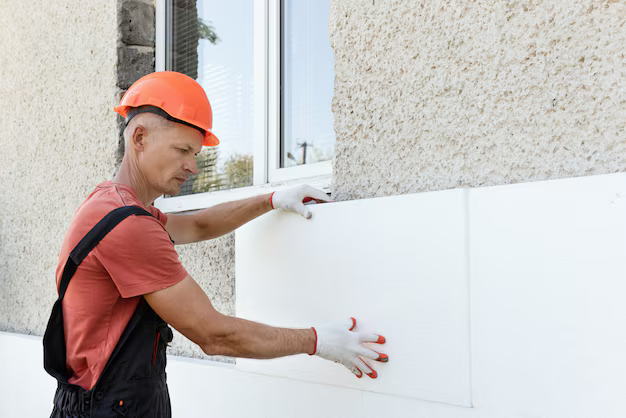
Even the best insulation material fails if installed incorrectly. Gaps, compressed insulation, and unsealed joints reduce effectiveness.
How to Avoid It
Ensure professional installation with proper sealing, alignment, and coverage. Avoid compressing insulation materials during fitting.
Mistake 4: Not Considering Moisture and Ventilation
Insulation without proper moisture control can lead to condensation, mold growth, and structural damage.
How to Avoid It
Use vapor barriers where required and ensure adequate ventilation to prevent moisture buildup
Mistake 5: Skipping Roof Insulation
Many buildings focus on wall insulation but ignore the roof, which receives the most direct heat.
How to Avoid It
Always prioritize roof insulation, especially in hot climates, to significantly reduce indoor heat gain.
Mistake 6: Using One Insulation Type for Entire Building
No single insulation material works perfectly for every part of a building.
How to Avoid It
Combine insulation systems when necessary—for example, reflective insulation for roofs and fiber insulation for walls—to maximize performance.
Mistake 7: Focusing Only on Initial Cost
Low-cost insulation may seem attractive initially but often leads to higher energy bills and replacement costs.
How to Avoid It
Consider insulation as a long-term investment. Higher-quality insulation offers better durability, comfort, and energy savings.
Conclusion
Avoiding common insulation mistakes can significantly improve indoor comfort, energy efficiency, and building lifespan. Proper material selection, correct installation, and thoughtful planning are essential for effective insulation performance.
Making informed insulation choices today prevents costly problems in the future.
FAQ’S
Common insulation mistakes include choosing the wrong material, improper thickness, poor installation, ignoring roof insulation, and neglecting moisture control.
Hire professional installers, follow manufacturer guidelines, ensure proper sealing and alignment, and select materials suitable for the specific application area.
Yes, the roof receives the most direct heat. Proper roof insulation significantly reduces indoor temperatures and energy costs.
No, different areas have different requirements. Combining insulation types—for example, reflective insulation for roofs and fiber insulation for walls—maximizes efficiency.