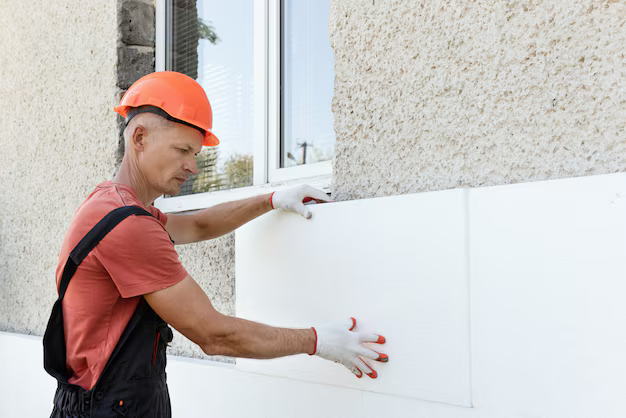

thermocol sheet price in pakistan

Tag: insulation material Pakistan

  • Energy Efficiency Boost with Proper Insulation

    Energy Efficiency Boost with Proper Insulation

    In modern construction, energy efficiency is no longer optional—it’s essential. One of the most effective ways to reduce energy consumption and utility costs is by investing in proper insulation. Whether for residential or commercial buildings, proper insulation ensures that your indoor environment remains comfortable while minimizing energy waste.

    What Is Proper Insulation?

    Proper insulation refers to materials and techniques used to prevent heat loss in winter and heat gain in summer. It acts as a barrier to reduce the exchange of energy between indoor and outdoor environments. Proper insulation can be applied in walls, roofs, attics, and lofts to maximize thermal comfort.

    Key areas include:

    • Roof insulation – The primary barrier against heat entering from above.
    • Attic insulation – Ensures stored heat or cool air is maintained.
    • Loft insulation – Prevents energy loss through uninsulated roof spaces.

    Technical Comparison Table – Roof/Attic Insulation Options

    Insulation MaterialR-Value / Thermal ResistanceWater ResistanceSound AbsorptionLifespan (Years)Typical Price Range (PKR/m²)
    RockwoolHighModerateExcellent20–30700–1,200
    XPS BoardsHighExcellentGood25–30600–1,000
    EPS SheetsMediumGoodFair15–20500–900
    Reflective Aluminium FoilMedium (reflective heat)ExcellentMinimal10–15400–800
    Combination (Foil + XPS)Very HighExcellentGood25–30900–1,400

    Note: Prices and performance may vary depending on thickness, density, and local suppliers.

    How Proper Roof Insulation Improves Energy Efficiency
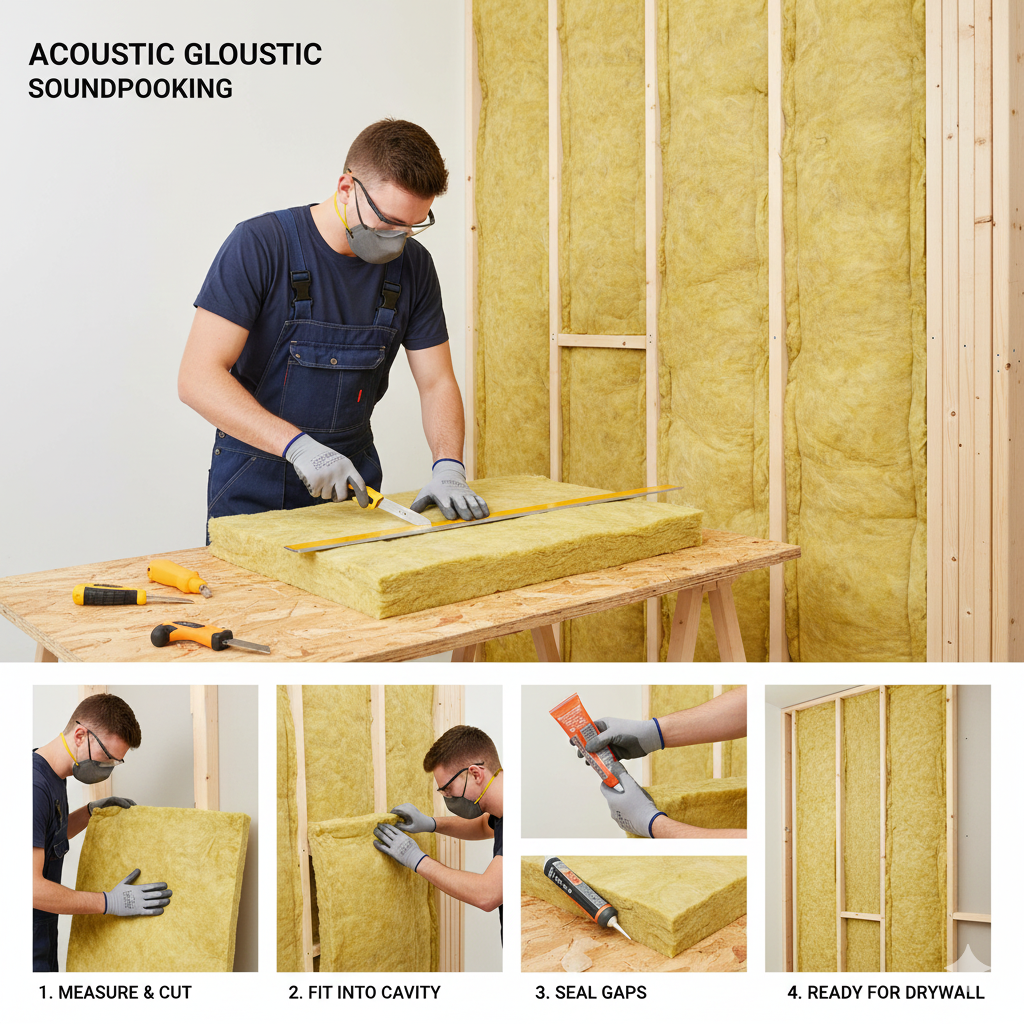
    Glasswool Sheet For Soundproofing

    Proper roof insulation is one of the most impactful investments for energy efficiency. Roofs are responsible for up to 30% of energy loss in buildings. By installing quality insulation:

    • Reduce your heating and cooling cost by maintaining a stable indoor temperature.
    • Improve building comfort during summer and winter months.
    • Proper insulation generally lowers electricity bills by decreasing the load on HVAC systems.
    • Protect roofing materials by reducing thermal stress and condensation.

    Ways to Improve Insulation in Your Building
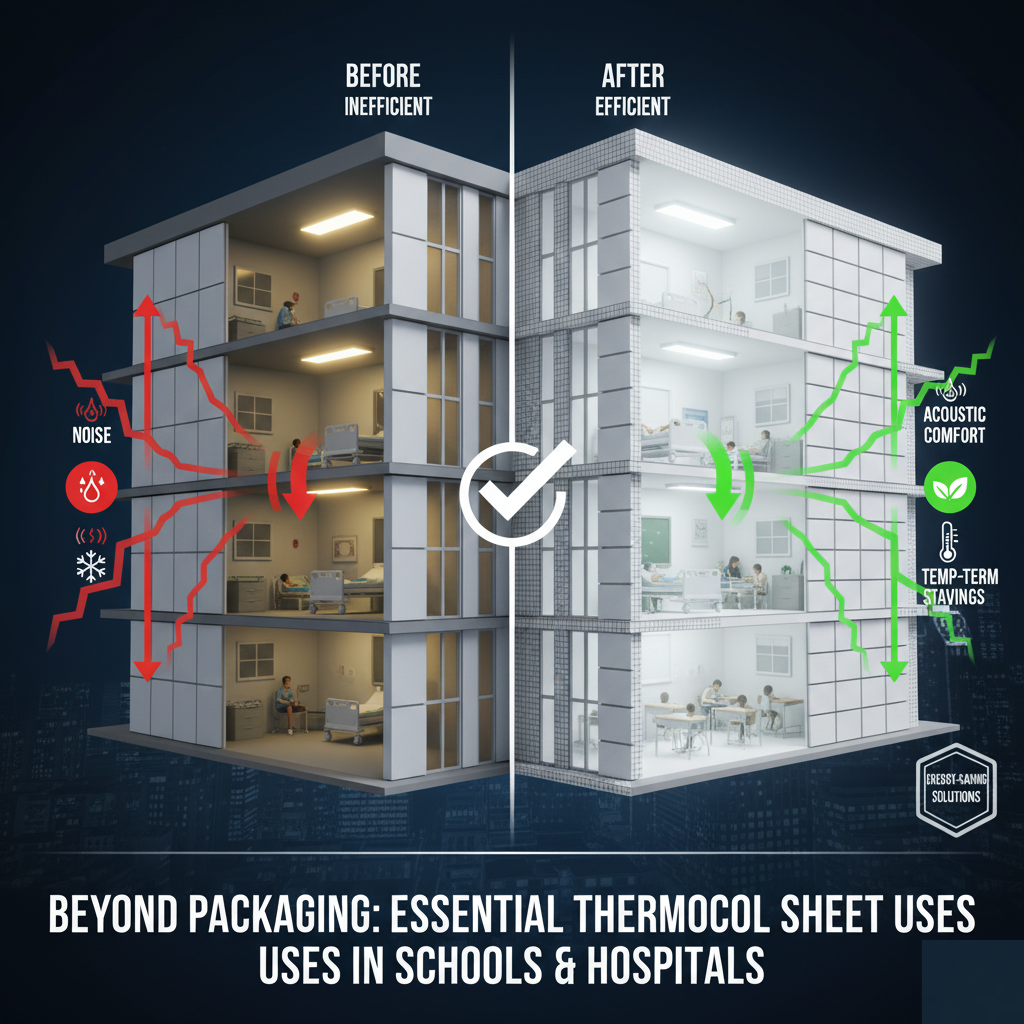
    Thermocol Sheet For Hospitals & Schools

    Improving insulation in your building doesn’t always require a full renovation. Here are effective strategies:

    1. Insulate Your Loft: Adding loft insulation is cost-effective and prevents heat loss through the roof.
    2. Insulate Your Attic: For buildings with unoccupied attic spaces, insulating the attic floor can reduce energy waste.
    3. Upgrade Roof Insulation Materials: Using reflective foil, XPS, EPS, or Rockwool insulation layers can significantly improve thermal performance.
    4. Seal Gaps and Leaks: Proper sealing of vents, ducts, and chimneys complements insulation and reduces drafts.

    Implementing these steps can deliver a noticeable energy efficiency boost with proper insulation and significantly reduce your electricity bills.

    Benefits of Proper Insulation

    • Energy Savings: Lower energy bills through efficient thermal management.
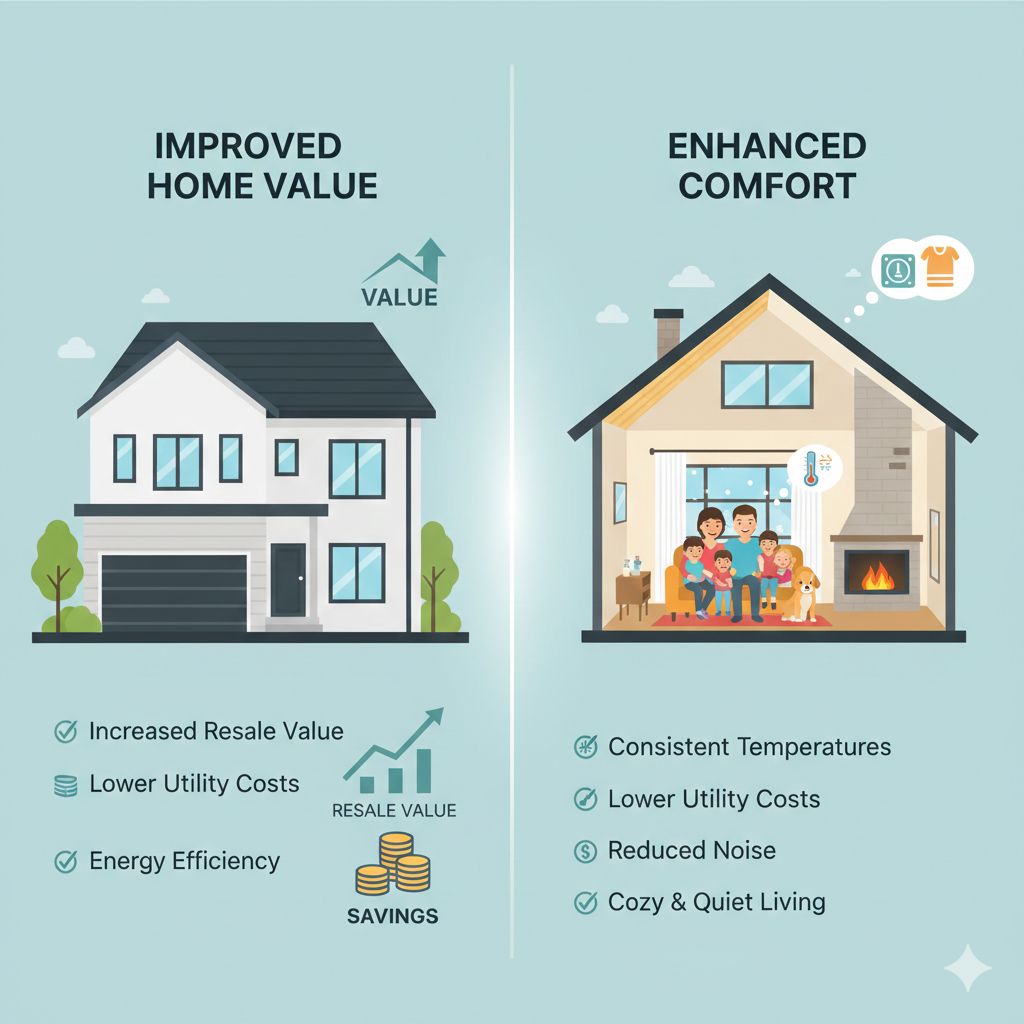
    • Enhanced Comfort: Stable indoor temperatures throughout the year.
    • Environmental Impact: Reduced carbon footprint by using less electricity.
    • Property Value: Energy-efficient buildings are more attractive to buyers and tenants.
    • Durability: Protects roofing and interior structures from condensation and moisture damage.

    Choosing the Right Insulation Material
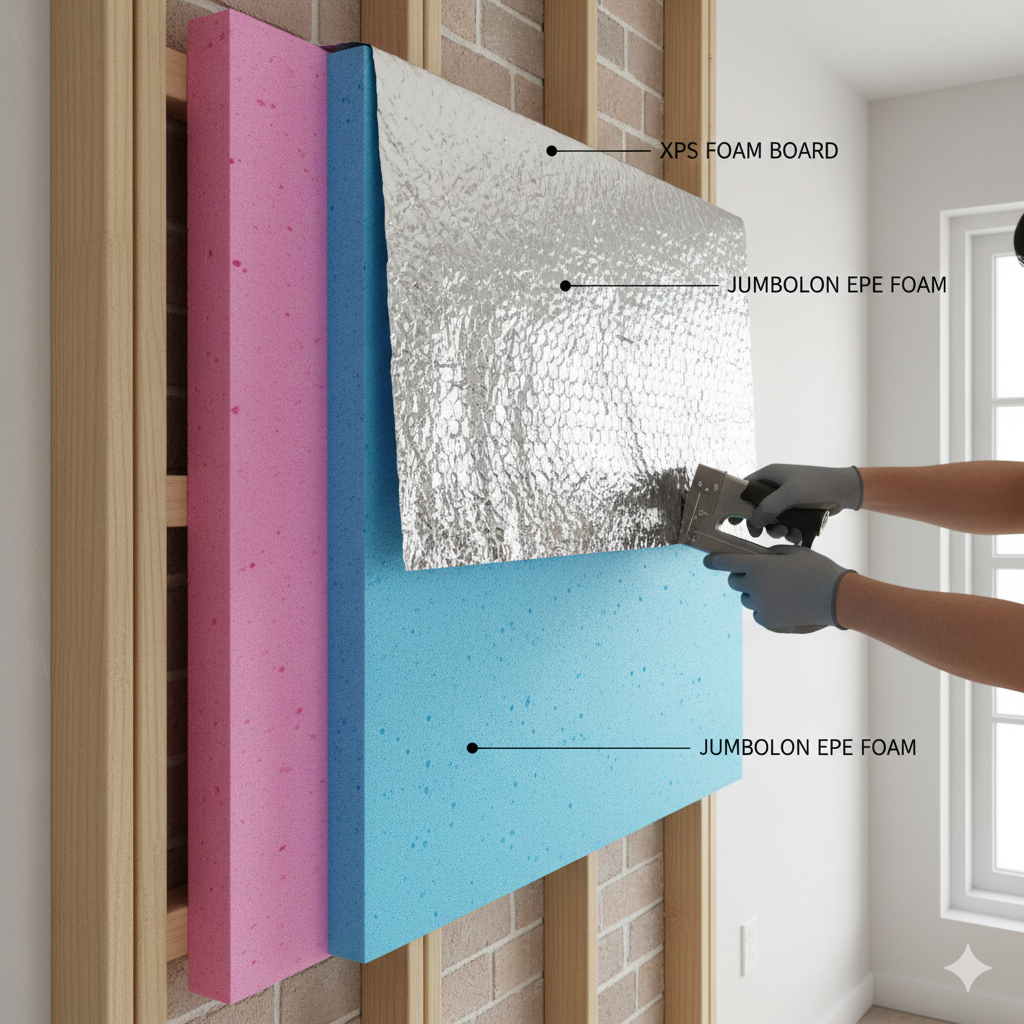
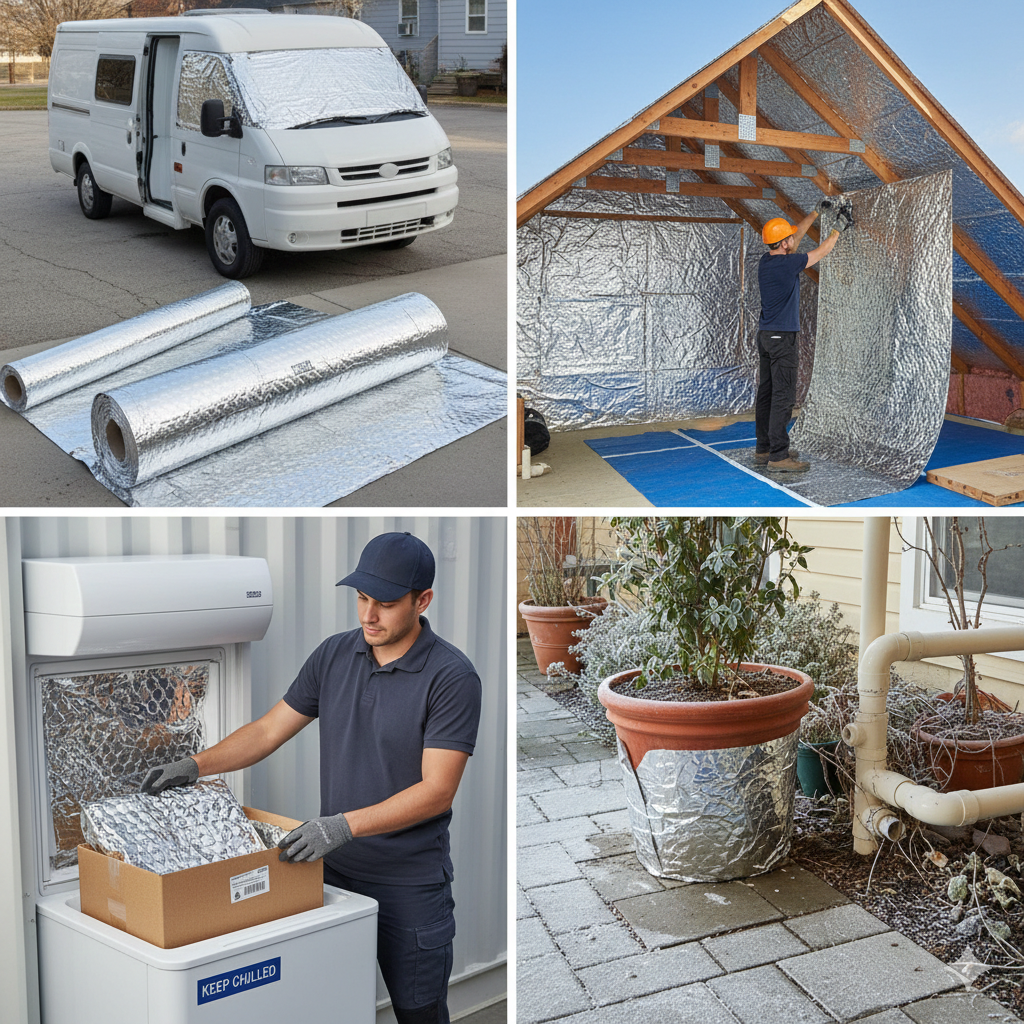
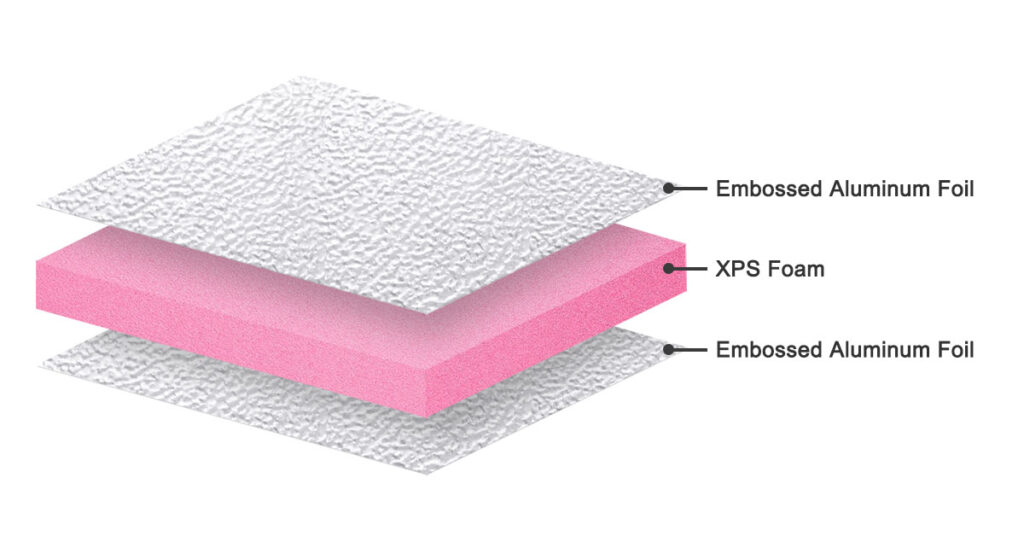
    Using aluminium foil with jumbolon

    Selecting the right insulation material depends on your building type, climate, and budget. Common options include:

    • Rockwool Insulation: Fireproof, sound-absorbing, and high thermal resistance.
    • EPS & XPS Boards: Lightweight, water-resistant, and high insulation efficiency.
    • Reflective Aluminium Foil: Excellent for reflective heat reduction in attics and lofts.

    By combining materials, such as foil with XPS or Rockwool, you can maximize performance for both heat and sound insulation.

    Energy Efficiency Boost with Proper Insulation Price Considerations

    The energy efficiency boost with proper insulation price varies depending on the material, thickness, and installation complexity. Factors include:

    • Type of insulation (Rockwool, XPS, EPS, reflective foil).
    • Area to be insulated (attic, loft, roof, walls).
    • Labor and installation techniques.

    Investing in high-quality insulation may cost more initially but yields long-term savings on electricity bills and enhances building comfort.

    FAQ’S

    The energy efficiency boost with proper insulation price depends on the material used, area covered, and installation type. On average, roof or attic insulation can save 20–30% on energy bills, making the investment worthwhile.

    Both are effective, but if the attic is unoccupied, insulating the attic floor prevents heat loss. Loft insulation is more suitable when the loft space is used regularly.

    Yes, proper roof insulation minimizes heat exchange, reducing reliance on AC or heating systems, which immediately lowers electricity usage.

    Materials like Rockwool, XPS boards, and reflective aluminium foils are highly effective. For extreme climates, a combination of foil with XPS or Rockwool provides maximum heat resistance and comfort.

    Absolutely. Upgrading insulation in older buildings can drastically improve indoor comfort, reduce energy bills, and increase property value.

    High-quality insulation materials, such as Rockwool or XPS, can last 20–30 years when installed correctly, providing long-term energy savings.
  • Best Insulation for Factories & Industrial Machinery

    Best Insulation for Factories & Industrial Machinery

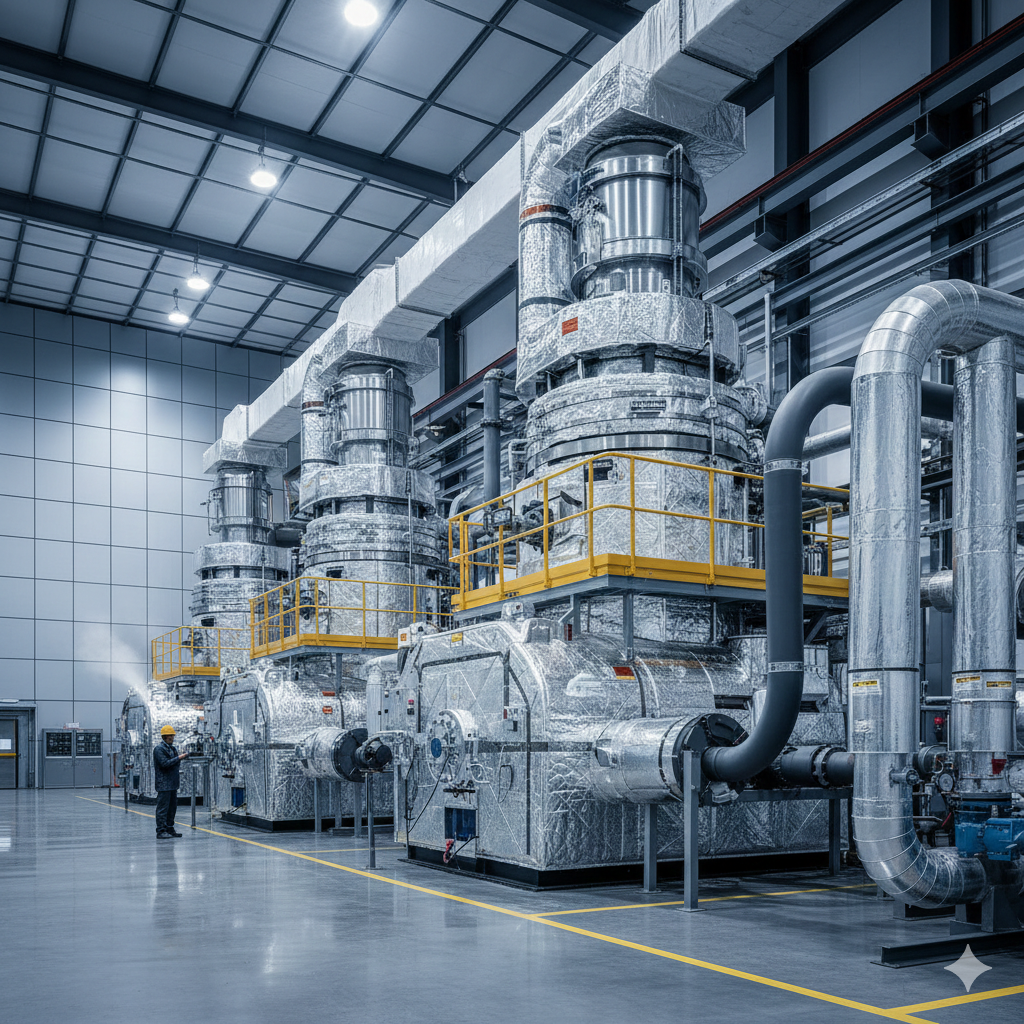
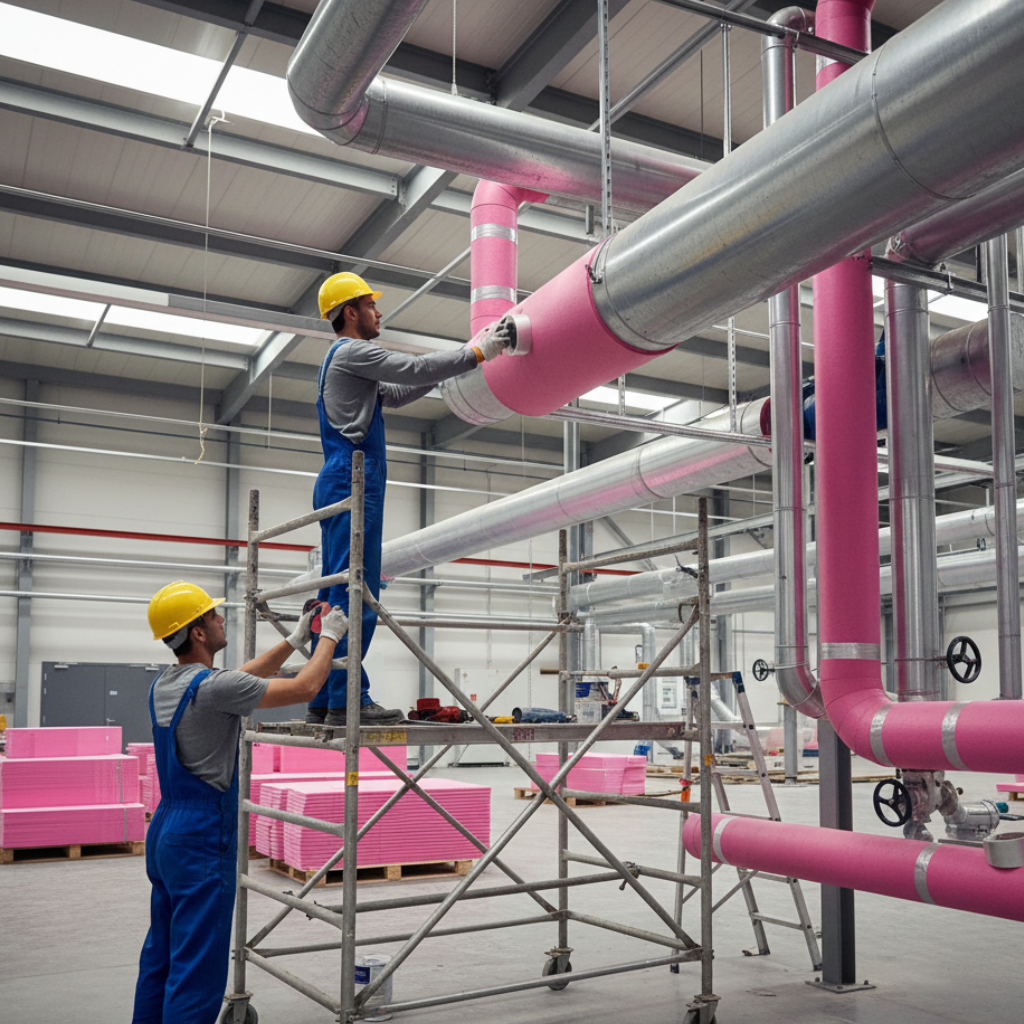
    Industrial environments generate intense heat due to heavy machinery, continuous operations, and high-energy processes. Without proper insulation, factories face excessive energy loss, unsafe working conditions, and rising operational costs. Choosing the best insulation for factories & industrial machinery in Pakistan is no longer optional—it’s a necessity for efficiency, safety, and sustainability.

    This guide explains suitable insulation materials, pricing considerations, and how to design an effective industrial insulation system for Pakistani conditions.

    Why Industrial Insulation Matters in Factories

    Factories operate in demanding environments where uncontrolled heat affects both machines and manpower. Proper insulation plays a critical role by:

    • Reducing heat transfer from industrial machinery
    • Improving workplace safety and thermal comfort
    • Enhancing machine lifespan by controlling operating temperatures
    • Lowering electricity and fuel consumption
    • Supporting compliance with industrial safety standards

    With rising energy costs, thermal insulation in Pakistan has become a strategic investment rather than an expense.

    Common Heat Challenges in Industrial Machinery

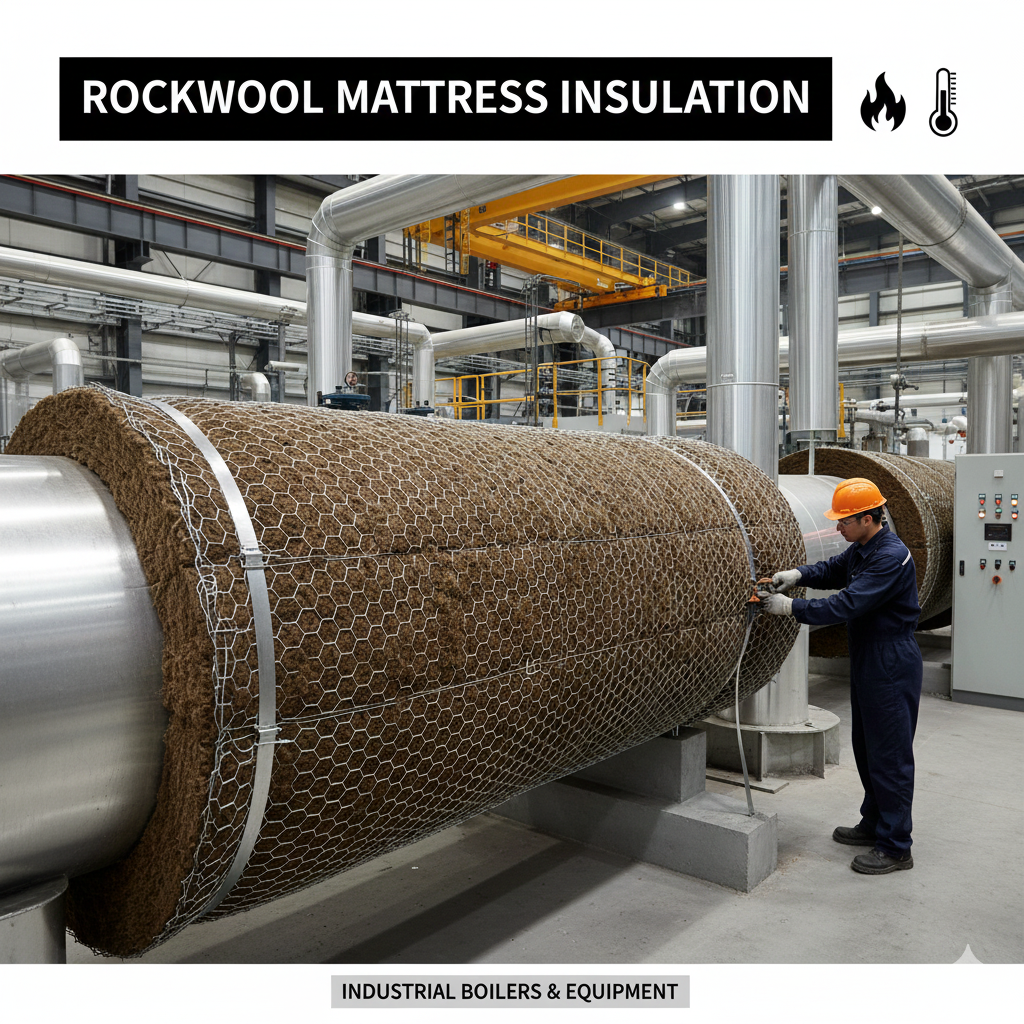
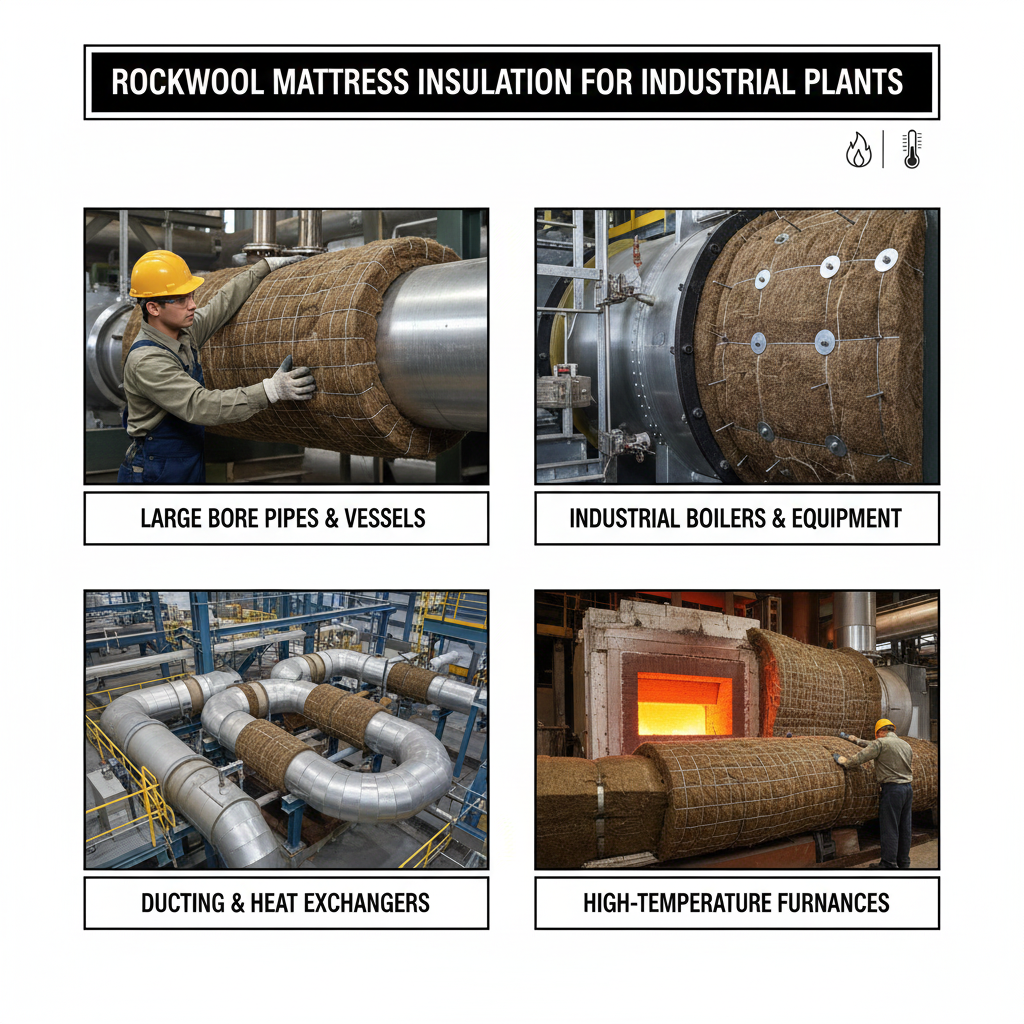
    rockwool mattress insulation for industrial plant

    Industrial units typically face:

    • Radiant heat from boilers, furnaces, and pipelines
    • Continuous heat buildup in production halls
    • Thermal loss from uninsulated walls and roofs
    • Moisture and condensation affecting machinery performance

    An effective insulation system addresses all these issues holistically.

    Best Insulation Materials for Factories & Machinery

    Selecting the right insulation material Pakistan depends on temperature range, moisture exposure, and mechanical stress.

    1. Thermopore Insulation Sheets

    Thermopore sheet insulation in factories

    Thermopore insulation is widely used in factories due to its lightweight structure and thermal resistance.

    • Suitable for walls and roofs
    • Easy to install and cut
    • Commonly sourced from a thermopore manufacturer in Pakistan

    When evaluating cost, thermopore sheet price in Pakistan varies depending on density and thickness.

    2. Thermal Insulation Sheets

    Glasswool for HVAC & Duct System

    Thermal insulation sheets are engineered for high-heat zones and industrial surfaces.

    • Used in roofs, machinery enclosures, and partitions
    • Helps stabilize internal factory temperatures
    • Reduces heat loss in continuous operations

    The thermal insulation sheet price in Pakistan depends on material composition and application area.

    3. Composite Industrial Insulation Systems

    Large factories often combine multiple materials into one integrated insulation system.

    • Thermopore for walls
    • Reflective or thermal sheets for roofs
    • Protective cladding for machinery

    This layered approach improves long-term performance and operational safety.

    Designing an Effective Insulation System for Factories

    An industrial insulation system should be planned strategically rather than installed randomly.

    Key considerations include:

    • Operating temperature of machinery
    • Humidity and moisture exposure
    • Fire safety requirements
    • Structural compatibility

    A well-designed insulation system ensures uniform thermal control across production areas.

    Cost Factors & Industrial Pricing Considerations

    While searching for the best insulation for factories & industrial machinery in Pakistan, pricing should be evaluated based on performance—not just material cost.

    Key factors influencing cost:

    • Type of insulation material
    • Thickness and density
    • Area coverage
    • Installation complexity

    Although thermopore sheet price in Pakistan may seem economical initially, combining it with higher-performance thermal insulation can deliver better long-term savings.

    Energy Efficiency & ROI for Industrial Insulation

    Factories that invest in proper insulation experience:

    • Reduced cooling and heating costs
    • Lower machinery maintenance expenses
    • Improved productivity due to stable working conditions
    • Faster return on investment

    This is why thermal insulation in Pakistan is increasingly adopted by manufacturing plants, warehouses, and processing units.

    Compliance & Safety Advantages

    Insulation also contributes to:

    • Heat control around sensitive machinery
    • Safer working environments
    • Reduced risk of heat-related equipment failure

    Using insulation from a verified thermopore manufacturer in Pakistan ensures material consistency and reliability.

    Future of Industrial Insulation in Pakistan

    With rising industrialization, demand for advanced insulation material Pakistan continues to grow. Modern factories are shifting toward integrated insulation systems that balance thermal control, durability, and cost efficiency.

    Final Thoughts

    Choosing the best insulation for factories & industrial machinery in Pakistan requires understanding operational needs, material performance, and long-term efficiency. Whether using thermopore insulation, thermal insulation sheets, or a hybrid insulation system, the right choice directly impacts productivity, safety, and energy costs.

    Best insulation for factories & industrial machinery in Pakistan. Learn about thermopore insulation, thermal insulation sheet price in Pakistan, insulation systems, and industrial heat control solutions.

    FAQ’S

    The best insulation for factories in Pakistan depends on heat load and safety needs. Rockwool is preferred for fire resistance, while Thermopore and XPS are commonly used for cost-effective thermal insulation in industrial buildings.

    Thermopore insulation is suitable for factory walls and roofs where moderate heat control is needed, but it is not recommended near high-temperature machinery due to low fire resistance.

    Industrial insulation cost varies by material, thickness, and installation area. Thermal insulation sheet price in Pakistan, thermopore sheet price in Pakistan, and rockwool insulation price differ based on fire rating, density, and project size.

    For high-temperature zones and machinery protection, fireproof insulation materials such as rockwool insulation boards and fire-rated insulation systems are the safest and most durable options.

    Yes, installing a proper insulation system significantly reduces heat transfer, lowers indoor temperatures, and decreases air-conditioning load, resulting in noticeable energy savings for factories and industrial units.

    Most professional insulation providers offer installation services in Karachi, Lahore, Islamabad, Rawalpindi, and other industrial cities, including site inspection, material selection, and complete insulation system setup.

  • Insulation Sheet Price Comparison (EPS/XPS/Rockwool/Glasswool)

    Insulation Sheet Price Comparison (EPS/XPS/Rockwool/Glasswool)

    Choosing the right insulation material is no longer just about comfort—it directly impacts energy savings, building durability, and long-term costs. With rising temperatures and increasing energy prices, thermal insulation in Pakistan has become a necessity for homes, commercial buildings, and industrial facilities.

    This guide provides a clear insulation sheet price comparison to help buyers understand material differences, performance levels, and where each option fits best.

    Why Insulation Price Comparison Matters in Pakistan

    Pakistan’s climate ranges from extremely hot summers to cold winters in northern regions. Without proper insulation, buildings absorb heat rapidly, increasing cooling costs and indoor discomfort.

    Understanding insulation sheet price in Pakistan helps buyers:

    • Plan budgets accurately
    • Select cost-effective insulation materials
    • Avoid overpaying for unsuitable products
    • Balance thermal performance with long-term savings

    Common Insulation Materials Used in Pakistan

    Before comparing prices, it’s important to understand the four most commonly used insulation materials.

    EPS (Expanded Polystyrene Sheets)

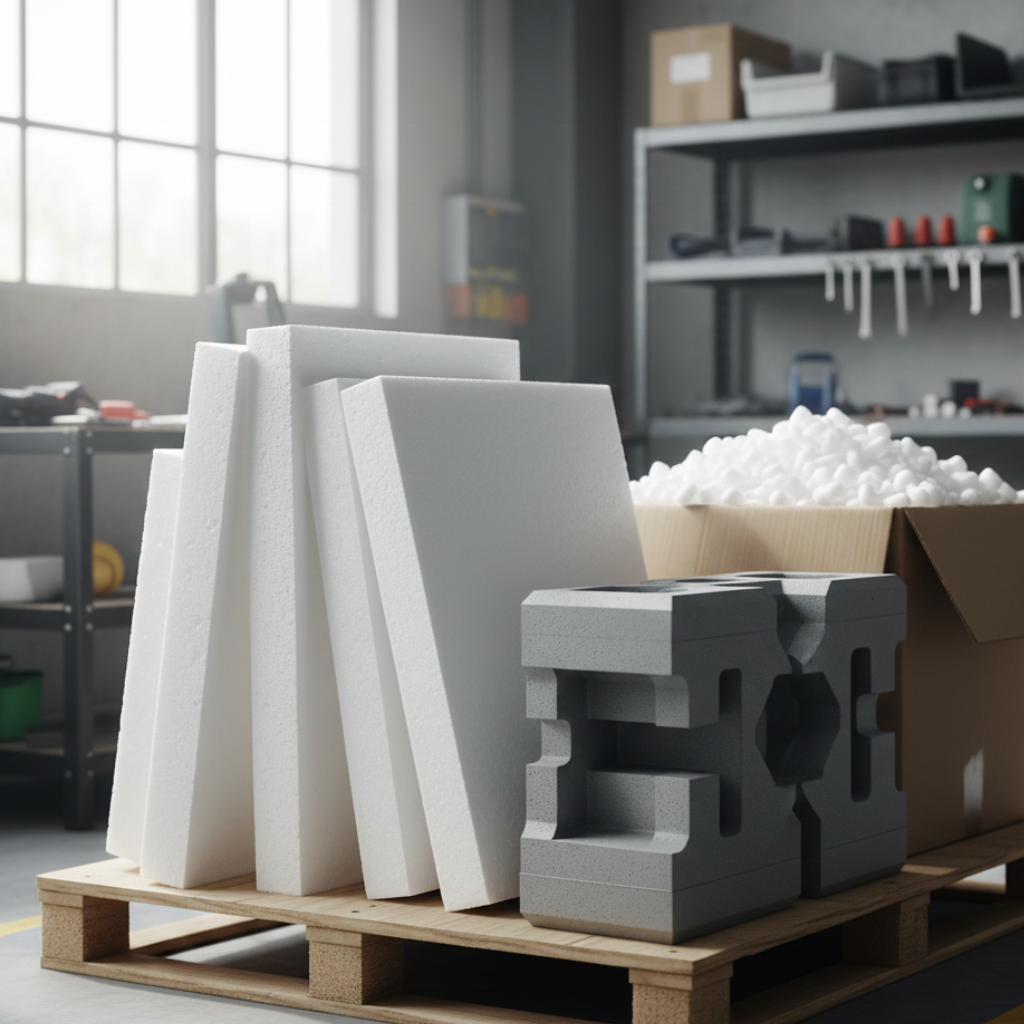
    EPS Foam

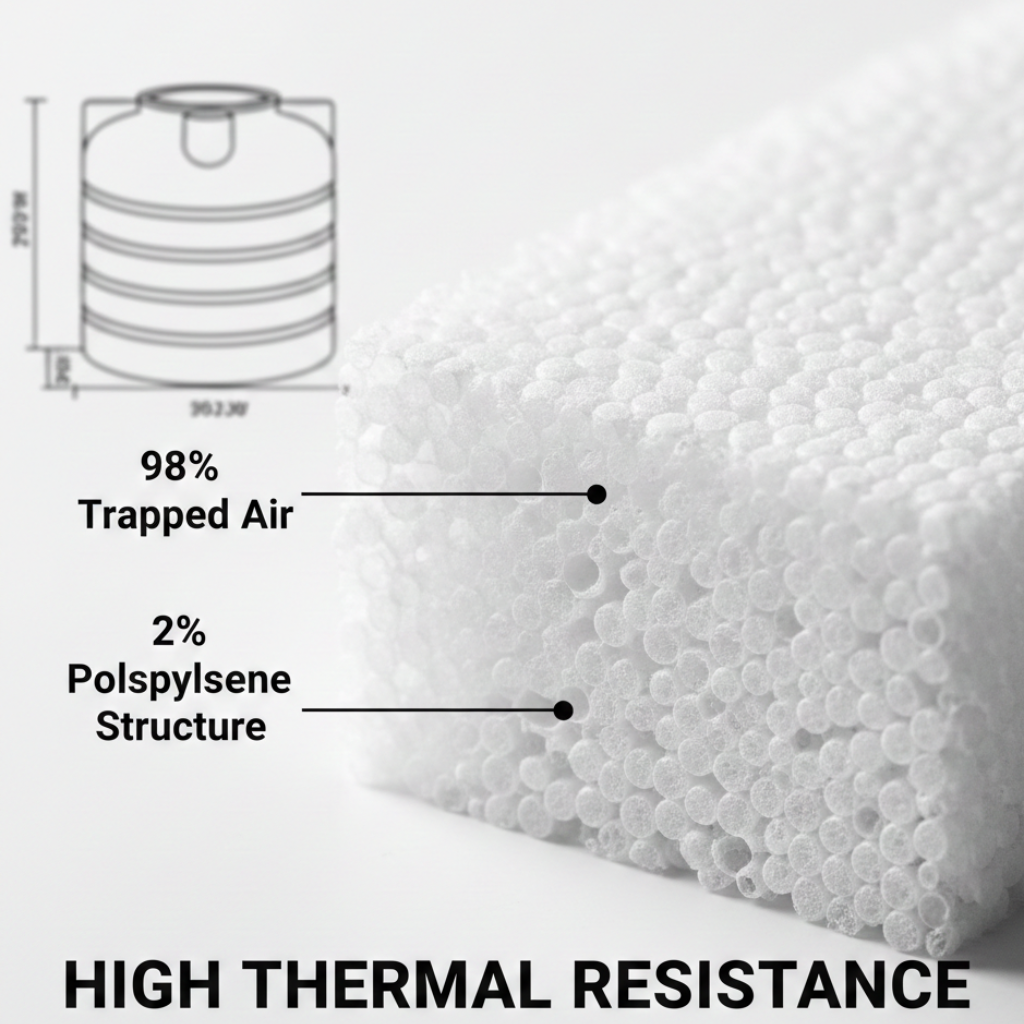
    EPS is a lightweight insulation material widely used in walls and roofs. It offers decent thermal resistance at a relatively low cost.

    XPS (Extruded Polystyrene Boards)

    Jumbolon Board in Pakistan

    XPS provides higher strength and better moisture resistance than EPS, making it suitable for demanding applications.

    Rockwool (Mineral Wool)

    Rockwool is a premium insulation option known for fire resistance, sound absorption, and durability.

    Glasswool (Fiberglass Insulation)

    Glass wool insulation is flexible, lightweight, and commonly used for roof insulation and ducting.

    Insulation Sheet Price Comparison in Pakistan

    The table below provides a general market comparison to help buyers evaluate options. Prices vary based on thickness, density, brand, and location.

    Insulation MaterialPrice Range (PKR)Thermal PerformanceFire ResistanceBest Use Case
    EPS SheetsLowMediumLowWalls, ceilings
    XPS BoardsMediumHighLowRoofs, floors
    Rockwool InsulationHighHighVery HighFire-rated walls, factories
    Glass Wool InsulationMediumMedium–HighMediumRoofs, HVAC systems

    This insulation sheet price comparison highlights that higher cost materials often provide added benefits such as fire safety and sound insulation.

    Rockwool Insulation Price in Pakistan – Is It Worth It?

    Soundproofing Material glasswool vs rockwool

    Rockwool insulation price in Pakistan is higher than EPS and XPS, but it offers multiple advantages:

    • Non-combustible and fire resistant
    • Excellent acoustic insulation
    • Stable performance at high temperatures

    For commercial buildings, industrial units, and fire-rated walls, rockwool justifies its cost through safety and longevity.

    Glass Wool Insulation Price & Performance

    Glasswool Sheet For Soundproofing

    Glass wool insulation price is usually moderate, making it popular for residential roofs and HVAC systems.
    Key benefits include:

    • Lightweight and easy installation
    • Good thermal insulation
    • Cost-effective roof insulation solution

    However, it is less durable than rockwool in high-moisture environments.

    EPS vs XPS – Cost vs Performance

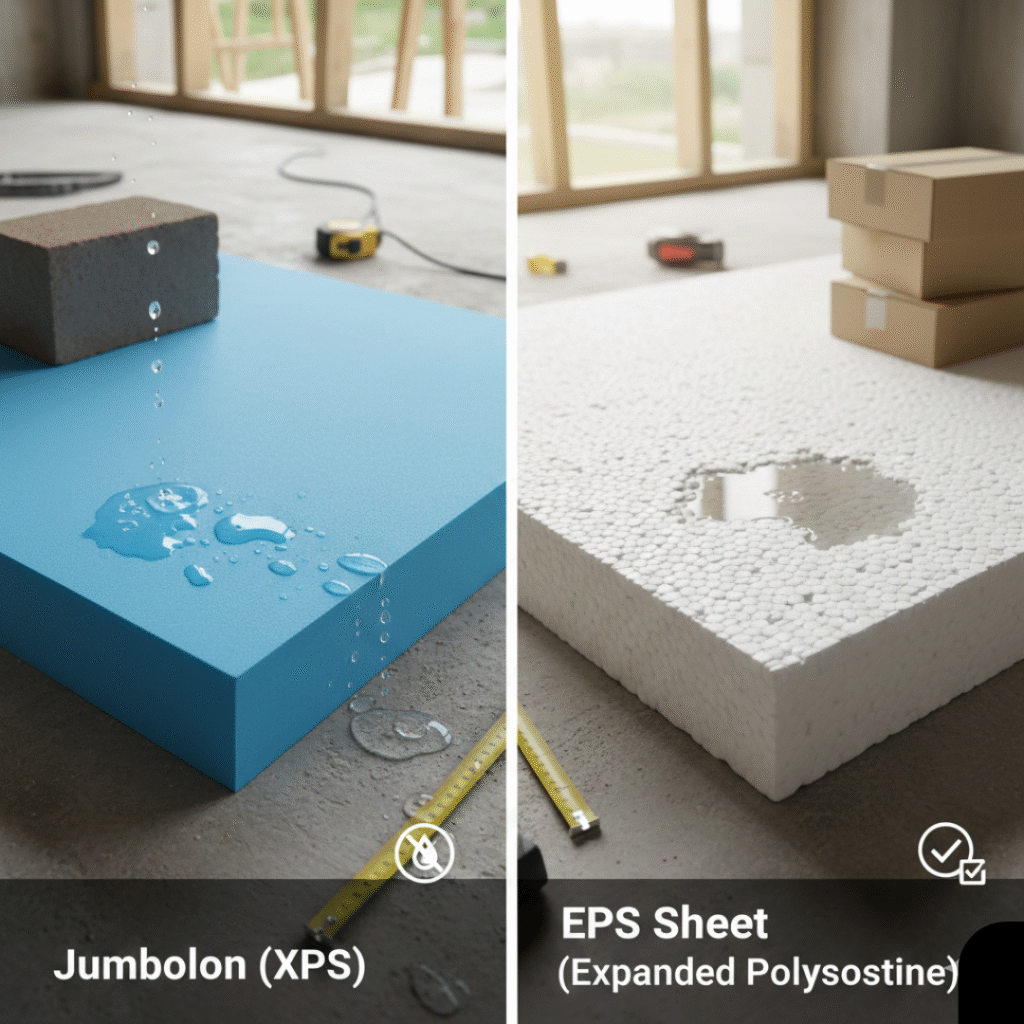
    Jumbolon VS EPS Sheet

    EPS remains one of the most affordable options for heat insulation sheet Pakistan projects. It is suitable for basic thermal control.

    XPS costs more but offers:

    • Higher compressive strength
    • Better moisture resistance
    • Longer lifespan

    When evaluating roof insulation price in Pakistan, XPS often performs better in exposed conditions.

    Technical Comparison Table (Building Applications)

    Insulation MaterialThermal EfficiencyFire RatingMoisture ResistanceTypical Building Use
    EPS SheetsMediumLowLowResidential walls
    XPS BoardsHighLowHighRoofs, basements
    Rockwool InsulationHighVery HighMediumCommercial & industrial buildings
    Glass Wool InsulationMedium–HighMediumLowRoofs, HVAC systems
    Heat Insulation SheetsMediumLowMediumRoof heat proofing

    Choosing the Right Insulation Material in Pakistan

    When selecting insulation material Pakistan, price should not be the only deciding factor. Consider:

    • Climate conditions
    • Area of installation (roof, wall, floor)
    • Fire safety requirements
    • Moisture exposure
    • Long-term energy savings

    A lower upfront cost may lead to higher electricity bills over time.

    Heat Insulation Sheets for Roofs and Walls

    For roofs, insulation must withstand direct heat exposure. XPS and glass wool are commonly used, while rockwool is preferred where fire protection is required.

    For walls, EPS and rockwool provide effective thermal barriers depending on safety needs.

    Final Thoughts on Insulation Sheet Prices in Pakistan

    There is no single “best” insulation—each material serves a different purpose. This insulation sheet price comparison shows that:

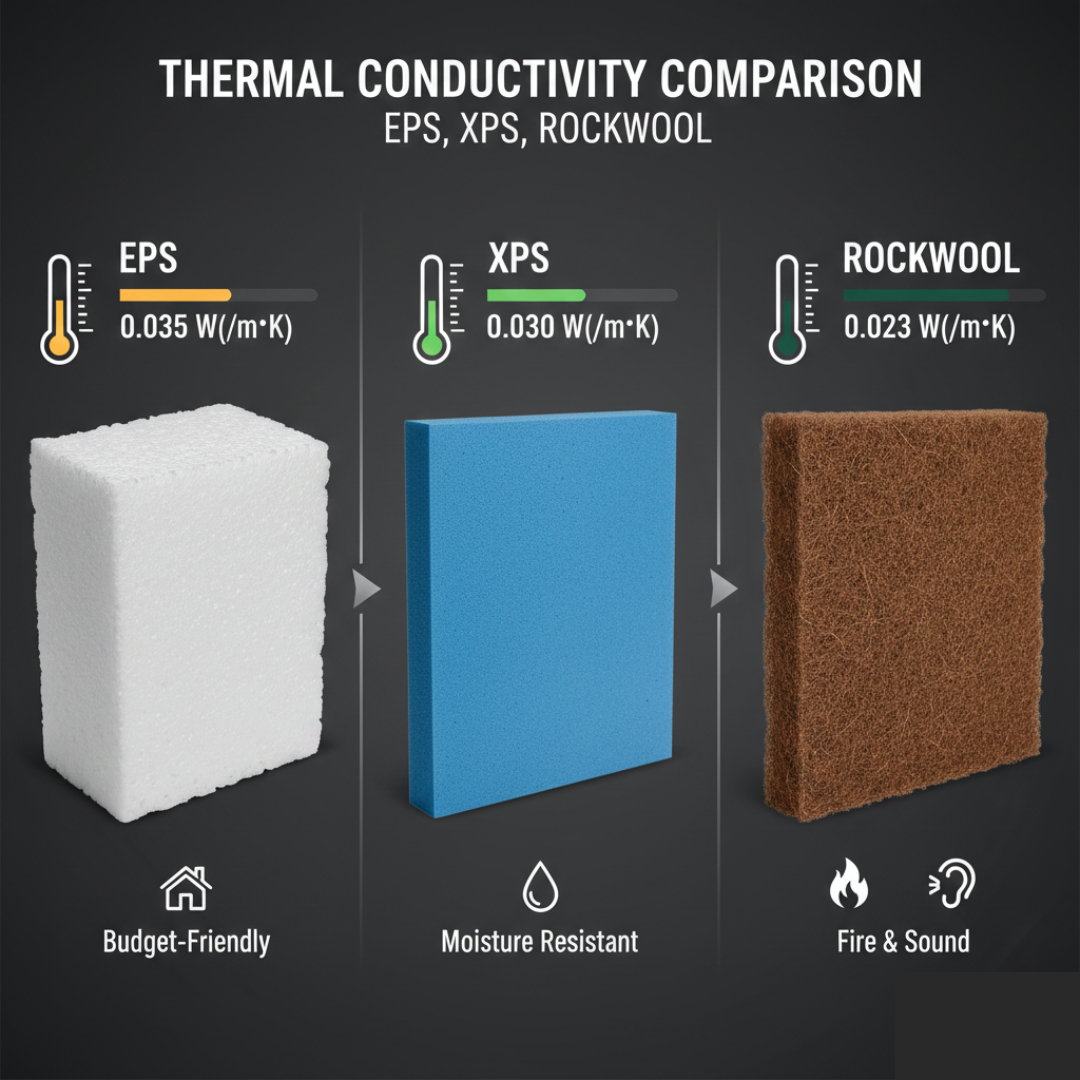
    • EPS is budget-friendly
    • XPS offers durability and moisture resistance
    • Rockwool delivers fire safety and acoustic control
    • Glass wool balances cost and performance

    The right choice depends on application, budget, and long-term goals.

    FAQ’S

    For commercial buildings, rockwool insulation is often the best choice due to its fire resistance, soundproofing, and long-term durability, especially in high-occupancy structures.

    EPS sheets are commonly used in residential buildings because they offer reasonable thermal insulation at a lower upfront cost.

    Yes, roof insulation significantly reduces heat gain in concrete buildings and helps control indoor temperature, especially during peak summer months.

    XPS boards and rockwool insulation are preferred for high-rise buildings due to better compressive strength, moisture resistance, and fire safety.

    Yes, properly insulated buildings usually have lower energy costs and better indoor comfort, which increases long-term property value.

    While not mandatory everywhere, thermal insulation is increasingly recommended in modern building designs to improve energy efficiency and occupant comfort.

  • 2026 Insulation Sheet Buying Guide for Pakistan

    2026 Insulation Sheet Buying Guide for Pakistan

    As construction standards evolve and energy costs continue to rise, insulation has become a necessity rather than an option. This 2026 Insulation Sheet Buying Guide for Pakistan is designed to help homeowners, builders, and contractors make informed decisions based on climate, usage, and long-term value.

    From residential homes to commercial buildings, choosing the right insulation material in Pakistan directly impacts comfort, electricity bills, and building lifespan.

    Why Insulation Matters More in Pakistan in 2026

    Pakistan’s climate is becoming increasingly extreme, with longer summers and higher peak temperatures. This makes thermal insulation in Pakistan one of the most effective solutions for:

    • Reducing indoor heat gain
    • Lowering air-conditioning load
    • Improving indoor comfort
    • Increasing property value

    Modern insulation solutions are no longer limited to industrial use. In 2026, insulation is now standard for homes, offices, warehouses, and even small commercial units.

    Technical Comparison Table – EPS vs XPS vs Rockwool vs Heat Sheets

    Feature / MaterialEPS InsulationXPS InsulationRockwool InsulationHeat Insulation Sheets
    Thermal PerformanceMediumHighVery HighHigh
    Moisture ResistanceLow–MediumVery HighMediumHigh
    Fire ResistanceLowMediumVery HighLow–Medium
    Density RangeLowMediumHighLow
    Common ApplicationsWalls, floorsRoofs, wallsIndustrial, fire zonesRoof heat proofing
    DurabilityModerateHighVery HighModerate
    Cost LevelBudgetMid-RangePremiumMid-Range
    Popular Use in PakistanResidentialResidential & CommercialIndustrial & High-riseRoof insulation

    Note: Performance varies by thickness, installation quality, and climate conditions.

    Common Insulation Materials Used in Pakistan

    Understanding insulation types is the first step in choosing the right product.

    1. EPS (Expanded Polystyrene)

    EPS Thermal Insulation

    EPS is lightweight, affordable, and commonly used for wall and roof insulation. It provides decent thermal resistance and is easy to install.

    2. XPS (Extruded Polystyrene)

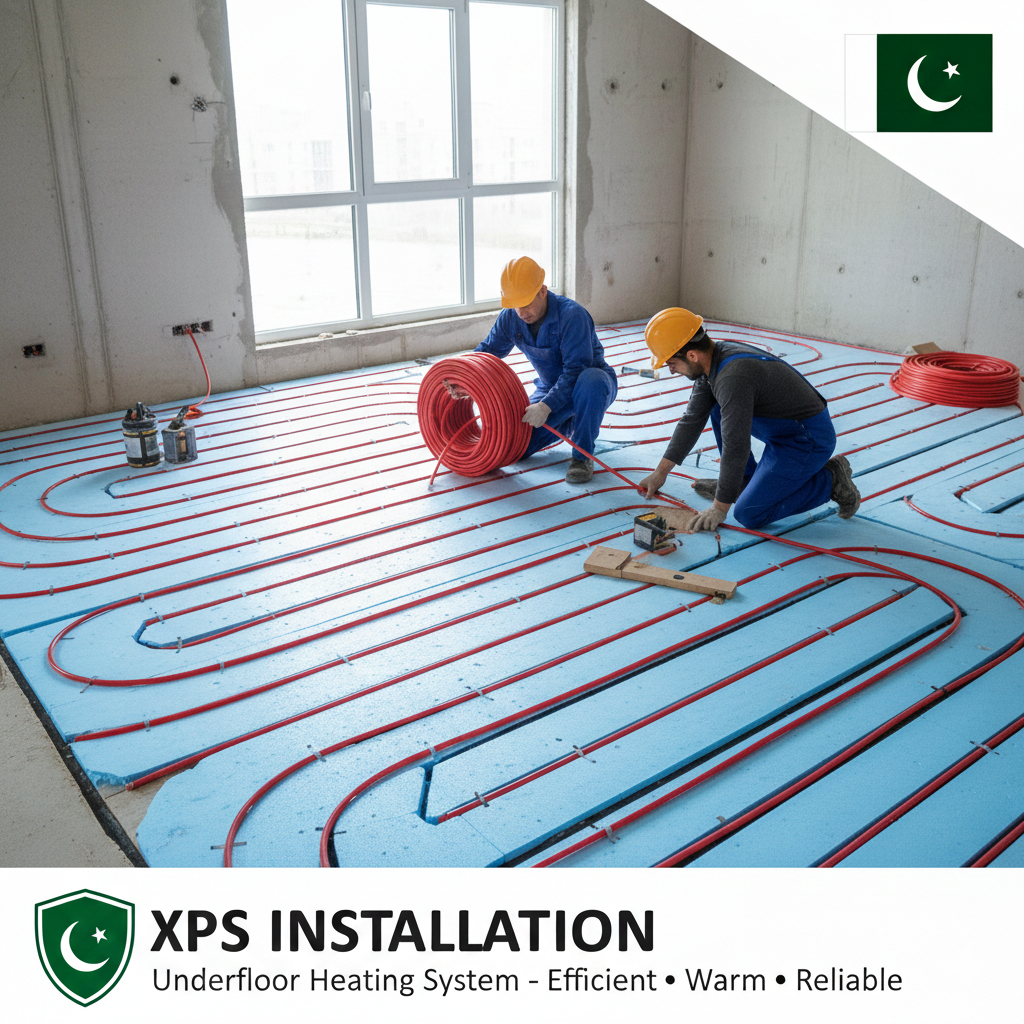
    XPS Installation at underfloor heating system

    XPS offers higher strength and moisture resistance compared to EPS, making it ideal for roofs and floors exposed to water.

    3. Rockwool

    Soundproofing Material glasswool vs rockwool

    Rockwool is a premium insulation material known for fire resistance and sound absorption. Due to its density, rockwool insulation price in Pakistan is higher than EPS and XPS, but it offers superior performance.

    4. Heat Reflective & Composite Sheets

    These sheets combine reflective surfaces with insulation cores and are widely used as heat insulation sheet Pakistan solutions for roofs.

    Each insulation material in Pakistan serves a specific purpose depending on location, budget, and performance requirements.

    Roof Insulation: A Priority for Pakistani Homes

    Roof insulation delivers the highest return on investment due to direct sun exposure. Choosing the right roof system depends on structure type and budget.

    Key considerations include:

    • Thickness and density
    • Reflective properties
    • Installation method

    The roof insulation price in Pakistan varies based on material type and roof area, but it consistently offers long-term electricity savings.

    Wall Insulation for Temperature Stability

    While roofs handle direct heat, walls regulate internal temperature throughout the day. Proper wall insulation in Pakistan helps reduce heat transfer from adjacent buildings and outdoor exposure.

    Wall insulation is especially important for:

    • West-facing walls
    • Commercial buildings
    • Apartments and shared structures

    Understanding Insulation Prices in 2026

    Insulation costs fluctuate due to raw materials, energy prices, and import dependencies.

    In 2026:

    • Thermal insulation sheet price in Pakistan varies by thickness and composition
    • Rockwool remains the costliest but most durable option
    • EPS and XPS continue to dominate residential projects

    Buyers should focus on performance per square foot rather than upfront cost alone.

    Karachi-Specific Buying Considerations

    For coastal cities, humidity resistance and durability are critical. Builders often search for 2026 Insulation Sheet Buying Guide for Pakistan Karachi–specific solutions due to saline air and higher moisture exposure.

    In Karachi:

    • Moisture resistance is essential
    • XPS and rockwool are preferred for long-term use
    • Heat-reflective roof insulation performs exceptionally well

    How to Choose the Right Insulation in 2026

    Best Insulation Sheets in Karachi

    Before purchasing, ask these questions:

    1. Is the insulation for roof, wall, or floor?
    2. What level of thermal resistance is required?
    3. Is fire resistance important?
    4. What is the project’s lifespan?

    Matching the correct insulation material Pakistan options to your needs ensures efficiency and durability.

    Installation Quality Matters

    Even the best insulation fails if poorly installed. Always ensure:

    • No air gaps
    • Proper sealing
    • Correct thickness

    Professional installation significantly improves insulation performance and lifespan.

    Future Trends in Thermal Insulation in Pakistan

    Looking ahead, insulation systems in Pakistan are moving toward:

    • Higher density panels
    • Multi-layer composite sheets
    • Improved fire and moisture resistance

    By 2026, insulation is no longer an upgrade—it is a construction standard.

    Final Buying Advice

    This 2026 Insulation Sheet Buying Guide for Pakistan emphasizes one key principle: insulation is an investment, not an expense. Choosing the right system today ensures comfort, savings, and durability for years to come.

    FAQ’S

    EPS, XPS, and Rockwool are the most commonly used insulation materials in Pakistan. EPS is suitable for budget projects, XPS offers higher moisture resistance, while Rockwool is preferred for fire safety and high thermal insulation.

    Roof insulation price in Pakistan depends on the material, thickness, and installation method. Heat insulation sheets and rigid boards usually cost more than basic foam sheets due to better durability and performance.

    Yes. Wall insulation in Pakistan significantly reduces indoor heat gain, improves energy efficiency, and supports long-term thermal insulation performance, especially in hot cities.

    Selection should be based on climate, application area (roof or wall), moisture exposure, and budget. Comparing thermal insulation sheet price in Pakistan alongside performance ratings helps make the right decision.

    Yes. Proper thermal insulation in Pakistan lowers indoor temperature fluctuations, reduces air-conditioning load, and helps cut long-term energy costs.

    Heat insulation sheets are widely used in factories, warehouses, and commercial roofs due to their lightweight structure and effective heat resistance.

  • Lahore Heat Insulation Solutions (EPS/XPS/Rockwool)

    Lahore Heat Insulation Solutions (EPS/XPS/Rockwool)

    Lahore’s climate presents a serious challenge for homes, factories, and commercial buildings. Long summers, extreme heatwaves, and rising electricity costs have made heat insulation a necessity rather than a luxury. Choosing the right insulation system can significantly reduce indoor temperatures, improve comfort, and cut energy bills.

    This guide explains Lahore Heat Insulation Solutions using EPS, XPS, and Rockwool, helping you select the most suitable option based on performance, durability, and cost.

    Why Heat Insulation Is Essential in Lahore

    house insulation in pakistan

    Lahore experiences prolonged high temperatures that directly impact indoor comfort and energy usage. Without proper insulation, roofs and walls absorb heat throughout the day, making cooling systems work harder.

    Effective thermal insulation in Pakistan helps:

    • Reduce indoor heat gain
    • Lower electricity consumption
    • Improve building lifespan
    • Enhance indoor comfort year-round

    Overview of Insulation Materials Used in Pakistan

    The insulation market offers several materials, but three dominate large-scale usage due to performance and availability. Each option serves a different structural need.

    Choosing the right insulation material Pakistan depends on:

    • Location (roof, wall, or cavity)
    • Budget
    • Heat resistance requirements
    • Fire and moisture safety

    EPS (Expanded Polystyrene) – Lightweight & Economical

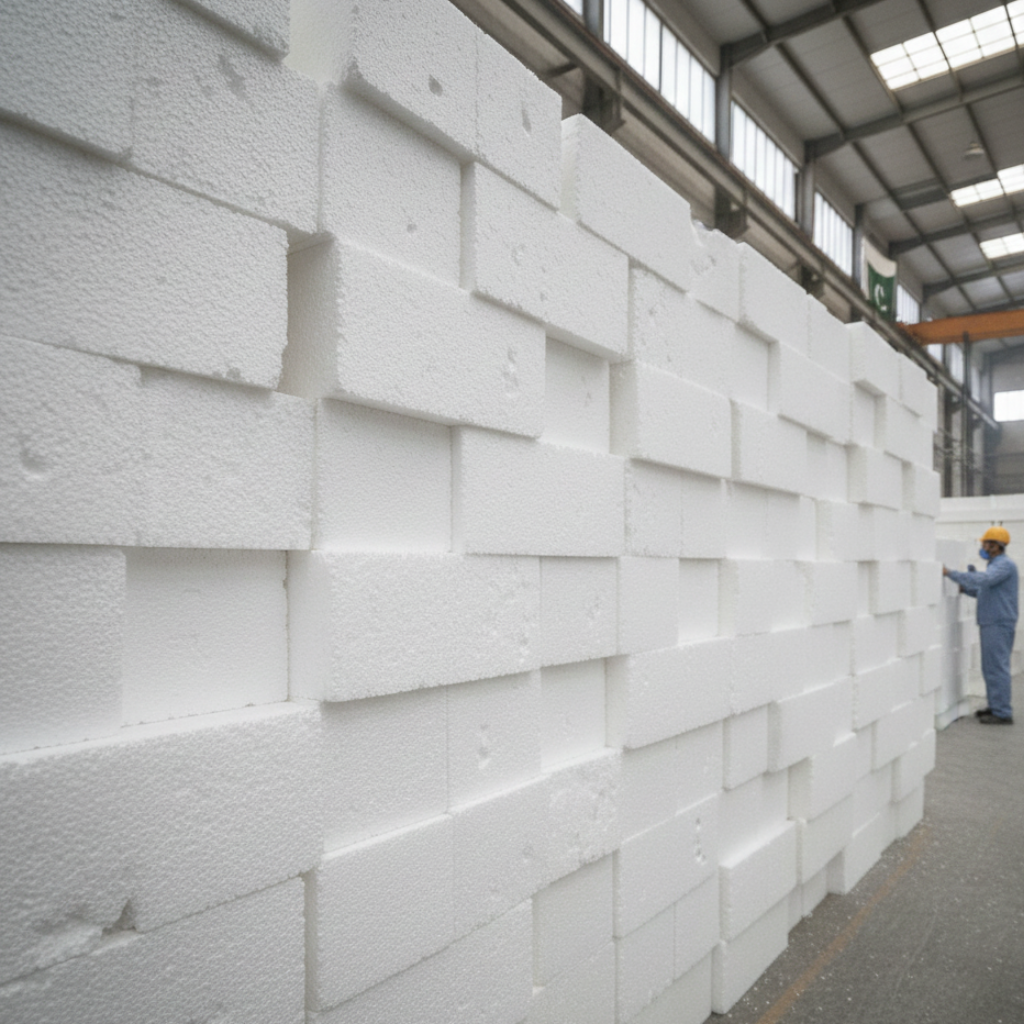
    thermocol blocks manufacturer in pakistan

    EPS insulation is widely used for basic thermal protection in walls and ceilings.

    Key Benefits of EPS:

    • Lightweight and easy to install
    • Cost-effective for large areas
    • Suitable for wall insulation in Pakistan
    • Moderate thermal resistance

    EPS works well for homes where budget is a priority and insulation thickness can be increased for better performance.

    XPS (Extruded Polystyrene) – High Performance Thermal Shield

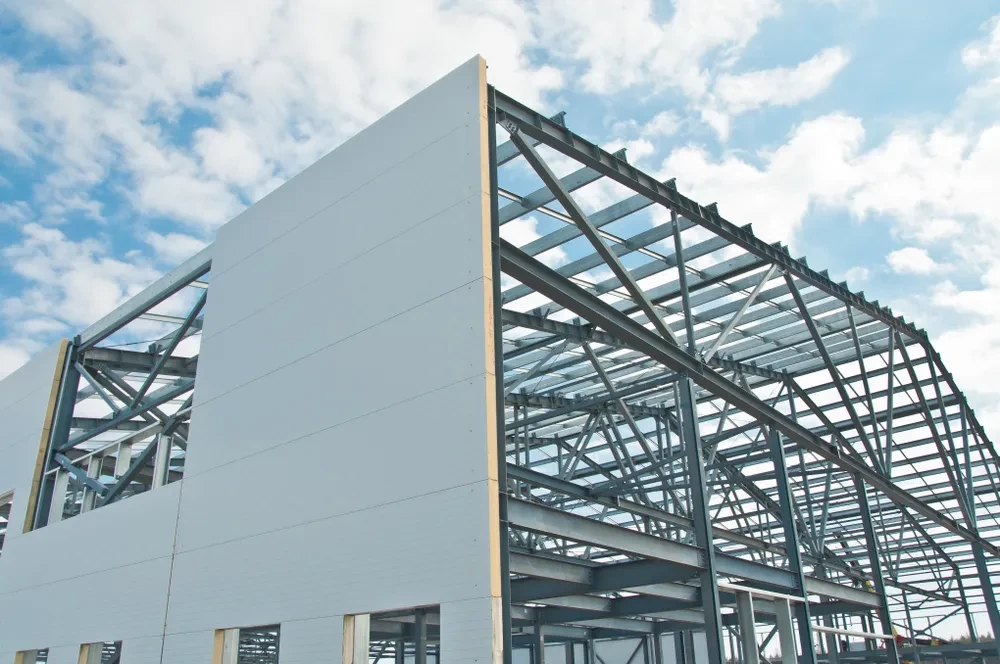
    jumbolon Insulation for Metal Sheds

    XPS offers superior insulation compared to EPS, especially in roofs exposed to direct sunlight.

    Why XPS Is Popular in Lahore:

    • High compressive strength
    • Excellent moisture resistance
    • Long service life
    • Ideal as a heat resistant thermal insulation sheet

    XPS boards are commonly used under concrete slabs and rooftops where durability is essential.

    Rockwool – Premium Heat & Fire Protection

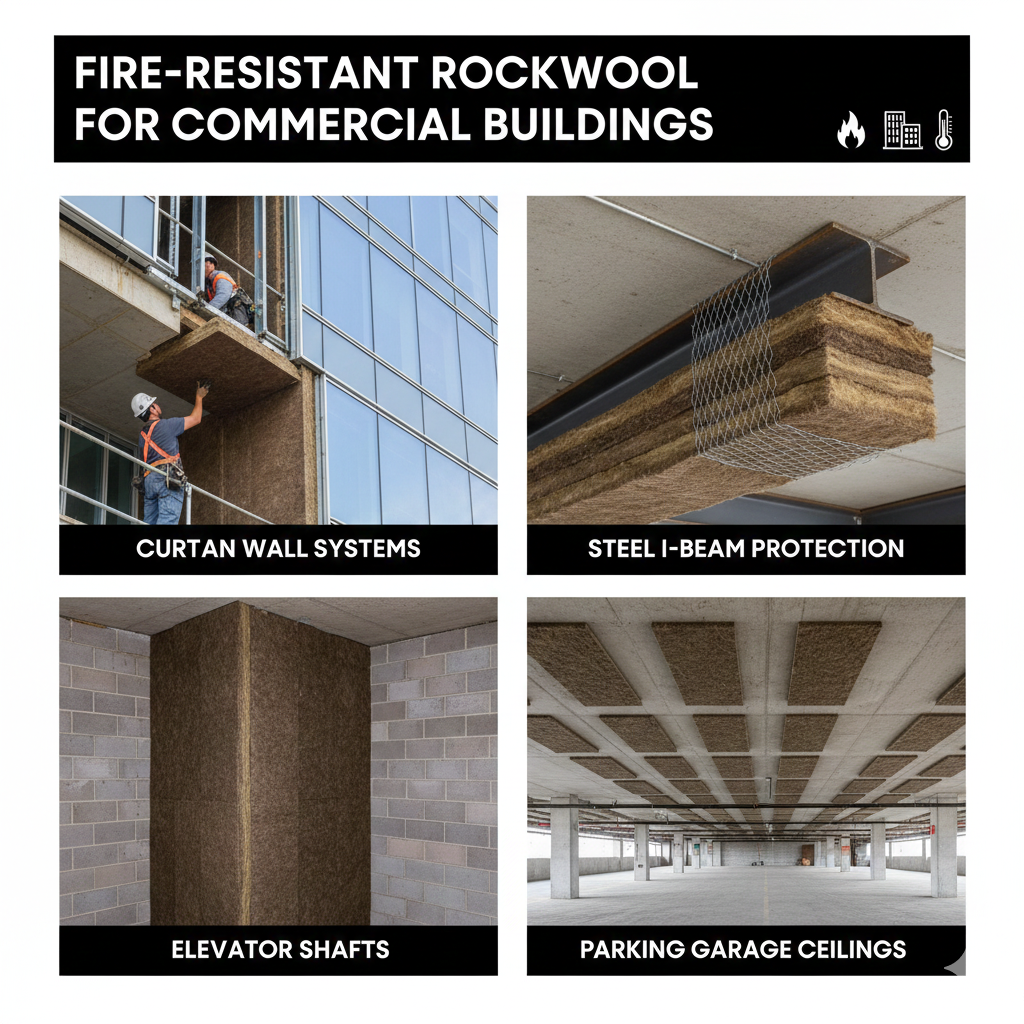
    fire resistant rockwool for commercial buildings

    Rockwool insulation is manufactured from natural stone fibers, offering both thermal and acoustic benefits.

    Advantages of Rockwool:

    • Excellent heat resistance
    • Fire-retardant properties
    • Strong sound insulation
    • Suitable for industrial and commercial buildings

    Many buyers consider rockwool insulation price in Pakistan higher than foam-based solutions, but its long-term safety benefits justify the investment.

    Comparison: EPS vs XPS vs Rockwool

    FeatureEPSXPSRockwool
    Thermal ResistanceMediumHighHigh
    Moisture ResistanceLowVery HighMedium
    Fire ResistanceLowMediumVery High
    InstallationEasyEasyModerate
    Best UseWallsRoofsIndustrial / Commercial

    This comparison highlights why multiple heat insulation sheet Pakistan options exist—each suited to different conditions.

    Application Areas in Lahore Buildings

    Roof Insulation

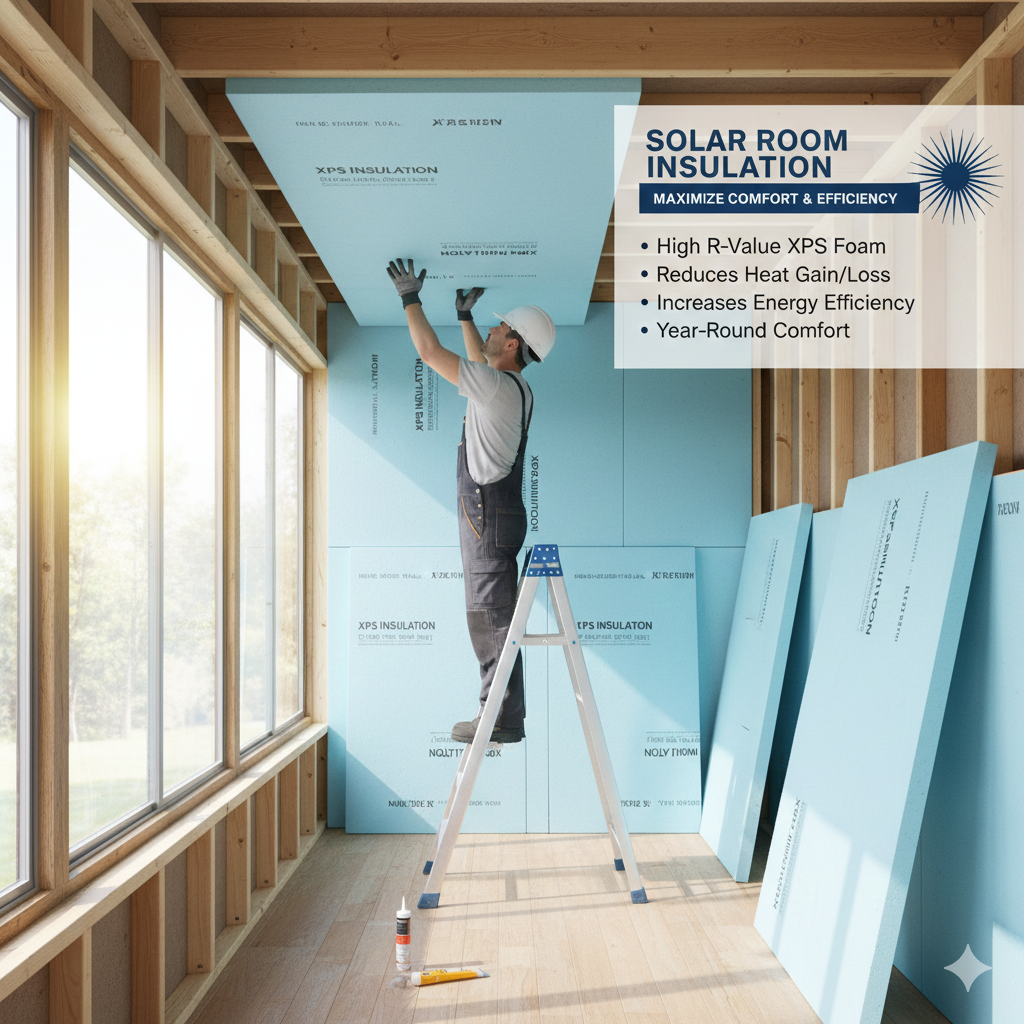
    Solar Room Insulation in Pakistan

    Roof surfaces absorb the highest heat. XPS and Rockwool are preferred solutions due to their performance and durability.

    Wall Insulation

    EPS and XPS panels are commonly installed for wall insulation in Pakistan, reducing heat transfer through external walls.

    Industrial Facilities

    freezers wall panels pakistan

    Rockwool is widely used where fire safety and thermal stability are critical.

    Cost Factors to Consider

    Insulation costs vary depending on thickness, density, and material type. Buyers frequently compare:

    • Lahore Heat Insulation Solutions EPS XPS Rockwool price
    • Installation method
    • Long-term energy savings

    While foam-based insulation may have lower upfront costs, premium materials often provide better lifetime value.

    Choosing the Right Thermal Insulation Sheet

    When selecting insulation, consider:

    • Local climate exposure
    • Roof or wall location
    • Required thermal resistance
    • Budget constraints

    Comparing the thermal insulation sheet price in Pakistan alongside performance metrics helps in making an informed decision.

    Energy Efficiency & Long-Term Benefits

    Proper insulation:

    • Reduces electricity bills year-round
    • Enhances indoor comfort
    • Protects concrete structures
    • Supports sustainable building practices

    Modern thermal insulation in Pakistan is now considered an essential construction element rather than an optional upgrade.

    Final Verdict: Which Insulation Is Best for Lahore?

    • EPS → Best for budget wall insulation
    • XPS → Best for rooftops and moisture-prone areas
    • Rockwool → Best for heat, fire, and sound protection

    Each solution has a unique role in Lahore’s demanding climate.

    FAQ’S

    For Lahore’s high summer temperatures, XPS is ideal for roofs due to moisture resistance, while Rockwool is best for commercial buildings needing heat and fire protection. EPS works well for budget-friendly wall insulation.

    Yes, wall insulation in Pakistan significantly reduces heat transfer, improves indoor comfort, and lowers electricity consumption during long summer months.

    EPS is lightweight and economical, while XPS offers higher thermal resistance, better moisture protection, and longer durability—making it more suitable for rooftops.

    Proper thermal insulation in Pakistan can reduce cooling costs by up to 30–40% by limiting heat gain through roofs and walls.

    Rockwool can be used in homes, especially where fire safety and sound insulation are priorities, though it is more commonly used in commercial and industrial buildings.

  • Using Aluminium Foil with Jumbolon & XPS

    Using Aluminium Foil with Jumbolon & XPS

    Rising temperatures, higher electricity bills, and increasing construction costs have made thermal insulation a necessity rather than a luxury. In Pakistan, combining reflective aluminium foil with modern insulation boards like Jumbolon and XPS has become one of the most effective solutions for roofs and walls. This guide explains Using Aluminium Foil with Jumbolon & XPS, how it works, where it performs best, and what buyers should consider before investing.

    What Does Using Aluminium Foil with Jumbolon & XPS Mean?

    Using aluminium foil with insulation boards involves layering a reflective foil surface with foam-based insulation materials. The aluminium foil reflects radiant heat, while Jumbolon or XPS reduces conductive heat transfer.

    This dual-layer system improves overall thermal performance and is widely adopted in thermal insulation in Pakistan for residential, commercial, and industrial buildings.

    Why Aluminium Foil Is Used with Insulation Boards

    Aluminium foil plays a critical role in insulation systems:

    • Reflects up to 95% of radiant heat
    • Acts as a moisture and vapor barrier
    • Enhances durability of insulation boards
    • Improves indoor comfort in extreme heat

    When paired with foam boards, the system becomes significantly more efficient than using a single insulation layer.

    Using Aluminium Foil with Jumbolon

    Using Aluminium Foil with Jumbolon is common for walls and roofs where flexibility and vibration absorption are needed. Jumbolon is a closed-cell polyethylene foam that offers thermal and acoustic insulation.

    Key benefits include:

    • Lightweight structure
    • Easy installation on walls and ceilings
    • Reduced heat penetration during peak summer hours
    • Improved comfort in residential spaces

    This combination is especially popular in wall insulation in Pakistan due to its cost-effectiveness.

    Using Aluminium Foil with XPS – When Strength Matters

    Using Aluminium Foil with XPS is ideal for applications requiring high compressive strength. XPS boards provide excellent insulation while resisting moisture absorption and structural load.

    Common use cases include:

    • Roof slabs
    • Floors and basements
    • Industrial buildings
    • Commercial roofs exposed to direct sunlight

    XPS paired with foil delivers long-term thermal stability and durability.

    Best Using Aluminium Foil with Jumbolon & XPS – Which Is Right?

    The best Using Aluminium Foil with Jumbolon & XPS depends on the application:

    • For walls and ceilings → Jumbolon + foil
    • For roofs and floors → XPS + foil
    • For mixed residential use → Combination of both

    Selecting the right material ensures maximum performance without over-spending.

    Thermal Efficiency & Energy Savings

    Combining reflective foil with foam insulation reduces heat gain significantly. This results in:

    • Lower indoor temperatures
    • Reduced air-conditioning usage
    • Improved energy efficiency
    • Long-term electricity cost savings

    This makes foil-based systems a smart solution for thermal insulation in Pakistan, where summers are long and intense.

    Cost Factors in Pakistan

    The Using Aluminium Foil with Jumbolon & XPS price varies based on multiple factors:

    • Thickness of Jumbolon or XPS
    • Type and quality of aluminium foil
    • Installation area and method
    • Market fluctuations

    The overall using aluminium foil with jumbolon & xps cost should always be evaluated against long-term energy savings rather than upfront expense alone.

    Understanding Local Market Prices

    In the local market, pricing is often compared alongside other insulation products. Buyers frequently research:

    • thermal insulation sheet price in pakistan
    • jumbolon sheet price in pakistan
    • diamond jumbolon sheet price

    Prices differ by city, supplier, and project scale, making specification comparison more important than choosing the cheapest option.

    Applications Across Pakistan

    XPS For Cold Storage Insulation

    This insulation system is widely used in:

    • Residential houses
    • Apartment buildings
    • Commercial plazas
    • Warehouses
    • Factories

    Its versatility has made it one of the most trusted insulation material Pakistan options available today.

    Installation Best Practices

    For optimal performance:

    • Ensure foil faces the heat source
    • Avoid gaps between boards
    • Seal joints properly
    • Prevent compression of foam layers

    Professional installation ensures durability and consistent insulation performance.

    Durability & Maintenance

    When installed correctly, aluminium foil combined with foam boards can last for decades with minimal maintenance. The foil protects against moisture damage, while Jumbolon and XPS resist decay and compression.

    Conclusion

    Using aluminium foil with Jumbolon and XPS offers a powerful insulation solution for Pakistan’s challenging climate. By reflecting radiant heat and reducing conductive heat flow, this system improves indoor comfort, reduces energy costs, and increases building efficiency. Choosing the right combination based on application ensures long-term value and performance.

    FAQ’S

    Yes, using aluminium foil with Jumbolon & XPS is highly suitable for Pakistan’s hot climate. The foil reflects radiant heat while Jumbolon or XPS minimizes heat transfer, making it effective for thermal insulation in Pakistan.

    Using aluminium foil with Jumbolon is ideal for wall insulation due to flexibility, while using aluminium foil with XPS is better for roofs and floors because of higher compressive strength and moisture resistance.

    The using aluminium foil with Jumbolon & XPS cost depends on thickness, material quality, and installation area. Prices vary by city and supplier, similar to thermal insulation sheet price in Pakistan.

    Yes, combining foil with insulation boards reduces heat gain, lowering air-conditioning usage and helping cut electricity costs over time.

    Absolutely. This system is widely used in houses, offices, warehouses, and factories, making it a versatile insulation material in Pakistan.

    When installed correctly, the system can last 20–30 years with minimal maintenance, especially when high-quality foil and boards are used.

  • Best Insulation for Metal Buildings in Pakistan

    Metal buildings are widely used across Pakistan for warehouses, factories, workshops, cold storage units, and commercial sheds. While metal structures are strong and cost-effective, they have one major drawback: extreme heat gain in summer and rapid heat loss in winter. This makes choosing the best insulation for metal buildings in Pakistan essential for comfort, energy efficiency, and long-term durability.

    Furthermore, this blog explains the most suitable insulation options, pricing factors, and how to choose the right solution for metal buildings in Pakistan’s climate.

    Why Metal Buildings Need Proper Insulation

    Metal sheets conduct heat very quickly. Without insulation, metal buildings can become unbearably hot during summer and uncomfortably cold in winter.

    Common issues without insulation include:

    • High indoor temperatures
    • Increased cooling costs
    • Condensation and moisture problems
    • Reduced productivity in industrial spaces

    Proper thermal insulation in Pakistan helps regulate indoor temperature and protects both structure and occupants.

    Understanding Insulation Materials Used in Pakistan

    There are several types of insulation material Pakistan markets offer, but not all are suitable for metal buildings. The ideal insulation should be lightweight, flexible, and resistant to moisture and heat transfer.

    Among various options, foam-based thermal insulation sheets are commonly used for metal structures due to ease of installation and performance.

    Jumbolon Foam – A Popular Choice for Metal Buildings

    Jumbolon foam is one of the most widely used insulation materials for metal buildings in Pakistan.

    Why Jumbolon Foam Works Well

    • Excellent thermal resistance
    • Lightweight and flexible
    • Easy installation under metal sheets
    • Reduces heat transfer effectively

    Due to these advantages, jumbolon foam is frequently selected for industrial sheds and warehouses.

    12mm Jumbolon Sheet – Ideal Thickness for Metal Structures

    The 12mm jumbolon sheet price in Pakistan is often searched because this thickness offers a practical balance between insulation performance and cost.

    A 12mm sheet is suitable for:

    • Factory roofs
    • Warehouse ceilings
    • Commercial metal sheds

    It significantly reduces heat transfer without adding excessive weight to the structure.

    Thermal Insulation Sheets for Metal Buildings

    Another effective option is using a thermal insulation sheet specifically designed for metal surfaces. These sheets are installed beneath roofing panels or on walls to limit heat flow.

    The thermal insulation sheet price in Pakistan varies depending on:

    • Material density
    • Thickness
    • Application area
    • Installation method

    However, these sheets are often combined with foam insulation for enhanced performance.

    Comparing Insulation Costs in Pakistan

    When planning insulation for metal buildings, pricing plays a major role.

    Key Cost Factors

    • Size of the building
    • Type of insulation material
    • Thickness and density
    • Labor and installation

    For example:

    • Jumbolon sheet price in Pakistan depends on thickness and quality
    • Jumbolon foam price in Pakistan may vary for industrial-grade material
    • Overall thermal insulation in Pakistan costs are influenced by market demand and project scale

    Best Insulation for Metal Buildings in Pakistan – What to Choose?

    The best insulation solution depends on building usage and budget.

    Warehouses & Factories

    • Jumbolon foam insulation
    • Thermal insulation sheets

    Commercial Metal Sheds

    • Combination of foam insulation and reflective layers

    Temperature-Sensitive Areas

    • Thicker insulation layers for better heat control

    However, selecting the right insulation reduces operational costs and improves indoor working conditions.

    Benefits of Insulating Metal Buildings

    • Lower indoor temperatures in summer
    • Reduced cooling and energy costs
    • Protection against condensation
    • Improved durability of metal structures
    • Better working environment

    These benefits make insulation a long-term investment rather than an expense.

    Final Thoughts

    Choosing the best insulation for metal buildings in Pakistan is essential for managing extreme temperatures and improving energy efficiency. Materials like jumbolon foam and thermal insulation sheets provide reliable performance when installed correctly.

    Moreover, by understanding insulation options, pricing factors, and building requirements, property owners can make informed decisions that deliver lasting results.

    FAQ’S

    The best insulation for metal buildings in Pakistan includes jumbolon foam and thermal insulation sheets. These materials effectively reduce heat transfer, control indoor temperature, and are easy to install under metal roofs and walls.

    A 12mm jumbolon sheet is commonly used for metal sheds, warehouses, and factories. It provides a good balance between thermal performance and cost, making it suitable for large metal structures.

    Thermal insulation in Pakistan helps metal buildings stay cooler in summer and warmer in winter. It reduces energy consumption, prevents condensation, and improves indoor comfort for workers and stored goods.

    Insulation cost depends on the type of insulation material, building size, thickness of sheets, and installation method. Prices such as jumbolon foam price in Pakistan and thermal insulation sheet price in Pakistan vary accordingly.

  • Is Glasswool Insulation Safe?

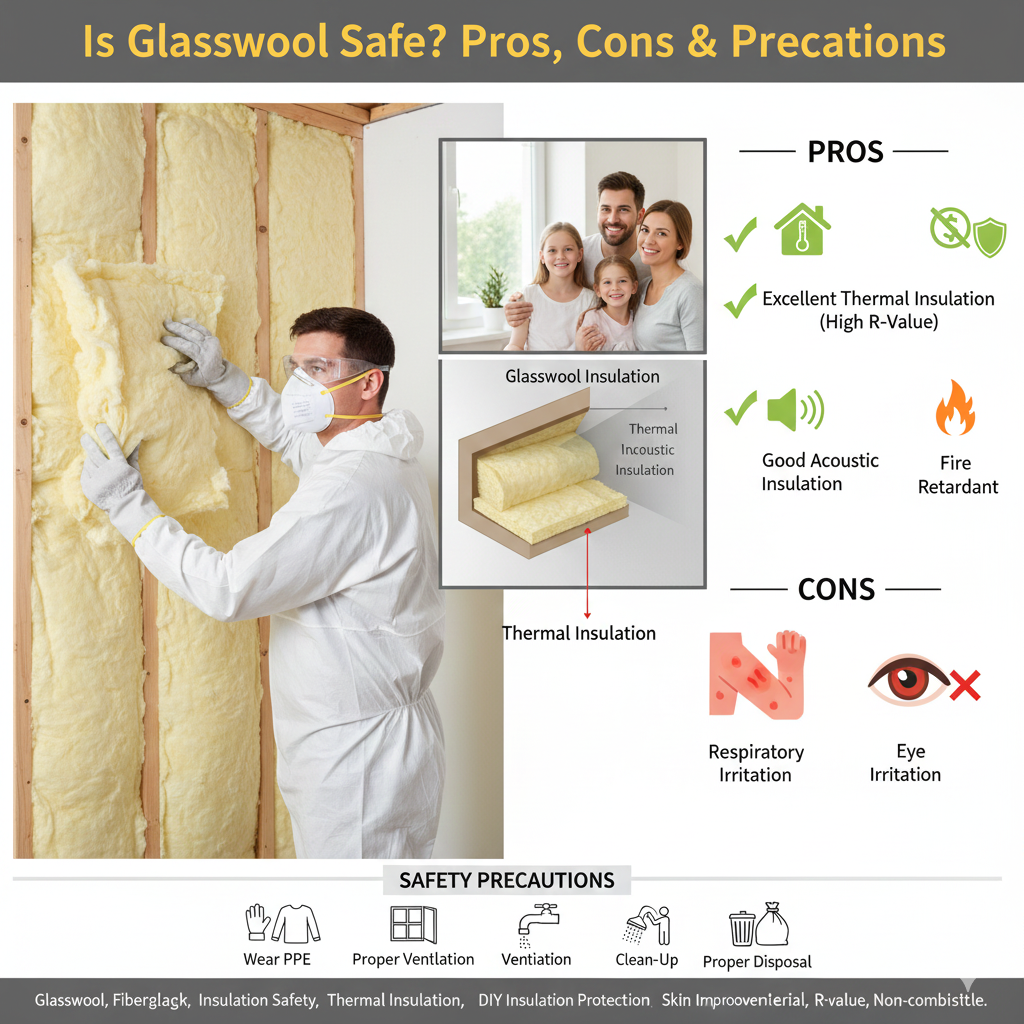
    Is Glasswool Insulation Safe?

    Introduction

    When considering home improvement projects or new construction, thermal insulation is a critical component for energy efficiency and indoor comfort. Among the most widely used building material options for insulation is Glasswool insulation, often referred to as fiberglass. Its prevalence is due to its excellent thermal insulation properties and relatively low cost.

    However, many homeowners and DIY enthusiasts often ask: “Is Glasswool safe?” This is a valid concern, given its fibrous nature and the dust it can generate. This guide will delve into the composition of Glasswool, its benefits, potential drawbacks, and, most importantly, the essential safety precautions to ensure a safe experience during installation and in daily living.

    What is Glasswool (Fiberglass) Insulation?

    Glasswool Sheet For Soundproofing

    Glasswool is a type of mineral wool made from extremely fine fibers of glass. The manufacturing process involves melting recycled glass and sand, then spinning it into fibers, which are then bound together with a resin and formed into batts, rolls, or loose-fill. The tiny air pockets trapped within these fibers are what provide its superior thermal insulation and decent acoustic insulation properties.

    It’s primarily used in walls, ceilings, and floors to reduce heat transfer, lower energy bills, and improve overall interior comfort.

    The Benefits of Using Glasswool

    Despite the safety questions, Glasswool remains popular for several good reasons:

    1. Excellent Thermal Insulation

    Glasswool is highly effective at resisting heat flow, boasting a good R-value (a measure of thermal resistance) per inch. This makes it an efficient building material for keeping homes warm in winter and cool in summer, leading to significant energy savings.
    2. Cost-Effective

    Compared to some other insulation material options, Glasswool is generally more affordable, making it a budget-friendly choice for many DIY insulation projects and large-scale constructions.

    3. Good Acoustic Insulation

    Beyond thermal properties, the fibrous structure of Glasswool also provides reasonable acoustic insulation, helping to dampen sound transmission between rooms and from outside, contributing to a quieter indoor environment.

    4. Fire Retardant Properties

    While not entirely non-combustible like stone wool, Glasswool is resistant to fire and does not typically contribute to the spread of flames. It has good fire-retardant properties, offering an added layer of safety in a building’s fire strategy.

    Potential Concerns: Addressing the Safety Question

    The main concerns regarding the safety of Glasswool stem from the tiny glass fibers themselves:

    1. Skin Irritation

    The most common issue encountered with Glasswool is skin irritation. The microscopic glass fibers can embed themselves in the skin, causing itching, redness, and discomfort. This is a physical irritation, not a chemical reaction, and is temporary.

    2. Respiratory Irritation

    When disturbed, Glasswool can release fine airborne fibers. Inhaling these fibers can irritate the upper respiratory tract, leading to coughing, sneezing, or a sore throat. For individuals with existing respiratory conditions like asthma, this can be particularly bothersome. However, extensive research by organizations like the World Health Organization (WHO) and the International Agency for Research on Cancer (IARC) has concluded that modern Glasswool fibers are not classifiable as to their carcinogenicity to humans, meaning they are not considered a cancer risk. The fibers are non-respirable, meaning they are too large to reach the deep lung tissue.

    3. Eye Irritation

    Fibers can also get into the eyes, causing discomfort, redness, and a gritty sensation.

    Essential Safety Precautions for Handling Glasswool

    The key to safe installation and handling of Glasswool lies in proper safety precautions. These measures are simple but crucial for minimizing exposure and discomfort.

    1. Personal Protective Equipment (PPE)

    • Gloves: Always wear heavy-duty work gloves to prevent skin irritation.
    • Long Sleeves and Pants: Cover all exposed skin. Wear loose-fitting, long-sleeved shirts and long pants, ideally disposable coveralls for extensive work.
    • Eye Protection: Goggles or safety glasses are essential to protect your eyes from airborne fibers.
    • Respiratory Protection: A dust mask or, ideally, an N95 respirator should always be worn to prevent inhalation of fibers. This is a non-negotiable safety precaution.

    2. Proper Ventilation

    Work in well-ventilated areas. If possible, open windows and doors during installation to allow fresh air circulation and reduce the concentration of airborne fibers.

    3. Minimize Disturbance

    Handle Glasswool batts or rolls carefully to avoid excessive agitation that releases fibers into the air. Do not shake or tear the material roughly.

    4. Clean-Up Procedures

    • Do NOT Vacuum with a Household Vacuum: The fine fibers can clog filters and be recirculated into the air.
    • Wet Wipe or HEPA Vacuum: Use a damp cloth to wipe surfaces or a vacuum equipped with a HEPA filter.
    • Shower and Wash Clothes Separately: After working with Glasswool, shower with cold water first to rinse off fibers without opening pores. Wash work clothes separately from other laundry to avoid cross-contamination.

    5. Disposal

    Dispose of Glasswool waste in sealed plastic bags to prevent fibers from escaping into the environment or affecting others. Check local regulations for proper waste disposal.

    Glasswool in Everyday Living

    Once installed and covered by drywall, ceilings, or other finishes, Glasswool insulation poses no significant health risk in a finished building. The fibers are encapsulated and not airborne. The concerns are primarily during the installation or removal process when the material is exposed.

    Conclusion: Safe and Effective with Proper Care

    Glasswool insulation remains a valuable and effective building material for achieving excellent thermal insulation and acoustic insulation in homes and buildings. While questions about “Is Glasswool safe?” are understandable, current scientific consensus confirms that modern Glasswool is not carcinogenic.

    The temporary skin irritation and respiratory discomfort can be entirely managed and prevented by adhering strictly to recommended safety precautions during installation. By wearing appropriate PPE, ensuring good ventilation, and following proper handling and clean-up procedures, you can safely harness the many benefits of this ubiquitous insulation material for your home improvement needs.

    FAQ’S

    Glasswool insulation is commonly used for thermal insulation, soundproofing, and fire resistance in homes, offices, industrial buildings, HVAC ducts, and metal structures.

    Yes. Glasswool is non-combustible and widely used in residential construction. However, during installation, wearing protective gloves, goggles, and a mask is recommended to avoid irritation from loose fibers.

    Glasswool has a high R-value, meaning it provides strong thermal resistance. It helps maintain indoor temperature, reduces heat transfer, and can significantly lower cooling and heating costs.

    Yes. Glasswool is an excellent acoustic insulation material. Its fibrous structure reduces echo, noise transfer, and vibrations, making it ideal for studios, commercial buildings, and home sound control.

  • Jumbolon Insulation Pipes in Pakistan – The Complete Guide for 2025

    Jumbolon Insulation Pipes in Pakistan – The Complete Guide for 2025

    In Pakistan’s rapidly expanding construction and industrial sectors, Jumbolon insulation pipes have become one of the most reliable, cost-effective, and energy-efficient materials for pipe protection. Whether it’s hot and cold water pipe insulation, HVAC ducting, industrial pipelines, chiller lines, or residential plumbing insulation, Jumbolon EPE foam pipe sections offer the ideal combination of durability, thermal resistance, and affordability.

    If you are searching for pipe insulation in Pakistan, understanding why Jumbolon insulation pipes are popular—and where they perform best—can help you make the right choice.

    What Are Jumbolon Insulation Pipes?

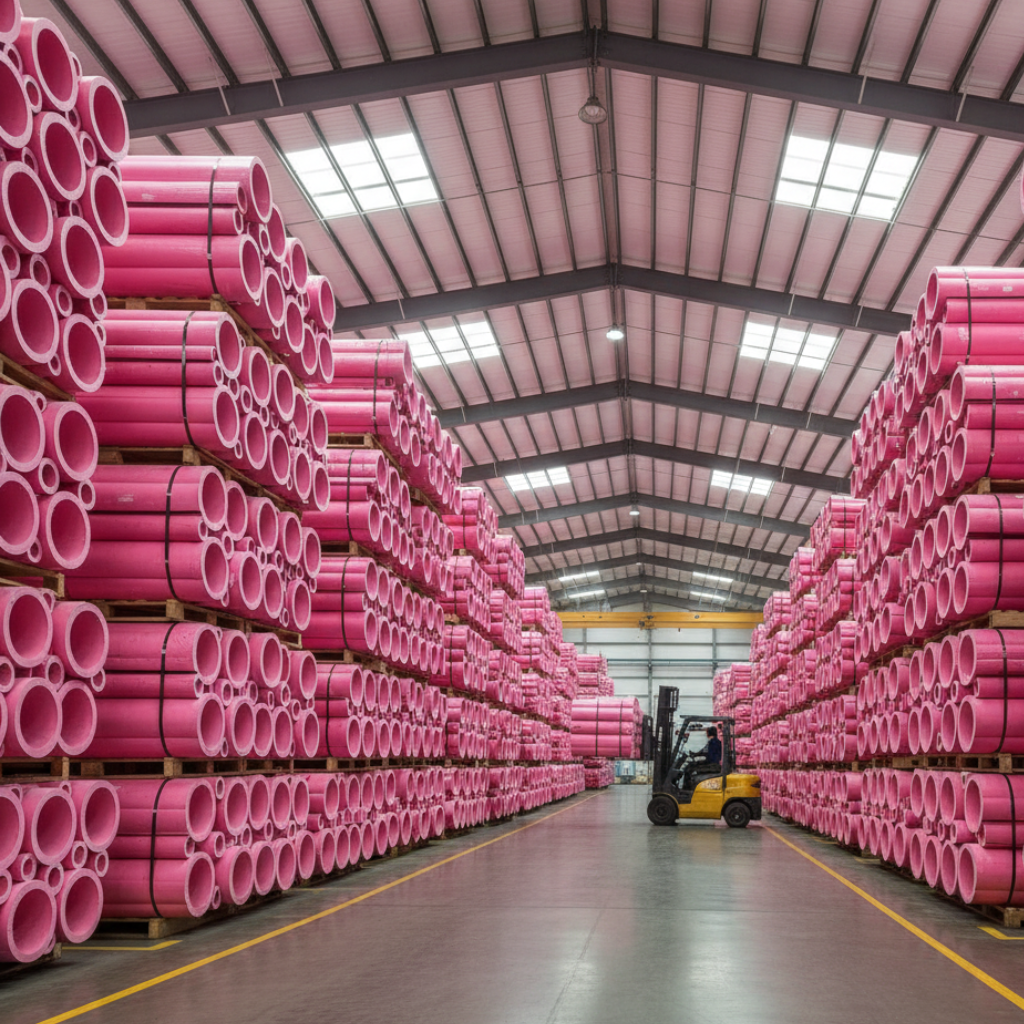
    Jumbolon insulation pipes are cylindrical pipe-section covers made from EPE (Expanded Polyethylene) foam, known for its closed-cell structure, lightweight body, and excellent insulation properties.
    These pipes are also referred to as:

    • EPE foam pipe
    • EPE pipe section
    • Thermal insulation pipe covers
    • EPE insulation Pakistan
    • Jumbolon pipe section for plumbing

    Their design ensures superior insulation for metal, PVC, GI, HDPE, PPRC, and copper pipelines used in homes, factories, and commercial buildings.

    Key Features and Benefits of Jumbolon Insulation Pipes

    1. Excellent Thermal Insulation

    Jumbolon insulation pipes significantly reduce heat transfer—making them ideal for:

    • Hot water insulation pipes
    • Cold water pipe insulation
    • Chiller line insulation
    • HVAC insulation pipes

    The closed-cell EPE foam helps maintain temperature stability and reduces energy loss.

    2. Moisture & Condensation Control

    Moisture buildup on pipes is a common problem in humid Pakistani cities like Karachi and Lahore.
    Jumbolon pipe sections prevent:

    • Condensation
    • Dripping
    • Rust
    • Corrosion

    This extends the lifespan of plumbing and HVAC systems.

    3. Lightweight and Easy to Install

    Because EPE foam is soft and flexible, Jumbolon pipes can be installed quickly on:

    • Residential plumbing lines
    • Industrial pipelines
    • High-rise building HVAC systems
    • Commercial cold storage units

    Contractors prefer it due to its clean handling and installation convenience.

    4. Affordable & Durable

    Compared to other insulation materials, Jumbolon pipe price in Pakistan is economical.
    It provides long-term performance with:

    • High elasticity
    • Shock resistance
    • Protection from heat and chemicals

    This makes it an excellent value for money for both small and large-scale projects.

    Common Applications of Jumbolon EPE Foam Pipes in Pakistan

    1. Residential Use

    • Hot/cold water pipelines
    • Overhead water tank pipes
    • Washing area plumbing insulation
    • Air conditioner pipes
    • Solar geyser line insulation

    2. Commercial & Industrial

    • HVAC duct and pipeline insulation
    • Factory process lines
    • Cold storage insulation
    • Refrigeration pipelines
    • Industrial chiller systems

    3. Construction & Infrastructure

    • Building plumbing insulation
    • Thermal and acoustic insulation
    • Energy-efficient pipe insulation
    • Roof and shed pipeline protection

    4. Retail, Wholesale & OEM Sector

    Jumbolon foam pipe sections are widely available through:

    Why Jumbolon Insulation Pipes Are Popular in Pakistan

    Pakistan’s climate conditions demand strong insulation solutions due to:

    • Intense summer heat
    • High humidity levels
    • Rapid urban construction
    • Increasing electricity costs

    Jumbolon EPE pipe insulation helps reduce power consumption by keeping hot water hotter and cool water cooler without using extra energy.
    Builders and industries choose these pipes because they offer:

    • Energy-efficient insulation materials
    • High-density foam quality
    • Long-lasting protection

    Jumbolon Pipe Density & Thickness Options

    Jumbolon pipe insulation comes in various:

    • Densities (low density, medium density, high-density EPE pipe)
    • Wall thicknesses
    • Internal diameters

    Higher density options offer better:

    • Heat resistance
    • Compression strength
    • Durability
    • Sound insulation

    These are commonly used in industrial insulation pipes and high-performance HVAC systems.

    Jumbolon Pipe Price in Pakistan – 2025 Update

    The EPE foam pipe price in Pakistan varies depending on:

    • Diameter
    • Wall thickness
    • Density
    • Quantity (retail or wholesale)
    • Location

    Estimated prices:

    • Small diameter lines: PKR 80 – PKR 150 per meter
    • Medium diameter lines: PKR 150 – PKR 280 per meter
    • High-density thick-wall insulation: PKR 300 – PKR 550+ per meter

    For bulk buyers, factory-rate Jumbolon insulation pipes are cheaper, especially for Lahore, Karachi, Islamabad, Faisalabad, and Peshawar markets.

    Why Jumbolon EPE Pipe Insulation Is Better Than Alternatives

    Material TypeMoisture ResistanceFlexibilityHeat ProtectionCost Level
    Jumbolon EPE FoamExcellentHighGoodAffordable
    Rubber FoamVery GoodHighVery GoodExpensive
    Glass WoolLowLowGoodCheap
    PUF PipeExcellentMediumExcellentHigh

    Jumbolon remains the best option for general-purpose insulation at an economical rate.

    Final Thoughts

    Jumbolon insulation pipes in Pakistan are a practical, budget-friendly, and high-performance solution for a wide range of plumbing, HVAC, industrial, and refrigeration applications. Their thermal efficiency, moisture resistance, durability, and easy installation make them an ideal choice for both residential and industrial use.

    Jumbolon insulation pipes are one of the most reliable and energy-efficient insulation solutions in Pakistan. Made from high-density EPE foam, these pipe sections protect hot and cold water pipelines, prevent condensation, reduce heat loss, and increase the lifespan of HVAC and industrial systems. Whether you’re insulating residential plumbing, commercial chiller lines, or large-scale industrial pipelines, Jumbolon EPE pipe insulation offers durability, affordability, and top-tier thermal performance — making it the ideal choice for 2025 and beyond.

    If you’re looking for energy-efficient pipe insulation materials, EPE pipe sections, or high-density Jumbolon pipes at affordable rates, Jumbolon remains one of the most reliable insulation options in Pakistan.

    FAQ’S

    Jumbolon insulation pipes are mainly used for hot and cold water pipe insulation, HVAC duct insulation, industrial chiller line insulation, and plumbing insulation in residential and commercial buildings. They help reduce heat loss, prevent condensation, and improve energy efficiency.

    The Jumbolon pipe price in Pakistan varies by diameter, thickness, and density. Small diameter pipes range from PKR 80–150 per meter, medium pipes from PKR 150–280 per meter, and high-density thick-wall pipes from PKR 300–550+ per meter. Bulk and wholesale orders are available at factory rates in Lahore, Karachi, Islamabad, and other cities.

    Yes. High-density EPE pipe sections are ideal for industrial insulation pipes, including refrigeration lines, HVAC systems, and cold storage insulation. They provide excellent thermal insulation, moisture resistance, and durability for both industrial and commercial pipelines.

    Absolutely. Jumbolon EPE foam insulation prevents moisture buildup on hot and cold water pipes, reducing condensation, corrosion, and rust. It is highly recommended for humid climates in Pakistan, such as Karachi, Lahore, and Islamabad, as well as for monsoon-prone areas.