
thermocol sheet price in pakistan

Tag: insulation services Islamabad

  • How Insulation Saves Electricity Costs?

    How Insulation Saves Electricity Costs?

    Electricity bills in Pakistan are rising, and inefficient buildings waste energy every day. One of the most effective ways to save electricity is through proper insulation. Insulation reduces heat transfer, keeps indoor temperatures stable, and lowers reliance on air conditioning or heating systems.

    This guide explains How Insulation Saves Electricity Costs in Pakistan, explores its eco-friendly benefits, and shows how homeowners and businesses can reduce energy expenses while improving comfort.

    Why Electricity Costs Are High in Pakistan

    In Pakistan, hot summers and cold winters cause a spike in electricity consumption. Poorly insulated homes and offices require more power for cooling and heating. This not only increases monthly electricity bills but also contributes to higher carbon emissions.

    Implementing effective insulation is a proven method to save electricity while maintaining indoor comfort.

    How Insulation Saves Electricity Costs in Pakistan

    How Insulation Saves Electricty Costs

    Insulation works by slowing down the transfer of heat between indoor and outdoor environments. Here’s how it helps:

    1. Reduces Cooling Load in Summer
      Proper roof and wall insulation keep interiors cooler, reducing the need for fans or air conditioners.
    2. Minimizes Heating Load in Winter
      Insulation traps warmth inside buildings, cutting down on electric heater usage.
    3. Stabilizes Indoor Temperature
      Consistent temperature reduces frequent on/off cycles of HVAC systems, improving energy efficiency.

    By addressing heat gain and loss, insulation directly lowers electricity consumption, making monthly bills more manageable.

    How Insulation Saves Electricity Price in Pakistan

    The impact of insulation on electricity bills can be significant. On average, well-insulated buildings can reduce energy costs by 30–40%, depending on climate and building type. This is especially important for commercial spaces and large residential buildings in Pakistan.

    By reducing dependency on electricity, insulation offers long-term financial benefits and faster return on investment.

    Types of Insulation That Help Save Electricity
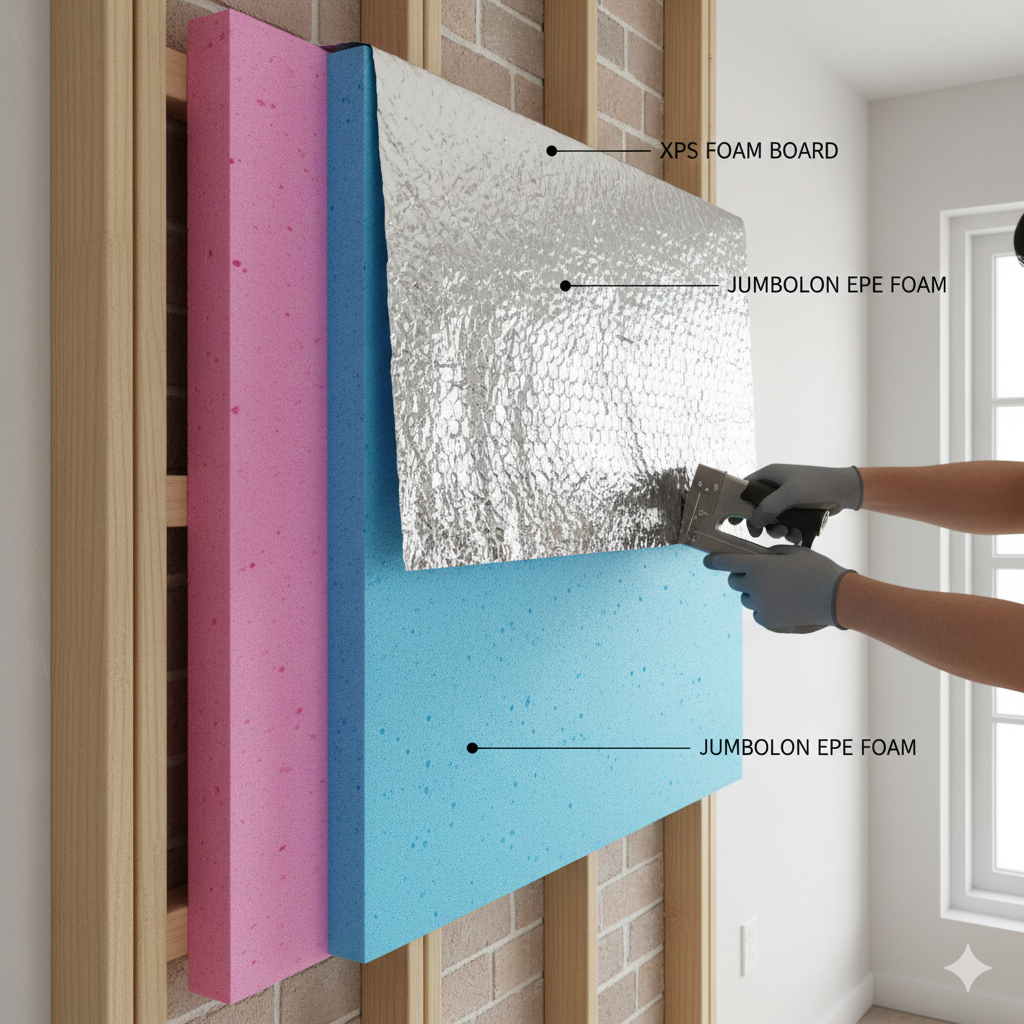
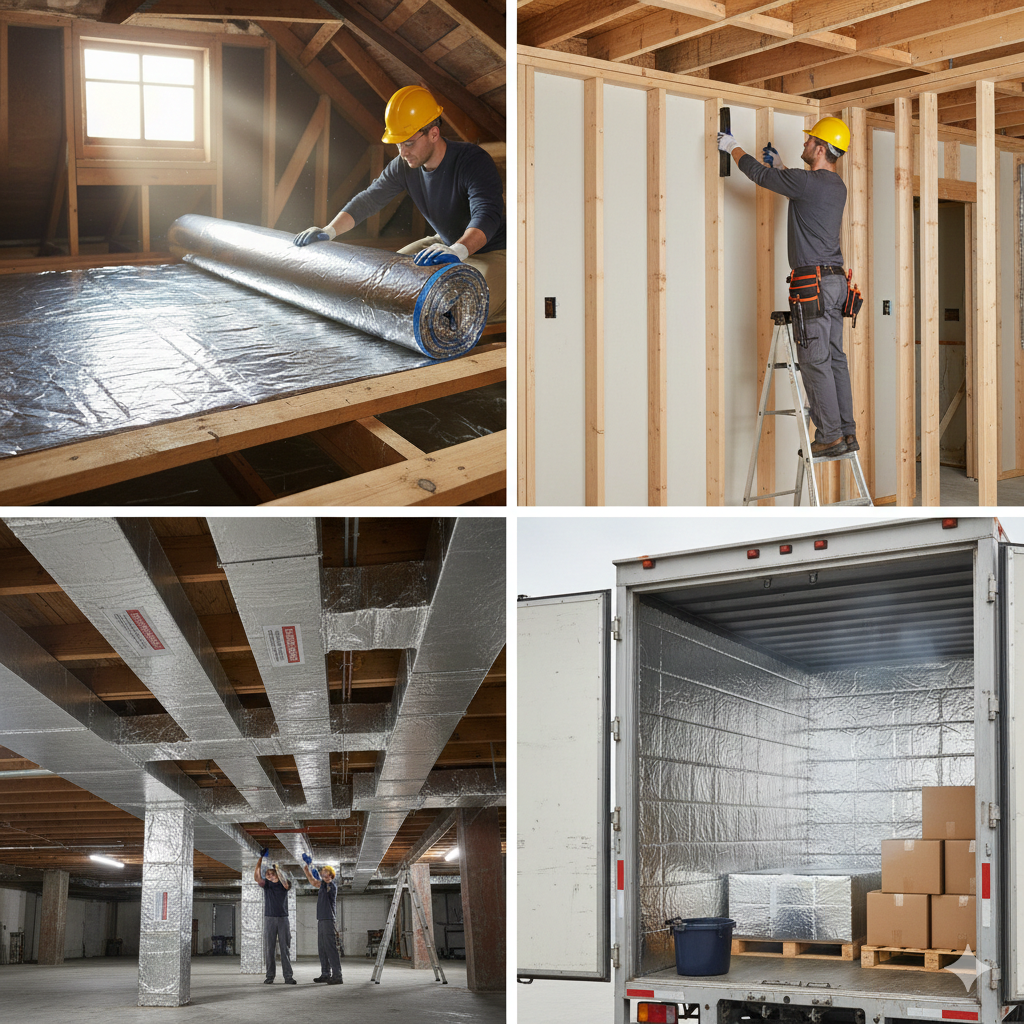
    Using aluminium foil with jumbolon

    Several insulation materials are commonly used in Pakistan to save electricity effectively:

    • EPS and XPS Sheets – Lightweight and cost-effective for walls and roofs.
    • Glass Wool and Mineral Wool – Provides thermal and sound insulation.
    • PU/PIR Foam Panels – High thermal resistance, ideal for cold storage and warehouses.
    • Sandwich Panels – Combines structure and insulation in one layer for energy efficiency.

    Choosing the right material depends on your application, budget, and climate.

    Insulation as an Eco-Friendly Solution

    Beyond cost savings, insulation is an insulation eco friendly solution:

    • Reduces energy consumption and greenhouse gas emissions
    • Lowers the carbon footprint of buildings
    • Promotes sustainable construction practices

    Investing in insulation is not only smart financially but also environmentally responsible.

    How to Maximize Electricity Savings with Insulation

    1. Insulate Roofs and Ceilings – The roof is the largest source of heat gain.
    2. Install Wall Insulation – Helps maintain a stable indoor temperature.
    3. Seal Gaps and Openings – Prevents unnecessary heat loss or gain.
    4. Combine with Energy-Efficient Appliances – Insulation works best with modern cooling and heating systems.

    Even modest improvements can significantly save electricity over time.

    Conclusion

    Understanding How Insulation Saves Electricity Costs in Pakistan is crucial for homeowners, business owners, and facility managers. Proper insulation reduces electricity bills, improves comfort, and supports eco-friendly building practices. By investing in quality insulation, you gain long-term savings and a sustainable advantage.

    Whether for a house, office, or warehouse, insulation is one of the smartest investments to save electricity and protect the environment.

    FAQ’S

    Insulation slows heat transfer through walls, roofs, and ceilings, reducing the need for air conditioning or heating, which directly lowers electricity consumption.

    EPS sheets, XPS boards, glass wool, mineral wool, and PU/PIR foam panels are effective options that provide high thermal resistance and help save electricity.

    Yes. Insulation reduces energy consumption, lowers greenhouse gas emissions, and is a sustainable way to save electricity while maintaining comfort.

    Roofs, ceilings, and external walls are the most critical areas. Proper insulation in these areas helps stabilize indoor temperatures and significantly reduces electricity usage.
  • Common Insulation Mistakes & How to Avoid Them

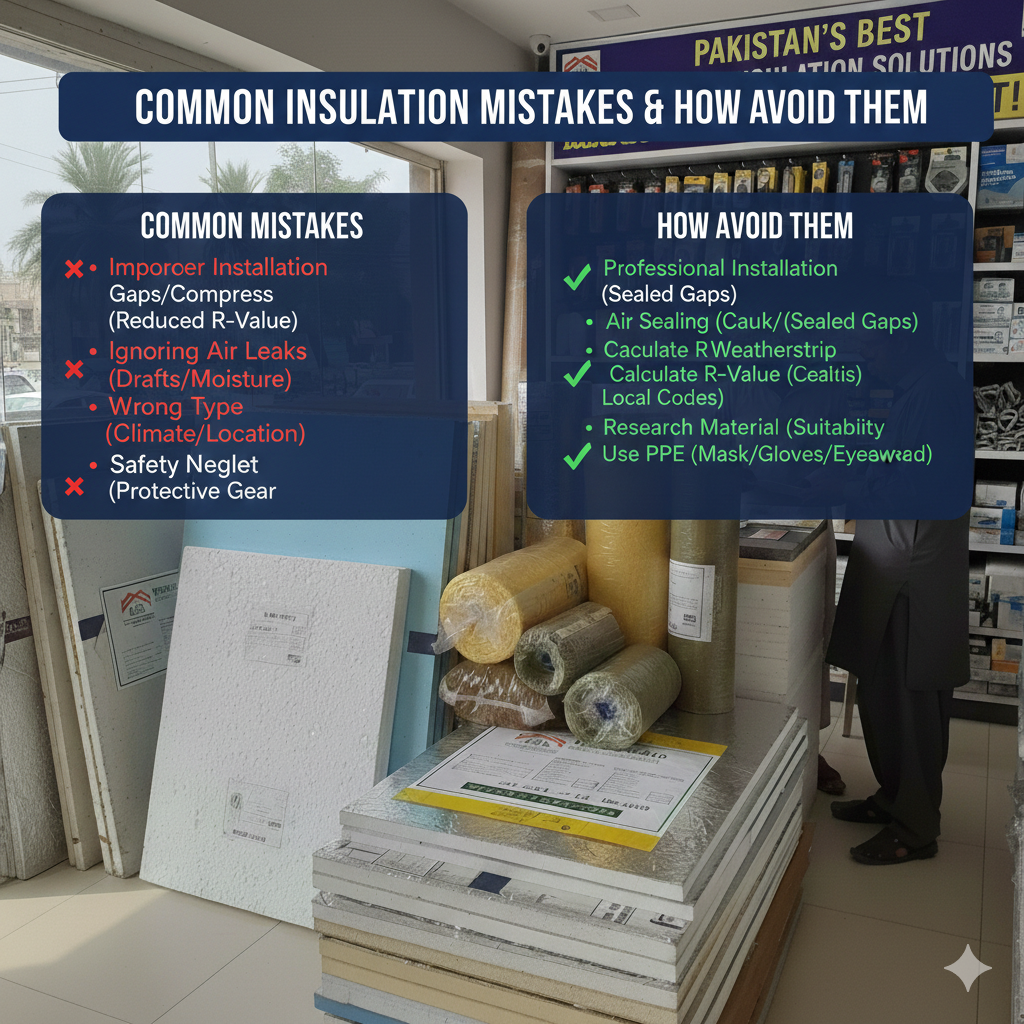
    Common Insulation Mistakes & How to Avoid Them

    Insulation plays a critical role in maintaining indoor comfort, reducing energy costs, and protecting buildings from extreme temperatures. However, many homeowners and builders in Pakistan unknowingly make insulation mistakes that reduce effectiveness and increase long-term expenses.

    This guide explains the most common insulation mistakes and provides practical solutions to avoid them for better thermal performance and durability.

    Why Proper Insulation Matters

    Correct insulation helps regulate indoor temperatures, reduces heat transfer, and improves energy efficiency. Poor insulation decisions can lead to excessive heat gain, moisture issues, and higher electricity bills, especially in Pakistan’s hot climate.

    Avoiding common mistakes ensures insulation performs as intended throughout the building’s lifespan.

    Mistake 1: Choosing the Wrong Insulation Material

    One of the most frequent mistakes is selecting insulation based only on price instead of application. Different areas of a building require different insulation materials.

    How to Avoid It

    Evaluate where insulation will be installed—roof, walls, ceilings, or ducts—and choose materials suitable for that specific location and climate exposure.

    Mistake 2: Ignoring Insulation Thickness and Density

    Many installations fail because insulation thickness or density is insufficient. Thin or low-density insulation may not provide adequate heat resistance.

    How to Avoid It

    Always select insulation with appropriate thickness and density based on building type, exposure to sunlight, and temperature requirements.

    Mistake 3: Poor Installation Practices

    Even the best insulation material fails if installed incorrectly. Gaps, compressed insulation, and unsealed joints reduce effectiveness.

    How to Avoid It

    Ensure professional installation with proper sealing, alignment, and coverage. Avoid compressing insulation materials during fitting.

    Mistake 4: Not Considering Moisture and Ventilation

    Insulation without proper moisture control can lead to condensation, mold growth, and structural damage.

    How to Avoid It

    Use vapor barriers where required and ensure adequate ventilation to prevent moisture buildup

    Mistake 5: Skipping Roof Insulation

    Many buildings focus on wall insulation but ignore the roof, which receives the most direct heat.

    How to Avoid It

    Always prioritize roof insulation, especially in hot climates, to significantly reduce indoor heat gain.

    Mistake 6: Using One Insulation Type for Entire Building

    No single insulation material works perfectly for every part of a building.

    How to Avoid It

    Combine insulation systems when necessary—for example, reflective insulation for roofs and fiber insulation for walls—to maximize performance.

    Mistake 7: Focusing Only on Initial Cost

    Low-cost insulation may seem attractive initially but often leads to higher energy bills and replacement costs.

    How to Avoid It

    Consider insulation as a long-term investment. Higher-quality insulation offers better durability, comfort, and energy savings.

    Conclusion

    Avoiding common insulation mistakes can significantly improve indoor comfort, energy efficiency, and building lifespan. Proper material selection, correct installation, and thoughtful planning are essential for effective insulation performance.

    Making informed insulation choices today prevents costly problems in the future.

    FAQ’S

    Common insulation mistakes include choosing the wrong material, improper thickness, poor installation, ignoring roof insulation, and neglecting moisture control.

    Hire professional installers, follow manufacturer guidelines, ensure proper sealing and alignment, and select materials suitable for the specific application area.

    Yes, the roof receives the most direct heat. Proper roof insulation significantly reduces indoor temperatures and energy costs.

    No, different areas have different requirements. Combining insulation types—for example, reflective insulation for roofs and fiber insulation for walls—maximizes efficiency.

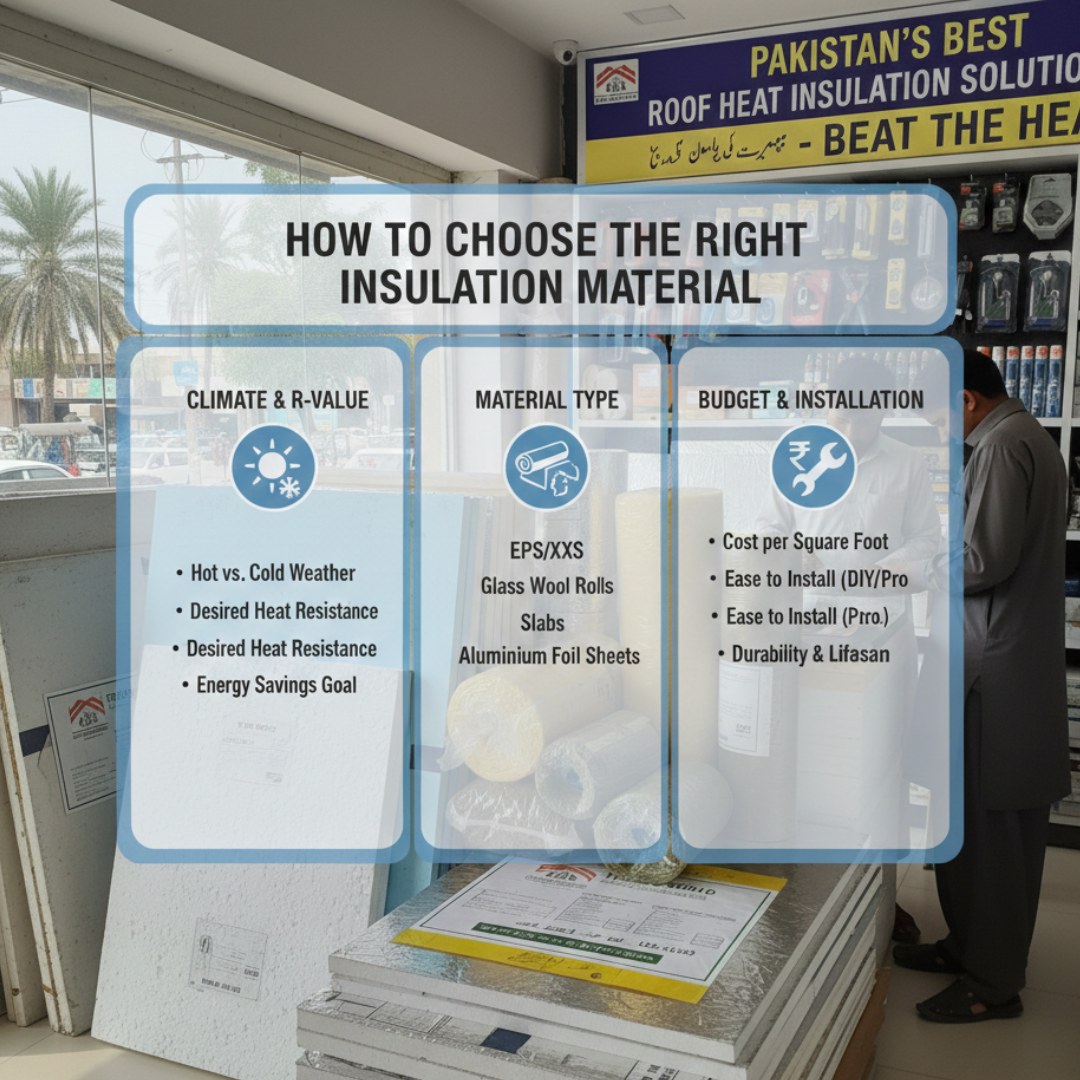
  • How to Choose the Right Insulation Material

    How to Choose the Right Insulation Material

    Choosing the correct insulation material is one of the most important decisions in building or renovating a house in Pakistan. With extreme summers, rising energy costs, and varied construction styles, insulation directly affects indoor comfort, electricity bills, and long-term building performance.

    This guide explains how to choose the right insulation material in Pakistan, covering key factors, material types, and practical recommendations for walls, roofs, and interiors.

    Why Insulation Selection Matters

    insulation material

    Insulation is not a one-size-fits-all solution. The wrong choice can lead to heat buildup, moisture problems, and higher maintenance costs. The right insulation, on the other hand, improves thermal comfort, reduces energy consumption, and protects the building structure.

    Understanding how to choose the right insulation material for house construction helps homeowners make informed, cost-effective decisions.

    Factors to Consider Before Choosing Insulation

    Before selecting any insulation product, evaluate the following:

    • Climate and temperature conditions
    • Building type (residential, commercial, or industrial)
    • Location of insulation (roof, wall, ceiling, or floor)
    • Budget and long-term energy savings
    • Installation and maintenance requirements

    These factors help identify the most-efficient insulation material for your specific needs.

    Thermal Insulation Materials Commonly Used in Pakistan

    Below is a practical thermal insulation materials list commonly used across Pakistan:

    • Glasswool insulation
    • Rockwool insulation
    • Expanded polystyrene (EPS)
    • Extruded polystyrene (XPS)
    • Polyurethane foam
    • Aluminium foil insulation

    Each material offers different performance levels depending on application and environment.

    Best Insulation for Walls

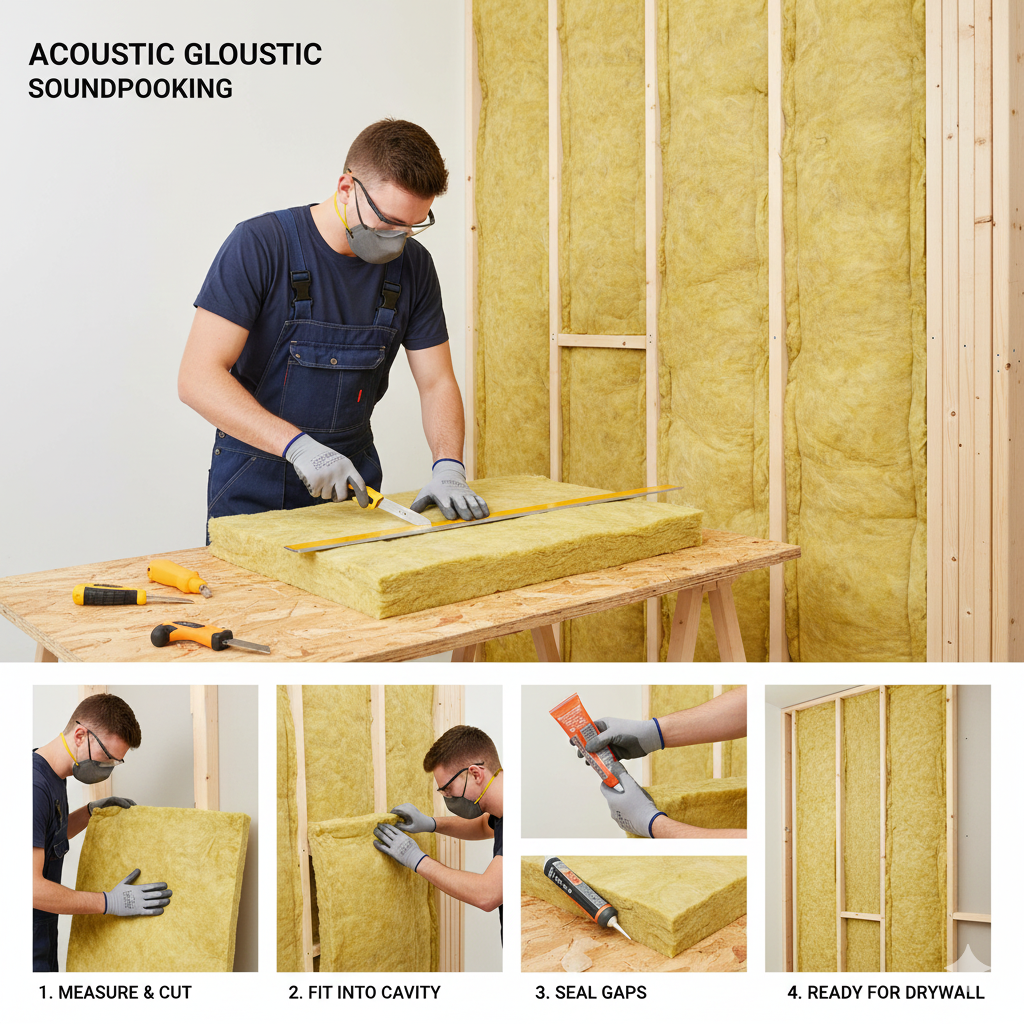
    Glasswool Sheet For Soundproofing

    Walls play a major role in heat transfer, especially in homes exposed to direct sunlight.

    The Best Insulation for walls usually includes materials that provide both thermal resistance and durability. Glasswool, rockwool, and foam boards are widely used due to their balanced performance and availability.

    Best Insulation for Interior Walls

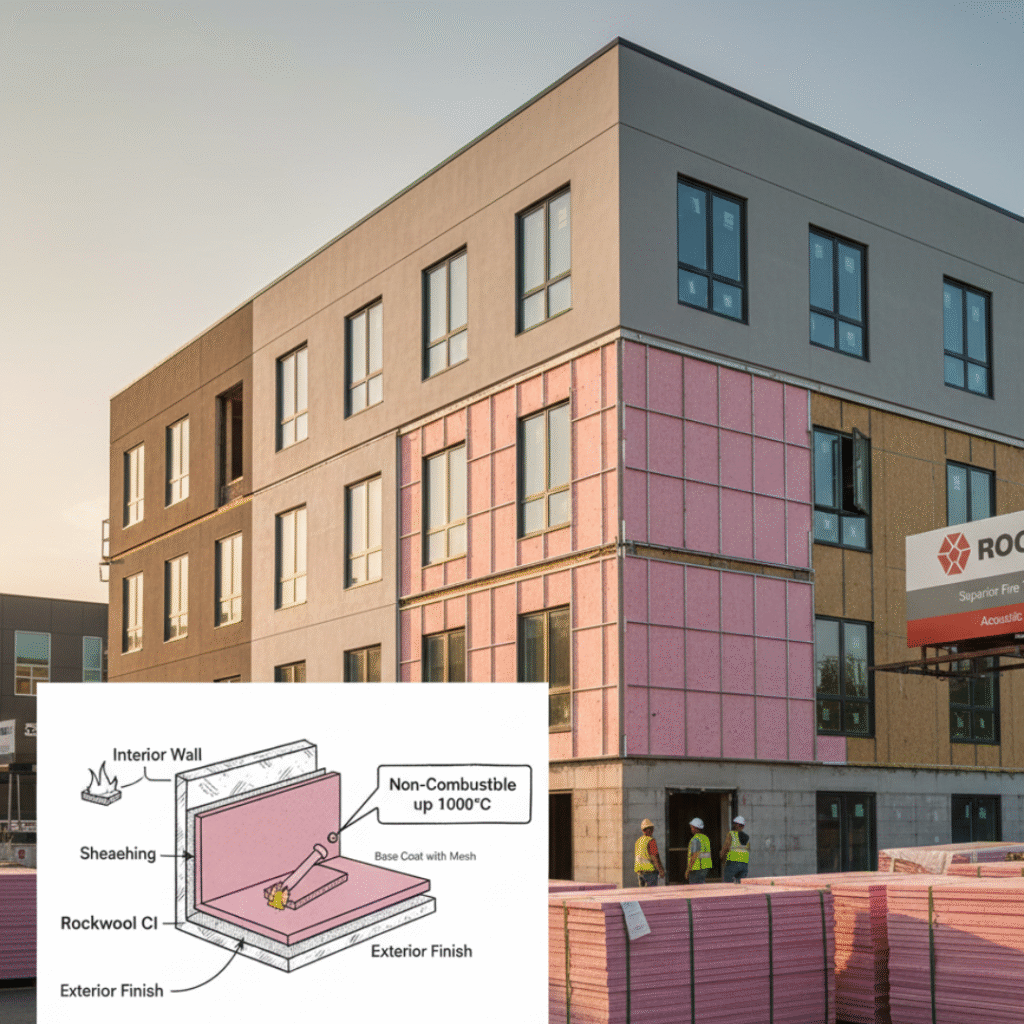
    rockwool insulation sheet in eifs

    Interior walls require insulation mainly for temperature stability and noise reduction. The Best Insulation for interior walls is typically lightweight and easy to install, such as glasswool or foam-based insulation.

    These materials help maintain consistent indoor temperatures while improving acoustic comfort.

    Best Heat Insulation Material for Roofs and Ceilings

    Roofs receive maximum heat exposure in Pakistan. Selecting the Best heat insulation material for roofs is crucial for reducing indoor heat gain.

    Reflective aluminium foil insulation, combined with foam or fiber insulation, is commonly used to block radiant heat and improve overall efficiency.

    Best Insulation for Exterior Walls

    insulation material supplier in pakistan

    Exterior walls require insulation that can withstand weather changes while providing long-term thermal performance. The Best Insulation for exterior walls includes materials with moisture resistance, durability, and high thermal efficiency, such as XPS boards or rockwool.

    These materials help protect buildings from external heat and environmental stress.

    Choosing the Best Material for Insulation

    The Best material for insulation depends on application rather than popularity. A residential home may require different insulation than a warehouse or office building.

    For example:

    • Homes benefit from glasswool and foil insulation
    • Commercial buildings often use rockwool or foam boards
    • Industrial facilities require fire-resistant insulation

    Selecting material based on performance needs ensures better results and long-term value.

    Cost vs Performance Balance

    While price is an important factor, insulation should be viewed as a long-term investment. Higher-quality insulation materials reduce electricity costs and minimize future repairs.

    Balancing upfront cost with energy savings helps identify the most cost-effective insulation solution.

    Conclusion

    Choosing the right insulation material in Pakistan requires careful consideration of climate, building structure, and application area. By understanding material properties and usage requirements, homeowners and builders can select insulation that delivers comfort, energy efficiency, and durability.

    Making the right choice today ensures a more comfortable and energy-efficient building for years to come.

    FAQ’S

    The most-efficient insulation material depends on application. For roofs, reflective aluminium foil works well, while glasswool and foam boards are commonly used for walls and ceilings.

    The best insulation for interior walls includes lightweight materials such as glasswool and foam insulation, as they provide thermal comfort and noise reduction without adding structural load.

    For exterior walls, durable and moisture-resistant materials like XPS boards or rockwool are considered the best insulation for exterior walls in Pakistan.

    To choose the best material for insulation, consider climate, building type, budget, and whether insulation is needed for heat control, soundproofing, or fire resistance.

  • Is Glasswool Insulation Safe?

    Is Glasswool Insulation Safe?

    Introduction

    When considering home improvement projects or new construction, thermal insulation is a critical component for energy efficiency and indoor comfort. Among the most widely used building material options for insulation is Glasswool insulation, often referred to as fiberglass. Its prevalence is due to its excellent thermal insulation properties and relatively low cost.

    However, many homeowners and DIY enthusiasts often ask: “Is Glasswool safe?” This is a valid concern, given its fibrous nature and the dust it can generate. This guide will delve into the composition of Glasswool, its benefits, potential drawbacks, and, most importantly, the essential safety precautions to ensure a safe experience during installation and in daily living.

    What is Glasswool (Fiberglass) Insulation?

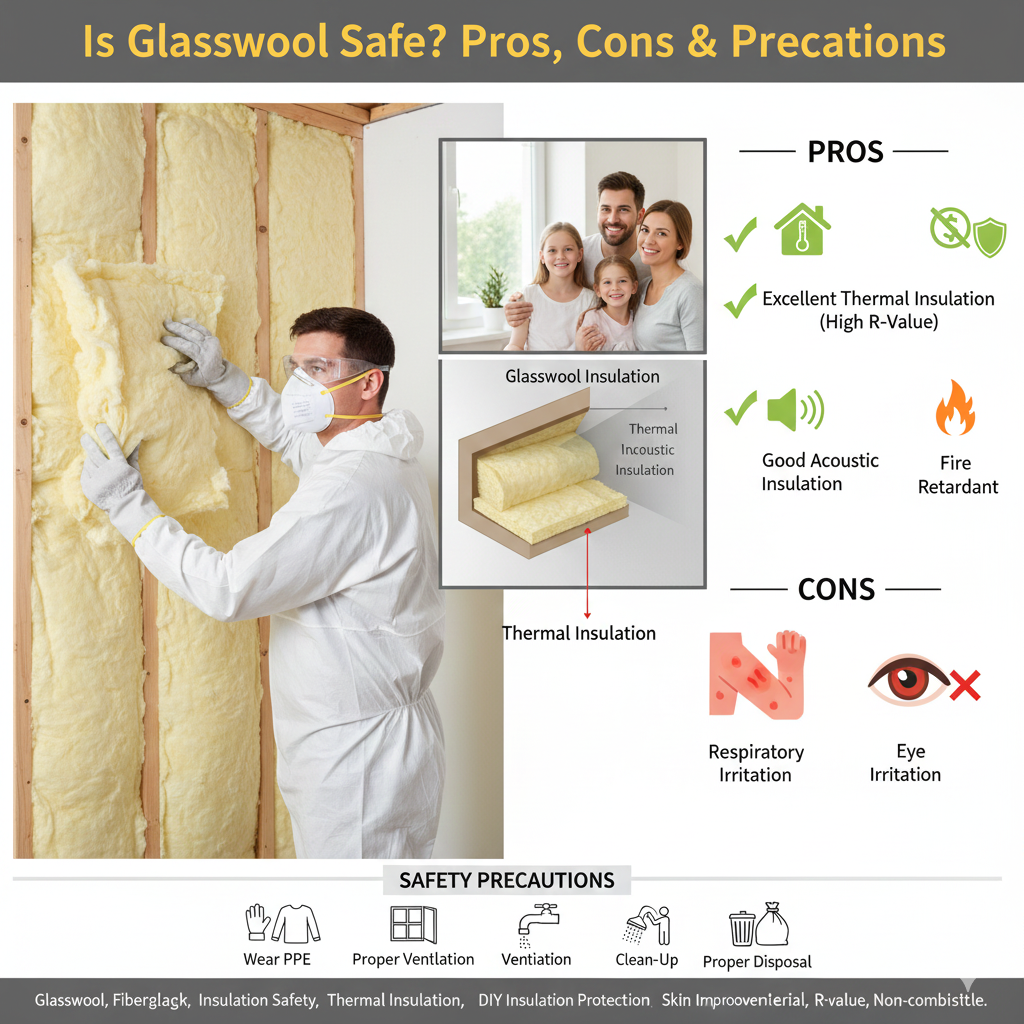
    Glasswool Sheet For Soundproofing

    Glasswool is a type of mineral wool made from extremely fine fibers of glass. The manufacturing process involves melting recycled glass and sand, then spinning it into fibers, which are then bound together with a resin and formed into batts, rolls, or loose-fill. The tiny air pockets trapped within these fibers are what provide its superior thermal insulation and decent acoustic insulation properties.

    It’s primarily used in walls, ceilings, and floors to reduce heat transfer, lower energy bills, and improve overall interior comfort.

    The Benefits of Using Glasswool

    Despite the safety questions, Glasswool remains popular for several good reasons:

    1. Excellent Thermal Insulation

    Glasswool is highly effective at resisting heat flow, boasting a good R-value (a measure of thermal resistance) per inch. This makes it an efficient building material for keeping homes warm in winter and cool in summer, leading to significant energy savings.

    2. Cost-Effective

    Compared to some other insulation material options, Glasswool is generally more affordable, making it a budget-friendly choice for many DIY insulation projects and large-scale constructions.

    3. Good Acoustic Insulation

    Beyond thermal properties, the fibrous structure of Glasswool also provides reasonable acoustic insulation, helping to dampen sound transmission between rooms and from outside, contributing to a quieter indoor environment.

    4. Fire Retardant Properties

    While not entirely non-combustible like stone wool, Glasswool is resistant to fire and does not typically contribute to the spread of flames. It has good fire-retardant properties, offering an added layer of safety in a building’s fire strategy.

    Potential Concerns: Addressing the Safety Question

    The main concerns regarding the safety of Glasswool stem from the tiny glass fibers themselves:

    1. Skin Irritation

    The most common issue encountered with Glasswool is skin irritation. The microscopic glass fibers can embed themselves in the skin, causing itching, redness, and discomfort. This is a physical irritation, not a chemical reaction, and is temporary.

    2. Respiratory Irritation

    When disturbed, Glasswool can release fine airborne fibers. Inhaling these fibers can irritate the upper respiratory tract, leading to coughing, sneezing, or a sore throat. For individuals with existing respiratory conditions like asthma, this can be particularly bothersome. However, extensive research by organizations like the World Health Organization (WHO) and the International Agency for Research on Cancer (IARC) has concluded that modern Glasswool fibers are not classifiable as to their carcinogenicity to humans, meaning they are not considered a cancer risk. The fibers are non-respirable, meaning they are too large to reach the deep lung tissue.

    3. Eye Irritation

    Fibers can also get into the eyes, causing discomfort, redness, and a gritty sensation.

    Essential Safety Precautions for Handling Glasswool

    The key to safe installation and handling of Glasswool lies in proper safety precautions. These measures are simple but crucial for minimizing exposure and discomfort.

    1. Personal Protective Equipment (PPE)

    • Gloves: Always wear heavy-duty work gloves to prevent skin irritation.
    • Long Sleeves and Pants: Cover all exposed skin. Wear loose-fitting, long-sleeved shirts and long pants, ideally disposable coveralls for extensive work.
    • Eye Protection: Goggles or safety glasses are essential to protect your eyes from airborne fibers.
    • Respiratory Protection: A dust mask or, ideally, an N95 respirator should always be worn to prevent inhalation of fibers. This is a non-negotiable safety precaution.

    2. Proper Ventilation

    Work in well-ventilated areas. If possible, open windows and doors during installation to allow fresh air circulation and reduce the concentration of airborne fibers.

    3. Minimize Disturbance

    Handle Glasswool batts or rolls carefully to avoid excessive agitation that releases fibers into the air. Do not shake or tear the material roughly.

    4. Clean-Up Procedures

    • Do NOT Vacuum with a Household Vacuum: The fine fibers can clog filters and be recirculated into the air.
    • Wet Wipe or HEPA Vacuum: Use a damp cloth to wipe surfaces or a vacuum equipped with a HEPA filter.
    • Shower and Wash Clothes Separately: After working with Glasswool, shower with cold water first to rinse off fibers without opening pores. Wash work clothes separately from other laundry to avoid cross-contamination.

    5. Disposal

    Dispose of Glasswool waste in sealed plastic bags to prevent fibers from escaping into the environment or affecting others. Check local regulations for proper waste disposal.

    Glasswool in Everyday Living

    Once installed and covered by drywall, ceilings, or other finishes, Glasswool insulation poses no significant health risk in a finished building. The fibers are encapsulated and not airborne. The concerns are primarily during the installation or removal process when the material is exposed.

    Conclusion: Safe and Effective with Proper Care

    Glasswool insulation remains a valuable and effective building material for achieving excellent thermal insulation and acoustic insulation in homes and buildings. While questions about “Is Glasswool safe?” are understandable, current scientific consensus confirms that modern Glasswool is not carcinogenic.

    The temporary skin irritation and respiratory discomfort can be entirely managed and prevented by adhering strictly to recommended safety precautions during installation. By wearing appropriate PPE, ensuring good ventilation, and following proper handling and clean-up procedures, you can safely harness the many benefits of this ubiquitous insulation material for your home improvement needs.

    FAQ’S

    Glasswool insulation is commonly used for thermal insulation, soundproofing, and fire resistance in homes, offices, industrial buildings, HVAC ducts, and metal structures.

    Yes. Glasswool is non-combustible and widely used in residential construction. However, during installation, wearing protective gloves, goggles, and a mask is recommended to avoid irritation from loose fibers.

    Glasswool has a high R-value, meaning it provides strong thermal resistance. It helps maintain indoor temperature, reduces heat transfer, and can significantly lower cooling and heating costs.

    Yes. Glasswool is an excellent acoustic insulation material. Its fibrous structure reduces echo, noise transfer, and vibrations, making it ideal for studios, commercial buildings, and home sound control.