
thermocol sheet price in pakistan

Tag: interior wall insulation Pakistan

  • Complete Guide to Thermal Insulation Sheets

    Complete Guide to Thermal Insulation Sheets

    Thermal insulation has become a necessity rather than a luxury, especially in regions facing extreme summers and rising energy costs. This complete guide to thermal insulation sheets and their price explains how insulation boards work, where they are used, and how to select the right solution for roofs, walls, and interior spaces.

    Whether you are planning new construction or upgrading an existing building, understanding insulation sheets will help you improve comfort, reduce energy bills, and protect your structure long-term.

    What Are Thermal Insulation Sheets?
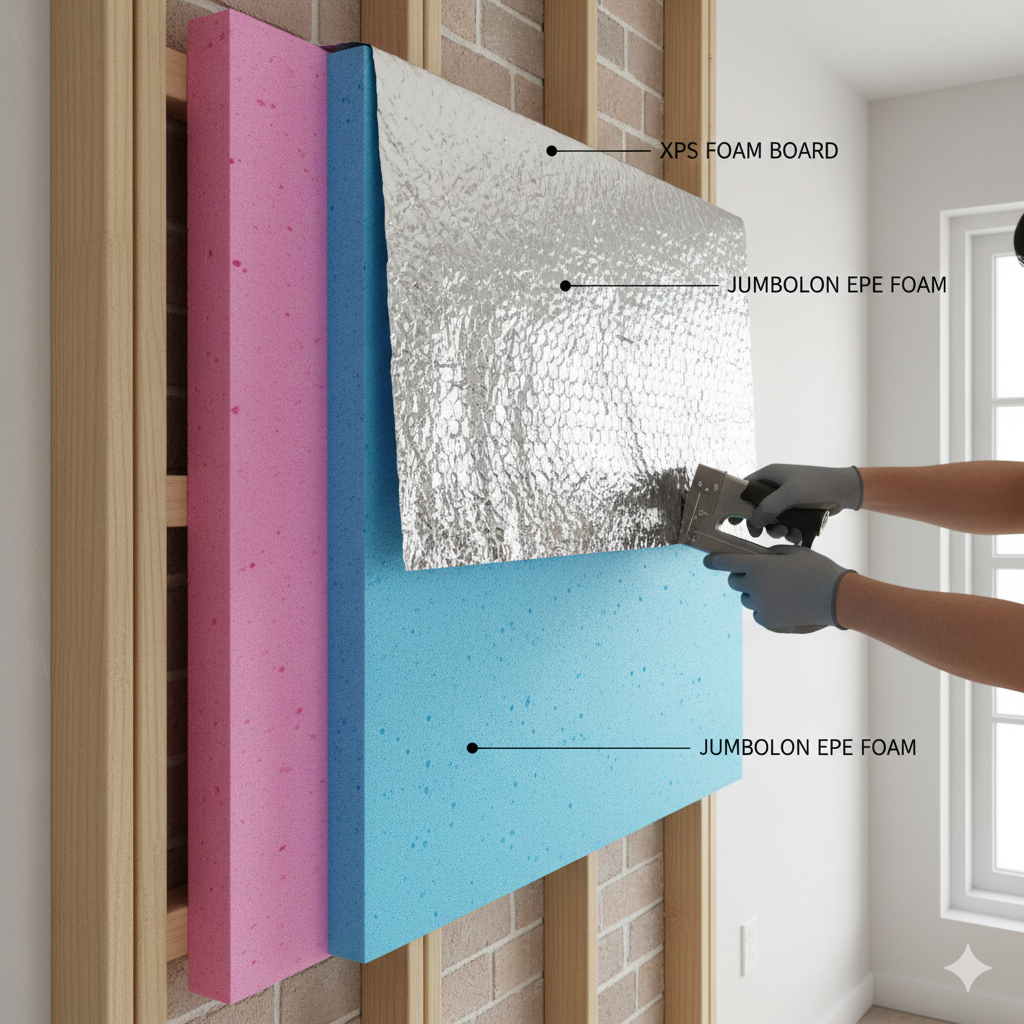
    Using aluminium foil with jumbolon

    Thermal insulation sheets are specially engineered materials designed to reduce heat transfer between indoor and outdoor environments. They slow down heat flow by resisting conduction, convection, and radiation, helping maintain stable indoor temperatures.

    These sheets are widely used for roof heat proofing, wall insulation, and interior thermal control in residential, commercial, and industrial buildings.

    What Is an Insulation Board?
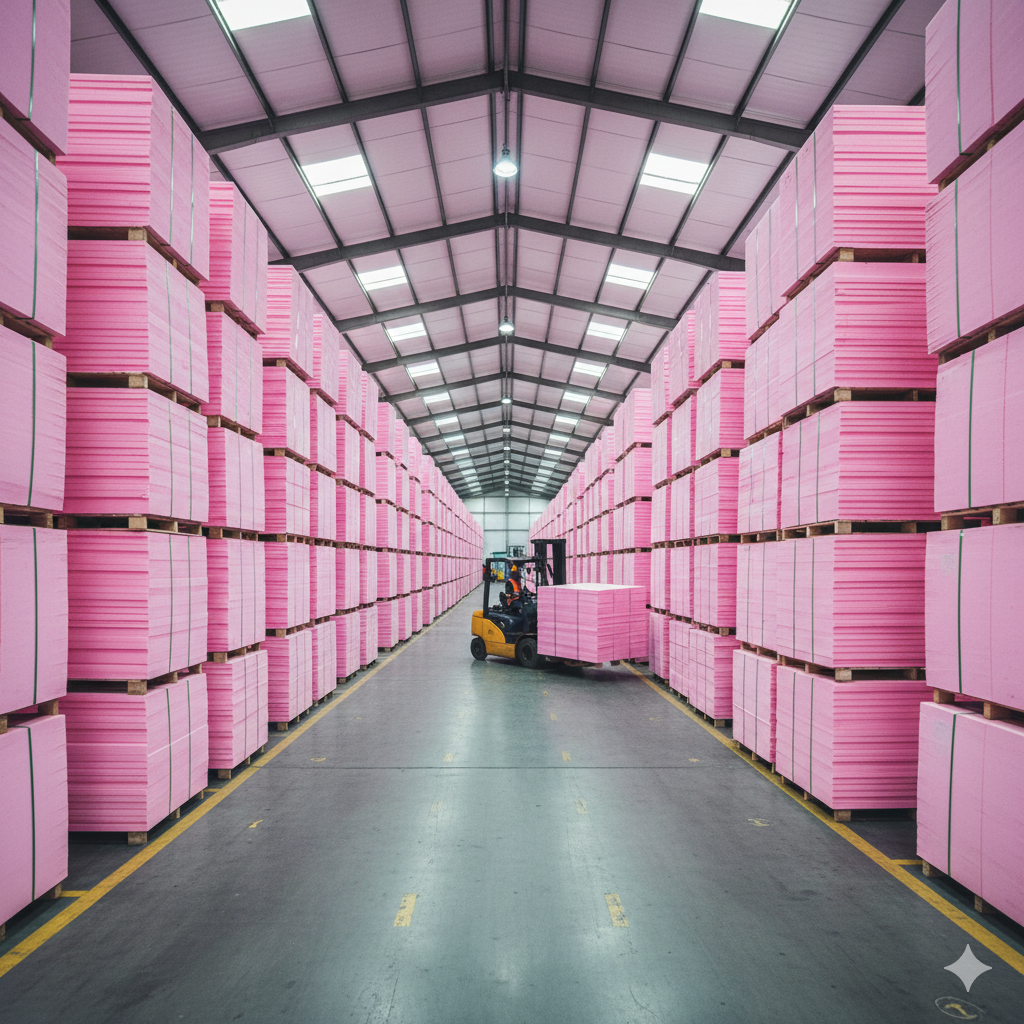
    Jumbolon Board in Pakistan

    Many people ask: what is insulation board?
    An insulation board is a rigid or semi-rigid panel made from insulating materials such as foam, mineral fibers, or composites. These boards are easy to install, durable, and offer consistent thermal performance.

    Insulation boards are commonly installed:

    • Under roofs
    • Inside wall cavities
    • On interior walls
    • In ceilings and floors

    Types of Insulation Board Used in Buildings

    Understanding the types of insulation board is essential before choosing the right solution.

    1. PIR Insulation Board

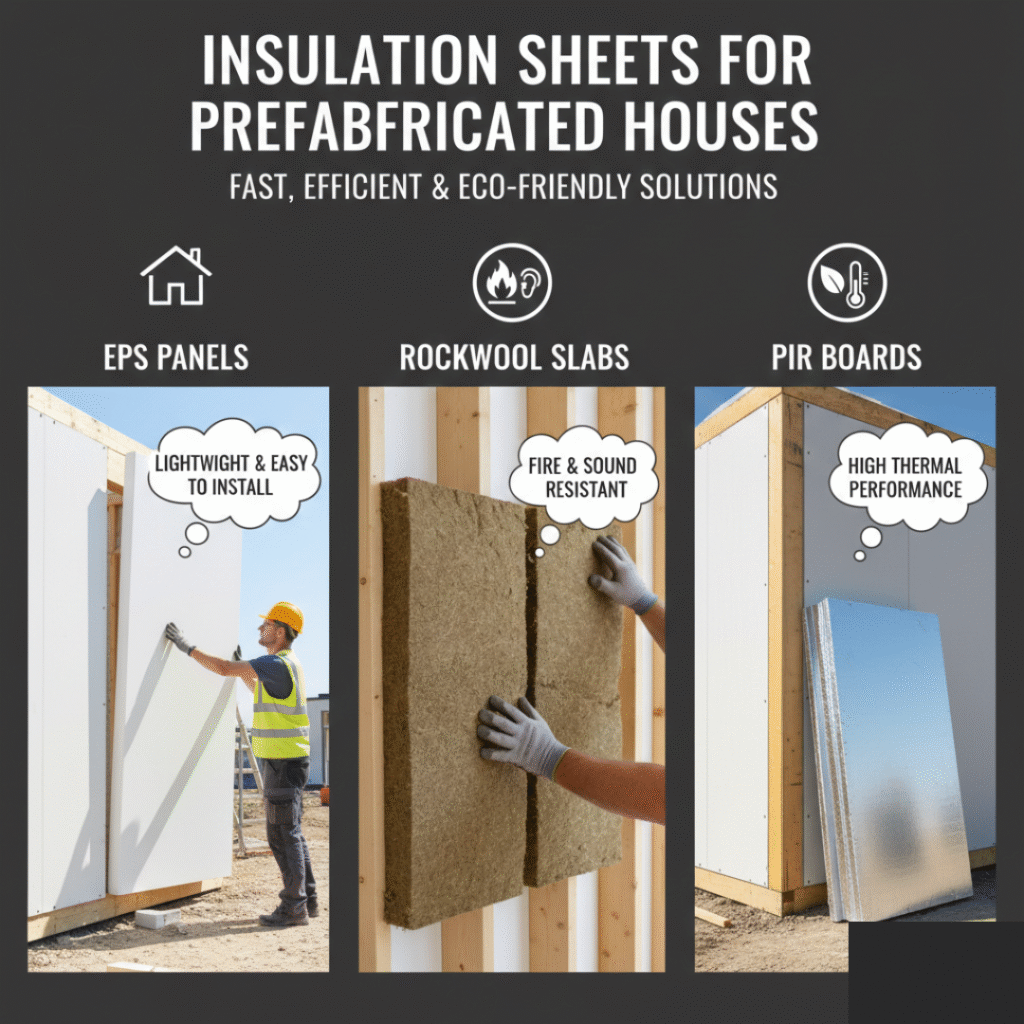
    A PIR insulation board is known for its high thermal efficiency and slim profile. It delivers excellent insulation where space is limited and is commonly used in modern roofing systems.

    2. EPS & XPS Boards
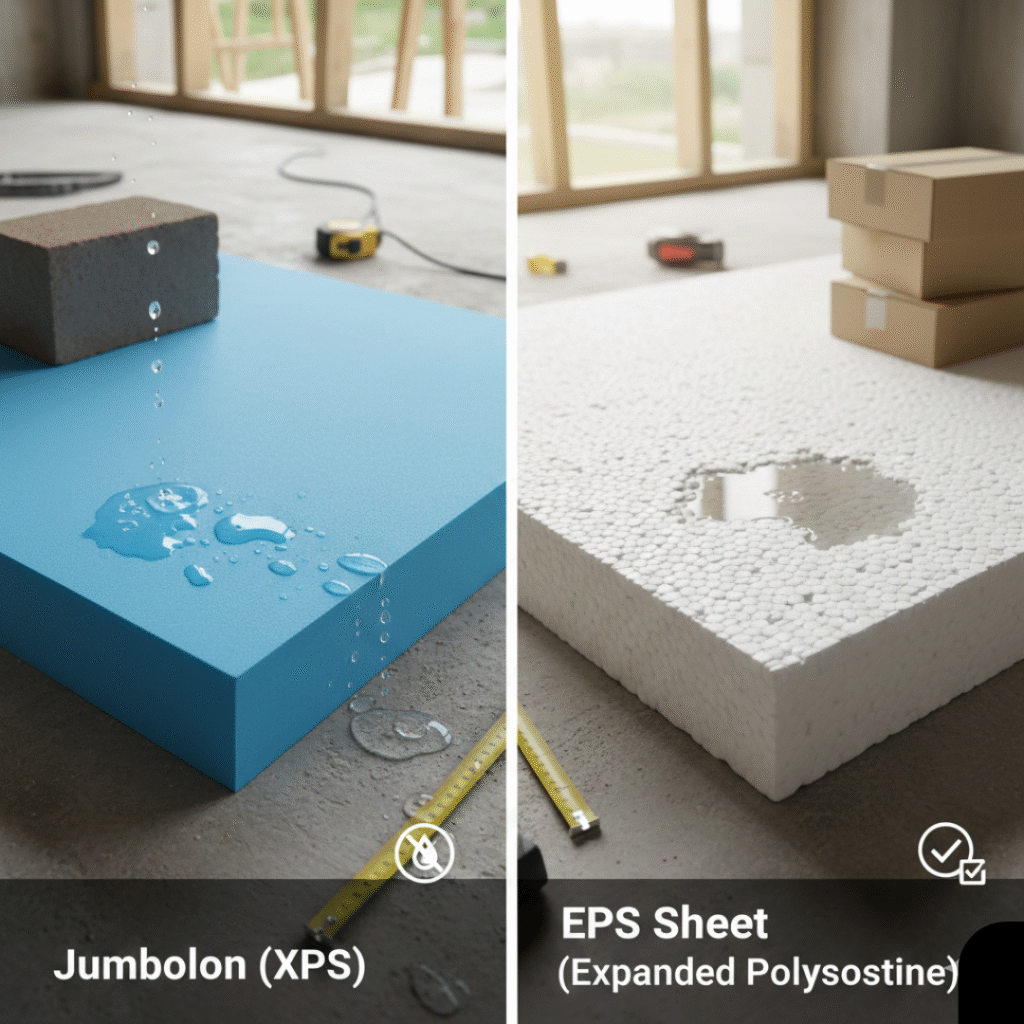
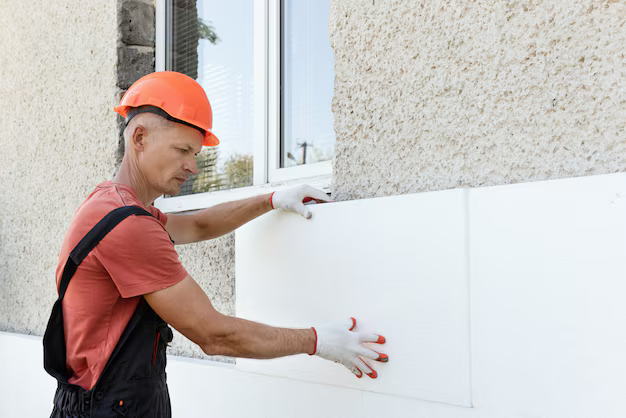
    Jumbolon VS EPS Sheet

    These foam boards are lightweight, moisture-resistant, and cost-effective. They are widely used in walls and roofs where long-term durability is required.

    3. Mineral-Based Boards
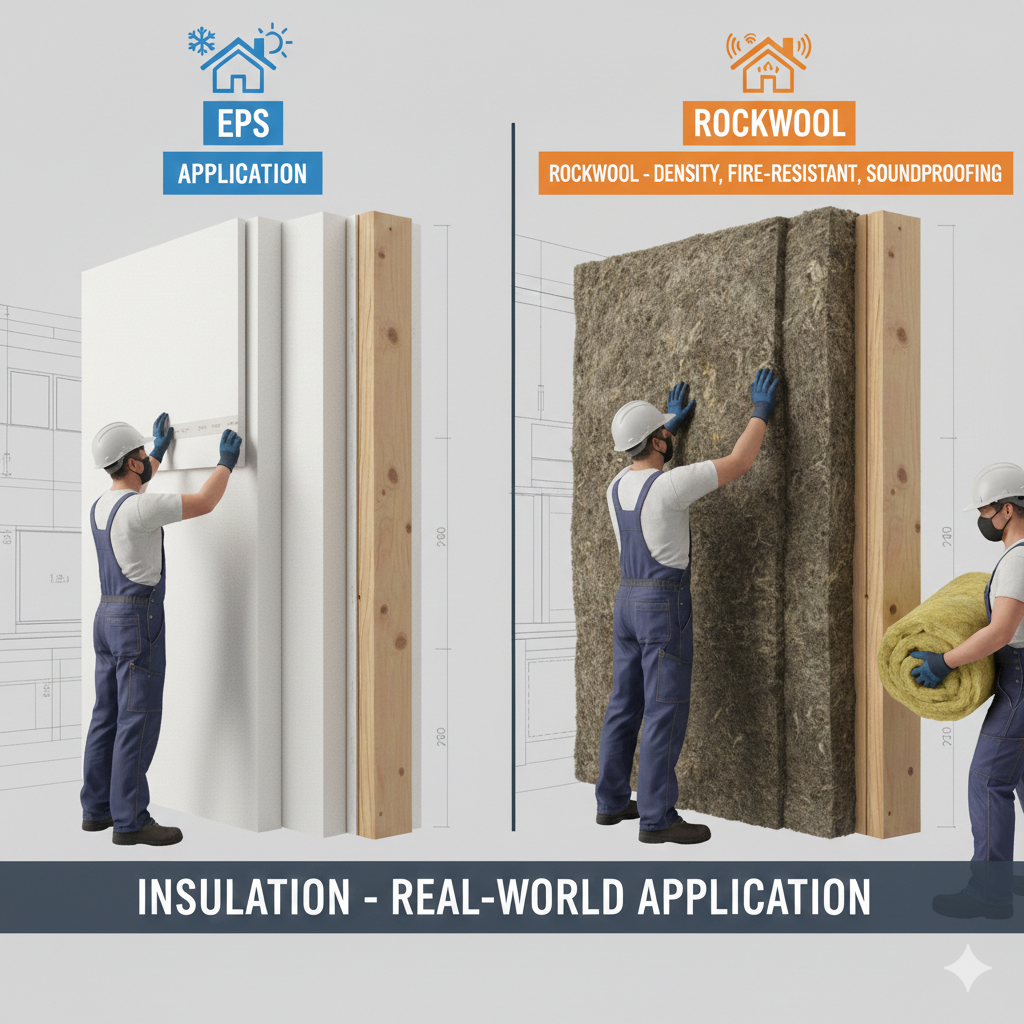
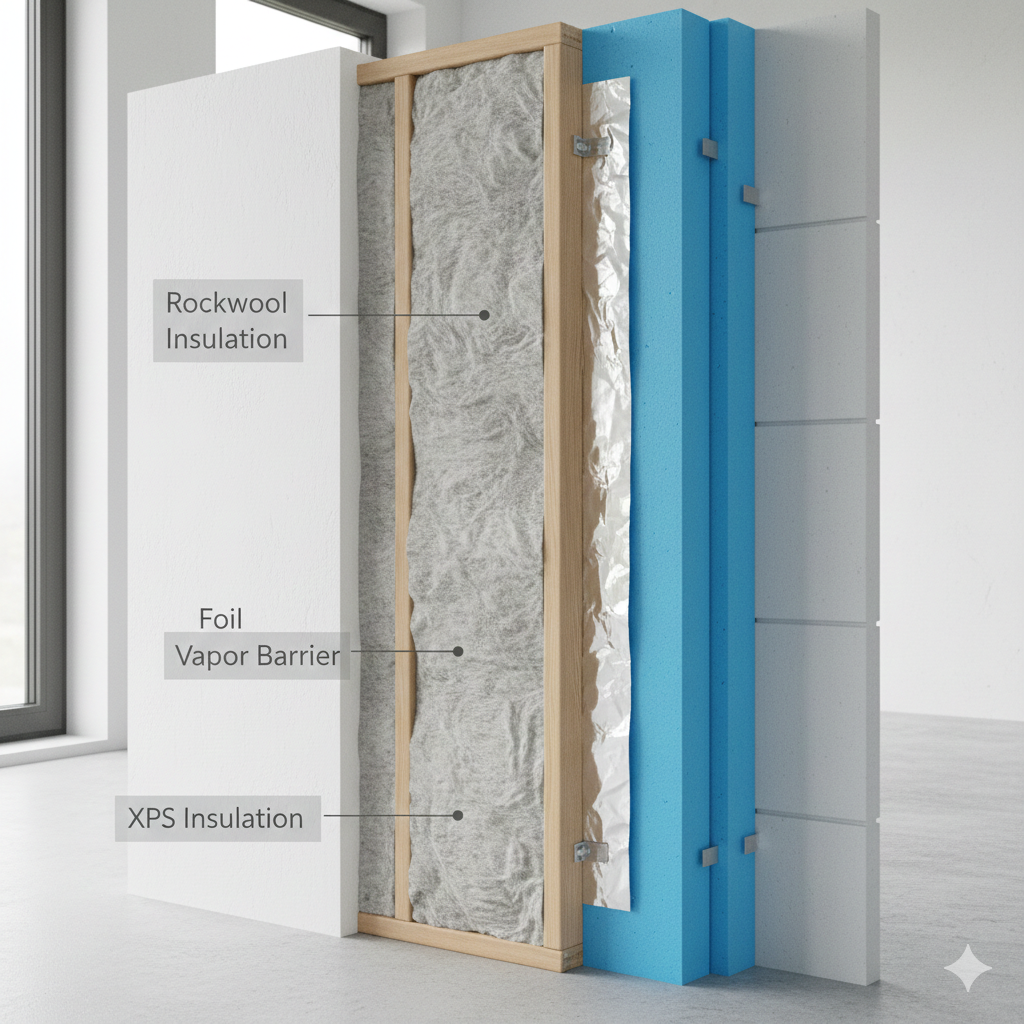
    EPS Vs Rockwool

    These boards provide both thermal and sound insulation and are often selected for fire-resistant applications.

    Each insulation board type serves a specific purpose depending on heat exposure, moisture conditions, and building design.

    Roof Heat Proofing with Insulation Sheets

    One of the most common applications of insulation sheets is roof heat proofing. Roofs receive direct sunlight for extended hours, making them the largest source of indoor heat gain.

    Using insulation boards beneath roofing systems can:

    • Reduce indoor temperatures significantly
    • Protect waterproofing layers
    • Extend roof lifespan
    • Improve overall energy efficiency

    When considering roof insulation price in Pakistan, factors such as board thickness, material type, and installation method play a major role.

    Insulation Boards for Walls – Exterior & Interior Use

    rockwool insulation in pakistan

    Insulation boards for walls help stabilize indoor temperatures and reduce thermal bridging. They are commonly installed on external walls to block heat entry and retain indoor cooling.

    Best Insulation Board for Interior Walls
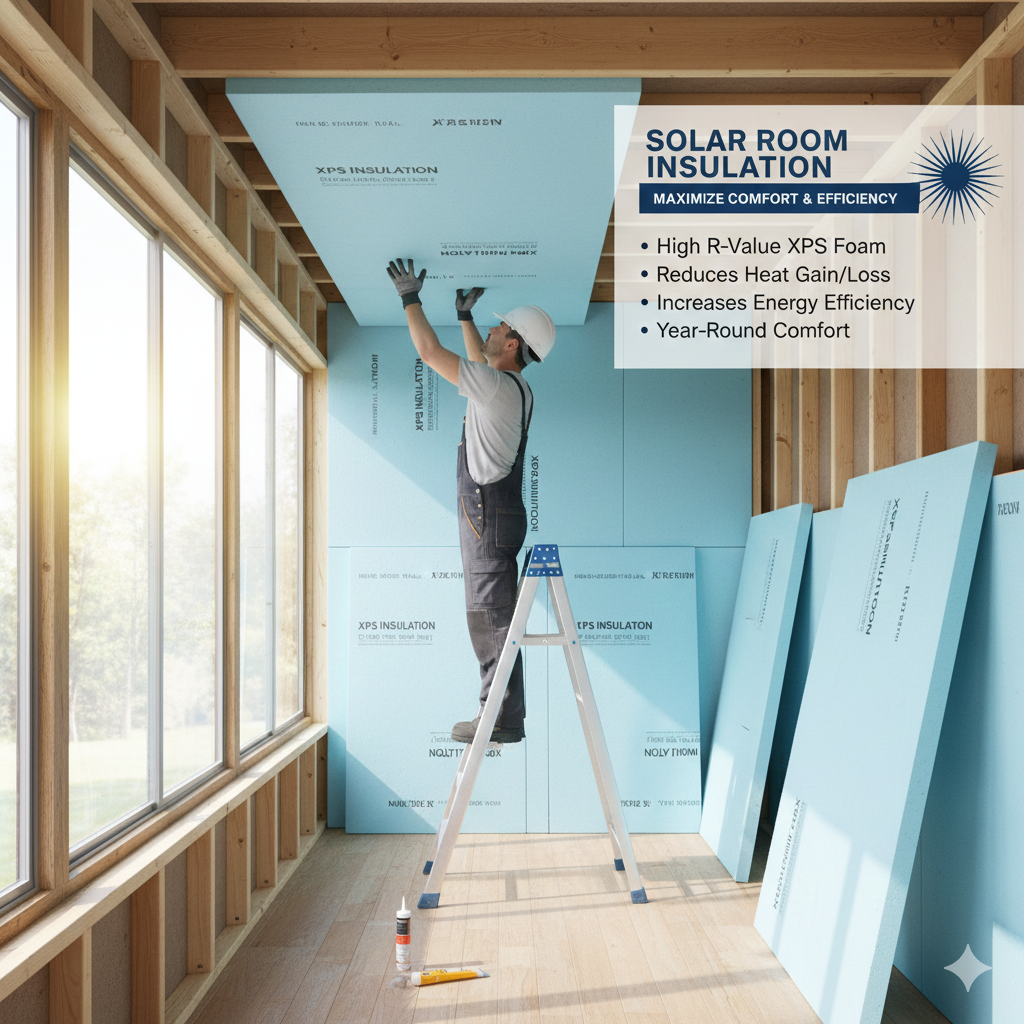
    Solar Room Insulation in Pakistan

    Choosing the best insulation board for interior walls depends on space availability and thermal needs. Slim, high-performance boards are preferred for interiors as they do not reduce room size significantly.

    Interior insulation also improves comfort between rooms and reduces temperature fluctuation throughout the day.

    Best Insulation Board for Roof Applications

    The best insulation board for roof use should have:

    • High thermal resistance
    • Moisture resistance
    • Long-term structural stability

    Rigid insulation boards paired with reflective layers often provide the most effective results for roofs exposed to intense heat.

    Technical Comparison Table (EPS vs XPS vs Rockwool vs PIR Heat Boards)

    Insulation TypeThermal PerformanceMoisture ResistanceFire ResistanceCommon Applications
    EPS BoardMediumLow to MediumLowWalls, basic roofs
    XPS BoardHighHighMediumRoofs, floors
    Rockwool BoardHighMediumVery HighFire-rated walls
    PIR Heat BoardVery HighHighHighRoofs, interiors

    Note: Selection should be based on climate conditions, fire requirements, and available installation space.

    Cost Factors: What Influences Insulation Sheet Prices?

    Many buyers search for the Complete Guide to Thermal Insulation Sheets price to understand budgeting. Prices vary based on:

    • Material type
    • Board thickness
    • Density and performance rating
    • Installation complexity

    Additionally, roof insulation price in Pakistan can differ between cities due to transportation and labor costs.

    While insulation may seem like an upfront expense, it delivers long-term savings by lowering cooling and heating costs.

    How to Choose the Right Insulation Sheet

    To select the correct insulation solution, consider:

    • Climate conditions
    • Area of application (roof, wall, interior)
    • Available space
    • Long-term energy goals

    Using the best insulation board for interior walls may differ from what works best for roofs, so matching the board to the application is critical.

    Benefits of Using Thermal Insulation Sheets

    Installing thermal insulation sheets offers multiple advantages and consumer friendly price in Pakistan:

    • Improved indoor comfort
    • Lower electricity consumption
    • Reduced stress on HVAC systems
    • Enhanced property value
    • Protection against extreme temperatures

    Future of Insulation Boards in Modern Construction

    As energy efficiency standards rise, insulation boards are becoming a core part of sustainable construction. Advanced materials like PIR and hybrid insulation systems are setting new benchmarks in thermal performance.

    FAQ’S

    The best insulation board for roofs depends on heat exposure and budget. PIR insulation boards and XPS boards are commonly preferred due to high thermal resistance and long service life, especially for roof heat proofing.

    When selecting insulation boards for walls, consider thickness, moisture resistance, and installation space. Interior walls usually require slim, high-performance boards, while exterior walls can use thicker insulation systems.

    A PIR insulation board offers higher thermal efficiency compared to many traditional insulation sheets, allowing better insulation with less thickness, making it ideal for modern buildings.

    Roof insulation price in Pakistan varies based on insulation material, board thickness, covered area, and installation method. Transport and city location may also influence final pricing.

    Yes, proper insulation boards significantly reduce heat transfer, which lowers cooling and heating demand and helps reduce monthly electricity bills.

    The best insulation board for interior walls is one that provides strong thermal resistance without reducing room space, such as PIR or high-density foam boards.
  • Which Insulation Is Best for Summer Heat?

    Which Insulation Is Best for Summer Heat?

    Extreme summer temperatures make indoor comfort a serious challenge, especially in hot and mixed climates. Choosing the right insulation is not only about blocking heat in summer but also managing temperature balance throughout the year. This guide explains which insulation is best for summer heat, how different materials perform, and what works best for walls, interiors, and exteriors.

    Why Summer Heat Control Depends on Insulation

    insulation sheets for prefabricated house

    Heat enters buildings mainly through roofs, exterior walls, and uninsulated surfaces. Without proper insulation, indoor temperatures rise quickly, increasing reliance on cooling systems. The best heat insulation material reduces heat transfer, improves thermal stability, and maintains comfort without excessive energy use.

    Good insulation also works in reverse—helping retain warmth during cooler months—making it useful for both seasonal extremes.

    Which Insulation Is Best for Summer Heat in Winter?

    Many people assume insulation is only useful for cold climates, but the reality is different.
    The same insulation that blocks outdoor heat in summer also prevents indoor warmth from escaping in winter. That’s why which insulation is best for summer heat in winter depends on materials that provide year-round thermal resistance rather than seasonal performance only.

    Materials with stable density and air-trapping structures perform best across seasons.

    Thermal Insulations Material List

    heat insulation sheet in Pakistan

    Here is a practical thermal insulations material list commonly used for heat control:

    • Expanded Polystyrene (EPS)
    • Extruded Polystyrene (XPS)
    • Rockwool / Mineral Wool
    • Polyurethane Foam
    • Cellulose Insulation
    • Reflective Heat Barriers

    Each has different strengths depending on wall type, exposure, and climate.

    Best Wall Insulation for Hot Climates

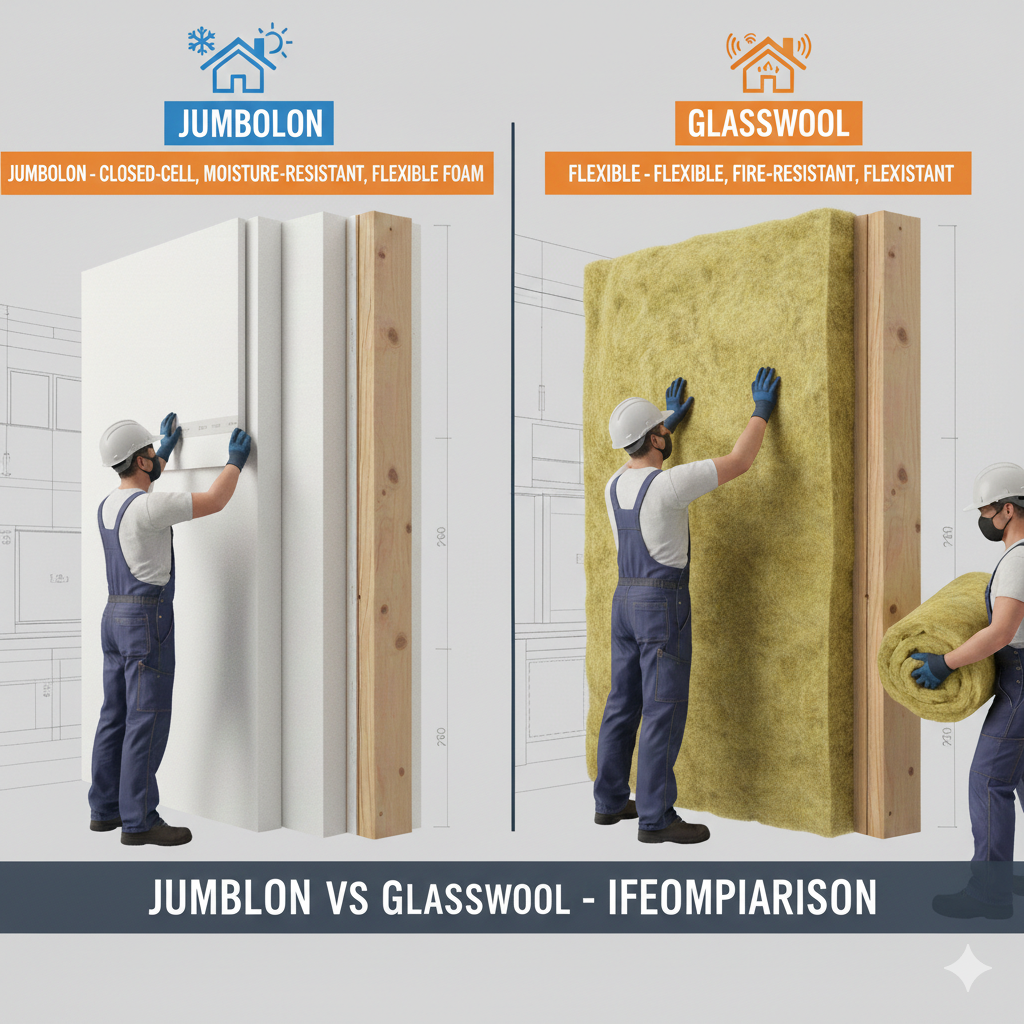
    Jumbolon Vs Glasswool

    For regions with long summers and intense sun exposure, the best wall insulation for hot climates must slow heat penetration and reduce thermal bridging.

    Key requirements include:

    • Low thermal conductivity
    • Resistance to moisture
    • Stable performance at high temperatures

    Rigid boards and dense fibrous insulation generally outperform lightweight materials when installed correctly.

    Technical Comparison Table – Heat Performance

    Insulation TypeHeat ResistanceSummer PerformanceMoisture ResistanceCommon Use Areas
    EPS SheetsMediumGoodModerateWalls, ceilings
    XPS BoardsHighVery GoodHighRoofs, walls
    RockwoolHighVery GoodHighWalls, partitions
    Heat Reflective SheetsMedium–HighExcellentHighRoofs, sheds
    Cellulose InsulationMediumGoodLow–ModerateInterior walls

    Note: Actual performance depends on thickness, density, and installation quality.

    Best Insulation for Interior Walls

    The best insulation for interior walls focuses on temperature balance rather than direct sun exposure. Interior insulation helps stabilize indoor conditions, reduce heat transfer between rooms, and improve comfort.

    Interior wall insulation is especially useful in:

    • Multi-storey homes
    • Office partitions
    • Bedrooms exposed to roof heat

    Fibrous and foam-based materials work well when combined with proper sealing.

    Best Insulation for Exterior Walls

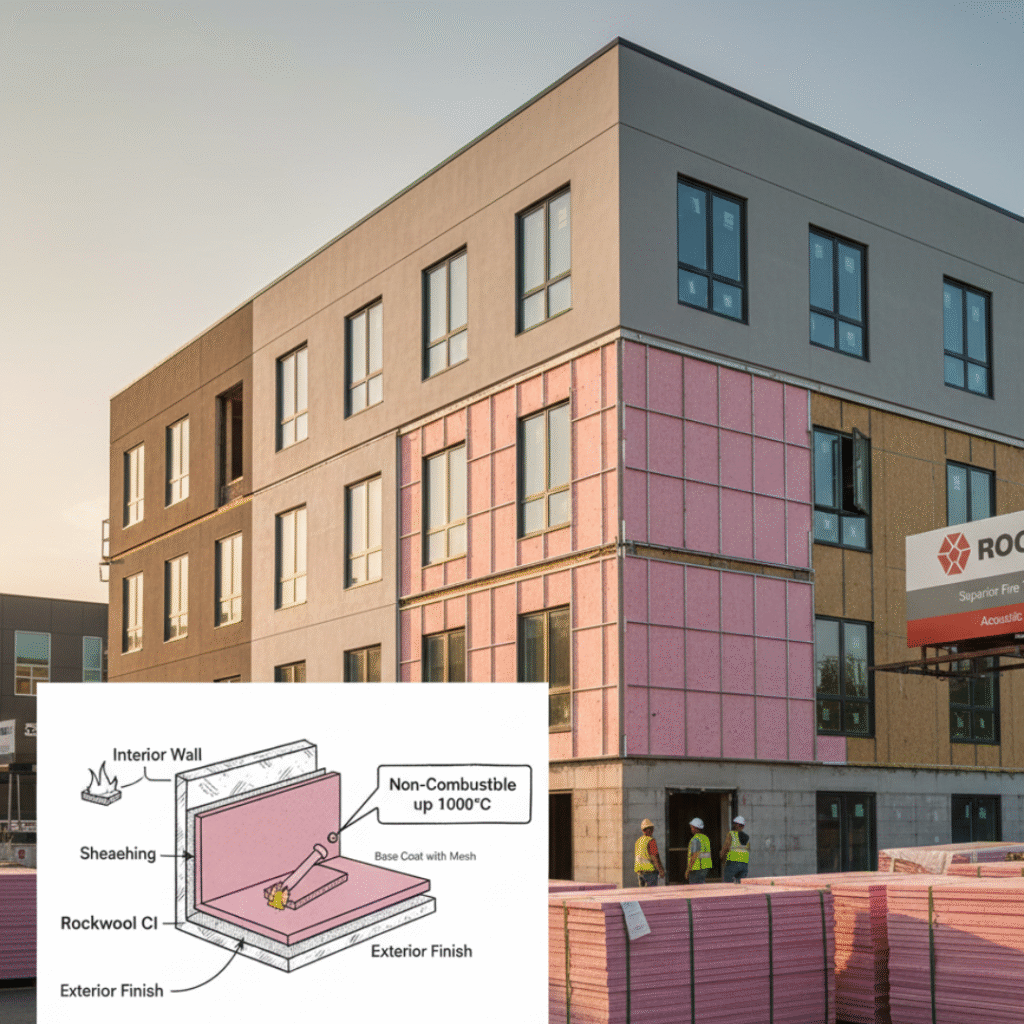
    rockwool insulation sheet in eifs

    Exterior walls receive direct solar heat for hours each day. The best insulation for exterior walls should resist heat buildup and prevent transfer to indoor spaces.

    Exterior insulation systems are effective because they:

    • Reduce thermal shock on walls
    • Improve overall building envelope efficiency
    • Protect structural materials from temperature stress

    Continuous insulation layers perform better than isolated patches.

    Best Heat Insulation Material: What Actually Works?

    There is no single “perfect” insulation, but the best heat insulation material depends on application:

    • Roofs need reflective or rigid insulation
    • Exterior walls require dense thermal barriers
    • Interior spaces benefit from balanced insulation

    High-density materials generally slow heat flow more effectively, especially in peak summer conditions.

    Cellulose Insulation: Is It Good for Summer Heat?

    Cellulose insulation is made from recycled fibers and works by trapping air within its structure. It provides moderate heat resistance and performs best when installed at correct density.

    It is commonly used in:

    • Wall cavities
    • Attic spaces
    • Retrofit insulation projects

    However, moisture control is important for long-term performance.

    Which Insulation Is Best for Summer Heat 2022 vs Today?

    Search trends like which insulation is best for summer heat 2022 reflect growing awareness of heat management. Since then, insulation selection has shifted toward higher-performance materials and better installation methods rather than just thickness.

    Modern insulation focuses more on:

    • Thermal resistance consistency
    • Moisture stability
    • Long-term durability

    How to Choose the Right Insulation for Your Home

    When selecting insulation, consider:

    • Wall type (interior or exterior)
    • Roof exposure
    • Climate duration (short vs long summers)
    • Budget and lifespan expectations

    The right insulation is the one that balances heat resistance, durability, and correct placement.

    Final Verdict: Which Insulation Is Best for Summer Heat?

    There is no universal answer, but the best results come from combining:

    • Proper material selection
    • Correct thickness
    • Professional installation

    Homes in hot climates benefit most from layered insulation strategies rather than relying on a single solution.

    FAQ’S

    For hot climates, insulation with high thermal resistance and low heat transfer works best. Materials like XPS, rockwool, and reflective heat insulation are commonly preferred for long summer seasons.

    The best wall insulation for hot weather is one that slows heat penetration through exterior walls, such as EPS, XPS, or mineral-based insulation installed with proper sealing.

    Good insulation works year-round. The same insulation that blocks outdoor heat in summer also helps retain indoor warmth during winter months.

    Maximum heat reduction depends on application. Roofs benefit most from reflective or rigid insulation, while walls perform better with dense thermal insulation materials.

    Cellulose insulation can reduce heat transfer when installed at the correct density, but it performs best in controlled indoor areas rather than extreme roof exposure.