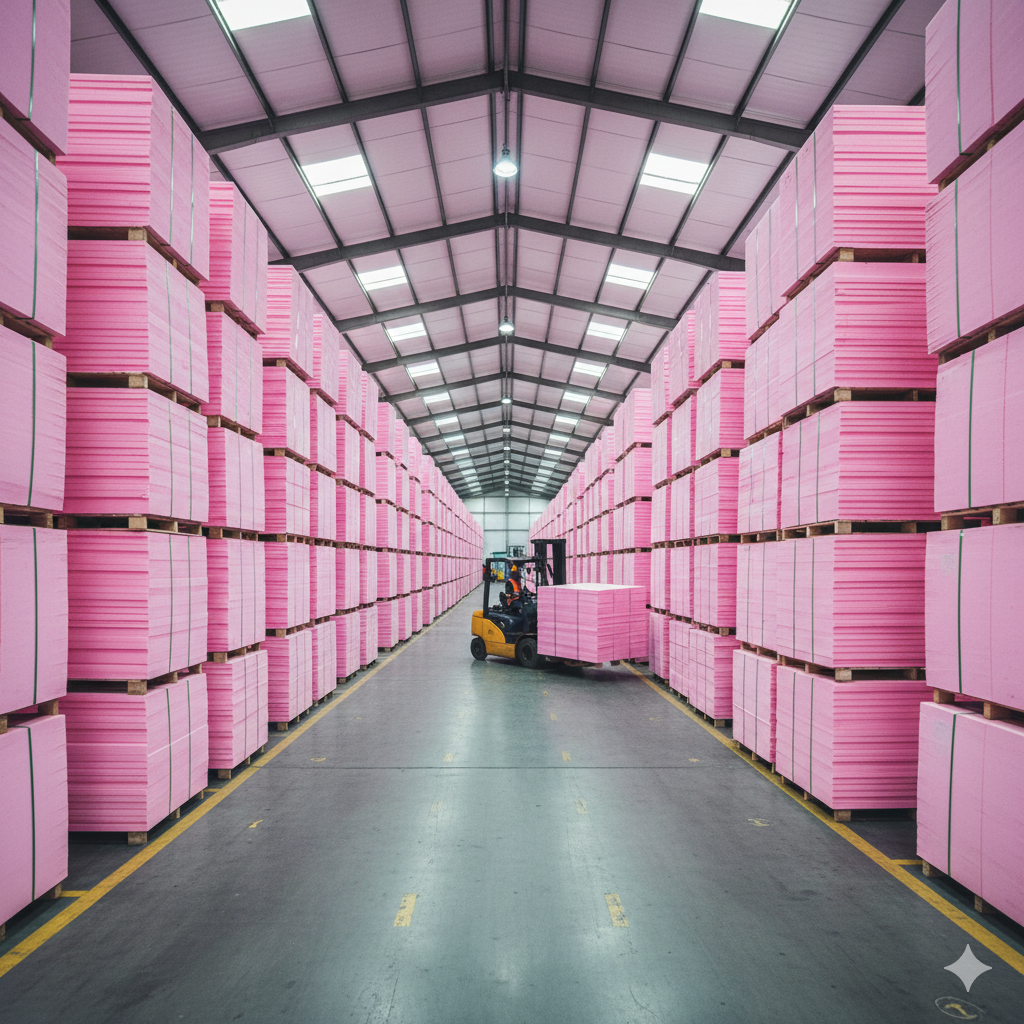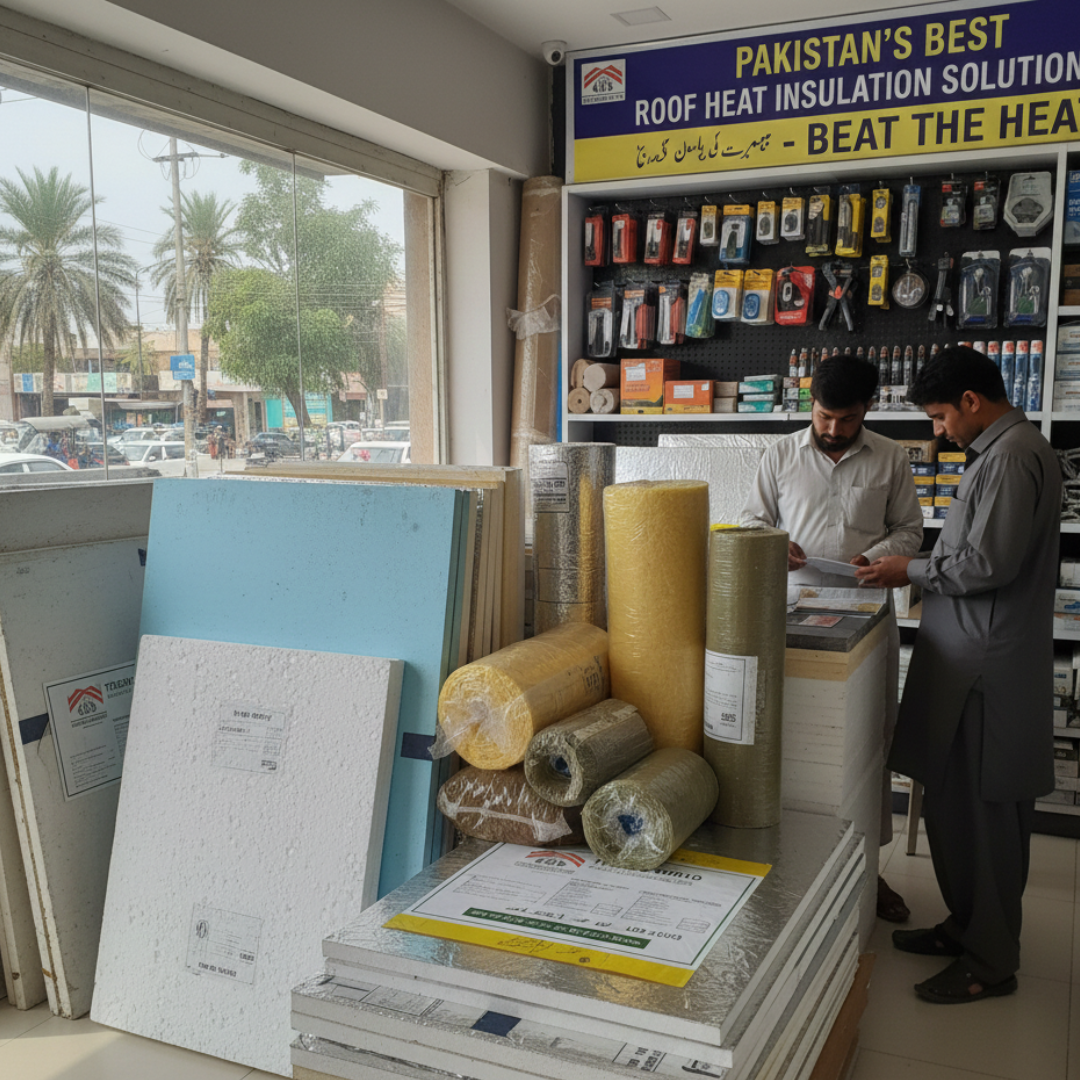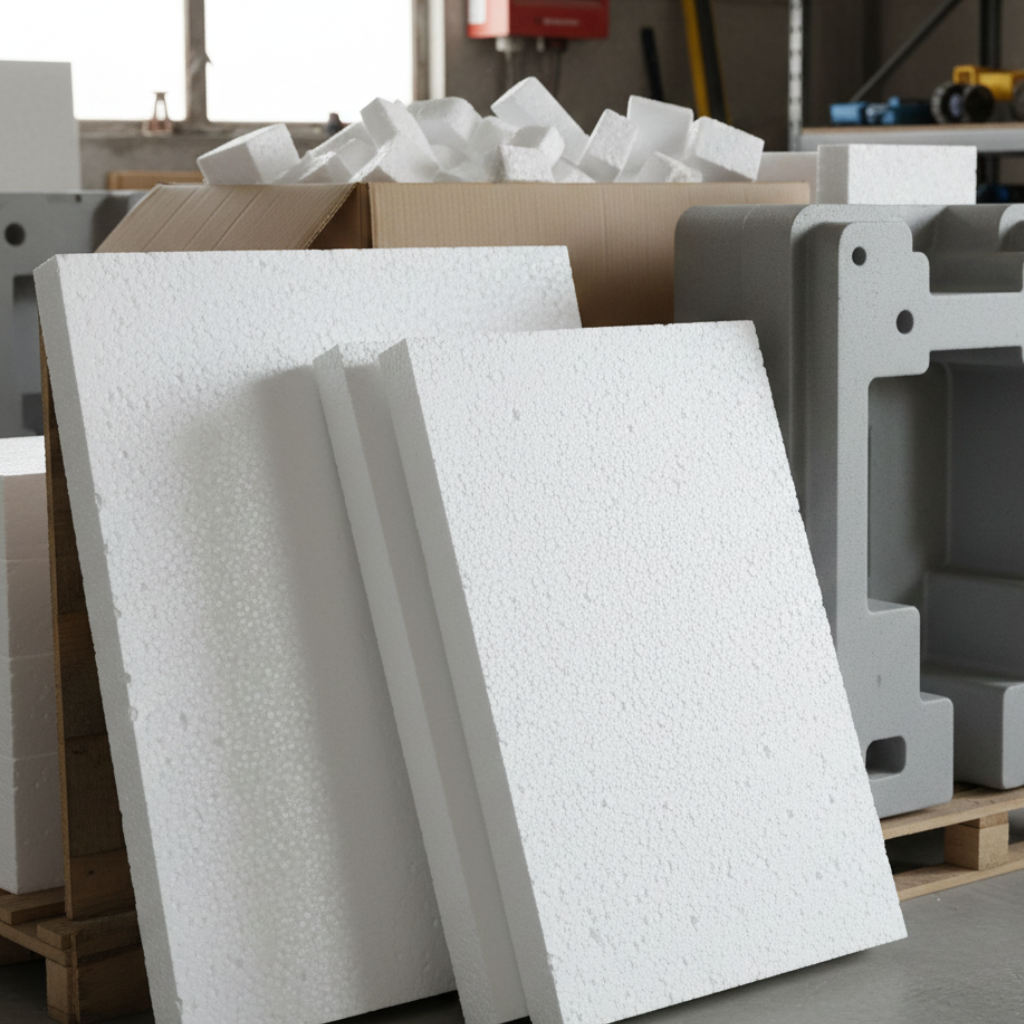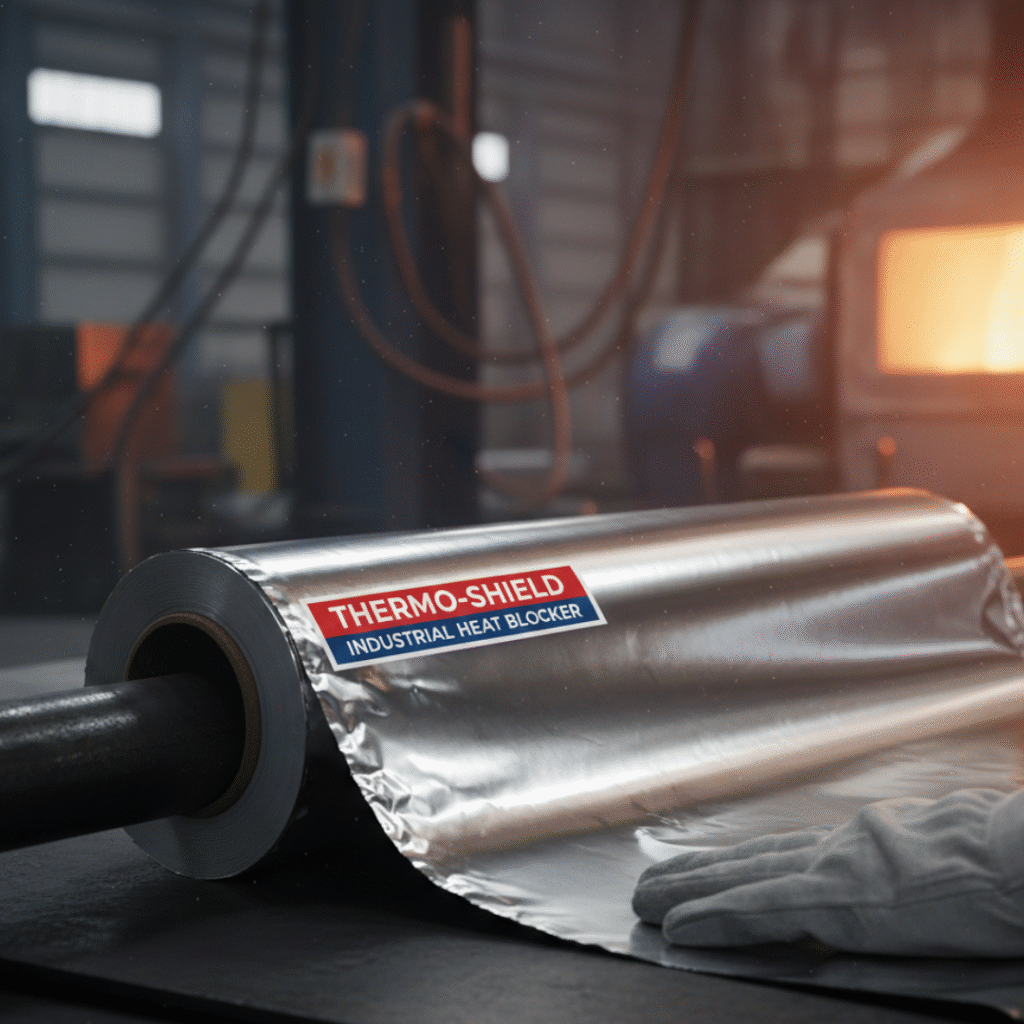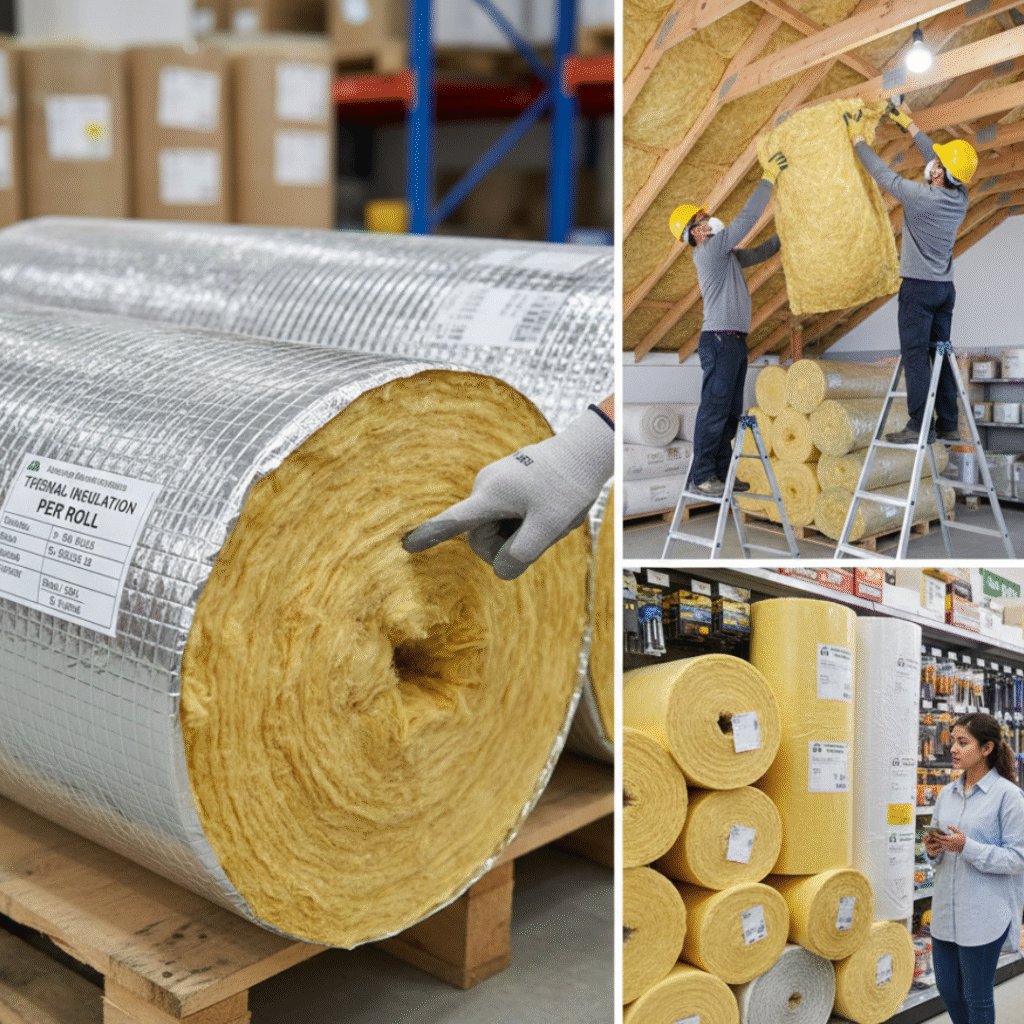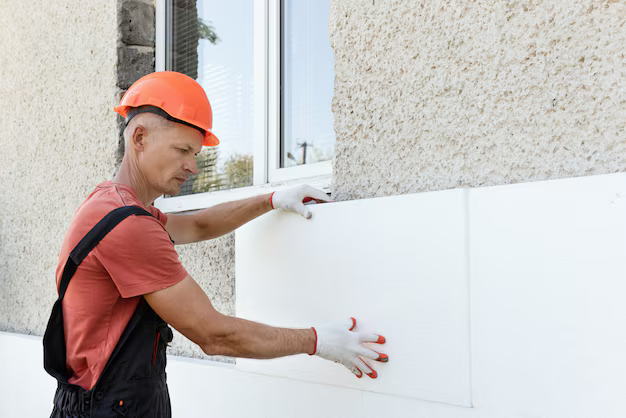

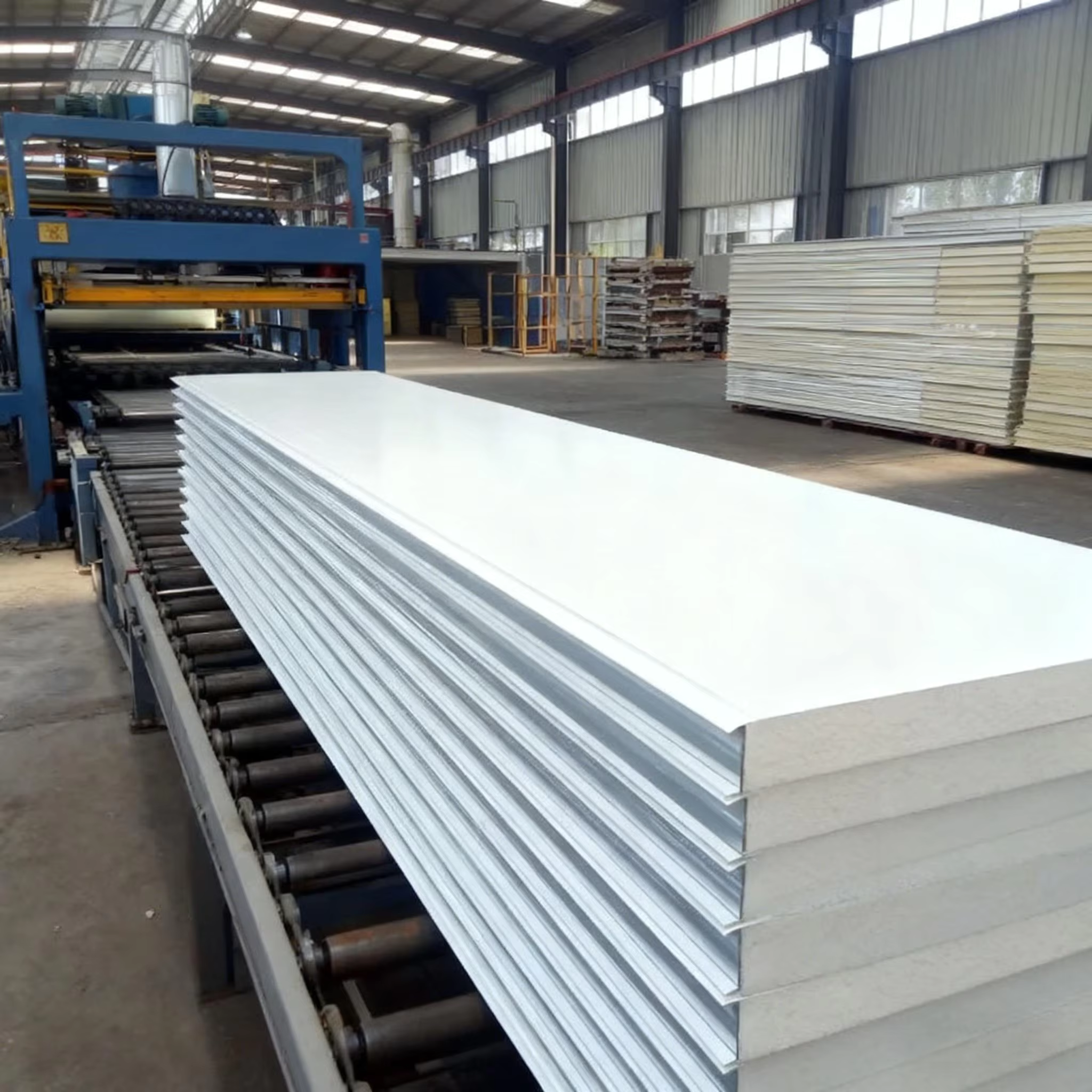
thermocol sheet price in pakistan

Tag: jumbolon sheet price in pakistan

  • 12mm Thermal Insulation price in Pakistan

    12mm Thermal Insulation price in Pakistan

    Thermal insulation has become a practical necessity in Pakistan due to rising temperatures and increasing electricity costs. Among different thickness options, 12mm thermal insulation sheets are widely used because they offer a balance between cost, performance, and ease of installation.

    This blog provides a complete overview of 12mm thermal insulation price in Pakistan, including popular materials such as thermocol and jumbolon, city-wise pricing trends, and factors that influence overall cost.

    What Is 12mm Thermal Insulation?
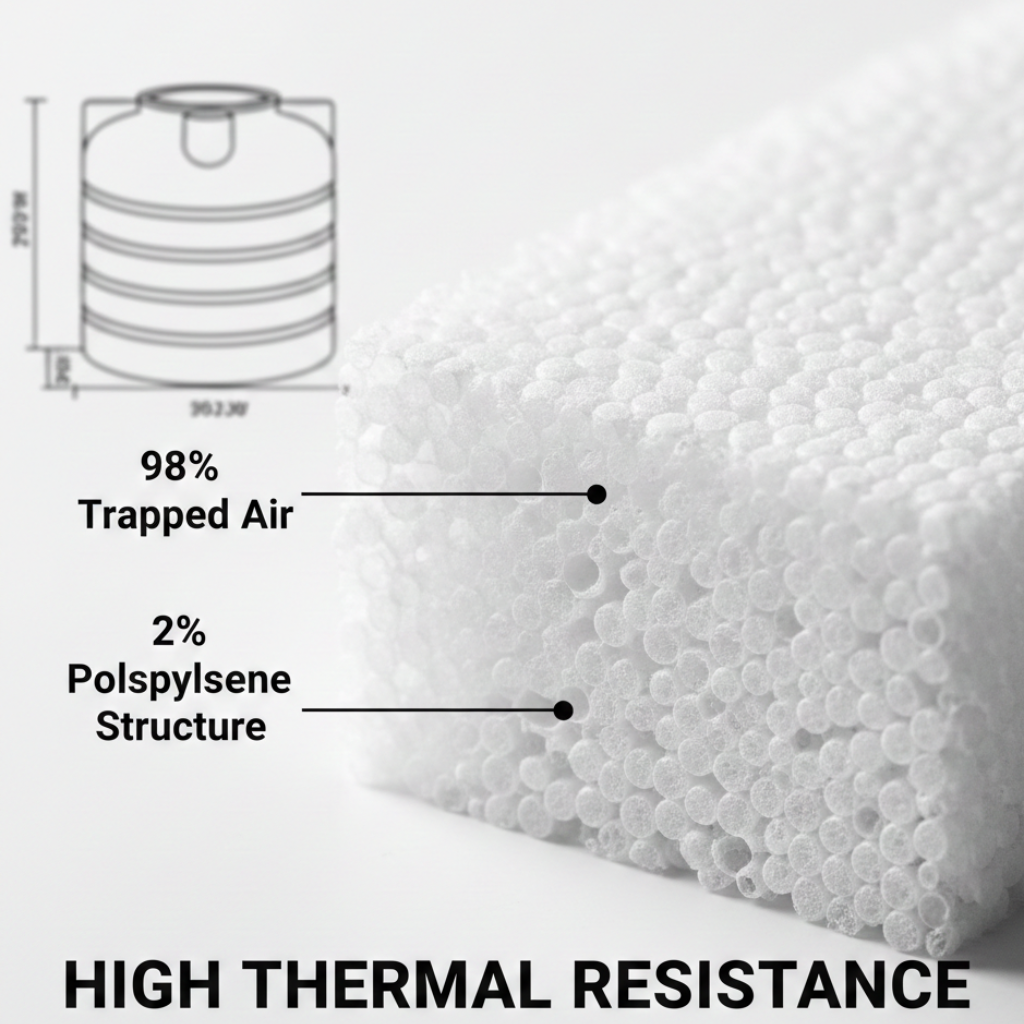
    EPS Thermal Insulation

    A 12mm thermal insulation sheet is a thin insulation layer designed to reduce heat transfer through roofs, walls, and ceilings. It is commonly used in residential houses, small offices, shops, and renovation projects where space and budget are limited.

    Despite its slim profile, 12mm insulation can significantly improve indoor comfort when installed correctly.

    Why 12mm Insulation Is Popular in Pakistan

    The popularity of 12mm insulation sheets is driven by:

    • Affordable pricing
    • Lightweight structure
    • Easy handling and installation
    • Suitability for retrofit projects
    • Availability across major cities

    Many buyers compare options based on thermal insulation sheet price in Pakistan, and 12mm sheets often fall into an accessible budget range.

    12mm Thermal Insulation Price in Pakistan – What Affects Cost?

    The price of 12mm insulation sheets varies due to several factors:

    • Material type (thermocol, jumbolon, EPS-based sheets)
    • Sheet density and quality
    • Brand and manufacturing standards
    • City-wise transportation and labor costs
    • Application area (roof, wall, ceiling)

    These variables explain why pricing differs across regions and suppliers.

    Jumbolon Sheet Pricing for 12mm Thickness
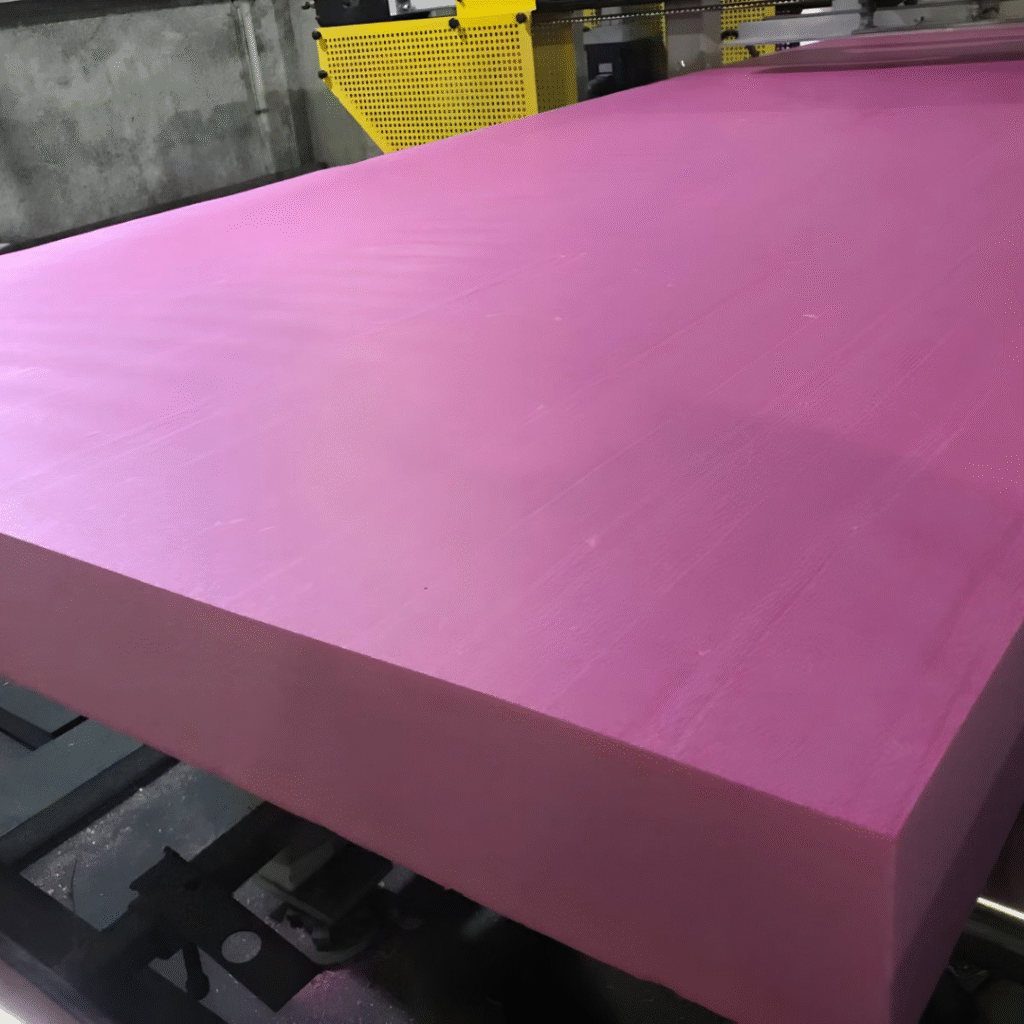
    Jumbolon Sheet Board Manufacturer in Pakistan

    Jumbolon sheets are commonly used for thermal insulation due to their flexibility and moisture resistance. The jumbolon sheet price in Pakistan depends on thickness, roll size, and material quality.

    For buyers specifically evaluating thin insulation options, the 12mm jumbolon sheet price in Pakistan is often considered a cost-effective solution for residential and light commercial applications.

    Thermocol Sheet Pricing Comparison

    These sheets remain one of the most widely used insulation materials in Pakistan.

    • The thermocol sheet price in Lahore is generally competitive due to strong local supply and demand.
    • For thicker applications, many users compare the 2 inch thermocol sheet price in Pakistan with thinner 12mm sheets to decide between higher insulation performance and lower upfront cost.

    Thermocol is commonly selected when affordability and availability are key priorities.

    City-Wise Price Trends for 12mm Insulation
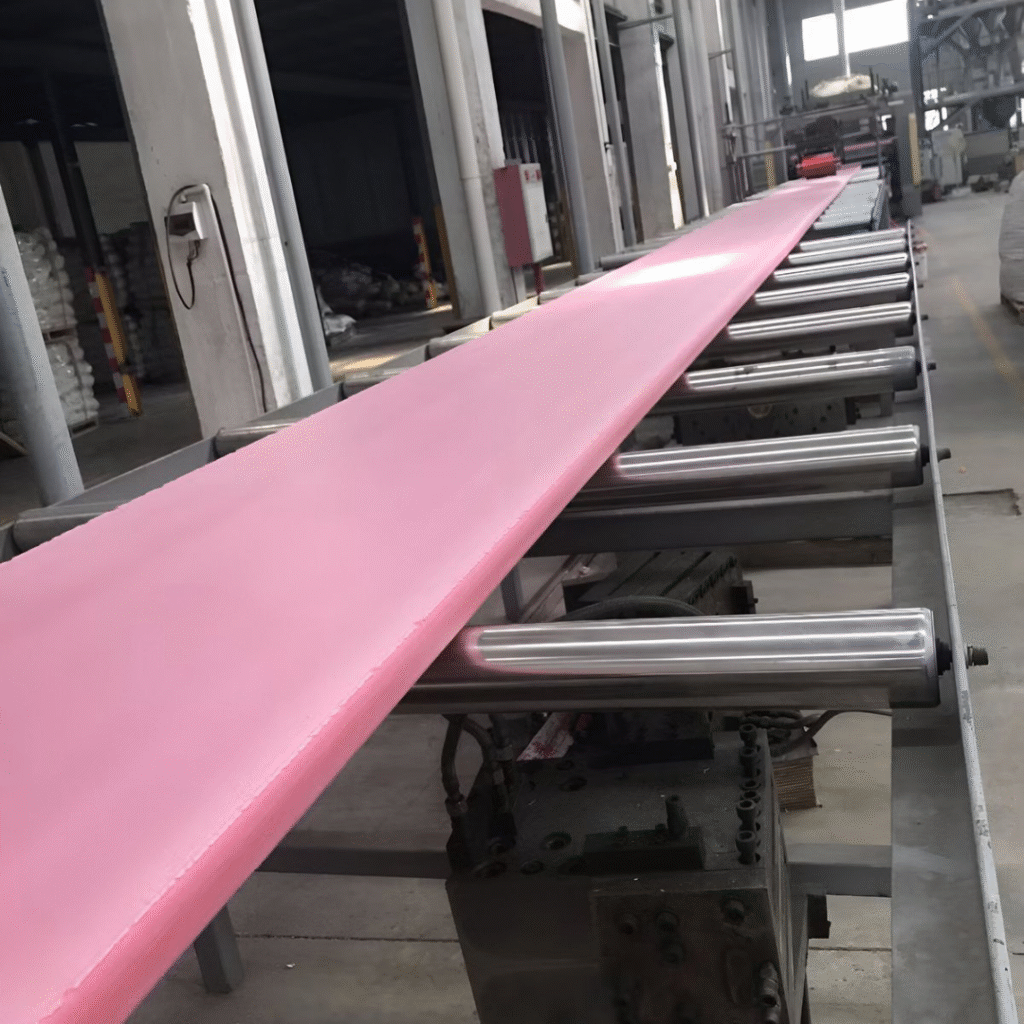
    Insulation Sheet Manufacturer in Pakistan

    Karachi Market Overview

    The Karachi 12mm thermal insulation price in Pakistan can be slightly higher due to humidity-resistant material preferences and transportation costs. Coastal conditions often influence material selection and installation methods.

    Lahore and Other Cities

    Lahore typically offers stable pricing for thermocol and EPS sheets, while prices in Islamabad, Rawalpindi, and Faisalabad vary based on supplier availability and project scale.

    Where 12mm Thermal Insulation Is Commonly Used

    12mm insulation sheets are widely used in:

    • Residential houses
    • Apartment ceilings
    • Office partitions
    • Shops and showrooms
    • Renovation and retrofit projects

    They are especially useful where thicker insulation is not structurally feasible.

    12mm vs Thicker Insulation Sheets

    While 12mm insulation provides noticeable heat reduction, thicker sheets offer higher thermal resistance. Buyers often compare 12mm sheets with thicker options like 2-inch thermocol to evaluate performance versus cost.

    The right choice depends on:

    • Heat exposure level
    • Building orientation
    • Budget constraints
    • Long-term energy savings goals

    Long-Term Value of 12mm Insulation
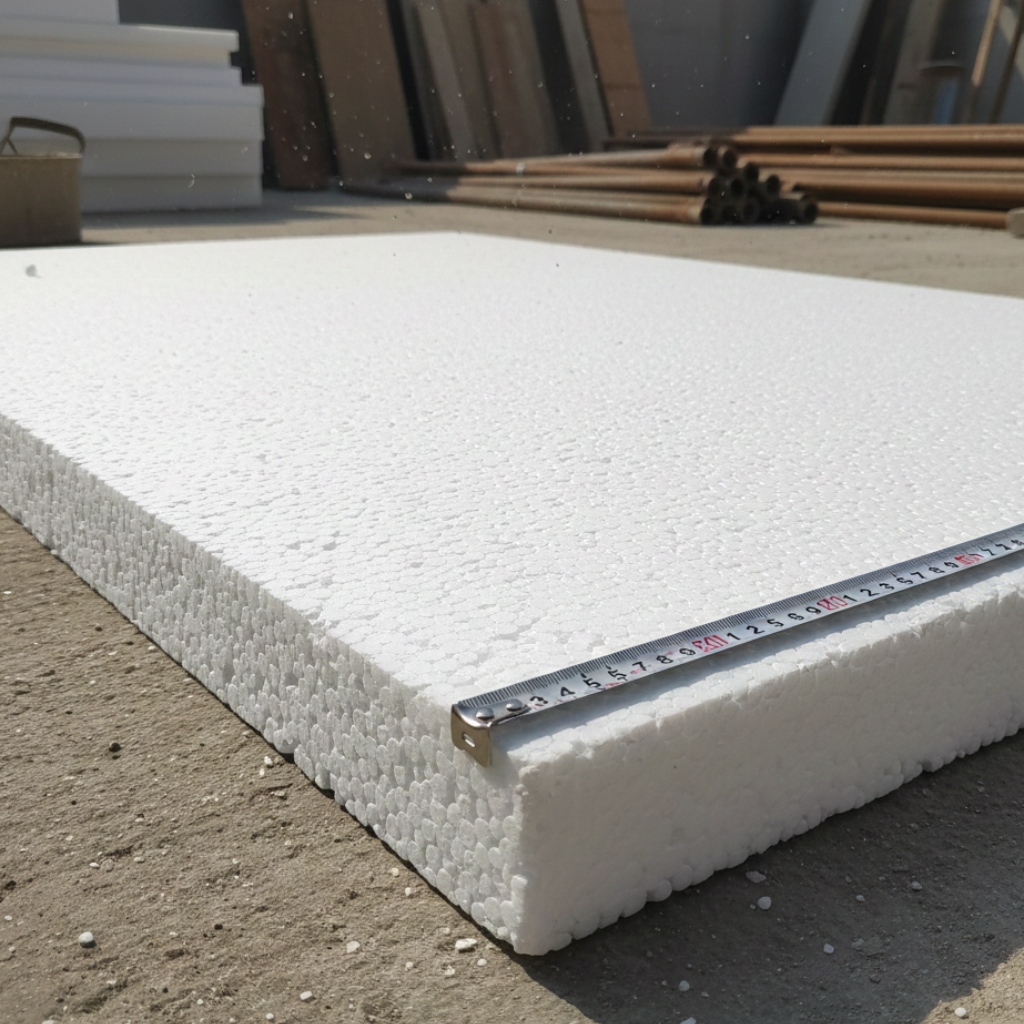
    Thermopore Sheet

    Although thinner insulation has a lower upfront cost, it still delivers long-term benefits such as:

    • Reduced indoor heat gain
    • Lower electricity consumption
    • Improved indoor comfort
    • Extended life of cooling systems

    For many households, this makes 12mm insulation a practical entry-level solution.

    How to Choose the Right 12mm Insulation Sheet

    When selecting 12mm insulation, consider:

    • Quality and density of material
    • Proper installation techniques
    • Compatibility with existing structure
    • Supplier reliability

    Correct installation is essential to ensure the insulation performs as expected.

    Final Thoughts

    Understanding the 12mm thermal insulation price in Pakistan helps homeowners and builders make informed decisions. Whether you choose jumbolon or thermocol, 12mm insulation sheets offer a cost-effective way to reduce heat and improve comfort in Pakistan’s climate.

    By comparing material options, city-wise pricing, and application needs, you can select an insulation solution that delivers both performance and value.

    FAQ’S

    12mm thermal insulation is suitable for light to moderate heat control, especially in homes, apartments, and renovation projects. For areas with extreme heat exposure, thicker insulation may provide better performance.

    12mm jumbolon sheets are flexible and moisture-resistant, while thermocol sheets are rigid and more affordable. The choice depends on application area, budget, and installation method.

    Yes, even 12mm insulation reduces heat transfer, which lowers indoor temperatures and decreases the load on air conditioning systems, helping reduce electricity consumption.

    12mm insulation is commonly used in ceilings, walls, office partitions, shops, and small commercial spaces where thicker insulation is not feasible.
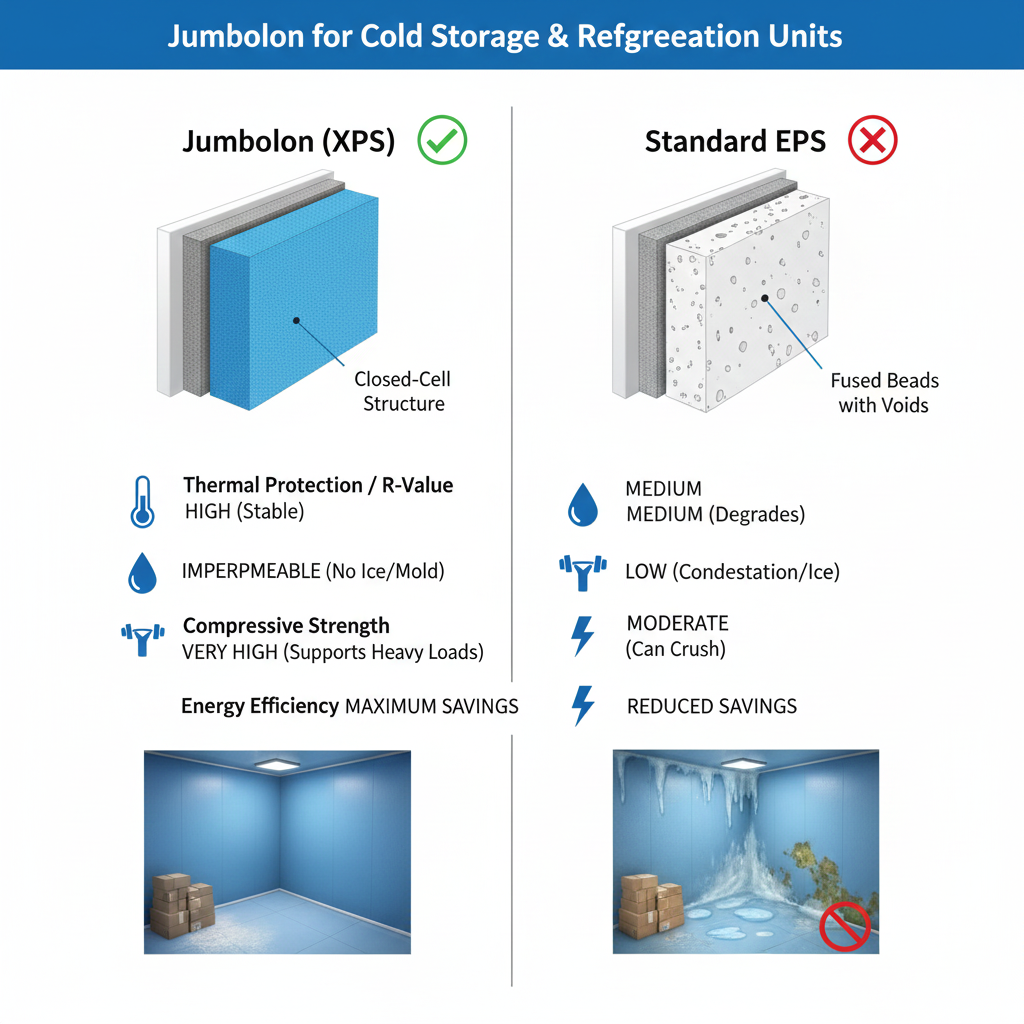
  • Thermopore vs XPS vs Jumbolon

    Thermopore vs XPS vs Jumbolon

    Choosing the right insulation material is one of the most important decisions in construction, especially in regions with extreme temperatures. In Pakistan, Thermopore, XPS, and Jumbolon are among the most commonly used insulation materials. This blog presents a detailed comparison of Thermopore vs XPS vs Jumbolon, helping homeowners, contractors, and builders understand which option suits their needs best.

    Why Comparing Insulation Materials Matters

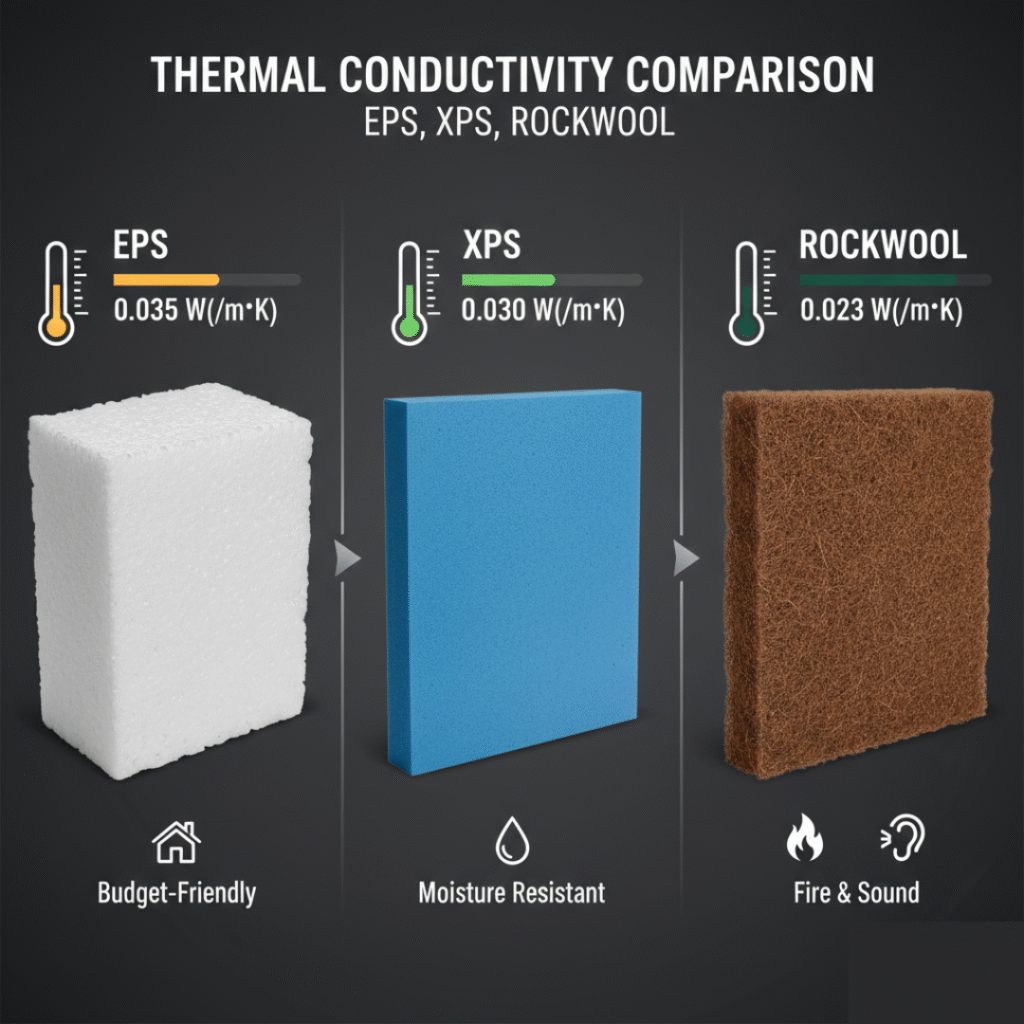
    Thermal Conductivity EPS XPS Rockwool

    Different insulation materials perform differently depending on heat resistance, moisture exposure, durability, and cost. Many people ask thermopore vs xps vs jumbolon which is better, but the answer depends on application, budget, and performance expectations.

    A clear comparison helps avoid long-term energy loss and unnecessary maintenance costs.

    What Is Thermopore Insulation?

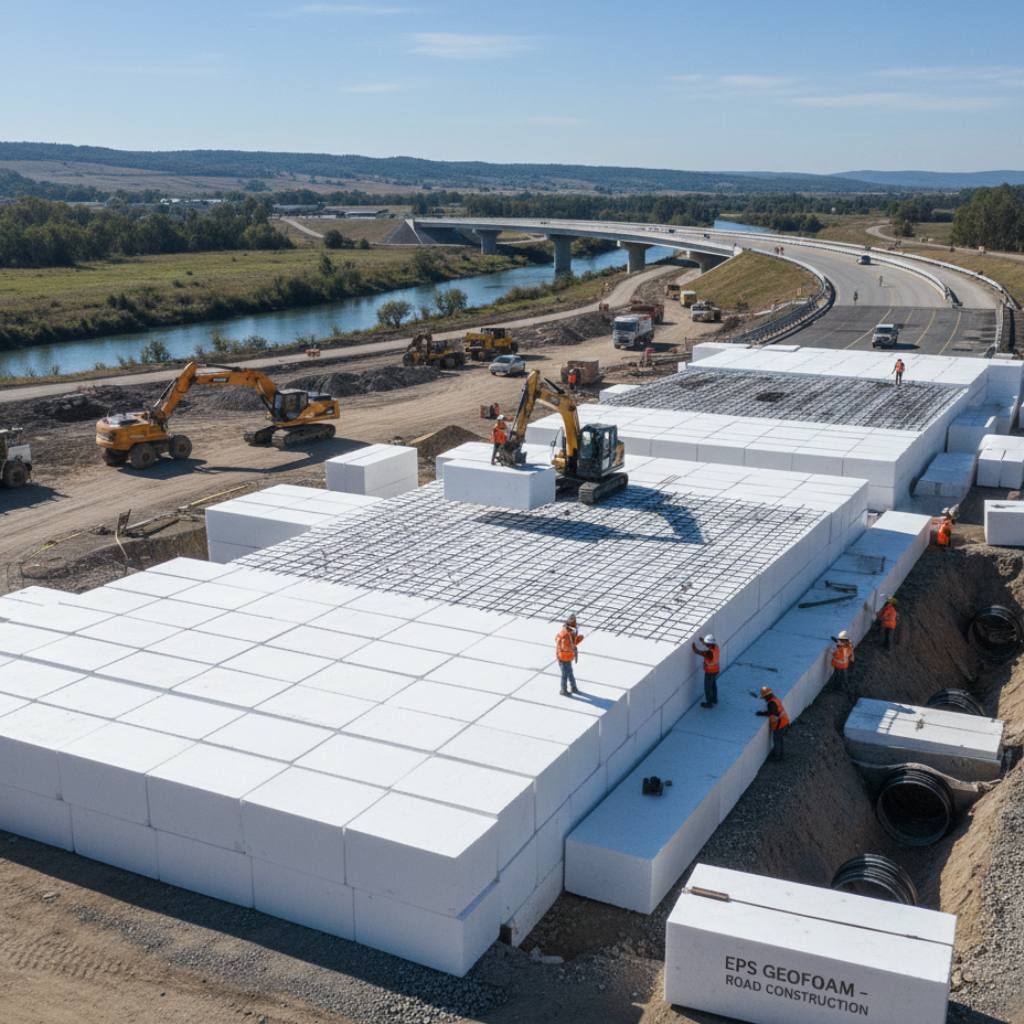
    EPS Geofoam For Road Construction

    Thermopore is a lightweight insulation material made from expanded polystyrene. It is commonly used for basic thermal insulation in walls and ceilings.

    Key Features of Thermopore

    • Lightweight and easy to install
    • Provides basic thermal insulation
    • Commonly available in sheet form

    Thermopore sheet insulation is often chosen for low-budget projects where moderate insulation performance is acceptable.

    What Is XPS Insulation?

    jumbolon Insulation for Metal Sheds

    XPS (Extruded Polystyrene) is a high-density insulation board designed for superior thermal resistance and moisture control. It is widely used in roofs, foundations, and floors.

    Why XPS Is Considered Premium

    • Higher compressive strength
    • Excellent moisture resistance
    • Long service life

    In most professional applications, XPS outperforms Thermopore and flexible foams.

    What Is Jumbolon Insulation?

    Jumbolon For Cold Storage Insulation

    Jumbolon is a closed-cell polyethylene foam insulation commonly used for thermal and acoustic purposes. It is flexible, lightweight, and easy to apply in residential and commercial buildings.

    The comparison of jumbolon vs thermopore often comes down to flexibility and ease of installation versus rigidity.

    Performance Comparison: Thermopore vs XPS vs Jumbolon

    Thermal Insulation Performance

    • XPS offers the highest thermal resistance
    • Jumbolon provides moderate insulation with flexibility
    • Thermopore delivers basic thermal protection

    This performance gap is why many ask thermopore vs xps vs jumbolon which is better for long-term use.

    Moisture Resistance

    • XPS resists water absorption extremely well
    • Jumbolon performs well in humid environments
    • Thermopore may absorb moisture over time

    Durability and Strength

    • XPS is structurally strong and load-bearing
    • Jumbolon is flexible but not load-bearing
    • Thermopore is fragile and prone to breakage

    Price Comparison in Pakistan

    Jumbolon Price in Pakistan

    The jumbolon price in pakistan varies depending on thickness, density, and brand. It is generally considered affordable and suitable for residential insulation projects.

    Jumbolon Sheet Price in Pakistan

    The jumbolon sheet price in pakistan depends on sheet thickness and roll size. Thicker sheets naturally cost more but offer better insulation.

    12mm Jumbolon Sheet Price in Pakistan

    The 12mm jumbolon sheet price in pakistan is commonly searched because this thickness is widely used for roof and ceiling insulation due to its balance between cost and performance.

    Thermopore Price

    Thermopore price is usually lower than both XPS and Jumbolon, making it a budget-friendly option for short-term or low-demand insulation needs.

    Overall Jumbolon Price Comparison

    When evaluating overall jumbolon price, it sits between Thermopore and XPS, offering a good balance of flexibility, insulation, and affordability.

    Best Use Cases for Each Material

    When to Use Thermopore

    • Low-budget construction
    • Temporary insulation needs
    • Non-load-bearing areas

    Use of XPS

    • Roof insulation
    • Foundations and floors
    • Long-term energy-efficient buildings

    When to Use Jumbolon

    • Residential roofs and ceilings
    • Acoustic insulation
    • Areas requiring flexible insulation

    Final Verdict: Which One Should You Choose?

    There is no single answer to thermopore vs xps vs jumbolon which is better. The right choice depends on your specific needs:

    • Choose XPS for maximum durability and thermal performance
    • Choose Jumbolon for flexible, cost-effective insulation
    • Choose Thermopore for basic, low-cost applications

    Understanding the difference between jumbolon vs thermopore and comparing them with XPS ensures you invest in the right insulation solution.

    Conclusion

    Comparing Thermopore vs XPS vs Jumbolon helps builders and homeowners make informed insulation decisions. While XPS delivers premium performance, Jumbolon offers flexibility and affordability, and Thermopore remains a basic insulation choice for budget projects.

    Selecting the right material today can lead to better comfort, lower energy bills, and long-term savings.

    FAQ’S

    The better option depends on usage. XPS offers the best thermal performance and durability, Jumbolon provides flexible and cost-effective insulation, while Thermopore is suitable for basic and low-budget applications.

    Jumbolon is flexible and moisture-resistant, while Thermopore is rigid and more fragile. Jumbolon is better for roofs and ceilings, whereas Thermopore is mainly used for basic wall insulation.

    Yes, XPS is generally better than Thermopore for roofs because it has higher compressive strength, better moisture resistance, and longer service life.

    Jumbolon price in Pakistan depends on thickness, density, sheet size, and brand. Thicker sheets usually provide better insulation and cost more.

    The jumbolon sheet price in Pakistan varies by thickness and quality. Standard sheets are more affordable, while thicker insulation sheets cost slightly higher.

    The 12mm jumbolon sheet price in Pakistan is popular because this thickness offers a good balance between insulation performance and affordability for residential roofs.

    Thermopore can be used for short-term or low-load applications. For long-term durability and higher insulation performance, XPS or Jumbolon is generally recommended.

    XPS performs best in moisture-prone areas due to its closed-cell structure, while Jumbolon also performs well. Thermopore may absorb moisture over time.

  • Roof Cooling Methods Using Jumbolon or XPS

    Roof Cooling Methods Using Jumbolon or XPS

    Rising temperatures and long summers have made roof heat control a major concern for homes, warehouses, and commercial buildings. Among modern insulation solutions, roof cooling methods using Jumbolon or XPS have gained popularity due to their affordability, effectiveness, and ease of installation. This guide explains how these materials work, compares their performance, and helps you choose the right option for long-term heat reduction.

    Why Roof Cooling Is Essential in Hot Climates

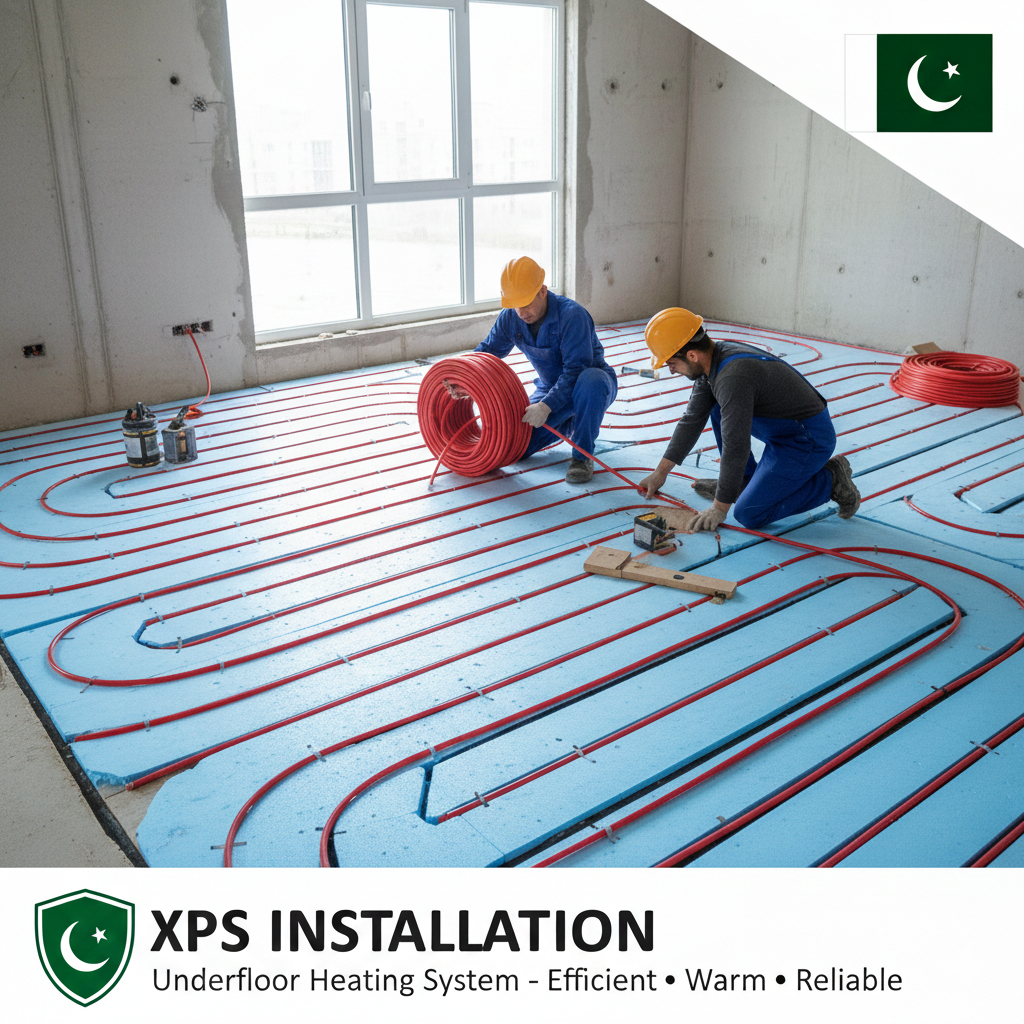
    XPS Installation at underfloor heating system

    The roof absorbs the highest amount of solar radiation throughout the day. Without proper insulation, this heat transfers indoors, increasing cooling costs and reducing comfort. Effective roof insulation:

    • Lowers indoor temperature
    • Reduces air-conditioning load
    • Extends roof lifespan
    • Improves overall energy efficiency

    This is why many property owners now prefer roof cooling methods using Jumbolon or XPS instead of temporary solutions.

    What Is Jumbolon Insulation?

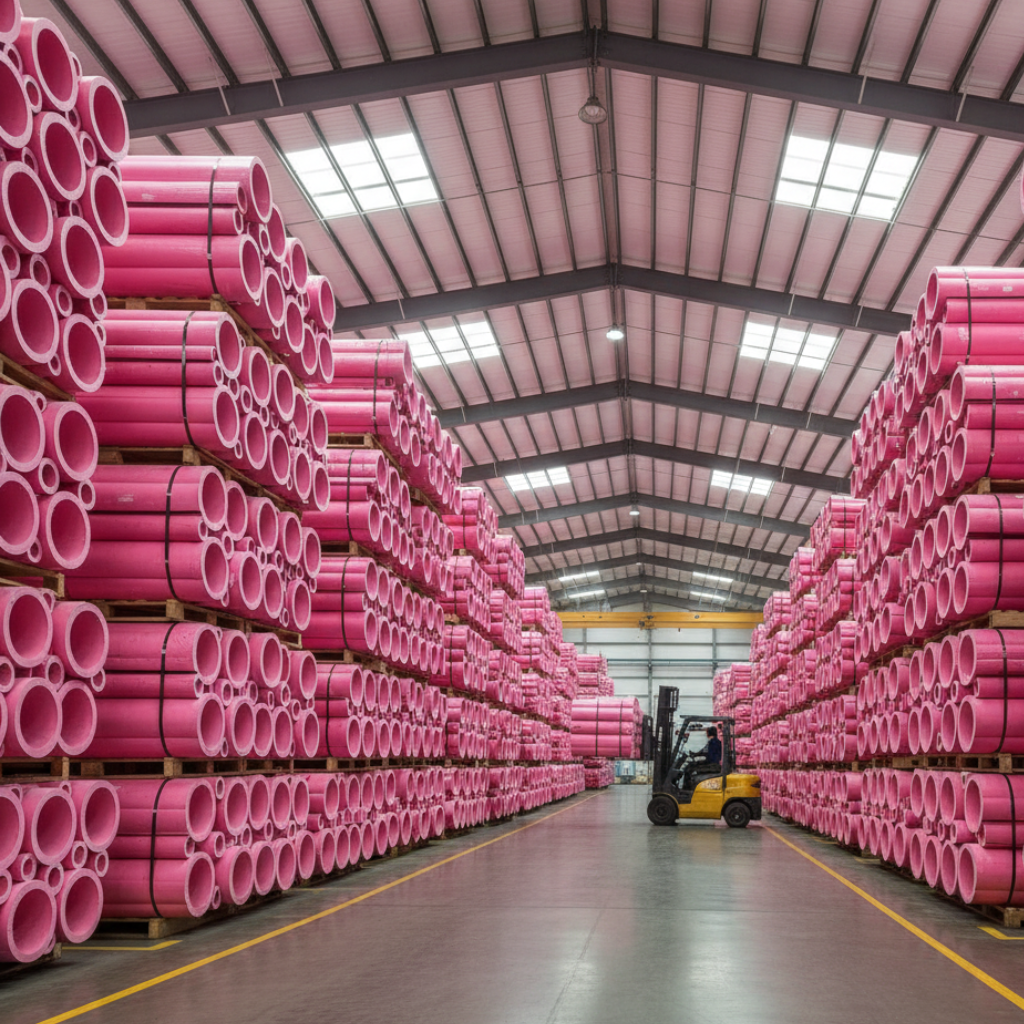
    Jumbolon Insulation Pipes in Pakistan

    Jumbolon is a closed-cell polyethylene foam insulation commonly used for thermal control. It is lightweight, flexible, and resistant to moisture, making it suitable for both residential and industrial roofs.

    Key Features of Jumbolon

    • Available in sheet and jumbolon roll form
    • Flexible installation on uneven surfaces
    • Reflective foil option for enhanced heat resistance
    • Suitable for metal, concrete, and shed roofs

    Because of its adaptability, many consider it among the best roof cooling methods using Jumbolon or XPS for retrofit projects.

    Understanding XPS for Roof Cooling

    XPS (Extruded Polystyrene) is a rigid insulation board known for high compressive strength and thermal resistance. Unlike flexible foam, XPS provides structural stability along with insulation.

    Key Features of XPS

    • High thermal resistance
    • Excellent moisture resistance
    • Long service life
    • Ideal for flat and load-bearing roofs

    XPS is often selected for permanent construction where durability is critical.

    Roof Cooling Methods Using Jumbolon or XPS – How They Work

    Both materials reduce heat transfer by creating a thermal barrier between the roof surface and interior space.

    • Jumbolon slows down heat penetration and reflects radiant heat when foil-faced
    • XPS blocks conductive heat flow through dense insulation boards

    Choosing between them depends on roof type, budget, and insulation goals.

    Jumbolon Sheet Size and Installation Options

    XPS Sheet Manufacturer in Pakistan

    Understanding jumbolon sheet size is important for cost estimation and coverage planning.

    Common configurations include:

    • Sheets for flat concrete roofs
    • Rolls for curved or metal roofs
    • Layered installation for improved insulation

    Many buyers compare jumbolon sheet size and price before finalizing their roof cooling strategy

    Cost Considerations and Budget Planning

    When planning roof insulation, buyers often compare material and installation expenses.

    • Roof Cooling Methods Using Jumbolon or XPS cost depends on thickness, coverage area, and installation method
    • Flexible foam solutions generally offer faster installation
    • Rigid boards require surface preparation but provide long-term durability

    Market demand often influences jumbolon sheet price in Pakistan, especially during peak summer months.

    Comparing Jumbolon and XPS for Roof Cooling

    FeatureJumbolonXPS
    FlexibilityHighLow
    Thermal ResistanceMedium to HighHigh
    Moisture ResistanceGoodExcellent
    Installation SpeedFastModerate
    Best Use CaseMetal & retrofit roofsConcrete & load-bearing roofs

    This comparison helps identify the best roof cooling methods using Jumbolon or XPS based on project needs.

    Which Option Should You Choose?

    Choose Jumbolon if:

    • You need a lightweight solution
    • Your roof has curves or joints
    • Fast installation is a priority

    Choose XPS if:

    • You want maximum thermal resistance
    • The roof carries structural load
    • Long-term performance is critical

    Both materials perform exceptionally well when installed correctly.

    Long-Term Benefits of Proper Roof Insulation

    • Reduced indoor heat gain during peak summer hours
    • Lower dependency on air-conditioning systems
    • Noticeable reduction in monthly electricity bills
    • Improved indoor comfort for living and working spaces
    • Extended lifespan of roofing materials due to controlled thermal stress

    These benefits justify investing in roof cooling methods using Jumbolon or XPS, especially for regions facing prolonged heat exposure.

    Best Practices for Installing Roof Cooling Insulation

    To achieve optimal performance, insulation must be installed correctly regardless of material choice.

    Installation Tips

    • Ensure the roof surface is clean and dry
    • Seal joints and edges properly to avoid thermal leaks
    • Use reflective layers where possible to enhance heat rejection
    • Maintain correct thickness as per roof design and climate needs

    Proper installation significantly improves the effectiveness of roof cooling methods using Jumbolon or XPS cost efficiency over time.

    Maintenance and Durability Considerations

    Both insulation materials require minimal maintenance, but periodic inspection helps maintain performance.

    • Check for moisture ingress after monsoon seasons
    • Ensure insulation layers remain intact
    • Repair any damaged sections promptly

    XPS generally requires less maintenance due to its rigid structure, while Jumbolon benefits from protective surface coverings.

    Environmental and Energy Efficiency Impact

    Effective roof insulation contributes to sustainability by:

    • Reducing overall energy consumption
    • Lowering carbon emissions from cooling systems
    • Enhancing building energy efficiency ratings

    This makes roof cooling methods using Jumbolon or XPS not only cost-effective but also environmentally responsible solutions.

    Final Verdict: Jumbolon or XPS – Which Is Better?

    There is no one-size-fits-all answer. The choice depends on building type, budget, and insulation objectives.

    • Jumbolon is ideal for flexible applications, metal roofs, and retrofit projects
    • XPS is best suited for concrete roofs requiring high thermal resistance and structural strength

    Evaluating jumbolon sheet size, application method, and insulation goals will help you make the right decision.

    Conclusion

    Roof insulation is no longer optional—it is essential for energy efficiency and comfort. By adopting the right roof cooling methods using Jumbolon or XPS, property owners can significantly reduce heat transfer, lower energy costs, and create more comfortable indoor environments.

    Whether you choose flexible foam insulation or rigid thermal boards, proper planning and professional installation ensure long-lasting performance.

    FAQ’S

    Both materials reduce heat effectively, but XPS offers higher thermal resistance for concrete roofs, while Jumbolon works best for metal roofs and retrofit projects due to its flexibility.

    Jumbolon generally has a lower upfront cost, whereas XPS is priced higher due to its rigid structure and long-term durability. Final cost depends on thickness, sheet size, and installation area.

    Yes, Jumbolon is widely used for residential roofs, sheds, and warehouses because it is lightweight, easy to install, and effective against radiant heat.

    When installed properly, XPS insulation can last decades with minimal maintenance, making it a long-term solution for roof cooling.

    Yes. Proper roof insulation significantly lowers indoor temperatures, reducing air-conditioning usage and helping reduce monthly electricity costs.

    This depends on roof design. Above-slab installation offers better protection for concrete roofs, while below-roof installation is common for metal roofing systems.

  • Islamabad Roof Heat-Proofing Sheet Guide

    Islamabad Roof Heat-Proofing Sheet Guide

    Islamabad’s climate may be milder than some major cities, but rising summer temperatures and direct rooftop heat exposure still make homes and commercial buildings uncomfortable. This is where roof heat-proofing sheets play a critical role. Choosing the right solution not only improves indoor comfort but also reduces energy costs and extends roof life.

    This guide explains roof heat-proofing options, pricing trends, materials, and services available in Islamabad—helping you make an informed insulation decision.

    Why Roof Heat-Proofing Is Important in Islamabad

    Roofs absorb the maximum solar radiation throughout the day. Without insulation, this heat transfers directly indoors, increasing room temperatures and air-conditioning load.

    Using a heat proof sheet for roof in Pakistan helps:

    • Reduce heat gain through concrete and metal roofs
    • Improve indoor comfort during peak summer months
    • Lower electricity bills by reducing cooling demand
    • Protect roofing structures from thermal stress

    Types of Roof Heat-Proofing Sheets Used in Islamabad

    Several insulation materials are commonly used depending on budget, roof type, and performance needs.

    1. Reflective & Heat-Resistant Roofing Sheets

    Heat-resistant sheets reflect solar radiation instead of absorbing it. These are especially effective for flat concrete roofs and metal sheds.

    The heat resistant roofing sheet price in Pakistan varies based on thickness, reflective coating, and installation method.

    2. Foam-Based Insulation Sheets

    home insulation

    Foam insulation sheets provide both thermal resistance and lightweight installation. Among these, jumbolon remains a popular option.

    The jumbolon sheet price in Pakistan depends on density, thickness, and surface texture, making it suitable for residential and light commercial roofs.

    3. Multi-Layer Roof Insulation Systems

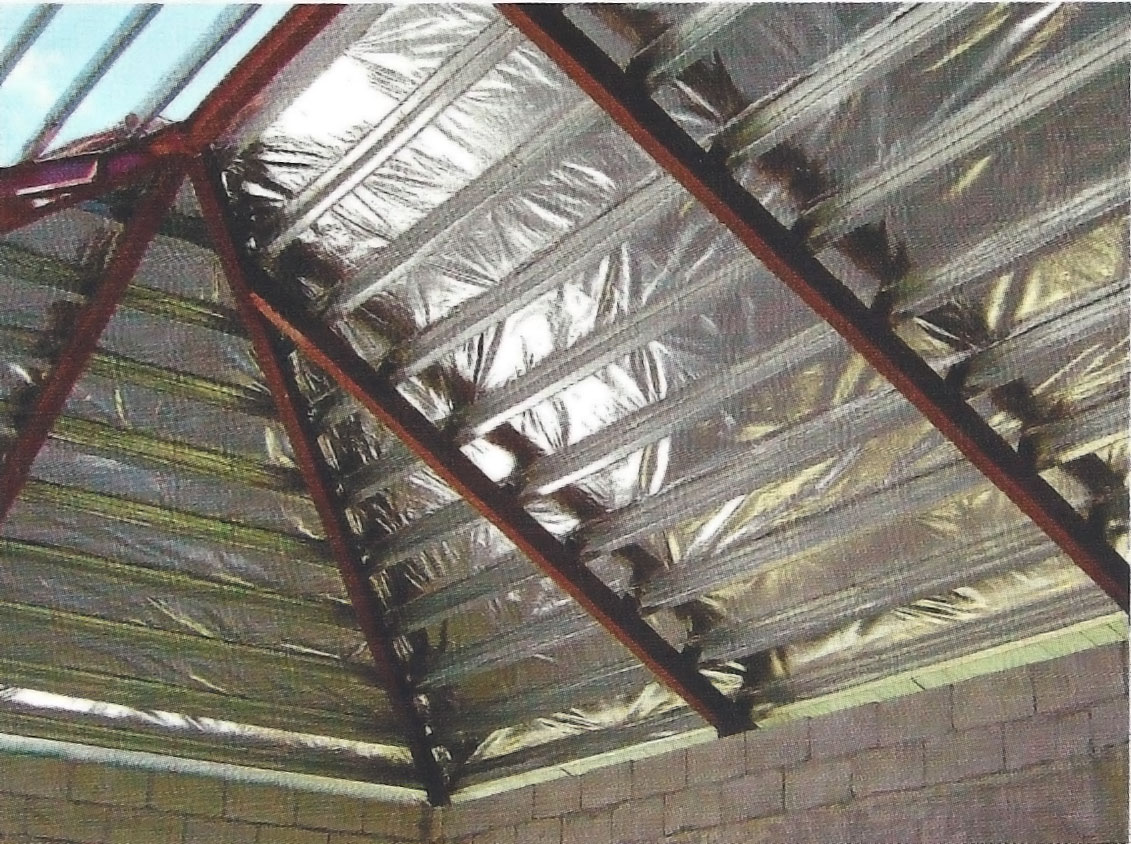
    Using aluminium foil with jumbolon

    Modern roof heat-proofing combines reflective layers with foam or air-gap systems for improved performance. These systems offer better long-term thermal control compared to single-layer solutions.

    Roof Heat-Proofing Sheet Pricing Overview

    While exact rates depend on material and application area, understanding general cost factors helps set realistic expectations.

    • Islamabad Roof Heat-Proofing Sheet price varies with material type, thickness, and installation complexity
    • Roof insulation price in Pakistan is influenced by market demand and raw material costs
    • Installation charges differ for residential, commercial, and industrial projects

    Rather than focusing only on upfront cost, it’s important to consider long-term energy savings.

    Roof Heat-Proofing Sheet Comparison Table

    Insulation TypeHeat Resistance LevelDurabilityTypical Use CaseCost Range
    Reflective Heat-Proof SheetHighLong-termConcrete roofsMedium
    Jumbolon SheetMediumModerateResidential roofsLow
    Heat Resistant Roofing SheetHighHighCommercial buildingsMedium–High
    Multi-Layer Roof InsulationVery HighLong-termVillas & officesHigh

    Note: Final performance depends on correct installation and roof exposure.

    Choosing the Right Heat-Proof Sheet for Your Roof

    When selecting a heat proof sheet price in Pakistan, consider:

    • Roof structure (RCC, metal, shed)
    • Exposure to direct sunlight
    • Required thermal performance
    • Moisture resistance
    • Budget and lifespan expectations

    In Islamabad, roofs with prolonged sun exposure benefit most from reflective or layered insulation systems.

    Professional Roof Heat-Proofing Services

    heat insulation vs insulation

    Correct installation is just as important as material selection. Professional roof heat proofing services ensure:

    • Proper surface preparation
    • Correct sheet alignment and sealing
    • Long-term durability and performance
    • Reduced risk of moisture or heat leakage

    Hiring trained installers helps maximize the effectiveness of your insulation investment.

    Benefits of Roof Heat-Proofing for Islamabad Homes

    • Consistent indoor temperature
    • Reduced air-conditioning usage
    • Improved living comfort
    • Lower energy bills
    • Increased property value

    A well-insulated roof is one of the most cost-effective upgrades for residential and commercial buildings alike.

    Common Applications of Roof Heat-Proofing Sheets

    sandwich panels installation
    • Residential houses and villas
    • Apartments and rooftops
    • Commercial buildings
    • Warehouses and factories
    • Metal sheds and industrial roofs

    Each application may require a different insulation approach based on heat exposure and usage.

    Maintenance & Longevity

    Most modern heat-proofing sheets require minimal maintenance. Periodic inspection ensures reflective surfaces remain clean and joints stay sealed. High-quality insulation can perform effectively for many years when installed properly.

    Conclusion

    Roof heat-proofing is no longer optional—it’s a practical necessity for Islamabad buildings facing rising temperatures. By choosing the right material, understanding pricing, and working with professional installers, you can significantly improve indoor comfort and energy efficiency.

    Investing in roof insulation today leads to long-term comfort, savings, and structural protection.

    FAQ’S

    The best option depends on roof type and budget. Reflective sheets combined with foam insulation provide strong heat resistance for concrete roofs, while lightweight options like jumbolon work well for residential applications.

    The Islamabad Roof Heat-Proofing Sheet price varies based on material thickness, coverage area, and installation method. Multi-layer systems cost more upfront but offer better long-term performance.

    Yes. A properly installed heat proof sheet for roof in Pakistan significantly reduces heat transfer, keeping indoor spaces cooler and reducing air-conditioning usage.

    Material type, density, sheet thickness, labor charges, and roof condition all influence the roof insulation price in Pakistan.

    Yes. Jumbolon is commonly used due to affordability and ease of installation. The jumbolon sheet price in Pakistan varies depending on thickness and surface pattern.

    Professional roof heat proofing services ensure proper sealing, alignment, and durability, which directly impacts insulation performance.

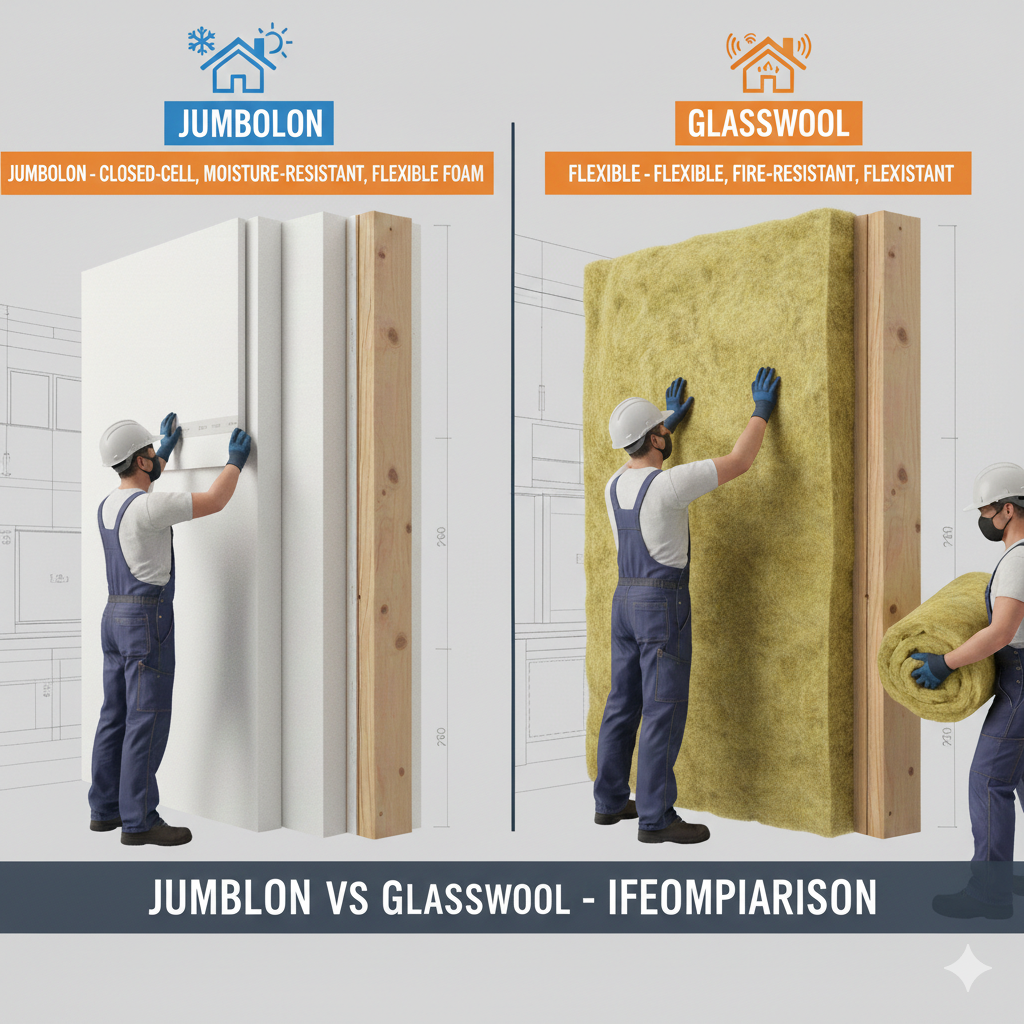
  • Jumbolon vs Glasswool – Which Gives More Heat Reduction?

    Jumbolon vs Glasswool – Which Gives More Heat Reduction?

    n Pakistan’s hot climate, effective insulation is key to maintaining cool and energy-efficient homes and commercial spaces. Two popular insulation options are Jumbolon sheets and Glasswool insulation. Understanding their thermal performance, pricing, and applications can help you choose the right material for maximum heat reduction.

    This guide compares Jumbolon vs Glasswool in terms of heat reduction, cost, durability, and installation, with insights specific to Pakistan’s market.

    What Is Jumbolon Insulation?

    home insulation

    Jumbolon sheets are closed-cell polyethylene foam sheets, often laminated with reflective aluminum foil. They act as a thermal barrier, preventing heat from penetrating walls, roofs, and ceilings.

    Key features:

    • Lightweight and easy to install
    • Excellent thermal insulation due to air-trapped bubbles
    • Flexible and resistant to moisture
    • Available in various thicknesses and sizes

    Popular specifications in Pakistan:

    • Jumbolon sheet size: Typically 1m x 2m per sheet
    • 12mm Jumbolon sheet price in Pakistan: Competitive, varies by supplier
    • Diamond Jumbolon sheet price: Premium variant with enhanced thermal resistance

    What Is Glasswool Insulation?

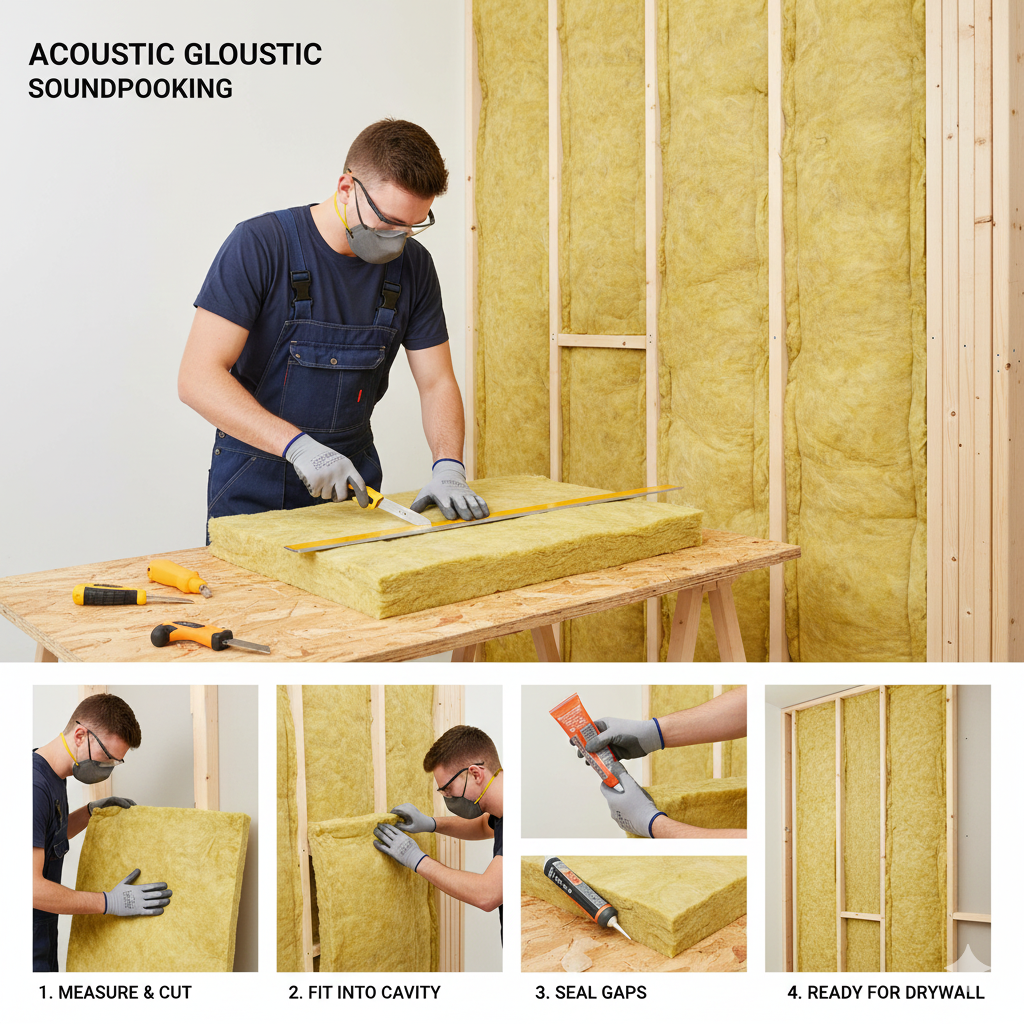
    Glasswool Sheet For Soundproofing

    Glasswool insulation is made from spun glass fibers, forming a fibrous blanket that traps air. It is widely used in ceilings, walls, and ducts to reduce heat transfer.

    Key features:

    • High thermal efficiency
    • Fire-resistant
    • Sound-absorbing properties
    • Lightweight and easy to handle

    Glasswool is available in rolls and blankets, and its performance depends on thickness and density.

    Jumbolon vs Glasswool – Heat Reduction Comparison

    FeatureJumbolonGlasswool
    Thermal ResistanceHigh due to reflective foil and closed-cell structureModerate to High depending on density
    Moisture ResistanceExcellent, closed-cell prevents water absorptionCan absorb moisture if foil-faced layer is not used
    InstallationEasy, cuts and fits walls, roofs, and ceilingsRequires careful handling and protective gear
    Noise ReductionMinimalGood, absorbs sound effectively
    LifespanLong-lasting, resistant to saggingLong-lasting but may settle over time
    Heat Reduction EfficiencyUp to 80% for roofs and ceilingsUp to 60–70% depending on thickness

    Conclusion: Jumbolon provides slightly better heat reduction than Glasswool for direct roof and wall applications, especially in high-temperature regions.

    Pricing Insights in Pakistan

    Jumbolon sheet price in Pakistan varies depending on thickness, size, and supplier:

    • Jumbolon roll: Available in bulk for large projects
    • Jumbolon sheet price in Karachi: Slightly higher due to demand and shipping costs
    • 12mm Jumbolon sheet price in Pakistan: Around average market rate
    • Diamond Jumbolon sheet price: Premium option for higher thermal resistance

    Glasswool prices are generally lower, but may require additional vapor barriers to prevent moisture issues.

    Jumbolon vs Thermopore

    Jumbolon is often compared to thermopore insulation:

    • Jumbolon vs Thermopore: Both are foam-based, but Jumbolon with foil offers superior heat reflection, making it more effective for roofs and ceilings in Pakistan’s climate.

    Applications of Jumbolon and Glasswool

    Jumbolon:

    • Roof insulation in homes and offices
    • Ceiling insulation in warehouses and factories
    • Wall insulation with foil facing

    Glasswool:

    • HVAC duct insulation
    • Soundproofing walls and ceilings
    • Residential and commercial roof insulation

    Conclusion

    Choosing between Jumbolon and Glasswool depends on your insulation priorities. For maximum heat reduction in hot climates, Jumbolon sheets—especially foil-faced variants—offer better performance and moisture resistance. Glasswool remains a versatile option for thermal and acoustic insulation, particularly in areas with moderate temperatures.

    By considering Jumbolon sheet price in Pakistan, sheet size, thickness, and specific application areas, you can achieve effective insulation while optimizing cost and energy savings.

    FAQ’S

    Jumbolon provides superior heat reduction for roofs and ceilings due to its closed-cell structure and reflective foil, while Glasswool performs well in moderate temperatures and offers soundproofing benefits.

    Yes, foil-faced Jumbolon sheets reflect heat effectively, making them more suitable for hot climates like Pakistan, whereas Glasswool is better for walls, ducts, and acoustic insulation.

    The price varies depending on thickness and type, with 12mm sheets being more affordable and diamond Jumbolon sheets slightly higher for enhanced thermal performance.

    Yes, if not properly foil-faced or installed with a vapor barrier, Glasswool can absorb moisture, reducing its thermal efficiency.

    Yes, Jumbolon sheets are lightweight, flexible, and easy to cut, making installation faster and cleaner than Glasswool, which requires careful handling and protective equipment.

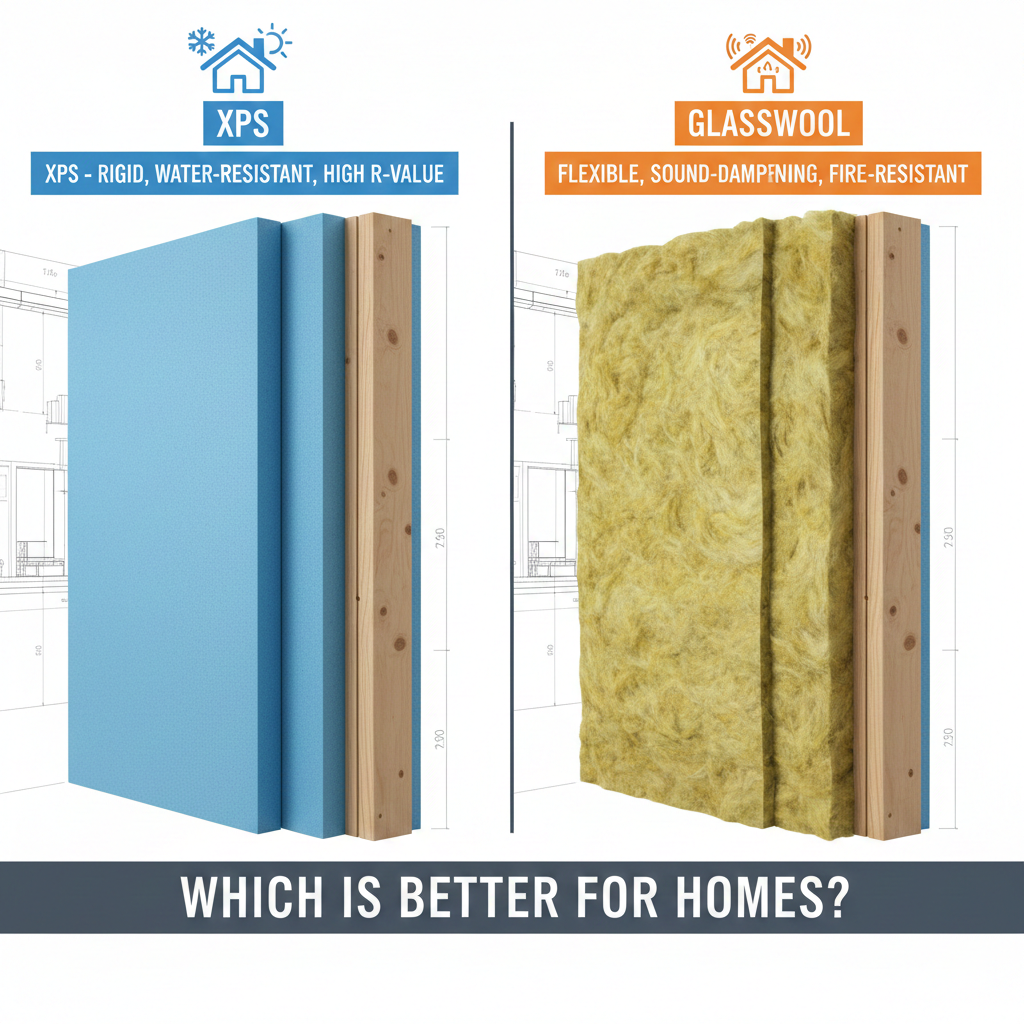
  • XPS vs Glasswool – Which Is Better for Homes?

    XPS vs Glasswool – Which Is Better for Homes?

    Choosing the right insulation is one of the most important decisions when designing or upgrading a home. In hot and mixed climates like Pakistan, insulation directly affects indoor comfort, electricity bills, and long-term building durability. Two of the most commonly compared options are XPS insulation and Glasswool insulation. This guide explains their differences in a clear, practical way to help homeowners make an informed decision.

    Understanding Home Insulation Needs in Pakistan

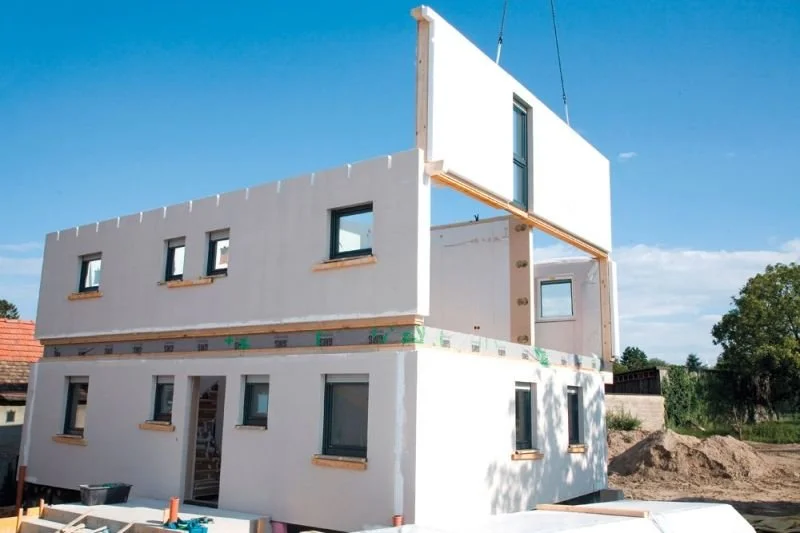
    thermocol moulding for building in pakistan

    Homes in Pakistan face intense heat, humidity variations, and rising energy costs. Effective insulation slows down heat transfer, reduces indoor temperature fluctuations, and supports energy efficiency. Whether the goal is roof protection, wall insulation in Pakistan, or overall thermal performance, material selection plays a critical role.

    What Is XPS Insulation?

    XPS insulation, made from extruded polystyrene, is a rigid board designed to resist heat, moisture, and pressure. Due to its closed-cell structure, XPS material offers consistent thermal performance even in demanding environments.

    Key Characteristics of XPS Insulation

    • High compressive strength
    • Low water absorption
    • Long service life
    • Suitable for roofs, floors, and external walls

    Because of its durability, XPS insulation is commonly used in residential and commercial construction across Pakistan.

    What Is Glasswool Insulation?

    Glasswool Sheet For Soundproofing

    Glasswool insulation is produced from recycled glass fibers arranged into soft, flexible mats or rolls. It traps air between fibers, which slows heat movement and improves acoustic comfort.

    Key Characteristics of Glasswool

    • Lightweight and flexible
    • Good thermal and sound insulation
    • Commonly used in ceilings and cavity walls
    • Requires proper sealing to avoid moisture issues

    Glasswool is often compared with alternatives like rockwool insulation, which uses stone fibers instead of glass.

    XPS vs Glasswool vs Rockwool – Detailed Comparison Table

    FeatureXPS InsulationGlasswool InsulationRockwool Insulation
    Material TypeExtruded polystyrene boardGlass fiber matStone fiber slab
    Thermal PerformanceHigh & stableGood (may reduce if compressed)High
    Moisture ResistanceExcellentLow to mediumMedium
    Structural StrengthHigh (load-bearing)LowMedium
    Fire ResistanceModerateModerateExcellent
    Application AreasRoofs, floors, wallsCeilings, partitionsWalls, fire-rated zones
    Suitability for HomesVery suitableSuitable (indoor use)Limited residential use
    Maintenance NeedLowMediumLow
    Cost RangeMedium to highLow to mediumHigh

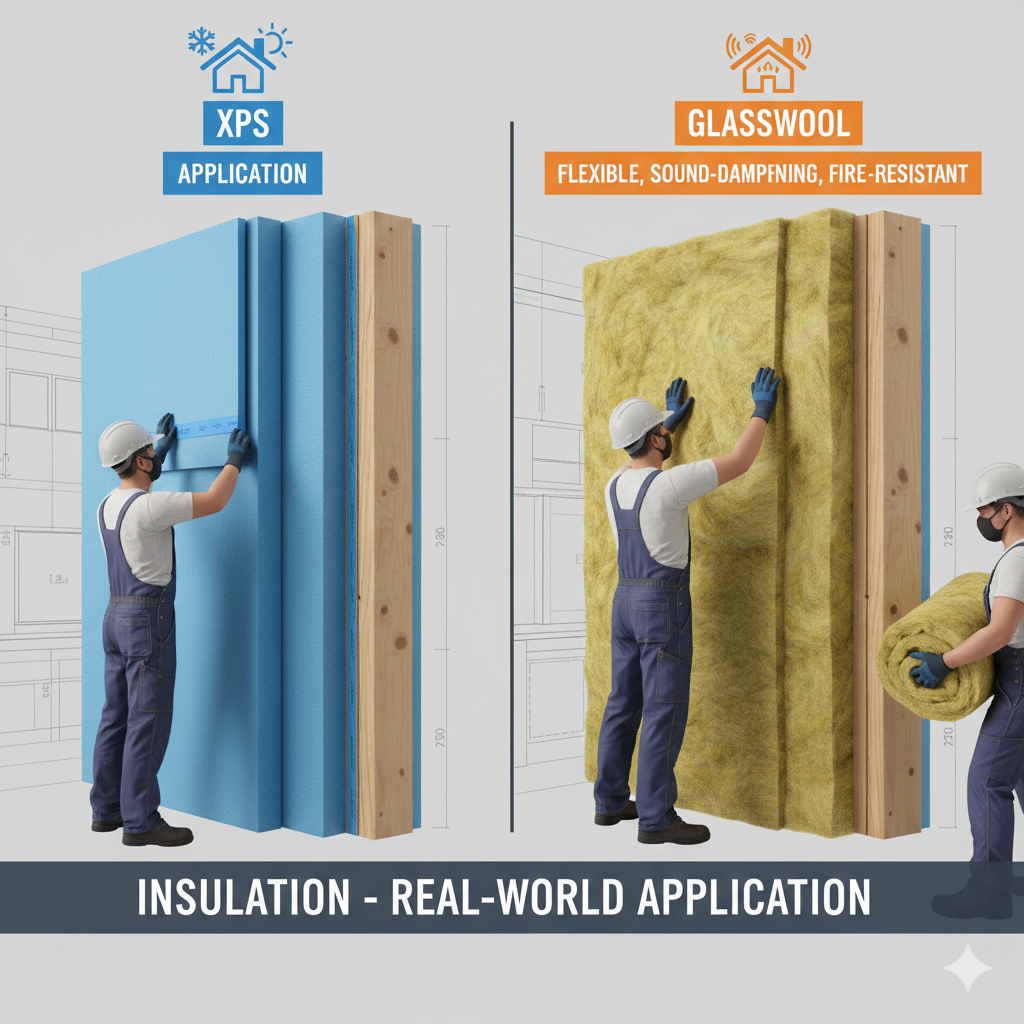
    Summary:
    For long-term residential use in Pakistan’s climate, XPS offers the best balance of durability, moisture resistance, and thermal efficiency.

    XPS vs Glasswool: Core Performance Comparison

    XPS Vs Glasswool

    Thermal Efficiency

    XPS provides stable insulation values over time due to its closed-cell structure. Glasswool performs well initially but may lose effectiveness if compressed or exposed to moisture.

    Moisture Resistance

    XPS boards resist water penetration, making them suitable for humid climates. Glasswool requires vapor barriers to maintain performance.

    Structural Strength

    XPS can handle load-bearing applications such as floors. Glasswool is not designed for pressure-bearing use.

    XPS vs Polyiso and Mineral Wool Comparisons

    When evaluating insulation, homeowners often explore related comparisons like XPS vs polyiso or XPS ve mineral wool. Polyiso offers high thermal resistance but may lose efficiency in extreme heat. Mineral wool, including rockwool, excels in fire resistance but is heavier and costlier.

    These comparisons highlight why XPS remains a balanced option for many residential applications.

    Role of Rockwool in Home Insulation

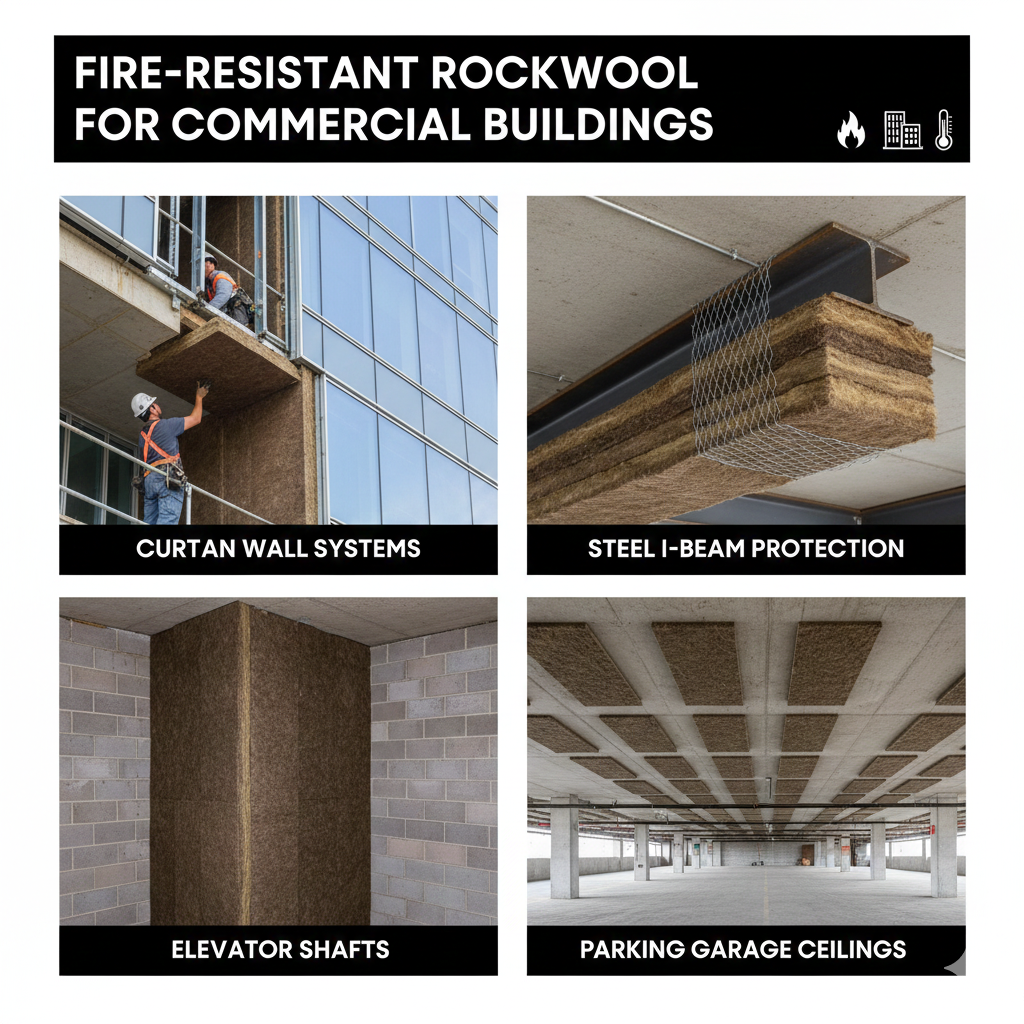
    fire resistant rockwool for commercial buildings

    Rockwool insulation is known for fire resistance and sound absorption. While effective, it is usually preferred in industrial or high-rise buildings rather than standard homes due to installation complexity and weight. Rockwool is often chosen when fire safety is prioritized over cost.

    Cost Considerations for Homeowners

    Insulation cost varies depending on material type, thickness, and location. While XPS boards may have a higher upfront price, they often deliver better long-term value due to durability. Products like jumbolon sheet price in Pakistan are also considered by homeowners seeking flexible insulation solutions, but they serve different use cases than rigid XPS boards.

    Which Insulation Is Better for Homes?

    Choose XPS Insulation If:

    • You need moisture-resistant insulation
    • Roof or floor insulation is required
    • Long-term durability is a priority

    Choose Glasswool If:

    • Budget is limited
    • Insulation is needed for ceilings or partitions
    • Sound insulation is also important

    For most modern homes, especially those focused on energy efficiency and structural reliability, XPS insulation is often the preferred solution.

    Final Verdict

    There is no universal insulation solution for every home. However, when comparing durability, moisture resistance, and performance stability, XPS consistently outperforms Glasswool for long-term residential use. Homeowners should evaluate climate, installation area, and budget before making a final decision.

    FAQ’S

    XPS insulation is generally better for wall insulation in Pakistan because it resists moisture and maintains thermal performance in hot and humid conditions.

    Yes, Glasswool insulation is suitable for ceilings and internal partitions, especially where sound insulation is also required. However, it needs proper sealing against moisture.

    XPS focuses on thermal efficiency and moisture resistance, while rockwool insulation provides superior fire resistance. Rockwool is often used in commercial or industrial projects.

    Yes, XPS insulation reduces heat transfer through roofs and walls, helping maintain indoor temperature and lowering air-conditioning usage.

  • Using Aluminium Foil with Jumbolon & XPS

    Using Aluminium Foil with Jumbolon & XPS

    Rising temperatures, higher electricity bills, and increasing construction costs have made thermal insulation a necessity rather than a luxury. In Pakistan, combining reflective aluminium foil with modern insulation boards like Jumbolon and XPS has become one of the most effective solutions for roofs and walls. This guide explains Using Aluminium Foil with Jumbolon & XPS, how it works, where it performs best, and what buyers should consider before investing.

    What Does Using Aluminium Foil with Jumbolon & XPS Mean?

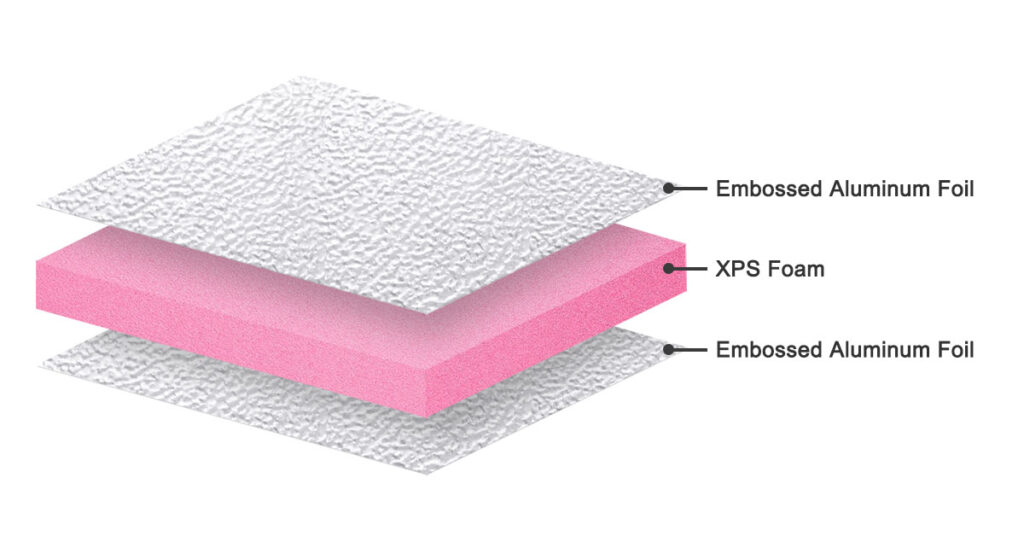
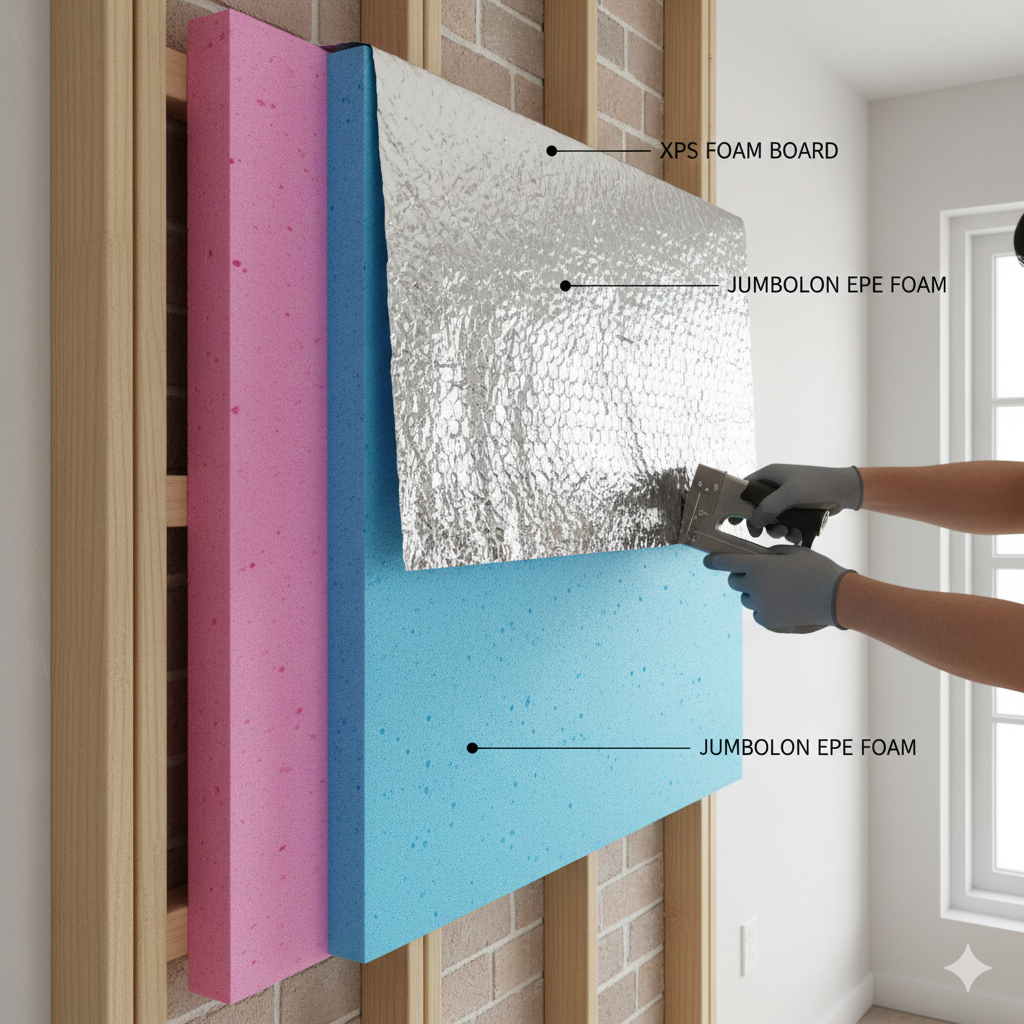
    Using aluminium foil with insulation boards involves layering a reflective foil surface with foam-based insulation materials. The aluminium foil reflects radiant heat, while Jumbolon or XPS reduces conductive heat transfer.

    This dual-layer system improves overall thermal performance and is widely adopted in thermal insulation in Pakistan for residential, commercial, and industrial buildings.

    Why Aluminium Foil Is Used with Insulation Boards

    Aluminium foil plays a critical role in insulation systems:

    • Reflects up to 95% of radiant heat
    • Acts as a moisture and vapor barrier
    • Enhances durability of insulation boards
    • Improves indoor comfort in extreme heat

    When paired with foam boards, the system becomes significantly more efficient than using a single insulation layer.

    Using Aluminium Foil with Jumbolon

    Using Aluminium Foil with Jumbolon is common for walls and roofs where flexibility and vibration absorption are needed. Jumbolon is a closed-cell polyethylene foam that offers thermal and acoustic insulation.

    Key benefits include:

    • Lightweight structure
    • Easy installation on walls and ceilings
    • Reduced heat penetration during peak summer hours
    • Improved comfort in residential spaces

    This combination is especially popular in wall insulation in Pakistan due to its cost-effectiveness.

    Using Aluminium Foil with XPS – When Strength Matters

    Using Aluminium Foil with XPS is ideal for applications requiring high compressive strength. XPS boards provide excellent insulation while resisting moisture absorption and structural load.

    Common use cases include:

    • Roof slabs
    • Floors and basements
    • Industrial buildings
    • Commercial roofs exposed to direct sunlight

    XPS paired with foil delivers long-term thermal stability and durability.

    Best Using Aluminium Foil with Jumbolon & XPS – Which Is Right?

    The best Using Aluminium Foil with Jumbolon & XPS depends on the application:

    • For walls and ceilings → Jumbolon + foil
    • For roofs and floors → XPS + foil
    • For mixed residential use → Combination of both

    Selecting the right material ensures maximum performance without over-spending.

    Thermal Efficiency & Energy Savings

    Combining reflective foil with foam insulation reduces heat gain significantly. This results in:

    • Lower indoor temperatures
    • Reduced air-conditioning usage
    • Improved energy efficiency
    • Long-term electricity cost savings

    This makes foil-based systems a smart solution for thermal insulation in Pakistan, where summers are long and intense.

    Cost Factors in Pakistan

    The Using Aluminium Foil with Jumbolon & XPS price varies based on multiple factors:

    • Thickness of Jumbolon or XPS
    • Type and quality of aluminium foil
    • Installation area and method
    • Market fluctuations

    The overall using aluminium foil with jumbolon & xps cost should always be evaluated against long-term energy savings rather than upfront expense alone.

    Understanding Local Market Prices

    In the local market, pricing is often compared alongside other insulation products. Buyers frequently research:

    • thermal insulation sheet price in pakistan
    • jumbolon sheet price in pakistan
    • diamond jumbolon sheet price

    Prices differ by city, supplier, and project scale, making specification comparison more important than choosing the cheapest option.

    Applications Across Pakistan

    XPS For Cold Storage Insulation

    This insulation system is widely used in:

    • Residential houses
    • Apartment buildings
    • Commercial plazas
    • Warehouses
    • Factories

    Its versatility has made it one of the most trusted insulation material Pakistan options available today.

    Installation Best Practices

    For optimal performance:

    • Ensure foil faces the heat source
    • Avoid gaps between boards
    • Seal joints properly
    • Prevent compression of foam layers

    Professional installation ensures durability and consistent insulation performance.

    Durability & Maintenance

    When installed correctly, aluminium foil combined with foam boards can last for decades with minimal maintenance. The foil protects against moisture damage, while Jumbolon and XPS resist decay and compression.

    Conclusion

    Using aluminium foil with Jumbolon and XPS offers a powerful insulation solution for Pakistan’s challenging climate. By reflecting radiant heat and reducing conductive heat flow, this system improves indoor comfort, reduces energy costs, and increases building efficiency. Choosing the right combination based on application ensures long-term value and performance.

    FAQ’S

    Yes, using aluminium foil with Jumbolon & XPS is highly suitable for Pakistan’s hot climate. The foil reflects radiant heat while Jumbolon or XPS minimizes heat transfer, making it effective for thermal insulation in Pakistan.

    Using aluminium foil with Jumbolon is ideal for wall insulation due to flexibility, while using aluminium foil with XPS is better for roofs and floors because of higher compressive strength and moisture resistance.

    The using aluminium foil with Jumbolon & XPS cost depends on thickness, material quality, and installation area. Prices vary by city and supplier, similar to thermal insulation sheet price in Pakistan.

    Yes, combining foil with insulation boards reduces heat gain, lowering air-conditioning usage and helping cut electricity costs over time.

    Absolutely. This system is widely used in houses, offices, warehouses, and factories, making it a versatile insulation material in Pakistan.

    When installed correctly, the system can last 20–30 years with minimal maintenance, especially when high-quality foil and boards are used.

  • Factory Rate Insulation Sheets in Pakistan

    Factory Rate Insulation Sheets in Pakistan

    With rising temperatures, increasing energy costs, and expanding industrial construction, insulation has become a necessity rather than a luxury. Buying insulation at factory rates helps builders, contractors, and homeowners reduce project costs without compromising quality. This guide explains everything you need to know about factory rate insulation sheets in Pakistan, including types, applications, and pricing insights.

    What Are Factory Rate Insulation Sheets?

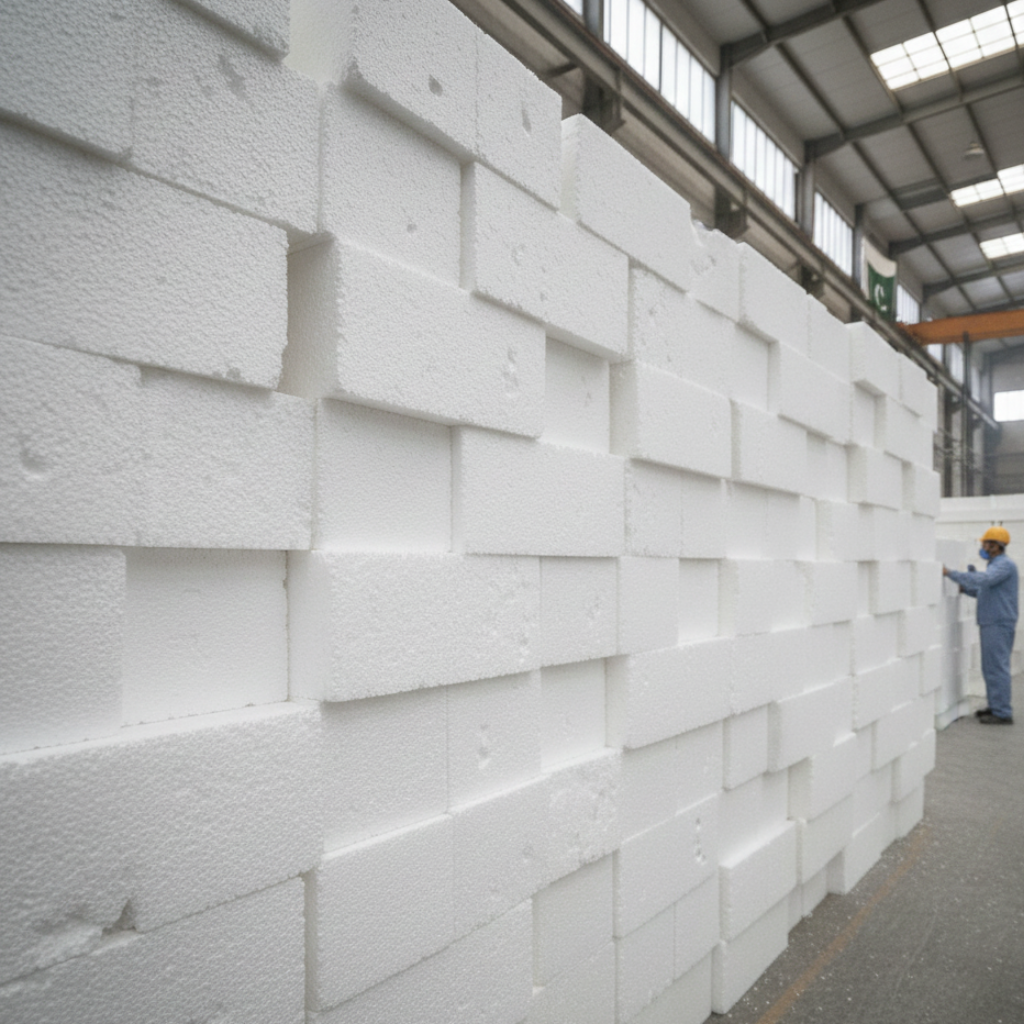
    thermocol blocks manufacturer in pakistan

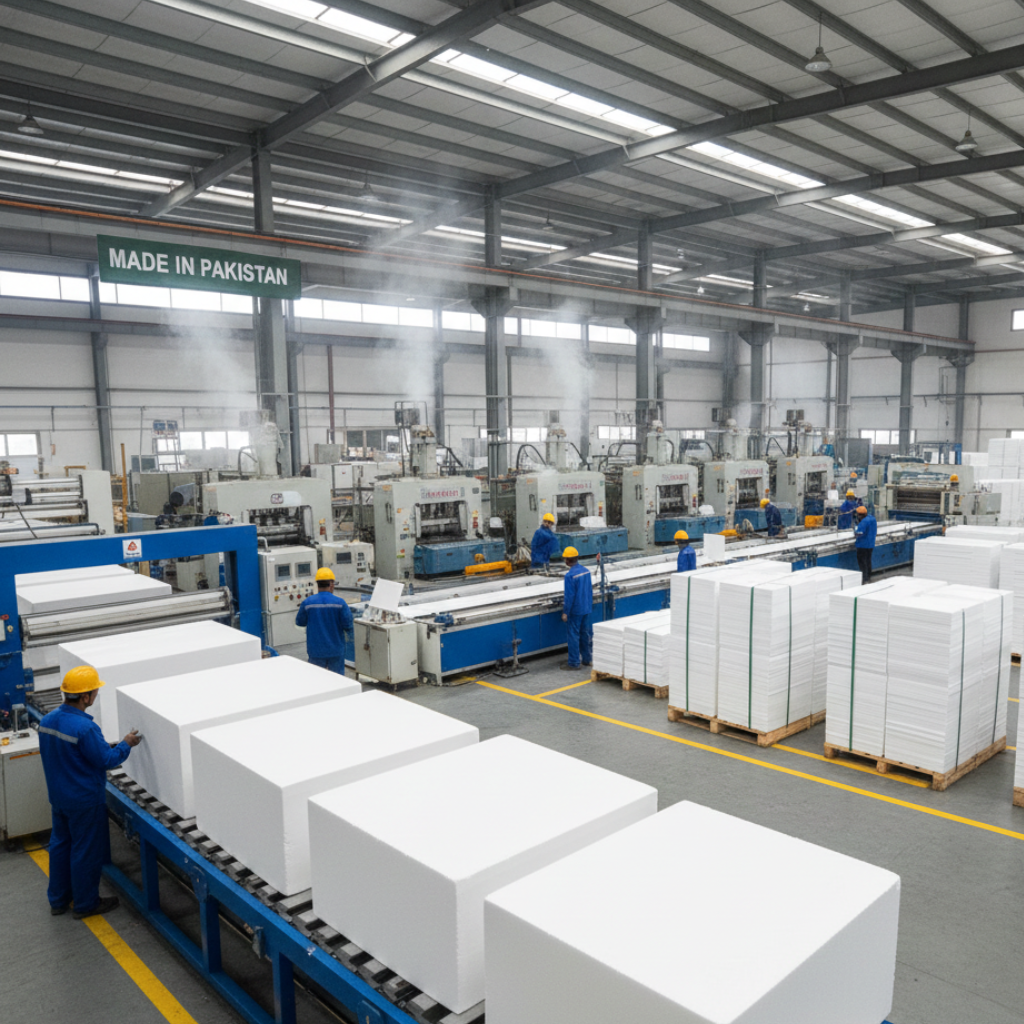
    Factory rate insulation sheets are thermal insulation materials sold directly from manufacturers or production units, without distributor or retailer markups. These sheets are commonly used in roofs, walls, warehouses, cold rooms, and industrial buildings to reduce heat transfer and improve energy efficiency.

    Buying directly from factories ensures better pricing consistency, bulk availability, and quality control.

    Why Choose Factory Rate Insulation Sheets in Pakistan?

    Pakistan’s climate demands effective thermal solutions, especially in urban and industrial areas. Factory-direct insulation offers several advantages:

    • Lower cost compared to market retail prices
    • Consistent material density and thickness
    • Suitable for large-scale commercial and industrial use
    • Better availability for custom sizes and bulk orders

    This is why many contractors now prefer the best factory rate insulation sheets in Pakistan instead of retail-supplied materials.

    Types of Insulation Sheets Available at Factory Rates

    Thermocol (EPS) Insulation Sheets

    Thermocol Sheet Supplier in Pakistan

    Thermocol, also known as EPS insulation, is widely used for roof and wall insulation. It is lightweight, cost-effective, and easy to install.

    The thermocol sheet price in Pakistan varies depending on thickness, density, and application. EPS is commonly used in residential, warehouse, and temporary structures.

    The thermocol insulation sheet price in Pakistan is generally lower when purchased directly from factories, especially for bulk projects.

    Jumbolon Insulation Sheets

    Jumbolon Board in Pakistan

    Jumbolon sheets are closed-cell foam insulation materials known for flexibility and moisture resistance. They are commonly used in metal roofing, HVAC ducts, and industrial sheds.

    The jumbolon sheet price in Pakistan depends on thickness (such as 10mm or 12mm), roll size, and backing options like aluminum foil.

    2-Inch Thermocol Sheets

    XPS Sheet Vs EPS Sheet

    For projects requiring higher thermal resistance, thicker EPS sheets are used. Many industrial buyers specifically look for the 2 inch thermocol sheet price in Pakistan when insulating warehouses, cold storage units, and factory roofs.

    Thicker sheets reduce heat penetration more effectively and improve indoor temperature stability.

    Karachi: A Major Hub for Factory Rate Insulation

    Karachi is one of Pakistan’s largest manufacturing centers for insulation materials. Many buyers source Karachi factory rate insulation sheets in Pakistan due to:

    • Proximity to manufacturing plants
    • Better logistics and bulk availability
    • Competitive factory pricing

    Industries, commercial buildings, and exporters often rely on Karachi-based insulation suppliers for large-scale requirements.

    Where Are Factory Rate Insulation Sheets Used?

    Factory-direct insulation sheets are widely used in:

    • Industrial warehouses and factories
    • Commercial buildings and shopping centers
    • Residential roof insulation
    • Cold rooms and storage facilities
    • Metal sheds and prefabricated structures

    These applications benefit directly from reduced material costs and consistent thermal performance.

    Factors Affecting Insulation Sheet Prices in Pakistan

    Several elements influence insulation pricing at factory level:

    • Raw material quality
    • Sheet thickness and density
    • Order quantity (bulk vs small orders)
    • Custom cutting or lamination requirements
    • Transportation and location

    This is why factory prices are usually more stable and predictable compared to retail markets.

    How to Choose the Right Factory Rate Insulation Sheet

    When selecting insulation sheets, consider:

    • Climate and heat exposure
    • Roof or wall structure type
    • Required thickness and density
    • Budget and project size

    Consulting with manufacturers directly often helps in choosing the most cost-effective insulation solution.

    Price Comparison Table (Indicative Factory Rates – Pakistan)

    Insulation MaterialCommon ThicknessApprox. Factory Rate (PKR)Best Use Case
    EPS / Thermocol Sheet2 inchLow to MediumRoof insulation, wall insulation, cold rooms
    Jumbolon Sheet12mmMediumMetal roofs, warehouses, sound & heat control
    High-Density EPS2 inchMedium to HighIndustrial insulation, load-bearing areas

    Note: Prices vary based on density, order volume, and city (especially Karachi factory rates).

    Are Factory Rate Insulation Sheets Reliable?

    Yes. Factory-supplied insulation sheets often meet industry standards because they come straight from production lines. Quality control, uniform density, and customization options are usually better compared to resellers.

    Final Thoughts

    Investing in factory rate insulation sheets in Pakistan is a smart decision for anyone looking to reduce construction costs while improving energy efficiency. Whether you need EPS thermocol, jumbolon foam, or thicker insulation boards, factory-direct purchasing ensures value, consistency, and long-term performance.

    As energy costs continue to rise, proper insulation sourced at factory rates remains one of the most cost-effective building upgrades available in Pakistan.

    FAQ’S

    Factory rate insulation sheets in Pakistan are insulation materials sold directly from manufacturers or authorized distributors without middlemen. This helps buyers get better pricing on products like thermocol, EPS, and jumbolon sheets.

    At factory level, thermocol (EPS) sheets are usually the most affordable, followed by jumbolon foam. Pricing depends on thickness, density, and order quantity.

    No. While Karachi has many factories, factory rate insulation sheets in Pakistan are also supplied to Lahore, Islamabad, Rawalpindi, Faisalabad, Multan, and other cities through wholesale networks.

    Common thicknesses include 1 inch, 1.5 inch, and 2 inch thermocol sheets, as well as 6mm to 12mm jumbolon sheets. Custom thicknesses may be available for bulk orders.

    Yes. Factory rate insulation sheets are widely used for residential roofs, commercial buildings, warehouses, cold storage, and industrial sheds due to their cost efficiency.

    Always check density, compression strength, and supplier credentials. Reliable manufacturers provide consistent quality even at factory rate pricing.

  • Best Insulation for Metal Buildings in Pakistan

    Metal buildings are widely used across Pakistan for warehouses, factories, workshops, cold storage units, and commercial sheds. While metal structures are strong and cost-effective, they have one major drawback: extreme heat gain in summer and rapid heat loss in winter. This makes choosing the best insulation for metal buildings in Pakistan essential for comfort, energy efficiency, and long-term durability.

    Furthermore, this blog explains the most suitable insulation options, pricing factors, and how to choose the right solution for metal buildings in Pakistan’s climate.

    Why Metal Buildings Need Proper Insulation

    Metal sheets conduct heat very quickly. Without insulation, metal buildings can become unbearably hot during summer and uncomfortably cold in winter.

    Common issues without insulation include:

    • High indoor temperatures
    • Increased cooling costs
    • Condensation and moisture problems
    • Reduced productivity in industrial spaces

    Proper thermal insulation in Pakistan helps regulate indoor temperature and protects both structure and occupants.

    Understanding Insulation Materials Used in Pakistan

    There are several types of insulation material Pakistan markets offer, but not all are suitable for metal buildings. The ideal insulation should be lightweight, flexible, and resistant to moisture and heat transfer.

    Among various options, foam-based thermal insulation sheets are commonly used for metal structures due to ease of installation and performance.

    Jumbolon Foam – A Popular Choice for Metal Buildings

    Jumbolon foam is one of the most widely used insulation materials for metal buildings in Pakistan.

    Why Jumbolon Foam Works Well

    • Excellent thermal resistance
    • Lightweight and flexible
    • Easy installation under metal sheets
    • Reduces heat transfer effectively

    Due to these advantages, jumbolon foam is frequently selected for industrial sheds and warehouses.

    12mm Jumbolon Sheet – Ideal Thickness for Metal Structures

    The 12mm jumbolon sheet price in Pakistan is often searched because this thickness offers a practical balance between insulation performance and cost.

    A 12mm sheet is suitable for:

    • Factory roofs
    • Warehouse ceilings
    • Commercial metal sheds

    It significantly reduces heat transfer without adding excessive weight to the structure.

    Thermal Insulation Sheets for Metal Buildings

    Another effective option is using a thermal insulation sheet specifically designed for metal surfaces. These sheets are installed beneath roofing panels or on walls to limit heat flow.

    The thermal insulation sheet price in Pakistan varies depending on:

    • Material density
    • Thickness
    • Application area
    • Installation method

    However, these sheets are often combined with foam insulation for enhanced performance.

    Comparing Insulation Costs in Pakistan

    When planning insulation for metal buildings, pricing plays a major role.

    Key Cost Factors

    • Size of the building
    • Type of insulation material
    • Thickness and density
    • Labor and installation

    For example:

    • Jumbolon sheet price in Pakistan depends on thickness and quality
    • Jumbolon foam price in Pakistan may vary for industrial-grade material
    • Overall thermal insulation in Pakistan costs are influenced by market demand and project scale

    Best Insulation for Metal Buildings in Pakistan – What to Choose?

    The best insulation solution depends on building usage and budget.

    Warehouses & Factories

    • Jumbolon foam insulation
    • Thermal insulation sheets

    Commercial Metal Sheds

    • Combination of foam insulation and reflective layers

    Temperature-Sensitive Areas

    • Thicker insulation layers for better heat control

    However, selecting the right insulation reduces operational costs and improves indoor working conditions.

    Benefits of Insulating Metal Buildings

    • Lower indoor temperatures in summer
    • Reduced cooling and energy costs
    • Protection against condensation
    • Improved durability of metal structures
    • Better working environment

    These benefits make insulation a long-term investment rather than an expense.

    Final Thoughts

    Choosing the best insulation for metal buildings in Pakistan is essential for managing extreme temperatures and improving energy efficiency. Materials like jumbolon foam and thermal insulation sheets provide reliable performance when installed correctly.

    Moreover, by understanding insulation options, pricing factors, and building requirements, property owners can make informed decisions that deliver lasting results.

    FAQ’S

    The best insulation for metal buildings in Pakistan includes jumbolon foam and thermal insulation sheets. These materials effectively reduce heat transfer, control indoor temperature, and are easy to install under metal roofs and walls.

    A 12mm jumbolon sheet is commonly used for metal sheds, warehouses, and factories. It provides a good balance between thermal performance and cost, making it suitable for large metal structures.

    Thermal insulation in Pakistan helps metal buildings stay cooler in summer and warmer in winter. It reduces energy consumption, prevents condensation, and improves indoor comfort for workers and stored goods.

    Insulation cost depends on the type of insulation material, building size, thickness of sheets, and installation method. Prices such as jumbolon foam price in Pakistan and thermal insulation sheet price in Pakistan vary accordingly.

  • Best Roof Heat Insulation Sheets in Pakistan (2026 List)

    Best Roof Heat Insulation Sheets in Pakistan (2026 List)

    Pakistan’s rising temperatures and increasing electricity costs have made roof insulation a necessity rather than a luxury. In 2026, homeowners, builders, and commercial property owners are actively searching for reliable heat insulation materials that reduce indoor heat and energy consumption. This guide covers the best roof heat insulation sheets in Pakistan, their benefits, applications, and pricing considerations.

    Why Roof Heat Insulation Is Important in Pakistan

    EPS Geofoam For Road Construction

    Roofs receive direct sunlight throughout the day, making them the largest source of indoor heat gain. Without insulation, buildings absorb excessive heat, leading to higher cooling costs and uncomfortable living conditions.

    However, installing the right roof heat insulation sheets Pakistan helps:

    • Reduce indoor temperatures
    • Improve energy efficiency
    • Protect roofing structures
    • Lower long-term electricity bills

    Types of Roof Heat Insulation Sheets Used in 2026

    Several insulation materials are commonly used across residential, commercial, and industrial projects in Pakistan.

    1. Jumbolon Insulation Sheets

    Jumbolon Board in Pakistan

    Jumbolon sheets are lightweight, flexible, and effective against radiant heat. The jumbolon sheet price in Pakistan depends on thickness and roll size, making it a popular choice for roofs, sheds, and warehouses.

    Best for:

    • Metal roofs
    • Industrial sheds
    • Warehouses

    2. Thermal Insulation Sheets

    EPS Foam

    Thermal insulation sheets are designed to reduce heat transfer through reflective and insulating layers. Moreover, the thermal insulation sheet price in Pakistan varies based on material type, thickness, and application area.

    Best for:

    • Residential roofs
    • Commercial buildings
    • Factories

    3. Aluminium Foil Heat Proof Sheets

    Aluminium Foil Sheet for Thermal Insulation

    Aluminium foil sheets reflect radiant heat and are commonly used with other insulation layers. They are widely known as a heat proof sheet for roof in Pakistan due to their effectiveness in hot climates.

    Best for:

    • Concrete roofs
    • HVAC duct insulation
    • Roofing systems with limited space

    4. Foam-Based Heat Insulation Sheets

    Glasswool Insulation in Pakistan

    Foam insulation sheets provide thermal resistance and are used for both roofs and walls. Many builders also use roof heat insulation sheet for wall applications to improve indoor comfort and temperature stability.

    Best for:

    • Homes
    • Offices
    • Multi-story buildings

    Roof Insulation Prices in Pakistan (2026 Overview)

    The roof insulation price in Pakistan depends on several factors:

    • Material type
    • Thickness
    • Brand or manufacturer
    • Installation method

    While premium insulation materials may have a higher upfront cost, they provide better durability and long-term energy savings.

    Best Roof Heat Insulation Sheets in Karachi

    Due to extreme humidity and heat, selecting the Best Roof Heat Insulation Sheets in Karachi requires materials that resist moisture while reflecting heat. Aluminium foil-based insulation and closed-cell foam sheets are commonly preferred for coastal climates.

    These materials help maintain indoor comfort even during peak summer temperatures.

    Choosing the Right Heat Insulation Sheet

    When selecting a roof insulation solution, consider:

    • Climate conditions
    • Building structure
    • Budget
    • Installation requirements

    A properly selected roof heat insulation sheet Pakistan not only improves comfort but also extends the lifespan of roofing materials.

    Applications Beyond Roofs

    Modern insulation sheets are not limited to roofs. Many products are designed for walls, ceilings, and partitions. However, making heat insulation sheet for wall applications increasingly common in energy-efficient buildings.

    Conclusion

    In 2026, investing in high-quality roof insulation is one of the smartest decisions for buildings in Pakistan. Whether you choose jumbolon sheets, aluminium foil insulation, or advanced thermal insulation sheets, the right material can significantly reduce heat, energy costs, and long-term maintenance.

    Moreover, selecting the best insulation solution ensures comfort, sustainability, and cost efficiency for years to come.

    FAQ’S

    Aluminium foil–based sheets, thermal insulation sheets, and jumbolon sheets are among the best options as they effectively reduce heat gain in hot weather conditions.

    Roof insulation prices vary depending on material type, thickness, and installation area. High-quality insulation may cost more initially but offers better long-term energy savings.

    Yes, many modern insulation products are designed for dual use, making heat insulation sheets suitable for roofs as well as wall applications.

    For humid and hot regions, reflective aluminium foil insulation and closed-cell foam sheets are considered the best roof heat insulation sheets in Karachi.