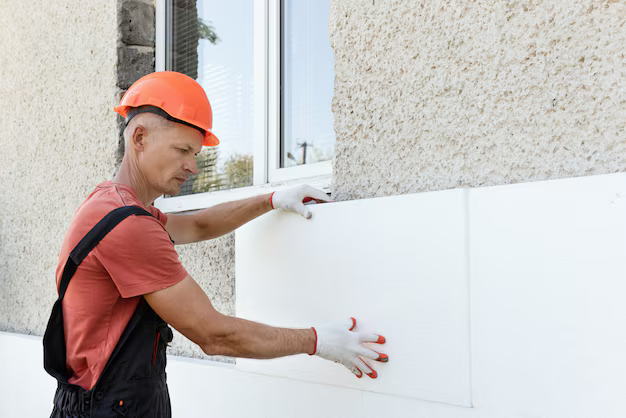


thermocol sheet price in pakistan

Tag: rockwool insulation pakistan

  • Rawalpindi Insulation Market Prices

    Rawalpindi Insulation Market Prices

    As construction activity grows across Rawalpindi, demand for thermal and acoustic insulation materials has increased rapidly. From residential homes to commercial and industrial buildings, buyers are actively comparing insulation types and prices before making decisions. This guide explores Rawalpindi insulation market prices, material trends, and factors that influence costs—helping buyers make informed choices.

    Overview of Insulation Demand in Rawalpindi

    Rawalpindi experiences extreme summer heat and cooler winters, making insulation a practical necessity rather than a luxury. Builders and homeowners now prioritize materials that reduce energy consumption, improve indoor comfort, and enhance fire safety.

    Among the most commonly traded insulation products in the local market are glass wool, rockwool, and mineral wool, each offering different performance levels and price points.

    Glass Wool Market Pricing Trends
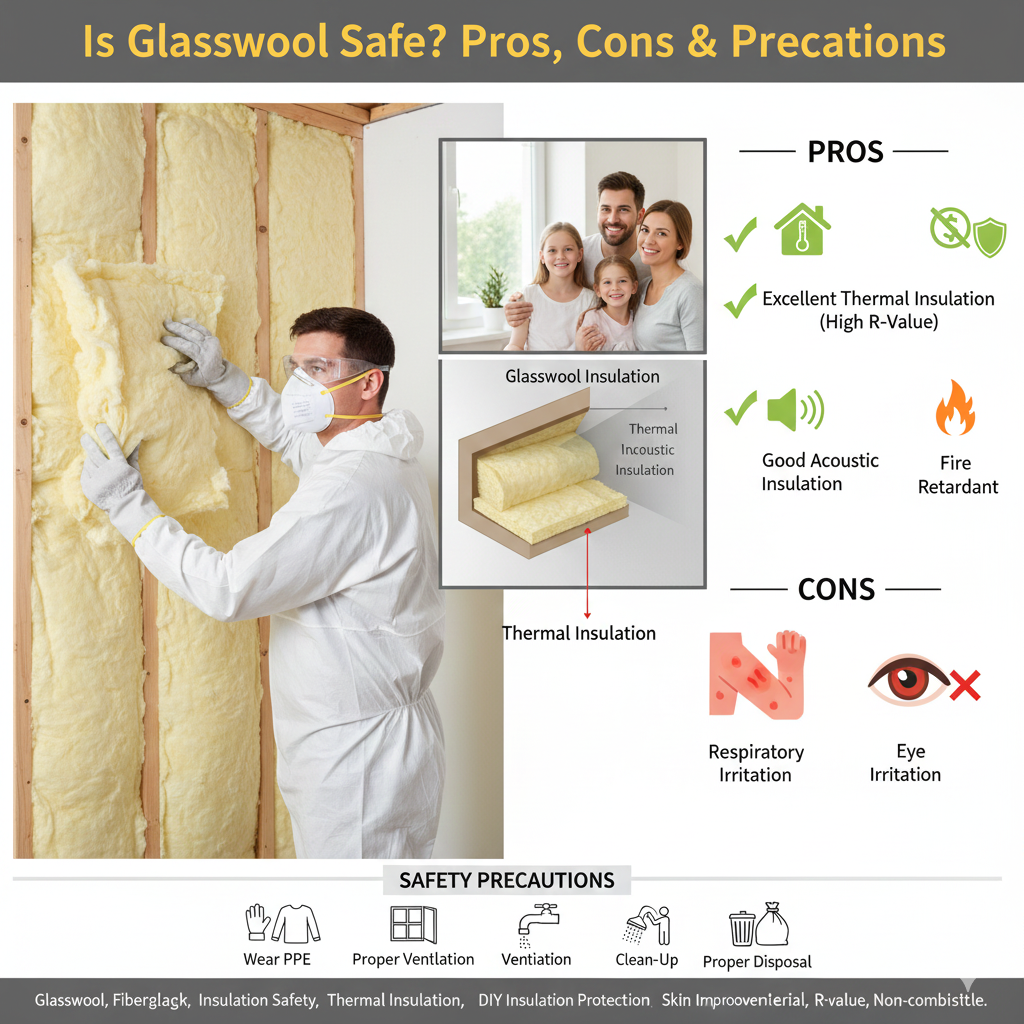
    glasswool insulation in pakistan

    Glass wool remains one of the most widely used insulation materials due to its affordability and ease of installation. The glass wool price in Rawalpindi depends on density, thickness, and facing type (plain or foil-faced).

    While Rawalpindi has its own pricing structure, many suppliers also benchmark rates against major cities. As a result, glass wool price in Lahore often influences wholesale trends, especially for bulk purchases. Contractors sourcing glass wool insulation in Lahore sometimes supply Rawalpindi projects when availability fluctuates.

    Across Pakistan, the glass wool price in Pakistan varies based on imported raw materials, energy costs, and demand cycles.

    Rockwool Insulation Prices in the Local Market
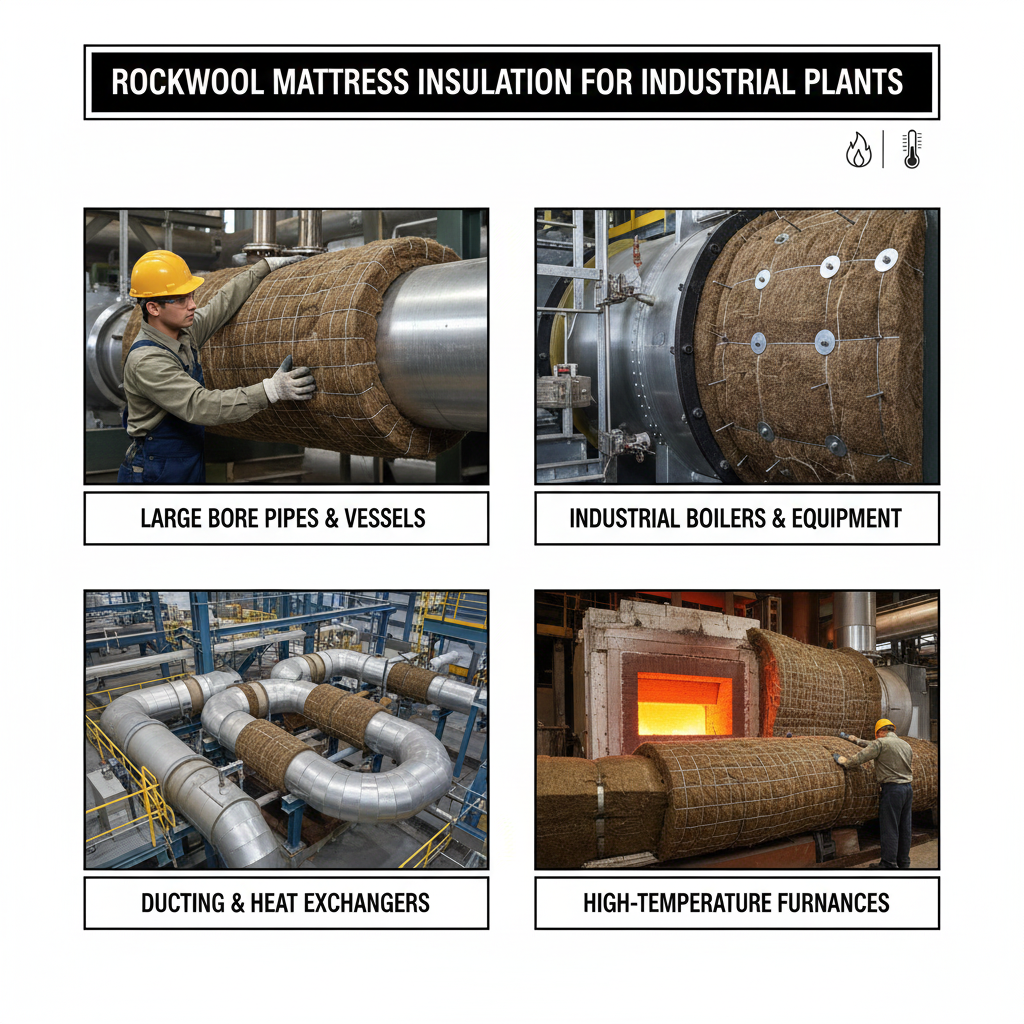
    Rockwool is increasingly preferred for applications requiring fire resistance and higher acoustic performance. In Rawalpindi, demand for this material has grown in commercial buildings and industrial facilities.

    The rockwool insulation price in Pakistan is generally higher than glass wool due to its superior fire rating and density. Buyers comparing suppliers often evaluate the rock wool insulation price based on slab thickness and compressive strength.

    Local distributors offering rockwool insulation Pakistan products usually maintain stock for large-scale construction projects, where durability and fire safety are critical.

    Rawalpindi Insulation Price Comparison Table

    Insulation MaterialTypical Density (kg/m³)Common UseRelative Price Level
    Glass Wool12 – 24Roofs, ceilings, ductsLow
    Mineral Wool30 – 60Walls, partitionsMedium
    Rockwool40 – 120Fire-rated walls, industrial useHigh
    Glass Wool (Foil Faced)16 – 32Thermal + radiant controlMedium
    High-Density Rockwool80 – 120Acoustic & fire insulationHigh

    Note: Prices vary by supplier, thickness, and market demand.

    Mineral Wool Pricing and Applications
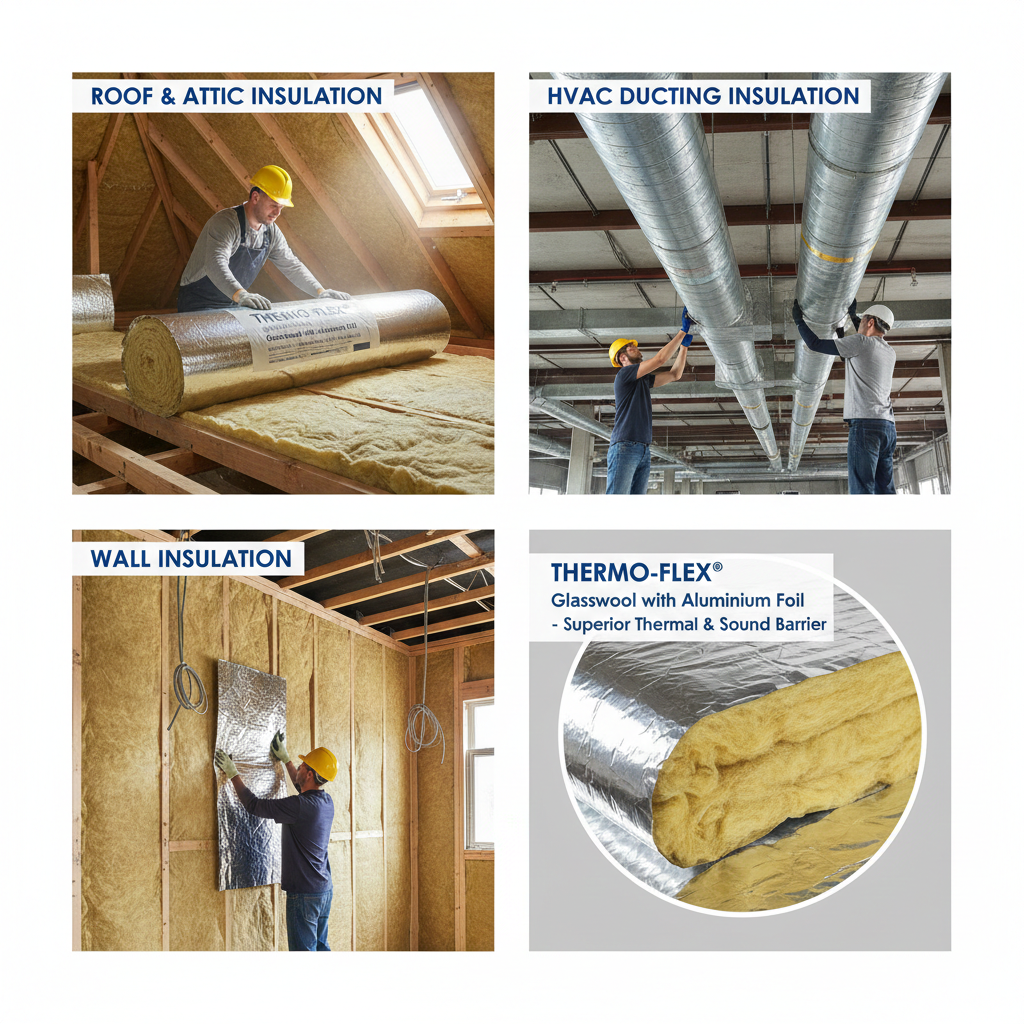
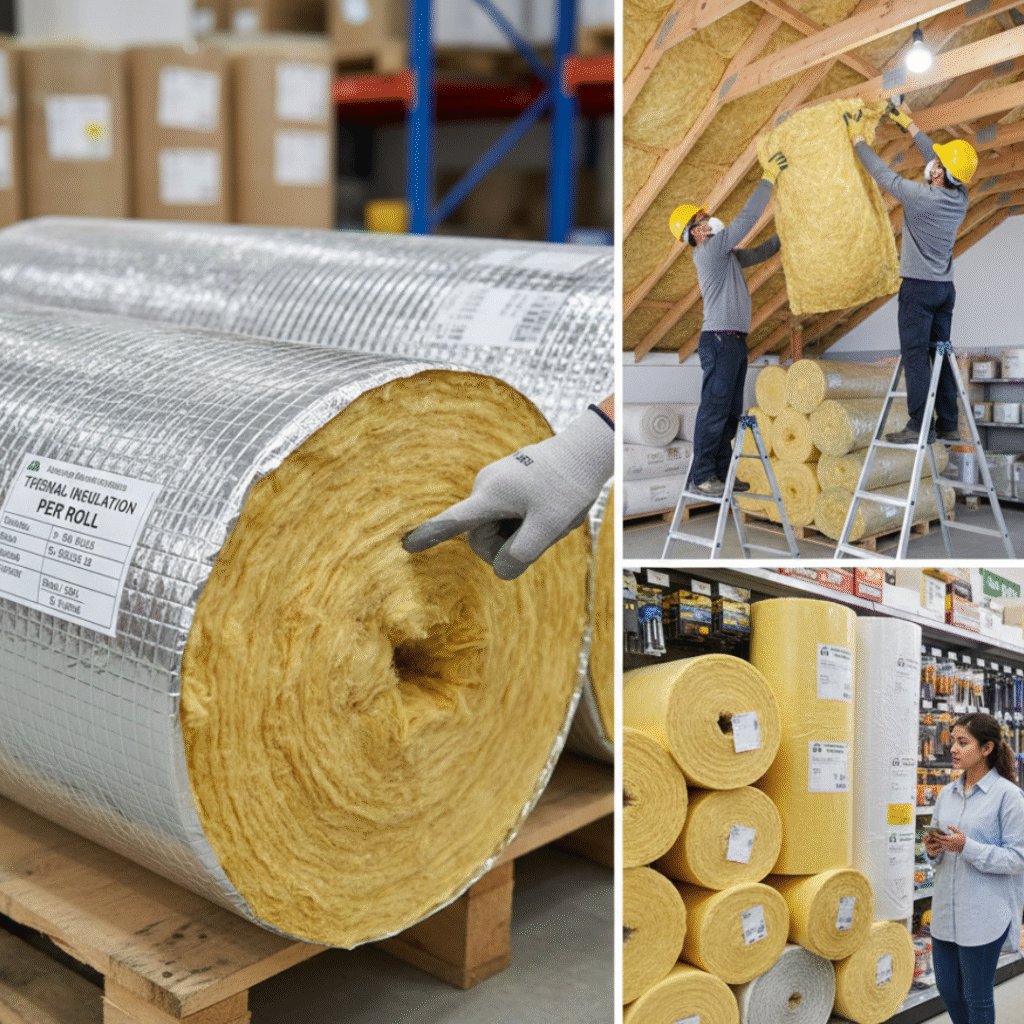
    glasswool with aluminium foil industrial applications

    Mineral wool, which includes both glass wool and rockwool variants, is also traded separately in the Rawalpindi market. The mineral wool price in Pakistan depends on whether the product is intended for thermal insulation, soundproofing, or fire-rated systems.

    Mineral wool is commonly used in:

    • Partition walls
    • Industrial sheds
    • HVAC duct insulation
    • Fire-rated ceiling systems

    Its versatility keeps demand stable throughout the year.

    Factors Affecting Insulation Prices in Rawalpindi

    Several elements influence insulation pricing in the Rawalpindi market:

    1. Material Density & Thickness
      Higher density products provide better insulation but cost more.
    2. Imported vs Local Supply
      Imported insulation products tend to raise overall pricing trends.
    3. Seasonal Demand
      Prices often rise before peak summer due to increased demand.
    4. Transportation Costs
      Rates from Lahore or Karachi impact local pricing structures.
    5. Bulk Purchase Volume
      Wholesale buyers usually secure better pricing.

    Choosing the Right Insulation Material

    Selecting insulation should not be based on price alone. Buyers must consider application type, building design, and long-term energy savings. Glass wool works well for budget-focused residential projects, while rockwool is better suited for fire-sensitive areas. Mineral wool offers a balance between thermal and acoustic performance.

    Understanding local price trends allows buyers to plan procurement efficiently without compromising quality.

    Rawalpindi Insulation Market Outlook

    With growing awareness around energy efficiency, the Rawalpindi insulation market is expected to expand steadily. Demand for higher-performance insulation materials will continue to influence pricing, while competition among suppliers may stabilize costs over time.

    Staying updated on market trends helps contractors, builders, and homeowners secure the best value.

    FAQ’S

    The glass wool price in Rawalpindi depends on density, thickness, and facing type. Prices generally follow the national trend of the glass wool price in Pakistan, with slight variation based on local availability.

    Yes, glass wool is usually more economical. Rockwool insulation price in Pakistan is higher due to its superior fire resistance, durability, and sound insulation properties.

    Many distributors source insulation materials from Lahore. As a result, fluctuations in glass wool price in Lahore often impact Rawalpindi’s insulation market.

    Mineral wool price in Pakistan varies depending on whether it is glass-based or stone-based. Rockwool generally costs more due to higher density and fire performance.

    Yes, rockwool insulation Pakistan products are suitable for residential use, especially where fire safety and sound insulation are priorities.

    Rockwool offers long-term value through durability and fire resistance, while glass wool is ideal for cost-effective thermal insulation in standard applications.
  • XPS vs Glasswool – Which Is Better for Homes?

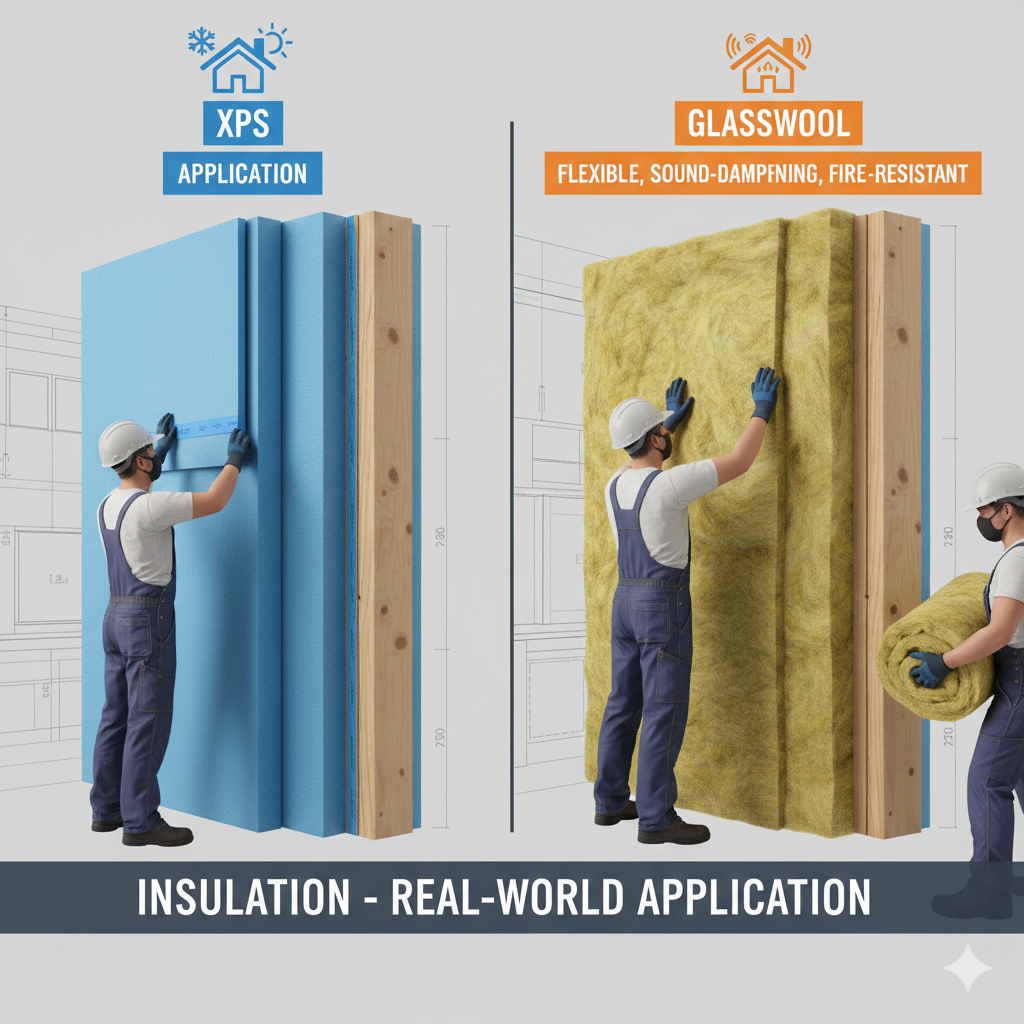
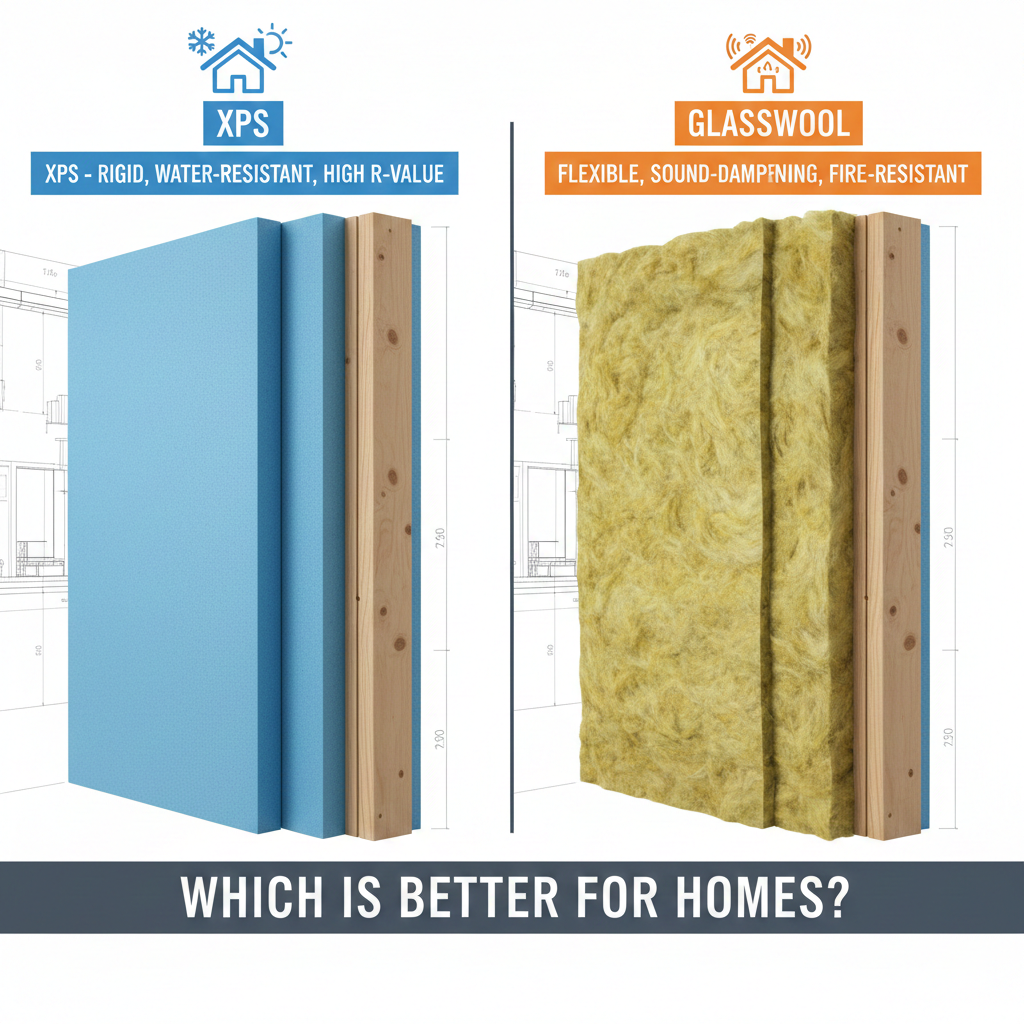
    XPS vs Glasswool – Which Is Better for Homes?

    Choosing the right insulation is one of the most important decisions when designing or upgrading a home. In hot and mixed climates like Pakistan, insulation directly affects indoor comfort, electricity bills, and long-term building durability. Two of the most commonly compared options are XPS insulation and Glasswool insulation. This guide explains their differences in a clear, practical way to help homeowners make an informed decision.

    Understanding Home Insulation Needs in Pakistan

    thermocol moulding for building in pakistan

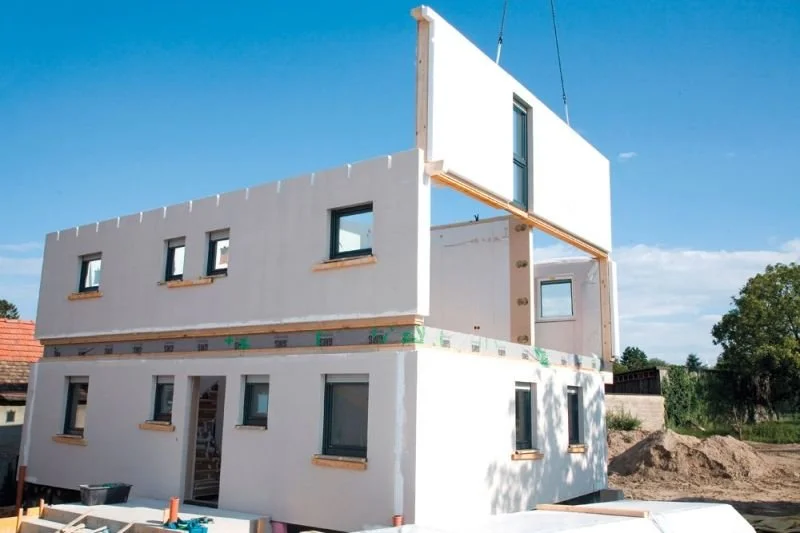
    Homes in Pakistan face intense heat, humidity variations, and rising energy costs. Effective insulation slows down heat transfer, reduces indoor temperature fluctuations, and supports energy efficiency. Whether the goal is roof protection, wall insulation in Pakistan, or overall thermal performance, material selection plays a critical role.

    What Is XPS Insulation?

    XPS insulation, made from extruded polystyrene, is a rigid board designed to resist heat, moisture, and pressure. Due to its closed-cell structure, XPS material offers consistent thermal performance even in demanding environments.

    Key Characteristics of XPS Insulation

    • High compressive strength
    • Low water absorption
    • Long service life
    • Suitable for roofs, floors, and external walls

    Because of its durability, XPS insulation is commonly used in residential and commercial construction across Pakistan.

    What Is Glasswool Insulation?

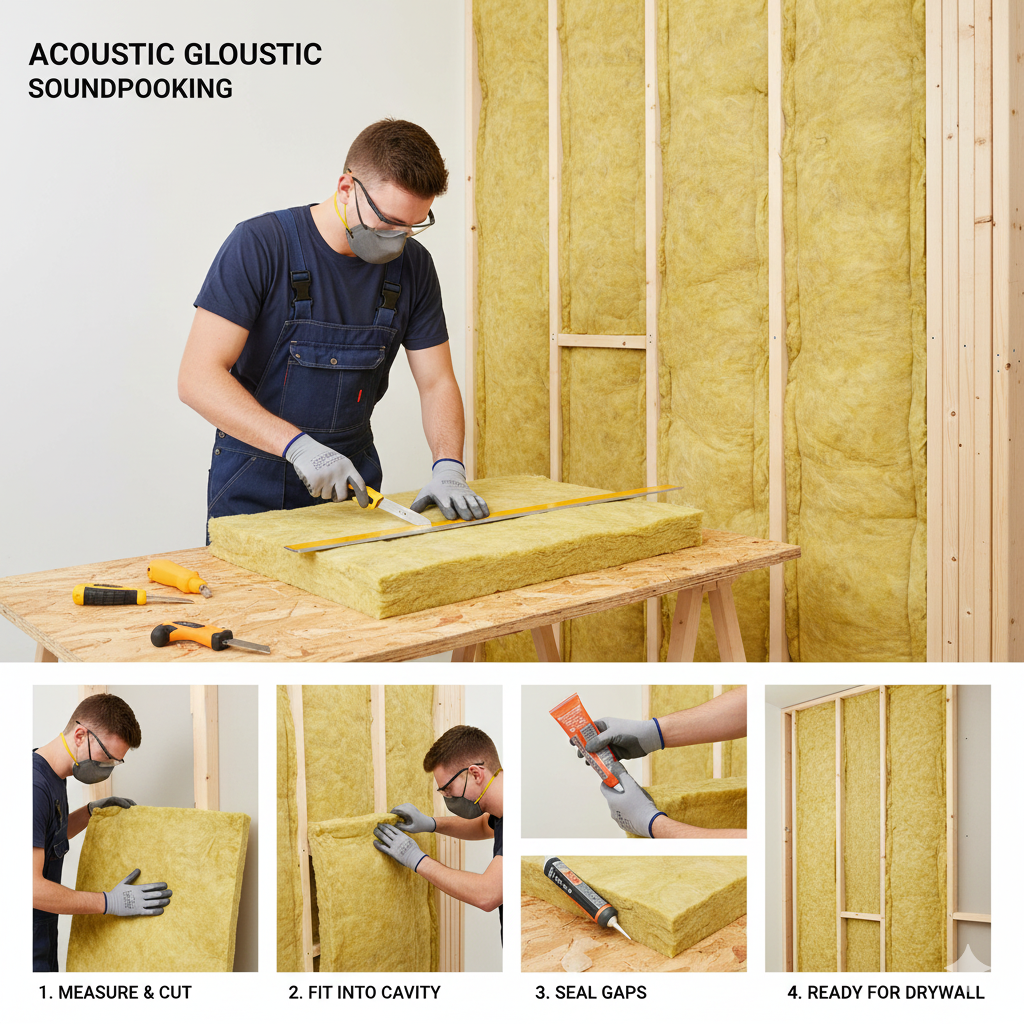
    Glasswool Sheet For Soundproofing

    Glasswool insulation is produced from recycled glass fibers arranged into soft, flexible mats or rolls. It traps air between fibers, which slows heat movement and improves acoustic comfort.

    Key Characteristics of Glasswool

    • Lightweight and flexible
    • Good thermal and sound insulation
    • Commonly used in ceilings and cavity walls
    • Requires proper sealing to avoid moisture issues

    Glasswool is often compared with alternatives like rockwool insulation, which uses stone fibers instead of glass.

    XPS vs Glasswool vs Rockwool – Detailed Comparison Table

    FeatureXPS InsulationGlasswool InsulationRockwool Insulation
    Material TypeExtruded polystyrene boardGlass fiber matStone fiber slab
    Thermal PerformanceHigh & stableGood (may reduce if compressed)High
    Moisture ResistanceExcellentLow to mediumMedium
    Structural StrengthHigh (load-bearing)LowMedium
    Fire ResistanceModerateModerateExcellent
    Application AreasRoofs, floors, wallsCeilings, partitionsWalls, fire-rated zones
    Suitability for HomesVery suitableSuitable (indoor use)Limited residential use
    Maintenance NeedLowMediumLow
    Cost RangeMedium to highLow to mediumHigh

    Summary:
    For long-term residential use in Pakistan’s climate, XPS offers the best balance of durability, moisture resistance, and thermal efficiency.

    XPS vs Glasswool: Core Performance Comparison

    XPS Vs Glasswool

    Thermal Efficiency

    XPS provides stable insulation values over time due to its closed-cell structure. Glasswool performs well initially but may lose effectiveness if compressed or exposed to moisture.

    Moisture Resistance

    XPS boards resist water penetration, making them suitable for humid climates. Glasswool requires vapor barriers to maintain performance.

    Structural Strength

    XPS can handle load-bearing applications such as floors. Glasswool is not designed for pressure-bearing use.

    XPS vs Polyiso and Mineral Wool Comparisons

    When evaluating insulation, homeowners often explore related comparisons like XPS vs polyiso or XPS ve mineral wool. Polyiso offers high thermal resistance but may lose efficiency in extreme heat. Mineral wool, including rockwool, excels in fire resistance but is heavier and costlier.

    These comparisons highlight why XPS remains a balanced option for many residential applications.

    Role of Rockwool in Home Insulation

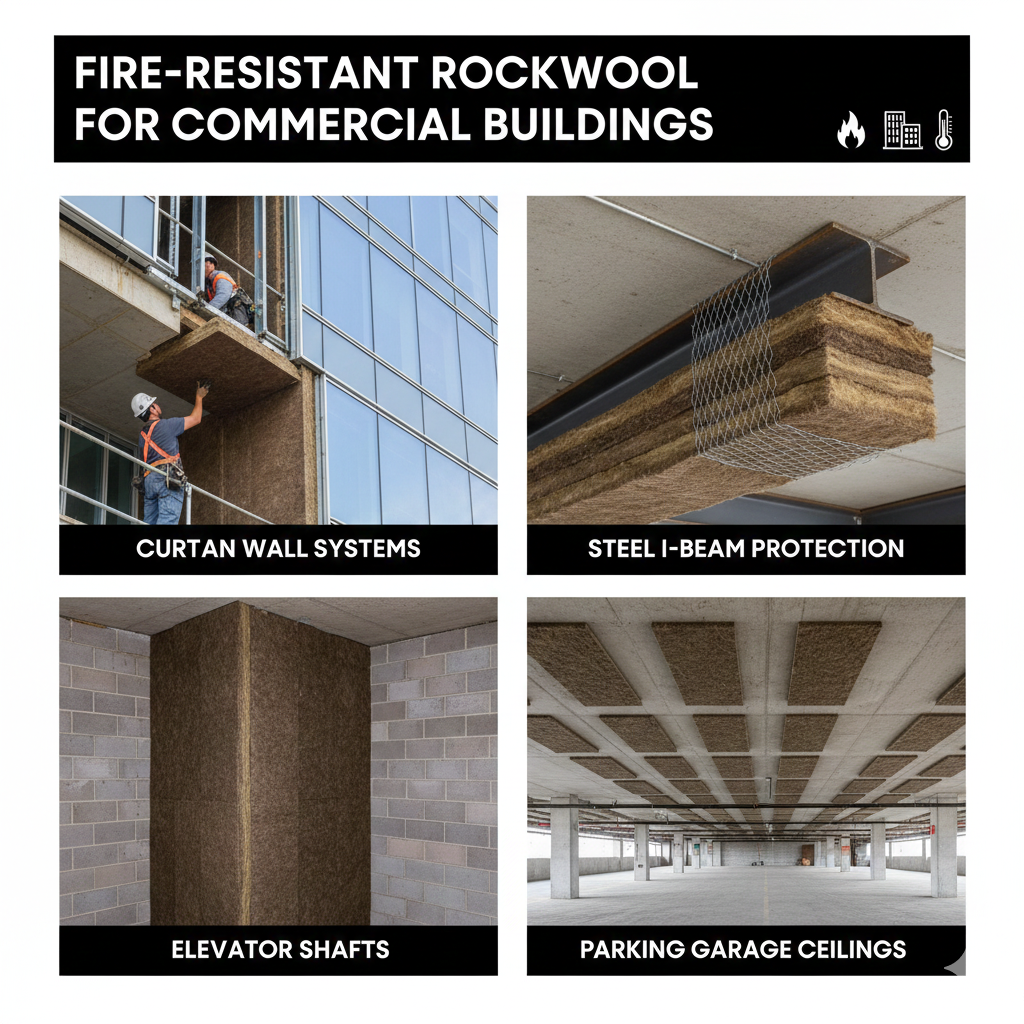
    fire resistant rockwool for commercial buildings

    Rockwool insulation is known for fire resistance and sound absorption. While effective, it is usually preferred in industrial or high-rise buildings rather than standard homes due to installation complexity and weight. Rockwool is often chosen when fire safety is prioritized over cost.

    Cost Considerations for Homeowners

    Insulation cost varies depending on material type, thickness, and location. While XPS boards may have a higher upfront price, they often deliver better long-term value due to durability. Products like jumbolon sheet price in Pakistan are also considered by homeowners seeking flexible insulation solutions, but they serve different use cases than rigid XPS boards.

    Which Insulation Is Better for Homes?

    Choose XPS Insulation If:

    • You need moisture-resistant insulation
    • Roof or floor insulation is required
    • Long-term durability is a priority

    Choose Glasswool If:

    • Budget is limited
    • Insulation is needed for ceilings or partitions
    • Sound insulation is also important

    For most modern homes, especially those focused on energy efficiency and structural reliability, XPS insulation is often the preferred solution.

    Final Verdict

    There is no universal insulation solution for every home. However, when comparing durability, moisture resistance, and performance stability, XPS consistently outperforms Glasswool for long-term residential use. Homeowners should evaluate climate, installation area, and budget before making a final decision.

    FAQ’S

    XPS insulation is generally better for wall insulation in Pakistan because it resists moisture and maintains thermal performance in hot and humid conditions.

    Yes, Glasswool insulation is suitable for ceilings and internal partitions, especially where sound insulation is also required. However, it needs proper sealing against moisture.

    XPS focuses on thermal efficiency and moisture resistance, while rockwool insulation provides superior fire resistance. Rockwool is often used in commercial or industrial projects.

    Yes, XPS insulation reduces heat transfer through roofs and walls, helping maintain indoor temperature and lowering air-conditioning usage.

  • Best Density Rockwool for Fireproofing

    Best Density Rockwool for Fireproofing

    Fire safety has become a critical requirement for residential, commercial, and industrial buildings in Pakistan. One of the most trusted solutions for passive fire protection is rockwool insulation, also known as mineral wool. Selecting the best density rockwool for fireproofing plays a major role in achieving fire resistance, thermal stability, and long-term building safety.

    This detailed guide explains rockwool densities, fire ratings, applications, pricing considerations, and comparisons to help you choose the right solution for your project.

    What Is Rockwool Insulation?

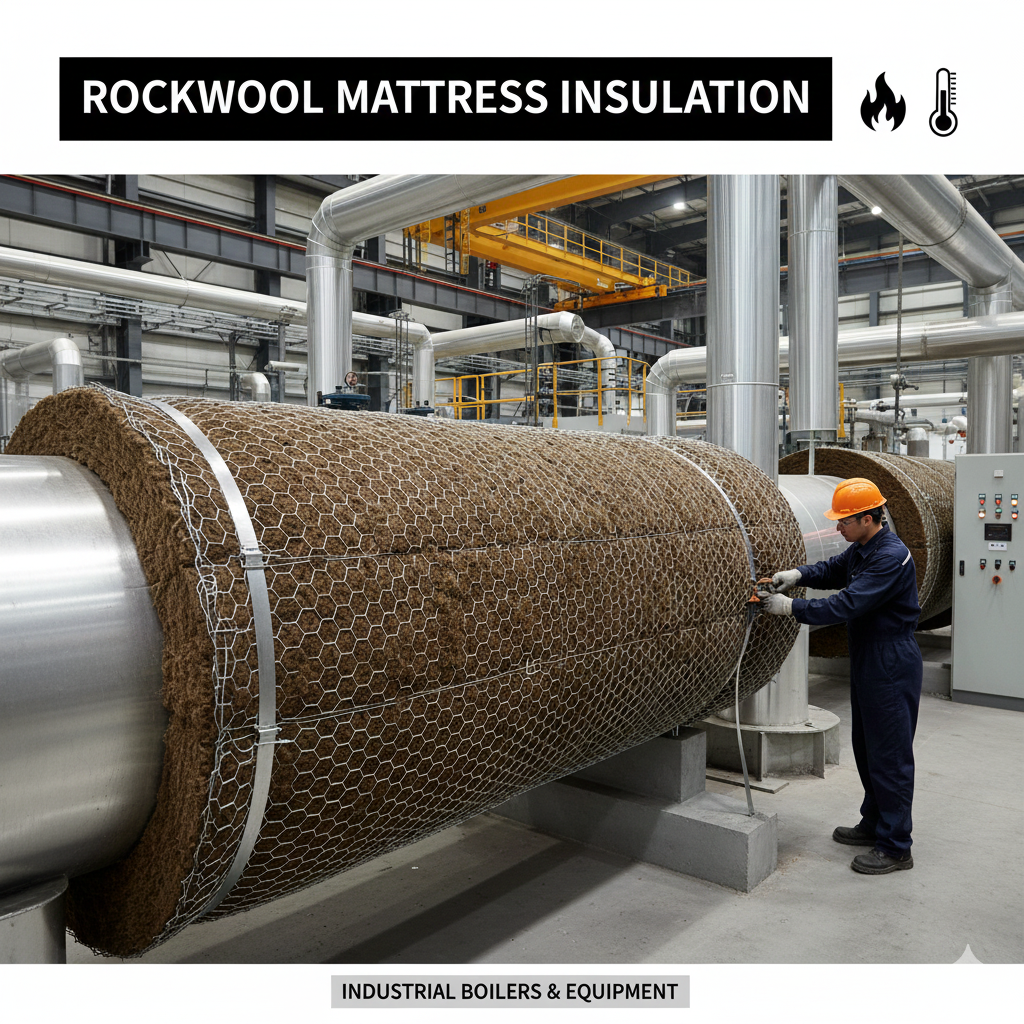
    rockwool mattress insulation for industrial plant

    Rockwool insulation is manufactured from natural volcanic rock and minerals that are melted and spun into dense, fibrous insulation. Because of its non-combustible nature, rockwool insulation Pakistan is widely used in buildings that require high fire resistance along with thermal and acoustic performance.

    Unlike many synthetic materials, rockwool does not melt or emit toxic smoke at high temperatures, making it ideal for fireproofing applications.

    Why Density Matters in Fireproofing

    fire resistant rockwool for commercial buildings

    Density directly affects how rockwool performs under fire exposure. Higher-density boards offer better structural integrity, slower heat transfer, and longer fire resistance times.

    For fireproofing applications:

    • Low density is suitable for basic thermal or acoustic insulation
    • Medium density balances insulation and cost
    • High density is preferred for certified fire-rated systems

    Choosing the correct density ensures compliance with safety standards without unnecessary overspending.

    Best Density Rockwool for Fireproofing Applications

    1. Medium Density Rockwool (40–60 kg/m³)

    This range is commonly used for:

    • Internal partition walls
    • Ceiling fire barriers
    • HVAC and service shafts

    It provides reliable thermal insulation and basic fire protection in non-critical areas.

    2. High Density Rockwool (80–120 kg/m³)

    High-density rockwool is considered the best density rockwool for fireproofing in demanding environments, such as:

    • Fire-rated walls and floors
    • Industrial plants and warehouses
    • High-rise buildings

    These densities are often used in systems achieving mineral wool 2 hour fire rating when installed correctly.

    Mineral Wool 2 Hour Fire Rating – How It Works

    Rockwool fibers can withstand temperatures above 1000°C. When installed in tested assemblies, high-density rockwool can help achieve a mineral wool 2 hour fire rating, meaning it can resist fire spread for up to two hours.

    This makes it suitable for:

    • Fire escape routes
    • Electrical rooms
    • Structural steel fire protection

    Fire ratings depend on system design, thickness, and installation quality.

    Faced Rockwool Insulation for Fireproofing

    Faced rockwool insulation includes an additional facing layer such as aluminium foil, black tissue, or fiberglass mesh. These facings:

    • Improve handling and durability
    • Reduce fiber release
    • Enhance moisture resistance

    Faced boards are commonly used in duct fireproofing, ceilings, and industrial applications where surface protection is required.

    Is Rockwool Insulation Waterproof?

    A common question is whether rockwool insulation waterproof performance is reliable. Rockwool fibers are water-repellent but breathable, meaning:

    • They do not absorb water easily
    • They retain shape and fire performance after drying

    However, proper vapor barriers and external protection are recommended for exposed installations.

    Rockwool Insulation Small Pack – When Is It Useful?

    For minor projects or repairs, rockwool insulation small pack options are available. These are suitable for:

    • Small rooms or partitions
    • Generator enclosures
    • Home studios and fire-rated cabinets

    Small packs reduce waste and are cost-effective for limited applications.

    Rockwool vs Fibreglass for Fireproofing

    glasswool vs rockwool

    The comparison of rockwool vs fibreglass is important when fire safety is a priority:

    • Rockwool is non-combustible and offers higher fire resistance
    • Fibreglass provides thermal insulation but lower fire performance
    • Rockwool maintains structure at extreme temperatures

    For fireproofing, rockwool is generally the safer and more durable option.

    Density Comparison Table for Fireproofing Rockwool

    Density (kg/m³)Fire Resistance LevelCommon ApplicationsRecommended Use
    40–60LowThermal insulationNot suitable for fireproofing
    60–80MediumAcoustic panelsLimited fire protection
    80–100HighFire-rated walls, ceilingsIdeal for commercial fireproofing
    100–120Very HighSteel structures, shaftsBest density rockwool for fireproofing

    Rockwool Insulation Price in Pakistan – What Affects Cost?

    The rockwool insulation price depends on:

    • Density and thickness
    • Faced or unfaced boards
    • Brand and quality standards
    • Quantity and location

    In the local market, rockwool insulation Pakistan pricing varies by city and application, but higher-density boards naturally cost more due to improved fire performance.

    Common Fireproofing Applications of Rockwool

    Rockwool is widely used for:

    • Fire-rated walls and partitions
    • Steel structure fire protection
    • Generator and boiler rooms
    • Industrial sheds and factories
    • Commercial buildings and hospitals

    Its versatility makes it a preferred fireproofing solution across Pakistan.

    Conclusion

    Selecting the best density rockwool for fireproofing is essential for building safety, compliance, and long-term performance. Medium-density rockwool works well for standard applications, while high-density boards are ideal for achieving advanced fire ratings such as mineral wool 2 hour fire rating. With added benefits like moisture resistance, acoustic insulation, and durability, rockwool remains one of the most reliable fireproofing materials available.

    FAQ’S

    The ideal density ranges from 80 to 120 kg/m³, depending on the level of fire resistance required and the application area.

    Yes, rockwool insulation Pakistan is widely used in commercial, industrial, and residential projects due to its excellent fire and thermal properties.

    When installed as part of a certified system, high-density mineral wool can achieve a mineral wool 2 hour fire rating.

    Rockwool is water-repellent and maintains its insulation and fire resistance even in humid or damp conditions.

    In a rockwool vs fibreglass comparison, rockwool offers significantly higher fire resistance and does not melt under extreme heat.

  • Soundproofing Materials: Rockwool vs Glasswool

    Soundproofing Materials: Rockwool vs Glasswool

    Noise pollution has become a serious concern in residential, commercial, and industrial spaces. From traffic sounds to machinery noise, unwanted sound can affect comfort, productivity, and health. Choosing the right soundproofing material plays a vital role in controlling noise effectively. Among the most widely used solutions, rockwool and glasswool stand out as reliable options.

    In this guide, we provide a clear and practical comparison of Soundproofing Materials: Rockwool vs Glasswool, covering performance, safety, applications, and cost considerations to help you make an informed decision.

    Understanding Soundproofing Materials

    glasswool vs rockwool

    Soundproofing materials are designed to reduce sound transmission by absorbing, blocking, or dampening noise waves. The effectiveness of any sound insulation depends on density, fiber structure, installation method, and the environment where it is applied.

    When comparing glass wool vs rockwool for soundproofing, both materials fall under fibrous insulation, which excels at absorbing airborne sound.

    What Is Rockwool?

    rockwool mattress insulation for industrial plant

    Rockwool is produced from volcanic rock and recycled slag, melted and spun into dense fibers. Its rigid structure and high mass make it a popular option in demanding sound control environments.

    Key Characteristics of Rockwool

    • High density and excellent sound absorption
    • Strong resistance to fire and heat
    • Durable structure for long-term installations
    • Suitable for walls, ceilings, and industrial areas

    Because of these features, many professionals consider it a best soundproofing material rockwool vs glasswool in high-noise applications.

    What Is Glasswool?

    Glasswool Insulation in Pakistan

    Glasswool is manufactured from recycled glass and sand, processed into lightweight fibers. It is widely used in buildings for both thermal and acoustic insulation.

    Key Characteristics of Glasswool

    • Lightweight and flexible
    • Easy to install in tight spaces
    • Good acoustic absorption
    • Commonly used as glasswool insulation in residential and commercial projects

    Its softer fiber structure makes glass wool sound insulation particularly effective in controlling echo and background noise.

    Sound Performance Comparison

    When evaluating glass wool vs rockwool for soundproofing, performance depends on the type of noise and the installation area.

    Rockwool performs better at blocking low-frequency sounds such as machinery or heavy traffic. Glasswool, on the other hand, is very effective at absorbing mid- to high-frequency sounds like voices and office noise.

    In studios, offices, and homes, both materials deliver reliable acoustic comfort when installed correctly.

    Health and Safety Considerations

    A common concern among users is rockwool vs glasswool health impact. Both materials are safe when handled and installed properly.

    Rockwool fibers are generally thicker, reducing airborne particles during installation. Glasswool fibers are finer and may cause mild skin or respiratory irritation if protective gear is not used. Proper safety measures, such as gloves and masks, eliminate these risks.

    Cost and Pricing Factors

    The Soundproofing Materials Rockwool vs Glasswool price varies based on thickness, density, and application area. Typically, rockwool is priced higher due to its density and durability.

    From a budgeting perspective, Soundproofing Materials Rockwool vs Glasswool cost should be evaluated alongside long-term performance. While glasswool may have a lower upfront cost, rockwool often provides better durability in demanding environments.

    Applications and Use Cases

    Glasswool Sheet For Soundproofing

    Where Rockwool Works Best

    • Industrial facilities
    • Generator rooms
    • Recording studios
    • Commercial buildings

    Where Glasswool Works Best

    • Homes and apartments
    • Offices and meeting rooms
    • HVAC duct lining
    • False ceilings

    Both materials are effective solutions depending on project needs and sound control goals.

    Which One Should You Choose?

    If your priority is maximum noise reduction and durability, rockwool is often the better choice. If flexibility, ease of installation, and budget are more important, glasswool delivers excellent value.

    In many modern projects, a combination of both materials is used to achieve optimal sound control across different areas.

    Final Verdict

    Choosing between Soundproofing Materials Rockwool vs Glasswool depends on sound type, environment, budget, and safety requirements. Both materials are proven performers in acoustic insulation and continue to be trusted worldwide.

    By understanding their differences, you can confidently select the right solution for your soundproofing needs.

    FAQ’S

    Rockwool generally performs better for heavy noise control due to its higher density, making it ideal for studios and industrial areas. Glasswool is effective for reducing echo and airborne noise in homes and offices.

    Yes, glasswool insulation is safe when installed properly. Using gloves, masks, and protective clothing during installation prevents irritation, making it suitable for residential and commercial use.

    Rockwool absorbs low-frequency sounds more effectively, while glass wool sound insulation works well for mid and high frequencies. The choice depends on the type of noise you want to control.

    Soundproofing materials rockwool vs glasswool cost varies by density and thickness. Rockwool is usually more expensive, but it offers higher durability and long-term performance.

  • Rockwool Mattress Insulation For Industrial Plant

    Rockwool Mattress Insulation For Industrial Plant

    Industrial plants operate under extreme conditions involving high temperatures, heavy machinery, continuous operation, and strict safety requirements. Insulation materials used in such environments must deliver thermal stability, fire resistance, and long-term durability. Rockwool mattress insulation for industrial plants is widely used because it meets these demanding performance standards.

    This guide explains how rockwool mattresses work, their specifications, density options, pricing considerations, and availability in Pakistan.

    What Is Rockwool Mattress Insulation?

    Rockwool mattress insulation is a flexible form of mineral insulation made from melted natural stone fibers. Unlike rigid boards, mattresses are designed to wrap around pipes, boilers, ducts, vessels, and industrial equipment.

    Due to the inherent properties of rockwool material, these mattresses offer excellent resistance to heat, fire, and mechanical stress in industrial environments.

    Why Industrial Plants Require Specialized Insulation

    Industrial facilities face challenges such as:

    • Continuous high-temperature exposure
    • Fire risk around equipment and pipelines
    • Energy loss from uninsulated surfaces
    • Safety compliance requirements

    Rockwool insulation addresses these issues while maintaining performance over long operational cycles.

    Fire Safety in Industrial Environments

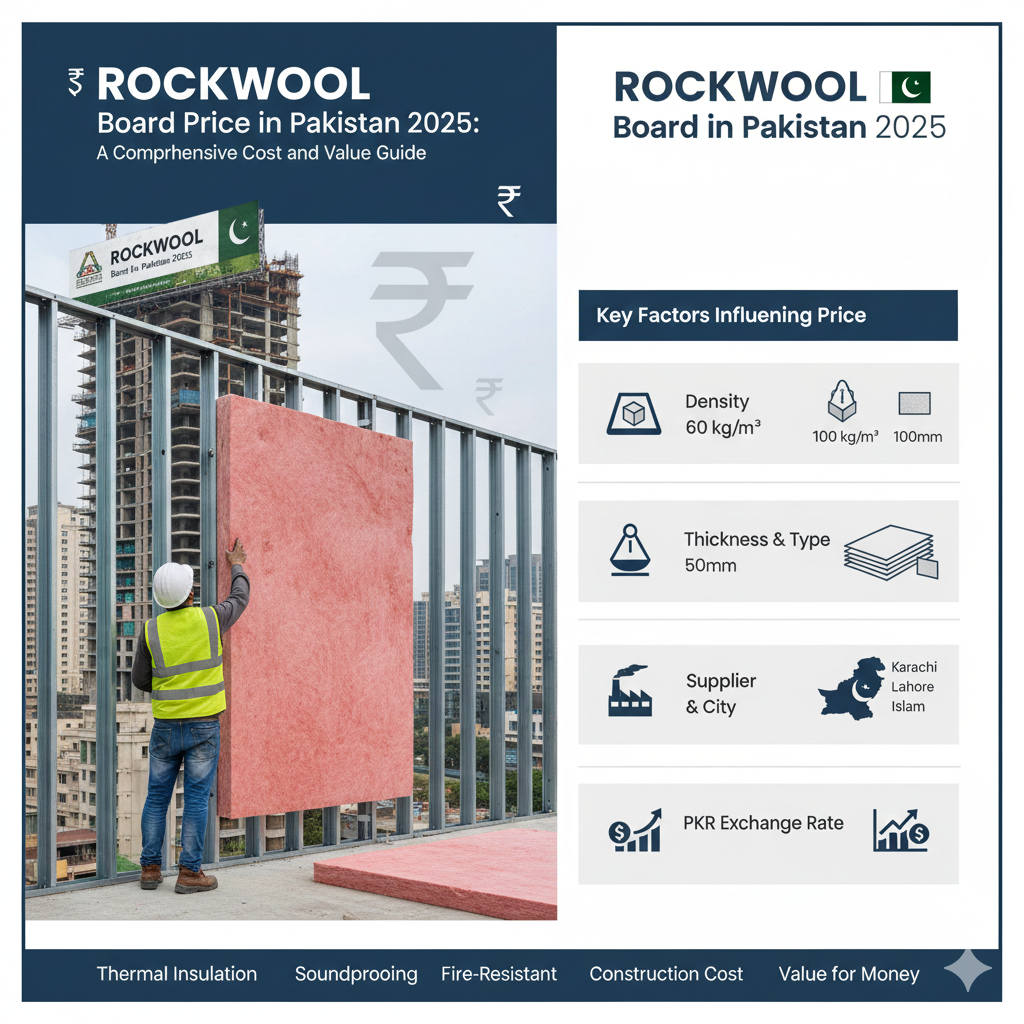
    rockwool board price in pakistan

    Although this guide focuses on industrial use, the same fire-resistant properties found in Fire Resistant Rockwool for Commercial Buildings apply to industrial plants. Rockwool does not burn, melt, or emit toxic fumes when exposed to fire, making it suitable for high-risk zones.

    This characteristic significantly reduces fire spread in processing plants and energy facilities.

    Rockwool Thermal Insulation Performance

    Rockwool thermal insulation minimizes heat transfer by trapping air within its dense fiber network. In industrial plants, this helps:

    • Maintain process temperatures
    • Reduce heat loss from equipment
    • Improve energy efficiency
    • Protect workers from hot surfaces

    Thermal performance remains stable even under fluctuating operating conditions.

    Rockwool Insulation Specification for Industrial Use

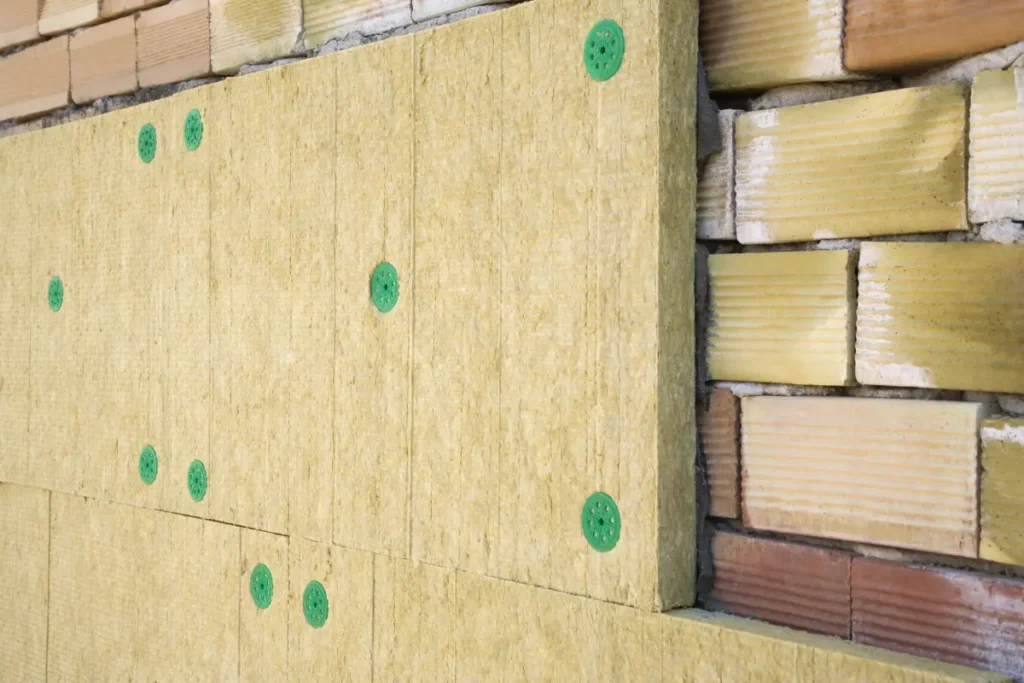
    rockwool insulation sheet

    A clear rockwool insulation specification is essential when selecting materials for industrial projects. Typical specifications include:

    • Density range based on application
    • Operating temperature tolerance
    • Fire resistance classification
    • Moisture resistance
    • Mechanical strength

    Correct specification ensures safety, efficiency, and compliance with engineering standards.

    Understanding Rockwool Density Chart

    A rockwool density chart helps engineers select the right product for specific industrial applications. Density affects insulation strength, thermal resistance, and durability.

    Lower densities are used for general thermal insulation, while higher densities provide better mechanical stability for demanding conditions.

    Rockwool Density 100kg/m³ – Industrial Standard

    Rockwool density 100kg/m³ is commonly used in industrial plants where higher strength and heat resistance are required. This density provides:

    • Excellent shape retention
    • Strong thermal insulation
    • Enhanced fire resistance
    • Long service life

    However, it is suitable for pipes, boilers, reactors, and high-temperature equipment.

    Rockwool Wired Mat for Industrial Equipment

    A rockwool wired mat is a reinforced insulation mattress stitched with galvanized wire mesh. Moreover, this design improves strength and makes installation easier on curved or vibrating surfaces.

    Wired mats are widely used for:

    • Large diameter pipelines
    • Industrial boilers
    • Exhaust systems
    • High-temperature vessels

    Rockwool Board vs Mattress Insulation

    While a rockwool board is ideal for flat surfaces like walls and ceilings, mattress insulation is preferred for industrial equipment due to its flexibility. Both forms are often used together in large industrial projects.

    Rockwool Insulation Pakistan – Industrial Market Overview

    The demand for rockwool insulation Pakistan has grown with the expansion of industrial zones, power plants, and manufacturing facilities. Rockwool is now a standard insulation choice in industries such as oil & gas, textile, chemical processing, and power generation.

    Rockwool Manufacturers in Pakistan

    Several suppliers operate as rockwool manufacturers in Pakistan, offering mattresses, boards, and wired mats. Reliable manufacturers ensure consistent density, accurate specifications, and quality control suitable for industrial use. However, selecting the right supplier is critical for long-term performance and safety compliance.

    Rock Wool Insulation Price in Industrial Projects

    The rock wool insulation price for industrial applications varies based on:

    • Density and thickness
    • Mattress or wired mat construction
    • Temperature rating
    • Quantity and project size

    While the initial cost may be higher than basic insulation, rockwool delivers long-term savings through durability and energy efficiency.

    Comparison with Thermal Insulation Sheet Price in Pakistan

    When comparing industrial materials, the thermal insulation sheet price in Pakistan may seem lower for alternatives such as EPS or glasswool. However, these materials often lack the fire resistance and mechanical strength required in industrial plants.

    Moreover, Rockwool remains the preferred choice where safety and performance are critical.

    Use in Commercial-Industrial Hybrid Projects

    In facilities that combine production and office spaces, rockwool is often specified for both industrial equipment and office areas. This overlaps with rockwool for commercial buildings in Pakistan, ensuring consistent fire safety and thermal control throughout the facility.

    Final Thoughts on Rockwool Mattress Insulation for Industrial Plants

    Rockwool mattress insulation is a reliable solution for industrial plants requiring fire safety, thermal efficiency, and mechanical durability. With proper specification, correct density selection, and quality installation, rockwool supports safe and efficient industrial operations for decades.

    However, Its proven performance makes it one of the most trusted insulation materials in Pakistan’s industrial sector.

    FAQ’S

    Rockwool mattress insulation is flexible, fire-resistant, and thermally efficient, making it ideal for high-temperature pipes, boilers, and equipment in industrial plants. It ensures energy efficiency and safety compliance.

    Rockwool density 100kg/m³ is commonly used in industrial plants because it provides excellent thermal insulation, mechanical strength, and fire resistance for equipment and pipelines.

    A rockwool wired mat includes a galvanized wire mesh for added strength and easier installation on curved or vibrating surfaces. It is ideal for large pipes, boilers, and high-temperature industrial vessels.

    You can source rockwool insulation Pakistan from certified distributors or rockwool manufacturers in Pakistan who supply boards, mattresses, and wired mats with verified specifications and quality control.

  • Fire-Resistant Rockwool for Commercial Buildings

    Fire-Resistant Rockwool for Commercial Buildings

    Fire safety has become a critical requirement in modern commercial construction. With increasing building heights, occupancy loads, and electrical systems, the choice of insulation material plays a major role in protecting lives and assets. Fire Resistant Rockwool for Commercial Buildings is widely adopted due to its ability to withstand extreme temperatures while maintaining insulation performance.

    This guide explains why rockwool is preferred in commercial projects, its material properties, pricing considerations, and availability in Pakistan.

    Why Fire Resistance Matters in Commercial Buildings

    rockwool insulation in pakistan

    Commercial buildings such as offices, malls, hospitals, hotels, and factories require insulation materials that can delay fire spread and maintain structural integrity. Insulation that melts or releases toxic fumes can worsen fire situations.

    Rockwool stands out because it is non-combustible and remains stable under extreme heat, making it a trusted solution for commercial fire safety standards.

    Understanding Rockwool Material for Fire Safety

    The performance of rockwool depends on its rockwool material, which is produced from natural stone melted at very high temperatures. The resulting fibers form a dense, non-flammable structure that resists fire penetration.

    Key fire-safety properties include:

    • High melting point
    • No flame spread
    • No toxic gas emission
    • Structural stability during fire exposure

    These features make rockwool suitable for critical commercial environments.

    Rockwool for Commercial Buildings in Pakistan

    rockwool insulation sheet

    The use of rockwool for commercial buildings in Pakistan has increased significantly due to stricter safety regulations and awareness of fire risks. Developers and consultants now specify rockwool in projects such as:

    • Corporate offices
    • Shopping malls
    • Healthcare facilities
    • Educational institutions
    • Industrial complexes

    Its fire resistance and thermal performance meet the demands of large-scale commercial construction.

    Rockwool Thermal Insulation Performance

    In addition to fire protection, rockwool thermal insulation helps regulate indoor temperatures. By reducing heat transfer, it supports energy-efficient HVAC systems and improves indoor comfort.

    This dual functionality—fire resistance and thermal control—makes rockwool a practical choice for commercial buildings seeking long-term efficiency.

    Rockwool Board for Commercial Applications

    A rockwool board is commonly used in commercial projects due to its rigidity and ease of installation. Boards provide consistent coverage across walls, ceilings, and service shafts.

    Typical commercial applications include:

    • Fire-rated partitions
    • Ceiling insulation systems
    • HVAC duct insulation
    • Mechanical and electrical rooms

    Boards ensure both safety compliance and neat installation.

    Rockwool Insulation Pakistan – Market Availability

    The demand for rockwool insulation Pakistan has expanded as more commercial projects adopt international safety standards. Rockwool products are available in various densities and thicknesses to suit different fire and thermal requirements.

    Availability through local distributors and importers has improved project timelines and cost planning.

    Rockwool Manufacturers in Pakistan

    Several suppliers operate as rockwool manufacturers in Pakistan, offering both locally produced and imported insulation boards. Reliable manufacturers focus on consistent density, fire performance certification, and product quality.

    Choosing the right manufacturer ensures compliance with commercial building codes and long-term reliability.

    Rock Wool Insulation Price in Commercial Projects

    The rock wool insulation price for commercial buildings depends on several factors:

    • Board thickness and density
    • Fire-rating requirements
    • Project size and quantity
    • Supplier source

    Although rockwool is priced higher than basic insulation materials, its fire safety benefits justify the investment in commercial settings.

    Comparison with Thermal Insulation Sheet Price in Pakistan

    When compared to alternatives, the thermal insulation sheet price in Pakistan may appear lower for materials like EPS or glasswool. However, these materials often lack the same level of fire resistance and durability.

    For commercial buildings where safety compliance is critical, rockwool provides superior value despite a higher upfront cost.

    Why Commercial Builders Prefer Rockwool

    Commercial developers and consultants prefer rockwool because it offers:

    • Certified fire resistance
    • Long service life
    • Energy efficiency
    • Compliance with safety standards

    These benefits reduce long-term risk and maintenance costs.

    Final Thoughts on Fire-Resistant Rockwool for Commercial Buildings

    Fire safety is not optional in commercial construction. Fire Resistant Rockwool for Commercial Buildings provides reliable protection, thermal efficiency, and long-term durability. Its non-combustible nature, strong market presence in Pakistan, and suitability for large-scale projects make it one of the most trusted insulation materials available.

    Selecting the right specification and supplier ensures safety, compliance, and performance for years to come.

    FAQ’S

    Fire-resistant rockwool helps slow the spread of fire and maintains structural stability during high-temperature exposure. This makes it suitable for commercial buildings where occupant safety and fire compliance are critical.

    Yes, rockwool for commercial buildings in Pakistan is widely used in offices, malls, hospitals, and industrial facilities. Its fire resistance and thermal performance meet the requirements of large-scale commercial construction.

    While the thermal insulation sheet price in Pakistan may be lower for some materials, rockwool offers better fire resistance and durability. This makes it a preferred option for commercial projects where safety standards are strict.

    Yes, rockwool thermal insulation reduces heat transfer while also providing fire resistance. This combination helps improve energy efficiency and indoor comfort in commercial buildings.