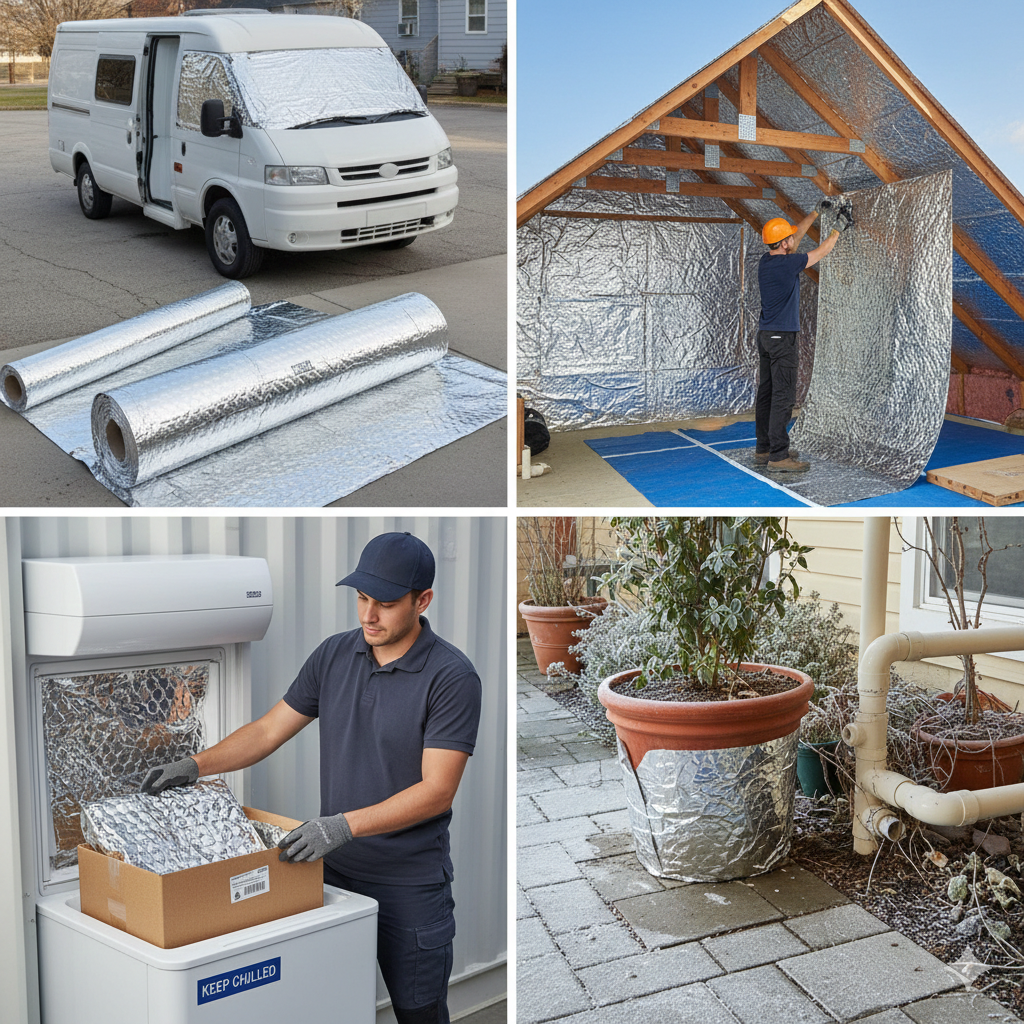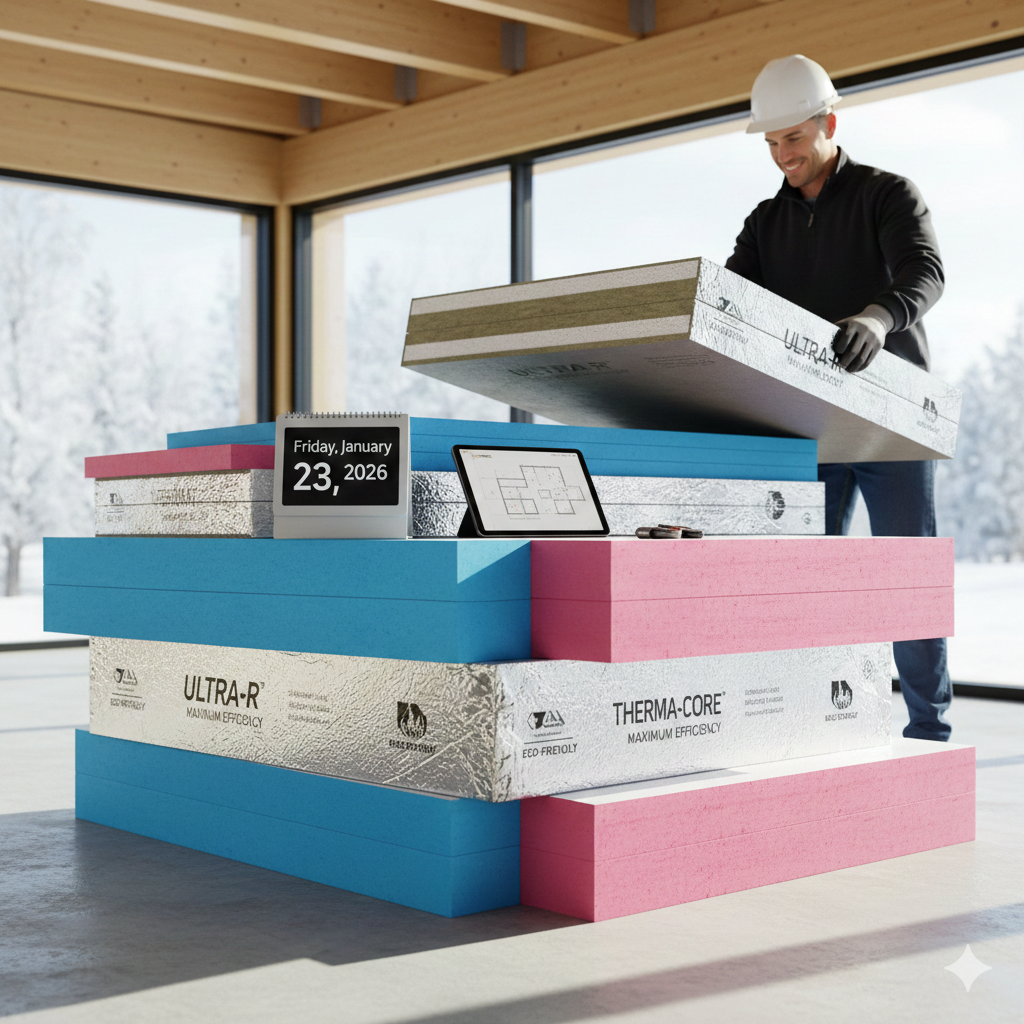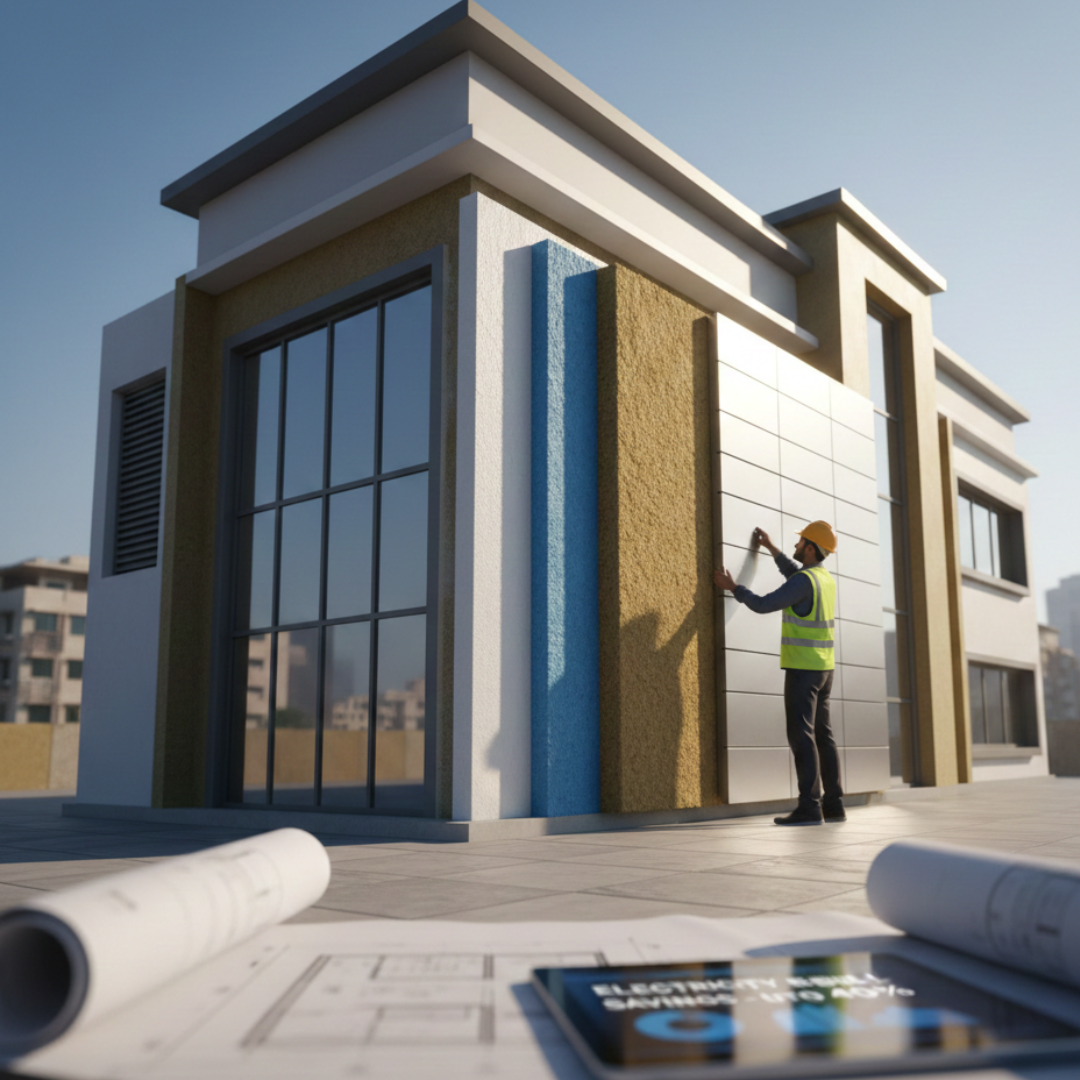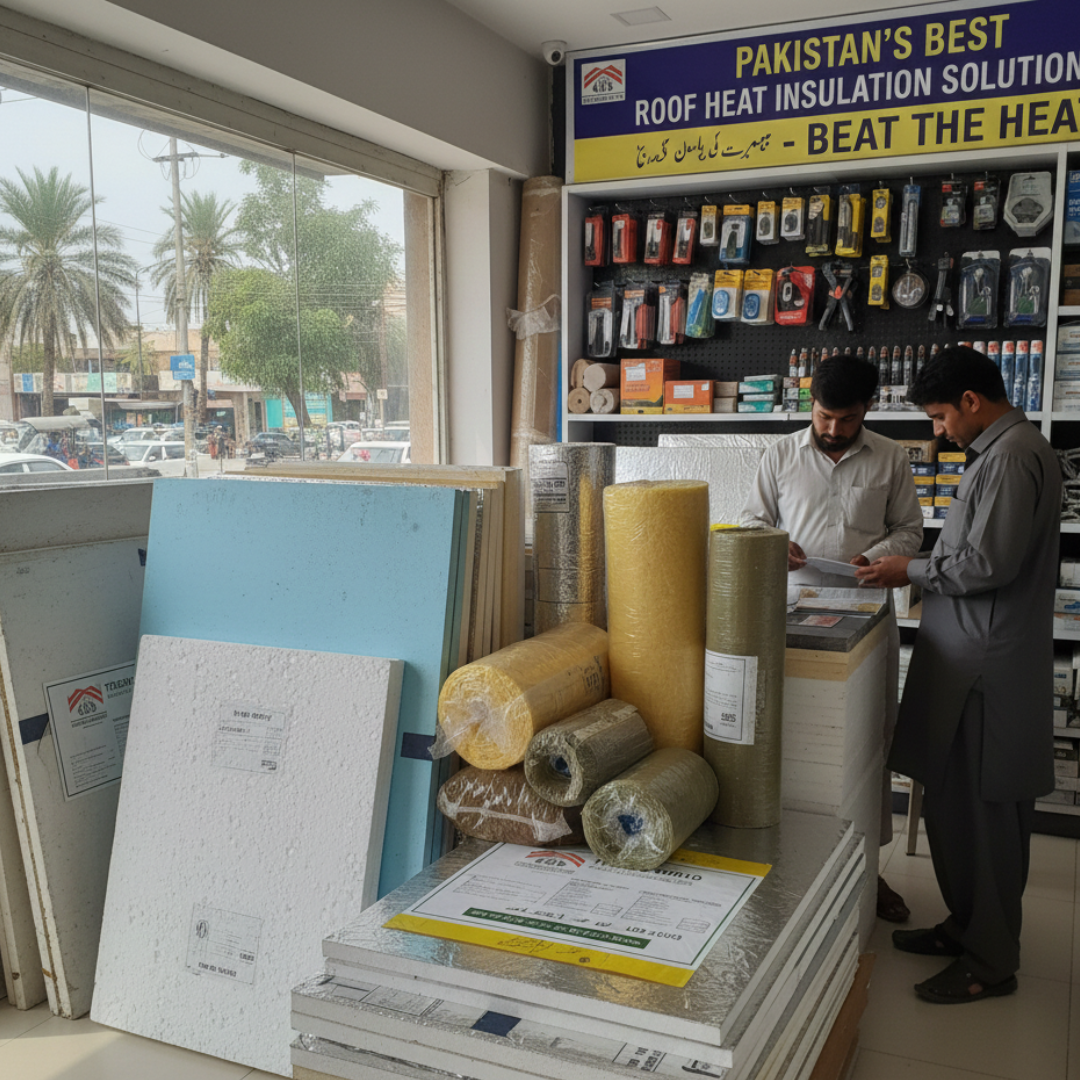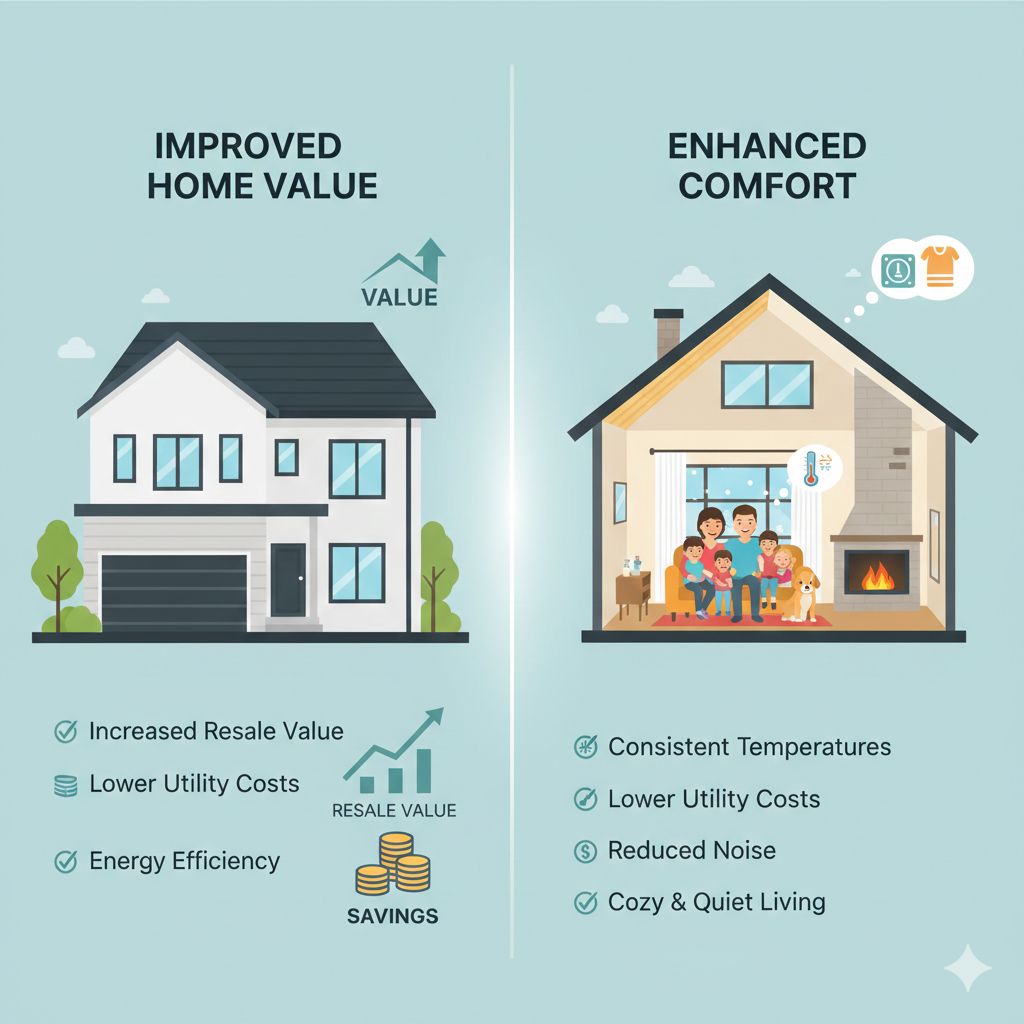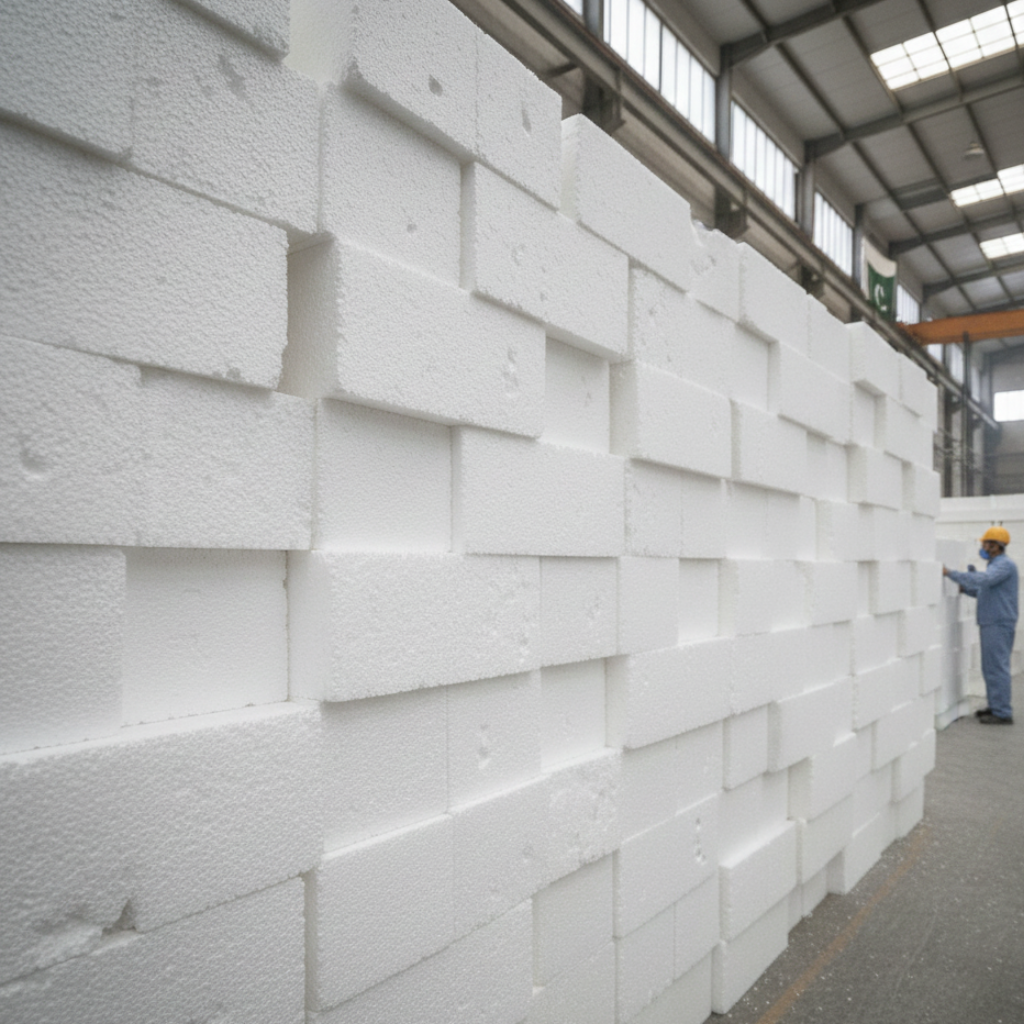

thermocol sheet price in pakistan

Tag: rockwool insulation price in pakistan

  • Fibreglass Insulation Price in Pakistan

    Fibreglass Insulation Price in Pakistan

    Fibreglass insulation has become one of the most commonly used thermal insulation solutions in Pakistan due to its balance of performance, affordability, and availability. Whether used in residential houses, commercial buildings, or industrial sheds, fibreglass insulation plays a key role in controlling indoor temperature and reducing energy costs.

    This guide explains fibreglass insulation price in Pakistan, how it compares with other insulation materials, city-wise trends, and factors that influence overall cost.

    What Is Fibreglass Insulation?

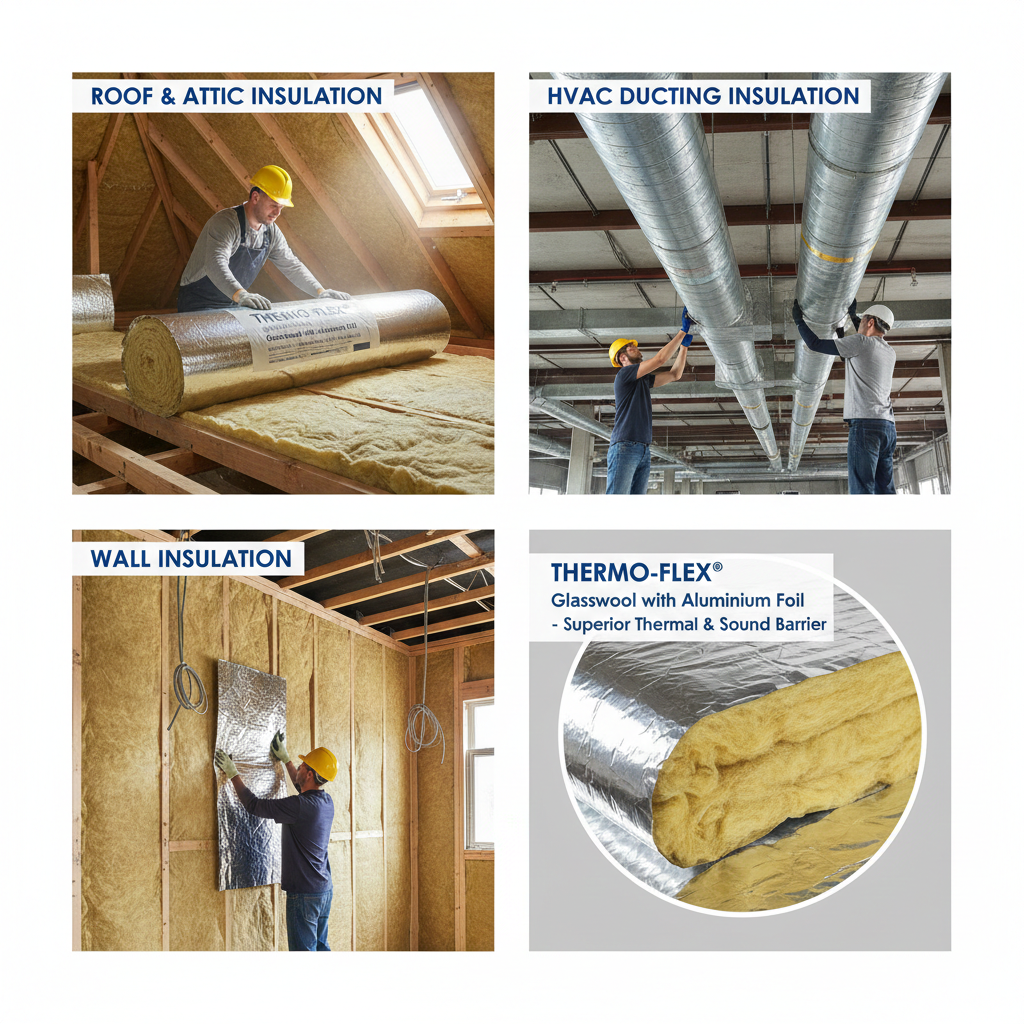
    glasswool with aluminium foil

    Fibreglass insulation is made from fine strands of glass fibers arranged into batts, rolls, or boards. These fibers trap air, slowing down heat transfer and improving thermal efficiency.

    In Pakistan, fibreglass insulation is often referred to interchangeably with glass wool insulation and is widely used for roofs, walls, and ceilings.

    Why Fibreglass Insulation Is Popular in Pakistan

    Fibreglass insulation is widely adopted because it offers:

    • Good thermal resistance at a reasonable cost
    • Easy availability in major cities
    • Lightweight structure
    • Compatibility with residential and commercial buildings

    Due to these advantages, fibreglass insulation remains competitive within the broader thermal insulation price in Pakistan market.

    Fibreglass Insulation Price in Pakistan – Key Factors

    The overall cost of fibreglass insulation depends on several variables:

    • Material density and thickness
    • Installation method
    • Area coverage
    • Project type (roof, wall, ceiling)
    • City-wise labor and supply chain differences

    For projects involving metal structures, steel fibreglass insulation price in Pakistan is often calculated separately because of additional fixing and support requirements.

    Glass Wool Insulation Price in Pakistan
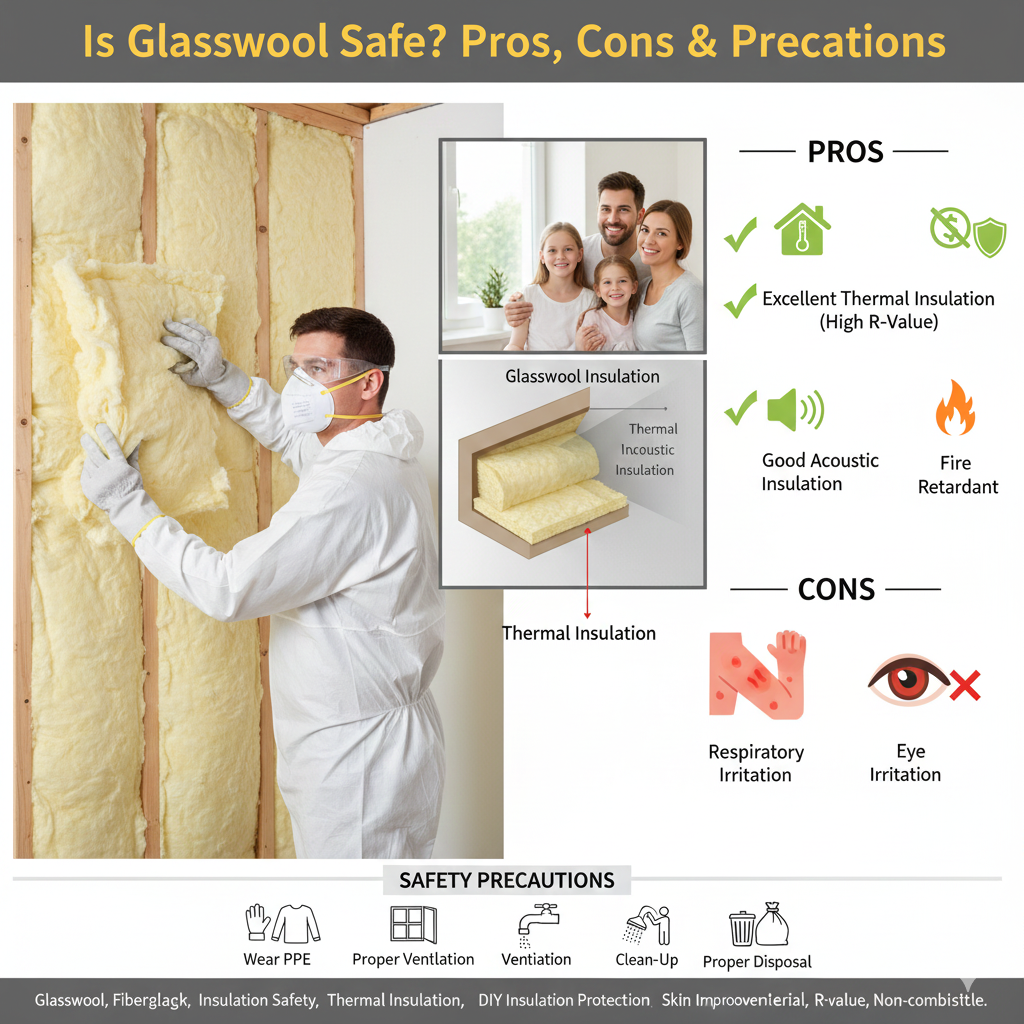
    glasswool insulation in pakistan

    Fibreglass insulation is commonly sold as glass wool. The glass wool insulation price in Pakistan varies based on roll thickness, facing material, and brand quality.

    Glass wool is frequently chosen for roof insulation in houses, factories, and warehouses because it provides effective heat resistance without adding excessive structural load.

    City-Wise Pricing Trends

    Glass Wool Price in Lahore

    The glass wool price in Lahore is generally competitive due to strong supplier availability and high market demand. Lahore-based projects often benefit from better pricing options and quicker material sourcing.

    Glass Wool Price in Rawalpindi

    The glass wool price in Rawalpindi may vary slightly depending on project size and seasonal demand. Pricing is influenced by transportation and local labor costs.

    Glass Wool Insulation in Lahore

    Demand for glass wool insulation in Lahore remains high for residential, commercial, and industrial buildings. It is widely used for both new construction and renovation projects.

    Fibreglass vs Rockwool – Price Perspective

    glasswool vs rockwool

    When comparing insulation options, many buyers evaluate fibreglass against mineral wool. The rockwool insulation price in Pakistan is generally higher than fibreglass due to superior fire resistance and density.

    Fibreglass remains the preferred choice when budget control is a priority, while rockwool is selected for specialized applications requiring higher fire performance.

    Fibreglass Insulation for Roof Applications

    fibreglass insulation for roofs

    Roof insulation is one of the most common uses of fibreglass material. Fibreglass is widely chosen when evaluating roof insulation price in Pakistan, as it offers good performance without significantly increasing construction costs.

    It is suitable for:

    • Residential roofs
    • Industrial sheds
    • Warehouses
    • Commercial buildings

    Where Fibreglass Insulation Is Commonly Used

    Fibreglass insulation is applied in:

    • Houses and apartments
    • Office buildings
    • Factories and warehouses
    • Schools and hospitals
    • Metal and steel structures

    Its versatility allows it to fit a wide range of construction requirements.

    Long-Term Cost Benefits

    While upfront pricing matters, fibreglass insulation provides long-term value by:

    • Reducing cooling energy consumption
    • Improving indoor comfort
    • Extending HVAC system lifespan
    • Lowering overall operational costs

    Over time, these benefits often outweigh the initial investment.

    Choosing the Right Fibreglass Insulation

    When selecting fibreglass insulation, consider:

    • Thickness suitable for local climate
    • Proper vapor barriers
    • Installation quality
    • Intended application (roof, wall, ceiling)

    Correct selection and professional installation are key to achieving expected performance.

    Final Thoughts

    Understanding fibreglass insulation price in Pakistan helps property owners and builders make informed decisions. While prices vary by city, thickness, and application, fibreglass insulation remains one of the most cost-effective thermal insulation solutions available in Pakistan.

    With proper planning, it offers reliable performance, affordability, and long-term energy savings.

    FAQ’S

    Fibreglass insulation price in Pakistan varies depending on thickness, density, and application area. Roof and industrial applications usually cost more due to additional fixing and labor requirements.

    Yes, glass wool insulation is widely used for roof insulation in Pakistan. It helps reduce heat gain, improves indoor comfort, and is suitable for both residential and industrial roofs.

    Fibreglass insulation is generally more affordable than rockwool insulation. Rockwool offers better fire resistance, but fibreglass is often chosen where budget and thermal performance are the main priorities.

    Yes, fibreglass insulation helps lower indoor temperatures by limiting heat transfer, which reduces the load on air conditioning systems and leads to lower electricity bills over time.
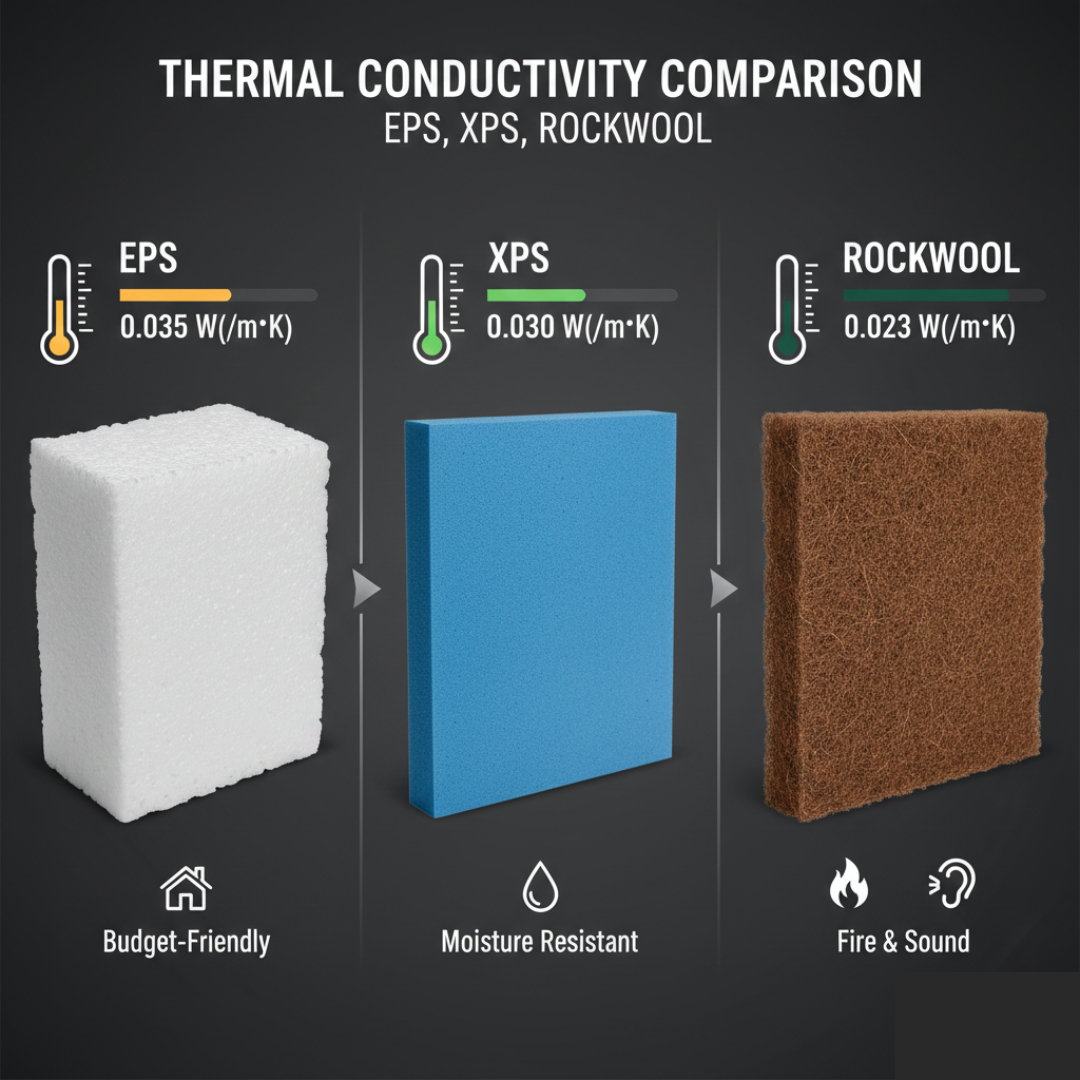
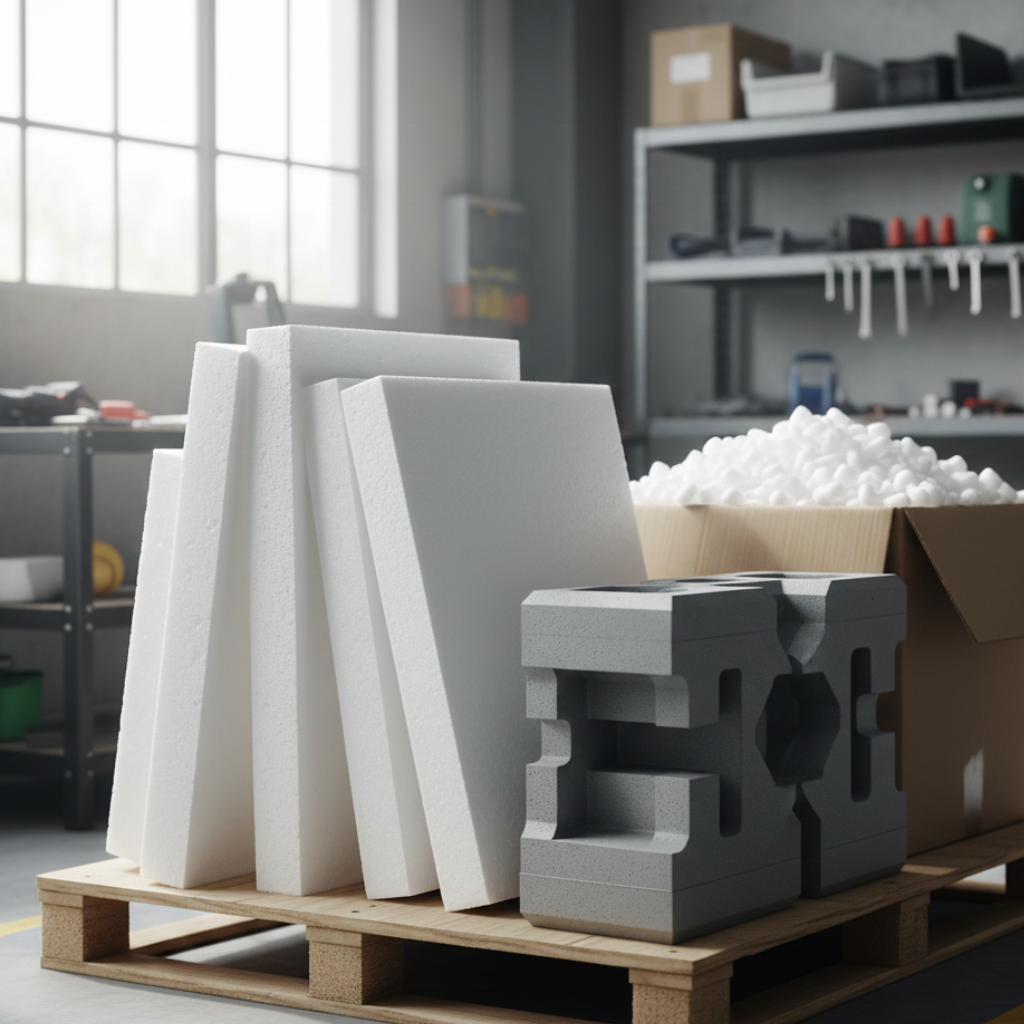
  • Insulation Sheet Price Comparison (EPS/XPS/Rockwool/Glasswool)

    Insulation Sheet Price Comparison (EPS/XPS/Rockwool/Glasswool)

    Choosing the right insulation material is no longer just about comfort—it directly impacts energy savings, building durability, and long-term costs. With rising temperatures and increasing energy prices, thermal insulation in Pakistan has become a necessity for homes, commercial buildings, and industrial facilities.

    This guide provides a clear insulation sheet price comparison to help buyers understand material differences, performance levels, and where each option fits best.

    Why Insulation Price Comparison Matters in Pakistan

    Pakistan’s climate ranges from extremely hot summers to cold winters in northern regions. Without proper insulation, buildings absorb heat rapidly, increasing cooling costs and indoor discomfort.

    Understanding insulation sheet price in Pakistan helps buyers:

    • Plan budgets accurately
    • Select cost-effective insulation materials
    • Avoid overpaying for unsuitable products
    • Balance thermal performance with long-term savings

    Common Insulation Materials Used in Pakistan

    Before comparing prices, it’s important to understand the four most commonly used insulation materials.

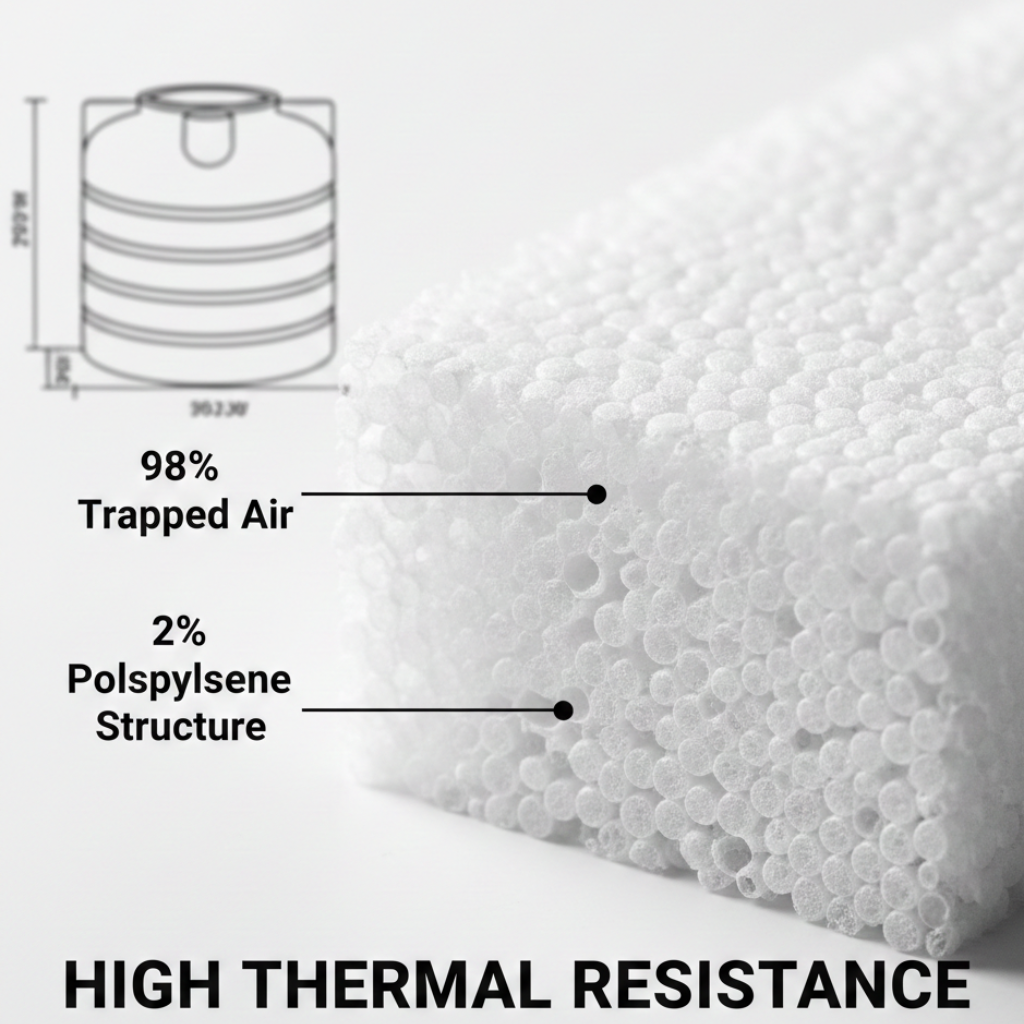
    EPS (Expanded Polystyrene Sheets)

    EPS Foam

    EPS is a lightweight insulation material widely used in walls and roofs. It offers decent thermal resistance at a relatively low cost.

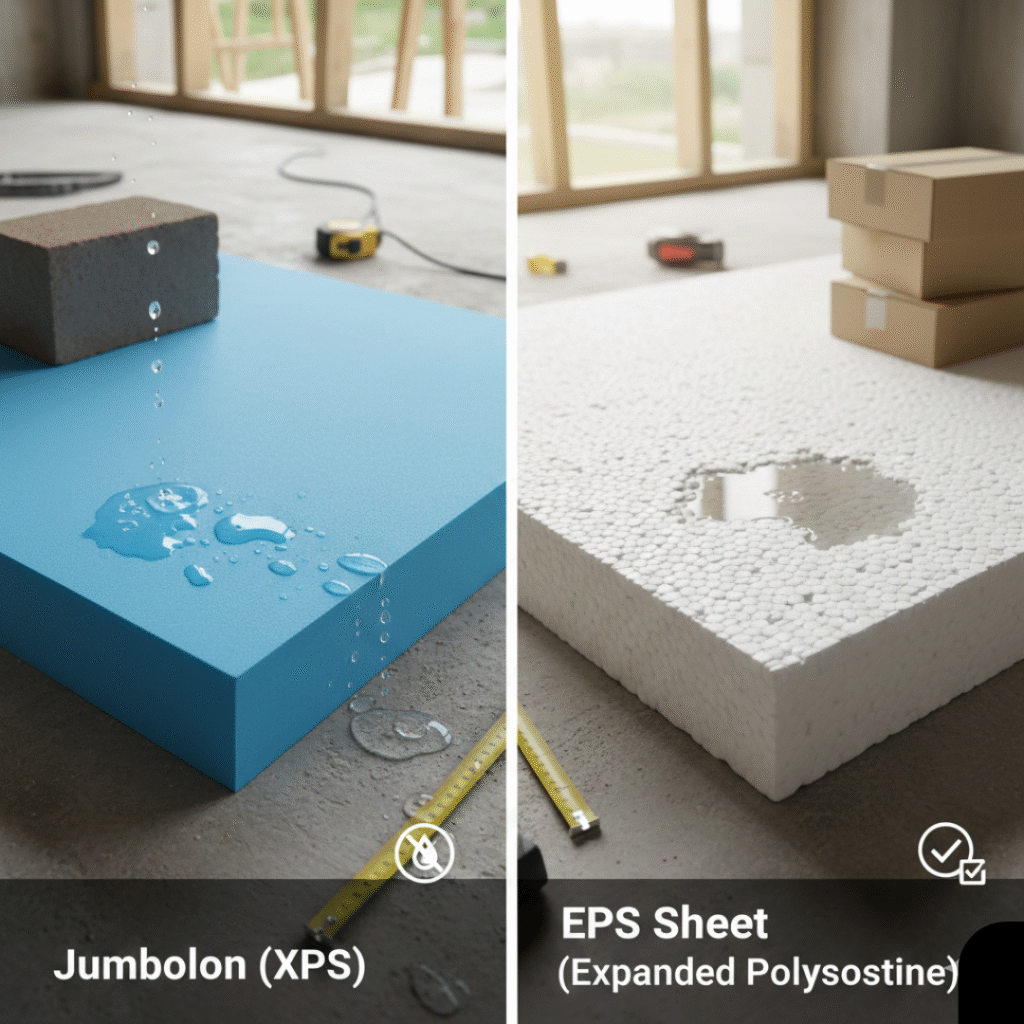
    XPS (Extruded Polystyrene Boards)

    Jumbolon Board in Pakistan

    XPS provides higher strength and better moisture resistance than EPS, making it suitable for demanding applications.

    Rockwool (Mineral Wool)

    Rockwool is a premium insulation option known for fire resistance, sound absorption, and durability.

    Glasswool (Fiberglass Insulation)

    Glass wool insulation is flexible, lightweight, and commonly used for roof insulation and ducting.

    Insulation Sheet Price Comparison in Pakistan

    The table below provides a general market comparison to help buyers evaluate options. Prices vary based on thickness, density, brand, and location.

    Insulation MaterialPrice Range (PKR)Thermal PerformanceFire ResistanceBest Use Case
    EPS SheetsLowMediumLowWalls, ceilings
    XPS BoardsMediumHighLowRoofs, floors
    Rockwool InsulationHighHighVery HighFire-rated walls, factories
    Glass Wool InsulationMediumMedium–HighMediumRoofs, HVAC systems

    This insulation sheet price comparison highlights that higher cost materials often provide added benefits such as fire safety and sound insulation.

    Rockwool Insulation Price in Pakistan – Is It Worth It?

    Soundproofing Material glasswool vs rockwool

    Rockwool insulation price in Pakistan is higher than EPS and XPS, but it offers multiple advantages:

    • Non-combustible and fire resistant
    • Excellent acoustic insulation
    • Stable performance at high temperatures

    For commercial buildings, industrial units, and fire-rated walls, rockwool justifies its cost through safety and longevity.

    Glass Wool Insulation Price & Performance

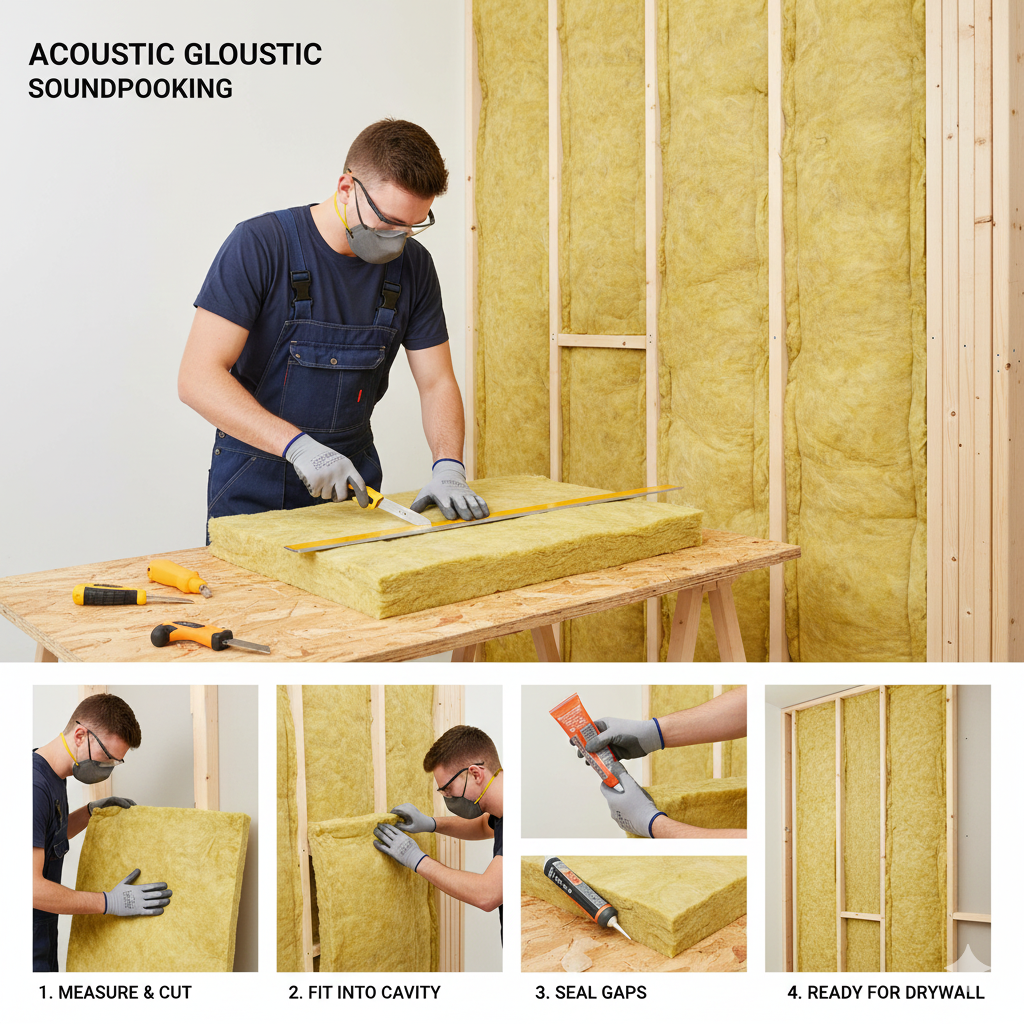
    Glasswool Sheet For Soundproofing

    Glass wool insulation price is usually moderate, making it popular for residential roofs and HVAC systems.
    Key benefits include:

    • Lightweight and easy installation
    • Good thermal insulation
    • Cost-effective roof insulation solution

    However, it is less durable than rockwool in high-moisture environments.

    EPS vs XPS – Cost vs Performance

    Jumbolon VS EPS Sheet

    EPS remains one of the most affordable options for heat insulation sheet Pakistan projects. It is suitable for basic thermal control.

    XPS costs more but offers:

    • Higher compressive strength
    • Better moisture resistance
    • Longer lifespan

    When evaluating roof insulation price in Pakistan, XPS often performs better in exposed conditions.

    Technical Comparison Table (Building Applications)

    Insulation MaterialThermal EfficiencyFire RatingMoisture ResistanceTypical Building Use
    EPS SheetsMediumLowLowResidential walls
    XPS BoardsHighLowHighRoofs, basements
    Rockwool InsulationHighVery HighMediumCommercial & industrial buildings
    Glass Wool InsulationMedium–HighMediumLowRoofs, HVAC systems
    Heat Insulation SheetsMediumLowMediumRoof heat proofing

    Choosing the Right Insulation Material in Pakistan

    When selecting insulation material Pakistan, price should not be the only deciding factor. Consider:

    • Climate conditions
    • Area of installation (roof, wall, floor)
    • Fire safety requirements
    • Moisture exposure
    • Long-term energy savings

    A lower upfront cost may lead to higher electricity bills over time.
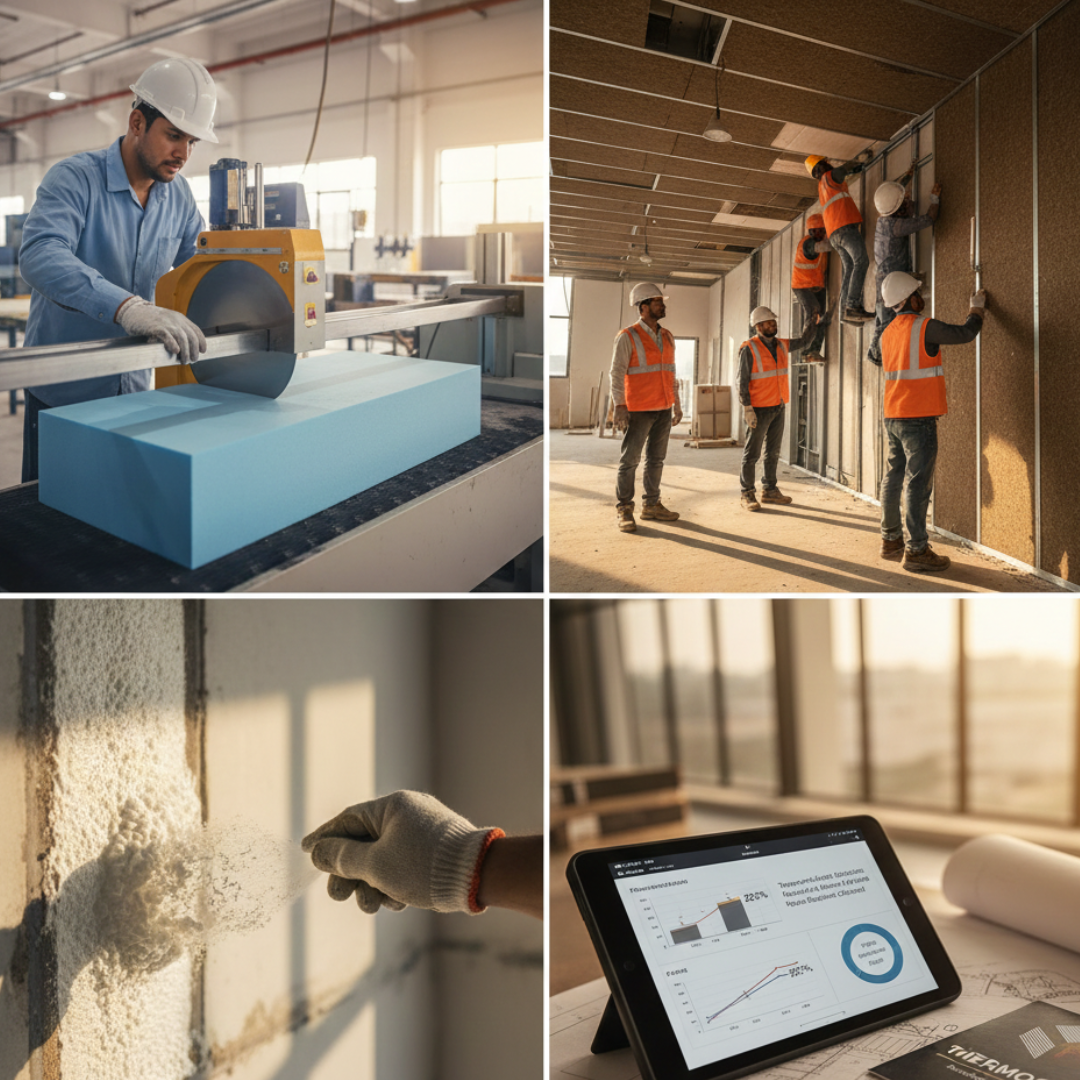
    Heat Insulation Sheets for Roofs and Walls

    For roofs, insulation must withstand direct heat exposure. XPS and glass wool are commonly used, while rockwool is preferred where fire protection is required.

    For walls, EPS and rockwool provide effective thermal barriers depending on safety needs.

    Final Thoughts on Insulation Sheet Prices in Pakistan

    There is no single “best” insulation—each material serves a different purpose. This insulation sheet price comparison shows that:

    • EPS is budget-friendly
    • XPS offers durability and moisture resistance
    • Rockwool delivers fire safety and acoustic control
    • Glass wool balances cost and performance

    The right choice depends on application, budget, and long-term goals.

    FAQ’S

    For commercial buildings, rockwool insulation is often the best choice due to its fire resistance, soundproofing, and long-term durability, especially in high-occupancy structures.

    EPS sheets are commonly used in residential buildings because they offer reasonable thermal insulation at a lower upfront cost.

    Yes, roof insulation significantly reduces heat gain in concrete buildings and helps control indoor temperature, especially during peak summer months.

    XPS boards and rockwool insulation are preferred for high-rise buildings due to better compressive strength, moisture resistance, and fire safety.

    Yes, properly insulated buildings usually have lower energy costs and better indoor comfort, which increases long-term property value.

    While not mandatory everywhere, thermal insulation is increasingly recommended in modern building designs to improve energy efficiency and occupant comfort.

  • 2026 Insulation Sheet Buying Guide for Pakistan

    2026 Insulation Sheet Buying Guide for Pakistan

    As construction standards evolve and energy costs continue to rise, insulation has become a necessity rather than an option. This 2026 Insulation Sheet Buying Guide for Pakistan is designed to help homeowners, builders, and contractors make informed decisions based on climate, usage, and long-term value.

    From residential homes to commercial buildings, choosing the right insulation material in Pakistan directly impacts comfort, electricity bills, and building lifespan.

    Why Insulation Matters More in Pakistan in 2026

    Pakistan’s climate is becoming increasingly extreme, with longer summers and higher peak temperatures. This makes thermal insulation in Pakistan one of the most effective solutions for:

    • Reducing indoor heat gain
    • Lowering air-conditioning load
    • Improving indoor comfort
    • Increasing property value

    Modern insulation solutions are no longer limited to industrial use. In 2026, insulation is now standard for homes, offices, warehouses, and even small commercial units.

    Technical Comparison Table – EPS vs XPS vs Rockwool vs Heat Sheets

    Feature / MaterialEPS InsulationXPS InsulationRockwool InsulationHeat Insulation Sheets
    Thermal PerformanceMediumHighVery HighHigh
    Moisture ResistanceLow–MediumVery HighMediumHigh
    Fire ResistanceLowMediumVery HighLow–Medium
    Density RangeLowMediumHighLow
    Common ApplicationsWalls, floorsRoofs, wallsIndustrial, fire zonesRoof heat proofing
    DurabilityModerateHighVery HighModerate
    Cost LevelBudgetMid-RangePremiumMid-Range
    Popular Use in PakistanResidentialResidential & CommercialIndustrial & High-riseRoof insulation

    Note: Performance varies by thickness, installation quality, and climate conditions.

    Common Insulation Materials Used in Pakistan

    Understanding insulation types is the first step in choosing the right product.

    1. EPS (Expanded Polystyrene)

    EPS Thermal Insulation

    EPS is lightweight, affordable, and commonly used for wall and roof insulation. It provides decent thermal resistance and is easy to install.

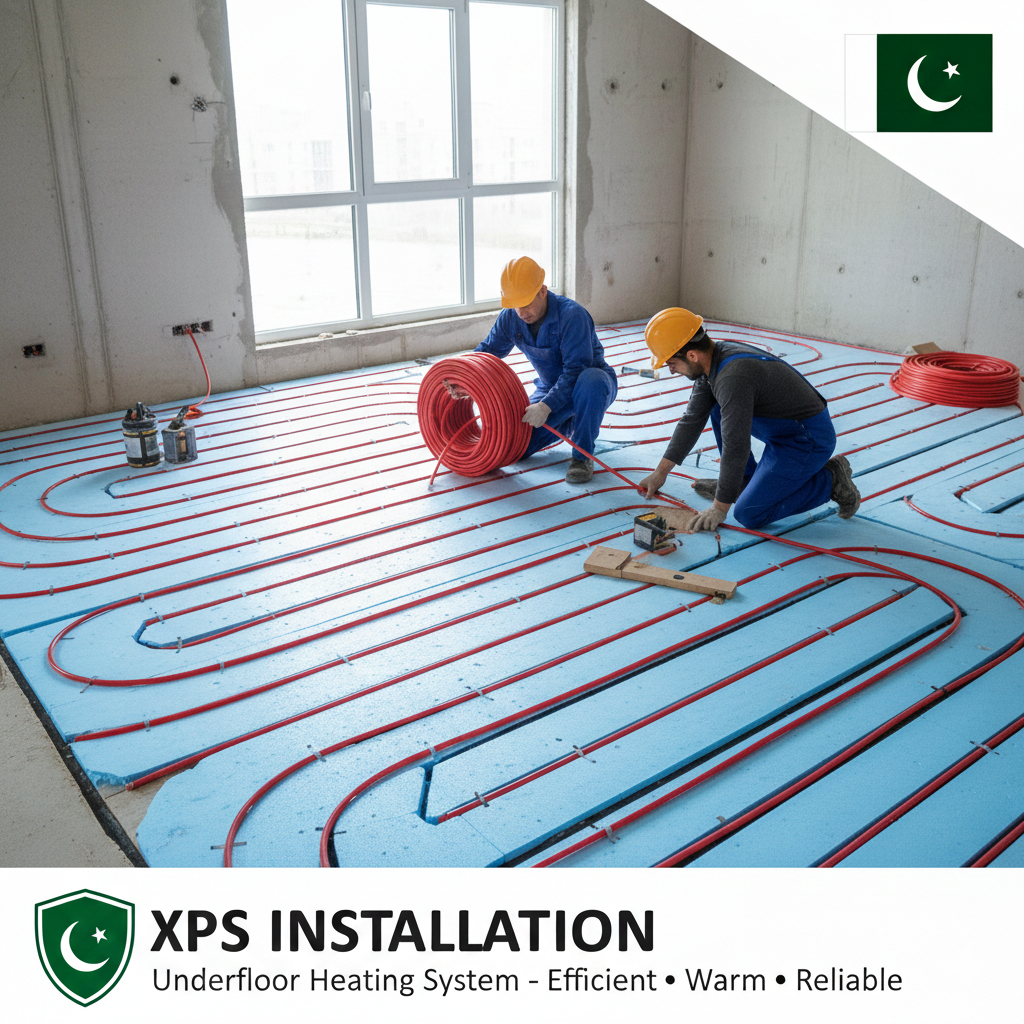
    2. XPS (Extruded Polystyrene)

    XPS Installation at underfloor heating system

    XPS offers higher strength and moisture resistance compared to EPS, making it ideal for roofs and floors exposed to water.

    3. Rockwool

    Soundproofing Material glasswool vs rockwool

    Rockwool is a premium insulation material known for fire resistance and sound absorption. Due to its density, rockwool insulation price in Pakistan is higher than EPS and XPS, but it offers superior performance.

    4. Heat Reflective & Composite Sheets

    These sheets combine reflective surfaces with insulation cores and are widely used as heat insulation sheet Pakistan solutions for roofs.

    Each insulation material in Pakistan serves a specific purpose depending on location, budget, and performance requirements.

    Roof Insulation: A Priority for Pakistani Homes

    Roof insulation delivers the highest return on investment due to direct sun exposure. Choosing the right roof system depends on structure type and budget.

    Key considerations include:

    • Thickness and density
    • Reflective properties
    • Installation method

    The roof insulation price in Pakistan varies based on material type and roof area, but it consistently offers long-term electricity savings.

    Wall Insulation for Temperature Stability

    While roofs handle direct heat, walls regulate internal temperature throughout the day. Proper wall insulation in Pakistan helps reduce heat transfer from adjacent buildings and outdoor exposure.

    Wall insulation is especially important for:

    • West-facing walls
    • Commercial buildings
    • Apartments and shared structures

    Understanding Insulation Prices in 2026

    Insulation costs fluctuate due to raw materials, energy prices, and import dependencies.

    In 2026:

    • Thermal insulation sheet price in Pakistan varies by thickness and composition
    • Rockwool remains the costliest but most durable option
    • EPS and XPS continue to dominate residential projects

    Buyers should focus on performance per square foot rather than upfront cost alone.

    Karachi-Specific Buying Considerations

    For coastal cities, humidity resistance and durability are critical. Builders often search for 2026 Insulation Sheet Buying Guide for Pakistan Karachi–specific solutions due to saline air and higher moisture exposure.

    In Karachi:

    • Moisture resistance is essential
    • XPS and rockwool are preferred for long-term use
    • Heat-reflective roof insulation performs exceptionally well

    How to Choose the Right Insulation in 2026

    Best Insulation Sheets in Karachi

    Before purchasing, ask these questions:

    1. Is the insulation for roof, wall, or floor?
    2. What level of thermal resistance is required?
    3. Is fire resistance important?
    4. What is the project’s lifespan?

    Matching the correct insulation material Pakistan options to your needs ensures efficiency and durability.

    Installation Quality Matters

    Even the best insulation fails if poorly installed. Always ensure:

    • No air gaps
    • Proper sealing
    • Correct thickness

    Professional installation significantly improves insulation performance and lifespan.

    Future Trends in Thermal Insulation in Pakistan

    Looking ahead, insulation systems in Pakistan are moving toward:

    • Higher density panels
    • Multi-layer composite sheets
    • Improved fire and moisture resistance

    By 2026, insulation is no longer an upgrade—it is a construction standard.

    Final Buying Advice

    This 2026 Insulation Sheet Buying Guide for Pakistan emphasizes one key principle: insulation is an investment, not an expense. Choosing the right system today ensures comfort, savings, and durability for years to come.

    FAQ’S

    EPS, XPS, and Rockwool are the most commonly used insulation materials in Pakistan. EPS is suitable for budget projects, XPS offers higher moisture resistance, while Rockwool is preferred for fire safety and high thermal insulation.

    Roof insulation price in Pakistan depends on the material, thickness, and installation method. Heat insulation sheets and rigid boards usually cost more than basic foam sheets due to better durability and performance.

    Yes. Wall insulation in Pakistan significantly reduces indoor heat gain, improves energy efficiency, and supports long-term thermal insulation performance, especially in hot cities.

    Selection should be based on climate, application area (roof or wall), moisture exposure, and budget. Comparing thermal insulation sheet price in Pakistan alongside performance ratings helps make the right decision.

    Yes. Proper thermal insulation in Pakistan lowers indoor temperature fluctuations, reduces air-conditioning load, and helps cut long-term energy costs.

    Heat insulation sheets are widely used in factories, warehouses, and commercial roofs due to their lightweight structure and effective heat resistance.

  • Rawalpindi Insulation Market Prices

    Rawalpindi Insulation Market Prices

    As construction activity grows across Rawalpindi, demand for thermal and acoustic insulation materials has increased rapidly. From residential homes to commercial and industrial buildings, buyers are actively comparing insulation types and prices before making decisions. This guide explores Rawalpindi insulation market prices, material trends, and factors that influence costs—helping buyers make informed choices.

    Overview of Insulation Demand in Rawalpindi

    Rawalpindi experiences extreme summer heat and cooler winters, making insulation a practical necessity rather than a luxury. Builders and homeowners now prioritize materials that reduce energy consumption, improve indoor comfort, and enhance fire safety.

    Among the most commonly traded insulation products in the local market are glass wool, rockwool, and mineral wool, each offering different performance levels and price points.

    Glass Wool Market Pricing Trends

    glasswool insulation in pakistan

    Glass wool remains one of the most widely used insulation materials due to its affordability and ease of installation. The glass wool price in Rawalpindi depends on density, thickness, and facing type (plain or foil-faced).

    While Rawalpindi has its own pricing structure, many suppliers also benchmark rates against major cities. As a result, glass wool price in Lahore often influences wholesale trends, especially for bulk purchases. Contractors sourcing glass wool insulation in Lahore sometimes supply Rawalpindi projects when availability fluctuates.

    Across Pakistan, the glass wool price in Pakistan varies based on imported raw materials, energy costs, and demand cycles.

    Rockwool Insulation Prices in the Local Market

    Rockwool is increasingly preferred for applications requiring fire resistance and higher acoustic performance. In Rawalpindi, demand for this material has grown in commercial buildings and industrial facilities.

    The rockwool insulation price in Pakistan is generally higher than glass wool due to its superior fire rating and density. Buyers comparing suppliers often evaluate the rock wool insulation price based on slab thickness and compressive strength.

    Local distributors offering rockwool insulation Pakistan products usually maintain stock for large-scale construction projects, where durability and fire safety are critical.

    Rawalpindi Insulation Price Comparison Table

    Insulation MaterialTypical Density (kg/m³)Common UseRelative Price Level
    Glass Wool12 – 24Roofs, ceilings, ductsLow
    Mineral Wool30 – 60Walls, partitionsMedium
    Rockwool40 – 120Fire-rated walls, industrial useHigh
    Glass Wool (Foil Faced)16 – 32Thermal + radiant controlMedium
    High-Density Rockwool80 – 120Acoustic & fire insulationHigh

    Note: Prices vary by supplier, thickness, and market demand.

    Mineral Wool Pricing and Applications

    glasswool with aluminium foil industrial applications

    Mineral wool, which includes both glass wool and rockwool variants, is also traded separately in the Rawalpindi market. The mineral wool price in Pakistan depends on whether the product is intended for thermal insulation, soundproofing, or fire-rated systems.

    Mineral wool is commonly used in:

    • Partition walls
    • Industrial sheds
    • HVAC duct insulation
    • Fire-rated ceiling systems

    Its versatility keeps demand stable throughout the year.

    Factors Affecting Insulation Prices in Rawalpindi

    Several elements influence insulation pricing in the Rawalpindi market:

    1. Material Density & Thickness
      Higher density products provide better insulation but cost more.
    2. Imported vs Local Supply
      Imported insulation products tend to raise overall pricing trends.
    3. Seasonal Demand
      Prices often rise before peak summer due to increased demand.
    4. Transportation Costs
      Rates from Lahore or Karachi impact local pricing structures.
    5. Bulk Purchase Volume
      Wholesale buyers usually secure better pricing.

    Choosing the Right Insulation Material

    Selecting insulation should not be based on price alone. Buyers must consider application type, building design, and long-term energy savings. Glass wool works well for budget-focused residential projects, while rockwool is better suited for fire-sensitive areas. Mineral wool offers a balance between thermal and acoustic performance.

    Understanding local price trends allows buyers to plan procurement efficiently without compromising quality.

    Rawalpindi Insulation Market Outlook

    With growing awareness around energy efficiency, the Rawalpindi insulation market is expected to expand steadily. Demand for higher-performance insulation materials will continue to influence pricing, while competition among suppliers may stabilize costs over time.

    Staying updated on market trends helps contractors, builders, and homeowners secure the best value.

    FAQ’S

    The glass wool price in Rawalpindi depends on density, thickness, and facing type. Prices generally follow the national trend of the glass wool price in Pakistan, with slight variation based on local availability.

    Yes, glass wool is usually more economical. Rockwool insulation price in Pakistan is higher due to its superior fire resistance, durability, and sound insulation properties.

    Many distributors source insulation materials from Lahore. As a result, fluctuations in glass wool price in Lahore often impact Rawalpindi’s insulation market.

    Mineral wool price in Pakistan varies depending on whether it is glass-based or stone-based. Rockwool generally costs more due to higher density and fire performance.

    Yes, rockwool insulation Pakistan products are suitable for residential use, especially where fire safety and sound insulation are priorities.

    Rockwool offers long-term value through durability and fire resistance, while glass wool is ideal for cost-effective thermal insulation in standard applications.

  • Lahore Heat Insulation Solutions (EPS/XPS/Rockwool)

    Lahore Heat Insulation Solutions (EPS/XPS/Rockwool)

    Lahore’s climate presents a serious challenge for homes, factories, and commercial buildings. Long summers, extreme heatwaves, and rising electricity costs have made heat insulation a necessity rather than a luxury. Choosing the right insulation system can significantly reduce indoor temperatures, improve comfort, and cut energy bills.

    This guide explains Lahore Heat Insulation Solutions using EPS, XPS, and Rockwool, helping you select the most suitable option based on performance, durability, and cost.

    Why Heat Insulation Is Essential in Lahore

    house insulation in pakistan

    Lahore experiences prolonged high temperatures that directly impact indoor comfort and energy usage. Without proper insulation, roofs and walls absorb heat throughout the day, making cooling systems work harder.

    Effective thermal insulation in Pakistan helps:

    • Reduce indoor heat gain
    • Lower electricity consumption
    • Improve building lifespan
    • Enhance indoor comfort year-round

    Overview of Insulation Materials Used in Pakistan

    The insulation market offers several materials, but three dominate large-scale usage due to performance and availability. Each option serves a different structural need.

    Choosing the right insulation material Pakistan depends on:

    • Location (roof, wall, or cavity)
    • Budget
    • Heat resistance requirements
    • Fire and moisture safety

    EPS (Expanded Polystyrene) – Lightweight & Economical

    thermocol blocks manufacturer in pakistan

    EPS insulation is widely used for basic thermal protection in walls and ceilings.

    Key Benefits of EPS:

    • Lightweight and easy to install
    • Cost-effective for large areas
    • Suitable for wall insulation in Pakistan
    • Moderate thermal resistance

    EPS works well for homes where budget is a priority and insulation thickness can be increased for better performance.

    XPS (Extruded Polystyrene) – High Performance Thermal Shield

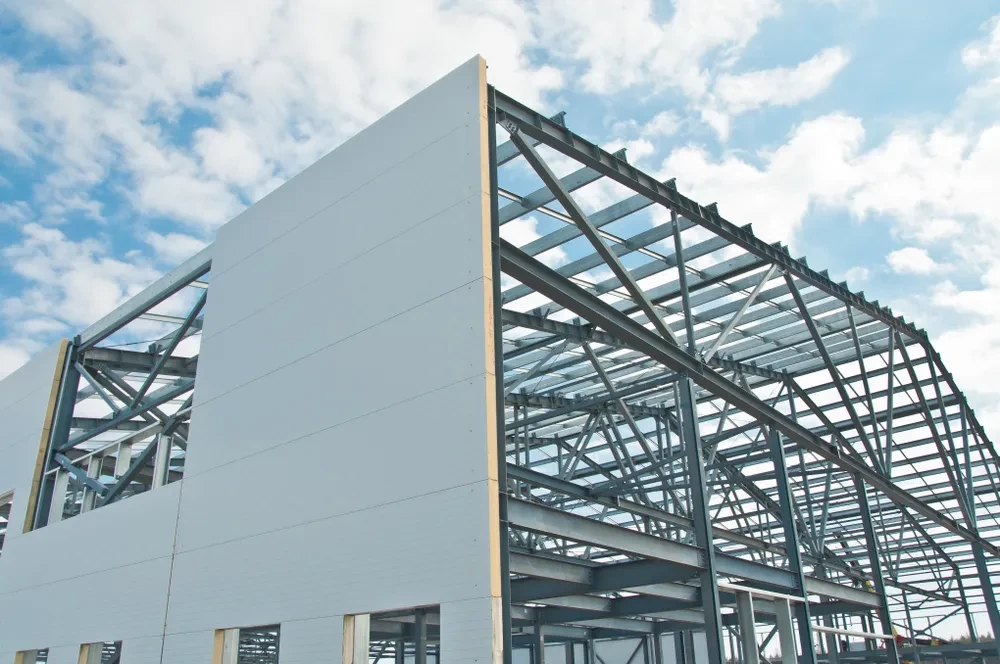
    jumbolon Insulation for Metal Sheds

    XPS offers superior insulation compared to EPS, especially in roofs exposed to direct sunlight.

    Why XPS Is Popular in Lahore:

    • High compressive strength
    • Excellent moisture resistance
    • Long service life
    • Ideal as a heat resistant thermal insulation sheet

    XPS boards are commonly used under concrete slabs and rooftops where durability is essential.

    Rockwool – Premium Heat & Fire Protection

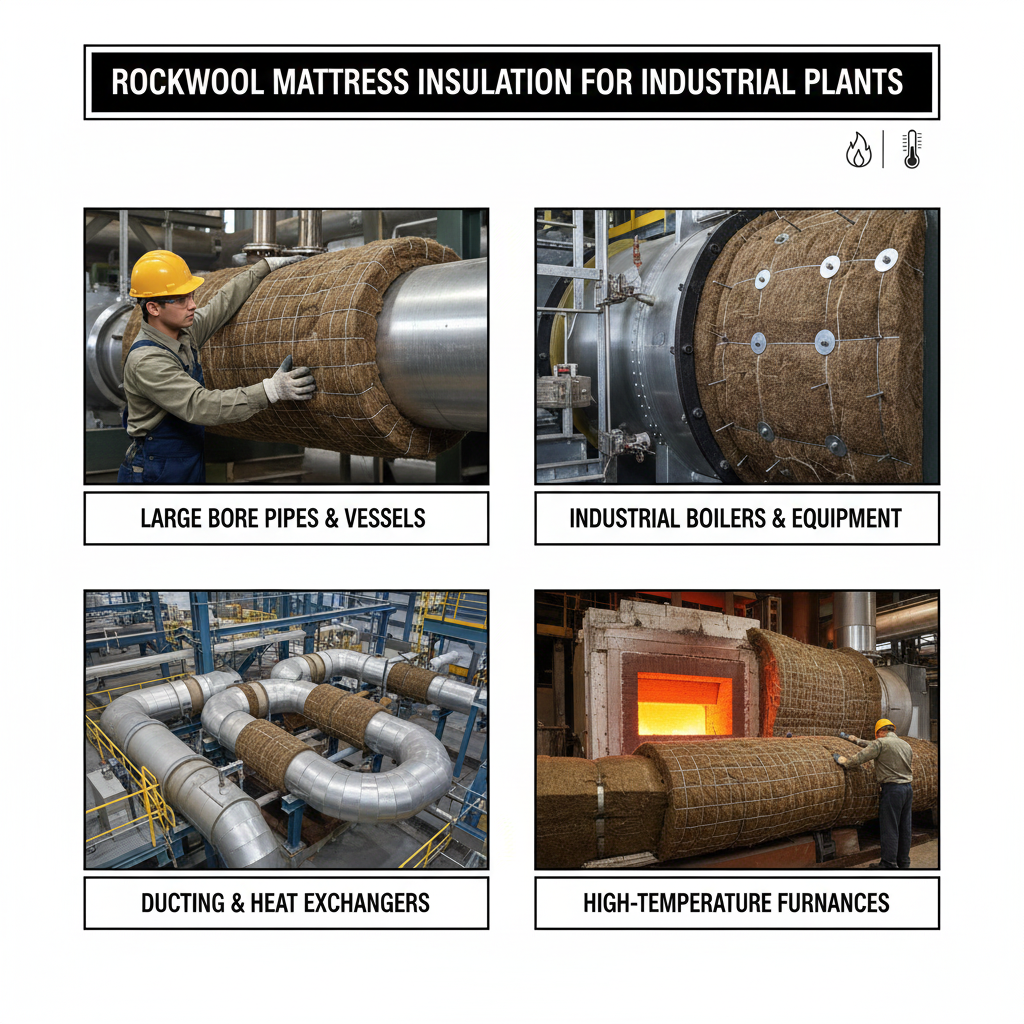
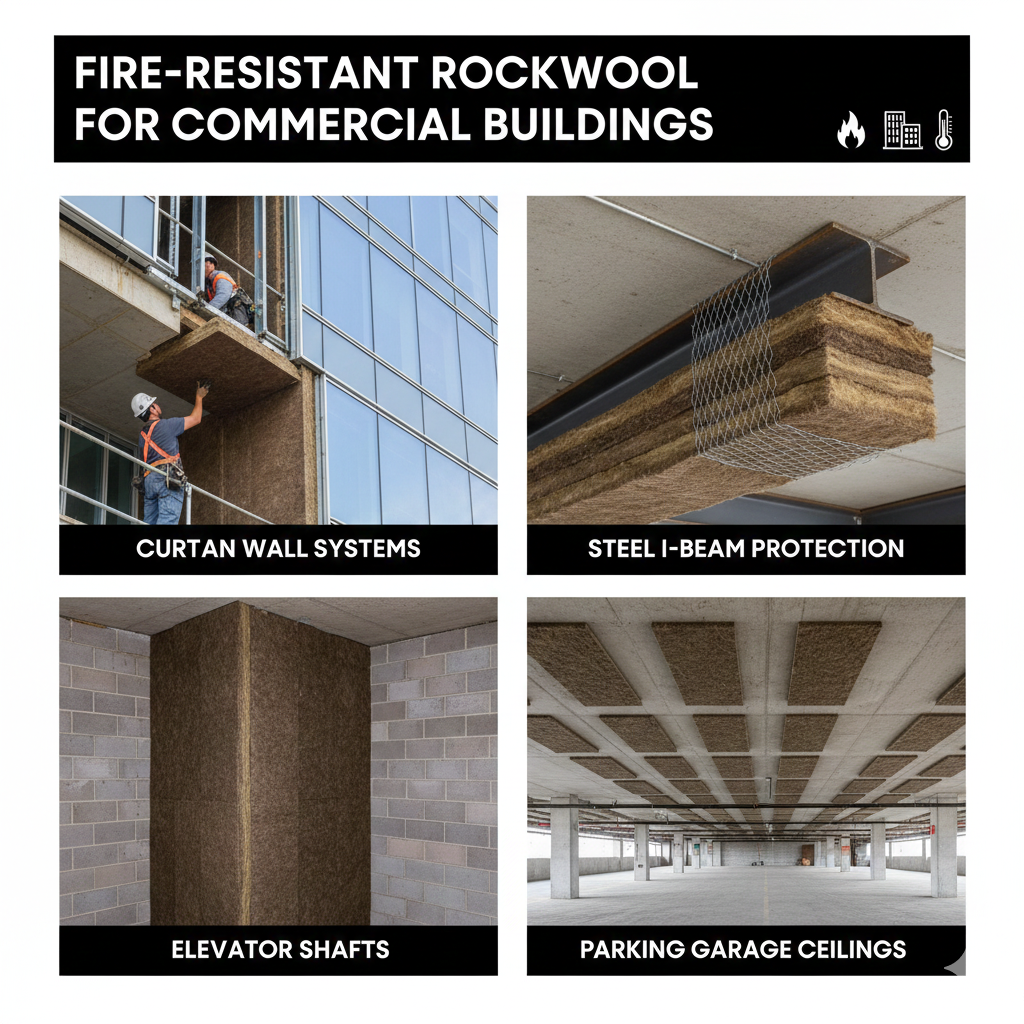
    fire resistant rockwool for commercial buildings

    Rockwool insulation is manufactured from natural stone fibers, offering both thermal and acoustic benefits.

    Advantages of Rockwool:

    • Excellent heat resistance
    • Fire-retardant properties
    • Strong sound insulation
    • Suitable for industrial and commercial buildings

    Many buyers consider rockwool insulation price in Pakistan higher than foam-based solutions, but its long-term safety benefits justify the investment.

    Comparison: EPS vs XPS vs Rockwool

    FeatureEPSXPSRockwool
    Thermal ResistanceMediumHighHigh
    Moisture ResistanceLowVery HighMedium
    Fire ResistanceLowMediumVery High
    InstallationEasyEasyModerate
    Best UseWallsRoofsIndustrial / Commercial

    This comparison highlights why multiple heat insulation sheet Pakistan options exist—each suited to different conditions.

    Application Areas in Lahore Buildings

    Roof Insulation

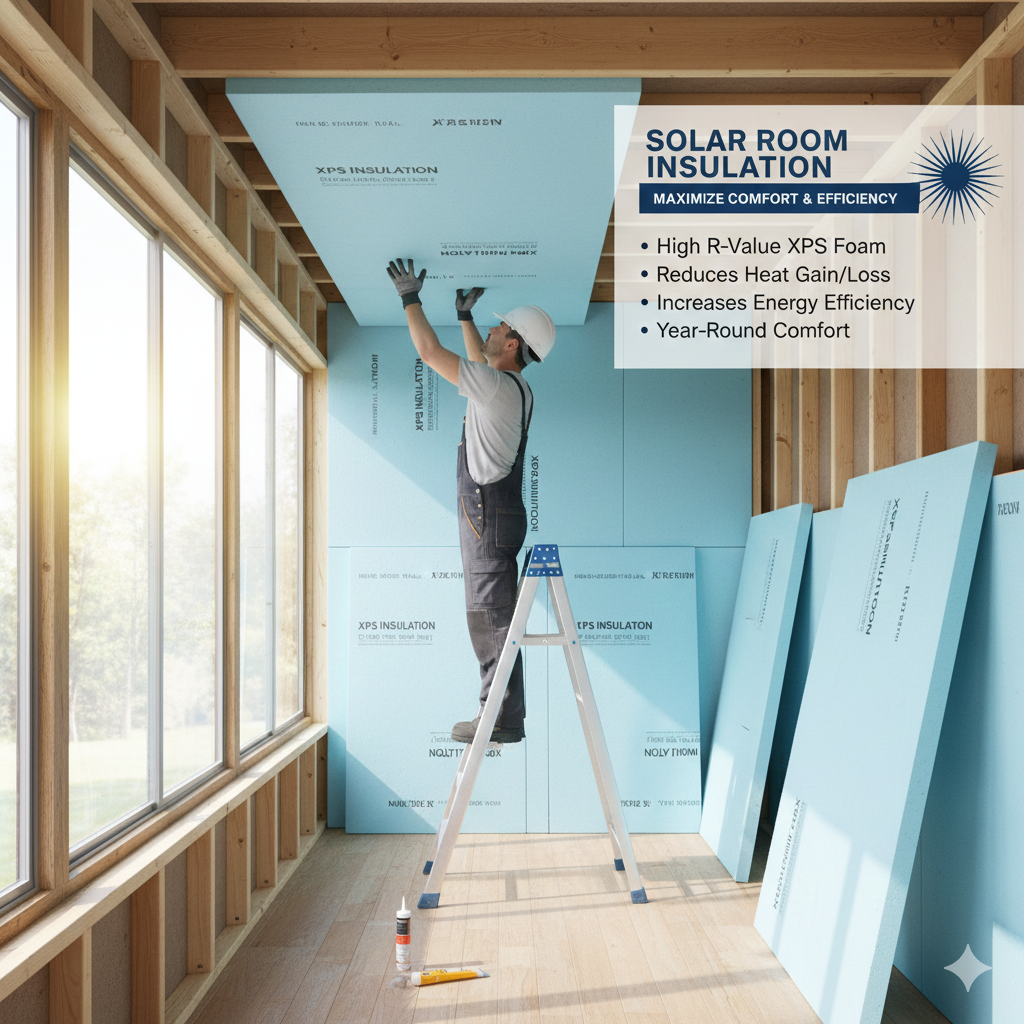
    Solar Room Insulation in Pakistan

    Roof surfaces absorb the highest heat. XPS and Rockwool are preferred solutions due to their performance and durability.

    Wall Insulation

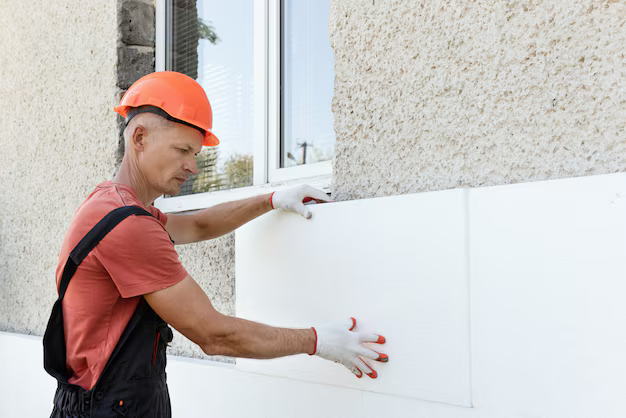
    EPS and XPS panels are commonly installed for wall insulation in Pakistan, reducing heat transfer through external walls.

    Industrial Facilities

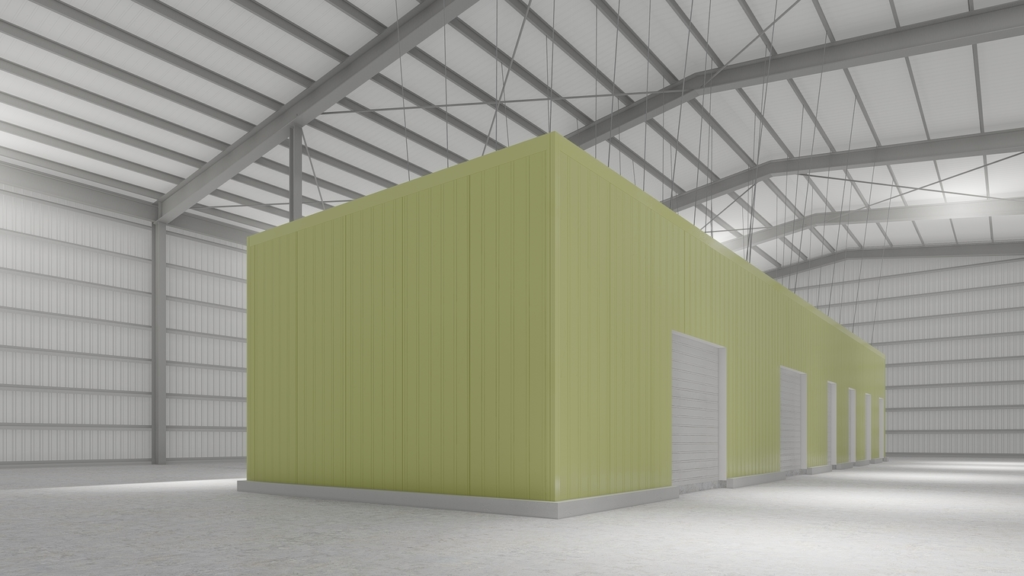
    freezers wall panels pakistan

    Rockwool is widely used where fire safety and thermal stability are critical.

    Cost Factors to Consider

    Insulation costs vary depending on thickness, density, and material type. Buyers frequently compare:

    • Lahore Heat Insulation Solutions EPS XPS Rockwool price
    • Installation method
    • Long-term energy savings

    While foam-based insulation may have lower upfront costs, premium materials often provide better lifetime value.

    Choosing the Right Thermal Insulation Sheet

    When selecting insulation, consider:

    • Local climate exposure
    • Roof or wall location
    • Required thermal resistance
    • Budget constraints

    Comparing the thermal insulation sheet price in Pakistan alongside performance metrics helps in making an informed decision.

    Energy Efficiency & Long-Term Benefits

    Proper insulation:

    • Reduces electricity bills year-round
    • Enhances indoor comfort
    • Protects concrete structures
    • Supports sustainable building practices

    Modern thermal insulation in Pakistan is now considered an essential construction element rather than an optional upgrade.

    Final Verdict: Which Insulation Is Best for Lahore?

    • EPS → Best for budget wall insulation
    • XPS → Best for rooftops and moisture-prone areas
    • Rockwool → Best for heat, fire, and sound protection

    Each solution has a unique role in Lahore’s demanding climate.

    FAQ’S

    For Lahore’s high summer temperatures, XPS is ideal for roofs due to moisture resistance, while Rockwool is best for commercial buildings needing heat and fire protection. EPS works well for budget-friendly wall insulation.

    Yes, wall insulation in Pakistan significantly reduces heat transfer, improves indoor comfort, and lowers electricity consumption during long summer months.

    EPS is lightweight and economical, while XPS offers higher thermal resistance, better moisture protection, and longer durability—making it more suitable for rooftops.

    Proper thermal insulation in Pakistan can reduce cooling costs by up to 30–40% by limiting heat gain through roofs and walls.

    Rockwool can be used in homes, especially where fire safety and sound insulation are priorities, though it is more commonly used in commercial and industrial buildings.