
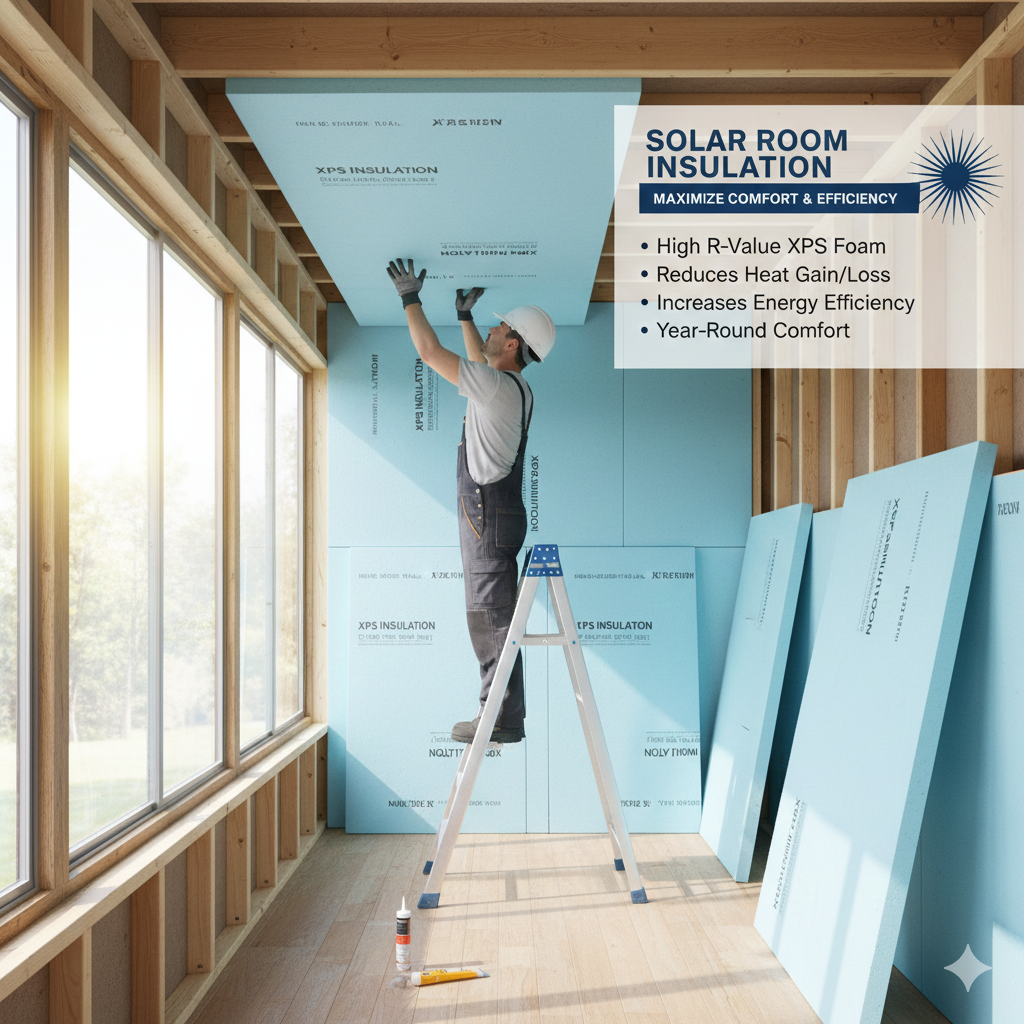
thermocol sheet price in pakistan

Tag: roof heat proofing services Pakistan

  • Roof Cooling Methods Using Jumbolon or XPS

    Roof Cooling Methods Using Jumbolon or XPS

    Rising temperatures and long summers have made roof heat control a major concern for homes, warehouses, and commercial buildings. Among modern insulation solutions, roof cooling methods using Jumbolon or XPS have gained popularity due to their affordability, effectiveness, and ease of installation. This guide explains how these materials work, compares their performance, and helps you choose the right option for long-term heat reduction.

    Why Roof Cooling Is Essential in Hot Climates
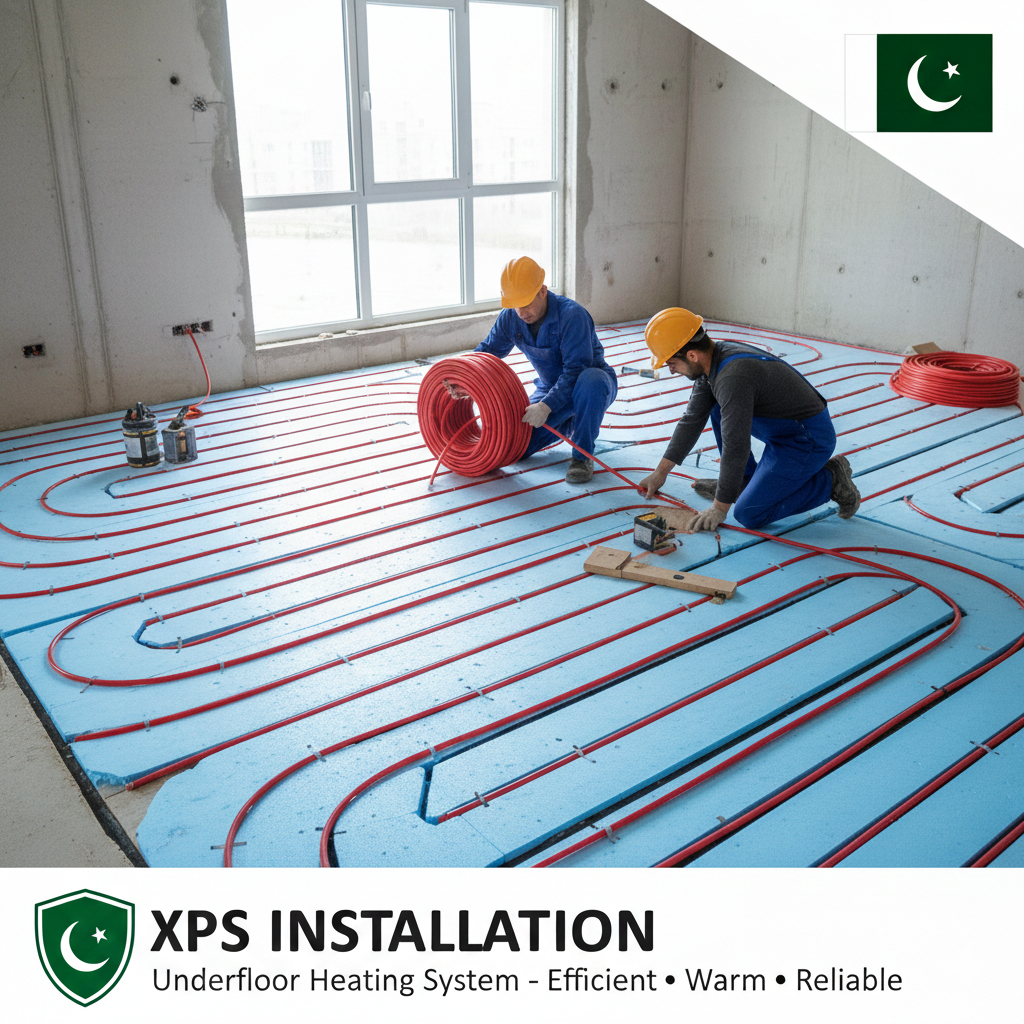
    XPS Installation at underfloor heating system

    The roof absorbs the highest amount of solar radiation throughout the day. Without proper insulation, this heat transfers indoors, increasing cooling costs and reducing comfort. Effective roof insulation:

    • Lowers indoor temperature
    • Reduces air-conditioning load
    • Extends roof lifespan
    • Improves overall energy efficiency

    This is why many property owners now prefer roof cooling methods using Jumbolon or XPS instead of temporary solutions.

    What Is Jumbolon Insulation?
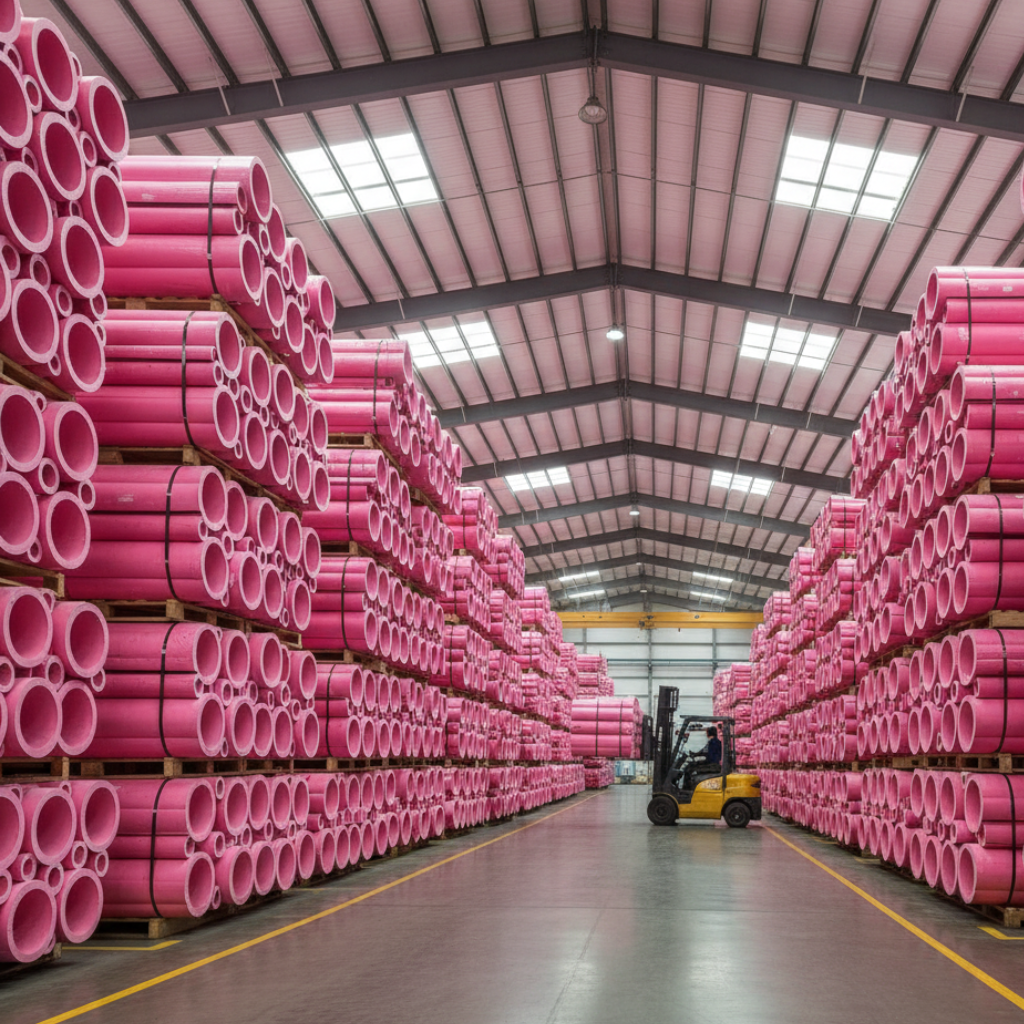
    Jumbolon Insulation Pipes in Pakistan

    Jumbolon is a closed-cell polyethylene foam insulation commonly used for thermal control. It is lightweight, flexible, and resistant to moisture, making it suitable for both residential and industrial roofs.

    Key Features of Jumbolon

    • Available in sheet and jumbolon roll form
    • Flexible installation on uneven surfaces
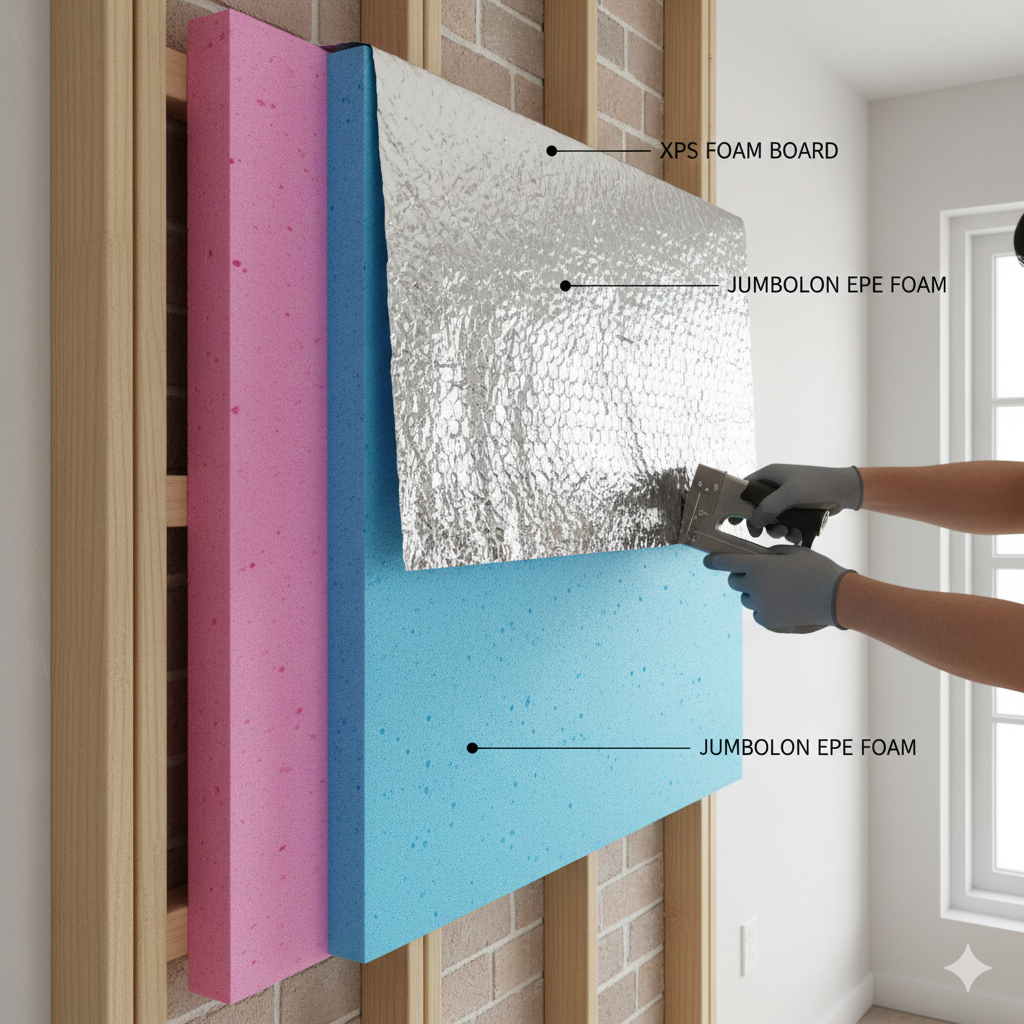
    • Reflective foil option for enhanced heat resistance
    • Suitable for metal, concrete, and shed roofs

    Because of its adaptability, many consider it among the best roof cooling methods using Jumbolon or XPS for retrofit projects.

    Understanding XPS for Roof Cooling

    XPS (Extruded Polystyrene) is a rigid insulation board known for high compressive strength and thermal resistance. Unlike flexible foam, XPS provides structural stability along with insulation.

    Key Features of XPS

    • High thermal resistance
    • Excellent moisture resistance
    • Long service life
    • Ideal for flat and load-bearing roofs

    XPS is often selected for permanent construction where durability is critical.

    Roof Cooling Methods Using Jumbolon or XPS – How They Work

    Both materials reduce heat transfer by creating a thermal barrier between the roof surface and interior space.

    • Jumbolon slows down heat penetration and reflects radiant heat when foil-faced
    • XPS blocks conductive heat flow through dense insulation boards

    Choosing between them depends on roof type, budget, and insulation goals.

    Jumbolon Sheet Size and Installation Options
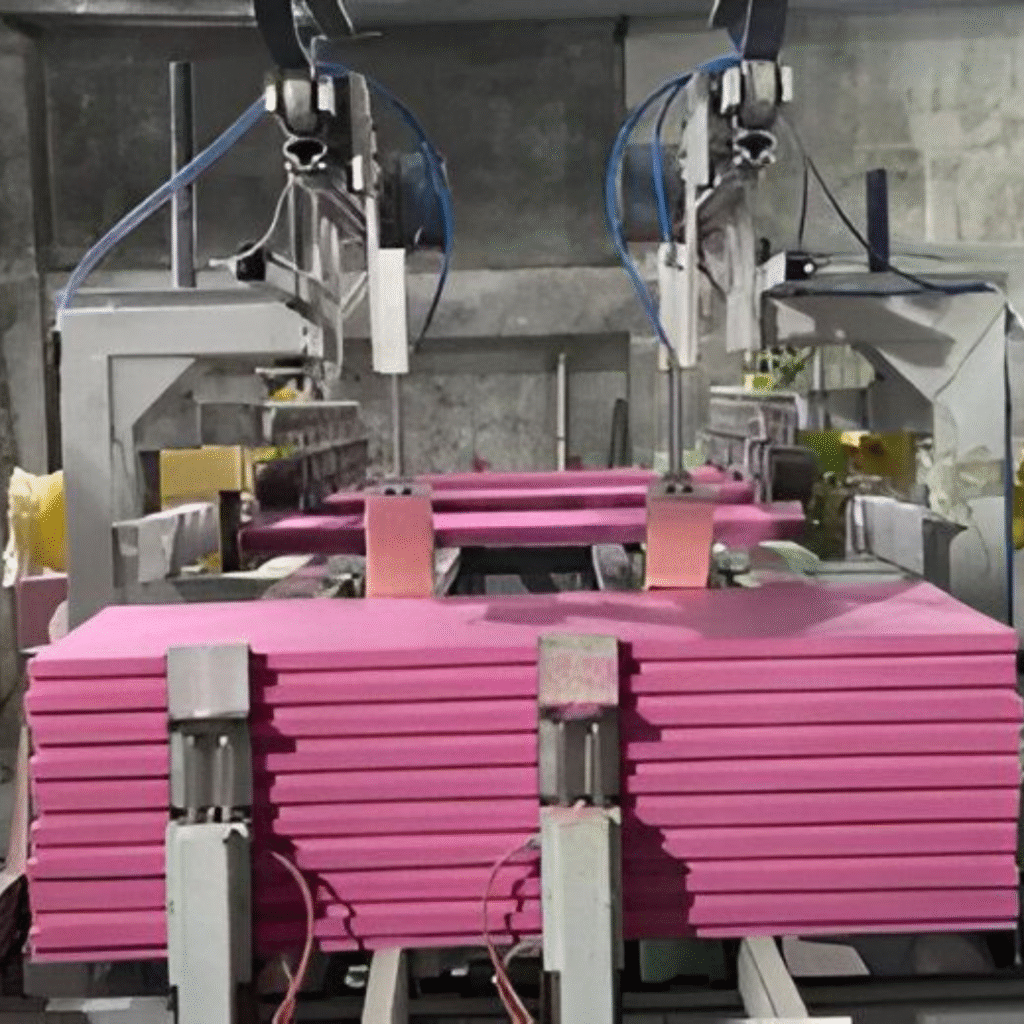
    XPS Sheet Manufacturer in Pakistan

    Understanding jumbolon sheet size is important for cost estimation and coverage planning.

    Common configurations include:

    • Sheets for flat concrete roofs
    • Rolls for curved or metal roofs
    • Layered installation for improved insulation

    Many buyers compare jumbolon sheet size and price before finalizing their roof cooling strategy

    Cost Considerations and Budget Planning

    When planning roof insulation, buyers often compare material and installation expenses.

    • Roof Cooling Methods Using Jumbolon or XPS cost depends on thickness, coverage area, and installation method
    • Flexible foam solutions generally offer faster installation
    • Rigid boards require surface preparation but provide long-term durability

    Market demand often influences jumbolon sheet price in Pakistan, especially during peak summer months.

    Comparing Jumbolon and XPS for Roof Cooling

    FeatureJumbolonXPS
    FlexibilityHighLow
    Thermal ResistanceMedium to HighHigh
    Moisture ResistanceGoodExcellent
    Installation SpeedFastModerate
    Best Use CaseMetal & retrofit roofsConcrete & load-bearing roofs

    This comparison helps identify the best roof cooling methods using Jumbolon or XPS based on project needs.

    Which Option Should You Choose?

    Choose Jumbolon if:

    • You need a lightweight solution
    • Your roof has curves or joints
    • Fast installation is a priority

    Choose XPS if:

    • You want maximum thermal resistance
    • The roof carries structural load
    • Long-term performance is critical

    Both materials perform exceptionally well when installed correctly.

    Long-Term Benefits of Proper Roof Insulation
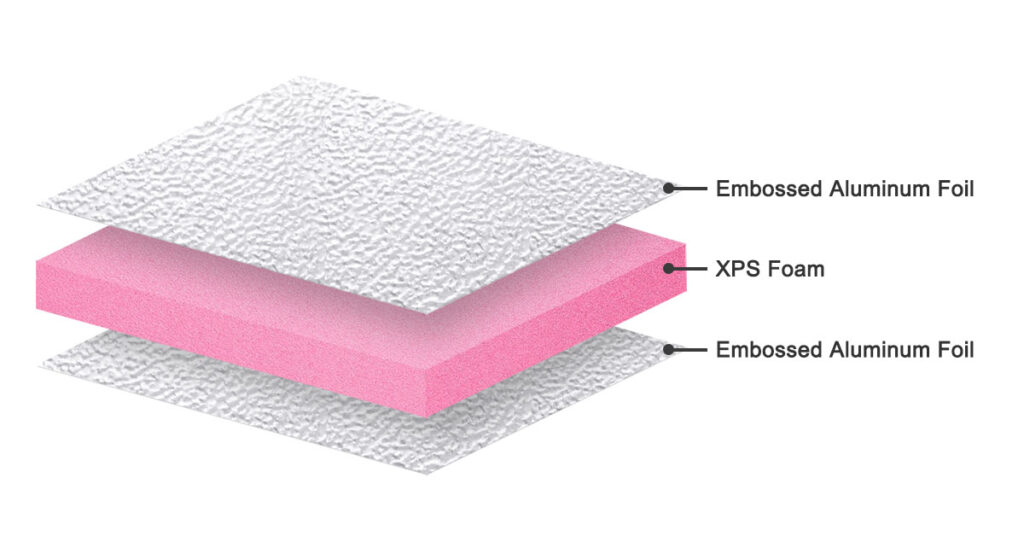
    • Reduced indoor heat gain during peak summer hours
    • Lower dependency on air-conditioning systems
    • Noticeable reduction in monthly electricity bills
    • Improved indoor comfort for living and working spaces
    • Extended lifespan of roofing materials due to controlled thermal stress

    These benefits justify investing in roof cooling methods using Jumbolon or XPS, especially for regions facing prolonged heat exposure.

    Best Practices for Installing Roof Cooling Insulation

    To achieve optimal performance, insulation must be installed correctly regardless of material choice.

    Installation Tips

    • Ensure the roof surface is clean and dry
    • Seal joints and edges properly to avoid thermal leaks
    • Use reflective layers where possible to enhance heat rejection
    • Maintain correct thickness as per roof design and climate needs

    Proper installation significantly improves the effectiveness of roof cooling methods using Jumbolon or XPS cost efficiency over time.

    Maintenance and Durability Considerations

    Both insulation materials require minimal maintenance, but periodic inspection helps maintain performance.

    • Check for moisture ingress after monsoon seasons
    • Ensure insulation layers remain intact
    • Repair any damaged sections promptly

    XPS generally requires less maintenance due to its rigid structure, while Jumbolon benefits from protective surface coverings.

    Environmental and Energy Efficiency Impact

    Effective roof insulation contributes to sustainability by:

    • Reducing overall energy consumption
    • Lowering carbon emissions from cooling systems
    • Enhancing building energy efficiency ratings

    This makes roof cooling methods using Jumbolon or XPS not only cost-effective but also environmentally responsible solutions.

    Final Verdict: Jumbolon or XPS – Which Is Better?

    There is no one-size-fits-all answer. The choice depends on building type, budget, and insulation objectives.

    • Jumbolon is ideal for flexible applications, metal roofs, and retrofit projects
    • XPS is best suited for concrete roofs requiring high thermal resistance and structural strength

    Evaluating jumbolon sheet size, application method, and insulation goals will help you make the right decision.

    Conclusion

    Roof insulation is no longer optional—it is essential for energy efficiency and comfort. By adopting the right roof cooling methods using Jumbolon or XPS, property owners can significantly reduce heat transfer, lower energy costs, and create more comfortable indoor environments.

    Whether you choose flexible foam insulation or rigid thermal boards, proper planning and professional installation ensure long-lasting performance.

    FAQ’S

    Both materials reduce heat effectively, but XPS offers higher thermal resistance for concrete roofs, while Jumbolon works best for metal roofs and retrofit projects due to its flexibility.

    Jumbolon generally has a lower upfront cost, whereas XPS is priced higher due to its rigid structure and long-term durability. Final cost depends on thickness, sheet size, and installation area.

    Yes, Jumbolon is widely used for residential roofs, sheds, and warehouses because it is lightweight, easy to install, and effective against radiant heat.

    When installed properly, XPS insulation can last decades with minimal maintenance, making it a long-term solution for roof cooling.

    Yes. Proper roof insulation significantly lowers indoor temperatures, reducing air-conditioning usage and helping reduce monthly electricity costs.

    This depends on roof design. Above-slab installation offers better protection for concrete roofs, while below-roof installation is common for metal roofing systems.
  • Complete Guide to Thermal Insulation Sheets

    Complete Guide to Thermal Insulation Sheets

    Thermal insulation has become a necessity rather than a luxury, especially in regions facing extreme summers and rising energy costs. This complete guide to thermal insulation sheets and their price explains how insulation boards work, where they are used, and how to select the right solution for roofs, walls, and interior spaces.

    Whether you are planning new construction or upgrading an existing building, understanding insulation sheets will help you improve comfort, reduce energy bills, and protect your structure long-term.

    What Are Thermal Insulation Sheets?

    Using aluminium foil with jumbolon

    Thermal insulation sheets are specially engineered materials designed to reduce heat transfer between indoor and outdoor environments. They slow down heat flow by resisting conduction, convection, and radiation, helping maintain stable indoor temperatures.

    These sheets are widely used for roof heat proofing, wall insulation, and interior thermal control in residential, commercial, and industrial buildings.

    What Is an Insulation Board?

    Jumbolon Board in Pakistan

    Many people ask: what is insulation board?
    An insulation board is a rigid or semi-rigid panel made from insulating materials such as foam, mineral fibers, or composites. These boards are easy to install, durable, and offer consistent thermal performance.

    Insulation boards are commonly installed:

    • Under roofs
    • Inside wall cavities
    • On interior walls
    • In ceilings and floors

    Types of Insulation Board Used in Buildings

    Understanding the types of insulation board is essential before choosing the right solution.

    1. PIR Insulation Board

    A PIR insulation board is known for its high thermal efficiency and slim profile. It delivers excellent insulation where space is limited and is commonly used in modern roofing systems.

    2. EPS & XPS Boards

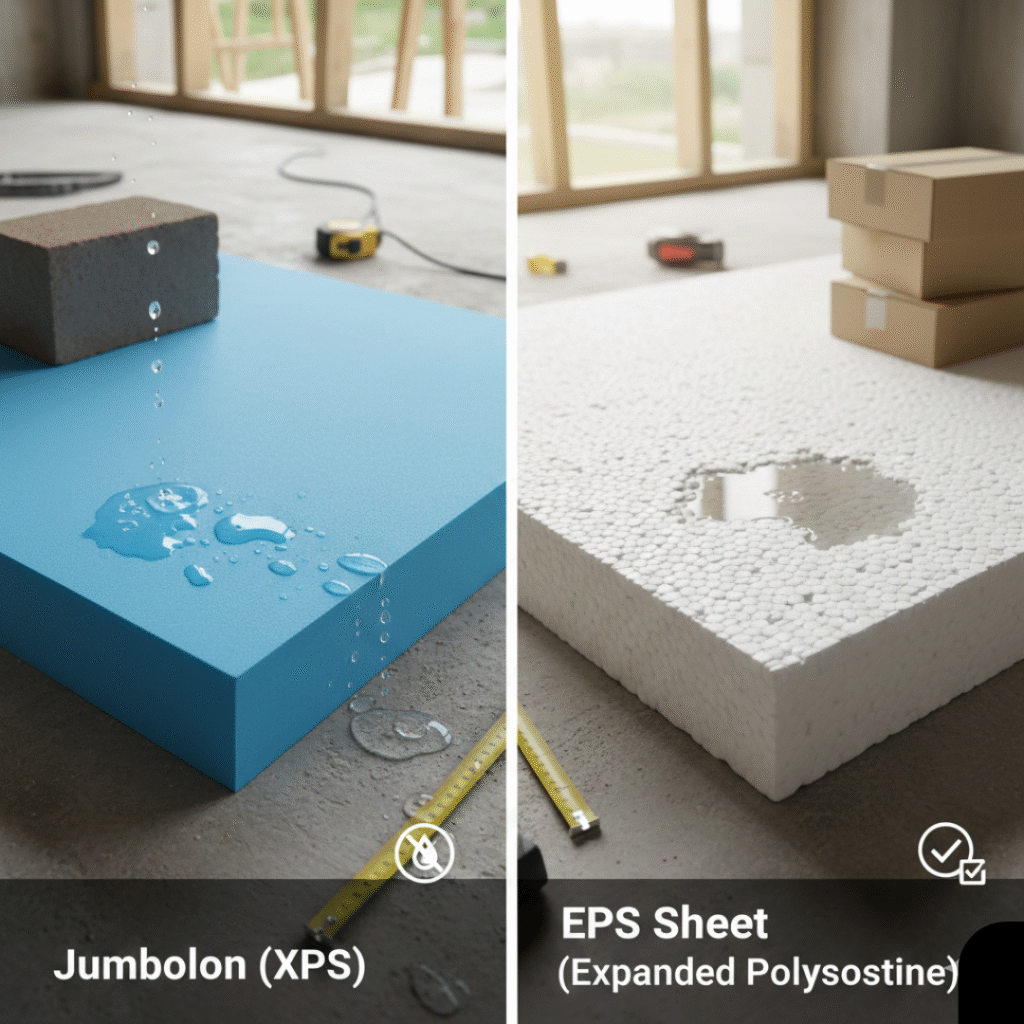
    Jumbolon VS EPS Sheet

    These foam boards are lightweight, moisture-resistant, and cost-effective. They are widely used in walls and roofs where long-term durability is required.

    3. Mineral-Based Boards

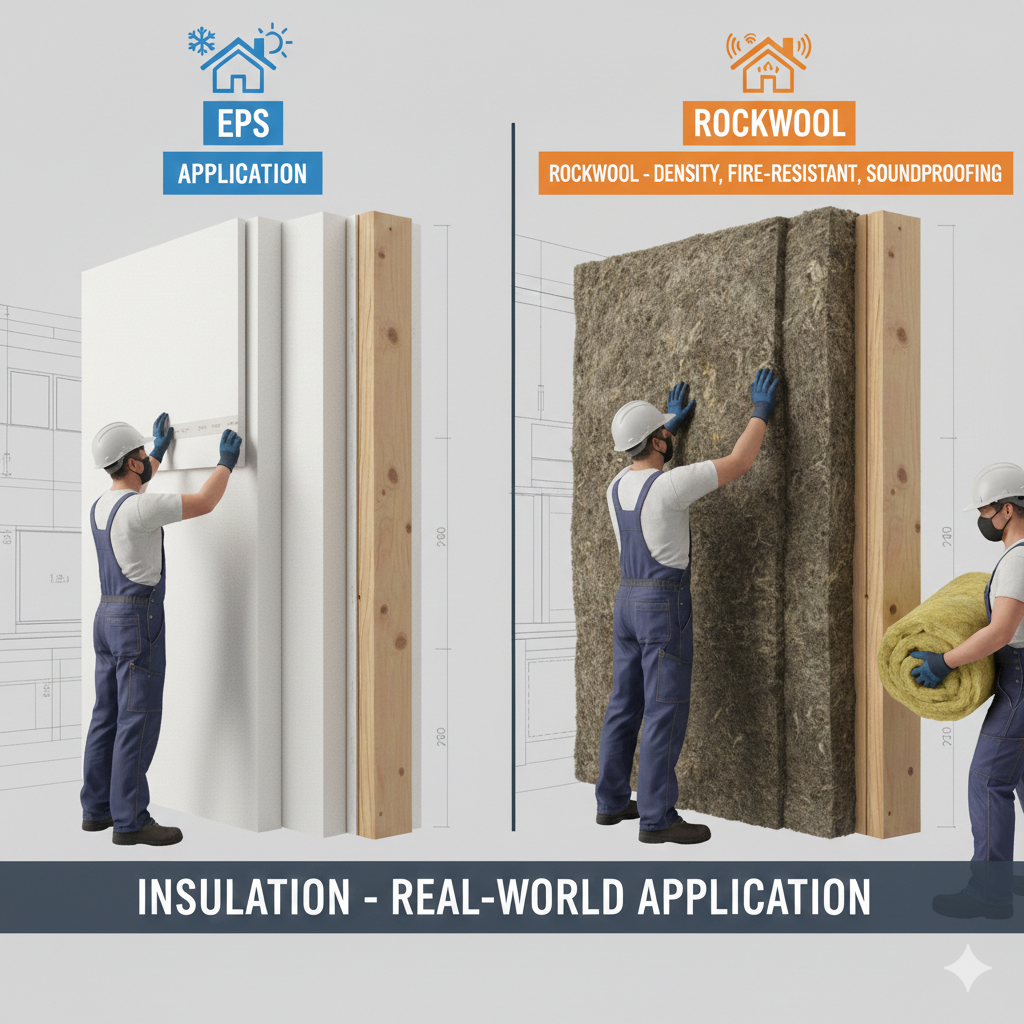
    EPS Vs Rockwool

    These boards provide both thermal and sound insulation and are often selected for fire-resistant applications.

    Each insulation board type serves a specific purpose depending on heat exposure, moisture conditions, and building design.

    Roof Heat Proofing with Insulation Sheets

    One of the most common applications of insulation sheets is roof heat proofing. Roofs receive direct sunlight for extended hours, making them the largest source of indoor heat gain.

    Using insulation boards beneath roofing systems can:

    • Reduce indoor temperatures significantly
    • Protect waterproofing layers
    • Extend roof lifespan
    • Improve overall energy efficiency

    When considering roof insulation price in Pakistan, factors such as board thickness, material type, and installation method play a major role.

    Insulation Boards for Walls – Exterior & Interior Use

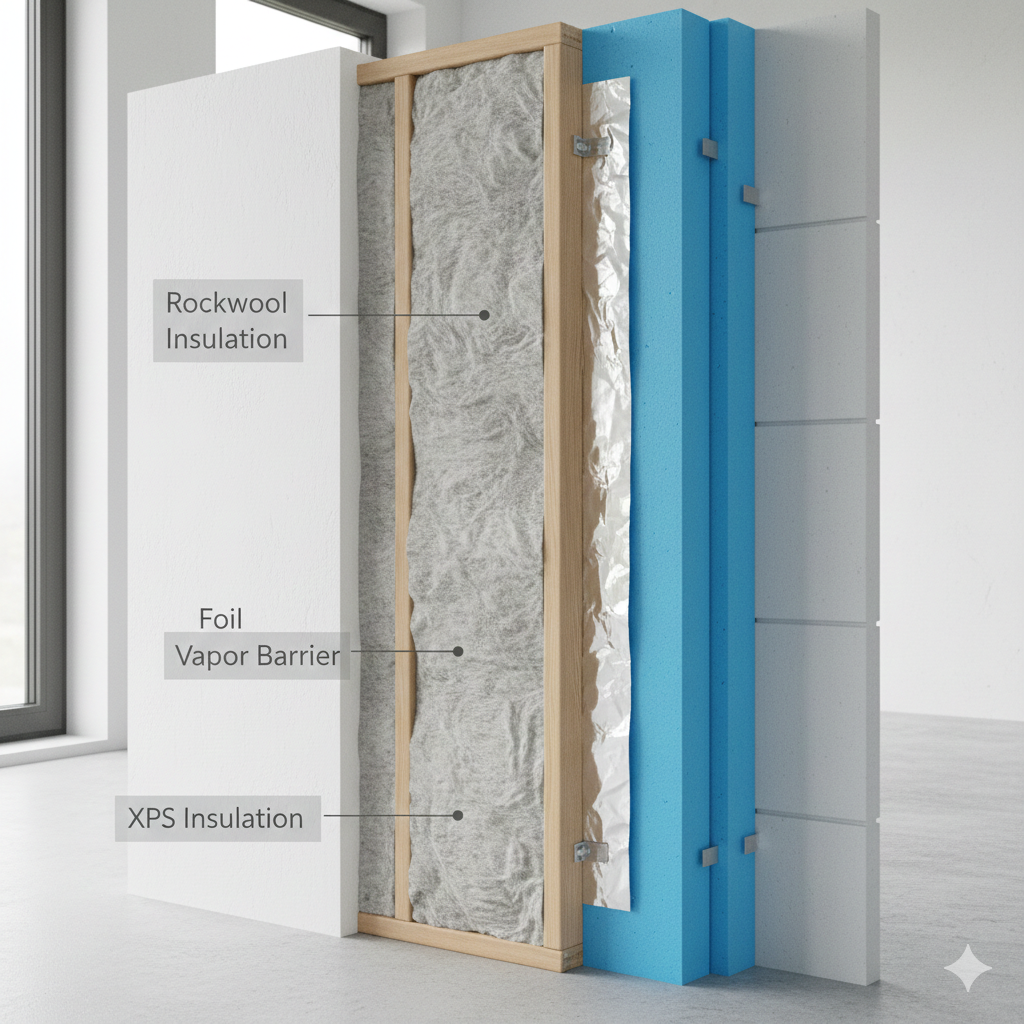
    rockwool insulation in pakistan

    Insulation boards for walls help stabilize indoor temperatures and reduce thermal bridging. They are commonly installed on external walls to block heat entry and retain indoor cooling.

    Best Insulation Board for Interior Walls

    Solar Room Insulation in Pakistan

    Choosing the best insulation board for interior walls depends on space availability and thermal needs. Slim, high-performance boards are preferred for interiors as they do not reduce room size significantly.

    Interior insulation also improves comfort between rooms and reduces temperature fluctuation throughout the day.

    Best Insulation Board for Roof Applications

    The best insulation board for roof use should have:

    • High thermal resistance
    • Moisture resistance
    • Long-term structural stability

    Rigid insulation boards paired with reflective layers often provide the most effective results for roofs exposed to intense heat.

    Technical Comparison Table (EPS vs XPS vs Rockwool vs PIR Heat Boards)

    Insulation TypeThermal PerformanceMoisture ResistanceFire ResistanceCommon Applications
    EPS BoardMediumLow to MediumLowWalls, basic roofs
    XPS BoardHighHighMediumRoofs, floors
    Rockwool BoardHighMediumVery HighFire-rated walls
    PIR Heat BoardVery HighHighHighRoofs, interiors

    Note: Selection should be based on climate conditions, fire requirements, and available installation space.

    Cost Factors: What Influences Insulation Sheet Prices?

    Many buyers search for the Complete Guide to Thermal Insulation Sheets price to understand budgeting. Prices vary based on:

    • Material type
    • Board thickness
    • Density and performance rating
    • Installation complexity

    Additionally, roof insulation price in Pakistan can differ between cities due to transportation and labor costs.

    While insulation may seem like an upfront expense, it delivers long-term savings by lowering cooling and heating costs.

    How to Choose the Right Insulation Sheet

    To select the correct insulation solution, consider:

    • Climate conditions
    • Area of application (roof, wall, interior)
    • Available space
    • Long-term energy goals

    Using the best insulation board for interior walls may differ from what works best for roofs, so matching the board to the application is critical.

    Benefits of Using Thermal Insulation Sheets

    Installing thermal insulation sheets offers multiple advantages and consumer friendly price in Pakistan:

    • Improved indoor comfort
    • Lower electricity consumption
    • Reduced stress on HVAC systems
    • Enhanced property value
    • Protection against extreme temperatures

    Future of Insulation Boards in Modern Construction

    As energy efficiency standards rise, insulation boards are becoming a core part of sustainable construction. Advanced materials like PIR and hybrid insulation systems are setting new benchmarks in thermal performance.

    FAQ’S

    The best insulation board for roofs depends on heat exposure and budget. PIR insulation boards and XPS boards are commonly preferred due to high thermal resistance and long service life, especially for roof heat proofing.

    When selecting insulation boards for walls, consider thickness, moisture resistance, and installation space. Interior walls usually require slim, high-performance boards, while exterior walls can use thicker insulation systems.

    A PIR insulation board offers higher thermal efficiency compared to many traditional insulation sheets, allowing better insulation with less thickness, making it ideal for modern buildings.

    Roof insulation price in Pakistan varies based on insulation material, board thickness, covered area, and installation method. Transport and city location may also influence final pricing.

    Yes, proper insulation boards significantly reduce heat transfer, which lowers cooling and heating demand and helps reduce monthly electricity bills.

    The best insulation board for interior walls is one that provides strong thermal resistance without reducing room space, such as PIR or high-density foam boards.