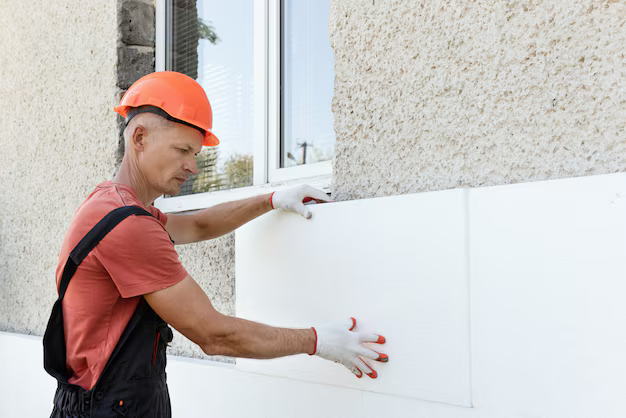

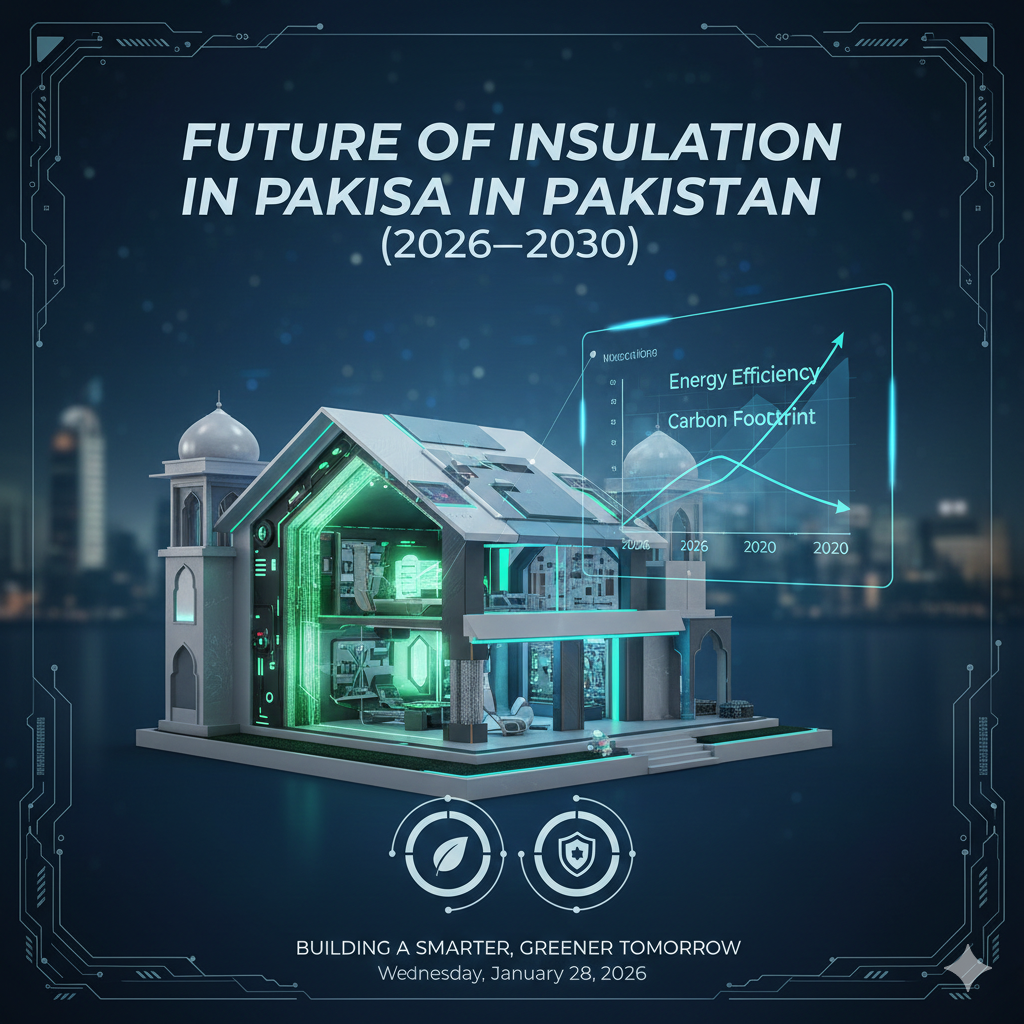
The construction and real estate sector in Pakistan is entering a transformative phase. Rising energy costs, extreme climate conditions, and increasing awareness of sustainable living are reshaping how buildings are designed. Between 2026 and 2030, insulation will no longer be considered an optional upgrade—it will become a core requirement. This blog explores the Future of Insulation in Pakistan (2026–2030), highlighting trends, technologies, and the growing role of professional insulation services.
Why Insulation Is Becoming Essential in Pakistan
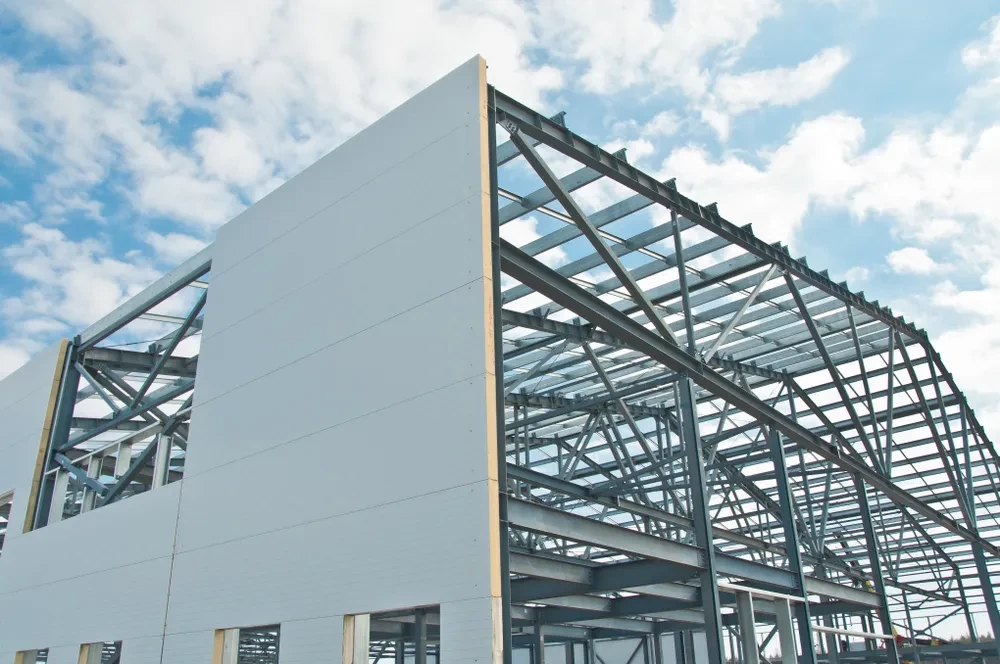
Pakistan experiences intense summers, fluctuating winters, and increasing urban heat islands. These factors are driving demand for efficient insulation solutions that reduce indoor heat gain and energy consumption.
As a result, house insulation Pakistan is rapidly shifting from luxury construction to mainstream residential and commercial practice.
Current State of the Insulation Industry in Pakistan
At present, insulation adoption is uneven across the country. Urban areas are showing higher demand, while smaller cities are still catching up. However, the presence of experienced insulation experts in Pakistan is helping bridge this gap by educating builders, architects, and homeowners on long-term benefits.
Key Trends Shaping the Future of Insulation (2026–2030)
1. Growth of Roof Insulation in Pakistan
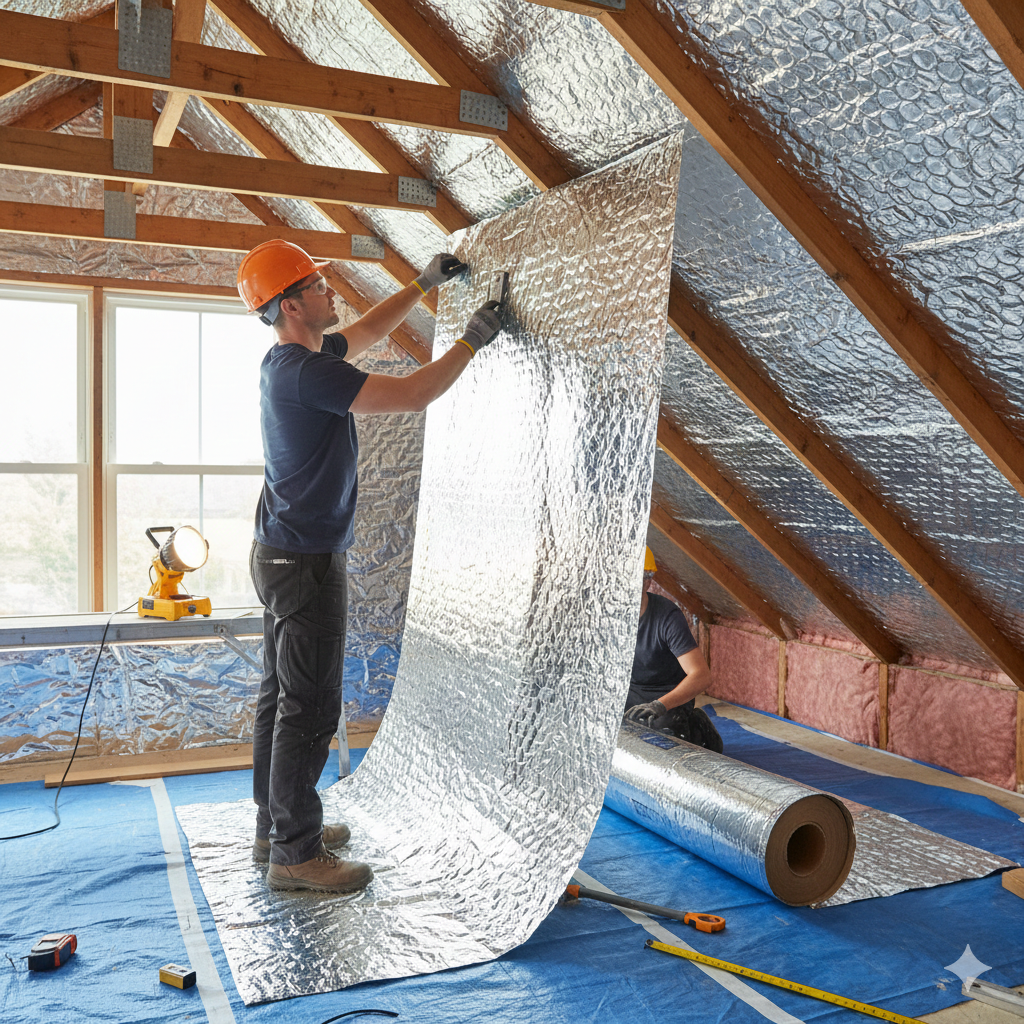
Roofs are the largest source of heat transfer in buildings. Between 2026 and 2030, roof insulation in Pakistan is expected to see massive adoption, especially in residential houses and commercial plazas.
Builders are increasingly specifying insulation at the design stage rather than adding it later as a retrofit.
2. Rising Demand for Insulation Foam Solutions

Lightweight, fast-installation systems are gaining popularity. Insulation foam Pakistan is becoming a preferred solution due to its high thermal efficiency and seamless application.
Foam insulation is particularly effective in reducing air leakage, making it suitable for both new and existing structures.
3. Expansion of Polyurethane Insulation in Pakistan
One of the fastest-growing segments is polyurethane insulation in pakistan, especially for roofs, warehouses, and industrial buildings. Its superior thermal performance and durability make it a long-term investment rather than a short-term cost.
Between 2026 and 2030, polyurethane-based systems are expected to dominate high-performance insulation projects.
Role of Pakistan Insulation Companies in the Next Decade
A professional Pakistan insulation company will no longer just supply materials. Instead, companies will offer complete solutions, including:
- Thermal analysis
- Customized insulation design
- Professional installation
- Post-installation performance checks
This shift will raise industry standards and reduce poor-quality installations.
How House Insulation Will Evolve in Pakistan
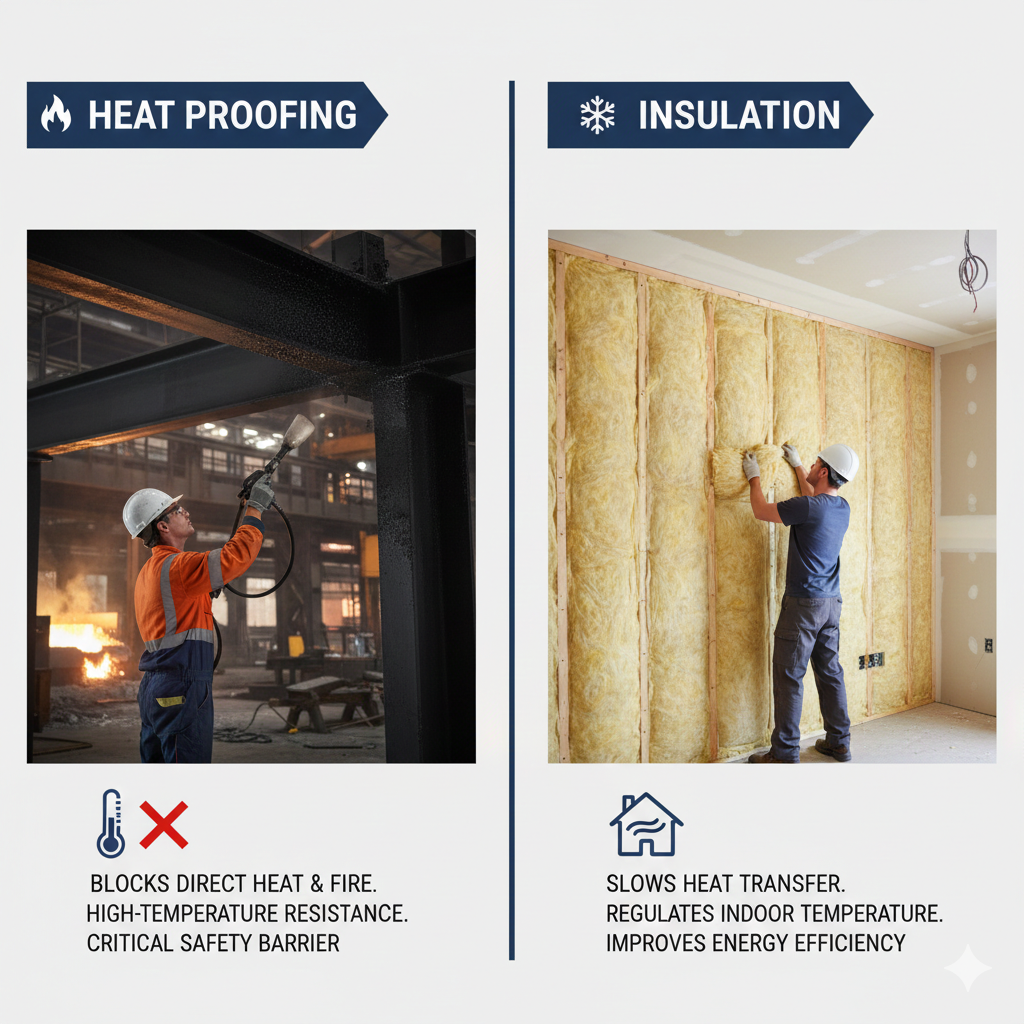
The concept of house insulation Pakistan is expanding beyond roofs and walls. Future homes will include insulation in:
- Floors and foundations
- Internal partitions for sound control
- Utility shafts and service areas
Smart homeowners are already demanding insulation solutions that combine comfort, energy savings, and durability.
Sustainability and Energy Efficiency Goals
Pakistan’s growing focus on energy conservation is expected to accelerate insulation adoption. By 2030, insulated buildings could significantly reduce cooling loads, easing pressure on the national power grid.
This shift will further increase reliance on certified insulation experts in Pakistan who understand climate-specific insulation strategies.
Challenges Facing the Insulation Industry
Despite growth, several challenges remain:
- Lack of awareness in smaller cities
- Shortage of skilled installers
- Initial cost concerns among homeowners
However, education campaigns and professional service providers are gradually overcoming these barriers.
Opportunities for Builders and Developers
For developers, insulation will become a competitive advantage. Projects offering high-quality roof insulation in Pakistan and modern foam systems will attract energy-conscious buyers and tenants.
Insulation will soon be seen as a value feature rather than an added expense.
What to Expect by 2030
By 2030, insulation in Pakistan is expected to be:
- Standardized in building practices
- Integrated into building codes
- Supported by trained professionals
- Widely adopted in residential and commercial projects
The industry’s growth will be driven by technology, awareness, and the expanding role of reliable insulation providers.
Conclusion
The Future of Insulation in Pakistan (2026–2030) is defined by innovation, efficiency, and sustainability. From insulation foam Pakistan solutions to advanced polyurethane insulation in pakistan, the industry is evolving rapidly. With the support of experienced insulation experts in Pakistan and professional service providers, insulation will become a foundational element of modern construction across the country.
Investing in insulation today is not just about comfort—it’s about future-proofing buildings for the next generation.
FAQ’S
Rising temperatures, increasing electricity costs, and energy shortages are making insulation essential. Proper insulation reduces indoor heat, lowers cooling costs, and improves overall comfort in homes and buildings.
Insulation experts in Pakistan will focus on proper system design, correct material selection, and professional installation. Their role will be critical in ensuring long-term insulation performance and energy efficiency.
Insulation foam solutions and polyurethane systems are expected to grow rapidly due to their high thermal efficiency, durability, and suitability for Pakistan’s climate.
House insulation in Pakistan will move beyond roofs and walls to include floors, partitions, and complete building envelopes, making insulation a standard feature rather than an optional upgrade.
Roofs are the main source of heat gain in buildings. Roof insulation in Pakistan helps maintain indoor temperatures, reduces air-conditioning load, and improves energy efficiency, especially in hot regions.
Insulation foam Pakistan solutions are lightweight, fast to install, and highly effective in sealing air gaps. These qualities make them ideal for both residential and commercial projects.
Polyurethane insulation in Pakistan is expected to dominate high-performance insulation projects due to its superior thermal resistance and long service life.
A Pakistan insulation company will offer complete insulation solutions, including consultation, system design, installation, and after-sales support, rather than just supplying materials.