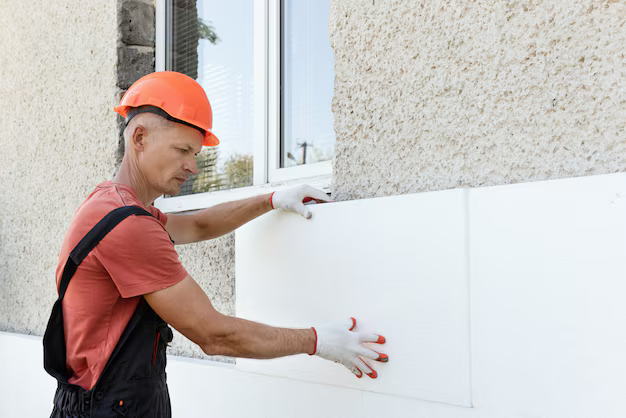
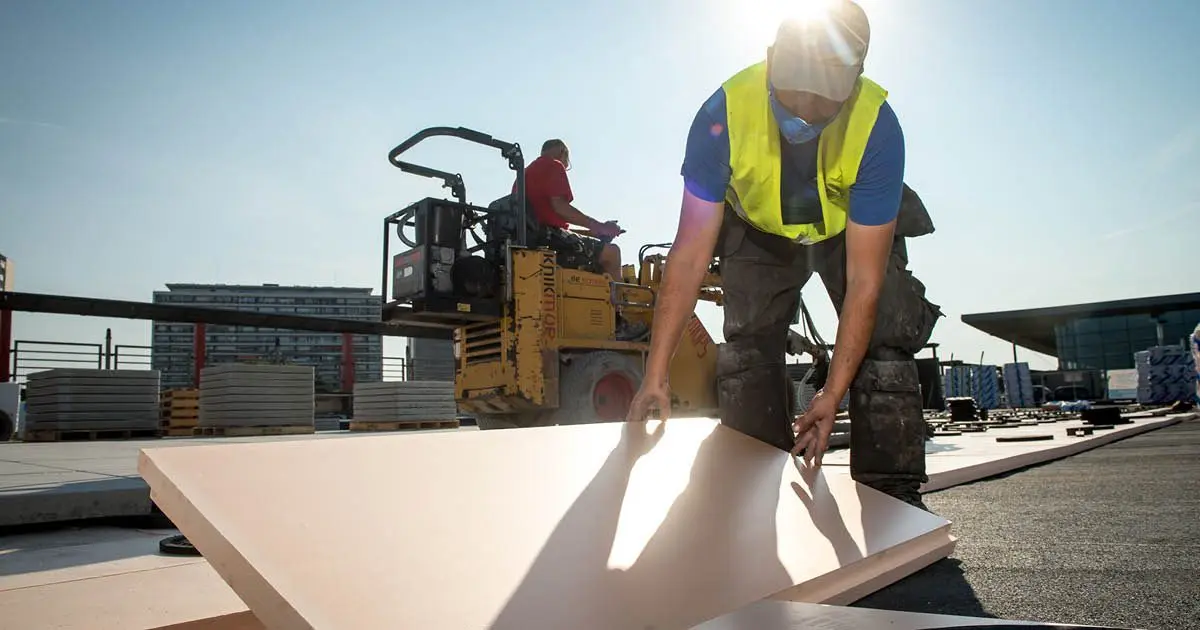
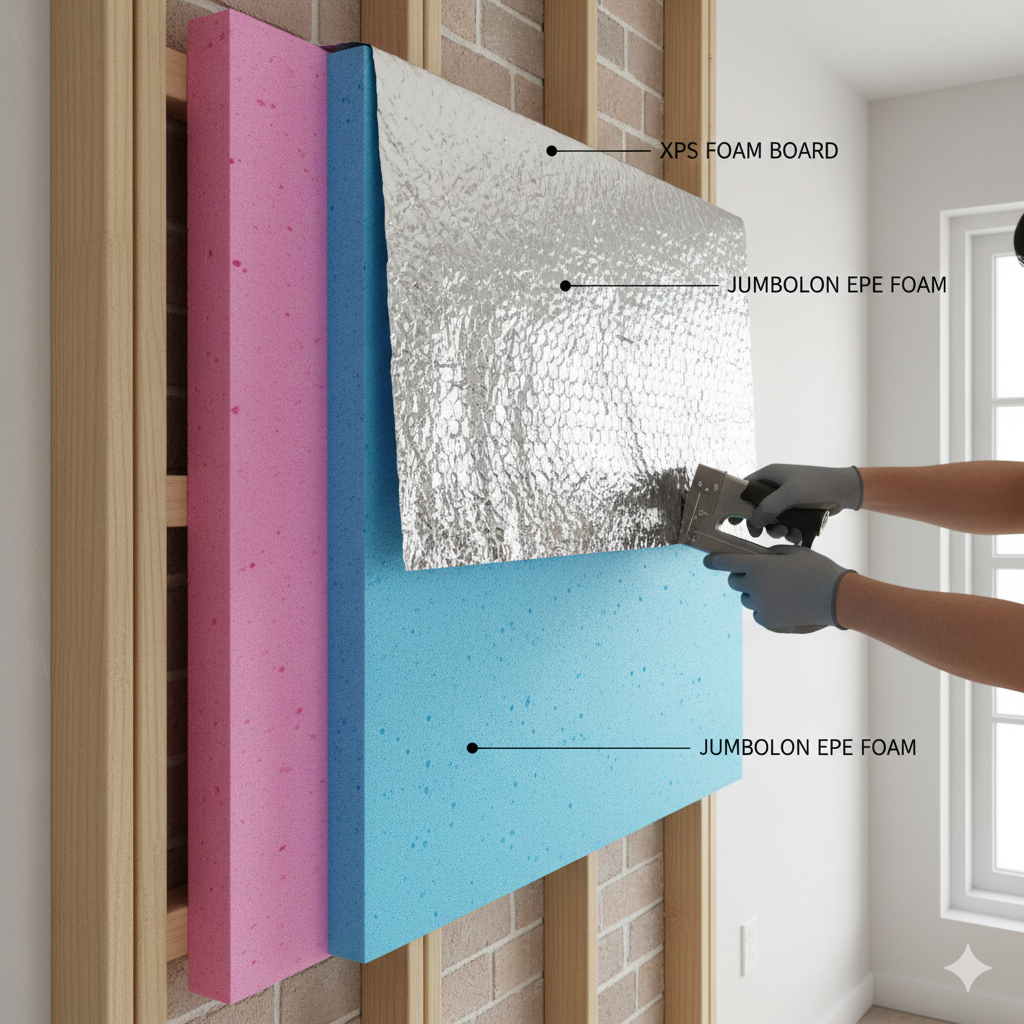
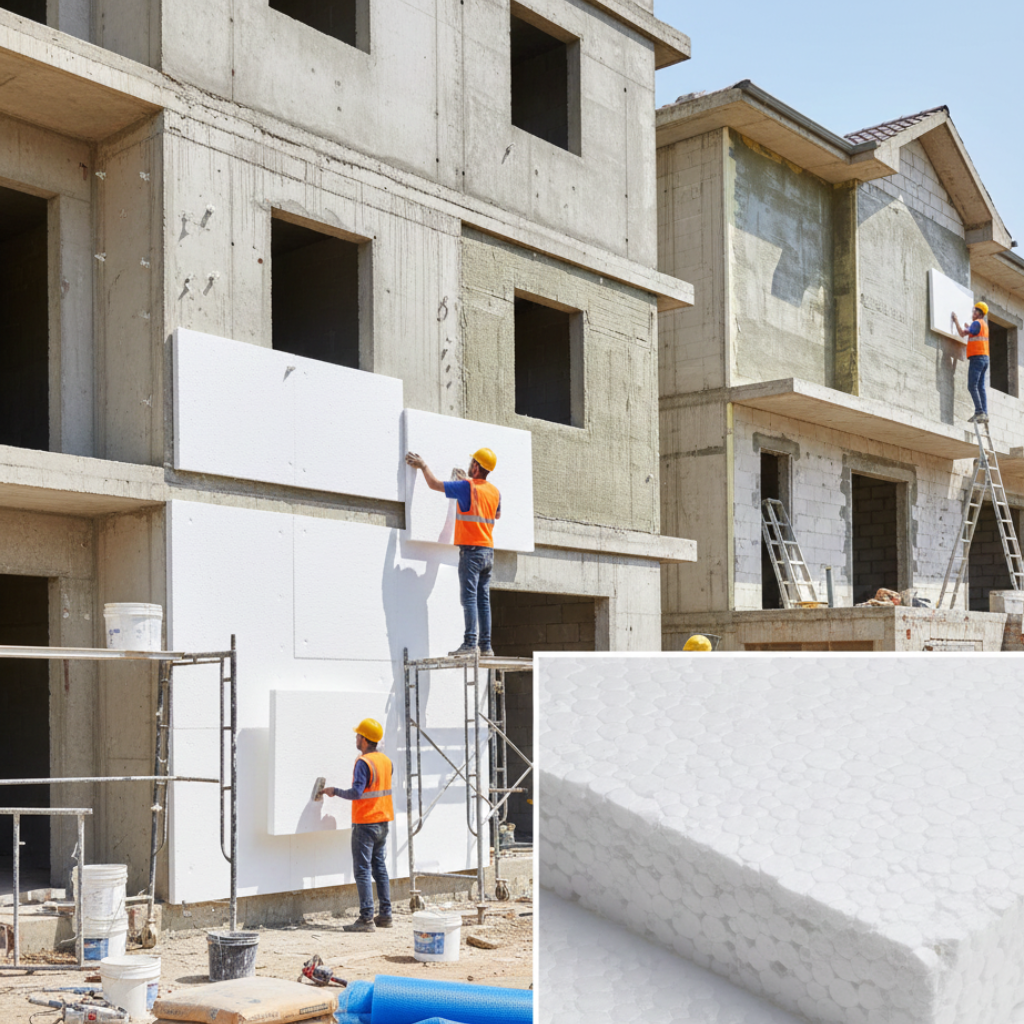
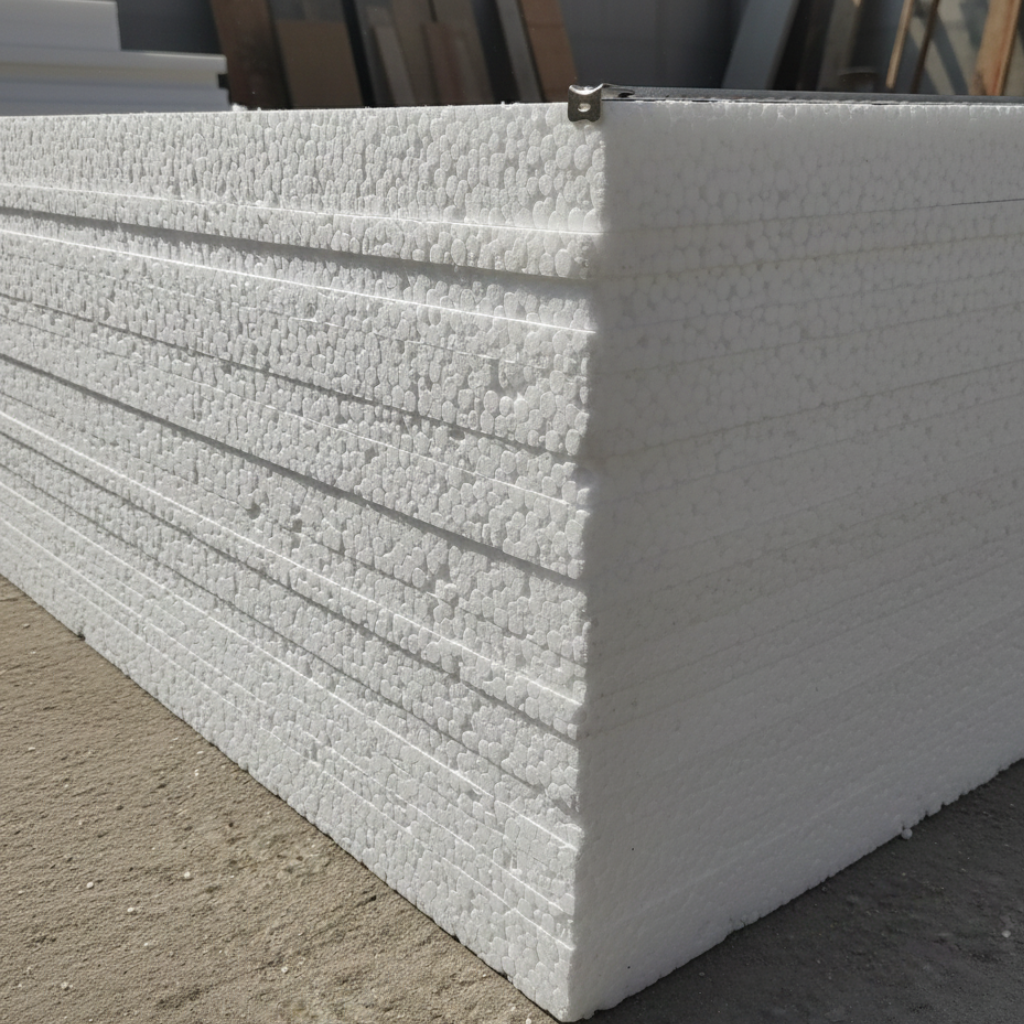
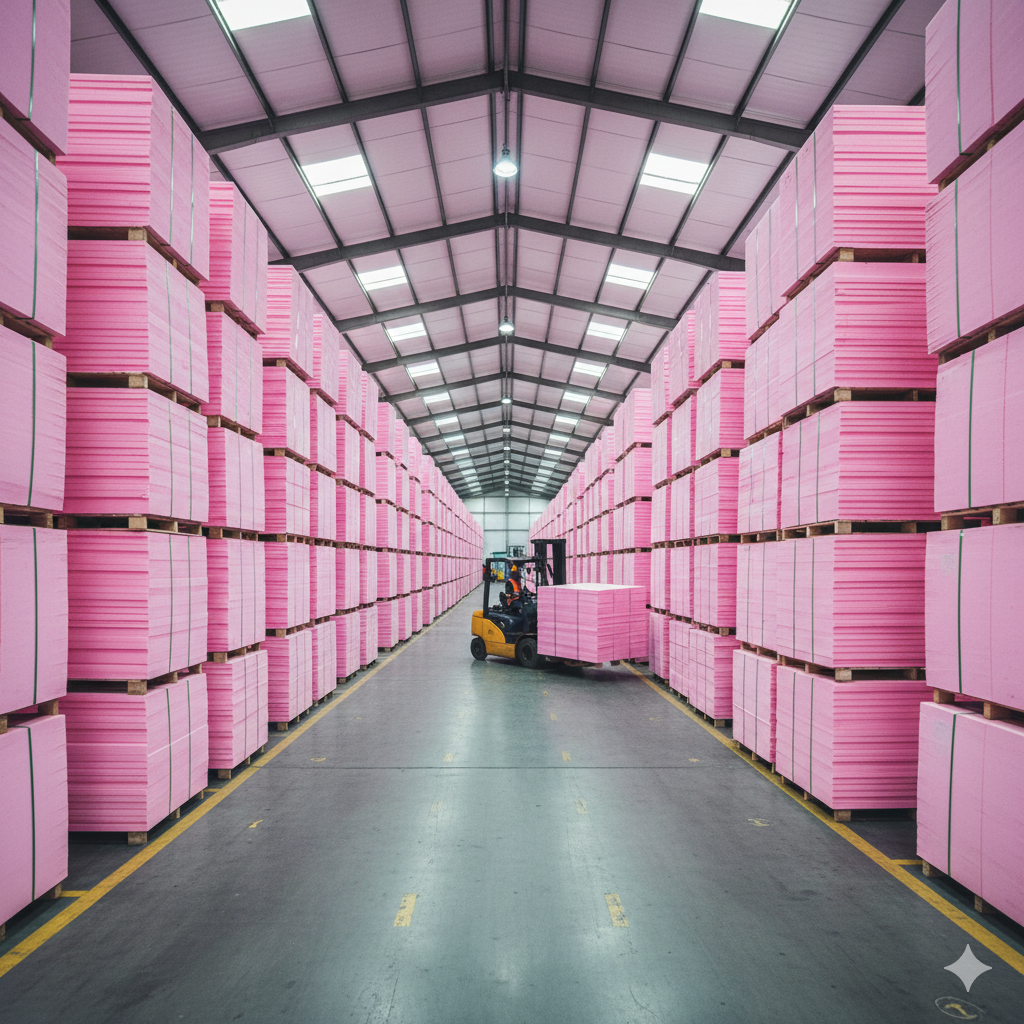
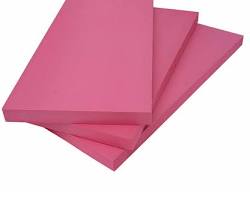
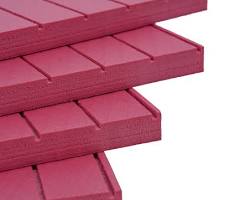
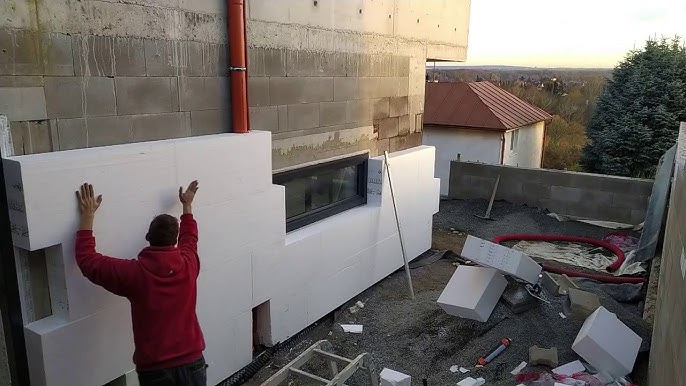
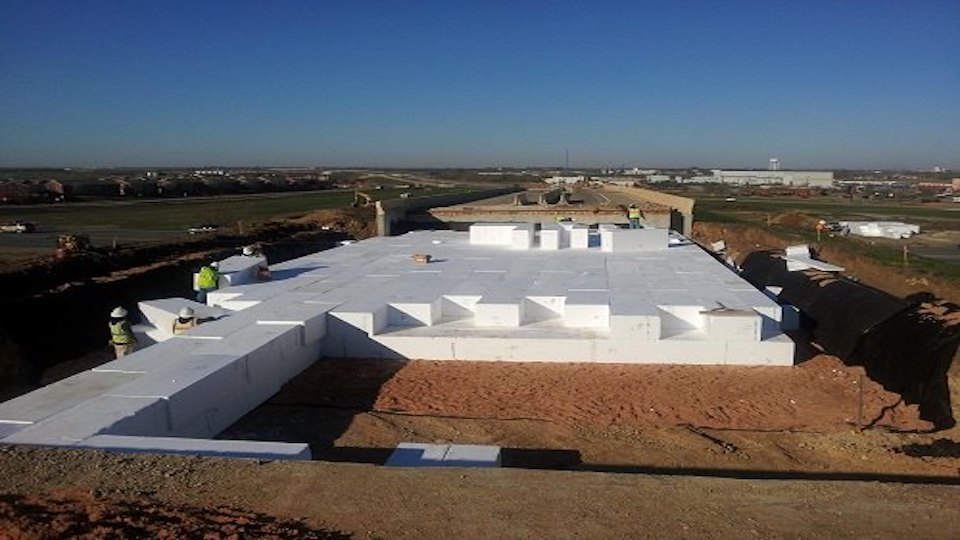
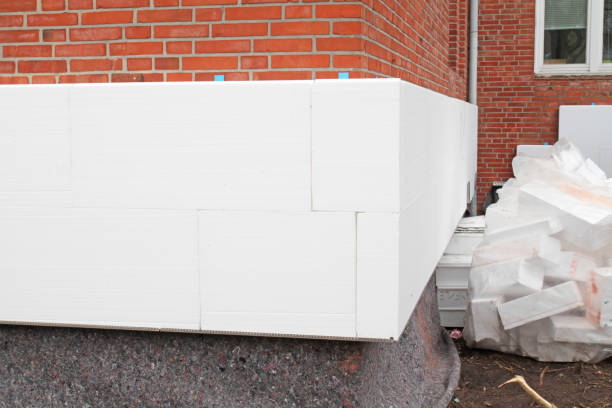
Keep your home energy-efficient with our premium Thermocol Products in Pakistan such as Thermocol InsulationSheets. Reliable Heat Insulation Solutions, tailored for Pakistan’s climate.
Electricity bills in Pakistan are rising, and inefficient buildings waste energy every day. One of the most effective ways to save electricity is through proper insulation. Insulation reduces heat transfer, keeps indoor temperatures stable, and lowers reliance on air conditioning or heating systems.
This guide explains How Insulation Saves Electricity Costs in Pakistan, explores its eco-friendly benefits, and shows how homeowners and businesses can reduce energy expenses while improving comfort.
Why Electricity Costs Are High in Pakistan
In Pakistan, hot summers and cold winters cause a spike in electricity consumption. Poorly insulated homes and offices require more power for cooling and heating. This not only increases monthly electricity bills but also contributes to higher carbon emissions.
Implementing effective insulation is a proven method to save electricity while maintaining indoor comfort.
How Insulation Saves Electricity Costs in Pakistan
Insulation works by slowing down the transfer of heat between indoor and outdoor environments. Here’s how it helps:
Reduces Cooling Load in Summer Proper roof and wall insulation keep interiors cooler, reducing the need for fans or air conditioners.
Minimizes Heating Load in Winter Insulation traps warmth inside buildings, cutting down on electric heater usage.
Stabilizes Indoor Temperature Consistent temperature reduces frequent on/off cycles of HVAC systems, improving energy efficiency.
By addressing heat gain and loss, insulation directly lowers electricity consumption, making monthly bills more manageable.
How Insulation Saves Electricity Price in Pakistan
The impact of insulation on electricity bills can be significant. On average, well-insulated buildings can reduce energy costs by 30–40%, depending on climate and building type. This is especially important for commercial spaces and large residential buildings in Pakistan.
By reducing dependency on electricity, insulation offers long-term financial benefits and faster return on investment.
Types of Insulation That Help Save Electricity
Several insulation materials are commonly used in Pakistan to save electricity effectively:
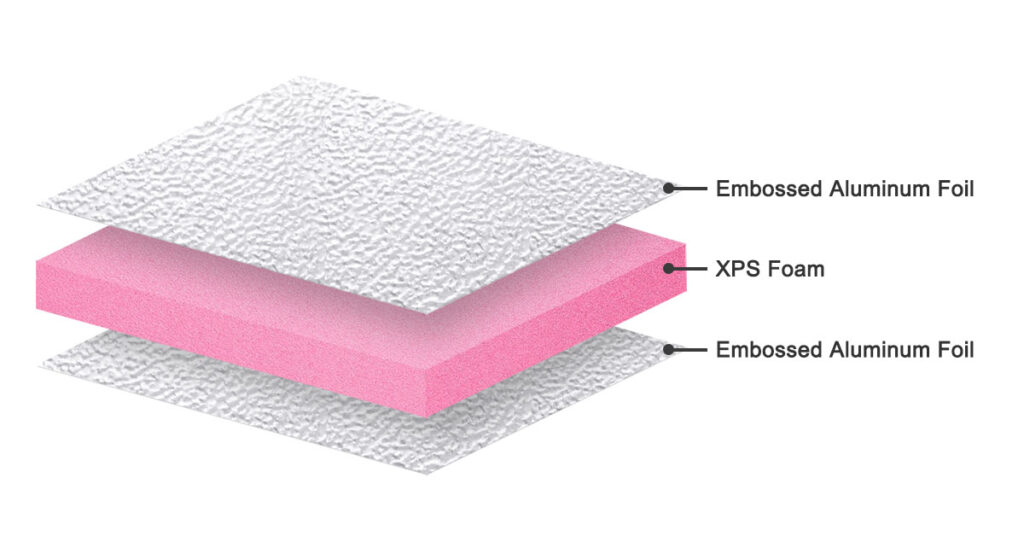
EPS and XPS Sheets – Lightweight and cost-effective for walls and roofs.
Glass Wool and Mineral Wool – Provides thermal and sound insulation.
PU/PIR Foam Panels – High thermal resistance, ideal for cold storage and warehouses.
Sandwich Panels – Combines structure and insulation in one layer for energy efficiency.
Choosing the right material depends on your application, budget, and climate.
Insulation as an Eco-Friendly Solution
Beyond cost savings, insulation is an insulation eco friendly solution:
Reduces energy consumption and greenhouse gas emissions
Lowers the carbon footprint of buildings
Promotes sustainable construction practices
Investing in insulation is not only smart financially but also environmentally responsible.
How to Maximize Electricity Savings with Insulation
Insulate Roofs and Ceilings – The roof is the largest source of heat gain.
Install Wall Insulation – Helps maintain a stable indoor temperature.
Seal Gaps and Openings – Prevents unnecessary heat loss or gain.
Combine with Energy-Efficient Appliances – Insulation works best with modern cooling and heating systems.
Even modest improvements can significantly save electricity over time.
Conclusion
Understanding How Insulation Saves Electricity Costs in Pakistan is crucial for homeowners, business owners, and facility managers. Proper insulation reduces electricity bills, improves comfort, and supports eco-friendly building practices. By investing in quality insulation, you gain long-term savings and a sustainable advantage.
Whether for a house, office, or warehouse, insulation is one of the smartest investments to save electricity and protect the environment.
FAQ’S
Insulation slows heat transfer through walls, roofs, and ceilings, reducing the need for air conditioning or heating, which directly lowers electricity consumption.
EPS sheets, XPS boards, glass wool, mineral wool, and PU/PIR foam panels are effective options that provide high thermal resistance and help save electricity.
Yes. Insulation reduces energy consumption, lowers greenhouse gas emissions, and is a sustainable way to save electricity while maintaining comfort.
Roofs, ceilings, and external walls are the most critical areas. Proper insulation in these areas helps stabilize indoor temperatures and significantly reduces electricity usage.
With rising electricity bills and extreme weather conditions, insulation has become a necessity rather than a luxury. However, many homeowners and builders hesitate due to cost concerns. This is where understanding the best budget insulation materials becomes essential—materials that balance affordability, performance, and durability.
This guide explains the most economical insulation options available today, focusing on usage in homes, walls, and roofs across Pakistan.
Why Budget Insulation Matters in Pakistan
Pakistan experiences long summers, heat waves, and increasing energy costs. Without insulation, buildings absorb excessive heat, leading to higher cooling expenses. Investing in thermal insulation in Pakistan helps reduce indoor temperature fluctuations while lowering long-term energy bills.
Budget insulation is not about choosing the cheapest material—it is about choosing the most cost-efficient option over time.
Understanding Insulation Materials in Pakistan
The construction market offers several insulation materials in Pakistan, including EPS, XPS, glass wool, mineral wool, foam sheets, and composite panels. Each material differs in cost, insulation performance, and application.
Budget-friendly insulation materials are those that:
Offer acceptable thermal resistance
Are easily available locally
Require minimal maintenance
Best Budget Insulation Materials in Pakistan (Overview)
When comparing options, EPS-based materials, insulation sheets, and lightweight composite solutions are often categorized as best budget insulation materials in Pakistan due to their affordability and wide availability.
They are commonly used in:
Residential houses
Warehouses
Shops and extensions
These materials help achieve thermal comfort without high upfront investment.
Best Budget Insulation Materials for House Construction
For residential buildings, insulation must be cost-effective, safe, and easy to install. The best budget insulation materials for house projects typically include:
Insulation sheets for roofs
Lightweight wall insulation systems
Basic thermal barriers for ceilings
These solutions improve indoor comfort and reduce dependency on air conditioners.
Wall Insulation in Pakistan – Budget-Friendly Options
Wall insulation in Pakistan plays a major role in blocking external heat. Budget wall insulation materials are preferred because they:
Reduce heat transfer through exterior walls
Improve indoor temperature stability
Are compatible with new and existing buildings
Lightweight insulation boards and sheet-based systems are commonly selected for cost control.
Roof Insulation Price in Pakistan – What to Expect
Roofs receive the most direct sunlight, making insulation essential. The roof insulation price in Pakistan depends on material type, thickness, and coverage area.
Budget roof insulation solutions are designed to:
Reflect or resist heat
Lower indoor temperature
Reduce cooling costs
Choosing the right roof insulation material can significantly improve energy efficiency.
Thermal Insulation Sheet Price in Pakistan vs Performance
When evaluating thermal insulation sheet price in Pakistan, buyers should consider performance rather than just per-unit cost. Insulation sheets are popular because they:
Are easy to install
Require less labor
Offer consistent insulation
Their affordability makes them suitable for both residential and commercial use.
Best Budget Insulation Materials in Karachi
Due to high humidity and coastal heat, Karachi requires insulation that performs reliably in harsh conditions. Best budget insulation materials in Karachi are those that:
Resist moisture
Handle high temperatures
Remain stable over time
Sheet-based insulation and EPS solutions are commonly used for roofs and walls in the city.
Thermal Insulation in Pakistan: Long-Term Savings
Although insulation requires an initial investment, thermal insulation in Pakistan offers long-term financial benefits by:
Reducing electricity consumption
Lowering cooling system load
Increasing building lifespan
Budget insulation materials deliver these benefits without placing heavy strain on construction budgets.
Common Mistakes When Choosing Budget Insulation
Many buyers make avoidable errors such as:
Choosing materials only by price
Ignoring thickness requirements
Overlooking climate conditions
Understanding available insulation materials in Pakistan helps avoid these mistakes and ensures better results.
How to Choose the Right Budget Insulation Material
Before selecting insulation, consider:
Building type (house, warehouse, shop)
Wall or roof application
Local climate
Long-term energy savings
A balanced approach always outperforms the cheapest option.
Final Thoughts
Choosing the best budget insulation materials is about maximizing value, not minimizing cost. With the right selection, homeowners and builders can achieve effective insulation, lower energy bills, and improved comfort without exceeding their budget.
From wall insulation to roof insulation, Pakistan’s market offers affordable solutions that meet both performance and cost expectations.
FAQ’S
The best budget insulation materials in Pakistan include EPS sheets, glass wool, and lightweight insulation boards. These materials offer good thermal performance at a lower cost and are widely used in residential and commercial buildings.
For homes, EPS insulation and glass wool are considered the best budget insulation materials for house construction, especially for roofs and walls where heat gain is highest.
Roof insulation cost varies by material and thickness, but many budget-friendly options are available. Investing in insulation often reduces long-term electricity expenses.
Due to heat and humidity, EPS sheets and moisture-resistant insulation boards are among the best budget insulation materials in Karachi.
Insulation slows heat transfer, keeping indoor temperatures stable. This reduces the need for air conditioning and lowers monthly energy bills.
Yes, wall insulation plays an important role in thermal comfort. Proper wall insulation helps maintain indoor temperatures and improves overall building efficiency.
When installed correctly, budget insulation materials can last 15–25 years with minimal maintenance, depending on environmental conditions.
Yes, affordable insulation materials can deliver effective thermal resistance when selected according to climate, application area, and thickness.
Choosing the right insulation material is one of the most important decisions in construction, especially in regions with extreme temperatures. In Pakistan, Thermopore, XPS, and Jumbolon are among the most commonly used insulation materials. This blog presents a detailed comparison of Thermopore vs XPS vs Jumbolon, helping homeowners, contractors, and builders understand which option suits their needs best.
Why Comparing Insulation Materials Matters
Different insulation materials perform differently depending on heat resistance, moisture exposure, durability, and cost. Many people ask thermopore vs xps vs jumbolon which is better, but the answer depends on application, budget, and performance expectations.
A clear comparison helps avoid long-term energy loss and unnecessary maintenance costs.
What Is Thermopore Insulation?
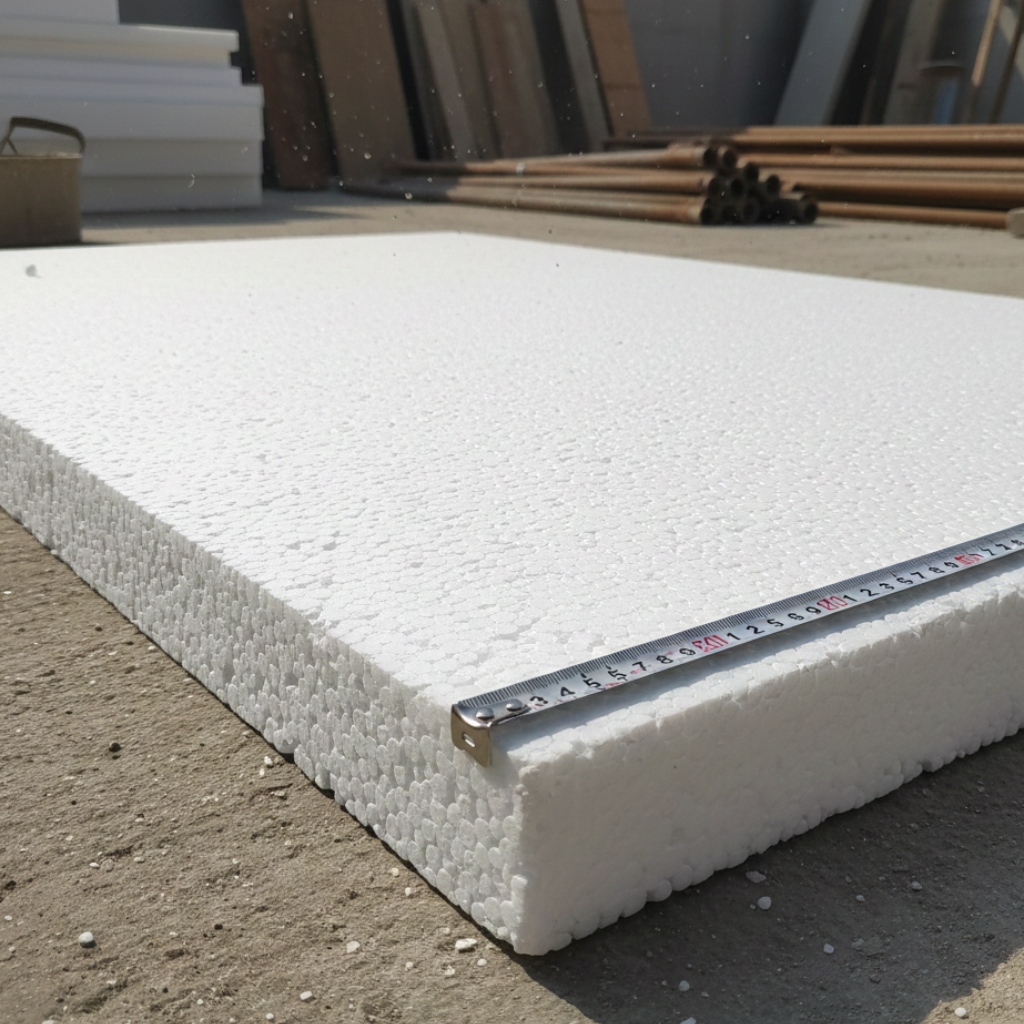
Thermopore is a lightweight insulation material made from expanded polystyrene. It is commonly used for basic thermal insulation in walls and ceilings.
Key Features of Thermopore
Lightweight and easy to install
Provides basic thermal insulation
Commonly available in sheet form
Thermopore sheet insulation is often chosen for low-budget projects where moderate insulation performance is acceptable.
What Is XPS Insulation?
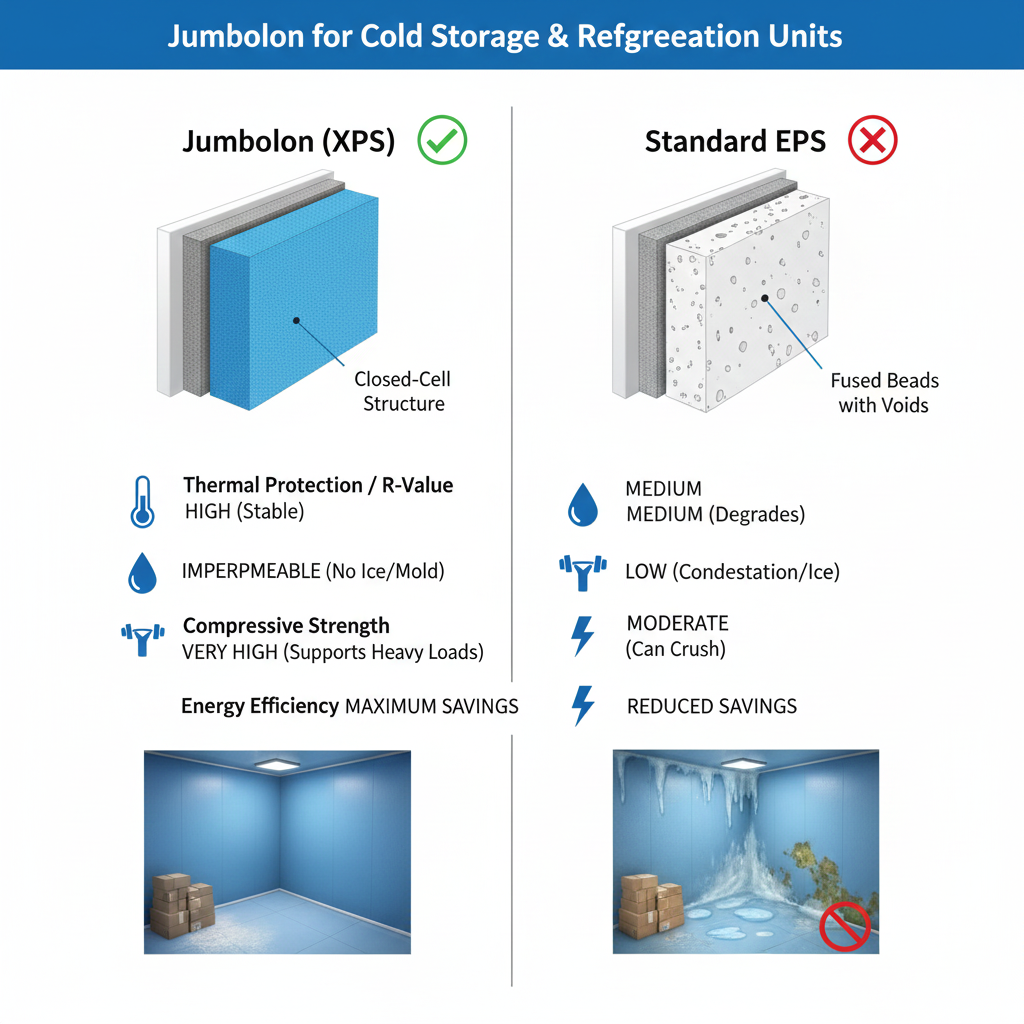
XPS (Extruded Polystyrene) is a high-density insulation board designed for superior thermal resistance and moisture control. It is widely used in roofs, foundations, and floors.
Why XPS Is Considered Premium
Higher compressive strength
Excellent moisture resistance
Long service life
In most professional applications, XPS outperforms Thermopore and flexible foams.
What Is Jumbolon Insulation?
Jumbolon is a closed-cell polyethylene foam insulation commonly used for thermal and acoustic purposes. It is flexible, lightweight, and easy to apply in residential and commercial buildings.
The comparison of jumbolon vs thermopore often comes down to flexibility and ease of installation versus rigidity.
Performance Comparison: Thermopore vs XPS vs Jumbolon
Thermal Insulation Performance
XPS offers the highest thermal resistance
Jumbolon provides moderate insulation with flexibility
Thermopore delivers basic thermal protection
This performance gap is why many ask thermopore vs xps vs jumbolon which is better for long-term use.
Moisture Resistance
XPS resists water absorption extremely well
Jumbolon performs well in humid environments
Thermopore may absorb moisture over time
Durability and Strength
XPS is structurally strong and load-bearing
Jumbolon is flexible but not load-bearing
Thermopore is fragile and prone to breakage
Price Comparison in Pakistan
Jumbolon Price in Pakistan
The jumbolon price in pakistan varies depending on thickness, density, and brand. It is generally considered affordable and suitable for residential insulation projects.
Jumbolon Sheet Price in Pakistan
The jumbolon sheet price in pakistan depends on sheet thickness and roll size. Thicker sheets naturally cost more but offer better insulation.
12mm Jumbolon Sheet Price in Pakistan
The 12mm jumbolon sheet price in pakistan is commonly searched because this thickness is widely used for roof and ceiling insulation due to its balance between cost and performance.
Thermopore Price
Thermopore price is usually lower than both XPS and Jumbolon, making it a budget-friendly option for short-term or low-demand insulation needs.
Overall Jumbolon Price Comparison
When evaluating overall jumbolon price, it sits between Thermopore and XPS, offering a good balance of flexibility, insulation, and affordability.
Best Use Cases for Each Material
When to Use Thermopore
Low-budget construction
Temporary insulation needs
Non-load-bearing areas
Use of XPS
Roof insulation
Foundations and floors
Long-term energy-efficient buildings
When to Use Jumbolon
Residential roofs and ceilings
Acoustic insulation
Areas requiring flexible insulation
Final Verdict: Which One Should You Choose?
There is no single answer to thermopore vs xps vs jumbolon which is better. The right choice depends on your specific needs:
Choose XPS for maximum durability and thermal performance
Choose Jumbolon for flexible, cost-effective insulation
Choose Thermopore for basic, low-cost applications
Understanding the difference between jumbolon vs thermopore and comparing them with XPS ensures you invest in the right insulation solution.
Conclusion
Comparing Thermopore vs XPS vs Jumbolon helps builders and homeowners make informed insulation decisions. While XPS delivers premium performance, Jumbolon offers flexibility and affordability, and Thermopore remains a basic insulation choice for budget projects.
Selecting the right material today can lead to better comfort, lower energy bills, and long-term savings.
FAQ’S
The better option depends on usage. XPS offers the best thermal performance and durability, Jumbolon provides flexible and cost-effective insulation, while Thermopore is suitable for basic and low-budget applications.
Jumbolon is flexible and moisture-resistant, while Thermopore is rigid and more fragile. Jumbolon is better for roofs and ceilings, whereas Thermopore is mainly used for basic wall insulation.
Yes, XPS is generally better than Thermopore for roofs because it has higher compressive strength, better moisture resistance, and longer service life.
Jumbolon price in Pakistan depends on thickness, density, sheet size, and brand. Thicker sheets usually provide better insulation and cost more.
The jumbolon sheet price in Pakistan varies by thickness and quality. Standard sheets are more affordable, while thicker insulation sheets cost slightly higher.
The 12mm jumbolon sheet price in Pakistan is popular because this thickness offers a good balance between insulation performance and affordability for residential roofs.
Thermopore can be used for short-term or low-load applications. For long-term durability and higher insulation performance, XPS or Jumbolon is generally recommended.
XPS performs best in moisture-prone areas due to its closed-cell structure, while Jumbolon also performs well. Thermopore may absorb moisture over time.
In modern construction, energy efficiency is no longer optional—it’s essential. One of the most effective ways to reduce energy consumption and utility costs is by investing in proper insulation. Whether for residential or commercial buildings, proper insulation ensures that your indoor environment remains comfortable while minimizing energy waste.
What Is Proper Insulation?
Proper insulation refers to materials and techniques used to prevent heat loss in winter and heat gain in summer. It acts as a barrier to reduce the exchange of energy between indoor and outdoor environments. Proper insulation can be applied in walls, roofs, attics, and lofts to maximize thermal comfort.
Key areas include:
Roof insulation – The primary barrier against heat entering from above.
Attic insulation – Ensures stored heat or cool air is maintained.
Loft insulation – Prevents energy loss through uninsulated roof spaces.
Note: Prices and performance may vary depending on thickness, density, and local suppliers.
How Proper Roof Insulation Improves Energy Efficiency
Proper roof insulation is one of the most impactful investments for energy efficiency. Roofs are responsible for up to 30% of energy loss in buildings. By installing quality insulation:
Reduce your heating and cooling cost by maintaining a stable indoor temperature.
Improve building comfort during summer and winter months.
Proper insulation generally lowers electricity bills by decreasing the load on HVAC systems.
Protect roofing materials by reducing thermal stress and condensation.
Ways to Improve Insulation in Your Building
Improving insulation in your building doesn’t always require a full renovation. Here are effective strategies:
Insulate Your Loft: Adding loft insulation is cost-effective and prevents heat loss through the roof.
Insulate Your Attic: For buildings with unoccupied attic spaces, insulating the attic floor can reduce energy waste.
Upgrade Roof Insulation Materials: Using reflective foil, XPS, EPS, or Rockwool insulation layers can significantly improve thermal performance.
Seal Gaps and Leaks: Proper sealing of vents, ducts, and chimneys complements insulation and reduces drafts.
Implementing these steps can deliver a noticeable energy efficiency boost with proper insulation and significantly reduce your electricity bills.
Benefits of Proper Insulation
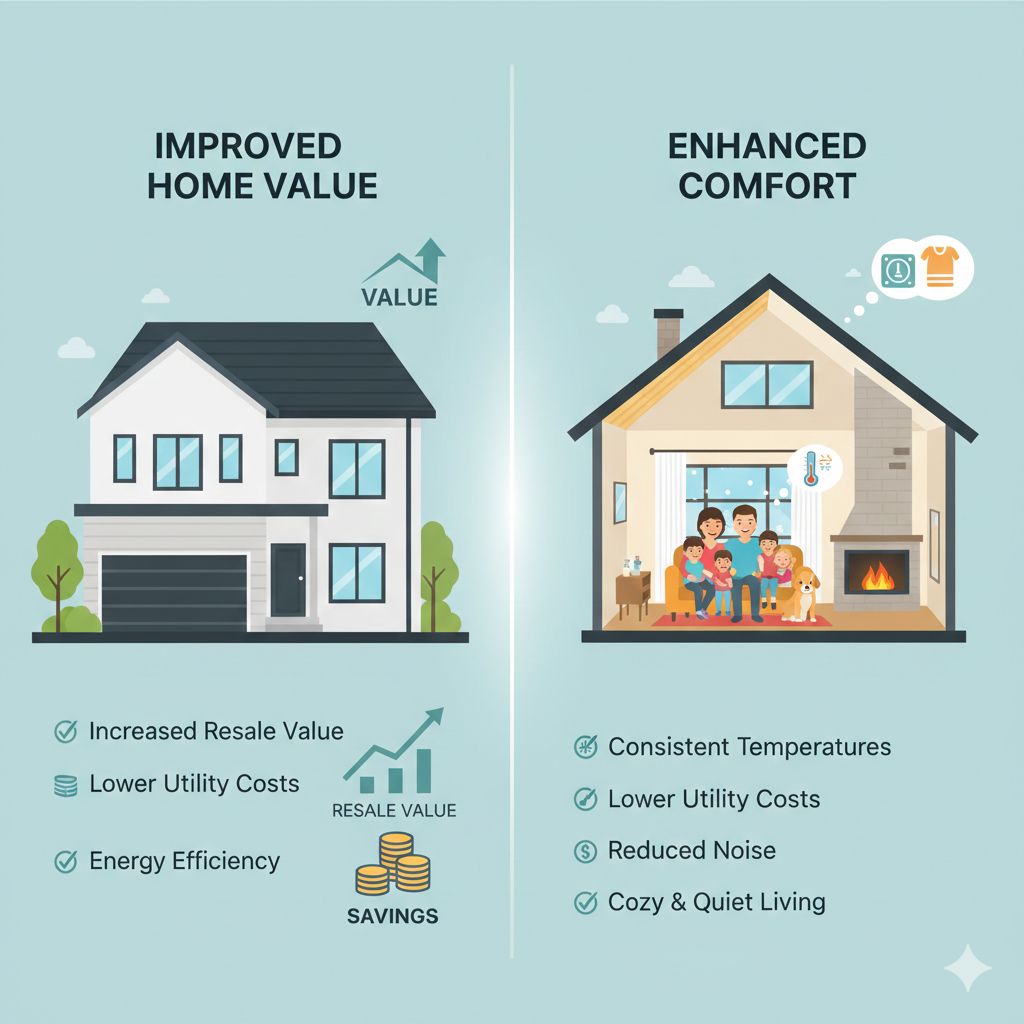
Energy Savings: Lower energy bills through efficient thermal management.
Enhanced Comfort: Stable indoor temperatures throughout the year.
Environmental Impact: Reduced carbon footprint by using less electricity.
Property Value: Energy-efficient buildings are more attractive to buyers and tenants.
Durability: Protects roofing and interior structures from condensation and moisture damage.
Choosing the Right Insulation Material
Selecting the right insulation material depends on your building type, climate, and budget. Common options include:
Rockwool Insulation: Fireproof, sound-absorbing, and high thermal resistance.
EPS & XPS Boards: Lightweight, water-resistant, and high insulation efficiency.
Reflective Aluminium Foil: Excellent for reflective heat reduction in attics and lofts.
By combining materials, such as foil with XPS or Rockwool, you can maximize performance for both heat and sound insulation.
Energy Efficiency Boost with Proper Insulation Price Considerations
The energy efficiency boost with proper insulation price varies depending on the material, thickness, and installation complexity. Factors include:
Type of insulation (Rockwool, XPS, EPS, reflective foil).
Area to be insulated (attic, loft, roof, walls).
Labor and installation techniques.
Investing in high-quality insulation may cost more initially but yields long-term savings on electricity bills and enhances building comfort.
FAQ’S
The energy efficiency boost with proper insulation price depends on the material used, area covered, and installation type. On average, roof or attic insulation can save 20–30% on energy bills, making the investment worthwhile.
Both are effective, but if the attic is unoccupied, insulating the attic floor prevents heat loss. Loft insulation is more suitable when the loft space is used regularly.
Yes, proper roof insulation minimizes heat exchange, reducing reliance on AC or heating systems, which immediately lowers electricity usage.
Materials like Rockwool, XPS boards, and reflective aluminium foils are highly effective. For extreme climates, a combination of foil with XPS or Rockwool provides maximum heat resistance and comfort.
Absolutely. Upgrading insulation in older buildings can drastically improve indoor comfort, reduce energy bills, and increase property value.
High-quality insulation materials, such as Rockwool or XPS, can last 20–30 years when installed correctly, providing long-term energy savings.
n Pakistan’s hot climate, effective insulation is key to maintaining cool and energy-efficient homes and commercial spaces. Two popular insulation options are Jumbolon sheets and Glasswool insulation. Understanding their thermal performance, pricing, and applications can help you choose the right material for maximum heat reduction.
This guide compares Jumbolon vs Glasswool in terms of heat reduction, cost, durability, and installation, with insights specific to Pakistan’s market.
What Is Jumbolon Insulation?
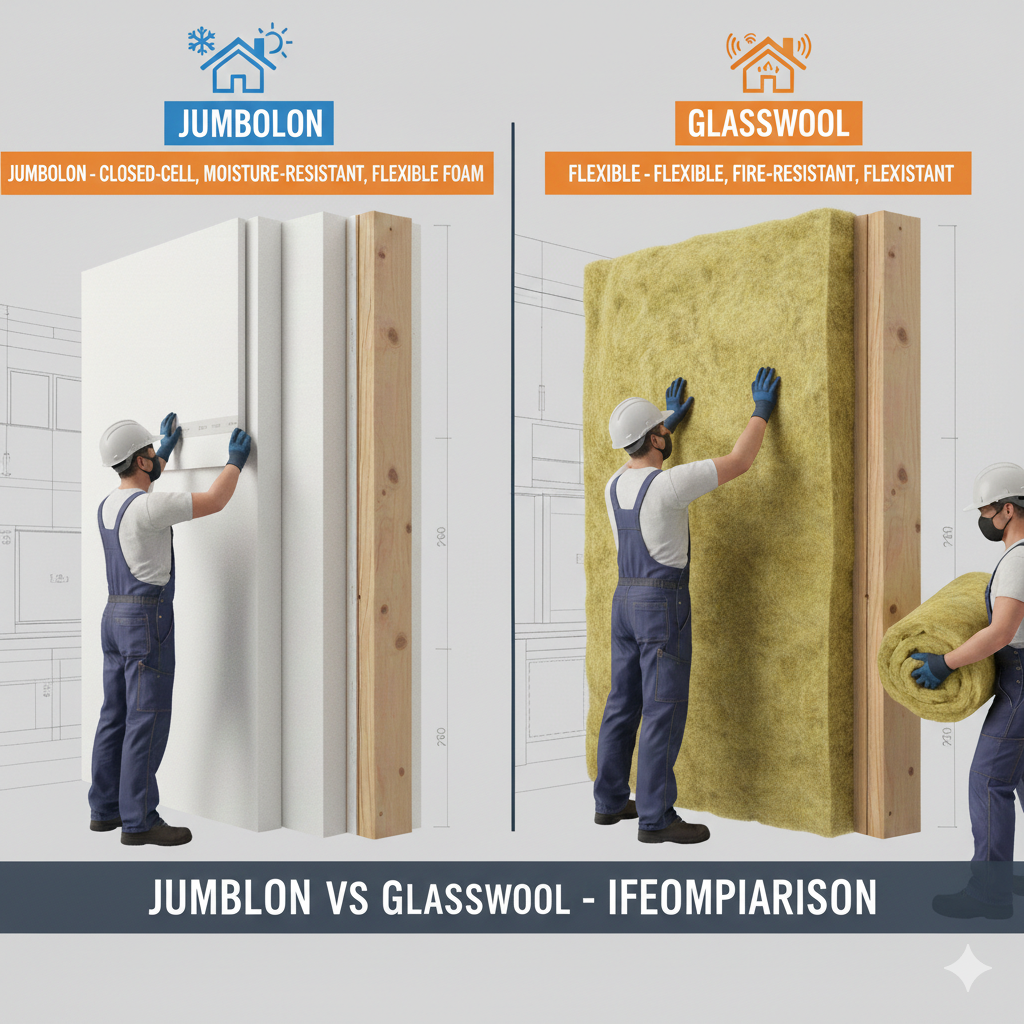
Jumbolon sheets are closed-cell polyethylene foam sheets, often laminated with reflective aluminum foil. They act as a thermal barrier, preventing heat from penetrating walls, roofs, and ceilings.
Key features:
Lightweight and easy to install
Excellent thermal insulation due to air-trapped bubbles
Flexible and resistant to moisture
Available in various thicknesses and sizes
Popular specifications in Pakistan:
Jumbolon sheet size: Typically 1m x 2m per sheet
12mm Jumbolon sheet price in Pakistan: Competitive, varies by supplier
Diamond Jumbolon sheet price: Premium variant with enhanced thermal resistance
What Is Glasswool Insulation?
Glasswool insulation is made from spun glass fibers, forming a fibrous blanket that traps air. It is widely used in ceilings, walls, and ducts to reduce heat transfer.
Key features:
High thermal efficiency
Fire-resistant
Sound-absorbing properties
Lightweight and easy to handle
Glasswool is available in rolls and blankets, and its performance depends on thickness and density.
Jumbolon vs Glasswool – Heat Reduction Comparison
Feature
Jumbolon
Glasswool
Thermal Resistance
High due to reflective foil and closed-cell structure
Moderate to High depending on density
Moisture Resistance
Excellent, closed-cell prevents water absorption
Can absorb moisture if foil-faced layer is not used
Installation
Easy, cuts and fits walls, roofs, and ceilings
Requires careful handling and protective gear
Noise Reduction
Minimal
Good, absorbs sound effectively
Lifespan
Long-lasting, resistant to sagging
Long-lasting but may settle over time
Heat Reduction Efficiency
Up to 80% for roofs and ceilings
Up to 60–70% depending on thickness
Conclusion: Jumbolon provides slightly better heat reduction than Glasswool for direct roof and wall applications, especially in high-temperature regions.
Pricing Insights in Pakistan
Jumbolon sheet price in Pakistan varies depending on thickness, size, and supplier:
Jumbolon roll: Available in bulk for large projects
Jumbolon sheet price in Karachi: Slightly higher due to demand and shipping costs
12mm Jumbolon sheet price in Pakistan: Around average market rate
Diamond Jumbolon sheet price: Premium option for higher thermal resistance
Glasswool prices are generally lower, but may require additional vapor barriers to prevent moisture issues.
Jumbolon vs Thermopore
Jumbolon is often compared to thermopore insulation:
Jumbolon vs Thermopore: Both are foam-based, but Jumbolon with foil offers superior heat reflection, making it more effective for roofs and ceilings in Pakistan’s climate.
Applications of Jumbolon and Glasswool
Jumbolon:
Roof insulation in homes and offices
Ceiling insulation in warehouses and factories
Wall insulation with foil facing
Glasswool:
HVAC duct insulation
Soundproofing walls and ceilings
Residential and commercial roof insulation
Conclusion
Choosing between Jumbolon and Glasswool depends on your insulation priorities. For maximum heat reduction in hot climates, Jumbolon sheets—especially foil-faced variants—offer better performance and moisture resistance. Glasswool remains a versatile option for thermal and acoustic insulation, particularly in areas with moderate temperatures.
By considering Jumbolon sheet price in Pakistan, sheet size, thickness, and specific application areas, you can achieve effective insulation while optimizing cost and energy savings.
FAQ’S
Jumbolon provides superior heat reduction for roofs and ceilings due to its closed-cell structure and reflective foil, while Glasswool performs well in moderate temperatures and offers soundproofing benefits.
Yes, foil-faced Jumbolon sheets reflect heat effectively, making them more suitable for hot climates like Pakistan, whereas Glasswool is better for walls, ducts, and acoustic insulation.
The price varies depending on thickness and type, with 12mm sheets being more affordable and diamond Jumbolon sheets slightly higher for enhanced thermal performance.
Yes, if not properly foil-faced or installed with a vapor barrier, Glasswool can absorb moisture, reducing its thermal efficiency.
Yes, Jumbolon sheets are lightweight, flexible, and easy to cut, making installation faster and cleaner than Glasswool, which requires careful handling and protective equipment.
When considering home improvement projects or new construction, thermal insulation is a critical component for energy efficiency and indoor comfort. Among the most widely used building material options for insulation is Glasswoolinsulation, often referred to as fiberglass. Its prevalence is due to its excellent thermal insulation properties and relatively low cost.
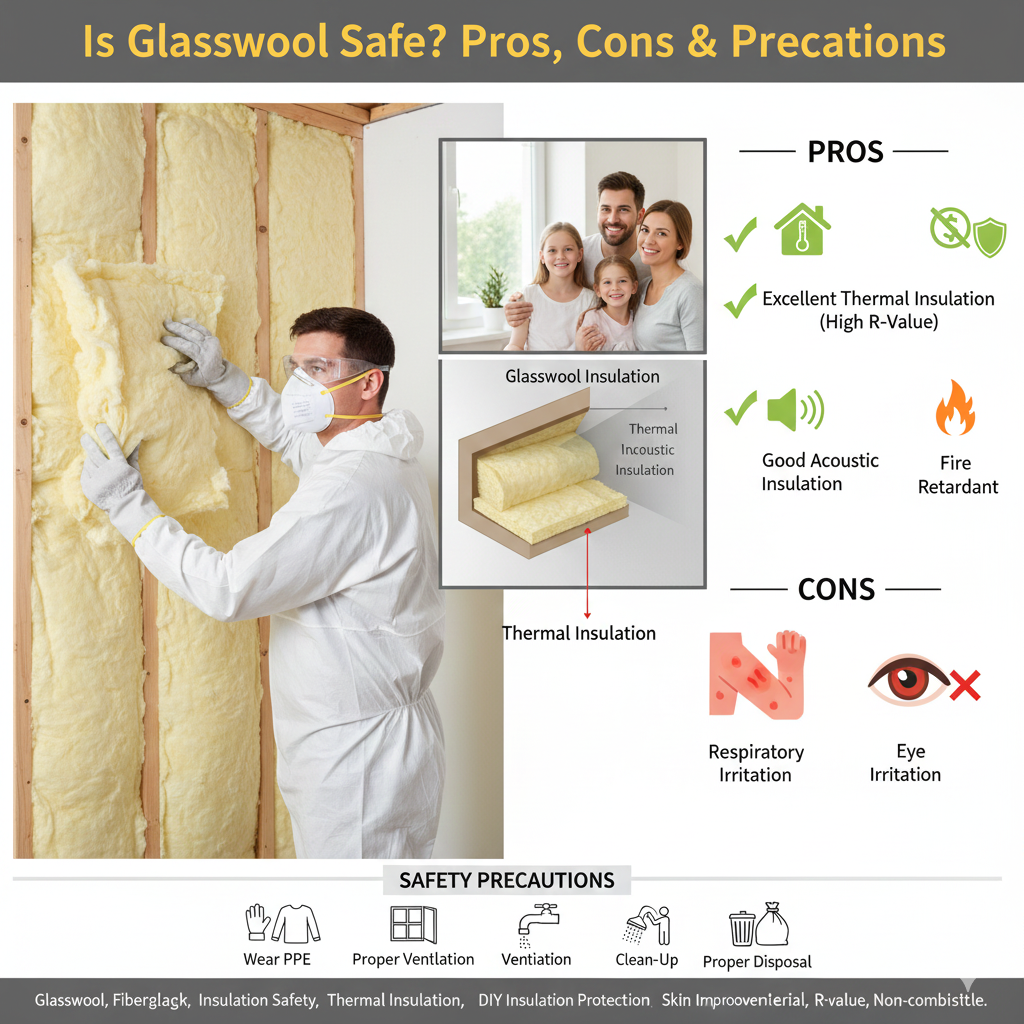
However, many homeowners and DIY enthusiasts often ask: “Is Glasswool safe?” This is a valid concern, given its fibrous nature and the dust it can generate. This guide will delve into the composition of Glasswool, its benefits, potential drawbacks, and, most importantly, the essential safety precautions to ensure a safe experience during installation and in daily living.
What is Glasswool (Fiberglass) Insulation?
Glasswool is a type of mineral wool made from extremely fine fibers of glass. The manufacturing process involves melting recycled glass and sand, then spinning it into fibers, which are then bound together with a resin and formed into batts, rolls, or loose-fill. The tiny air pockets trapped within these fibers are what provide its superior thermal insulation and decent acoustic insulation properties.
It’s primarily used in walls, ceilings, and floors to reduce heat transfer, lower energy bills, and improve overall interior comfort.
The Benefits of Using Glasswool
Despite the safety questions, Glasswool remains popular for several good reasons:
1. Excellent Thermal Insulation
Glasswool is highly effective at resisting heat flow, boasting a good R-value (a measure of thermal resistance) per inch. This makes it an efficient building material for keeping homes warm in winter and cool in summer, leading to significant energy savings.
2. Cost-Effective
Compared to some other insulation material options, Glasswool is generally more affordable, making it a budget-friendly choice for many DIY insulation projects and large-scale constructions.
3. Good Acoustic Insulation
Beyond thermal properties, the fibrous structure of Glasswool also provides reasonable acoustic insulation, helping to dampen sound transmission between rooms and from outside, contributing to a quieter indoor environment.
4. Fire Retardant Properties
While not entirely non-combustible like stone wool, Glasswool is resistant to fire and does not typically contribute to the spread of flames. It has good fire-retardant properties, offering an added layer of safety in a building’s fire strategy.
Potential Concerns: Addressing the Safety Question
The main concerns regarding the safety of Glasswool stem from the tiny glass fibers themselves:
1. Skin Irritation
The most common issue encountered with Glasswool is skin irritation. The microscopic glass fibers can embed themselves in the skin, causing itching, redness, and discomfort. This is a physical irritation, not a chemical reaction, and is temporary.
2. Respiratory Irritation
When disturbed, Glasswool can release fine airborne fibers. Inhaling these fibers can irritate the upper respiratory tract, leading to coughing, sneezing, or a sore throat. For individuals with existing respiratory conditions like asthma, this can be particularly bothersome. However, extensive research by organizations like the World Health Organization (WHO) and the International Agency for Research on Cancer (IARC) has concluded that modern Glasswool fibers are not classifiable as to their carcinogenicity to humans, meaning they are not considered a cancer risk. The fibers are non-respirable, meaning they are too large to reach the deep lung tissue.
3. Eye Irritation
Fibers can also get into the eyes, causing discomfort, redness, and a gritty sensation.
Essential Safety Precautions for Handling Glasswool
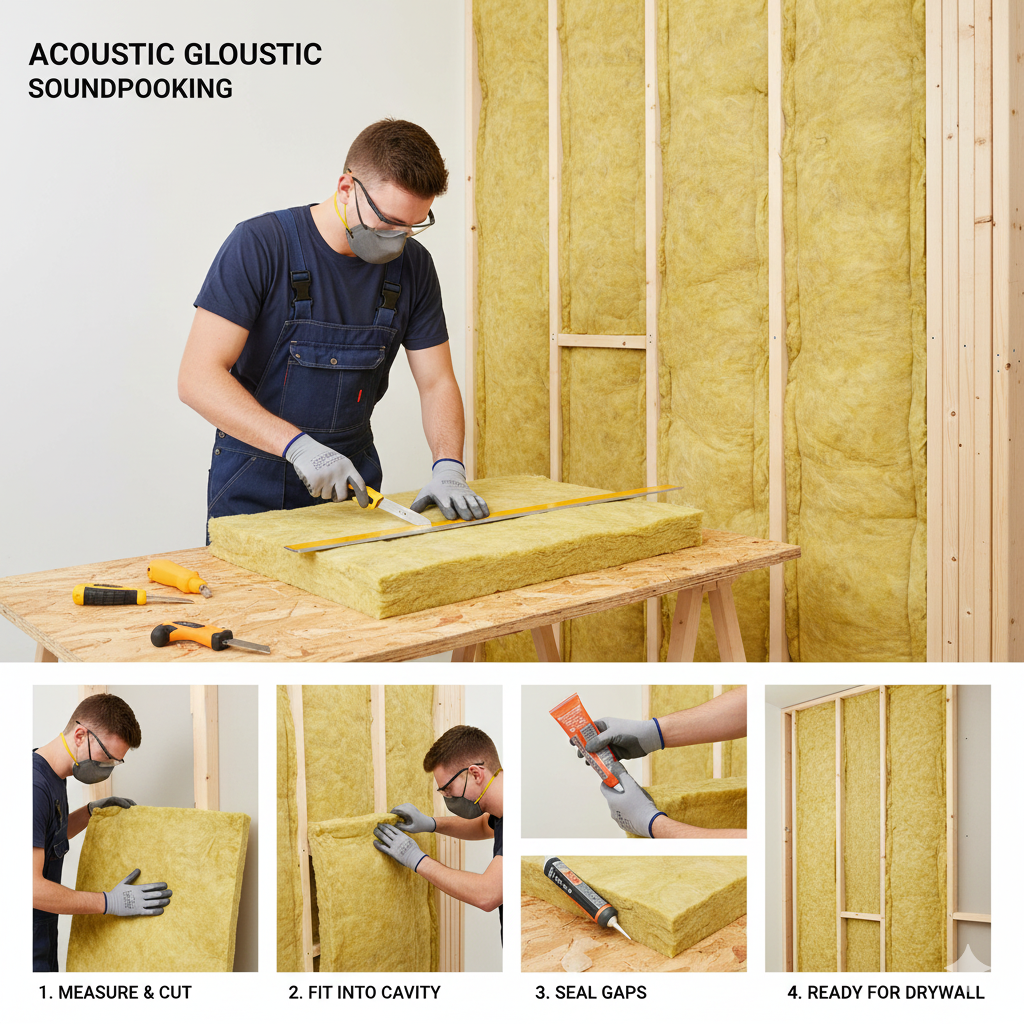
The key to safe installation and handling of Glasswool lies in proper safety precautions. These measures are simple but crucial for minimizing exposure and discomfort.
1. Personal Protective Equipment (PPE)
Gloves: Always wear heavy-duty work gloves to prevent skin irritation.
Long Sleeves and Pants: Cover all exposed skin. Wear loose-fitting, long-sleeved shirts and long pants, ideally disposable coveralls for extensive work.
Eye Protection: Goggles or safety glasses are essential to protect your eyes from airborne fibers.
Respiratory Protection: A dust mask or, ideally, an N95 respirator should always be worn to prevent inhalation of fibers. This is a non-negotiable safety precaution.
2. Proper Ventilation
Work in well-ventilated areas. If possible, open windows and doors during installation to allow fresh air circulation and reduce the concentration of airborne fibers.
3. Minimize Disturbance
Handle Glasswool batts or rolls carefully to avoid excessive agitation that releases fibers into the air. Do not shake or tear the material roughly.
4. Clean-Up Procedures
Do NOT Vacuum with a Household Vacuum: The fine fibers can clog filters and be recirculated into the air.
Wet Wipe or HEPA Vacuum: Use a damp cloth to wipe surfaces or a vacuum equipped with a HEPA filter.
Shower and Wash Clothes Separately: After working with Glasswool, shower with cold water first to rinse off fibers without opening pores. Wash work clothes separately from other laundry to avoid cross-contamination.
5. Disposal
Dispose of Glasswool waste in sealed plastic bags to prevent fibers from escaping into the environment or affecting others. Check local regulations for proper waste disposal.
Glasswool in Everyday Living
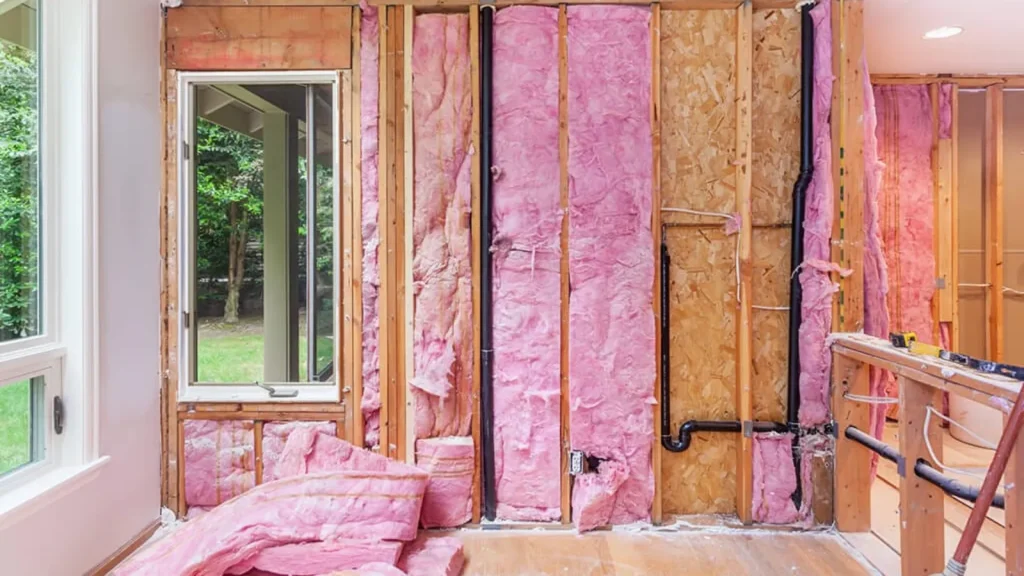
Once installed and covered by drywall, ceilings, or other finishes, Glasswool insulation poses no significant health risk in a finished building. The fibers are encapsulated and not airborne. The concerns are primarily during the installation or removal process when the material is exposed.
Conclusion: Safe and Effective with Proper Care
Glasswool insulation remains a valuable and effective building material for achieving excellent thermal insulation and acoustic insulation in homes and buildings. While questions about “Is Glasswool safe?” are understandable, current scientific consensus confirms that modern Glasswool is not carcinogenic.
The temporary skin irritation and respiratory discomfort can be entirely managed and prevented by adhering strictly to recommended safety precautions during installation. By wearing appropriate PPE, ensuring good ventilation, and following proper handling and clean-up procedures, you can safely harness the many benefits of this ubiquitous insulation material for your home improvement needs.
FAQ’S
Glasswool insulation is commonly used for thermal insulation, soundproofing, and fire resistance in homes, offices, industrial buildings, HVAC ducts, and metal structures.
Yes. Glasswool is non-combustible and widely used in residential construction. However, during installation, wearing protective gloves, goggles, and a mask is recommended to avoid irritation from loose fibers.
Glasswool has a high R-value, meaning it provides strong thermal resistance. It helps maintain indoor temperature, reduces heat transfer, and can significantly lower cooling and heating costs.
Yes. Glasswool is an excellent acoustic insulation material. Its fibrous structure reduces echo, noise transfer, and vibrations, making it ideal for studios, commercial buildings, and home sound control.
Thermopore Sheet has become one of the most important insulation materials for residential, commercial, and industrial applications in Pakistan. Known for its lightweight structure, excellent heat resistance, and long-term durability, Thermopore offers an affordable way to control indoor temperature and reduce energy consumption. With rising electricity costs and extreme seasonal weather, Thermopore insulation sheets are now widely used in construction, packaging, cold storage, and roofing projects.
In this comprehensive guide, we explore everything about Thermopore sheets — from manufacturing and density options to applications, benefits, pricing trends, and choosing the right insulation material for your project.
Introduction to Thermopore Sheet
A Thermopore sheet is a high-quality expanded polystyrene (EPS) insulation material designed for temperature control and structural protection. In Pakistan, Thermopore is widely preferred due to its durability, moisture resistance, and cost-effective performance. Whether it’s roof insulation, wall insulation, or industrial packaging, Thermopore sheets deliver long-term thermal efficiency without increasing construction costs.
Thermocol Sheet Pakistan is widely known for producing reliable and affordable insulation materials used in residential, commercial, and industrial construction. Among the most popular options is the EPS insulation sheet, which offers excellent thermal resistance and long-term durability. Builders across the country often choose this material because it performs exceptionally well in both hot and cold climates. Another commonly used product is the polystyrene sheet Pakistan, valued for its lightweight structure and versatility in various building applications. Whether used for walls, roofs, or industrial projects, a high-quality thermal insulation board helps improve energy efficiency, reduce electricity consumption, and maintain comfortable indoor temperatures throughout the year.
Thermopore Sheet Manufacturing Process
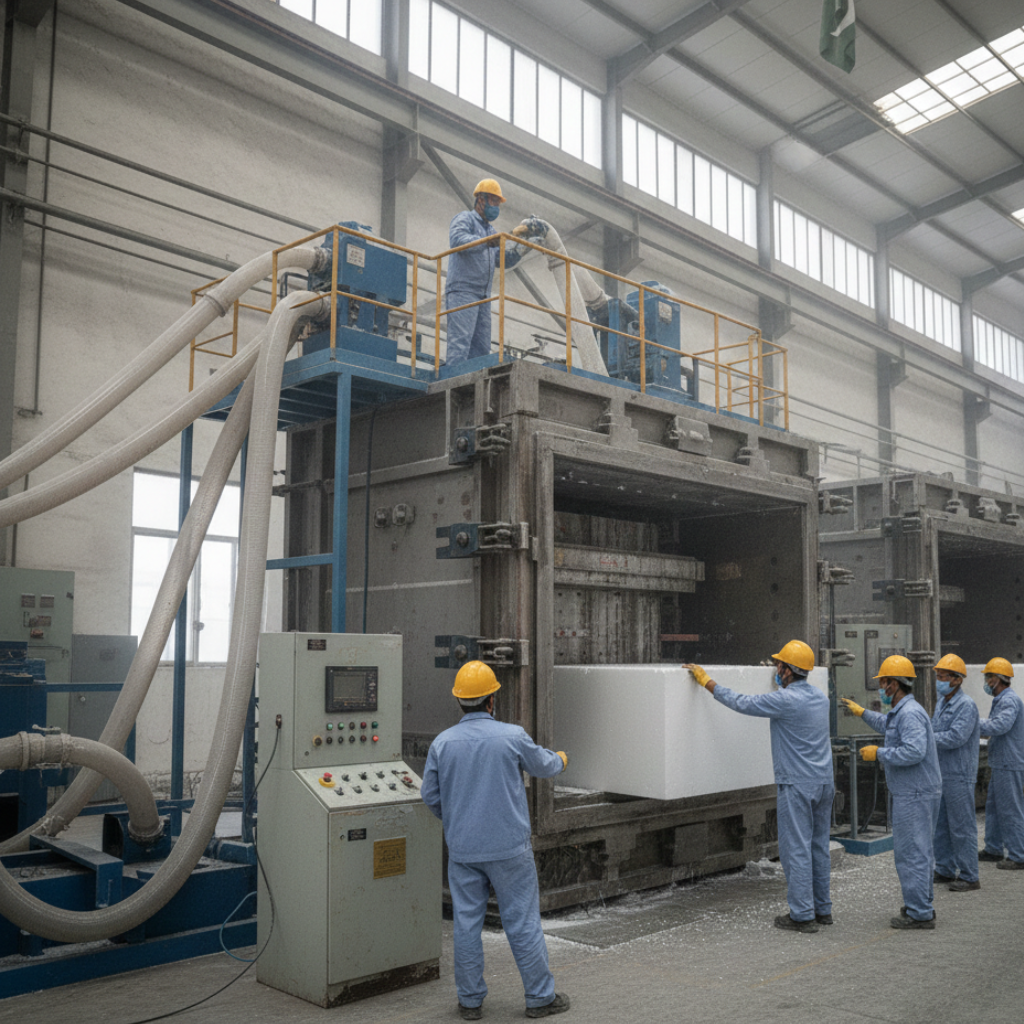
Thermopore sheets are manufactured through an EPS bead expansion process. The beads are steamed, molded, and fused together to form solid insulation boards. Each sheet is crafted with precise density, thickness, and size specifications to meet industry standards. High-density Thermopore sheets are produced for heavy-duty applications such as cold storage, roofing, and acoustic insulation.
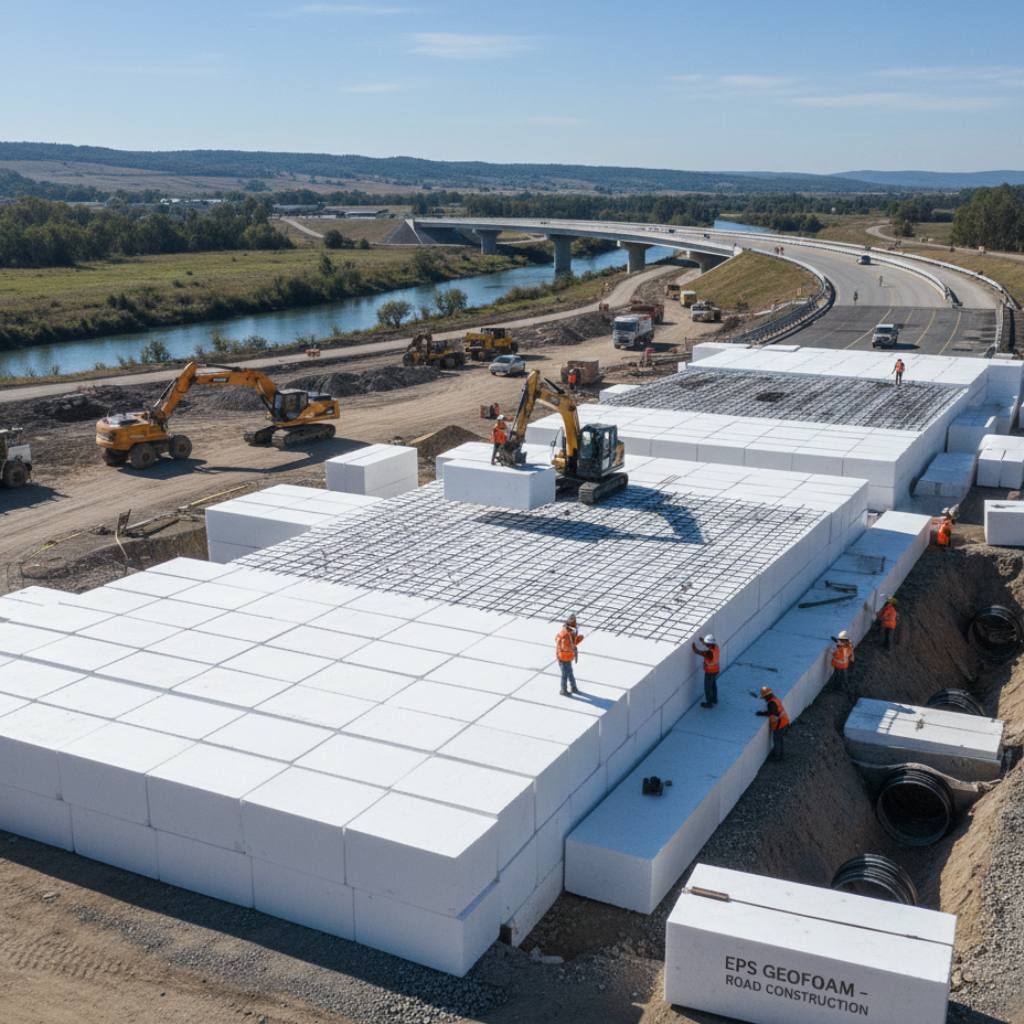
Manufacturers in Pakistan follow rigorous quality controls to maintain consistency, structural strength, and thermal resistance. Modern construction relies heavily on advanced EPS technology, which allows manufacturers to create lightweight, durable, and energy-efficient insulation solutions. Through precise expanded polystyrene production, small polystyrene beads are expanded, molded, and fused into strong insulation panels suitable for a wide range of applications. One of the most popular products is the insulation foam sheet, known for its thermal resistance and moisture protection, making it ideal for both residential and commercial use. For projects that require greater strength and stability, builders often choose high-density insulation material, which provides enhanced compressive strength and long-term performance in roofing, flooring, cold storage, and industrial environments.
Types of Thermopore Sheets
Thermopore sheets come in various types depending on their density, thickness, and intended purpose:
a. Standard Thermopore Sheet
Ideal for general-purpose insulation such as walls and lightweight packaging.
b. High-Density Thermopore Sheet
Suitable for roofing, flooring, industrial insulation, and applications requiring greater compressive strength.
c. Thermopore Insulation Boards
Used in commercial buildings, HVAC insulation, cold rooms, and heat-resistant structures.
d. Roof & Wall Insulation Sheets
Specifically designed to reduce heat transfer and improve energy efficiency in homes and offices.
Builders today rely on a variety of EPS board types to achieve efficient temperature control and long-lasting performance in modern construction projects. These boards are widely recognized for their ability to act as thermal resistance sheets, helping reduce heat transfer and maintain comfortable indoor environments throughout the year. For residential and commercial structures, roof insulation boards are especially popular, as they provide strong thermal protection against intense sunlight and fluctuating outdoor temperatures. Similarly, insulation wall panels play a key role in improving energy efficiency, enhancing soundproofing, and creating more stable indoor climates, making them essential components in contemporary building design.
Key Benefits of Thermopore Sheets
Thermopore insulation offers numerous advantages, making it a popular choice across Pakistan:
✔ Lightweight & Easy to Handle
The sheets are extremely light, making transportation and installation simple.
✔ Superior Thermal Insulation
They effectively block heat transfer, keeping indoor spaces cooler in summers and warmer in winters.
✔ Moisture & Weather Resistant
Thermopore does not absorb water, making it perfect for roofs and humid environments.
✔ Cost-Effective Insulation Material
Compared to other insulation materials, Thermopore offers better performance at a lower price.
✔ Energy Efficient & Eco-Friendly
Reduces load on air conditioning systems, lowering electricity bills.
Modern construction increasingly prioritizes energy-efficient insulation materials that help reduce electricity consumption and maintain comfortable indoor temperatures. Among these solutions, the thermal protection sheet stands out for its ability to block heat transfer and enhance overall building performance. In regions with high temperatures, homeowners and builders often rely on heat-proofing insulation to reduce AC load and improve long-term energy savings. For environmentally conscious projects, choosing an eco-friendly EPS sheet is an excellent option, as it offers strong insulation, lightweight durability, and sustainable performance without harming the environment.
Applications of Thermopore Sheets in Pakistan
Thermopore sheets have versatile uses across various industries:
a. Residential & Commercial Insulation
Homes, offices, and buildings use Thermopore for walls, ceilings, and floors.
b. Roof Insulation
Prevents heat from entering through concrete roofs — essential in Pakistan’s hot climate.
c. Wall Insulation Panels
Enhances soundproofing and temperature stability.
d. Cold Storage & Packaging
High-density EPS sheets are used to store frozen goods, fruits, and pharmaceuticals.
e. Industrial Construction
Ideal for sheds, factories, and pre-fabricated structures.
f. HVAC & Duct Insulation
Provides long-term resistance against condensation and temperature loss.
In Pakistan’s construction and industrial sectors, roof insulation sheets play a crucial role in reducing heat transfer and maintaining cooler indoor temperatures during extreme summers. For interior thermal stability, builders often install wall insulation panels, which help improve energy efficiency and overall comfort in residential and commercial buildings. Industries that require controlled temperature environments rely heavily on cold room insulation, ensuring consistent cooling for food storage, pharmaceuticals, and perishable products. For factories, warehouses, and metal structures, shed insulation sheets provide effective protection against heat, moisture, and environmental fluctuations. Meanwhile, manufacturers and exporters frequently use packaging EPS sheets because of their lightweight durability, shock absorption, and ability to protect fragile items during transportation.
Thermopore Sheet Price in Pakistan (2025 Updated Guide)
Thermopore sheet price in Pakistan varies based on density, thickness, and brand. The most influential factors include:
Sheet density (low, medium, high density EPS)
Sheet thickness (1-inch to 5-inch)
Sheet size (2×4, 4×8 feet)
Insulation quality
Wholesale vs retail purchases
Average Price Range (2025):
Low-density EPS sheet: PKR 180 – PKR 250
Medium-density Thermopore: PKR 260 – PKR 480
High-density insulation sheet: PKR 500 – PKR 900+
Bulk purchases offer discounted factory rates for contractors and industrial buyers.
The Thermopore sheet price in Pakistan varies depending on density, thickness, and sheet size, making it important for buyers to compare rates before purchasing. Many construction projects consider the insulation sheet price when planning budgets, as high-quality EPS sheets provide long-term energy savings and durability. For those sourcing materials in large quantities, the EPS sheet price Pakistan can be more economical when purchased in bulk. Leading suppliers offer wholesale Thermopore sheets at factory rates, making it easier for contractors and businesses to complete large-scale insulation projects. Additionally, bulk EPS sheets are available for industrial applications, cold storage, and commercial building insulation, ensuring cost-effective solutions without compromising on quality.
How to Choose the Right Thermopore Sheet
Selecting the right Thermopore sheet requires considering:
✔ Density
Higher density = stronger sheet + better insulation. Recommended for roofs and cold rooms.
✔ Thickness
1”–2” for walls
2”–3” for roofs
3”–4” for cold storage
✔ Application Requirement
Lightweight sheets for packaging, high-density sheets for structural insulation.
Choosing the right insulation requires understanding an insulation density guide, which helps determine the appropriate material for different applications such as roofs, walls, and floors. Builders and homeowners can select from a variety of EPS thickness options depending on the level of thermal resistance needed, whether for standard residential use or heavy-duty industrial projects. Following practical construction insulation tips ensures proper installation, maximizes energy efficiency, and extends the lifespan of the insulation materials, making it a smart investment for both new builds and renovation projects.
Thermopore Sheet vs Other Insulation Materials
Thermocol vs Jumbolon
Thermopore is EPS-based
Jumbolon is EPE-based
Thermopore offers higher rigidity and stability for construction
Thermopore vs Foam Sheets
Better temperature control
More durable than standard foam insulation
EPS vs XPS Boards
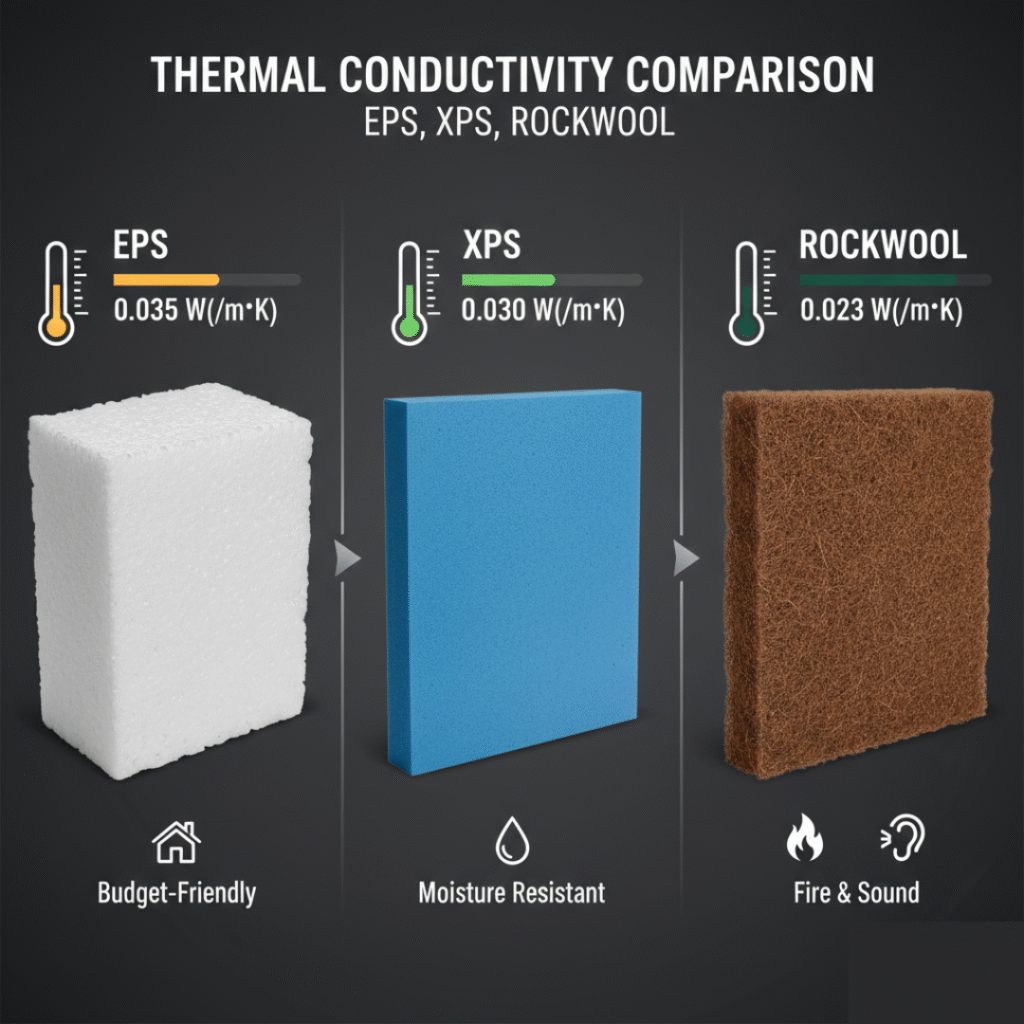
EPS is cost-effective and breathable
XPS offers higher moisture resistance but is more expensive
When choosing insulation materials, it is important to understand the differences between EPS vs XPS insulation. EPS sheets are lightweight, cost-effective, and breathable, making them ideal for most residential and commercial applications, while XPS boards offer higher moisture resistance and compressive strength but at a higher price. For projects that require flexibility and shock absorption, a Jumbolon comparison can help determine whether EPE-based Jumbolon or EPS sheets are more suitable. Additionally, builders often consider foam sheet alternatives as lightweight insulation options, especially for packaging, temporary structures, or areas where easy handling and quick installation are required.
Best Thermopore Sheet Manufacturers & Suppliers in Pakistan
A good manufacturer should provide:
High-density and standard EPS options
Factory rates and wholesale pricing
Custom sizes and thickness
Nationwide delivery
Installation guidance
Many suppliers offer roof insulation solutions, wall insulation panels, and bulk EPS sheet orders for contractors and builders.
When sourcing high-quality Thermopore sheets, it is essential to work with a reliable Thermopore supplier Pakistan who can provide consistent material quality and timely delivery. Reputable EPS manufacturers in Pakistan ensure that every sheet meets industry standards for density, thermal resistance, and durability. For large-scale construction or industrial projects, an experienced insulation sheet distributor can supply various sizes and thicknesses to meet specific requirements. Additionally, bulk insulation suppliers offer competitive pricing for large orders, making it easier for contractors, builders, and commercial buyers to complete their projects efficiently without compromising on quality.
Conclusion
Thermopore sheets remain one of the most reliable and affordable insulation solutions in Pakistan. Their versatility, energy efficiency, and long-term durability make them ideal for roofing, walls, cold storage, packaging, and large-scale construction. Whether you’re a contractor, homeowner, or industrial buyer, Thermopore insulation offers unmatched performance at an excellent price point.
FAQ’S
Density ranges from 12 kg/m³ to 30 kg/m³ depending on application.
Yes, it significantly reduces heat absorption and maintains indoor temperature.
Prices typically vary from PKR 180 to PKR 900+ depending on thickness and density.
With proper installation, Thermopore sheets can last over 20 years.
Jumbolon board is one of the most popular insulation materials in Pakistan, widely used for roof insulation, wall panels, flooring underlay, soundproofing, and various construction applications. Known for its durability, lightweight structure, and excellent thermal resistance, Jumbolon board has become a top choice among contractors, builders, and homeowners seeking energy-efficient insulation materials.
Whether you’re upgrading your home, constructing a new commercial building, or looking for high-density insulation, this guide covers everything you need to know about Jumbolon board in Pakistan.
What is Jumbolon Board?
Jumbolon board is a high-quality EPE (Expanded Polyethylene) foam insulation sheet available in multiple densities and thicknesses. It is engineered to reduce heat transfer, enhance indoor comfort, and lower electricity consumption—especially during Pakistan’s extreme summers.
These boards are moisture-resistant, lightweight, flexible, and long-lasting, making them ideal for residential, commercial, and industrial applications.
Key Features of Jumbolon Board
Excellent thermal insulation
Lightweight and easy to handle
Strong and flexible foam sheet
Moisture and water-resistant
Sound-absorbing properties
Available in multiple densities (low, medium, high)
Suitable for all weather conditions
Ideal for long-term insulation performance
Applications of Jumbolon Board in Pakistan
Jumbolon board is versatile and used across several sectors:
1. Roof Insulation
Used widely in homes, warehouses, and commercial buildings to reduce heat transfer and keep interiors cooler.
2. Wall Insulation Panels
Installed inside walls to improve temperature control and enhance energy efficiency.
3. Shed & Warehouse Insulation
High-density Jumbolon boards provide effective insulation for tin sheds, industrial units, and storage areas.
4. Flooring Underlay
Used under tiles, vinyl flooring, and wooden floors for softness, protection, and soundproofing.
5. Soundproofing Applications
Perfect for studios, offices, schools, and hospitals due to its sound-absorbing nature.
6. Packaging Industry
High-density EPE boards protect fragile items during transportation.
Jumbolon Board Price in Pakistan (2025 Update)
The price of Jumbolon board in Pakistan varies based on thickness, density, and sheet size.
Starting price: PKR 180
High-density premium sheets: PKR 400–650+
Bulk & wholesale rate: Available at discounted factory prices
If you need real-time updated pricing, I can also generate a table with all density options.
Jumbolon Board Density Options in Pakistan
Jumbolon boards are available in:
Low-density EPE foam (18–25 kg/m³)
Medium-density EPE foam (30–35 kg/m³)
High-density EPE sheet (40–60 kg/m³)
Higher density means better insulation, strength, and long-term durability. For roofing and wall insulation, medium to high-density Jumbolon boards are recommended.
Why Choose Jumbolon Board? – Benefits
Reduces heat by 8°C to 12°C
Cuts electricity bills by minimizing air-conditioner load
Long-lasting and weather-resistant
Perfect for Pakistan’s hot climate
Affordable and easy to install
Available nationwide
Jumbolon Board Wholesale & Factory Rates in Pakistan
If you are a contractor, builder, or reseller, buying in bulk gives you access to the best factory-rate Jumbolon board prices. Major suppliers offer:
Bulk insulation sheet supply
Wholesale pricing for resellers
Lahore, Karachi, Islamabad, and nationwide delivery
Discounts on high-volume orders
City-Based Availability of Jumbolon Boards
Jumbolon Board Lahore
Fast delivery and best factory rates for roof and wall insulation.
Jumbolon Board Karachi
Industrial-grade EPE sheets for shipping, construction, and shed insulation.
Jumbolon Board Islamabad / Rawalpindi
High-density insulation for homes, commercial buildings, and offices.
Nationwide supply is available through distribution networks and top insulation sheet suppliers in Pakistan.
Conclusion
Jumbolon boards are a cost-effective and energy-efficient insulation solution widely used across Pakistan. With multiple density options, excellent heat resistance, and long service life, these boards are ideal for residential, commercial, and industrial applications. Whether you need them for roofing, walls, floors, or packaging, Jumbolon boards deliver outstanding performance and long-term value.
FAQ’S
Jumbolon board price starts from PKR 180 and can go up to PKR 650+ depending on density and thickness.
For roof insulation in Pakistan’s hot climate, 30–35 kg/m³ medium density or 40+ high density is recommended.
Yes, factory-rate and wholesale pricing is available for bulk orders, contractors, and building companies.
Yes, Jumbolon insulation can reduce room temperature by 8°C to 12°C, lowering electricity consumption.
Jumbolon boards can be shipped to Lahore, Karachi, Islamabad, Rawalpindi, Faisalabad, Multan, and all major cities.
In today’s world of rising energy costs and extreme weather conditions, finding effective ways to improve energy efficiency has become essential for both households and businesses. One of the most practical and long-lasting solutions is insulation. From keeping homes comfortable to ensuring that commercial buildings operate efficiently, insulation services in Pakistan are becoming increasingly important.
Whether you are a homeowner tired of high electricity bills or a business owner looking to optimize energy performance, insulation can transform your space into a more sustainable, cost-efficient, and comfortable environment. In this blog, we’ll explore the benefits, types, and applications of insulation, with a special focus on residential insulation services in Pakistan and commercial insulation services in Pakistan.
Why Insulation Matters in Pakistan?
Pakistan faces diverse and extreme climatic conditions—scorching hot summers, chilly winters in northern regions, and rising humidity levels in coastal areas. These weather patterns put a strain on air conditioners and heaters, causing electricity bills to skyrocket. Unfortunately, most buildings in Pakistan are constructed without proper insulation, which means cool air escapes during summers and heat seeps out during winters.
This is where professional insulation services in Pakistan make a difference. By properly insulating walls, ceilings, roofs, and floors, homeowners and businesses can:
Maintain consistent indoor temperatures.
Reduce reliance on air conditioning and heating systems.
Lower electricity bills significantly.
Increase the lifespan of HVAC equipment.
Improve overall comfort and quality of life.
Residential Insulation Services in Pakistan
Creating Comfortable and Energy-Efficient Homes
A home should be a place of comfort, but without insulation, even the most well-furnished houses can feel unbearable in extreme weather. Residential insulation services in Pakistan are designed to address this issue by making homes energy-efficient and climate-friendly.
Benefits of Residential Insulation
Lower Energy Bills – Insulated homes require less cooling in summer and less heating in winter, which means your energy costs drop dramatically.
Year-Round Comfort – Proper insulation keeps homes cooler in June and warmer in January, creating a balanced indoor environment.
Noise Reduction – High-quality insulation materials also provide soundproofing benefits, making your home more peaceful.
Eco-Friendly Living – By consuming less electricity, you reduce your carbon footprint and contribute to a greener Pakistan.
Increased Property Value – Energy-efficient homes are in higher demand and often sell at better prices.
Areas of Residential Insulation
Roof Insulation – Prevents heat from entering during summers and keeps warmth in during winters.
Wall Insulation – Stops energy loss through external and internal walls.
Floor Insulation – Reduces heat transfer and adds comfort, especially in colder regions.
Attic Insulation – Crucial for homes with upper storage or living areas, preventing unnecessary heat exchange.
In cities like Karachi, Lahore, and Islamabad, homeowners are increasingly investing in residential insulation services in Pakistan as they realize the long-term financial and environmental benefits.
Commercial Insulation Services in Pakistan
Smart Investments for Businesses
For businesses, energy consumption is a major operating expense. Offices, factories, warehouses, and shopping malls often spend huge amounts on electricity for air conditioning and heating. This is why commercial insulation services in Pakistan are a smart investment for businesses of all sizes.
Benefits of Commercial Insulation
Reduced Operating Costs – Lower electricity bills mean more savings for your business.
Employee Comfort – Comfortable working environments increase productivity and morale.
Regulatory Compliance – Many industries are now required to follow energy-efficiency standards, and insulation helps achieve compliance.
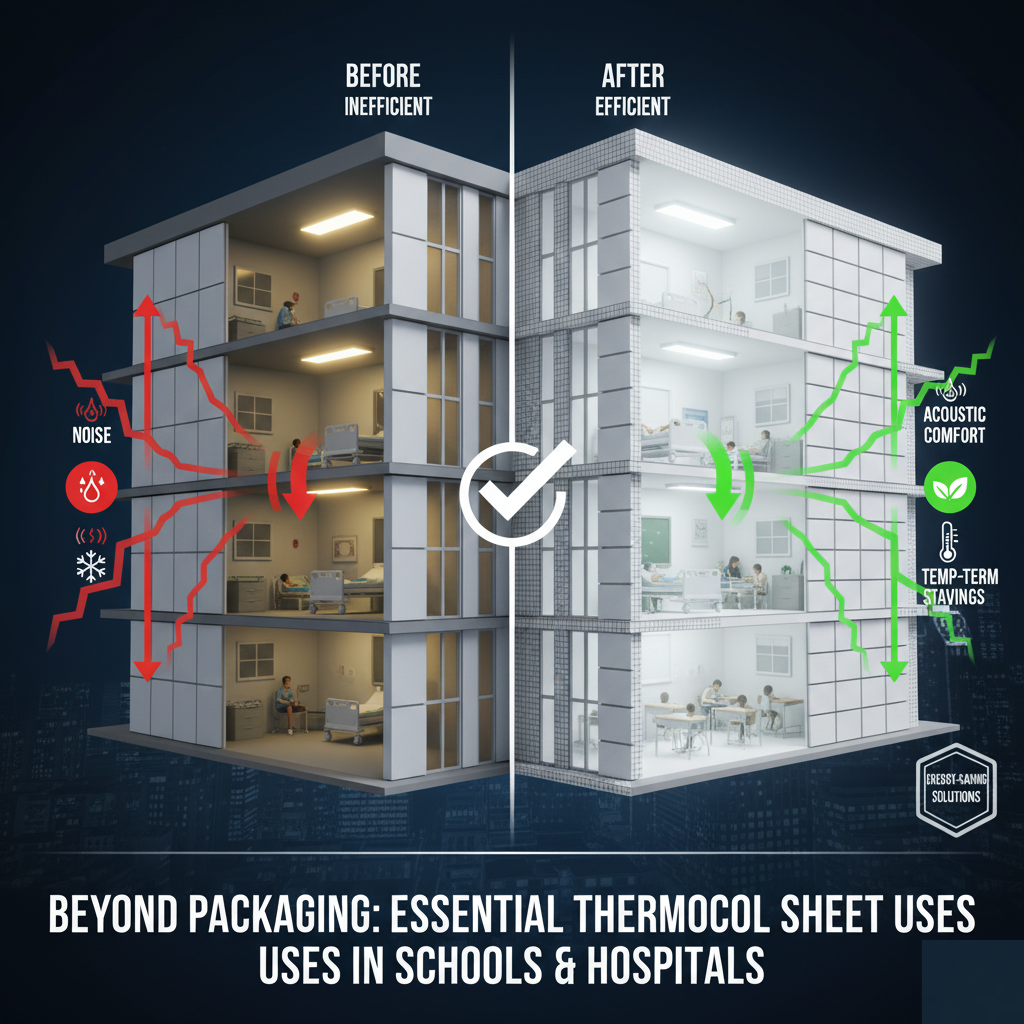
Soundproofing – Insulation reduces noise transfer, which is especially useful for offices, hotels, and hospitals.
Long-Term ROI – The money saved on energy bills quickly recovers the initial investment in insulation.
Applications of Commercial Insulation
Office Buildings – To create energy-efficient and comfortable workspaces.
Warehouses – To protect goods from heat damage and reduce cooling costs.
Factories & Industrial Units – To improve process efficiency and reduce energy waste.
Hotels & Shopping Malls – To enhance customer comfort and reduce operational costs.
Hospitals & Schools – To provide consistent indoor comfort in sensitive environments.
Many companies are now opting for commercial insulation services in Pakistan as part of their sustainability and cost-saving strategies.
Types of Insulation Materials Used in Pakistan
Professional insulation providers use different materials depending on the property type and requirement. Some common options include:
EPS Sheets (Expanded Polystyrene) – Lightweight, affordable, and effective for walls and roofs.
XPS Sheets (Extruded Polystyrene) – High compressive strength and moisture resistance, ideal for both residential and commercial spaces.
Fiberglass Insulation – Known for its thermal efficiency and soundproofing properties.
Spray Foam Insulation – Provides excellent air sealing and is suitable for hard-to-reach areas.
Thermopore Sheets – Widely used in Pakistan due to their durability and affordability.
Each material has unique benefits, and professional service providers recommend the best option based on the property’s structure and energy needs.
Why Choose Professional Insulation Services in Pakistan?
While some homeowners may attempt DIY solutions, professional insulation installation ensures long-term performance and maximum energy efficiency. Here’s why you should always hire experts:
Customized Solutions – Every building is different; experts assess your property and recommend the best insulation method.
Proper Installation – Professional installation ensures there are no gaps, leaks, or weak spots.
High-Quality Materials – Reputable providers use durable and tested materials that perform well in Pakistan’s climate.
Warranty & After-Sales Service – Many providers offer warranties and maintenance services for peace of mind.
The Future of Insulation in Pakistan
With rising awareness about energy efficiency and sustainability, demand for insulation services in Pakistan is expected to grow significantly in the coming years. Government initiatives promoting energy conservation and the increasing cost of electricity are pushing both homeowners and businesses to invest in insulation.
As more people realize that insulation is not just about comfort but also about saving money and protecting the environment, the trend of opting for residential insulation services in Pakistan and commercial insulation services in Pakistan will continue to rise.
Final Thoughts
Insulation is no longer a luxury—it is a necessity for modern living and business operations in Pakistan. Whether you are building a new home, upgrading your office, or trying to reduce electricity costs, professional insulation offers long-term benefits. From lower bills and improved comfort to eco-friendly living and increased property value, the advantages are endless.
If you’re ready to transform your property, explore professional insulation services in Pakistan today. With tailored solutions for both residential insulation services in Pakistan and commercial insulation services in Pakistan, you can take the first step toward a more energy-efficient, comfortable, and sustainable future.