
thermocol sheet price in pakistan

Tag: roof insulation solutions Pakistan

  • Types of Thermal Insulation in Pakistan | Best Insulation Materials Guide

    Types of Thermal Insulation in Pakistan | Best Insulation Materials Guide

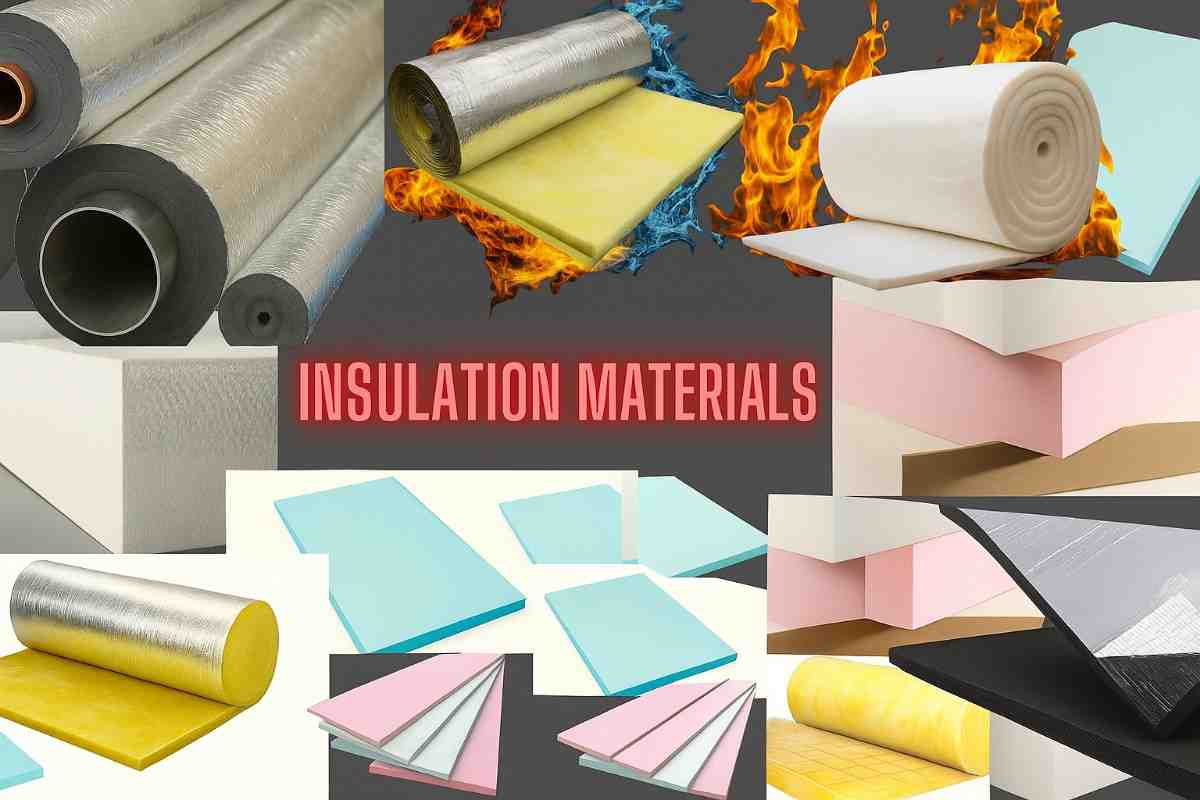
    With extreme weather conditions and rising electricity costs, insulation has become a necessity in Pakistan rather than a luxury. Understanding the Types of Thermal Insulation in Pakistan helps homeowners, builders, and businesses make better decisions for energy efficiency and comfort.

    Whether you’re constructing a new building or upgrading an existing one, selecting the right insulation material can significantly reduce heat transfer and energy consumption.

    Why Thermal Insulation is Important
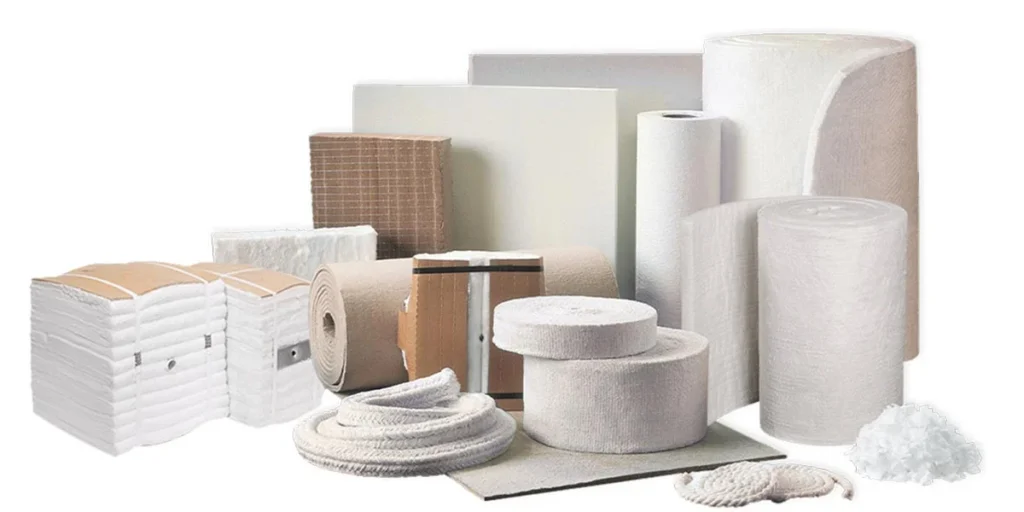
    Thermal insulation plays a vital role in:

    • Maintaining indoor temperature
    • Reducing electricity bills
    • Improving energy efficiency
    • Enhancing building durability
    • Providing comfort in all seasons

    These benefits make insulation one of the top Types of Thermal Insulation in Pakistan solutions for modern construction.

    Main Types of Thermal Insulation in Pakistan

    1. Expanded Polystyrene (EPS – Thermopore)
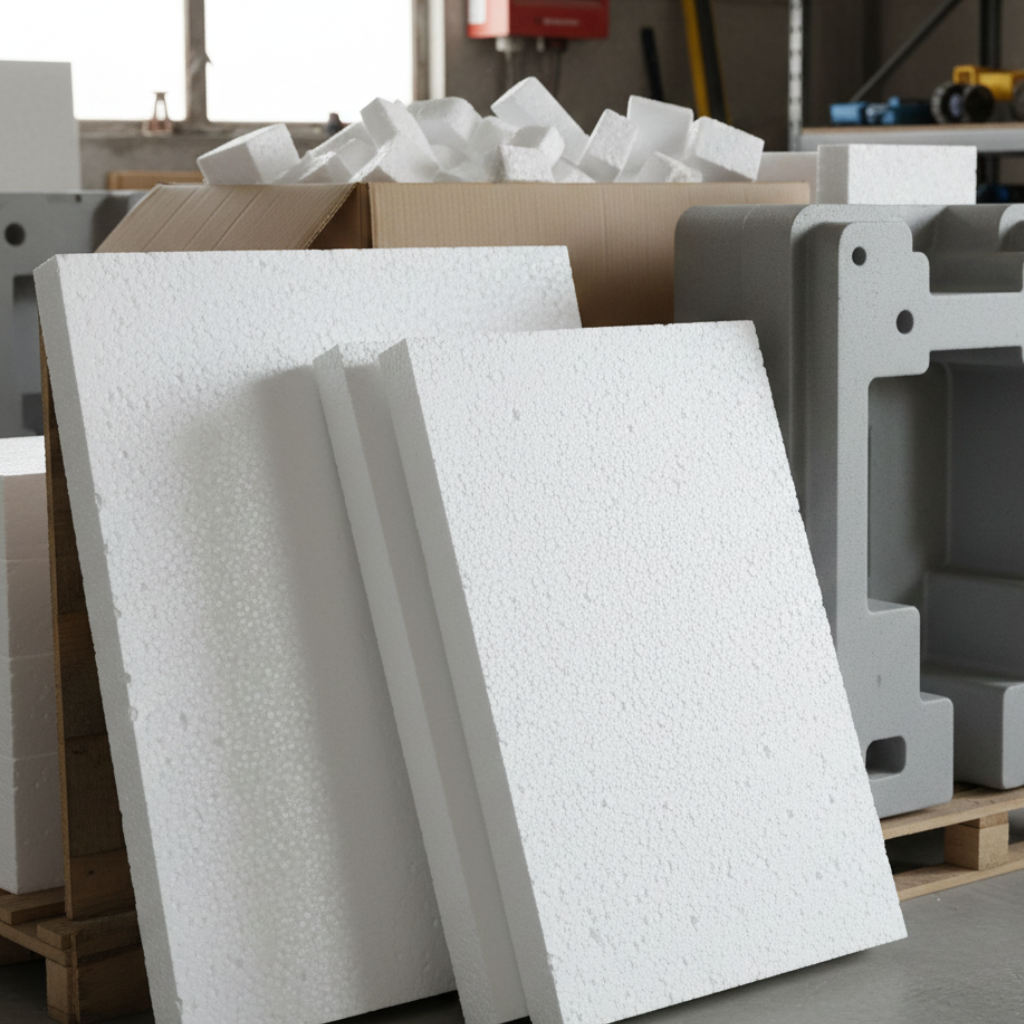
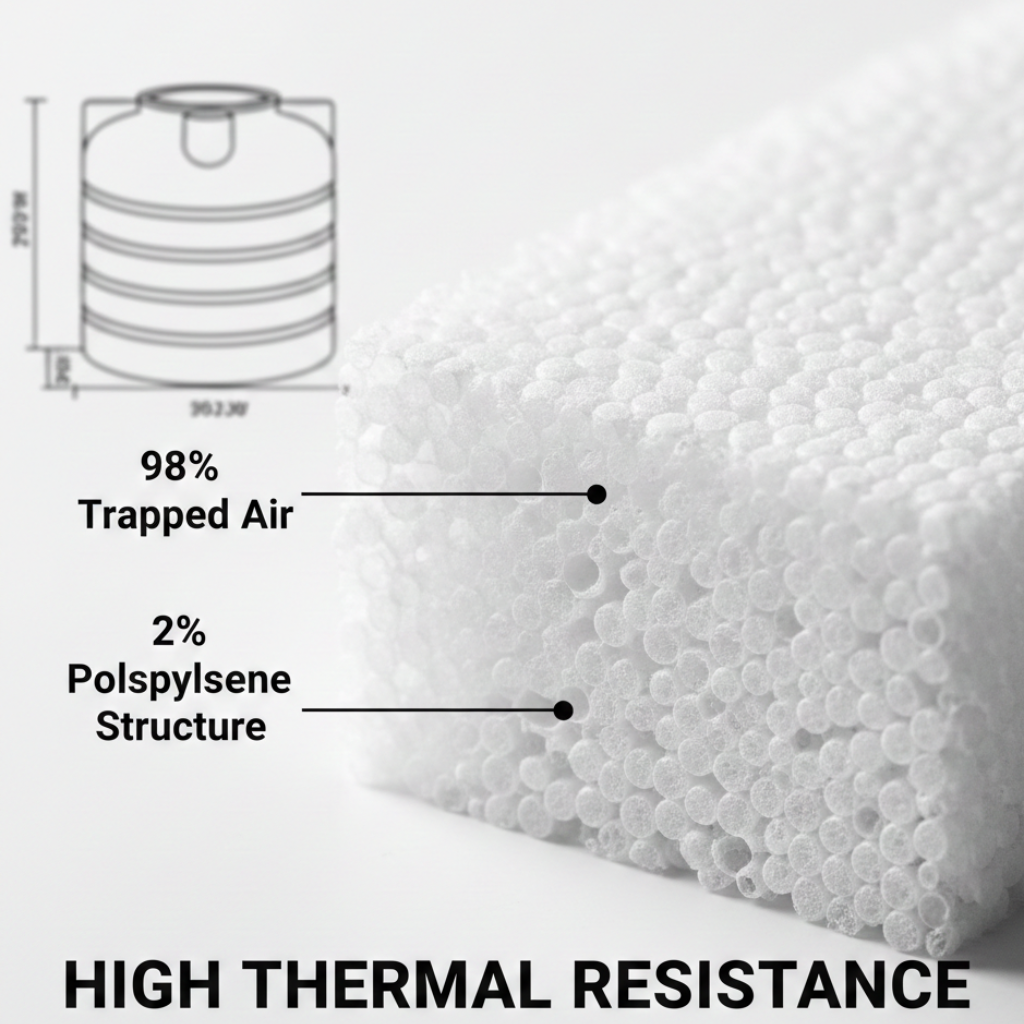
    EPS Foam

    EPS is one of the most commonly used insulation materials in Pakistan.

    Features:

    • Lightweight and affordable
    • Good thermal resistance
    • Easy to install

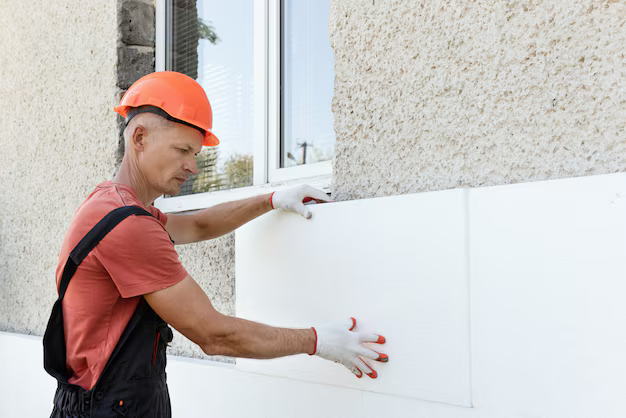
    It is widely used in roofs and walls, making it one of the best Types of Thermal Insulation in Pakistan for budget-friendly projects.

    2. Extruded Polystyrene (XPS)
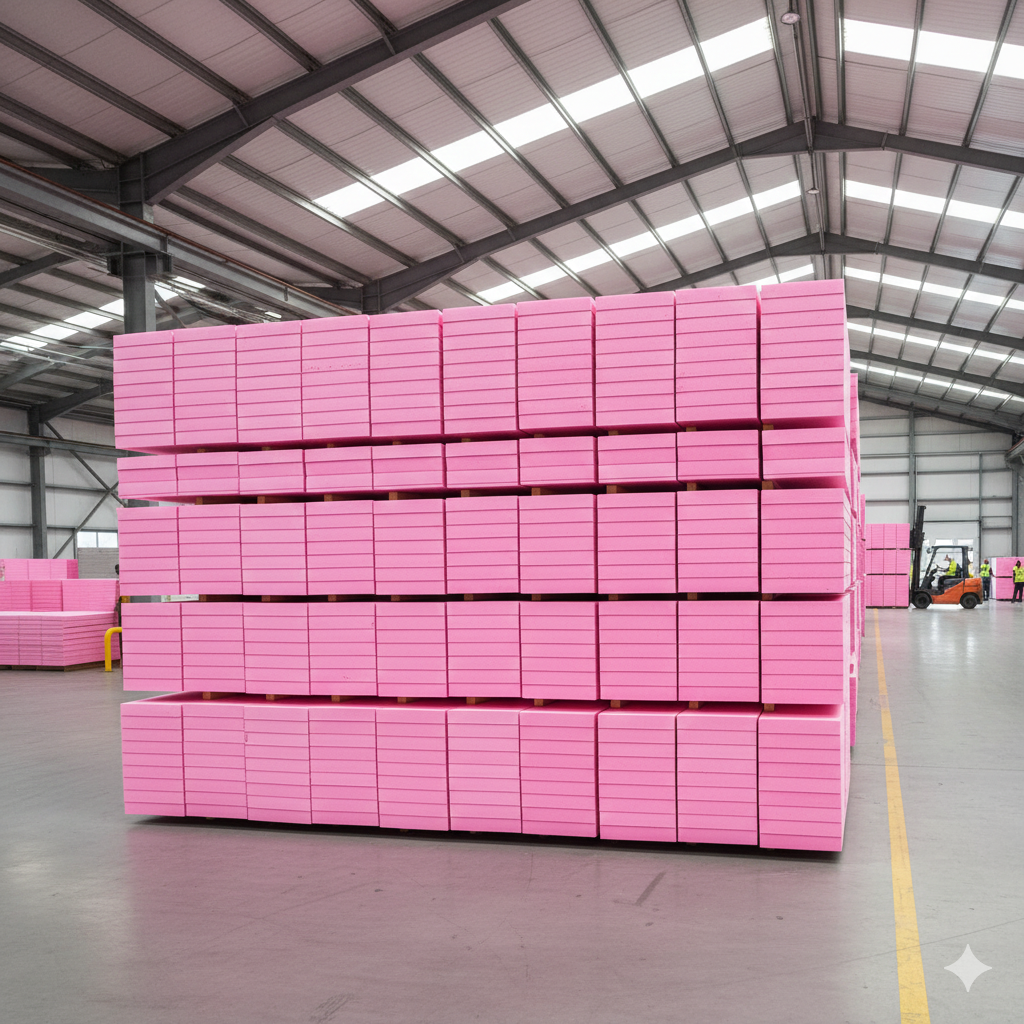
    Jumbolon Board Manufacturer in Pakistan

    XPS offers higher strength and moisture resistance compared to EPS.

    Features:

    • Durable and water-resistant
    • Suitable for heavy-load areas
    • Long-lasting performance

    3. Polyurethane Foam (PU Foam)
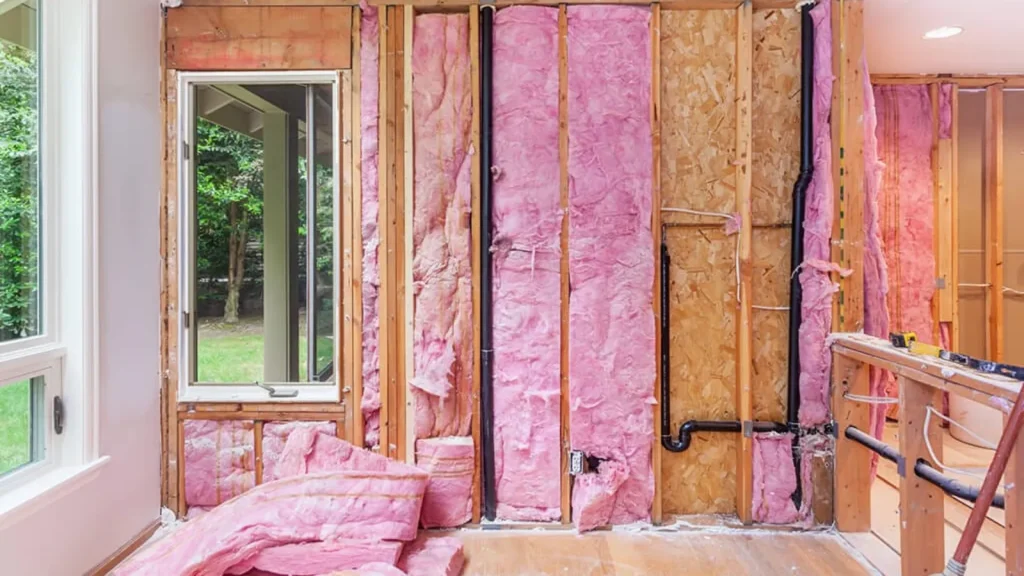
    home insulation

    PU foam provides excellent insulation performance.

    Features:

    • High thermal efficiency
    • Air-tight sealing
    • Ideal for roofs and cold storage

    4. Mineral Wool (Rock Wool)

    Soundproofing Material glasswool vs rockwool

    Rock wool is widely used in industrial and commercial applications.

    Features:

    • Fire-resistant
    • Soundproofing properties
    • Durable under high temperatures

    5. Fiberglass Insulation
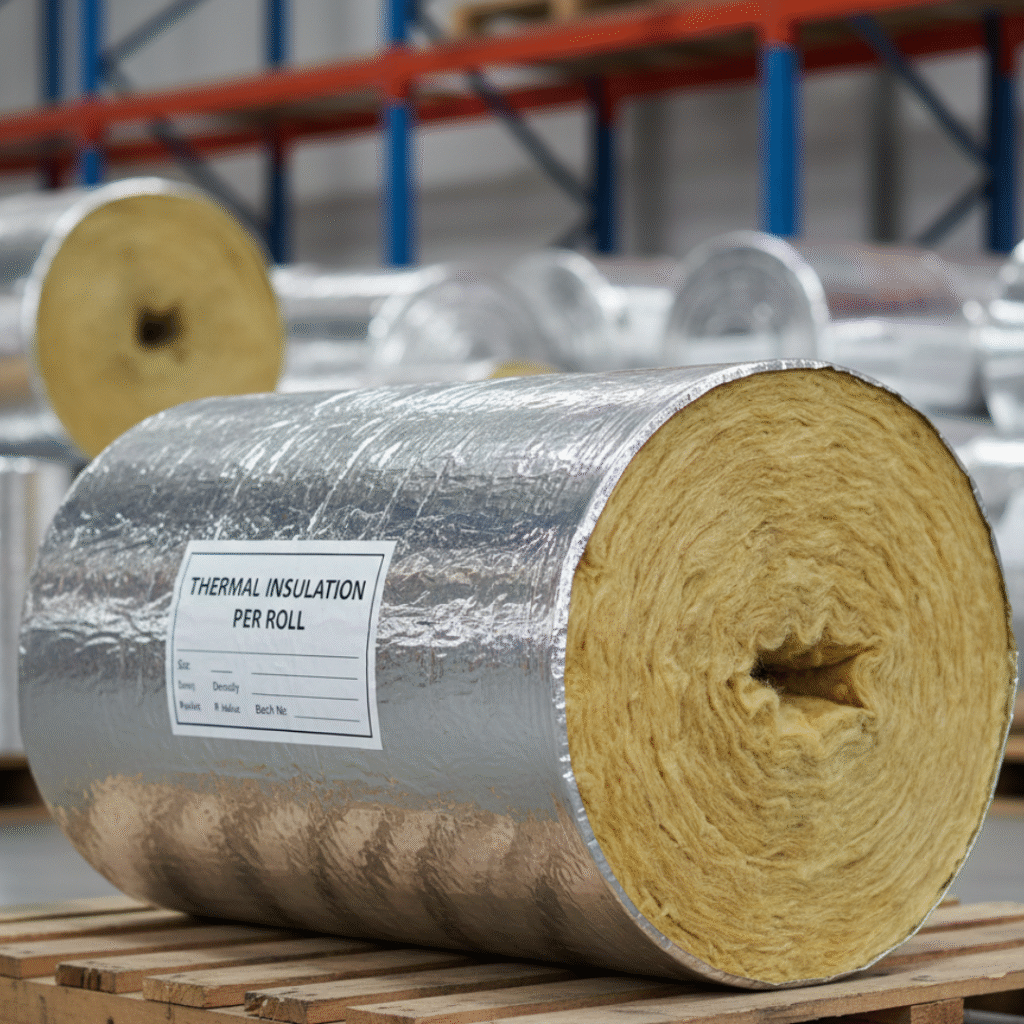
    Glasswool Roll Price in Pakistan

    A cost-effective and commonly used insulation material.

    Features:

    • Easy installation
    • Affordable
    • Suitable for ceilings and walls

    Types of Thermal Insulation Price

    The Types of Thermal Insulation price in Pakistan depends on material type, thickness, and application.

    Estimated Price Table

    Material TypePrice Range (PKR per sq. ft)
    EPS (Thermopore)40 – 120
    XPS180 – 350
    PU Foam250 – 500
    Rock Wool200 – 400
    Fiberglass80 – 150

    The overall Types of Thermal Insulation price may vary depending on supplier and city.

    City-Wise Thermal Insulation

    Types of Thermal Insulation in Lahore

    Lahore’s construction industry widely uses different insulation materials for residential and commercial buildings.

    Types of Thermal Insulation in Islamabad

    Modern housing projects prefer advanced insulation systems for energy efficiency.

    Types of Thermal Insulation in Faisalabad

    Industrial applications drive demand for durable insulation materials in Faisalabad.

    Types of Thermal Insulation in Multan

    Extreme heat increases the need for effective insulation in residential and commercial spaces.

    Types of Thermal Insulation in Karachi

    Humidity and coastal conditions require moisture-resistant insulation solutions.

    Manufacturers and Wholesalers

    Manufacturers

    Local companies act as Types of Thermal Insulation manufacturer in pakistan, producing a wide range of insulation materials for different applications.

    Wholesalers

    Bulk suppliers serve as Types of Thermal Insulation For Roofs wholeseller and top Types of Thermal Insulation wholeseller, offering competitive pricing for large projects.

    Working with trusted suppliers ensures quality and long-term performance.

    Cheap vs High-Quality Thermal Insulation

    While cheap Thermal Insulation in pakistan options are available, they may compromise durability and efficiency.

    Low-quality insulation may:

    • Degrade quickly
    • Offer poor thermal resistance
    • Increase long-term costs

    Investing in high-quality materials ensures better results and long-term savings.

    How to Choose the Right Insulation Material

    Consider these factors:

    • Climate conditions
    • Application (roof, wall, industrial use)
    • Budget
    • Moisture resistance
    • Fire safety requirements

    Selecting the right material helps achieve the best Types of Thermal Insulation for your project.

    Applications of Thermal Insulation

    • Residential homes
    • Commercial buildings
    • Industrial facilities
    • Cold storage units
    • HVAC systems

    Conclusion

    Understanding the Types of Thermal Insulation is essential for making informed construction decisions. From EPS and XPS to PU foam and rock wool, each material offers unique benefits depending on your needs.

    Whether you are sourcing from a Types of Thermal Insulation manufacturer in pakistan or working with a top Types of Thermal Insulation wholeseller, choosing the right insulation can significantly improve comfort, reduce energy costs, and increase building efficiency.

    FAQ’S

    The main types include EPS (Thermopore), XPS, polyurethane foam (PU), fiberglass, and rock wool. Each material has different properties depending on usage and budget.

    Types of Thermal Insulation price in Pakistan generally ranges from PKR 40 to PKR 500 per sq. ft depending on the material type, thickness, and quality.

    PU foam and XPS are considered the best for roofs due to their high thermal resistance, while EPS (Thermopore) is a cost-effective alternative.

    You can find thermal insulation services in major cities like Lahore, Islamabad, Karachi, Faisalabad, and Multan through local contractors, manufacturers, and wholesalers.
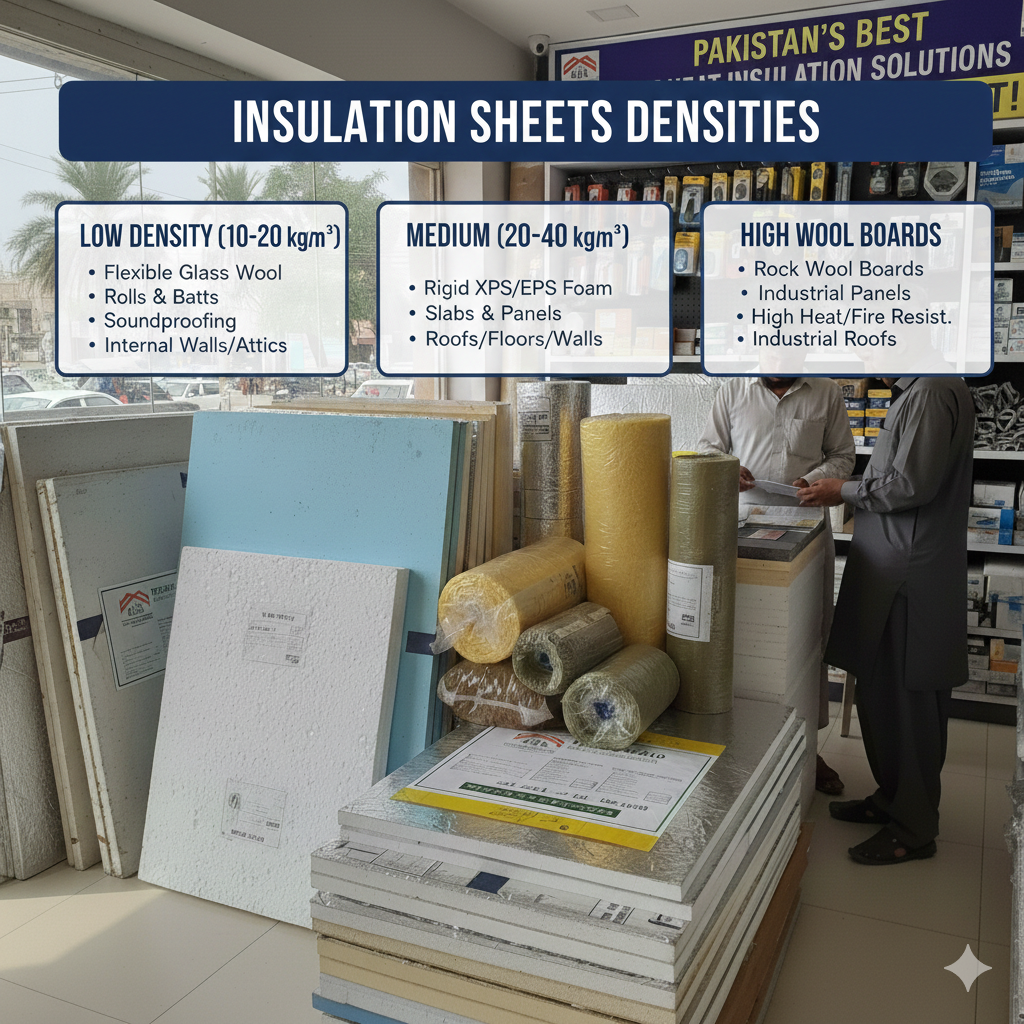
  • Insulation Sheet Densities Explained (EPS / XPS / Rockwool / Glasswool / Aluminium Foil)

    Insulation Sheet Densities Explained (EPS / XPS / Rockwool / Glasswool / Aluminium Foil)

    When selecting insulation for buildings in Pakistan, material type alone is not enough. Insulation density plays a critical role in thermal performance, durability, and suitability for specific applications. However, understanding insulation sheet densities helps builders and homeowners choose the right product for roofs, walls, and industrial systems.

    Moreover, this guide explains insulation densities for EPS, XPS, rockwool, glasswool, and aluminium foil, along with practical recommendations for different building needs.

    Why Insulation Density Matters

    glasswool density

    Insulation density refers to the weight of material per cubic meter. It directly affects strength, heat resistance, and long-term performance. However, choosing the wrong density can result in poor insulation, compression, or reduced lifespan.

    Furthermore, understanding insulation density kg/m3 ensures the insulation performs as intended under real-world conditions.

    Types of Insulation Materials Used in Buildings

    Modern construction uses multiple types of insulation material depending on thermal, acoustic, and structural requirements. Below is a practical overview of common materials used in Pakistan.

    Expanded Polystyrene (EPS) Density Explained

    EPS Thermal Insulation

    EPS is a lightweight insulation material widely used in walls and floors. It provides good thermal resistance while remaining cost-effective.

    Typical density range:

    • Low-density EPS for residential walls
    • Medium-density EPS for floors and partitions

    EPS is part of the broader thermal insulation materials in building applications due to its ease of installation and affordability.

    Extruded Polystyrene (XPS) Density Explained

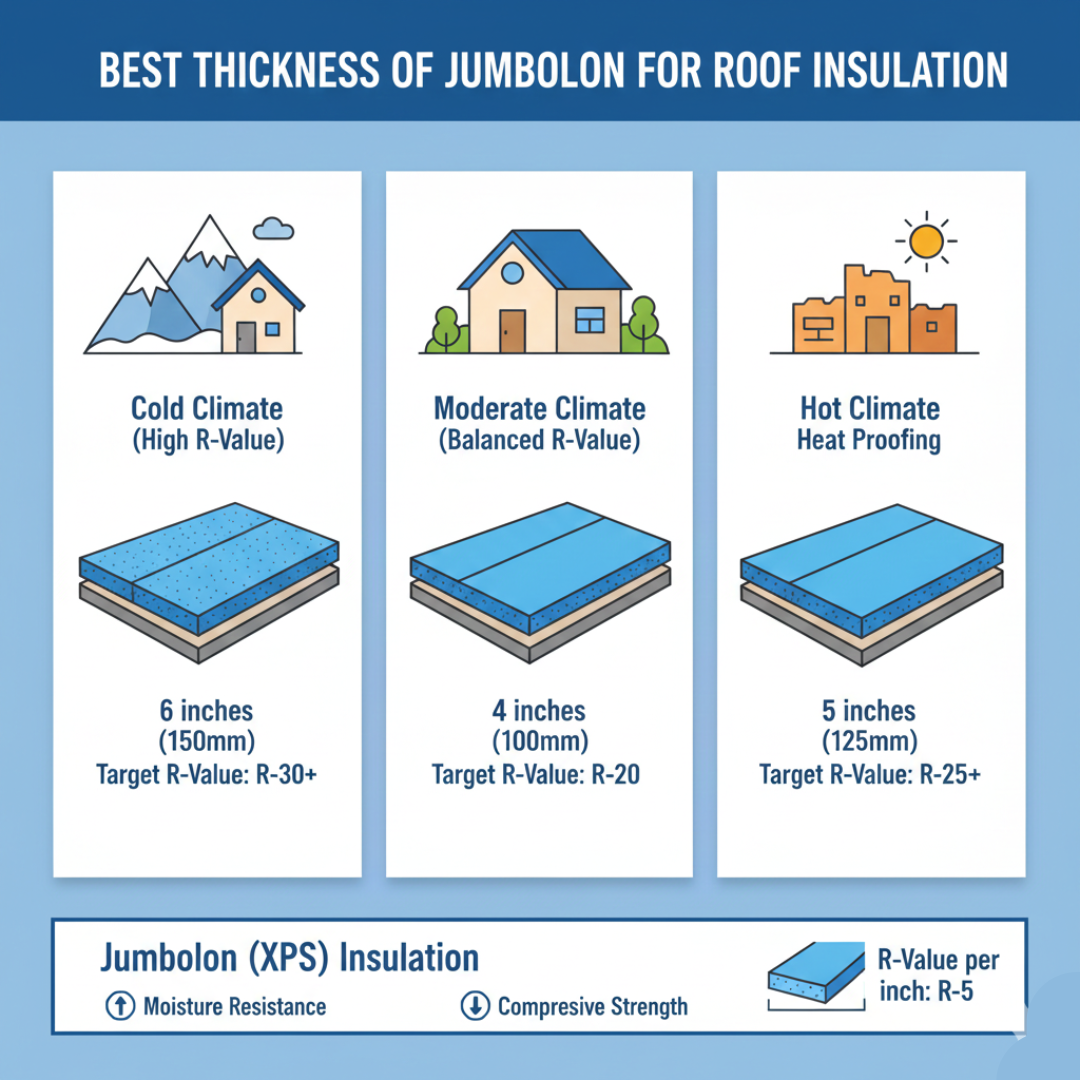
    Best Thickness of Jumbolon for Roof Insulation

    XPS insulation is denser than EPS and offers higher compressive strength and moisture resistance. It is often used in roofs, basements, and exterior walls.

    Because of its structure, XPS performs well as a hot insulation material in areas exposed to direct sunlight and moisture.

    Rockwool Insulation Density Overview

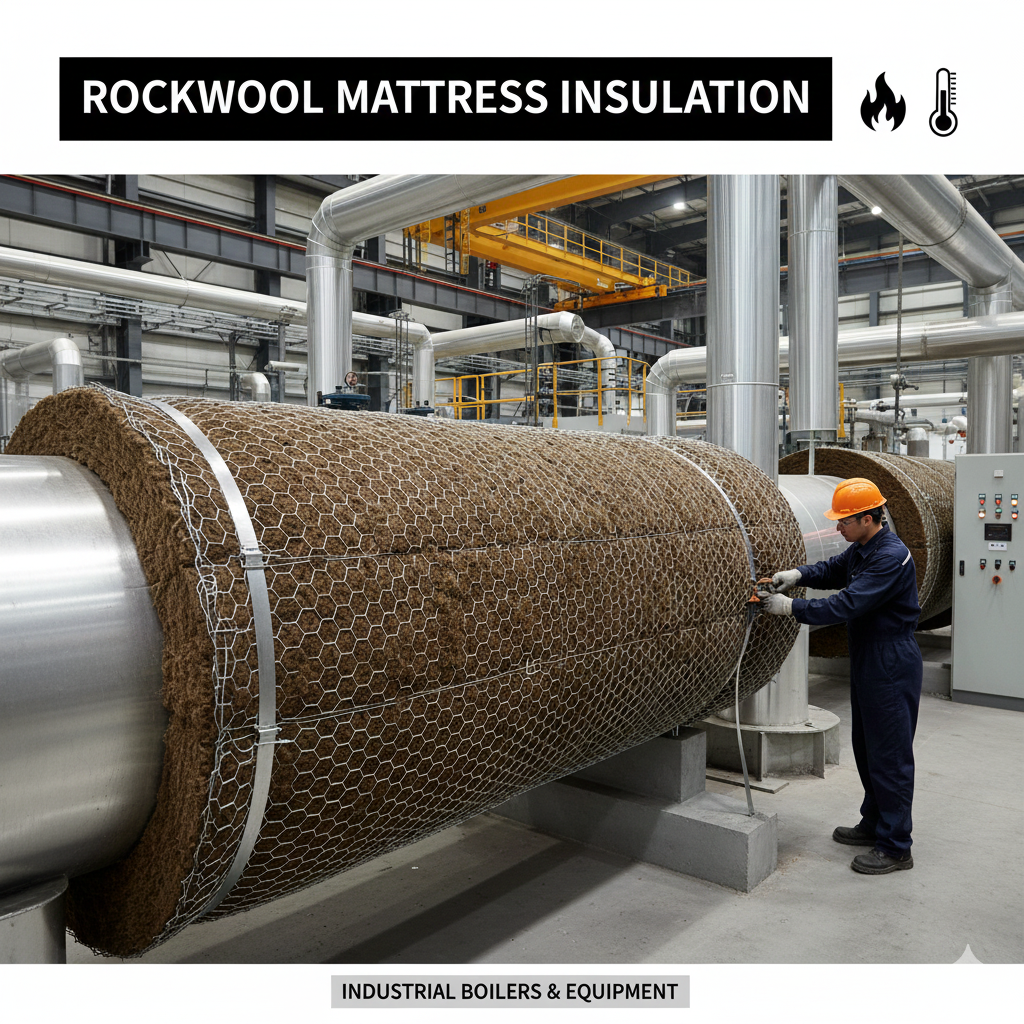
    rockwool mattress insulation for industrial plant

    Rockwool insulation is known for fire resistance and sound absorption. Selecting the correct rockwool insulation density kg/m3 is essential for achieving optimal performance.

    Lower densities are used for acoustic insulation, while higher densities are suitable for industrial and fire-rated applications.

    Rockwool is commonly selected as a best heat insulation material for commercial and industrial buildings due to its thermal stability.

    Glasswool Insulation Density Explained

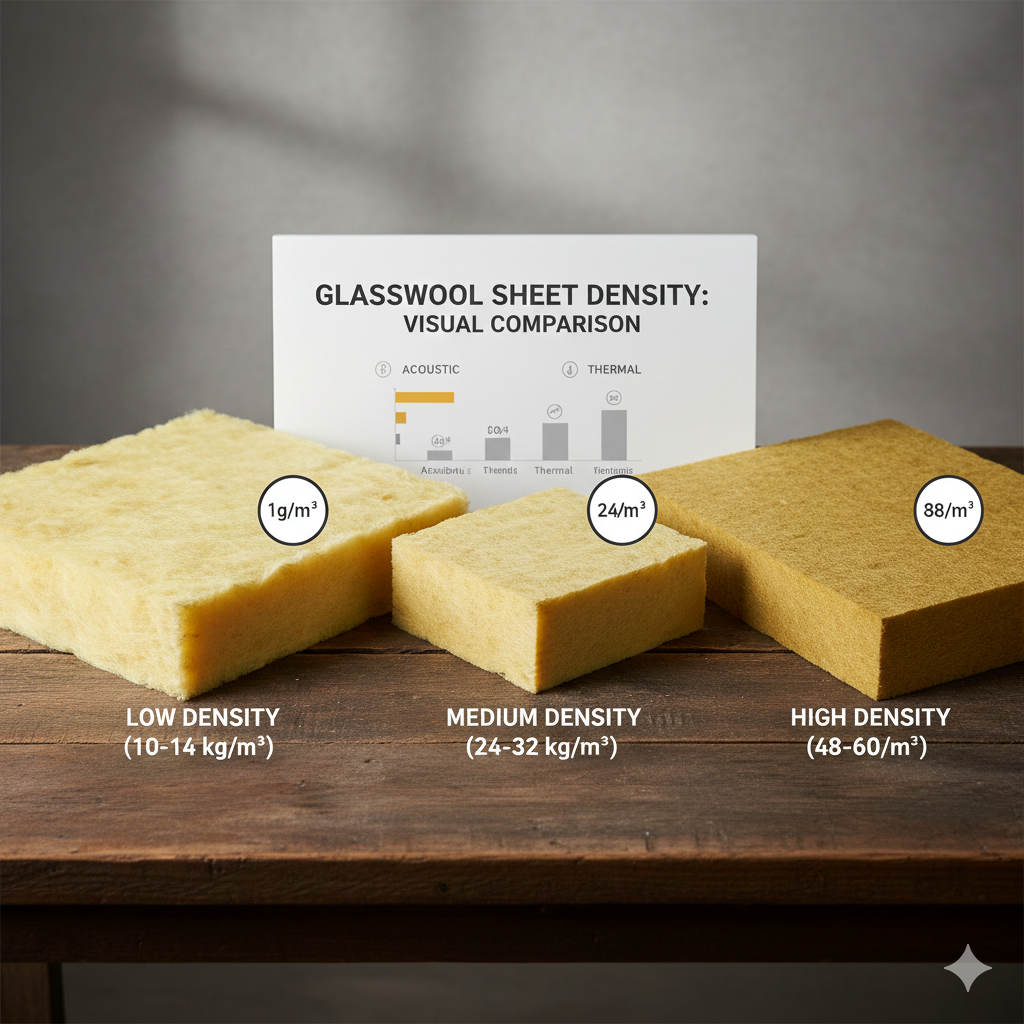
    glasswool insulation density

    Glasswool insulation offers excellent thermal and acoustic performance at relatively low weight. It is commonly used in ceilings, HVAC ducts, and interior walls.

    Lower densities suit ceiling applications, while medium densities are preferred for partitions and ducts within thermal insulation materials in building systems.

    Aluminium Foil Insulation and Density Concept

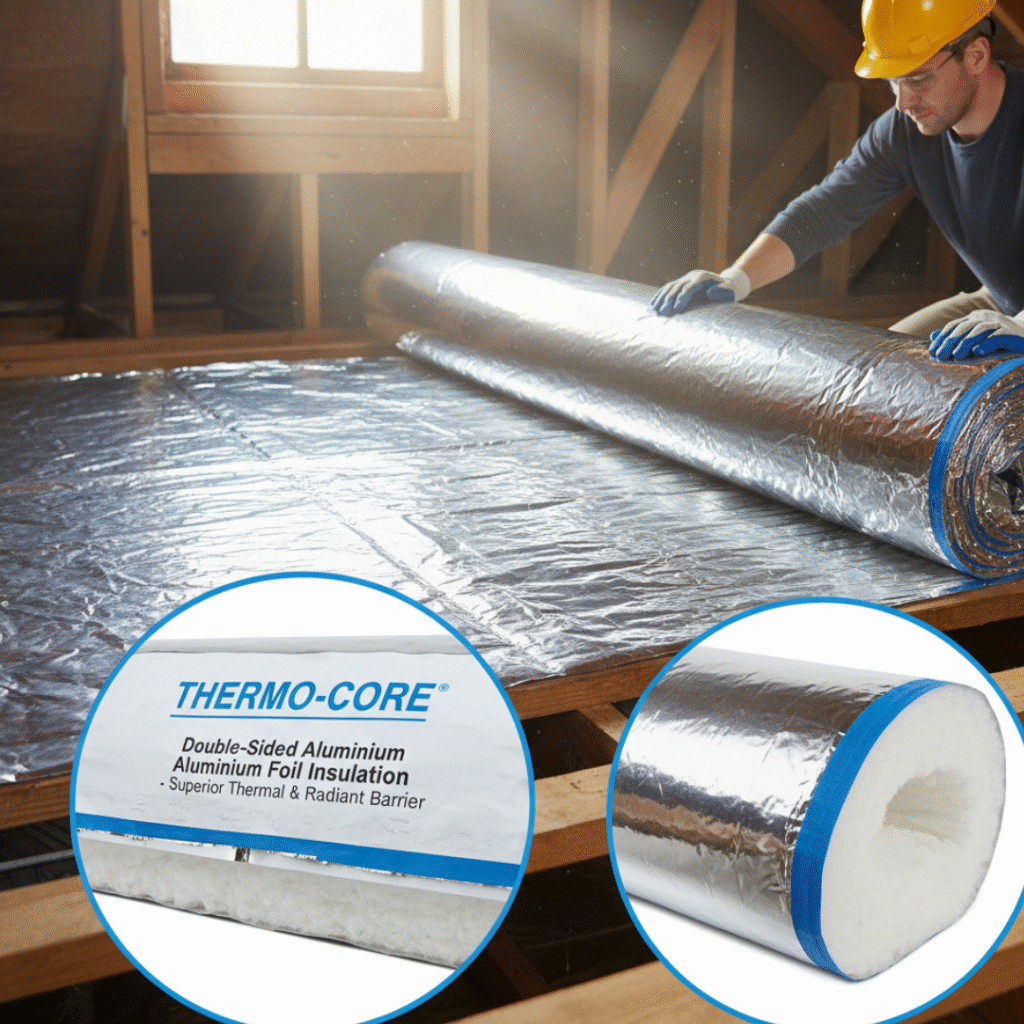
    double sided aluminium sheet price

    Unlike fibrous insulation, aluminium foil does not rely on density to resist heat. Instead, it reflects radiant heat. When combined with foam or fiber insulation, it enhances overall performance.

    However, aluminium foil is often paired with other insulation materials to create layered systems for maximum efficiency.

    Insulation Density Chart (General Overview)

    An insulation density chart helps compare materials and applications:

    • EPS: Low to medium density
    • XPS: Medium to high density
    • Rockwool: Medium to high density
    • Glasswool: Low to medium density
    • Aluminium foil: Reflective layer (non-density based)

    However, this chart simplifies material selection based on structural and thermal needs.

    Thermal Insulation Materials List for Practical Use

    Thermocol Sheet For Schools

    A practical thermal insulation materials list for buildings includes:

    • EPS boards
    • XPS boards
    • Rockwool slabs
    • Glasswool rolls
    • Aluminium foil insulation

    Moreover, each material serves a specific purpose based on density, location, and performance requirements.

    Choosing the Best Heat Insulation Material by Density

    The best heat insulation material is not defined by density alone. Roofs require different density levels than walls or industrial pipelines.

    For example:

    • Low density works for ceilings and partitions
    • Medium density suits residential walls
    • High density is required for industrial and fire-rated zones

    However, matching density to application ensures long-term insulation efficiency.

    Conclusion

    Understanding insulation sheet densities is essential for selecting the right insulation material in Pakistan. EPS, XPS, rockwool, glasswool, and aluminium foil each offer unique benefits when used at appropriate density levels.

    Moreover, by considering insulation density alongside application requirements, builders and homeowners can achieve better thermal comfort, energy savings, and durability.’

    FAQ’S

    Insulation density kg/m³ refers to the weight of insulation material per cubic meter. Higher density usually offers better strength and durability, while lower density is suitable for lightweight applications like ceilings.

    Medium-density insulation is generally best for residential buildings as it balances thermal performance, durability, and cost for walls and roofs.

    Rockwool insulation density kg/m³ affects fire resistance, sound absorption, and thermal stability. Higher density is recommended for industrial and fire-rated applications.

    Aluminium foil insulation does not rely on density for performance. It works by reflecting radiant heat and is usually combined with other insulation materials.