
thermocol sheet price in pakistan

Tag: thermal insulation

  • Thermal Insulation: Complete Guide for Homes, Buildings, and Industrial Spaces

    Thermal Insulation: Complete Guide for Homes, Buildings, and Industrial Spaces

    Thermal insulation plays a vital role in modern construction by improving indoor comfort, reducing energy consumption, and protecting structures from extreme temperatures in Pakistan. Whether it is used in homes, offices, factories, or warehouses, the right insulation system can significantly enhance building performance and long-term cost efficiency.

    This guide explains thermal insulation in detail, its applications, materials, and why it is essential for residential, commercial, and industrial environments.

    Importance of Thermal Insulation in Modern Construction

    Thermal insulation is no longer optional in modern construction. It is a key component of energy-efficient design and sustainable building practices.

    Key Benefits:

    • Improved indoor temperature control
    • Lower electricity and fuel consumption
    • Reduced operational costs
    • Enhanced building durability
    • Better acoustic performance

    Thermal insulation also helps buildings comply with modern energy efficiency standards and environmental regulations.

    Thermal Insulation For Houses
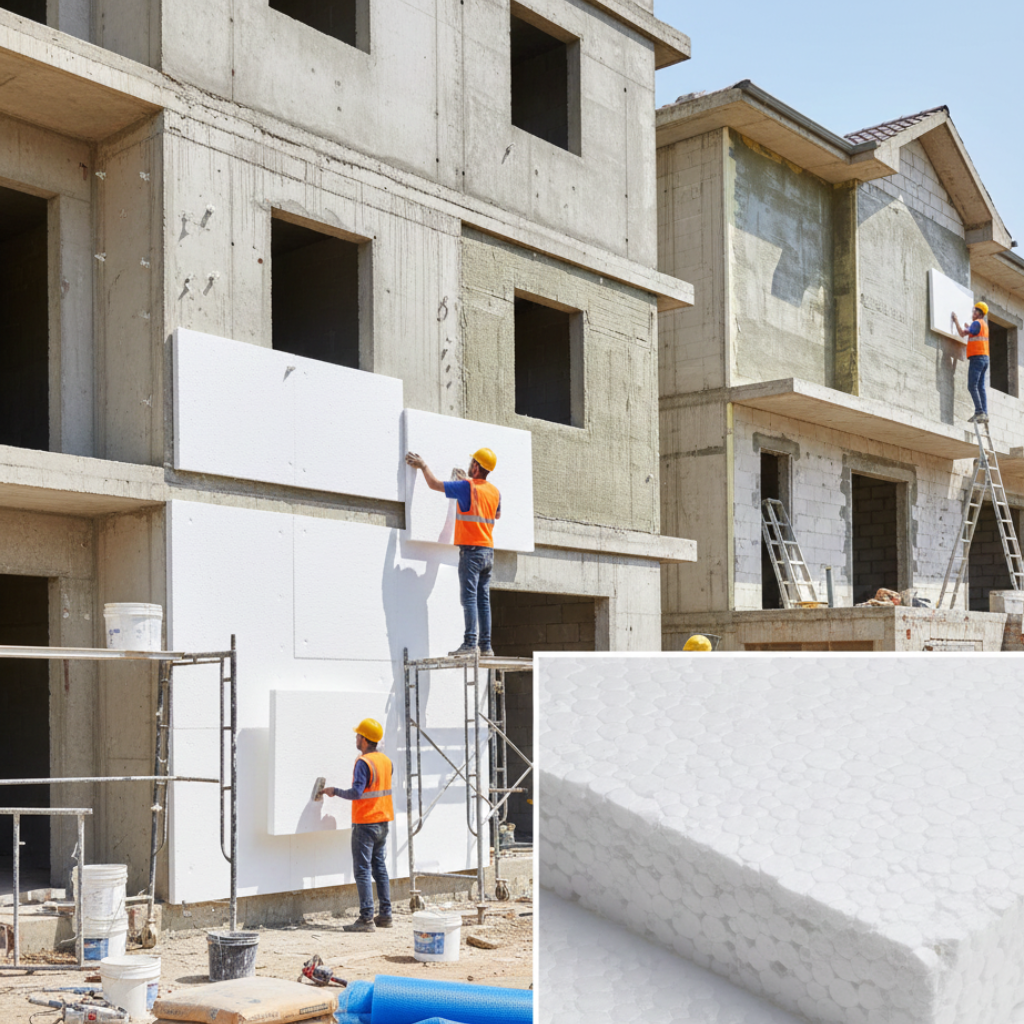
    Thermopore Sheet Installation

    It improves comfort by maintaining consistent indoor temperatures throughout the year. Insulated homes experience less heat penetration in summer and reduced heat loss in winter.

    Common residential insulation areas include:

    • Roofs and ceilings
    • External and internal walls
    • Floors and basements

    Using the correct insulation material in houses helps homeowners reduce energy bills while improving living conditions.

    Thermal Insulation For Buildings in Pakistan
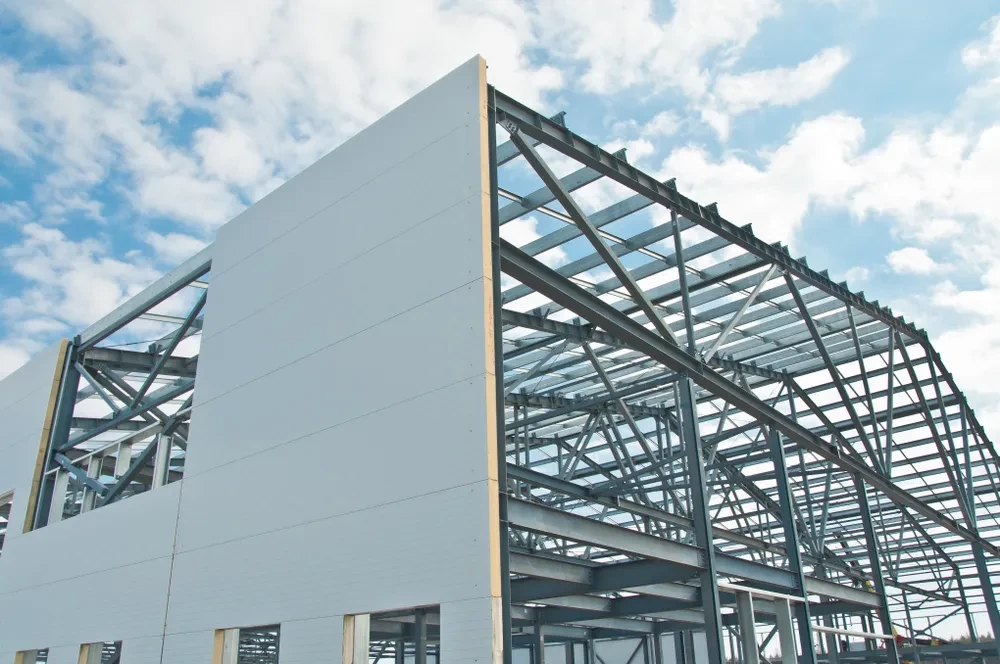
    Thermal insulation in buildings is widely used in residential apartments, commercial plazas, and mixed-use developments. Large structures require insulation systems that perform consistently across wide surface areas.

    Insulation in buildings helps:

    • Maintain uniform temperature across floors
    • Protect structural elements from thermal stress
    • Reduce HVAC system load

    Thermal insulation sheets and foam-based solutions are commonly applied in walls, roofs, and façades of multi-story buildings.

    Thermal Insulation For Offices

    sandwich panels installation

    It contributes directly to employee comfort and productivity. Stable indoor temperatures reduce fatigue and improve work efficiency.

    Office insulation solutions are designed to:

    • Minimize heat gain through glass and walls
    • Reduce noise from external environments
    • Maintain consistent cooling across workspaces

    Well-insulated offices also experience lower long-term maintenance and energy costs.

    Thermal Insulation For Factories
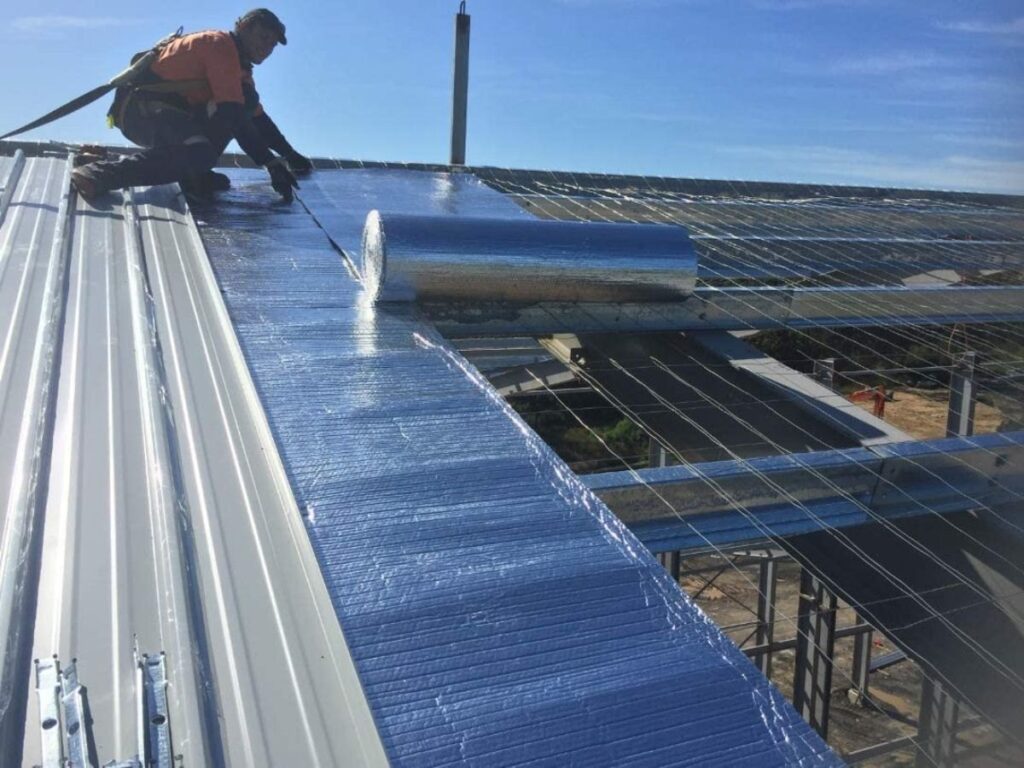
    Thermal insulation in factories is essential for controlling heat generated by machinery and industrial processes. Insulation helps maintain safe working conditions and protects sensitive equipment.

    Factory insulation is commonly used for:

    • Roofs and metal sheds
    • Machinery enclosures
    • Production halls

    Industrial-grade insulation materials are selected based on temperature resistance, durability, and fire safety.

    Thermal Insulation For Warehouses
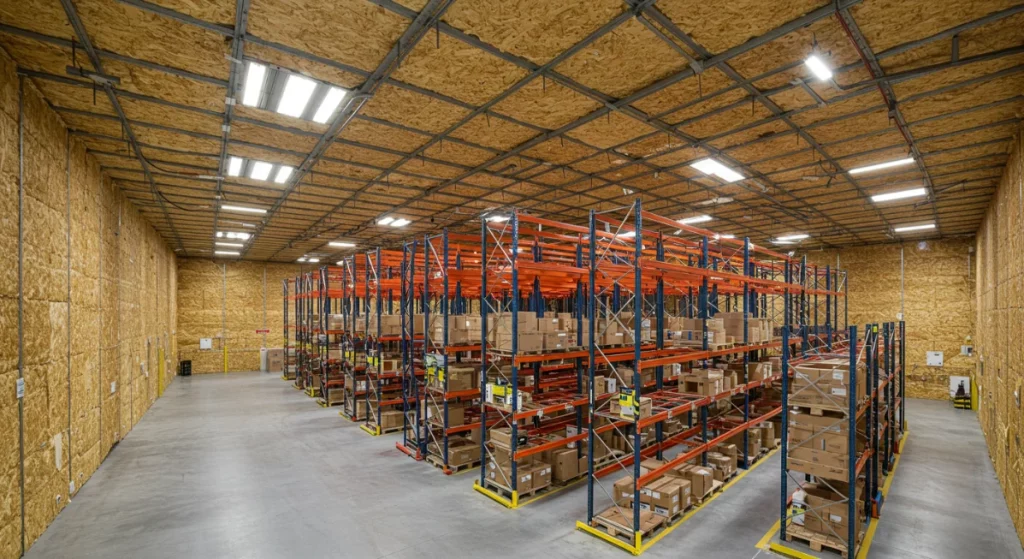
    Thermal insulation in warehouses is critical for temperature control, especially where goods are stored for long durations. Insulation protects products from heat damage and moisture-related issues.

    Warehouses benefit from insulation by:

    • Reducing temperature fluctuations
    • Improving storage safety
    • Lowering cooling and ventilation costs

    Thermal insulation foam and sheets are widely used for warehouse roofs and walls due to their lightweight and efficient performance.

    Thermal Insulation Foam Explained

    It is a popular solution due to its high insulation efficiency and ease of installation. Foam insulation expands to fill gaps, reducing air leakage and thermal bridging.

    Common foam applications include:

    • Roof insulation
    • Wall cavity filling
    • Cold storage facilities

    Foam-based insulation provides excellent thermal resistance while keeping overall structure weight low.

    Thermal Insulation Materials List

    Choosing the right material is crucial for effective insulation. Below is a commonly used thermal insulation materials list in construction:

    • Expanded Polystyrene (EPS)
    • Extruded Polystyrene (XPS)
    • Polyurethane Foam (PU)
    • Glass Wool
    • Rock Wool
    • Reflective insulation sheets

    Each material varies in thermal resistance, density, cost, and suitability depending on the project type.

    How to Choose the Right Thermal Insulation Solution

    Selecting the correct insulation depends on:

    • Building type (residential, commercial, industrial)
    • Climate conditions
    • Budget constraints
    • Installation location

    A professional assessment ensures optimal insulation performance and long-term savings.

    Long-Term Value of Thermal Insulation

    Investing in thermal insulation is a long-term decision that delivers continuous returns through reduced energy costs and enhanced property value. Proper insulation also supports environmentally responsible construction practices by lowering carbon emissions.

    Conclusion

    Thermal insulation is a critical element in modern construction, offering comfort, efficiency, and protection across homes, buildings, offices, factories, and warehouses in Pakistan. With various insulation sheets, foam systems, and material options available, selecting the right solution ensures better performance and lasting benefits.

    A well-planned insulation system is not just a construction feature—it is a smart investment for the future.

    FAQ’S

    Thermal insulation is used to reduce heat transfer between indoor and outdoor environments. It helps maintain comfortable indoor temperatures, reduces electricity consumption, and protects buildings from extreme weather conditions.

    Roofs, external walls, ceilings, and industrial sheds benefit the most from thermal insulation. Proper insulation in these areas improves energy efficiency in houses, offices, factories, and warehouses.

    Common thermal insulation materials include EPS and XPS sheets, polyurethane foam, glass wool, rock wool, and reflective insulation sheets. The right choice depends on building type, budget, and insulation requirements.

    Yes, thermal insulation is highly suitable for factories, offices, warehouses, and commercial buildings. It helps control indoor temperatures, protects equipment, and lowers long-term operational costs.
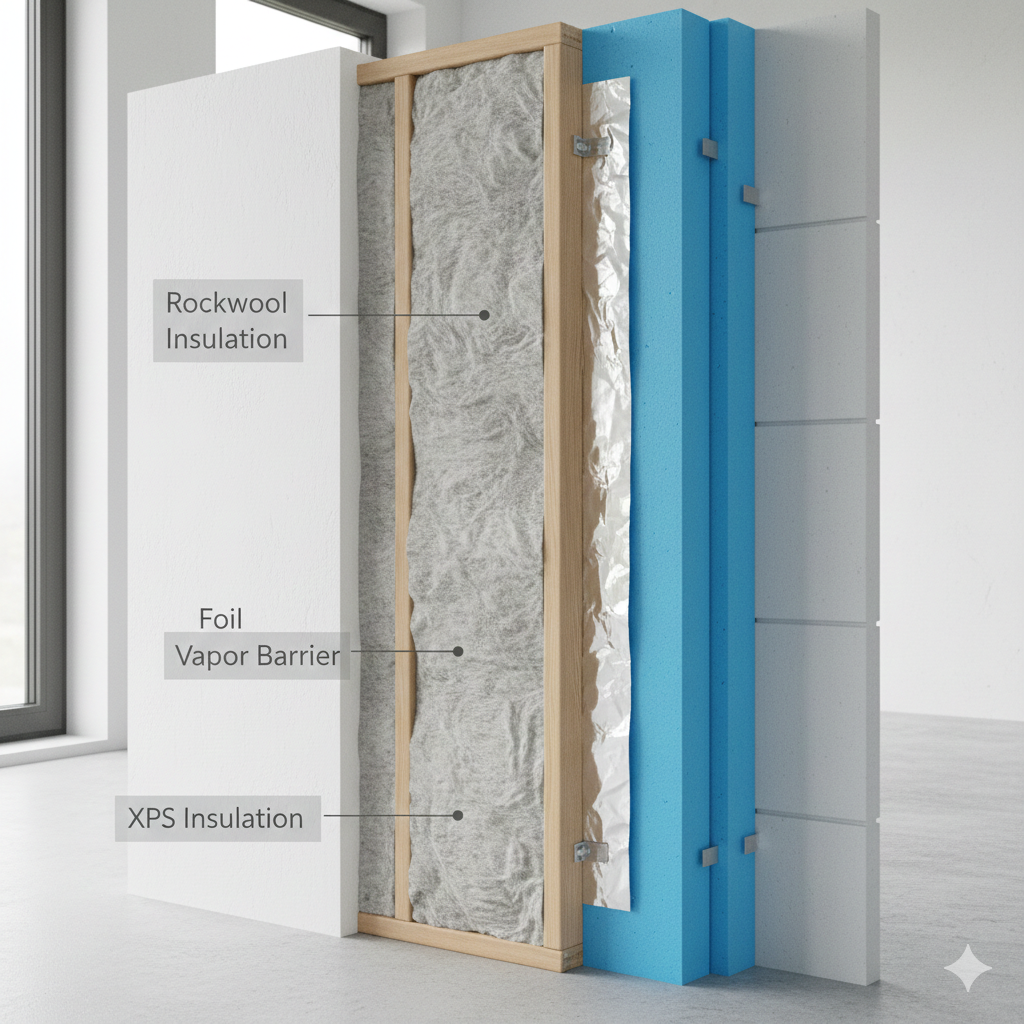
  • Combination Insulation Layers (Rockwool + Foil + XPS)

    Combination Insulation Layers (Rockwool + Foil + XPS)

    Modern buildings, factories, and commercial projects demand insulation systems that do more than just reduce heat. A combination insulation layer using Rockwool, Aluminium Foil, and XPS delivers thermal resistance, fire safety, moisture control, and long-term energy savings in one integrated solution.

    This guide explains how Combination Insulation Layers Rockwool Foil XPS work, where they are used, technical specifications, pricing considerations, and how to choose the right configuration for your project.

    What Is a Combination Insulation Layer (Rockwool + Foil + XPS)?

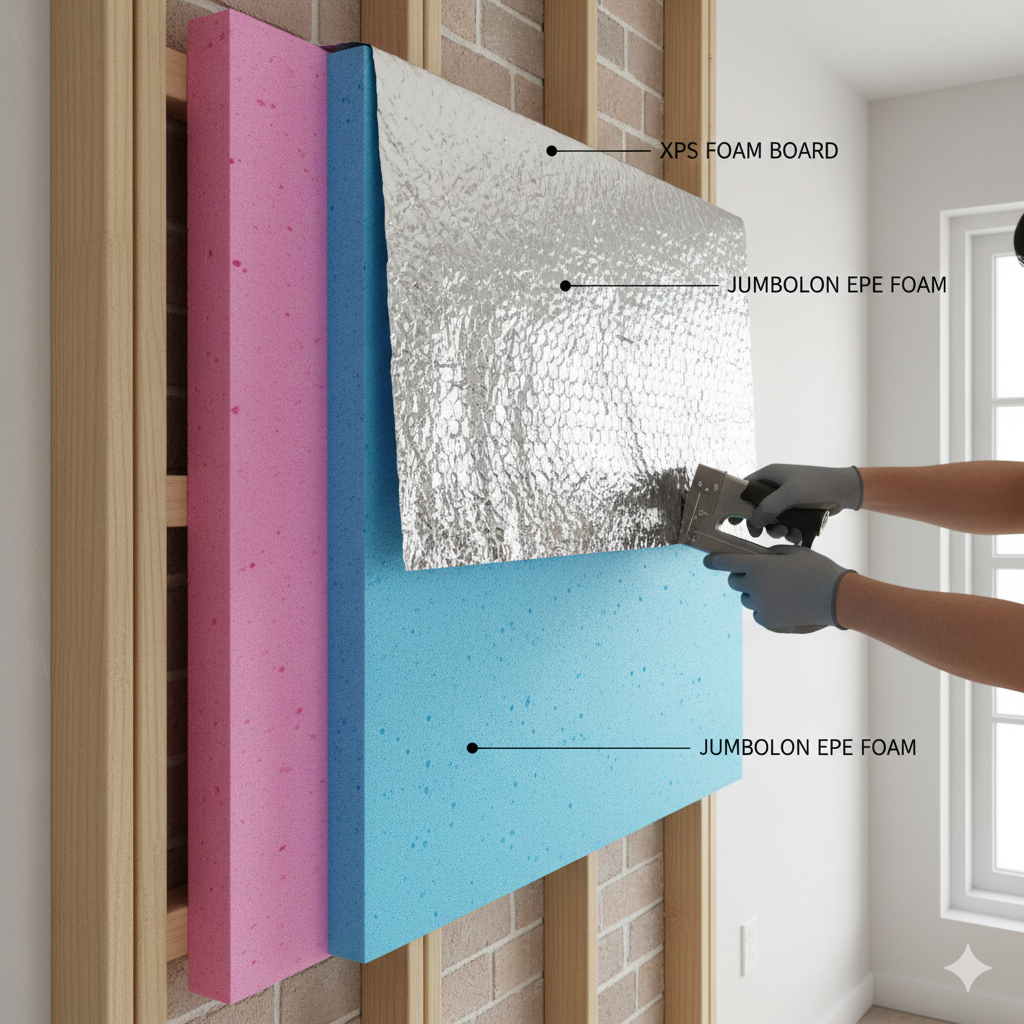
    Using aluminium foil with jumbolon

    A Combination Insulation Layer is a multi-material insulation system where:

    • Rockwool provides fire resistance, acoustic insulation, and high-temperature stability
    • Aluminium foil reflects radiant heat and acts as a vapor barrier
    • XPS (Extruded Polystyrene) delivers strong thermal insulation with high compressive strength

    This layered system is engineered to perform better than any single insulation material used alone.

    Why Use Combination Insulation Instead of Single-Layer Systems?

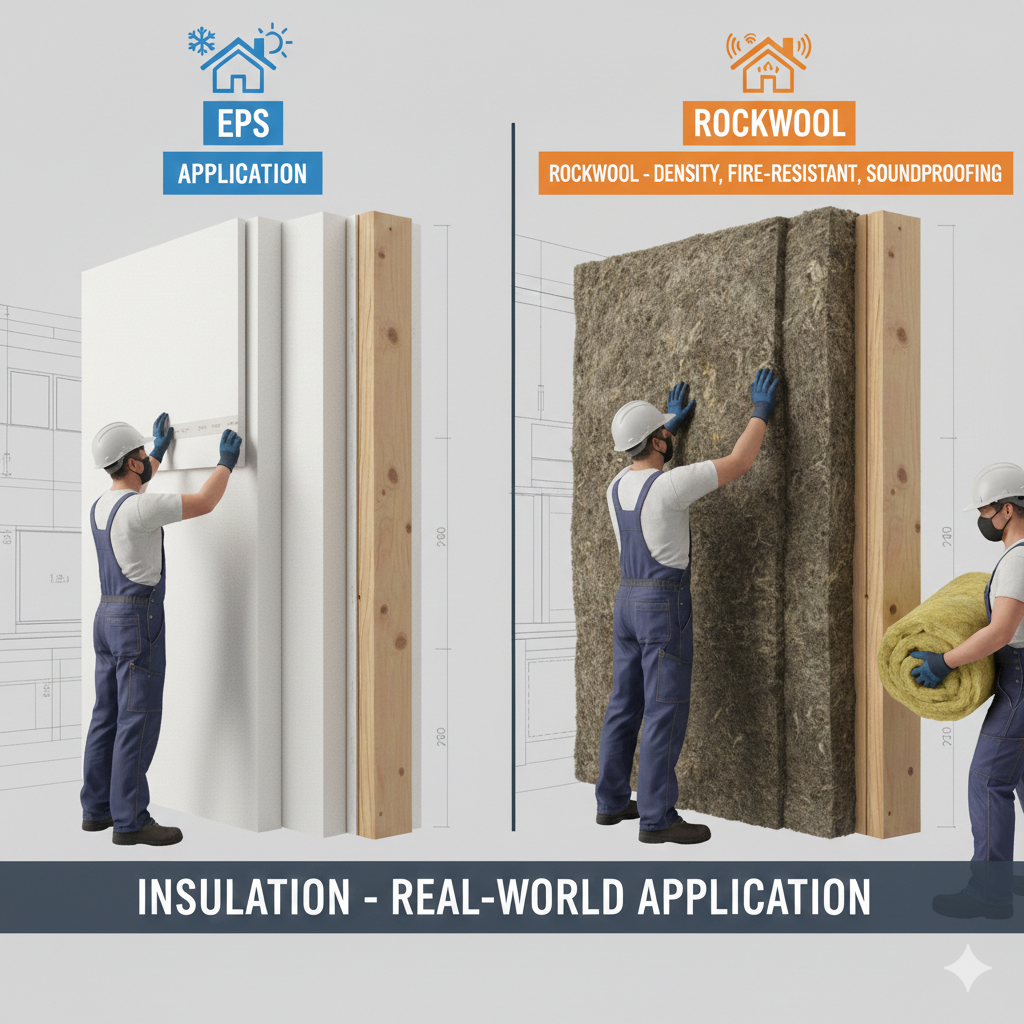
    EPS Vs Rockwool

    Single insulation materials often solve only one problem. In contrast, Combination Insulation Layers Rockwool Foil XPS address multiple performance requirements simultaneously, especially in harsh climates and industrial environments.

    Key Advantages:

    • Superior heat reduction
    • Fire-rated insulation performance
    • Moisture and vapor control
    • Structural durability
    • Long-term energy efficiency

    Layer-by-Layer Breakdown of the System

    1️⃣ Rockwool Insulation Layer

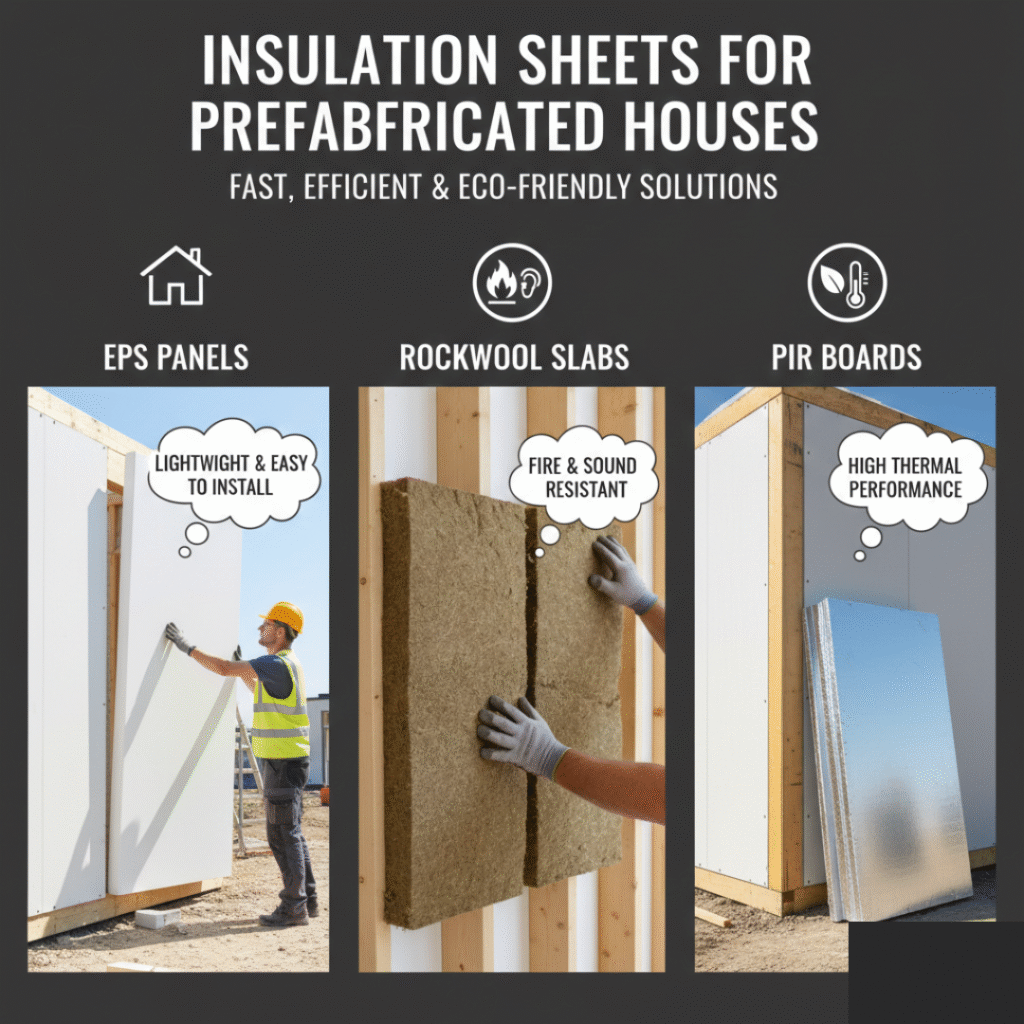
    insulation sheets for prefabricated house

    Rockwool is the backbone of fire and sound protection in the system.

    Rockwool density typically ranges between 40–120 kg/m³, depending on application. Higher density improves fire resistance and acoustic performance.

    Rockwool insulation specifications commonly include:

    • Non-combustible material
    • High melting point
    • Excellent sound absorption
    • Stable performance under extreme heat

    For heavy-duty applications, 100mm rockwool insulation is often selected to meet fire-rating and thermal requirements.

    2️⃣ Aluminium Foil Layer

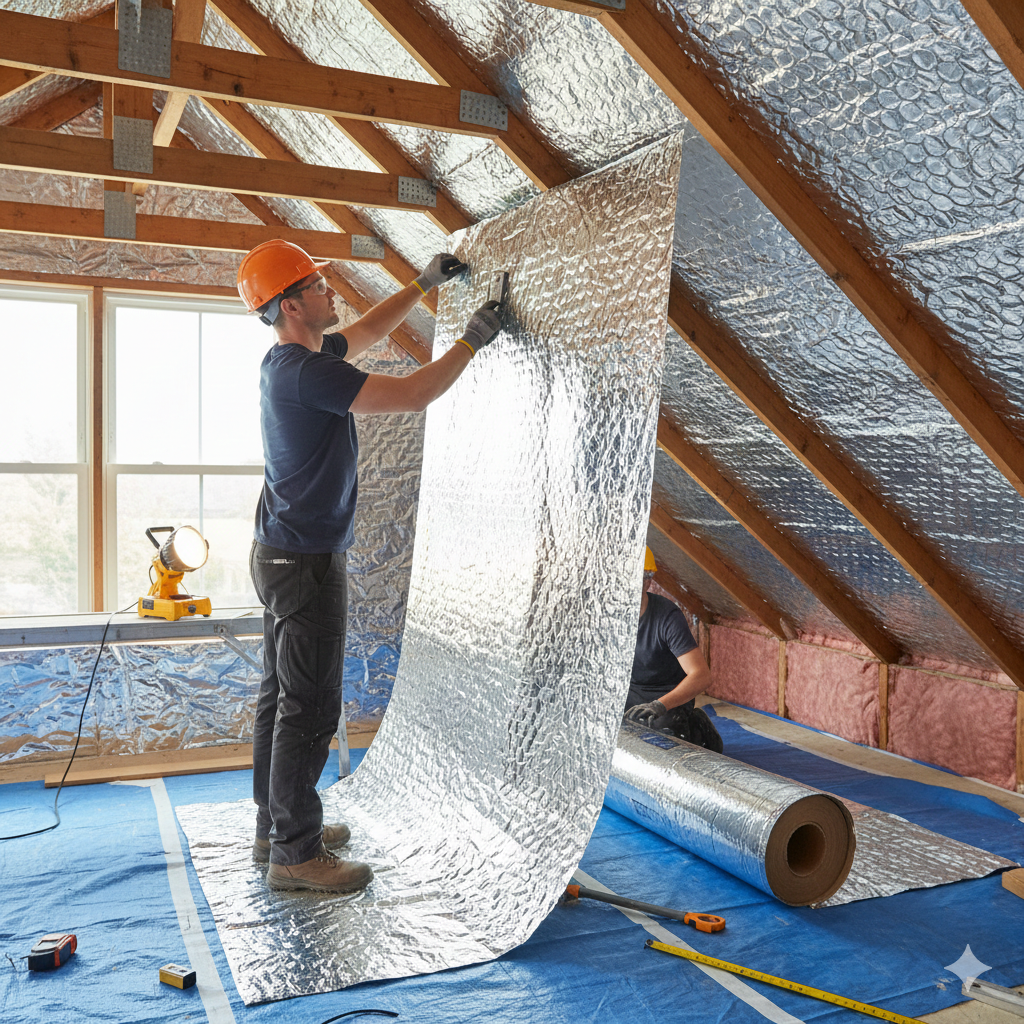
    Bubble Aluminium Foil Installation

    The foil layer plays a critical role in radiant heat reflection.

    Functions of aluminium foil:

    • Reflects radiant heat back toward the source
    • Acts as a vapor barrier
    • Prevents moisture penetration
    • Improves overall thermal efficiency of the insulation system

    Foil placement between layers maximizes thermal resistance and protects inner materials

    3️⃣ XPS Insulation Layer

    xps Insulation for Metal Sheds

    XPS is known for its closed-cell structure, making it ideal for load-bearing and moisture-prone areas.

    Key benefits:

    • High thermal resistance (R-value)
    • Strong compressive strength
    • Water resistance
    • Long service life

    XPS complements rockwool by improving insulation efficiency without adding excessive thickness.

    3️⃣ XPS Insulation Layer

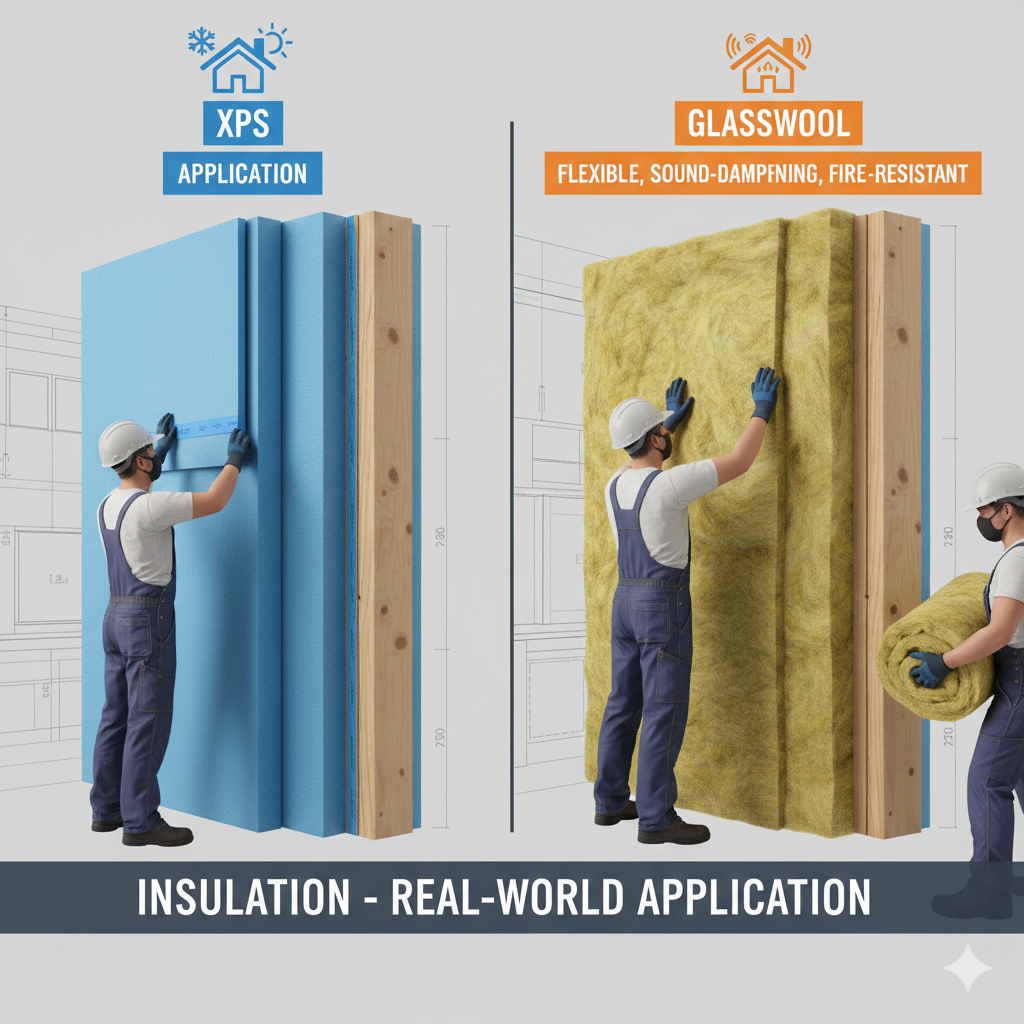
    XPS Vs Glasswool

    XPS is known for its closed-cell structure, making it ideal for load-bearing and moisture-prone areas.

    Key benefits:

    • High thermal resistance (R-value)
    • Strong compressive strength
    • Water resistance
    • Long service life

    XPS complements rockwool by improving insulation efficiency without adding excessive thickness.

    Applications of Rockwool + Foil + XPS Insulation Systems

    This combination insulation system is widely used in:

    • Industrial factories
    • Power plants
    • Commercial buildings
    • Data centers
    • Cold storage facilities
    • Roofs and wall insulation systems
    • Mechanical rooms and machinery enclosures

    It is especially valuable where fire safety, heat control, and durability are non-negotiable.

    Combination Insulation Layers Rockwool Foil XPS Price – What Affects Cost?

    The Combination Insulation Layers Rockwool Foil XPS price depends on several factors:

    • Rockwool density selection
    • Thickness (including 100mm rockwool insulation)
    • XPS board thickness
    • Foil quality and layering method
    • Installation complexity
    • Project size and location

    Higher density rockwool and thicker insulation layers increase cost but significantly improve performance and lifespan.

    Technical Performance Overview

    PropertyPerformance
    Thermal ResistanceExcellent
    Fire ResistanceHigh (Rockwool core)
    Moisture ControlVery High (Foil + XPS)
    Acoustic InsulationExcellent
    Structural StrengthHigh
    LifespanLong-term

    How to Choose the Right Configuration

    When selecting a combination insulation system, consider:

    • Fire rating requirements
    • Indoor temperature range
    • Moisture exposure
    • Structural load
    • Energy efficiency goals

    Projects with strict fire regulations often prioritize higher rockwool density, while energy-focused projects may increase XPS thickness.

    Installation Best Practices

    Proper installation is critical for system performance:

    • Ensure tight joints between insulation layers
    • Place foil with reflective side facing heat source
    • Avoid compression of rockwool beyond specifications
    • Seal all gaps to prevent thermal bridging

    Professional installation ensures the system performs as designed.

    Long-Term Benefits of Combination Insulation Systems

    • Reduced energy bills
    • Improved fire safety compliance
    • Lower HVAC load
    • Enhanced indoor comfort
    • Reduced maintenance costs
    • Increased building lifespan

    Is This Insulation System Worth the Investment?

    For projects requiring maximum thermal efficiency and fire safety, the answer is yes. While the initial Combination Insulation Layers Rockwool Foil XPS price may be higher than single-layer insulation, the long-term savings and safety benefits justify the investment.

    Conclusion

    A Combination Insulation Layer using Rockwool, Aluminium Foil, and XPS is a future-ready solution for modern buildings and industrial facilities. By combining fire resistance, thermal insulation, and moisture control, this system delivers unmatched performance in demanding environments.

    FAQ’S

    For most commercial and industrial projects, 100mm rockwool insulation combined with 25–50mm XPS delivers optimal fire resistance and thermal performance. Thickness may vary based on fire-rating and energy-efficiency requirements.

    Higher rockwool density improves fire resistance, sound absorption, and durability. Medium to high-density rockwool is recommended when used in combination insulation layers with foil and XPS.

    Yes. Aluminium foil significantly improves performance by reflecting radiant heat and acting as a vapor barrier, which enhances the overall efficiency of Rockwool insulation specifications.

    Pricing depends on rockwool density, thickness (including 100mm rockwool insulation), XPS board thickness, foil quality, installation method, and project scale. Industrial-grade systems cost more but offer longer service life.

    These systems are widely used in factories, commercial buildings, power plants, mechanical rooms, roofs, and walls where fire safety and thermal control are critical.

    Yes. Combination insulation layers outperform single materials by providing fire resistance, thermal insulation, moisture control, and acoustic performance in one integrated system.

  • Bubble Aluminium Foil Insulation Guide

    Bubble Aluminium Foil Insulation Guide

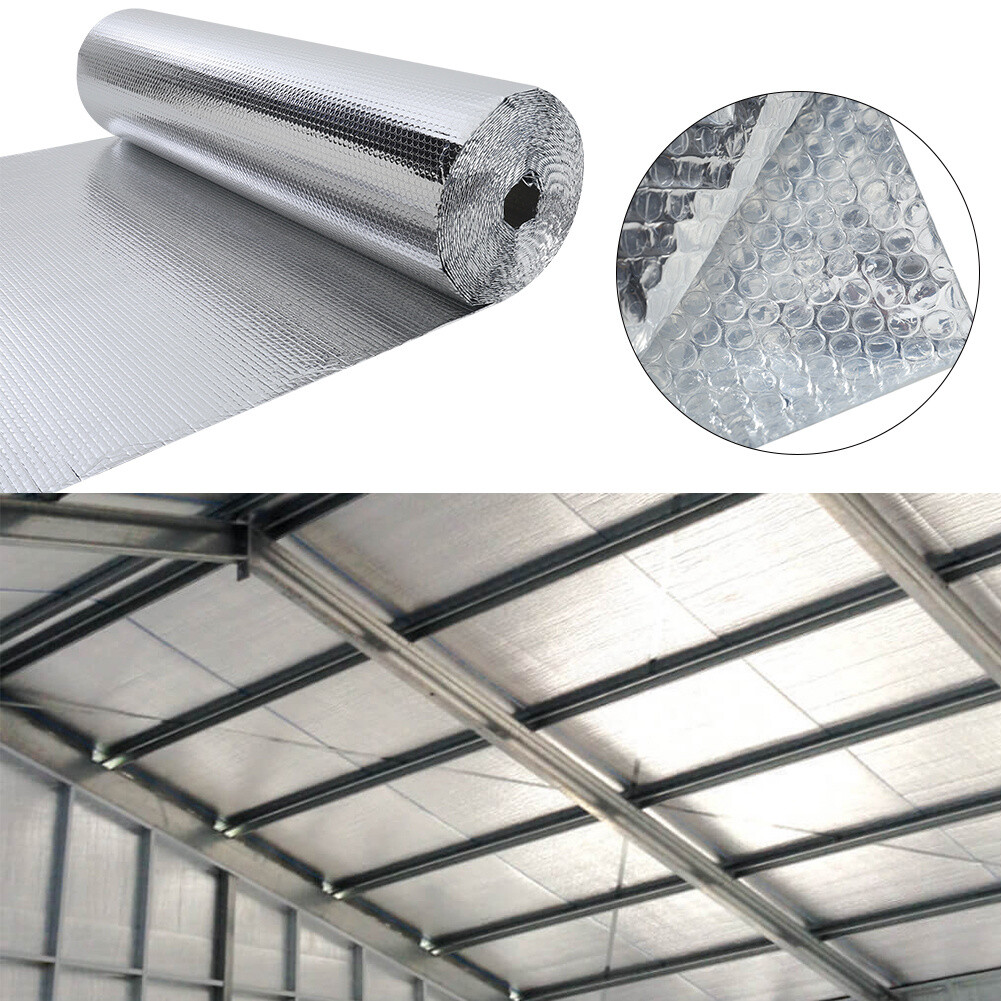
    Rising temperatures and increasing energy costs have made thermal insulation an essential part of modern construction. Among lightweight and cost-effective solutions, Bubble Aluminium Foil Insulation has gained strong popularity for roofs, walls, and windows. This guide explains how it works, where it performs best, and how to evaluate quality and pricing before making a purchase.

    What Is Bubble Aluminium Foil Insulation?

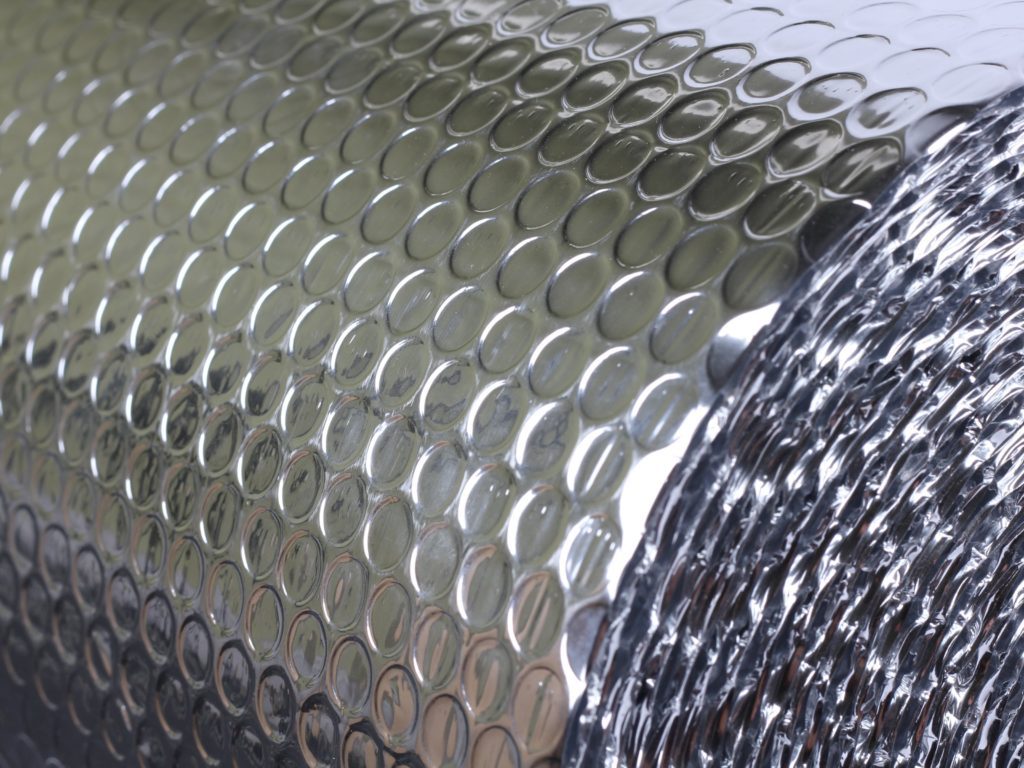
    bubble aluminium foil insulation in pakistan

    Bubble aluminium foil insulation is a How Bubble Aluminium Foil Insulation Works

    The performance of bubble foil insulation is based on two mechanisms:

    • Radiant heat reflection through aluminium foil surfaces
    • Air entrapment inside bubbles that reduces conductive heat flow

    This dual-action approach helps control indoor temperatures during extreme weather, especially in hot climates.multi-layer insulation material made by combining air-filled bubble layers with reflective aluminium foil surfaces. The trapped air bubbles slow down heat transfer, while the foil reflects radiant heat away from the building.

    This structure allows thermal insulation to work efficiently without adding heavy load to roofs or walls, making it suitable for residential, commercial, and industrial use.

    Key Benefits of Bubble Aluminium Foil Insulation

    1. Effective Thermal Control

    Bubble foil significantly reduces heat gain in summer and heat loss in cooler months, improving indoor comfort throughout the year.

    2. Lightweight & Easy Installation

    Unlike rigid insulation boards, bubble insulation is flexible and easy to cut, fold, and install on roofs, walls, and ceilings.

    3. Moisture & Condensation Resistance

    Aluminium foil surfaces act as a moisture barrier, reducing condensation risks in humid environments.

    4. Space-Saving Insulation Solution

    Because of its thin profile, bubble foil is ideal where space limitations make thick insulation impractical.

    Best Bubble Aluminium Foil Insulation Applications

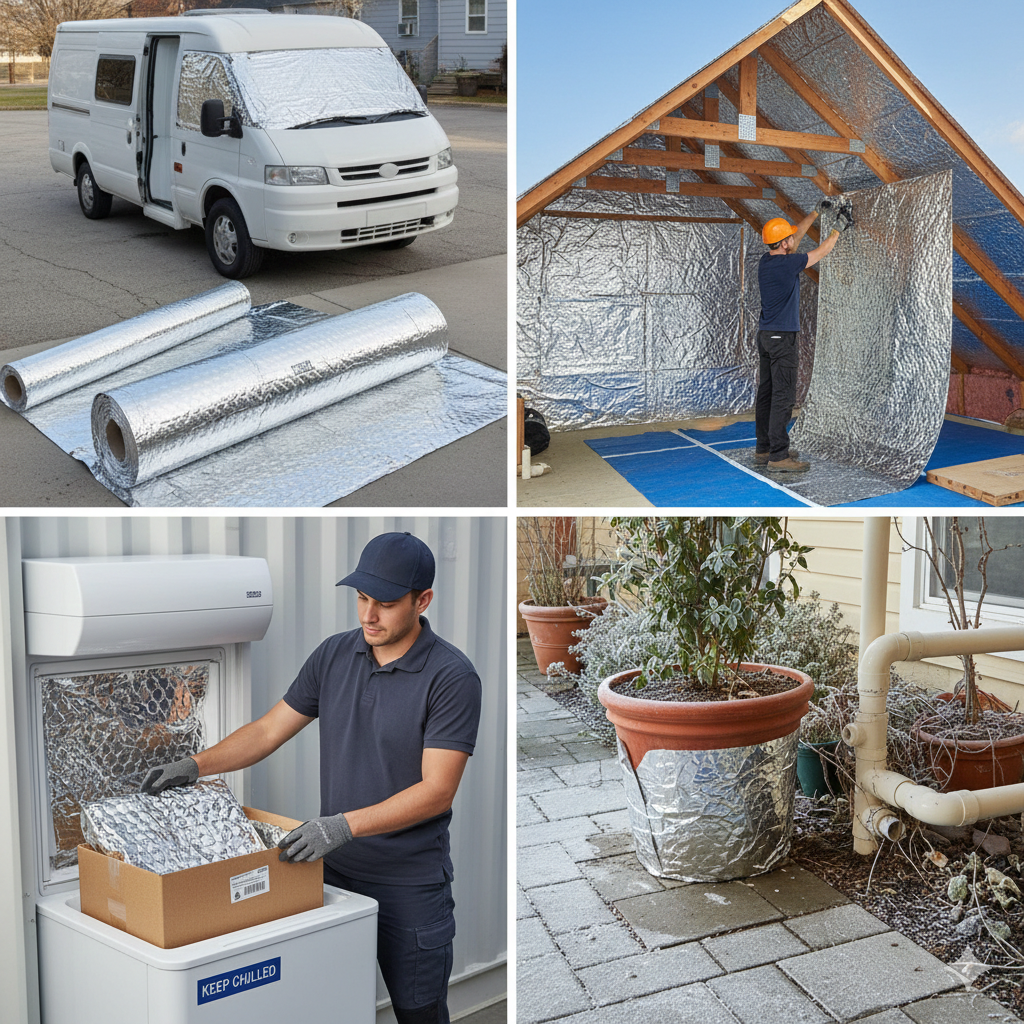
    Roof Heat Protection

    Bubble foil is commonly installed under metal and concrete roofs to block radiant heat before it enters living spaces.

    Walls & Ceilings

    It works well as a supplementary insulation layer behind wall cladding or ceiling panels.

    Bubble Wrap Insulation for Windows

    Bubble wrap insulation for windows is an effective way to reduce heat transfer through glass surfaces, especially in sun-exposed areas.

    Warehouses & Industrial Sheds

    Large roof areas benefit from reflective insulation that reduces internal heat buildup.

    Bubble Aluminium Foil Insulation Comparison Table

    Insulation TypeThickness ProfileHeat Control MethodCommon Usage
    Bubble Aluminium Foil InsulationVery ThinRadiant heat reflection + air gapRoofs, walls, windows
    Glasswool InsulationMediumAir trapping (conductive resistance)Roofs, ceilings
    Rockwool InsulationThickHigh-density thermal resistanceWalls, fire-rated areas
    EPS SheetsMediumConductive heat reductionWalls, roofs
    XPS BoardsMedium to ThickHigh thermal resistanceFloors, roofs

    Note: Bubble foil performs best when installed with proper air spacing and sealed joints.

    How to Choose the Best Bubble Aluminium Foil Insulation

    When selecting the best Bubble Aluminium Foil Insulation, consider:

    • Number of bubble layers
    • Quality and thickness of aluminium foil
    • Tear resistance and flexibility
    • Installation environment (roof, wall, window, or ducting)

    Higher-quality foil and consistent bubble structure generally provide better thermal performance.

    Bubble Aluminium Foil Insulation vs Traditional Insulation

    Compared to bulky insulation materials, bubble foil offers:

    • Faster installation
    • Lower structural load
    • High radiant heat reflection
    • Minimal thickness requirements

    However, it is often used alongside other materials for maximum insulation efficiency.

    Reflective Bubble Aluminium Foil Insulation Price Factors

    The Reflective Bubble Aluminium Foil Insulation price depends on several factors:

    • Single or double bubble layers
    • Foil thickness and reflectivity
    • Roll width and length
    • Project quantity

    For buyers comparing thermal insulation price, bubble foil often sits between basic reflective sheets and high-density insulation boards.

    In local markets, thermal insulation price Pakistan varies by supplier, city, and specification, making it important to compare material quality rather than price alone.

    Installation Tips for Better Performance

    To maximize insulation efficiency:

    • Install foil with an air gap where possible
    • Seal joints properly using reflective tape
    • Avoid compressing the bubble layer
    • Ensure foil faces the heat source

    Correct installation plays a major role in achieving long-term results.

    Environmental & Energy Efficiency Benefits

    Bubble aluminium foil insulation contributes to energy efficiency by reducing cooling demand, which helps lower electricity consumption and carbon footprint over time. Its durability also minimizes replacement frequency.

    Conclusion

    Bubble aluminium foil insulation is a practical, lightweight, and efficient solution for managing indoor temperatures. Its reflective properties, ease of installation, and versatility make it suitable for roofs, walls, and windows. When selected and installed correctly, it provides long-term comfort while supporting energy efficiency goals.

    FAQ’S

    Bubble Aluminium Foil Insulation is used to reduce radiant heat transfer in roofs, walls, and windows. It helps maintain indoor comfort by reflecting heat away from the building envelope.

    Yes, bubble foil works as thermal insulation by combining air-filled bubbles with reflective aluminium foil. This structure limits heat movement and improves overall thermal resistance when installed correctly

    Bubble wrap insulation for windows is commonly used to reduce heat gain through glass, especially in areas exposed to direct sunlight. It is lightweight and easy to install.

    Bubble foil is thinner and lighter than conventional insulation materials. While it reflects radiant heat efficiently, it is often combined with other insulation types for higher performance.

    Thermal insulation price in Pakistan depends on material type, foil quality, number of layers, roll size, and installation requirements.

  • Rockwool Insulation Sheet

    Rockwool Insulation Sheet

    Introduction

    In the world of construction and home improvement, insulation is not merely an option—it’s a critical component for energy efficiency, comfort, and safety. Among the numerous insulation material options available, Rockwool insulation sheet (also commonly known as stone wool or mineral wool) stands out as a high-performance solution.

    But what exactly is it? Unlike traditional fiberglass or foam, Rockwool is an innovative product created from molten volcanic rock and slag, spun into fine fibers, and compressed into rigid or semi-rigid sheets. This unique manufacturing process gives it a powerful trifecta of benefits: exceptional thermal performance, superior acoustic insulation, and incredible fire resistance.

    If you’re looking to upgrade your building’s envelope, save on energy bills, or enhance your interior comfort, understanding the properties of this fascinating insulation material is your first step.

    What is Rockwool Insulation?

    rockwool insulation sheet

    The foundation of Rockwool is literally rock. The process involves heating basalt rock and recycled slag (a by-product of the steel industry) to over $1500^{\circ}C$ until they melt. This lava-like material is then poured into rapidly spinning wheels, which sling the molten substance outward, transforming it into millions of thin, interweaving fibers—much like making cotton candy. A binder is added, and the fibers are compressed and cured into the final product: the Rockwool insulation sheet.

    This dense, non-directional fiber structure is key to its outstanding performance, creating millions of tiny air pockets that trap heat and dissipate sound waves.

    The Unmatched Benefits of Rockwool

    Choosing the right insulation material is crucial, and Rockwool offers compelling advantages over traditional DIY insulation choices:

    1. Superior Thermal Performance (R-Value)

    Rockwool boasts an excellent thermal performance thanks to its high density. It efficiently maintains its structural integrity over time, meaning its R-value (a measure of resistance to heat flow) remains consistent. This translates directly into lower heating and cooling costs, making it a sustainable choice for long-term energy savings.

    2. Exceptional Fire Protection

    Perhaps the most impressive benefit is its inherent fire safety. Because it is made from stone, Rockwool insulation sheet is non-combustible. It can withstand temperatures exceeding $1000^{\circ}C$ without melting, offering a critical barrier that can significantly slow the spread of fire and provide occupants with valuable time to evacuate.

    3. High-Grade Acoustic Insulation

    For projects where noise reduction is a priority—such as soundproofing a home office, basement studio, or apartment wall—Rockwool excels. Its dense, fibrous structure absorbs sound vibrations, providing superior acoustic insulation compared to many other materials. It helps minimize both airborne sound (voices, music) and impact noise (footsteps).

    4. Moisture Resistance

    While it is breathable, Rockwool is also resistant to water absorption, meaning it will not hold water and lose its insulating properties if exposed to moisture. This characteristic helps prevent mold and mildew growth, contributing to better indoor air quality.

    Common Applications of Rockwool Insulation

    rockwool insulation in pakistan

    The versatility of the Rockwool insulation sheet makes it suitable for a wide range of building envelope and home improvement projects:

    • Wall Cavities: Used in both interior and exterior walls for thermal and acoustic control.
    • Attics and Ceilings: Especially effective in high-heat areas to maintain a consistent temperature.
    • Floors: Provides sound dampening between floors in multi-story buildings.
    • HVAC Ductwork: Applied to the outside of heating and cooling ducts to improve efficiency and reduce mechanical noise.
    • Basement and Crawlspaces: Helps manage moisture and maintain thermal control in below-grade areas.

    Key Considerations for Installation

    While DIY insulation with Rockwool is feasible, a few tips can ensure a perfect, high-performance fit:

    1. Safety First: Always wear long sleeves, gloves, and a dust mask. While Rockwool fibers are not as itchy as fiberglass, proper protection is essential.
    2. Precise Cutting: Use a long, sharp utility knife to cut the sheets. Measure the cavity width carefully and cut the batts about half an inch wider. This slight oversizing ensures a friction fit, eliminating gaps that compromise thermal performance.
    3. Friction Fit: The goal is a snug, perfect friction fit. There should be no compressing, bending, or squeezing of the insulation material—simply place it gently into the stud cavity.
    4. Vapor Barrier: In colder climates, or where required by building codes, ensure you install a continuous polyethylene vapor barrier on the warm-in-winter side of the wall assembly to manage condensation.

    Rockwool vs. Fiberglass: Which is Better?

    When comparing insulation material for your next project, fiberglass is often the main competitor. Here is a brief comparison:

    FeatureRockwool (Mineral Wool)Fiberglass
    Primary MaterialVolcanic rock, slagSand, recycled glass
    R-value per InchGenerally higher (superior thermal performance)Generally lower
    Fire ResistanceExcellent (Non-combustible)Can melt at high temperatures
    Acoustic InsulationExcellent (High density)Good (Lower density)
    Moisture ResistanceVery goodFair (Can lose R-value when wet)

    For projects requiring the highest levels of fire safety and acoustic insulation, the Rockwool insulation sheet is the preferred choice. For basic thermal control on a tight budget, fiberglass may be considered.

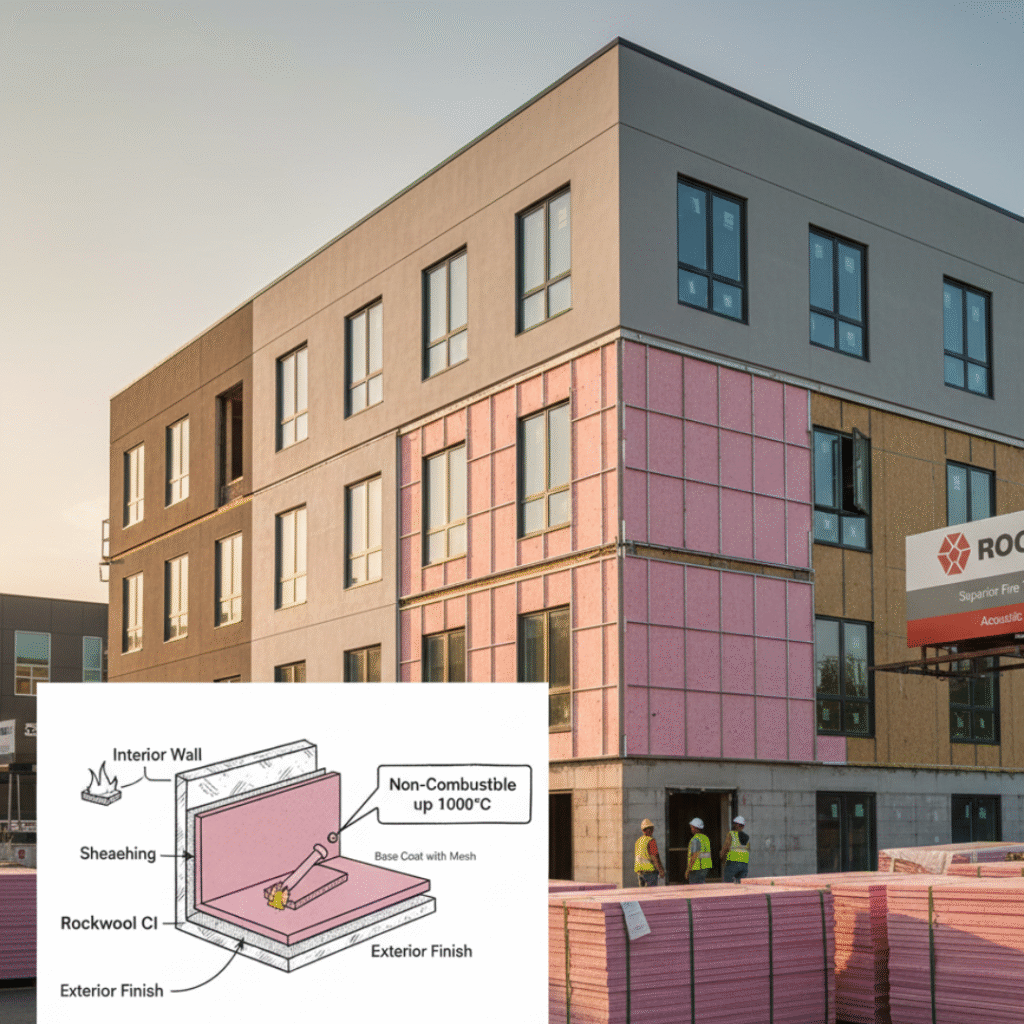
    Rockwool Sheet Application in Exterior Insulation Systems

    rockwool insulation sheet in eifs

    While Rockwool is often celebrated for its use in interior walls and ceilings, its unique properties—especially its density, moisture repellency, and non-combustibility—make it an exceptional insulation material for exterior systems, particularly in large commercial and high-rise buildings where safety codes are stringent.

    Using a Rockwool insulation sheet on the exterior is a form of continuous insulation (CI), which wraps the building in a thermal blanket, drastically improving thermal performance by eliminating thermal bridging through wall studs.

    1. Exterior Insulation and Finish Systems (EIFS)

    EIFS refers to non-load bearing building cladding systems that provide exterior walls with an insulated, water-resistant, finished surface.

    • Traditional EIFS: Historically, EIFS used foam plastics (like EPS or XPS). However, due to concerns over the combustibility of these materials, especially in mid-to-high-rise construction, Rockwool (mineral wool) has become the preferred choice for a non-combustible substrate.
    • The Rockwool Advantage in EIFS: Rigid stone wool boards (e.g., specific high-density Rockwool products) are mechanically fastened or adhered to the exterior sheathing. This layer provides the superior fire resistance of rock while acting as a stable, dimensionally sound base for the subsequent layers (base coat, mesh, and decorative render/finish). This combination offers the highest possible fire rating (A1/Class A non-combustible).

    2. Rainscreen and Cavity Wall Systems

    Rainscreen and cavity wall systems are modern façade designs that create an intentional air gap (cavity) between the insulation and the exterior cladding (e.g., metal panels, brick, or siding). This gap manages moisture by allowing water that penetrates the cladding to drain away.

    • Cavityrock Insulation: Rockwool manufactures specialized semi-rigid boards designed specifically for this application. These boards are installed in the cavity, right against the exterior wall sheathing.
    • Superior Moisture Management: The stone wool boards are water repellent yet vapor permeable. This means they actively shed liquid water that might trickle down the cavity while allowing water vapor from inside the wall assembly to pass through and dry out. This breathability is crucial for preventing condensation, mold, and rot within the wall structure, ensuring the building’s long-term durability.

    3. Continuous Insulation (CI) for Thermal Bridging

    Thermal bridging occurs when a highly conductive material (like wood or steel studs) extends from the interior to the exterior, creating a path for heat to bypass the cavity insulation.

    • The CI Solution: By installing a layer of rigid Rockwool board outside the wall framing, the entire structure is wrapped in continuous insulation. This creates an unbroken thermal envelope, significantly reducing overall heat loss (or gain) and contributing to massive long-term energy savings and overall thermal performance.

    Key Benefits of Exterior Rockwool Installation

    BenefitDescription
    Non-Combustible Fire BarrierOffers an unparalleled level of fire resistance (up to $1000^{\circ}C$), acting as a literal fire block, essential for multi-story residential and commercial buildings.
    Dimensional StabilityRockwool does not shrink, sag, or shift with temperature changes, maintaining its R-value and a continuous seal for the life of the building.
    Enhanced Acoustic BarrierThe exterior installation adds significant mass and density to the wall, providing superior acoustic insulation from outside traffic and urban noise.
    Resilience to ElementsThe material is water repellent and inhibits mold/mildew growth, ensuring its insulating properties are not compromised by weather exposure during construction or operation.

    Conclusion: A Smart Investment in Sustainability

    The Rockwool insulation sheet represents a smart, long-term investment in your building’s comfort, safety, and energy efficiency. Its unique composition delivers outstanding thermal performance, crucial fire resistance, and excellent acoustic insulation, making it an ideal choice for both professional builders and DIY insulation enthusiasts. By choosing this durable insulation material, you are not only reducing your energy consumption but also enhancing the structural integrity and quietude of your space for years to come.

    FAQ’S

    Rockwool insulation sheet is made from natural volcanic rock (basalt) that is melted and spun into dense, fibrous wool. This structure provides excellent thermal insulation, fire resistance, and soundproofing for various applications.

    Yes, Rockwool is naturally fire-resistant and can withstand extremely high temperatures. It does not burn, melt, or release toxic smoke, making it ideal for residential, commercial, and industrial fire-safety applications.

    Absolutely. Rockwool’s dense fiber structure absorbs sound waves effectively, making it a popular choice for acoustic walls, studios, auditoriums, generator rooms, and HVAC systems.

    The density depends on the application:

    • 40–60 kg/m³ for ceiling and drywall partitions
    • 80–100 kg/m³ for exterior walls and duct insulation
    • 120–150 kg/m³ for industrial equipment, boilers, and fire-rated assemblies
      Higher density provides better thermal and acoustic performance.
  • Jumbolon vs. EPS Sheet: Which Is the Better Insulation Choice?

    Jumbolon vs. EPS Sheet: Which Is the Better Insulation Choice?

    Choosing the right insulation material is a critical decision for any construction project. It impacts everything from long-term energy costs to the structural integrity and comfort of the building. Two common choices in the rigid foam insulation market are Jumbolon sheets vs EPS (Expanded Polystyrene) sheets. While both are lightweight, foam-based materials, they are fundamentally different in composition, properties, and overall performance.

    This comprehensive guide breaks down the key differences to help you determine which material—Jumbolon or EPS sheet—is the superior option for your specific application.

    Understanding the Materials: Jumbolon vs EPS Sheet

    XPS Vs EPS Sheet

    The core difference lies in their manufacturing process and material classification.

    1. Jumbolon (Extruded Polystyrene – XPS)

    Jumbolon is a popular brand name for Extruded Polystyrene (XPS) foam insulation. It is manufactured through a continuous extrusion process that results in a unique structure.

    • Structure: Closed-cell, homogenous, and uniform. This tight, non-interconnected cell structure is key to its superior properties.
    • Key Advantage: The closed-cell structure makes it an extremely effective moisture-resistant foam and accounts for its high compressive strength.

    2. EPS Sheet (Expanded Polystyrene)

    Expanded Polystyrene (EPS) sheets, sometimes colloquially referred to as Thermopore or Thermocol, are made by expanding polystyrene beads with steam, fusing them into a solid block, and then cutting the block into sheets.

    Key Advantage: It is highly cost-effective and lightweight.

    Structure: Closed-cell, but the cells are not completely interconnected; there are tiny voids between the fused beads.

    Performance Comparison: Jumbolon vs. EPS Sheet

    XPS Sheet Vs EPS Sheet

    The performance of an insulating material is measured by several key criteria, including thermal efficiency, resistance to moisture, and long-term durability.

    1. Thermal Insulation (R-Value)

    The R-value measures a material’s resistance to heat flow. A higher R-value indicates better thermal resistance and insulating capability.

    FeatureJumbolon (XPS)EPS Sheet (Expanded Polystyrene)Verdict
    R-Value per InchGenerally $\approx 5$Generally $\approx 3.6 – 4.2$Jumbolon (XPS) offers a significantly higher R-value per inch, providing superior thermal performance in thinner applications.
    Long-Term PerformanceMaintains R-value exceptionally well over time.Can see a slight drop in R-value if exposed to moisture over the long term.Jumbolon (XPS) maintains efficiency better.

    2. Moisture Resistance and Water Absorption

    Water absorption is critical, as a wet insulator loses its R-value rapidly.

    • Jumbolon (XPS): Due to its fine, uniform closed-cell structure, it is highly hydrophobic. It has very low water absorption (often $< 0.3\%$ by volume, even when submerged) and is an excellent water-resistant insulation choice, making it ideal for below-grade applications and areas prone to dampness.
    • EPS Sheet: While largely closed-cell, the spaces between the fused beads can allow water vapor to permeate and, in prolonged exposure to moisture, it can absorb more water (up to $2-3\%$ by volume).

    Verdict: Jumbolon (XPS) is the clear winner for moisture resistance, ensuring stable performance in humid or wet environments.

    3. Compressive Strength

    Compressive strength is the material’s ability to withstand loads without deforming or failing.

    • Jumbolon (XPS): Features a high compressive strength (often $250 – 350$ KPa or more). Its dense, uniform structure makes it ideal for bearing heavy loads.
    • EPS Sheet: Compressive strength is good but varies significantly with the density grade. It typically performs well but is generally less robust than XPS at comparable densities.

    Verdict: Jumbolon (XPS) is better suited for applications under high load or pressure, such as floor insulation and roof insulation.

    Common Applications of Jumbolon Vs EPS Sheet

    The best choice often depends on the specific job.

    ApplicationJumbolon (XPS) RecommendationEPS Sheet Recommendation
    Below-Grade Insulation (Foundations, Slabs)Strongly Recommended (Due to high moisture resistance and compressive strength).Not ideal for long-term below-grade use where persistent moisture is a factor.
    Wall Insulation (Cavity or Exterior)Excellent choice (High R-value, durability).Good choice (Cost-effective and lightweight for above-grade walls).
    Roof Insulation (Flat or Pitched)Recommended (Withstands environmental stress and traffic loads better).Suitable for light-load roof systems where cost is the primary factor.
    General Packaging/Void FillOverkill, generally too expensive.Highly Recommended (Most cost-effective foam for non-structural, protective use).

    Cost-Effectiveness and Durability

    While Jumbolon provides better performance, the final decision often comes down to budget and long-term value.

    • Initial Cost: The Expanded Polystyrene (EPS sheet) typically has a lower insulation material cost per square foot than Jumbolon (XPS). It is the more budget-friendly option upfront.
    • Long-Term Value: Jumbolon’s long-lasting insulation properties—its superior moisture resistance and higher R-value retention—mean it can offer better lifetime value and greater energy efficiency over the decades, leading to lower utility bills. Its durability also reduces the risk of material replacement.

    Conclusion: Which Is Better Jumbolon Vs EPS Sheet?

    There is no single “better” material; there is only the right material for the job.

    • Choose Jumbolon (XPS) when:
      • You need the highest possible thermal resistance in a limited thickness.
      • The application involves persistent moisture, such as a basement, foundation, or water tank insulation.
      • The material will be subject to heavy loads, such as in floor insulation or a trafficable roof.
    • Choose EPS Sheet when:
      • The budget is the primary constraint.
      • The application is for above-grade walls where it will be protected from direct water exposure.
      • The material is for lightweight use like packaging or a quick, non-structural heat proofing solution.

    In the final analysis, for applications requiring long-lasting insulation and maximum thermal performance under challenging conditions, the superior compressive strength and moisture-resistant foam properties of Jumbolon (XPS) make it the clear technical winner, justifying its higher insulation material cost.

    FAQ’S

    The main difference lies in how they are manufactured. Jumbolon (XPS) is made through an extrusion process, resulting in a closed-cell, highly uniform structure with no internal voids. This structure gives it superior moisture resistance and high compressive strength. EPS sheets are made by expanding and fusing beads, resulting in a closed-cell structure but with tiny air voids between the fused beads, which allows for slightly higher water vapor permeability and absorption over time.

    Yes, Jumbolon (XPS) is highly recommended for basement, foundation, and other below-grade insulation applications. This is because these areas are prone to constant moisture exposure. Jumbolon’s extremely low water absorption and high moisture-resistant foam properties ensure its R-value remains stable and its performance is not compromised by groundwater or damp soil, unlike EPS, which can absorb more water over the long term.

    Jumbolon (XPS) generally offers better long-term performance and R-value retention. While both materials have high initial R-values, Jumbolon’s robust, closed-cell structure is inherently resistant to moisture ingress. Since water infiltration is the primary cause of R-value degradation in foam insulation, the superior water resistance of Jumbolon ensures it maintains its specified thermal resistance over the lifespan of the building more reliably than standard EPS sheets.

    An EPS sheet is the most cost-effective foam option when the application is above-grade and not exposed to constant moisture or high structural loads. It is a great budget-friendly choice for non-structural applications like general wall insulation, temporary heat proofing, or protective packaging where its slightly lower R-value per inch and higher permeability are acceptable trade-offs for a lower insulation material cost.

  • EPS Foam Sheet

    EPS Foam Sheet

    EPS Foam (Expanded Polystyrene) has become one of the most versatile and widely used insulation materials in Pakistan. Known for its lightweight structure, thermal insulation properties, and cost-effectiveness, EPS foam sheets are used in construction, cold storage, packaging, and industrial applications. Whether you are a homeowner, contractor, or industrial buyer, EPS foam provides long-term energy savings and durability, making it a reliable choice for multiple applications.

    In addition, this comprehensive guide covers everything about EPS foam sheets — from types, manufacturing process, benefits, applications, price trends, and comparisons with other insulation materials.

    Introduction

    EPS foam are lightweight insulation boards made from expanded polystyrene beads, which are fused together to create a solid, durable sheet. They are widely used for roof insulation sheets, wall insulation panels, cold storage insulation, and packaging EPS sheets. The material is known for its excellent thermal resistance, moisture protection, and long lifespan, making it an ideal insulation solution for both residential and commercial projects in Pakistan.

    EPS foam are among the most popular insulation solutions in Pakistan due to their lightweight structure, durability, and excellent thermal performance. Known as a polystyrene insulation sheet, they are widely used for roof insulation, wall panels, and cold storage projects. Builders and homeowners prefer an insulation foam sheet because it effectively reduces heat transfer, improves energy efficiency, and provides long-term protection against moisture. As a versatile thermal insulation board, EPS sheets are suitable for both residential and commercial applications, offering reliable performance across different climates. High-quality EPS sheet Pakistan products ensure consistency, durability, and cost-effective insulation for a wide range of construction and industrial projects.

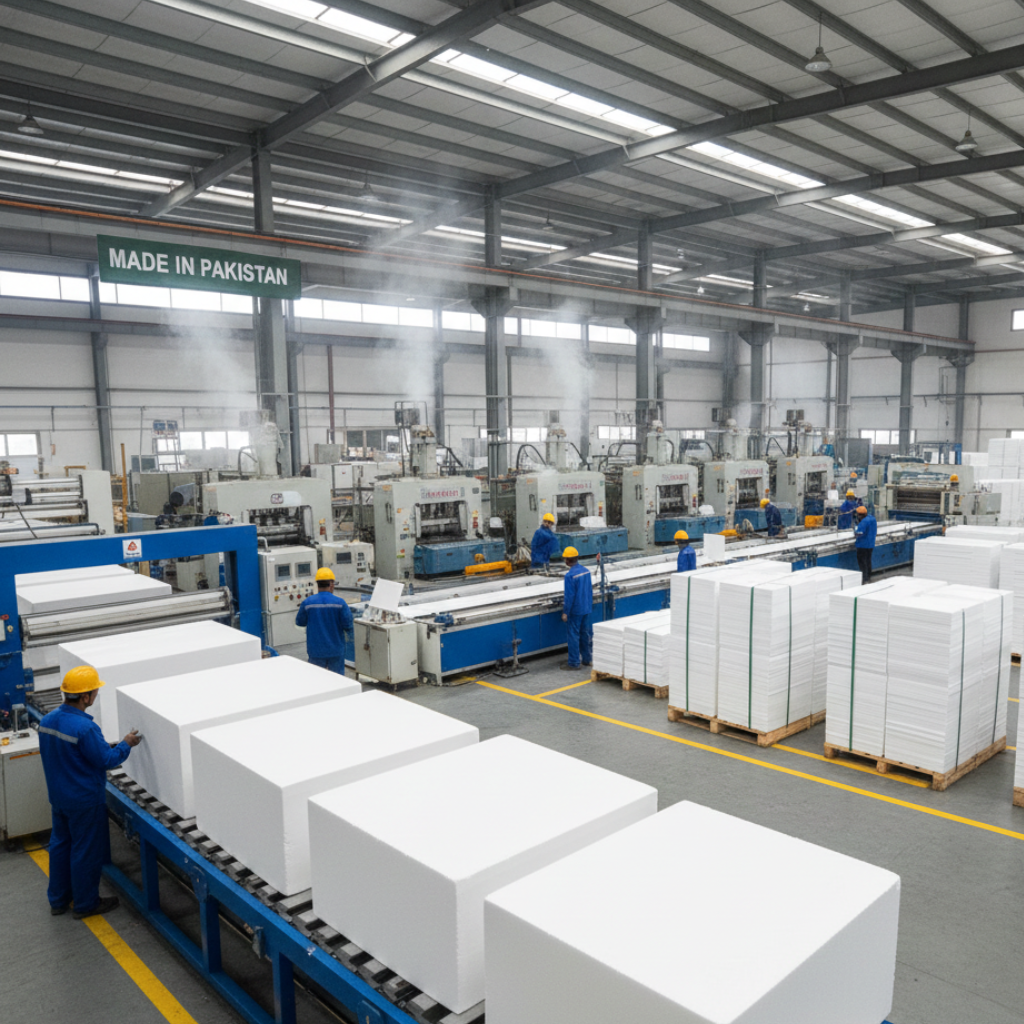
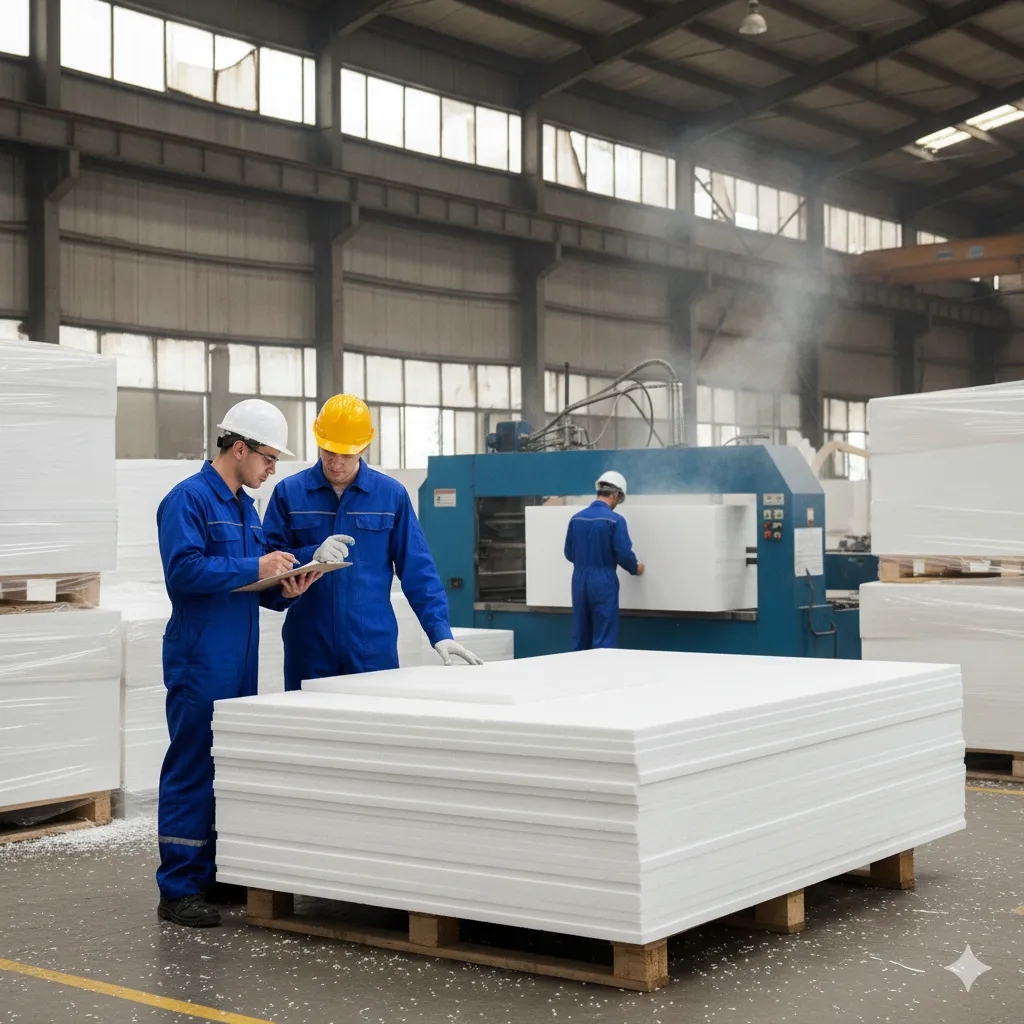
    EPS Foam Manufacturing Process

    Thermocol Sheet Supplier in Pakistan

    EPS foam is manufactured using advanced EPS technology, where polystyrene beads are expanded with steam and molded into sheets. These sheets can be produced in various thicknesses and densities, depending on their intended application. High-density EPS sheets are often used in roof insulation, cold storage, and industrial applications, while low-density sheets are used for packaging and light insulation.

    Types of Expanded Polystyrene Foam Sheets

    When it’s come in multiple types to suit different applications:

    • Standard Expanded Polystyrene Foam Sheets: Lightweight sheets for general insulation and packaging.
    • High-Density EPS Sheets: Strong, durable sheets for roof insulation boards, wall insulation panels, and industrial use.
    • Thermal Insulation Boards: Designed for cold rooms, warehouses, and HVAC insulation.
    • Expanded Polystyrene Packaging Sheets: Ideal for fragile item protection and industrial packaging.

    Benefits of Using EPS Foam

    Eco-Friendly Options

    However, modern expanded polystyrene sheets production focuses on recyclable materials, reducing environmental impact. Bulk orders from trusted EPS Foam suppliers often include recyclable and sustainable sheets.

    Thermal Insulation

    Expanded Polystyrene Foam is renowned for its energy-efficient insulation capabilities. It reduces heat transfer, helping maintain indoor temperatures and cutting down on energy bills.

    Soundproofing

    Apart from thermal protection, Expanded Polystuyrene Foam also offers effective soundproofing, making it suitable for commercial and residential buildings.

    High-Density EPS Sheets

    Furthermore, for projects requiring load-bearing capacity or structural reinforcement, high-density EPS sheets provide superior strength. These are often used in roof and wall insulation panels, shed insulation sheets, and industrial flooring.

    Moisture and Chemical Resistance

    In addition, Expanded Polystyrene Foam does not absorb water, resists mold, and withstands most chemicals. This durability extends its use to cold room insulation, packaging for perishable goods, and long-term storage.

    Common Applications of Expanded Polystyrene Foam

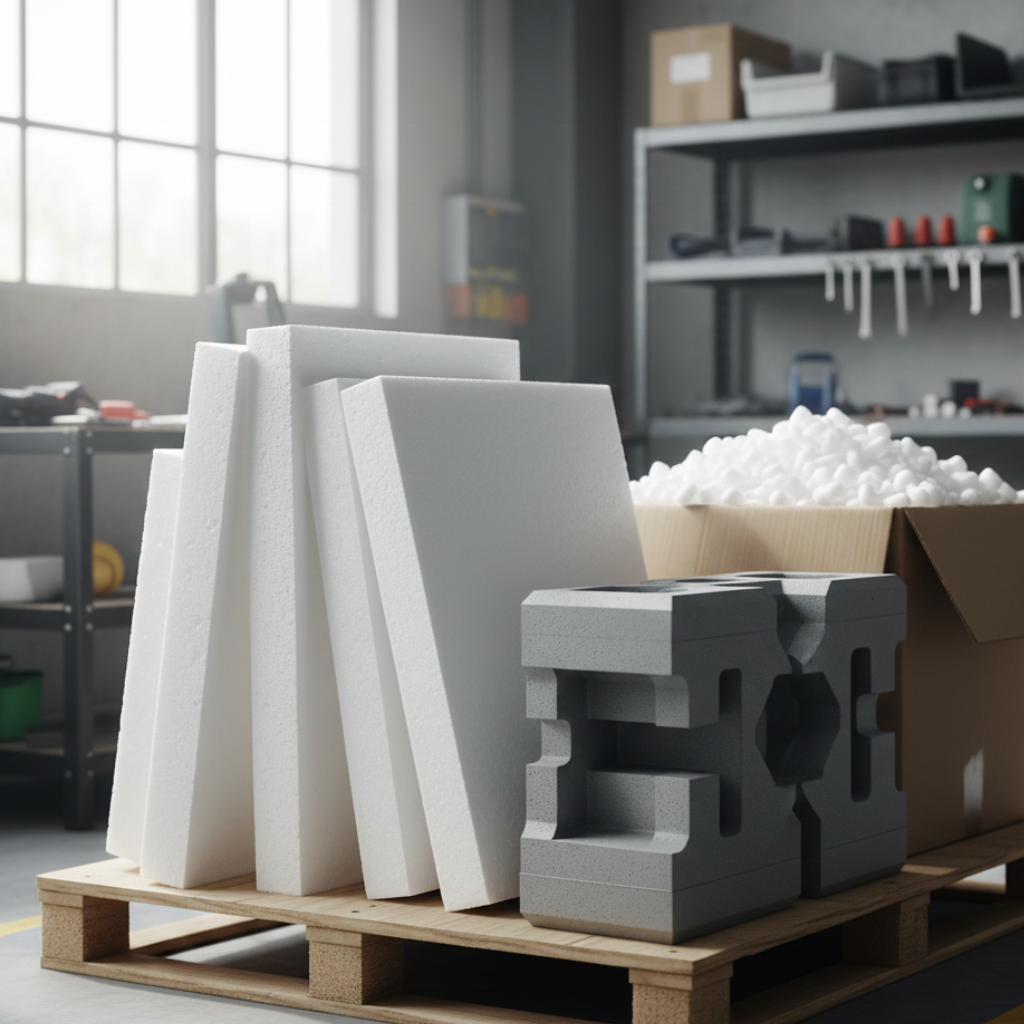
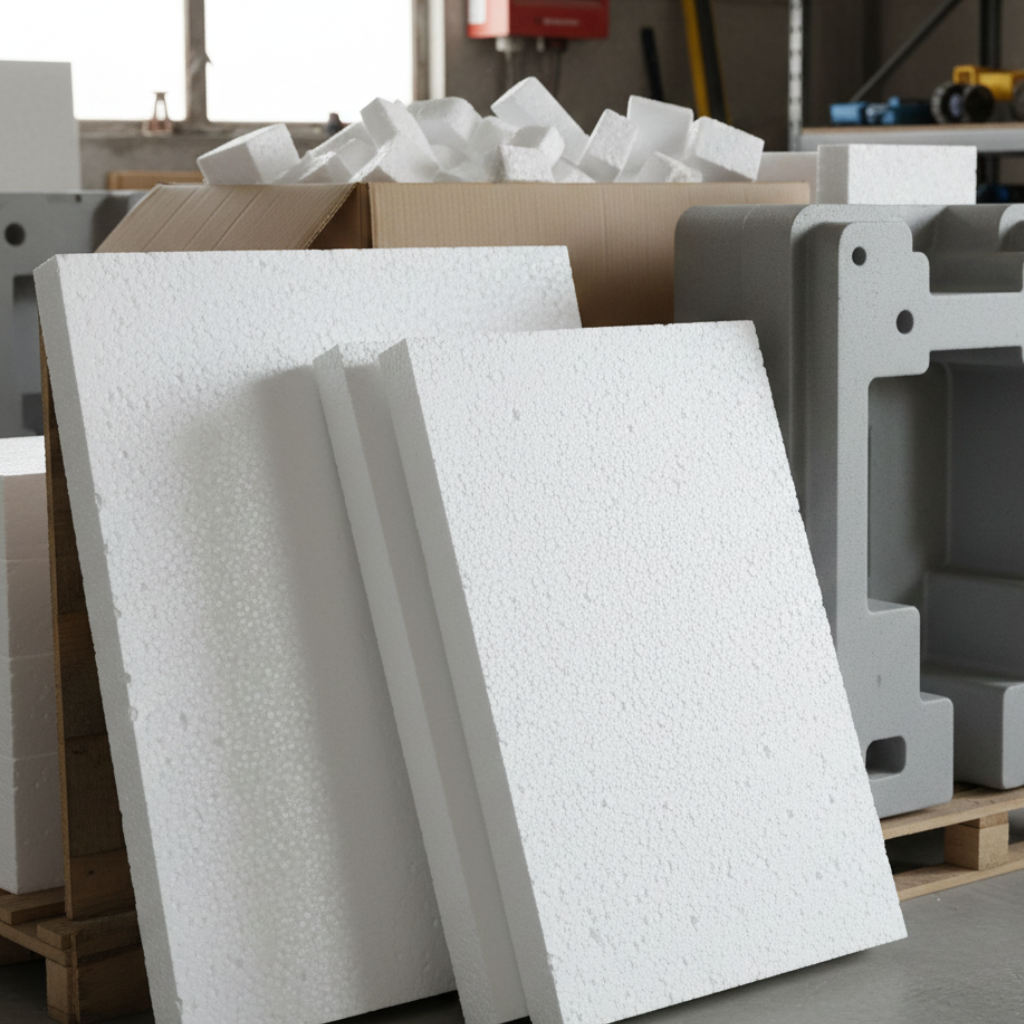
    thermocol sheet price in pakistan
    • Roof Insulation Sheets: Maintains indoor temperatures and prevents energy loss.
    • Wall Insulation Panels: Provides soundproofing and thermal protection.
    • Cold Room Insulation: Keeps perishable goods at the desired temperature.
    • Shed Insulation Sheets: Protects against moisture, heat, and cold.
    • Packaging EPS Sheets: Secures fragile items during shipping and handling.

    EPS Foam Price in Pakistan

    However, its prices vary depending on density, thickness, and size.

    • Low-Density EPS Sheet: PKR 150 – PKR 250
    • Medium-Density Sheets: PKR 250 – PKR 450
    • High-Density EPS Sheets: PKR 500 – PKR 900+

    Buying in bulk or through wholesale EPS suppliers can reduce costs significantly for contractors and industrial buyers.

    How to Choose the Right EPS Foam

    EPS Foam

    When selecting sheets:

    • Check Density: Higher density for structural or roof applications.
    • Consider Thickness: 1”–2” for walls, 2”–3” for roofs, 3”–4” for cold rooms.
    • Manufacturer Reliability: Choose certified EPS manufacturers in Pakistan for quality assurance.
    • Installation Tips: Ensure proper handling to maximize lifespan and insulation performance.

    EPS Foam vs Other Insulation Materials

    While comparing expanded polystyrene with other materials

    • EPS vs XPS Insulation: EPS is cost-effective and breathable, XPS is stronger and more water-resistant.
    • Thermopore vs Foam Sheets: It offers better thermal performance and durability.
    • EPS vs Jumbolon: EPS sheets provide rigidity and higher compressive strength compared to flexible EPE Jumbolon.

    Best EPS Foam Sheet Manufacturers & Suppliers in Pakistan

    When sourcing thermocol sheet:

    • Choose a certified Thermopore/EPS supplier Pakistan for reliable products.
    • Moreover, work with reputable EPS manufacturers in Pakistan for quality assurance.
    • However, bulk orders can be sourced through experienced insulation sheet distributors and bulk insulation suppliers.
    • Look for proper delivery, installation guidance, and factory-direct pricing.

    Choosing the Right Supplier

    When selecting a reliable EPS Foam manufacturer and supplier is crucial for quality and cost efficiency. Furhermore, consider suppliers who offer:

    • Bulk EPS Sheets for large-scale projects
    • High-density EPS sheets for structural applications
    • Wholesale EPS Foam for cost savings
    • Energy-efficient and eco-friendly materials

    EPS Foam in Pakistan

    EPS Foam is increasingly popular in Pakistan for both industrial and residential use. The availability of affordable EPS sheets, combined with energy-efficient insulation properties, makes it a preferred choice among architects, builders, and manufacturers.

    In Pakistan, EPS Foam is a preferred material for builders, manufacturers, and industrial users due to its affordable price and versatile applications. Reputable suppliers ensure high-quality EPS sheets, including high-density options, to meet diverse requirements in roof insulation, wall panels, cold rooms, and packaging solutions.

    Conclusion

    From high-density EPS sheets to energy-saving insulation solutions, It is versatile, durable, and cost-effective. However, its wide-ranging applications in construction, packaging, and cold storage make it a material that cannot be overlooked. Choose a trusted supplier to ensure quality, performance, and compliance with industry standards.

    Moreover, It stands out as a versatile, durable, and cost-effective solution for insulation and packaging needs. Its applications in roof insulation sheets, wall insulation panels, shed insulation, cold rooms, and packaging EPS sheets make it indispensable. Partnering with a trusted EPS Foam supplier ensures quality, sustainability, and long-term performance.

    FAQ’S

    EPS Foam, or Expanded Polystyrene Foam, is a lightweight, durable material widely used for insulation, packaging, and construction applications. It provides excellent thermal insulation, soundproofing, and moisture resistance, making it suitable for roof insulation sheets, wall insulation panels, shed insulation sheets, and cold room insulation.

    High-density EPS sheets are a stronger, more rigid version of standard EPS Foam. They are ideal for applications that require load-bearing capacity such as roofing panels, wall insulation, and industrial flooring, while still providing energy-efficient insulation and durability.

    Yes! EPS Foam is extensively used in packaging EPS sheets to protect fragile and sensitive items during transport. Its lightweight and shock-absorbing properties make it perfect for shipping electronics, glassware, and other delicate goods.

    Choose a supplier who offers high-quality, bulk EPS sheets, including high-density options. Look for companies providing energy-efficient, affordable, and eco-friendly EPS Foam, with nationwide delivery if needed. Trusted suppliers ensure long-term durability and performance for both residential and commercial applications.