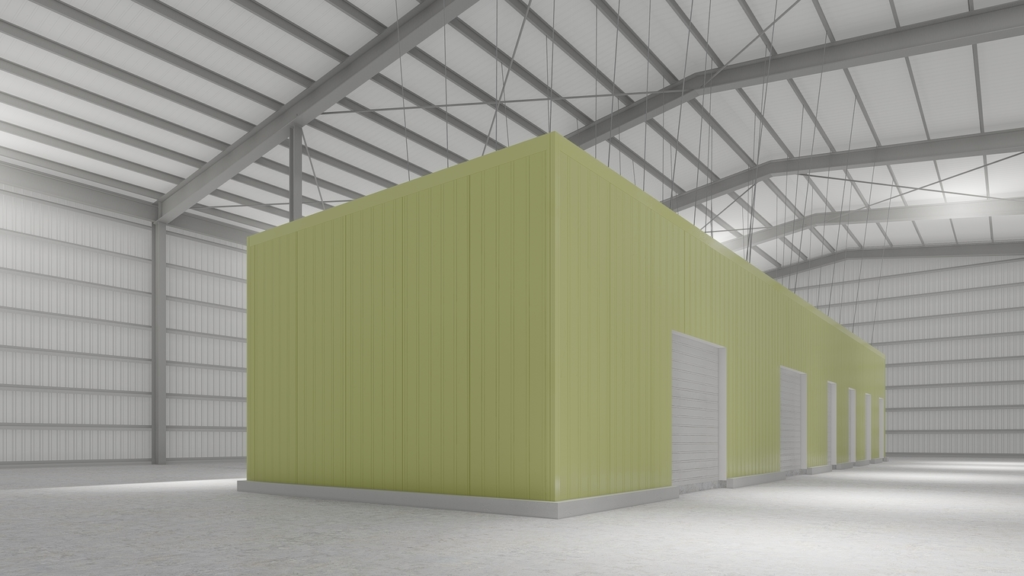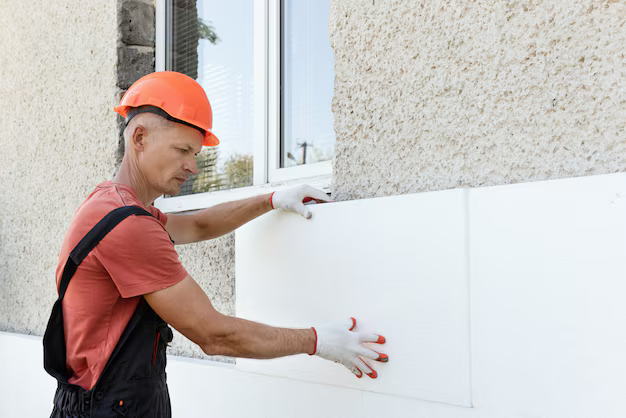

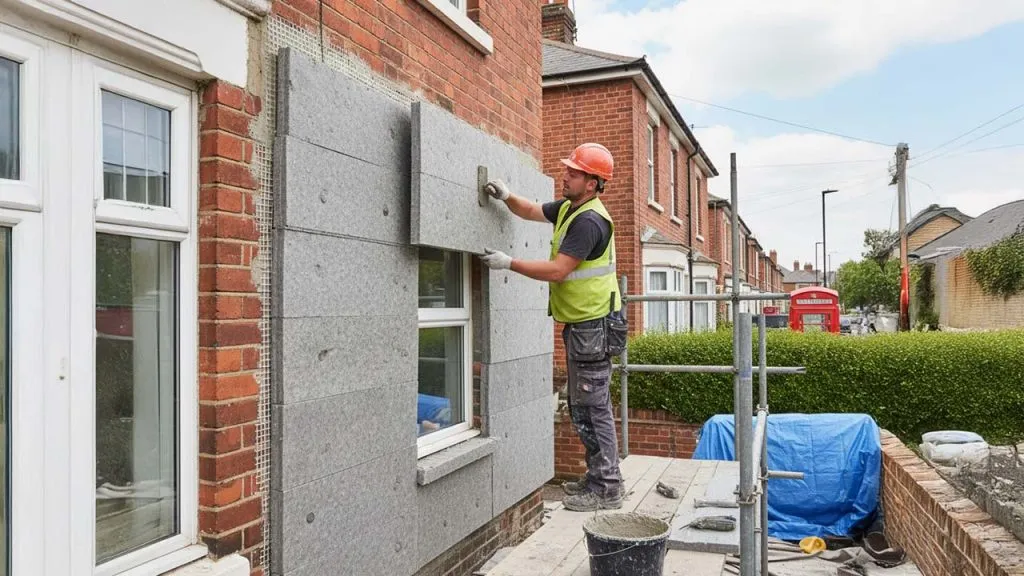
thermocol sheet price in pakistan

Tag: thermal insulation in Pakistan

  • Wall Insulation in Pakistan – Complete Guide for Homes & Buildings

    Wall Insulation in Pakistan – Complete Guide for Homes & Buildings

    Rising temperatures, increasing electricity bills, and growing awareness of energy efficiency have made wall insulation sheets an essential part of modern construction in Pakistan. Whether for new buildings or renovation projects, wall insulation plays a key role in maintaining indoor comfort and reducing heat transfer.

    This guide explains everything you need to know about wall insulation sheet Pakistan, including pricing, material options, types of wall insulation, and how to choose the best solution for your needs.

    What Is a Wall Insulation Sheet?

    A wall insulation sheet is a thermal barrier installed inside or on external walls to reduce heat movement between outdoor and indoor environments. In Pakistan’s hot climate, walls absorb significant heat during the day, which then transfers indoors.

    Proper wall insulation slows this heat flow and helps keep interiors cooler without relying heavily on air conditioning.

    Importance of Wall Insulation in Pakistan

    Wall insulation is becoming increasingly popular as part of thermal insulation in Pakistan due to several benefits:

    • Reduced indoor heat gain
    • Improved thermal comfort
    • Lower electricity consumption
    • Protection of interior finishes
    • Better building energy performance

    Unlike roof insulation, wall insulation works continuously throughout the day, especially on sun-exposed sides of buildings.

    Types of Wall Insulation in Pakistan

    Understanding the types of wall insulation in Pakistan helps in selecting the right solution based on budget, building type, and performance needs.

    1. EPS (Thermocol) Wall Insulation Sheets

    EPS Foam

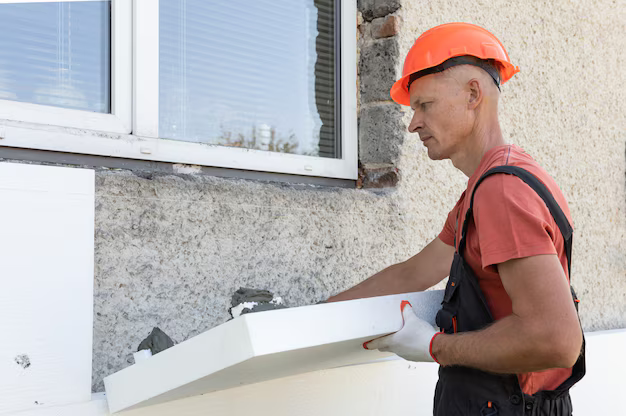
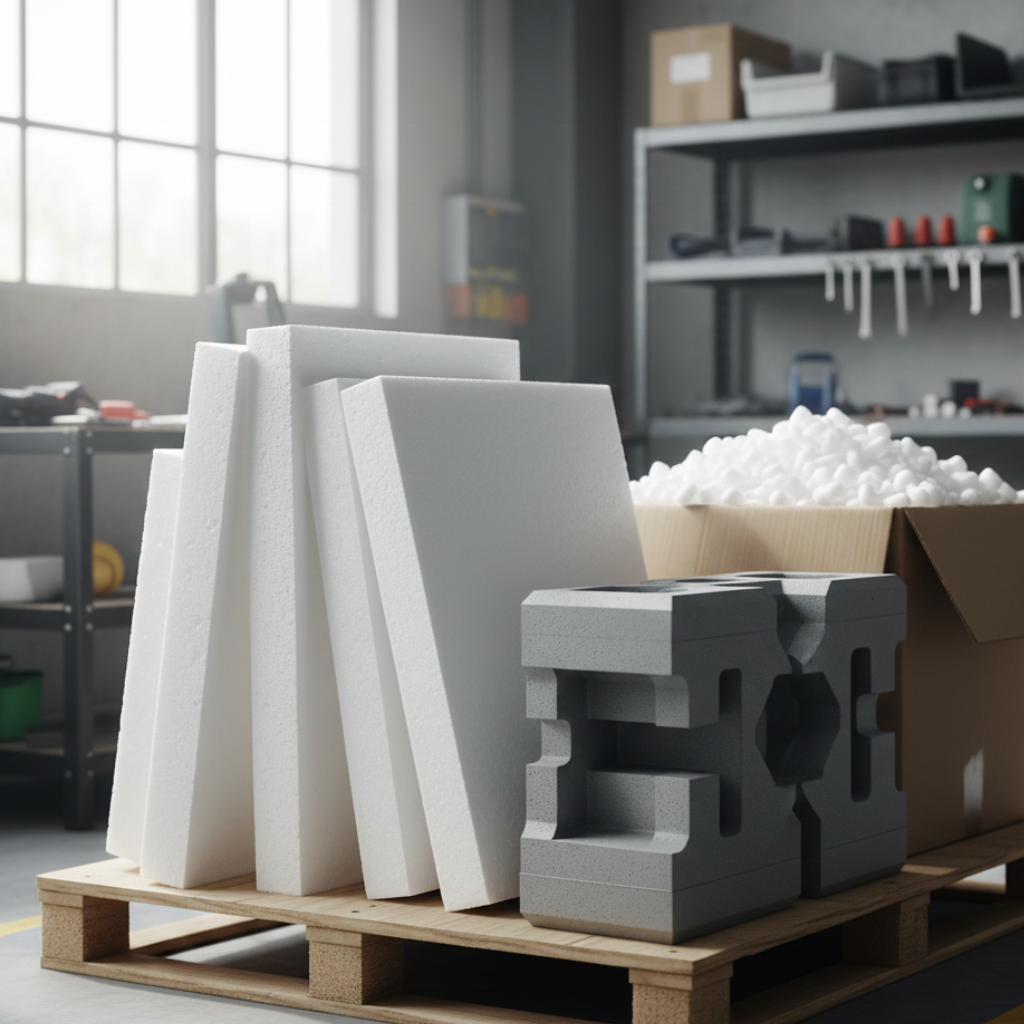
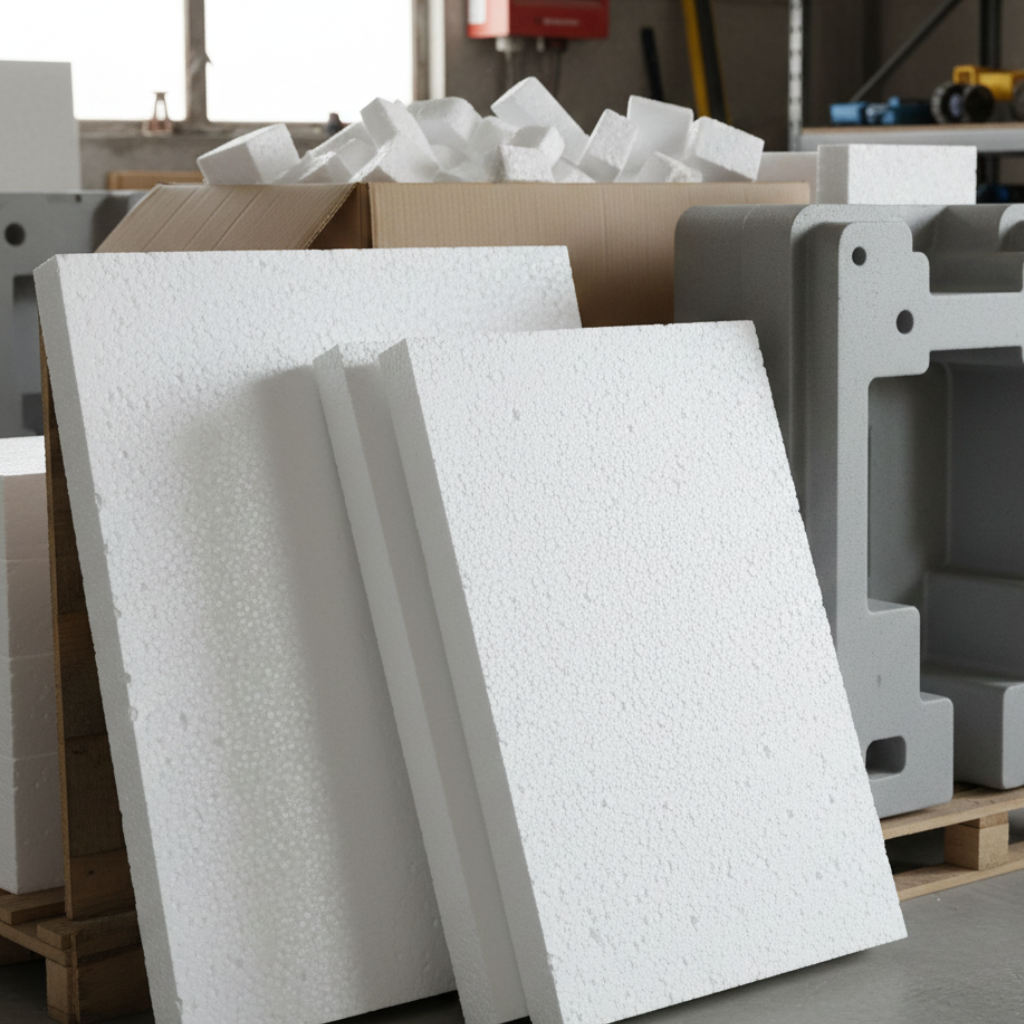
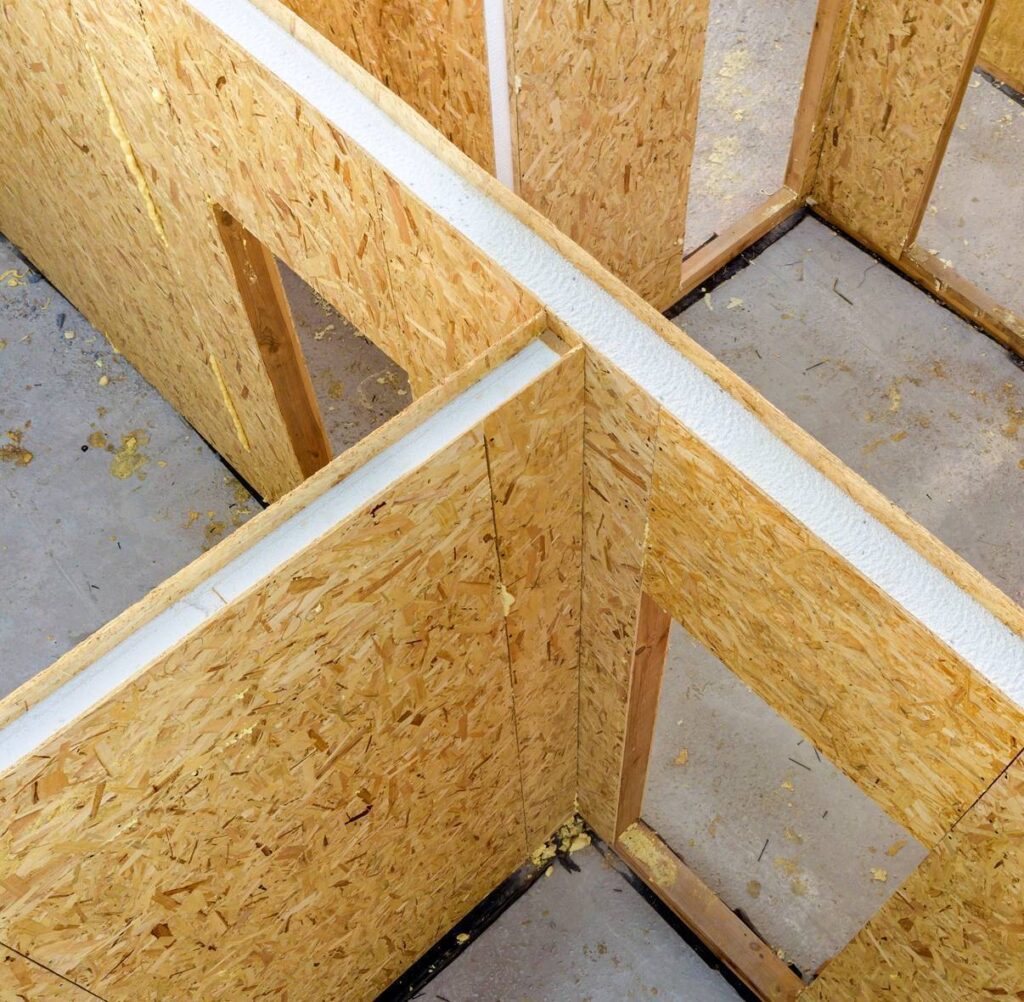
    EPS sheets are widely used due to affordability and availability. They are lightweight and easy to install, making them a popular choice for residential projects.

    2. XPS Insulation Sheets

    jumbolon Insulation for Metal Sheds

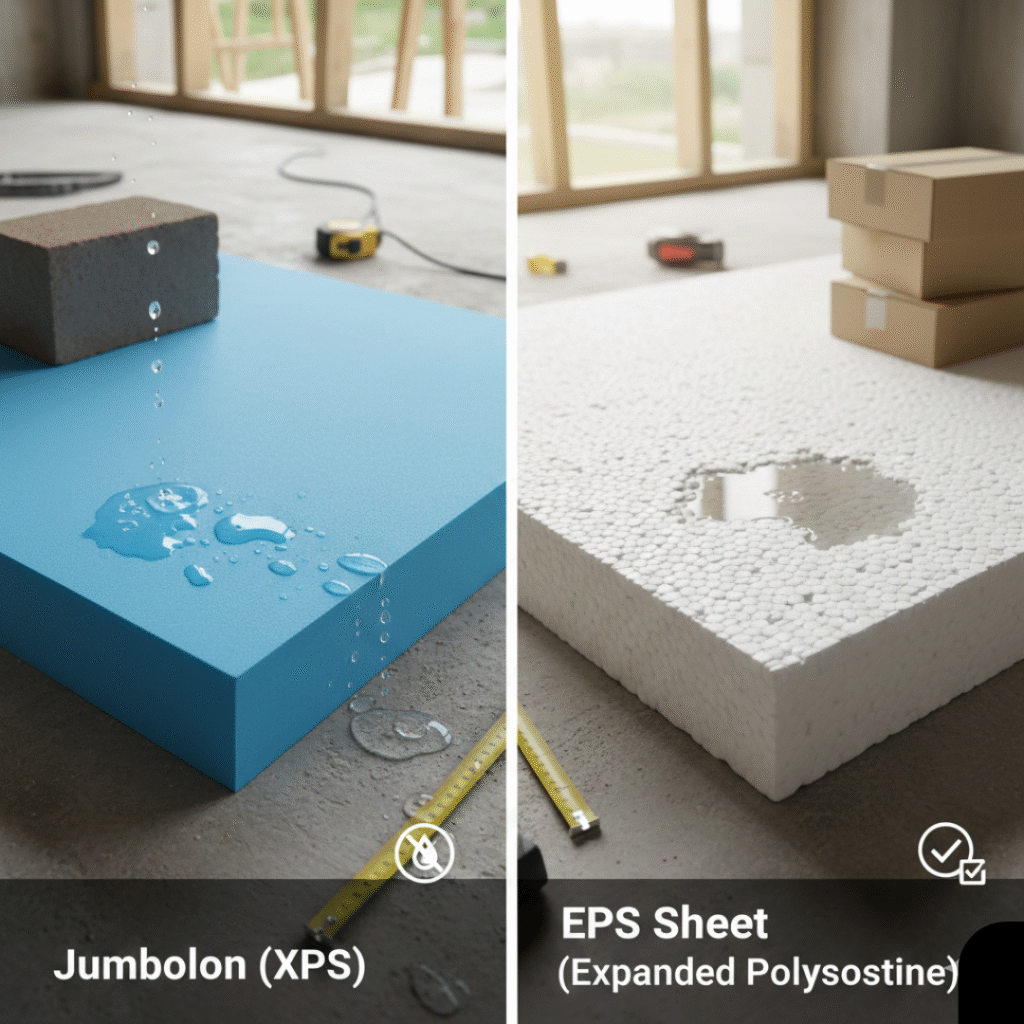
    XPS sheets offer higher density and better moisture resistance compared to EPS. They are commonly used in commercial and industrial buildings where durability is required.

    3. Foam-Based Wall Insulation

    home insulation

    Foam insulation sheets provide strong thermal resistance and seamless coverage. They are ideal for buildings that require higher insulation performance.

    4. Fibrous Insulation Materials

    Bubble Aluminium Foil Installation

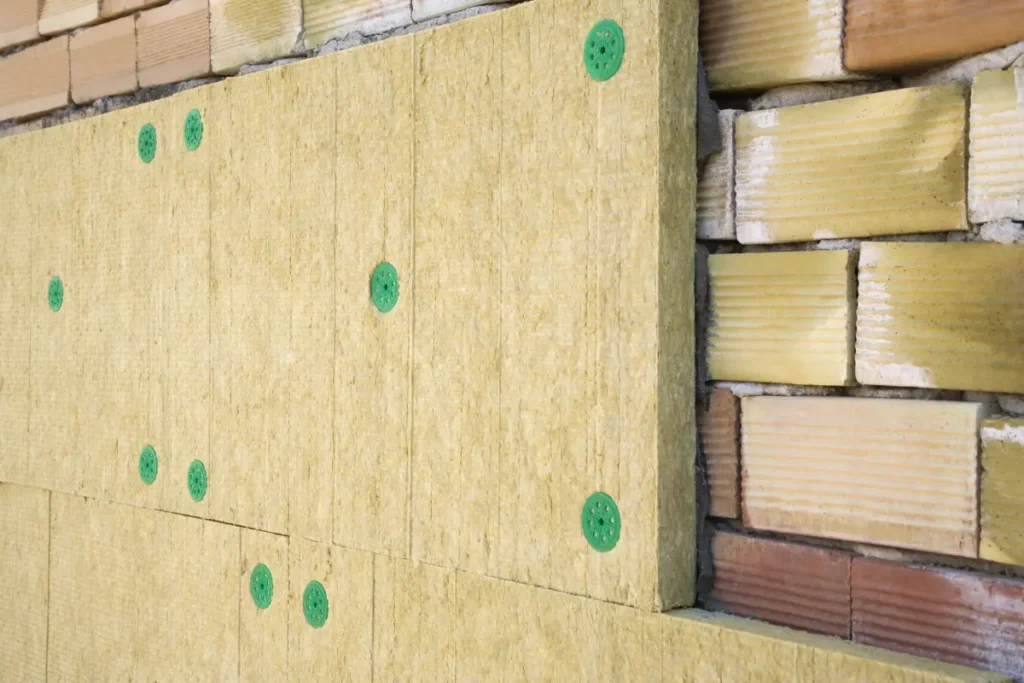
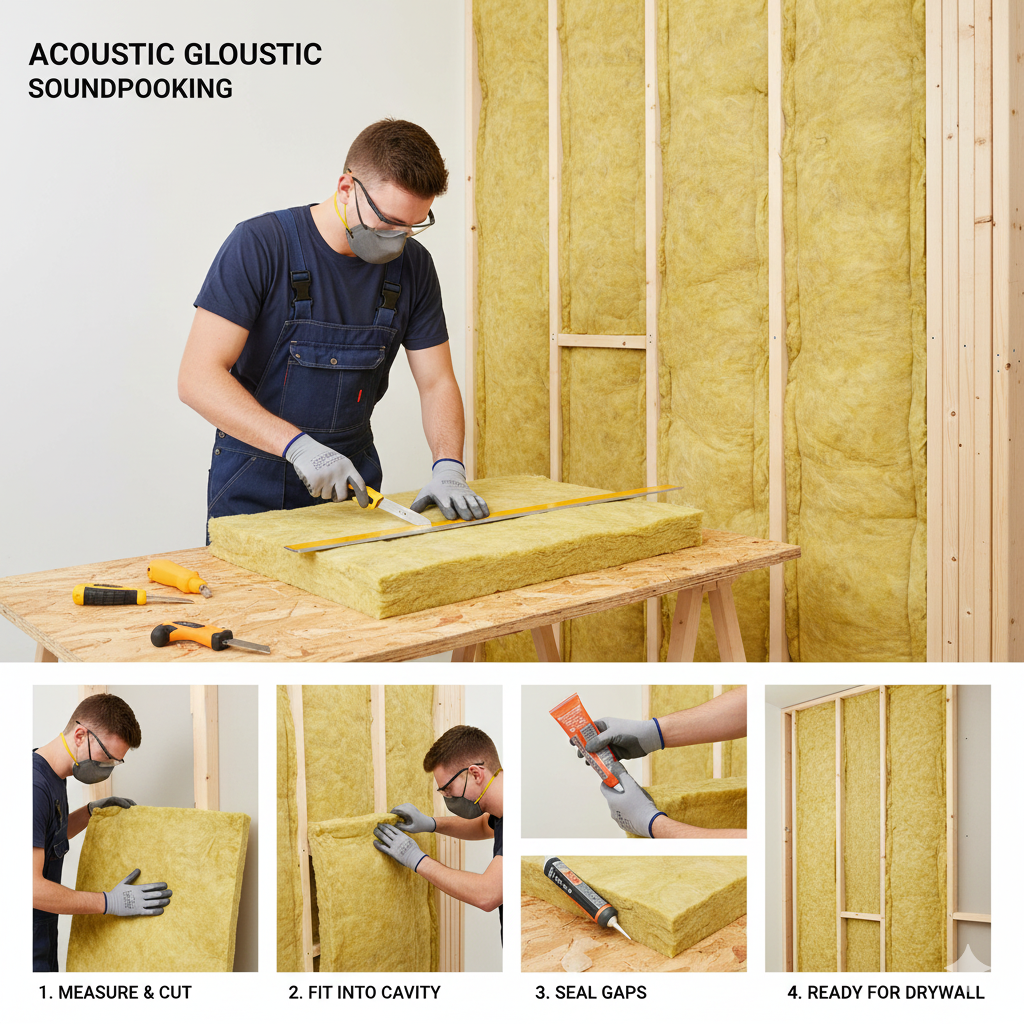
    Glass wool and similar fibrous materials are sometimes used inside wall cavities to improve insulation and sound absorption.

    Wall Insulation Sheet Pakistan Price – What Affects Cost?

    The wall insulation sheet Pakistan price varies depending on several factors:

    • Material type (EPS, XPS, foam, fibrous)
    • Sheet thickness
    • Installation method
    • Project size
    • City-wise labor costs

    Buyers often compare overall costs using thermal insulation sheet price in Pakistan, which includes both material and installation expenses.

    Cheap Wall Insulation in Pakistan – Is It Worth It?

    Many property owners look for cheap wall insulation in Pakistan to reduce initial costs. Budget-friendly options like EPS sheets can offer acceptable performance when installed correctly.

    However, cheaper insulation may have:

    • Lower durability
    • Reduced thermal resistance
    • Shorter lifespan

    Choosing the lowest price should always be balanced with long-term energy savings and performance expectations.

    Best Wall Insulation in Pakistan – How to Choose

    The best wall insulation in Pakistan is not a single product but the one that suits your specific needs. When selecting insulation, consider:

    • Building orientation
    • Exposure to direct sunlight
    • Climate conditions
    • Budget and long-term cost savings

    Homes often benefit from EPS or foam insulation, while offices and commercial buildings may require higher-density solutions.

    Applications of Wall Insulation Sheets

    Wall insulation sheets are commonly used in:

    • Residential houses
    • Apartments and flats
    • Office buildings
    • Educational institutions
    • Hospitals and commercial facilities

    Their flexibility makes them suitable for both internal and external wall applications.

    Installation Considerations

    Proper installation is critical for insulation performance. Gaps, poor sealing, or incorrect thickness can reduce effectiveness. Professional installation ensures that insulation works as intended and delivers long-term benefits.

    Long-Term Benefits of Wall Insulation

    Installing wall insulation sheets offers long-term advantages such as:

    • Lower cooling costs
    • Improved indoor comfort
    • Reduced environmental impact
    • Increased property value

    Over time, insulation pays for itself through energy savings.

    Final Thoughts

    As energy costs rise and climate conditions become more extreme, wall insulation is no longer optional. Investing in the right wall insulation sheet Pakistan solution helps create comfortable, energy-efficient living and working spaces.

    By understanding material types, pricing factors, and performance differences, you can make an informed decision that delivers lasting value.

    FAQ’S

    The best wall insulation sheet depends on budget and building requirements. EPS (thermocol) sheets are widely used for houses due to affordability, while XPS and foam insulation sheets are preferred for commercial and industrial buildings.

    Wall insulation cost in Pakistan varies based on material type, thickness, and installation method. Prices can differ from city to city due to labor rates and material availability.

    Yes, wall insulation sheets can be installed in existing buildings without major structural changes. Internal wall insulation is commonly used for renovation projects.

    Yes, wall insulation significantly reduces heat transfer through external walls, helping maintain cooler indoor temperatures and reducing reliance on air conditioning.

  • Thermal Insulation Price in Pakistan

    Thermal Insulation Price in Pakistan

    Thermal insulation has become a necessity rather than a luxury in Pakistan due to rising electricity tariffs, extreme summers, and increasing construction costs. Understanding the thermal insulation price in Pakistan helps homeowners, builders, and industries make smarter, long-term decisions for energy efficiency and comfort.

    This guide explains insulation prices, material types, city variations, and real cost factors—without exaggeration or keyword stuffing.

    Understanding Thermal Insulation in Pakistan

    thermal insulation in pakistan

    Thermal insulation in Pakistan is widely used in residential, commercial, and industrial buildings to reduce heat transfer. By limiting external heat entry in summer and heat loss in winter, insulation significantly lowers cooling and heating loads.

    From urban homes to large warehouses, insulation solutions are now tailored according to climate, structure, and budget.

    Factors Affecting Thermal Insulation Price in Pakistan

    Several elements influence insulation pricing nationwide:

    • Type of insulation material
    • Thickness and density
    • Installation method
    • Project size
    • City-based labor and transport costs

    Because of these variables, insulation prices are usually calculated per square foot or per square meter rather than as a fixed national rate.

    12mm Thermal Insulation Price in Pakistan

    EPS Foam

    The 12mm thermal insulation price in Pakistan is popular for residential ceilings, partition walls, and light commercial applications. This thickness provides basic thermal resistance while keeping material and installation costs manageable.

    It is often used in apartments, offices, and small shops where space limitations exist.

    Heat Insulation Sheet in Pakistan

    A heat insulation sheet in Pakistan is commonly used for roofs, boundary walls, and prefabricated structures. These sheets help reflect radiant heat and reduce indoor temperature fluctuations.

    Prices vary based on:

    • Sheet composition
    • Reflective layers
    • Fire resistance rating

    Heat insulation sheets are frequently chosen for cost-effective thermal upgrades.

    Karachi Thermal Insulation Price in Pakistan

    The Karachi thermal insulation price in Pakistan tends to differ slightly due to coastal humidity, transportation logistics, and higher labor demand. Buildings in Karachi often require insulation solutions resistant to moisture and corrosion, which can affect overall pricing.

    Roof insulation projects are especially common in the city due to prolonged heat exposure.

    Glasswool Insulation Price in Pakistan

    The glasswool insulation price in Pakistan depends on roll thickness, density, and application type. Glasswool is widely used for thermal and acoustic insulation in:

    • Commercial buildings
    • Industrial sheds
    • HVAC ducting

    Its lightweight nature and high thermal resistance make it a preferred solution for large-scale projects.

    Wall Insulation in Pakistan – Cost Considerations

    Soundproofing Material glasswool vs rockwool

    Wall insulation in Pakistan is increasingly adopted in modern construction. Properly insulated walls reduce indoor heat gain and improve air-conditioning efficiency.

    Wall insulation costs depend on:

    • Wall type (brick, concrete, panel)
    • Insulation method (internal or external)
    • Chosen insulation material

    This solution is particularly effective for west-facing and sun-exposed walls.

    Fibreglass Insulation Price in Pakistan

    glasswool and aluminium foil insulation

    The fibreglass insulation price in Pakistan varies based on thickness and installation complexity. Fibreglass insulation is valued for its durability, fire resistance, and thermal performance.

    It is commonly used in factories, offices, and multi-storey buildings where long-term insulation performance is required.

    Glass Wool Insulation in Lahore – Market Insight

    Glasswool for HVAC & Duct System

    Demand for glass wool insulation in Lahore has grown due to increasing commercial construction and energy-efficiency awareness. Lahore’s climate requires insulation that performs well in both hot summers and cool winters, making glass wool a practical choice.

    Prices in Lahore are influenced by supplier availability and project scale.

    Which Thermal Insulation Material Offers the Best Value?

    Choosing insulation should not depend on price alone. Long-term energy savings, durability, and maintenance costs must also be considered. In many cases, slightly higher upfront investment results in significant electricity savings over time.

    Professional assessment ensures the right balance between performance and budget.

    Final Thoughts on Thermal Insulation Pricing

    The thermal insulation price in Pakistan is not fixed and should always be evaluated based on material type, thickness, and project requirements. Whether you are insulating a home, office, or industrial facility, the right insulation strategy can reduce energy costs and improve comfort for years.

    Consulting experienced insulation professionals helps avoid over-spending and ensures optimal performance.

    FAQ’S

    Thermal insulation price in Pakistan mainly depends on the type of material used, sheet thickness, covered area, and installation method. Location and labor costs in different cities can also impact the final price.

    For houses, commonly used insulation materials in Pakistan include thermal insulation sheets, glass wool, and fibreglass insulation. The best option depends on roof type, wall structure, and budget.

    Yes, wall insulation in Pakistan helps reduce indoor heat gain, improves comfort, and lowers electricity bills over time. It is especially useful for west-facing walls and buildings exposed to direct sunlight.

    Proper thermal insulation reduces heat transfer, which lowers the load on air conditioners and heaters. This results in noticeable electricity savings, particularly during peak summer months.

  • How Insulation Saves Electricity Costs?

    How Insulation Saves Electricity Costs?

    Electricity bills in Pakistan are rising, and inefficient buildings waste energy every day. One of the most effective ways to save electricity is through proper insulation. Insulation reduces heat transfer, keeps indoor temperatures stable, and lowers reliance on air conditioning or heating systems.

    This guide explains How Insulation Saves Electricity Costs in Pakistan, explores its eco-friendly benefits, and shows how homeowners and businesses can reduce energy expenses while improving comfort.

    Why Electricity Costs Are High in Pakistan

    In Pakistan, hot summers and cold winters cause a spike in electricity consumption. Poorly insulated homes and offices require more power for cooling and heating. This not only increases monthly electricity bills but also contributes to higher carbon emissions.

    Implementing effective insulation is a proven method to save electricity while maintaining indoor comfort.

    How Insulation Saves Electricity Costs in Pakistan

    How Insulation Saves Electricty Costs

    Insulation works by slowing down the transfer of heat between indoor and outdoor environments. Here’s how it helps:

    1. Reduces Cooling Load in Summer
      Proper roof and wall insulation keep interiors cooler, reducing the need for fans or air conditioners.
    2. Minimizes Heating Load in Winter
      Insulation traps warmth inside buildings, cutting down on electric heater usage.
    3. Stabilizes Indoor Temperature
      Consistent temperature reduces frequent on/off cycles of HVAC systems, improving energy efficiency.

    By addressing heat gain and loss, insulation directly lowers electricity consumption, making monthly bills more manageable.

    How Insulation Saves Electricity Price in Pakistan

    The impact of insulation on electricity bills can be significant. On average, well-insulated buildings can reduce energy costs by 30–40%, depending on climate and building type. This is especially important for commercial spaces and large residential buildings in Pakistan.

    By reducing dependency on electricity, insulation offers long-term financial benefits and faster return on investment.

    Types of Insulation That Help Save Electricity

    Using aluminium foil with jumbolon

    Several insulation materials are commonly used in Pakistan to save electricity effectively:

    • EPS and XPS Sheets – Lightweight and cost-effective for walls and roofs.
    • Glass Wool and Mineral Wool – Provides thermal and sound insulation.
    • PU/PIR Foam Panels – High thermal resistance, ideal for cold storage and warehouses.
    • Sandwich Panels – Combines structure and insulation in one layer for energy efficiency.

    Choosing the right material depends on your application, budget, and climate.

    Insulation as an Eco-Friendly Solution

    Beyond cost savings, insulation is an insulation eco friendly solution:

    • Reduces energy consumption and greenhouse gas emissions
    • Lowers the carbon footprint of buildings
    • Promotes sustainable construction practices

    Investing in insulation is not only smart financially but also environmentally responsible.

    How to Maximize Electricity Savings with Insulation

    1. Insulate Roofs and Ceilings – The roof is the largest source of heat gain.
    2. Install Wall Insulation – Helps maintain a stable indoor temperature.
    3. Seal Gaps and Openings – Prevents unnecessary heat loss or gain.
    4. Combine with Energy-Efficient Appliances – Insulation works best with modern cooling and heating systems.

    Even modest improvements can significantly save electricity over time.

    Conclusion

    Understanding How Insulation Saves Electricity Costs in Pakistan is crucial for homeowners, business owners, and facility managers. Proper insulation reduces electricity bills, improves comfort, and supports eco-friendly building practices. By investing in quality insulation, you gain long-term savings and a sustainable advantage.

    Whether for a house, office, or warehouse, insulation is one of the smartest investments to save electricity and protect the environment.

    FAQ’S

    Insulation slows heat transfer through walls, roofs, and ceilings, reducing the need for air conditioning or heating, which directly lowers electricity consumption.

    EPS sheets, XPS boards, glass wool, mineral wool, and PU/PIR foam panels are effective options that provide high thermal resistance and help save electricity.

    Yes. Insulation reduces energy consumption, lowers greenhouse gas emissions, and is a sustainable way to save electricity while maintaining comfort.

    Roofs, ceilings, and external walls are the most critical areas. Proper insulation in these areas helps stabilize indoor temperatures and significantly reduces electricity usage.

  • Best Budget Insulation Materials

    Best Budget Insulation Materials

    With rising electricity bills and extreme weather conditions, insulation has become a necessity rather than a luxury. However, many homeowners and builders hesitate due to cost concerns. This is where understanding the best budget insulation materials becomes essential—materials that balance affordability, performance, and durability.

    This guide explains the most economical insulation options available today, focusing on usage in homes, walls, and roofs across Pakistan.

    Why Budget Insulation Matters in Pakistan

    eps xps glasswool for homes

    Pakistan experiences long summers, heat waves, and increasing energy costs. Without insulation, buildings absorb excessive heat, leading to higher cooling expenses. Investing in thermal insulation in Pakistan helps reduce indoor temperature fluctuations while lowering long-term energy bills.

    Budget insulation is not about choosing the cheapest material—it is about choosing the most cost-efficient option over time.

    Understanding Insulation Materials in Pakistan

    The construction market offers several insulation materials in Pakistan, including EPS, XPS, glass wool, mineral wool, foam sheets, and composite panels. Each material differs in cost, insulation performance, and application.

    Budget-friendly insulation materials are those that:

    • Offer acceptable thermal resistance
    • Are easily available locally
    • Require minimal maintenance

    Best Budget Insulation Materials in Pakistan (Overview)

    When comparing options, EPS-based materials, insulation sheets, and lightweight composite solutions are often categorized as best budget insulation materials in Pakistan due to their affordability and wide availability.

    They are commonly used in:

    • Residential houses
    • Warehouses
    • Shops and extensions

    These materials help achieve thermal comfort without high upfront investment.

    Best Budget Insulation Materials for House Construction

    For residential buildings, insulation must be cost-effective, safe, and easy to install. The best budget insulation materials for house projects typically include:

    • Insulation sheets for roofs
    • Lightweight wall insulation systems
    • Basic thermal barriers for ceilings

    These solutions improve indoor comfort and reduce dependency on air conditioners.

    Wall Insulation in Pakistan – Budget-Friendly Options

    sandwich panels installation

    Wall insulation in Pakistan plays a major role in blocking external heat. Budget wall insulation materials are preferred because they:

    • Reduce heat transfer through exterior walls
    • Improve indoor temperature stability
    • Are compatible with new and existing buildings

    Lightweight insulation boards and sheet-based systems are commonly selected for cost control.

    Roof Insulation Price in Pakistan – What to Expect

    Roofs receive the most direct sunlight, making insulation essential. The roof insulation price in Pakistan depends on material type, thickness, and coverage area.

    Budget roof insulation solutions are designed to:

    • Reflect or resist heat
    • Lower indoor temperature
    • Reduce cooling costs

    Choosing the right roof insulation material can significantly improve energy efficiency.

    Thermal Insulation Sheet Price in Pakistan vs Performance

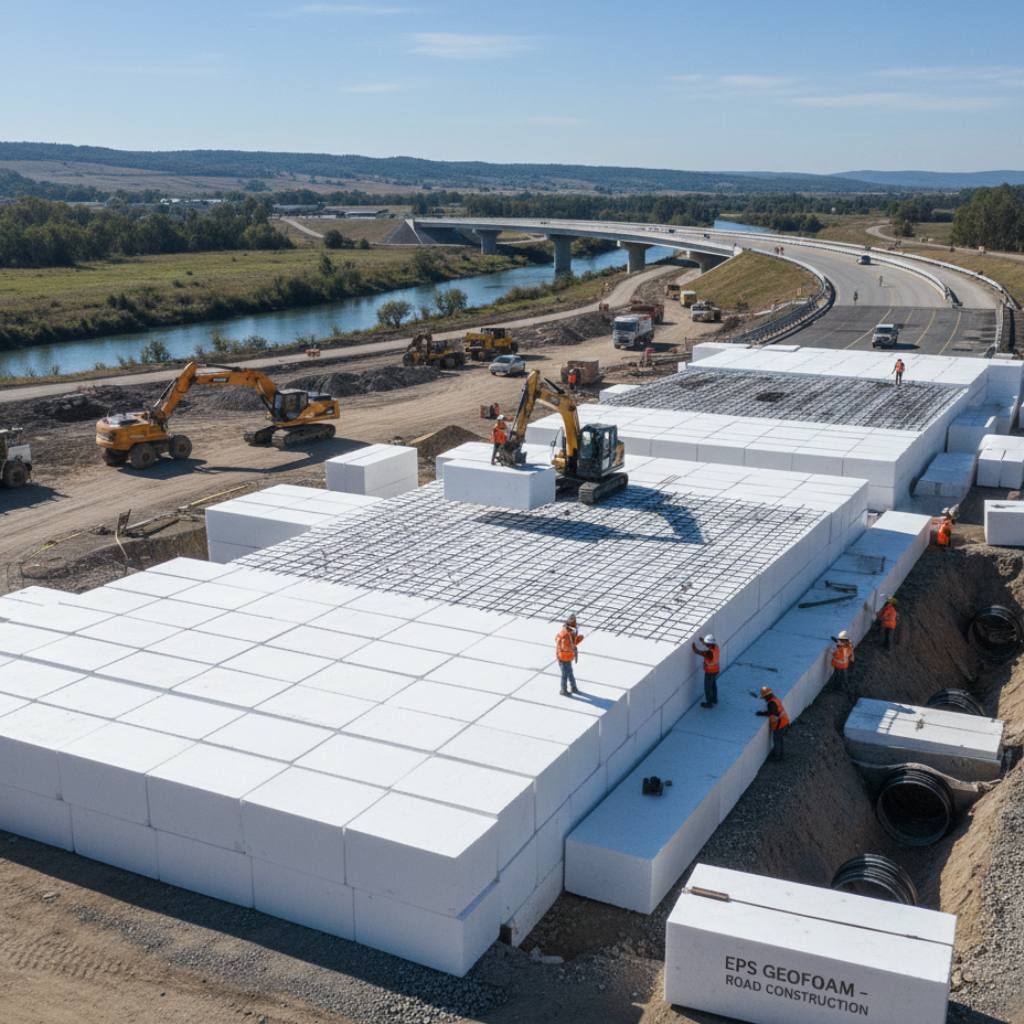
    EPS Geofoam For Road Construction

    When evaluating thermal insulation sheet price in Pakistan, buyers should consider performance rather than just per-unit cost. Insulation sheets are popular because they:

    • Are easy to install
    • Require less labor
    • Offer consistent insulation

    Their affordability makes them suitable for both residential and commercial use.

    Best Budget Insulation Materials in Karachi

    Due to high humidity and coastal heat, Karachi requires insulation that performs reliably in harsh conditions. Best budget insulation materials in Karachi are those that:

    • Resist moisture
    • Handle high temperatures
    • Remain stable over time

    Sheet-based insulation and EPS solutions are commonly used for roofs and walls in the city.

    Thermal Insulation in Pakistan: Long-Term Savings

    Although insulation requires an initial investment, thermal insulation in Pakistan offers long-term financial benefits by:

    • Reducing electricity consumption
    • Lowering cooling system load
    • Increasing building lifespan

    Budget insulation materials deliver these benefits without placing heavy strain on construction budgets.

    Common Mistakes When Choosing Budget Insulation

    Many buyers make avoidable errors such as:

    • Choosing materials only by price
    • Ignoring thickness requirements
    • Overlooking climate conditions

    Understanding available insulation materials in Pakistan helps avoid these mistakes and ensures better results.

    How to Choose the Right Budget Insulation Material

    Before selecting insulation, consider:

    • Building type (house, warehouse, shop)
    • Wall or roof application
    • Local climate
    • Long-term energy savings

    A balanced approach always outperforms the cheapest option.

    Final Thoughts

    Choosing the best budget insulation materials is about maximizing value, not minimizing cost. With the right selection, homeowners and builders can achieve effective insulation, lower energy bills, and improved comfort without exceeding their budget.

    From wall insulation to roof insulation, Pakistan’s market offers affordable solutions that meet both performance and cost expectations.

    FAQ’S

    The best budget insulation materials in Pakistan include EPS sheets, glass wool, and lightweight insulation boards. These materials offer good thermal performance at a lower cost and are widely used in residential and commercial buildings.

    For homes, EPS insulation and glass wool are considered the best budget insulation materials for house construction, especially for roofs and walls where heat gain is highest.

    Roof insulation cost varies by material and thickness, but many budget-friendly options are available. Investing in insulation often reduces long-term electricity expenses.

    Due to heat and humidity, EPS sheets and moisture-resistant insulation boards are among the best budget insulation materials in Karachi.

    Insulation slows heat transfer, keeping indoor temperatures stable. This reduces the need for air conditioning and lowers monthly energy bills.

    Yes, wall insulation plays an important role in thermal comfort. Proper wall insulation helps maintain indoor temperatures and improves overall building efficiency.

    When installed correctly, budget insulation materials can last 15–25 years with minimal maintenance, depending on environmental conditions.

    Yes, affordable insulation materials can deliver effective thermal resistance when selected according to climate, application area, and thickness.

  • Warehouse Temperature Control Using Insulation

    Warehouse Temperature Control Using Insulation

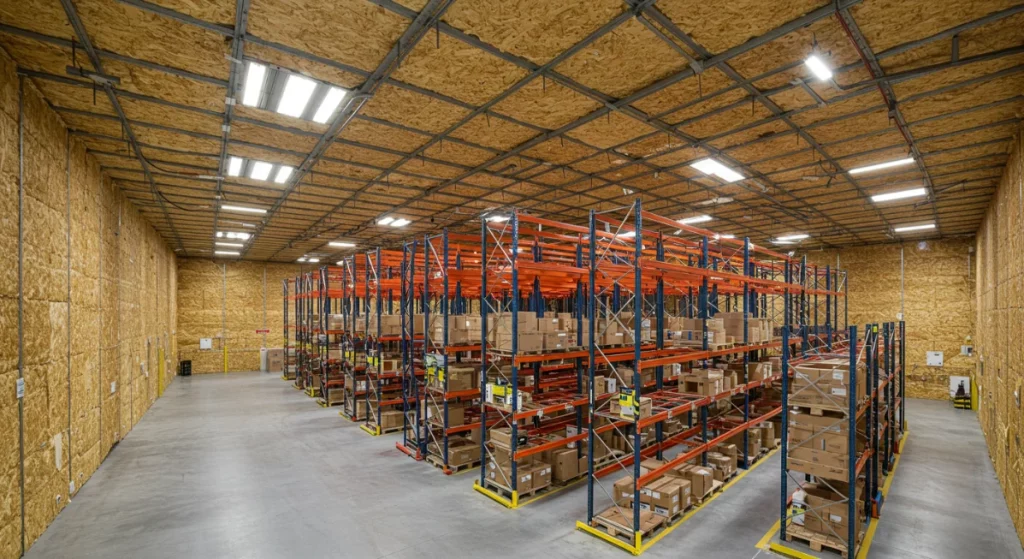
    Warehouses play a critical role in supply chains, storage, and industrial operations. However, maintaining a stable internal temperature remains one of the biggest challenges for warehouse owners. Warehouse Temperature Control Using Insulation has emerged as one of the most effective and cost-efficient solutions to protect goods, reduce energy consumption, and improve operational efficiency.

    Why Temperature Control Is Important in Warehouses

    Extreme temperature fluctuations can damage stored products, increase energy bills, and reduce workforce productivity. From food storage to pharmaceuticals and manufacturing materials, consistent indoor conditions are essential.

    This is where thermal insulation solutions for warehouse environments become a strategic investment rather than an optional upgrade.

    Understanding Thermal Insulation for Warehouses

    Thermal insulation works by slowing heat transfer between the inside and outside of a building. By using effective thermal insulators, warehouses can maintain stable temperatures regardless of external weather conditions.

    Proper insulation minimizes heat gain during summer and heat loss during winter, making temperature control systems more efficient.

    Insulating a Warehouse: Where to Start

    When insulating a warehouse, the focus should be on areas most exposed to heat transfer:

    • Roofs and ceilings
    • External walls
    • Loading docks and shutters
    • Floors (in temperature-sensitive storage)

    A well-planned insulation strategy improves overall temperature stability and reduces dependence on mechanical cooling.

    Common Thermal Insulators Used in Warehouses

    Several thermal insulators are commonly used for warehouse applications, including:

    • Polyurethane foam systems
    • Mineral wool insulation
    • Extruded polystyrene boards
    • Reflective insulation materials

    Each material serves a specific purpose depending on warehouse size, stored goods, and climate conditions.

    How to Make Temperature Controlled Warehouses

    Many warehouse owners ask how to make temperature controlled warehouses without excessive operational costs. The key steps include:

    1. Installing high-performance insulation in roofs and walls
    2. Sealing air leaks and thermal bridges
    3. Using insulation with proven thermal resistance
    4. Integrating insulation with efficient HVAC systems

    Insulation acts as the foundation, while cooling or heating systems fine-tune the temperature.

    Warehouse Insulation in Pakistan: Growing Demand

    With rising temperatures and energy costs, warehouse insulation in Pakistan is gaining strong demand across industrial zones. Logistics centers, cold storage facilities, and manufacturing units are increasingly investing in insulation to reduce long-term expenses.

    The availability of professional thermal insulation in Pakistan has also improved, making installation more accessible.

    Thermal Insulation Solutions for Warehouse Operations

    Modern thermal insulation solutions for warehouse projects focus on:

    • Energy efficiency
    • Long service life
    • Low maintenance
    • Compatibility with industrial structures

    These solutions help maintain consistent temperatures even in large, open spaces.

    Cost Factors: Understanding Insulation Pricing

    Thermal Insulation Price Overview

    The thermal insulation price depends on material type, thickness, installation area, and labor requirements. High-performance insulation may have a higher initial cost but delivers long-term savings.


    Thermal Insulation Price in Pakistan

    When evaluating thermnal insulation price in pakistan, factors such as climate conditions, material availability, and installation expertise play a major role. Prices vary depending on whether insulation is applied to roofs, walls, or complete warehouse envelopes.


    Warehouse Insulation Price Considerations

    The warehouse insulation price is influenced by warehouse size, insulation system complexity, and temperature control requirements.

    For large facilities, warehouse insulation price in pakistan is often calculated per square foot, making insulation a scalable solution for both small and large warehouses.

    Benefits of Warehouse Temperature Control Using Insulation

    • Reduced energy consumption
    • Lower operational costs
    • Improved product safety
    • Extended equipment lifespan
    • Better working conditions for staff

    These benefits make insulation one of the smartest infrastructure investments for warehouse owners.

    Choosing the Right Insulation Strategy

    To maximize performance, insulation selection should consider:

    • Type of goods stored
    • Desired temperature range
    • Local climate conditions
    • Budget and long-term goals

    Professional assessment ensures the insulation system delivers consistent results.

    Conclusion

    Warehouse Temperature Control Using Insulation is no longer a luxury—it is a necessity for efficient and sustainable operations. From selecting the right thermal insulators to understanding thermal insulation price and warehouse insulation price in pakistan, insulation plays a key role in building temperature-controlled warehouses.

    With growing demand for thermal insulation in Pakistan, warehouse owners who invest in proper insulation today will gain long-term cost savings, operational stability, and competitive advantage.

    FAQ’S

    Warehouse insulation is essential in Pakistan due to extreme summer temperatures. Proper insulation reduces heat transfer, protects stored goods, lowers electricity consumption, and improves working conditions inside warehouses.

    The best insulation depends on usage, but polyurethane foam, mineral wool, and XPS boards are commonly used. These materials provide strong thermal resistance and are suitable for temperature-controlled warehouses.

    Warehouse insulation cost varies based on material type, thickness, and total covered area. The warehouse insulation price in Pakistan is usually calculated per square foot and offers long-term energy savings.

    Insulation plays a critical role, but a temperature-controlled warehouse also requires proper sealing, ventilation planning, and integration with cooling or HVAC systems for best results.

    High-quality insulation materials can last 20–30 years with minimal maintenance, making them a cost-effective solution for industrial and commercial warehouses.

  • Best Insulation for Factories & Industrial Machinery

    Best Insulation for Factories & Industrial Machinery

    Industrial environments generate intense heat due to heavy machinery, continuous operations, and high-energy processes. Without proper insulation, factories face excessive energy loss, unsafe working conditions, and rising operational costs. Choosing the best insulation for factories & industrial machinery in Pakistan is no longer optional—it’s a necessity for efficiency, safety, and sustainability.

    This guide explains suitable insulation materials, pricing considerations, and how to design an effective industrial insulation system for Pakistani conditions.

    Why Industrial Insulation Matters in Factories

    Factories operate in demanding environments where uncontrolled heat affects both machines and manpower. Proper insulation plays a critical role by:

    • Reducing heat transfer from industrial machinery
    • Improving workplace safety and thermal comfort
    • Enhancing machine lifespan by controlling operating temperatures
    • Lowering electricity and fuel consumption
    • Supporting compliance with industrial safety standards

    With rising energy costs, thermal insulation in Pakistan has become a strategic investment rather than an expense.

    Common Heat Challenges in Industrial Machinery

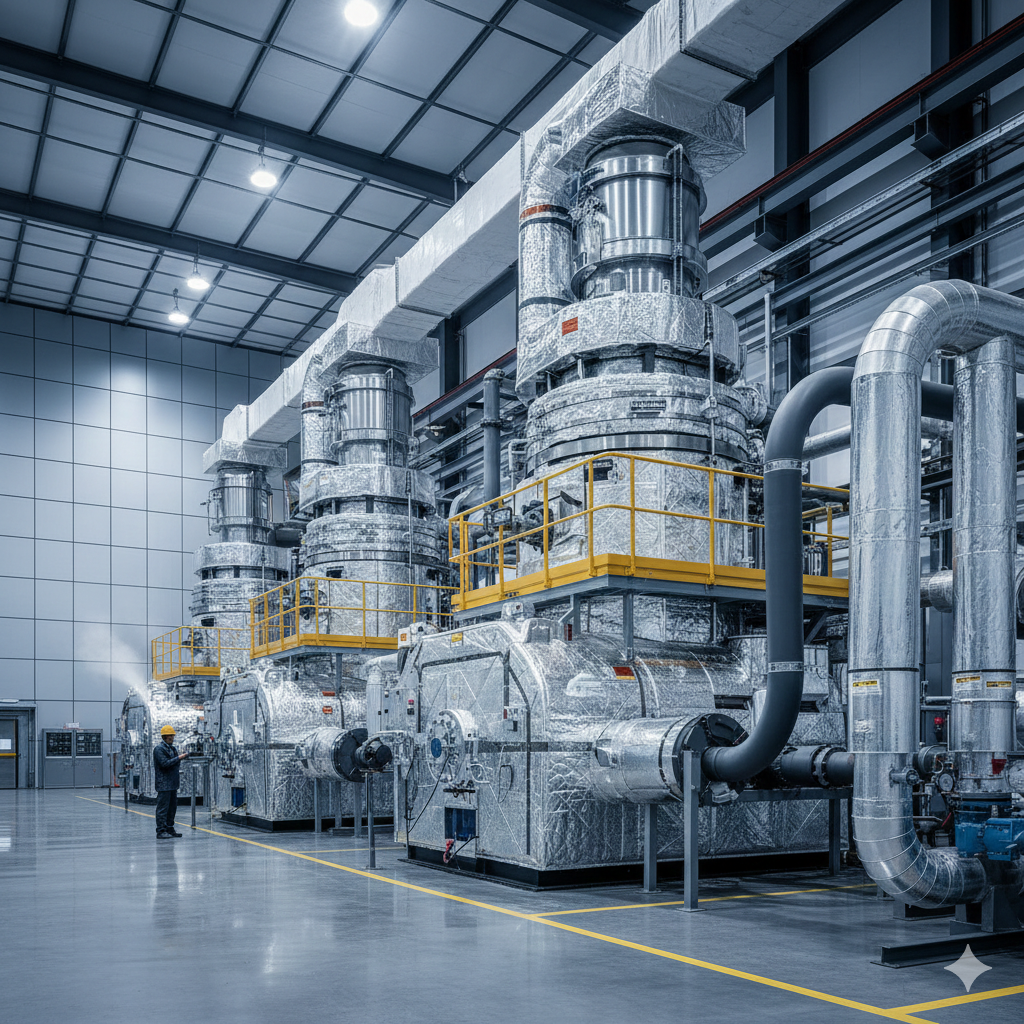
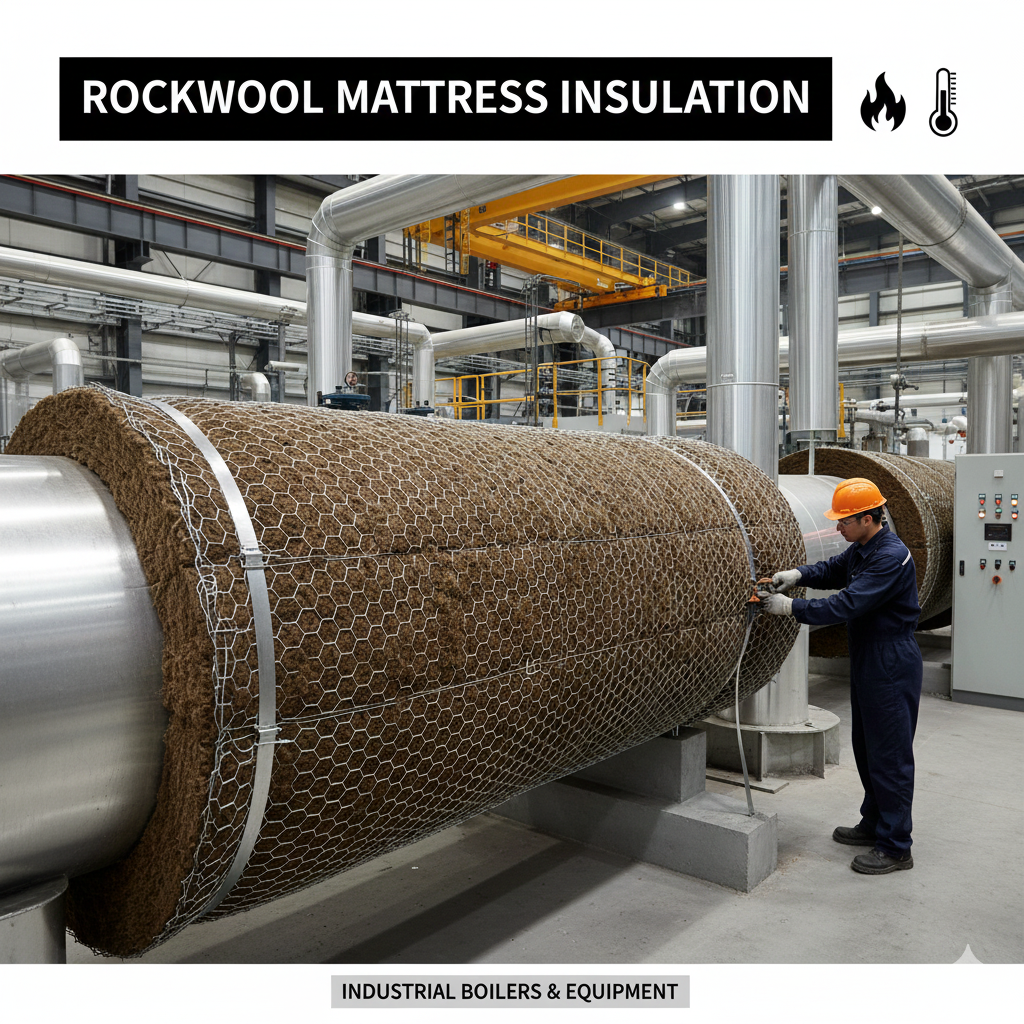
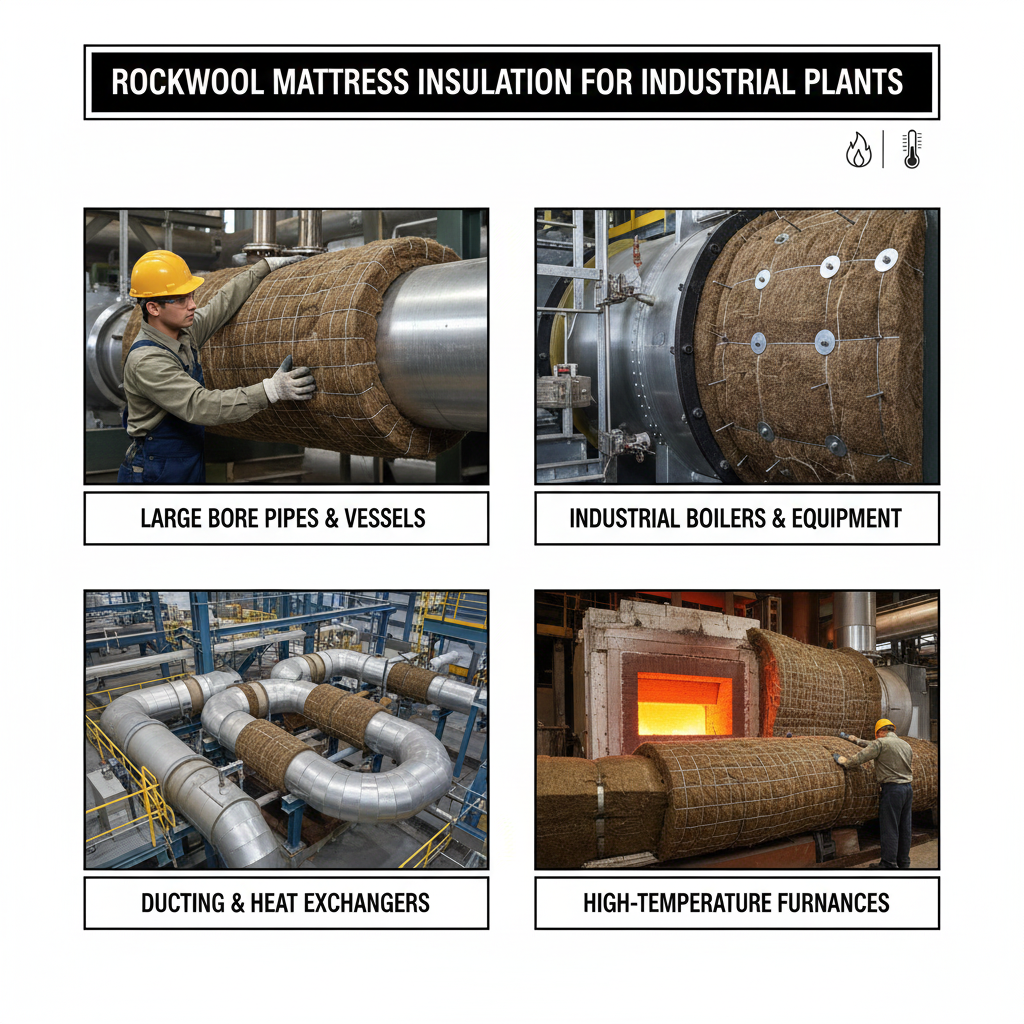
    rockwool mattress insulation for industrial plant

    Industrial units typically face:

    • Radiant heat from boilers, furnaces, and pipelines
    • Continuous heat buildup in production halls
    • Thermal loss from uninsulated walls and roofs
    • Moisture and condensation affecting machinery performance

    An effective insulation system addresses all these issues holistically.

    Best Insulation Materials for Factories & Machinery

    Selecting the right insulation material Pakistan depends on temperature range, moisture exposure, and mechanical stress.

    1. Thermopore Insulation Sheets

    Thermopore sheet insulation in factories

    Thermopore insulation is widely used in factories due to its lightweight structure and thermal resistance.

    • Suitable for walls and roofs
    • Easy to install and cut
    • Commonly sourced from a thermopore manufacturer in Pakistan

    When evaluating cost, thermopore sheet price in Pakistan varies depending on density and thickness.

    2. Thermal Insulation Sheets

    Glasswool for HVAC & Duct System

    Thermal insulation sheets are engineered for high-heat zones and industrial surfaces.

    • Used in roofs, machinery enclosures, and partitions
    • Helps stabilize internal factory temperatures
    • Reduces heat loss in continuous operations

    The thermal insulation sheet price in Pakistan depends on material composition and application area.

    3. Composite Industrial Insulation Systems

    Large factories often combine multiple materials into one integrated insulation system.

    • Thermopore for walls
    • Reflective or thermal sheets for roofs
    • Protective cladding for machinery

    This layered approach improves long-term performance and operational safety.

    Designing an Effective Insulation System for Factories

    An industrial insulation system should be planned strategically rather than installed randomly.

    Key considerations include:

    • Operating temperature of machinery
    • Humidity and moisture exposure
    • Fire safety requirements
    • Structural compatibility

    A well-designed insulation system ensures uniform thermal control across production areas.

    Cost Factors & Industrial Pricing Considerations

    While searching for the best insulation for factories & industrial machinery in Pakistan, pricing should be evaluated based on performance—not just material cost.

    Key factors influencing cost:

    • Type of insulation material
    • Thickness and density
    • Area coverage
    • Installation complexity

    Although thermopore sheet price in Pakistan may seem economical initially, combining it with higher-performance thermal insulation can deliver better long-term savings.

    Energy Efficiency & ROI for Industrial Insulation

    Factories that invest in proper insulation experience:

    • Reduced cooling and heating costs
    • Lower machinery maintenance expenses
    • Improved productivity due to stable working conditions
    • Faster return on investment

    This is why thermal insulation in Pakistan is increasingly adopted by manufacturing plants, warehouses, and processing units.

    Compliance & Safety Advantages

    Insulation also contributes to:

    • Heat control around sensitive machinery
    • Safer working environments
    • Reduced risk of heat-related equipment failure

    Using insulation from a verified thermopore manufacturer in Pakistan ensures material consistency and reliability.

    Future of Industrial Insulation in Pakistan

    With rising industrialization, demand for advanced insulation material Pakistan continues to grow. Modern factories are shifting toward integrated insulation systems that balance thermal control, durability, and cost efficiency.

    Final Thoughts

    Choosing the best insulation for factories & industrial machinery in Pakistan requires understanding operational needs, material performance, and long-term efficiency. Whether using thermopore insulation, thermal insulation sheets, or a hybrid insulation system, the right choice directly impacts productivity, safety, and energy costs.

    Best insulation for factories & industrial machinery in Pakistan. Learn about thermopore insulation, thermal insulation sheet price in Pakistan, insulation systems, and industrial heat control solutions.

    FAQ’S

    The best insulation for factories in Pakistan depends on heat load and safety needs. Rockwool is preferred for fire resistance, while Thermopore and XPS are commonly used for cost-effective thermal insulation in industrial buildings.

    Thermopore insulation is suitable for factory walls and roofs where moderate heat control is needed, but it is not recommended near high-temperature machinery due to low fire resistance.

    Industrial insulation cost varies by material, thickness, and installation area. Thermal insulation sheet price in Pakistan, thermopore sheet price in Pakistan, and rockwool insulation price differ based on fire rating, density, and project size.

    For high-temperature zones and machinery protection, fireproof insulation materials such as rockwool insulation boards and fire-rated insulation systems are the safest and most durable options.

    Yes, installing a proper insulation system significantly reduces heat transfer, lowers indoor temperatures, and decreases air-conditioning load, resulting in noticeable energy savings for factories and industrial units.

    Most professional insulation providers offer installation services in Karachi, Lahore, Islamabad, Rawalpindi, and other industrial cities, including site inspection, material selection, and complete insulation system setup.

  • Insulation Sheet Price Comparison (EPS/XPS/Rockwool/Glasswool)

    Insulation Sheet Price Comparison (EPS/XPS/Rockwool/Glasswool)

    Choosing the right insulation material is no longer just about comfort—it directly impacts energy savings, building durability, and long-term costs. With rising temperatures and increasing energy prices, thermal insulation in Pakistan has become a necessity for homes, commercial buildings, and industrial facilities.

    This guide provides a clear insulation sheet price comparison to help buyers understand material differences, performance levels, and where each option fits best.

    Why Insulation Price Comparison Matters in Pakistan

    Pakistan’s climate ranges from extremely hot summers to cold winters in northern regions. Without proper insulation, buildings absorb heat rapidly, increasing cooling costs and indoor discomfort.

    Understanding insulation sheet price in Pakistan helps buyers:

    • Plan budgets accurately
    • Select cost-effective insulation materials
    • Avoid overpaying for unsuitable products
    • Balance thermal performance with long-term savings

    Common Insulation Materials Used in Pakistan

    Before comparing prices, it’s important to understand the four most commonly used insulation materials.
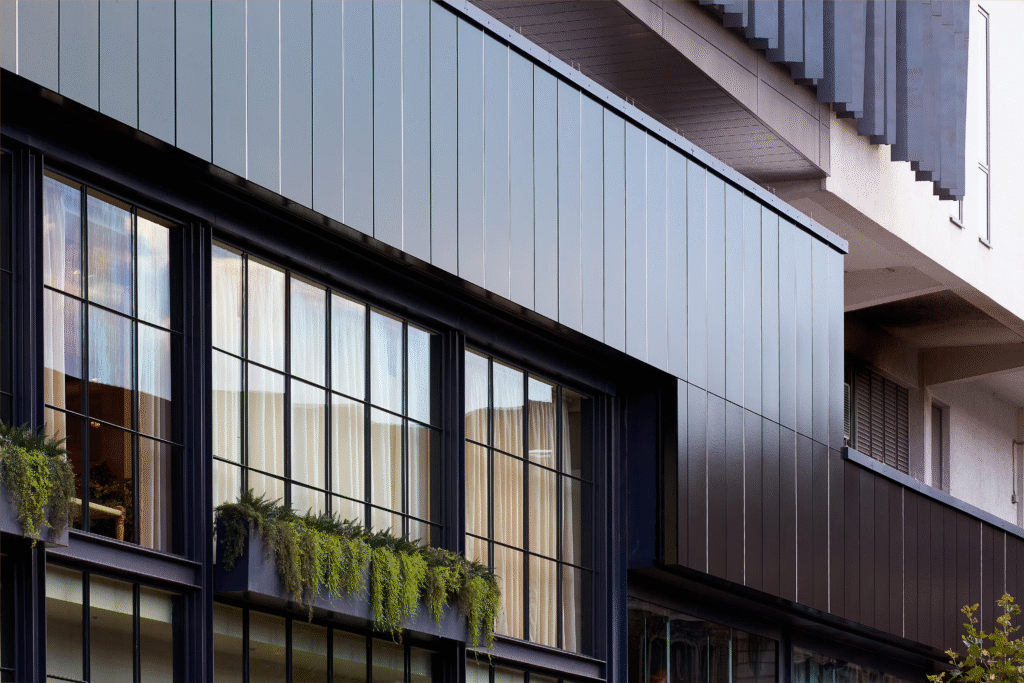
    EPS (Expanded Polystyrene Sheets)

    EPS Foam

    EPS is a lightweight insulation material widely used in walls and roofs. It offers decent thermal resistance at a relatively low cost.

    XPS (Extruded Polystyrene Boards)

    Jumbolon Board in Pakistan

    XPS provides higher strength and better moisture resistance than EPS, making it suitable for demanding applications.

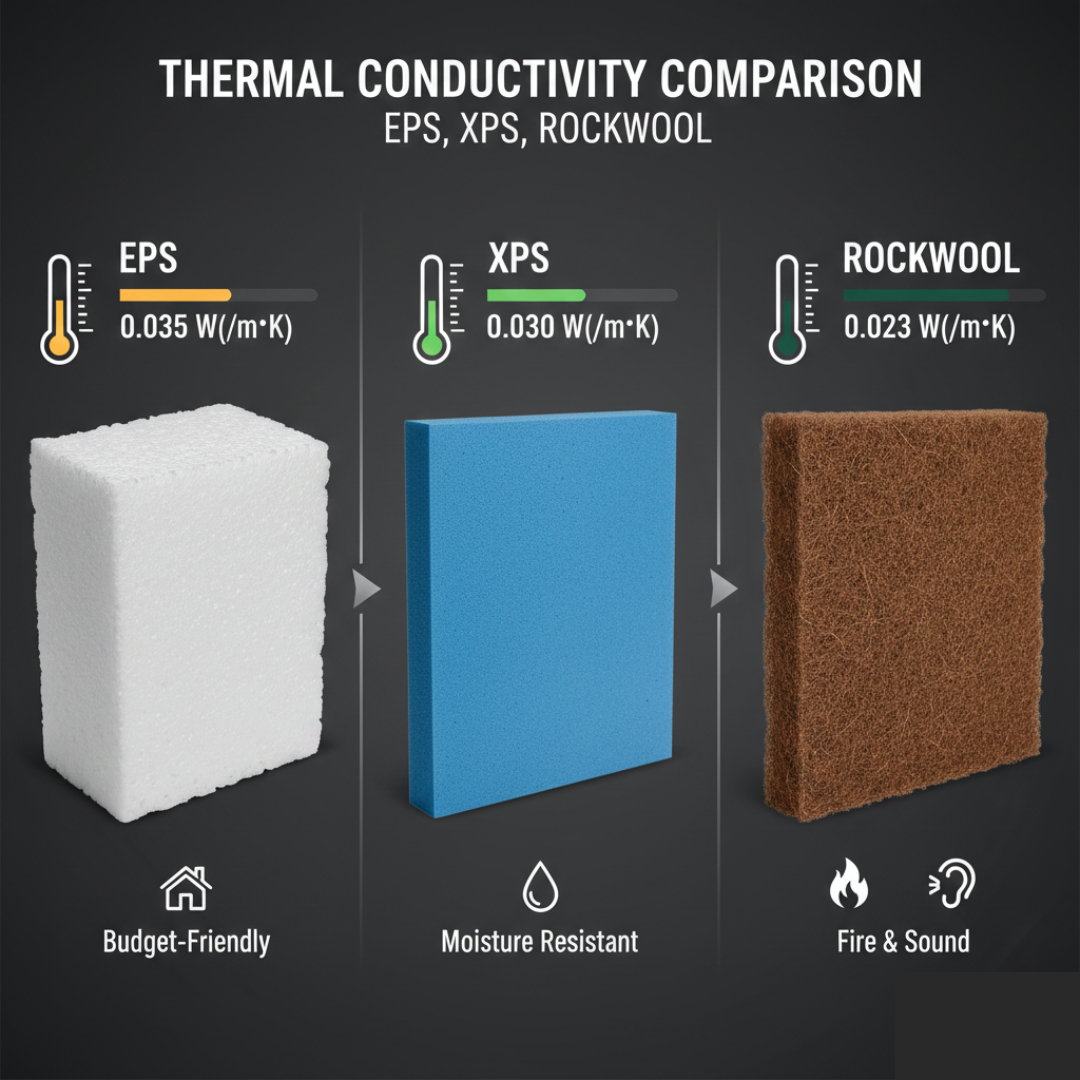
    Rockwool (Mineral Wool)

    Rockwool is a premium insulation option known for fire resistance, sound absorption, and durability.

    Glasswool (Fiberglass Insulation)

    Glass wool insulation is flexible, lightweight, and commonly used for roof insulation and ducting.

    Insulation Sheet Price Comparison in Pakistan

    The table below provides a general market comparison to help buyers evaluate options. Prices vary based on thickness, density, brand, and location.

    Insulation MaterialPrice Range (PKR)Thermal PerformanceFire ResistanceBest Use Case
    EPS SheetsLowMediumLowWalls, ceilings
    XPS BoardsMediumHighLowRoofs, floors
    Rockwool InsulationHighHighVery HighFire-rated walls, factories
    Glass Wool InsulationMediumMedium–HighMediumRoofs, HVAC systems

    This insulation sheet price comparison highlights that higher cost materials often provide added benefits such as fire safety and sound insulation.

    Rockwool Insulation Price in Pakistan – Is It Worth It?

    Soundproofing Material glasswool vs rockwool

    Rockwool insulation price in Pakistan is higher than EPS and XPS, but it offers multiple advantages:

    • Non-combustible and fire resistant
    • Excellent acoustic insulation
    • Stable performance at high temperatures

    For commercial buildings, industrial units, and fire-rated walls, rockwool justifies its cost through safety and longevity.

    Glass Wool Insulation Price & Performance

    Glasswool Sheet For Soundproofing

    Glass wool insulation price is usually moderate, making it popular for residential roofs and HVAC systems.
    Key benefits include:

    • Lightweight and easy installation
    • Good thermal insulation
    • Cost-effective roof insulation solution

    However, it is less durable than rockwool in high-moisture environments.

    EPS vs XPS – Cost vs Performance

    Jumbolon VS EPS Sheet

    EPS remains one of the most affordable options for heat insulation sheet Pakistan projects. It is suitable for basic thermal control.

    XPS costs more but offers:

    • Higher compressive strength
    • Better moisture resistance
    • Longer lifespan

    When evaluating roof insulation price in Pakistan, XPS often performs better in exposed conditions.

    Technical Comparison Table (Building Applications)

    Insulation MaterialThermal EfficiencyFire RatingMoisture ResistanceTypical Building Use
    EPS SheetsMediumLowLowResidential walls
    XPS BoardsHighLowHighRoofs, basements
    Rockwool InsulationHighVery HighMediumCommercial & industrial buildings
    Glass Wool InsulationMedium–HighMediumLowRoofs, HVAC systems
    Heat Insulation SheetsMediumLowMediumRoof heat proofing

    Choosing the Right Insulation Material in Pakistan

    When selecting insulation material Pakistan, price should not be the only deciding factor. Consider:

    • Climate conditions
    • Area of installation (roof, wall, floor)
    • Fire safety requirements
    • Moisture exposure
    • Long-term energy savings

    A lower upfront cost may lead to higher electricity bills over time.

    Heat Insulation Sheets for Roofs and Walls

    For roofs, insulation must withstand direct heat exposure. XPS and glass wool are commonly used, while rockwool is preferred where fire protection is required.

    For walls, EPS and rockwool provide effective thermal barriers depending on safety needs.

    Final Thoughts on Insulation Sheet Prices in Pakistan

    There is no single “best” insulation—each material serves a different purpose. This insulation sheet price comparison shows that:

    • EPS is budget-friendly
    • XPS offers durability and moisture resistance
    • Rockwool delivers fire safety and acoustic control
    • Glass wool balances cost and performance

    The right choice depends on application, budget, and long-term goals.

    FAQ’S

    For commercial buildings, rockwool insulation is often the best choice due to its fire resistance, soundproofing, and long-term durability, especially in high-occupancy structures.

    EPS sheets are commonly used in residential buildings because they offer reasonable thermal insulation at a lower upfront cost.

    Yes, roof insulation significantly reduces heat gain in concrete buildings and helps control indoor temperature, especially during peak summer months.

    XPS boards and rockwool insulation are preferred for high-rise buildings due to better compressive strength, moisture resistance, and fire safety.

    Yes, properly insulated buildings usually have lower energy costs and better indoor comfort, which increases long-term property value.

    While not mandatory everywhere, thermal insulation is increasingly recommended in modern building designs to improve energy efficiency and occupant comfort.

  • 2026 Insulation Sheet Buying Guide for Pakistan

    2026 Insulation Sheet Buying Guide for Pakistan

    As construction standards evolve and energy costs continue to rise, insulation has become a necessity rather than an option. This 2026 Insulation Sheet Buying Guide for Pakistan is designed to help homeowners, builders, and contractors make informed decisions based on climate, usage, and long-term value.

    From residential homes to commercial buildings, choosing the right insulation material in Pakistan directly impacts comfort, electricity bills, and building lifespan.

    Why Insulation Matters More in Pakistan in 2026

    Pakistan’s climate is becoming increasingly extreme, with longer summers and higher peak temperatures. This makes thermal insulation in Pakistan one of the most effective solutions for:

    • Reducing indoor heat gain
    • Lowering air-conditioning load
    • Improving indoor comfort
    • Increasing property value

    Modern insulation solutions are no longer limited to industrial use. In 2026, insulation is now standard for homes, offices, warehouses, and even small commercial units.

    Technical Comparison Table – EPS vs XPS vs Rockwool vs Heat Sheets

    Feature / MaterialEPS InsulationXPS InsulationRockwool InsulationHeat Insulation Sheets
    Thermal PerformanceMediumHighVery HighHigh
    Moisture ResistanceLow–MediumVery HighMediumHigh
    Fire ResistanceLowMediumVery HighLow–Medium
    Density RangeLowMediumHighLow
    Common ApplicationsWalls, floorsRoofs, wallsIndustrial, fire zonesRoof heat proofing
    DurabilityModerateHighVery HighModerate
    Cost LevelBudgetMid-RangePremiumMid-Range
    Popular Use in PakistanResidentialResidential & CommercialIndustrial & High-riseRoof insulation

    Note: Performance varies by thickness, installation quality, and climate conditions.

    Common Insulation Materials Used in Pakistan

    Understanding insulation types is the first step in choosing the right product.

    1. EPS (Expanded Polystyrene)

    EPS Thermal Insulation

    EPS is lightweight, affordable, and commonly used for wall and roof insulation. It provides decent thermal resistance and is easy to install.

    2. XPS (Extruded Polystyrene)

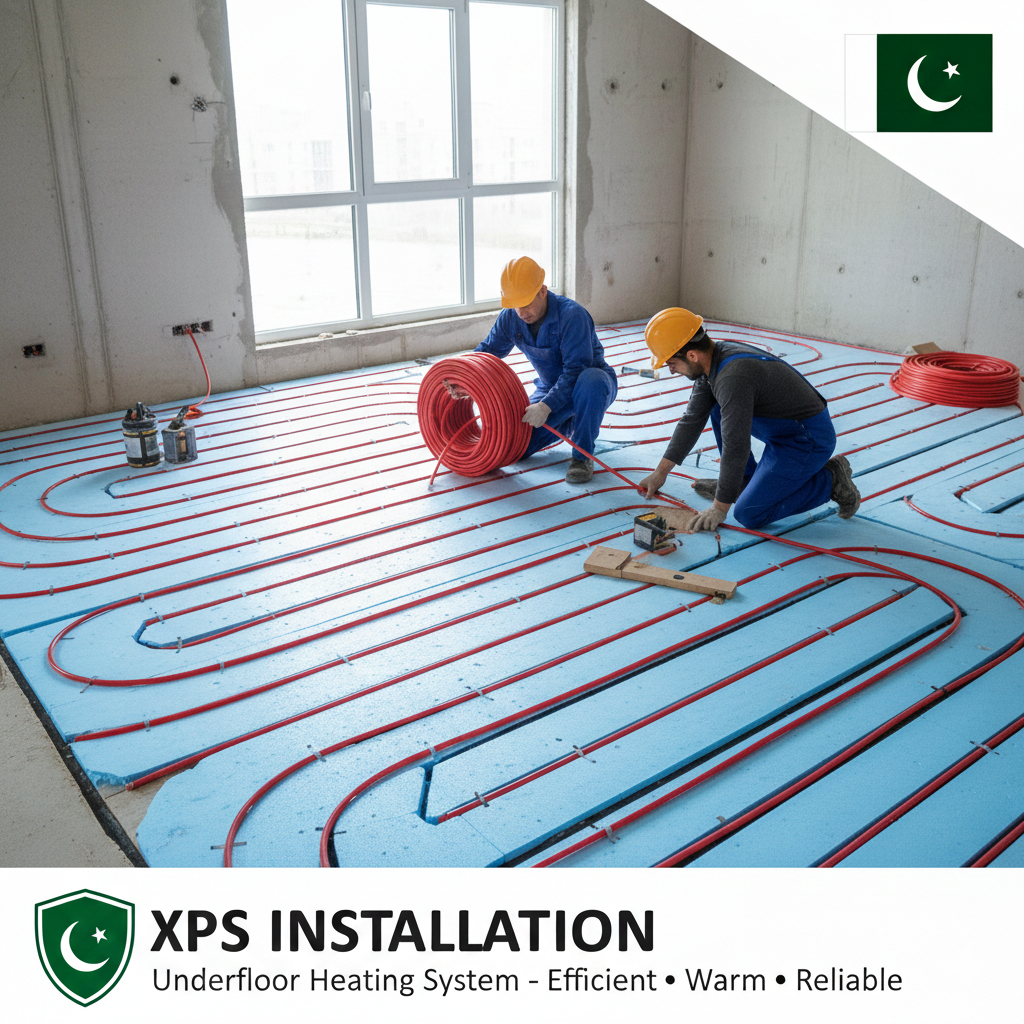
    XPS Installation at underfloor heating system

    XPS offers higher strength and moisture resistance compared to EPS, making it ideal for roofs and floors exposed to water.

    3. Rockwool

    Soundproofing Material glasswool vs rockwool

    Rockwool is a premium insulation material known for fire resistance and sound absorption. Due to its density, rockwool insulation price in Pakistan is higher than EPS and XPS, but it offers superior performance.

    4. Heat Reflective & Composite Sheets

    These sheets combine reflective surfaces with insulation cores and are widely used as heat insulation sheet Pakistan solutions for roofs.

    Each insulation material in Pakistan serves a specific purpose depending on location, budget, and performance requirements.

    Roof Insulation: A Priority for Pakistani Homes

    Roof insulation delivers the highest return on investment due to direct sun exposure. Choosing the right roof system depends on structure type and budget.

    Key considerations include:

    • Thickness and density
    • Reflective properties
    • Installation method

    The roof insulation price in Pakistan varies based on material type and roof area, but it consistently offers long-term electricity savings.

    Wall Insulation for Temperature Stability

    While roofs handle direct heat, walls regulate internal temperature throughout the day. Proper wall insulation in Pakistan helps reduce heat transfer from adjacent buildings and outdoor exposure.

    Wall insulation is especially important for:

    • West-facing walls
    • Commercial buildings
    • Apartments and shared structures

    Understanding Insulation Prices in 2026

    Insulation costs fluctuate due to raw materials, energy prices, and import dependencies.

    In 2026:

    • Thermal insulation sheet price in Pakistan varies by thickness and composition
    • Rockwool remains the costliest but most durable option
    • EPS and XPS continue to dominate residential projects

    Buyers should focus on performance per square foot rather than upfront cost alone.

    Karachi-Specific Buying Considerations

    For coastal cities, humidity resistance and durability are critical. Builders often search for 2026 Insulation Sheet Buying Guide for Pakistan Karachi–specific solutions due to saline air and higher moisture exposure.

    In Karachi:

    • Moisture resistance is essential
    • XPS and rockwool are preferred for long-term use
    • Heat-reflective roof insulation performs exceptionally well

    How to Choose the Right Insulation in 2026

    Best Insulation Sheets in Karachi

    Before purchasing, ask these questions:

    1. Is the insulation for roof, wall, or floor?
    2. What level of thermal resistance is required?
    3. Is fire resistance important?
    4. What is the project’s lifespan?

    Matching the correct insulation material Pakistan options to your needs ensures efficiency and durability.

    Installation Quality Matters

    Even the best insulation fails if poorly installed. Always ensure:

    • No air gaps
    • Proper sealing
    • Correct thickness

    Professional installation significantly improves insulation performance and lifespan.

    Future Trends in Thermal Insulation in Pakistan

    Looking ahead, insulation systems in Pakistan are moving toward:

    • Higher density panels
    • Multi-layer composite sheets
    • Improved fire and moisture resistance

    By 2026, insulation is no longer an upgrade—it is a construction standard.

    Final Buying Advice

    This 2026 Insulation Sheet Buying Guide for Pakistan emphasizes one key principle: insulation is an investment, not an expense. Choosing the right system today ensures comfort, savings, and durability for years to come.

    FAQ’S

    EPS, XPS, and Rockwool are the most commonly used insulation materials in Pakistan. EPS is suitable for budget projects, XPS offers higher moisture resistance, while Rockwool is preferred for fire safety and high thermal insulation.

    Roof insulation price in Pakistan depends on the material, thickness, and installation method. Heat insulation sheets and rigid boards usually cost more than basic foam sheets due to better durability and performance.

    Yes. Wall insulation in Pakistan significantly reduces indoor heat gain, improves energy efficiency, and supports long-term thermal insulation performance, especially in hot cities.

    Selection should be based on climate, application area (roof or wall), moisture exposure, and budget. Comparing thermal insulation sheet price in Pakistan alongside performance ratings helps make the right decision.

    Yes. Proper thermal insulation in Pakistan lowers indoor temperature fluctuations, reduces air-conditioning load, and helps cut long-term energy costs.

    Heat insulation sheets are widely used in factories, warehouses, and commercial roofs due to their lightweight structure and effective heat resistance.

  • Lahore Heat Insulation Solutions (EPS/XPS/Rockwool)

    Lahore Heat Insulation Solutions (EPS/XPS/Rockwool)

    Lahore’s climate presents a serious challenge for homes, factories, and commercial buildings. Long summers, extreme heatwaves, and rising electricity costs have made heat insulation a necessity rather than a luxury. Choosing the right insulation system can significantly reduce indoor temperatures, improve comfort, and cut energy bills.

    This guide explains Lahore Heat Insulation Solutions using EPS, XPS, and Rockwool, helping you select the most suitable option based on performance, durability, and cost.

    Why Heat Insulation Is Essential in Lahore

    house insulation in pakistan

    Lahore experiences prolonged high temperatures that directly impact indoor comfort and energy usage. Without proper insulation, roofs and walls absorb heat throughout the day, making cooling systems work harder.

    Effective thermal insulation in Pakistan helps:

    • Reduce indoor heat gain
    • Lower electricity consumption
    • Improve building lifespan
    • Enhance indoor comfort year-round

    Overview of Insulation Materials Used in Pakistan

    The insulation market offers several materials, but three dominate large-scale usage due to performance and availability. Each option serves a different structural need.

    Choosing the right insulation material Pakistan depends on:

    • Location (roof, wall, or cavity)
    • Budget
    • Heat resistance requirements
    • Fire and moisture safety

    EPS (Expanded Polystyrene) – Lightweight & Economical

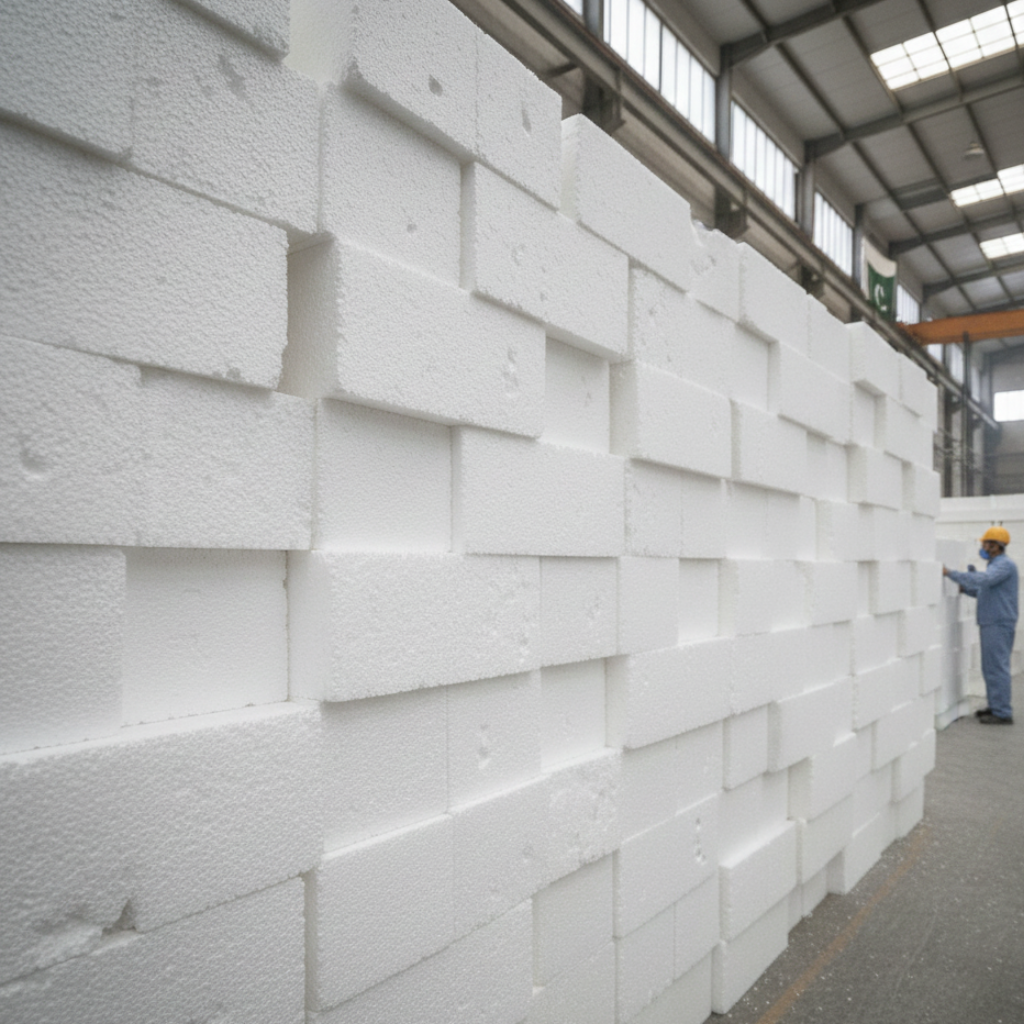
    thermocol blocks manufacturer in pakistan

    EPS insulation is widely used for basic thermal protection in walls and ceilings.

    Key Benefits of EPS:

    • Lightweight and easy to install
    • Cost-effective for large areas
    • Suitable for wall insulation in Pakistan
    • Moderate thermal resistance

    EPS works well for homes where budget is a priority and insulation thickness can be increased for better performance.

    XPS (Extruded Polystyrene) – High Performance Thermal Shield

    jumbolon Insulation for Metal Sheds

    XPS offers superior insulation compared to EPS, especially in roofs exposed to direct sunlight.

    Why XPS Is Popular in Lahore:

    • High compressive strength
    • Excellent moisture resistance
    • Long service life
    • Ideal as a heat resistant thermal insulation sheet

    XPS boards are commonly used under concrete slabs and rooftops where durability is essential.

    Rockwool – Premium Heat & Fire Protection

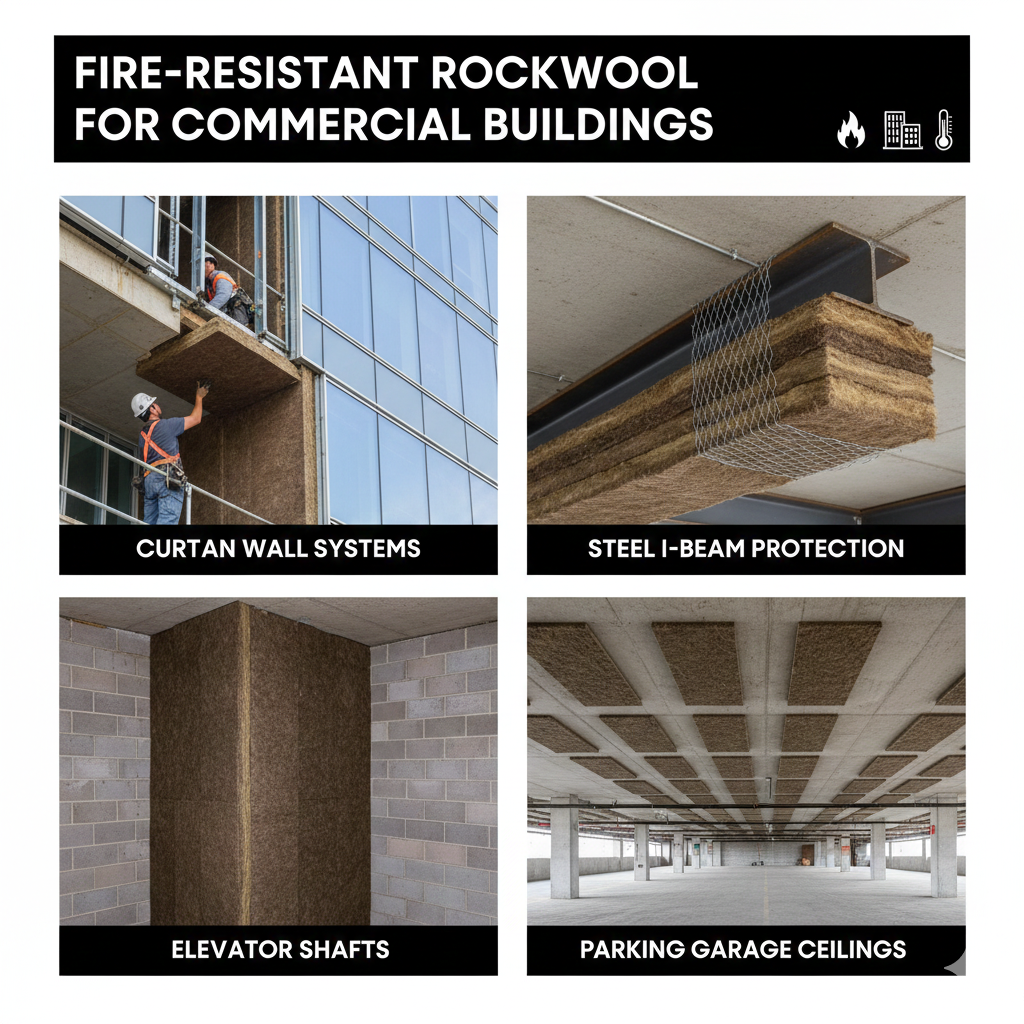
    fire resistant rockwool for commercial buildings

    Rockwool insulation is manufactured from natural stone fibers, offering both thermal and acoustic benefits.

    Advantages of Rockwool:

    • Excellent heat resistance
    • Fire-retardant properties
    • Strong sound insulation
    • Suitable for industrial and commercial buildings

    Many buyers consider rockwool insulation price in Pakistan higher than foam-based solutions, but its long-term safety benefits justify the investment.

    Comparison: EPS vs XPS vs Rockwool

    FeatureEPSXPSRockwool
    Thermal ResistanceMediumHighHigh
    Moisture ResistanceLowVery HighMedium
    Fire ResistanceLowMediumVery High
    InstallationEasyEasyModerate
    Best UseWallsRoofsIndustrial / Commercial

    This comparison highlights why multiple heat insulation sheet Pakistan options exist—each suited to different conditions.

    Application Areas in Lahore Buildings

    Roof Insulation

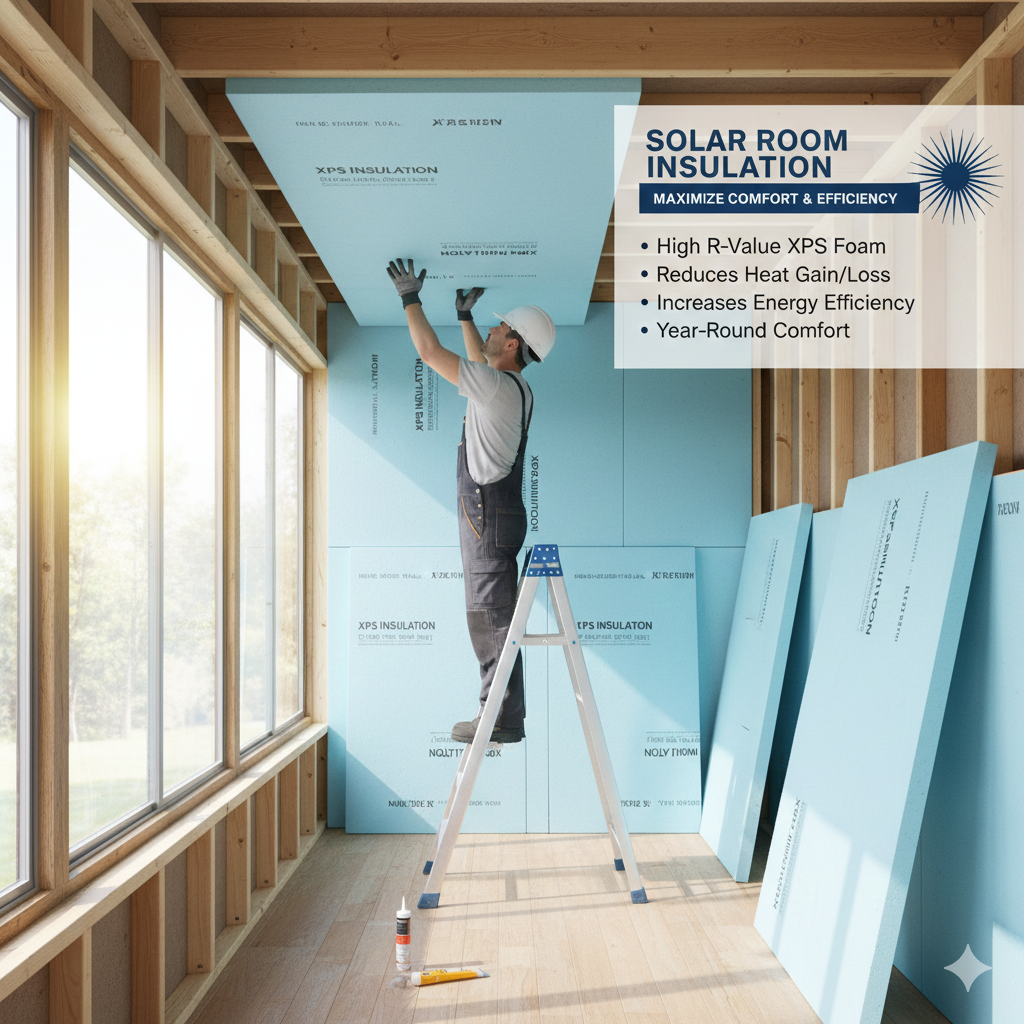
    Solar Room Insulation in Pakistan

    Roof surfaces absorb the highest heat. XPS and Rockwool are preferred solutions due to their performance and durability.

    Wall Insulation

    EPS and XPS panels are commonly installed for wall insulation in Pakistan, reducing heat transfer through external walls.

    Industrial Facilities

    freezers wall panels pakistan

    Rockwool is widely used where fire safety and thermal stability are critical.

    Cost Factors to Consider

    Insulation costs vary depending on thickness, density, and material type. Buyers frequently compare:

    • Lahore Heat Insulation Solutions EPS XPS Rockwool price
    • Installation method
    • Long-term energy savings

    While foam-based insulation may have lower upfront costs, premium materials often provide better lifetime value.

    Choosing the Right Thermal Insulation Sheet

    When selecting insulation, consider:

    • Local climate exposure
    • Roof or wall location
    • Required thermal resistance
    • Budget constraints

    Comparing the thermal insulation sheet price in Pakistan alongside performance metrics helps in making an informed decision.

    Energy Efficiency & Long-Term Benefits

    Proper insulation:

    • Reduces electricity bills year-round
    • Enhances indoor comfort
    • Protects concrete structures
    • Supports sustainable building practices

    Modern thermal insulation in Pakistan is now considered an essential construction element rather than an optional upgrade.

    Final Verdict: Which Insulation Is Best for Lahore?

    • EPS → Best for budget wall insulation
    • XPS → Best for rooftops and moisture-prone areas
    • Rockwool → Best for heat, fire, and sound protection

    Each solution has a unique role in Lahore’s demanding climate.

    FAQ’S

    For Lahore’s high summer temperatures, XPS is ideal for roofs due to moisture resistance, while Rockwool is best for commercial buildings needing heat and fire protection. EPS works well for budget-friendly wall insulation.

    Yes, wall insulation in Pakistan significantly reduces heat transfer, improves indoor comfort, and lowers electricity consumption during long summer months.

    EPS is lightweight and economical, while XPS offers higher thermal resistance, better moisture protection, and longer durability—making it more suitable for rooftops.

    Proper thermal insulation in Pakistan can reduce cooling costs by up to 30–40% by limiting heat gain through roofs and walls.

    Rockwool can be used in homes, especially where fire safety and sound insulation are priorities, though it is more commonly used in commercial and industrial buildings.

  • Using Aluminium Foil with Jumbolon & XPS

    Using Aluminium Foil with Jumbolon & XPS

    Rising temperatures, higher electricity bills, and increasing construction costs have made thermal insulation a necessity rather than a luxury. In Pakistan, combining reflective aluminium foil with modern insulation boards like Jumbolon and XPS has become one of the most effective solutions for roofs and walls. This guide explains Using Aluminium Foil with Jumbolon & XPS, how it works, where it performs best, and what buyers should consider before investing.

    What Does Using Aluminium Foil with Jumbolon & XPS Mean?

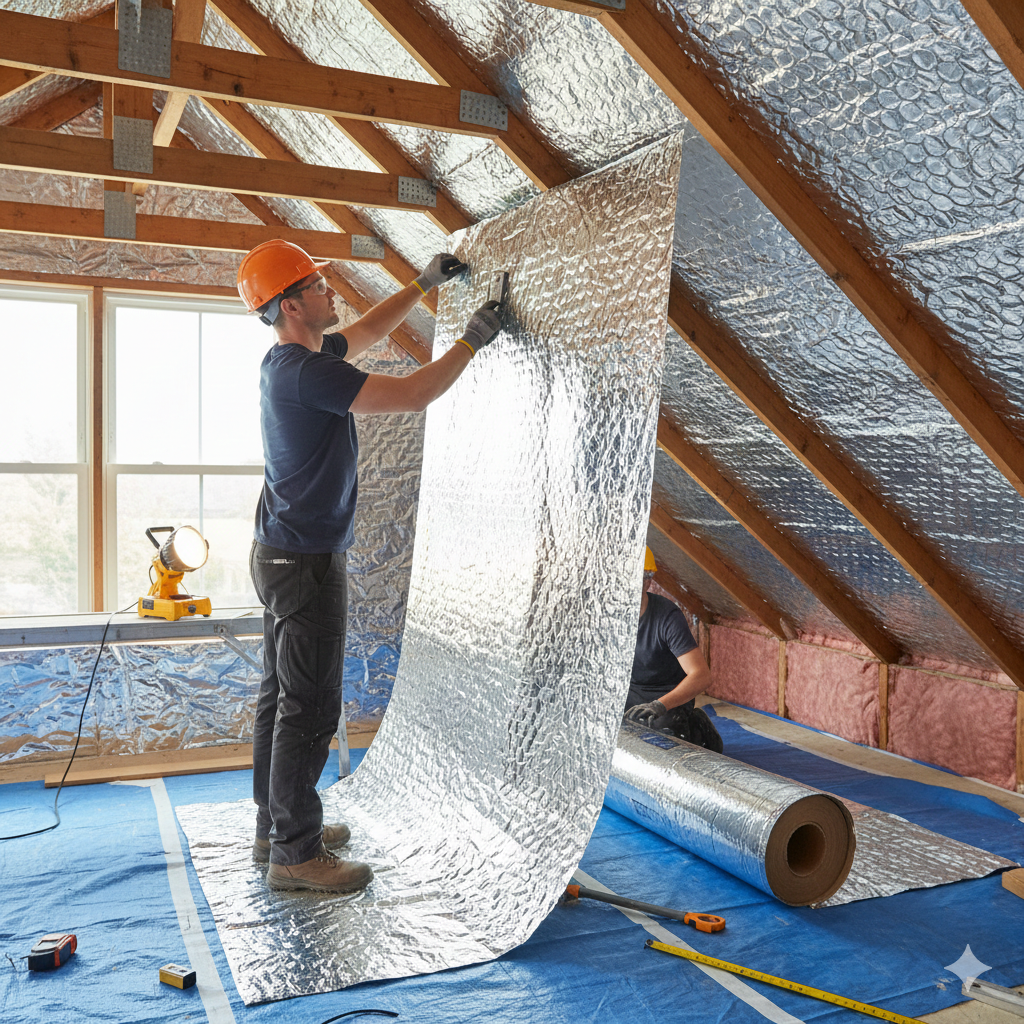
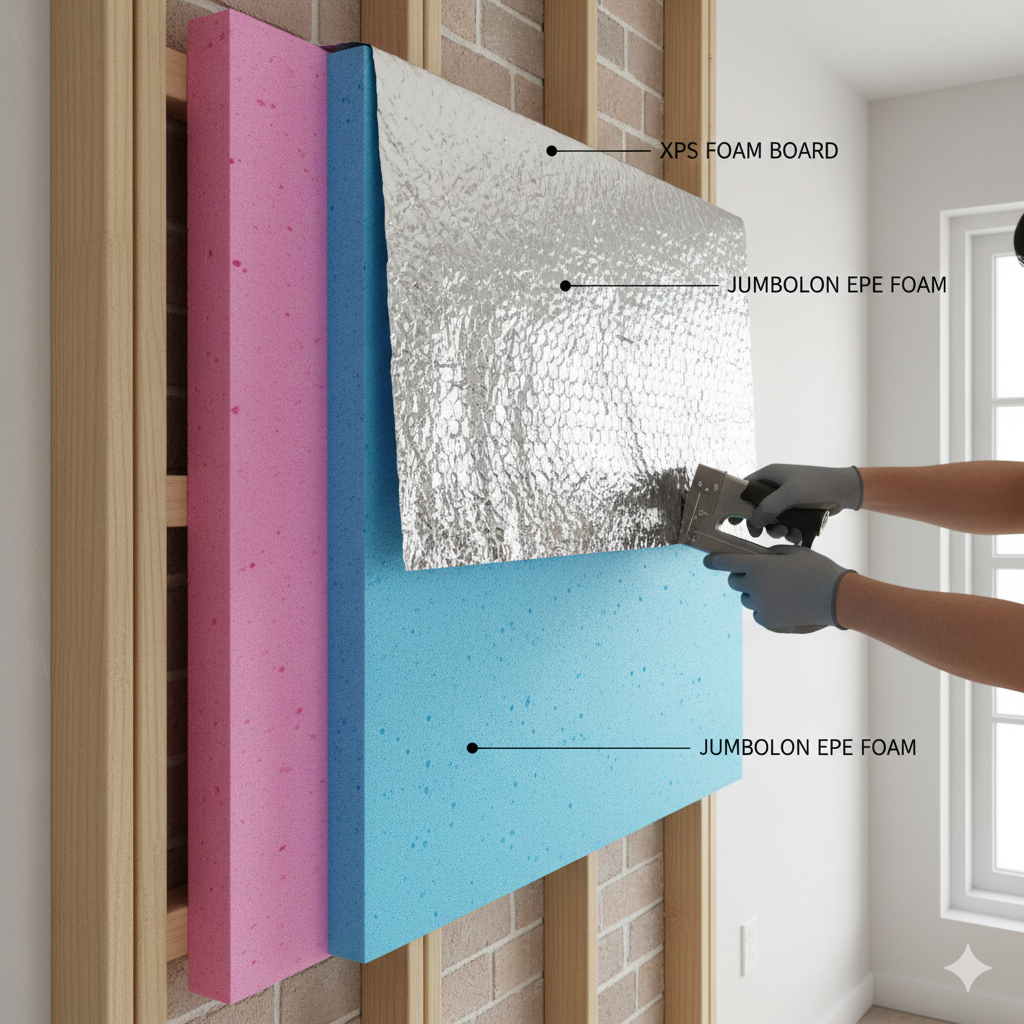
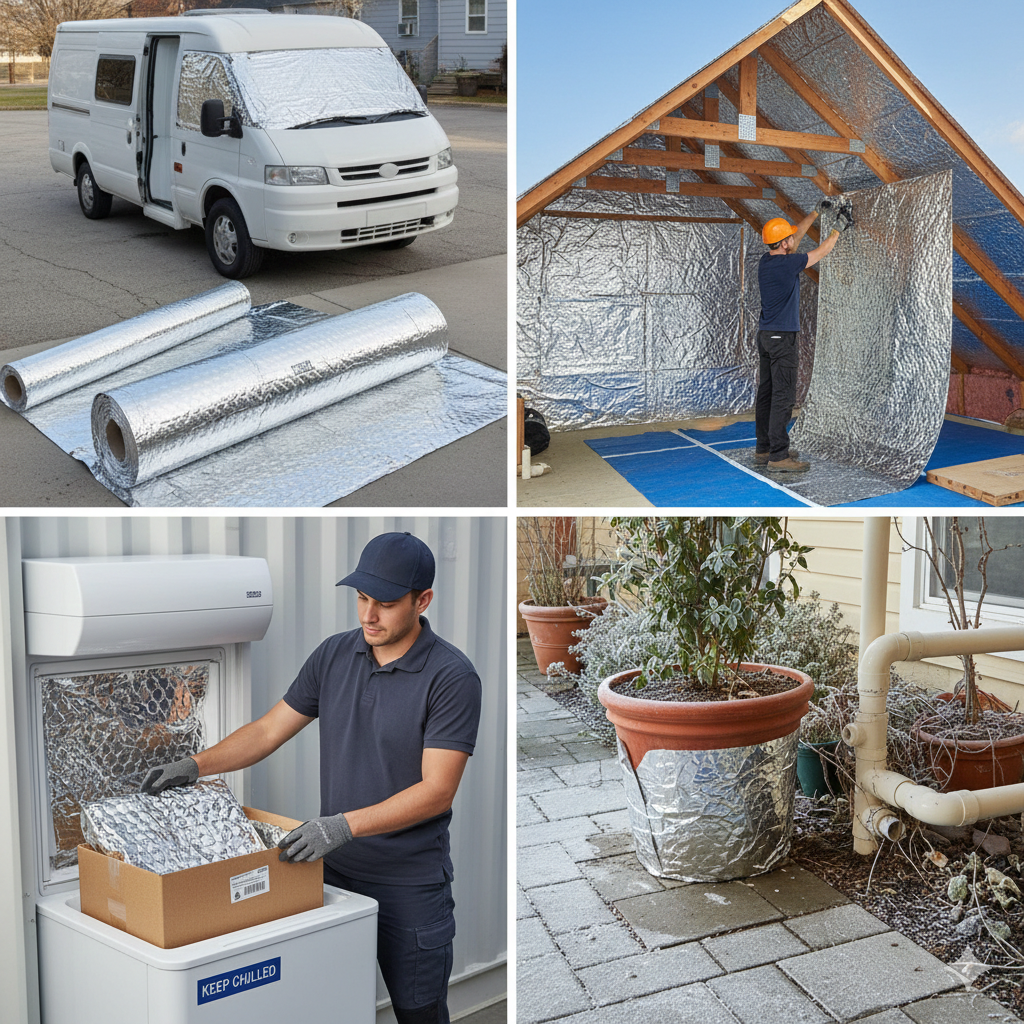
    Using aluminium foil with insulation boards involves layering a reflective foil surface with foam-based insulation materials. The aluminium foil reflects radiant heat, while Jumbolon or XPS reduces conductive heat transfer.
    This dual-layer system improves overall thermal performance and is widely adopted in thermal insulation in Pakistan for residential, commercial, and industrial buildings.
    Why Aluminium Foil Is Used with Insulation Boards

    Aluminium foil plays a critical role in insulation systems:

    • Reflects up to 95% of radiant heat
    • Acts as a moisture and vapor barrier
    • Enhances durability of insulation boards
    • Improves indoor comfort in extreme heat

    When paired with foam boards, the system becomes significantly more efficient than using a single insulation layer.
    Using Aluminium Foil with Jumbolon

    Using Aluminium Foil with Jumbolon is common for walls and roofs where flexibility and vibration absorption are needed. Jumbolon is a closed-cell polyethylene foam that offers thermal and acoustic insulation.

    Key benefits include:

    • Lightweight structure
    • Easy installation on walls and ceilings
    • Reduced heat penetration during peak summer hours
    • Improved comfort in residential spaces

    This combination is especially popular in wall insulation in Pakistan due to its cost-effectiveness.

    Using Aluminium Foil with XPS – When Strength Matters

    Using Aluminium Foil with XPS is ideal for applications requiring high compressive strength. XPS boards provide excellent insulation while resisting moisture absorption and structural load.

    Common use cases include:

    • Roof slabs
    • Floors and basements
    • Industrial buildings
    • Commercial roofs exposed to direct sunlight

    XPS paired with foil delivers long-term thermal stability and durability.

    Best Using Aluminium Foil with Jumbolon & XPS – Which Is Right?

    The best Using Aluminium Foil with Jumbolon & XPS depends on the application:

    • For walls and ceilings → Jumbolon + foil
    • For roofs and floors → XPS + foil
    • For mixed residential use → Combination of both

    Selecting the right material ensures maximum performance without over-spending.

    Thermal Efficiency & Energy Savings

    Combining reflective foil with foam insulation reduces heat gain significantly. This results in:

    • Lower indoor temperatures
    • Reduced air-conditioning usage
    • Improved energy efficiency
    • Long-term electricity cost savings

    This makes foil-based systems a smart solution for thermal insulation in Pakistan, where summers are long and intense.

    Cost Factors in Pakistan

    The Using Aluminium Foil with Jumbolon & XPS price varies based on multiple factors:

    • Thickness of Jumbolon or XPS
    • Type and quality of aluminium foil
    • Installation area and method
    • Market fluctuations

    The overall using aluminium foil with jumbolon & xps cost should always be evaluated against long-term energy savings rather than upfront expense alone.

    Understanding Local Market Prices

    In the local market, pricing is often compared alongside other insulation products. Buyers frequently research:

    • thermal insulation sheet price in pakistan
    • jumbolon sheet price in pakistan
    • diamond jumbolon sheet price

    Prices differ by city, supplier, and project scale, making specification comparison more important than choosing the cheapest option.

    Applications Across Pakistan

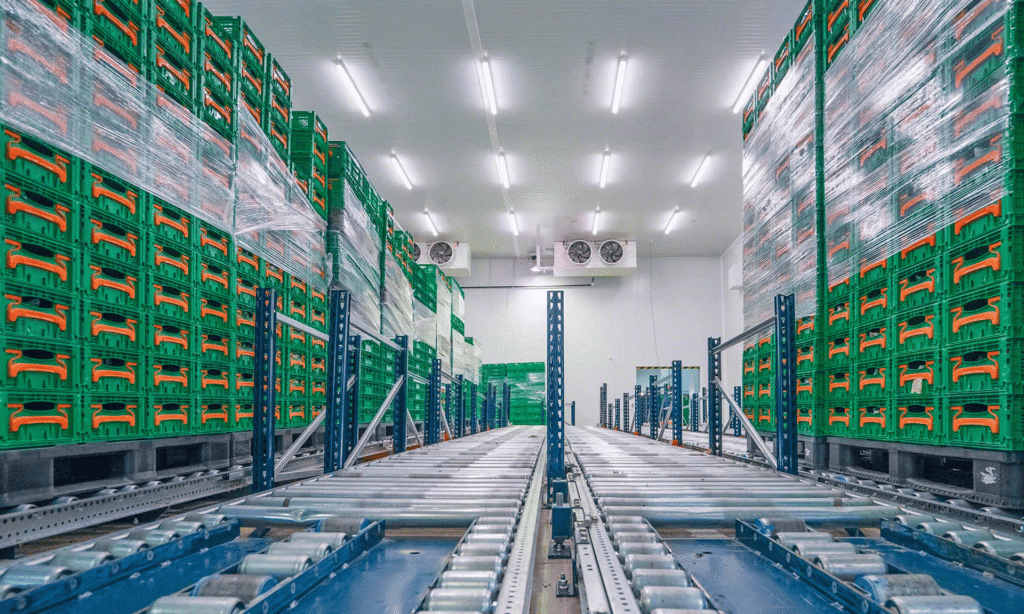
    XPS For Cold Storage Insulation

    This insulation system is widely used in:

    • Residential houses
    • Apartment buildings
    • Commercial plazas
    • Warehouses
    • Factories

    Its versatility has made it one of the most trusted insulation material Pakistan options available today.

    Installation Best Practices

    For optimal performance:

    • Ensure foil faces the heat source
    • Avoid gaps between boards
    • Seal joints properly
    • Prevent compression of foam layers

    Professional installation ensures durability and consistent insulation performance.

    Durability & Maintenance

    When installed correctly, aluminium foil combined with foam boards can last for decades with minimal maintenance. The foil protects against moisture damage, while Jumbolon and XPS resist decay and compression.

    Conclusion

    Using aluminium foil with Jumbolon and XPS offers a powerful insulation solution for Pakistan’s challenging climate. By reflecting radiant heat and reducing conductive heat flow, this system improves indoor comfort, reduces energy costs, and increases building efficiency. Choosing the right combination based on application ensures long-term value and performance.

    FAQ’S

    Yes, using aluminium foil with Jumbolon & XPS is highly suitable for Pakistan’s hot climate. The foil reflects radiant heat while Jumbolon or XPS minimizes heat transfer, making it effective for thermal insulation in Pakistan.

    Using aluminium foil with Jumbolon is ideal for wall insulation due to flexibility, while using aluminium foil with XPS is better for roofs and floors because of higher compressive strength and moisture resistance.

    The using aluminium foil with Jumbolon & XPS cost depends on thickness, material quality, and installation area. Prices vary by city and supplier, similar to thermal insulation sheet price in Pakistan.

    Yes, combining foil with insulation boards reduces heat gain, lowering air-conditioning usage and helping cut electricity costs over time.

    Absolutely. This system is widely used in houses, offices, warehouses, and factories, making it a versatile insulation material in Pakistan.

    When installed correctly, the system can last 20–30 years with minimal maintenance, especially when high-quality foil and boards are used.