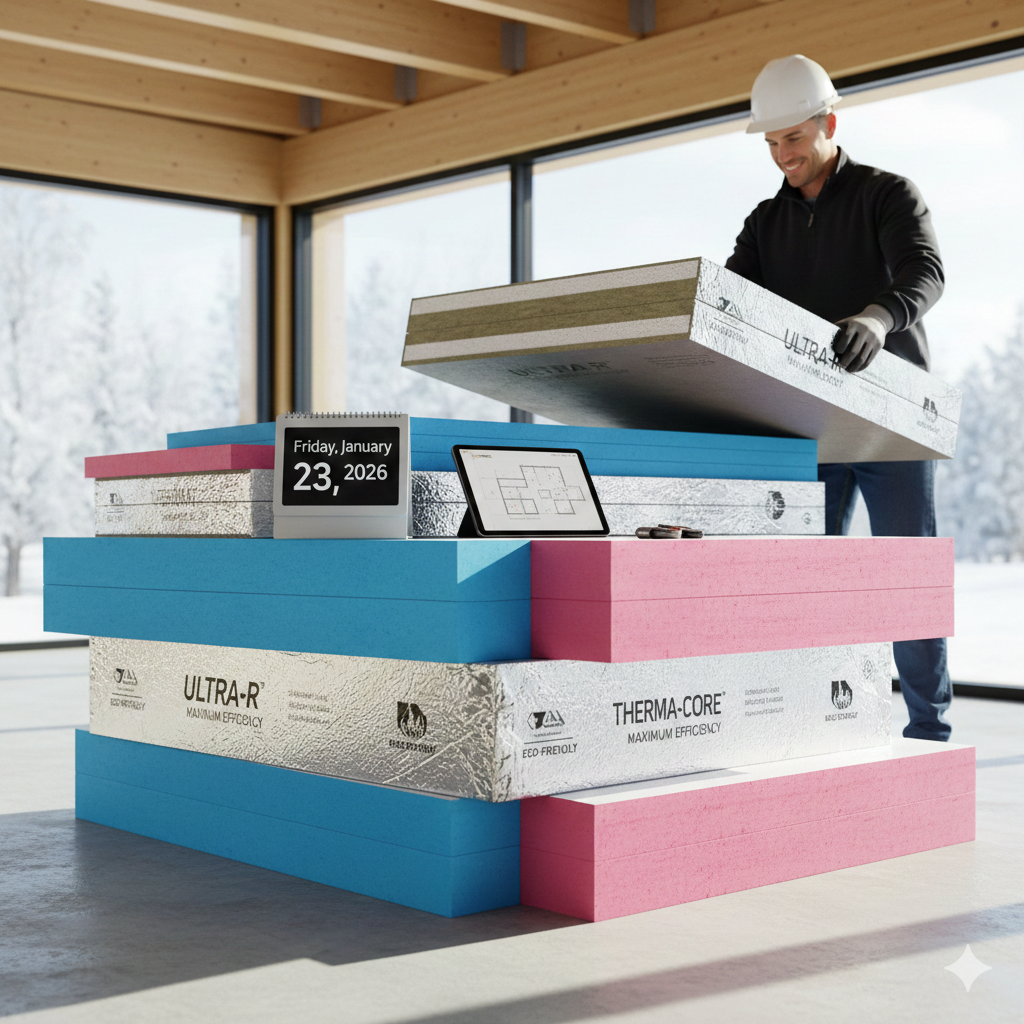

thermocol sheet price in pakistan

Tag: thermal insulation Pakistan

  • How Insulation Saves Electricity Costs?

    How Insulation Saves Electricity Costs?

    Electricity bills in Pakistan are rising, and inefficient buildings waste energy every day. One of the most effective ways to save electricity is through proper insulation. Insulation reduces heat transfer, keeps indoor temperatures stable, and lowers reliance on air conditioning or heating systems.

    This guide explains How Insulation Saves Electricity Costs in Pakistan, explores its eco-friendly benefits, and shows how homeowners and businesses can reduce energy expenses while improving comfort.

    Why Electricity Costs Are High in Pakistan

    In Pakistan, hot summers and cold winters cause a spike in electricity consumption. Poorly insulated homes and offices require more power for cooling and heating. This not only increases monthly electricity bills but also contributes to higher carbon emissions.

    Implementing effective insulation is a proven method to save electricity while maintaining indoor comfort.

    How Insulation Saves Electricity Costs in Pakistan

    How Insulation Saves Electricty Costs

    Insulation works by slowing down the transfer of heat between indoor and outdoor environments. Here’s how it helps:

    1. Reduces Cooling Load in Summer
      Proper roof and wall insulation keep interiors cooler, reducing the need for fans or air conditioners.
    2. Minimizes Heating Load in Winter
      Insulation traps warmth inside buildings, cutting down on electric heater usage.
    3. Stabilizes Indoor Temperature
      Consistent temperature reduces frequent on/off cycles of HVAC systems, improving energy efficiency.

    By addressing heat gain and loss, insulation directly lowers electricity consumption, making monthly bills more manageable.

    How Insulation Saves Electricity Price in Pakistan

    The impact of insulation on electricity bills can be significant. On average, well-insulated buildings can reduce energy costs by 30–40%, depending on climate and building type. This is especially important for commercial spaces and large residential buildings in Pakistan.

    By reducing dependency on electricity, insulation offers long-term financial benefits and faster return on investment.

    Types of Insulation That Help Save Electricity
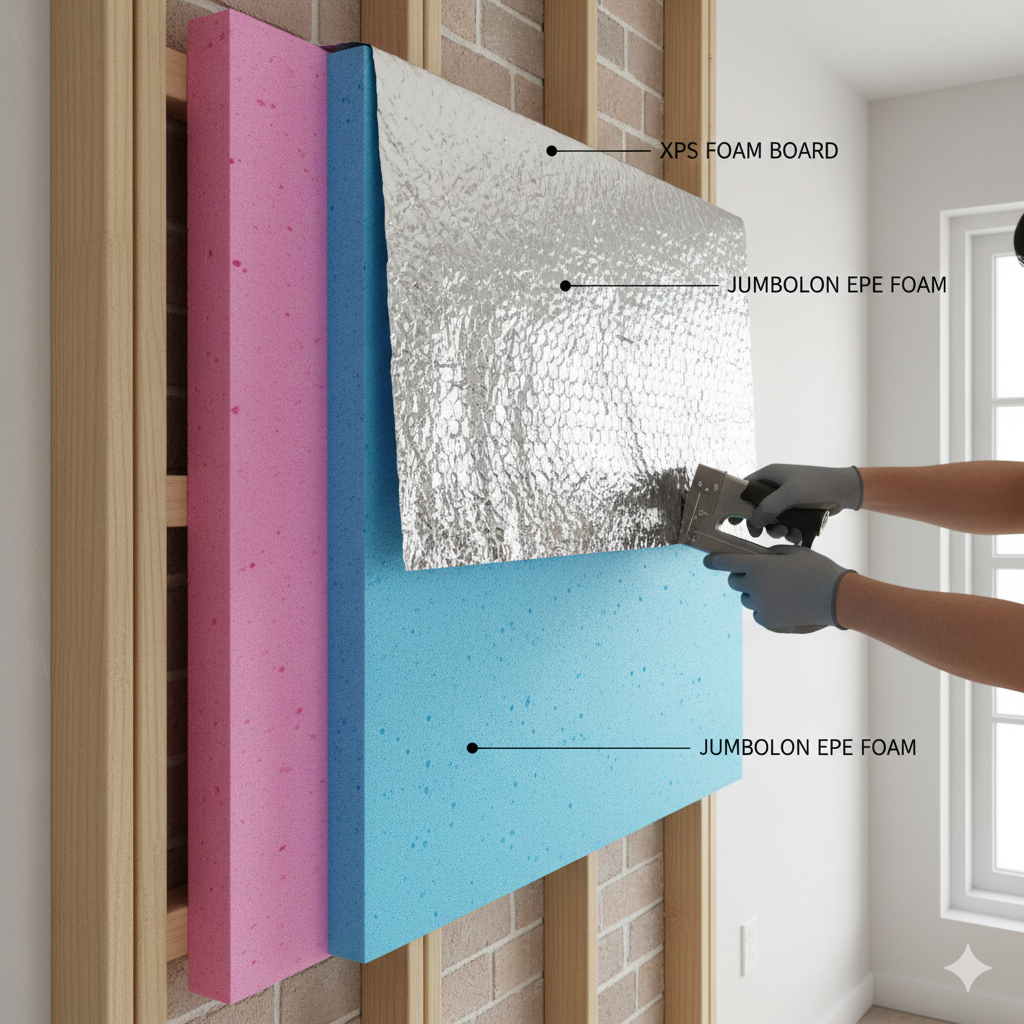
    Using aluminium foil with jumbolon

    Several insulation materials are commonly used in Pakistan to save electricity effectively:

    • EPS and XPS Sheets – Lightweight and cost-effective for walls and roofs.
    • Glass Wool and Mineral Wool – Provides thermal and sound insulation.
    • PU/PIR Foam Panels – High thermal resistance, ideal for cold storage and warehouses.
    • Sandwich Panels – Combines structure and insulation in one layer for energy efficiency.

    Choosing the right material depends on your application, budget, and climate.

    Insulation as an Eco-Friendly Solution

    Beyond cost savings, insulation is an insulation eco friendly solution:

    • Reduces energy consumption and greenhouse gas emissions
    • Lowers the carbon footprint of buildings
    • Promotes sustainable construction practices

    Investing in insulation is not only smart financially but also environmentally responsible.

    How to Maximize Electricity Savings with Insulation

    1. Insulate Roofs and Ceilings – The roof is the largest source of heat gain.
    2. Install Wall Insulation – Helps maintain a stable indoor temperature.
    3. Seal Gaps and Openings – Prevents unnecessary heat loss or gain.
    4. Combine with Energy-Efficient Appliances – Insulation works best with modern cooling and heating systems.

    Even modest improvements can significantly save electricity over time.

    Conclusion

    Understanding How Insulation Saves Electricity Costs in Pakistan is crucial for homeowners, business owners, and facility managers. Proper insulation reduces electricity bills, improves comfort, and supports eco-friendly building practices. By investing in quality insulation, you gain long-term savings and a sustainable advantage.

    Whether for a house, office, or warehouse, insulation is one of the smartest investments to save electricity and protect the environment.

    FAQ’S

    Insulation slows heat transfer through walls, roofs, and ceilings, reducing the need for air conditioning or heating, which directly lowers electricity consumption.

    EPS sheets, XPS boards, glass wool, mineral wool, and PU/PIR foam panels are effective options that provide high thermal resistance and help save electricity.

    Yes. Insulation reduces energy consumption, lowers greenhouse gas emissions, and is a sustainable way to save electricity while maintaining comfort.

    Roofs, ceilings, and external walls are the most critical areas. Proper insulation in these areas helps stabilize indoor temperatures and significantly reduces electricity usage.
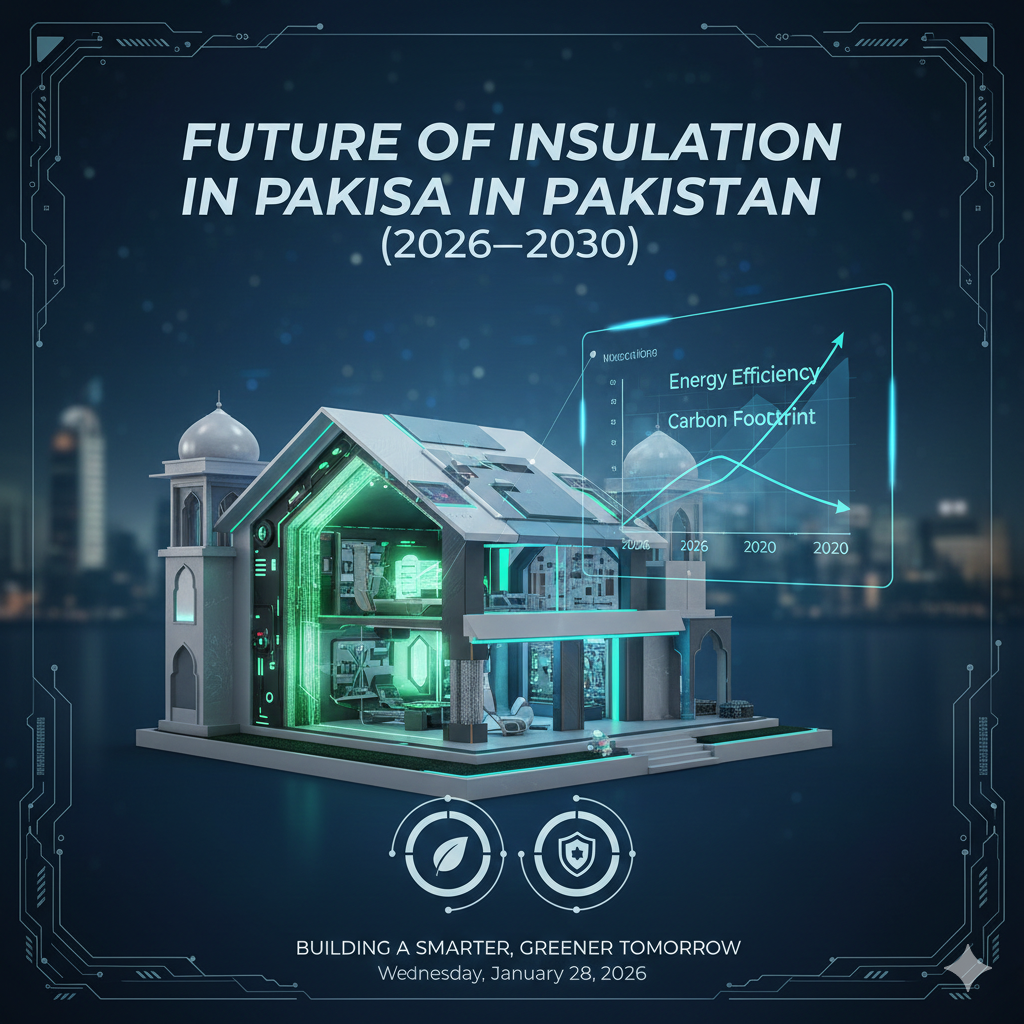
  • Future of Insulation in Pakistan (2026–2030)

    Future of Insulation in Pakistan (2026–2030)

    The construction and real estate sector in Pakistan is entering a transformative phase. Rising energy costs, extreme climate conditions, and increasing awareness of sustainable living are reshaping how buildings are designed. Between 2026 and 2030, insulation will no longer be considered an optional upgrade—it will become a core requirement. This blog explores the Future of Insulation in Pakistan (2026–2030), highlighting trends, technologies, and the growing role of professional insulation services.

    Why Insulation Is Becoming Essential in Pakistan

    Pakistan experiences intense summers, fluctuating winters, and increasing urban heat islands. These factors are driving demand for efficient insulation solutions that reduce indoor heat gain and energy consumption.

    As a result, house insulation Pakistan is rapidly shifting from luxury construction to mainstream residential and commercial practice.

    Current State of the Insulation Industry in Pakistan

    At present, insulation adoption is uneven across the country. Urban areas are showing higher demand, while smaller cities are still catching up. However, the presence of experienced insulation experts in Pakistan is helping bridge this gap by educating builders, architects, and homeowners on long-term benefits.

    Key Trends Shaping the Future of Insulation (2026–2030)

    1. Growth of Roof Insulation in Pakistan

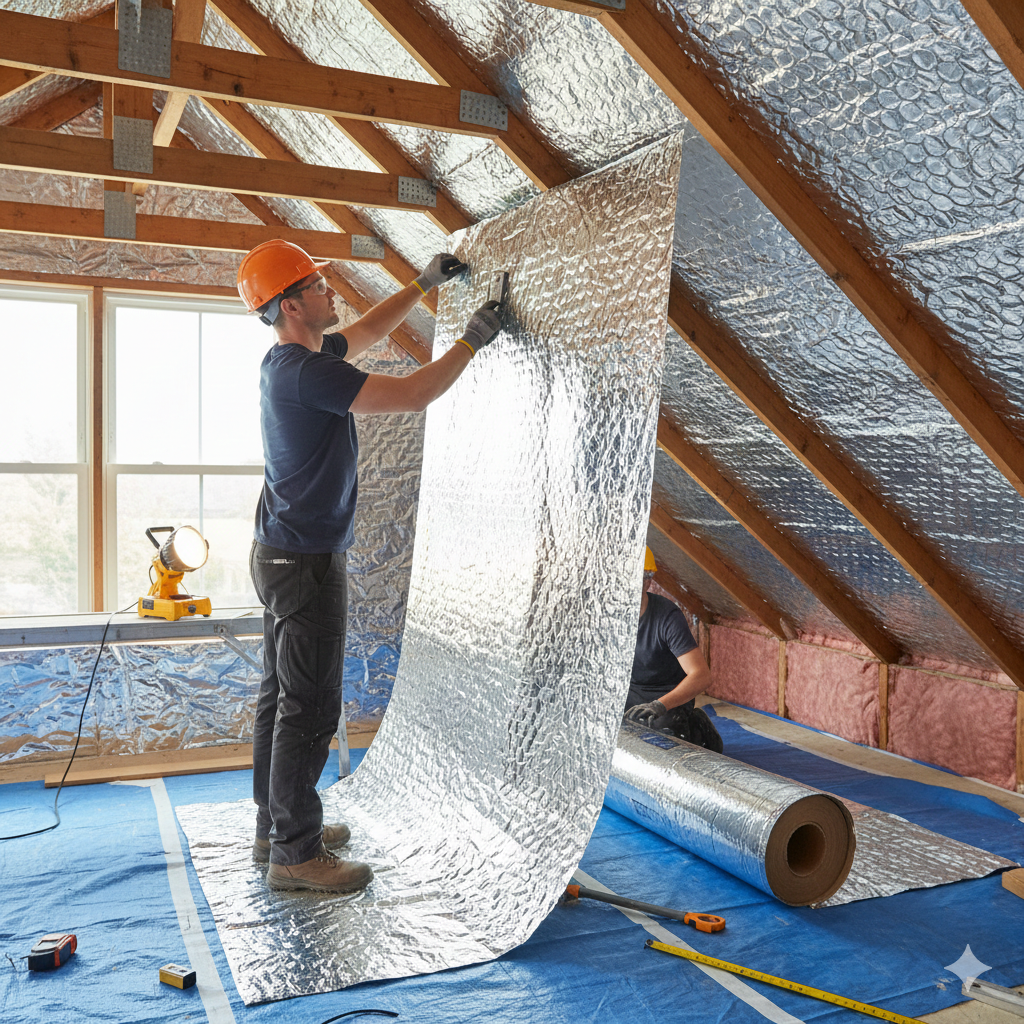
    Bubble Aluminium Foil Installation

    Roofs are the largest source of heat transfer in buildings. Between 2026 and 2030, roof insulation in Pakistan is expected to see massive adoption, especially in residential houses and commercial plazas.

    Builders are increasingly specifying insulation at the design stage rather than adding it later as a retrofit.

    2. Rising Demand for Insulation Foam Solutions

    EPS Geofoam For Road Construction

    Lightweight, fast-installation systems are gaining popularity. Insulation foam Pakistan is becoming a preferred solution due to its high thermal efficiency and seamless application.

    Foam insulation is particularly effective in reducing air leakage, making it suitable for both new and existing structures.

    3. Expansion of Polyurethane Insulation in Pakistan

    One of the fastest-growing segments is polyurethane insulation in pakistan, especially for roofs, warehouses, and industrial buildings. Its superior thermal performance and durability make it a long-term investment rather than a short-term cost.

    Between 2026 and 2030, polyurethane-based systems are expected to dominate high-performance insulation projects.

    Role of Pakistan Insulation Companies in the Next Decade

    A professional Pakistan insulation company will no longer just supply materials. Instead, companies will offer complete solutions, including:

    • Thermal analysis
    • Customized insulation design
    • Professional installation
    • Post-installation performance checks

    This shift will raise industry standards and reduce poor-quality installations.

    How House Insulation Will Evolve in Pakistan

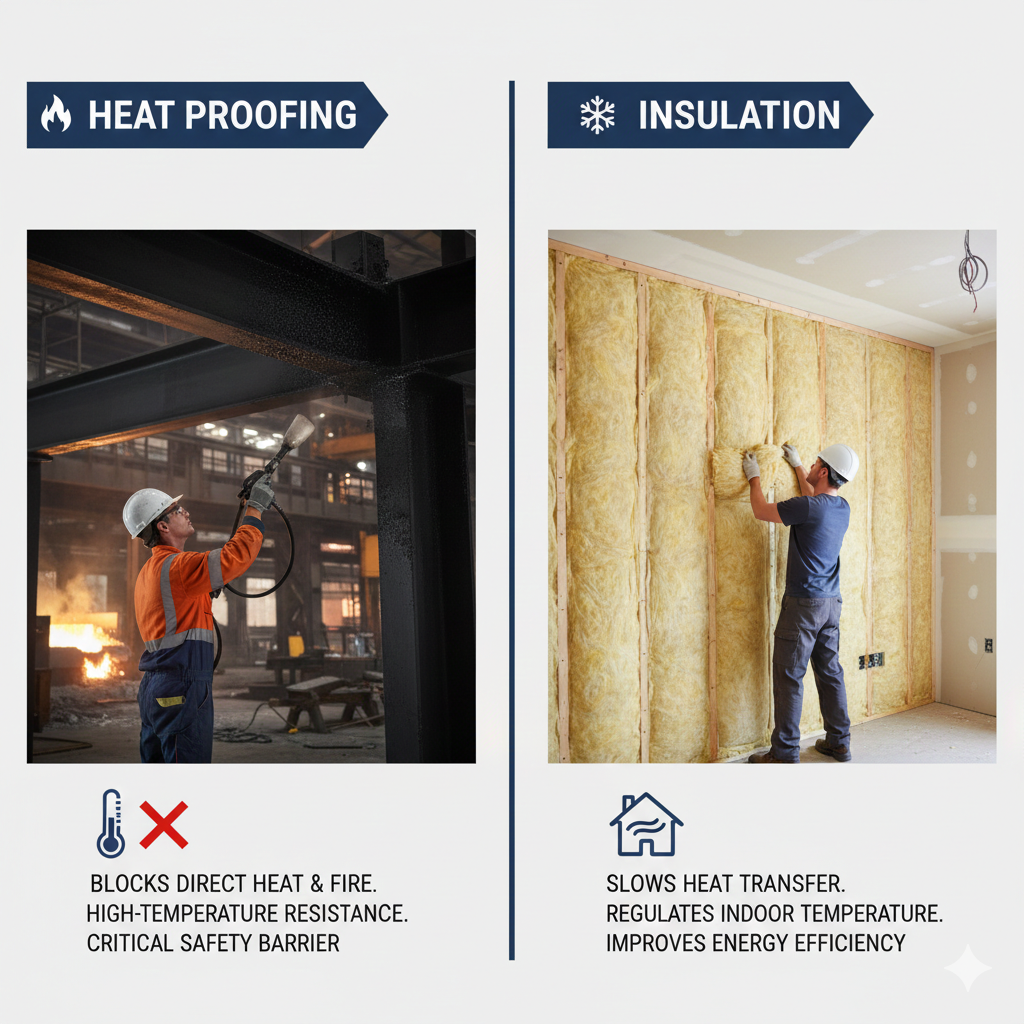
    heat insulation vs insulation

    The concept of house insulation Pakistan is expanding beyond roofs and walls. Future homes will include insulation in:

    • Floors and foundations
    • Internal partitions for sound control
    • Utility shafts and service areas

    Smart homeowners are already demanding insulation solutions that combine comfort, energy savings, and durability.

    Sustainability and Energy Efficiency Goals

    Pakistan’s growing focus on energy conservation is expected to accelerate insulation adoption. By 2030, insulated buildings could significantly reduce cooling loads, easing pressure on the national power grid.

    This shift will further increase reliance on certified insulation experts in Pakistan who understand climate-specific insulation strategies.

    Challenges Facing the Insulation Industry

    Despite growth, several challenges remain:

    • Lack of awareness in smaller cities
    • Shortage of skilled installers
    • Initial cost concerns among homeowners

    However, education campaigns and professional service providers are gradually overcoming these barriers.

    Opportunities for Builders and Developers

    For developers, insulation will become a competitive advantage. Projects offering high-quality roof insulation in Pakistan and modern foam systems will attract energy-conscious buyers and tenants.

    Insulation will soon be seen as a value feature rather than an added expense.

    What to Expect by 2030

    By 2030, insulation in Pakistan is expected to be:

    • Standardized in building practices
    • Integrated into building codes
    • Supported by trained professionals
    • Widely adopted in residential and commercial projects

    The industry’s growth will be driven by technology, awareness, and the expanding role of reliable insulation providers.

    Conclusion

    The Future of Insulation in Pakistan (2026–2030) is defined by innovation, efficiency, and sustainability. From insulation foam Pakistan solutions to advanced polyurethane insulation in pakistan, the industry is evolving rapidly. With the support of experienced insulation experts in Pakistan and professional service providers, insulation will become a foundational element of modern construction across the country.

    Investing in insulation today is not just about comfort—it’s about future-proofing buildings for the next generation.

    FAQ’S

    Rising temperatures, increasing electricity costs, and energy shortages are making insulation essential. Proper insulation reduces indoor heat, lowers cooling costs, and improves overall comfort in homes and buildings.

    Insulation experts in Pakistan will focus on proper system design, correct material selection, and professional installation. Their role will be critical in ensuring long-term insulation performance and energy efficiency.

    Insulation foam solutions and polyurethane systems are expected to grow rapidly due to their high thermal efficiency, durability, and suitability for Pakistan’s climate.

    House insulation in Pakistan will move beyond roofs and walls to include floors, partitions, and complete building envelopes, making insulation a standard feature rather than an optional upgrade.

    Roofs are the main source of heat gain in buildings. Roof insulation in Pakistan helps maintain indoor temperatures, reduces air-conditioning load, and improves energy efficiency, especially in hot regions.

    Insulation foam Pakistan solutions are lightweight, fast to install, and highly effective in sealing air gaps. These qualities make them ideal for both residential and commercial projects.

    Polyurethane insulation in Pakistan is expected to dominate high-performance insulation projects due to its superior thermal resistance and long service life.

    A Pakistan insulation company will offer complete insulation solutions, including consultation, system design, installation, and after-sales support, rather than just supplying materials.

  • Energy Efficiency Boost with Proper Insulation

    Energy Efficiency Boost with Proper Insulation

    In modern construction, energy efficiency is no longer optional—it’s essential. One of the most effective ways to reduce energy consumption and utility costs is by investing in proper insulation. Whether for residential or commercial buildings, proper insulation ensures that your indoor environment remains comfortable while minimizing energy waste.

    What Is Proper Insulation?

    Proper insulation refers to materials and techniques used to prevent heat loss in winter and heat gain in summer. It acts as a barrier to reduce the exchange of energy between indoor and outdoor environments. Proper insulation can be applied in walls, roofs, attics, and lofts to maximize thermal comfort.

    Key areas include:

    • Roof insulation – The primary barrier against heat entering from above.
    • Attic insulation – Ensures stored heat or cool air is maintained.
    • Loft insulation – Prevents energy loss through uninsulated roof spaces.

    Technical Comparison Table – Roof/Attic Insulation Options

    Insulation MaterialR-Value / Thermal ResistanceWater ResistanceSound AbsorptionLifespan (Years)Typical Price Range (PKR/m²)
    RockwoolHighModerateExcellent20–30700–1,200
    XPS BoardsHighExcellentGood25–30600–1,000
    EPS SheetsMediumGoodFair15–20500–900
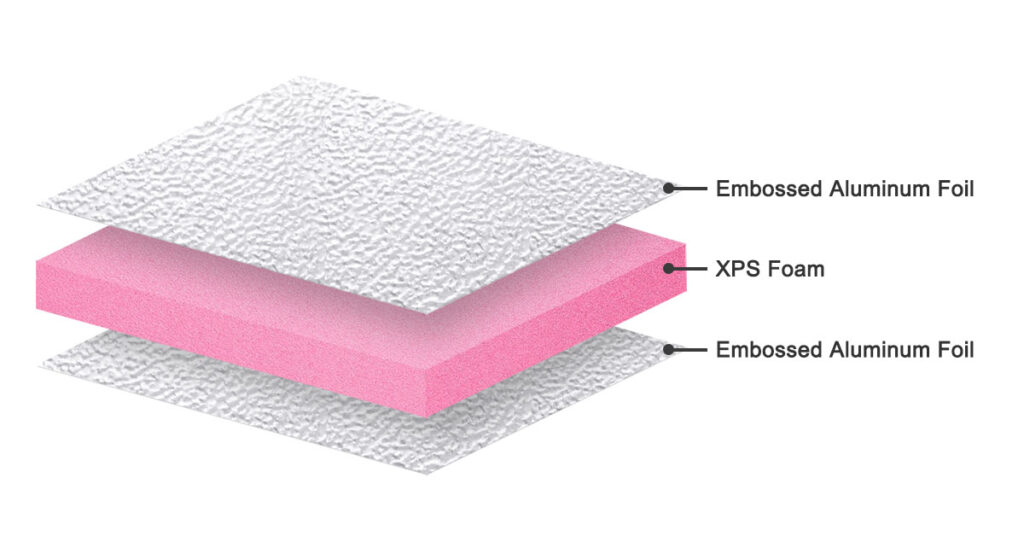
    Reflective Aluminium FoilMedium (reflective heat)ExcellentMinimal10–15400–800
    Combination (Foil + XPS)Very HighExcellentGood25–30900–1,400

    Note: Prices and performance may vary depending on thickness, density, and local suppliers.

    How Proper Roof Insulation Improves Energy Efficiency

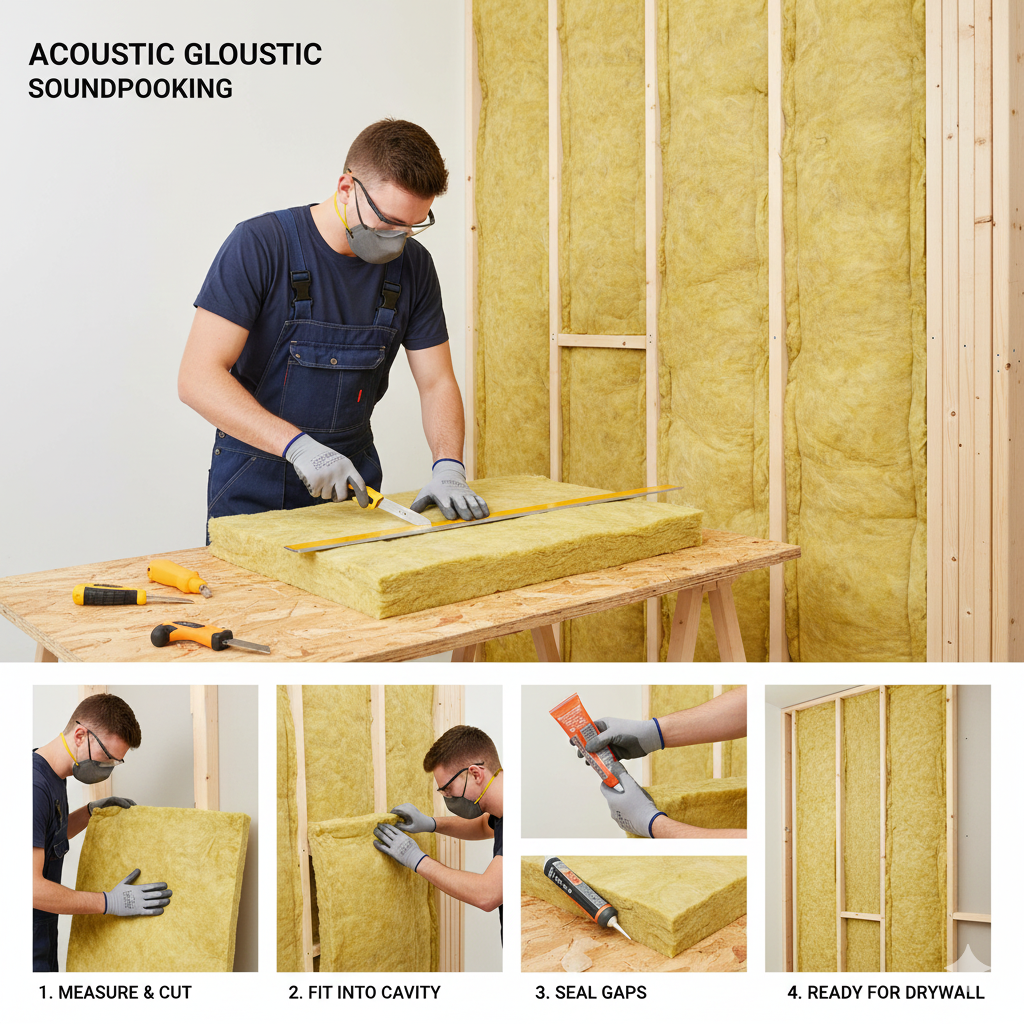
    Glasswool Sheet For Soundproofing

    Proper roof insulation is one of the most impactful investments for energy efficiency. Roofs are responsible for up to 30% of energy loss in buildings. By installing quality insulation:

    • Reduce your heating and cooling cost by maintaining a stable indoor temperature.
    • Improve building comfort during summer and winter months.
    • Proper insulation generally lowers electricity bills by decreasing the load on HVAC systems.
    • Protect roofing materials by reducing thermal stress and condensation.

    Ways to Improve Insulation in Your Building

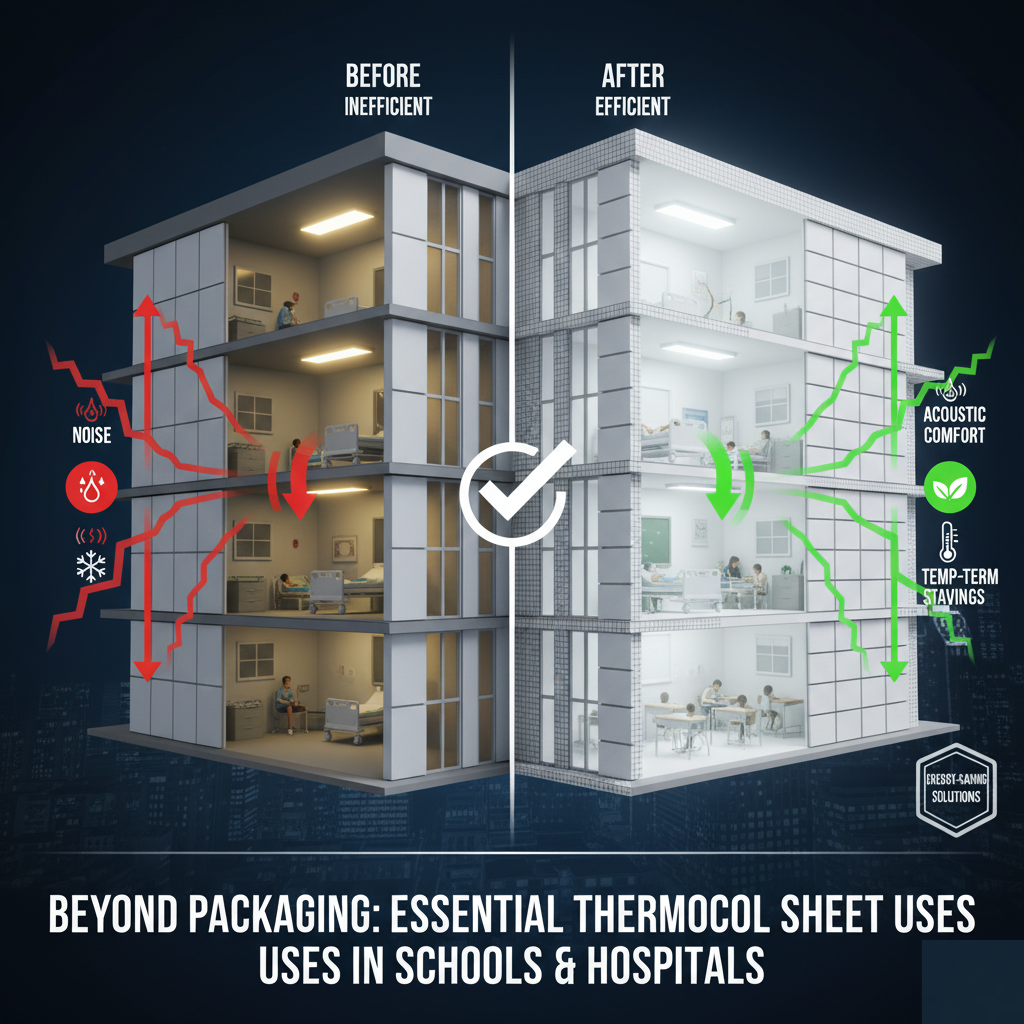
    Thermocol Sheet For Hospitals & Schools

    Improving insulation in your building doesn’t always require a full renovation. Here are effective strategies:

    1. Insulate Your Loft: Adding loft insulation is cost-effective and prevents heat loss through the roof.
    2. Insulate Your Attic: For buildings with unoccupied attic spaces, insulating the attic floor can reduce energy waste.
    3. Upgrade Roof Insulation Materials: Using reflective foil, XPS, EPS, or Rockwool insulation layers can significantly improve thermal performance.
    4. Seal Gaps and Leaks: Proper sealing of vents, ducts, and chimneys complements insulation and reduces drafts.

    Implementing these steps can deliver a noticeable energy efficiency boost with proper insulation and significantly reduce your electricity bills.

    Benefits of Proper Insulation

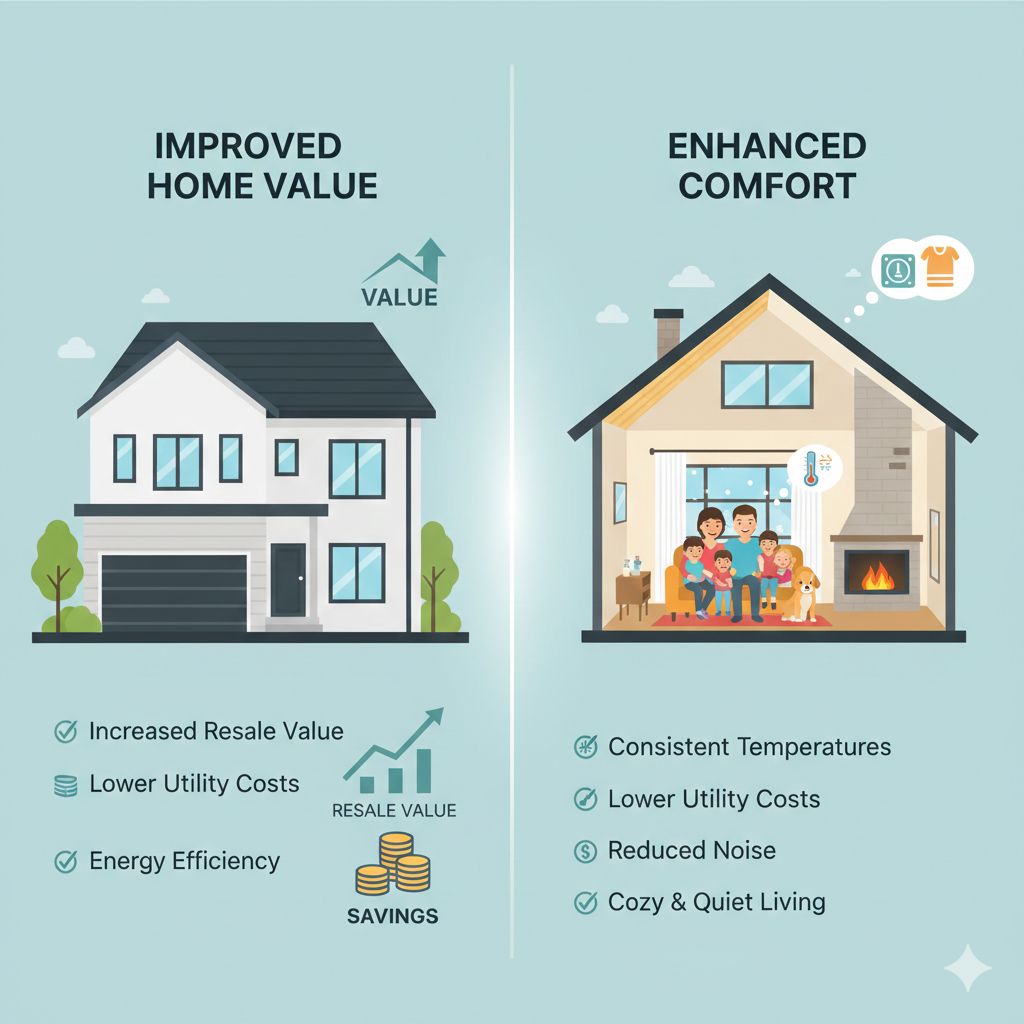
    • Energy Savings: Lower energy bills through efficient thermal management.
    • Enhanced Comfort: Stable indoor temperatures throughout the year.
    • Environmental Impact: Reduced carbon footprint by using less electricity.
    • Property Value: Energy-efficient buildings are more attractive to buyers and tenants.
    • Durability: Protects roofing and interior structures from condensation and moisture damage.

    Choosing the Right Insulation Material

    Using aluminium foil with jumbolon

    Selecting the right insulation material depends on your building type, climate, and budget. Common options include:

    • Rockwool Insulation: Fireproof, sound-absorbing, and high thermal resistance.
    • EPS & XPS Boards: Lightweight, water-resistant, and high insulation efficiency.
    • Reflective Aluminium Foil: Excellent for reflective heat reduction in attics and lofts.

    By combining materials, such as foil with XPS or Rockwool, you can maximize performance for both heat and sound insulation.

    Energy Efficiency Boost with Proper Insulation Price Considerations

    The energy efficiency boost with proper insulation price varies depending on the material, thickness, and installation complexity. Factors include:

    • Type of insulation (Rockwool, XPS, EPS, reflective foil).
    • Area to be insulated (attic, loft, roof, walls).
    • Labor and installation techniques.

    Investing in high-quality insulation may cost more initially but yields long-term savings on electricity bills and enhances building comfort.

    FAQ’S

    The energy efficiency boost with proper insulation price depends on the material used, area covered, and installation type. On average, roof or attic insulation can save 20–30% on energy bills, making the investment worthwhile.

    Both are effective, but if the attic is unoccupied, insulating the attic floor prevents heat loss. Loft insulation is more suitable when the loft space is used regularly.

    Yes, proper roof insulation minimizes heat exchange, reducing reliance on AC or heating systems, which immediately lowers electricity usage.

    Materials like Rockwool, XPS boards, and reflective aluminium foils are highly effective. For extreme climates, a combination of foil with XPS or Rockwool provides maximum heat resistance and comfort.

    Absolutely. Upgrading insulation in older buildings can drastically improve indoor comfort, reduce energy bills, and increase property value.

    High-quality insulation materials, such as Rockwool or XPS, can last 20–30 years when installed correctly, providing long-term energy savings.

  • Lahore Heat Insulation Solutions (EPS/XPS/Rockwool)

    Lahore Heat Insulation Solutions (EPS/XPS/Rockwool)

    Lahore’s climate presents a serious challenge for homes, factories, and commercial buildings. Long summers, extreme heatwaves, and rising electricity costs have made heat insulation a necessity rather than a luxury. Choosing the right insulation system can significantly reduce indoor temperatures, improve comfort, and cut energy bills.

    This guide explains Lahore Heat Insulation Solutions using EPS, XPS, and Rockwool, helping you select the most suitable option based on performance, durability, and cost.

    Why Heat Insulation Is Essential in Lahore

    house insulation in pakistan

    Lahore experiences prolonged high temperatures that directly impact indoor comfort and energy usage. Without proper insulation, roofs and walls absorb heat throughout the day, making cooling systems work harder.

    Effective thermal insulation in Pakistan helps:

    • Reduce indoor heat gain
    • Lower electricity consumption
    • Improve building lifespan
    • Enhance indoor comfort year-round

    Overview of Insulation Materials Used in Pakistan

    The insulation market offers several materials, but three dominate large-scale usage due to performance and availability. Each option serves a different structural need.

    Choosing the right insulation material Pakistan depends on:

    • Location (roof, wall, or cavity)
    • Budget
    • Heat resistance requirements
    • Fire and moisture safety

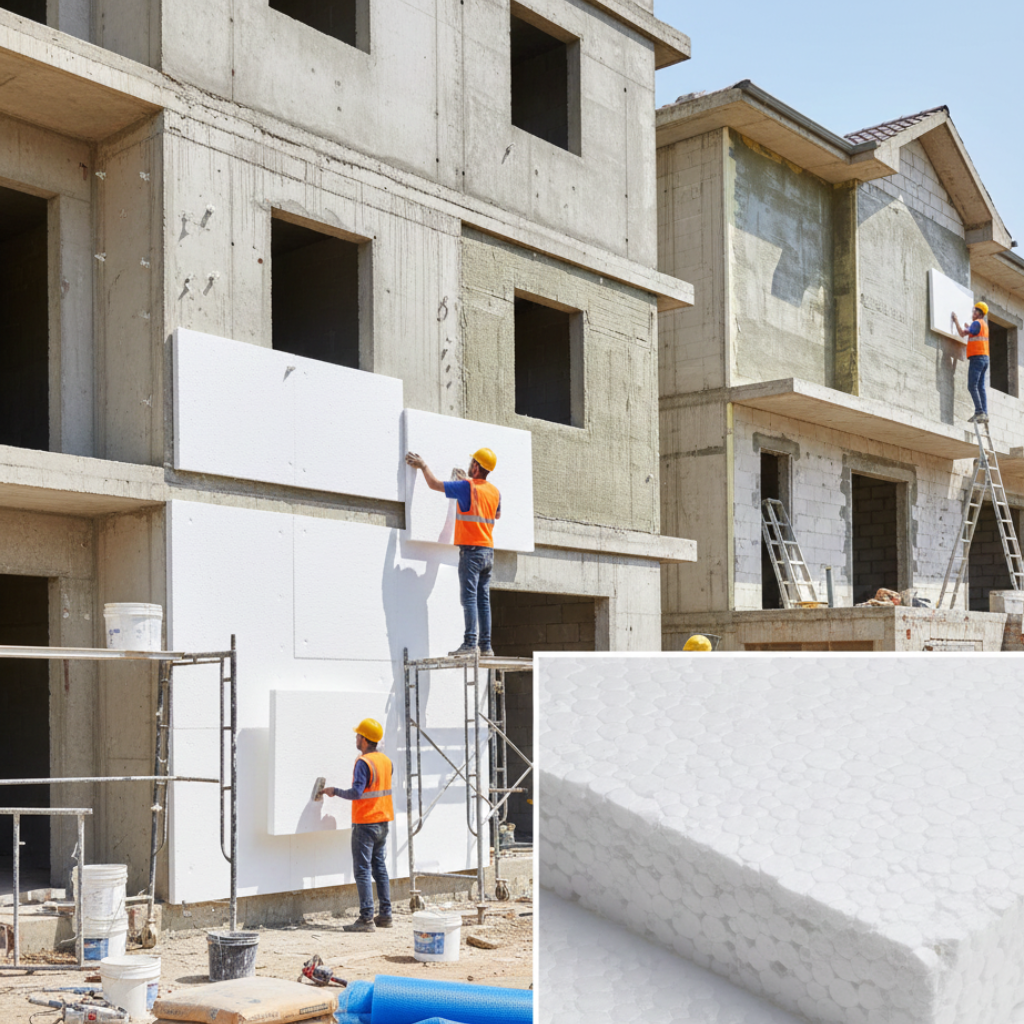
    EPS (Expanded Polystyrene) – Lightweight & Economical

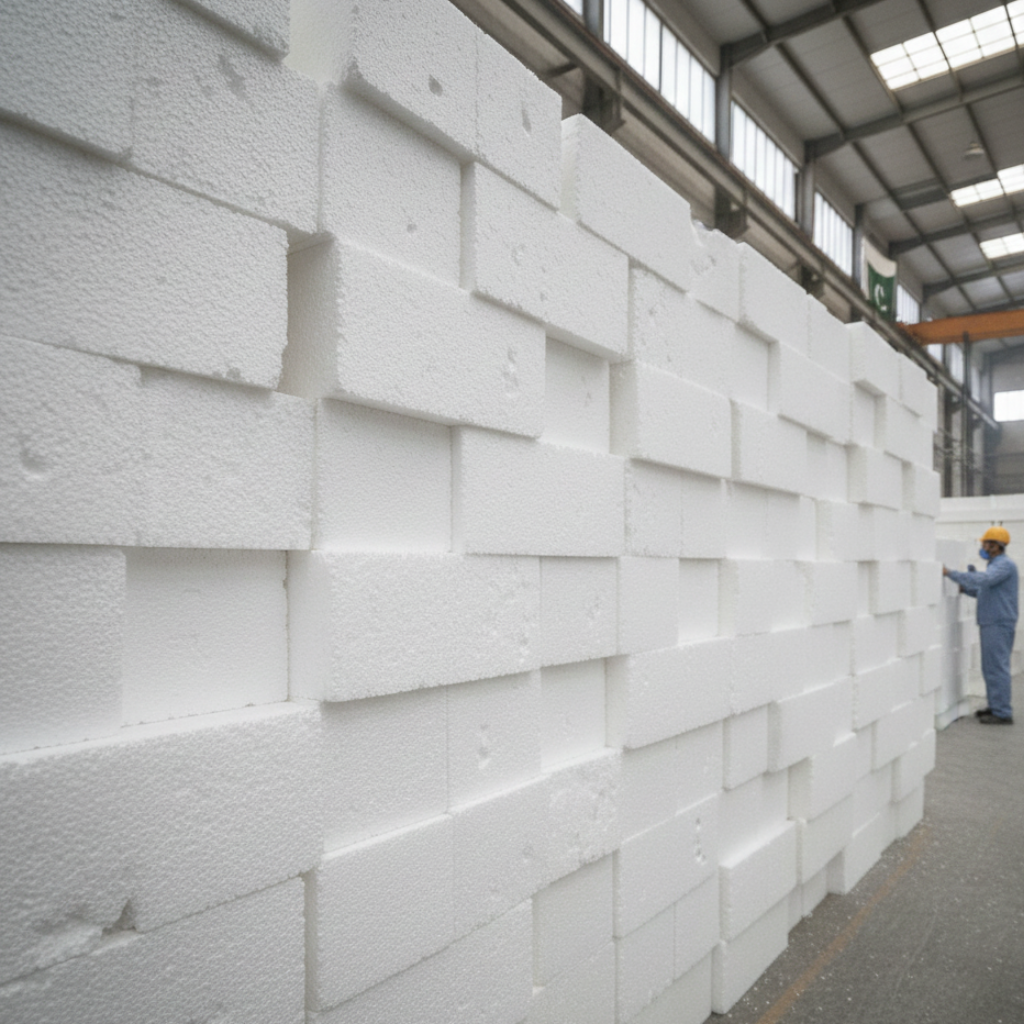
    thermocol blocks manufacturer in pakistan

    EPS insulation is widely used for basic thermal protection in walls and ceilings.

    Key Benefits of EPS:

    • Lightweight and easy to install
    • Cost-effective for large areas
    • Suitable for wall insulation in Pakistan
    • Moderate thermal resistance

    EPS works well for homes where budget is a priority and insulation thickness can be increased for better performance.

    XPS (Extruded Polystyrene) – High Performance Thermal Shield

    jumbolon Insulation for Metal Sheds

    XPS offers superior insulation compared to EPS, especially in roofs exposed to direct sunlight.

    Why XPS Is Popular in Lahore:

    • High compressive strength
    • Excellent moisture resistance
    • Long service life
    • Ideal as a heat resistant thermal insulation sheet

    XPS boards are commonly used under concrete slabs and rooftops where durability is essential.

    Rockwool – Premium Heat & Fire Protection

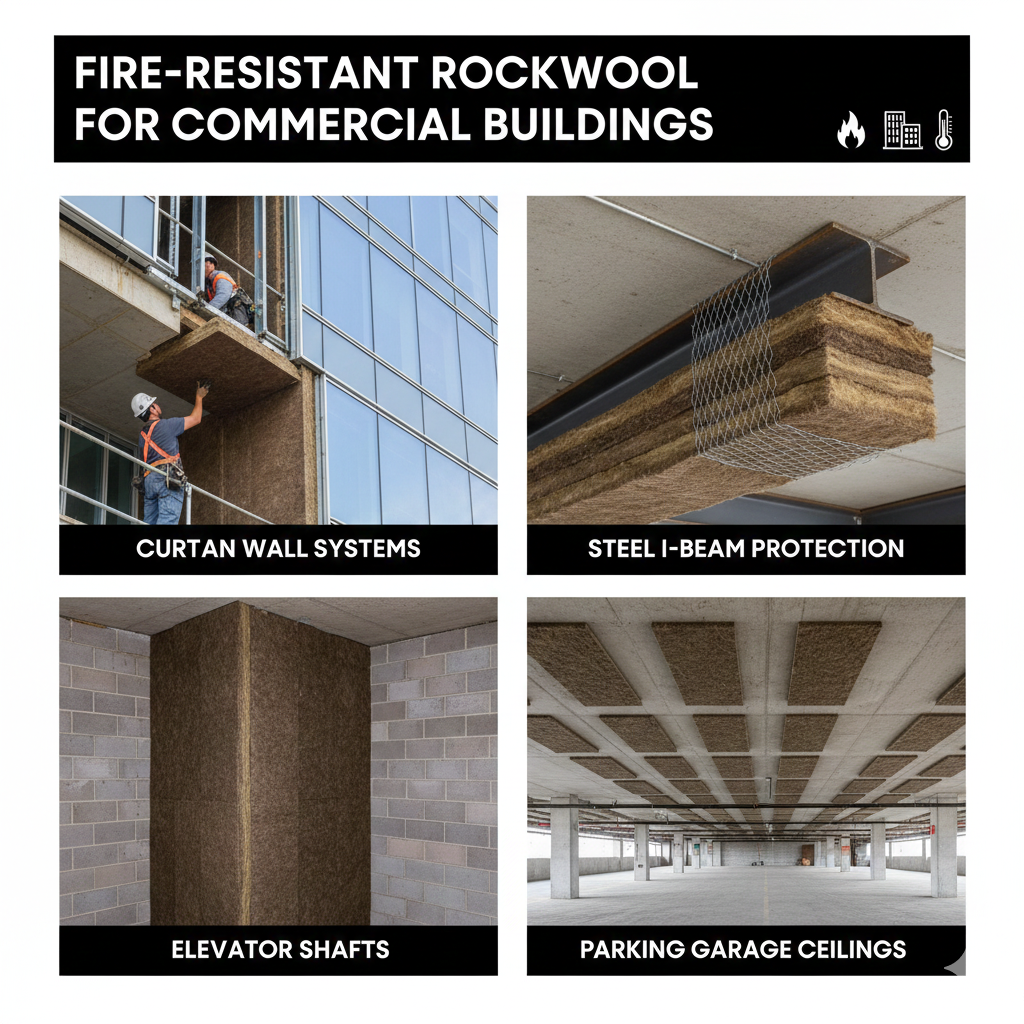
    fire resistant rockwool for commercial buildings

    Rockwool insulation is manufactured from natural stone fibers, offering both thermal and acoustic benefits.

    Advantages of Rockwool:

    • Excellent heat resistance
    • Fire-retardant properties
    • Strong sound insulation
    • Suitable for industrial and commercial buildings

    Many buyers consider rockwool insulation price in Pakistan higher than foam-based solutions, but its long-term safety benefits justify the investment.

    Comparison: EPS vs XPS vs Rockwool

    FeatureEPSXPSRockwool
    Thermal ResistanceMediumHighHigh
    Moisture ResistanceLowVery HighMedium
    Fire ResistanceLowMediumVery High
    InstallationEasyEasyModerate
    Best UseWallsRoofsIndustrial / Commercial

    This comparison highlights why multiple heat insulation sheet Pakistan options exist—each suited to different conditions.

    Application Areas in Lahore Buildings

    Roof Insulation

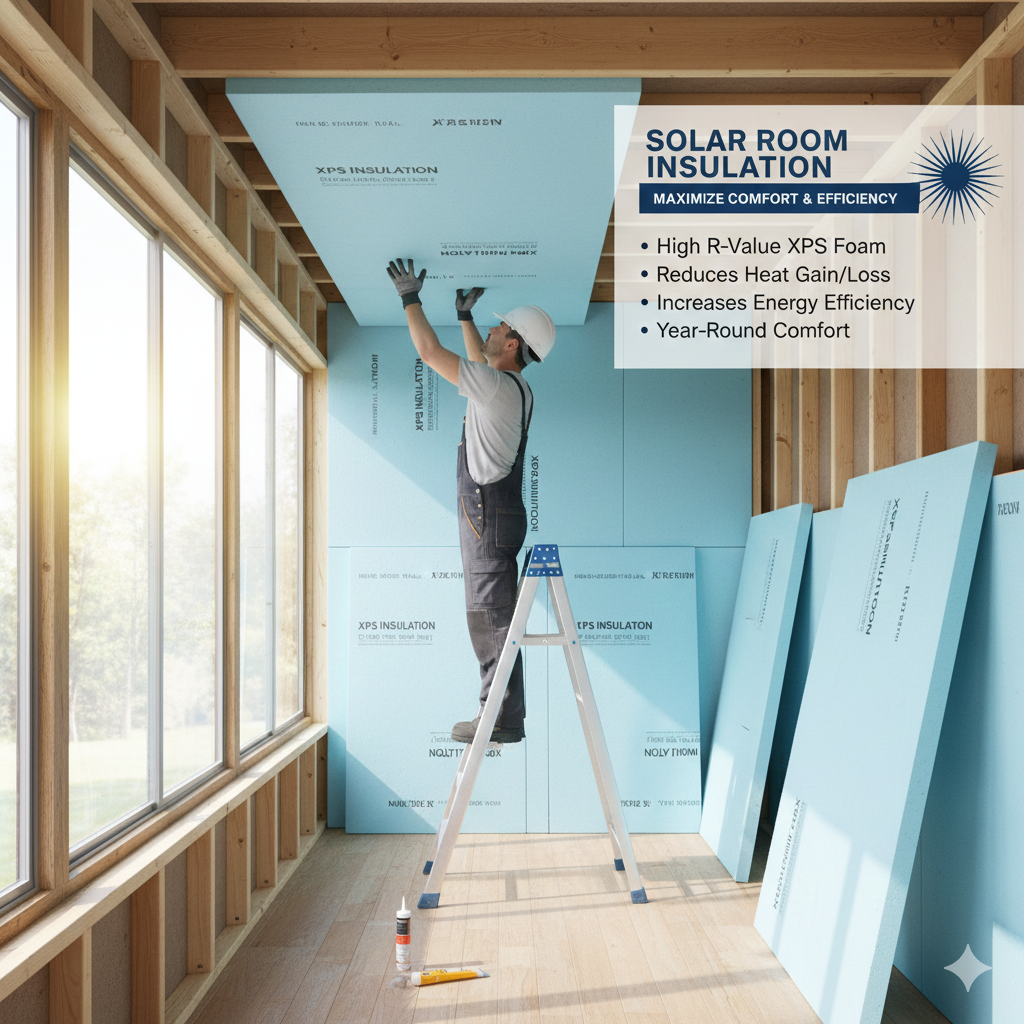
    Solar Room Insulation in Pakistan

    Roof surfaces absorb the highest heat. XPS and Rockwool are preferred solutions due to their performance and durability.

    Wall Insulation

    EPS and XPS panels are commonly installed for wall insulation in Pakistan, reducing heat transfer through external walls.

    Industrial Facilities

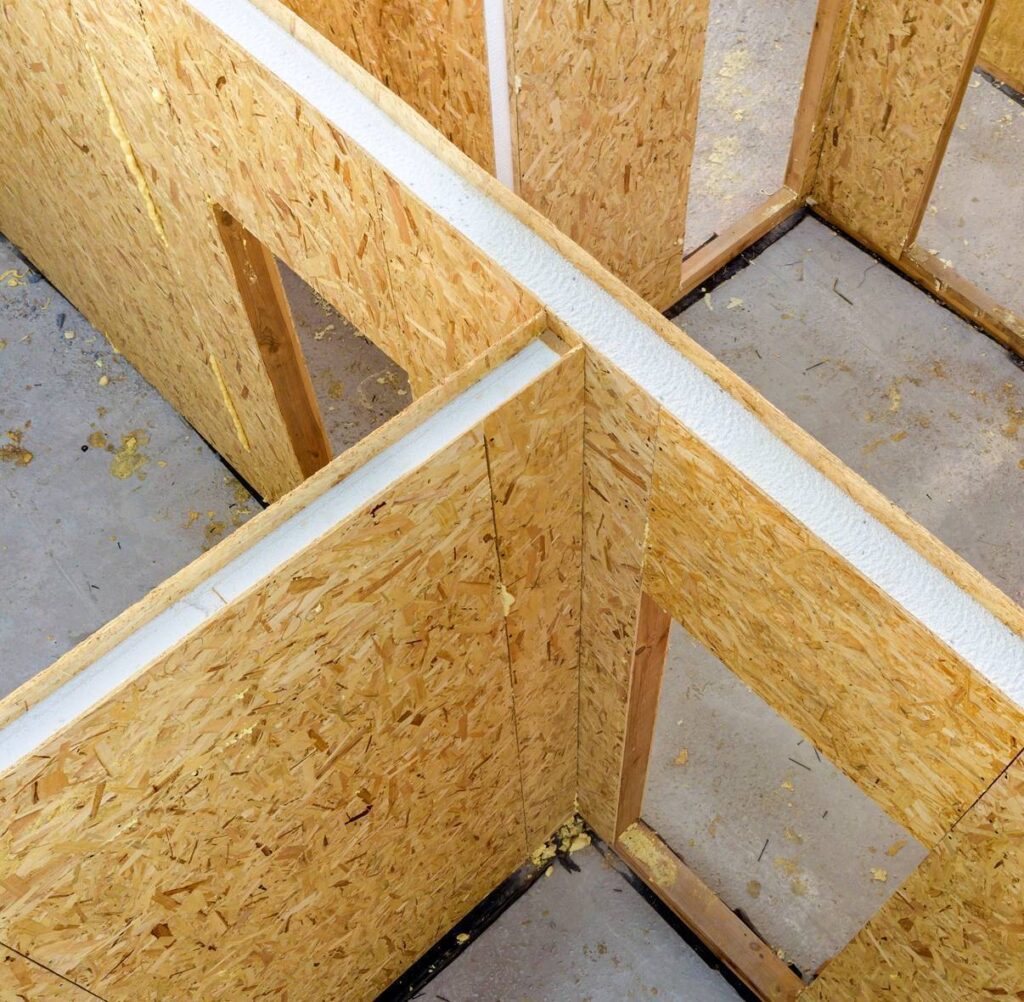
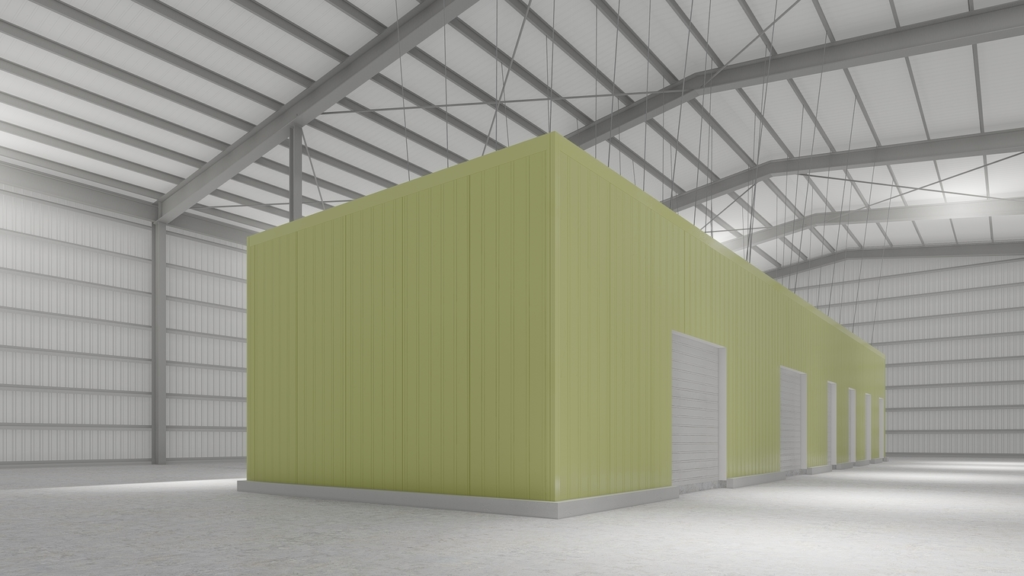
    freezers wall panels pakistan

    Rockwool is widely used where fire safety and thermal stability are critical.

    Cost Factors to Consider

    Insulation costs vary depending on thickness, density, and material type. Buyers frequently compare:

    • Lahore Heat Insulation Solutions EPS XPS Rockwool price
    • Installation method
    • Long-term energy savings

    While foam-based insulation may have lower upfront costs, premium materials often provide better lifetime value.

    Choosing the Right Thermal Insulation Sheet

    When selecting insulation, consider:

    • Local climate exposure
    • Roof or wall location
    • Required thermal resistance
    • Budget constraints

    Comparing the thermal insulation sheet price in Pakistan alongside performance metrics helps in making an informed decision.

    Energy Efficiency & Long-Term Benefits

    Proper insulation:

    • Reduces electricity bills year-round
    • Enhances indoor comfort
    • Protects concrete structures
    • Supports sustainable building practices

    Modern thermal insulation in Pakistan is now considered an essential construction element rather than an optional upgrade.

    Final Verdict: Which Insulation Is Best for Lahore?

    • EPS → Best for budget wall insulation
    • XPS → Best for rooftops and moisture-prone areas
    • Rockwool → Best for heat, fire, and sound protection

    Each solution has a unique role in Lahore’s demanding climate.

    FAQ’S

    For Lahore’s high summer temperatures, XPS is ideal for roofs due to moisture resistance, while Rockwool is best for commercial buildings needing heat and fire protection. EPS works well for budget-friendly wall insulation.

    Yes, wall insulation in Pakistan significantly reduces heat transfer, improves indoor comfort, and lowers electricity consumption during long summer months.

    EPS is lightweight and economical, while XPS offers higher thermal resistance, better moisture protection, and longer durability—making it more suitable for rooftops.

    Proper thermal insulation in Pakistan can reduce cooling costs by up to 30–40% by limiting heat gain through roofs and walls.

    Rockwool can be used in homes, especially where fire safety and sound insulation are priorities, though it is more commonly used in commercial and industrial buildings.

  • Best Insulation Sheets in Karachi

    Best Insulation Sheets in Karachi

    Karachi’s climate is dominated by intense sunlight, high humidity, and long summers. Without proper insulation, indoor temperatures can rise dramatically, increasing electricity bills and reducing comfort. Choosing the best insulation sheets in Karachi is no longer optional—it’s a necessity for homes, warehouses, factories, and commercial buildings.

    This guide explains top insulation sheet options, pricing factors, applications, and how to select the right solution for Karachi’s extreme weather conditions.

    Why Insulation Sheets Are Essential in Karachi

    heat insulation sheet in Pakistan
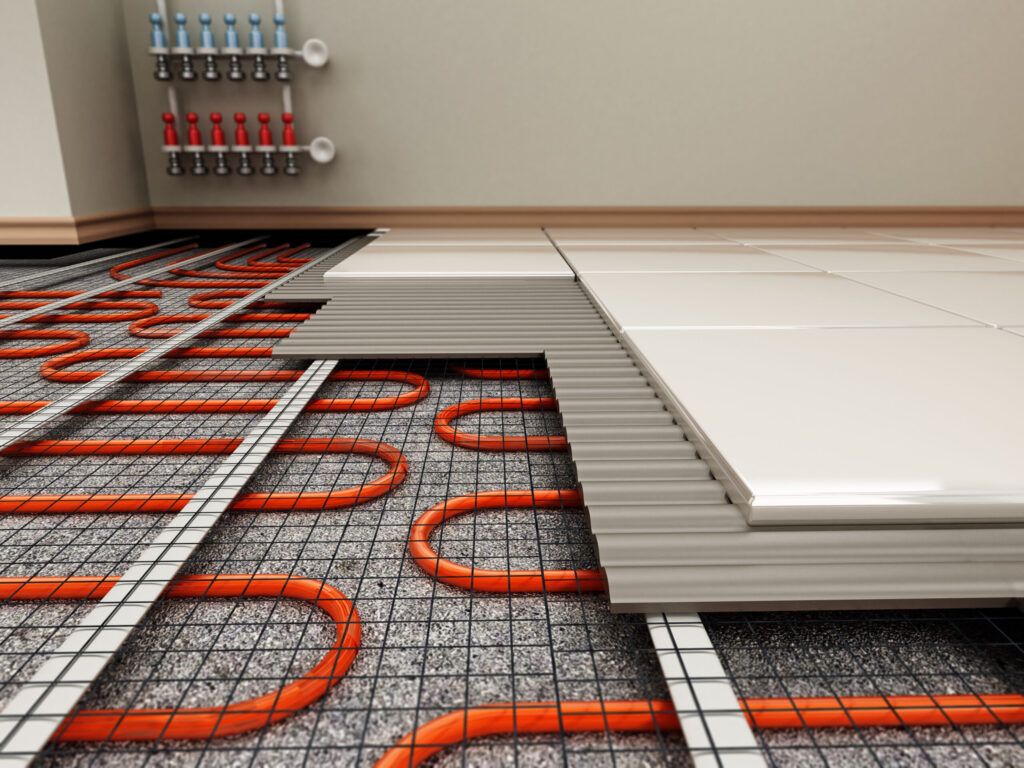
    Ground heating system structural detail. 3D illustration.

    Karachi experiences prolonged heat waves, especially from April to October. Roofs and walls absorb excessive heat, which transfers directly indoors.

    High-quality heat insulation sheet in Pakistan helps by:

    • Reducing roof surface temperature
    • Lowering indoor heat gain
    • Minimizing air-conditioning load
    • Improving year-round energy efficiency

    For both residential and industrial use, insulation sheets offer long-term cost savings and comfort.

    Types of Insulation Sheets Commonly Used in Karachi

    Several insulation materials are available in the local market, but performance varies depending on structure, thickness, and installation quality.

    1. Thermopore Insulation Sheets

    Thermopore Sheet

    Thermopore is widely used due to affordability and availability.

    Key Features:

    • Lightweight and easy to install
    • Suitable for roofs, walls, and false ceilings
    • Commonly used in residential construction

    Many buyers search for a thermopore sheet supplier in Karachi because local availability reduces transportation cost and delivery time.

    2. Reflective Thermal Insulation Sheets

    Using aluminium foil with jumbolon

    These sheets combine insulation foam with aluminum foil to reflect radiant heat.

    Advantages:

    • Strong heat reflection
    • Ideal for rooftops exposed to direct sunlight
    • Performs better than plain foam in extreme heat

    They are often considered among the best insulation sheets in Karachi price-wise when energy savings are considered.

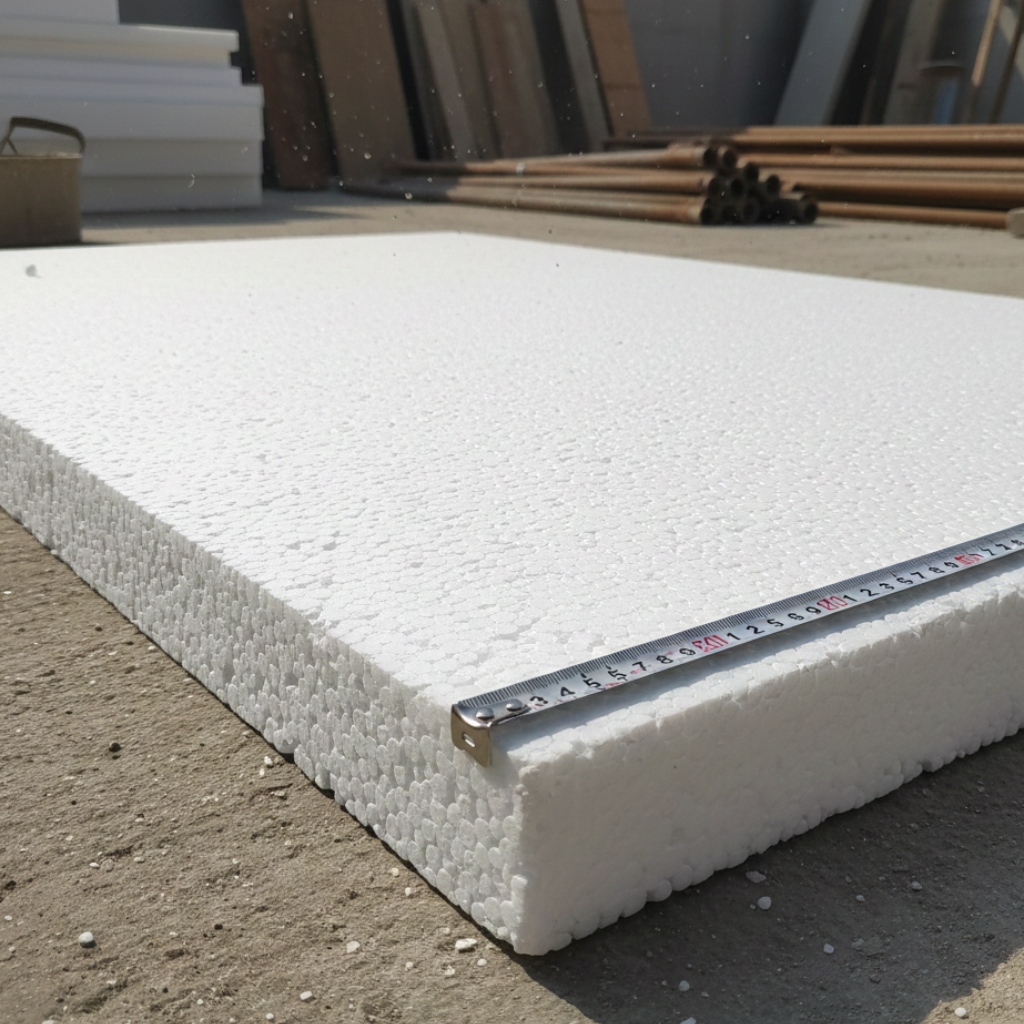
    3. Expanded Polystyrene (EPS) Sheets

    EPS Thermal Insulation

    EPS sheets offer balanced thermal insulation and structural stability.

    Best used for:

    • Warehouses
    • Cold rooms
    • Commercial buildings

    EPS is commonly included when comparing thermal insulation sheet price in Pakistan due to its consistent performance.

    Thermopore Sheets in Karachi – Availability & Demand

    The demand for thermopore sheet in Karachi continues to grow due to urban expansion and rising energy costs.

    These sheets are commonly installed in:

    • Residential rooftops
    • Industrial sheds
    • Temporary structures

    People often search online for thermopore sheet near me, indicating strong local demand for quick sourcing and installation services.

    Heat Insulation Sheet Performance in Pakistan’s Climate

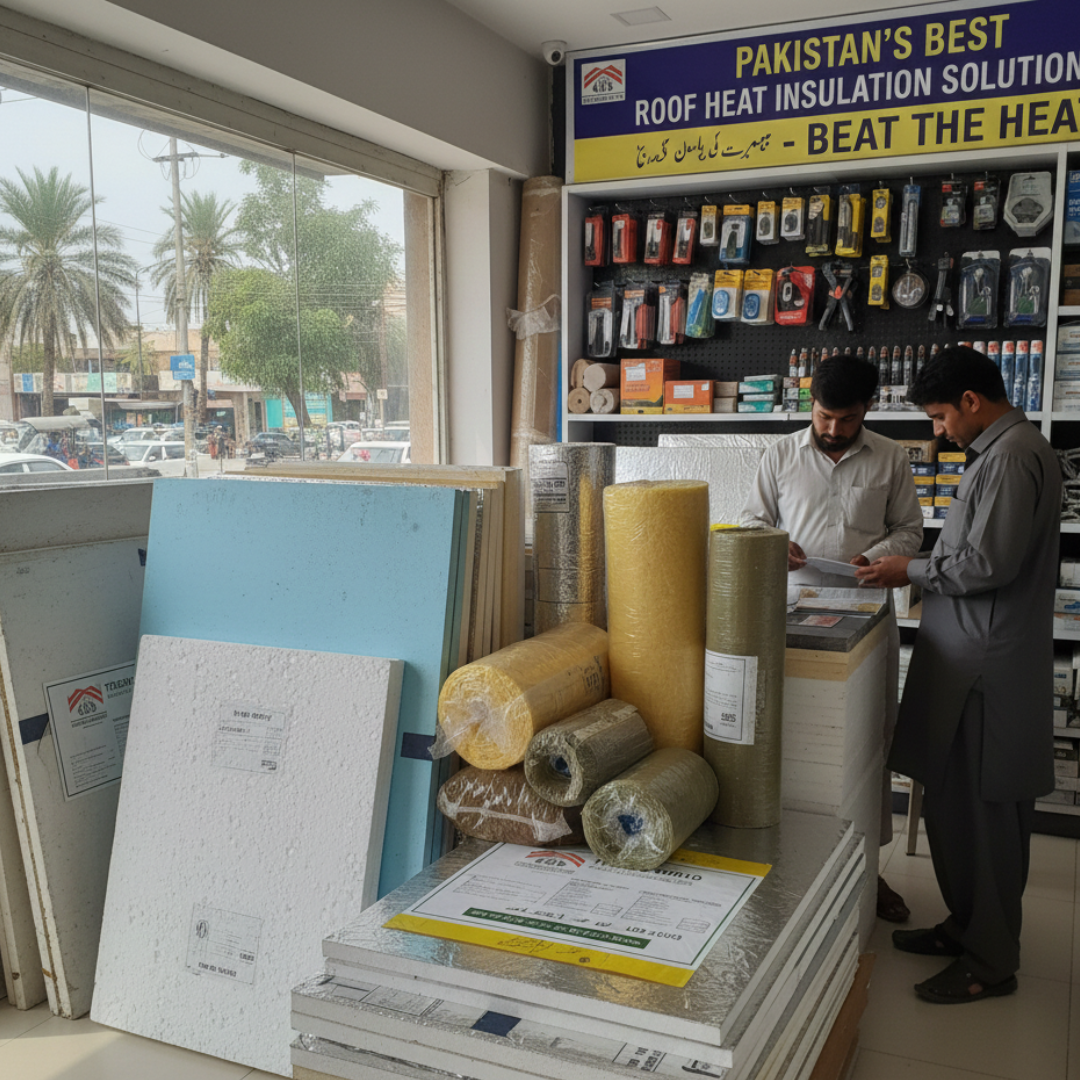
    insulation material supplier in pakistan

    A properly installed heat insulation sheet in Pakistan can reduce indoor temperature by several degrees. Performance depends on:

    • Sheet thickness
    • Roof exposure
    • Installation method
    • Combination with reflective layers

    For Karachi’s coastal climate, moisture resistance and durability are equally important.

    Pricing Overview – What Affects Insulation Sheet Cost?

    The best insulation sheets in Karachi price range depends on multiple factors:

    • Material type (thermopore, EPS, reflective)
    • Sheet thickness
    • Density and durability
    • Installation requirements
    • Market demand fluctuations

    Similarly, thermopore sheet price in Pakistan may vary city-to-city due to logistics and supplier margins.

    How to Choose the Best Insulation Sheet in Karachi

    When selecting insulation, consider the following:

    Climate Suitability

    Karachi requires insulation that resists both heat and humidity.

    Installation Area

    Roofs require higher thermal resistance compared to walls.

    Budget vs Long-Term Savings

    Low-cost insulation may increase cooling expenses over time.

    Supplier Reliability

    Working with a verified thermopore sheet supplier in Karachi ensures product quality and technical guidance.

    Residential vs Commercial Insulation Needs

    ApplicationRecommended Insulation
    HomesThermopore or reflective sheets
    ShopsEPS or foil insulation
    FactoriesHigh-density thermal sheets
    WarehousesEPS with reflective layers

    Each option balances cost, durability, and performance differently.

    Installation Tips for Maximum Heat Reduction

    • Always install insulation before waterproofing
    • Seal gaps to prevent air leakage
    • Use foil-faced sheets for rooftops
    • Avoid compressing insulation material

    Correct installation often matters more than material thickness alone.

    Final Verdict – Which Insulation Sheet Is Best for Karachi?

    There is no single solution for every building. However:

    • Thermopore remains the most accessible option
    • Reflective insulation delivers better heat reduction
    • EPS offers long-term durability

    Choosing the right product depends on roof design, usage, and budget.

    FAQ’S

    The best insulation sheets in Karachi include thermopore sheets, reflective insulation sheets, and EPS sheets. These materials are designed to reduce roof heat absorption and improve indoor comfort in Karachi’s hot and humid climate.

    Thermopore sheet price in Pakistan depends on thickness, density, and supplier location. Prices in Karachi may differ slightly due to transportation and local demand, so it’s recommended to consult a nearby supplier for updated rates.

    A reliable thermopore sheet supplier in Karachi can be found through building material markets, insulation dealers, and authorized distributors who provide proper thickness guidance and installation support.

    Yes, a quality heat insulation sheet in Pakistan can significantly reduce indoor temperature, especially when installed on rooftops. It helps lower electricity consumption by reducing the load on cooling systems.

    Thermal insulation sheet price in Pakistan varies based on material type, sheet thickness, durability, and whether the insulation includes reflective foil layers. EPS and reflective sheets generally cost more than basic thermopore.

    A thermopore sheet near me is suitable for long-term use when installed correctly and protected from moisture and direct exposure. Proper sealing and layering improve its lifespan and performance.

  • Jumbolon vs Glasswool – Which Gives More Heat Reduction?

    Jumbolon vs Glasswool – Which Gives More Heat Reduction?

    n Pakistan’s hot climate, effective insulation is key to maintaining cool and energy-efficient homes and commercial spaces. Two popular insulation options are Jumbolon sheets and Glasswool insulation. Understanding their thermal performance, pricing, and applications can help you choose the right material for maximum heat reduction.

    This guide compares Jumbolon vs Glasswool in terms of heat reduction, cost, durability, and installation, with insights specific to Pakistan’s market.

    What Is Jumbolon Insulation?

    home insulation

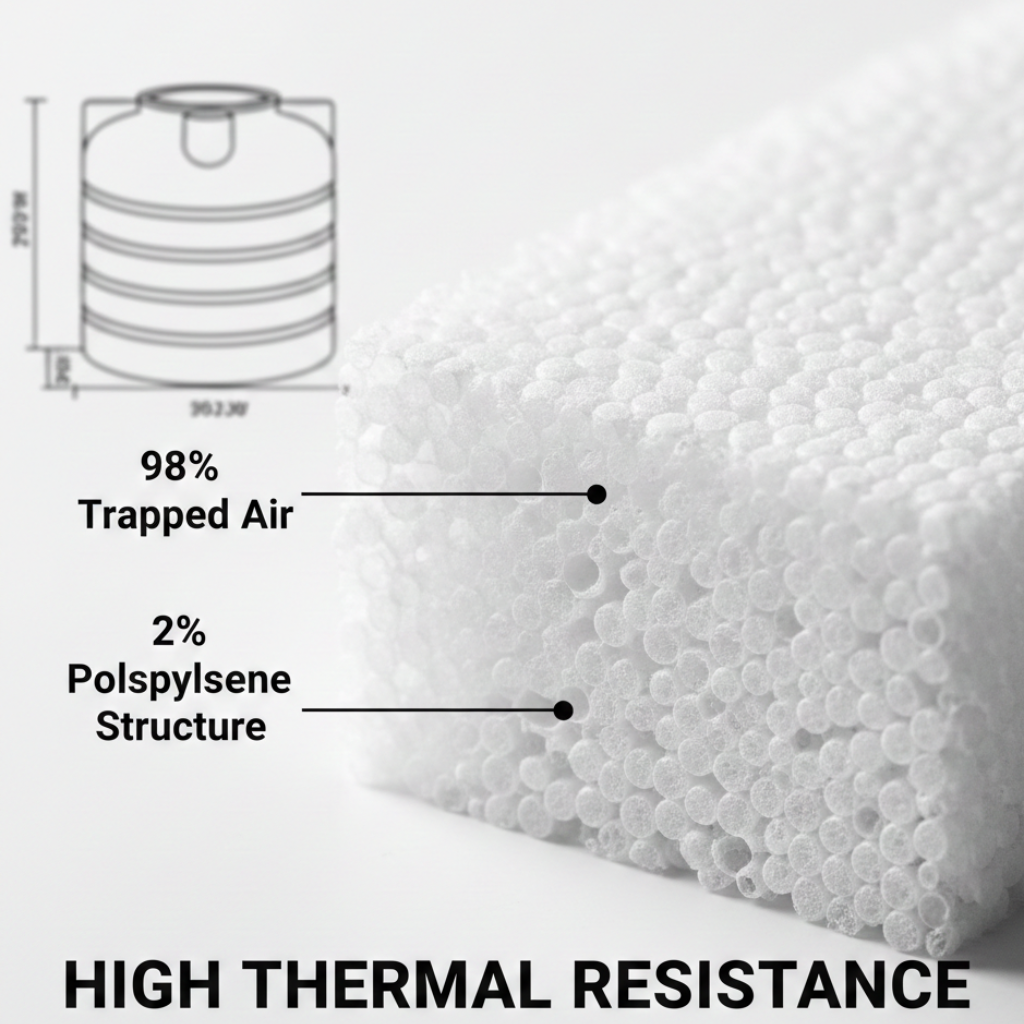
    Jumbolon sheets are closed-cell polyethylene foam sheets, often laminated with reflective aluminum foil. They act as a thermal barrier, preventing heat from penetrating walls, roofs, and ceilings.

    Key features:

    • Lightweight and easy to install
    • Excellent thermal insulation due to air-trapped bubbles
    • Flexible and resistant to moisture
    • Available in various thicknesses and sizes

    Popular specifications in Pakistan:

    • Jumbolon sheet size: Typically 1m x 2m per sheet
    • 12mm Jumbolon sheet price in Pakistan: Competitive, varies by supplier
    • Diamond Jumbolon sheet price: Premium variant with enhanced thermal resistance

    What Is Glasswool Insulation?

    Glasswool Sheet For Soundproofing

    Glasswool insulation is made from spun glass fibers, forming a fibrous blanket that traps air. It is widely used in ceilings, walls, and ducts to reduce heat transfer.

    Key features:

    • High thermal efficiency
    • Fire-resistant
    • Sound-absorbing properties
    • Lightweight and easy to handle

    Glasswool is available in rolls and blankets, and its performance depends on thickness and density.

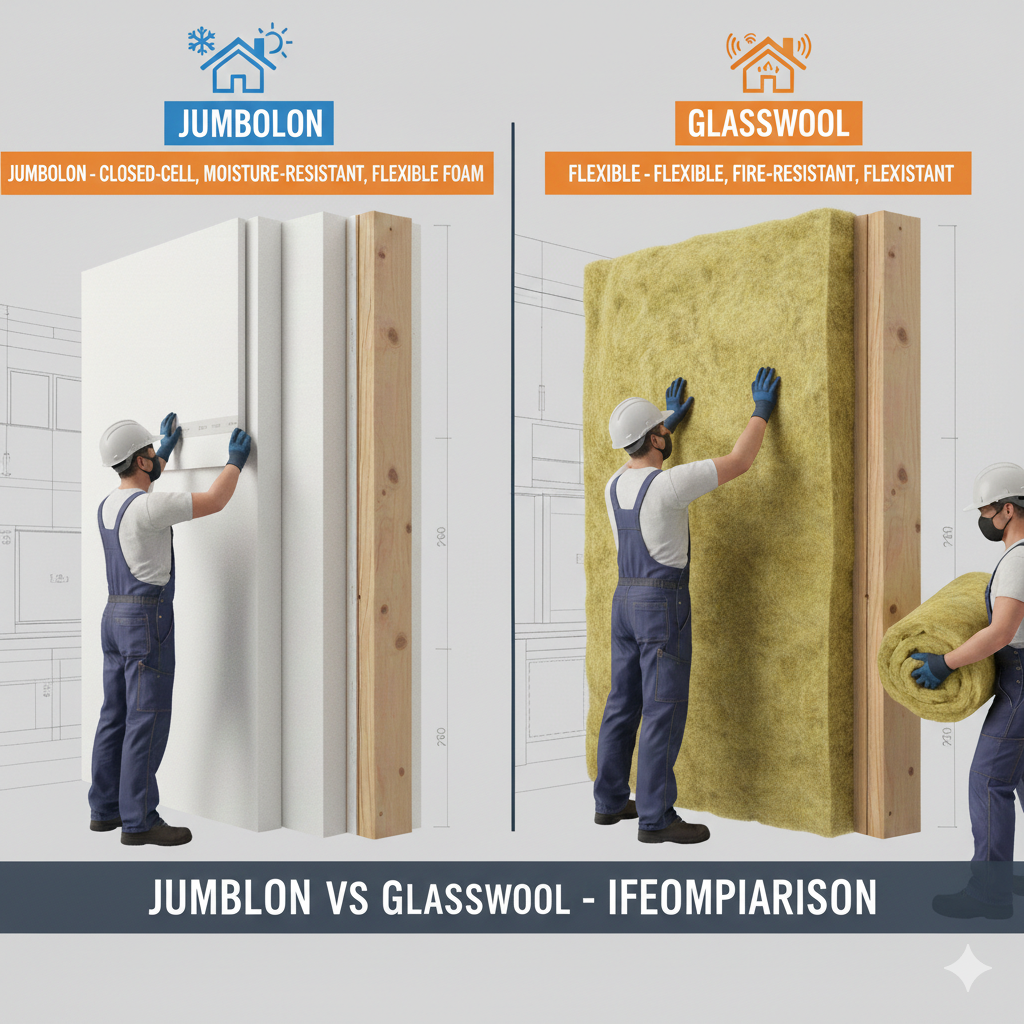
    Jumbolon vs Glasswool – Heat Reduction Comparison

    FeatureJumbolonGlasswool
    Thermal ResistanceHigh due to reflective foil and closed-cell structureModerate to High depending on density
    Moisture ResistanceExcellent, closed-cell prevents water absorptionCan absorb moisture if foil-faced layer is not used
    InstallationEasy, cuts and fits walls, roofs, and ceilingsRequires careful handling and protective gear
    Noise ReductionMinimalGood, absorbs sound effectively
    LifespanLong-lasting, resistant to saggingLong-lasting but may settle over time
    Heat Reduction EfficiencyUp to 80% for roofs and ceilingsUp to 60–70% depending on thickness

    Conclusion: Jumbolon provides slightly better heat reduction than Glasswool for direct roof and wall applications, especially in high-temperature regions.

    Pricing Insights in Pakistan

    Jumbolon sheet price in Pakistan varies depending on thickness, size, and supplier:

    • Jumbolon roll: Available in bulk for large projects
    • Jumbolon sheet price in Karachi: Slightly higher due to demand and shipping costs
    • 12mm Jumbolon sheet price in Pakistan: Around average market rate
    • Diamond Jumbolon sheet price: Premium option for higher thermal resistance

    Glasswool prices are generally lower, but may require additional vapor barriers to prevent moisture issues.

    Jumbolon vs Thermopore

    Jumbolon is often compared to thermopore insulation:

    • Jumbolon vs Thermopore: Both are foam-based, but Jumbolon with foil offers superior heat reflection, making it more effective for roofs and ceilings in Pakistan’s climate.

    Applications of Jumbolon and Glasswool

    Jumbolon:

    • Roof insulation in homes and offices
    • Ceiling insulation in warehouses and factories
    • Wall insulation with foil facing

    Glasswool:

    • HVAC duct insulation
    • Soundproofing walls and ceilings
    • Residential and commercial roof insulation

    Conclusion

    Choosing between Jumbolon and Glasswool depends on your insulation priorities. For maximum heat reduction in hot climates, Jumbolon sheets—especially foil-faced variants—offer better performance and moisture resistance. Glasswool remains a versatile option for thermal and acoustic insulation, particularly in areas with moderate temperatures.

    By considering Jumbolon sheet price in Pakistan, sheet size, thickness, and specific application areas, you can achieve effective insulation while optimizing cost and energy savings.

    FAQ’S

    Jumbolon provides superior heat reduction for roofs and ceilings due to its closed-cell structure and reflective foil, while Glasswool performs well in moderate temperatures and offers soundproofing benefits.

    Yes, foil-faced Jumbolon sheets reflect heat effectively, making them more suitable for hot climates like Pakistan, whereas Glasswool is better for walls, ducts, and acoustic insulation.

    The price varies depending on thickness and type, with 12mm sheets being more affordable and diamond Jumbolon sheets slightly higher for enhanced thermal performance.

    Yes, if not properly foil-faced or installed with a vapor barrier, Glasswool can absorb moisture, reducing its thermal efficiency.

    Yes, Jumbolon sheets are lightweight, flexible, and easy to cut, making installation faster and cleaner than Glasswool, which requires careful handling and protective equipment.

  • Heat Proofing vs Insulation – What’s the Difference?

    Heat Proofing vs Insulation – What’s the Difference?

    In Pakistan’s extreme climate, especially during long summers, homeowners and commercial property owners often search for solutions to control indoor temperatures. Two commonly used terms—heat proofing and thermal insulation—are frequently confused or used interchangeably. While both aim to improve comfort and energy efficiency, their purpose, performance, and applications differ significantly.

    This guide clearly explains the difference between insulation for heat proofing vs insulation, helping you make the right decision based on climate, building type, and budget.

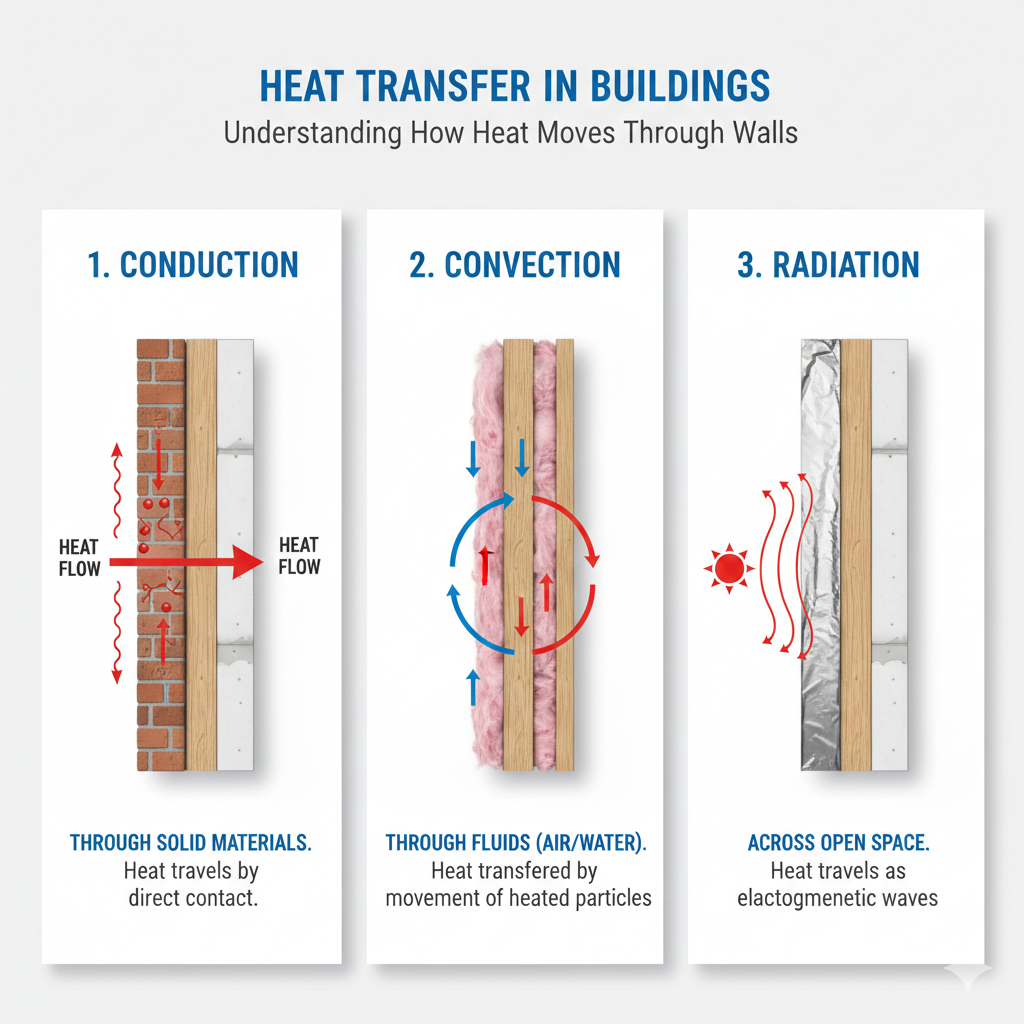
    Understanding Heat Transfer in Buildings

    heat insulation vs insulation

    Before comparing solutions, it’s important to understand how heat behaves.

    Heat enters and exits buildings through:

    • Roofs exposed to direct sunlight
    • External walls
    • Poorly insulated ceilings
    • Metal structures and water tanks

    The movement of heat occurs due to thermal conductivity, which measures how easily heat passes through a material. Materials with low thermal conductivity are more effective at controlling indoor temperatures.

    What Is Heat Proofing?

    Thermopore Sheet Installation

    Heat proofing focuses on blocking external heat, especially radiant heat from the sun. It is commonly applied to roofs, water tanks, and top floors of buildings.

    Key Characteristics of Heat Proofing

    • Reflects solar radiation
    • Reduces surface temperature
    • Works best in hot climates
    • Mainly protects against external heat gain

    In Pakistan, heat proofing is widely used on rooftops to reduce indoor temperatures during peak summer months.

    Common Heat Proofing Applications

    • Roof slabs
    • Metal sheds
    • Water tanks
    • Warehouses

    Due to rising demand, heat proofing services in Pakistan have become a popular seasonal solution for residential and commercial buildings.

    What Is Thermal Insulation?

    Thermal insulation is designed to control heat flow in both directions—keeping heat out in summer and retaining warmth in winter. It works by resisting heat movement through walls, ceilings, and floors.

    Key Characteristics of Thermal Insulation

    • Reduces heat loss and heat gain
    • Improves year-round comfort
    • Enhances energy efficiency
    • Suitable for long-term building performance

    Thermal insulation plays a major role in managing heat retention, especially during colder months.

    Insulation for Heat Proofing vs Insulation – Core Differences

    FeatureHeat ProofingThermal Insulation
    Primary functionReflects external heatControls heat flow
    Seasonal benefitSummer-focusedYear-round
    Application areasRoofs, tanks, shedsWalls, roofs, ceilings
    Energy efficiencyModerateHigh
    Long-term performanceMediumExcellent

    Role of Insulation for Thermal Conductivity

    Thermocol Sheet For Schools

    Insulation materials are selected based on their thermal conductivity value. Lower conductivity means better resistance to heat transfer.

    • Heat proofing materials mainly reflect radiant heat
    • Thermal insulation materials slow down heat movement through structure

    This difference is why insulation for thermal conductivity plays a more critical role in permanent buildings.

    Heat Proofing Price vs Insulation Cost

    Heat Proofing Price

    The heat proofing price in Pakistan is generally lower because it involves surface-level treatment. Costs vary depending on:

    • Roof size
    • Type of reflective coating or sheet
    • Labor charges

    Thermal Insulation Cost

    Thermal insulation usually requires higher upfront investment but delivers long-term energy savings by reducing cooling and heating expenses.

    Acoustic Insulation – An Added Advantage

    One major benefit of insulation materials is acoustic insulation. Unlike heat proofing, thermal insulation materials often help reduce noise transmission.

    This makes insulation ideal for:

    • Homes near busy roads
    • Commercial buildings
    • Industrial units
    • Hospitals and schools

    Heat proofing does not significantly contribute to sound control.

    Which One Should You Choose?

    Choose Heat Proofing If:

    • You live in an extremely hot region
    • Your roof receives direct sunlight
    • You want a short-term temperature reduction
    • Budget is limited

    Choose Thermal Insulation If:

    • You want long-term energy efficiency
    • Your building needs temperature stability
    • You want both heat control and acoustic insulation
    • You are constructing or renovating a building

    Many modern projects now combine both systems for maximum performance.

    Heat Proofing Services in Pakistan – Growing Demand

    With rising temperatures, heat proofing services in Pakistan are increasingly used in:

    • Karachi
    • Lahore
    • Multan
    • Faisalabad
    • Islamabad

    However, experts recommend combining heat proofing with thermal insulation for optimal results.

    Final Thoughts

    Understanding the difference between insulation for heat proofing vs insulation helps you invest wisely. Heat proofing provides immediate relief from sunlight-driven heat, while thermal insulation delivers long-term comfort, energy savings, and noise reduction.

    The best solution often depends on building structure, climate conditions, and performance expectations.

    FAQ’S

    Heat proofing mainly reflects external heat and reduces surface temperature, while thermal insulation controls heat flow by reducing thermal conductivity, helping with both cooling and heat retention throughout the year.

    Thermal insulation is better for long-term comfort because it works in both summer and winter. Heat proofing services in Pakistan are useful for roofs exposed to extreme sunlight, but insulation provides broader performance benefits.

    Yes, thermal insulation materials often provide acoustic insulation by absorbing sound vibrations. Heat proofing systems generally do not offer sound reduction benefits.

    Heat proofing price depends on roof area, material type, application method, and labor costs. Thermal insulation usually costs more initially but delivers better energy efficiency over time.