
thermocol sheet price in pakistan

Tag: Thermal insulation services in Karachi

  • Thermal Insulation: Complete Guide for Homes, Buildings, and Industrial Spaces

    Thermal Insulation: Complete Guide for Homes, Buildings, and Industrial Spaces

    Thermal insulation plays a vital role in modern construction by improving indoor comfort, reducing energy consumption, and protecting structures from extreme temperatures in Pakistan. Whether it is used in homes, offices, factories, or warehouses, the right insulation system can significantly enhance building performance and long-term cost efficiency.

    This guide explains thermal insulation in detail, its applications, materials, and why it is essential for residential, commercial, and industrial environments.

    Importance of Thermal Insulation in Modern Construction

    Thermal insulation is no longer optional in modern construction. It is a key component of energy-efficient design and sustainable building practices.

    Key Benefits:

    • Improved indoor temperature control
    • Lower electricity and fuel consumption
    • Reduced operational costs
    • Enhanced building durability
    • Better acoustic performance

    Thermal insulation also helps buildings comply with modern energy efficiency standards and environmental regulations.

    Thermal Insulation For Houses
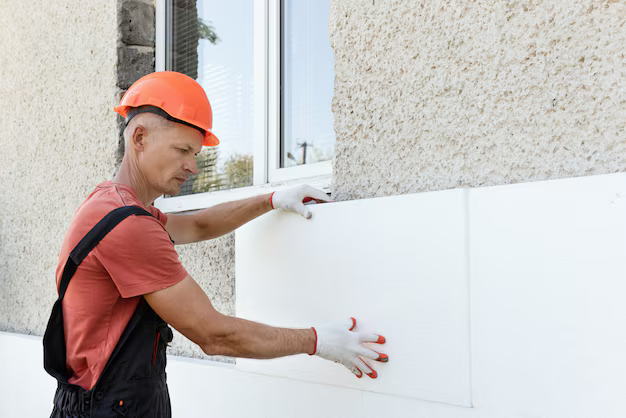
    Thermopore Sheet Installation

    It improves comfort by maintaining consistent indoor temperatures throughout the year. Insulated homes experience less heat penetration in summer and reduced heat loss in winter.

    Common residential insulation areas include:

    • Roofs and ceilings
    • External and internal walls
    • Floors and basements

    Using the correct insulation material in houses helps homeowners reduce energy bills while improving living conditions.

    Thermal Insulation For Buildings in Pakistan
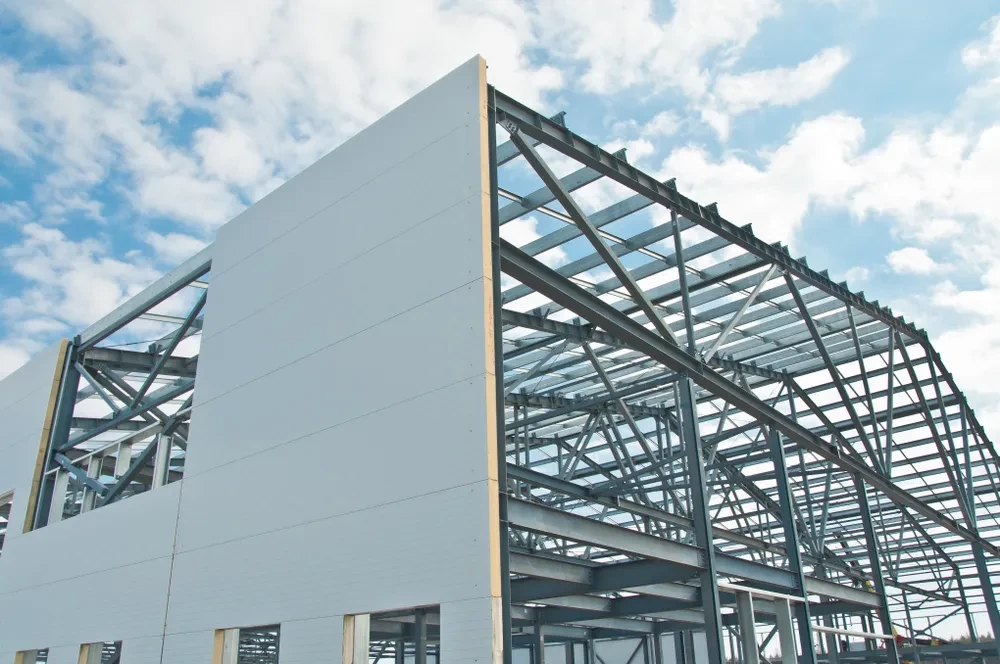
    Thermal insulation in buildings is widely used in residential apartments, commercial plazas, and mixed-use developments. Large structures require insulation systems that perform consistently across wide surface areas.

    Insulation in buildings helps:

    • Maintain uniform temperature across floors
    • Protect structural elements from thermal stress
    • Reduce HVAC system load

    Thermal insulation sheets and foam-based solutions are commonly applied in walls, roofs, and façades of multi-story buildings.

    Thermal Insulation For Offices

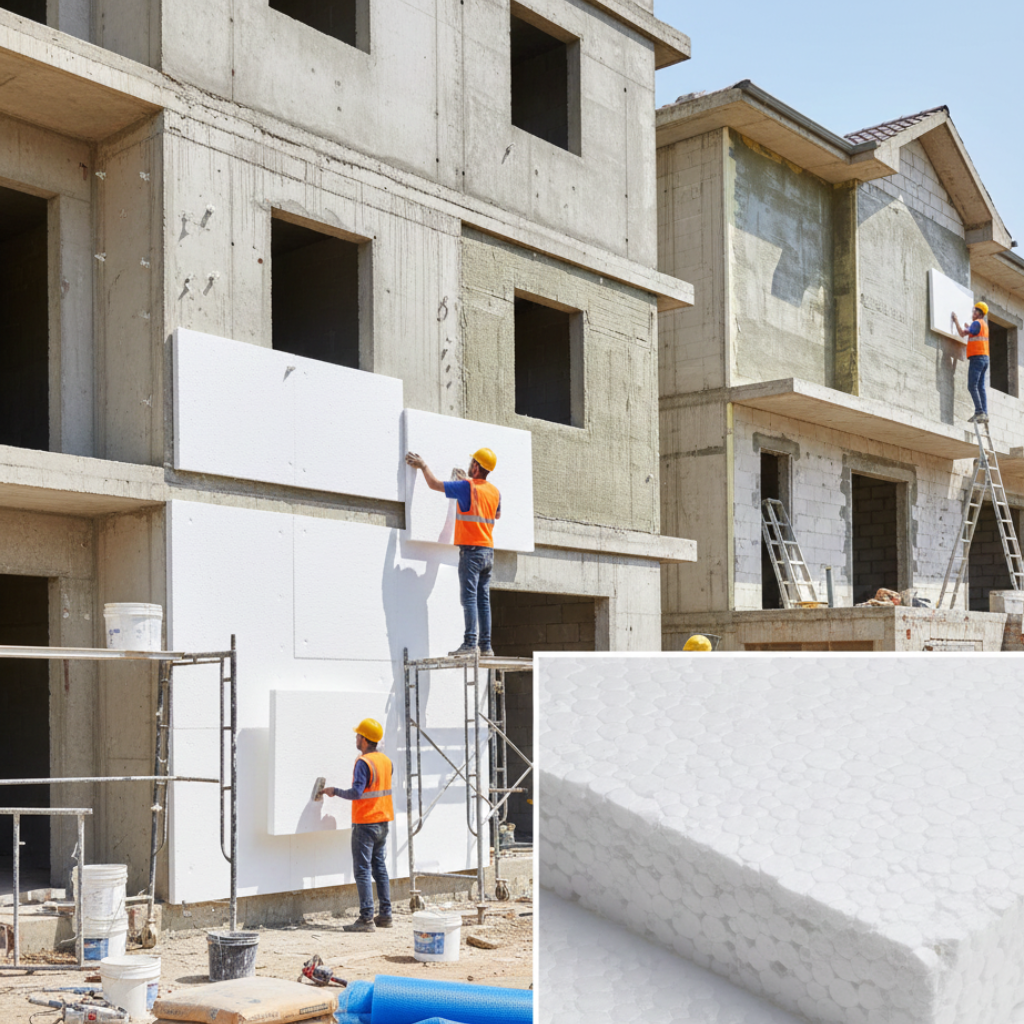
    sandwich panels installation

    It contributes directly to employee comfort and productivity. Stable indoor temperatures reduce fatigue and improve work efficiency.

    Office insulation solutions are designed to:

    • Minimize heat gain through glass and walls
    • Reduce noise from external environments
    • Maintain consistent cooling across workspaces

    Well-insulated offices also experience lower long-term maintenance and energy costs.

    Thermal Insulation For Factories
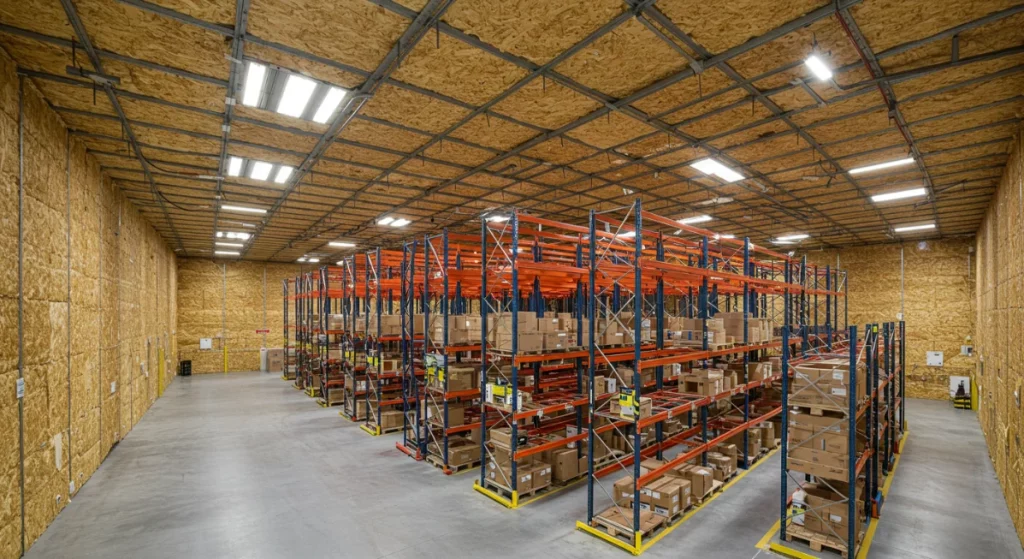
    Thermal insulation in factories is essential for controlling heat generated by machinery and industrial processes. Insulation helps maintain safe working conditions and protects sensitive equipment.

    Factory insulation is commonly used for:

    • Roofs and metal sheds
    • Machinery enclosures
    • Production halls

    Industrial-grade insulation materials are selected based on temperature resistance, durability, and fire safety.

    Thermal Insulation For Warehouses
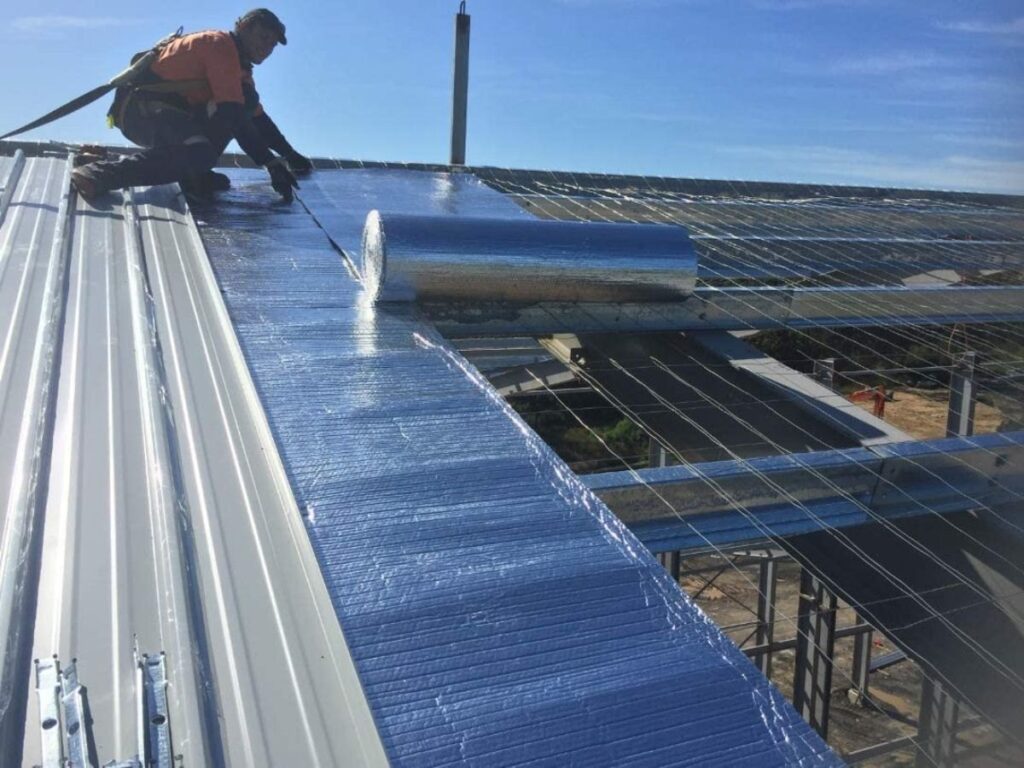
    Thermal insulation in warehouses is critical for temperature control, especially where goods are stored for long durations. Insulation protects products from heat damage and moisture-related issues.

    Warehouses benefit from insulation by:

    • Reducing temperature fluctuations
    • Improving storage safety
    • Lowering cooling and ventilation costs

    Thermal insulation foam and sheets are widely used for warehouse roofs and walls due to their lightweight and efficient performance.

    Thermal Insulation Foam Explained

    It is a popular solution due to its high insulation efficiency and ease of installation. Foam insulation expands to fill gaps, reducing air leakage and thermal bridging.

    Common foam applications include:

    • Roof insulation
    • Wall cavity filling
    • Cold storage facilities

    Foam-based insulation provides excellent thermal resistance while keeping overall structure weight low.

    Thermal Insulation Materials List

    Choosing the right material is crucial for effective insulation. Below is a commonly used thermal insulation materials list in construction:

    • Expanded Polystyrene (EPS)
    • Extruded Polystyrene (XPS)
    • Polyurethane Foam (PU)
    • Glass Wool
    • Rock Wool
    • Reflective insulation sheets

    Each material varies in thermal resistance, density, cost, and suitability depending on the project type.

    How to Choose the Right Thermal Insulation Solution

    Selecting the correct insulation depends on:

    • Building type (residential, commercial, industrial)
    • Climate conditions
    • Budget constraints
    • Installation location

    A professional assessment ensures optimal insulation performance and long-term savings.

    Long-Term Value of Thermal Insulation

    Investing in thermal insulation is a long-term decision that delivers continuous returns through reduced energy costs and enhanced property value. Proper insulation also supports environmentally responsible construction practices by lowering carbon emissions.

    Conclusion

    Thermal insulation is a critical element in modern construction, offering comfort, efficiency, and protection across homes, buildings, offices, factories, and warehouses in Pakistan. With various insulation sheets, foam systems, and material options available, selecting the right solution ensures better performance and lasting benefits.

    A well-planned insulation system is not just a construction feature—it is a smart investment for the future.

    FAQ’S

    Thermal insulation is used to reduce heat transfer between indoor and outdoor environments. It helps maintain comfortable indoor temperatures, reduces electricity consumption, and protects buildings from extreme weather conditions.

    Roofs, external walls, ceilings, and industrial sheds benefit the most from thermal insulation. Proper insulation in these areas improves energy efficiency in houses, offices, factories, and warehouses.

    Common thermal insulation materials include EPS and XPS sheets, polyurethane foam, glass wool, rock wool, and reflective insulation sheets. The right choice depends on building type, budget, and insulation requirements.

    Yes, thermal insulation is highly suitable for factories, offices, warehouses, and commercial buildings. It helps control indoor temperatures, protects equipment, and lowers long-term operational costs.
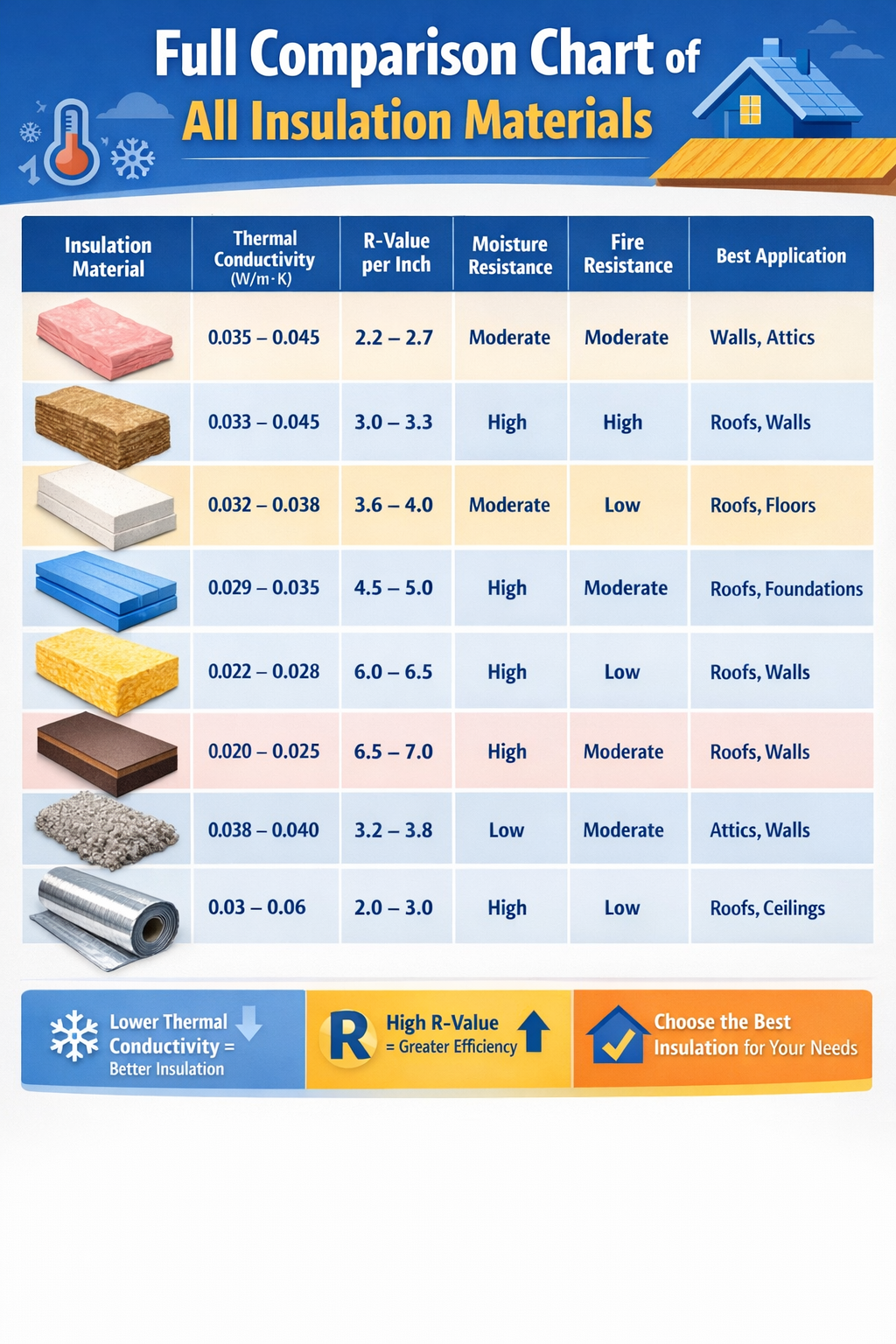
  • Full Comparison Chart of All Insulation Materials

    Full Comparison Chart of All Insulation Materials

    Insulation materials play a critical role in maintaining energy efficiency, controlling indoor temperature, and reducing utility costs. With numerous types of insulation available, it can be overwhelming to choose the right one for your project. In this blog, we present a Full Comparison Chart of All Insulation Materials in Pakistan, helping you make an informed decision. We will also discuss the thermal conductivity of all insulation materials and identify the best insulation board for roof applications.

    What is Insulation Material?

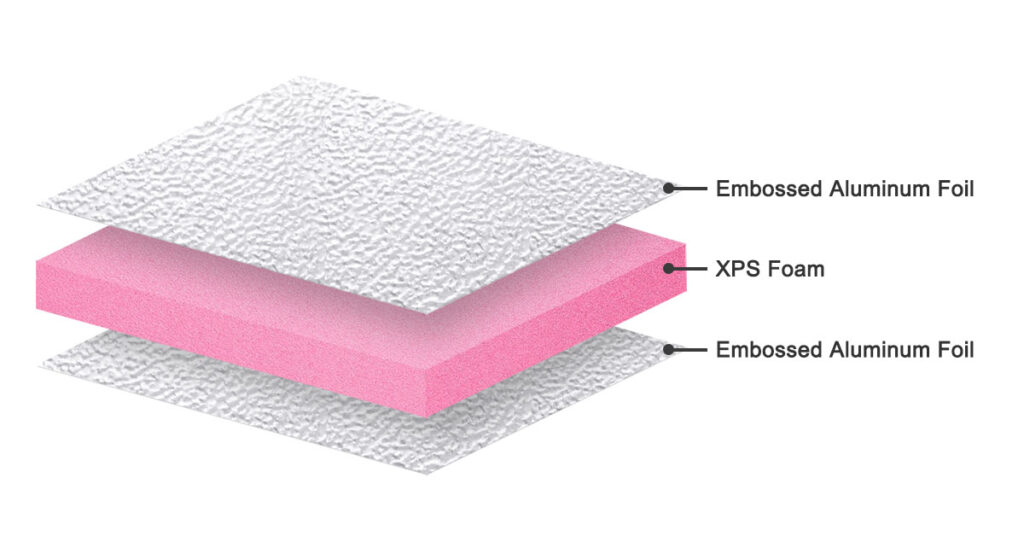
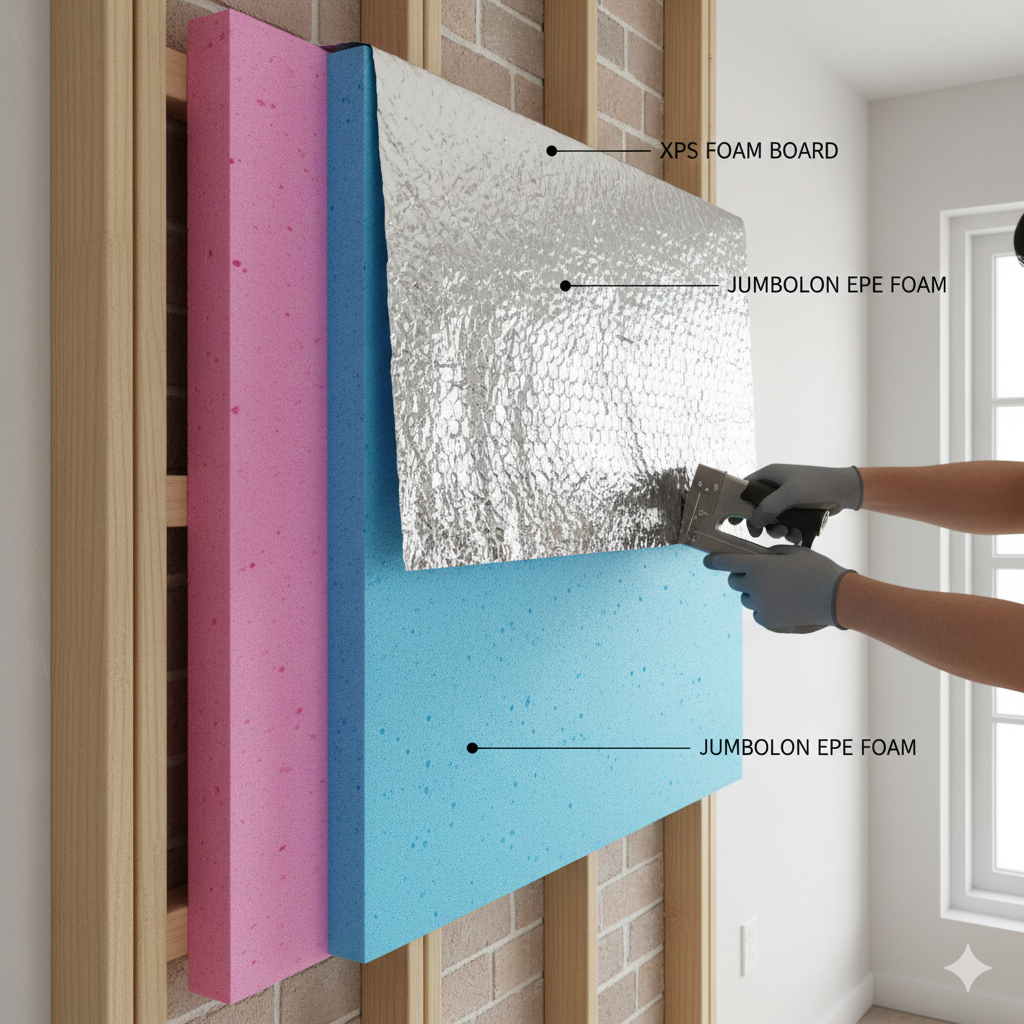
    Using aluminium foil with jumbolon

    Insulation materials are substances used in buildings to reduce heat transfer, sound, or vibration in Pakistan. They help maintain comfortable indoor temperatures while minimizing energy consumption. Different insulation materials have unique properties, including density, thermal resistance, and moisture resistance, which make them suitable for specific applications.

    Importance of Choosing the Right Insulation

    Selecting the right insulation material affects:

    • Energy Efficiency: Proper insulation reduces heating and cooling costs.
    • Comfort: Maintains a consistent indoor temperature.
    • Noise Reduction: Certain insulation materials provide excellent acoustic control.
    • Durability: High-quality insulation extends the lifespan of your building structure.

    The Full Comparison Chart of All Insulation Materials below summarizes these aspects to simplify your choice.

    Full Comparison Chart of All Insulation Materials

    Insulation MaterialThermal Conductivity (W/m·K)R-Value per InchMoisture ResistanceFire ResistanceBest Application
    Fiberglass0.035 – 0.0452.2 – 2.7ModerateModerateWalls, Attics
    Mineral Wool0.033 – 0.0453.0 – 3.3HighHighRoofs, Walls
    Expanded Polystyrene (EPS)0.032 – 0.0383.6 – 4.0ModerateLowRoofs, Floors
    Extruded Polystyrene (XPS)0.029 – 0.0354.5 – 5.0HighModerateRoofs, Foundations
    Polyurethane Foam (PU)0.022 – 0.0286.0 – 6.5HighLowRoofs, Walls
    Phenolic Foam0.020 – 0.0256.5 – 7.0HighModerateRoofs, Walls
    Cellulose0.038 – 0.0403.2 – 3.8LowModerateAttics, Walls
    Reflective Foil0.03 – 0.062.0 – 3.0HighLowRoofs, Ceilings

    This Full Comparison Chart of All Insulation Materials allows homeowners, contractors, and architects to evaluate materials based on thermal conductivity of all insulation materials and other critical properties.

    Thermal Conductivity of All Insulation Materials

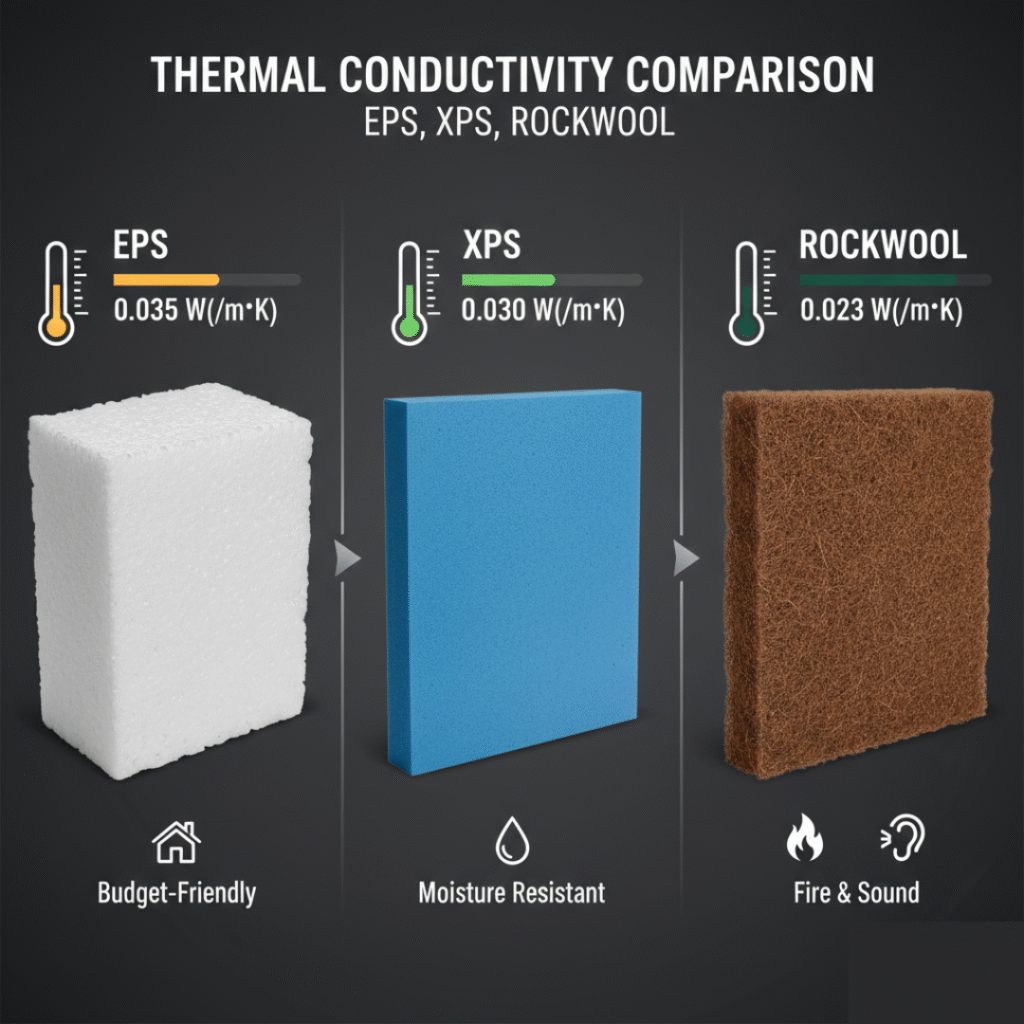
    Thermal Conductivity EPS XPS Rockwool

    Thermal conductivity measures how well a material conducts heat. Lower values indicate better insulation performance. Here’s a quick breakdown:

    • Fiberglass: 0.035 – 0.045 W/m·K, suitable for walls and attics.
    • Mineral Wool: 0.033 – 0.045 W/m·K, excellent for fire-resistant applications.
    • EPS & XPS: 0.029 – 0.038 W/m·K, perfect for roofs and foundations.
    • PU & Phenolic Foam: 0.020 – 0.028 W/m·K, among the most efficient insulators.
    • Cellulose: 0.038 – 0.040 W/m·K, eco-friendly and cost-effective.
    • Reflective Foil: 0.03 – 0.06 W/m·K, best for radiant heat reflection.

    Understanding the thermal conductivity of all insulation materials helps determine the R-value needed for your specific building requirements in Pakistan.

    Best Insulation Board for Roof

    When it comes to roofing, you need materials that offer:

    • Low thermal conductivity
    • Moisture resistance
    • Durability against weather conditions

    Based on these factors, the best insulation board for roof applications are:

    1. Extruded Polystyrene (XPS) – Highly moisture-resistant and strong.
    2. Polyurethane (PU) Foam Board – Exceptional thermal performance and lightweight.
    3. Phenolic Foam Board – Superior insulation with a high R-value per inch.

    These boards ensure your roof stays cool in summer and warm in winter, improving energy efficiency and reducing long-term costs.

    How to Choose the Right Insulation

    Consider these factors before selecting an insulation material:

    1. Purpose: Walls, roofs, floors, or attics.
    2. Climate: Hot, cold, or humid regions.
    3. Budget: Initial cost vs. long-term energy savings.
    4. Environmental Impact: Recyclable and eco-friendly options.
    5. Fire and Moisture Resistance: Essential for safety and durability.

    Using the Full Comparison Chart of All Insulation Materials will simplify this selection process.

    Conclusion

    Choosing the right insulation material is critical for building comfort, energy efficiency, and safety. The Full Comparison Chart of All Insulation Materials presented here, along with details about thermal conductivity of all insulation materials and the best insulation board for roof, helps you make a well-informed decision.

    Invest wisely in insulation today, and enjoy lower energy bills, better comfort, and a sustainable home for years to come.

    FAQ’S

    For hot climates, materials with low thermal conductivity like PU foam, XPS, and Phenolic foam are ideal, as they reduce heat transfer and keep interiors cooler.

    The best insulation board for roof applications depends on moisture resistance, thermal efficiency, and durability. XPS, PU foam, and Phenolic boards are excellent options.

    EPS (Expanded Polystyrene) has slightly higher thermal conductivity and lower moisture resistance than XPS (Extruded Polystyrene), making XPS more suitable for roofing and foundations.

    Thermal conductivity indicates how well a material resists heat flow. Lower thermal conductivity means better insulation performance, reducing energy costs and maintaining comfort.

    Yes, reflective foil is ideal for roofs, ceilings, and walls where radiant heat reflection is important. It works best in combination with other insulation materials for maximum efficiency.